



There’s something magical about watching a pot of soup come together on a cold evening—the aroma filling your kitchen, steam rising from the broth, and within 30 minutes, you’re serving something that tastes like you’ve been cooking all day. This one-pot sausage tortellini soup delivers exactly that kind of comfort with a fraction of the effort. It’s the kind of meal that transforms a chilly night into something cozy and nourishing, bringing everyone to the table without demanding hours in the kitchen.
What makes this soup special isn’t just its speed, though that’s certainly a perk when you’re juggling work, kids, or simply exhaustion. It’s the way savory Italian sausage, tender cheese tortellini, and aromatic herbs create a deeply satisfying broth that tastes far more complex than the simple ingredient list suggests. The beauty lies in how each component amplifies the others—the sausage adds richness and subtle spice, the pasta contributes satisfying substance, and the broth becomes infused with Italian flavor that warms you from the inside out.
This recipe has earned its place in countless home kitchens precisely because it works. Whether you’re a seasoned cook or someone who feels more comfortable with straightforward, no-fuss recipes, you’ll find success here. There’s no special technique to master, no temperamental ingredient that might rebel on you. Just straightforward cooking that produces impressive results every single time, making it the kind of weeknight dinner that gets requested repeatedly and becomes part of your regular rotation without ever feeling boring.
Why This Soup Becomes Your Go-To Winter Meal
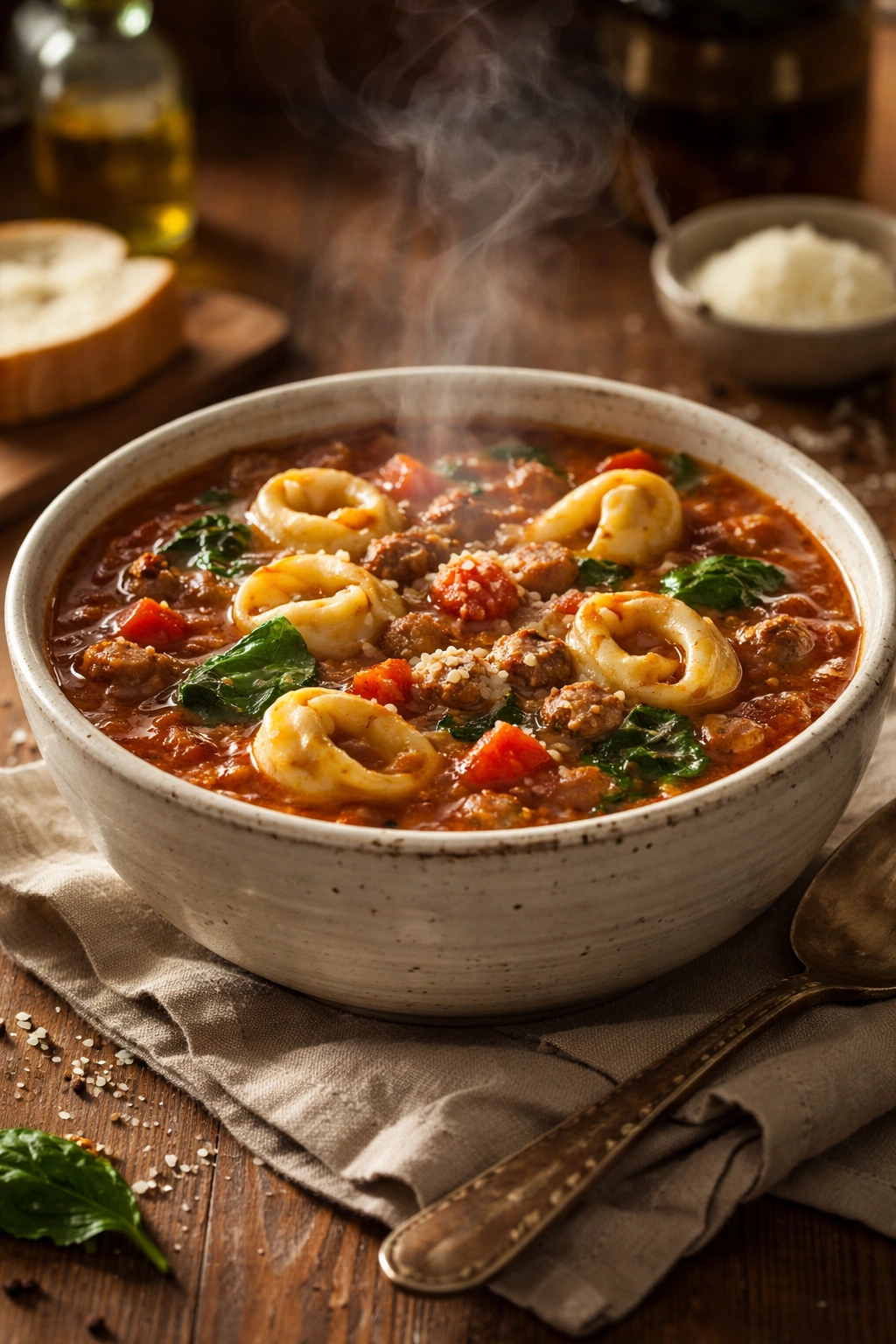
Cold weather hits different when you have a reliable soup recipe in your arsenal. This one-pot tortellini soup checks every box that matters during those months when dinner needs to happen fast but should still feel intentional and nourishing. It requires minimal prep, comes together in roughly 30 minutes, and produces enough servings that you’ll have leftovers for lunch the next day—or even longer if you freeze portions.
The genius of this soup is that it doesn’t ask for much planning. Unlike recipes that require you to chop vegetables with precision or monitor temperatures carefully, this one is forgiving and straightforward. Brown the sausage, sauté the aromatics, add the broth and seasonings, then let the tortellini cook right in the pot. Everything happens in one vessel, which means less time scrubbing cookware and more time enjoying your meal and the people around your table.
Beyond convenience, there’s the matter of satisfaction. This soup delivers the kind of comfort that actually sticks with you, not the fleeting kind that disappears an hour after dinner. The combination of protein from the sausage, carbohydrates from the pasta, vegetables, and a rich broth creates a meal that satisfies both hunger and the emotional craving for something warm and good. It’s the culinary equivalent of a cozy sweater—unpretentious, reliable, and somehow always exactly what you need when the nights turn cold.
Understanding the Key Ingredients
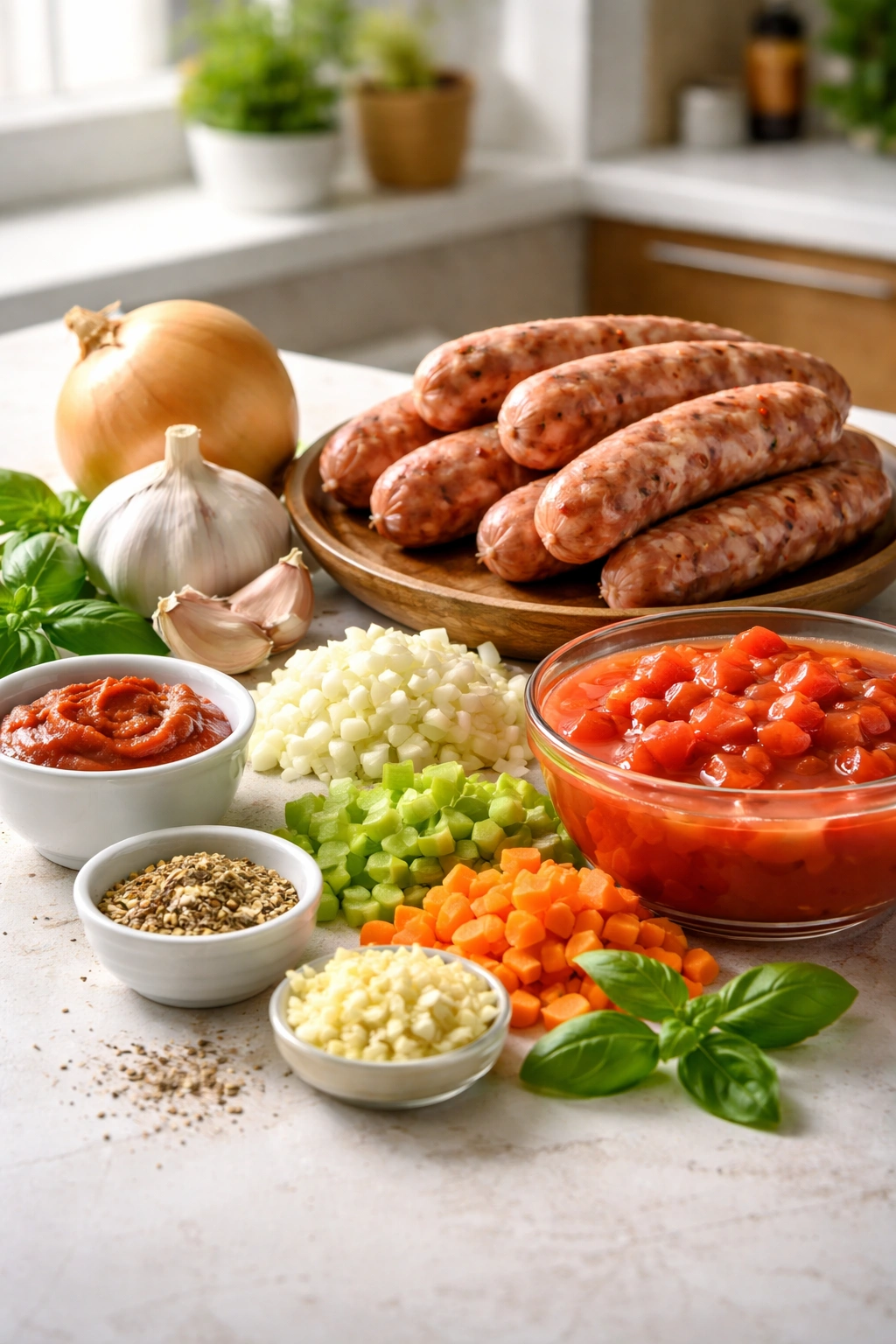
Each ingredient in this soup earns its place through the flavor or texture it contributes. This isn’t a recipe where you can randomly substitute without affecting the final result, though we’ll absolutely explore thoughtful variations later. Understanding what each component does helps you appreciate how they work together and gives you confidence to adapt the recipe to match what you have on hand.
Italian Sausage: The Flavor Foundation
Italian sausage is the anchor ingredient that sets the tone for the entire soup. This isn’t just about adding protein—it’s about infusing the broth with savory, herbaceous, slightly peppery flavor that forms the backbone of every spoonful. The sausage, whether mild or spicy, brings a richness that would be absent if you simply used ground beef or chicken.
When the sausage cooks and its fat renders into the pot, that becomes the base for sautéing your aromatics. Those flavorful bits that stick to the bottom? They’re liquid gold for building depth in your broth. Some recipes use sausage links and slice them after cooking, while others use ground sausage straight from the package—both work beautifully, though ground sausage integrates more evenly throughout the soup.
The choice between mild and spicy comes down to your heat tolerance and who’s eating at your table. Mild Italian sausage tends toward herbal warmth without sharp heat, making it ideal for mixed households or anyone who prefers gentler flavors. Spicy versions deliver a genuine kick that builds as you eat, perfect if you love food with personality. There’s no wrong choice—just pick based on what sounds good tonight.
Fresh Tortellini: Tender and Forgiving
Refrigerated cheese tortellini represents a significant quality upgrade compared to the dried shelf-stable versions. The difference becomes immediately obvious once you taste them—fresh tortellini has a tender, delicate texture that absorbs the broth beautifully, while dried versions remain firmer and less responsive to the soup’s flavors. Fresh tortellini also cooks in just 3-5 minutes once the broth reaches a simmer, keeping your total cooking time incredibly reasonable.
You’ll find refrigerated tortellini in the pasta section of your grocery store, usually sold in plastic packages. Some are cheese-filled, others contain meat (beef or pork), spinach, or mushroom fillings. Any variety works here—choose based on what sounds appealing or what you happen to have available. The cream-based versions tend to be particularly decadent in this soup, while vegetable-filled tortellini adds an extra nutritional dimension.
If you only have access to dried tortellini or prefer the texture of frozen versions, they’ll work fine—just extend the cooking time by a few minutes and taste for doneness. The soup remains delicious even if the tortellini texture isn’t quite as tender as the fresh version, though you’ll notice the difference if you’ve had both side by side.
Broth: The Liquid Foundation
Chicken broth (or stock—the terms are largely interchangeable here) forms the liquid base that carries all your flavors forward. The choice matters more than you might think. Low-sodium broths give you control over the final salt level, which is particularly important if other ingredients in your recipe already contain salt. High-sodium broths can tip your soup into oversalted territory if you’re not careful, though they do provide more concentrated flavor in fewer cups of liquid.
Some cooks swear by homemade bone broth for its additional depth and body, while others perfectly happy with store-bought. The truth? Any good-quality chicken broth will produce excellent results here. What matters is that it tastes like chicken and broth, not overly salted or processed. If you have vegetable broth on hand instead, that works too—your soup will be slightly lighter and less meaty, but still delicious.
The amount of broth controls your soup’s final consistency. Prefer it brothier and more souplike? Use the full amount called for and maybe add extra. Want something thicker with less broth and more body? You can reduce it slightly. This flexibility is one of the reasons this recipe is so beginner-friendly—there’s room to adjust to your exact preferences.
Equipment and Prep You’ll Need
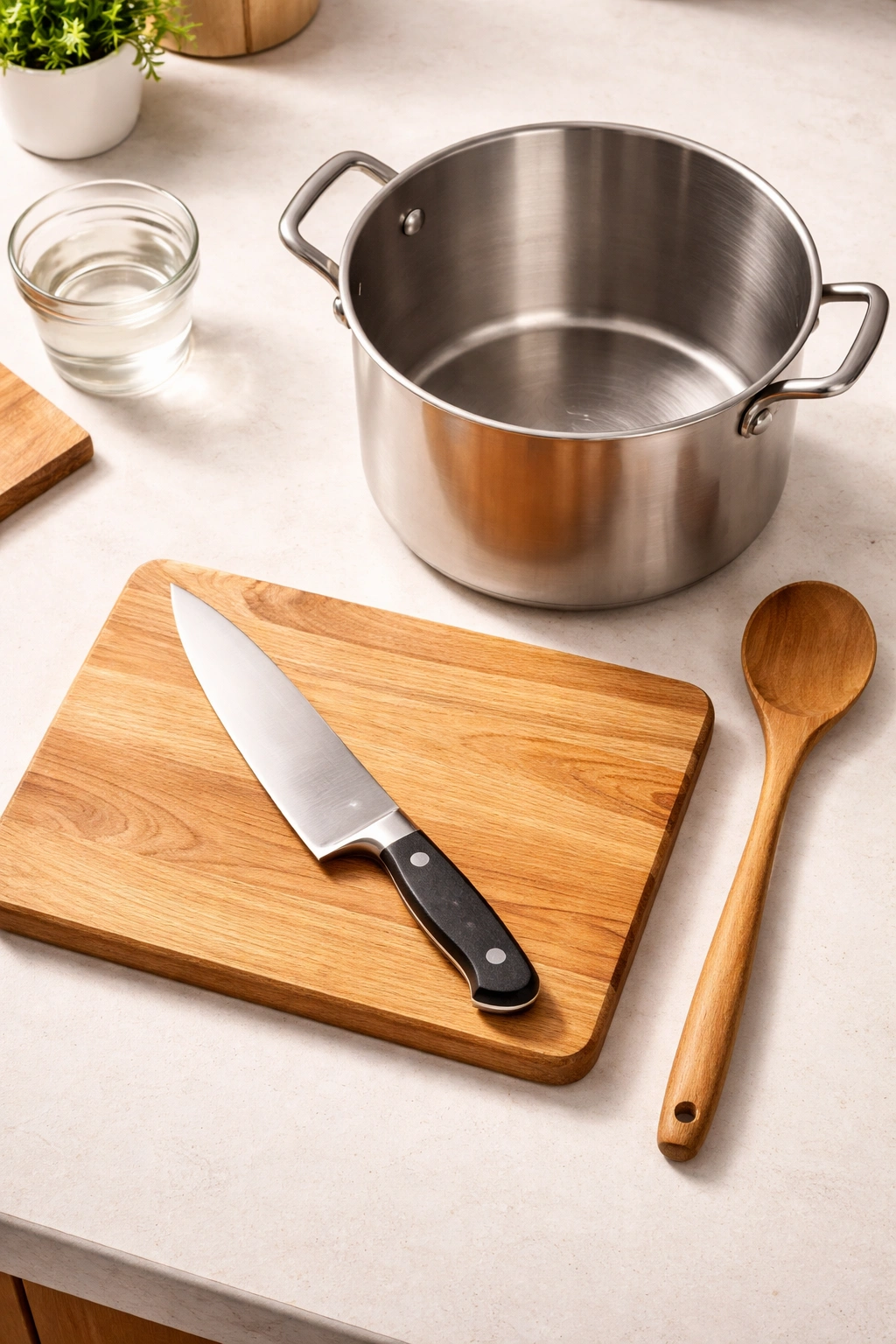
This soup requires remarkably little in terms of kitchen equipment, which contributes to its appeal as a weeknight dinner. A large pot—something in the 4-quart to 6-quart range—gives you plenty of space for the soup to bubble gently without splattering everywhere. Dutch ovens work beautifully here if you have them, providing excellent heat distribution and retention. A wide, heavy-bottomed pot on your stovetop works just as well.
Beyond the pot, you’ll need a cutting board and knife for basic prep work. A wooden spoon or silicone spatula helps break up the sausage as it cooks and makes stirring effortless. If you want to be thorough, a measuring spoon set ensures your seasonings go in accurately, though most experienced cooks eyeball the herbs at this point and adjust based on taste. Nothing here requires special equipment or techniques—just fundamentals.
Prep time for this recipe is genuinely minimal. Dice your onion, mince your garlic, chop any vegetables you’re adding, and measure out your seasonings. Some cooks like to prep these ingredients before they start cooking, while others prep as they go. Either approach works fine. Have everything measured and ready before you start browning the sausage, and the cooking will flow smoothly without any frantic searching through your pantry halfway through.
The Complete Ingredient List
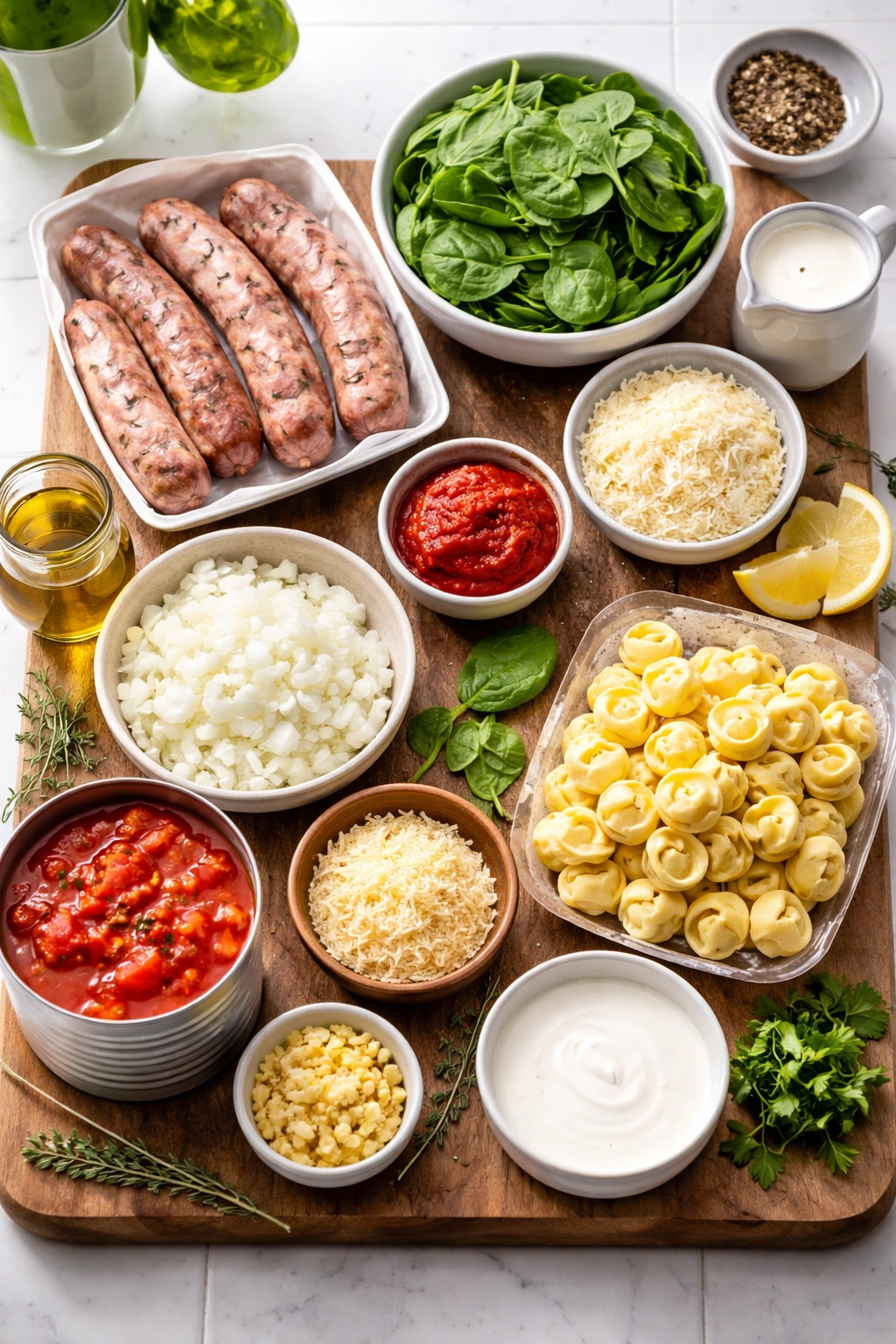
For the Soup Base:
- 1 pound ground Italian sausage (mild or spicy, based on your heat preference)
- 1 tablespoon extra virgin olive oil
- 1 medium yellow onion, diced (about 1 cup)
- 3-4 cloves fresh garlic, minced (about 1 tablespoon)
- 6 cups low-sodium chicken broth
- 1 can (28 ounces) diced tomatoes with their juice (or crushed tomatoes if you prefer a smoother texture)
- 1 tablespoon tomato paste, for concentrated tomato flavor
- 2 teaspoons Italian seasoning (or 1 teaspoon dried oregano + 1 teaspoon dried basil)
- ½ teaspoon kosher salt (start here, taste and adjust before serving)
- ¼ teaspoon freshly ground black pepper
- ¼ teaspoon red pepper flakes (optional, for gentle heat even if using mild sausage)
For the Pasta and Greens:
- 20 ounces fresh cheese tortellini (refrigerated, not frozen or dried)
- 3-4 cups fresh spinach or kale, roughly chopped (about 4 ounces; frozen spinach works but should be thawed and excess moisture squeezed out)
- ½ cup heavy cream (optional but highly recommended; you can substitute whole milk for a lighter version)
For Garnish and Serving:
- Freshly grated Parmesan cheese (about ⅓ cup total, though people will use as much as they want)
- Fresh basil or parsley, roughly chopped (optional but adds brightness)
- Extra red pepper flakes (for people who want additional heat)
- Crusty bread for dipping and soaking up the broth
Yield: Serves 6 to 8 people | Makes approximately 10-12 cups
Prep Time: 15 minutes (mostly chopping and measuring)
Cook Time: 25 minutes (from browning the sausage through the tortellini cooking)
Total Time: 40 minutes active cooking
Difficulty: Beginner — This recipe requires only basic knife skills and straightforward cooking techniques. No special equipment or advanced methods needed; everything happens in one pot with clear, logical steps.
Step-by-Step Cooking Instructions
Prepare Your Ingredients and Set Up:
-
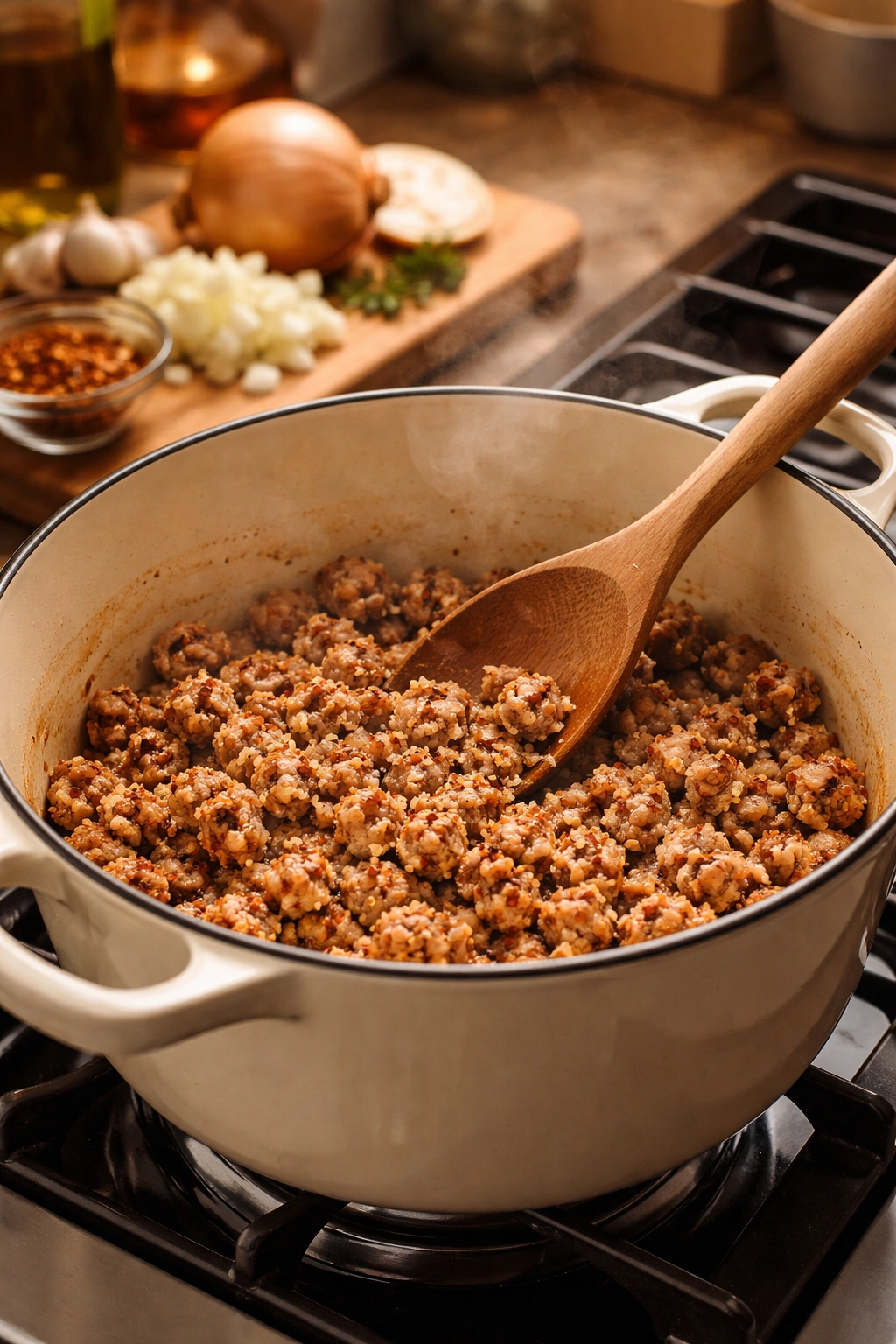
Dice your onion into pieces roughly ¼-inch in size—not perfectly uniform, but roughly consistent so everything cooks at the same rate. Mince your garlic, chop your spinach or kale into bite-sized pieces, and measure out your Italian seasoning, salt, and pepper. Having these prepped and ready before you start cooking means the actual cooking process flows smoothly without pauses or frantic searching.
-
If you’re using sausage links instead of ground sausage, remove the casing by slitting it lengthwise with a knife and squeezing the meat out into your bowl or pot. You’ll break it up as it cooks anyway, so don’t worry about achieving perfect pieces—just get the sausage out of the casing.
Advertisements
Brown the Sausage and Build the Base:
-
Place your large pot over medium-high heat and add the tablespoon of olive oil. Once the oil shimmers and moves easily around the pot, add your sausage. Break it up with a wooden spoon or spatula as it cooks, stirring occasionally, until the sausage is completely browned and no pink remains, about 8-10 minutes. This browning step is crucial—it develops flavor through the Maillard reaction, creating depth that simply wouldn’t exist if you skipped it.
-
Once the sausage is browned, carefully tilt the pot and spoon off excess grease if there’s a significant pool of rendered fat sitting in the bottom. A small amount of fat is flavorful and adds richness to the broth, but too much makes the final soup greasy. Leave roughly a tablespoon of fat in the pot—this becomes your cooking medium for the next steps.
Sauté the Aromatics:
-
Add your diced onion to the pot with the sausage and fat. Stir well so the onion coats evenly with the hot fat and sausage pieces. Cook over medium heat for about 3-5 minutes, stirring frequently, until the onion becomes translucent and just barely begins to turn golden at the edges. You’re looking for soft, fragrant onion that’s released its harsh raw taste but hasn’t yet taken on heavy brown color.
-
Add your minced garlic and cook for exactly 1 minute, stirring constantly. This brief cooking softens the garlic’s sharp bite while allowing its aroma to bloom throughout the pot. If you cook garlic too long, it turns bitter and acrid—one minute is the sweet spot.
Build the Broth:
-
Add your tomato paste directly to the pot without diluting it first. Stir it into the sausage, onion, and garlic mixture for about 1-2 minutes, coating everything evenly. This step, called “toasting” the paste, deepens its flavor and prevents it from clumping when you add the liquid. The mixture will look thick and concentrated at this point, almost spreadable.
-
Pour in your chicken broth, scraping the bottom of the pot with your spoon as you do so. Those browned, flavorful bits stuck to the bottom (called fond) are exactly what you want incorporated into your broth—they’re pure umami. Stir well so everything combines evenly.
-
Add your canned tomatoes with all their juice, your Italian seasoning, salt, pepper, and red pepper flakes if you’re using them. Stir until everything is fully incorporated. The soup will look thin and watery at this point—that’s exactly right. The tortellini will release starch as it cooks, naturally thickening the broth.
Advertisements -
Increase the heat to medium-high and bring the soup to a rolling boil, then reduce it to a simmer. You want a gentle, steady simmer where bubbles occasionally break the surface—not a vigorous, rolling boil that will break up the tortellini. Once the soup is simmering, cover the pot with a lid if you have one. This helps the liquid reach the perfect temperature faster and prevents excessive evaporation.
Cook the Pasta and Greens:
-
Add your fresh tortellini to the simmering broth and stir gently to prevent them from sticking together. They’ll sink initially, then slowly float to the surface as they cook. Set a timer for 4 minutes—this is just a starting point, as cooking times vary slightly depending on the size and thickness of your tortellini and how vigorously your broth is simmering.
-
Taste one tortellini after 4 minutes. You’re looking for pasta that’s tender but still has a tiny bit of chew when you bite it—what Italians call “al dente.” If it still feels too firm, cook for another minute and taste again. Once the tortellini reaches that perfect tender-with-a-bit-of-bite texture, you’re ready for the final step.
-
Reduce the heat to low and stir in your spinach or kale, pushing the greens down into the hot broth. They’ll wilt almost immediately—within 30 seconds to a minute. Do not add the cream yet if you’re including it—stir it in after you remove the pot from heat, not while it’s actively cooking. High heat can cause cream to separate and break, creating an unpleasant grainy texture.
Finish and Taste:
-
Remove the pot from heat entirely. If you’re adding heavy cream for a richer, more luxurious soup, drizzle it in slowly while stirring constantly. The residual heat will warm it without cooking it, creating a silky texture throughout. If you’re using milk instead of cream, add it the same way.
-
Taste the soup now and adjust seasonings. Does it need more salt? Add a pinch and taste again. Does it need more pepper or heat? Add a small amount of red pepper flakes and taste. This final tasting is where you make the soup perfectly suited to your preferences—don’t skip it, as salt levels and heat tolerances vary from person to person.
-
Ladle the soup into bowls and serve immediately while the broth is still steaming. Top each bowl with freshly grated Parmesan cheese, a sprinkle of fresh herbs if you have them, and an extra pinch of red pepper flakes for anyone who wants additional heat. Serve alongside crusty bread for dipping and soaking up every drop of the flavorful broth.
Pro Tips to Perfect Your Tortellini Soup
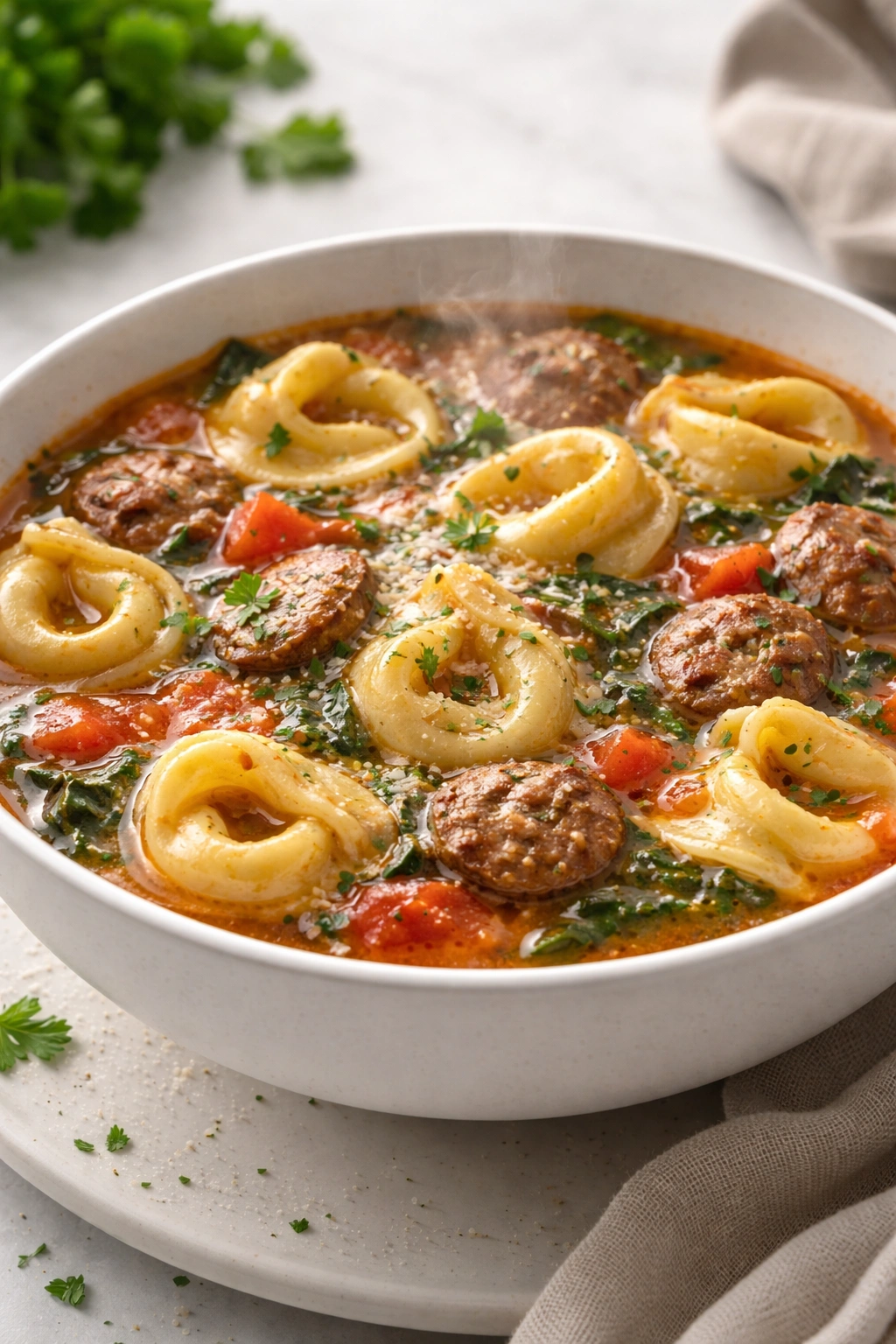
The difference between good tortellini soup and exceptional tortellini soup often comes down to understanding a few techniques that experienced cooks have picked up through repetition. These aren’t complicated or demanding tricks—just small adjustments that create noticeably better results.
Timing Is Everything with Fresh Tortellini
Fresh tortellini cooks fast, which is both a blessing and a curse. The blessing is your total cooking time stays under 30 minutes. The curse is that overcooked tortellini transforms from tender pasta into mushy, falling-apart disappointment. The moment you notice them floating and slightly puffed, check one—it’s probably already done. Rather than risk overcooking them, pull the soup off heat slightly early. The residual heat continues cooking the pasta even after you turn off the flame, and overcooked is far worse than very slightly undercooked.
If you’ve ever made fresh pasta or ravioli at home, you understand this finicky timing. If you’re new to cooking with fresh tortellini, taste one around the 4-minute mark, assess how much longer it needs, and return to checking every 30 seconds after that. Better to check multiple times than overcook and ruin the whole batch.
The Rendered Sausage Fat Is Your Secret Weapon
Never skip the browning step or pour off all the rendered sausage fat. Yes, there’s a point where excess fat should be removed, but a tablespoon or two left in the pot is what carries flavor and creates richness. That fat is where much of the sausage’s flavor lives, and it becomes your cooking medium for the vegetables. If you drain away all the fat and then add oil, you’re sacrificing both flavor and that authentic sausage-forward taste the soup is known for.
Fresh Is Best, But Frozen Works
Refrigerated tortellini is genuinely superior in texture to both dried and frozen versions, but frozen tortellini is absolutely fine if that’s what you have available. If using frozen tortellini, don’t thaw it first—add it directly to the simmering broth. It’ll take slightly longer (6-8 minutes instead of 4-5), but the end result is still delicious. Just check for doneness once you think it’s approaching the timing range.
Taste Before Serving and Adjust
Salt and seasoning are deeply personal. What tastes perfectly seasoned to one person might taste underseasoned or overseasoned to another. Always taste your soup before serving and adjust seasoning accordingly. Is it tasting a bit flat? A pinch more salt often brings out flavors that were present but somehow hidden. Does it need more of that herbal Italian note? Pinch of dried oregano. Want gentle heat? Red pepper flakes. This final tasting moment is where you make the soup exactly right for your palate.
Common Mistakes and How to Avoid Them
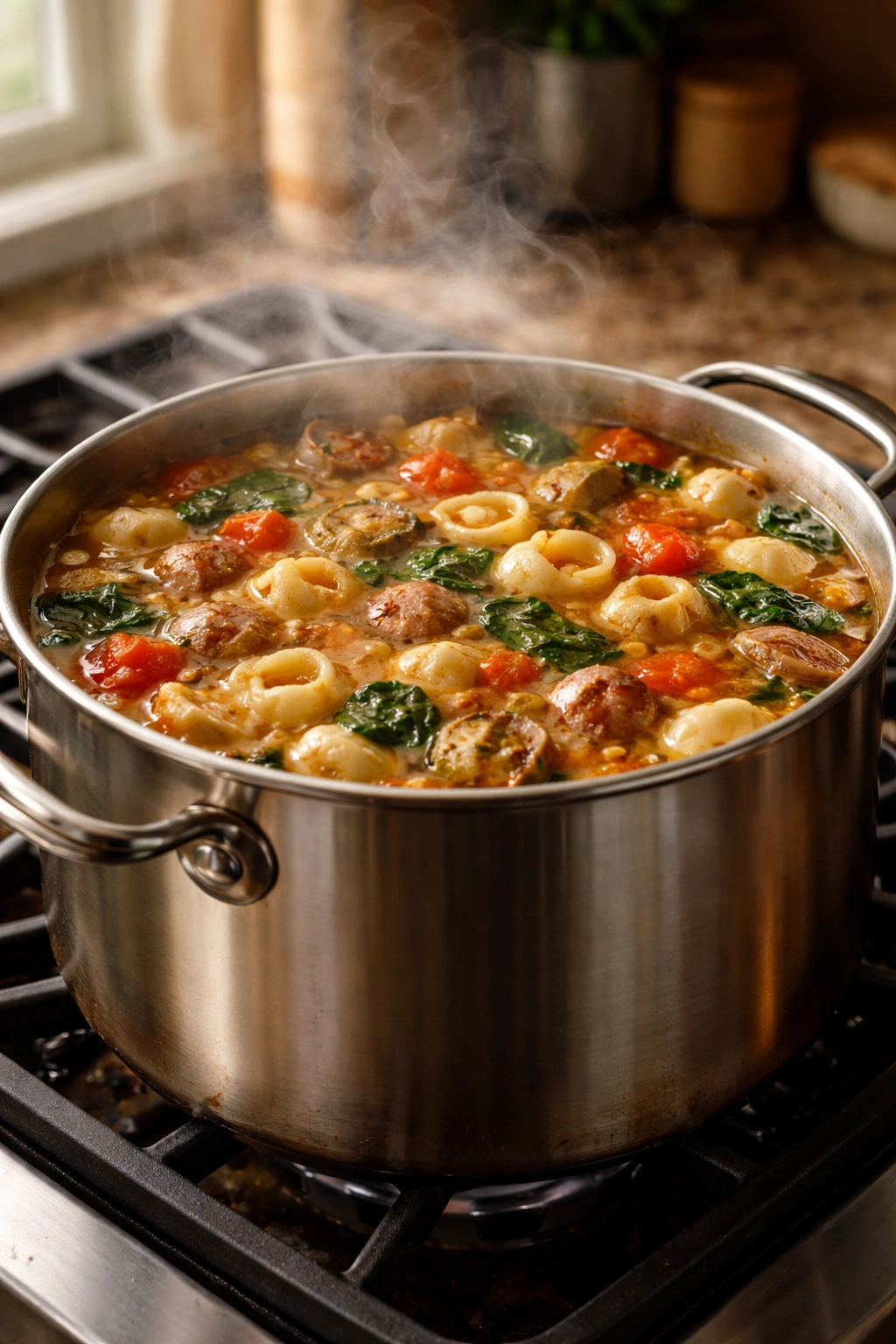
Most issues that arise with this soup are easily prevented with a bit of awareness. Understanding what goes wrong helps you sidestep problems and produce consistent results.
Overcrowding the Pot or Using Too Little Broth
If you halve this recipe to serve 3-4 people, you might try using a smaller pot to save on cleanup. The problem arises when a smaller pot causes the broth to come too high up the sides, leaving little room for simmering without boiling over. Similarly, if you’re tempted to use less broth to stretch the recipe (thinking more pasta and less liquid), you end up with something closer to a pasta dish than a soup. The broth is crucial—it’s not just cooking liquid, it’s a component of the finished dish that carries flavor and provides that satisfying warmth.
Use whatever pot size you have, but ensure it’s large enough that the broth never comes above the halfway mark when full. This gives the soup room to bubble without reaching your stovetop.
Forgetting to Taste Before Serving
This is less a mistake and more a missed opportunity. Many home cooks add salt and seasoning as they cook, then serve without tasting again. But flavors mellow and combine as the soup simmers, and you can’t know if you need more seasoning until you actually taste it. Spend 30 seconds on this final tasting and your soup will be noticeably better.
Adding Cream to Actively Boiling Soup
If your soup is still at a rolling boil when you add cream, the temperature shock can cause it to curdle or separate. Remove the pot from heat entirely before adding cream, stir it in slowly while continuing to stir, and that silky texture is yours. This is one of those techniques that seems finicky until you do it once—then it becomes automatic.
Skipping the Browning Step or Undercooking the Sausage
The browning step takes time, and when you’re hungry and want dinner fast, it’s tempting to skip it or rush through it. But browning the sausage develops flavors that make the entire soup taste more complex and intentional. If the sausage still has any pink or looks grayish rather than dark brown, it hasn’t finished cooking, and the soup won’t taste right. Give it the full 8-10 minutes.
Using the Wrong Type of Tortellini or Cooking It Improperly
Some people buy dried tortellini thinking any tortellini is interchangeable with fresh. Dried tortellini requires 8-10 minutes of cooking in actively boiling water, not the gentle simmer of the soup broth. If you use dried instead of fresh, add them early and give them the proper time. Alternatively, cook dried tortellini separately in boiling salted water, then add to the finished soup. This prevents the long cooking time from affecting your soup’s final consistency.
Endless Variations to Make It Your Own
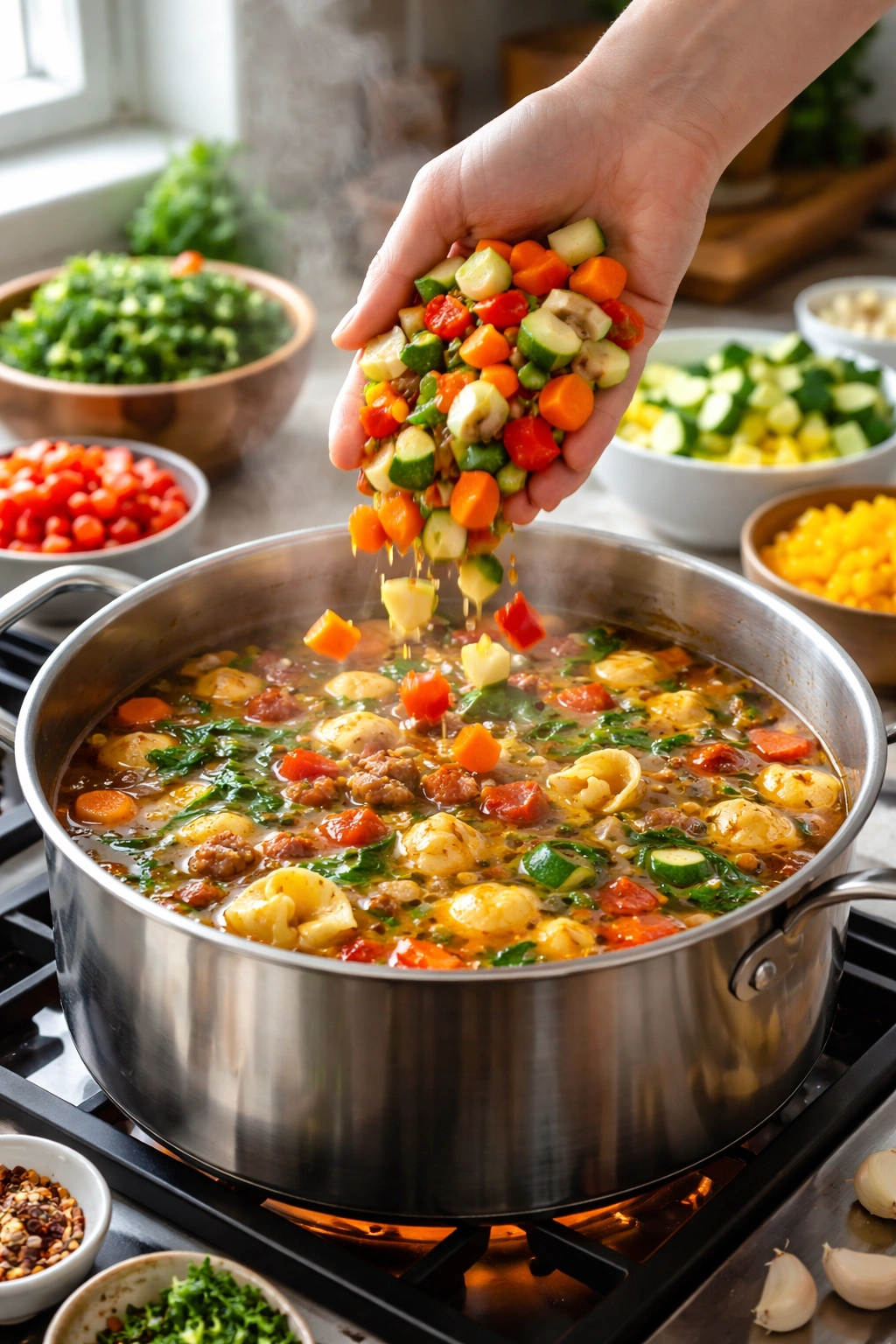
The beauty of this soup is that it’s flexible enough to accommodate variations based on what you have on hand, your dietary preferences, or simply what sounds good tonight. None of these variations require extensive reworking of the recipe—just simple substitutions or additions.
Vegetable Additions for Extra Nutrition
Add diced carrots (about 1 cup), diced bell pepper, sliced mushrooms, diced zucchini, or even frozen peas. If using harder vegetables like carrots, add them along with the broth so they have time to soften. Softer vegetables like mushrooms can be added with the spinach at the very end. You can also add a cup or two of fresh green beans, corn, or even diced potatoes. Each vegetable changes the soup slightly without overwhelming it or requiring additional seasoning adjustments.
Different Greens for Different Flavors
Spinach provides mild flavor and wilts instantly. Kale contributes a slightly earthy, more assertive taste and has a heartier texture. Swiss chard falls somewhere between the two. Choose based on what you have and what flavor profile appeals to you. Some people alternate depending on the season—spinach in spring and summer, heartier greens as the weather cools.
Swapping Sausage Types
Use sweet Italian sausage for a gentler, more herb-forward flavor. Spicy sausage delivers genuine heat. Turkey sausage creates a lighter, less rich version. Chicken sausage is even lighter if you’re looking for a healthier version. Ground beef seasoned with Italian herbs and fennel seeds replicates sausage flavor if you’re in a pinch. Some cooks even use plant-based sausage substitutes for a vegetarian version that still maintains sausage-like flavor and texture.
Making It Vegetarian or Vegan
Omit the sausage and add more vegetables—mushrooms, especially heartier varieties like portobello, provide umami depth that compensates for the missing meat. Use vegetable broth instead of chicken broth. For cream, use heavy cream if you’re including dairy, or coconut milk for a dairy-free version. The soup becomes lighter and more herbaceous without the sausage, but still delicious and satisfying.
Tomato Variations for Different Intensity
Some people prefer a milder tomato flavor, while others want pronounced tomato taste. If you want more tomato, use crushed tomatoes instead of diced tomatoes, or use diced tomatoes with green chilis for a Southwestern twist. For very mild tomato flavor, reduce the amount of tomato paste and canned tomatoes and increase the broth slightly. Some cooks add a tablespoon of balsamic vinegar for depth, though this is definitely optional.
Pasta Alternatives
Use ravioli instead of tortellini—beef, spinach, or cheese-filled varieties all work. Try gnocchi for a heavier, more substantial soup. Short pasta shapes like penne, fusilli, or orecchiette work if you can’t find tortellini. Just adjust cooking times according to package directions. Some cooks even use egg noodles or small shells, though these require less cooking time than tortellini (usually 5-7 minutes rather than 4-5).
Cream Alternatives for Dietary Needs
Use whole milk instead of heavy cream for a lighter soup that’s still creamy. Half-and-half provides a middle ground. For dairy-free versions, coconut milk creates rich creaminess, though it does add coconut flavor. Greek yogurt stirred in after cooking adds creaminess without dairy, though it’s best not overheated. Even a splash of sour cream works for tang and creaminess.
Storage and Make-Ahead Strategies
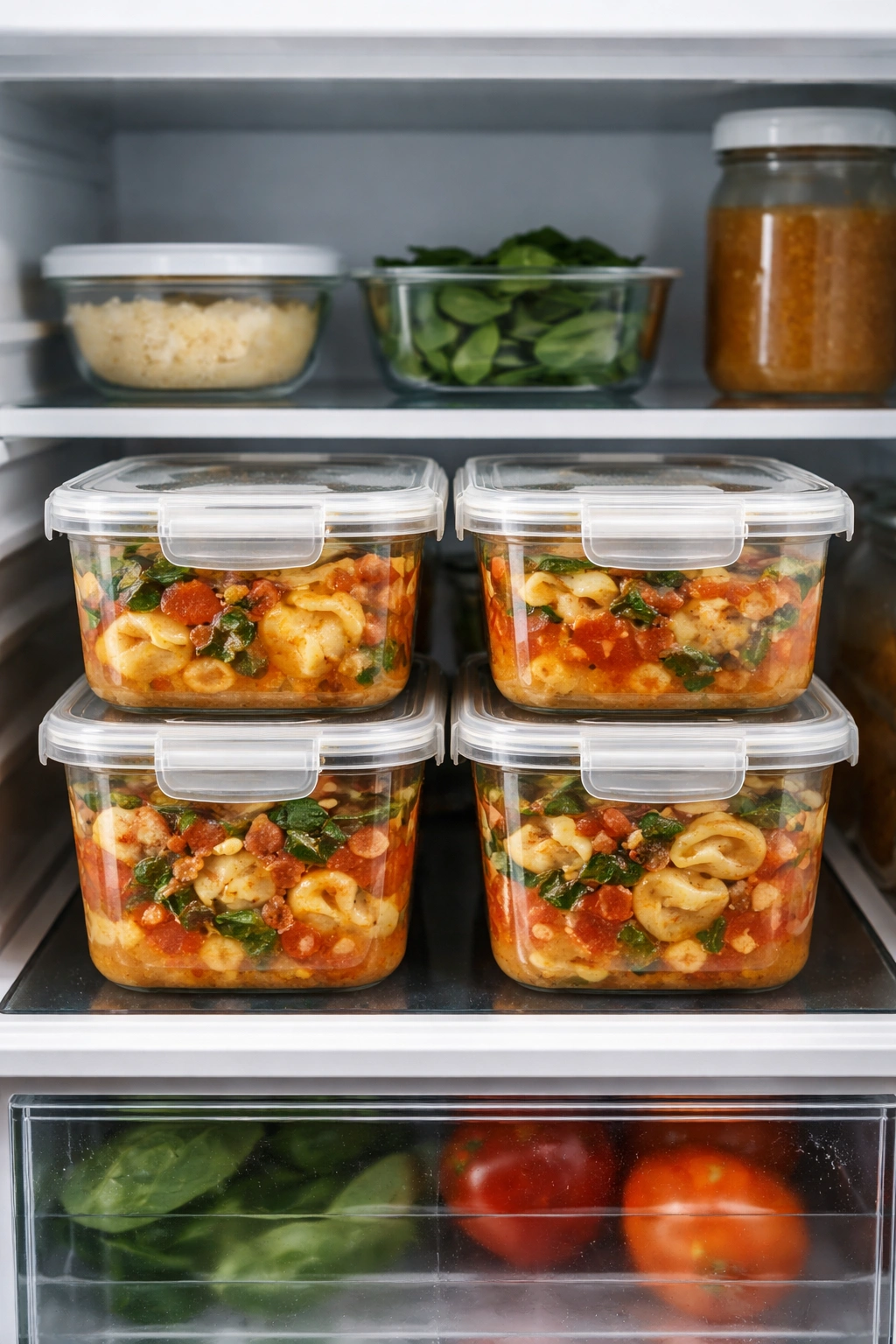
One of the best features of this soup is that it keeps beautifully and can be made partially or fully ahead, allowing you to enjoy the payoff of this recipe multiple times.
Storing Leftovers Properly
Cool the soup completely before transferring to airtight containers. Refrigerate for up to 4 days or freeze for up to 3 months. Note that tortellini continues absorbing broth during storage, which is completely normal and not a sign something went wrong. If you’re storing for more than a day and prefer brothier soup, slightly undercook the tortellini when initially preparing the soup, knowing it’ll continue softening as it sits.
When reheating, warm gently over medium-low heat, stirring occasionally. Add extra broth or water if the soup seems too thick from the tortellini absorbing liquid. Microwave works fine for individual portions—just heat for 2-3 minutes, stirring halfway through. Don’t use high heat, which can cause the broth to scorch.
Making It Ahead Without the Pasta
The optimal way to prepare this soup in advance is to make everything except the tortellini. Cook the sausage, vegetables, broth, and seasonings, then cool and refrigerate. When you’re ready to serve, reheat the soup, bring it to a simmer, and add fresh tortellini. This ensures the pasta has the ideal texture—tender but not mushy from sitting in liquid overnight. This approach also means you can have homemade soup ready in 10 minutes on a busy night.
Freezing Considerations
This soup freezes beautifully, though the tortellini texture changes slightly—it becomes softer and soggier than freshly made pasta. Most people don’t notice or mind this change, especially if they’re eating a day later rather than weeks later. To freeze, prepare the soup without the tortellini, cool it completely, and transfer to freezer containers. Leave about an inch of space at the top for expansion. Label with the contents and date.
When ready to eat, thaw overnight in the refrigerator, then reheat and cook tortellini either in the soup or separately and add before serving. Some people prefer cooking the tortellini separately to maintain better texture, though adding it directly to the reheating soup is quicker and still delicious.
Batch Cooking Strategy
Make a double batch and freeze half in portions. This gives you homemade soup available on nights when cooking isn’t an option. Single-serving containers thaw and reheat quickly, and having a container of homemade soup in the freezer beats reaching for less healthy quick-dinner options. Plan to make it when you have an extra 45 minutes—you’ll be grateful when that time exists in your future schedule.
Serving Suggestions and Perfect Pairings
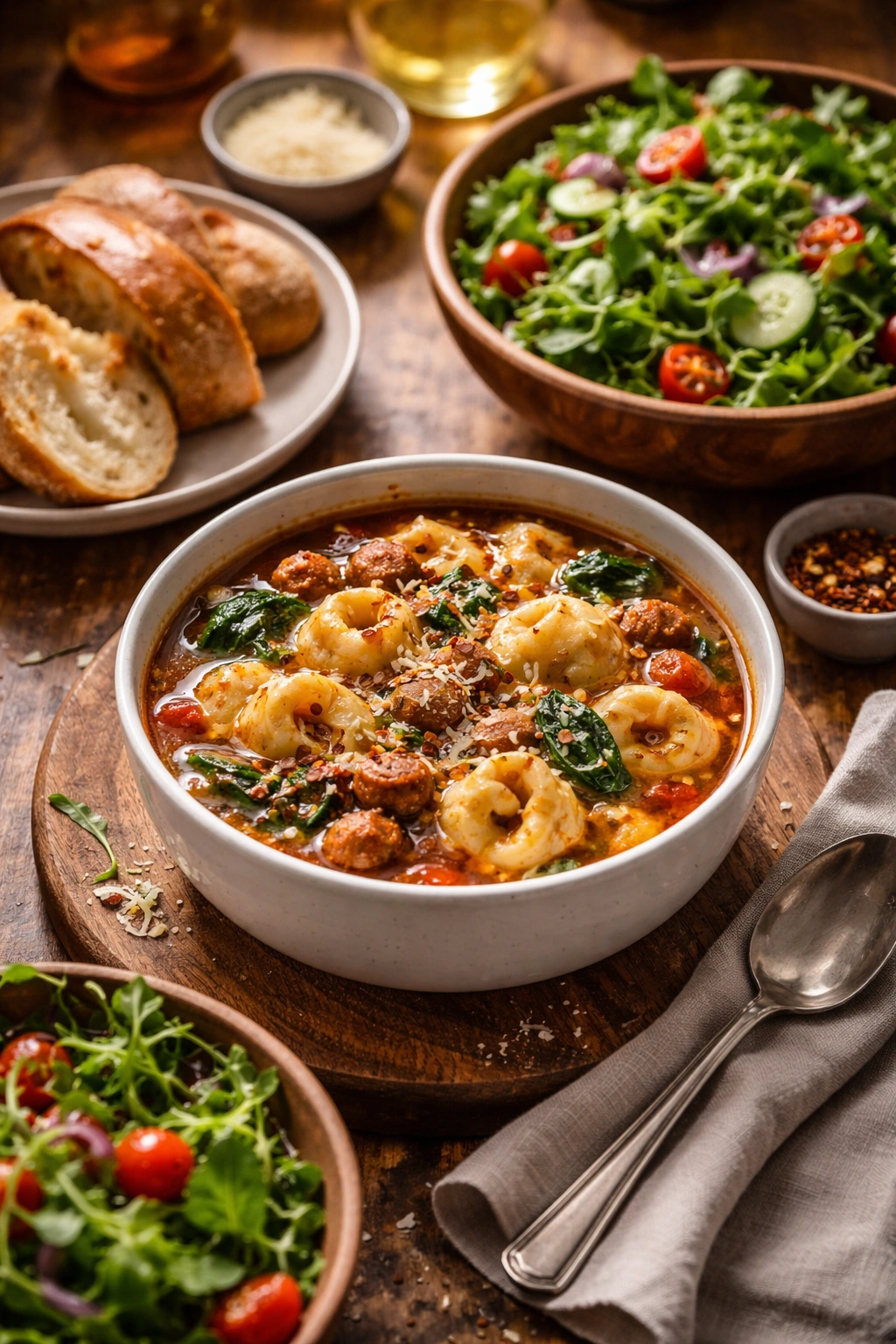
This soup isn’t one of those dishes that needs elaborate side dishes to feel complete. It’s a full meal on its own, with protein, vegetables, and carbohydrates all in one bowl. That said, a few simple additions elevate the experience without complicating dinner.
Bread for Dipping and Soaking
Crusty bread is the classic pairing here. A good Italian bread, ciabatta, or French baguette gives you something to dip into the broth and soak up every flavorful drop. Some families make garlic bread to go alongside—spreading good butter mixed with garlic and herbs on bread slices, then warming briefly. Focaccia, especially rosemary-topped focaccia, provides an herbaceous complement to the soup.
If you’re short on time, good quality bread from a bakery section of your grocery store works beautifully. Toasted bread develops more character and holds up better in broth without falling apart. Some people even brush their bread with a touch of olive oil before serving, adding richness.
Simple Salad for Contrast
A light, acidic salad balances the richness of the soup. A simple mixed greens salad with lemon vinaigrette or a basic arugula salad with shaved Parmesan and lemon juice works perfectly. The acidity cuts through the creaminess and richness, cleansing your palate between spoonfuls. You don’t need anything elaborate—just fresh greens with simple vinaigrette.
Some people use more assertive greens like bitter radicchio or slightly peppery arugula, which provide interesting contrast. The key is that the salad should be light and acidic—not another heavy dish, but rather a supporting player that makes the soup taste even better.
Garnish Options That Add Impact
Beyond the obvious Parmesan cheese, fresh basil or parsley adds brightness and herbaceous freshness. Crispy bacon bits add textural contrast and salty richness. A drizzle of good quality olive oil on top catches light and adds smooth, fruity richness. Red pepper flakes appeal to those who want additional heat. Some cooks finish with a squeeze of fresh lemon juice for acidity and brightness.
Crispy croutons add textural contrast, though many people skip this since the soup is already substantial. A dollop of pesto, even store-bought, adds herbal complexity. Some people even add a spoonful of ricotta or mascarpone for extra creaminess—place a dollop in the bottom of the bowl before ladling soup over it.
Wine and Beverage Pairings
This soup pairs beautifully with light white wines like Pinot Grigio or Vermentino, which have enough acidity to cut through richness without overwhelming the delicate pasta flavors. Light red wines like Barbera or Dolcetto work if you prefer red wine. The key is that you want something with good acidity and not too much heavy tannins.
For non-alcoholic beverages, sparkling water with lemon provides refreshing palate-cleansing properties. Unsweetened iced tea works if you’re having soup during warmer months. Regular iced water is perfectly fine—you’re not looking for something that competes with the soup, just something to drink alongside it.
Complete Meal Assembly
Here’s how a complete meal might look: a bowl of soup in the center of the table, a basket of warm crusty bread, a simple salad on the side, grated Parmesan and fresh basil for garnish, and red pepper flakes for those who want heat. Add candles and a simple beverage, and you’ve created a dinner that feels intentional and warm without being complicated or pretentious. This is the kind of meal that brings people together—not because of elaborate technique or expensive ingredients, but because it’s genuinely good and comforting.
Final Thoughts
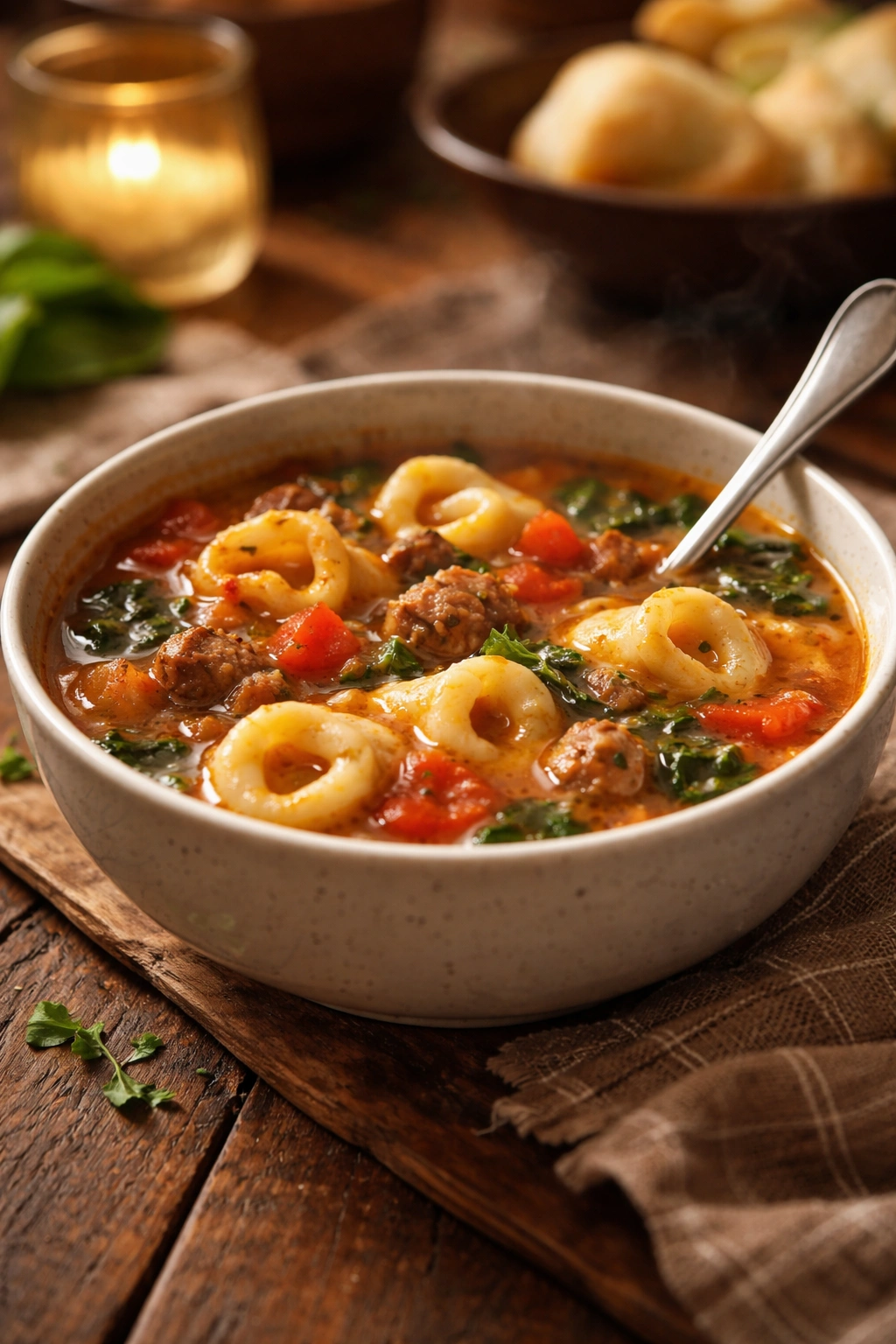
This one-pot sausage tortellini soup demonstrates something important about cooking: complexity doesn’t require complicated methods. You don’t need multiple pots, precise timing, or advanced techniques to create something memorable and deeply satisfying. Just straightforward cooking with quality ingredients and attention to basic fundamentals produces results that taste like they took hours and multiple steps.
More importantly, this soup shows up exactly when you need it most—during those cold evenings when time is short but the need for something warm and nourishing is genuine. It’s the kind of recipe that becomes part of your regular rotation not because you forced it there, but because it genuinely works and because people ask for it. Your kids will request it, your dinner guests will ask for the recipe, and you’ll find yourself making it multiple times over the course of a cold season.
Keep this recipe handy through all those months when the weather turns chilly and the days grow shorter. Make it exactly as written the first time to understand how all the components work together, then feel confident making it your own with variations and adaptations that match your preferences. Most importantly, don’t overthink it. Brown the sausage, sauté your aromatics, add broth and seasonings, cook the tortellini, and let the simplicity of the process remind you that good food doesn’t require stress or complexity. Just show up with decent ingredients and attention to the basics, and this soup will do the rest of the work for you.
