



Mornings happen fast, and breakfast is often the first thing that gets sacrificed when you’re rushed. You skip it entirely, grab something processed, or resort to a drive-through because you genuinely don’t have time to cook. But here’s what most people don’t realize: a homemade egg sandwich takes about 5-7 minutes from cold skillet to wrapped and ready, and it’s infinitely better than anything you’d grab on the go. The key isn’t finding more time — it’s using your time smarter by prepping the right components and knowing exactly what makes a grab-and-go egg sandwich actually work.
An egg sandwich done right is a complete meal. You’re getting protein from the eggs and cheese, healthy fats that keep you satisfied for hours, carbohydrates from the bread, and if you build it thoughtfully, vegetables that add nutrition without bulk. It’s not some sad desk lunch you’re forcing down between emails — it’s genuinely delicious, and because you made it yourself, you control every ingredient. No mystery fillers, no excessive sodium, no ingredients you can’t pronounce. And the best part? Once you nail the technique and understand what separates a great grab-and-go egg sandwich from a mediocre one, you’ll actually want to make them.
This isn’t about complicated assembly or special equipment. It’s about understanding the fundamentals: how to cook eggs to the right texture, which breads hold up best during your commute, what additions don’t make the bread soggy by lunchtime, and how to organize your morning so you’re not standing at the counter for 20 minutes when you should be walking out the door. Let me show you exactly how.
Why Egg Sandwiches Are Perfect for Busy Mornings
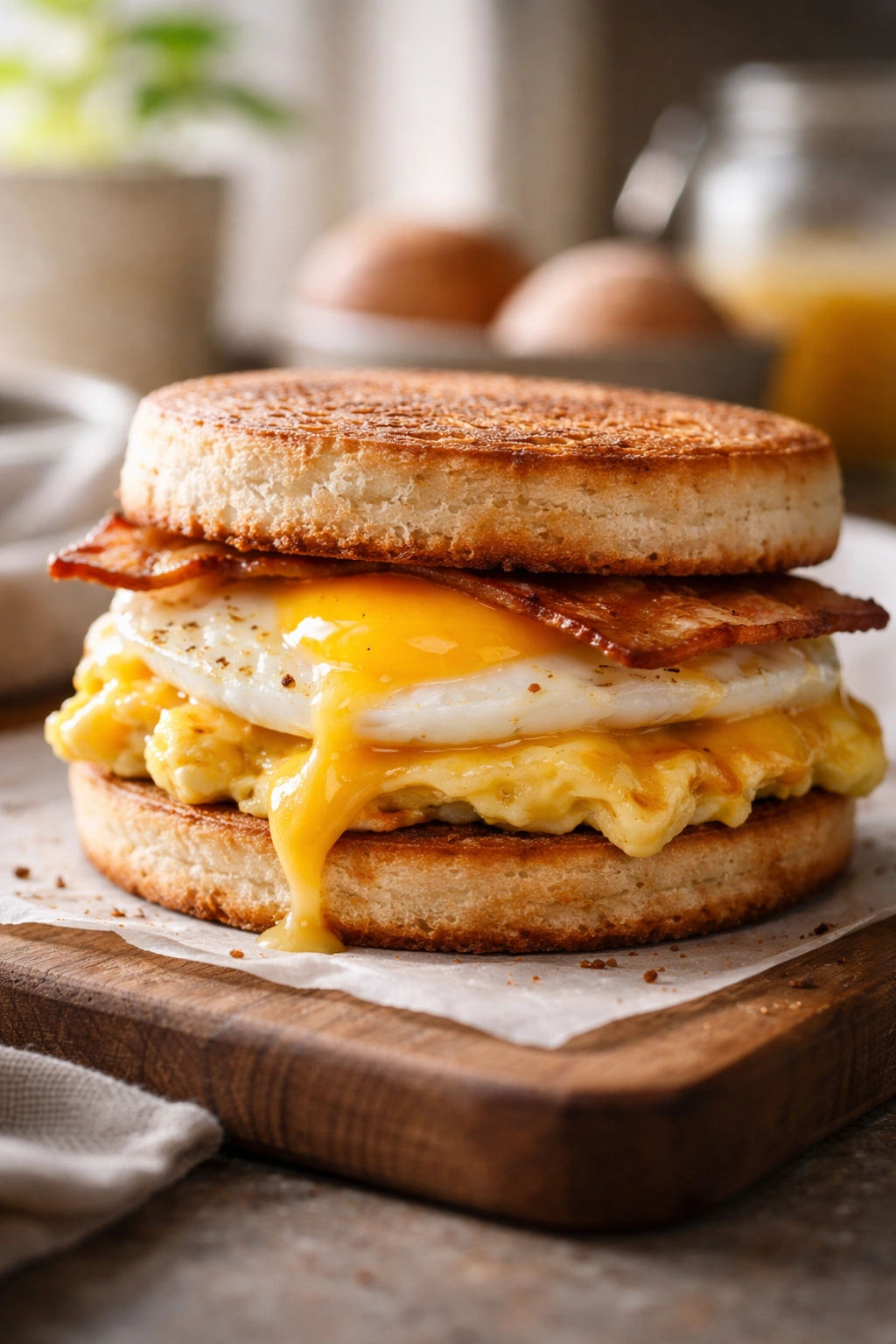
The beauty of an egg sandwich is that it respects your time while respecting your nutrition. Unlike a full breakfast that requires cooking components separately and waiting for everything to come together, an egg sandwich consolidates everything into one hand-held package. You cook the eggs while your bread is toasting. You assemble while the pan cools. You wrap and walk. Total elapsed time: less than 10 minutes, often closer to 5 if you’ve prepped your toppings the night before.
Eggs are also remarkably forgiving. They cook quickly, they’re hard to truly ruin once you understand how much heat and time they need, and they pair with nearly every flavor profile you can imagine. Breakfast doesn’t have to mean sweet or traditional — your egg sandwich can be Mediterranean with olive tapenade, Asian-inspired with sriracha mayo and scallions, classic diner-style with bacon and American cheese, or even upscale with caramelized onions and gruyère. The same basic technique works for all of them.
From a practical standpoint, egg sandwiches also scale beautifully. You can make one and eat it immediately, or you can batch-cook a few eggs on Sunday evening and assemble fresh sandwiches every morning all week. You can grab-and-go with absolutely nothing prepared beyond having ingredients on hand, or you can pre-assemble and wrap them for virtually zero morning effort. The flexibility is what makes them such a smart breakfast choice for people with unpredictable schedules.
Choosing the Right Bread for Maximum Convenience
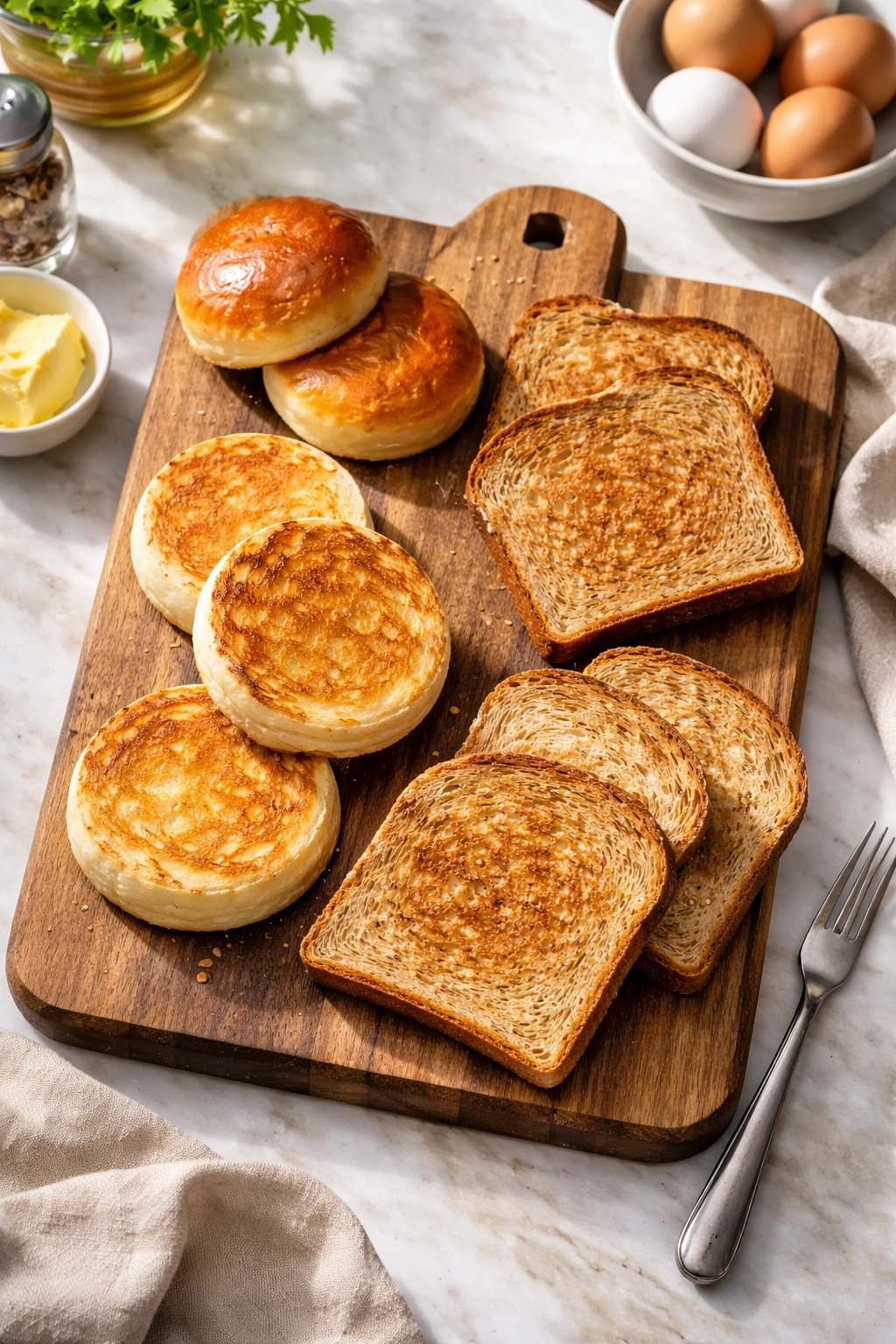
Not every bread works for a grab-and-go sandwich. The bread you choose determines whether your sandwich holds together during your commute, whether it stays fresh tasting on your drive, and whether it complements or competes with the eggs you’ve carefully cooked.
Thick-cut brioche or challah are the indulgent choice and they work beautifully if you eat your sandwich within 30 minutes. The richness pairs wonderfully with eggs and adds a subtle sweetness, but brioche is delicate and tends to compress if it sits too long or gets jostled in a bag. Save this for sandwiches you’ll eat at home or immediately after leaving.
English muffins are a classic for good reason. They’re sturdy enough to handle toppings without falling apart, they toast evenly, and they have those helpful nooks and crannies that catch creamy toppings like mayo or mustard. They’re also portion-controlled — two muffin halves equal one sandwich, with no waste or decision-making. The main downside is that they can feel a bit small if you’re really hungry, but they’re genuinely one of the best bread choices for something you’re eating in the car.
Toasted whole-grain or seeded bread gives you texture and adds nutritional density without being overly heavy. Whole grain is sturdy enough to handle vegetables and condiments without becoming soggy, and it keeps you fuller longer than white bread options. The slightly nutty flavor actually complements savory egg preparations really well. Toast it well to add a protective barrier that slows moisture absorption.
Sourdough or other tangy fermented breads are worth exploring if you want something with more personality. The acidity plays beautifully with eggs, and the dense crumb structure means it holds up exceptionally well during transport. Slice it thick, toast it thoroughly, and it becomes almost impossible to make a mediocre sandwich.
The bread choice you make should depend on your eating timeline. If you’re assembling and eating immediately, go luxe with brioche. If you’re packing it and eating in an hour, English muffins or hearty whole grain is your move. Avoid soft white sandwich bread — it compresses to nothing and becomes gluey when it’s been sitting with moisture for more than 30 minutes.
The Essential Ingredients for Every Egg Sandwich

Before we get into specific recipes and variations, let’s talk about what separates a good egg sandwich from a great one. It’s not fancy ingredients or complicated techniques — it’s understanding which components matter and which ones are negotiable.
The eggs themselves are non-negotiable quality points. Use the freshest eggs you can access — they have better flavor, better color, and a cleaner taste than older eggs sitting in grocery store bins. If you can get farm eggs or pasture-raised eggs, you’ll genuinely taste the difference in a simple egg sandwich where nothing else is masking the egg flavor. Room-temperature eggs cook more evenly than cold eggs straight from the fridge.
Butter or oil for cooking should be your choice, but it matters for flavor. Use real butter when you want richness and a slight golden color on the eggs. Use olive oil for a lighter, fresher taste. Use bacon fat if you’re already cooking bacon anyway — it adds incredible flavor and literally nothing extra in terms of effort.
Cheese is optional but highly recommended. It adds creaminess, richness, and flavor complexity that makes a simple scrambled egg sandwich suddenly feel restaurant-quality. American cheese (yes, really) melts perfectly into warm eggs and doesn’t overpower them. Cheddar adds sharpness. Swiss adds nuttiness. Gouda adds subtle smokiness. Use what you love, but use real cheese, not processed slices if you can help it.
Condiments and flavor builders are where you customize. Mayonnaise on one side of the bread adds richness and helps prevent the bread from getting soggy when paired with vegetables. Mustard adds brightness and cuts through the richness of eggs and cheese. Hot sauce adds heat and complexity. Mashed avocado adds creaminess without adding heaviness. Salsa adds freshness.
Vegetables should be added strategically. Tomatoes and cucumbers are fresh but contain water — they should go on the bread that has mayo, not directly against the eggs. Leafy greens (arugula, spinach) are great because they’re light and they don’t add moisture. Caramelized onions add sweetness and depth. Sautéed mushrooms add umami and substance. The rule is this: watery vegetables need a moisture barrier (mayo or cheese); fresh greens go directly on the eggs; cooked vegetables can go anywhere.
Proteins beyond eggs are optional texture and flavor additions. Bacon adds smokiness and crunch. Smoked salmon adds elegance and omega-3s. Sausage adds spice and richness. Ham adds familiarity and salt. These aren’t necessary — eggs are already your protein — but they absolutely enhance the sandwich if you want them.
The Core Quick Egg Sandwich Recipe

This is the foundation. Master this basic technique and you can build any variation you want. The entire process takes about 6 minutes once your ingredients are prepped.
Yield: Makes 1 sandwich Prep Time: 5 minutes Cook Time: 6 minutes Total Time: 11 minutes Difficulty: Beginner — the steps are straightforward and there’s no special equipment needed. If you can crack an egg and use a spatula, you can make this.
For the Sandwich:
- 2 large eggs, room temperature
- 1 tablespoon unsalted butter
- Salt and freshly ground black pepper to taste
- 1 slice of cheese (American, cheddar, or your choice) — optional but recommended
- 2 English muffin halves, or 2 slices of your chosen bread
- 1 tablespoon mayonnaise (or mustard, or your preferred spread)
- Fresh lettuce or arugula (optional)
- Sliced tomato (optional — pat dry to remove excess moisture)
- Any additional toppings of your choice
Prepare Your Station:
- Remove your eggs from the fridge and let them sit on the counter for 2-3 minutes while you gather everything else — room-temperature eggs cook more evenly and faster than cold eggs.
- Plug in your toaster and place your bread slices or English muffin halves in, set to medium-high so they’ll toast while you cook the eggs.
- Place a small nonstick skillet on the stove over medium-high heat and add the butter. You’ll know it’s ready when the butter is fully melted and foaming, approximately 1 minute.
Cook the Eggs: 4. Crack both eggs into a small bowl and beat them together gently with a fork until the yolks and whites are completely combined — about 10-15 seconds of beating. This creates a more unified texture, but don’t overbeat or you’ll incorporate too much air. Season lightly with salt and pepper. 5. Pour the beaten eggs into the hot buttered skillet. Let them sit undisturbed for exactly 5-7 seconds — this allows the bottom to set slightly and creates a better texture than stirring immediately. You should hear a gentle sizzle, not an aggressive hiss. If it’s sizzling too aggressively, your heat is too high; reduce it to medium and start timing from when you added the eggs. 6. Using a rubber spatula, gently push the eggs from the edges of the skillet toward the center, tilting the skillet slightly so uncooked egg flows to the hot surface. Do this every 10-15 seconds. Do not stir constantly — you want soft, creamy curds, not a scrambled-to-death mess. The entire cooking process should take 3-4 minutes total. You’re done when the eggs are mostly set but still look slightly underdone — they’ll continue cooking slightly off heat from residual warmth. 7. If using cheese, lay the slice across the eggs in the pan right when they’re almost done, about 30 seconds before you’re removing them from heat. The residual heat will melt it perfectly without any extra cooking time.
Assemble Your Sandwich: 8. Your toast should be done or nearly done by now. Remove it and let it cool for just 10 seconds — it should still be warm but cool enough to touch comfortably. 9. Spread your condiment (mayo, mustard, or both) thinly on one side of the toast. The spread serves double duty: it adds flavor and it creates a moisture barrier that prevents the bread from getting soggy if you’re adding vegetables. 10. If using fresh greens or lettuce, place them on the mayo-covered toast first. They should form a protective layer between the bread and the hot eggs. 11. Using your spatula, gently slide the cooked eggs directly onto the bread with the spread. If the eggs are still in the skillet, tip the skillet and let them slide out — don’t worry about them being perfectly contained; they’re going in a sandwich. 12. Top with the other toast slice. If you’re using tomato, slice it thin, pat the slices dry with a paper towel to remove excess moisture, and lay them on the lettuce layer before you top with the second piece of bread — never place raw tomato directly against hot eggs without a protective layer. 13. Let the sandwich sit for 15-20 seconds to set slightly, then cut diagonally if desired (it makes it feel more intentional somehow) and wrap in foil or parchment if you’re transporting it.
Five Quick Variations You Can Master in Minutes
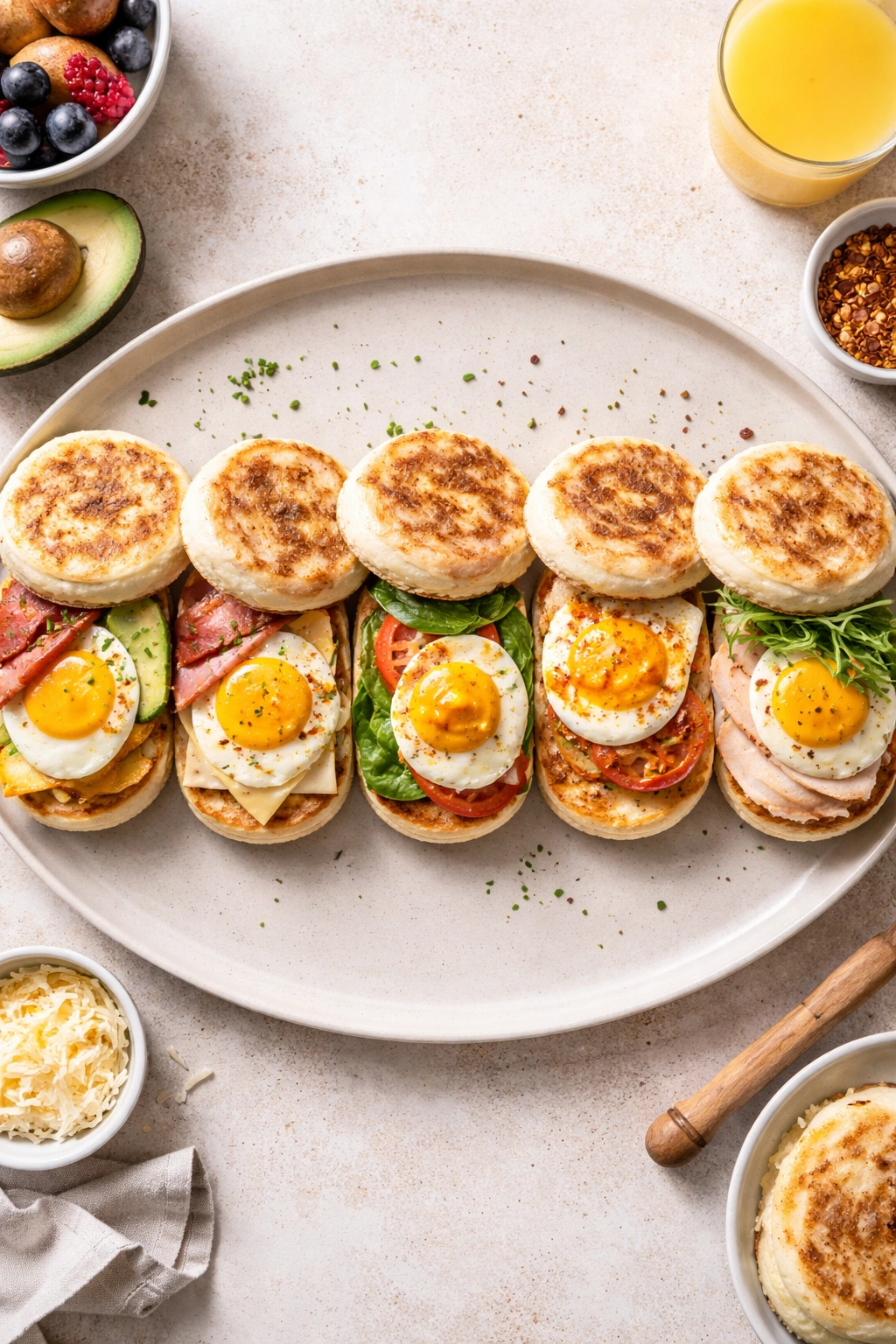
Once you understand the basic technique, you can apply it to dozens of flavor combinations. These five variations are genuinely different from each other, but they all use the exact same cooking method. The only differences are in the toppings and sometimes a quick addition to the eggs themselves.
The Everything Bagel Breakfast Sandwich
This variation takes about 7 minutes total because you’re using a bagel instead of English muffins, which requires just a bit more toasting time. Use a fresh everything bagel (the kind with sesame seeds, poppy seeds, dried onion, and sea salt), slice it horizontally, and toast both sides until they’re golden and slightly crispy.
Cook your eggs exactly as described in the core recipe. While the eggs are cooking, spread cream cheese (or a mix of cream cheese and lox spread) on both halves of the toasted bagel. Layer smoked salmon on the bottom half, add the cooked eggs, then top with paper-thin slices of red onion and a handful of fresh dill or arugula. The cream cheese acts as your moisture barrier, the salmon adds elegance and omega-3s, and the fresh herbs brighten everything up. This tastes like a $16 breakfast sandwich from a fancy bagel shop, but you made it in your own kitchen for a fraction of the cost.
The Mediterranean Stack
This one is for mornings when you want something that feels more sophisticated. While your eggs cook, spread hummus (not mayo) on your toasted bread. Layer fresh spinach on one side, add the cooked eggs with a slice of feta cheese, then top with sliced tomato, thinly sliced red onion, and a small handful of kalamata olives (pit them first or warn yourself).
The hummus provides richness, the feta adds a salty tang, and the olives plus fresh vegetables create brightness that prevents the sandwich from feeling heavy. This works beautifully if you’re making it for a slightly more leisurely morning or packing it for a picnic, though it’s hearty enough to fuel a busy day.
The Breakfast Bacon Upgrade
Some mornings call for bacon, and if you’re making it anyway, you should incorporate the fat into your egg cooking. Cook 2 slices of bacon in your skillet until it’s crispy, then remove it to a paper towel and chop it into bite-sized pieces. Leave about 1 tablespoon of the bacon fat in the skillet, discard the rest (or save it for cooking), and use that bacon fat to cook your eggs.
Cook the eggs exactly as described but add the chopped bacon pieces directly into the eggs during the last 10 seconds of cooking, so they warm through and distribute evenly. Toast your bread while the eggs cook. Spread mayo on one side, mustard on the other (this combination is traditional for a reason). Top with the eggs and bacon, add a slice of American or cheddar cheese while the eggs are still hot, and that’s it. This is diner-style perfection.
The Sriracha Scramble
If you like heat and Asian-inspired flavors, this is your variation. Cook your eggs normally, but stir a small drizzle of sriracha (about 1 teaspoon) directly into the beaten eggs before they go in the skillet. This distributes the heat evenly rather than just adding it as a surface condiment.
Toast your bread and spread a thin layer of mayo on one side (this tempers the heat slightly) and another small drizzle of sriracha on the other side. Layer thinly sliced green onions or scallions on the mayo side, add the cooked eggs with a slice of pepper jack cheese if you have it (or any melting cheese), and top. Add some fresh cilantro if you want to get fancy. This is breakfast with personality.
The Mushroom and Caramelized Onion Comfort Sandwich
This one takes an extra 3-4 minutes because you’re doing some quick vegetable prep, but if you’ve got time, it’s worth it. While you’re getting your eggs ready, slice up a small handful of mushrooms and a quarter of an onion. Heat 1 tablespoon of butter in a small pan over medium heat and cook those vegetables for 3-4 minutes, stirring occasionally, until the mushrooms are golden and the onions are starting to turn translucent and brown. Season with a pinch of salt and pepper. This can happen while your main skillet is cooking the eggs.
Cook your eggs in the main skillet. Toast your bread and spread a thin layer of mayo on one side. Add the eggs, immediately top with the cooked mushrooms and onions, add a slice of Swiss or gruyère cheese (these pair beautifully with mushrooms), and top with the second piece of bread. The vegetables add umami and sweetness that transforms a simple sandwich into something that feels indulgent.
Make-Ahead Strategies That Save Time All Week
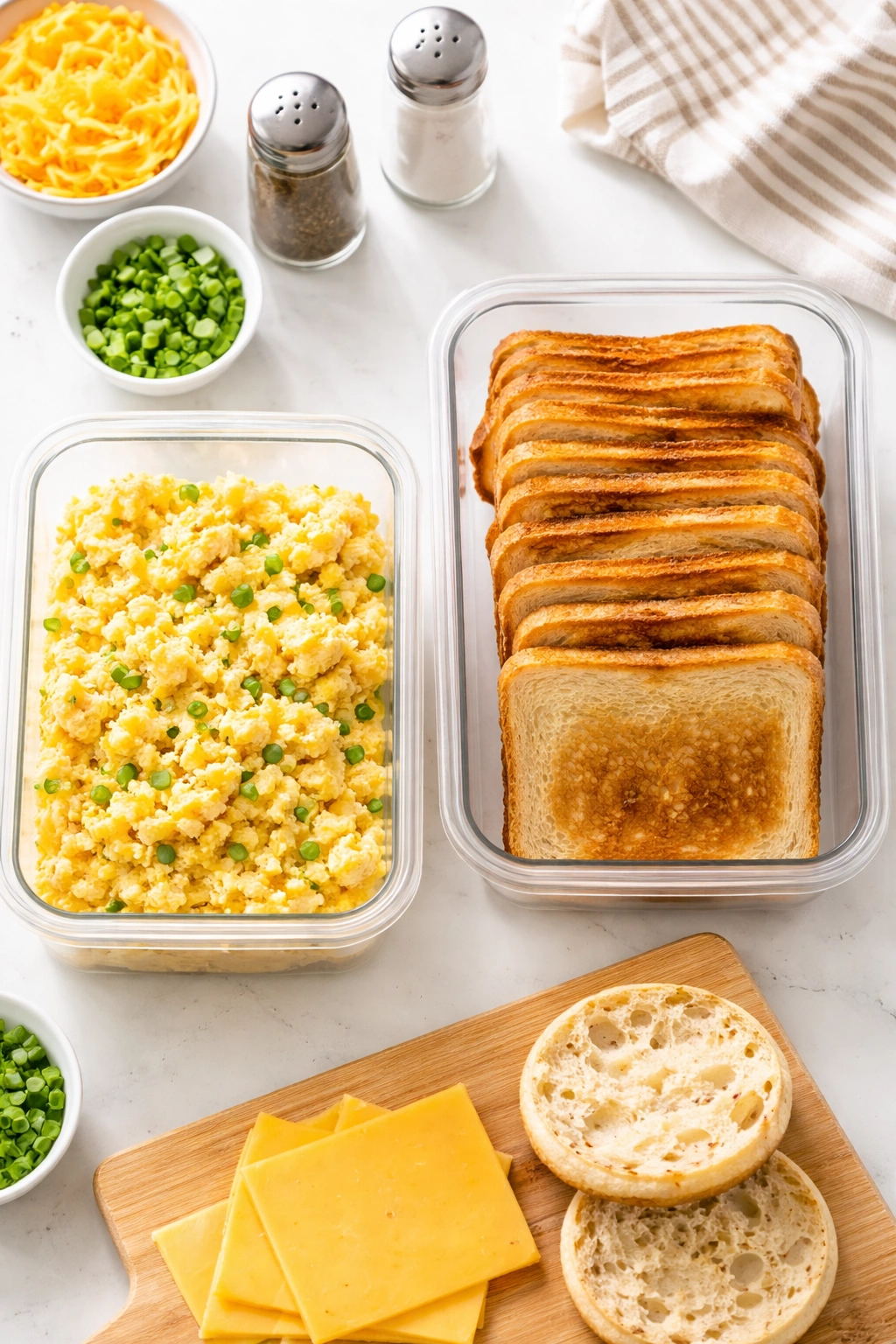
If you’re someone who genuinely cannot fathom cooking anything in the morning, or if you’re in a period of life when your mornings are chaotic beyond belief, you have options. You don’t have to assemble your sandwich fresh every time.
Egg preparation ahead of time: Cook a batch of scrambled eggs on Sunday evening. Let them cool completely, then store them in an airtight container in the fridge for up to 4 days. In the morning, reheat them quickly (30 seconds in the microwave is sufficient to take the chill off, or warm them in a pan over low heat for 1 minute) and assemble your sandwich. The texture won’t be quite as perfect as freshly cooked eggs, but it’s genuinely good, and it saves you the actual cooking step.
The limitation is that reheated eggs can turn rubbery if you overdo it, so don’t try to reheat them aggressively. Low and slow is the key. You want them warm enough to melt cheese and feel comforting, not hot enough to change their texture further.
Partial assembly ahead of time: Here’s where this gets really practical. On Sunday evening, toast your bread and store it in an airtight container. Cook your eggs and store them in the fridge. Sunday night before bed (or Monday evening if you batch for the week), assemble your sandwiches with bread, spread, eggs, and cheese, then wrap each one individually in foil. Store them in the fridge.
In the morning, grab a wrapped sandwich straight from the fridge. It’ll be completely portable and ready to eat. The eggs will be cool, but they’re still delicious. You can eat it cold, or if you want it warm, microwave it in its foil wrapper for 20-30 seconds just before eating (remove foil first). This is genuinely the fastest option: zero morning cooking, zero assembly, grab and go.
Veggie prep ahead of time: If you don’t want to fully assemble ahead but you want to reduce morning work, prep your vegetables on Sunday. Wash and spin-dry your greens, slice your tomatoes and pat them dry, slice your onions, cook your mushrooms if you’re doing that variation. Everything goes in separate containers in the fridge. Now on Monday through Friday morning, you just cook your eggs and assemble — the components are right there.
Component storage for maximum freshness: If you’re making 3-4 sandwiches ahead but you want them to taste as fresh as possible, store the components separately and assemble the morning you’re eating. Cooked eggs keep in the fridge for 3-4 days. Toast keeps for about 2 days in an airtight container before it gets stale (you can refresh it under the broiler for 10 seconds). Vegetables stay fresh for 3-4 days if prepped and stored properly. Spreads and cheese obviously last much longer.
How to Pack Your Sandwich for Transport
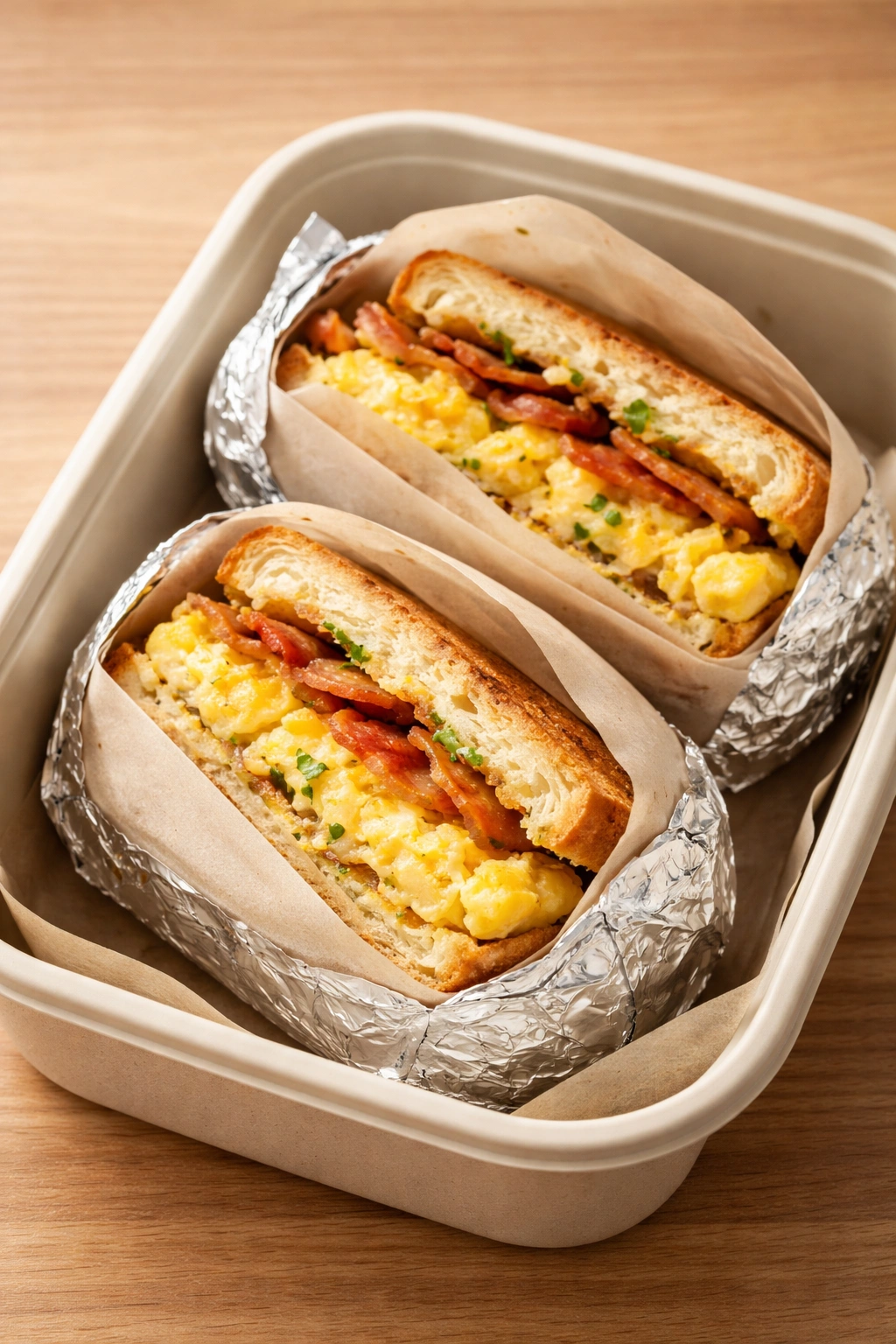
A sandwich is only grab-and-go if it actually makes it to your mouth in one piece. The way you pack it matters significantly, especially if you’re dealing with traffic, a commute, or a busy morning where the sandwich gets tossed into a bag along with everything else.
Use foil or parchment paper, not plastic wrap. Plastic wrap traps steam against the bread, which causes it to become soggy. Foil and parchment allow just enough air circulation to keep the crust crispy while still containing everything. Wrap your sandwich tightly, but don’t press down on it — you want it contained, not compressed.
Cut it diagonally, then wrap it as one piece. Diagonal cuts make the sandwich feel more intentional and less likely to separate. Keep it intact when you wrap it; don’t wrap two halves separately or the bread won’t support the filling evenly.
Pack it separately from your other items. If your egg sandwich is loose in your bag with water bottles and other items, it’s going to get squished. Put it in a container, a lunch bag, or at least a plastic storage bag so it has its own space. This is especially important if you’re packing it the night before and it’s sitting for 8+ hours.
Add a small container of extra condiment if you want it fresher. If you’re eating your sandwich more than 30 minutes after packing it, consider packing your mayo or mustard separately and spreading it fresh right before eating. This is a nice luxury if you have 10 extra seconds, and it ensures your bread stays crispy and your spread tastes fresh.
Temperature matters. A freshly made sandwich still warm from the toaster is delicious. A cold sandwich is still delicious. A lukewarm sandwich that’s been sitting in a car for 2 hours is less appealing. Either eat it within 30 minutes of making it while it’s still warm, or pack it and keep it cool (a small cooler pack or just the temperature of your fridge) so it stays properly cold. Avoid the in-between zone where it’s becoming room temperature.
Storage Tips and Food Safety
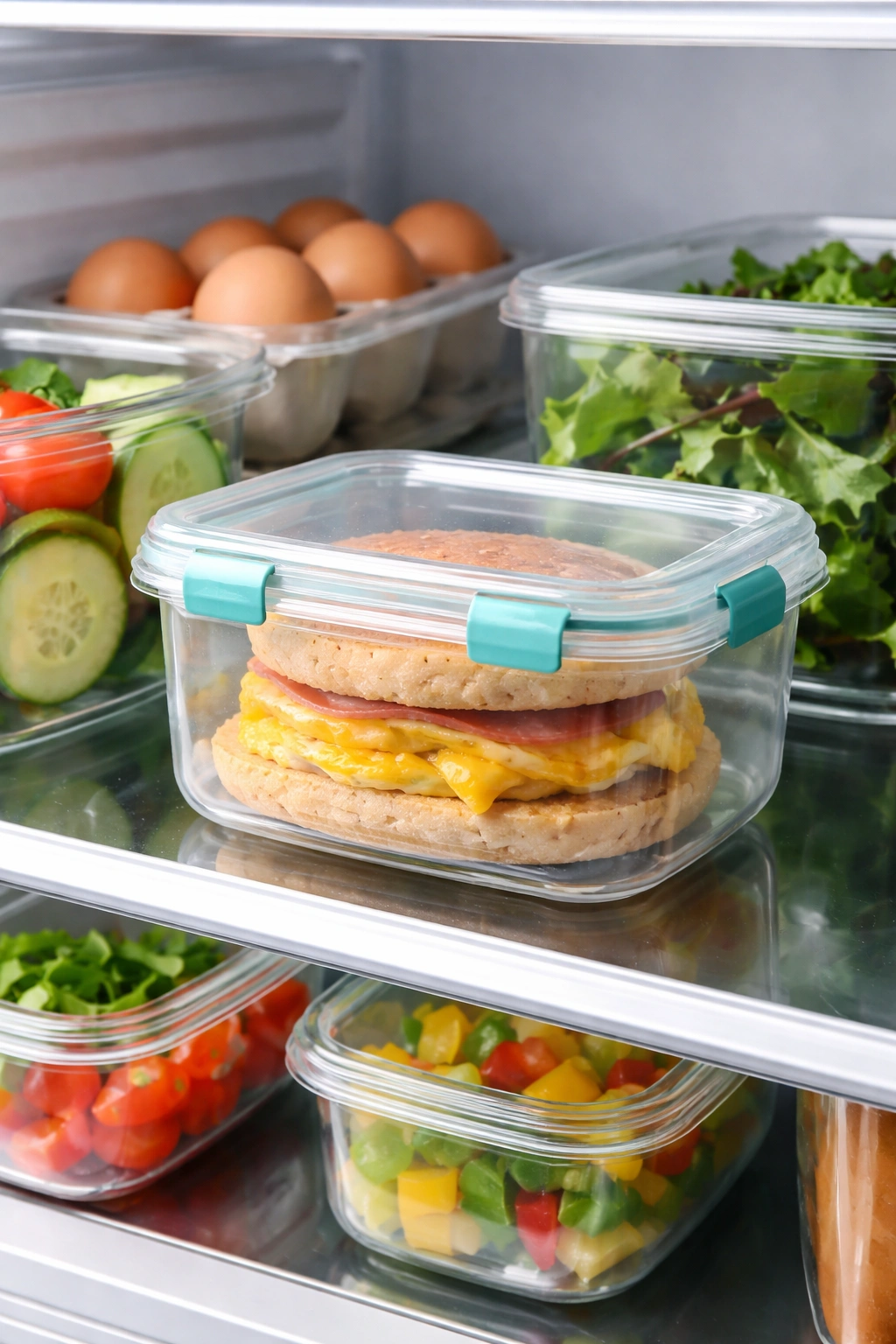
Egg sandwiches are safe to eat for several days if you follow basic food safety practices, but “safe to eat” and “tastes good” are different things.
Fresh cooked eggs last 3-4 days in the refrigerator. Once you’ve cooked your eggs, store them in an airtight container and use them within 4 days. If you’re batch-cooking on Sunday for the week, plan to eat them by Wednesday or Thursday.
Fully assembled sandwiches last 1-2 days before the bread gets stale and the filling starts to seep. If you’re assembling ahead, plan to eat them within 24 hours for best results. The bread will still be okay on day 2, but it loses its crisp. This is why the component-storage method works better for longer-term meal prep.
Fresh vegetables — tomatoes, lettuce, onions — should be added fresh the morning you’re eating if possible. If you must assemble ahead, place the lettuce or greens directly on the mayo-spread bread as a barrier, then add eggs and cheese. Put tomato slices on a separate piece of bread (the bottom half if you’re wrapping it well) so they don’t directly contact the bread for extended periods.
Cheese in a warm egg sandwich will stay cohesive as long as the sandwich is above 40°F. If you’re making it ahead and it’s sitting warm in your car, the cheese will stay melted through at least the first hour. If you’re refrigerating it, the cheese will firm back up, but it’s still pleasant to eat — it just won’t be as creamy.
Bacon, if you’re adding it, keeps for 4-5 days cooked and refrigerated. You can cook it on Sunday and use it all week in different sandwiches if you want variety.
The safest approach: Cook your eggs on the day you’re eating them, or maximum 1 day ahead. Cook your vegetables 2-3 days ahead if you want. Assemble your sandwich the morning you’re eating it if you have any time at all. This takes maybe 7 minutes and ensures everything tastes as good as it possibly can.
Common Mistakes That Slow You Down
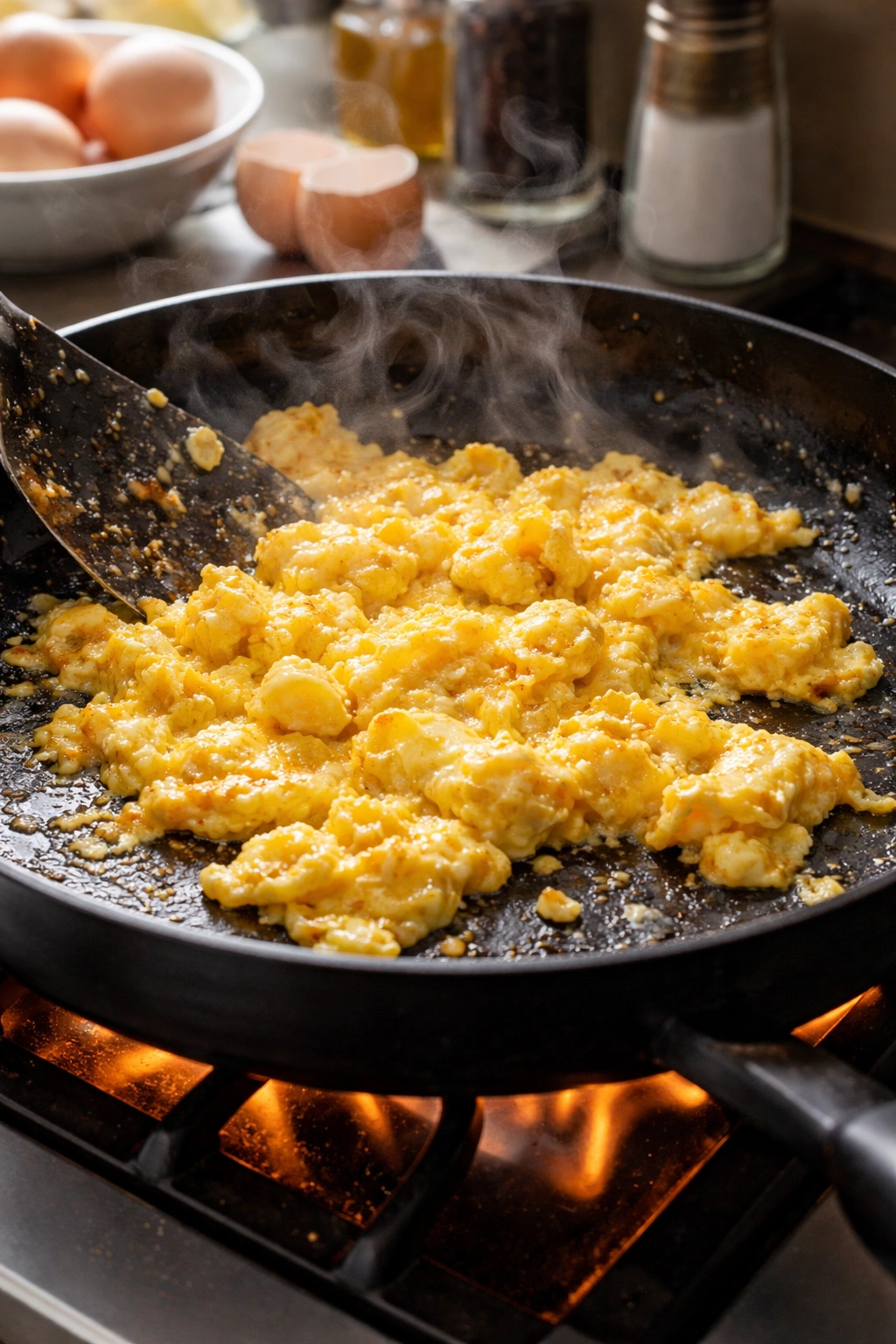
Most of the problems that people encounter with grab-and-go egg sandwiches come from small technique issues or wrong assumptions about timing.
Cooking eggs over too-high heat. This is the number-one mistake. High heat makes eggs cook faster, but it also makes them tough and rubbery, and it causes the bottom to brown before the top is set. Medium heat seems slower but actually produces better results faster because the eggs cook evenly. Once you adjust your heat down, the total cooking time is usually only about 30 seconds longer, and the texture improvement is massive.
Not seasoning eggs while they cook. Salt should be added to eggs before or during cooking, not after. Salt added after cooking sits on the surface and doesn’t distribute evenly. Salt added early dissolves into the eggs and seasons them throughout. Same with pepper. Don’t taste your eggs for the first time when they’re on the sandwich.
Using cold eggs from the fridge. Cold eggs take longer to cook and cook less evenly. The outside starts setting before the inside even starts cooking. A difference of 10-15 degrees (room temperature versus fridge temperature) changes your cooking time by 30-60 seconds and affects texture noticeably. Just take your eggs out of the fridge when you start getting everything else ready.
Choosing bread that can’t handle moisture. If you use soft white sandwich bread with a hot egg and any kind of condiment, your sandwich will be soggy by the time you’re eating it 20 minutes later. Choose bread with some structure: English muffins, thick-cut toast, bagels, or hearty whole grain. These stand up to the heat and moisture without falling apart.
Not using a moisture barrier for wet vegetables. If you’re adding tomato or cucumber, put mayo or another spread between the vegetable and the egg. The spread creates a seal that prevents the liquid from soaking directly into the bread. This one small step is what separates a sandwich that’s still crispy at lunchtime from one that’s become bread-mush.
Assembling while eggs are still extremely hot. If your eggs are steaming hot and you immediately wrap the sandwich in foil, you’re creating a steam chamber that softens the toast and makes everything muggy. Let the sandwich sit for 15-20 seconds after assembly, and let the toast cool just a bit before wrapping. You want everything warm, not actively steaming.
Making it more complicated than it needs to be. The best grab-and-go egg sandwiches have 4-6 components maximum: bread, eggs, cheese, one or two vegetables, one spread. Every additional component adds assembly time and increases the chance something will shift or fall apart during transport. More is not better. Simple is faster and actually tastes better because the flavors aren’t competing.
Pro Tips for Even Faster Assembly
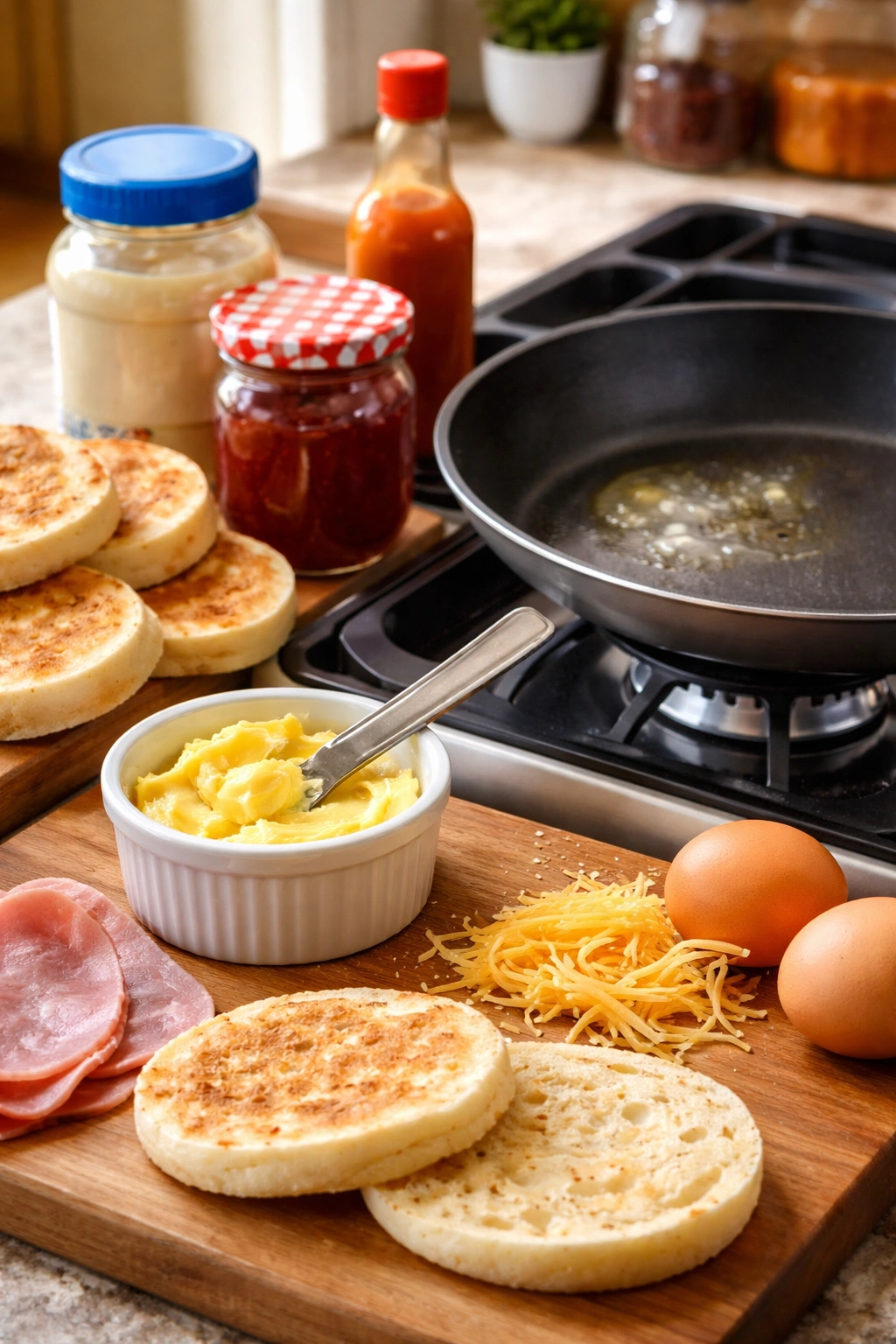
These are small techniques that shave minutes off your morning routine once you start using them habitually.
Keep your condiments at room temperature. Mayo straight from the fridge is harder to spread, which means you end up pressing harder on your toast and potentially tearing it. Keep your mayo, mustard, and spreads in your pantry or a kitchen cabinet rather than the fridge. They’re shelf-stable for months anyway. Room-temperature spread goes on toast in about 3 seconds instead of 15.
Use a nonstick skillet, and don’t wash it between eggs. If you’re making your sandwich alone, obviously you only use the skillet once. But if you’re batch-cooking for your family or making multiple sandwiches on different days, a well-seasoned nonstick skillet dramatically speeds up cooking and requires basically zero cleanup. A quick wipe with a paper towel between uses is all you need.
Pre-measure your butter the night before. Put the exact amount of butter (usually 1 tablespoon) you need in a small bowl on the counter. When you walk into the kitchen in the morning and turn on the stove, immediately add that butter to the hot skillet. By the time you’ve cracked your eggs and beaten them, the butter is already foaming. This saves maybe 30 seconds, but it makes the morning feel less hectic.
Toast your bread first, then cook your eggs. Bread takes 2-3 minutes to toast properly. Eggs take 3-4 minutes to cook. Start your toast first, and by the time it’s done, you’ll be almost ready to start your eggs. This way they’re both finishing around the same time, and you’re not standing around waiting for something.
Have your toppings visible and within arm’s reach. Don’t dig through the fridge looking for cheese or lettuce while you’re cooking. Set everything out on the counter before you start: bread, cheese, lettuce, mayo, tomato, whatever you’re using. When your eggs are done, you can literally assemble in 30 seconds flat.
Use a rubber spatula, not a fork or whisk, for scrambling. A rubber spatula is the perfect tool for creating soft, creamy curds. A fork breaks the eggs up too much and creates a texture that’s more scrambled than custardy. A whisk creates a fluffy texture that doesn’t work for a sandwich. Spend $3 on a rubber spatula if you don’t have one — it genuinely speeds up getting the right texture.
Pairing Your Sandwich with Quick-Grab Sides
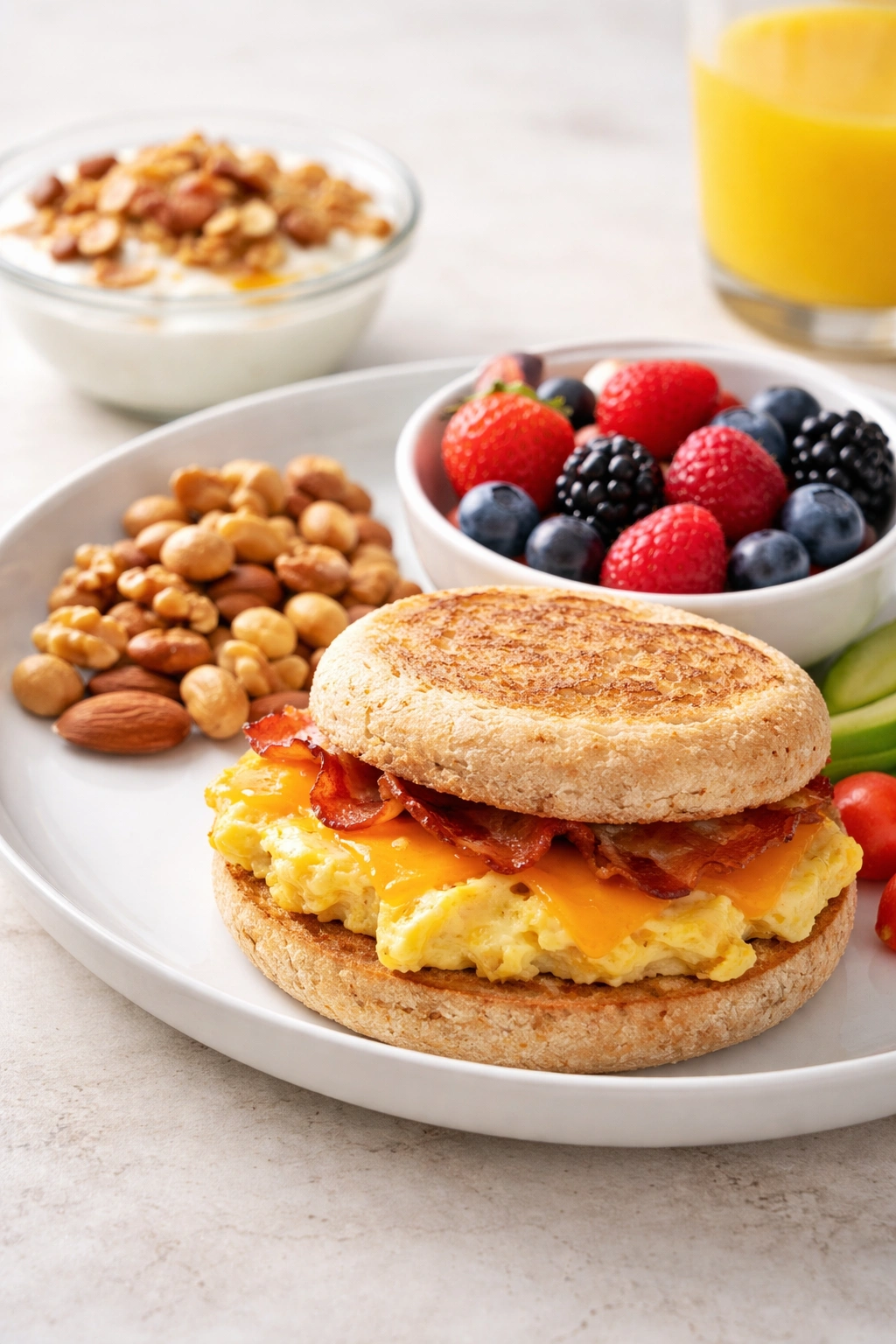
Your egg sandwich is a complete meal on its own, but sometimes you want something on the side, especially if you’re at home eating it rather than eating it in the car.
Fresh fruit — orange slices, berries, or apple slices — pairs beautifully and adds brightness that balances the richness of the eggs and cheese. Grab a handful of blueberries or slice an apple while your toast is cooking.
A handful of nuts or seeds adds healthy fats and makes the meal feel more substantial if you’re going to be doing heavy physical work. A small container of almonds or sunflower seeds takes literally no time to grab.
Greek yogurt with granola offers protein and probiotics that complement the meal nutritionally. This works especially well if your egg sandwich is on the simpler side — one or two toppings rather than a fully loaded version.
A small piece of whole-grain toast with almond butter doubles your carbohydrate intake if you’re someone who burns a lot of calories. This pairs particularly well with the simpler egg sandwich variations.
Sliced vegetables with hummus — cucumber, bell pepper, carrots — adds more vegetables without adding much effort. These are things you can prep ahead on Sunday and grab all week.
A hard-boiled egg might sound redundant, but if you’re batch-cooking eggs anyway, having a couple of hard-boiled eggs in the fridge for snacking gives you a protein-rich side that takes zero time to grab. This is especially helpful if your egg sandwich is lighter and you want additional satiety.
The key is that your side should require zero cooking or almost zero cooking. You’re already making an egg sandwich — you don’t need complexity on top of that. Simple, grab-able, and nutritionally supportive is the winning formula.
Final Thoughts
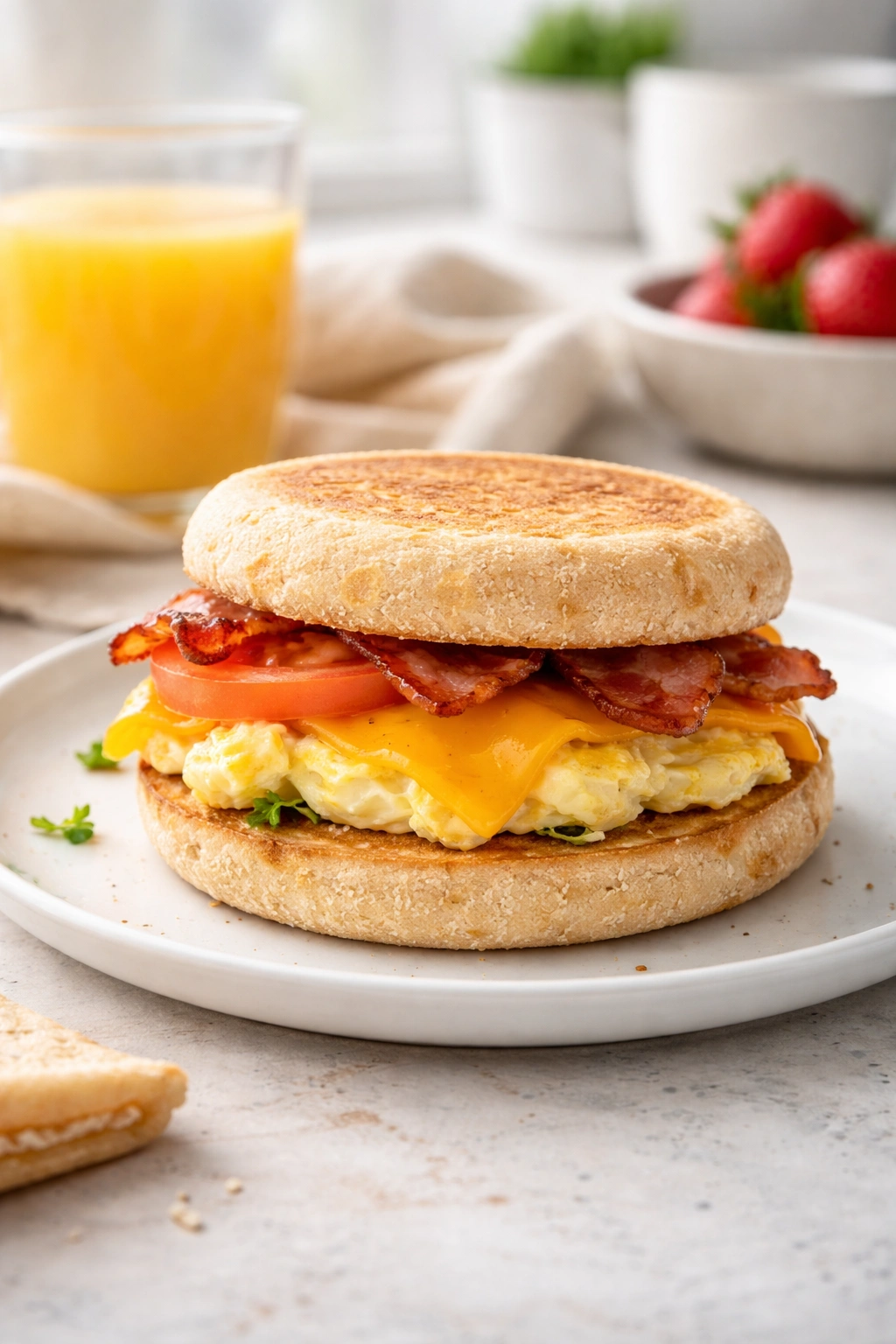
The goal of a grab-and-go egg sandwich isn’t to eat fast or to skip breakfast because you’re too rushed. The goal is to eat something delicious and nutritious that takes literally less time to make than it takes to wait in a coffee shop line or drive through a breakfast window. Once you nail the basic technique — room-temperature eggs, medium heat, medium-high toast, proper timing — you’ll find that making your own breakfast is actually faster than the alternatives.
The best part is that you’re not sacrificing quality for speed. A homemade egg sandwich with real butter, real cheese, and fresh vegetables is objectively better than nearly anything you could grab on the go. It costs a fraction of the price. It contains ingredients you recognize and chose yourself. And because you made it, it’s ready exactly when you need it, not 20 minutes later when you finally have a moment to pull over.
Start with the basic technique in the core recipe. Make it the same way three or four times until it feels automatic — until you’re not thinking about timing and heat level, you’re just doing it. Then start experimenting with the variations or creating your own combinations. Once this becomes a habit, breakfast stops being something you stress about or skip, and it becomes something you actually look forward to.
