



There’s something deeply satisfying about a bowl of authentic Mexican chicken tortilla soup—the kind that tastes like it came from a grandmother’s kitchen in Mexico City, not from a restaurant chain trying to capitalize on nostalgia. The real version bears almost no resemblance to the watered-down, jar-salsa versions you find in many American restaurants. Instead, it’s built on a foundation of roasted tomatoes, onions, and garlic that get blended into a silky base, enriched with quality chicken stock, and topped with ingredients you add yourself—crispy homemade tortilla strips, cool avocado, sharp cheese, and a squeeze of fresh lime. It’s the kind of soup that gets better the longer it sits, tastes even more incredible the next day, and tastes best when you’ve made it yourself using techniques that actually matter.
The authentic version isn’t complicated, but it does demand your attention to a few critical details. This isn’t a soup where you dump ingredients into a pot and walk away. The magic happens in those first few minutes when you sauté your aromatics until they’re deeply golden and fragrant. It’s in the decision to roast your tomatoes instead of using them straight from a can. It’s in understanding that the soup is only as good as the stock you’re using—and yes, that’s worth seeking out a quality version or making your own. It’s in the fact that you fry your tortilla strips in oil right before serving, not hours ahead, so they stay shattering-crisp when they hit your bowl.
This is the soup that people request by name when they know you make it. It’s the recipe friends ask for because they’ve tasted something different in it—something more alive, more thoughtful, more real. Over the following sections, I’m going to walk you through exactly how to build that authentic flavor, from selecting your ingredients to assembling everything with the right technique. By the end, you’ll have a soup that’s genuinely worth making, and worth making again.
Why Authentic Tortilla Soup Tastes Completely Different
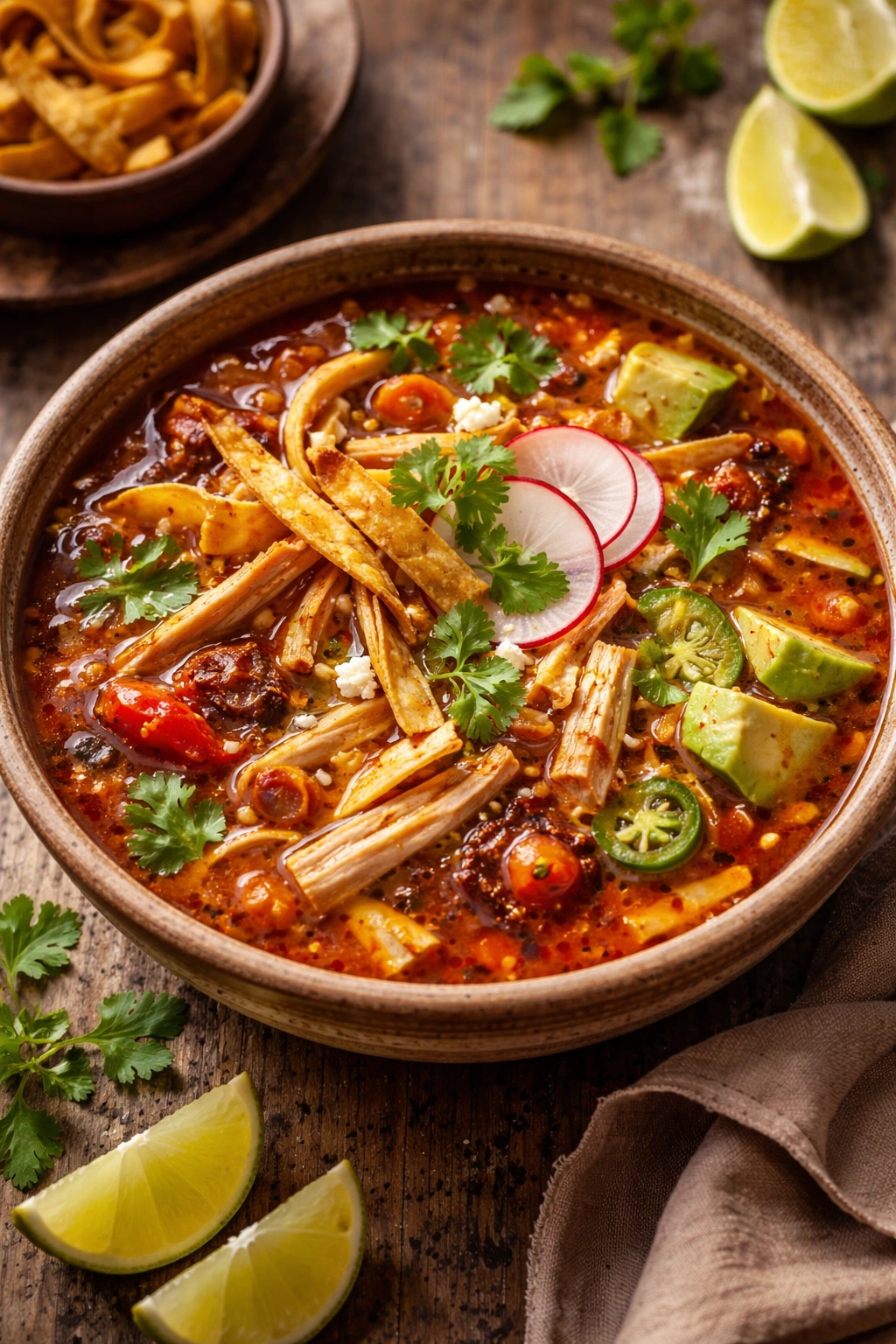
The difference between a forgettable tortilla soup and one you’ll crave comes down to one simple thing: the base flavor. Most shortcuts start with canned broth and canned tomatoes dumped together, which creates a thin, one-dimensional bowl that tastes more like tomato-flavored water than soup. Authentic Mexican tortilla soup, by contrast, begins with tomatoes that have been roasted until their skins char and split, releasing deep, concentrated flavor. This roasting step isn’t optional—it’s where the entire character of the soup gets built.
The traditional approach also involves building layers of flavor early in the cooking process. You’re not just adding ingredients; you’re creating a foundation by sautéing your aromatics until they’re caramelized at the edges, allowing the Maillard reaction to develop complex, savory notes that canned ingredients can never provide. Then those roasted tomatoes, along with onions and garlic that have been softened in oil, get blended smooth and cooked in the oil for a few minutes longer—this step is crucial because it allows the flavors to marry and deepen before you add any liquid.
The soup that emerges from this process has body, depth, and a richness that doesn’t come from cream or any added fat. It comes from technique and from respecting what each ingredient brings to the pot. This is why people who’ve eaten tortilla soup in Mexico City or made it from family recipes always say the same thing: it just tastes different. Once you’ve had the real thing, the shortcuts become impossible to go back to.
The Foundation That Makes Everything Work: Quality Stock
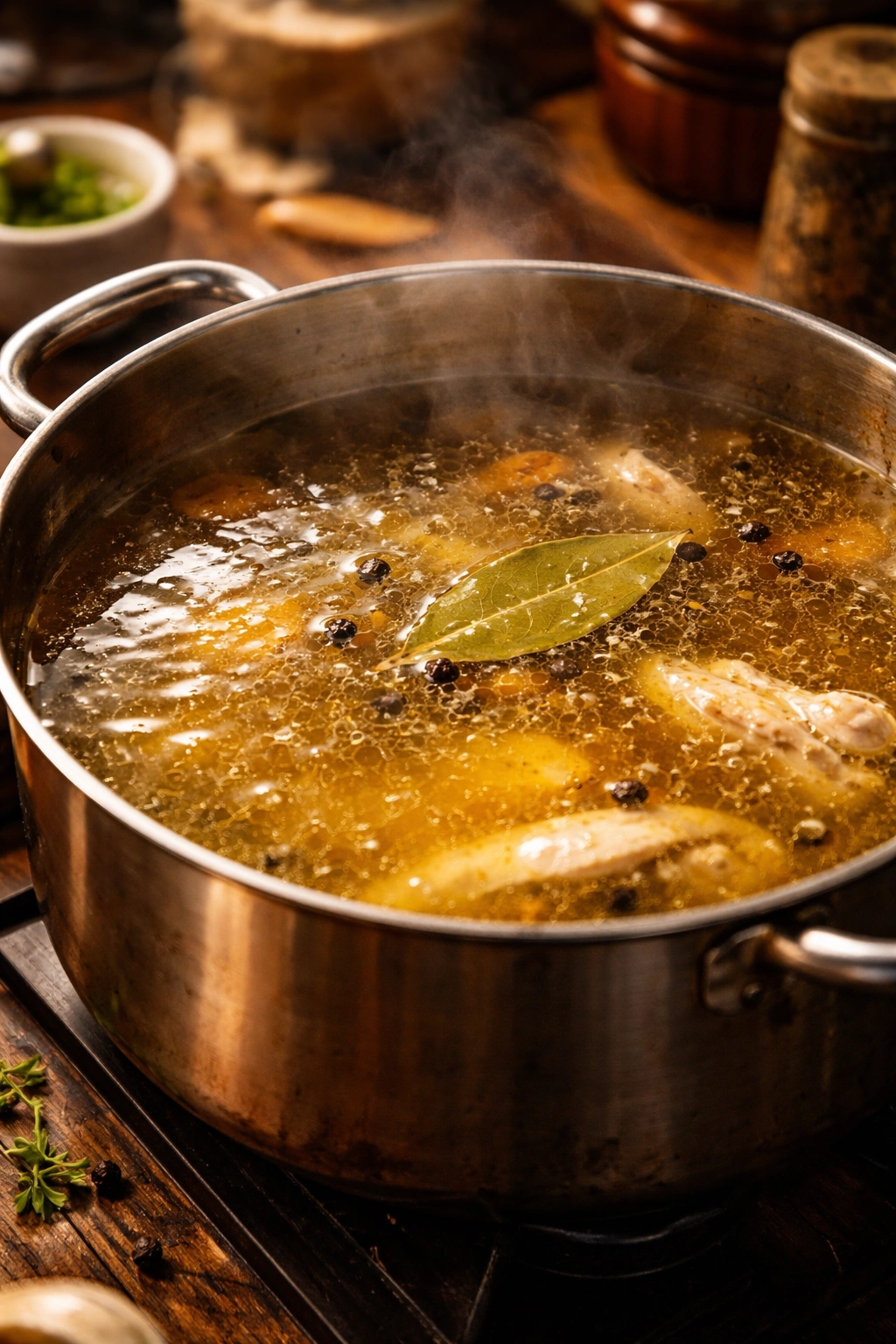
Before you worry about anything else, understand that the quality of your chicken stock is non-negotiable. This isn’t an exaggeration—it’s the difference between a soup that tastes good and one that tastes extraordinary. The stock makes up the body of the soup, and if you start with a thin, overly salty, or flavorless store-bought version, no amount of roasting tomatoes or caramelizing onions will fix it.
If you have access to homemade chicken stock, use it without hesitation. The deeper flavor, the natural body from gelatin, and the authentic chicken taste create a soup that’s incomparable. But if you’re buying store-bought, look for low-sodium versions—not because you won’t add salt, but because commercial stocks are notoriously high in sodium, and you need room to season properly. Brands that use real chicken and fewer additives will make a noticeable difference. Pay attention to the ingredient list; if you see a long string of chemicals and flavor enhancers, keep looking.
Some cooks boost store-bought broth by simmering it with chicken bones, aromatics, and a bay leaf for 30 minutes before using it in the soup. This simple step adds body and chicken flavor that transforms even mediocre commercial stock into something respectable. If you’re going to this effort, you might as well make the whole thing from scratch—but the hybrid approach works when you’re short on time and want to do better than using stock straight from the carton.
Why You Need to Roast Your Tomatoes
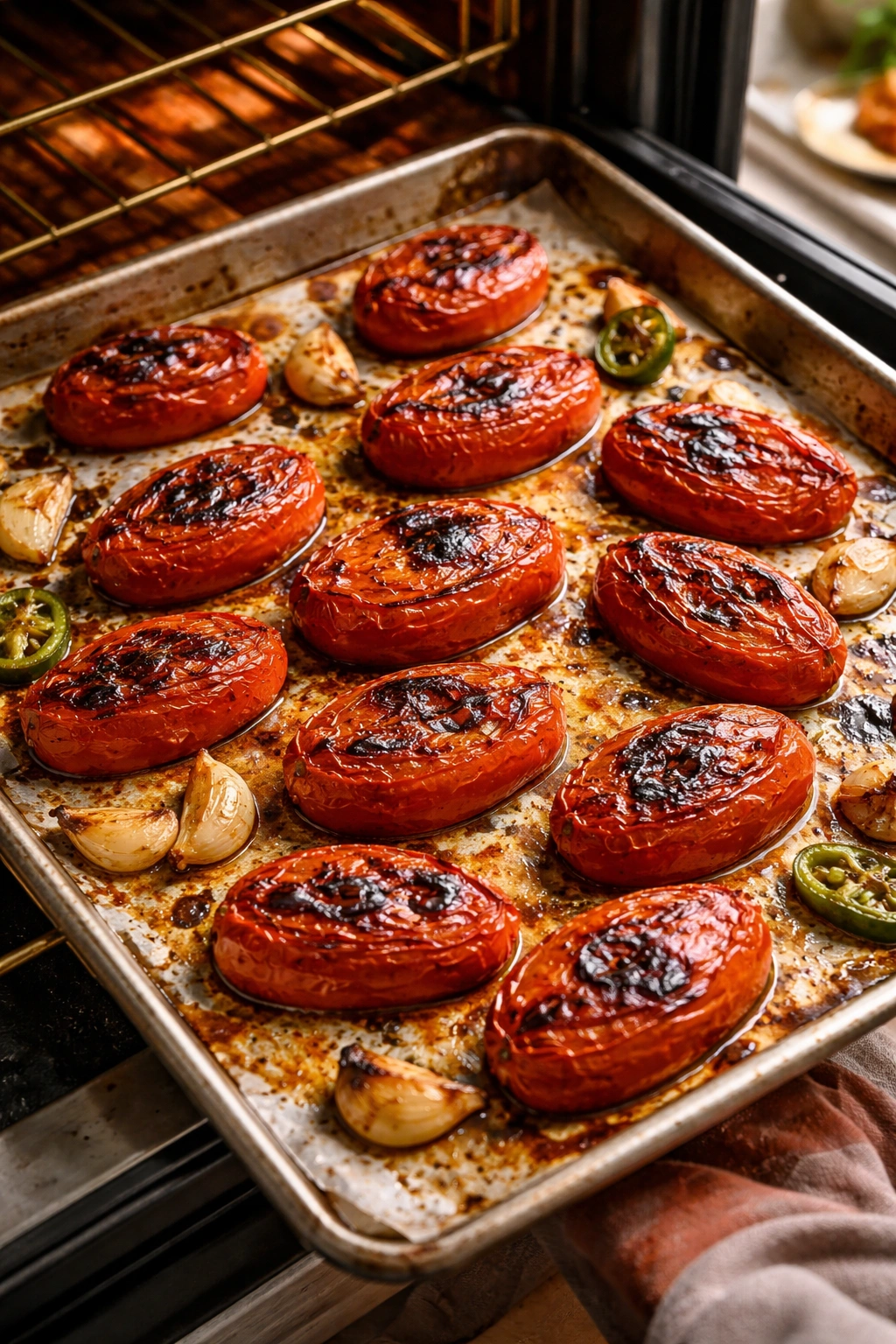
This single step determines whether your soup tastes flat or magnificent. Roasting tomatoes concentrates their flavor, removes excess moisture, and allows their natural sugars to caramelize. The charred, darkened skin of a roasted tomato contributes something smoky and complex that fresh, raw tomatoes can never deliver. It’s the difference between a bright tomato flavor and a deep, savory-sweet one.
The classic approach calls for roma tomatoes roasted in a 400°F oven until their skins split and darken—usually 15 to 20 minutes. You’re not trying to cook them to mush; you’re trying to get them to that sweet spot where the exterior is deeply browned but the flesh is still tender enough to blend smoothly. Some recipes suggest broiling them instead, which can work in a pinch, but oven roasting is more reliable and gives you better control.
If roasting whole tomatoes feels like overkill, an alternative that works is using fire-roasted canned tomatoes, which capture some of that roasted depth. They’re not quite as good as roasting fresh tomatoes yourself, but they’re a legitimate shortcut when fresh, ripe tomatoes aren’t available. What you absolutely should avoid is using plain canned crushed tomatoes, which will give you a soup that tastes thin and one-dimensional, no matter what else you do.
Making Crispy Tortilla Strips: The Technique That Matters
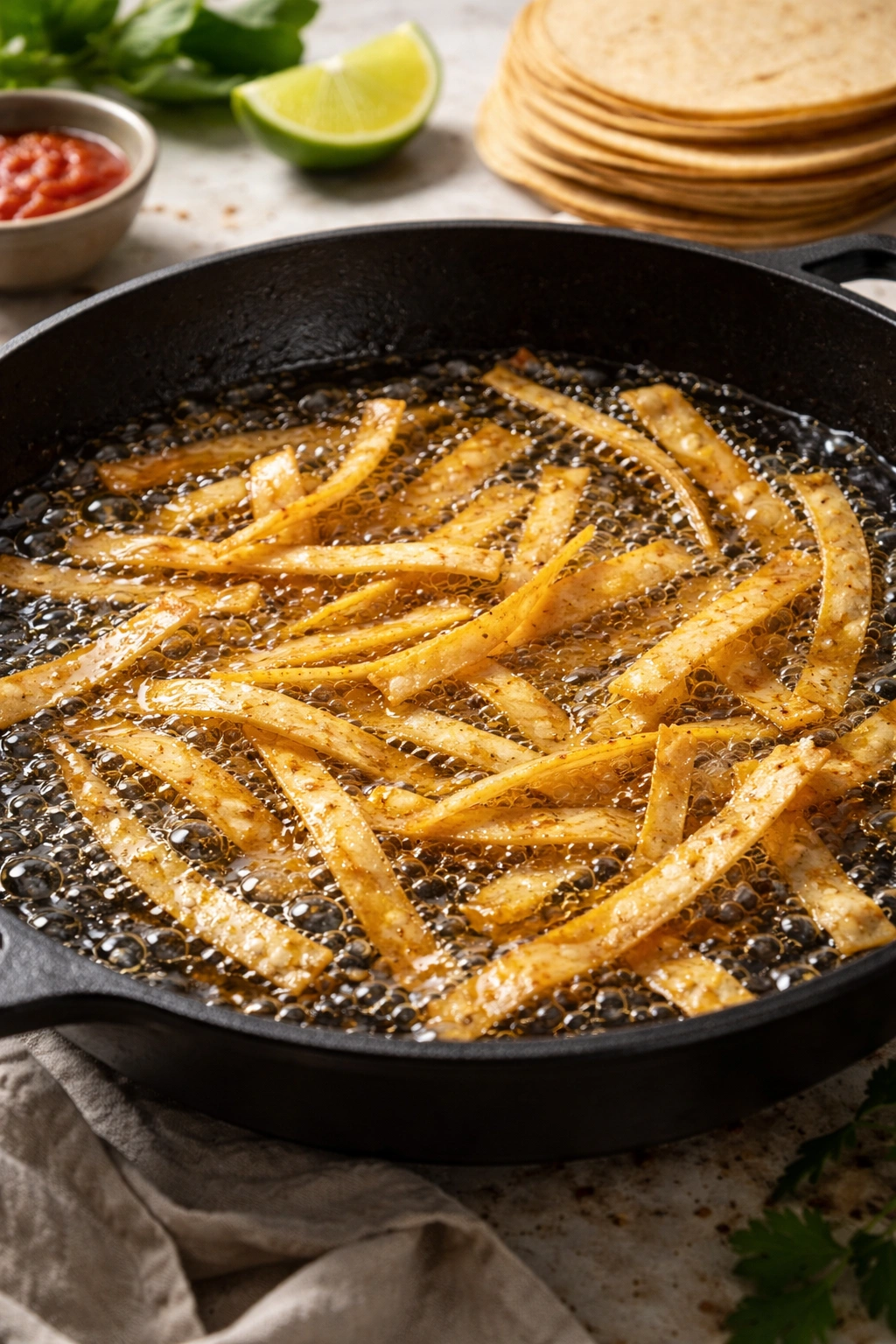
Those crispy tortilla strips aren’t just garnish—they’re a core component of the soup. They add textural contrast, contribute their own subtle corn flavor (especially if you fry them in the oil that becomes part of the soup’s base), and create the satisfying crunch that makes eating the soup enjoyable. The technique for making them is simple, but there are tricks worth knowing.
The best results come from using corn tortillas that are slightly stale or dried out. Fresh tortillas have too much moisture and won’t crisp up properly—they’ll absorb oil and turn greasy instead of shattering. If you only have fresh tortillas available, put them in a 200°F oven for 10 to 15 minutes to dry them out before cutting and frying. Cut the tortillas into thin, even strips using a sharp knife or kitchen shears, aiming for about ¼-inch wide.
Heat your oil to medium-high heat—hot enough that a strip sizzles immediately when it hits the pan, but not so hot that the outside burns before the inside crisps. Work in small batches; if you crowd the pan, the temperature drops and you end up with soggy strips instead of crispy ones. Once the strips go into the oil, they’ll bubble and dance around furiously for about 30 to 45 seconds. Remove them when they’re just starting to turn golden—they’ll continue cooking slightly as the oil cools down, so take them out a touch earlier than you think you need to. Drain them on paper towels and sprinkle with a pinch of salt while they’re still hot.
The timing here is critical. You want to fry your strips right before serving the soup, not an hour ahead. If they sit around, they’ll soften as they absorb moisture from the air. In a pinch, you can use good-quality store-bought tortilla chips, but homemade strips have a delicate crispness that chips never quite achieve.
Selecting and Cooking Your Chicken
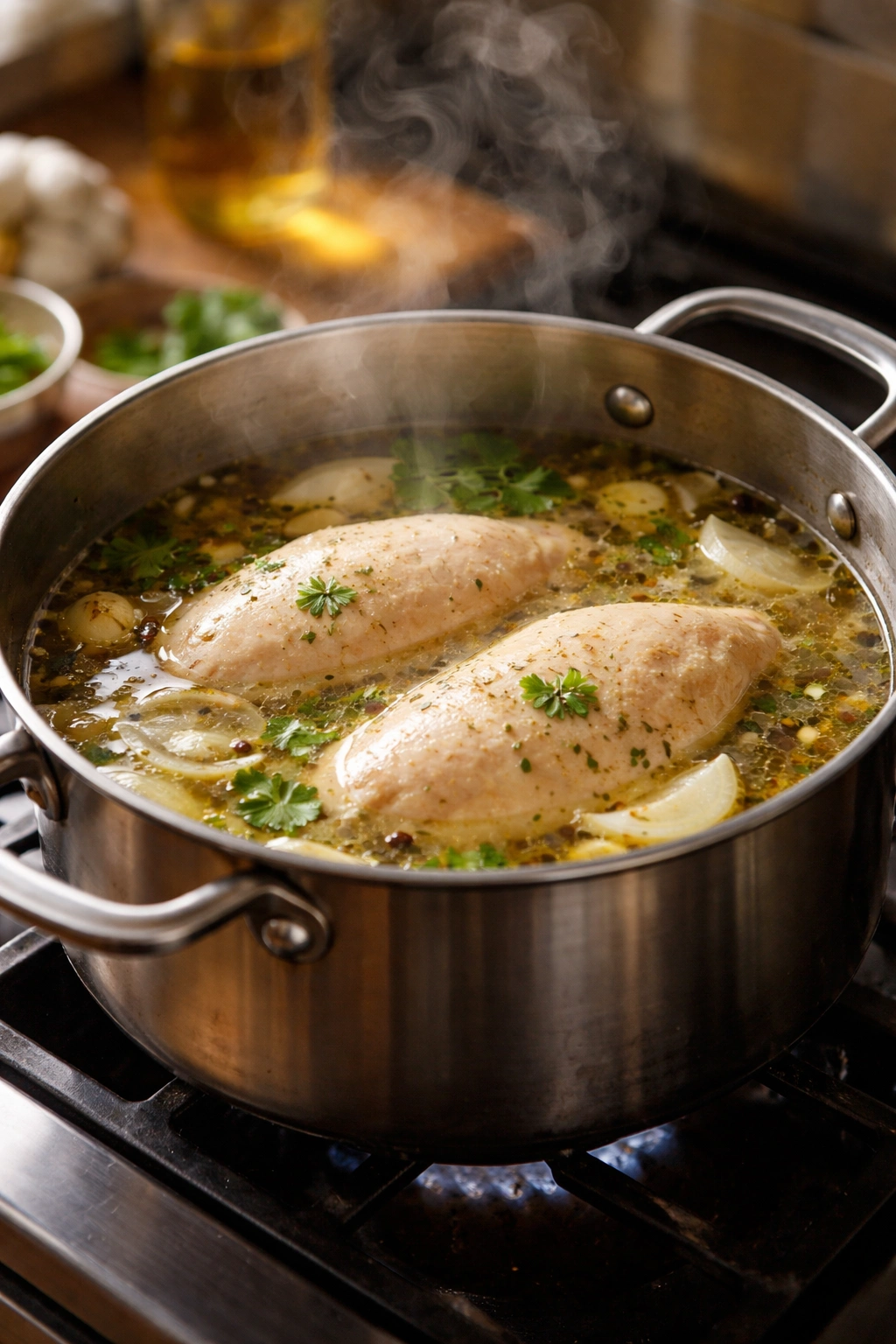
You have several options for the chicken component, and each has its advantages. Cooking chicken breasts directly in the broth is the purest approach—the chicken poaches gently, stays moist, and contributes subtle flavor to the liquid. This method takes about 15 to 20 minutes, depending on the thickness of your breasts. The key is keeping the heat low enough that the broth barely simmers; if it boils vigorously, the chicken becomes tough and dry.
Rotisserie chicken is a legitimate time-saver and works beautifully if you shred it finely and add it toward the end of cooking, just long enough to let it warm through and soak up the soup’s flavor. The meat is already tender and flavorful, and it requires almost no cooking time. Some cooks prefer shredded rotisserie chicken because it soaks up the broth flavors better than a solid piece of cooked chicken breast.
If you have leftover cooked chicken—from roasting a bird for dinner, or from poaching breast for another meal—use it without hesitation. Just make sure it’s finely shredded and add it in the final five minutes of cooking so it warms through without drying out further.
Building the Flavor Base: Aromatics and Spices
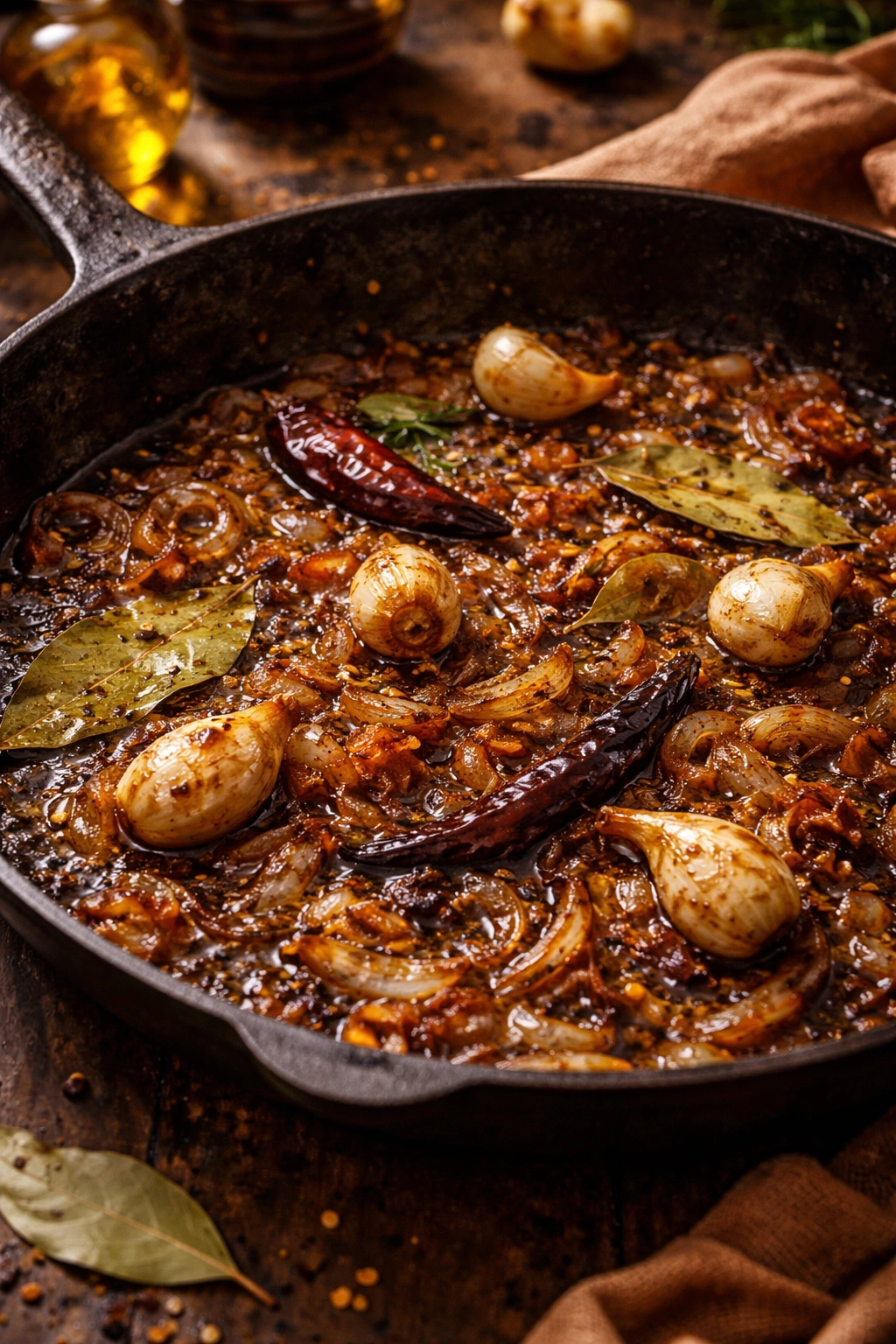
After your roasted tomatoes, the next layer of flavor comes from deeply caramelized onions and garlic. The technique is simple but requires patience: sauté your roughly chopped onion in a bit of oil over medium heat until it’s completely translucent and starting to brown at the edges—this usually takes 8 to 10 minutes. The browning matters because it means the sugars in the onion have caramelized, adding sweetness and depth.
Add your whole garlic cloves (yes, whole—don’t mince them yet) and let them cook alongside the onion for another minute or two, just until they’re soft and fragrant. Then transfer everything to a blender along with your roasted tomatoes and any seasonings you’re using—traditionally, this might include a single dried ancho chili or a chipotle pepper in adobo. Blend until completely smooth; this mixture becomes the soul of your soup.
Back that blended mixture into a pot with a bit of oil and let it cook for a few minutes, stirring frequently. This step—sautéing the blended mixture—is more important than most home cooks realize. It allows the flavors to concentrate, helps them meld together, and creates a rich base that tastes homemade rather than like a blended ingredient dump. You’ll notice the mixture darkening slightly and becoming more fragrant; that’s exactly what you want. Some recipes suggest cooking it for 4 to 5 minutes, and that’s about right.
The spices that make tortilla soup distinctive are cumin, oregano (preferably dried Mexican oregano, which is earthier than Mediterranean varieties), and a pinch of cayenne or ground chipotle if you want heat. These spices should be toasted briefly in the hot oil after your aromatics soften and before you add any liquid—toasting them for just 30 seconds intensifies their flavor and prevents them from tasting raw or dusty in the finished soup.
The Complete Recipe: Authentic Mexican Chicken Tortilla Soup
Yield: Serves 4 to 6 | Makes about 8 cups
Prep Time: 20 minutes
Cook Time: 45 minutes
Total Time: 65 minutes
Difficulty: Intermediate — The technique matters here (roasting tomatoes, caramelizing aromatics, frying tortilla strips), but the actual cooking process is straightforward once you understand why each step exists.
For the Soup Base:
- 4 to 5 roma tomatoes, halved lengthwise
- 1½ medium yellow onions, roughly chopped (divided: 1 onion for the base, ½ onion for later)
- 3 garlic cloves, peeled and whole (for the base)
- 1 dried ancho chili, seeds and stem removed, or 1 chipotle pepper in adobo (optional but recommended)
- 2 tablespoons vegetable oil or lard
- 8 cups good-quality chicken stock (homemade or low-sodium store-bought)
- ½ teaspoon kosher salt, plus more to taste
- Freshly cracked black pepper
- 1 teaspoon dried Mexican oregano
- ¼ teaspoon ground cumin
- 1 chicken breast (about ½ pound), or 1½ to 2 cups shredded rotisserie chicken
For the Tortilla Strips:
- 3 to 4 corn tortillas (preferably slightly stale; if fresh, dry them in a 200°F oven for 10-15 minutes first)
- ¼ cup vegetable oil (approximately—you may need a bit more depending on pan size)
For Garnish and Serving:
- Shredded cheese (cotija, Monterey Jack, or sharp cheddar)
- 1 ripe avocado, diced
- Fresh cilantro, roughly chopped
- Lime wedges
- Sour cream or Mexican crema (optional)
- Thinly sliced jalapeño (optional)
Prepare the Tomatoes:
-
Preheat your oven to 400°F and position a rack in the upper-middle area. Place the halved roma tomatoes cut-side up on a baking sheet lined with foil.
-
Roast the tomatoes for 15 to 20 minutes, until their skins have darkened and split and the flesh is completely soft. You should see some charring on the cut surface—that’s the caramelization you’re aiming for. Set aside to cool slightly.
-
Once cool enough to handle, squeeze the softened tomatoes gently to release any excess liquid (you don’t need this liquid for the soup). Set the roasted tomatoes aside.
Build the Flavor Base:
-
Heat 1 tablespoon of the oil in a large saucepan or Dutch oven over medium heat. Add the roughly chopped onion and cook, stirring occasionally, until completely translucent and beginning to brown at the edges—about 8 to 10 minutes. The onion should smell sweet and caramelized, not raw or sharp.
-
Add the 3 whole garlic cloves to the pan and cook for 1 minute more, just until fragrant. The garlic doesn’t need to brown; it’s just waking up.
-
Transfer the softened onion and garlic to a blender, add the roasted tomatoes, and add your ancho chili or chipotle pepper if using. Blend on high speed until completely smooth—this will take 60 to 90 seconds. The mixture should look like a thick, velvety sauce with no visible chunks.
-
Return the blended mixture to your pot (no need to clean it first). Add the remaining 1 tablespoon of oil and cook the mixture over medium heat, stirring frequently, for 4 to 5 minutes. You’ll notice it darkening slightly and becoming more fragrant. This step is essential—it allows the flavors to concentrate and prevents the soup from tasting thin or unfinished.
Advertisements
Build the Stock and Cook the Chicken:
-
Sprinkle the oregano and cumin over the tomato mixture, stir to combine, and cook for 30 seconds until fragrant. Don’t skip the toasting step for the spices—it makes a measurable difference in how alive they taste.
-
Pour in the 8 cups of chicken stock, stirring to combine completely. Add the ½ teaspoon of salt and several generous grinds of black pepper. Bring the mixture to a boil over high heat.
-
Once boiling, reduce the heat to a gentle simmer, add the chicken breast (if using fresh chicken; skip this step if using rotisserie chicken), and partially cover with a lid. Simmer gently for 15 to 20 minutes, until the chicken is cooked through and no longer pink in the center. The heat should be low enough that large bubbles rise slowly—if it’s boiling vigorously, reduce the heat further to keep the chicken tender.
-
Carefully remove the cooked chicken breast to a cutting board and set aside. Once cool enough to handle, shred it finely using two forks, pulling in opposite directions until the chicken separates into thin, tender strands.
-
Add the shredded chicken back to the simmering broth and let it cook for another 5 minutes. Taste the soup carefully and adjust the salt and pepper as needed—remember that you’ll be adding salty cheese and other toppings, so don’t over-season the broth itself.
Make the Tortilla Strips:
-
While the soup is simmering in steps 10-12, prepare your tortilla strips. Stack your tortillas and cut them into strips roughly ¼-inch wide using a sharp knife or kitchen shears. Spread them out on a plate or cutting board so they dry slightly while you wait.
-
Heat the ¼ cup of oil in a medium skillet over medium-high heat. Test the temperature by dropping a single tortilla strip into the oil; it should sizzle immediately and vigorously.
-
Once the oil is hot, add a small handful of tortilla strips to the pan—you’re working in batches to maintain the oil temperature. They’ll bubble and dance around frantically for about 30 to 45 seconds. Once they’re starting to turn golden and the bubbling has mostly subsided, use tongs to remove them to a paper-towel-lined plate. Sprinkle lightly with salt while still hot.
Advertisements -
Repeat with the remaining tortilla strips, adding a tablespoon or two more oil between batches if needed to maintain a consistent temperature and depth. The strips should crisp up as they cool and the oil drains away.
Serve:
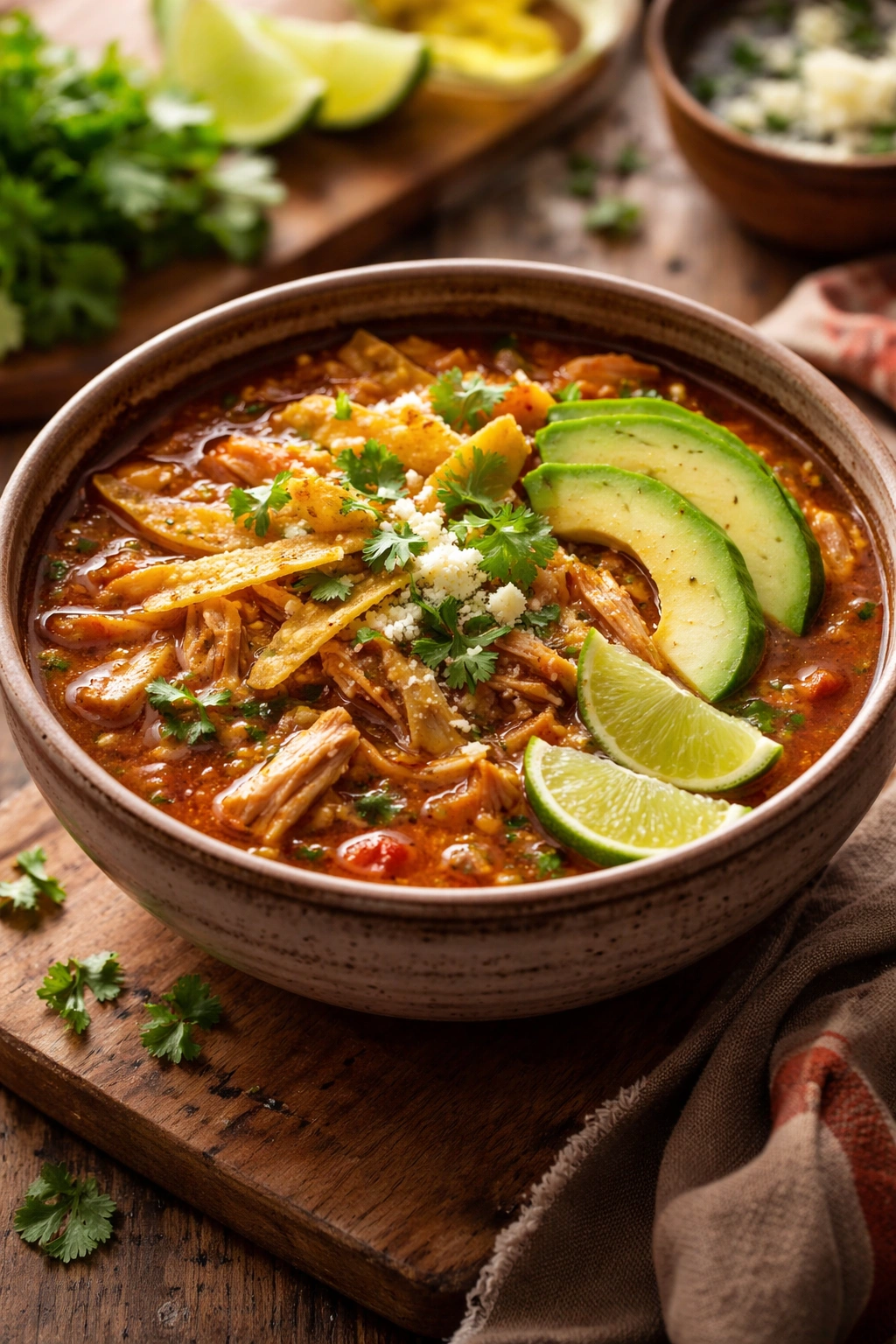
- Ladle the hot soup into individual bowls, dividing the chicken and broth evenly. Top each bowl with a generous handful of the crispy tortilla strips, diced avocado, shredded cheese, fresh cilantro, and a squeeze of lime juice. Add sour cream or crema if desired, and serve immediately with lime wedges on the side.
Why This Recipe Works: The Technique Behind Every Step
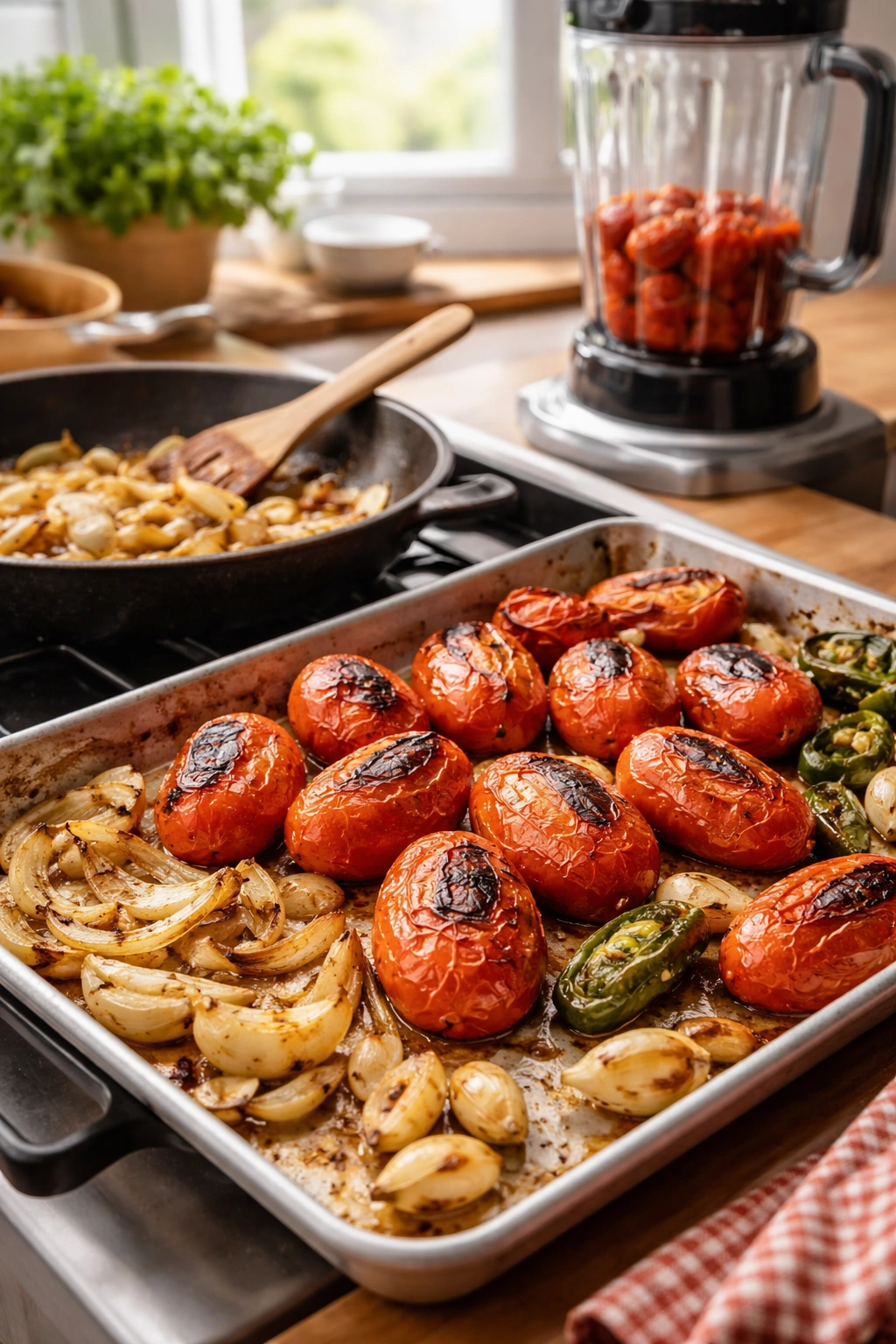
This recipe follows the traditional approach that’s been used in Mexico City and throughout central Mexico for decades, and there’s a reason for that consistency: each step builds on the previous one in a way that creates something greater than the sum of its parts. The roasting of tomatoes concentrates flavor and removes excess water, so you end up with a soup that tastes rich rather than watery. The caramelizing of the onion adds natural sweetness and depth that raw onion can never provide.
The blending of the tomato base creates a silky texture without any cream, which is distinctly different from heavier, Americanized versions that rely on dairy for body. The cooking of the blended mixture in oil acts as a bridge between the raw tomato flavor and the finished soup—it mellows and marries all the flavors together so nothing tastes sharp or separate.
The gentle simmering of fresh chicken in stock keeps the meat tender and allows it to absorb the soup’s flavor, while the fresh tortilla strips added at the end stay crisp and provide the textural contrast that makes each spoonful interesting. This isn’t a soup where you can cut corners on these steps and expect the same result—but it’s also not a complicated recipe. It’s straightforward technique executed with intention.
Pro Tips and Common Mistakes to Avoid
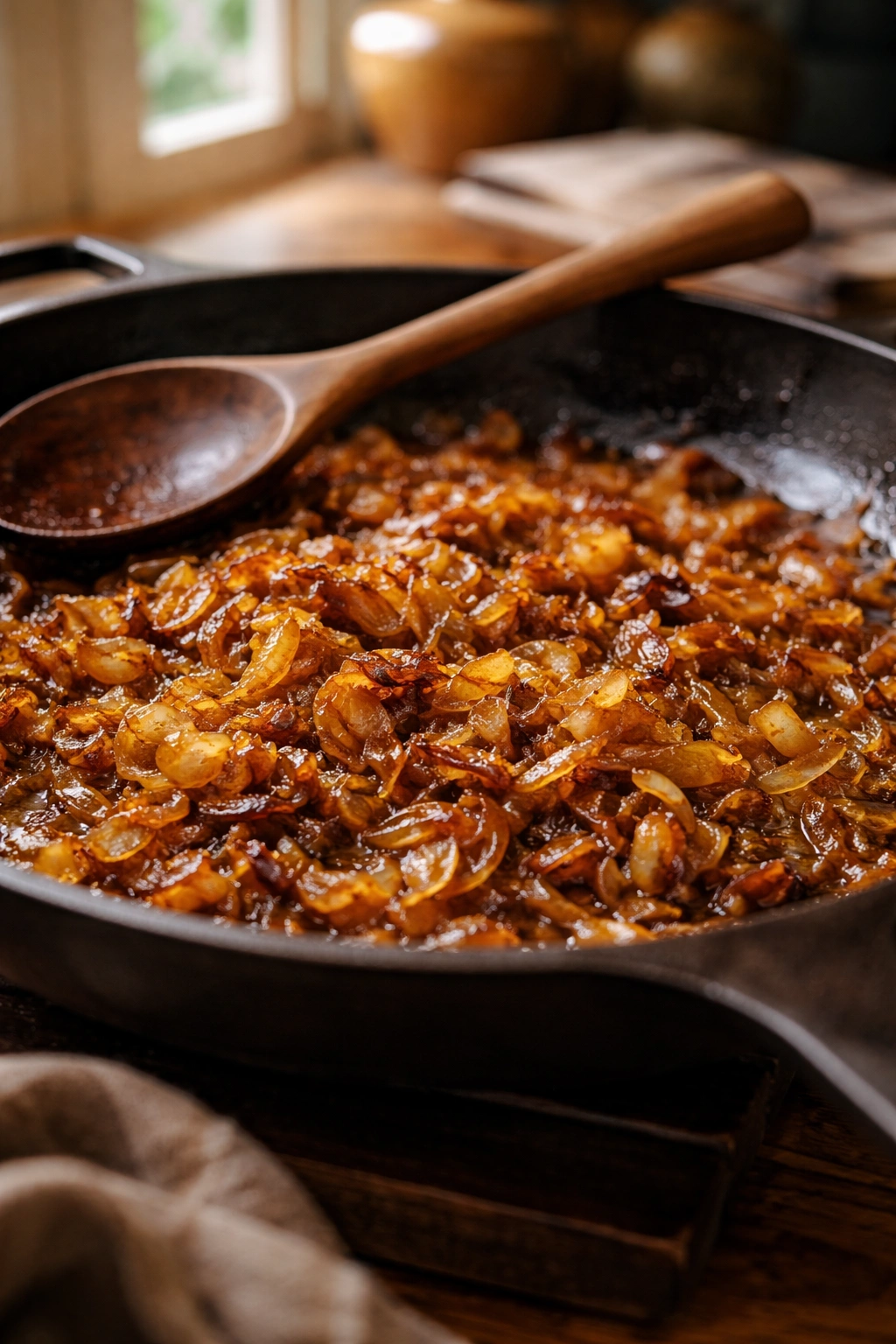
The biggest mistake people make is not caramelizing their onions sufficiently. If your onions are still pale and translucent, they’re done cooking but not done developing flavor. Keep them on the heat until they start to turn golden at the edges; you’ll notice the smell shift from sharp and raw to sweet and mellow. This takes longer than most people expect—closer to 10 minutes than 5. Your patience here directly determines whether your soup tastes one-dimensional or layered.
Another common mistake is using boiling heat when cooking the chicken. High heat makes chicken tough and dry. Keep the heat low enough that the broth barely simmers; you should see only occasional bubbles breaking the surface, not a rolling boil. This is true whether you’re cooking fresh chicken breasts in the broth or heating pre-cooked rotisserie chicken.
Many people fry their tortilla strips too far in advance, then watch them soften as they sit exposed to the humid air. Fry them in the last few minutes before serving, while the soup is finishing. If you’re making soup for a crowd and need to time it better, you can fry them 10 to 15 minutes ahead and store them in an airtight container, but that’s the outer limit before they start losing their crispness.
One more: don’t skip the step of cooking the blended tomato mixture in oil for a few minutes. This step feels unnecessary when you first read the recipe, but it’s the difference between a soup that tastes bright and sharp and one that tastes finished and sophisticated. During this cooking time, the individual flavors start to integrate, and the tomato taste becomes less aggressive and more nuanced.
Finally, taste your soup before serving and season it properly. Salt is not the enemy—it’s what makes flavors pop. Start with the ½ teaspoon suggested, but you may need more depending on your stock and your preferences. Remember that lime juice brightens flavors noticeably, so a squeeze of fresh lime at the end can completely transform how the soup tastes.
Variations and Ways to Customize
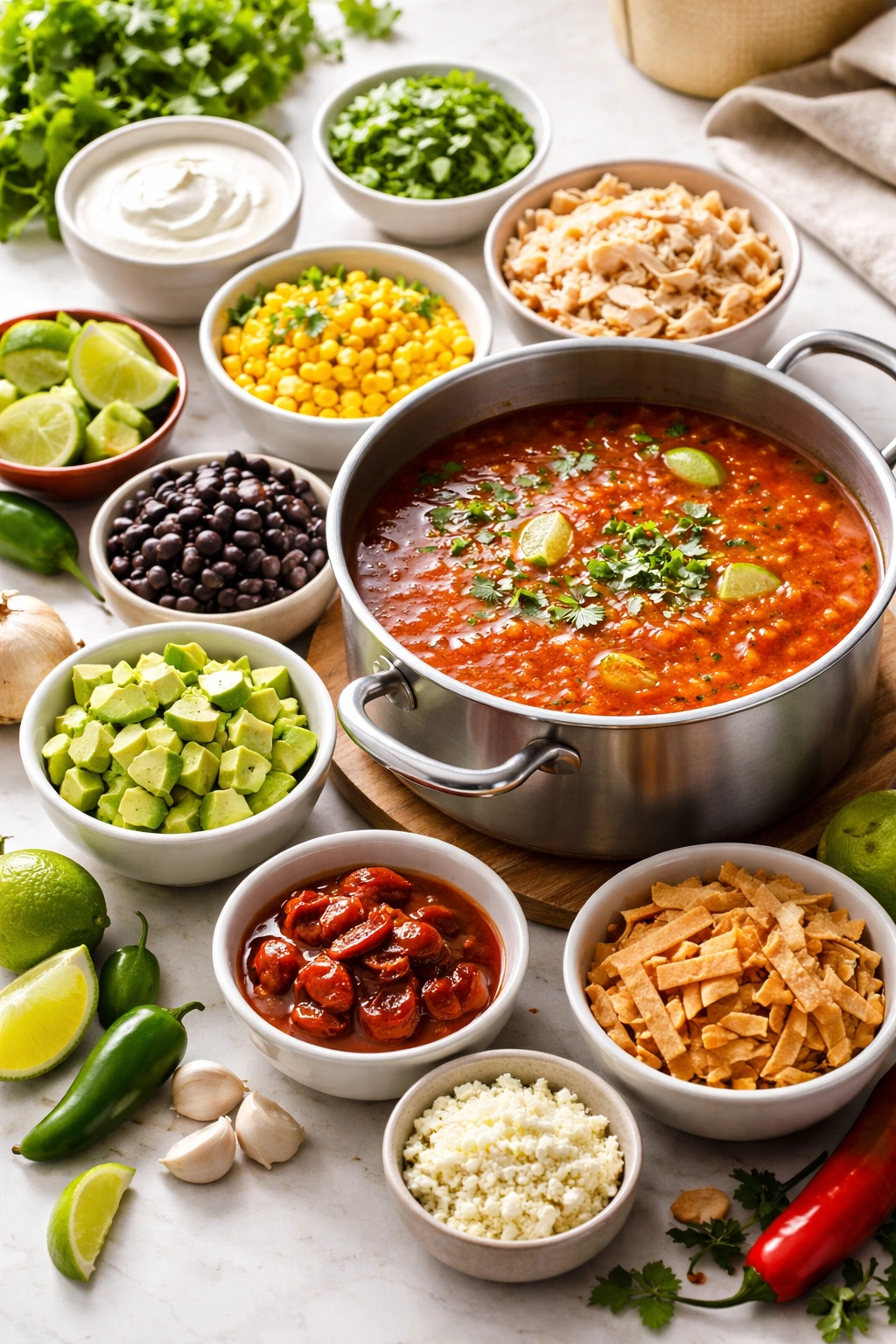
This base recipe is flexible enough that you can adapt it to your tastes and what you have on hand. If you prefer a smokier soup, use a chipotle pepper instead of an ancho chili, or add both for complexity. If you want heat, add another chipotle or leave the seeds in your dried chili. For a milder version, omit the chili entirely—the soup is delicious without it.
Some cooks add black beans or pinto beans to make the soup heartier and more filling. Add a can of drained beans in the last few minutes of cooking, just long enough to warm them through. Corn kernels (fresh, frozen, or canned) also work beautifully; add them at the same time as the beans. These additions turn the soup into more of a complete meal.
You can make this soup vegetarian by using vegetable stock instead of chicken stock and omitting the chicken entirely. The tomato and spice base is flavorful enough to stand on its own, especially if you boost it with beans and corn. Some vegetarian versions add a splash of sour cream or crema at the end for richness.
If you want to experiment with the aromatics, some recipes use garlic more generously (up to 4 or 5 cloves for a very garlicky version) or add a diced poblano pepper alongside the onion for a slightly sweeter, more complex pepper flavor. Both work well.
The garnish situation is where you can really have fun. Beyond the classics—avocado, cilantro, lime, cheese, and tortilla strips—some people add diced tomatoes, sliced jalapeños for heat, crumbled cotija cheese (which is sharper and more flavorful than most other cheeses), a dollop of sour cream or Mexican crema, or even a drizzle of good hot sauce. Let your guests build their own bowl with the toppings they like best.
Storage, Reheating, and Make-Ahead Tips
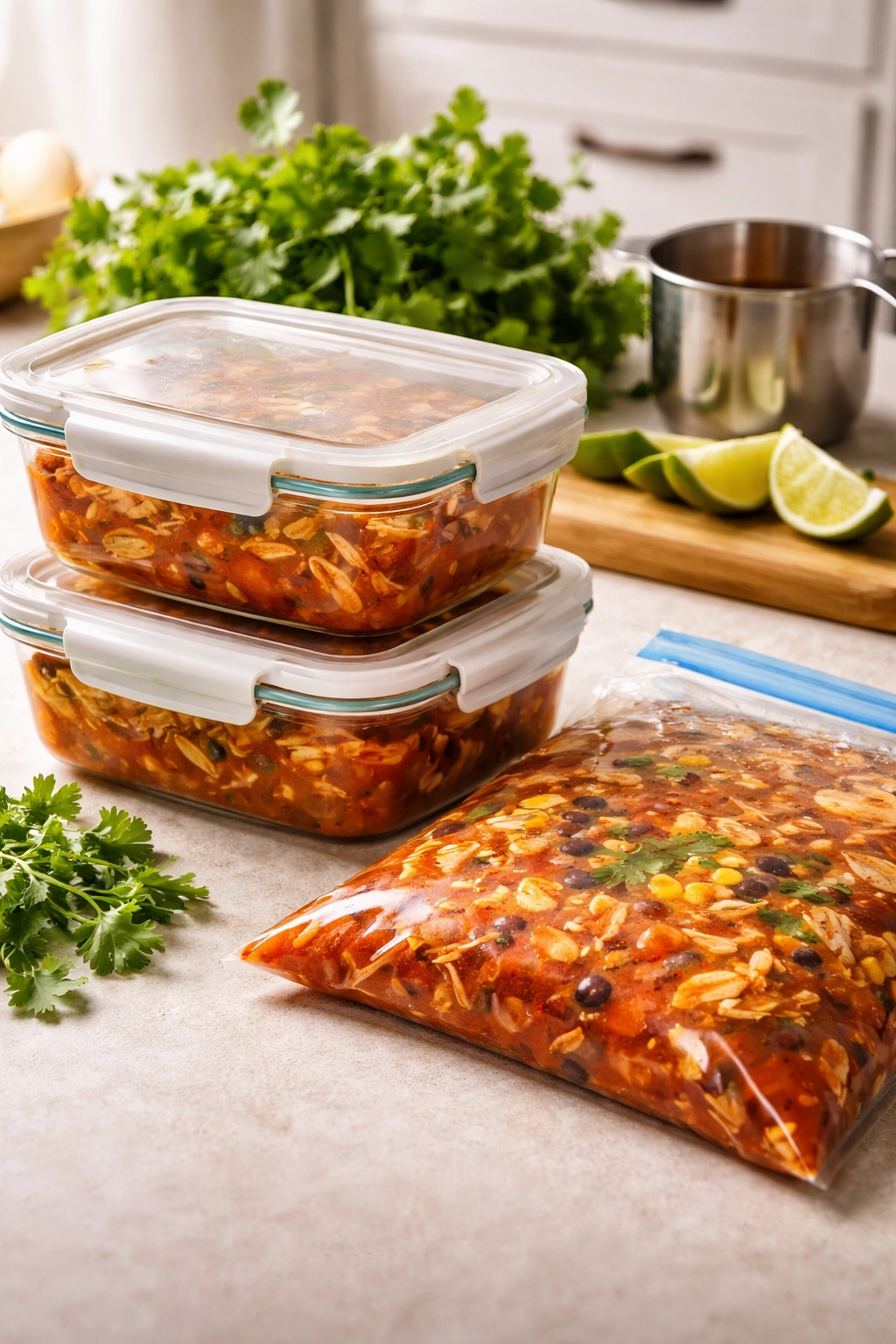
The broth itself stores beautifully and actually gets more flavorful as it sits. Pour the cooled soup (without toppings or tortilla strips) into an airtight container and refrigerate for up to 4 days. The flavors continue to meld and deepen overnight, so leftover soup often tastes better than the day you made it. Don’t add the crispy tortilla strips, avocado, or fresh cilantro until you’re ready to serve—these components are best fresh.
To reheat, pour the soup into a saucepan and bring it to a gentle simmer over medium heat, stirring occasionally. It usually takes 8 to 10 minutes to heat through. Alternatively, you can reheat individual portions in the microwave, though the stove method is gentler on the flavor. Add fresh toppings (tortilla strips, avocado, cheese, cilantro) once the soup is hot and ready to serve.
For freezing, let the soup cool completely, then transfer it to airtight freezer containers or zip-top freezer bags. Don’t include the tortilla strips, avocado, or cilantro—freeze only the broth and chicken. Label with the date and freeze for up to 3 months. When you’re ready to use it, thaw overnight in the refrigerator, reheat gently on the stove, and add fresh toppings.
If you’re making soup ahead for a party, you can prepare the broth up to 2 days in advance. On the day of serving, reheat the broth gently, fry your tortilla strips fresh, and let guests add their own toppings. This approach ensures everything is fresh and in its best condition when people eat it.
Serving Suggestions and Ideal Pairings
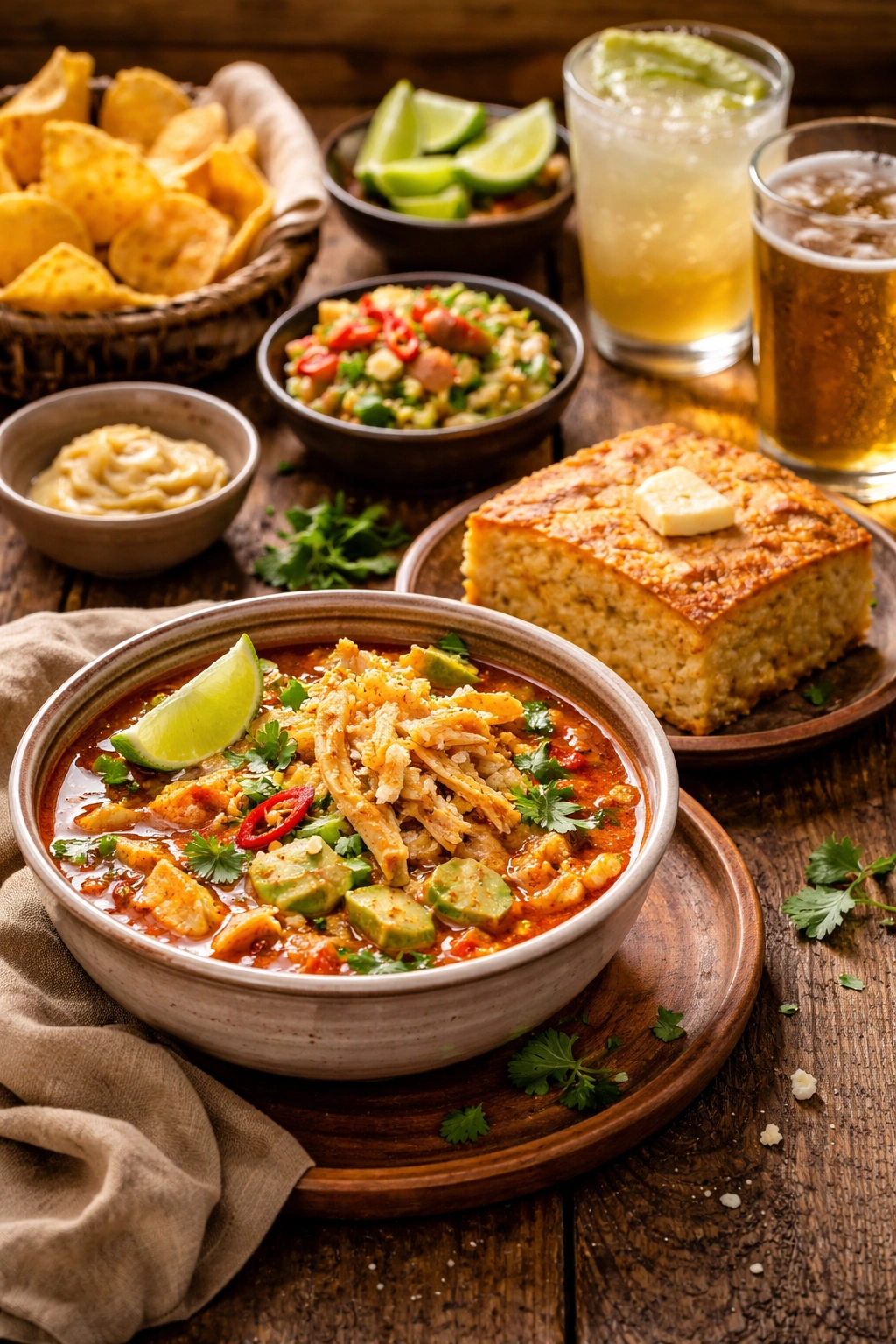
Tortilla soup works beautifully as a light dinner on its own, but it pairs equally well with sides that complement its flavors. Fresh, crumbly cornbread or sopapillas are the traditional pairing—the slightly sweet cornbread balances the savory soup perfectly. Flour tortillas warmed on a griddle or over a gas flame are another classic choice; they’re perfect for scoop up soup and act as an edible spoon.
A simple green salad with a lime-cilantro vinaigrette makes a fresh accompaniment, as does Mexican rice made with tomato and cilantro. Beans on the side—refried, black, or pinto—add substance if you want to make the meal more filling. Some people serve quesadillas alongside the soup as a heartier option; cheese and green chiles in a crispy tortilla are an excellent complement.
For drinks, agua fresca (a light, refreshing Mexican fruit drink) pairs beautifully with tortilla soup because the light, fruity flavors don’t compete with the savory soup. Fresh limeade or simply cold Mexican lager beer also work wonderfully. Save heavier wines for after the meal; the soup’s bright, fresh flavors are best complemented by lighter beverages.
This soup is particularly perfect for cooler months and rainy days—the warmth and comfort of the broth is exactly what you crave when the weather turns. But many people (like the recipe developers from Mexican households) love it year-round. There’s something about the combination of flavors and textures that works regardless of season.
Adjusting Spice Level to Your Preference
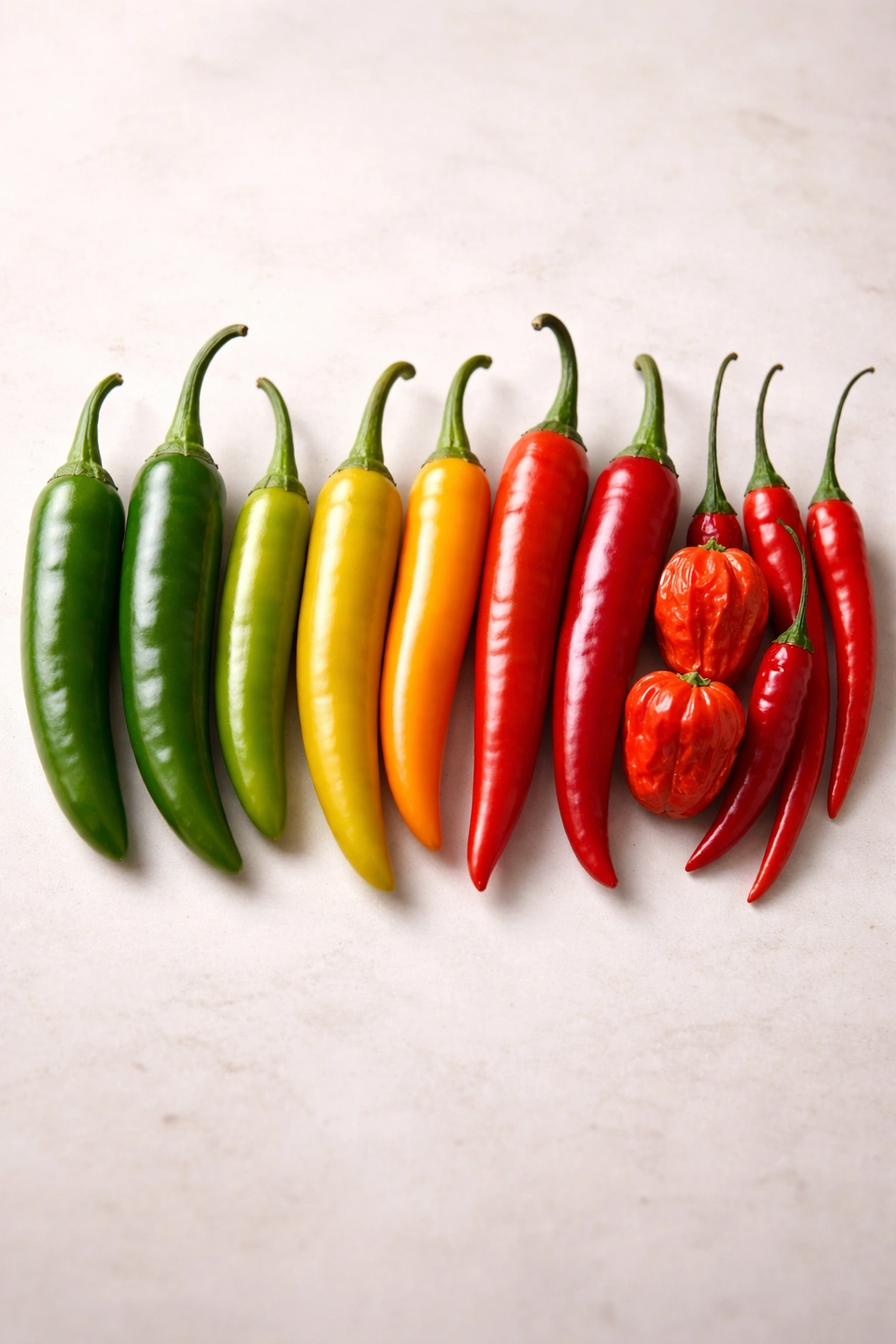
One of the beautiful things about this recipe is how easy it is to adjust the heat level to match your tolerance. If you don’t like spicy food, simply omit the ancho chili or chipotle pepper from the base. The soup will still be deeply flavorful from the roasted tomatoes and caramelized aromatics; the chili just adds an extra layer of smokiness and warmth.
If you like moderate heat, use a single ancho chili (which is relatively mild) or a single chipotle pepper in adobo. For more aggressive heat, use two chipotles, or keep the seeds in your dried chili instead of removing them—the seeds hold most of the capsaicin (the compound that creates heat).
You can also adjust heat at serving time by offering sliced jalapeños as a topping or passing a good hot sauce at the table so people can add as much as they want. This is actually the traditional approach in many Mexican households—the soup itself is flavored and balanced, and individuals customize their own bowl to match their heat preference.
Final Thoughts

Making authentic Mexican chicken tortilla soup isn’t about following a rigid formula; it’s about understanding the techniques that create flavor and executing them with attention and care. Once you’ve made this soup a few times, you’ll develop an intuition for what it needs—when the onions are sufficiently caramelized, when the broth has simmered long enough, when the tortilla strips are at their crispest. That intuition is what separates good cooks from great ones, and it starts with respecting why each step exists.
This soup teaches you something useful that carries over to other cooking: that the quality of your ingredients matters profoundly, that technique and timing are as important as ingredient lists, and that flavor develops through attention rather than shortcuts. The first time you make it, follow the recipe closely. By the second or third time, you’ll understand it well enough to adjust it to your exact preferences—more garlic if you’re a garlic lover, an extra squeeze of lime if you want more brightness, darker tortilla strips if you prefer crispiness over texture.
Keep making it. Invite people to eat it. Listen to them say, “This is the best tortilla soup I’ve ever had.” Save the bones from a rotisserie chicken to make stock so the next batch is even better. Over time, it becomes less like a recipe you’re following and more like something you make—and that’s when you know you’ve truly mastered it.
