



Most people’s experience with tofu is disappointing—bland, mushy, falling apart in the pan, somehow rubbery and soggy at the same time. It’s enough to make you swear off plant-based protein forever. But here’s what those people don’t realize: the problem was never tofu itself. The problem was the approach. Tofu isn’t meant to absorb nothing—it’s meant to absorb everything. The right technique, the right sauce, and the right understanding of how to coax actual flavor and texture out of this misunderstood ingredient changes everything. That’s where crispy BBQ tofu comes in.
This isn’t a side dish. This isn’t something you tolerate because you’re trying to eat healthier. This is a genuinely craveable, satisfying main course that converts skeptics with a single bite. The tofu comes out with a chewy center and crispy, caramelized edges that rival any meat-based BBQ dish. The sauce is simultaneously smoky, tangy, sweet, and savory—the kind of complexity that makes people ask for your recipe before they’ve even finished their plate. And the best part? It’s not complicated at all. You just need to understand why the method works the way it does.
Over the years, home cooks have discovered that tofu responds beautifully to a two-stage cooking process that removes excess moisture first, then allows the tofu to absorb deep, savory flavor. The technique is straightforward enough that a complete beginner can execute it flawlessly, yet the results feel restaurant-quality. Whether you’re cooking for a vegan dinner, a summer BBQ spread, a weeknight meal prep session, or simply trying to expand your protein options, this recipe delivers every single time.
Why Most People Fail With Tofu (And How This Method Fixes It)
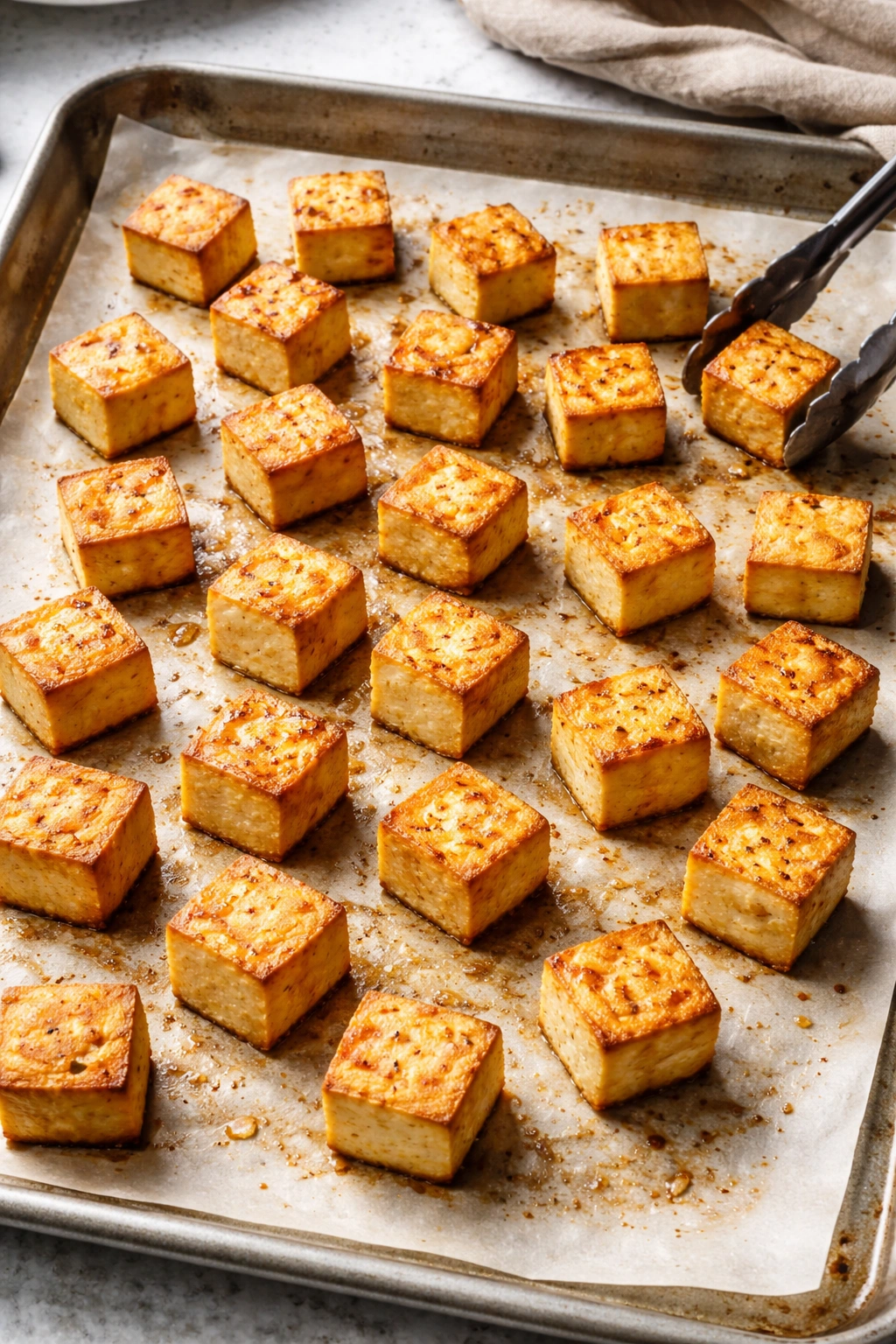
The reason tofu has such a bad reputation comes down to moisture content and preparation. Fresh tofu—whether firm or extra-firm—is packed with water. That water is good for preserving the tofu during shipping and storage, but it’s terrible for cooking. When you don’t remove it, that water creates steam in the pan, which prevents browning and creates a sad, rubbery texture. The tofu absorbs whatever liquid is around it instead of concentrating flavor.
This recipe works because it tackles that moisture problem head-on. By pressing the tofu first, you remove the excess liquid and create a denser, more porous surface that’s capable of absorbing sauce deeply. The pre-baking step further dries out the tofu, concentrating its flavor and creating textural contrast—a chewy interior with crispy, caramelized edges. Then, when you toss it in sauce and finish cooking, the tofu soaks up every bit of that BBQ flavor instead of staying bland and separate from it.
The method also respects tofu’s actual texture. Tofu isn’t meat, and it shouldn’t pretend to be. Instead, this approach celebrates what tofu actually is: a neutral, protein-rich canvas that becomes delicious when treated with intention. The result is tofu that tastes amazing on its own merits, not tofu trying to taste like something else.
Choosing the Right Tofu for Maximum Crispiness
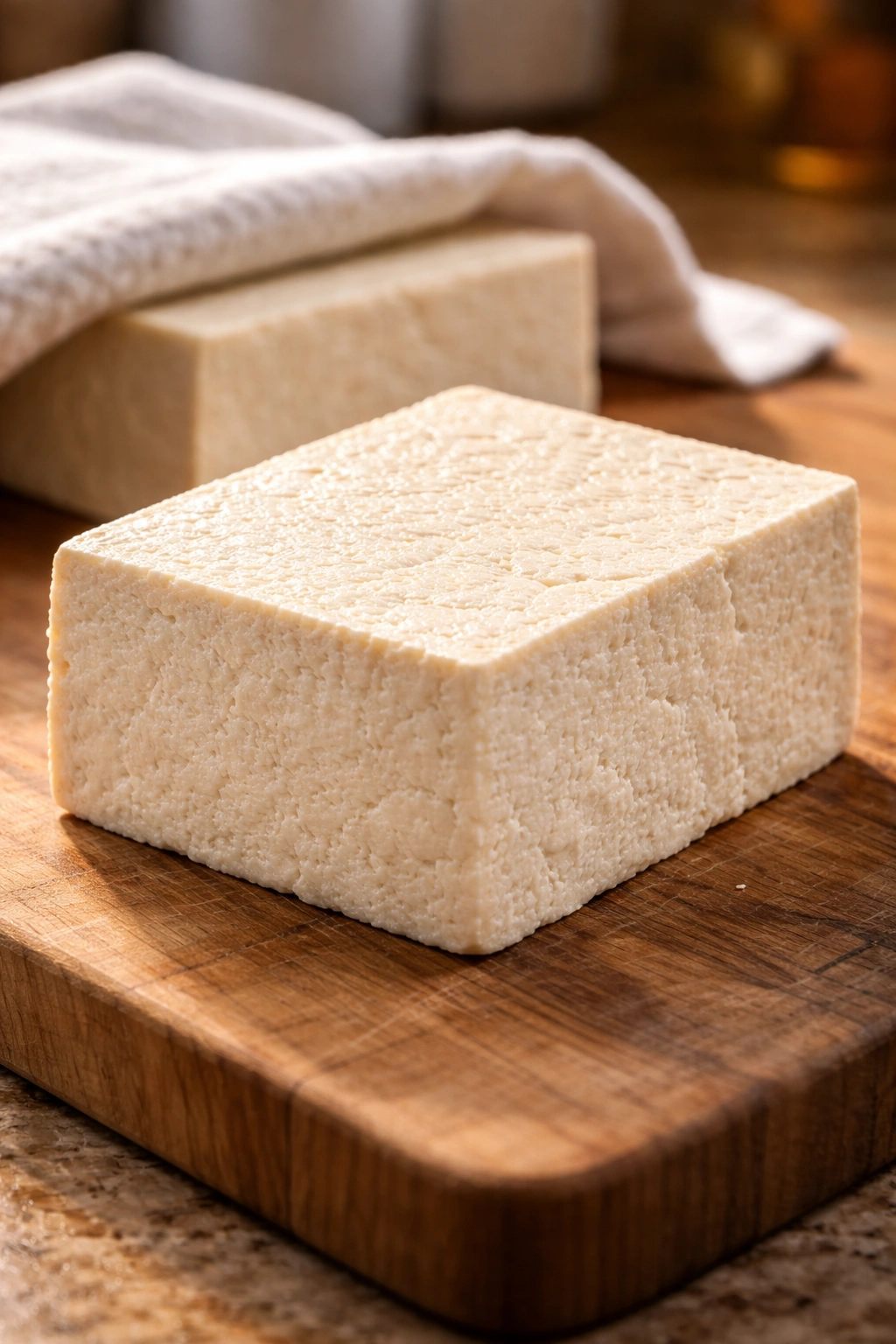
Tofu comes in several forms, and the variety you choose makes a real difference in the final dish. Soft or silken tofu will fall apart during cooking—don’t even bother. Your only viable options are firm or extra-firm tofu, and I’d strongly recommend extra-firm for this recipe.
Extra-firm tofu has a denser structure that holds together during all the handling and cooking stages. It can withstand pressing, cutting, baking, pan-frying, and tossing in sauce without crumbling or falling apart. The texture becomes beautifully chewy once cooked, with that crucial structural integrity that lets you build those crispy edges.
Firm tofu can work if that’s what you find, but it’s slightly more fragile. You’ll need to handle it a bit more gently during pressing and tossing. The results are still excellent—just be aware that you’re working with a slightly more delicate product.
Look for tofu that’s been packed in water (not aseptic packaging). The water-packed versions tend to have the best texture for this cooking method. If your tofu comes in aseptic packaging, drain it immediately and let it sit on a plate for a few hours before pressing—this helps it expel a bit more water. Organic, non-GMO tofu is nice if you can find it, but any quality extra-firm tofu will work beautifully.
The Critical Pressing Step That Changes Everything
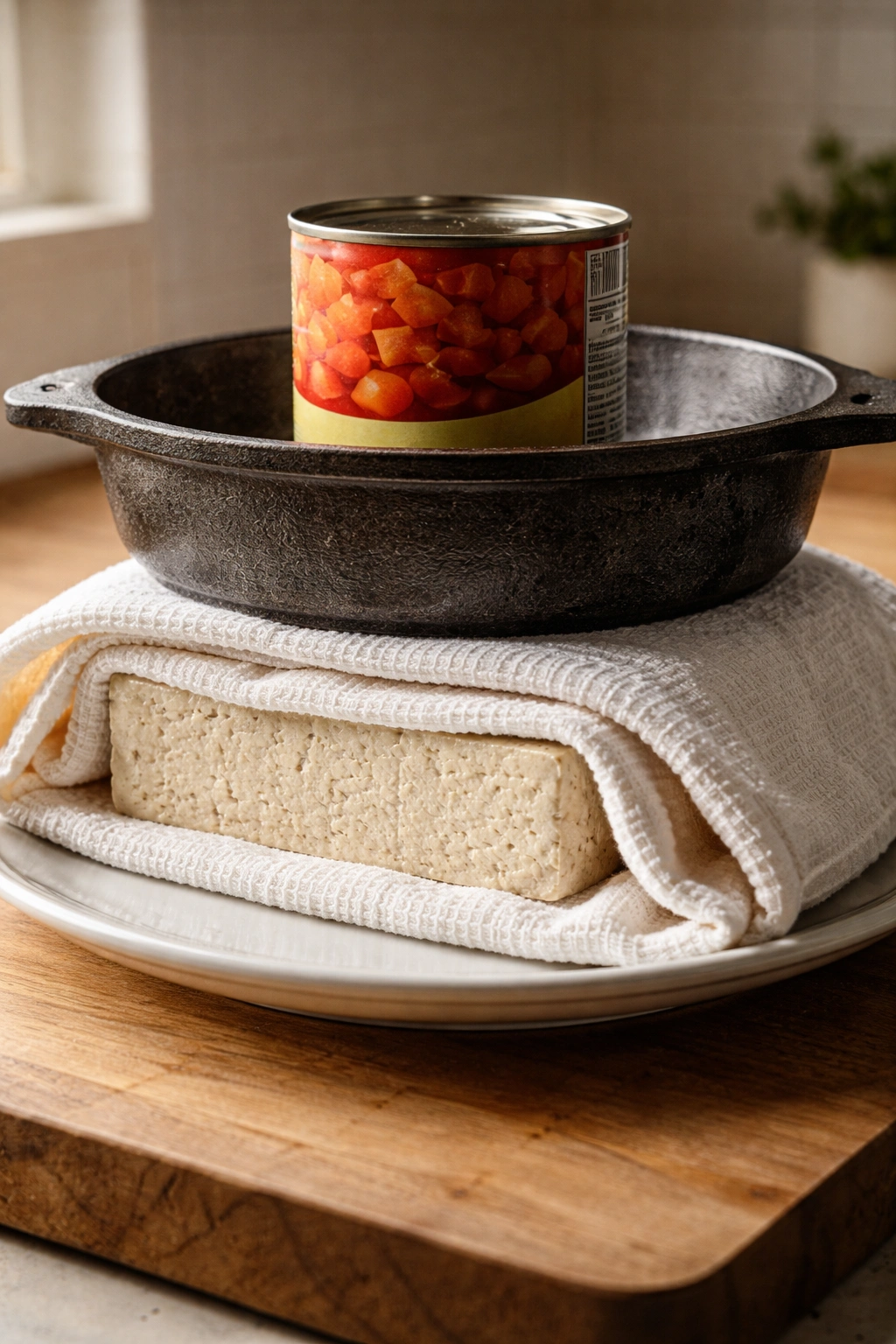
Pressing tofu is not optional for this recipe—it’s the foundation that everything else builds on. Removing that water completely transforms the final dish. Without pressing, your tofu will steam instead of crisp, and the sauce won’t penetrate deeply enough to deliver real flavor.
You have two excellent options here. A tofu press (the dedicated kitchen tool) makes this effortless. You simply place your tofu block in the press, turn the handle, and wait 30-45 minutes. The press gradually squeezes out water without crushing the tofu. It’s genuinely worth owning if you plan to cook with tofu regularly. They’re inexpensive, take up minimal space, and make the whole process foolproof.
If you don’t have a tofu press, the towel-and-weight method works just as well. Remove the tofu from its package and drain the liquid. Wrap the block in a clean kitchen towel (not paper towels—they shred). Place it on a plate. Set another plate on top of it. Then place something heavy on top of that second plate—a cast-iron skillet, a heavy cookbook, a few cans, whatever you have. Let it sit for at least 30 minutes. You can leave it longer (even overnight in the fridge) for even better results.
The longer you press, the more water comes out and the better your final result. If you’re making this for dinner and have time, press for a full hour. If you’re meal prepping on a weekend, press it in the morning and use it that evening. Your patience here directly translates to crispier, more flavorful tofu.
Building Your BBQ Sauce: Homemade Versus Store-Bought
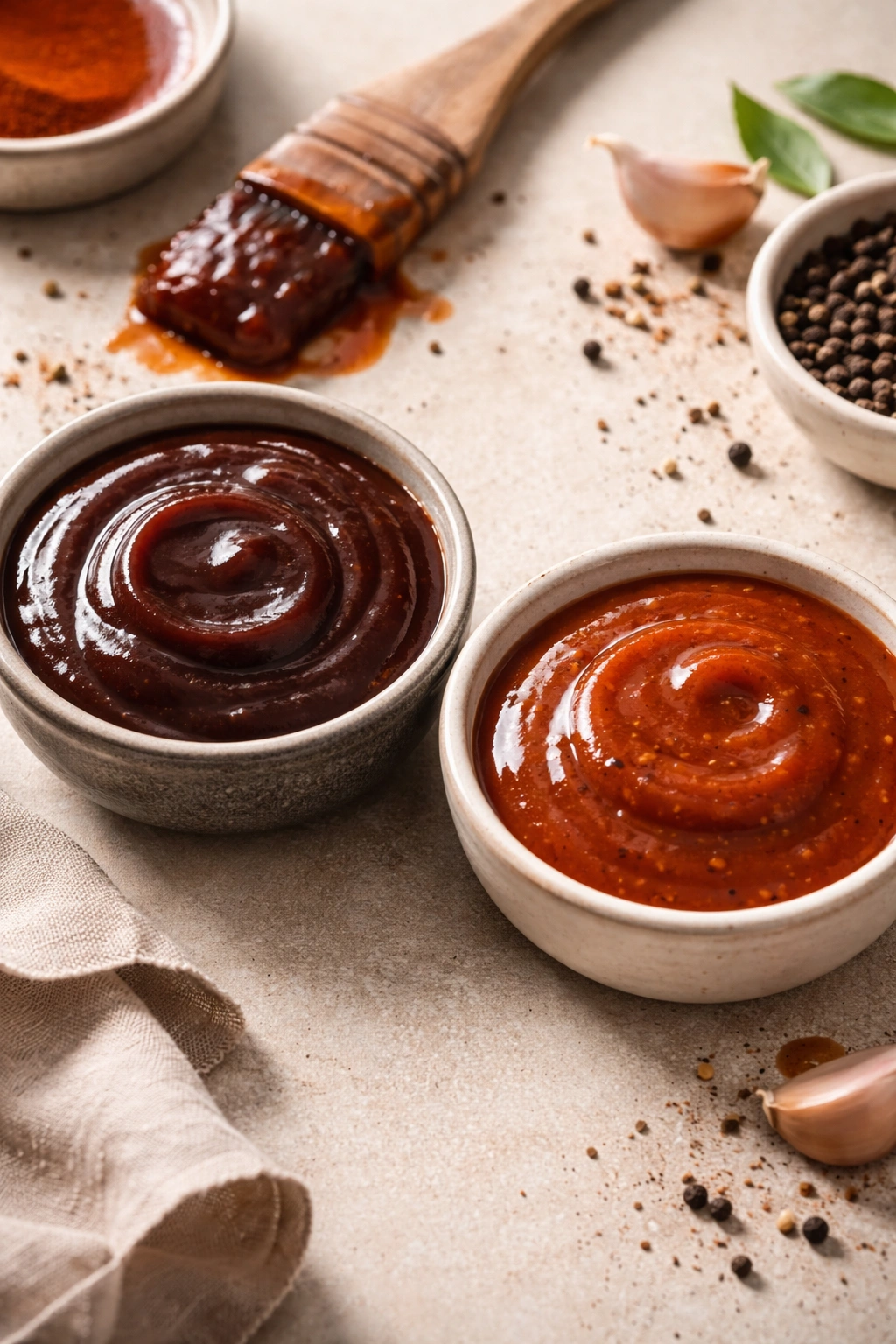
The beauty of this recipe is that it works with any BBQ sauce you actually enjoy eating. You can grab your favorite store-bought sauce and be done in 35 minutes. Or you can make a homemade version and customize the flavor profile to match your preferences exactly.
Store-bought BBQ sauce is genuinely convenient and delivers great results. Look for sauces without high-fructose corn syrup if that’s important to you, but honestly, any sauce you love will work. Kansas City-style sauces are thick and sweet. Carolina gold sauces are tangy and vinegar-forward. Spicy gochujang-based sauces bring serious heat. The cooking method is identical regardless of which sauce you choose—the variable is just the flavor outcome.
Homemade BBQ sauce gives you complete control. A classic version combines tomato sauce or ketchup, apple cider vinegar, soy sauce or tamari, a sweetener (maple syrup, brown sugar, or agave), and a blend of warm spices. Smoked paprika adds that essential BBQ flavor. Garlic powder, onion powder, and maybe a pinch of cayenne round out the profile. Fresh ginger and grated apple (like in Korean BBQ sauce) add complexity and depth. You can make a big batch and store it in the fridge for weeks, using it on everything from grilled vegetables to beans to mushrooms.
The key to any good BBQ sauce—homemade or store-bought—is balance. You want sweetness, tang, smoke, and savory depth all playing together. If your sauce is one-dimensional, the tofu will taste one-dimensional too. Taste your sauce before you use it and adjust as needed—a bit more vinegar if it’s too sweet, a touch of honey if it’s too sharp, more smoked paprika if it needs smoke.
The Two-Stage Cooking Method That Creates Perfect Texture
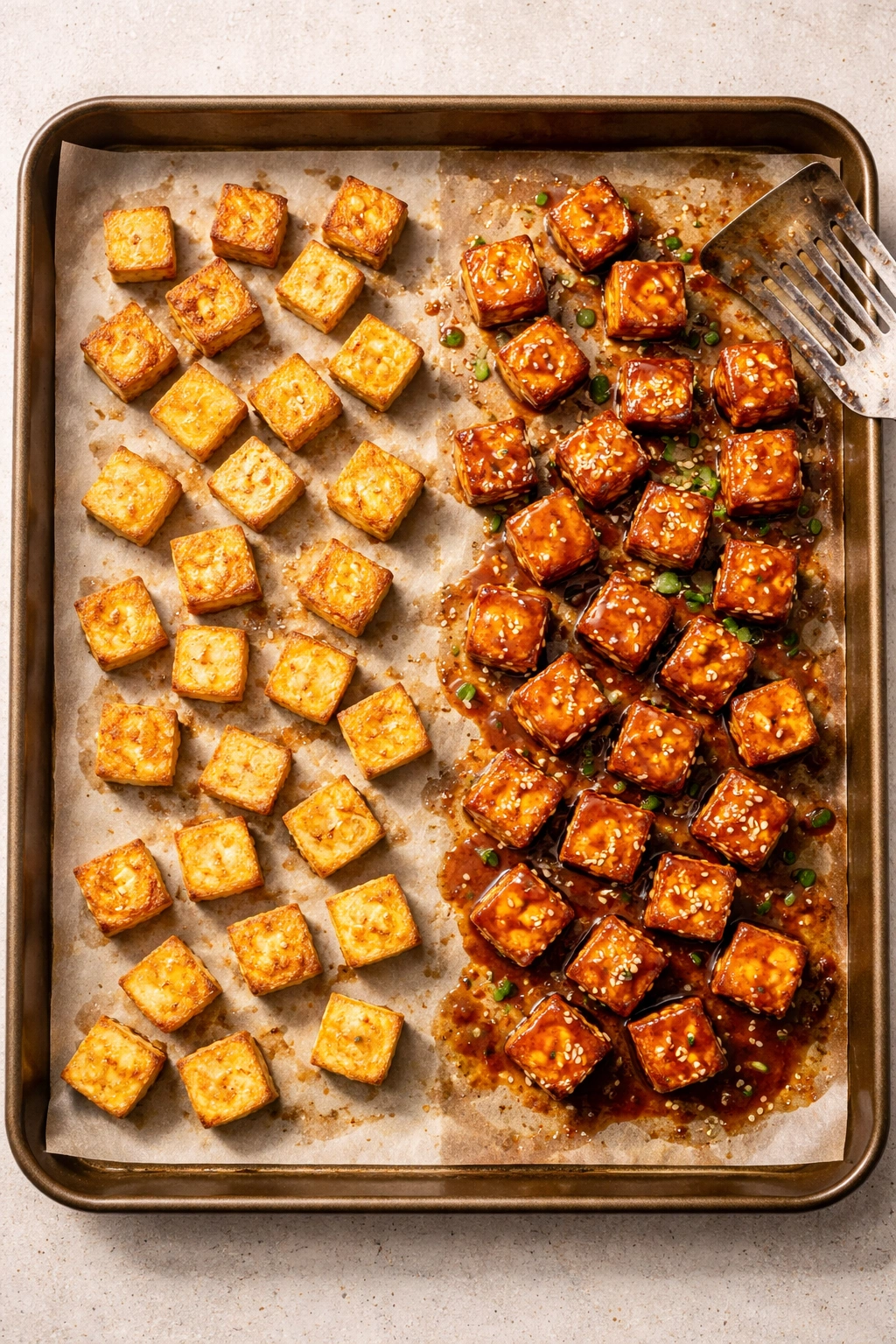
This recipe relies on a deliberately sequenced cooking process that most people never try. First, you bake the pressed tofu until it’s golden and crispy on the outside. Then you toss it in sauce and finish it with either another round of baking or a quick pan-sear. This two-stage approach creates tofu that’s both crispy and saucy, chewy and flavorful—textural complexity that single-stage cooking can’t achieve.
Why the first baking stage matters: When you place your cubed tofu on a baking sheet and bake it at 400°F, several things happen simultaneously. Heat drives out any remaining moisture, which makes the surface of each cube caramelize and turn golden. The dry heat creates a crispy crust while the interior remains tender and chewy. This is also when the Maillard reaction happens—the chemical process that creates complex, savory flavors through browning. You can’t get that flavor development in a pan over wet heat.
Why the sauce stage matters: After that first baking, the tofu is ready to actually absorb flavor. The pre-baking removed the water that would otherwise block the sauce from penetrating. Now, when you toss the warm tofu in BBQ sauce (or even just add sauce to the hot baking sheet), the tofu soaks it up. If you choose the pan-sear finish, the sauce begins to caramelize and stick to the tofu, creating a glossy, concentrated flavor layer. That’s the difference between tofu that tastes like tofu-plus-sauce and tofu that tastes like one integrated dish.
You have flexibility on exactly which finish you prefer. The all-oven method is hands-off and perfect for meal prep—bake, sauce, bake again. The pan-sear finish creates more dramatic caramelization and slightly better texture contrast if you’re eating fresh. The grill method works beautifully if you want actual grill marks and a smokier flavor. All three approaches deliver excellent results.
Step-by-Step Instructions for Crispy BBQ Tofu
Prepare Your Ingredients:
-
Remove your pressed tofu block from the press and place it on a clean cutting board. You should be able to see that it’s noticeably firmer and denser than when you started—that’s the water leaving.
-
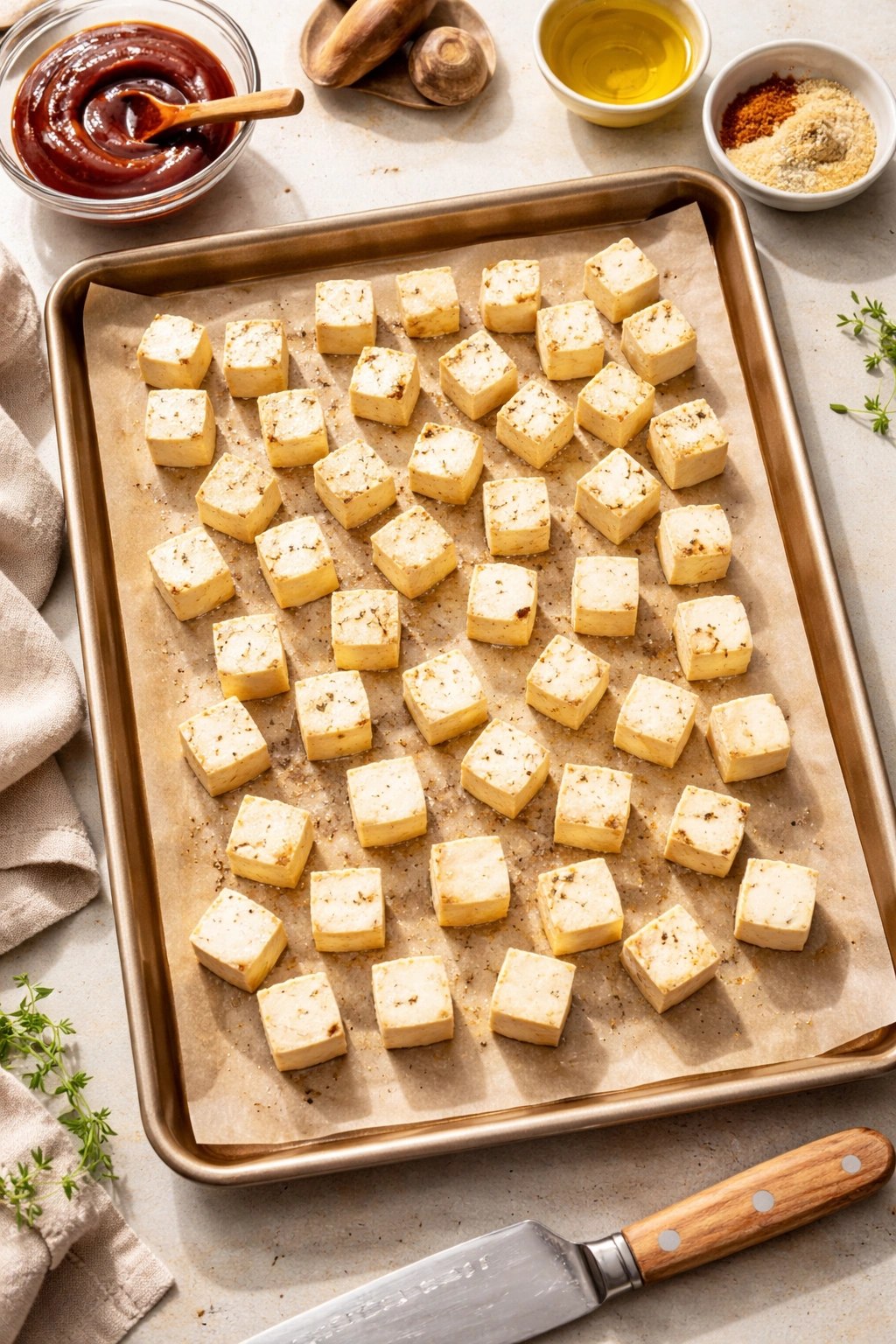
Cut the tofu into cubes approximately 3/4 inch on each side. You can also cut it into thinner rectangular slabs (about 1/2 inch) if you prefer more surface area for crisping, or into triangular wedges for a more rustic appearance. The shape doesn’t matter much—consistency of size matters more so everything cooks at the same rate.
-
While you prepare the tofu, make your BBQ sauce if using homemade. Combine all ingredients in a bowl and whisk together, tasting and adjusting as needed. Set aside. If using store-bought sauce, simply measure out what you’ll need.
The First Baking Stage:
-
Preheat your oven to 400°F (200°C) and position the rack in the center. Line a large baking sheet with parchment paper or lightly brush it with oil to prevent sticking.
-
Place your cubed tofu on the prepared baking sheet in a single layer. They should be close enough that they’re touching but not crowded—give each piece a bit of space so heat circulates around all sides. If your baking sheet is too small to fit everything in one layer, use two sheets and rotate them halfway through.
-
Drizzle the tofu lightly with olive oil (about 1-2 teaspoons per baking sheet) and sprinkle with salt and black pepper to taste. If you want extra flavor, dust with smoked paprika, garlic powder, onion powder, or whatever spice blend appeals to you. Toss gently with your hands to coat, being careful not to break the pieces.
Advertisements -
Bake for 25-30 minutes, stirring gently halfway through, until the tofu is golden brown on all sides and the surface looks slightly dry to the touch. The edges should be noticeably darker and crispy—this is where the Maillard reaction is happening. Don’t skip this step or rush it. The tofu needs this time to develop flavor and texture.
The Sauce Stage:
-
Remove the baking sheet from the oven and let the tofu cool for just 2-3 minutes (you want it still quite warm). Transfer the tofu to a large mixing bowl.
-
Pour about half of your BBQ sauce over the warm tofu and gently toss using a rubber spatula or wooden spoon until every piece is coated. The warm tofu will absorb the sauce beautifully. Toss carefully to avoid breaking pieces—the tofu is cooked but still somewhat delicate.
-
Let the sauce-coated tofu sit in the bowl for 5-10 minutes so it can absorb the flavor. You’ll notice the sauce clinging to each piece and soaking in slightly.
Choose Your Finish:
Option A — All-Oven Finish (Easiest):
- Return the sauced tofu to the baking sheet (or transfer to a fresh parchment-lined sheet). Bake at 400°F for another 10-12 minutes until the sauce caramelizes slightly and becomes glossy and sticky. The edges will look even more caramelized—this is exactly what you want.
Option B — Pan-Sear Finish (Best Texture):
- Heat a large non-stick skillet over medium-high heat and add a tiny drizzle of olive oil. Once the pan is hot, carefully add the sauced tofu in a single layer (work in batches if needed). Do not move the tofu around—let it sit undisturbed for 2-3 minutes so it develops a crust. Then toss gently and cook for another 2-3 minutes until the sauce is sticky and caramelized and the tofu is hot all the way through.
Option C — Grill Finish (Most Flavorful):
- Thread the sauced tofu cubes onto skewers (metal or wooden skewers soaked in water). Preheat a grill or grill pan to medium-high heat and oil the grates well. Grill the skewered tofu for 2-3 minutes per side until you see nice grill marks and the sauce caramelizes. Be generous with sauce—brush more on as it grills.
Final Step — All Methods:
- Remove the tofu from heat and brush with a bit more sauce if desired. Taste a piece and adjust seasoning if needed—add more salt, more sauce, or a squeeze of hot sauce. Let rest for 2-3 minutes before serving.
Getting the Texture Just Right: Common Mistakes to Avoid
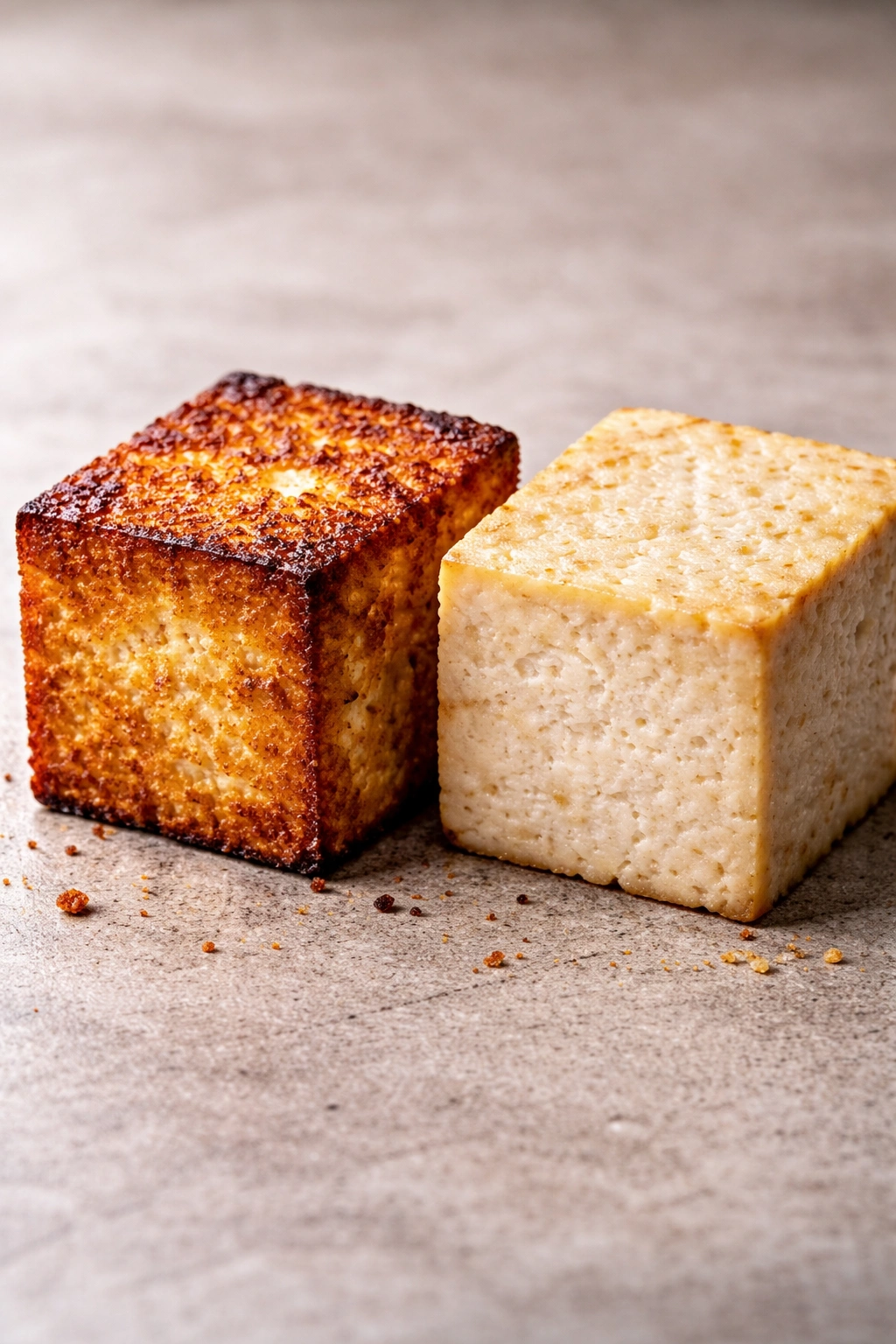
Even with this straightforward method, a few common mistakes can derail your results. Understanding what goes wrong helps you avoid these pitfalls entirely.
Skipping or under-pressing the tofu is the most common error. When tofu isn’t pressed enough, it stays full of water. That water steams off during cooking, preventing browning and preventing sauce absorption. The result is bland tofu with a rubbery texture. There’s no shortcut here—press for the full 30-45 minutes minimum.
Overcrowding the baking sheet also causes problems. If your tofu pieces are packed too tightly together, steam gets trapped and they end up steaming instead of baking. They’ll look pale and soft instead of golden and crispy. Arrange them in a single layer with a bit of breathing room between pieces.
Stirring too much during the first bake breaks the tofu and prevents crust development. Stir once, gently, at the halfway point. Otherwise, leave it alone. The tofu needs undisturbed time on the hot pan to brown.
Using a sauce that’s too thin makes it hard to achieve that sticky caramelization. If your sauce is very runny, let it reduce on the stove for a few minutes before using it. Or add a bit of cornstarch dissolved in water to thicken it slightly.
Not letting the sauce actually caramelize means you end up with wet tofu instead of saucy tofu. Give those final cooking stages the time they need. You want to see color development and smell that toasted, caramelized aroma.
Tossing the tofu too aggressively breaks pieces and creates mushiness. Use a gentle hand when mixing, especially after the first bake stage. A rubber spatula is your friend here—it’s gentle enough that you can fold the sauce in without breaking anything.
Why Smoked Paprika and Specific Spices Matter So Much
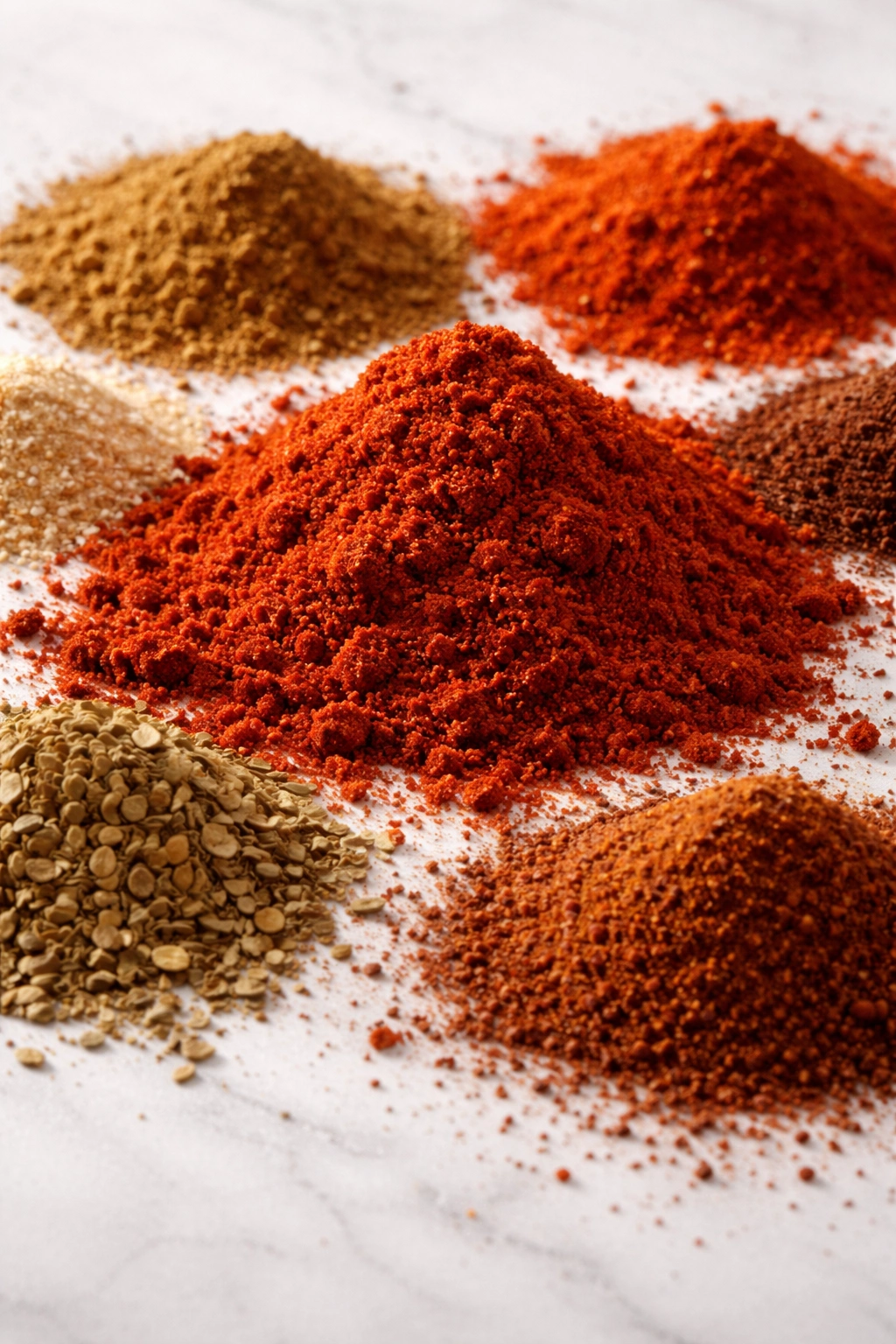
If you’re making this purely with store-bought sauce, you can skip this section. But if you’re customizing your seasoning or making sauce from scratch, understanding the specific spices elevates everything dramatically.
Smoked paprika is non-negotiable for that authentic BBQ flavor. Regular paprika tastes like nothing much—sweet, one-dimensional, forgettable. Smoked paprika, by contrast, carries the actual aroma and taste of smoke. It’s the closest you can get to a traditional smoker without actually owning one. A teaspoon or two transforms a basic sauce into something that tastes like it came from a proper BBQ joint.
Garlic powder and onion powder aren’t just about adding generic “savory-ness.” They provide aromatic depth and complexity. Fresh garlic would overpower the tofu and create sharp, raw notes. Powdered versions deliver savory background flavor that supports everything else.
Cumin shows up in many good BBQ sauces because it adds a subtle earthiness and warmth. It’s not about cumin flavor being recognizable—it’s about the way cumin makes other flavors feel richer and more complex.
Cayenne pepper and chili powder bring heat and depth without being obvious about it. A quarter teaspoon is enough to add a subtle warmth. Go to a half teaspoon if you want more pronounced heat.
Brown sugar adds sweetness, yes, but also molasses notes that give BBQ sauce its characteristic depth. Honey, maple syrup, or agave work too—they each bring slightly different flavor notes but similar results.
Variations That Work Beautifully
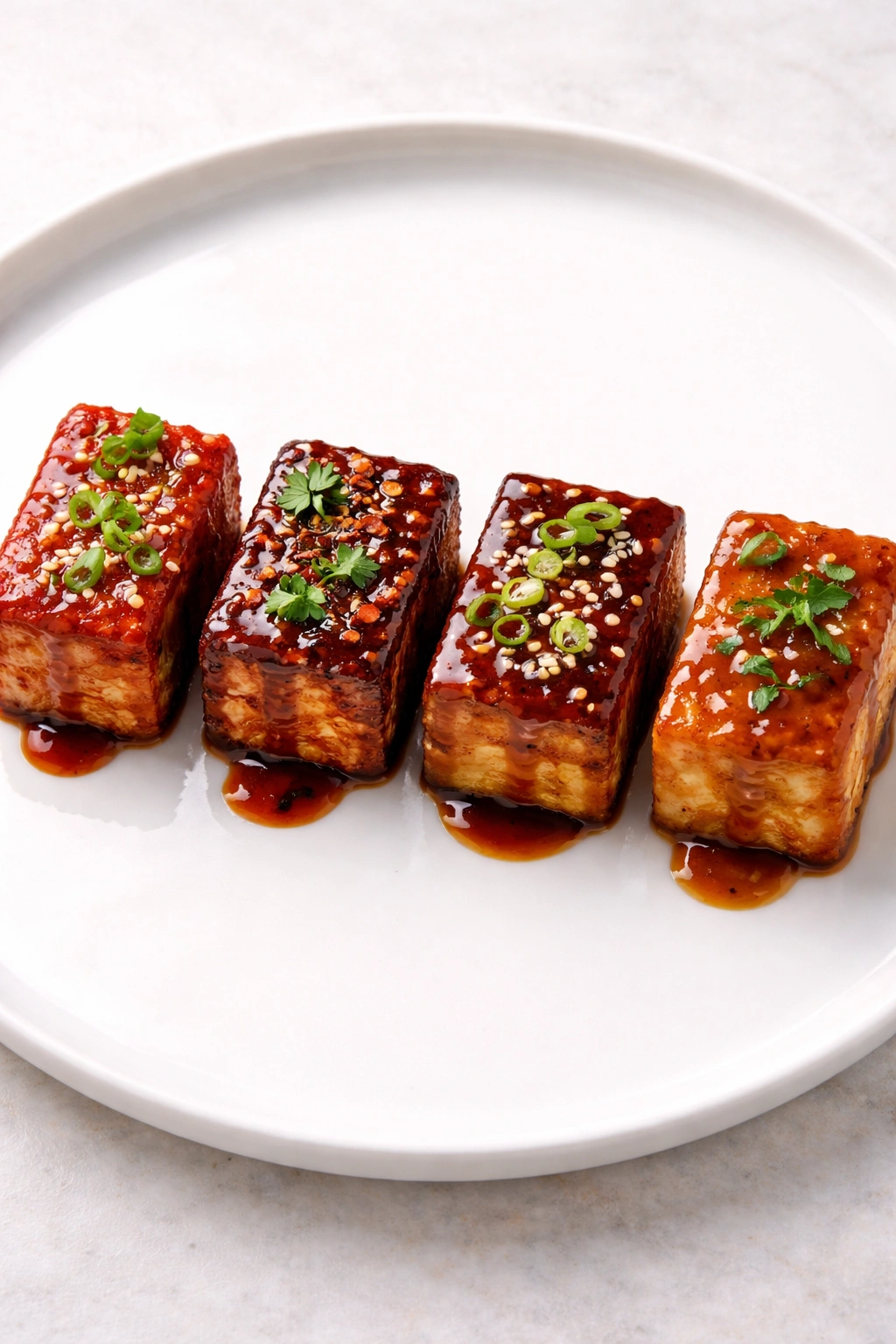
Once you master the basic technique, you can pivot the flavors in any direction you want.
Korean BBQ Tofu swaps traditional BBQ sauce for a gochujang-based sauce. Mix gochujang paste with soy sauce, rice vinegar, brown sugar, grated garlic, grated ginger, and a bit of sesame oil. The result is spicy, complex, and absolutely craveable. Top with sesame seeds and chopped scallions.
Spicy Chipotle BBQ combines regular BBQ sauce with chipotle peppers in adobo sauce (blended smooth) and a squeeze of lime. This creates smoky, spicy, and tangy tofu that works beautifully in tacos or bowls.
Asian-Inspired Teriyaki uses a sauce of soy sauce, mirin, brown sugar, ginger, garlic, and a bit of rice vinegar. It’s sweeter than BBQ sauce but carries similar depth and the tofu cooks exactly the same way.
Sweet and Tangy Carolina Gold combines yellow mustard, apple cider vinegar, brown sugar, tomato sauce, and Worcestershire sauce (or soy sauce for vegan). The vinegar dominates here, creating bright, tangy tofu instead of smoky tofu.
Maple-Bourbon (non-alcoholic cooking version) combines BBQ sauce with maple syrup and a splash of balsamic vinegar. It’s rich, slightly sophisticated, and works beautifully with roasted vegetables.
The constant across all variations is the cooking method. The technique remains identical—only the sauce changes. This makes it incredibly easy to keep this recipe fresh and interesting.
Perfect Serving Combinations and Pairings
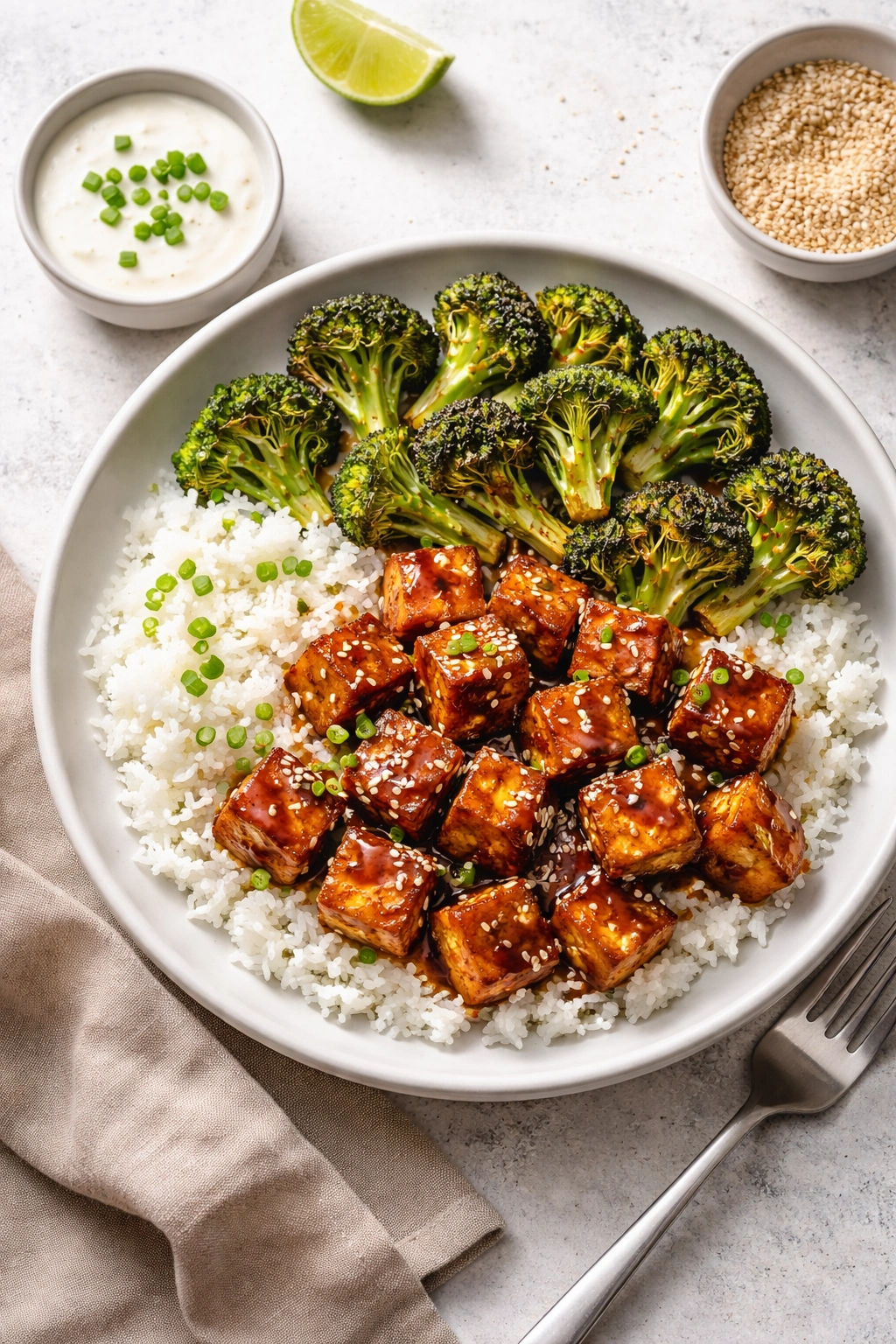
Crispy BBQ tofu is remarkably versatile. The same batch can go into completely different meals depending on what you serve alongside it.
As a main course meal: Serve with fluffy white or brown rice, roasted sweet potatoes, and steamed green beans or broccoli. Add a simple side salad with vinaigrette. This is a proper dinner plate that feels complete and satisfying.
In a grain bowl: Layer quinoa or rice on the bottom. Add roasted vegetables (carrots, sweet potato, zucchini, mushrooms, whatever you have). Top with the tofu. Drizzle with tahini sauce, ranch dressing, or extra BBQ sauce. Finish with fresh cilantro or scallions. This is meal-prep gold.
As a sandwich: Toast a soft bun or crusty roll. Layer with vegan mayo or regular mayo. Add the crispy tofu. Top with coleslaw (quick version: shredded cabbage, mayo, vinegar, salt). Add pickles, sliced avocado, or lettuce. This is every bit as satisfying as a pulled pork sandwich.
In a salad: Tear or slice the tofu into smaller pieces and toss over a bed of greens with whatever vegetables look good. Drizzle with tahini dressing, ranch, or the remaining BBQ sauce thinned with a bit of vinegar. The warm tofu wilts the greens slightly and the sauce becomes dressing.
As a taco filling: Warm corn or flour tortillas. Fill with shredded tofu, pickled red onions, cilantro, avocado, and a squeeze of lime. Add a dollop of vegan crema or regular sour cream. This is genuinely crave-worthy.
As an appetizer or snack: Serve plain off a platter with toothpicks, or with a variety of dipping sauces (ranch, sriracha mayo, hot sauce, extra BBQ sauce). This converts tofu skeptics fast.
Alongside grilled vegetables: If you’re grilling corn, zucchini, peppers, asparagus, or mushrooms, add the tofu to the grill too. Serve everything together with crusty bread and a big salad. It feels like a proper summer meal.
Storage, Make-Ahead, and Reheating
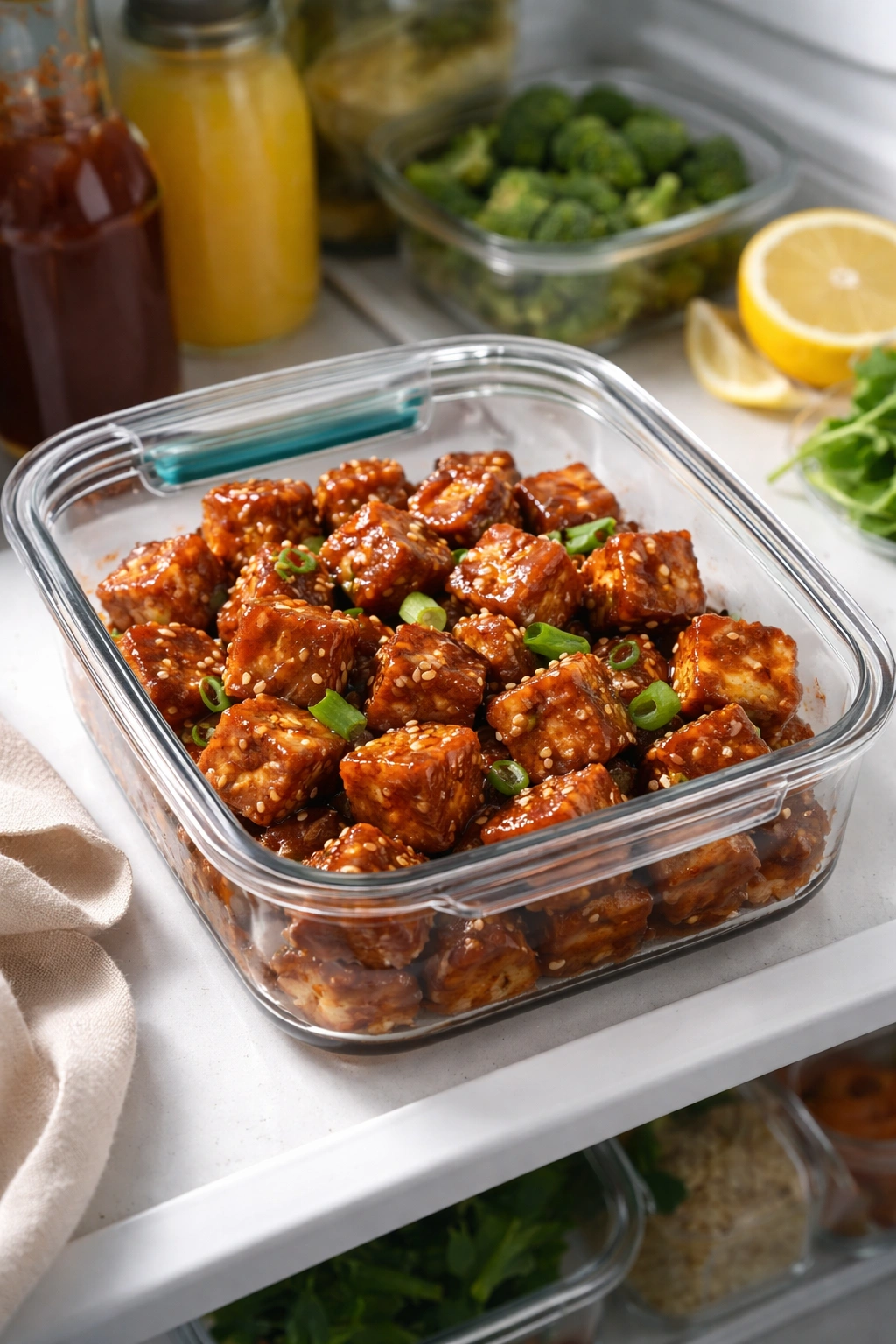
This tofu keeps beautifully and actually improves slightly as it sits. The sauce continues to be absorbed and flavors meld.
Refrigerator storage: Place cooled tofu in an airtight container in the fridge. It keeps for 4-5 days. The texture holds up well—it won’t get mushy or fall apart. On the second and third days, the flavors are often even better as the sauce penetrates more deeply.
Freezing: Let the tofu cool completely, then transfer to a freezer-safe container. It keeps for up to 3 months. The texture will be slightly different when thawed (a bit less crispy, more chewy), but it’s still delicious. Thaw overnight in the fridge before reheating.
Reheating from refrigerator: You have several good options. Oven reheating (best for texture) takes about 10 minutes at 350°F and restores crispiness nicely. Stovetop reheating in a non-stick skillet over medium heat for 3-5 minutes revitalizes the exterior. Microwave reheating is fastest (2-3 minutes) but won’t restore crispiness—the tofu will be hot but softer.
Make-ahead advantage: You can prepare the tofu completely through the first baking stage, then store it in the fridge for up to 2 days. When you’re ready to eat, simply toss with sauce and complete the final cooking stage. This means you get fresh, hot tofu even on busy weeknights.
Meal prep strategy: Make a full batch at the beginning of the week. Portion into containers with different sauces if you want variety. Use throughout the week in different applications—a grain bowl one day, a salad the next, a sandwich after that. The versatility keeps meals interesting while the prep work is done.
Troubleshooting: What to Do When Things Go Wrong
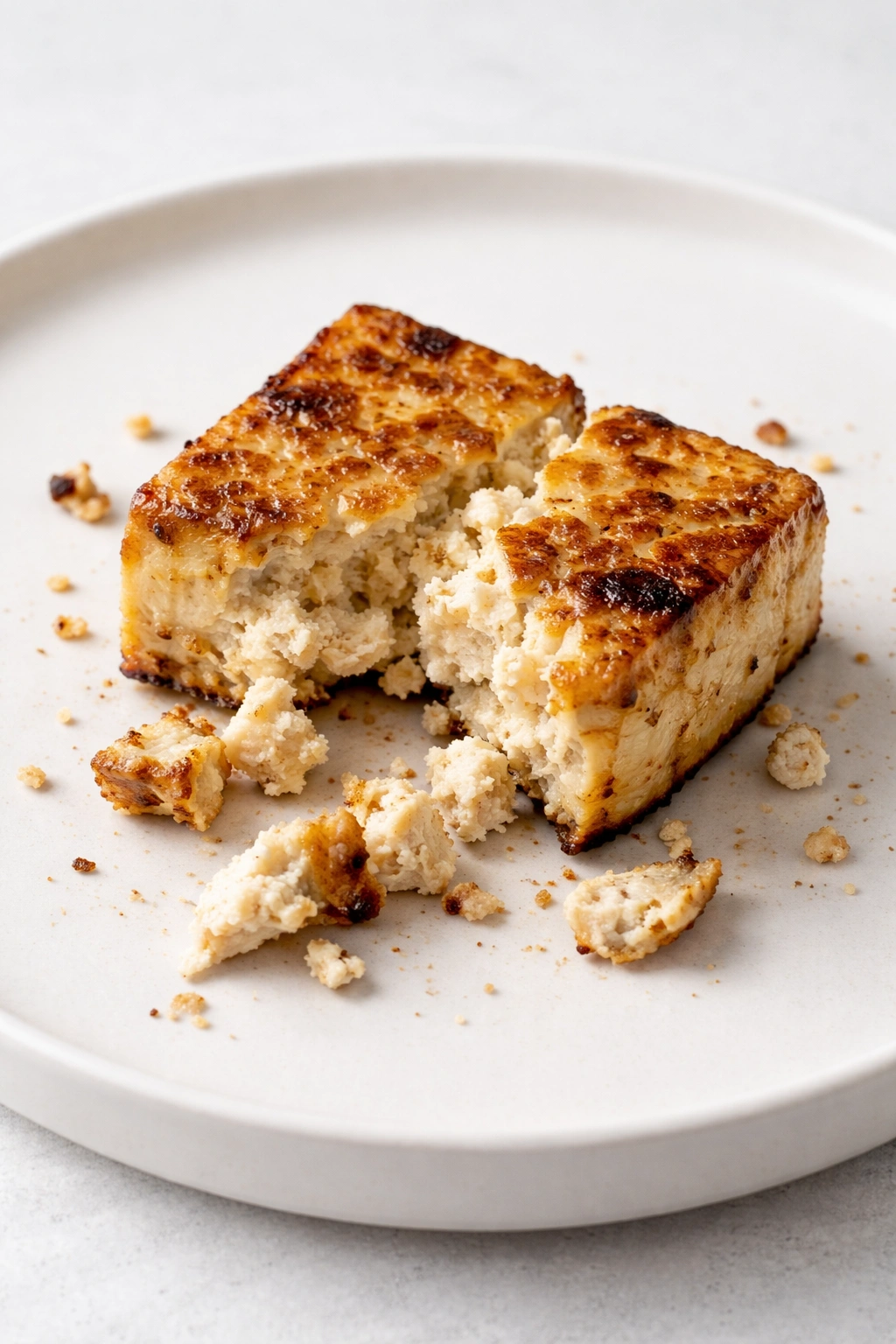
Tofu crumbled or fell apart during cooking: This means the tofu either wasn’t pressed enough or wasn’t handled gently enough during mixing. Next time, press longer (aim for 45 minutes minimum) and use a very gentle touch when tossing with sauce.
Tofu didn’t crisp properly and looks pale: Your first baking stage might have been too short, the oven temperature might have been too low, or the tofu pieces were overcrowded. Next time: bake for the full 25-30 minutes, verify your oven temperature with an oven thermometer, and arrange pieces in a single layer with space between them.
Sauce came out too sweet: Use less sweetener next time, or add more vinegar or soy sauce to balance it. A squeeze of hot sauce or extra smoked paprika also helps balance sweetness.
Tofu is hot on the outside but still cold inside after the second bake stage: Your oven temperature might be off, or the pieces might be too large. Verify the oven temperature, and consider cutting the tofu slightly smaller next time.
Sauce didn’t caramelize and stayed wet: The sauce might be too thin, or you didn’t give it enough cooking time in the final stage. Try reducing your sauce on the stove for a couple minutes before using it, or extend the final cooking time by another 2-3 minutes.
The tofu tastes bland even with sauce: You likely skipped proper pressing, the sauce didn’t penetrate, or the cooking wasn’t long enough for flavor development. Confirm you pressed for 30+ minutes, and consider letting the sauce-coated tofu sit in the bowl for a full 10 minutes before the final cooking stage so it absorbs more flavor.
Why This Works as a High-Protein Dinner
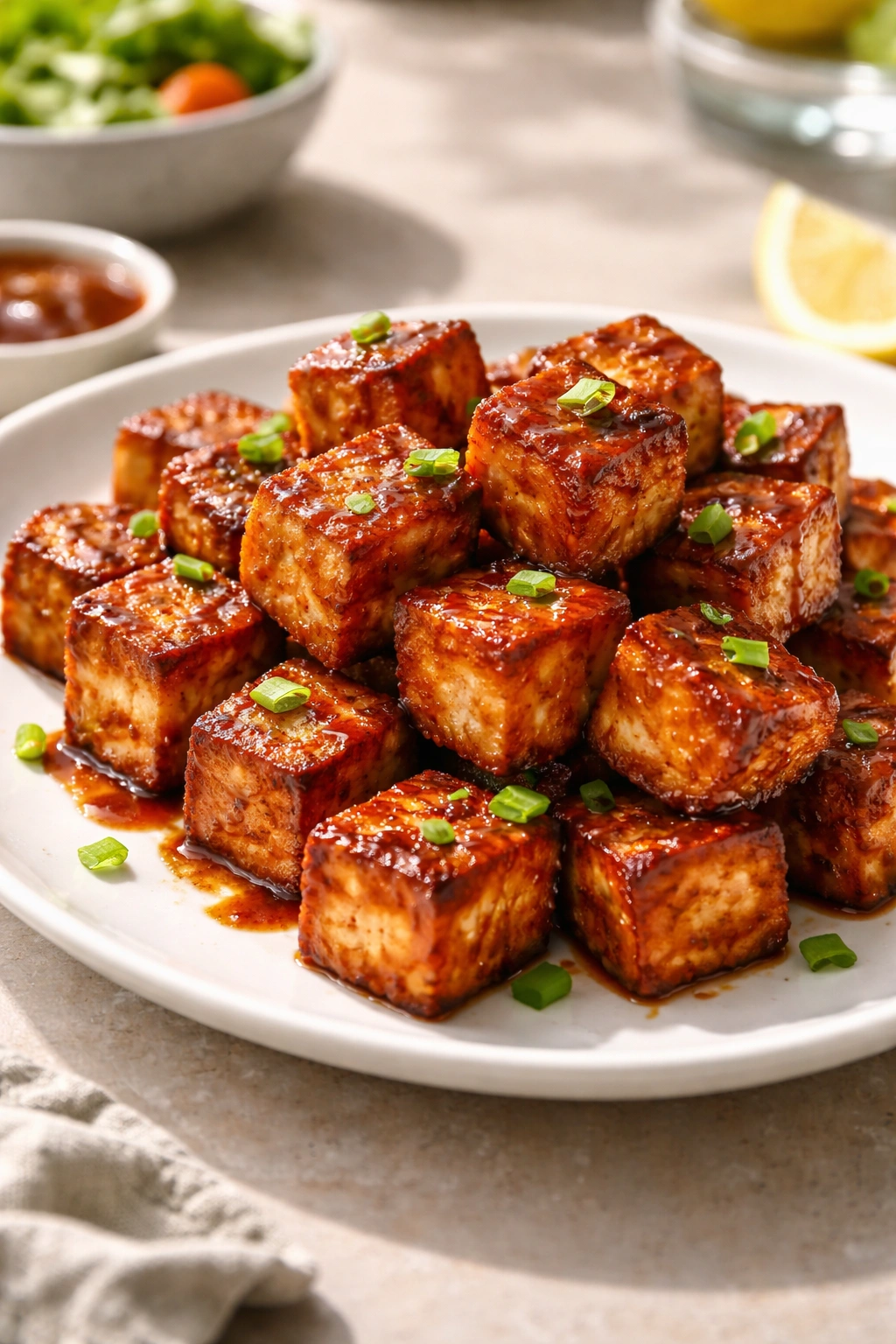
Beyond taste and texture, this dish delivers substantial nutritional value. A serving of tofu provides around 12-15 grams of protein, making it a genuinely protein-rich main course. It’s complete protein, meaning it contains all nine essential amino acids. This makes it stand alone as a main dish without needing to combine it with beans or grains (though pairing with those is great too).
The tofu is also rich in iron, calcium, and magnesium, especially if it’s set with calcium sulfate. A tofu-based meal checks a lot of nutritional boxes without requiring complicated food combinations or supplements.
Because tofu is neutral-flavored, it plays well with virtually any cuisine. You can eat this several times a week and never feel bored because the sauce, spices, and accompanying sides can change completely. Monday’s Asian-inspired version with ginger and soy is worlds away from Wednesday’s Carolina gold with vinegar and mustard.
Final Thoughts
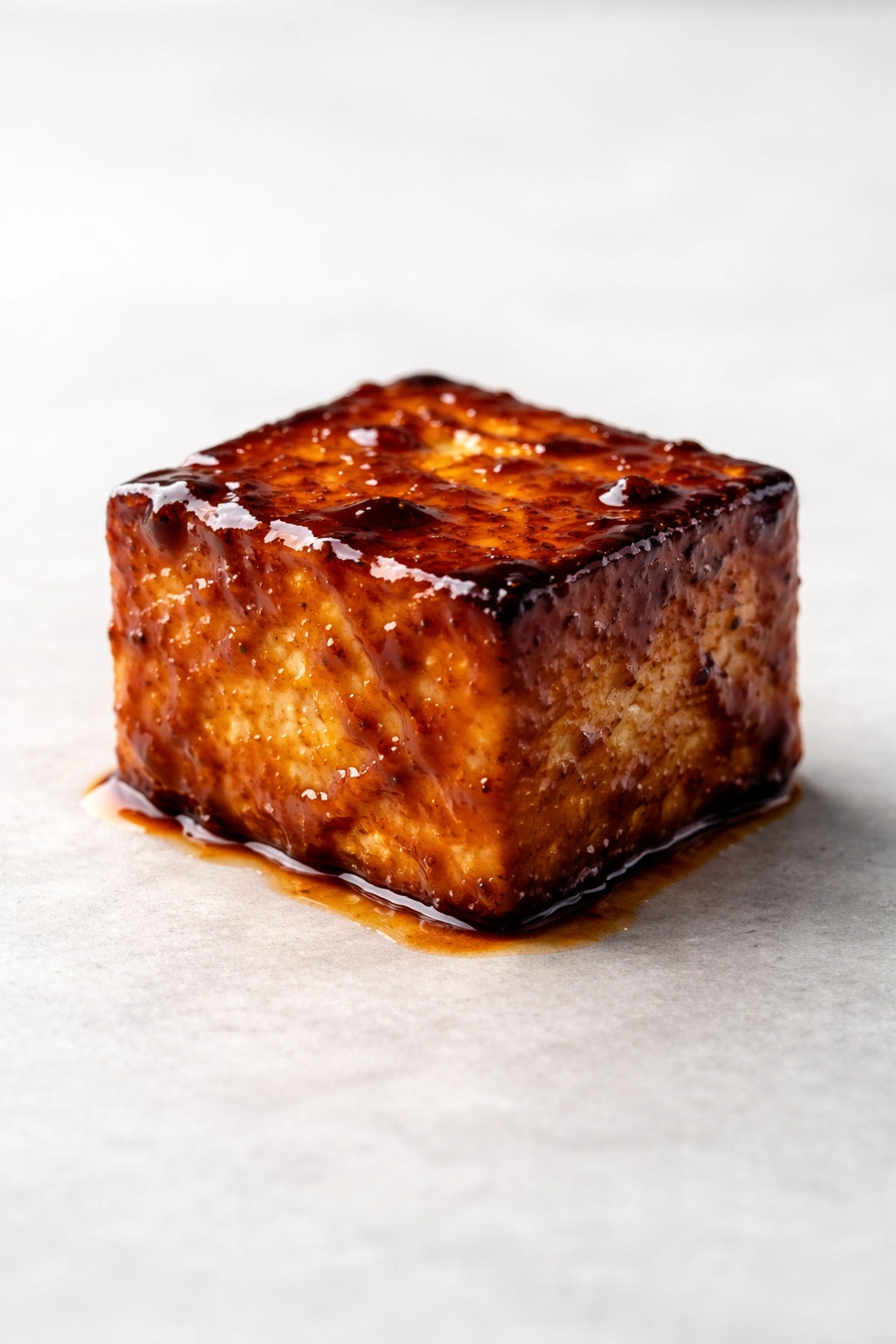
The secret to crispy BBQ tofu that actually tastes amazing isn’t some hidden technique or hard-to-find ingredient. It’s simply respecting tofu as what it is—a neutral, absorbent, protein-rich ingredient that deserves proper preparation. Press it well. Bake it properly. Sauce it generously. Let it absorb flavor. The method is straightforward and the results are genuinely impressive.
Once you nail this basic approach, you’ve got a dinner that works for any night of the week, any season of the year, any dietary preference, and any skill level in the kitchen. It’s fast enough for weeknight cooking, impressive enough for entertaining, healthy enough for serious meal prep, and honestly delicious enough that you’ll actually want to eat it again and again. That’s the mark of a really good recipe—not the complexity, but the reliability and the genuine pleasure of eating what you’ve made.
