



Starbucks egg bites aren’t just convenient — they’re genuinely delicious, with a soft, custardy center that feels indulgent for such a simple dish. But at $4-5 per pack, they add up fast if you’re grabbing them regularly. The best part? You can replicate them almost exactly at home with ingredients you probably already have, and the homemade version is often better: you control the fillings, the seasoning, and the cook time, which means you can dial in the texture to your exact preference.
The reason these egg bites work so well is the cooking method combined with the exact ratio of eggs to dairy. Most people think they’re difficult to make because they assume you need a sous vide machine — but that’s not true. An oven works beautifully if you understand the temperature control trick that prevents them from turning rubbery and watery. Once you nail the technique, you’ll have a breakfast arsenal that’s ready to grab from the fridge every morning: perfectly portioned, protein-packed, and infinitely more customizable than anything you’d buy.
I’ve made hundreds of these at this point, and I’ve discovered exactly what separates custardy, delicious egg bites from the dense, overcooked disappointments that plenty of home cooks end up with. It comes down to three things: the cooking temperature, the resting time, and the ingredient ratio. Get those three things right, and you’ll have egg bites that rival the Starbucks version — and honestly taste fresher because you just made them.
Why Starbucks Egg Bites Are Worth Making at Home
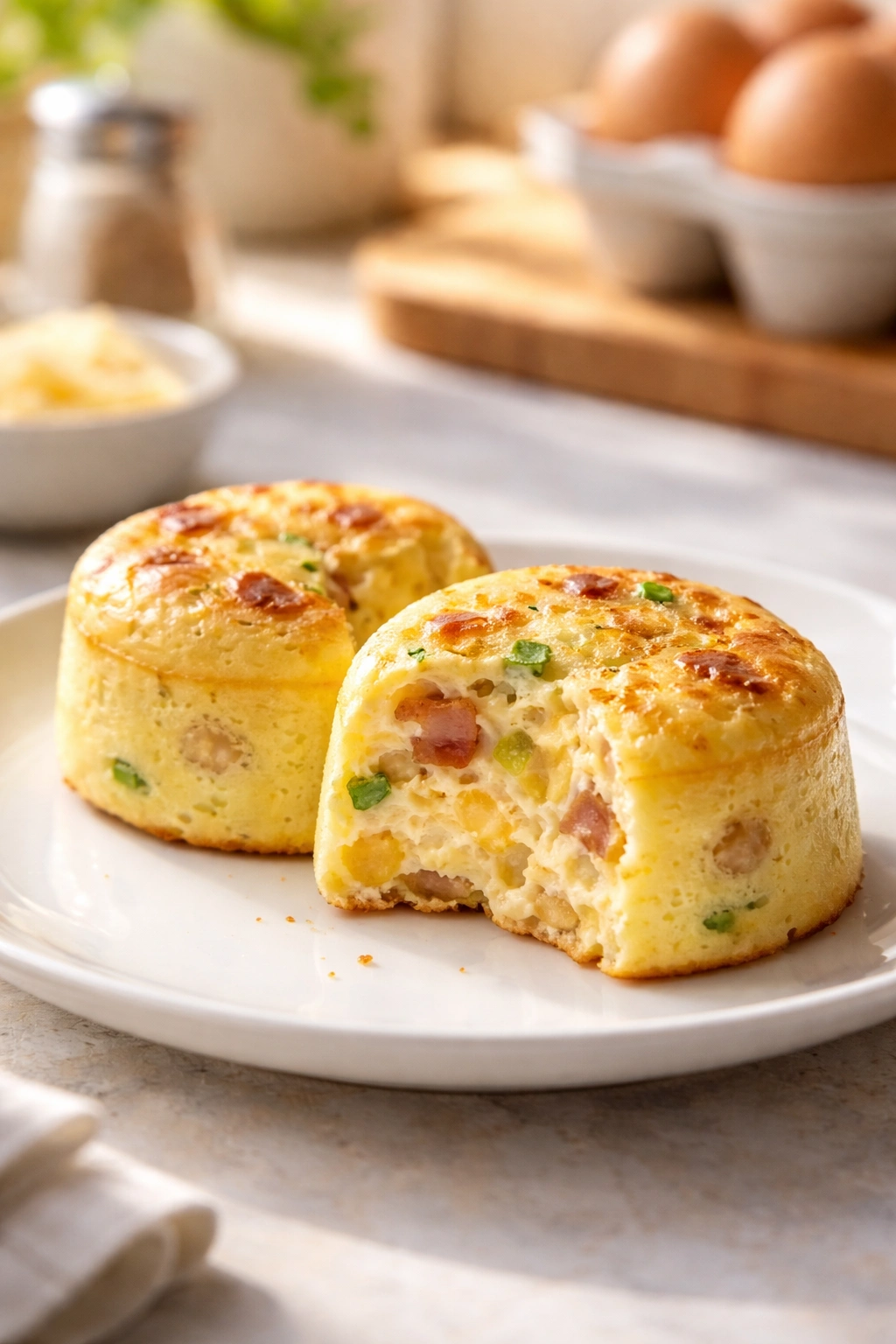
Those egg bite bottles aren’t just hype. They’ve tapped into something genuinely appealing: a complete protein that’s not a boring scrambled egg, not a full breakfast burrito, and not a greasy muffin-shaped something. They’re elegant in their simplicity, which is exactly why they’re worth replicating at home.
The first advantage is cost. A single Starbucks egg bite pack typically contains two bites and costs around $5. That’s $2.50 per bite, or roughly $10 per four-pack if you buy them regularly. Making them at home brings that cost down to about 75 cents per bite when you factor in eggs, dairy, and fillings — that’s a 70% savings. Over the course of a month of breakfasts, that difference is substantial.
But beyond the money, there’s the freshness factor. Homemade egg bites taste fresher and fluffier because you’re eating them at peak texture, not after they’ve been sitting in cold storage at the store. You can also customize the fillings completely — want extra cheese? Add it. Hate cilantro? Don’t use it. Love spice? Load it up. Starbucks gives you three options; you get unlimited variations.
The final win is the satisfaction of pulling these out of your own oven and knowing exactly what went into them. No mystery ingredients, no sodium concerns, no preservatives. Just eggs, cream, cheese, and whatever fillings sound good that week.
Understanding the Texture and Science Behind Perfect Egg Bites
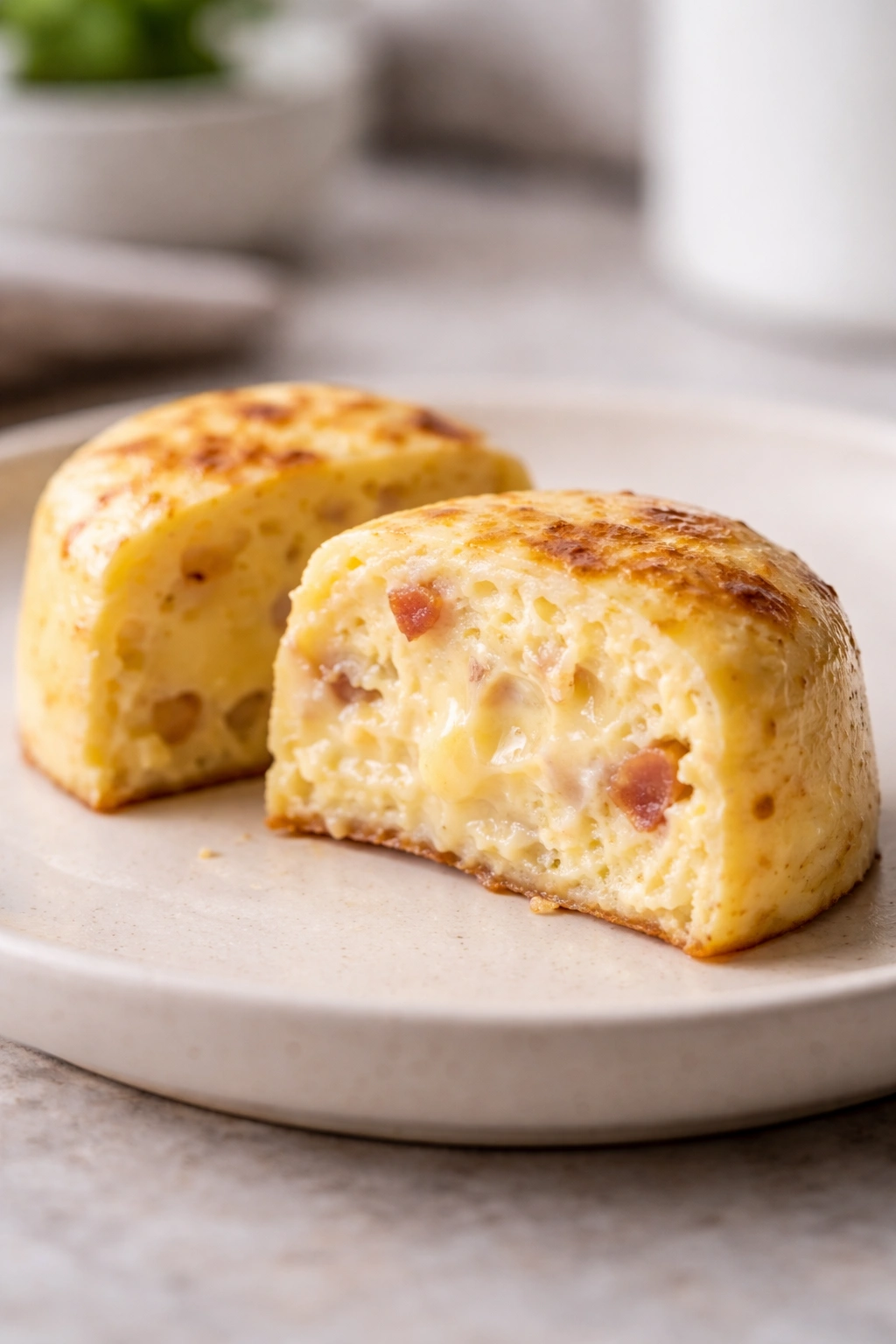
The difference between custardy, silky egg bites and overcooked, rubbery ones comes down to one thing: the curding temperature of eggs. Egg proteins denature and set at around 160°F, but if they go much past that, they start to squeeze out their moisture and become dense and unpleasant. Most people overcook egg bites by using temperatures that are too high or cooking them too long.
Here’s what’s actually happening inside an egg bite: eggs and heavy cream emulsify together as they cook, creating that smooth, almost custard-like texture you’re after. When the temperature stays gentle — around 170°F for water-bath cooking or 325°F in a regular oven — the proteins set just enough to hold their shape while staying incredibly moist and tender inside. Too hot, and you’ve crossed the line into scrambled-egg territory.
The Starbucks method uses sous vide, which is a fancy way of saying “controlled low-temperature water bath.” This creates perfect consistency because the water maintains an exact temperature throughout the cooking process. But here’s the secret: you can achieve nearly identical results in a regular oven if you use a water bath (called a bain-marie) and a lower oven temperature. The water acts as an insulator, preventing the edges from cooking faster than the center and keeping everything at a gentle, consistent temperature.
Most egg bite failures happen because people either skip the water bath entirely and bake them dry, or they use water but set the oven temperature too high. The other common mistake is overcooking — egg bites will continue to cook slightly as they cool, so you actually want to pull them out when they still jiggle very slightly in the very center. It feels counterintuitive, but it’s the difference between silky and rubbery.
What You’ll Need: Complete Ingredient List
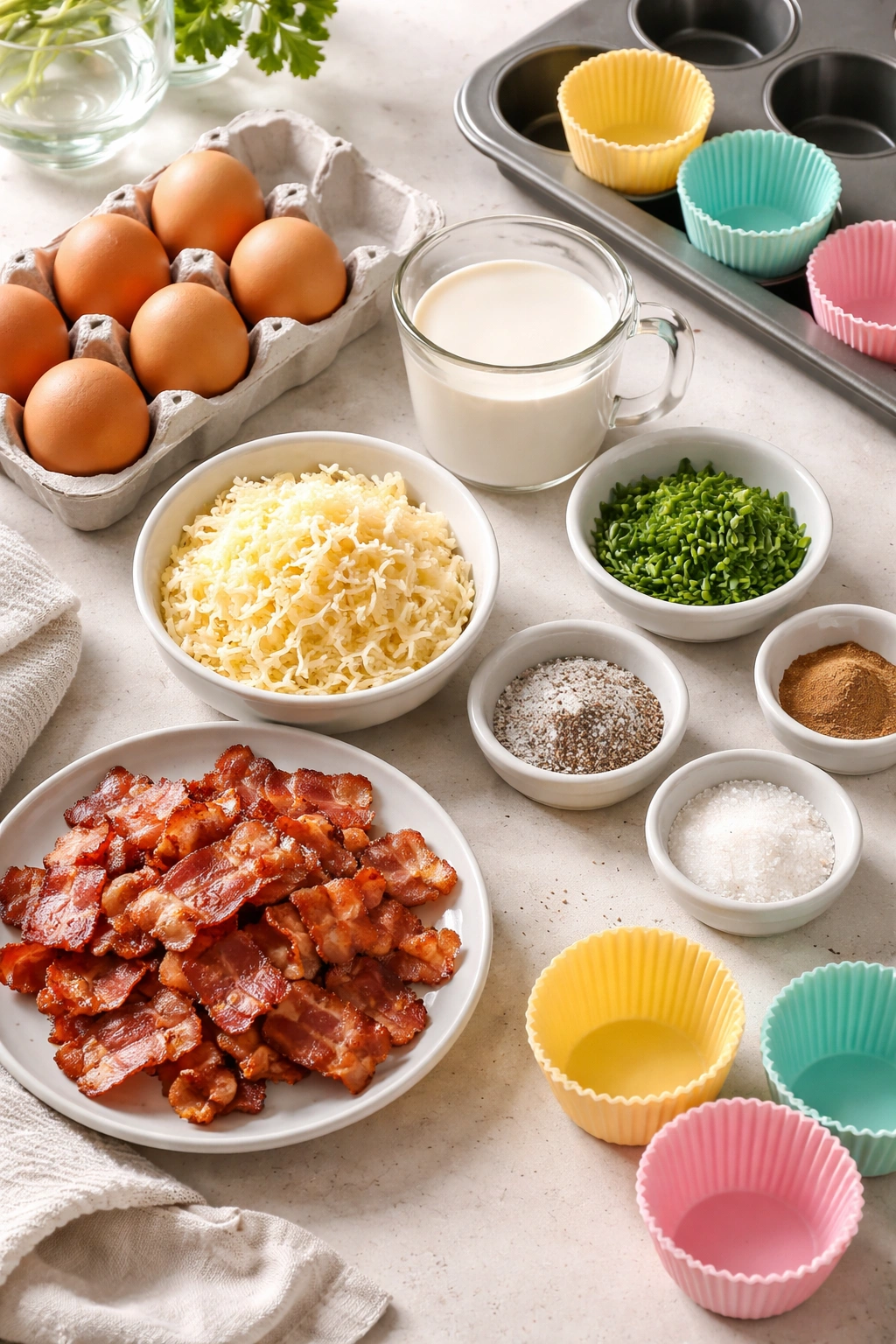
The beauty of egg bites is how few ingredients they require. The base is always eggs and heavy cream, then you add whatever fillings appeal to you. Let me walk you through the classic Bacon and Gruyere version, plus I’ll show you how to adapt it for the other popular flavors.
For the Base (makes 12 egg bites):
- 8 large eggs, room temperature
- ½ cup heavy cream, room temperature
- ¼ teaspoon fine sea salt
- ⅛ teaspoon freshly ground black pepper
- ⅛ teaspoon ground nutmeg (optional but adds authentic café flavor)
- ¼ cup grated Gruyere or sharp cheddar cheese, divided
- ¼ cup crumbled cooked bacon, finely chopped
- 2 tablespoons fresh chives, finely minced (optional)
Equipment you’ll need:
- A muffin tin (regular size, not mini)
- Silicone muffin liners or butter for greasing (silicone is easier and means zero sticking)
- A blender or whisk
- A larger roasting pan (for the water bath)
- An instant-read thermometer (optional but helpful)
Yield: 12 egg bites | Prep Time: 15 minutes | Cook Time: 25 to 30 minutes | Total Time: 45 minutes | Difficulty: Beginner — This recipe requires no special technique and the steps are straightforward; the water bath seems fancier than it actually is.
Oven-Baked Egg Bites Method: The Foolproof Approach

This is the method I use most often because it doesn’t require any special equipment beyond what’s already in your kitchen. The water bath is the key — it creates the gentle, even cooking environment that gives you those silky, custardy egg bites.
Prepare Your Setup
Preheat your oven to 325°F and position the oven rack in the center. Line a regular muffin tin with silicone muffin liners — these are non-negotiable because they prevent sticking without adding butter, which can interfere with the texture. If you don’t have silicone liners, butter the cups generously and wipe out the excess.
Place the muffin tin inside a larger roasting pan. You’ll use this roasting pan to create a water bath, so choose one that’s at least 2 inches deep and large enough to hold the muffin tin inside it without the tin touching the sides.
Make the Egg Custard Base
In a blender (this is faster and creates the smoothest texture, though a whisk works fine too), combine the room-temperature eggs, heavy cream, salt, pepper, and nutmeg. Blend on high for about 30 seconds, until the mixture is completely homogeneous and slightly frothy on top. The reason for room-temperature ingredients is that they blend together more quickly and smoothly — cold eggs can make the blending take longer.
Pour the egg mixture into a measuring cup or small pitcher with a pouring spout. This makes filling the muffin cups much neater and more precise.
Fill the Cups with Fillings and Custard
Divide the cooked, crumbled bacon evenly among the 12 muffin cups — you want roughly 1 teaspoon of bacon in each cup. Sprinkle the grated Gruyere cheese evenly across all the cups, so each one gets a little bit of cheese mixed with the bacon. The fillings should go in before the custard, so they distribute evenly as the egg sets.
Now carefully pour the egg custard into each cup, filling them about three-quarters of the way up. Leave a small bit of space at the top — the egg bites puff up very slightly as they cook. You should have enough custard to evenly fill all 12 cups.
The Water Bath and Baking Process
Pour hot water (from a kettle, not cold water) into the roasting pan until it reaches about halfway up the sides of the muffin tin. The hot water is important because it brings the water bath to temperature faster, which means more even cooking. Carefully transfer the whole setup to the preheated oven — if you’re nervous about spilling, it’s totally fine to put the roasting pan in the oven first, then carefully pour the water around the muffin tin while it’s already on the oven rack.
Bake for 25 to 30 minutes. The egg bites are done when the tops look just set and feel barely firm to a gentle touch, but the very center still jiggles just slightly when you gently shake the pan. This is the crucial moment — if they’re completely firm with no jiggle at all, they’re overdone. They’ll continue to set as they cool, so pulling them out while they still have a hair of wobble is what gives you that custard-like center.
Let the egg bites cool in the pan for 5 minutes before removing them. They’ll come out of the silicone liners easily — run a thin knife around the edge if they stick at all, then just pop them out. Transfer them to a wire rack to cool completely.
The Sous Vide Method for Ultimate Creaminess

If you have a sous vide machine, you absolutely should use it for egg bites — the results are technically perfect every single time, with zero guesswork. Sous vide is the reason Starbucks egg bites taste so consistently silky, and it produces the exact same result at home.
Sous vide setup: Use the same egg custard base recipe and filling combinations from above. Prepare silicone muffin liners the same way, filling each cup with fillings first, then egg custard to about three-quarters full.
Set your sous vide machine to 165°F (74°C). This temperature will cook the eggs perfectly without any risk of overcooking — the consistency is so reliable that you can literally walk away. Fill a large pot or container with water and preheat it using the sous vide machine.
Place the filled muffin tin carefully in the preheated water (the water should come up the sides of the tin by about 2 inches, similar to the oven method). Cook for exactly 20 minutes.
Remove the muffin tin carefully from the water bath and let the egg bites cool for 5 minutes in the tin, then pop them out. This method produces incredibly silky, almost custard-like egg bites — slightly smoother and more tender than the oven method, though honestly the difference is subtle.
The sous vide advantage is mostly about consistency and peace of mind. You literally cannot overcook them. The oven method is faster and requires zero special equipment, so choose based on what you have and what matters to you.
Classic Bacon and Gruyere Egg Bites

This is the most popular Starbucks flavor for good reason — bacon and Gruyere are a classic pairing, and they give the egg bites a subtle richness and smokiness. The flavor isn’t overwhelming, which is part of what makes them so addictive. You can eat them plain, or crack one open and stuff it in a buttered English muffin for a more substantial breakfast.
The recipe above is already written as the classic Bacon and Gruyere version. The key to making this version taste authentic is using actual Gruyere cheese, not cheddar or generic cheese blends. Gruyere has a subtle nuttiness and slight sweetness that cheddar doesn’t have, and that’s what gives Starbucks egg bites their distinctive flavor.
A pro tip: if you’re making a big batch and want variety, use about 4 ounces of good bacon, cooked until it’s crispy, then crumbled finely. You want pieces small enough that they distribute evenly throughout the egg bites, not big chunks that only end up in a few of them.
Spinach and Feta Mediterranean Version
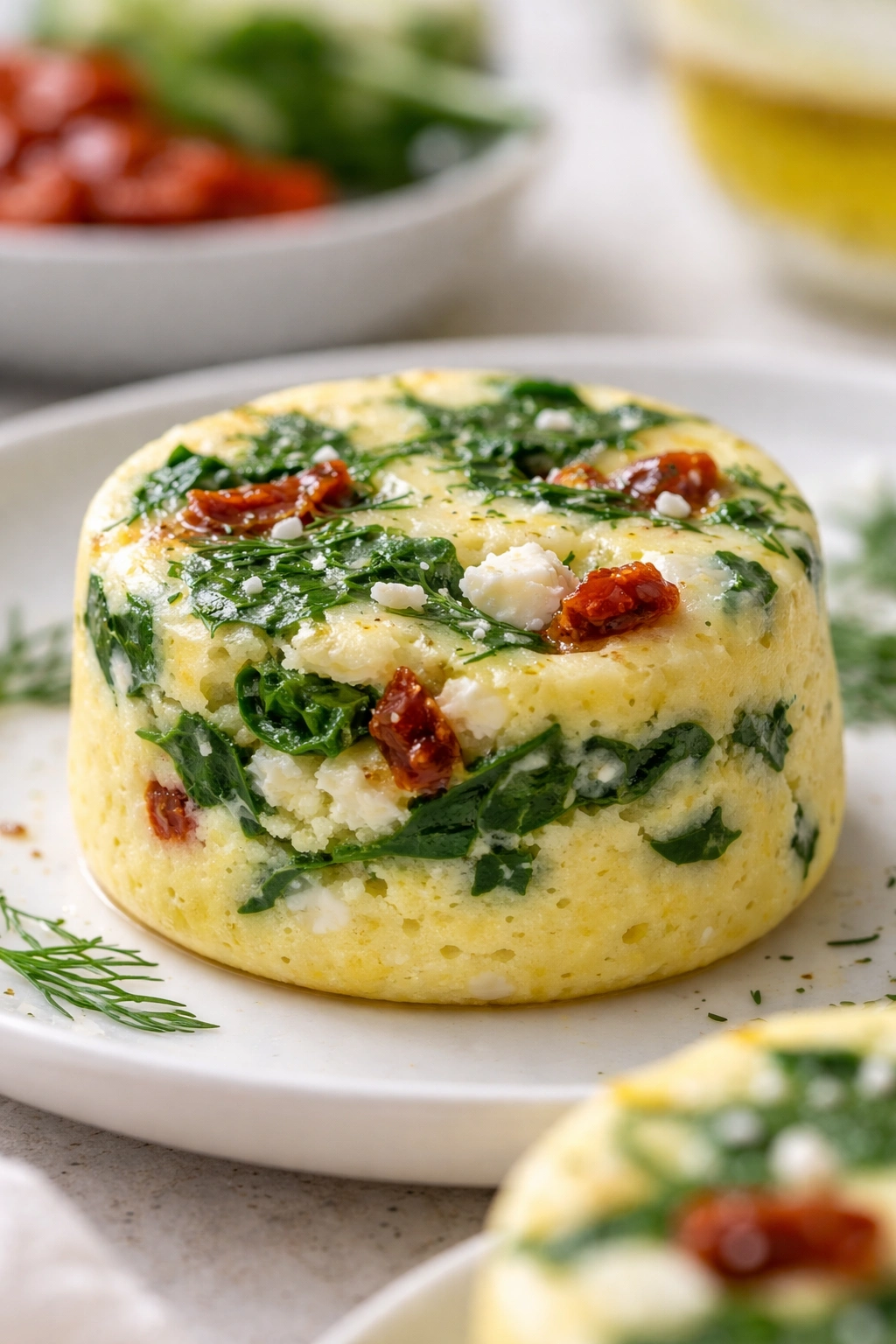
For a vegetarian option with Mediterranean flavors, use this filling combination instead:
For the Mediterranean filling:
- 1 cup fresh spinach, roughly chopped
- ¼ cup crumbled feta cheese
- 2 tablespoons sun-dried tomatoes, finely chopped
- 1 tablespoon fresh dill, finely minced (or ½ teaspoon dried dill)
- 2 cloves garlic, minced very finely
The technique is exactly the same — divide the spinach, feta, sun-dried tomatoes, and garlic evenly among the 12 muffin cups, then pour the custard base over top. The only adjustment is that fresh spinach releases moisture as it cooks, so it’s normal if these seem slightly less creamy than the bacon version — they’re still delicious, just a touch more custard-forward and less rich.
One important note: lightly squeeze the chopped spinach in your hands to remove excess moisture before adding it to the cups. This prevents the egg bites from becoming watery.
Southwest Chorizo Variation

For something with more heat and spice, try this Southwest-inspired version:
For the Southwest filling:
- 3 ounces chorizo, cooked and finely crumbled
- ¼ cup roasted red peppers, finely diced
- 2 tablespoons fresh cilantro, finely minced
- 1 jalapeño, finely diced (seeds removed if you don’t want intense heat)
- ¼ cup shredded pepper jack or Oaxaca cheese
Again, divide evenly among the cups and pour the egg custard over top. The chorizo is already seasoned and spiced, so you might not need the full ⅛ teaspoon of black pepper in the base recipe — taste the custard first and adjust seasoning as needed.
The beauty of knowing how to make egg bites is that once you understand the base formula, you can fill them with literally anything: smoked salmon and dill, capicola and provolone, caramelized onions and goat cheese, pesto and sun-dried tomato. The egg custard base stays exactly the same — only the fillings change.
Mistakes That Make Egg Bites Rubbery or Overcooked
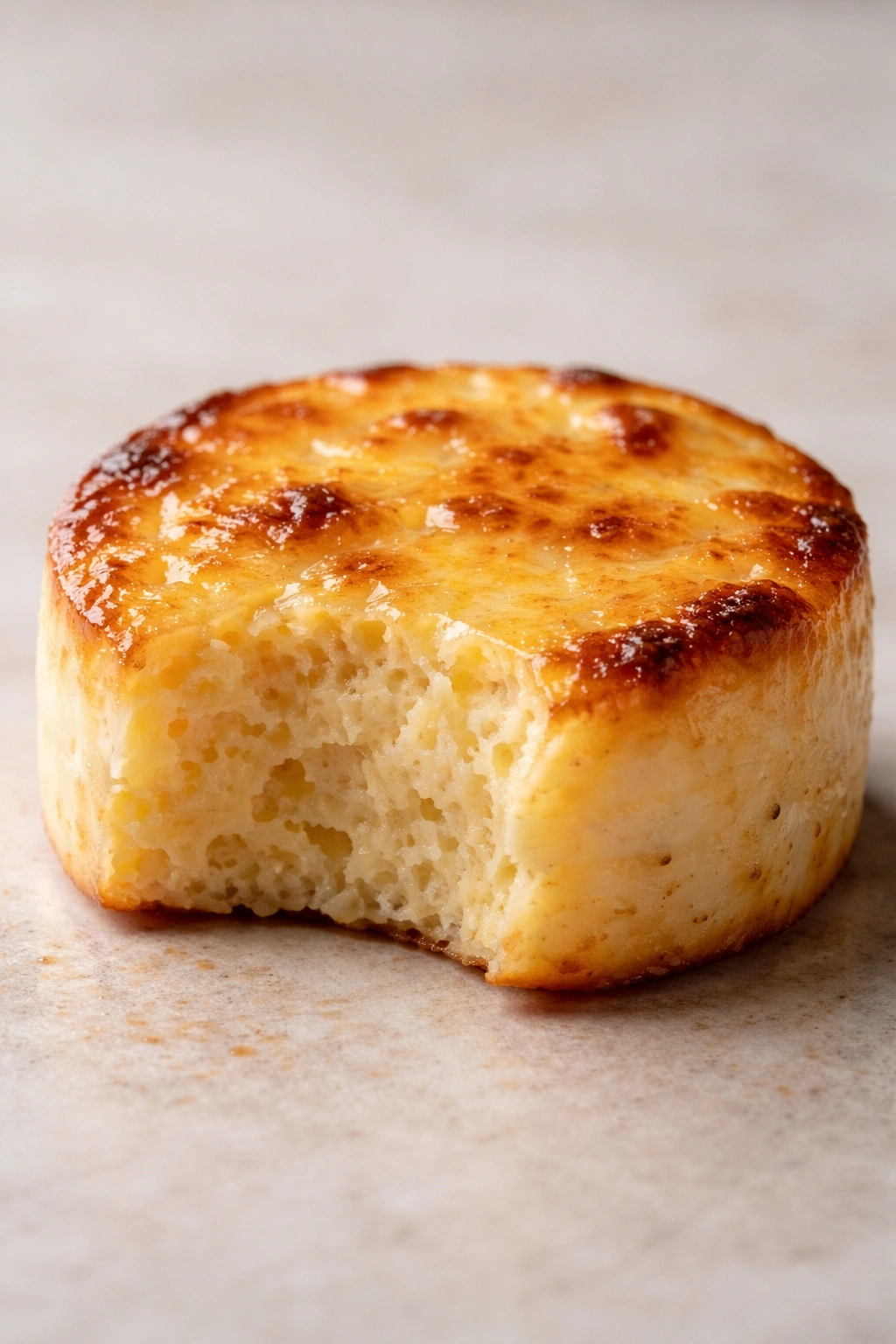
Understanding what goes wrong is half the battle. I’ve made every possible egg bite mistake, so let me save you from repeating them.
The most common error is using too high an oven temperature. People think “oh, it’s just a small thing, I’ll bake it at 375°F to speed things up.” This is a trap. The edges cook rapidly and the eggs overcook before the center even sets properly, leaving you with a rubbery texture and little pockets of separation where the eggs have squeezed out their moisture. Stick to 325°F. It’s not faster, but it’s the only temperature that gives you the silky texture you want.
Skipping the water bath is another major mistake. Without it, the direct dry heat of the oven cooks the eggs unevenly. The edges become firm while the center is still liquid, so you have to choose between underdone and overcooked. The water bath solves this completely — it’s not optional, it’s essential.
Overfilling the muffin cups is a silent killer. If you fill them all the way to the top, the egg bites puff up as they cook and overflow out the sides, plus the centers don’t cook through properly. Fill them only about three-quarters full. This looks weird at first (like you’re not using the full cup), but it’s exactly right.
Overcooking because you waited until they were completely firm. This is the texture trap. Egg bites should still jiggle slightly in the very center when you pull them from the oven. If you wait until they’re completely set and firm, you’ve already overcooked them — they’ll firm up further as they cool. Pull them out when they still feel just a tiny bit wobbly in the middle, and you’ll end up with perfect texture.
Using cold eggs instead of room temperature. Cold eggs are denser and blend more slowly, which can create a slightly grainy texture instead of the smooth custard you want. Pull your eggs out 20 minutes before you plan to blend them and they’ll be perfect.
Not properly seasoning the base. The custard base should taste slightly seasoned on its own — the egg bites season primarily from the fillings, but if the base is bland, the whole thing falls flat. Taste it right after blending and don’t be shy with salt. A tiny pinch of nutmeg is also worth it — it adds a subtle depth that says “this tastes fancy” without announcing itself.
Make-Ahead, Storage, and Freezing Guide

The whole point of egg bites is convenience, which means they need to store beautifully or you’ve missed the entire appeal.
Store cooled egg bites in an airtight container in the refrigerator for up to 5 days. They taste best eaten cold directly from the fridge, or reheated gently in the microwave — 20 to 30 seconds per bite, depending on your microwave’s power. The microwave is faster than the oven, but if you’re reheating several at once, the oven at 300°F for about 5 minutes gives a slightly better texture. Don’t use high microwave power or you’ll risk drying them out.
Freezing is where egg bites really shine for meal prep. Cool them completely, then layer them in a freezer-safe container separated by parchment paper (so they don’t stick together in one frozen block). They freeze beautifully for up to 3 months. To reheat from frozen, microwave for 45 seconds to 1 minute, or thaw overnight in the fridge and reheat as above.
You can also freeze them unbaked. Fill the muffin cups, cover the whole tin with plastic wrap, and freeze. When you’re ready to cook them, add 5-7 minutes to the cooking time (no need to thaw first) and they’ll come out perfectly. This is brilliant for the person who likes having fresh egg bites on hand without having to cook a full batch.
The make-ahead game-changer is this: dedicate one morning every week or two to making a full batch. Once they’re cooled and stored, you have grab-and-go breakfasts ready for the next 5 days. Pull one out, microwave for 20-30 seconds, and you’ve got a protein-packed breakfast that rivals anything you’d buy.
Best Ways to Serve and Reheat

While egg bites are perfectly delicious on their own, they’re even better with the right accompaniments.
For a full breakfast plate: serve one or two egg bites alongside fresh fruit, a small side salad, or roasted vegetables. The egg bites are rich and protein-forward, so they pair well with bright, fresh sides that balance them out.
For a grab-and-go option: wrap a warm egg bite in a buttered English muffin with a slice of cheese and a thin slice of tomato for something that feels more substantial. It’s basically an English muffin sandwich at that point, but infinitely better because the egg bite is so much softer and more luxurious than a regular egg.
For a snack or light lunch: serve them at room temperature with a small salad or alongside some cured meats and cheese. They’re completely different in texture from at-temperature eggs, so they work beautifully as part of a charcuterie situation.
Reheating best practices: The microwave is fastest, but if you’re reheating more than two, the oven is actually better. Set it to 300°F and warm them for about 5 minutes. If you’ve frozen them, let them thaw in the fridge overnight first (this gives a better texture than reheating from solid frozen). The thawed, room-temperature egg bites actually taste quite good even without reheating — they’re not dry or unpleasant cold, just richer when slightly warmed.
For parties or entertaining, you can make these the day before, store them in the fridge, and serve them at room temperature with a small salad and some good bread. They’re elegant enough for brunch guests but casual enough that nobody thinks you slaved over them all morning. (Your secret is safe with me.)
Final Thoughts
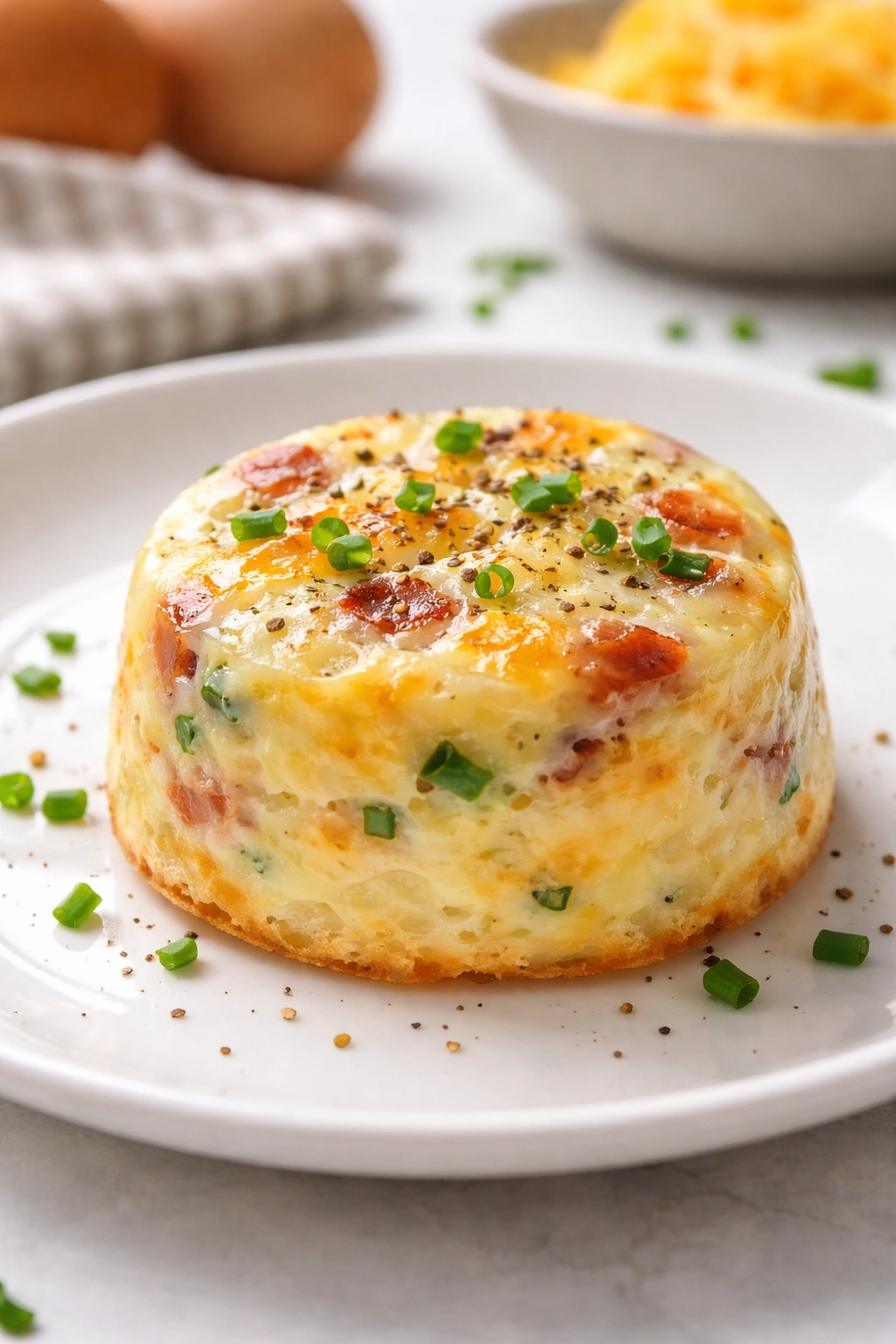
Making Starbucks-style egg bites at home is one of the easiest breakfast wins you can pull off. The ingredient list is simple, the technique is forgiving once you know the water bath secret, and the payoff is legitimate: delicious, customizable, ready-whenever breakfasts that cost a fraction of what you’d pay at a café.
The real beauty is that you’re not just copying Starbucks — you’re improving on it. You control every variable. You can make them less salty if that matters to you, pack them with more cheese if you prefer, or invent new flavor combinations Starbucks has never thought of. Once you’ve made one batch successfully, you’ll probably find yourself making them regularly, and that’s when the true convenience and cost savings kick in.
Start with the classic Bacon and Gruyere version because it’s foolproof and delicious, then once you’ve nailed the technique, experiment. Try adding caramelized onions, or switch to different cheeses, or layer in your favorite vegetables. The base formula never changes — just the filling. You’ve essentially learned an infinitely customizable breakfast formula that’ll work for you for years.
