



There’s nothing quite like a steaming bowl of chicken soup when the temperature drops and cold winds blow outside. Whether you’re battling a seasonal cold, looking for comfort food, or simply craving warmth from the inside out, chicken soup is the ultimate dinner solution. The beauty of this classic dish lies in its versatility—from simple broths with tender vegetables to hearty varieties loaded with pasta, rice, or dumplings, there’s a chicken soup recipe for every mood, palate, and dietary preference. The best part? Most chicken soups come together in under an hour and fill your kitchen with an aroma that makes everyone in your home feel cared for.
What makes chicken soup such an enduring favorite across cultures and generations is its power to comfort and nourish simultaneously. The warm, often flavorful broth combined with tender chicken and vegetables creates a meal that feels both wholesome and indulgent. Many chicken soup recipes feature anti-inflammatory ingredients like ginger, turmeric, and garlic, which have been valued in traditional cooking for their potential health-supporting properties. Beyond the nutritional aspect, there’s something deeply soothing about the ritual of sipping a warm bowl of soup—it’s a simple act that signals care, rest, and recovery to your body and mind.
This collection brings together 10 of the most beloved chicken soup recipes, ranging from light, brothy versions perfect for gentle digestion to robust, stick-to-your-ribs soups designed to satisfy the heartiest appetites. Each recipe brings something unique to the table, whether that’s unexpected spice, international flavors, creamy textures, or simple, elegant simplicity. Keep reading to find your new go-to chicken soup—the one you’ll make again and again as cold weather rolls around.
1. Classic Broth-Based Chicken Soup with Fresh Herbs
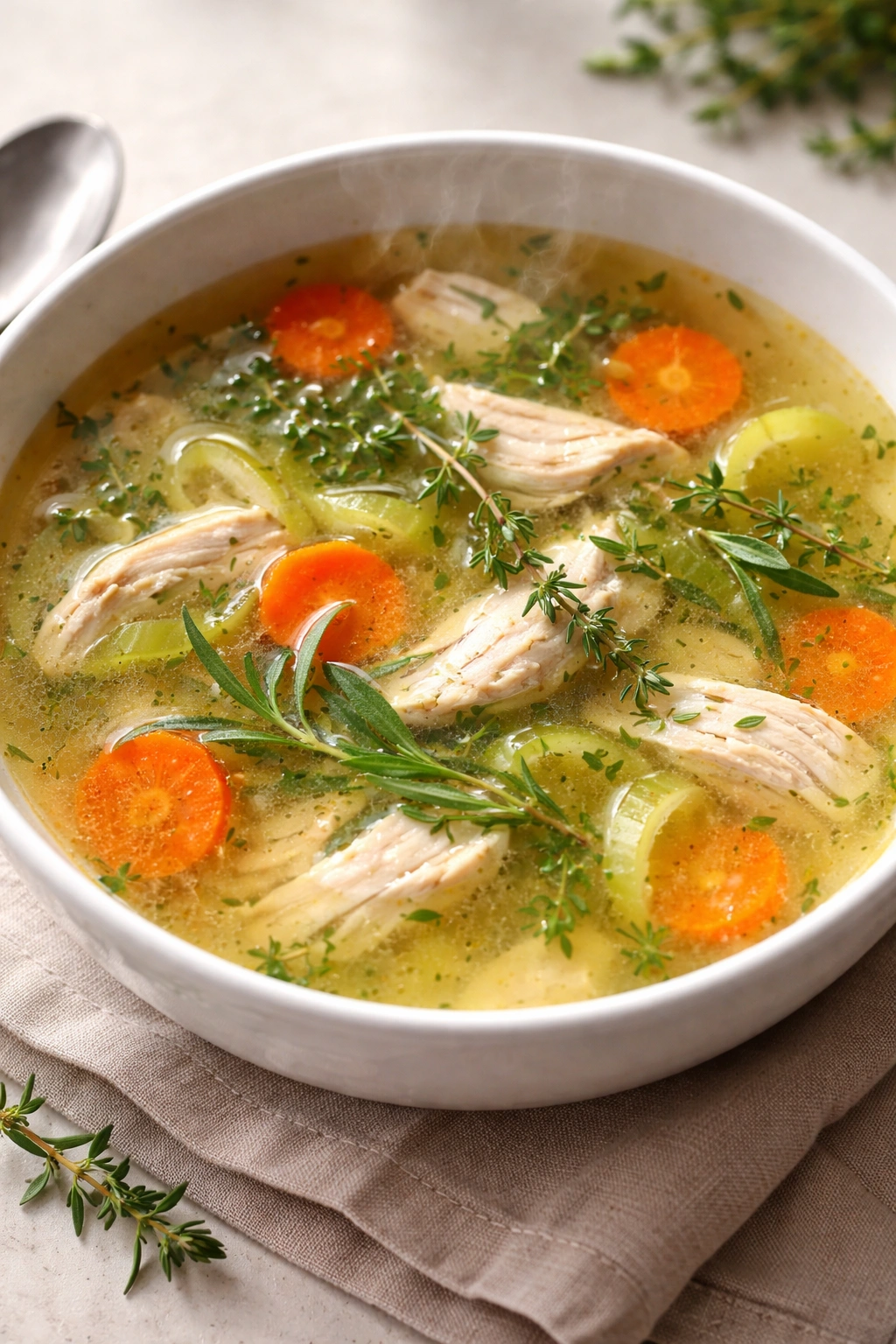
The foundation of great chicken soup is excellent stock, and this traditional recipe proves that the simplest combinations often yield the most satisfying results. Starting with homemade chicken stock creates a light, clean-tasting broth that’s worlds apart from anything made with store-bought cubes. The soup features tender poached chicken, mild vegetables like carrots, celery, and onion, and the distinctive flavor of fresh herbs—particularly thyme and tarragon—which elevate the entire dish from ordinary to memorable.
Why This Recipe Shines
Fresh tarragon is the secret weapon in this soup, lending a subtle anise-like sweetness that pairs beautifully with chicken and makes people wonder what makes it taste so different from other chicken soups they’ve tried. The technique of poaching chicken directly in the broth infuses the liquid with subtle chicken flavor while keeping the meat incredibly tender. Unlike soups that call for pre-cooked chicken, this method ensures the chicken absorbs the surrounding flavors, creating a more integrated, cohesive dish.
How to Build Maximum Flavor
- Use bone-in chicken breasts or thighs for deeper flavor (remove bones before serving)
- Add parsnips instead of potatoes for a naturally sweet, earthy note
- Include fresh thyme, tarragon, and a bay leaf during cooking, then remove before serving
- Finish with fresh parsley and cracked black pepper for brightness and visual appeal
- Keep the ingredient list short—quality matters more than quantity in a broth-based soup
Pro tip: Make your chicken stock from scratch using chicken bones, onion, carrot, and celery. It requires minimal active work and transforms the entire soup into something your family will request repeatedly.
2. Creamy Chicken and Wild Rice Soup
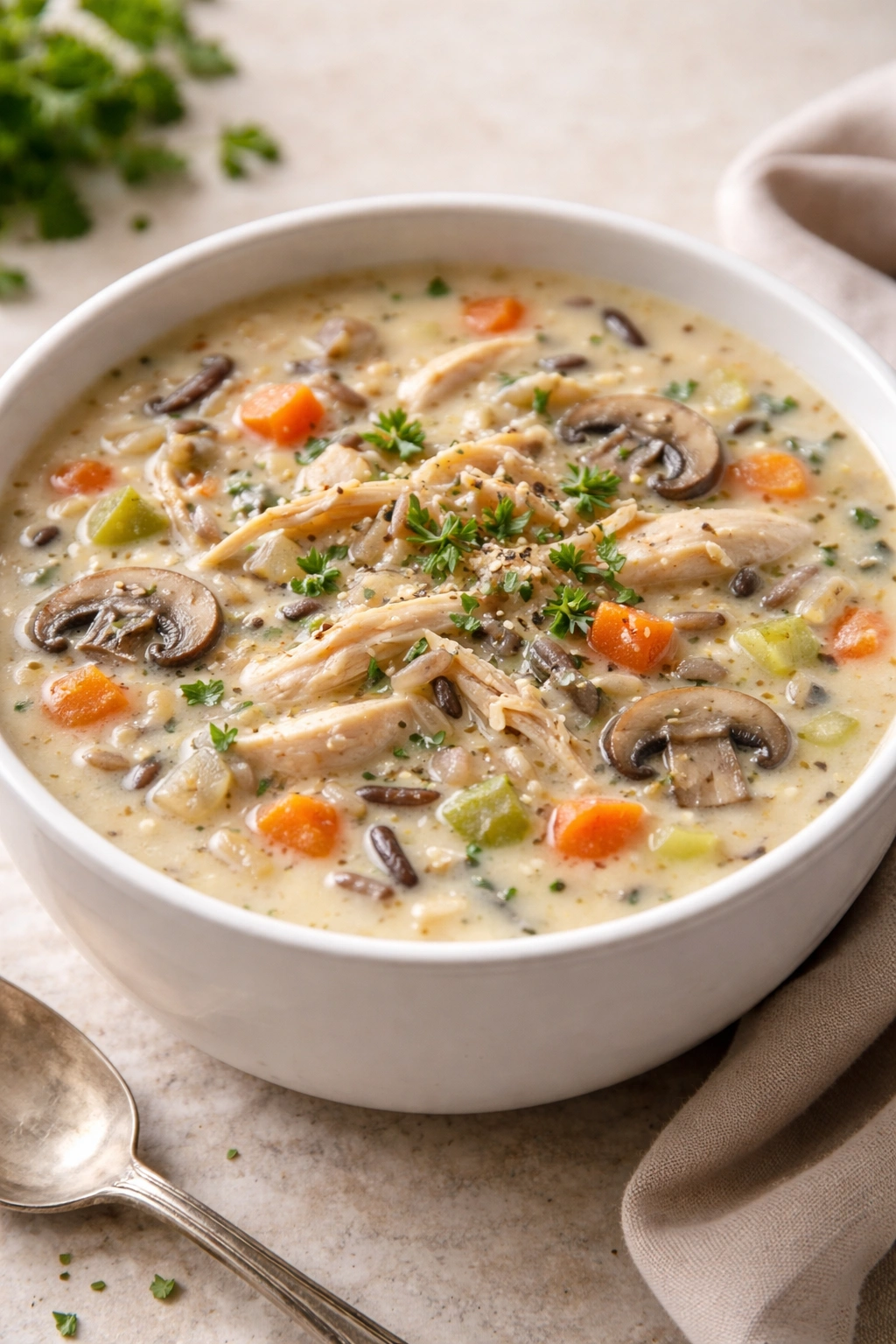
This beloved Midwestern classic delivers the comforting creaminess of a chowder while maintaining the heartiness that makes it appropriate for serving to a crowd. Wild rice, with its nutty flavor and chewy texture, provides substance without heaviness, while the cream base (or a combination of cream and broth) creates a luxurious mouthfeel. The addition of mushrooms, carrots, celery, and onion builds layers of flavor that work together rather than competing for attention.
What Makes It Stand Out
Wild rice is the nutritional powerhouse here—it’s packed with fiber, protein, and B vitamins, making this soup genuinely nourishing, not just delicious. Unlike regular white rice, which can become mushy during long cooking times, wild rice holds its texture beautifully. The soup benefits from slow, gentle cooking that allows all the flavors to meld while the rice gradually absorbs the broth, naturally thickening the soup without the need for flour or cornstarch.
Building the Perfect Creamy Base
- Toast the wild rice lightly in a dry pot before adding liquid to enhance its nutty flavor
- Use a combination of chicken broth and cream for a lighter version than traditional recipes
- Sauté mushrooms separately until golden before adding to the pot—this deepens their earthy taste
- Add diced cooked chicken in the last 10 minutes to keep it tender and prevent overcooking
- Season conservatively at the start, then adjust at the end when all flavors have developed
Pro tip: Cook the wild rice separately and add it to the soup just before serving. This prevents the rice from absorbing too much liquid and becoming overly thick as the soup sits in the refrigerator.
3. Spicy Ginger-Turmeric Chicken Soup with Anti-Inflammatory Power

When you’re feeling under the weather or want a soup that actively supports your body’s natural defenses, this recipe delivers both flavor and function. Fresh ginger, turmeric, and plenty of garlic create a warming, slightly spicy broth that feels therapeutic to drink. The addition of pearl couscous (also called Israeli couscous) provides heartiness while remaining light enough to digest easily, making this ideal when your stomach needs gentle treatment.
The Anti-Inflammatory Advantage
Ginger aids digestion and provides warming properties that make this soup feel like medicine in the best way possible. Turmeric contains curcumin, a compound historically valued in traditional cooking, and it’s best absorbed when consumed with black pepper and fat (the oil in this soup covers both bases). Garlic contributes its own complex flavor while offering anti-bacterial and anti-inflammatory properties—this recipe uses six cloves for genuine therapeutic benefit, not just a whisper of flavor.
Creating Depth with Warming Spices
- Grate fresh turmeric and ginger directly into the pot rather than using powders for brighter flavor
- Toast the spices briefly in oil before adding broth to awaken their essential oils
- Include fresh rosemary and thyme alongside the warming spices for herbal complexity
- Add pearl couscous in the final cooking stage so it absorbs the flavorful broth
- Finish with a handful of frozen peas for color, sweetness, and nutritional balance
Pro tip: If you can’t find fresh turmeric, ground turmeric works fine—use about one-third the amount. Remember that turmeric can stain, so use caution or wear gloves when handling it.
4. Chicken and Dumplings Soup
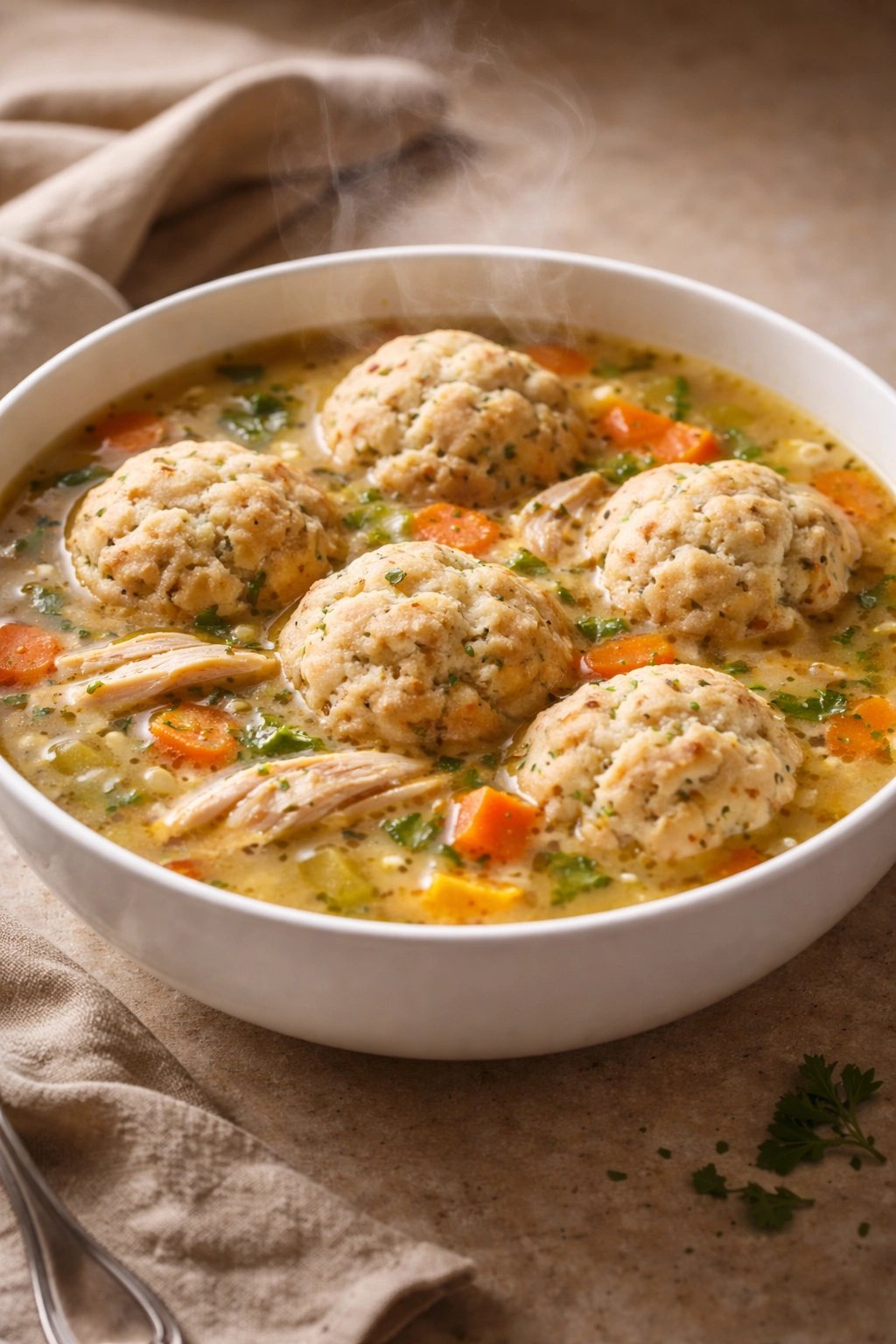
This soul-satisfying variation transforms chicken and dumplings into soup form, creating a dish where fluffy, tender dumplings float in a rich, savory broth instead of sitting atop a creamed filling. The dumplings themselves are simple biscuit dough that cooks directly in the simmering broth, absorbing flavor as they cook and making the entire pot feel like homemade comfort in edible form.
Why Dumplings Make It Special
Homemade dumplings add a nostalgic quality that store-bought alternatives can’t match. Whole-wheat biscuit dough offers extra nutrition without sacrificing the light, fluffy texture that makes dumplings irresistible. The dumplings cook in minutes directly in the soup, which means you can have everything from start to finish in about ninety minutes—perfect for weeknight dinners when you want something impressive but not time-consuming.
Crafting Perfect Tender Dumplings
- Make dumpling dough from flour, baking powder, salt, and butter—keep it simple
- Drop biscuit-sized portions directly into gently simmering broth (not a rolling boil)
- Cook uncovered for 15-20 minutes until a toothpick inserted in the largest dumpling comes out clean
- Include plenty of vegetables (carrots, celery, onion, peas) so the soup feels complete
- Add fresh thyme and parsley for herbaceous notes that complement the dough
Pro tip: Keep the broth at a gentle simmer rather than a rolling boil when cooking dumplings. Aggressive boiling can make them tough and cause them to disintegrate into the broth.
5. Thai Coconut Chicken Soup (Tom Kha Gai)
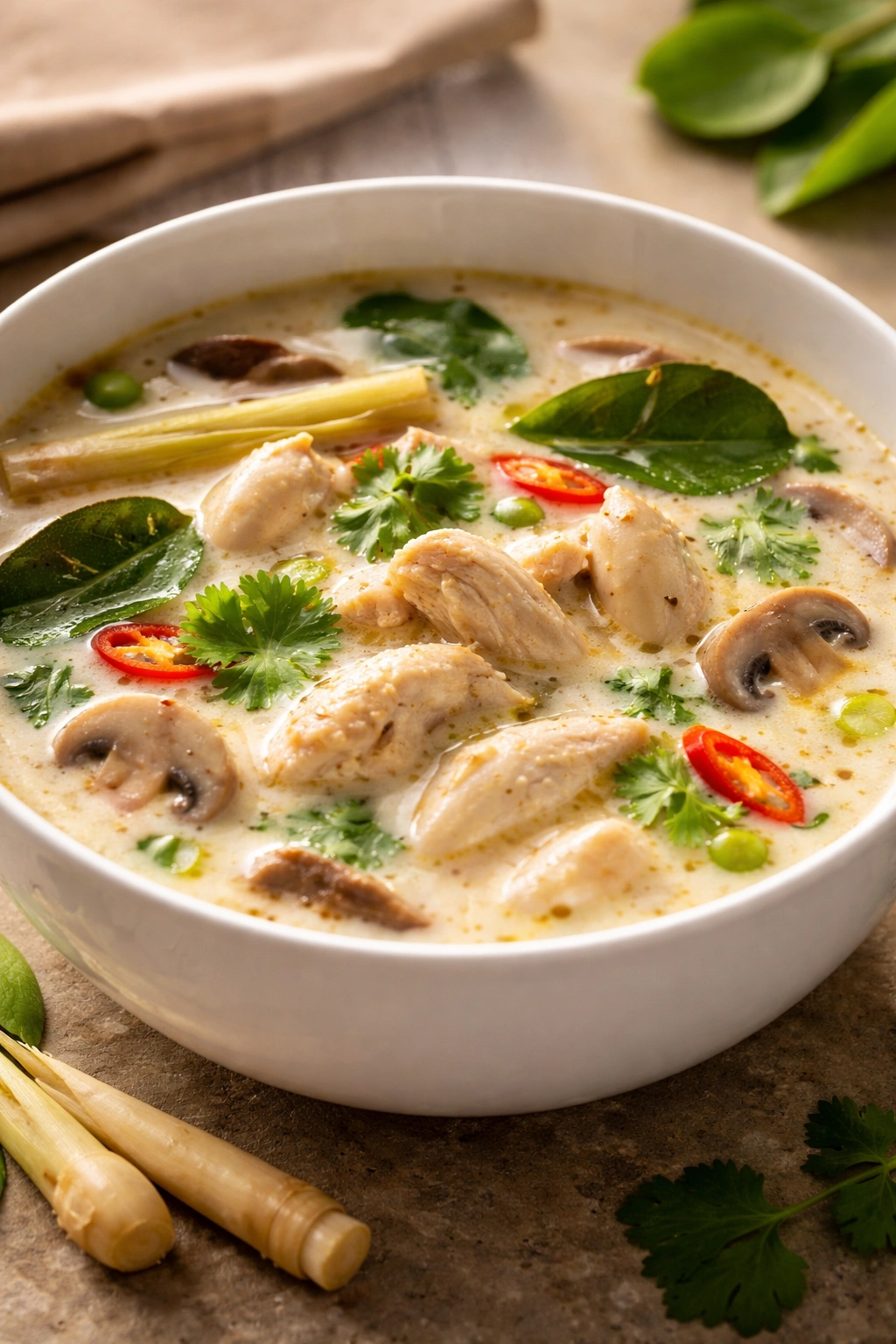
This creamy, aromatic soup brings Thai flavors directly to your winter dinner table, offering something completely different from traditional American chicken soups. Coconut milk creates a luscious base that’s naturally dairy-free, while lemongrass, galangal, and makrut lime leaves infuse the broth with authentic Thai character. A touch of fish sauce adds savory depth that doesn’t make the soup taste fishy—instead, it amplifies all the other flavors and creates complexity.
The Aromatic Magic
Lemongrass brings a bright, citrusy note without the sharpness of actual lemon juice. Galangal (a rhizome similar to ginger but with its own distinct flavor) provides warmth and subtle peppery undertones. These ingredients create a broth so fragrant and evocative that one spoonful transports you to Southeast Asia. The soup walks a beautiful line between rich (thanks to coconut milk) and light (thanks to the broth and aromatics).
Building Authentic Layers of Flavor
- Bruise lemongrass stalks with the side of a knife to release their oils before adding to broth
- Use fresh galangal if possible, though quality dried galangal works in a pinch
- Add makrut lime leaves (kaffir lime) near the end of cooking so their flavor stays bright
- Include both chicken broth and full-fat coconut milk—one without the other misses the mark
- Finish with fresh lime juice, Thai chilies, and cilantro for brightness and heat
Pro tip: Serve this soup with jasmine rice on the side, allowing guests to add as much rice as they prefer to their individual bowls. Lime wedges and a small dish of chili oil also make excellent accompaniments.
6. Slow-Cooker Chicken Noodle Soup
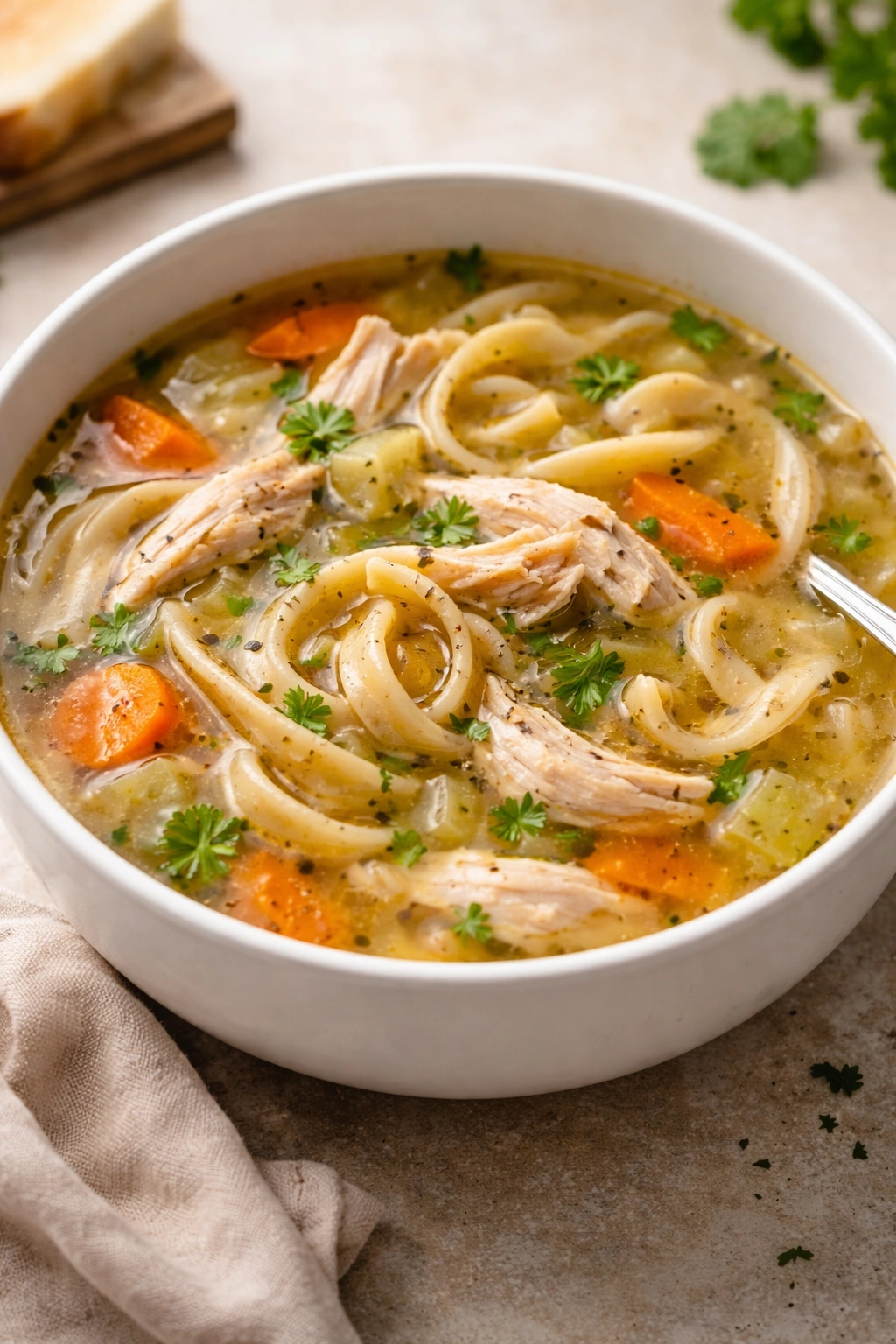
Sometimes you need dinner to essentially make itself while you attend to other responsibilities. This slow-cooker version delivers genuine, from-scratch flavor with virtually no hands-on time. The vegetables soften beautifully, the chicken becomes fall-apart tender, and the broth develops deep flavor as everything simmers together for hours, filling your home with the most welcoming aroma.
The Slow-Cooker Advantage
Slow cooking extracts maximum flavor from both the chicken and vegetables through gentle, extended heat. Unlike stovetop cooking, where you’re watching the pot and managing temperature, the slow cooker works on its own schedule—perfect for busy days when you want to come home to a finished meal. The long cooking time also allows tough cuts of chicken (like thighs with bones) to become incredibly tender, meaning you can use less expensive cuts and still achieve restaurant-quality results.
Setting Up for Success
- Layer vegetables on the bottom of the slow cooker with chicken on top (they cook more evenly this way)
- Use bone-in chicken thighs instead of expensive breasts—they’re more flavorful and stay moister
- Add dried pasta in the final 30 minutes of cooking so it doesn’t turn mushy
- Include fresh herbs like thyme and bay leaves during cooking, then remove before serving
- Stir in fresh parsley just before serving for a brightness that contrasts the long-cooked flavors
Pro tip: Don’t add egg noodles or other pasta until the very end of cooking. Pasta added at the beginning will absorb liquid and become mushy, while noodles added in the last 30 minutes maintain a better texture.
7. Spicy Buffalo Chicken Chili Soup

For those who like heat and bold flavors, this soup brings together the sharp tang of buffalo sauce, the richness of cream cheese and blue cheese, and spicy hot sauce to create something that hovers between soup and chili. It’s perfect for game day, winter gatherings, or any time you want something that makes a dramatic statement on the dinner table.
Why This Flavor Combination Works
Buffalo sauce—traditionally hot sauce combined with butter—creates a specific flavor profile that’s simultaneously spicy, savory, and slightly tangy. The addition of cream cheese mellows the heat while adding richness, while blue cheese contributes an earthy, funky element that makes the overall dish more complex and interesting. This isn’t subtle—it’s a bold, flavor-forward soup that makes people either love it immediately or ask for a milder alternative.
Building Heat and Richness
- Use bone-in chicken thighs as your base (they hold up better to long cooking and have more flavor)
- Combine hot sauce with chicken broth in the slow cooker, then add diced chicken
- Stir in cream cheese in the last 30 minutes of cooking, stirring well to dissolve
- Top individual bowls with crumbled blue cheese, which should slightly melt from the heat
- Add white beans (navy or cannellini) to make it heartier and add a creamy element
- Garnish with fresh cilantro, diced red onion, and lime wedges for brightness
Pro tip: If you’re serving a mixed group with varying heat preferences, serve the hot sauce and blue cheese as toppings rather than stirring them into the whole pot. This lets people control their own heat level and flavor intensity.
8. Moroccan-Inspired Chicken and Sweet Potato Soup

Sweet potatoes bring both sweetness and vibrant color to this North African-influenced soup, while warming spices like cumin, cinnamon, and cayenne create a sophisticated flavor profile. A touch of harissa (a spicy chili paste) adds depth and warmth, though you can adjust the amount based on your heat preference. The result is a soup that feels elegant enough for entertaining yet simple enough for weeknight cooking.
The Spice Story
Cumin and cinnamon together create an intriguing sweet-savory combination that’s characteristic of Moroccan cooking. Cayenne adds heat without overwhelming the other spices, while harissa brings a complex depth that’s hard to pin down—guests will taste warmth and spice but won’t necessarily identify what creates such an interesting flavor. These spices were traditionally valued for their preservative and digestive properties, making this soup as historically informed as it is contemporary.
Layering Complex Flavors
- Toast whole cumin seeds in a dry pot before grinding to intensify their flavor
- Add sweet potatoes cut into bite-sized cubes so they cook evenly and absorb the spiced broth
- Include both bone-in chicken breasts and thighs for varied textures and deeper flavor
- Stir harissa into the broth early in cooking so the flavors meld rather than taste bright and sharp
- Finish with fresh cilantro and a squeeze of lime juice to provide contrast to the warm spices
Pro tip: If you can’t find harissa at your regular grocery store, look for it at specialty markets, or make a simple version by mixing hot paprika, cayenne, caraway seeds, and olive oil. A small jar keeps for weeks and adds authentic flavor to many other dishes.
9. Classic Chicken Noodle Soup with Root Vegetables and Barley
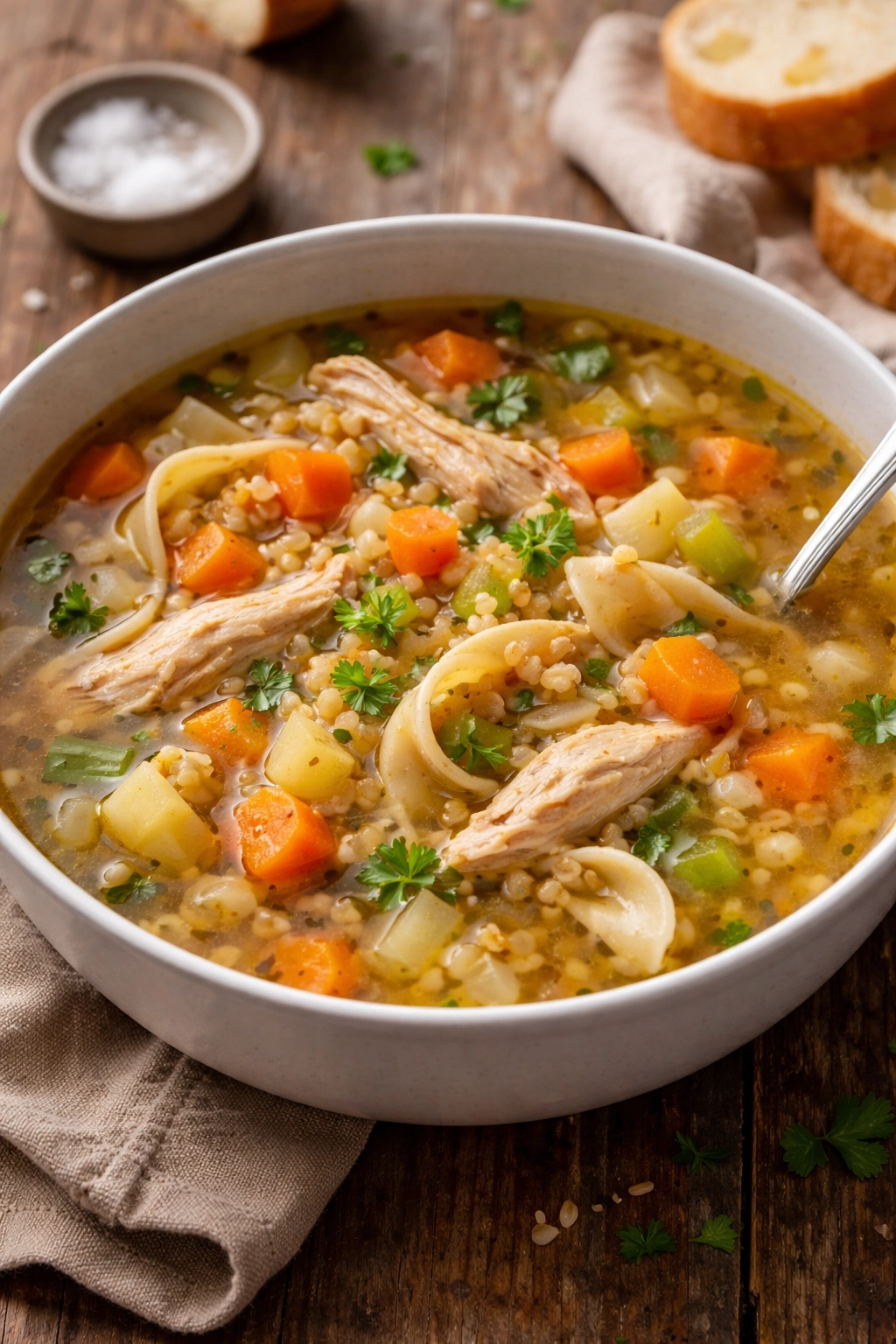
Sometimes “classic” is classic for good reason. This no-nonsense version features homemade broth, tender chicken, and a simple medley of root vegetables (carrots, celery, parsnips, and onion) that create a naturally sweet, deeply satisfying soup. The addition of pearl barley makes it heartier than a simple broth-based soup while keeping it light enough to enjoy even when you’re feeling unwell.
Why Simple Beats Complex
When you start with genuinely good chicken stock—whether homemade or high-quality store-bought—you don’t need much else. The broth itself carries flavor, the vegetables bring sweetness and texture, and the chicken provides protein and substance. There’s an elegance in this simplicity that becomes apparent when you taste how each element contributes without fighting for attention. This is the soup you make when you want to taste chicken, vegetables, and herbs—not a complicated collection of ingredients.
Mastering the Simple Version
- Use bone-in chicken breasts if possible—they add flavor to the broth even as the meat itself becomes tender
- Add barley early in cooking since it needs time to absorb liquid and become tender
- Cut vegetables into similar-sized pieces so they cook evenly
- Include a fresh bay leaf, thyme sprigs, and parsley stems for subtle herbal depth
- Remove the herb sprigs before serving and finish with fresh chopped parsley
- Season conservatively—you can always add salt, but you can’t remove it
Pro tip: Make a big batch of homemade chicken stock on the weekend and freeze it in portions. Having quality broth on hand means you can have a genuinely delicious chicken soup on the table in 30 minutes any weeknight.
10. One-Pot Chicken Soup with Kale, White Beans, and Sausage
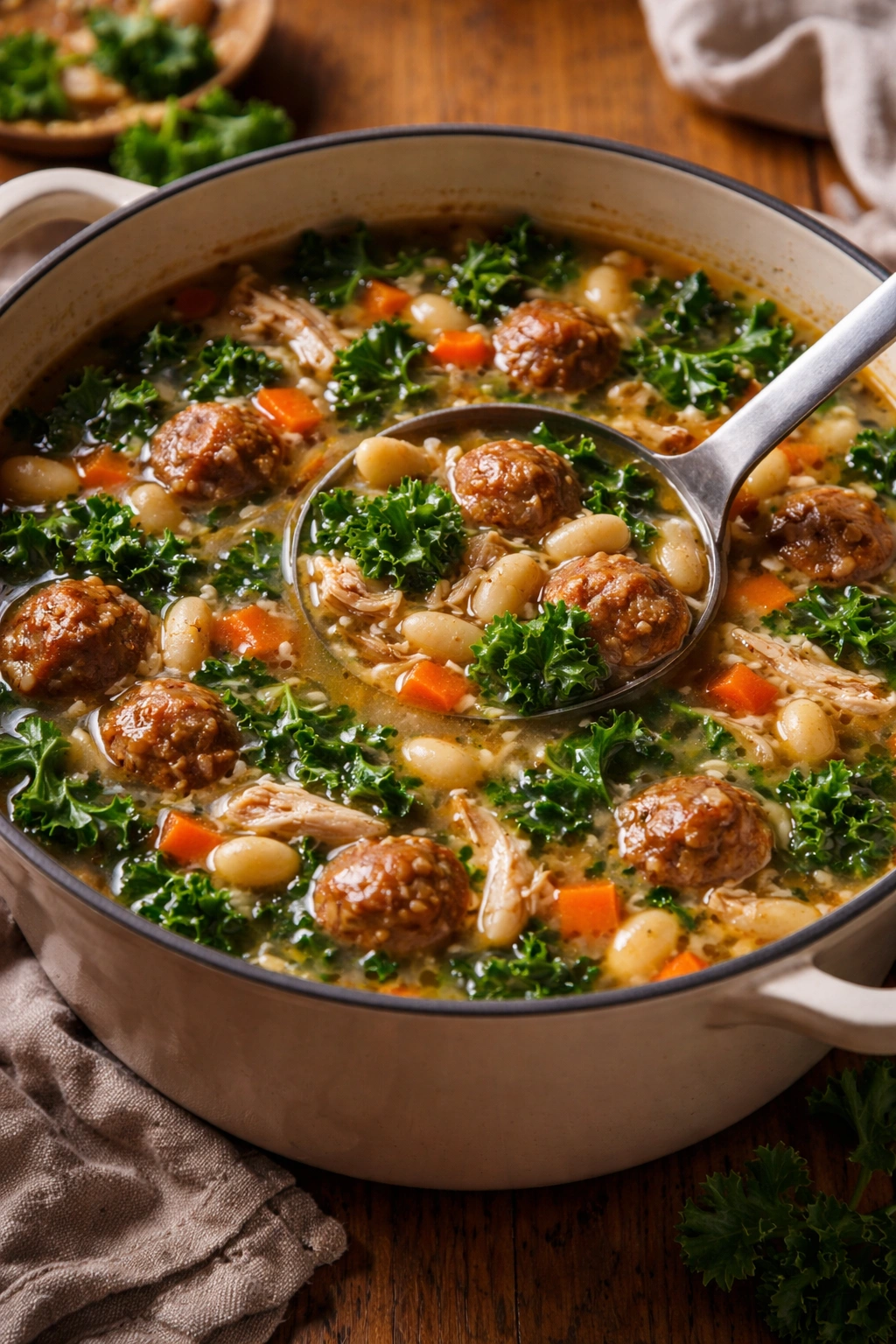
This hearty, protein-packed soup moves beyond simple chicken soup into stick-to-your-ribs comfort food territory. Italian sausage (either mild or spicy, depending on preference) creates a flavorful base while also providing richness that makes the soup feel indulgent without requiring cream or butter. Kale adds nutritional density and slight bitterness that balances the sausage’s richness, while white beans contribute creaminess and additional protein.
Why This Combination Satisfies
The combination of chicken, sausage, and white beans creates a complete protein profile while the variety of textures keeps every spoonful interesting. Kale’s slight bitterness prevents the soup from becoming one-dimensional while its hearty leaves maintain their structure during cooking. This isn’t a delicate soup meant for sipping when you’re under the weather—it’s a full meal that satisfies serious hunger and actually gets better with a day or two of refrigeration as flavors meld.
Building Deep, Complex Flavor
- Use Italian sausage (ground or removed from casings) and brown it thoroughly before adding other ingredients
- Include diced tomatoes (fresh or canned) for brightness and subtle acidity that cuts the richness
- Add kale near the end of cooking so it remains vibrant green and slightly tender rather than falling apart
- Use canned white beans (drained and rinsed) or cook dried beans separately for best results
- Include garlic, onion, and celery for classic soup aromatics that work with the sausage
- Season boldly—this soup can handle more salt and pepper than a delicate broth
Pro tip: Make this soup ahead and refrigerate overnight. The flavors develop and deepen, and any excess fat rises to the surface and solidifies, making it easy to skim off before reheating.
Final Thoughts
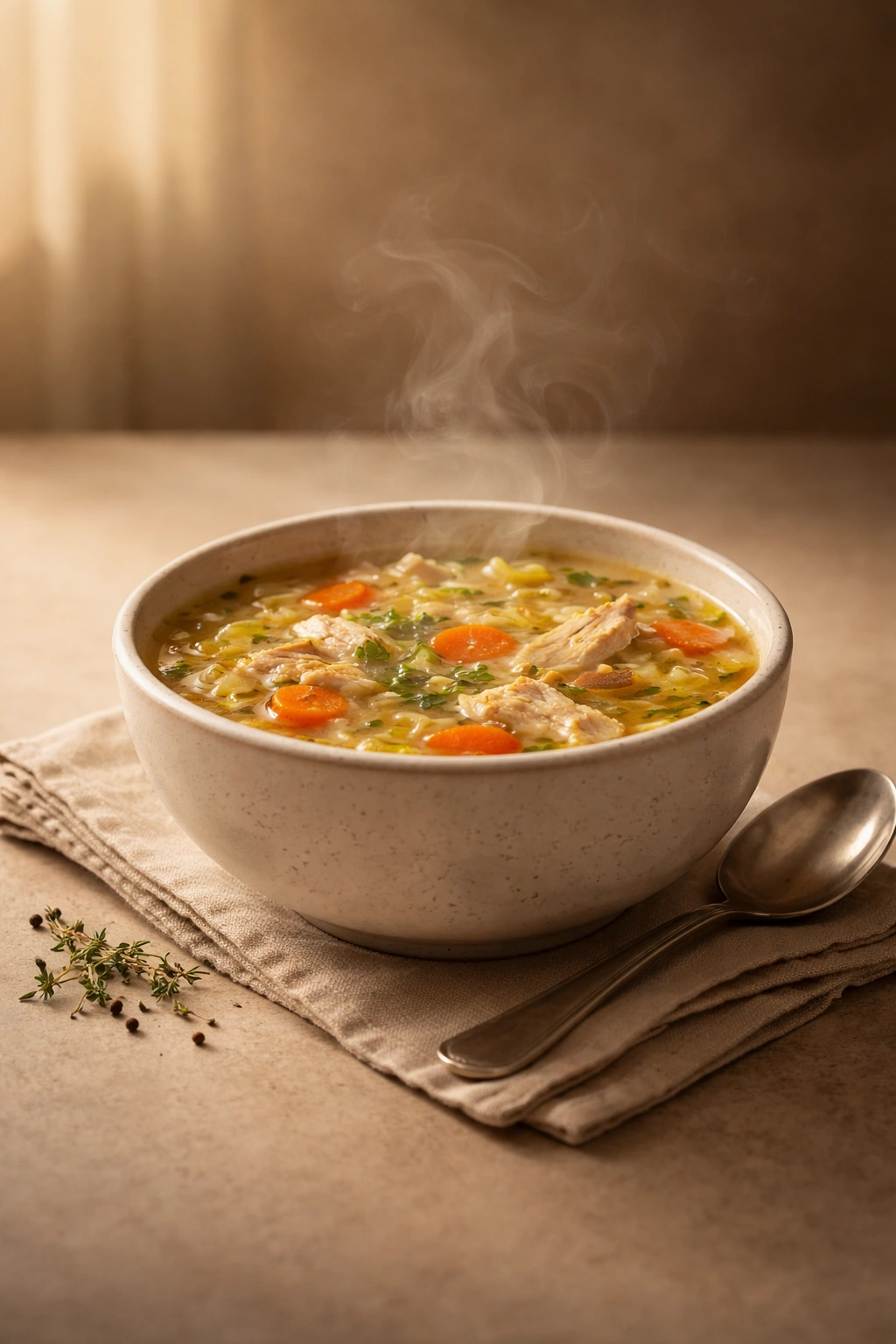
Chicken soup remains one of the most versatile, comforting dishes in the cooking repertoire, and these ten recipes represent just the beginning of possibilities. Whether you gravitate toward traditional broth-based versions that let the natural flavors shine through, or prefer bold, spiced variations that make a dramatic statement, there’s a chicken soup on this list ready to become your new cold-weather favorite. The best part about soup is that it’s infinitely forgiving—you can substitute vegetables based on what you have, adjust spice levels to your preference, and easily double recipes for freezing.
The beauty of making chicken soup at home lies in the control you maintain over ingredients and flavors. Store-bought versions, while convenient, rarely capture the depth that develops when chicken simmers gently in homemade or quality broth with fresh vegetables and herbs. Taking the time to simmer a pot of soup, whether for 30 minutes or several hours in a slow cooker, is an investment in both nourishment and comfort that pays dividends in how you feel—physically and emotionally.
As cold weather arrives and your family gathers around the dinner table, let one of these soups become a ritual. The warm bowl in your hands, the fragrant steam rising from the pot, the simple satisfaction of nourishing ingredients coming together—this is what good food provides beyond mere nutrition. Choose a recipe that calls to you, gather your ingredients, and let the magic of slow cooking do the work.
