



Chicken thighs deserve to be your weeknight secret weapon. They’re juicy, forgiving, and packed with flavor in ways that boneless chicken breasts just can’t match. Whether you’ve got 20 minutes or a full hour, these ten dinners prove that you don’t need complicated cooking techniques or obscure ingredients to get a restaurant-quality meal on your table. Each one comes together with minimal fuss while delivering the kind of satisfaction that makes your family actually excited about dinner.
The best part? These recipes don’t require special skills or fancy equipment. You probably have most of the ingredients in your pantry already, and even the most inexperienced home cook can execute them without stress. Chicken thighs stay moist and tender even if you cook them a few minutes longer than intended—they’re practically impossible to mess up, which makes them perfect for busy schedules and kitchen anxiety.
Why Chicken Thighs Are Perfect for Quick Dinners
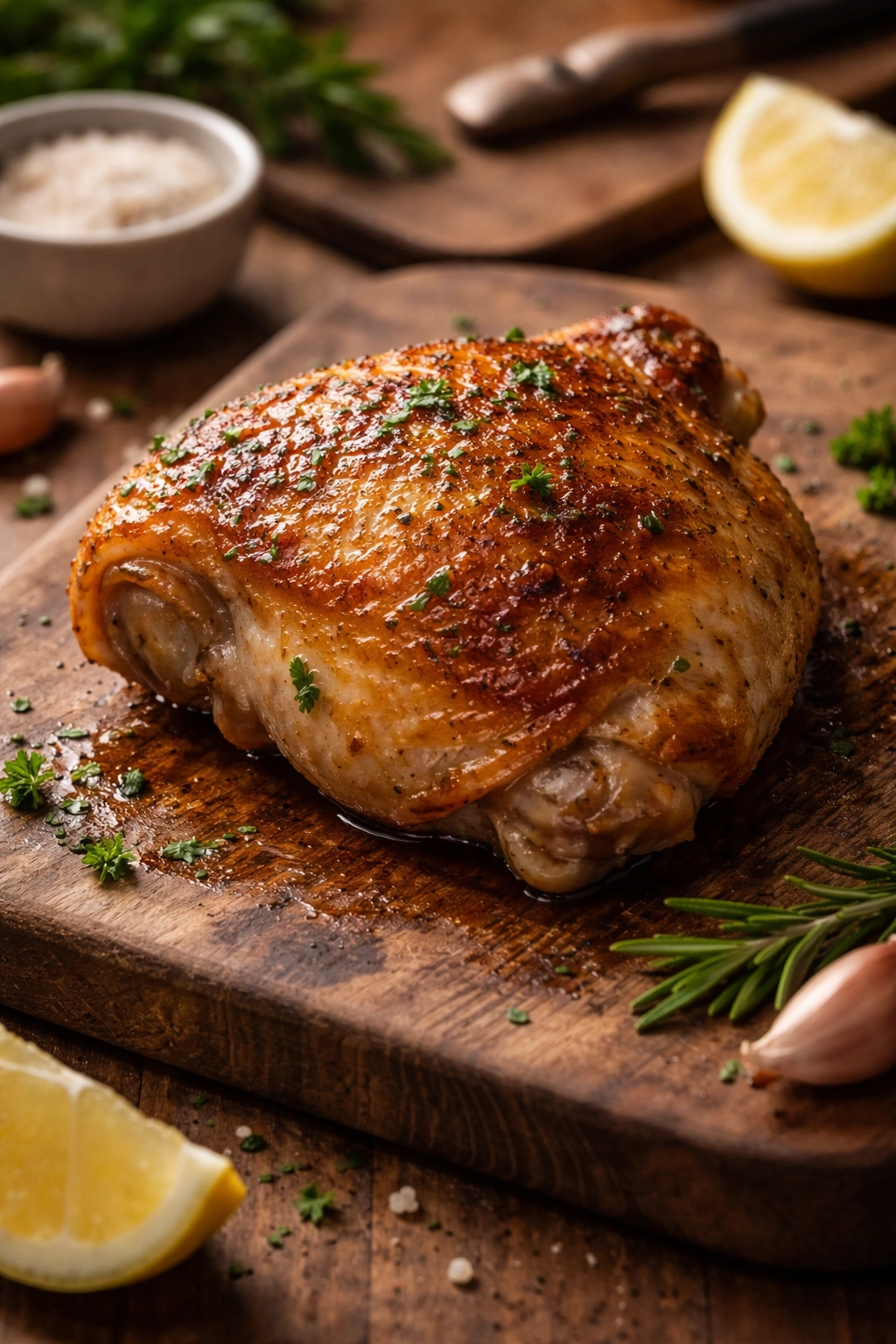
Chicken thighs have become increasingly popular with home cooks, and there’s solid reasoning behind the shift. The dark meat contains more fat than chicken breasts, which translates directly to more flavor and juice. That extra fat doesn’t make the meat unhealthy; in fact, the nutritional difference between thighs and breasts is minimal—chicken thighs have only about 2 grams more fat per 3.5 ounces than chicken breasts, and that small amount creates a massive difference in taste and texture.
The structure of thighs makes them ideal for quick cooking. Unlike chicken breasts, which require careful monitoring to avoid drying out, thighs can handle higher heat and longer cooking times without becoming tough or bland. You can sear them hard, braise them, roast them at high temperatures, or simmer them in sauce—they perform beautifully in every cooking method.
The Economics of Choosing Thighs
Bone-in, skin-on chicken thighs typically cost about one-third the price of boneless, skinless chicken breasts. If you’re feeding a family or cooking on a budget, this matters significantly. You get superior flavor and texture while spending less money per pound. Many grocery stores regularly put large packages of chicken thighs on sale, making them an opportunity to stock your freezer affordably.
The bone and skin do more than save money—they enhance the meal. The bone adds moisture and flavor to the meat during cooking, while the skin creates a crispy, golden exterior when seared or roasted. If you find boneless, skinless thighs on sale, they still work in every recipe here, though they’ll cook slightly faster and won’t have that luxurious crispy skin element.
Why They’re Hard to Mess Up
The forgiveness factor is genuine. Overcooked chicken breasts become dry and stringy, requiring apologies to your family. Overcooked chicken thighs? Still juicy, still delicious. This quality alone makes them perfect for real-world weeknight cooking, where timing gets tight and heat adjustments happen on the fly.
1. Pan-Seared Garlic Butter Chicken with Crispy Skin
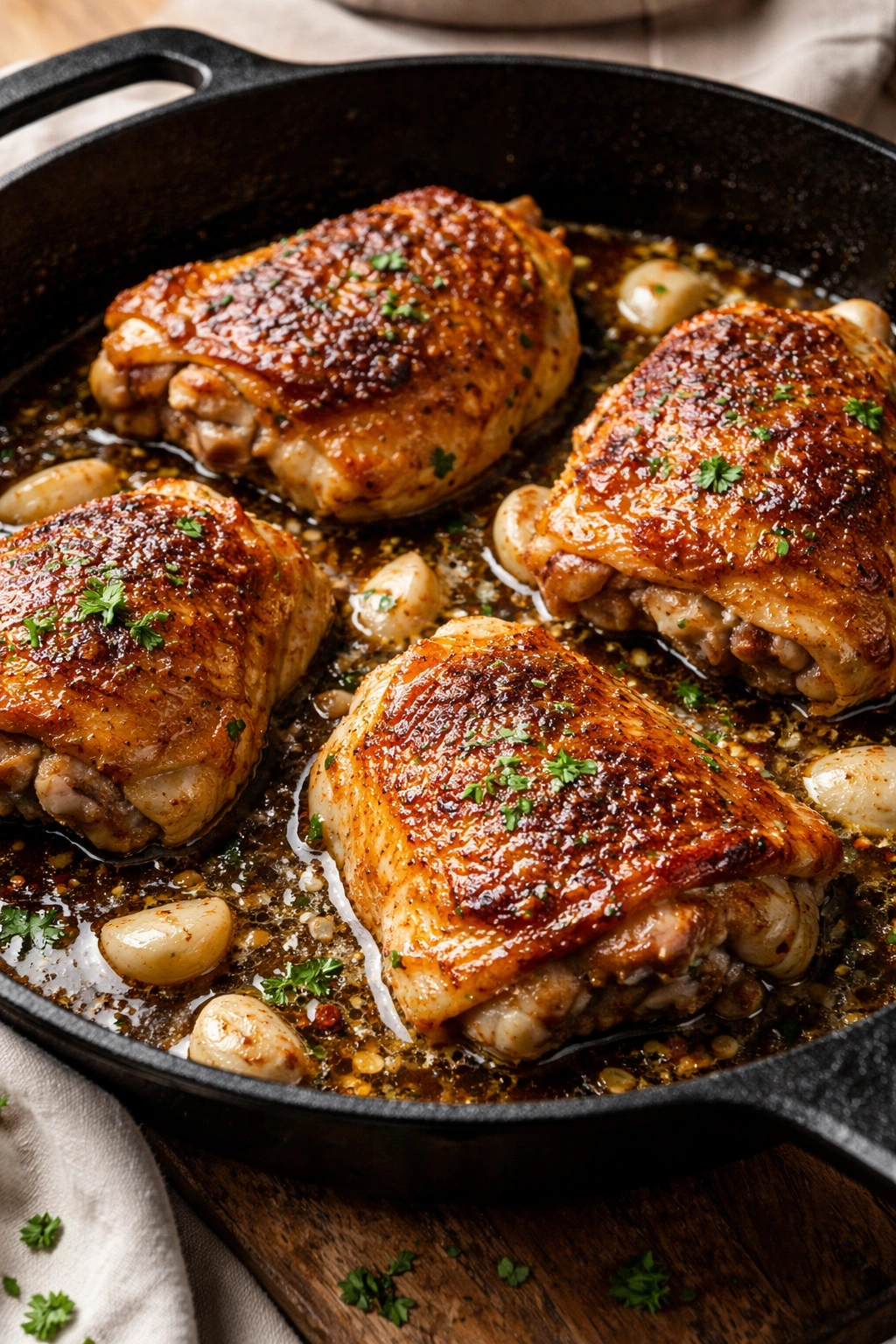
This is the dinner that converts skeptics into chicken thigh devotees. Bone-in, skin-on chicken thighs get seared skin-side down in a hot cast-iron skillet until the skin turns golden, crispy, and absolutely irresistible. The rendered chicken fat creates the perfect cooking medium for building flavor, and the brown bits stuck to the pan become the foundation for an incredible pan sauce.
The technique is straightforward. Pat the chicken dry—moisture is the enemy of crispy skin. Season generously with salt, pepper, garlic powder, and paprika on both sides. Heat your skillet over medium-high heat with a tablespoon of olive oil. Place chicken skin-side down and resist the urge to move it around. Let it cook undisturbed for 7 to 8 minutes until the skin releases naturally from the pan and turns deep golden brown.
Flip the thighs, reduce heat to medium, and cook for another 12 to 15 minutes until the internal temperature reaches 165°F. Remove the chicken to a plate, then use the same skillet to build a silky sauce with butter, minced garlic, shallots, chicken broth, fresh lemon juice, and cream. The whole dinner comes together in about 35 minutes start to finish.
The Crispy Skin Secret
The key to crispy skin on chicken thighs is patience and medium heat. Don’t crank the burner to high—medium to medium-high allows the fat to render properly while the skin crisps up. Avoid nonstick pans; cast iron or stainless steel provides the heat retention needed for that beautiful golden crust.
Quick Flavor Variations
Swap the cream sauce for different finishes depending on what you’re craving. A balsamic reduction with roasted mushrooms creates an elegant dinner. Fresh chimichurri spooned over warm chicken brings bright, herbaceous energy. Asian flavors work beautifully too—soy sauce, ginger, and sesame oil in the pan sauce transform the same technique into something completely different.
2. Sheet-Pan Chicken with Roasted Vegetables
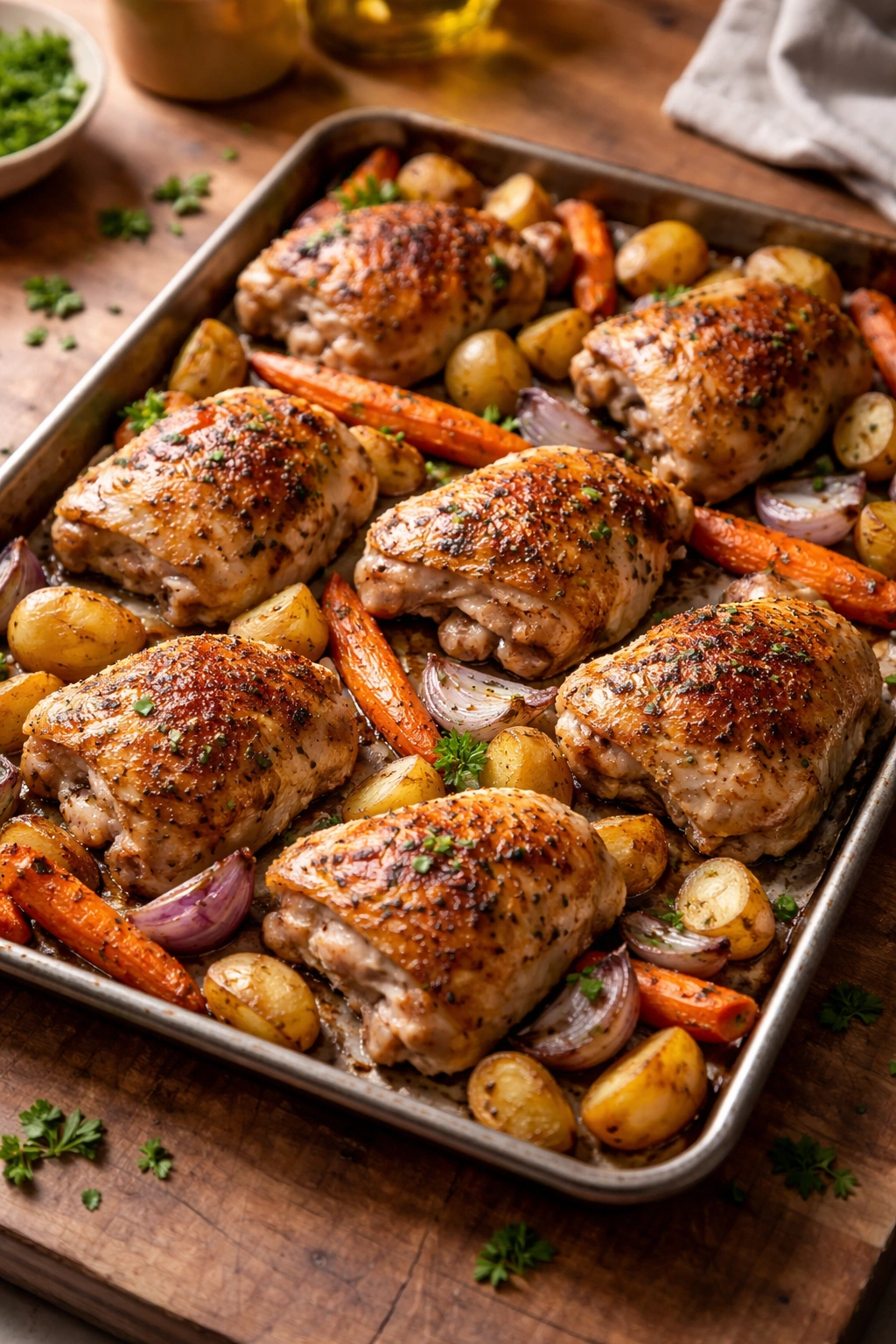
Sheet-pan dinners belong in every home cook’s rotation because they’re essentially a complete meal handed off to your oven. Bone-in, skin-on chicken thighs go straight onto a rimmed baking sheet with chunked vegetables—carrots, potatoes, onions, whatever you have—then everything gets tossed with olive oil, herbs, and seasonings. Roast at 425°F for 30 to 45 minutes, and dinner is done with only one pan to wash.
The beauty here is that the chicken fat renders into the vegetables as they cook, flavoring the potatoes and carrots with rich, savory notes. The chicken skin crisps up beautifully in the dry oven heat, and the veggies caramelize at the edges while staying tender inside. Everything finishes at the same time—no cold vegetables waiting for overdone chicken or chicken that’s underdone while the potatoes are perfect.
Season generously with dried herbs like oregano and thyme, garlic salt, and fresh cracked pepper. Don’t skip proper seasoning; it’s the difference between bland and delicious. If you want to get creative, add fresh rosemary sprigs, toss in some Brussels sprouts, or include asparagus for the last 15 minutes of roasting.
Vegetable Flexibility
The vegetables in this recipe are just suggestions. Use whatever you have on hand—parsnips, turnips, sweet potatoes, squash, bell peppers, broccoli. The only requirement is cutting everything into similar-sized chunks so everything finishes cooking at roughly the same time. Smaller pieces cook faster than larger ones, so adjust your cut accordingly.
Make-Ahead Timing
Prep the entire sheet pan the morning before you plan to cook it. Store it covered in the refrigerator, then pop it straight into a preheated oven when you’re ready to eat. Add just 5 to 10 minutes to the total cooking time since the ingredients will be cold from the fridge.
3. One-Pot Lemon Pepper Chicken and Orzo

When you want restaurant-quality flavor in a single pot, this lemon pepper chicken and orzo delivers without the restaurant price tag. Bone-in chicken thighs are seared first to build flavor, then simmered in chicken broth with orzo pasta, fresh lemon, and feta cheese. The pasta cooks directly in the broth, absorbing all the savory, lemony goodness.
The cooking sequence matters here. Sear the chicken thighs skin-side down in a large pot or Dutch oven until golden, about 5 minutes. Flip and sear the other side for another 3 minutes. Remove the chicken and build your base by sautéing onions, garlic, and lemon zest until fragrant. Pour in chicken broth and bring to a simmer, then add dried oregano, lemon pepper seasoning, and the orzo pasta.
Nestle the seared chicken back into the pot and simmer for about 15 to 20 minutes until the chicken reaches 165°F and the orzo is tender. The residual heat will finish cooking the pasta as it absorbs the broth. Finish with fresh lemon juice, crumbled feta, and fresh herbs. The whole process takes about 30 minutes.
Why Sear First
Searing the chicken before simmering creates flavor complexity through the Maillard reaction—that browning creates savory depth that you simply can’t get by simmering raw chicken in broth. Those browned bits stuck to the bottom of the pot (called fond) add incredible flavor to your sauce. Don’t skip this step.
Pasta Substitution Options
While orzo works beautifully here, other short pastas work equally well. Try ditalini, small shells, or risoni. You could even swap in arborio rice and create a hybrid risotto-style dish by stirring more frequently. Each option creates slightly different texture but the same bright, lemony flavor profile.
4. Thai Red Curry Chicken Thighs
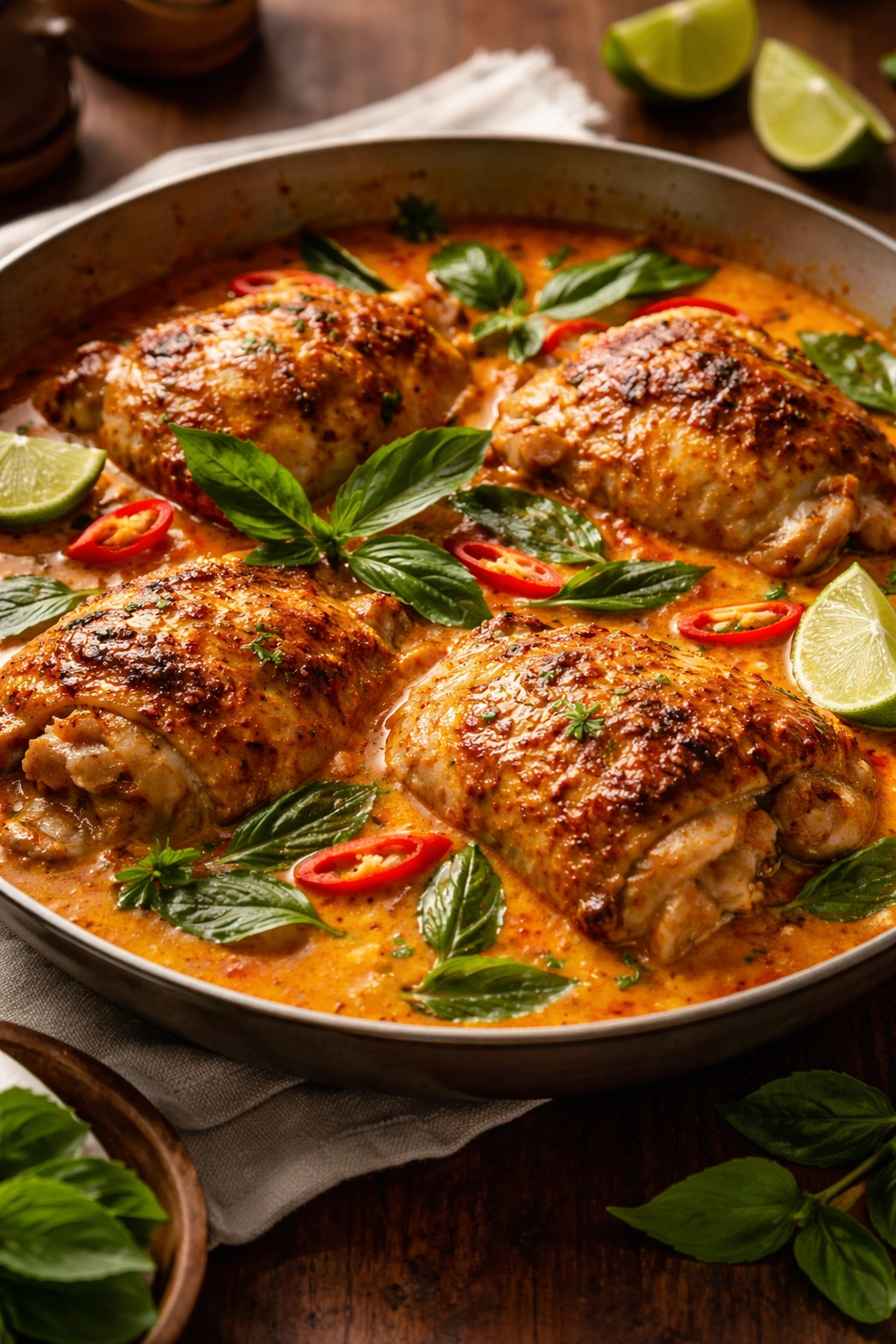
If you’ve been intimidated by Thai cooking, this recipe proves it’s simpler than you think. Chicken thighs are coated in Thai red curry paste and briefly seared, then simmered in coconut milk with Thai basil, red chilies, and lime juice. The whole process takes 25 minutes, and the flavor rivals any restaurant version.
Start by patting boneless or bone-in chicken thighs dry and coating both sides with 3 to 4 tablespoons of Thai red curry paste. The paste contains chilies, garlic, lemongrass, galangal, and shrimp paste—essentially all the Thai flavor you need right there. Sear the coated chicken in coconut oil until the paste caramelizes slightly and the chicken is mostly cooked through, about 8 to 10 minutes.
Pour in a can of coconut milk and bring to a gentle simmer. Add sliced red bell peppers, snap peas, or broccoli if you want vegetables. Simmer for another 10 to 12 minutes until the chicken is fully cooked and the sauce has thickened slightly. Finish with fresh lime juice, Thai basil, and sliced red chilies for heat if you want more spice. Serve over jasmine rice with lime wedges and extra basil on the side.
Building the Heat Level
Thai red curry paste already has significant heat, but you control the final spice level. If you like milder flavors, use slightly less paste and don’t add the fresh chilies. If you want the dish to burn your mouth, add more paste or include the seeds from the fresh chilies—that’s where the real heat lives.
Customizing with Vegetables
The vegetables are flexible. Use whatever’s in your crisper drawer. Bell peppers, zucchini, snap peas, baby bok choy, mushrooms, and green beans all work beautifully. Add them based on how long they take to cook—heartier vegetables like carrots go in earlier, while delicate greens get added at the very end.
5. Honey Mustard Sheet-Pan Chicken
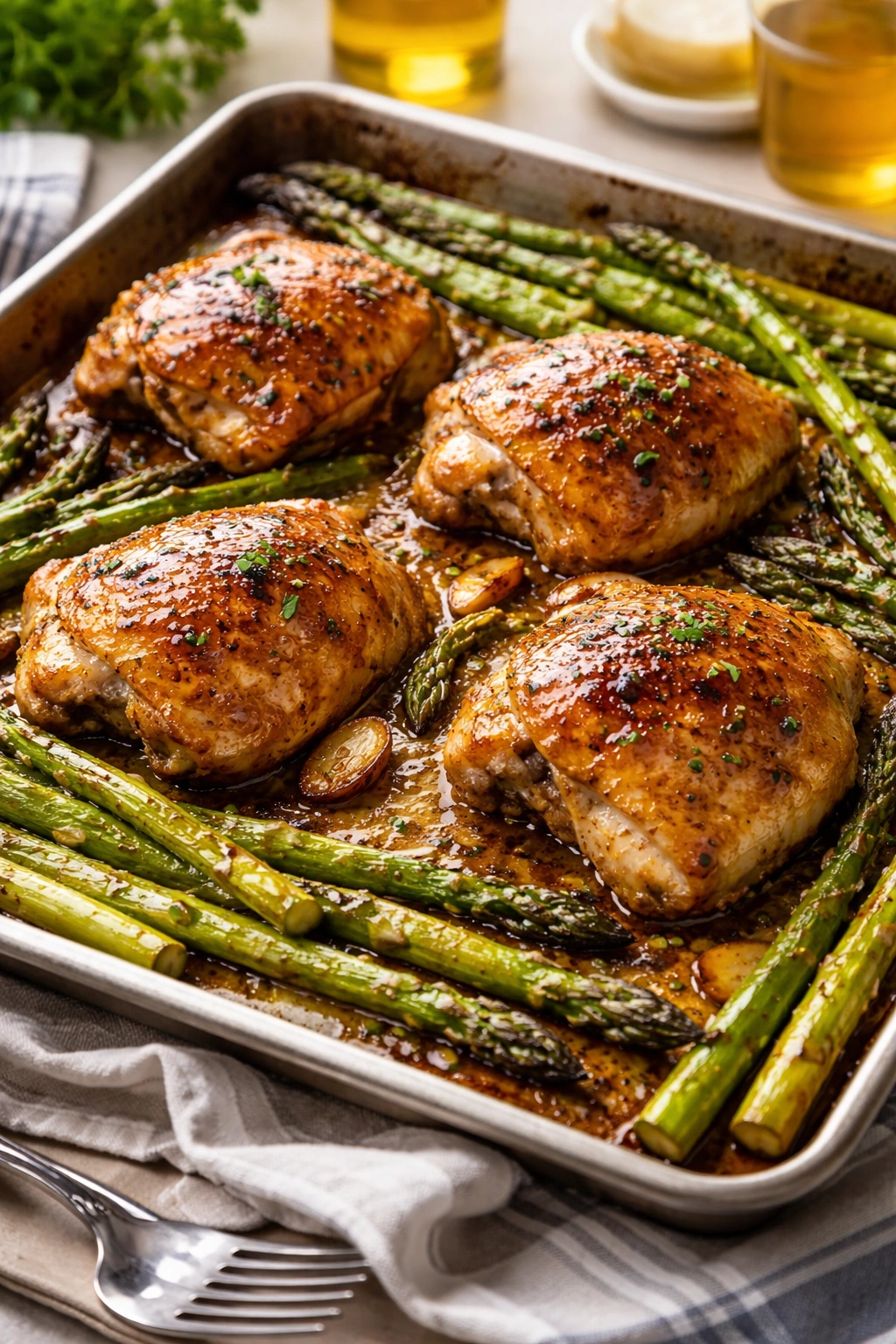
Honey and mustard create one of those flavor combinations that works because sweet and tangy balance each other perfectly. This sheet-pan version is equally forgiving and delicious. Chicken thighs are coated in a simple honey mustard glaze, then roasted with asparagus, and the whole thing finishes in 30 minutes.
Mix together Dijon mustard, honey, apple cider vinegar, soy sauce, garlic powder, and paprika in a bowl. The ratio should taste balanced—equal parts mustard and honey as your base, then adjust with vinegar and soy sauce to taste. Toss chicken thighs with this mixture, then arrange on a sheet pan with fresh asparagus spears. Drizzle everything with olive oil, season with salt and pepper, and roast at 425°F for 25 to 30 minutes until the chicken reaches 165°F.
The honey in the glaze caramelizes in the oven heat, creating a sticky, slightly charred exterior on the chicken. The asparagus becomes tender and slightly wilted, soaking up all the glaze drippings. Some cooks add crispy croutons to the pan halfway through roasting—they soak up the pan drippings and become an addictive side element.
Sauce Customization
This honey mustard glaze adapts to different mustard styles. Whole grain mustard creates a coarser texture. Yellow mustard is milder and more traditional. Spicy brown mustard brings heat. Each version tastes distinctly different, so experimenting lets you find your preference.
Serving Suggestions
Serve this on a bed of frisée salad dressed with the reserved honey mustard vinaigrette. Add crumbled goat cheese, sliced red onion, and candied pecans for a complete restaurant-style plate. Or keep it simple with the asparagus on the side and crusty bread for soaking up the pan juices.
6. Slow Cooker Chicken Tikka Masala
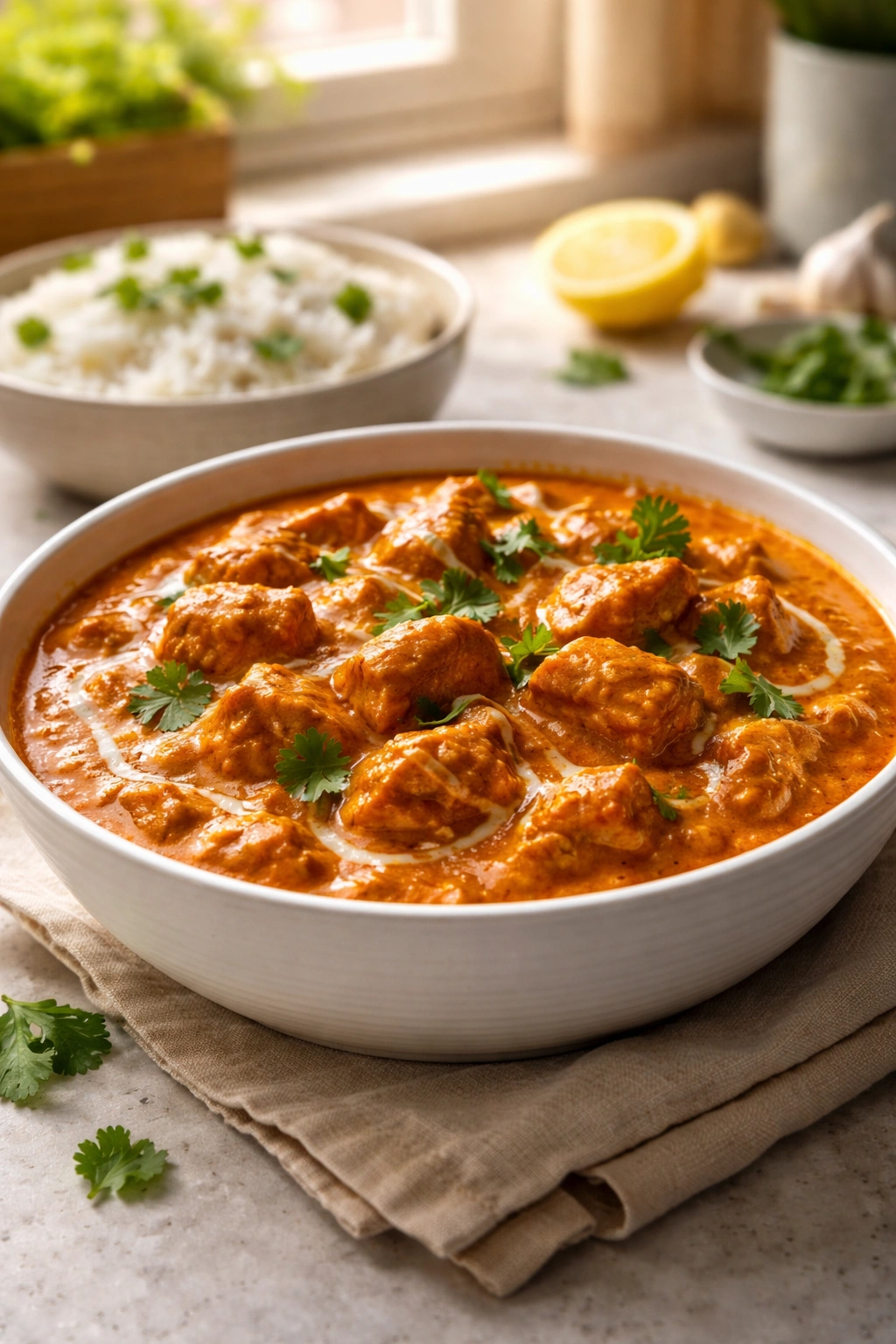
Tikka masala intimidates many home cooks, but slow-cooker versions remove all the stress. The sauce develops richness and depth over hours of slow simmering, and the chicken becomes impossibly tender. This version costs a fraction of takeout and tastes even better because you control the heat level and ingredient quality.
The technique combines two methods for maximum flavor. Start by searing boneless chicken thighs quickly in a skillet with tikka masala paste—you can buy this premade or make your own from yogurt, tomato paste, ginger, garlic, and warm spices like garam masala and cumin. Sear for just a few minutes to caramelize the paste slightly, then transfer to a slow cooker with coconut milk, diced tomatoes, and chicken broth.
Cover and cook on low for 6 to 8 hours or high for 3 to 4 hours. The flavors mellow and marry together beautifully over time. In the last 30 minutes, stir in heavy cream or Greek yogurt to create that signature silky sauce. Finish with fresh cilantro and serve over rice with naan bread for scooping up every drop of sauce.
Spice Level Control
Tikka masala should have warmth but shouldn’t burn your mouth. Start with less paste than you think you need, then taste at the end and adjust. You can always add more spices, but you can’t take them out. If it gets too hot, add more coconut milk or cream to cool it down.
Batch Cooking Advantage
Make a double batch of this and freeze half. Reheat gently on the stovetop, adding a splash of broth or cream if the sauce has thickened too much during freezing. This gives you an effortless dinner ready in the time it takes to heat and serve.
7. Teriyaki Chicken Thighs with Sesame Vegetables
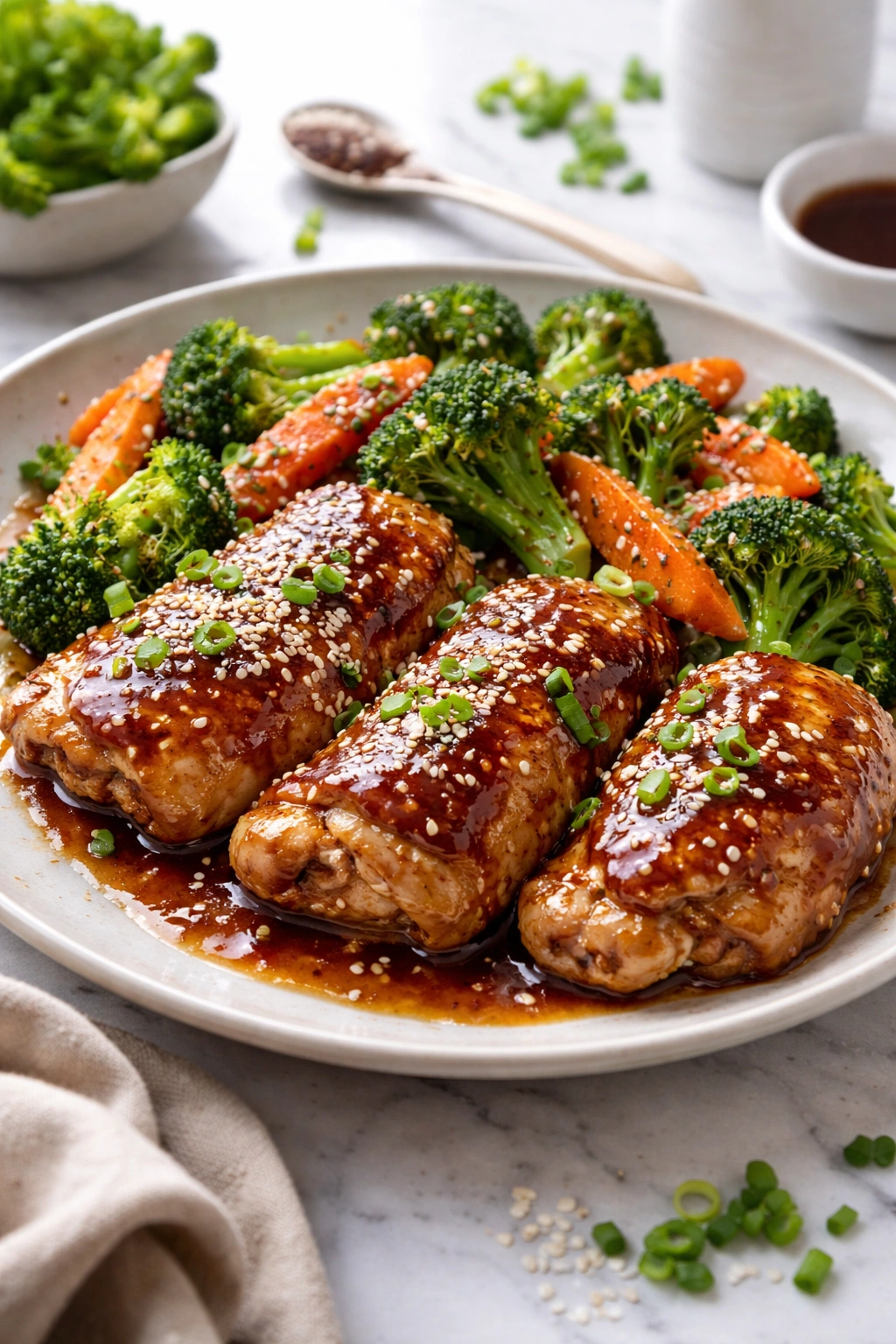
Teriyaki chicken often gets dismissed as dated, but made properly with fresh ingredients, it’s genuinely delicious. This version skips the deep fryer, relying instead on seared chicken thighs and a from-scratch teriyaki glaze that takes 5 minutes to whisk together. The result tastes like restaurant takeout but costs a quarter of the price and takes about 20 minutes total.
Whisk together soy sauce, mirin or honey, rice vinegar, minced garlic, fresh ginger, and a touch of sesame oil. The mixture should taste balanced—salty, sweet, and tangy in equal measure. Sear boneless or bone-in chicken thighs in a skillet until golden on both sides, about 8 minutes. Pour the teriyaki glaze into the pan and simmer for 5 to 10 minutes, turning occasionally to coat everything in the sticky glaze.
Serve over steamed white or brown rice with roasted or steamed broccoli. Garnish generously with sesame seeds, sliced scallions, and fresh cilantro. The glaze reduces and becomes thick and sticky, clinging to the chicken and rice. This isn’t your parents’ teriyaki—the balance of fresh ginger and garlic makes it taste current and sophisticated.
The Mirin Question
Traditional teriyaki uses mirin, a sweet rice wine that adds authentic flavor. If you can’t find it, honey works as a substitute, though the flavor is slightly less complex. Some cooks use a combination of both. You can find mirin in the Asian section of most grocery stores, and it keeps indefinitely in the pantry.
Vegetable Pairing Ideas
Teriyaki works with nearly any vegetable. Try snap peas, bok choy, bell peppers, green beans, or carrots. Roast them separately with olive oil and season lightly so they don’t compete with the teriyaki flavors. The chicken and glaze should be the star of the plate.
8. BBQ Chicken Sandwiches with Crispy Slaw
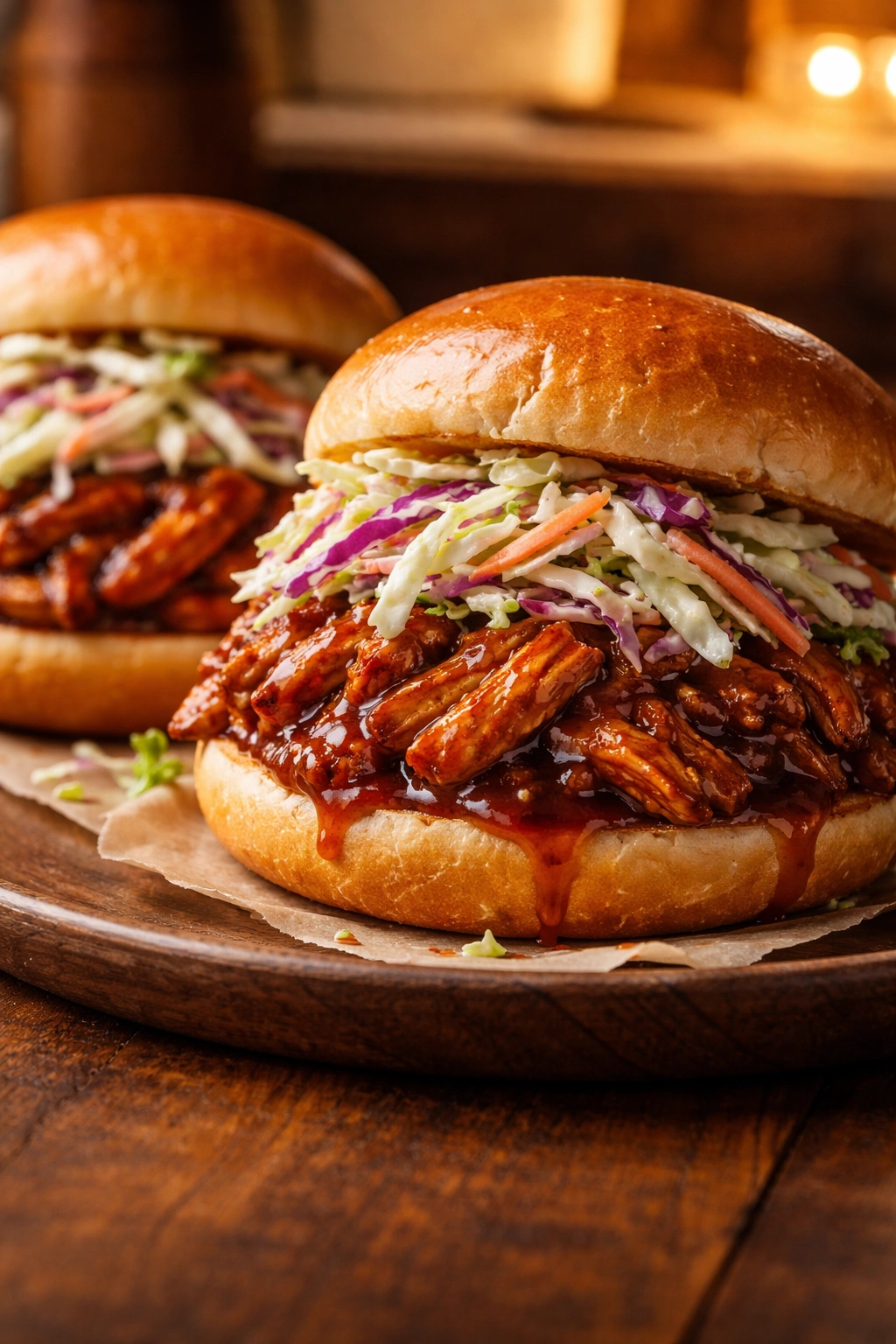
BBQ chicken sandwiches hit differently when made with shredded thigh meat that actually has flavor. These come together in one skillet without needing a grill or smoker. Bone-in chicken thighs simmer in your favorite BBQ sauce until falling-apart tender, then get shredded and piled onto soft buns with creamy coleslaw.
Brown bone-in chicken thighs in a large skillet over medium-high heat, rendering out some of the fat and building flavor. Pour in enough BBQ sauce to coat the chicken—homemade sauce tastes better than bottled, but good bottled sauce works if you’re short on time. Reduce heat to medium and simmer covered for about 20 to 25 minutes until the chicken is so tender it shreds easily with a fork.
Remove the chicken, shred it, and return it to the skillet to coat thoroughly in sauce. Toast soft sandwich buns lightly in the skillet if they need it. Make a quick slaw by shredding cabbage and dressing it with a simple mayo-based sauce—this adds brightness and textural contrast to the rich, smoky meat. Load the shredded chicken onto buns, top with slaw, and serve immediately while warm.
Homemade BBQ Sauce in Minutes
Mix ketchup, apple cider vinegar, brown sugar, Worcestershire sauce, mustard powder, smoked paprika, and garlic powder. Taste and adjust to find the balance you like. It takes 5 minutes and tastes infinitely better than relying on bottled sauce, though there’s no shame in using what you have.
Make-Ahead Option
Cook the chicken and make the slaw hours in advance. Store them separately in the refrigerator. Reheat the BBQ chicken gently in a skillet with a splash of extra sauce if it’s dried out. Assemble the sandwiches just before serving so the buns stay soft and don’t get soggy.
9. Cilantro Lime Chicken Thighs
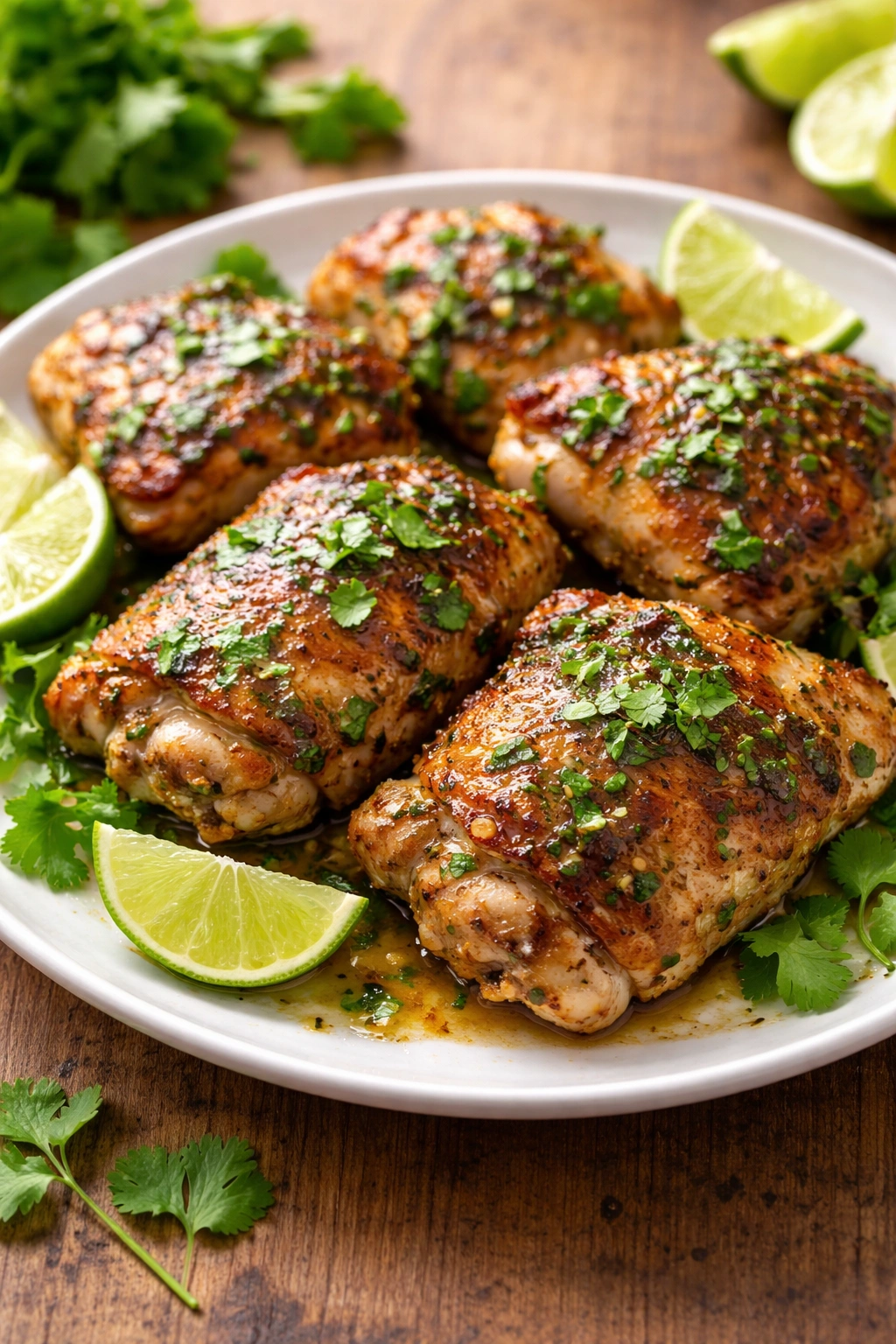
This bright, fresh dish brings summer flavors even during colder months. Chicken thighs are coated in a zesty cilantro lime marinade, seared until golden, and finished with a squeeze of fresh lime juice. The flavor profile is herbaceous, citrusy, and addictive—perfect for serving with rice, in tacos, or over salads.
Blend fresh cilantro, lime juice, lime zest, minced garlic, jalapeño for heat, olive oil, and salt into a marinade. Even 15 minutes of marinating imparts serious flavor, though you can marinate for up to 2 hours for deeper penetration. Sear the marinated chicken in a hot skillet skin-side down until golden and crispy, about 7 to 8 minutes. Flip and finish cooking through, another 8 to 10 minutes.
The cilantro and lime taste brightest when served fresh, so make extra cilantro lime mixture to spoon over the finished chicken as a garnish. Serve with black beans, rice, avocado, and lime wedges for a complete meal. This recipe also works beautifully on the grill—the char from the grill grates adds another layer of flavor.
Jalapeño Heat Adjustment
Jalapeño pepper adds gentle heat, but the intensity varies. Start with one jalapeño, taste the marinade, and add more seeds if you want more spice. The white membrane inside the pepper holds most of the heat, so removing it creates a milder version.
Taco Transformation
Shred the cooked chicken and use it in tacos, taco bowls, or burrito bowls. The cilantro lime flavor pairs beautifully with traditional taco toppings—queso fresco, cilantro, onion, lime wedges, salsa, and sour cream.
10. Garlic Chicken Thighs with Creamy Pan Sauce
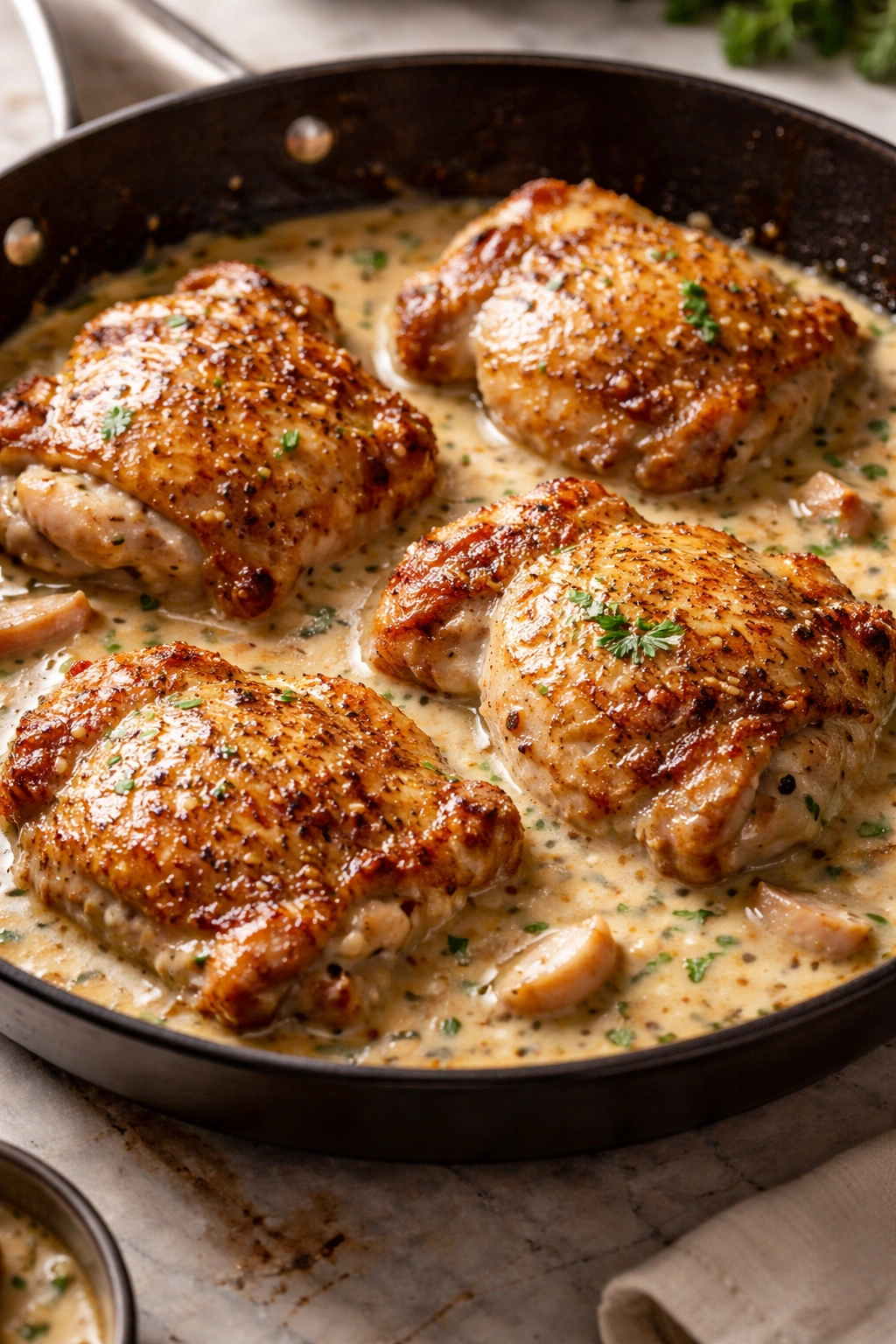
This might be the easiest recipe on the list, yet it tastes elegant and restaurant-quality. Boneless or bone-in chicken thighs are seasoned simply with salt, pepper, and garlic powder, seared until golden, then finished with a quick cream sauce. Everything happens in one pan in about 30 minutes.
Pat the chicken dry and season generously on both sides with salt, black pepper, and garlic powder. Sear in a large skillet over medium heat until deeply golden on both sides—about 5 minutes per side for boneless thighs, slightly longer for bone-in. The chicken doesn’t need to be fully cooked through at this point; it will finish in the sauce.
Remove the chicken and make the sauce in the same skillet by sautéing minced shallots and fresh garlic in butter until fragrant. Deglaze the pan with dry white wine or chicken broth, scraping up all the flavorful brown bits. Pour in heavy cream and simmer until the sauce thickens slightly, about 3 to 5 minutes. Return the chicken to the pan and simmer for another few minutes until the internal temperature reaches 165°F.
Finish with fresh lemon juice and fresh thyme, then serve with crusty bread for soaking up sauce, roasted vegetables, or a simple green salad. The beauty of this recipe is its adaptability—swap white wine for red, add mushrooms or sun-dried tomatoes, use different herbs.
Cream Sauce Variations
You don’t need heavy cream if you don’t have it. Half and half works beautifully and is lighter. Some cooks successfully use whole milk or coconut milk, though the sauce won’t be quite as luxurious. Greek yogurt added at the very end creates a tangy element.
Lemon and Herb Combinations
The fresh finish is what elevates this from ordinary to special. Try different combinations: lemon and thyme, lemon and rosemary, lime and cilantro, or orange zest with tarragon. The acidity from the citrus brightens the rich cream sauce.
Pro Tips for Quick Chicken Thigh Success
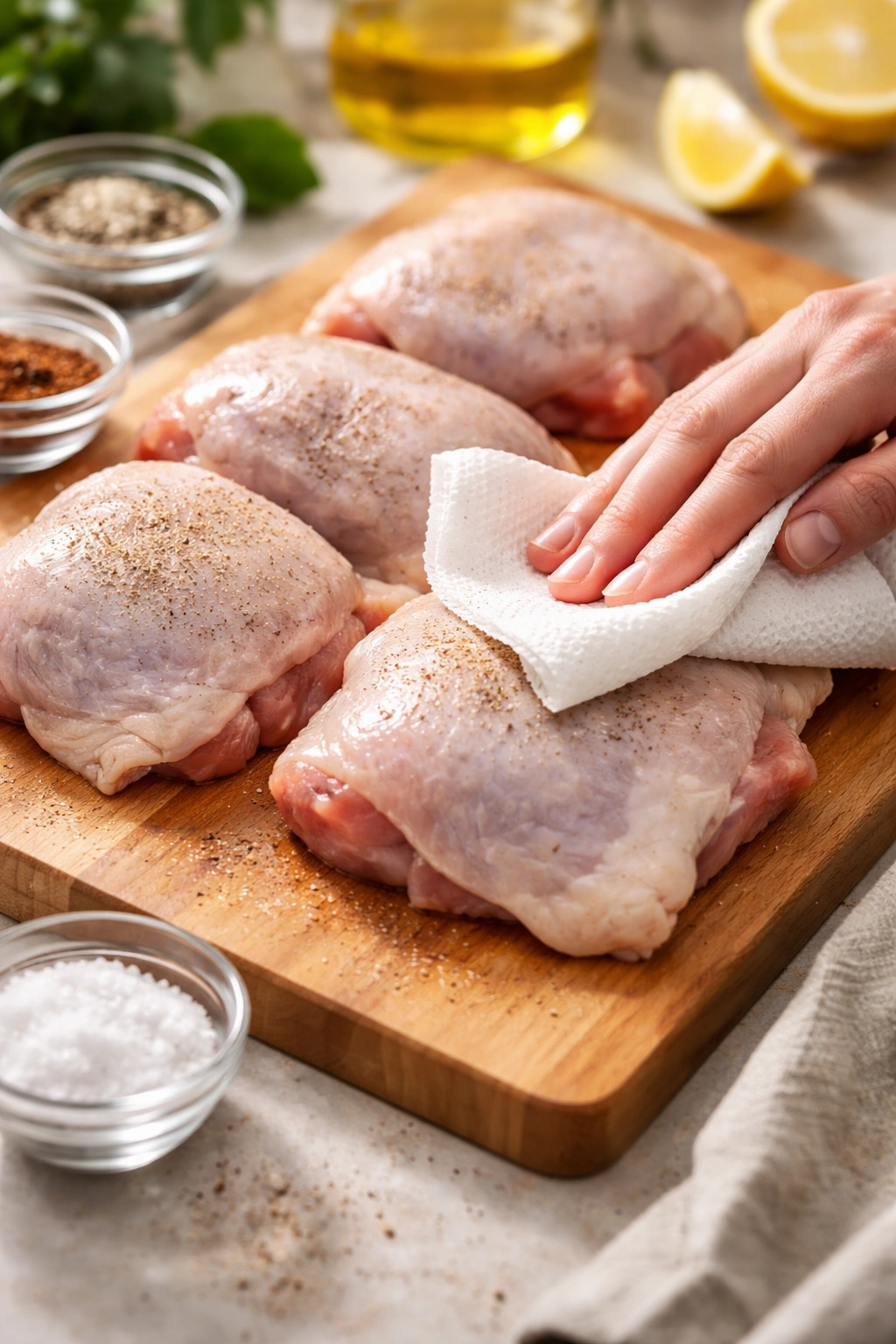
Understanding a few fundamental techniques transforms your chicken thigh cooking from good to exceptional. Pat chicken thighs completely dry before cooking—excess moisture prevents proper browning and creates steam that keeps skin from crisping. Use paper towels and really dry the surface, especially if the chicken has been in the refrigerator.
Bring bone-in chicken to room temperature before cooking if you have 15 to 20 minutes. Room temperature chicken cooks more evenly than cold chicken straight from the refrigerator. The exterior and interior finish cooking at similar times, reducing the risk of dry overcooked edges around an undercooked center. If you’re short on time, this step is optional but worth remembering.
Seasoning Secrets
Don’t be timid with seasoning. A common mistake is underseasoning chicken thighs, which results in bland meat. Season generously on both sides, then taste after cooking and adjust if needed. Salt and pepper are the foundation, but garlic powder, paprika, dried oregano, thyme, and Italian seasoning all work beautifully with chicken thighs.
Equipment That Matters
For best results, use cast iron or stainless steel skillets—they retain heat beautifully and allow for proper browning. Nonstick pans won’t develop that flavorful crust. If you don’t own cast iron, a heavy stainless steel skillet works just as well. Avoid cooking chicken thighs in lightweight pans, which heat unevenly and don’t brown meat effectively.
Storage and Leftovers
Cooked chicken thighs stay moist and flavorful longer than cooked chicken breasts. Store leftovers in an airtight container in the refrigerator for up to 4 days. They reheat beautifully in a 350°F oven for about 15 minutes, or in an air fryer at the same temperature for 3 to 4 minutes if you want to restore some crispiness to the skin.
Freeze cooked chicken thighs in the sauce for up to 3 months. Thaw overnight in the refrigerator and reheat gently on the stovetop. The sauce actually improves as flavors meld during storage and freezing, making these recipes excellent for batch cooking and meal prep.
Final Thoughts
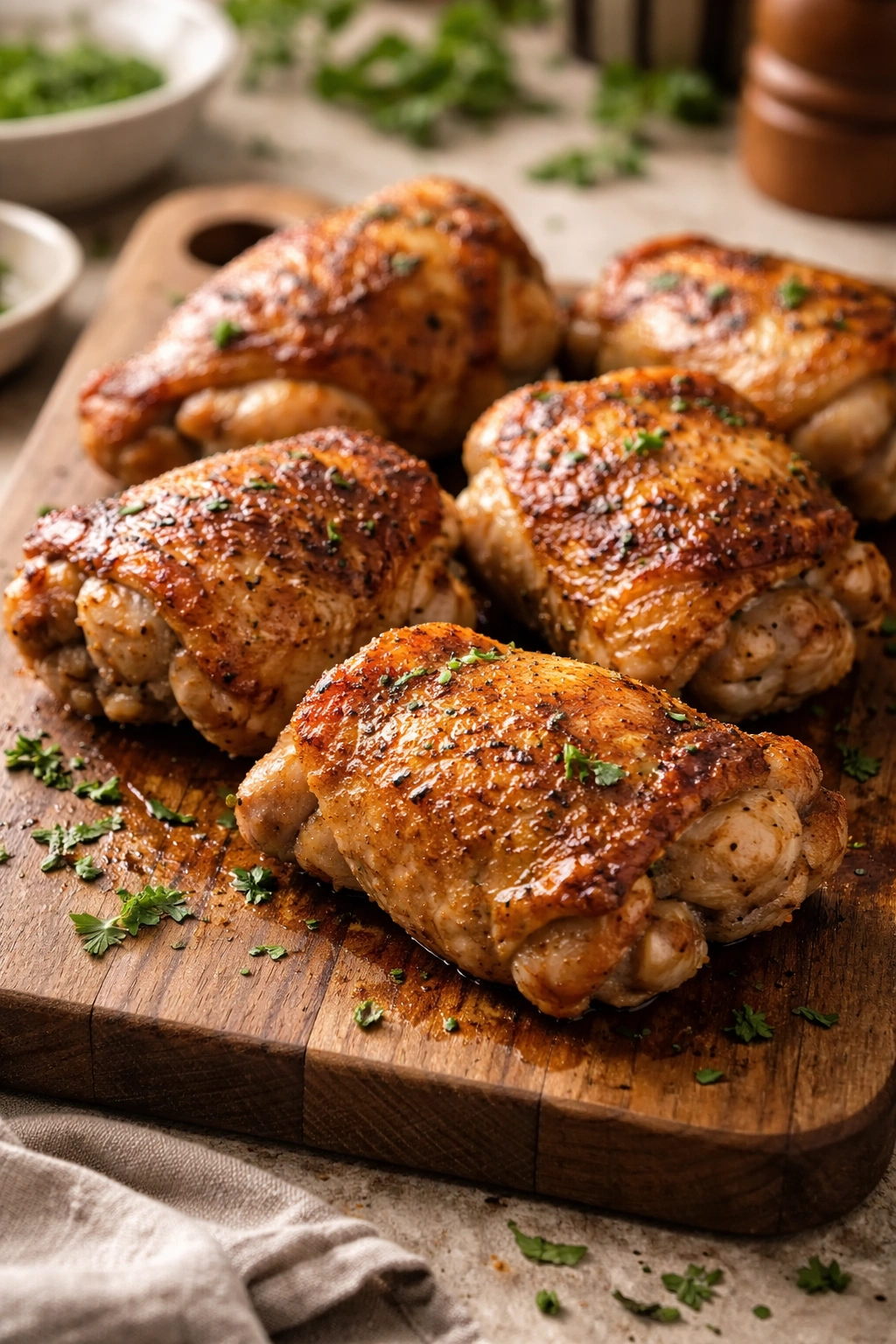
Chicken thighs deserve a starring role in your weeknight dinner rotation. They’re affordable, forgiving, packed with flavor, and adapt to virtually any cuisine or cooking method. Whether you’re drawn to Asian flavors, Mediterranean styles, or classic American comfort food, these ten dinners prove that chicken thighs can take you anywhere.
The confidence you’ll build making these recipes extends beyond just dinner. Once you understand how chicken thighs behave in a hot skillet, how they stay moist through braising, and how they shine in sheet-pan roasting, you’ll feel comfortable improvising and adapting recipes to match what’s in your pantry. That’s when cooking stops feeling like a chore and starts feeling like something you actually want to do.
Start with whichever recipe calls to you most—sheet-pan chicken if you want minimal cleanup, the garlic cream sauce version if you’re feeling sophisticated, or the cilantro lime chicken if you want something bright and fresh. Once you’ve made one, the others will feel even easier. Before long, you’ll understand why so many home cooks have made chicken thighs their protein of choice for everyday dinners.
