



If you’ve ever stood in the drive-thru line specifically for the sauce (and let’s be honest, who hasn’t?), you’re not alone. Chick-fil-A sauce has earned an almost cult-like following for good reason—it’s that perfect balance of smoky barbecue, creamy mayo, tangy mustard, and sweet honey that somehow tastes better than the sum of its parts. The problem? That tiny packet costs money, doesn’t last long, and honestly, you probably want way more of it than the restaurant is willing to give you.
Here’s the beautiful truth: you can make this exact sauce at home in less than five minutes with ingredients you already have sitting in your pantry right now. No special orders. No waiting in line. No shrinking bottle that disappears before the week is out. Just one small bowl, a whisk, and five minutes standing between you and an endless supply of this addictive dipping sauce.
The real magic isn’t that the recipe is complicated—it’s the opposite. It’s so simple that once you try it, you’ll wonder why you ever paid for the bottled version. Better yet, you control exactly what goes into it, which means you can skip the preservatives, corn syrup, and mystery ingredients found in the store-bought stuff. This homemade version tastes just as good (honestly, most people say it tastes even better) and costs a fraction of what you’d spend buying packets or jars at the grocery store.
Why This Copycat Sauce Beats Buying It
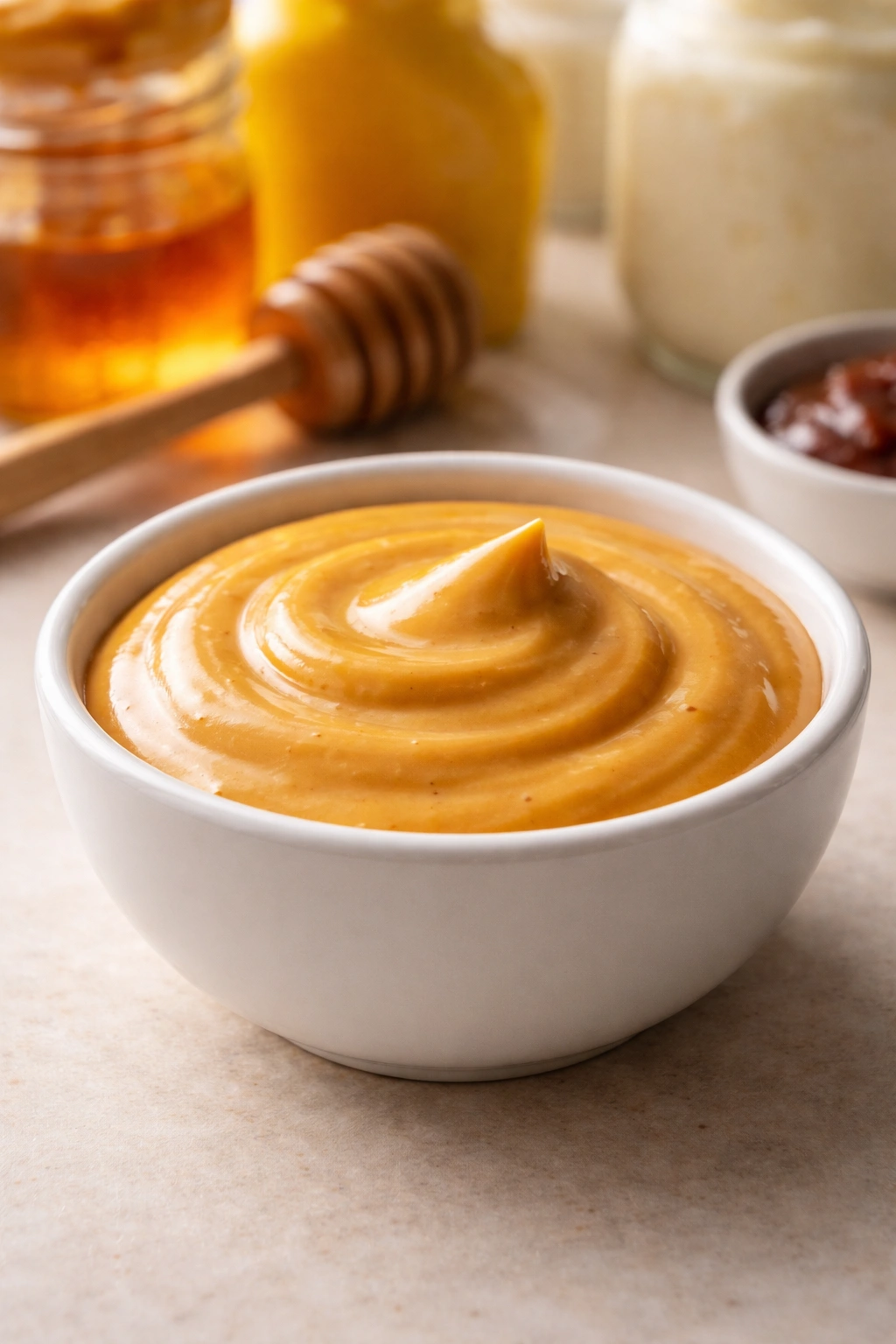
The restaurant version, while delicious, comes with a price tag and some baggage. That ingredient list on the official bottle reads like a chemistry experiment—soybean oil, corn syrup, xanthan gum, calcium disodium EDTA, and preservatives you can’t pronounce. If you’re trying to keep your kitchen real-food focused, that’s not exactly appealing.
Making it yourself flips that script entirely. You’re using actual mayonnaise, real honey, genuine mustard, and actual barbecue sauce. No emulsifiers. No corn syrup. No mysterious shelf-stabilizers. Just honest ingredients that taste like something.
Beyond the ingredient quality, there’s the customization factor. Want it sweeter? Add more honey. Prefer it tangier? Bump up the mustard. Craving a smoky kick? A tiny splash of liquid smoke does the trick. You can’t do any of that with a bottle from the store. You’re stuck with whatever flavor profile they decided was best. Here, you’re the boss.
Then there’s the pure practicality. One batch of this sauce makes roughly eight servings and costs about a dollar, maybe less depending on what brands you already have at home. A single packet at the restaurant costs money, and a bottle at the grocery store costs even more. When you make it yourself, you’re not just getting better sauce—you’re getting way more of it for way less money.
The Secret Ingredient Blend That Creates That Perfect Flavor
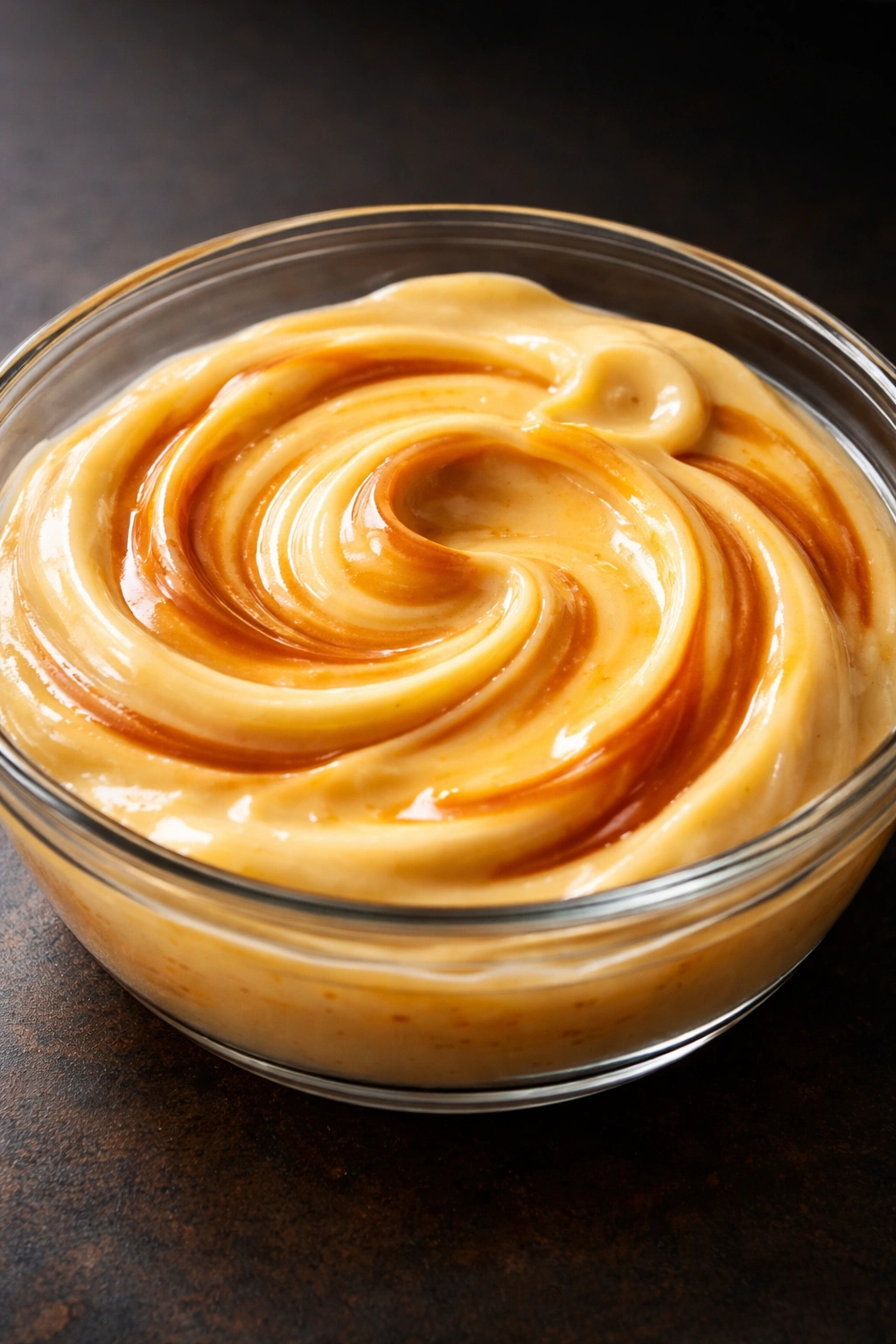
Understanding how this sauce works is actually fascinating. It’s not one ingredient doing all the heavy lifting—it’s an orchestration of five components, each contributing something essential to the final flavor.
Mayonnaise is your base and your canvas. It brings the creaminess and helps bind all these different flavors together into one smooth, cohesive sauce instead of a separated mess. The mayo is what makes this feel luxurious and coating on your tongue, not thin or watery.
Honey is what gives this sauce its signature sweetness, but it’s a refined sweetness—not the sharp, simple sweetness of white sugar. Honey has this warm, subtle depth that plays really nicely with the other flavors. It’s also why the color comes out that beautiful golden-orange instead of pale beige.
Yellow mustard adds brightness and tang. That acid cuts through the richness of the mayo and the sweetness of the honey, preventing the sauce from tasting one-dimensional or cloying. It’s the element that keeps your palate interested.
Barbecue sauce brings that smoky complexity—that “something” that makes people taste this and say, “Wait, what is that flavor?” It’s subtle enough to not taste like straight-up BBQ sauce, but it’s present enough to give the whole sauce depth and a gentle smoky finish.
Lemon juice is the secret weapon that most people don’t even realize is there, but they’d absolutely miss it if it was gone. That bright citrus note adds one more layer of complexity and helps everything taste fresher and more balanced.
When you whisk these five ingredients together, something remarkable happens. They don’t just blend—they actually marry together into something that tastes completely different than any of the individual components. It’s the kind of simple alchemy that makes you realize why this sauce is so beloved.
Serving and Timing Block
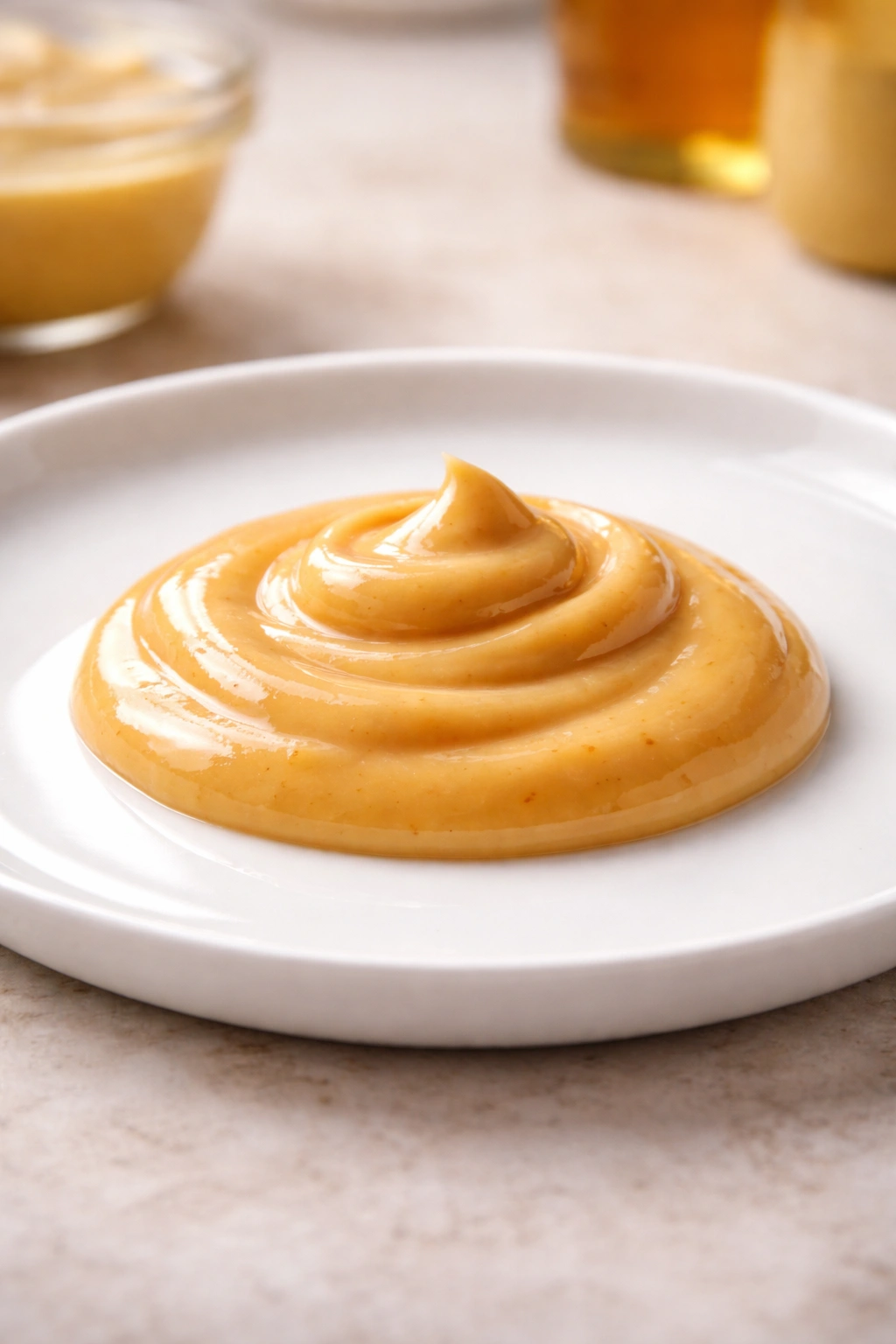
Yield: Makes approximately 1 cup sauce | Serves 8 to 10 (about 2 tablespoons per serving)
Prep Time: 5 minutes
Cook Time: 0 minutes
Total Time: 5 minutes (plus optional 1 hour chilling for best flavor)
Chill/Rest Time: Optional but recommended—1 hour refrigeration allows flavors to meld beautifully, though the sauce can be used immediately if needed
Best Served: Immediately after chilling, or at room temperature within 1-2 hours of making
Difficulty: Beginner — this truly requires zero cooking skill and no special equipment beyond a mixing bowl and whisk
This is genuinely one of the easiest recipes you’ll ever make. If you can whisk, you can make this sauce. There’s no cooking involved, no temperatures to monitor, no timing to worry about, and no room for failure.
What You’ll Need for Perfect Homemade Chick-fil-A Sauce
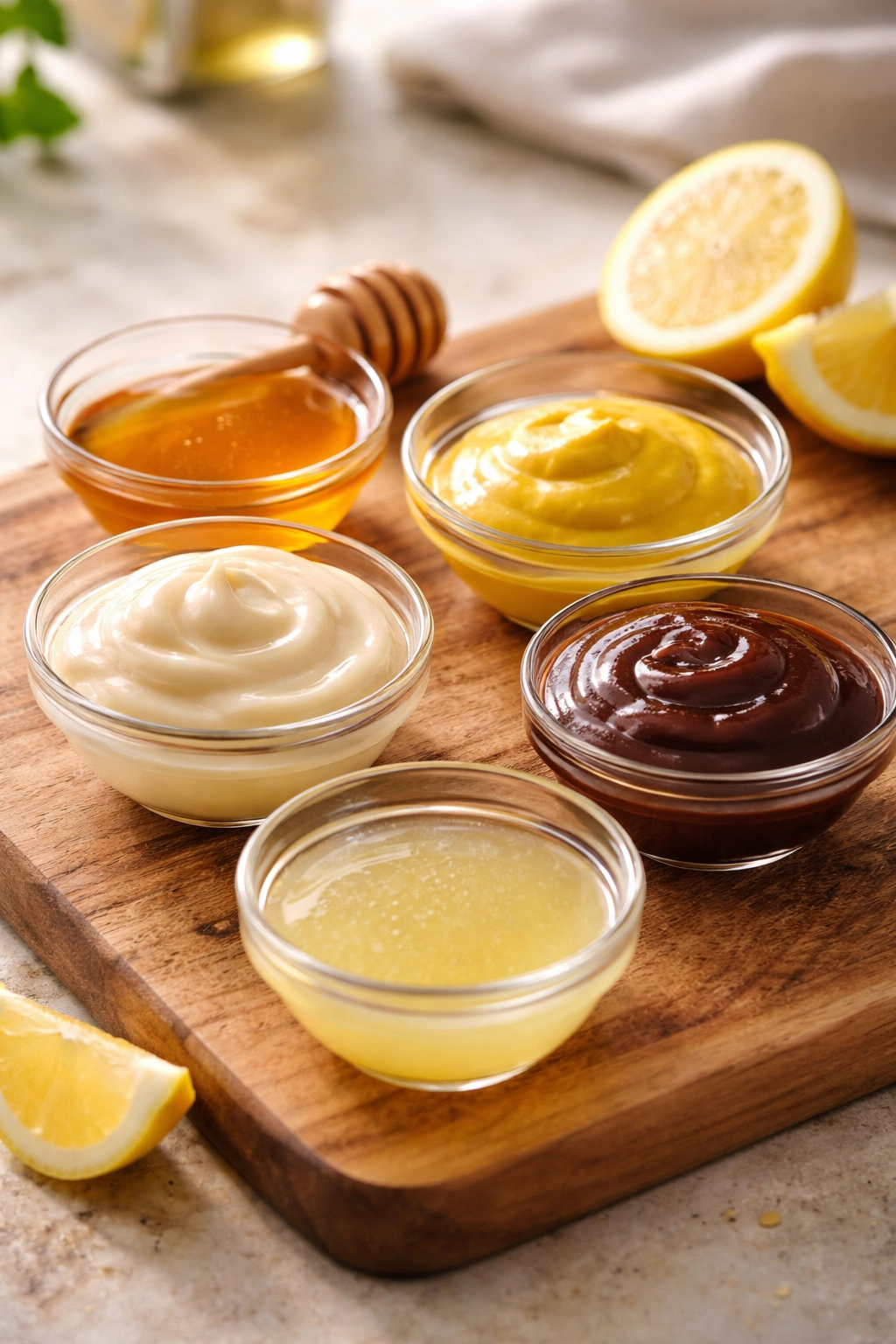
For the Sauce:
- ½ cup mayonnaise (use full-fat, not light mayo—brands like Hellmann’s, Duke’s, or your preferred brand all work beautifully)
- 2 tablespoons honey (real honey, not honey-flavored syrup; the lighter the honey, the lighter your sauce will be in color)
- 1 tablespoon barbecue sauce (use a classic hickory or smoky BBQ sauce like Sweet Baby Ray’s; avoid extra-sweet varieties or ones with added honey, as they throw off the balance)
- 2 teaspoons yellow mustard (standard prepared yellow mustard—not spicy brown or Dijon unless you want a different flavor profile)
- 1 teaspoon fresh lemon juice (if you don’t have fresh lemon, bottled lemon juice works fine, though fresh is ideal)
Equipment:
- Small mixing bowl (nothing fancy—any bowl works)
- Whisk (a fork works if you don’t have a whisk, but a whisk makes the job easier and faster)
- Spoon for stirring (if you’re using a fork instead)
- Measuring spoons
- Airtight container or mason jar for storage
That’s genuinely everything you need. No food processor. No immersion blender. No specialty kitchen gadgets. Just basic equipment that every kitchen has.
Making Your Sauce in Five Simple Steps
Step-by-Step Instructions:
-
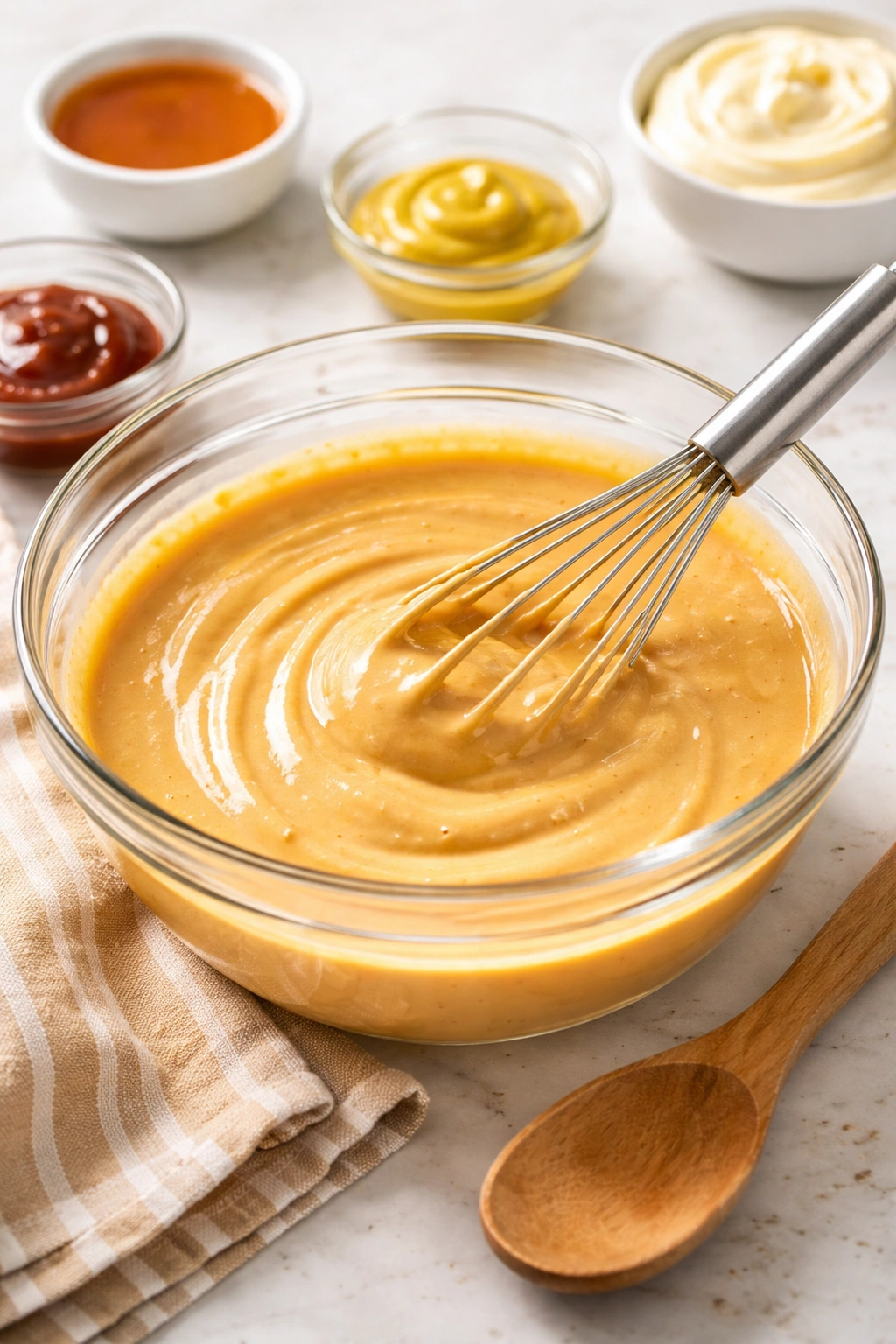
Add all the ingredients to your mixing bowl. Measure out the mayonnaise, honey, barbecue sauce, yellow mustard, and lemon juice, and place them all together in your small mixing bowl. Don’t worry about them looking separated at this point—that’s completely normal and expected. This is the beauty of this recipe: even though the ingredients start out looking chaotic, they come together beautifully.
-
Whisk everything together thoroughly until completely smooth. Using your whisk (or fork, if that’s what you have), blend all the ingredients together for about 30 to 60 seconds of steady whisking. You’re aiming for a completely uniform color and texture with absolutely no streaks of white mayo or visible mustard bits. The sauce should be homogeneous and creamy. If you see any lumps or separated ingredients, keep whisking for another 10-15 seconds. You’ll know you’re done when the whole bowl looks like one harmonious orange-colored sauce.
-
Taste and adjust if desired. This is optional but recommended, especially when you’re making this for the first time. Dip a small spoon in and give it a taste. Does it taste balanced to you, or does one element stand out too much? If it’s too sweet, add another tiny pinch of mustard or a few drops more lemon juice. If it’s not sweet enough for your preference, add a half-teaspoon more honey. If it tastes too tangy, a touch more honey balances it. This is your chance to make the sauce exactly how you like it. Everyone’s palate is different, and a tiny adjustment now means the sauce will be perfect for your taste.
-
Transfer to a storage container. Pour your finished sauce into an airtight container, mason jar, squeeze bottle, or whatever vessel you plan to store it in. A mason jar works beautifully because the seal is tight and you can see how much you have left. Squeeze bottles are fantastic if you want to use the sauce for drizzling on sandwiches or topping salads. Whatever you choose, make sure the lid seals well so the sauce stays fresh.
Advertisements -
Chill before serving for best results. While you can absolutely use this sauce immediately if you’re in a hurry, letting it rest in the refrigerator for at least one hour is genuinely worth doing. During that resting time, all those individual flavors meld together and become more cohesive. The sauce actually gets better and thicker as it sits. If you can make it a full day ahead, even better—it reaches its absolute peak after 24 hours. But if you’re short on time, it’s perfectly delicious right away.
Pro Tips for Making Sauce That Tastes Restaurant-Perfect
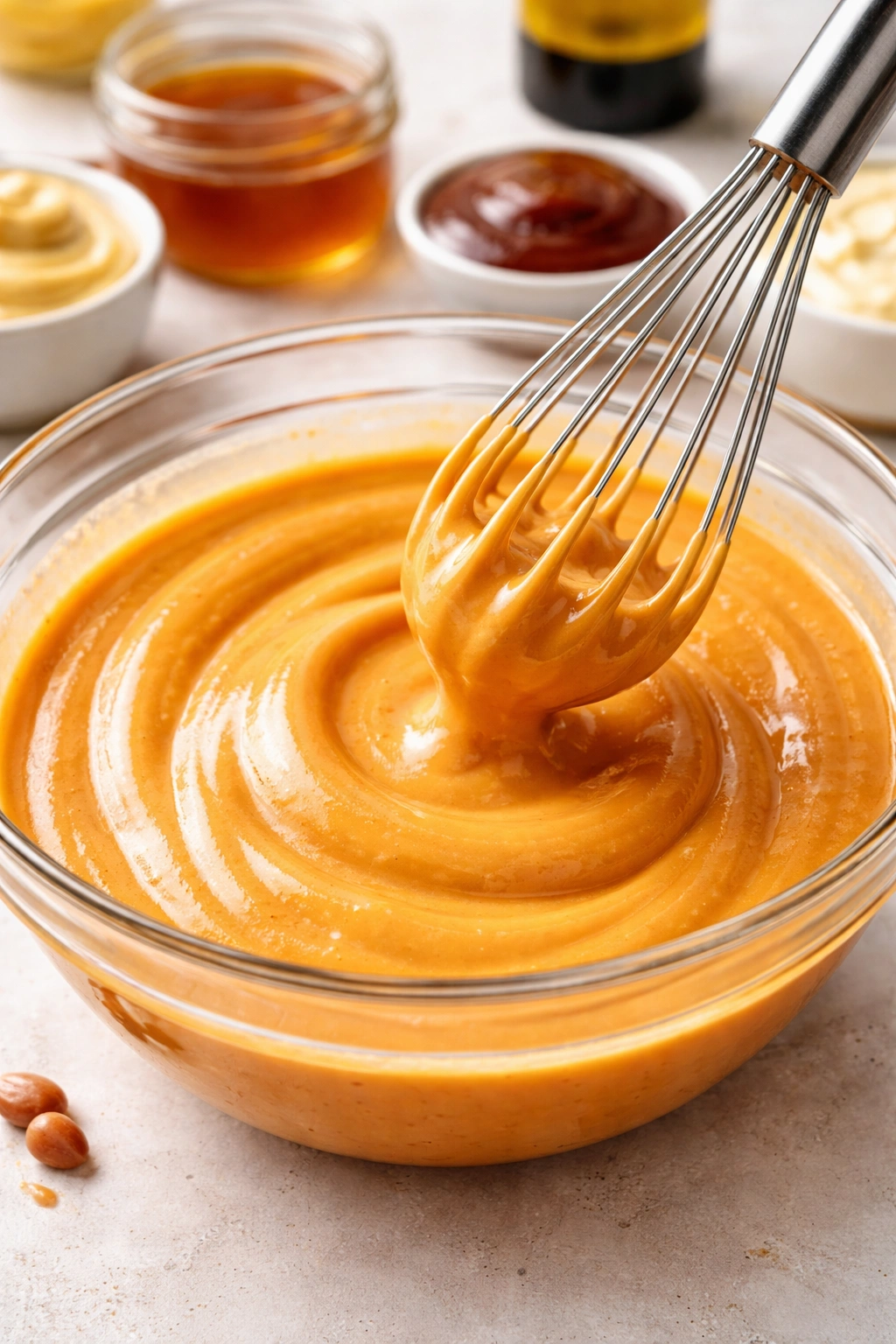
The whisk versus spoon debate is real, and it matters. Using a whisk instead of a spoon makes a noticeable difference in how quickly and thoroughly the ingredients combine. A whisk incorporates air and really works the mayo and other ingredients together, creating that perfectly smooth, creamy texture. A spoon requires more stirring and can leave little streaks of mayo hiding in there. If you only have a fork, it actually works better than a spoon—use the tines to break up any mayo lumps.
Brand choice affects flavor more than you might think. Different brands of mayo, mustard, and barbecue sauce have slightly different flavor profiles and intensities. If you’re using a BBQ sauce that’s noticeably different from what the recipe calls for, you might need to adjust the other ingredients slightly. Some BBQ sauces are much sweeter than others, and some are smokier. Start with the base recipe and then taste and adjust. After a time or two making this, you’ll know exactly what your preferred brands taste like and whether you need to tweak anything.
Honey color matters more than you’d expect. Lighter honey creates a lighter-colored sauce that looks more like the restaurant version. If you use very dark honey, your sauce will be noticeably darker in color, though the flavor is usually fine. If achieving that perfect restaurant-sauce color matters to you, reach for a mild or light honey.
Lemon juice concentration is key. The lemon juice seems like a small addition, but that acid is absolutely essential to balancing all the sweetness and richness. Don’t skip it or substitute it with something else. Fresh lemon juice is genuinely better than bottled because it has more brightness and life to it, but bottled works if that’s what you have. Just use about the same amount.
Make a bigger batch if you’re going to use a lot. This recipe is so easy to scale. If you know you’re going to be making nuggets, fries, or chicken sandwiches multiple times this week, just double or triple the recipe right from the start. It stores beautifully in the fridge for up to a week, so there’s no downside to having extra on hand.
Common Mistakes That Make Sauce Taste Off
Using light mayo instead of full-fat is the biggest flavor mistake people make. Light mayo has a different texture and a slightly different taste—it’s tangier and less rich. The sauce won’t taste quite right because the creamy richness that balances everything else is missing. Always use regular, full-fat mayonnaise.
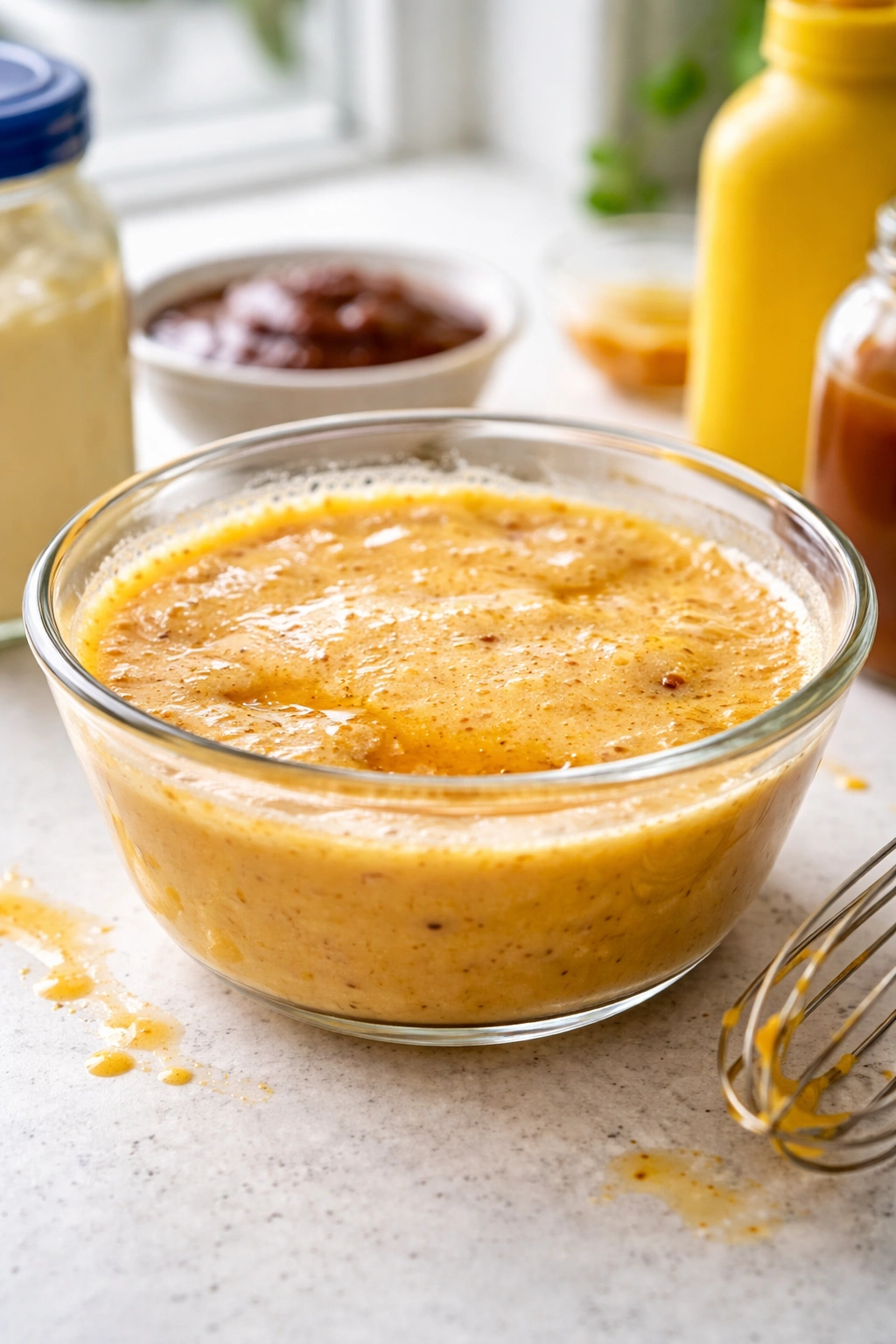
Over-whisking is actually possible, though uncommon. If you whisk for several minutes straight, you can incorporate so much air that the sauce becomes foamy or separates slightly. Whisk thoroughly until smooth—30 to 60 seconds is plenty. You’re not making whipped cream. Stop whisking once everything is uniform and creamy.
Grabbing the wrong mustard is surprisingly common. Dijon mustard, spicy brown mustard, and fancy whole-grain mustards will create a completely different sauce. You specifically want classic yellow mustard—that bright, mild, slightly sweet prepared mustard that you put on hot dogs. That’s the flavor profile the restaurant uses, and that’s what this recipe is built around.
Choosing a BBQ sauce that’s way too sweet throws off the entire balance. If your BBQ sauce has added honey or sugar syrup or tastes like candy, it’s going to make this sauce overly sweet and cloying. Stick with a classic, slightly smoky barbecue sauce with a fairly straightforward ingredient list. Sweet Baby Ray’s, Stubb’s Original, and most basic Kansas City–style BBQ sauces work beautifully.
Skipping the rest time and expecting the same flavor as the recipe pictures show is a common misconception. The sauce tastes fine immediately, but it genuinely improves after resting. The flavors become more integrated and balanced. If you want that picture-perfect taste, invest the hour in letting it chill. Even 30 minutes helps noticeably.
Storing it incorrectly leads to it going bad faster. This sauce contains mayo, which is a perishable ingredient. It absolutely must be refrigerated, and it must be kept in an airtight container. Don’t leave it sitting on the counter, and don’t dip directly from the jar repeatedly with the same spoon—use a clean spoon or utensil every time to prevent introducing bacteria.
Flavor Variations and Customizations
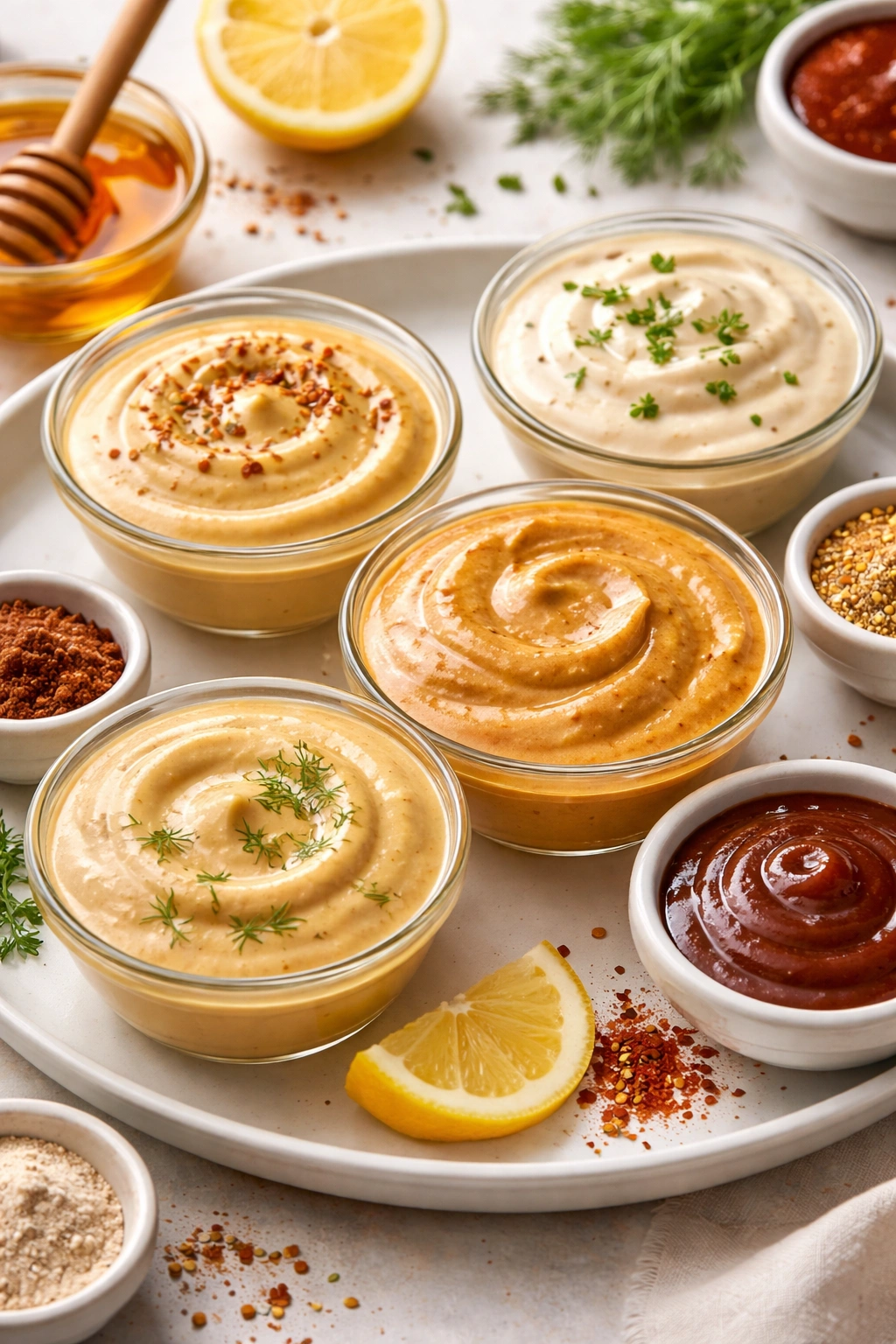
Want it spicier? Swap the yellow mustard for Dijon mustard, which has more bite and tang. You could also add a pinch of cayenne pepper or a few dashes of hot sauce, though start tiny—a quarter-teaspoon of cayenne goes a long way. If you want smoky heat, a tiny drop of liquid smoke does wonders.
Prefer it sweeter? Add another half-teaspoon of honey or use a slightly sweeter BBQ sauce. Some people prefer more sweetness, and that’s completely valid. You’re in control here, so make it how you actually like it, not how you think it “should” be.
Want more smokiness? Try a BBQ sauce labeled as “smoky” or “hickory smoke” specifically. Alternatively, add one small drop of liquid smoke and whisk it in thoroughly. Liquid smoke is potent, so start with a tiny amount and taste before adding more.
Making it for someone who eats vegan? Substitute the mayo with vegan mayo (brands like Vegenaise work beautifully), and use the same proportions for everything else. The sauce will taste almost identical because the mayo is just a base—the real flavor comes from the other ingredients.
Lower-calorie version? Try Greek yogurt in place of some of the mayo—maybe use three-quarters cup mayo and two tablespoons Greek yogurt. It won’t taste exactly the same, but it’s surprisingly close and cuts the calories significantly. You’re trading a tiny bit of richness for a slightly tangier taste.
More garlicky or onion-forward? Add a quarter-teaspoon of garlic powder and a quarter-teaspoon of onion powder. This version tastes slightly different but still hits that savory, complex note that makes the original so craveable. Some people actually prefer it this way.
Storage and Make-Ahead Options
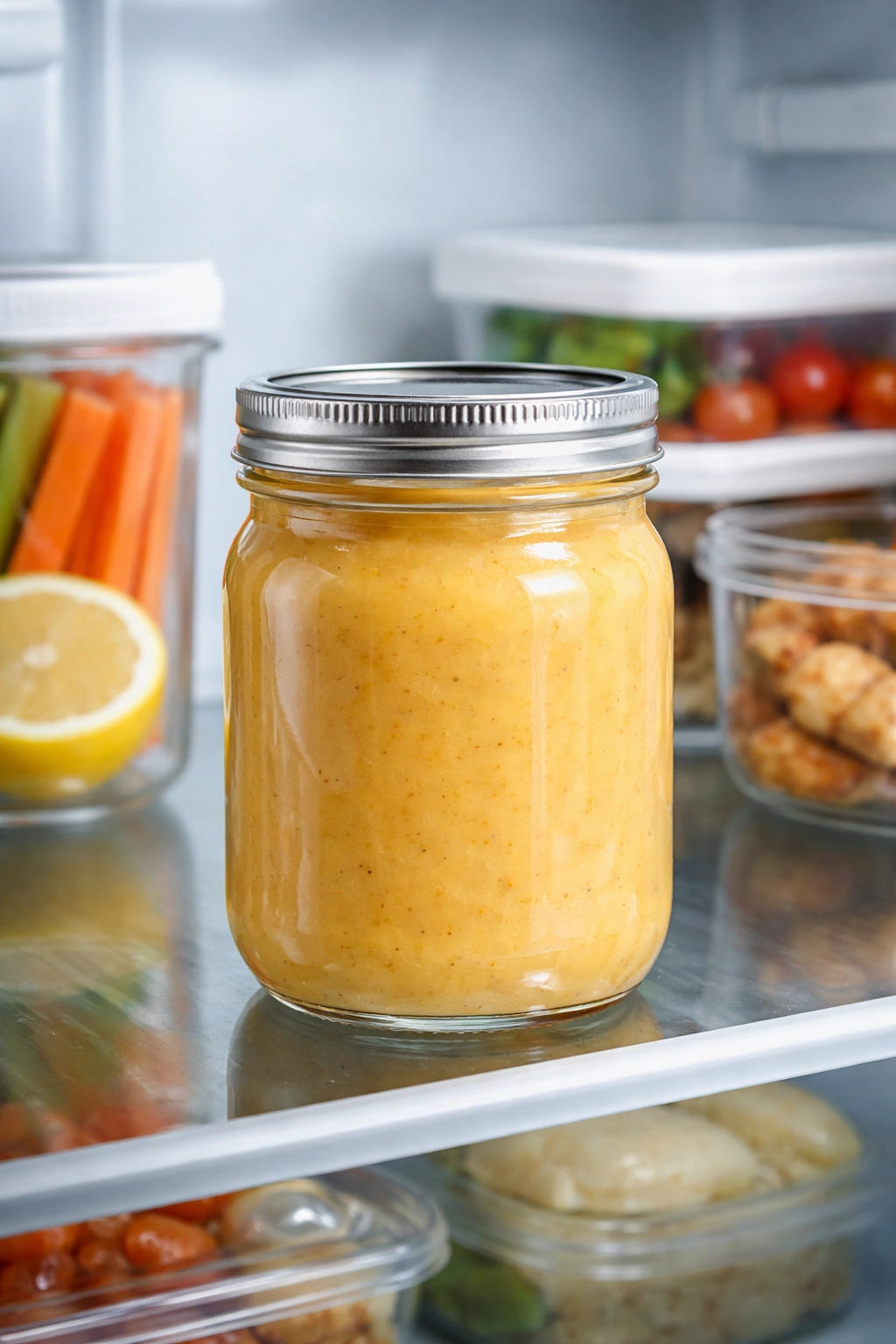
This sauce stores beautifully in the refrigerator for up to one week in an airtight container. After that point, the mayo can start to break down slightly and the flavor becomes less vibrant. Realistically, you’ll use it long before a week passes.
Make-ahead is actually one of the best parts of this recipe. You can make it one, two, or even three days before you plan to use it, and it actually tastes better when it’s had time to rest. The flavors meld and become more cohesive. If you’re planning a week of chicken nuggets and waffle fries, make a big batch of this sauce on Sunday, and you’re set.
Don’t freeze this sauce. Because mayo is the base, freezing causes separation when it thaws. The texture breaks, it looks weepy, and it doesn’t taste right. Stick to refrigerator storage only.
The sauce can sit out at room temperature for about two hours safely, thanks to the acid from the lemon juice and mustard. If you’re taking it to a picnic or cookout, keep it in a cooler with ice packs to be safe, especially if it’s warm outside.
If you notice any discoloration, off-smell, or strange appearance, don’t use it. Trust your senses. Mayo-based sauces are pretty shelf-stable when stored correctly, but if something seems off, it’s better to be cautious.
What to Dip and Spread This Sauce On
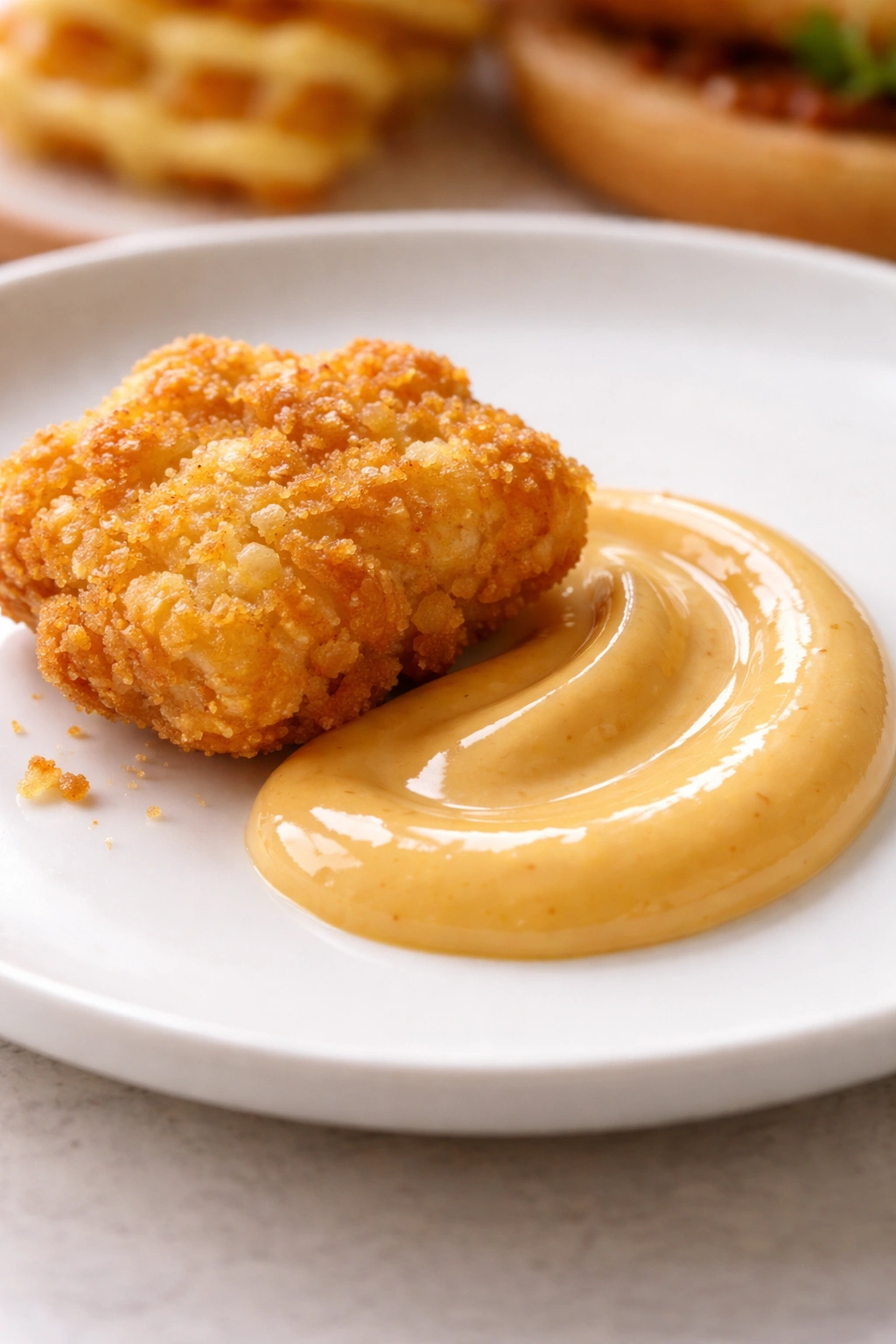
This sauce is an absolute MVP with chicken nuggets—whether you’re making homemade ones, buying them frozen, or grabbing them from a restaurant. It’s literally made for that pairing.
Crispy waffle fries are obviously the classic pairing. The combination of the salty, crispy fries with this creamy-sweet-tangy sauce is genuinely addictive. If you’re making air fryer fries at home, this sauce transforms them into a restaurant-quality meal.
Use it as a spread on chicken sandwiches, whether you’re making them at home or using rotisserie chicken and bread. It’s infinitely better than mayo alone, and it adds that signature flavor immediately.
Dip homemade chicken tenders, air fryer chicken wings, or even baked chicken pieces into this sauce. It works beautifully with any chicken preparation.
Spread it on burgers, particularly beef burgers where the sauce’s sweetness and tang really complements the richness of the meat.
Use it as a dipping sauce for homemade or store-bought fried shrimp, fish sticks, or even crispy tofu if you’re going that route.
Drizzle it over salads—particularly ones with grilled or fried chicken. It works as a dressing in the same way you’d use a creamy dressing.
Try it on hot dogs, as a surprising alternative to ketchup or mustard alone.
Mix it into chicken salad or tuna salad for extra flavor and creaminess.
Spread it on wraps and sandwiches of all kinds—turkey, ham, pulled pork, veggie sandwiches. It’s surprisingly versatile.
Use it as a dipping sauce for sweet potato fries, which get an especially delicious contrast from the sauce’s flavor profile.
Homemade vs Store-Bought: Why This Version Wins
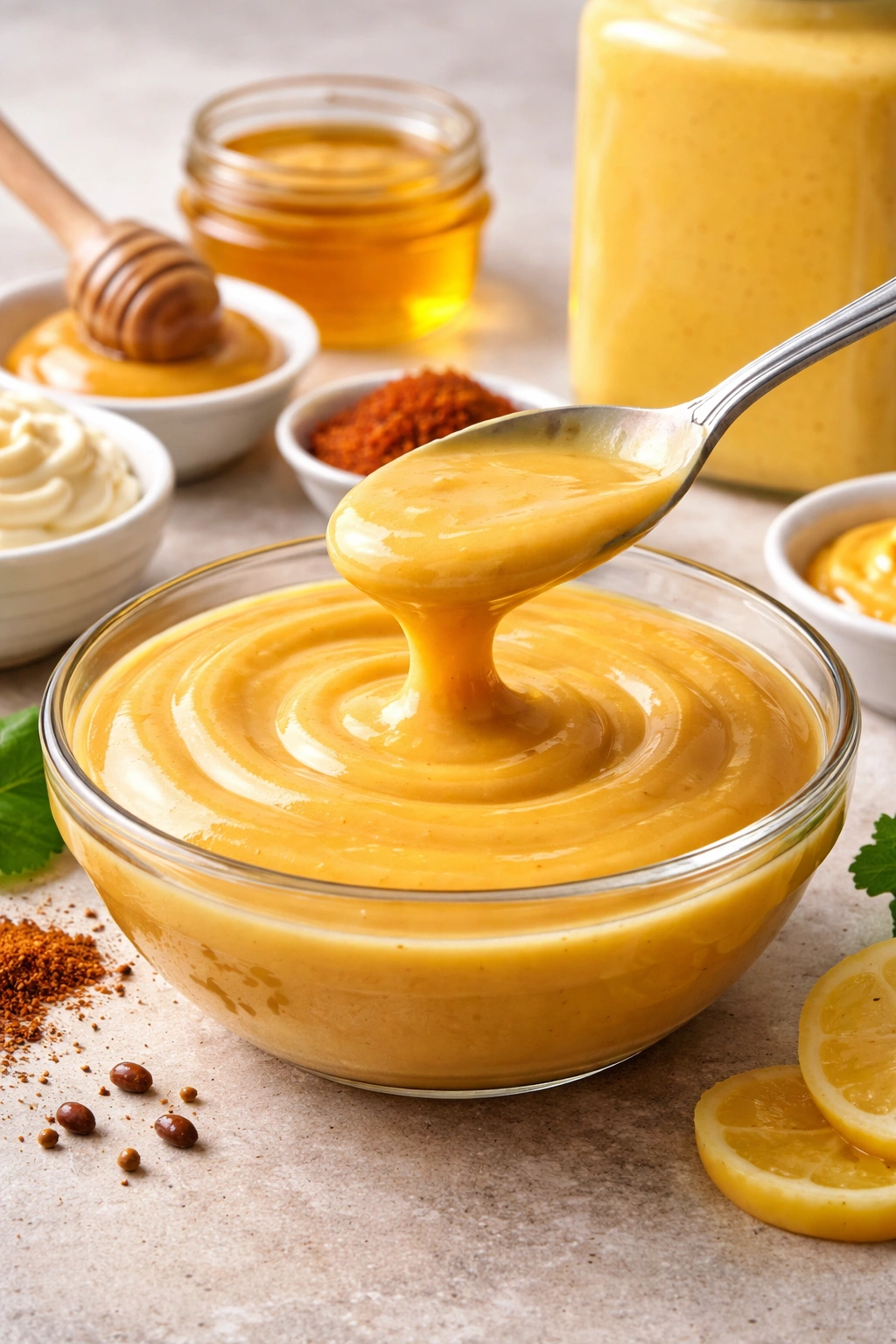
The bottled version you buy at the grocery store comes with that long ingredient list we talked about earlier. You’re getting soybean oil, corn syrup, xanthan gum, and about five different preservatives. You’re also paying a premium price for a product that sits on a shelf and gradually loses freshness over time.
Your homemade version uses real ingredients that you can recognize and pronounce. Mayonnaise, honey, mustard, barbecue sauce, lemon juice. That’s it. No preservatives needed because you’re using it fresh and storing it properly.
Cost-wise, there’s genuinely no comparison. A bottle at the store costs several dollars. This homemade version costs less than a dollar to make—often under 50 cents depending on what you already have at home. Even if you’re buying everything new, you’re spending maybe a dollar-fifty total for more than twice as much sauce.
The flavor is genuinely better because it’s fresh. The bottled version has been sitting in a warehouse and on a store shelf for who knows how long. Your homemade sauce is made today and tastes like it was made today. The flavors are brighter and more alive.
You can customize it. That’s not possible with a store-bought product. You’re stuck with their flavor profile, whether it’s perfect for you or not. Making it yourself means you can adjust sweetness, tang, and smokiness to match your exact preferences.
Once you make this once, you’ll realize how pointless paying for the bottled version is. It’s faster to make than to drive to the store. It’s cheaper. It tastes better. It’s fresher. There’s literally no downside to making your own.
Final Thoughts
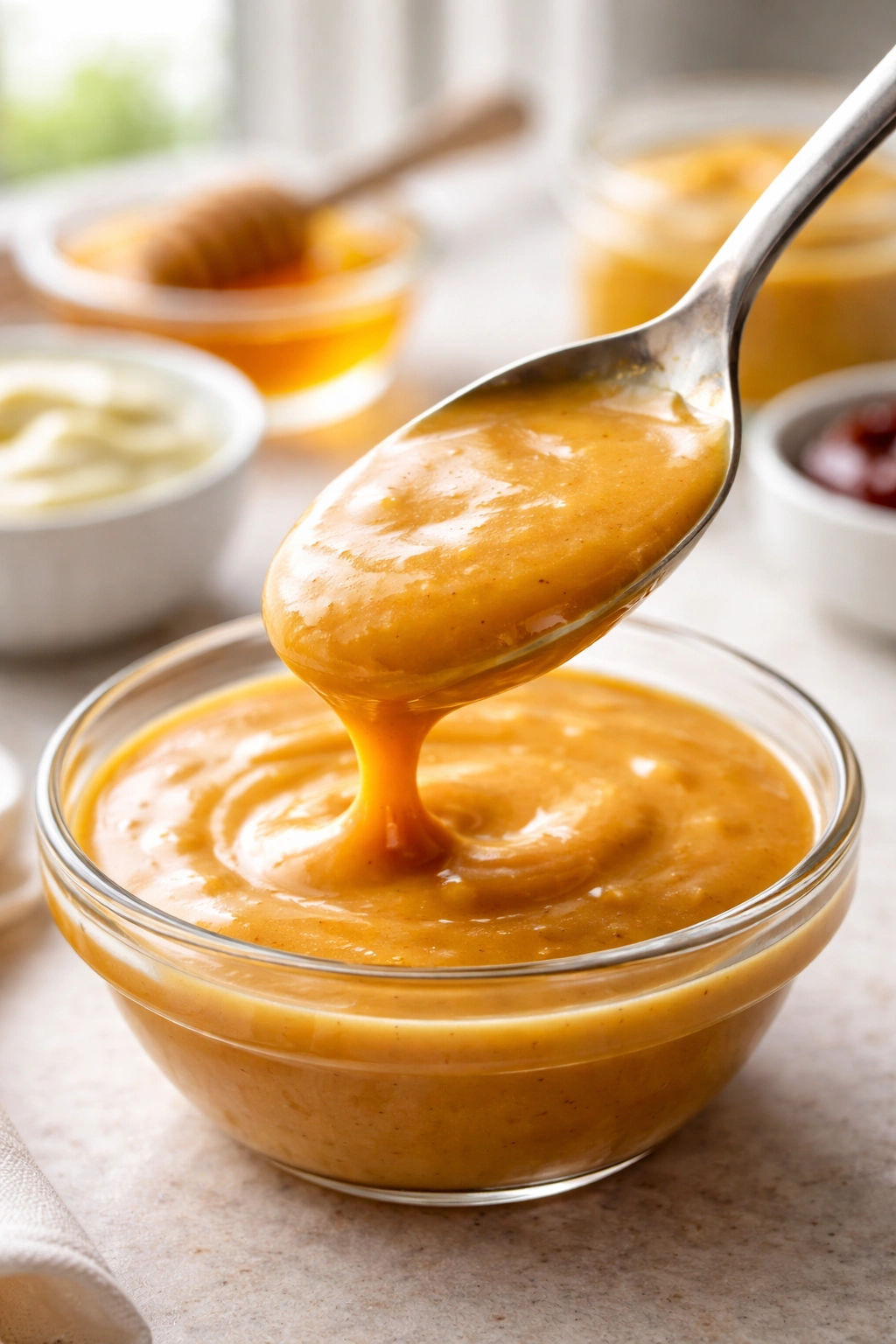
This isn’t just a sauce recipe—it’s a five-minute shortcut to better meals at home. Once you have a jar of this in your fridge, you’ll find yourself dipping and spreading it on things all week long. Boring chicken becomes exciting. Store-bought fries transform into something special. Simple sandwiches turn into craveable meals.
The beauty of this recipe is that it proves you don’t need complicated procedures or hard-to-find ingredients to replicate restaurant-quality flavors. You need about five minutes, five basic pantry ingredients, and a little whisking. That’s genuinely all it takes to make something that tastes like it came straight from the drive-thru, except better, cheaper, and with ingredients you actually recognize.
Start making this sauce regularly, and you’ll wonder why you ever relied on packets or bottles from the store. Your kids will ask for it on everything. Your partner will be impressed by how good homemade food tastes. You’ll save money and feel better about what’s going into your meals. That’s the whole point of good copycat recipes—they help you eat better, save money, and feel like a better cook, all at once.
