



Chronic inflammation is quietly working against your health—silently driving joint pain, digestive trouble, energy crashes, and metabolic slowdowns that most people blame on getting older. But here’s what the research keeps confirming: what you eat directly influences your inflammatory response, sometimes within hours. The foods you choose this week don’t just satisfy hunger; they’re literally signaling your body to dial down inflammatory markers or crank them up.
The problem is that anti-inflammatory eating doesn’t have to mean boring, complicated, or time-consuming. The meals that fight inflammation best are actually the ones packed with omega-3s, colorful phytonutrients, fiber, and whole grains—and they taste genuinely delicious. When you batch-cook them on the weekend, you’re not just saving time through the week; you’re stacking multiple anti-inflammatory tools into every lunch and dinner, so the cumulative effect compounds.
This week, you’ll find no bland chicken breasts or sad salads here. Instead, you’re building meals with deep, warming spices like turmeric and ginger, fatty fish that your brain actually craves, and vegetables that deliver antioxidants in every bite. Each meal below is designed to work as a complete, satisfying lunch or dinner that you can portion into containers and reheat without losing its integrity or flavor.
Let’s build a meal-prep week that actually fights back against inflammation—and tastes so good you’ll want to eat it anyway.
1. Salmon Buddha Bowl
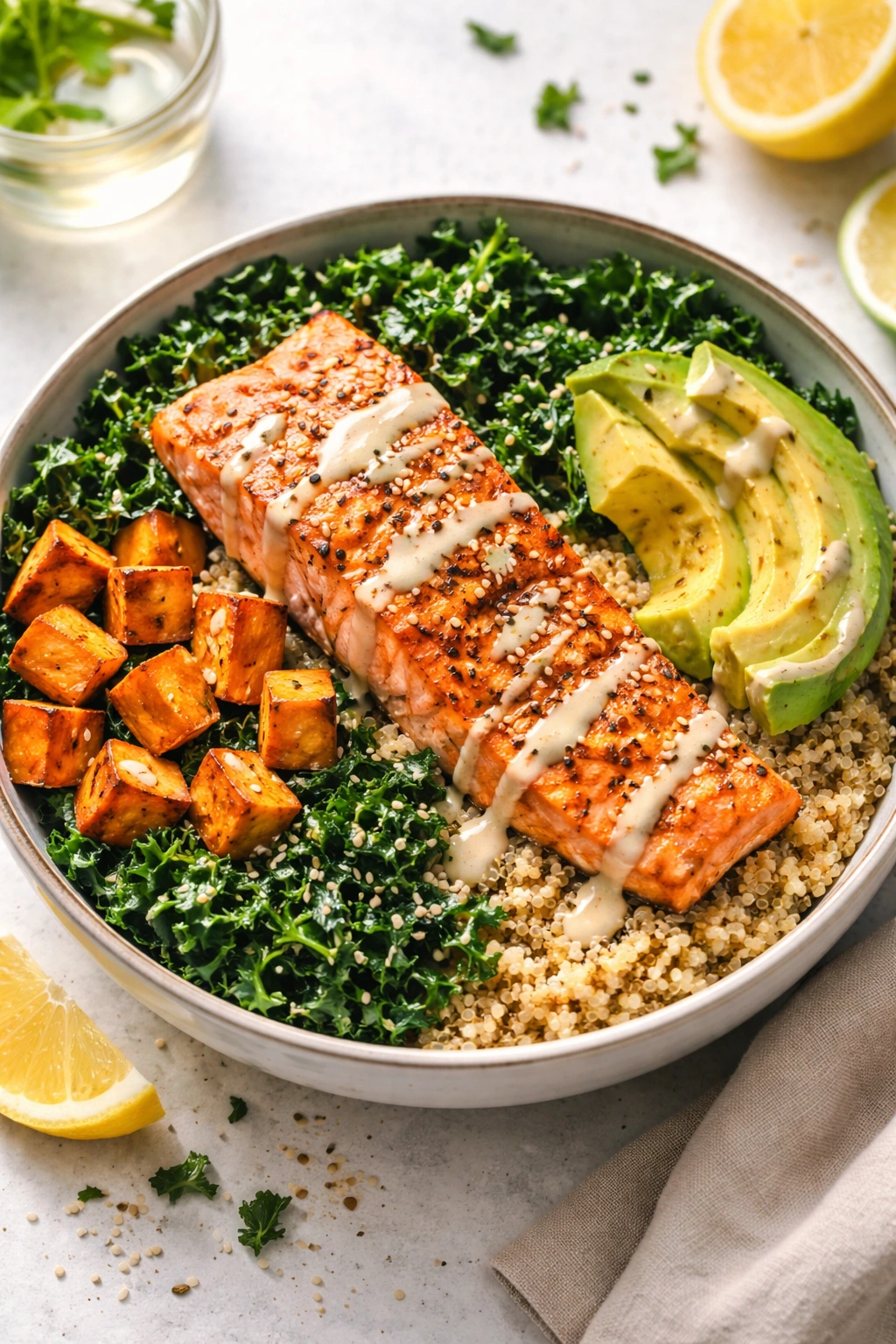
Salmon is legitimately one of the most powerful anti-inflammatory foods available, thanks to its exceptional omega-3 fatty acid content—specifically EPA and DHA, which actively suppress the inflammatory molecules driving joint pain, brain fog, and metabolic dysfunction. A Buddha bowl built around roasted salmon paired with quinoa, roasted sweet potato, massaged kale, avocado, and a tahini-lemon dressing creates a complete nutritional package that addresses inflammation from multiple angles simultaneously.
Why This Meal Fights Inflammation So Effectively
Salmon’s omega-3s work by reducing the production of pro-inflammatory cytokines in your body—essentially turning down the volume on inflammatory signaling at the cellular level. The sweet potato contributes both fiber and beta-carotene, which supports gut barrier function and reduces intestinal inflammation that often triggers systemic inflammation. Kale is packed with vitamin K and sulforaphane, compounds that directly suppress NF-kappaB, a master inflammatory switch in your cells. The tahini-lemon dressing adds sesame (which contains anti-inflammatory lignans) and the acidity of lemon actually enhances mineral absorption from the vegetables.
Components to Batch-Prep
- Salmon fillets: Bake 4-6 portions at 400°F (200°C) for 12-15 minutes until the flesh flakes easily but remains moist in the center. Let cool and portion into containers. Salmon stays fresh for 4 days refrigerated.
- Quinoa: Cook 1 cup dry quinoa in vegetable broth for superior flavor—it doubles in volume and keeps for 5 days. Quinoa’s unique amino acid profile makes it a complete protein.
- Roasted sweet potatoes: Cut into 1-inch cubes, toss with olive oil and sea salt, roast at 425°F (220°C) for 25 minutes until edges caramelize. These hold texture beautifully when reheated.
- Massaged kale: Tear from stems, massage with a pinch of sea salt and a small amount of olive oil the day before serving—this softens the fibrous structure.
- Tahini-lemon dressing: Whisk together ¼ cup tahini, 3 tablespoons fresh lemon juice, 2 minced garlic cloves, and water to achieve pourable consistency. This emulsified dressing keeps for a week and transforms any grain bowl.
Pro tip: Layer your components in the container with the dressing on the bottom—the grain and vegetables absorb it gradually, so everything stays flavorful and nothing gets soggy by day three.
2. Turmeric Chicken with Roasted Vegetables
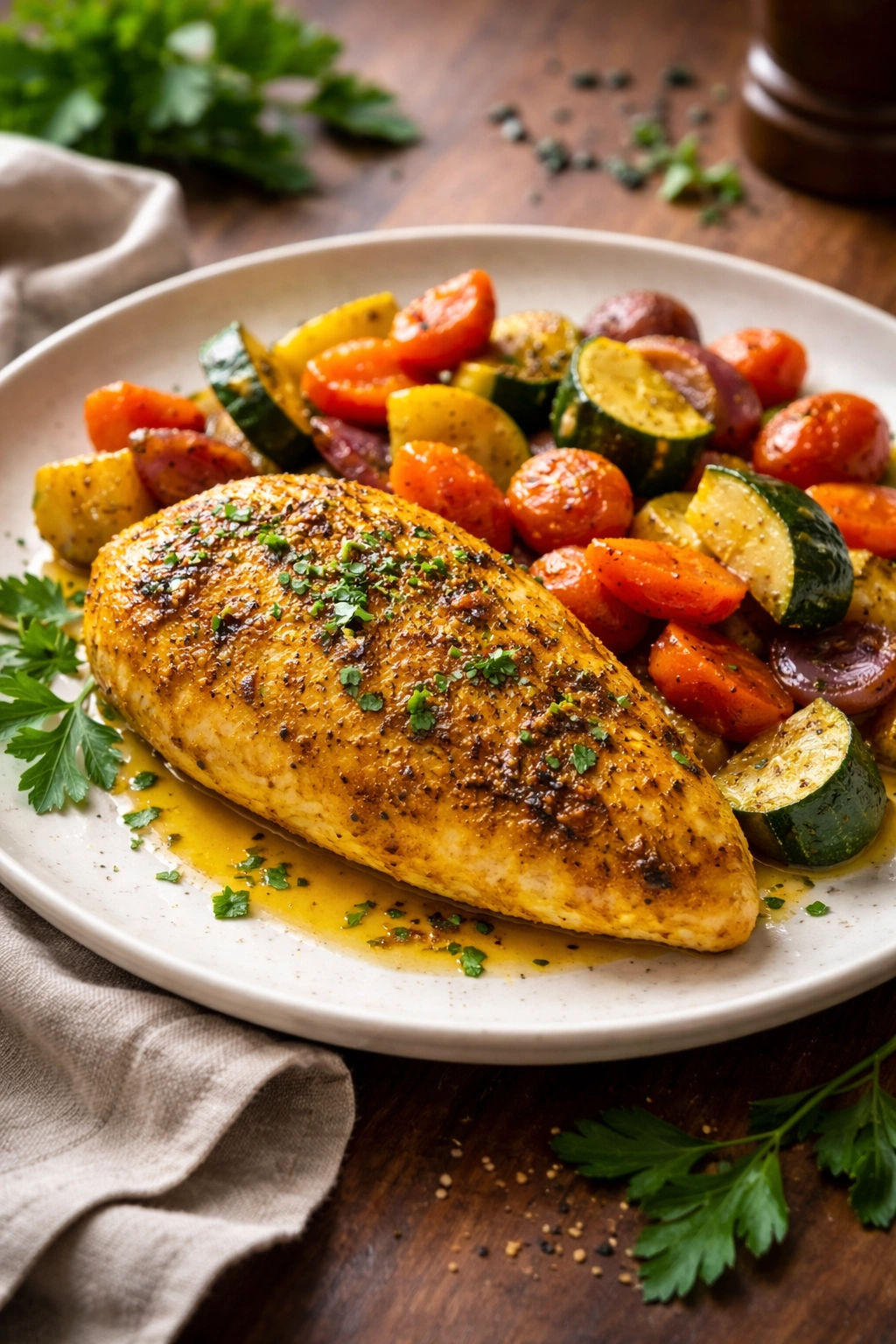
Turmeric’s active compound curcumin is one of the most researched anti-inflammatory compounds on the planet, shown to be as effective as some anti-inflammatory medications at reducing joint pain and systemic inflammation. When combined with black pepper (which contains piperine, the compound that enhances turmeric absorption by 2000%), and paired with colorful roasted vegetables, you’re creating a meal that targets inflammation through multiple mechanisms simultaneously.
The Science of Why Turmeric Works
Curcumin blocks multiple inflammatory pathways, particularly NF-kappaB and TNF-alpha—the exact same targets as prescription NSAIDs, but it works by influencing gene expression rather than blunt enzyme inhibition. This means less risk of gut damage over time. The turmeric’s earthy warmth pairs with ginger (which reduces prostaglandins, the hormones that drive inflammation) and you’ve got a double hit. The key is using turmeric liberally—a pinch won’t cut it; you need at least ½ teaspoon per serving for therapeutic effect.
Meal-Prep Components and Technique
- Marinated chicken breasts: Whisk together 3 tablespoons turmeric, 1 tablespoon ginger powder, 1 teaspoon black pepper, 4 minced garlic cloves, juice of 1 lemon, and ¼ cup olive oil. Coat 4-6 chicken breasts thoroughly and marinate overnight—the acid and spices tenderize the meat while flavor develops. Bake at 375°F (190°C) for 20-25 minutes until internal temperature reaches 165°F (74°C).
- Rainbow roasted vegetables: Combine Brussels sprouts, broccoli, bell peppers, and cauliflower (the sulfur compounds in cruciferous vegetables boost phase-2 detoxification), toss with olive oil and sea salt, roast at 425°F (220°C) for 30 minutes, stirring halfway. The caramelization adds complexity.
- Brown rice or farro: Cook in vegetable broth for depth. Farro has a slightly firmer bite and keeps texture better through the week.
- Tahini drizzle: Same basic dressing above, but add 1 tablespoon turmeric to this version for extra intensity if you’re after maximum anti-inflammatory impact.
Worth knowing: The curcumin in turmeric is fat-soluble, so always combine it with dietary fat (olive oil, tahini, coconut milk) to actually absorb it. Turmeric on its own without fat passes right through you unused.
3. Green Smoothie with Berries and Spinach
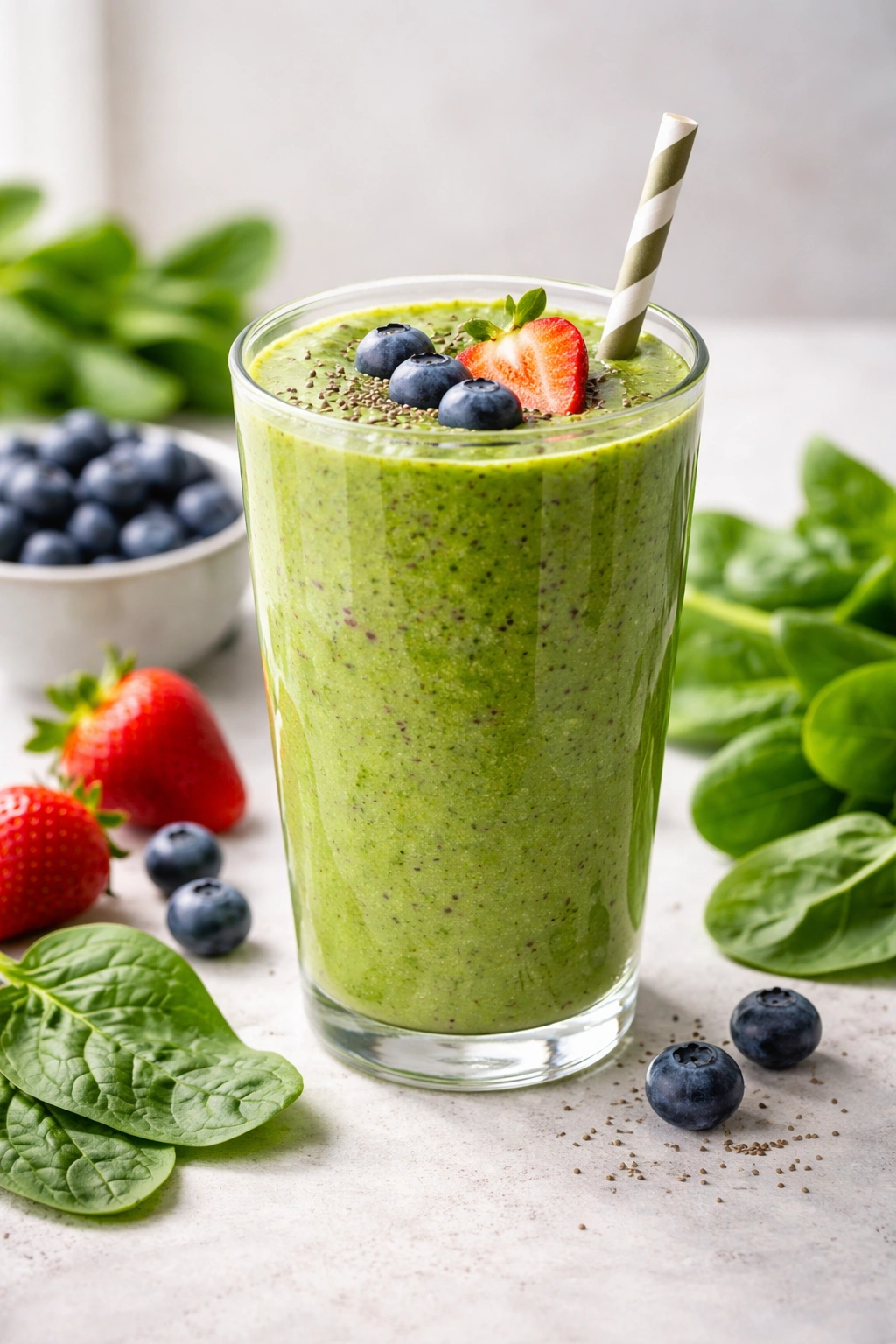
A well-designed green smoothie isn’t just a quick breakfast or snack—it’s a concentrated delivery system for anti-inflammatory polyphenols, fiber, and micronutrients that would take you 20 minutes to chew through whole. The combination of leafy greens, berries, healthy fat, and protein creates a meal that stabilizes blood sugar (elevated glucose itself triggers inflammatory cascades) while providing the micronutrients your immune system needs to stay regulated.
Why Berries and Greens Are Anti-Inflammatory MVPs
Blueberries contain anthocyanins, dark purple pigments that are among the most potent antioxidants available, shown to reduce inflammatory markers like IL-6 and TNF-alpha within days of consistent consumption. Spinach provides lutein and zeaxanthin (which reduce neuroinflammation), plus vitamin K and folate for DNA stability. When you blend them together with omega-3-rich chia seeds or ground flax, you’re creating a synergistic combination where each ingredient amplifies the others’ anti-inflammatory effects. The liquid base matters too—unsweetened almond milk or coconut water prevents blood sugar spikes that would negate all that anti-inflammatory work.
Easy Prep and Storage Strategy
- Portion packs: Pre-portion all frozen ingredients (1 cup frozen blueberries, 1 cup frozen spinach, ½ frozen banana, 2 tablespoons ground flax) into containers or freezer bags. This eliminates prep time in the morning—just dump, blend, drink.
- Protein and fat layers: Add ½ cup plain Greek yogurt or protein powder (whey or plant-based), 1 tablespoon almond butter, and 1 teaspoon honey per smoothie.
- Liquid base: Use 1 cup unsweetened almond milk or coconut water per smoothie, added fresh at blending time (not frozen with the other ingredients, or it becomes too dilute).
- Optional add-ins: ¼ teaspoon ginger powder, ¼ teaspoon turmeric, or a small handful of fresh ginger for extra anti-inflammatory firepower.
Pro tip: Freeze the yogurt and almond butter in ice cube trays separately, then add to your frozen smoothie packs. Your smoothie stays cold and creamy without dilution from melting ice.
4. Lentil and Sweet Potato Stew
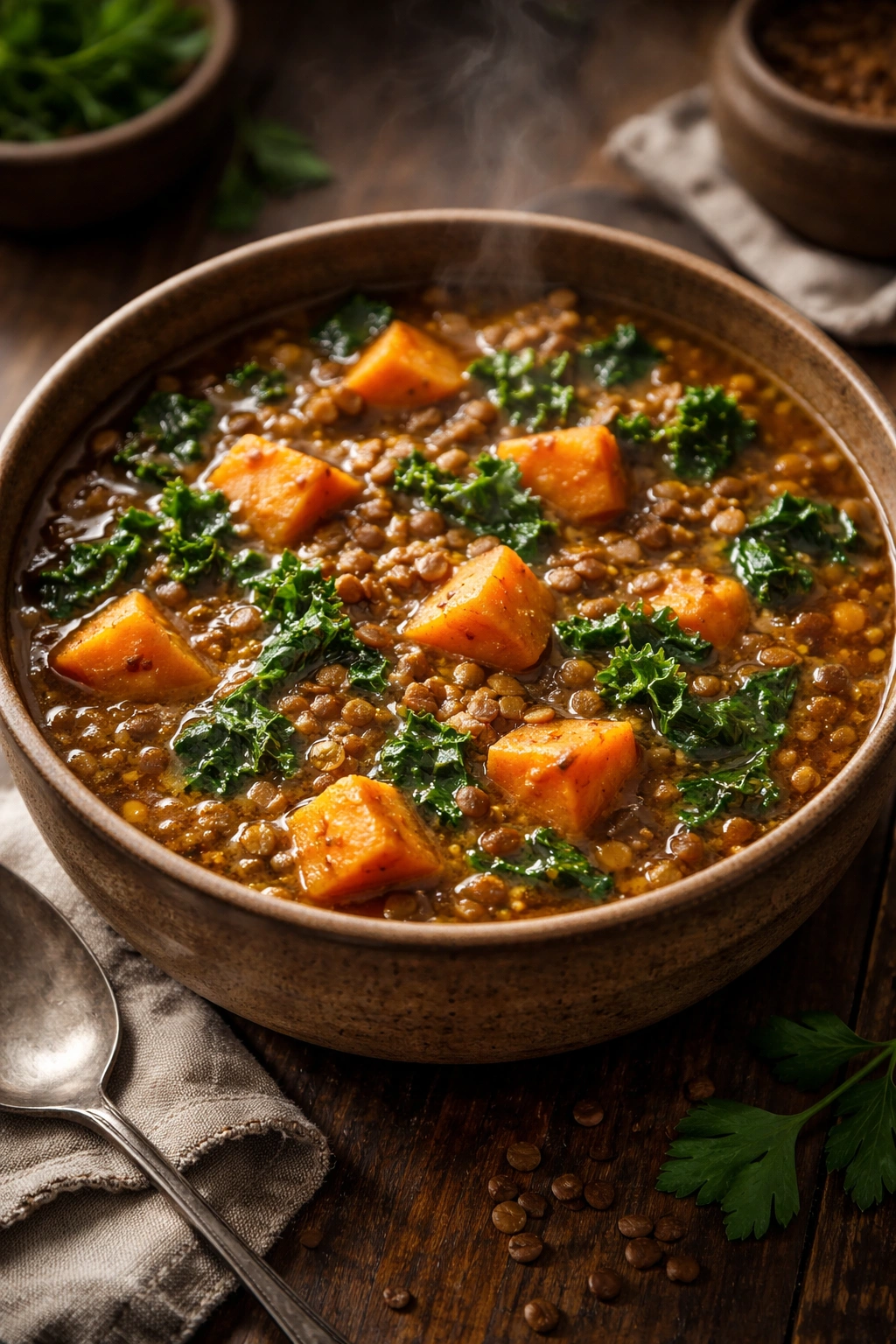
Legumes get underrated in anti-inflammatory cooking, but lentils specifically deliver resistant starch and fiber that feed beneficial gut bacteria, which then produce short-chain fatty acids (butyrate in particular) that actively reduce intestinal inflammation and strengthen your gut barrier. When simmered with warming spices, sweet potato, and leafy greens, you’ve got a deeply nourishing stew that tastes comfort-food indulgent while being exactly what your inflammation markers need.
The Anti-Inflammatory Mechanisms at Work
Lentils are a low-glycemic protein source, meaning they don’t spike blood sugar—critical because glucose spikes trigger NF-kappaB activation and inflammatory cascades that persist for hours. The fiber (about 8 grams per cooked cup) becomes fuel for Faecalibacterium prausnitzii, one of the most anti-inflammatory bacteria in your microbiome. Sweet potato adds beta-carotene, a precursor to vitamin A, essential for maintaining immune tolerance and preventing the hyperimmune response that drives chronic inflammation. Cumin and coriander seeds add additional anti-inflammatory compounds that many people overlook.
Stew Components for Maximum Impact
- Lentil base: Combine 2 cups dried lentils (red or green; red cook faster), 8 cups low-sodium vegetable broth, diced onions, carrots, and celery. Add 1 tablespoon cumin, 1 teaspoon coriander, ½ teaspoon black pepper. Simmer for 25-30 minutes until lentils are tender but hold their shape.
- Sweet potato chunks: Cut 3-4 medium sweet potatoes into 1-inch cubes, add in the last 15 minutes of cooking so they stay slightly firm.
- Dark leafy greens: Stir in chopped kale, spinach, or collards in the final 5 minutes—the heat wilts them perfectly without destroying heat-sensitive vitamins.
- Finishing fat and acid: Drizzle with olive oil and add juice of 1 lemon per pot—the acid actually increases iron absorption from the lentils and leafy greens (critical since plant-based iron is less bioavailable than heme iron).
Worth knowing: Lentil stew thickens substantially as it sits, especially by day 4. If you’re prepping for the full week, add a bit of extra broth when reheating, or keep the liquid separate and combine fresh each time.
5. Mediterranean Quinoa Salad
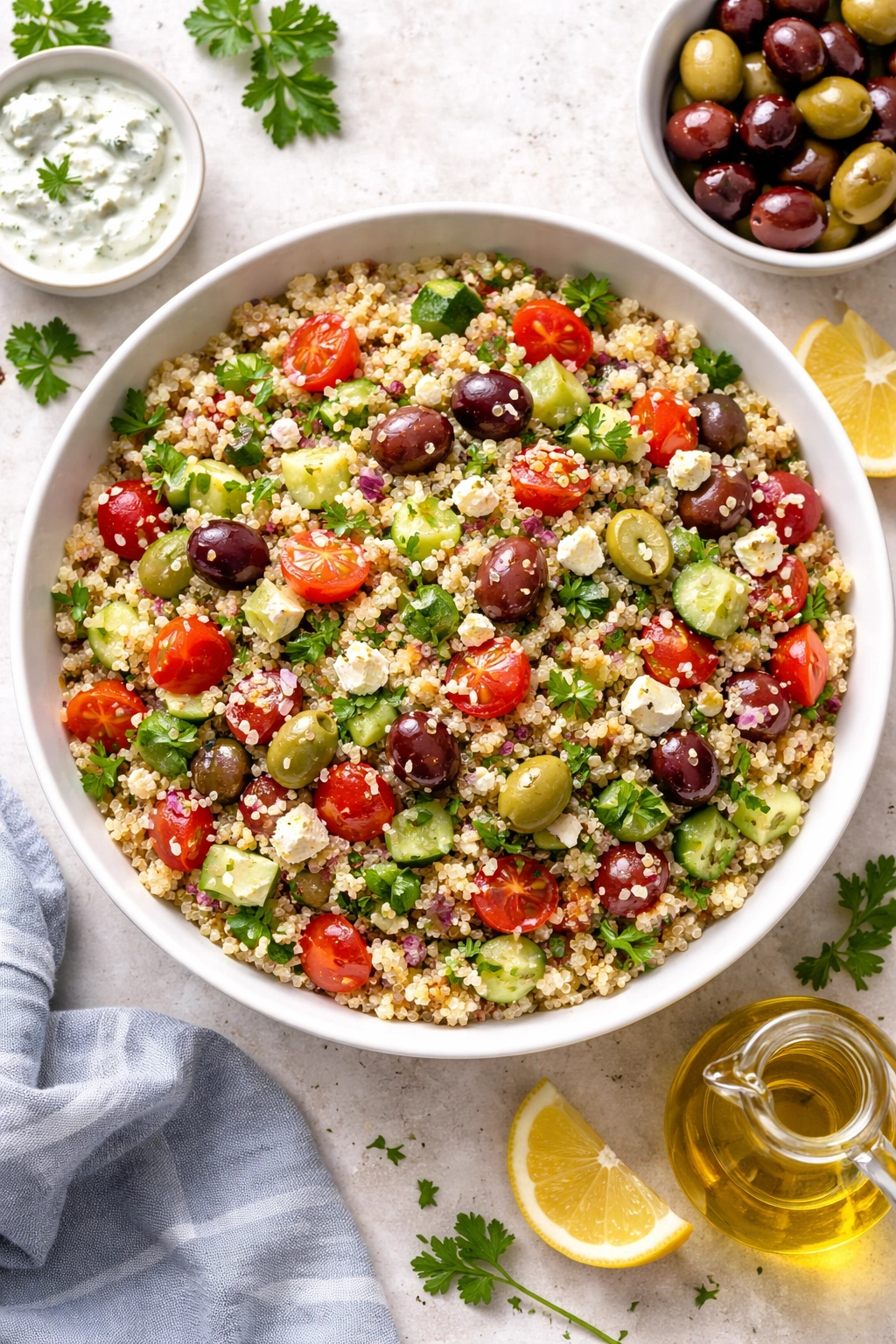
The Mediterranean diet is one of the most thoroughly researched eating patterns for inflammation reduction, and this salad captures its essence: olive oil as the primary fat, abundant vegetables, herbs, and whole grains. Quinoa’s unique amino acid profile (it’s one of the few plant sources with all nine essential amino acids) means this salad delivers complete protein without animal products, while the vegetables provide the polyphenols that account for much of the diet’s anti-inflammatory reputation.
Why the Mediterranean Pattern Fights Inflammation
Olive oil contains oleocanthal, a compound that works mechanically similar to ibuprofen, inhibiting inflammatory enzymes directly. The abundance of raw vegetables means you’re getting polyphenols that haven’t been damaged by cooking—these are sensitive compounds that provide maximum benefit when consumed fresh. Mediterranean diets are historically linked to lower rates of autoimmune diseases, cardiovascular inflammation, and cognitive decline, all markers of systemic inflammation. The high vegetable-to-grain ratio means stable blood sugar and consistent energy without inflammatory glucose swings.
Batch-Prep Components
- Quinoa base: Cook 2 cups quinoa in vegetable broth (this makes approximately 6 servings), allow to cool completely before mixing with other ingredients—warm grains will wilt delicate vegetables and herbs.
- Chopped vegetables: Dice 2 cups cherry tomatoes (halved for easier eating), 1 large cucumber (peeled and diced), 1 large red bell pepper, and a small red onion. Chop a large handful of fresh parsley and mint.
- Protein additions: Add 1 can white beans or chickpeas (drained and rinsed), ½ cup Kalamata olives (pitted), and ¼ cup crumbled feta or goat cheese for creaminess without heaviness.
- Dressing for the week: Whisk together ⅓ cup high-quality extra virgin olive oil, 3 tablespoons fresh lemon juice, 2 minced garlic cloves, 1 teaspoon dried oregano. Store separately and dress portions fresh each day (or toss the entire batch if you’re confident it’ll be eaten within 2 days).
Pro tip: Keep fresh herbs separate from the grain base until the day before eating—they’ll stay vibrant green and aromatic rather than oxidizing and darkening. The difference in perceived freshness is substantial.
6. Ginger and Turmeric Vegetable Soup
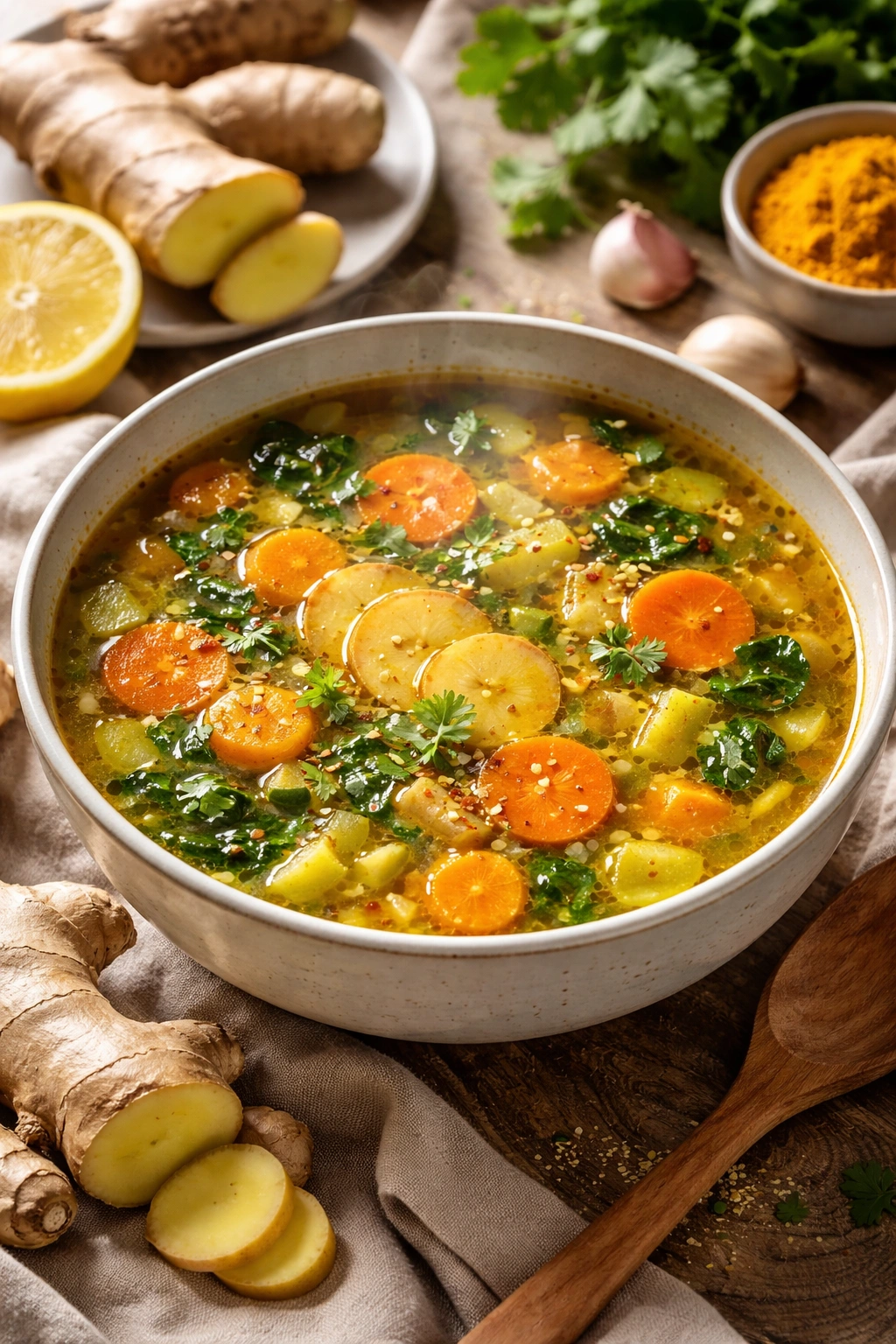
This is legitimately one of the most anti-inflammatory soups you can make, combining two of the planet’s most researched anti-inflammatory ingredients (ginger and turmeric) with aromatic vegetables that all contain their own inflammatory-suppressing compounds. A batch of this on Sunday means you have liquid nourishment ready to sip or eat that works therapeutically, not just nutritionally.
The Specific Anti-Inflammatory Compounds at Play
Fresh ginger contains gingerols and shogaols, compounds that reduce prostaglandin and leukotriene production—the signaling molecules that drive pain and inflammatory responses. Turmeric’s curcumin (as mentioned) inhibits NF-kappaB. Garlic contributes allicin, a sulfur compound formed when cells are crushed that has measurable antimicrobial and anti-inflammatory properties. Carrots and celery provide falcarinol and luteolin respectively, lesser-known but powerful plant compounds that suppress inflammatory cytokines. The broth base itself (whether homemade bone broth or high-quality vegetable broth) provides collagen and minerals that support mucosal barrier function—essential for preventing intestinal inflammation from leaking into the bloodstream.
Building Your Anti-Inflammatory Broth
- Aromatic base: Sauté 1 diced onion, 4 minced garlic cloves, 3 tablespoons grated fresh ginger, and 1 tablespoon turmeric in 2 tablespoons olive oil until fragrant—about 3 minutes. This releases the volatile oils and fat-soluble compounds.
- Vegetable additions: Add 4 large chopped carrots, 3 diced celery stalks, 2 diced zucchini, 1 diced sweet potato, and 8 cups of low-sodium broth. Simmer for 25 minutes until vegetables are tender.
- Finishing touches: Stir in a 14-ounce can of coconut milk (full-fat; the fat carries anti-inflammatory compounds and provides satiety), juice of 1 lime, and ½ teaspoon sea salt. The coconut milk rounds out the flavors and adds lauric acid, a medium-chain fat that supports metabolic health.
- Optional protein: Add 2 cups shredded cooked chicken, white beans, or crumbled tofu for substance that transforms this from a starter soup into a complete meal.
Pro tip: This soup actually improves over a few days as flavors meld, but the ginger becomes slightly mellower. If you want maximum ginger punch, make it fresh-to-eat rather than prepping more than 3 days in advance.
7. Baked White Fish with Olive Oil and Herbs
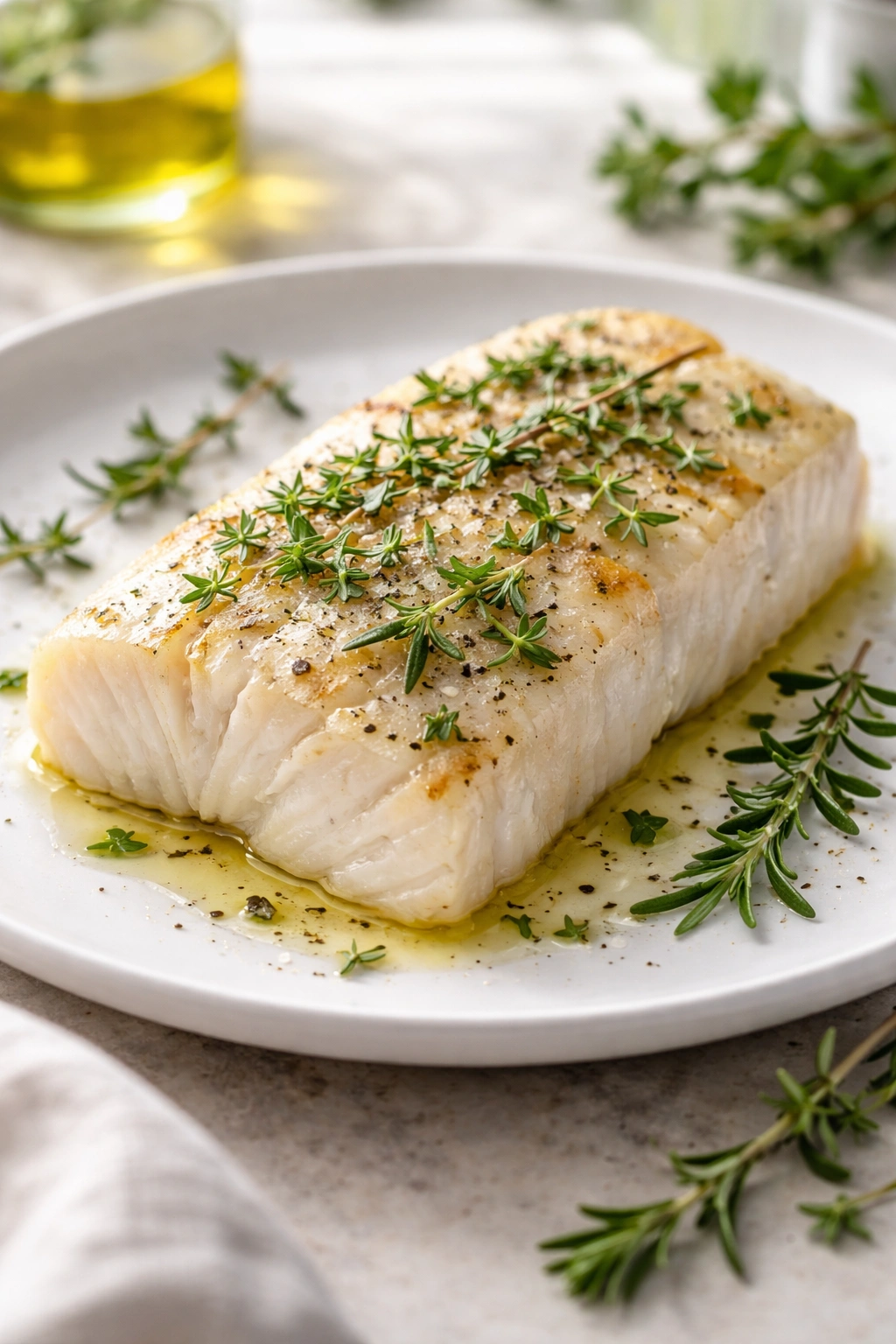
While salmon gets the headlines for omega-3s, white fish like cod, halibut, or sea bass offers a different anti-inflammatory profile: it’s leaner (lower saturated fat, which in excess can trigger inflammatory pathways), high in protein for stable blood sugar, and when prepared simply with olive oil and fresh herbs, delivers clean, elegant eating that doesn’t feel restrictive or “diet-like.”
Why Simple Preparation Maximizes Anti-Inflammatory Benefit
Cooking methods matter profoundly for inflammation. High-heat cooking (deep frying, charring) creates advanced glycation end products (AGEs)—compounds that trigger inflammatory responses directly. Baking at moderate temperature preserves the delicate protein structure and allows you to use olive oil as the primary fat, which doesn’t oxidize and create inflammatory compounds the way seed oils do at high heat. The fresh herbs aren’t just flavor—rosemary contains carnosic acid (an antioxidant that reduces inflammatory markers), thyme provides thymol, and oregano contributes rosmarinic acid. These aren’t trivial additions; they’re therapeutic doses of phytonutrients.
Preparation and Batch-Cooking Strategy
- Basic preparation: Line a baking sheet with parchment paper. Place 4-6 fish fillets (6 ounces each) on the paper, drizzle with 2 tablespoons olive oil per fillet, season with sea salt and black pepper. Top each with fresh lemon slices, fresh thyme sprigs, and crushed garlic.
- Baking process: Bake at 375°F (190°C) for 12-15 minutes depending on thickness—the fish should flake easily but remain moist. Overcooked white fish becomes rubbery; you’re looking for the moment it just becomes opaque throughout, not a second longer.
- Vegetable sides: Roast asparagus, broccolini, or green beans on a separate pan at the same temperature, tossed with olive oil and garlic. Thirty minutes prep, two sheet pans in the oven together—clean, efficient, done.
- Storage note: White fish keeps for 3-4 days refrigerated but is best eaten within 2 days. Reheating requires gentle warmth (350°F for 8 minutes) to avoid drying further.
Worth knowing: Wild-caught fish tends to have a better omega-3 to omega-6 ratio than farmed, reducing the inflammatory load slightly. If budget allows, prioritize wild-caught for your anti-inflammatory protocol.
8. Chickpea and Kale Curry
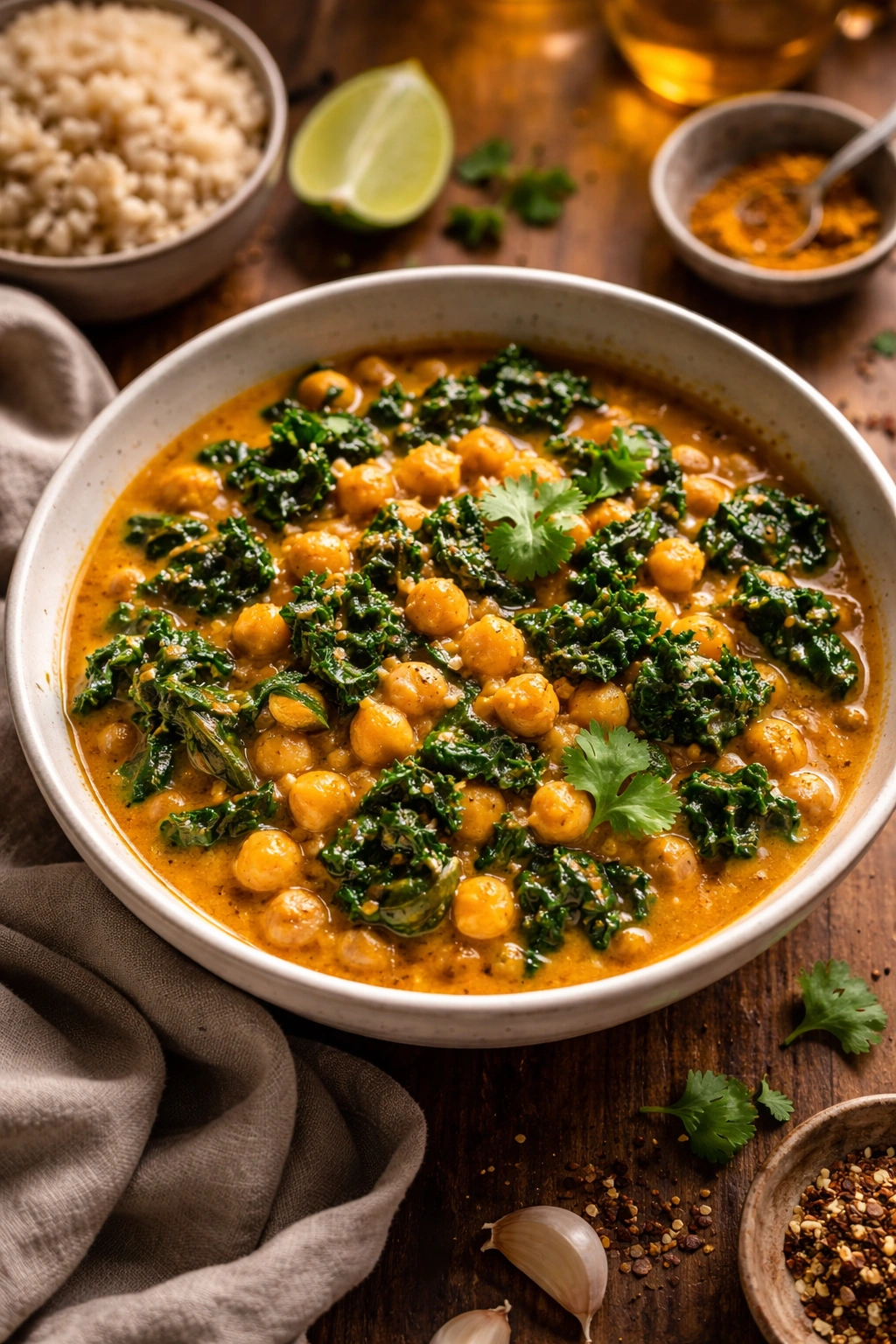
Curries are underrated as meal-prep vehicles, but they’re genuinely ideal: they deepen and improve over several days as spices continue to extract and meld, they reheat beautifully, and they deliver an extraordinary density of anti-inflammatory compounds per spoonful. A coconut-based curry built around chickpeas (plant protein with resistant starch) and kale (vitamin K, sulfur compounds, and chlorophyll) becomes a complete meal that tastes indulgent while being precisely what your inflammatory markers need.
The Anti-Inflammatory Spice Blend
Curry powder typically contains turmeric (as discussed), but also coriander, cumin, fenugreek, and sometimes cloves or cinnamon. Coriander seeds contain linalool and geraniol, compounds that reduce inflammatory cytokine production. Fenugreek increases insulin sensitivity and reduces inflammatory markers related to metabolic dysfunction. Cinnamon (often included in curry blends) sensitizes cells to insulin, reducing the inflammatory response to glucose. When combined with coconut milk’s lauric acid and the fiber and resistant starch from chickpeas, you’ve engineered a meal that works against multiple inflammatory mechanisms simultaneously.
Building the Curry
- Spice foundation: Toast 2 tablespoons curry powder in 1 tablespoon coconut oil for 1 minute in a large pot—toasting releases volatile oils. Add 1 large diced onion, 4 minced garlic cloves, and 1 tablespoon grated ginger; sauté until softened.
- Protein and vegetables: Add 3 cans chickpeas (drained, rinsed), 1 large chopped sweet potato, 4 cups chopped kale, 1 can diced tomatoes, and 1 can (14 ounces) coconut milk. Simmer for 20-25 minutes until sweet potato is tender.
- Finishing: Add juice of 1 lime and adjust salt to taste. The acidity brightens the heavy spices and coconut.
- Grain pairing: Serve over brown rice, farro, or cauliflower rice depending on your carbohydrate tolerance. The fiber from the curry itself is substantial, so even smaller portions of grain work fine.
Pro tip: Curries actually taste better reheated because the spices have more time to extract and meld. Don’t be shy about making extra—this is one of the best freezer meals, keeping for up to three months with no quality loss.
9. Blueberry and Walnut Oatmeal
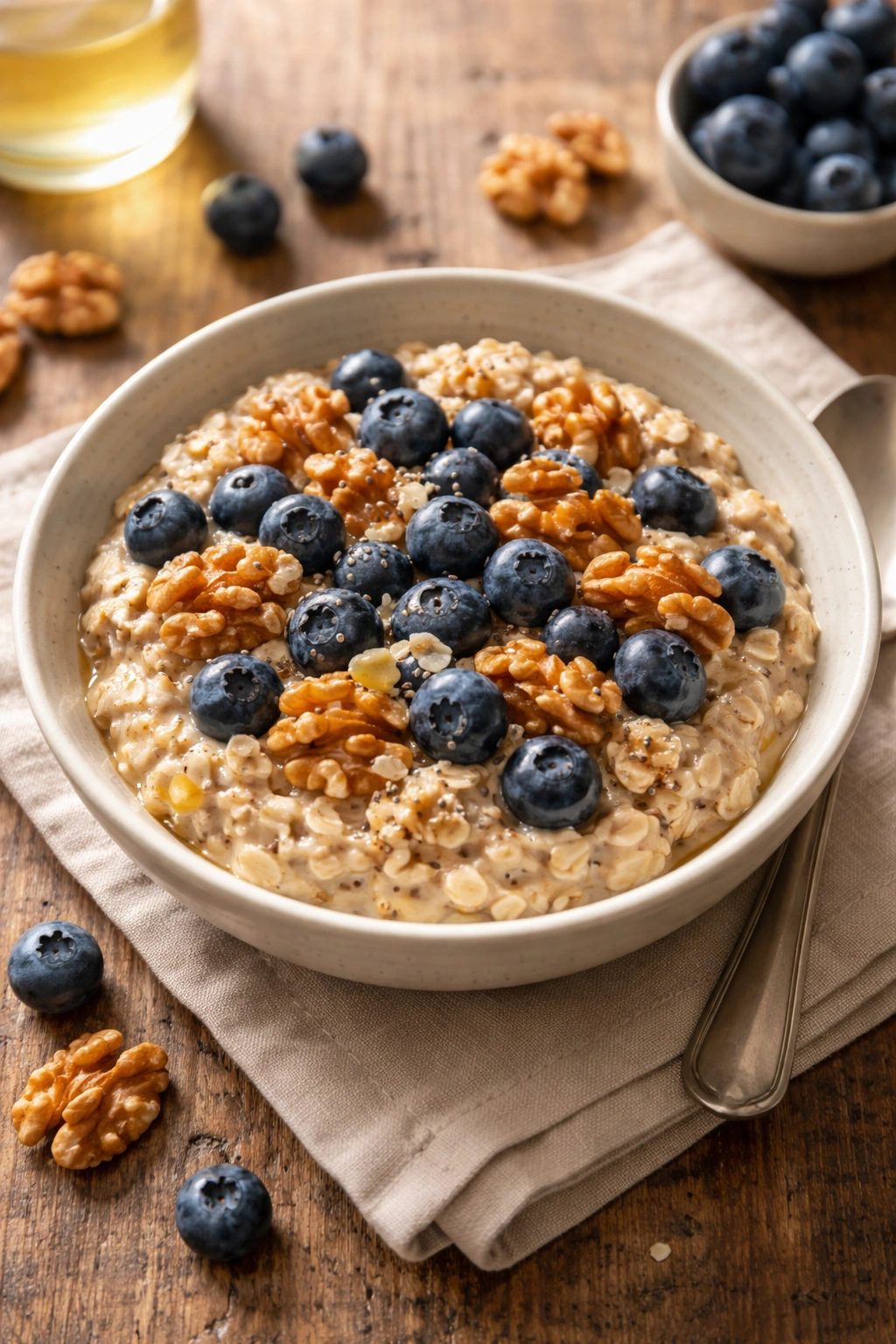
Oatmeal gets a bad reputation as “just carbs,” but steel-cut oats specifically are a resistant starch vehicle—they feed beneficial bacteria and create a postprandial (after-eating) glucose response that’s significantly lower than regular rolled oats, meaning less inflammatory glucose spike. When topped with anti-inflammatory stars like blueberries and walnuts, you’ve got a breakfast (or actually, a meal that works fine any time of day) that tastes like indulgence while being therapeutic for inflammation.
Why This Oatmeal Works Anti-Inflammatory Medicine
Steel-cut oats (not instant, which are more processed and spike glucose faster) contain beta-glucans, soluble fiber that feeds beneficial bacteria specifically and triggers production of short-chain fatty acids. Blueberries deliver anthocyanins, reaching their peak anti-inflammatory potency when consumed regularly. Walnuts are one of the few plant sources of ALA (alpha-linolenic acid), a plant omega-3 that the body can convert to EPA and DHA (though inefficiently). The combination of soluble fiber, prebiotic compounds, and polyphenols creates the perfect breakfast for stabilizing blood sugar throughout the day and reducing inflammatory signaling.
Batch-Prep and Customization
- Overnight oats option: Combine 1 cup steel-cut oats, 2 cups unsweetened almond milk, 1 tablespoon honey, and ½ teaspoon cinnamon in a container. Refrigerate overnight; the oats absorb liquid and soften. In the morning, heat gently on the stovetop (add water if needed for consistency), top with berries and walnuts.
- Traditional stovetop option: Cook ¼ cup steel-cut oats per serving in water or unsweetened almond milk for 25-30 minutes, stirring occasionally. The longer cook time is worth it—steel-cut oats have a wonderful chewy texture that regular oats can’t match.
- Topping strategy: Top each bowl with 1 tablespoon chopped walnuts, ⅓ cup fresh or frozen blueberries, a drizzle of raw honey or maple syrup, and a tiny pinch of sea salt (this amplifies sweetness perception without adding sugar).
- Optional add-ins: ¼ teaspoon ginger powder, ¼ teaspoon turmeric, or a sprinkle of ground flax for additional anti-inflammatory compounds.
Worth knowing: While you can technically prep oatmeal in advance (it keeps for 4 days), the texture degrades noticeably. Steel-cut oats are best made fresh or overnight-soaked; the texture on day 4 becomes gluey rather than creamy. Freeze portions if you’re prepping more than 3 days’ worth.
10. Tomato-Based Vegetable Minestrone
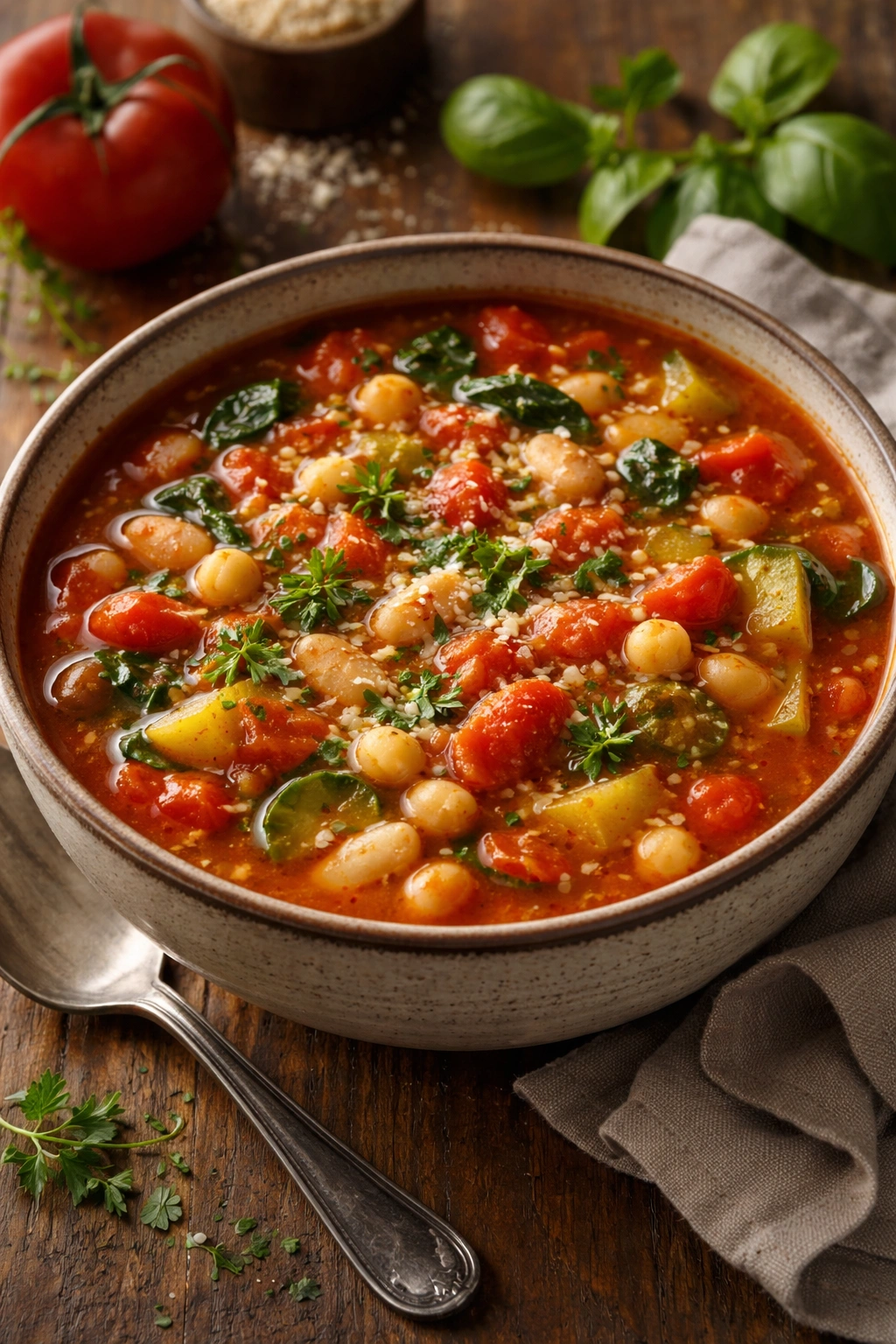
Minestrone is the ultimate vegetable delivery system, a traditional Italian soup designed to use whatever vegetables are on hand, but with a tomato base that provides lycopene—a carotenoid that’s actually more bioavailable when tomatoes are cooked (the opposite of most nutrients). Add pasta, beans, and aromatic vegetables, and you’ve got a complete, satisfying meal that tastes like comfort food while systematically reducing inflammatory markers.
The Anti-Inflammatory Power of Tomato-Based Dishes
Lycopene from cooked tomatoes has been shown to reduce inflammatory markers like IL-6 and TNF-alpha significantly. The cooking process—especially with olive oil—actually increases lycopene bioavailability. Tomato dishes also contain quercetin, a flavonoid with natural antihistamine and anti-inflammatory properties. When combined with white beans (mild flavor, gentle on digestion), aromatic vegetables, and whole-grain pasta, you’ve engineered a meal where every component addresses inflammation from a different angle.
Complete Recipe Structure
- Base aromatics: Sauté 1 large diced onion, 4 minced garlic cloves, and 3 diced carrots in 2 tablespoons olive oil until the onion softens—about 5 minutes.
- Broth and vegetables: Add 8 cups low-sodium vegetable broth, 2 cans (28 ounces each) crushed tomatoes, 2 cups diced zucchini, 2 cups chopped kale, 1 diced bell pepper, and 2 cans white beans (drained). Simmer for 20 minutes until vegetables are tender.
- Pasta addition: Add 2 cups small pasta (ditalini, elbow, or small shells work perfectly) and simmer for an additional 10 minutes until pasta is tender but still has a slight bite.
- Finishing: Stir in 2 tablespoons fresh basil (or 1 teaspoon dried), juice of 1 lemon, and sea salt to taste. A drizzle of olive oil on top of each bowl adds richness.
- Storage intelligence: Unlike some soups, minestrone with pasta inside actually keeps better than 4 days because the pasta absorbs liquid gradually, preventing the texture from becoming mushy. Store dressing (lemon juice, basil, olive oil drizzle) separately and add fresh before serving.
Pro tip: If you’re prepping for the entire week and concerned about pasta texture, cook pasta to just before tender (about 1 minute under), then finish cooking when you reheat. The residual cooking completes the texture without mushiness.
Final Thoughts

Anti-inflammatory eating doesn’t require restriction, deprivation, or meals that taste medicinal. What it requires is intentional ingredient selection and the foresight to prep them on a day when you have time. These ten meals represent a week’s worth of breakfast, lunch, and dinner options that you can mix and match—making a double batch of the salmon bowl, the curry, and the minestrone gets you through most of the week with minimal repetition.
The real power isn’t in any single meal; it’s in consistency. Your inflammatory markers shift meaningfully within 3-5 days of sustained eating patterns. When every meal you grab is built intentionally around anti-inflammatory compounds, you’re not just eating better for a week—you’re shifting your body’s baseline inflammatory state. By week two, you’ll likely notice energy improvements, joint pain reduction, or clearer skin. By week three, you might not be able to imagine eating the inflammatory foods you used to reach for without thinking.
Start with whichever meals appeal to you most—forcing yourself to eat foods you don’t actually enjoy defeats the entire purpose. The meals that taste genuinely delicious are the ones you’ll actually stick with, and consistency is what creates real change.
