



If you’ve ever stared at your Sunday evening wondering how you’ll actually eat well during a hectic week, a freezer full of properly portioned quiches might be exactly what changes things. Quiche is one of those deceptively brilliant meal-prep vehicles — it’s packed with protein when done right, utterly satisfying whether you’re eating it warm or cold, and it actually tastes better after a day or two in the fridge when the flavors have time to meld. Unlike meal-prep chicken breasts that turn rubbery in a microwave or plain rice bowls that feel punishment-like by Wednesday, quiche is genuinely something you’ll want to eat. The real advantage? You can bake six quiches in the time it takes to cook one batch of anything else, slice them into wedges, and have breakfast, lunch, or a light dinner for nearly two weeks without cooking again.
The confusion most people run into is thinking quiche has to be fancy, restaurant-style, and loaded with cream that sends the calorie count into the stratosphere. That’s not the version I’m talking about here. A properly made high-protein quiche uses the right ratio of eggs to dairy, strategic additions of cottage cheese or Greek yogurt for extra protein without heaviness, and enough vegetables and quality protein to turn it into actual nutrition, not just comfort food. When you nail the formula, you’re looking at roughly 20-30 grams of protein per slice depending on your add-ins, which means it’s genuinely satiating and won’t leave you hungry two hours later.
The beauty of quiche for meal prep isn’t just that it’s protein-rich — it’s that it bridges the gap between breakfast and lunch perfectly. You can eat a slice at 6 a.m. with coffee, pack another for your 11 a.m. snack, and still have leftovers for dinner without feeling like you’re eating the same thing obsessively. It’s also naturally flexible. Change your vegetables, swap your meat protein, or go vegetarian one week and carnivore the next, and the same basic technique works beautifully. Let me walk you through exactly how to build high-protein quiches that actually taste good and actually make your week easier.
Why Quiche Works for High-Protein Meal Prep
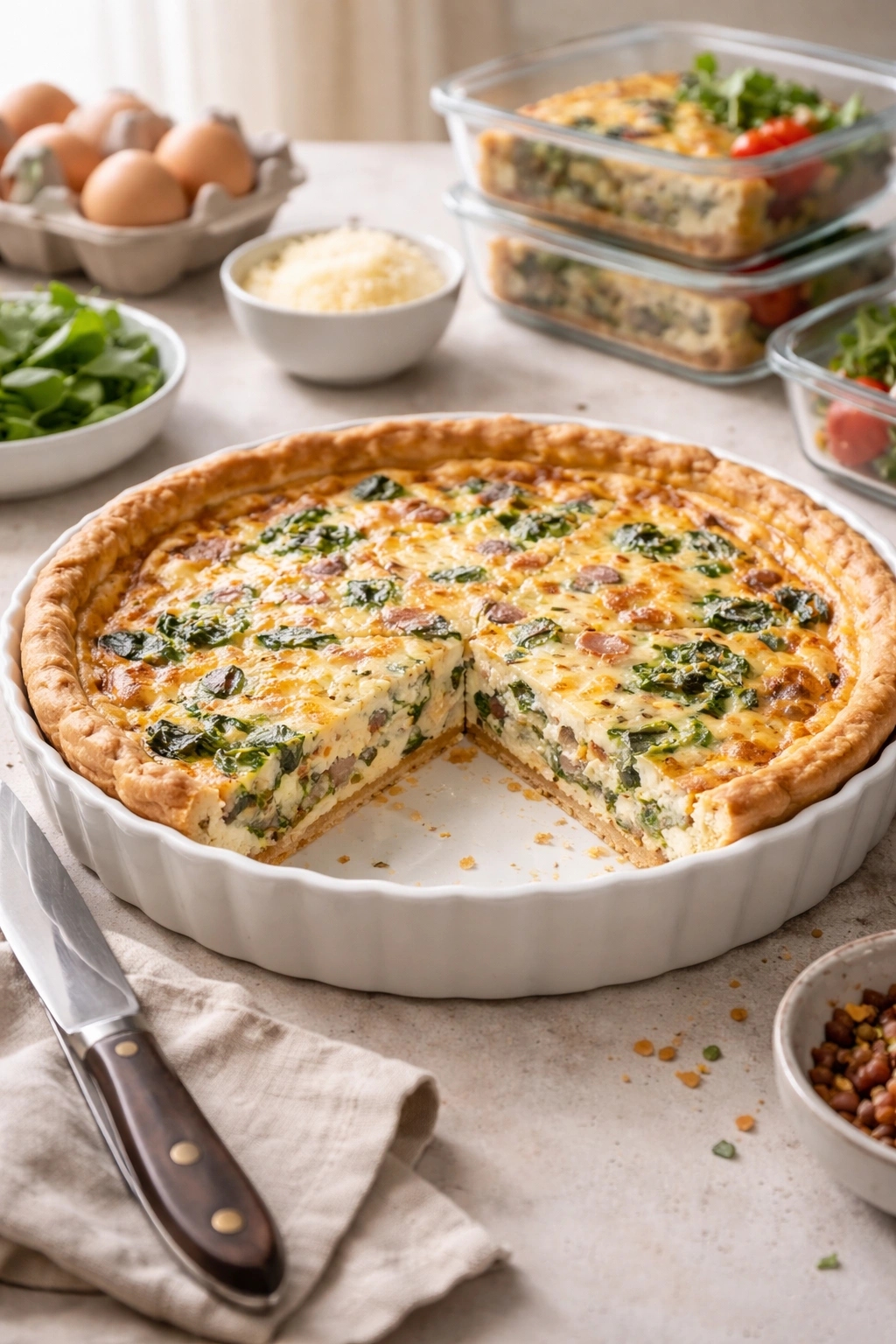
Quiche is genuinely one of the most efficient meal-prep vehicles available, and the reasons go deeper than just convenience. A single 9-inch quiche can yield 8-10 substantial slices, meaning one baking session gives you enough food for 2-3 days of meals for one person, or nearly a week of side dishes for a family. The protein density is where it really shines — eggs are already an efficient protein source at about 6 grams per large egg, and when you’re making a quiche loaded with 8-10 eggs, you’re starting with 50-60 grams of protein before you add a single ingredient.
What separates high-protein quiche from the cream-laden versions that taste decadent but leave you feeling sluggish is the ingredient strategy. Instead of relying on heavy cream for richness, you’re building flavor and texture through real vegetables, quality proteins like bacon or sausage, and using ingredients like cottage cheese or Greek yogurt for creaminess that actually adds nutritional value. The result is a slice that’s genuinely satisfying — not a sugar crash waiting to happen.
The logistics also work in your favor. Unlike sheet-pan meals that need reheating with careful temperature control to avoid drying out, or salads that wilt in the fridge, quiche is forgiving. It tastes fine cold straight from the fridge, reheats beautifully in a 300°F oven in about 10 minutes, and can even go into the microwave if you’re in a bind (it’s not ideal, but it works). You can bake on a Sunday, portion it, and eat from it for six days with zero day-of cooking.
The Protein Science Behind Quiche
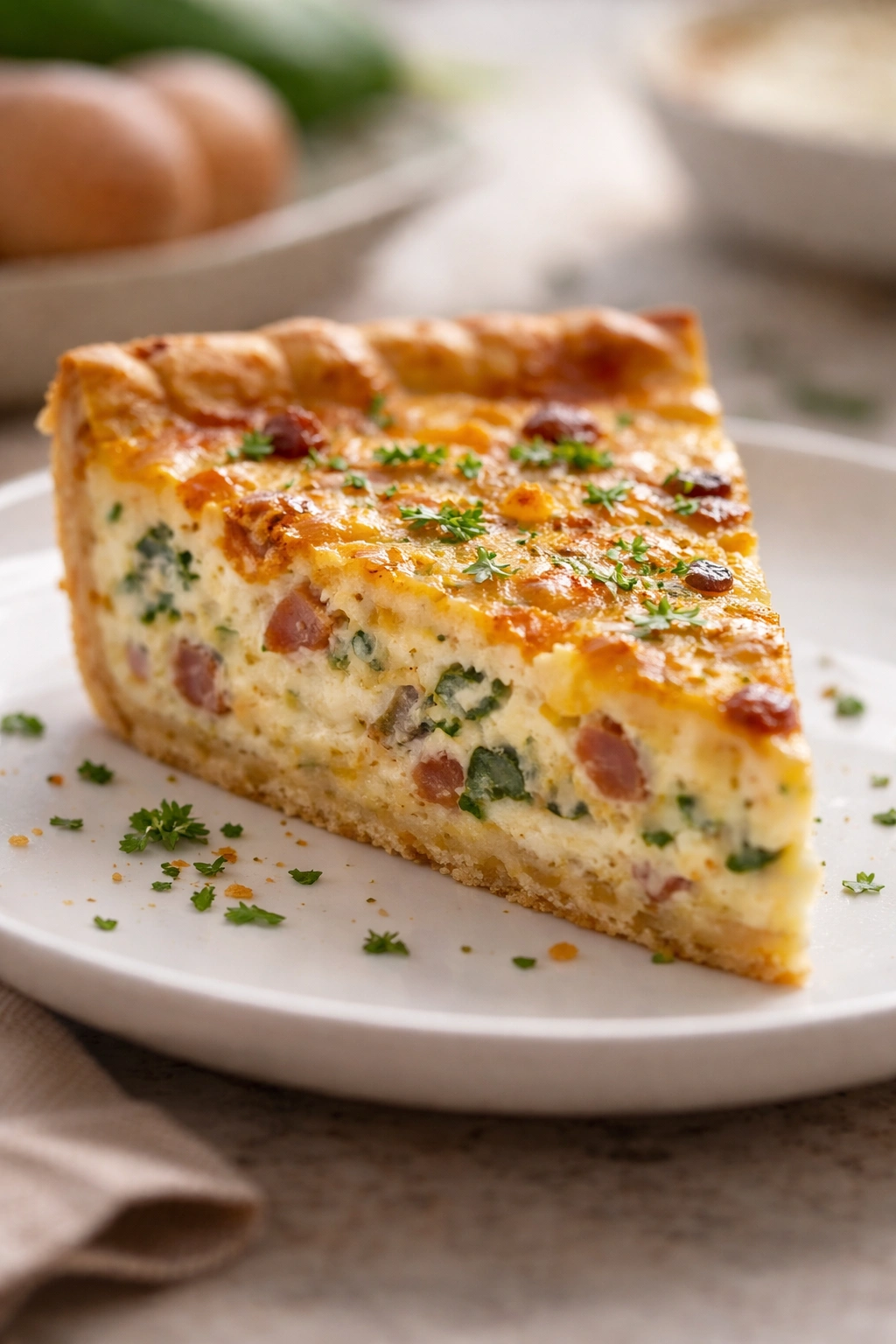
Understanding what actually contributes protein to your quiche changes how you approach building one. The obvious source is eggs — a large egg contains roughly 6 grams of complete protein with all nine essential amino acids, so a quiche built on 8-10 eggs is already delivering substantial protein per slice. But if you stop there, you’re leaving nutrition on the table.
Cottage cheese is the secret weapon most people overlook. A half-cup of full-fat cottage cheese adds about 14 grams of protein and, when blended into the custard mixture, creates a texture that’s subtly creamier without the heaviness of cream. It’s also significantly cheaper than heavy cream and packs actual nutrition. Some people use Greek yogurt instead, which works equally well — a half-cup adds roughly 10-12 grams of protein depending on the brand.
Your add-in proteins matter just as much. A quiche loaded with 8 ounces of bacon, sausage, or ham gets an additional 40-50 grams of protein just from that ingredient. If you’re going vegetarian, hard cheeses like sharp cheddar or gruyere add protein alongside flavor — a quarter-cup adds about 7 grams. Even vegetables contribute a small amount — a cup of broccoli adds a couple grams, and while that’s not substantial on its own, it adds up across the whole quiche.
The math works like this: an 8-egg quiche with a half-cup of cottage cheese, 8 ounces of bacon, and a cup of cheese gives you roughly 100 grams of protein total. Divide that into 8 slices, and each slice contains about 12-13 grams from those components alone, plus another 8-10 grams of additional protein from added vegetables and secondary ingredients. That’s genuinely high-protein territory without any strange protein powders or supplements.
Building Your Filling Strategy
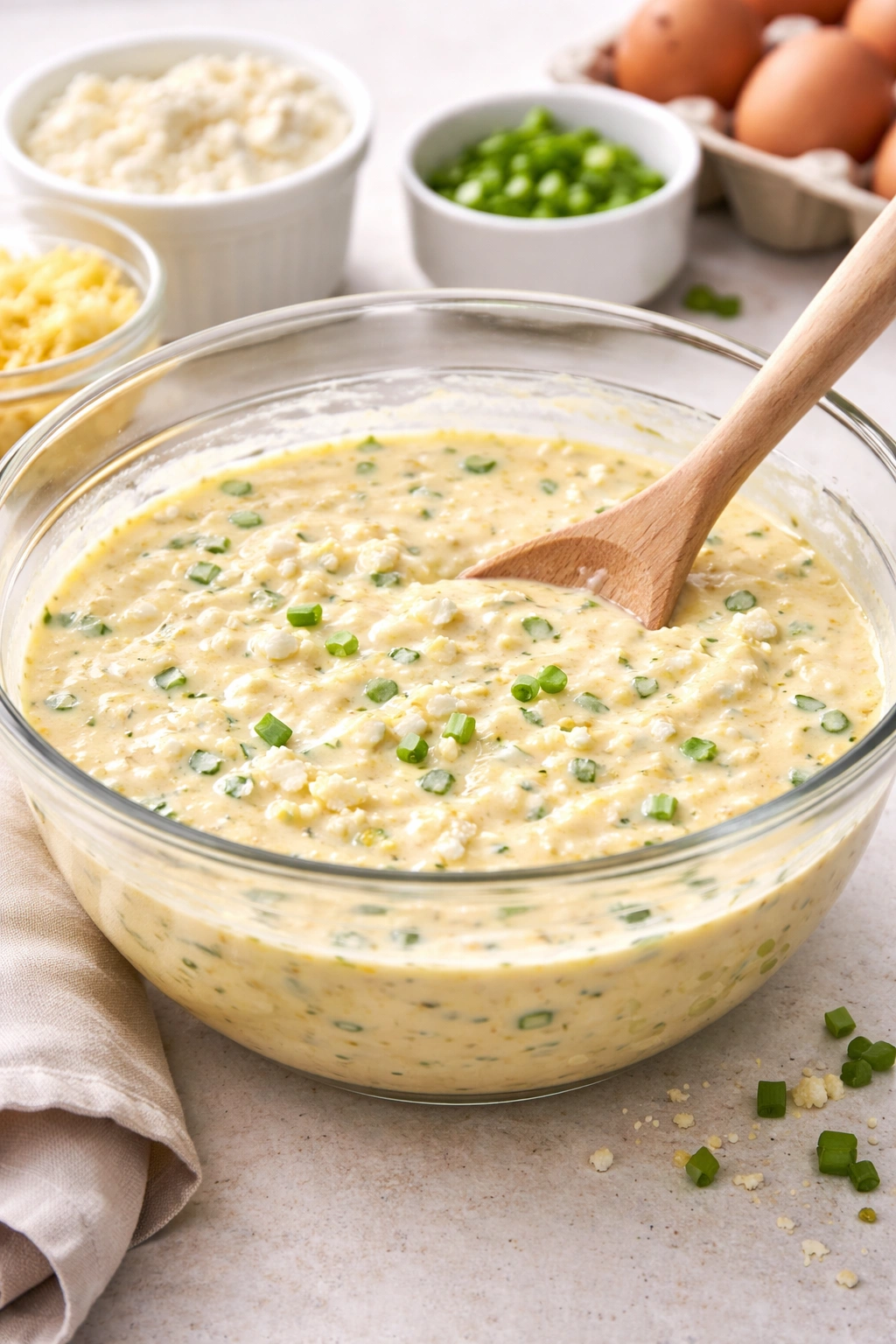
The actual mechanics of a great quiche are straightforward, but getting the proportions right is everything. The basic ratio is roughly one large egg per one-third cup of liquid, so an 8-egg quiche needs about 2.5-3 cups of total liquid. If you’re using all milk or cream, that works, but here’s where the high-protein strategy shifts things: you’re replacing some of that liquid with cottage cheese or Greek yogurt, which means you need less actual liquid.
A typical formula looks like this: 8-10 large eggs whisked with a half-cup of cottage cheese, a cup of whole milk or cream (or a combination), salt, pepper, and whatever seasonings match your filling components. The cottage cheese adds body and creaminess while reducing the liquid-to-egg ratio, which creates a quiche that’s moist but not custardy and spongy. It’s a structural choice that also happens to be nutritionally superior.
Your filling ratio should be roughly 1.5-2 cups of total filling components per 8-egg quiche. That might be 8 ounces of cooked sausage plus 2 cups of sautéed vegetables, or 1 cup of cheese plus 8 ounces of bacon plus 1 cup of vegetables. The actual combination matters less than not overstuffing — a quiche that’s crammed too full won’t set properly and will have a grainy, separated texture when you try to slice it. It should feel generously filled but not bursting.
Crust Choices: When to Skip It
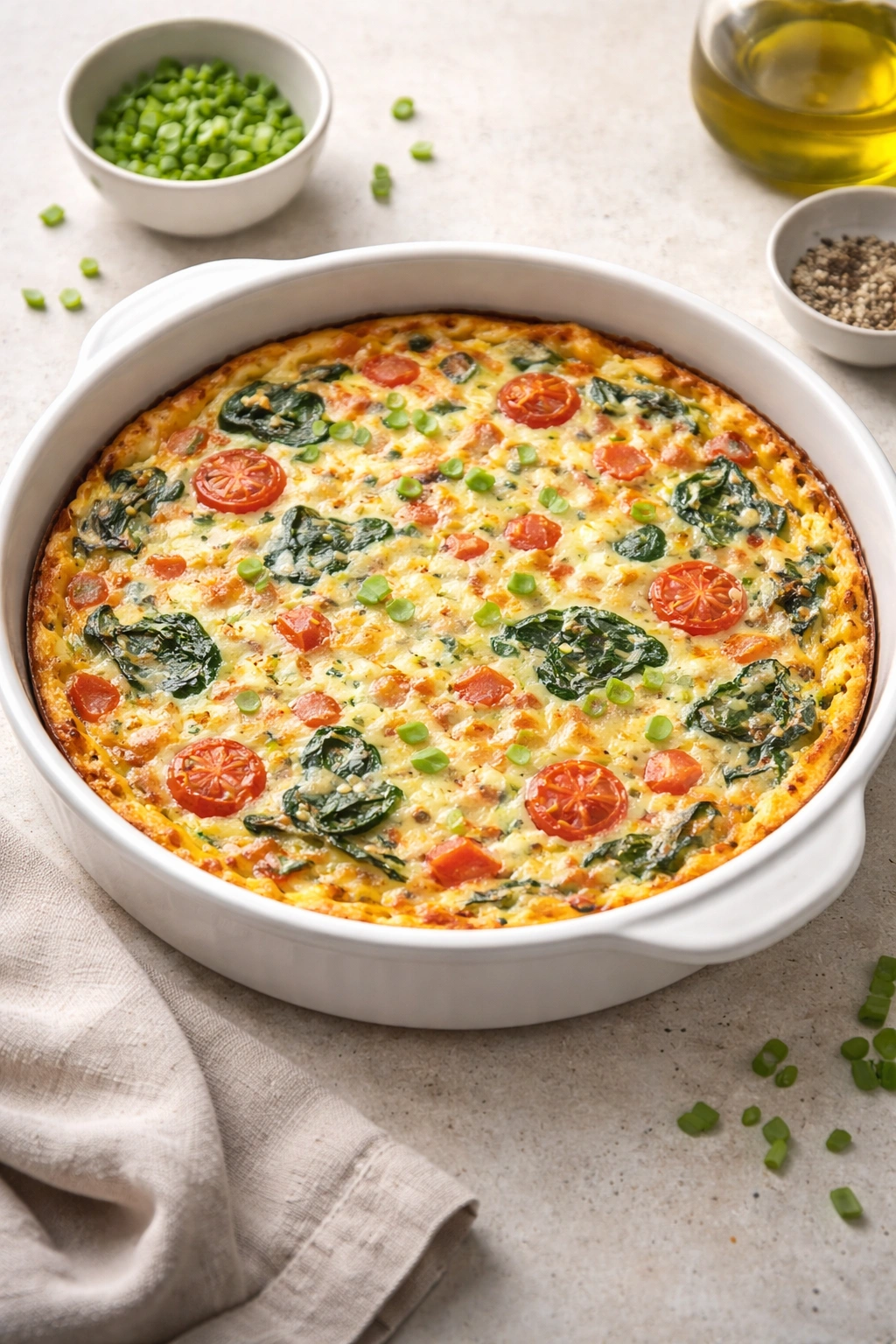
The crustless quiche is a deliberate choice in high-protein meal prep, not a limitation. A traditional pie crust adds roughly 150-200 calories per slice and negligible protein while using up a decent portion of your calorie budget on something that’s mostly fat and flour. A well-made crustless quiche in a proper baking dish sets beautifully and actually slices cleaner because it’s more custard-based and less structurally reliant on pastry support.
If you do want a crust, a whole-wheat or almond flour crust is a reasonable compromise — it adds some fiber and nutrients compared to a traditional all-purpose crust. Some people use a layer of grated zucchini or cauliflower as a crust substitute, which adds vegetables, keeps the carbs minimal, and adds a subtle texture without actual crust. That said, for meal prep purposes, the crustless version is genuinely superior. It’s faster to prepare, adds almost nothing to prep time, and the quiche actually tastes better when you’re eating it cold from the fridge because the custard is the star, not a crust competing for attention.
If you absolutely must have a crust, blind-bake it for about 15 minutes at 375°F before adding your filling. This prevents it from becoming soggy and absorbing too much moisture from the custard.
Vegetable and Protein Add-In Strategy
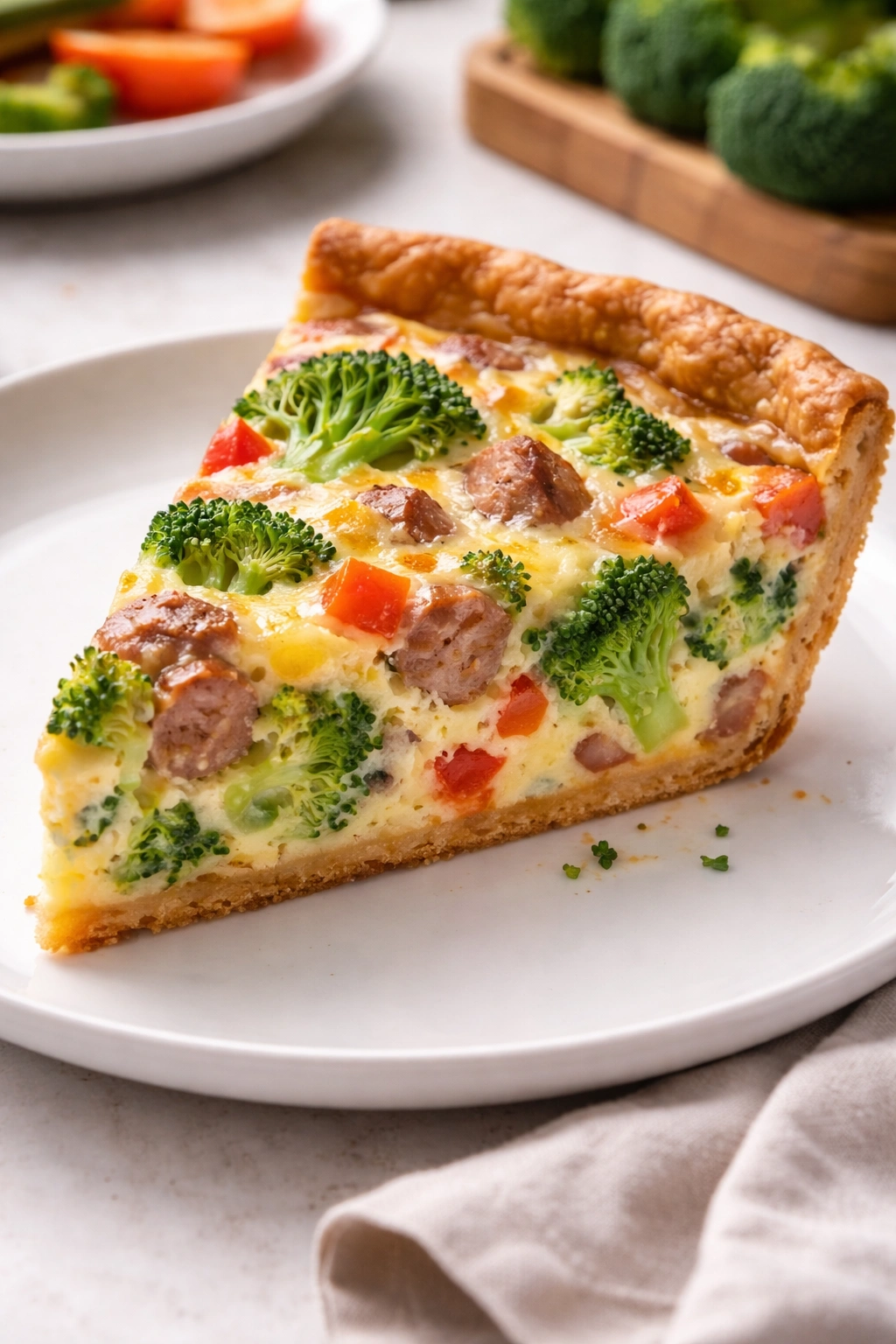
The vegetables you choose matter more for quiche than they might for other dishes because they’re not just there for nutrition — they also release moisture as they cook, which affects how the custard sets. Raw vegetables in a quiche will release water as they cook, which can make the finished product watery. The solution is to pre-cook or sauté anything watery (mushrooms, zucchini, tomatoes, leafy greens) for 3-5 minutes to drive off some moisture before adding it to the custard.
Harder vegetables like broccoli, cauliflower, and peppers can go in raw if you chop them small — they’ll stay slightly firm and won’t release much moisture. Onions should always be caramelized or at least sautéed until translucent, which makes them sweet and adds serious flavor depth that raw onions can’t match. Spinach and other greens should be cooked down and squeezed dry — a cup of raw spinach cooks down to about 2 tablespoons, and that moisture control is crucial.
The protein side is simpler. Use pre-cooked bacon or sausage crumbled into bite-sized pieces, ground meat that you’ve browned and seasoned, or diced ham. You can also use smoked salmon, cooked shrimp, or anchovy paste if you’re going that direction. The key is that it should all be cooked before it hits the quiche — you’re not trying to cook raw proteins inside the custard. Each type of protein brings different flavor, so varying it across your meal-prep quiches prevents flavor fatigue.
High-Protein Quiche with Bacon, Cheddar, and Roasted Vegetables
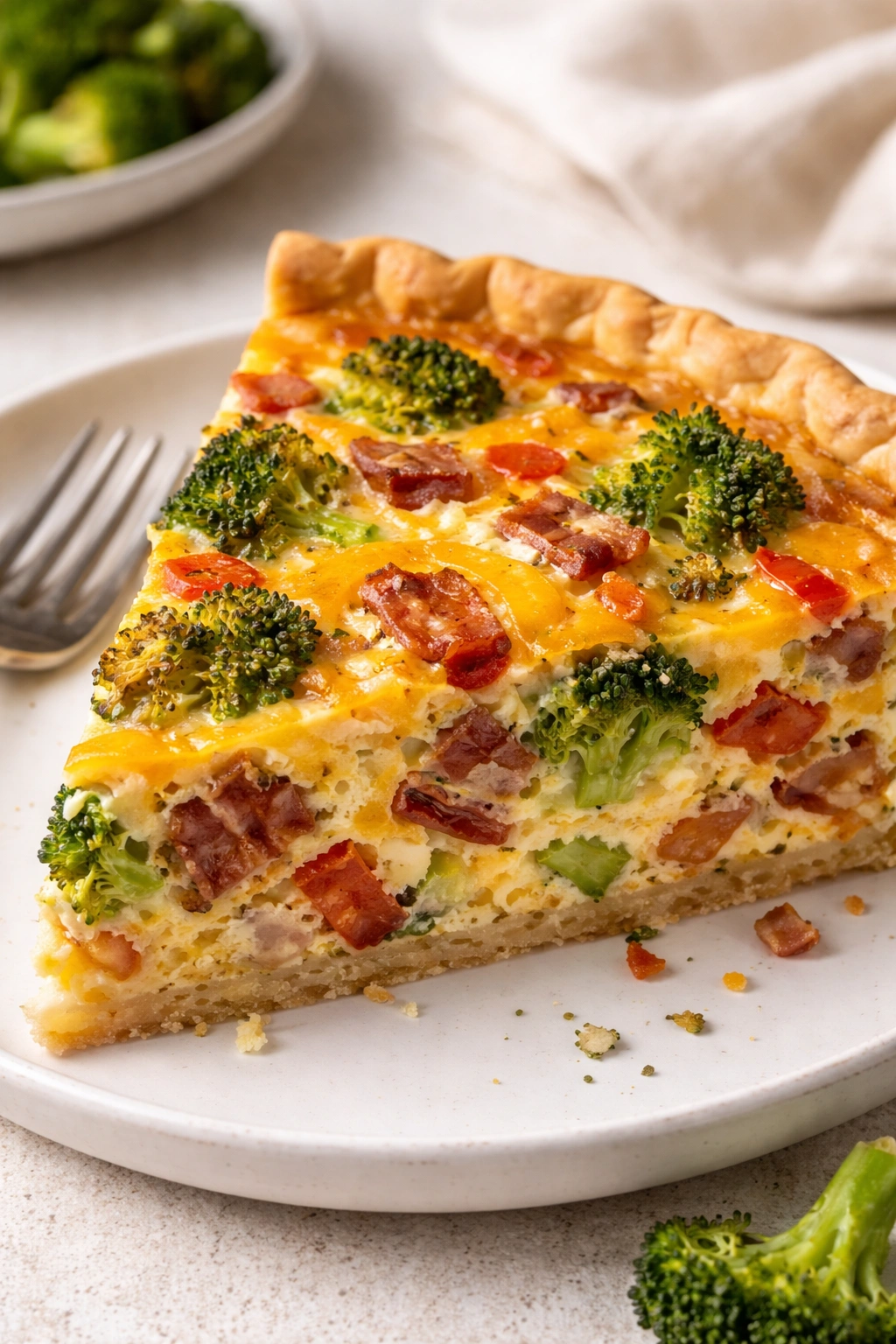
This is the version I find myself making most often, and for meal prep it’s nearly foolproof. It’s hearty enough to function as a full breakfast or lunch, travels well, reheats cleanly, and tastes genuinely delicious cold straight from the fridge. The combination of bacon, cheddar, and roasted broccoli hits all the notes you want in a meal-prep quiche: protein-dense, flavor-forward, and never boring.
Yield: Two 9-inch quiches, serves 16 as a main course or 32 as a breakfast side Prep Time: 30 minutes Cook Time: 45 minutes Total Time: 1 hour 15 minutes (plus 15 minutes cooling before slicing) Difficulty: Beginner — no special skills required, just straightforward mixing and baking.
For the Quiches:
- 1 pound thick-cut bacon, chopped into bite-sized pieces
- 2 cups fresh broccoli florets (roughly chopped into small pieces)
- 1 large yellow onion, diced
- 2 cups (8 ounces) sharp cheddar cheese, shredded
- 16 large eggs, room temperature
- 1 cup full-fat cottage cheese
- 1.5 cups whole milk (or half milk, half heavy cream if you want richer flavor)
- 2 teaspoons Dijon mustard
- 1 teaspoon fine sea salt
- ½ teaspoon freshly ground black pepper
- ⅛ teaspoon freshly grated nutmeg (optional but genuinely adds depth)
- Butter or olive oil for greasing the baking dishes
- Optional: 2 tablespoons fresh chives or parsley, chopped (for garnish)
Prepare the Pans and Vegetables:
-
Preheat the oven to 375°F (190°C) and position racks in the upper-middle and lower-middle sections of the oven. Generously butter or oil two 9-inch deep-dish pie pans or round baking dishes, making sure to coat the bottoms and sides completely — this prevents sticking and makes cleanup infinitely easier.
-
On the stovetop, heat a large skillet over medium-high heat. Add the chopped bacon and cook, stirring frequently, for 8-10 minutes until the bacon is crispy at the edges but still has a slight chew. This takes longer than you might think, but the fat rendering from the bacon is going to flavor your entire quiche, so it’s worth the time. Use a slotted spoon to transfer the cooked bacon to a plate lined with paper towels, leaving about 2 tablespoons of bacon fat in the pan. Don’t pour off all the fat — that’s liquid gold for flavor.
-
Add the diced onion to the same pan (with the bacon fat) and sauté over medium heat for 5-7 minutes, stirring occasionally, until the onions are soft and translucent with golden-brown edges. The caramelization adds sweetness and complexity that raw onions simply can’t provide.
-
Add the broccoli florets to the pan and sauté for another 4-5 minutes, stirring frequently, until the broccoli is tender enough to pierce easily with a fork but still holds its shape. The goal is to cook off some of the raw texture and water content, not to turn it into mush — it should still have a bite to it. Transfer the vegetable mixture to a clean plate and let it cool for a few minutes.
Make the Custard:
-
In a large bowl, whisk together the 16 eggs until the yolks and whites are completely combined and the mixture is uniform in color. This takes longer than you’d think if you’re doing it by hand — about 2-3 minutes of whisking — but it’s essential for even cooking throughout the quiche.
-
Add the cottage cheese to the eggs and whisk vigorously for about 1 minute until the cottage cheese is mostly broken down and distributed throughout the egg mixture. Some small lumps are fine, but you want it reasonably smooth. If you prefer, you can blend these two ingredients together in a blender for 30 seconds, which creates a silkier texture, though whisking by hand works perfectly well.
-
Pour in the milk, then add the Dijon mustard, salt, black pepper, and nutmeg. Whisk until everything is fully incorporated and the mixture is smooth and unified in color. The mustard adds a subtle depth that makes people wonder what the secret ingredient is (they’ll never guess it’s mustard). The nutmeg is optional, but it adds a whisper of warmth that elevates the entire quiche — use it sparingly.
Assemble and Bake:
-
Divide the cooled bacon, sautéed vegetables, and shredded cheese between the two prepared baking dishes. Distribute them as evenly as you can so every slice will have a good mix of filling components. It should look generously filled but not overflowing.
-
Slowly pour the custard mixture over the filling ingredients, dividing it evenly between the two pans. Don’t pour it all at once — pour about half into each pan, let it settle into the gaps for 10-15 seconds, then add the rest. This prevents overfilling and ensures the custard distributes evenly around all the filling ingredients. You’ll notice some filling ingredients float up — that’s completely fine and normal.
Advertisements -
Carefully transfer both pans to the preheated oven, placing one on the upper-middle rack and one on the lower-middle rack. Rotate them halfway through baking so they cook evenly.
-
Bake for 40-50 minutes, rotating the pans halfway through (about 22-25 minutes in). The quiches are done when the centers have just barely stopped jiggling — there should be the tiniest wobble in the very center if you gently shake the pan, but the edges should feel completely set. A toothpick inserted into the edge should come out clean or with just a tiny bit of moist custard clinging to it. If the tops are browning too quickly, loosely tent them with foil for the last 10-15 minutes of baking.
-
Remove the quiches from the oven and let them rest at room temperature for at least 15 minutes before attempting to slice. This is crucial — cutting into a quiche while it’s still hot will make it fall apart. The custard continues to set slightly as it cools, which is what makes it slice cleanly.
-
Allow the quiches to cool completely, then cover them loosely and refrigerate for at least 2 hours (or up to overnight) before slicing. Cold quiche is actually easier to slice because the custard is fully set.
The Real Tips That Actually Change the Outcome
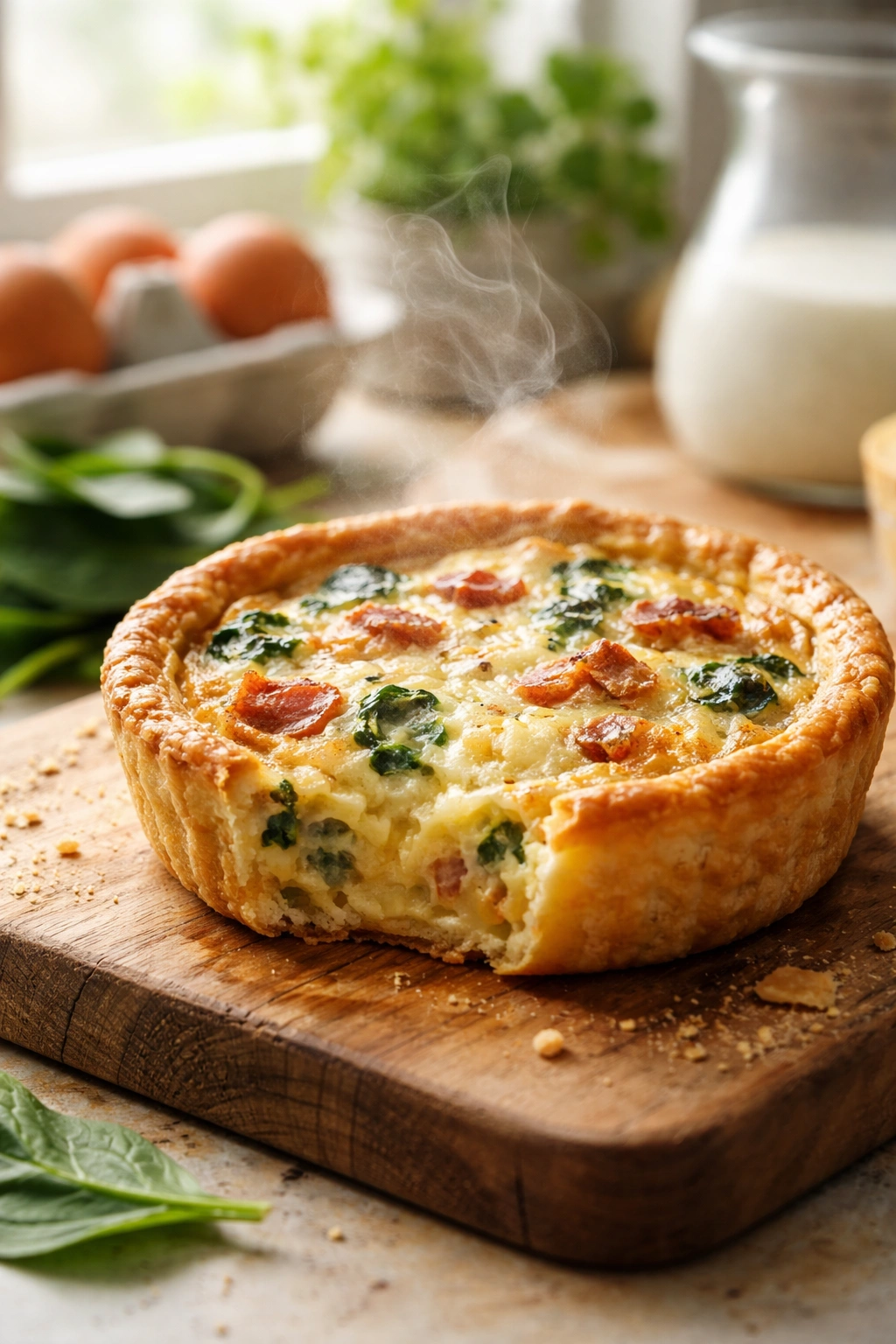
Getting a tender, properly set quiche is less about following orders and more about understanding what’s actually happening. The biggest mistake most people make is overbaking. The custard will look slightly underdone when you pull it out, and that’s intentional — it continues to cook as it cools, and that gentle cooking is what creates a creamy, tender texture. Overbaked quiche becomes grainy and separates, which ruins the whole thing.
Temperature control matters more than you’d think. Using room-temperature eggs and milk means the custard cooks more evenly, whereas cold eggs from the fridge can cause the outside to set before the center cooks through. Let your eggs and milk sit out for 15-20 minutes before you start mixing if you remember to pull them out in advance.
The type of milk you use genuinely affects the texture. Whole milk creates a quiche that’s custard-like and slightly jiggly in the best way. Half-and-half makes it richer but doesn’t change the texture much. Heavy cream makes it richer still but also heavier — for meal prep where you’re eating this multiple times across the week, whole milk is actually the better choice because it’s satisfying without being heavy.
Seasoning is everything. A properly seasoned quiche should taste slightly over-seasoned when you taste the raw custard, because the finished product will taste less intense once it’s baked and cooled. Taste your custard mixture before baking and adjust the salt and pepper to be just slightly aggressive — it should taste clearly seasoned, almost salty. The Dijon mustard is non-negotiable for depth, even if people can’t identify it as mustard — it just makes everything taste better.
The vegetables should be tender when they go into the quiche, never raw except for naturally soft ones like peppers. Pre-cooking vegetables does two things: it drives off moisture that would otherwise release into the custard and make it watery, and it adds flavor through caramelization that raw vegetables simply don’t have.
Common Mistakes and How They Show Up
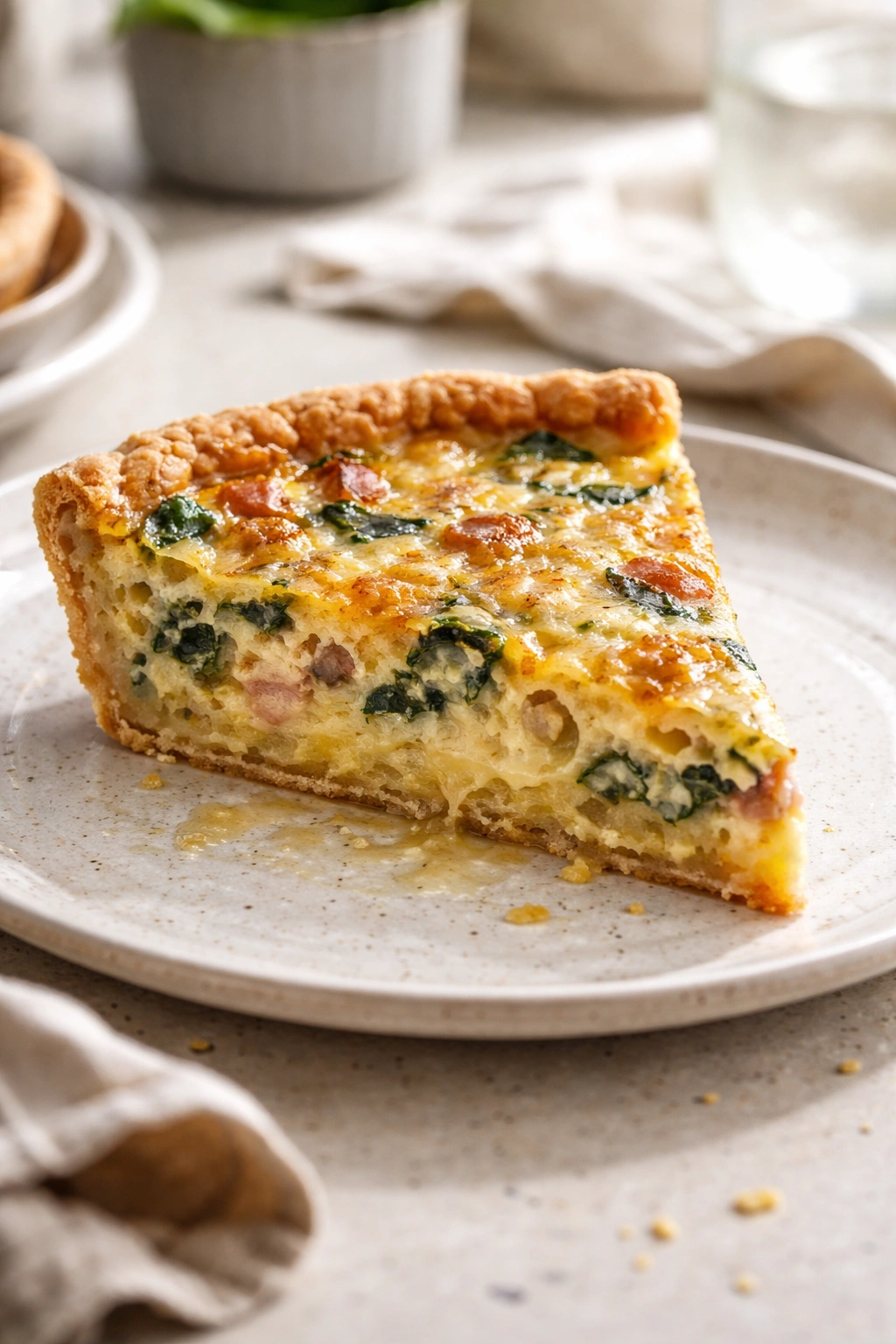
Dense, spongy quiche almost always comes from overbaking. You pulled it out when it looked completely set instead of when the center still had the tiniest wobble. The solution is to bake at a slightly lower temperature (350°F instead of 375°F) for a few minutes longer, and pull it out when it still looks barely underdone.
Watery quiche is usually from either too much moisture in your filling ingredients (you didn’t cook down the vegetables enough) or from too much liquid in the custard ratio. If you used cottage cheese that’s extra wet, or if you eyeballed the milk and added too much, that’s your culprit. Vegetables releasing moisture as they bake is the more common reason — next time, sauté everything watery longer.
Quiche that tastes bland almost always means underseasoning. Quiche needs more salt than you think because the custard is so delicate that salt doesn’t stand out the way it does in pasta or soup. Taste the raw custard and be willing to add more salt than feels right — it will taste perfect once baked.
Uneven cooking where the edges are overdone but the center is underdone usually comes from oven temperature variance or from starting with ingredients at different temperatures. Make sure your oven is actually at the temperature you think it is (buy an inexpensive oven thermometer if you suspect it’s off), and make sure all your ingredients are roughly room temperature before you start mixing.
Flavor Variations Worth Making
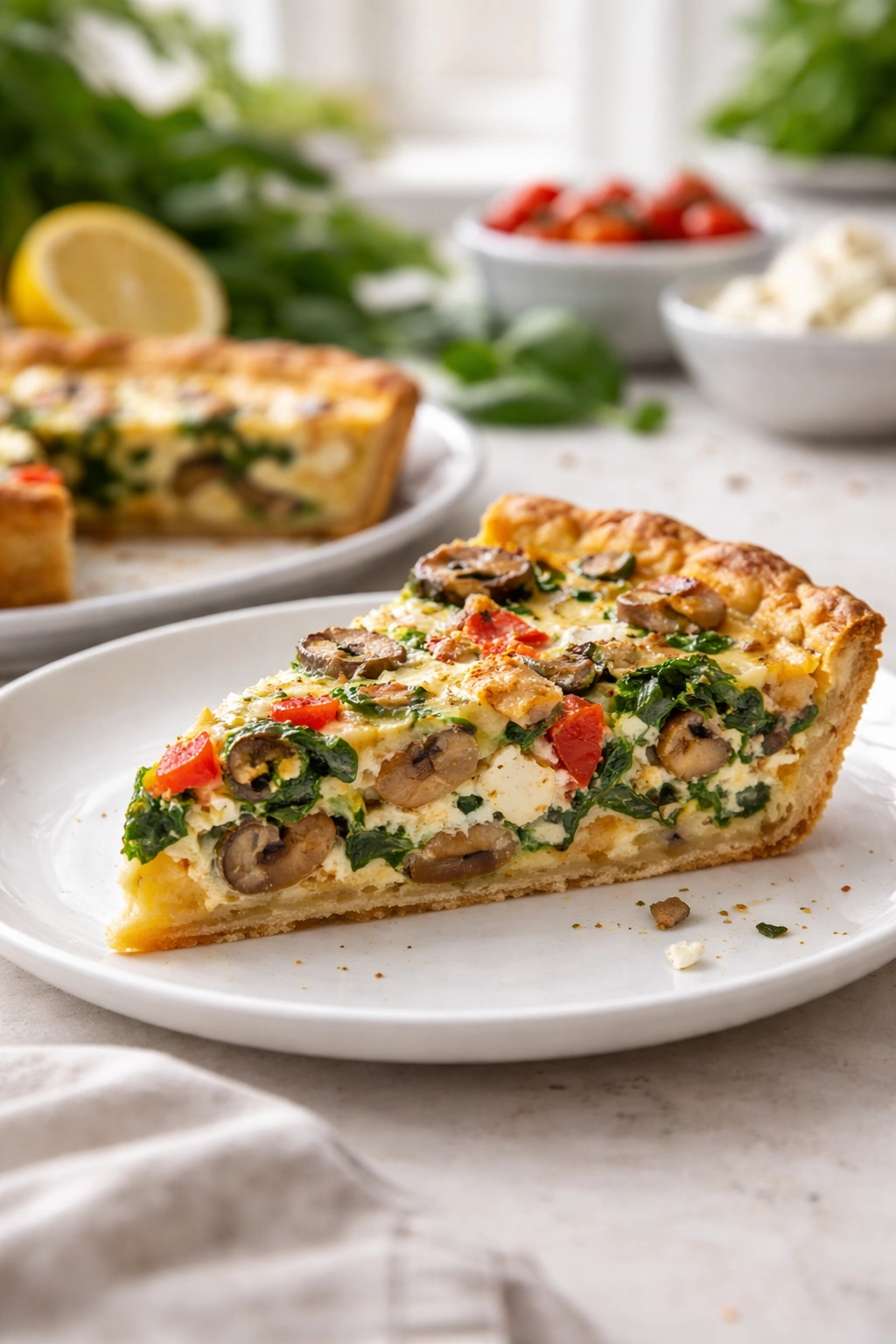
The base formula doesn’t change — 8-10 eggs, half-cup cottage cheese, 1.5 cups milk, seasonings, and filling — but what you fill it with can be completely different. This is where meal prep gets fun because you can make five different quiches and have variety across your week without any extra effort.
A Vegetarian Version might be loaded with sautéed mushrooms, caramelized onions, spinach, roasted red peppers, and a combination of feta and gruyere cheese. Use the same egg and cottage cheese base, add herbs like thyme and oregano to the custard, and you’ve got something that tastes completely different from the bacon-cheddar version. You lose the bacon protein, but adding an extra egg and bumping up the cheese quantity compensates.
A Mediterranean Version uses sun-dried tomatoes, fresh basil, caramelized onions, cooked shrimp or ground lamb, and a combination of feta cheese and mozzarella. Add a teaspoon of dried oregano and a pinch of crushed red pepper to the custard, and suddenly you’re in completely different flavor territory.
A Breakfast Sausage Version swaps the bacon for 1 pound of Italian sausage browned with fennel seeds and garlic, combines it with sautéed bell peppers, onions, and fresh herbs like parsley and thyme, and uses a combination of mozzarella and parmesan cheese. Add half a teaspoon of fennel seeds to the custard for extra flavor.
A Southwestern Version uses chorizo or spiced ground beef, sautéed peppers and onions, corn, black beans, jalapeños, cheddar cheese, and a splash of hot sauce whisked into the custard. Top with fresh cilantro after baking. This one is genuinely craveable if you like heat and bold flavors.
A Roasted Vegetable Version that’s veggie-heavy loads up with roasted zucchini, eggplant, cherry tomatoes, roasted garlic, caramelized onions, and fresh herbs like basil and thyme, combined with mozzarella and parmesan cheese. Use the same egg and cottage cheese base with 1.5 cups milk, and it becomes a lighter but still protein-rich option.
Each of these variations takes roughly the same amount of effort as the original recipe — you’re just swapping the specific ingredients. The structure and technique stay identical.
Storage, Freezing, and Reheating Strategy
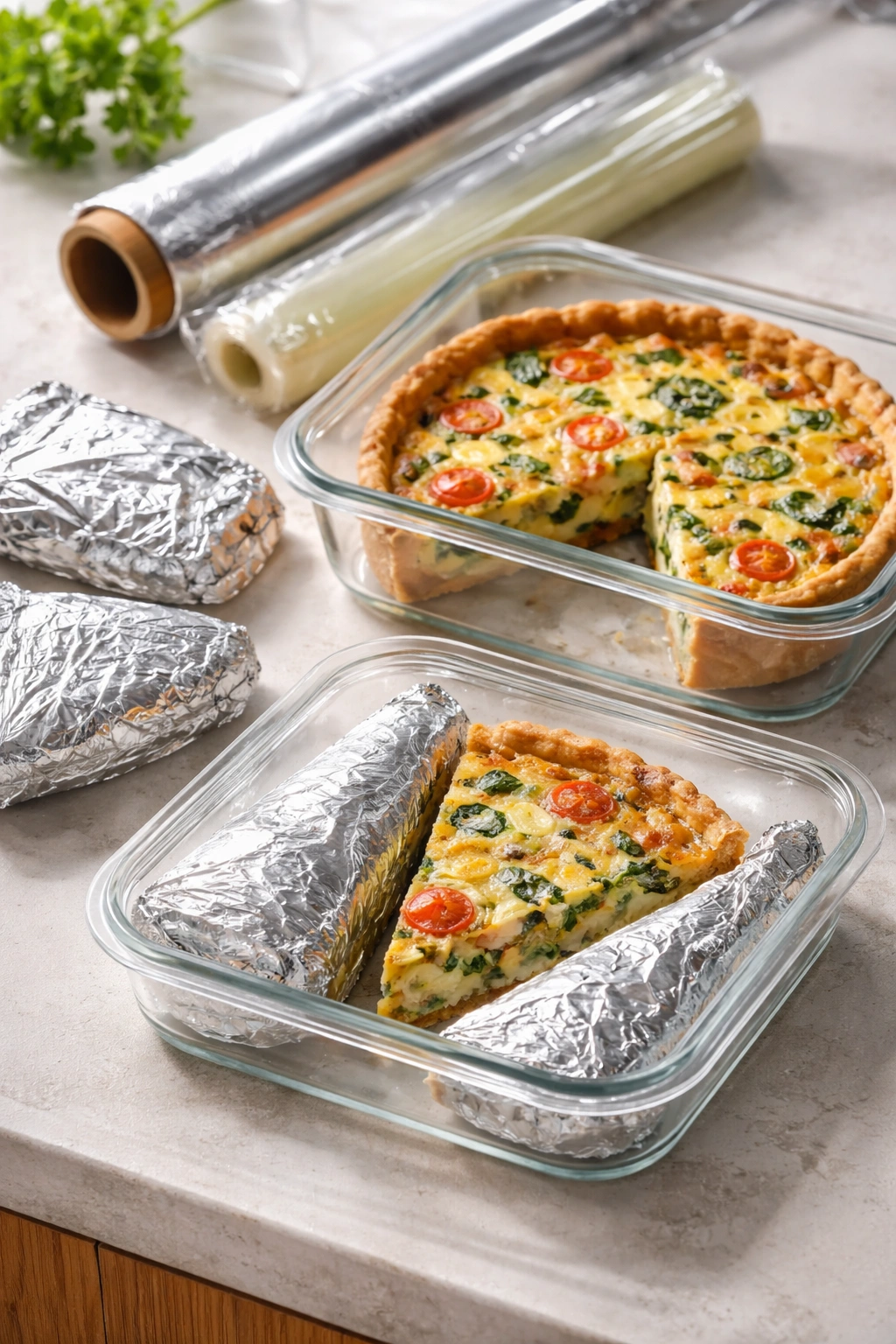
This is genuinely where quiche becomes a meal-prep game changer. A freshly baked quiche keeps in the refrigerator in an airtight container for up to 5 days, which means a Sunday bake gives you Wednesday breakfast and lunch covered with zero additional cooking.
To freeze quiches for longer storage, slice the entire quiche into individual wedges after it’s completely cooled, wrap each wedge tightly in plastic wrap and then aluminum foil (the double layer prevents freezer burn), and store them in a freezer bag. Properly wrapped quiche slices keep for up to 3 months in the freezer. You can freeze the entire uncut quiche, but individual slices thaw and reheat faster and let you grab exactly what you need without thawing the whole thing.
To reheat from the refrigerator, place a slice on a plate and warm it in a 300°F oven for about 10 minutes. This gentle reheating brings it back to a pleasant warm temperature without drying it out or creating rubbery edges. You can microwave it for 45-60 seconds if you’re in a genuine time crunch, but the oven method is noticeably better.
To reheat from frozen, add another 5-10 minutes to the oven time — roughly 15-20 minutes at 300°F. You can also let the slice thaw in the refrigerator overnight and then reheat it using the fresh method.
Cold straight from the fridge is genuinely delicious and requires zero reheating. This is where quiche has a major advantage over other meal-prep proteins — it’s legitimately better cold than many other options. Grab a slice, pair it with a side salad or some fruit, and you’ve got lunch in literally 30 seconds.
Make-Ahead Strategies That Actually Save Time
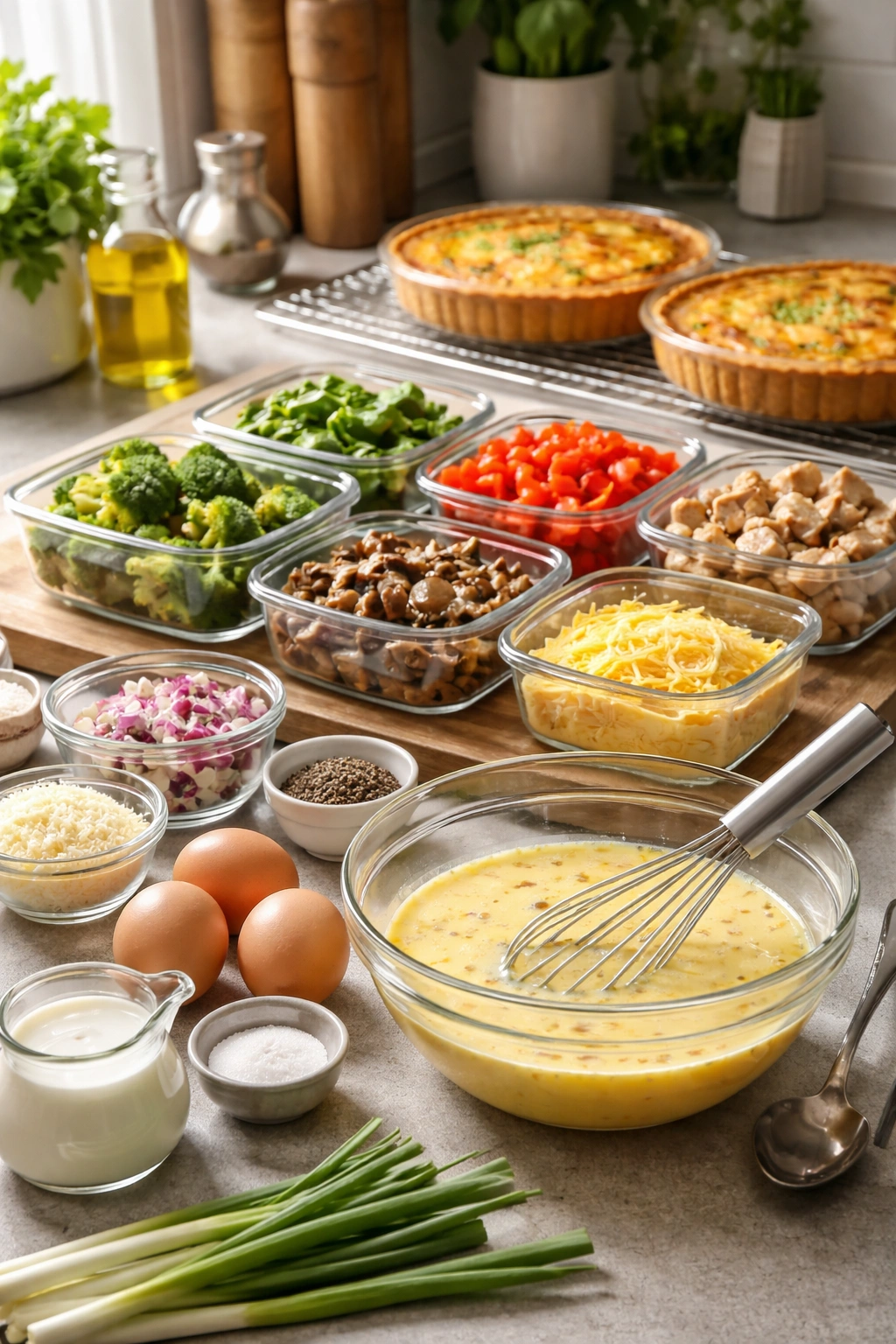
The real efficiency gain comes from understanding how far ahead you can prepare components without affecting the final outcome. You can prep and cook all your vegetables and proteins the day before, store them separately in containers, and assemble the quiches the morning you want to bake them. The custard can be mixed up to 2 hours ahead — just store it covered in the fridge and whisk it once more right before pouring (the cottage cheese and milk may have separated slightly during storage, but whisking brings it back together).
Some people bake quiches and then freeze them immediately, thawing them as needed throughout the month. Others prefer to bake once and eat fresh for 5 days, then bake again. Both approaches work — it just depends on whether your freezer space is abundant or tight.
You can also bake quiches, let them cool completely, cut them into wedges, wrap them individually, and freeze them in single-slice portions. This is the most flexible approach because you can grab exactly one slice for breakfast, or grab three slices for a full lunch, without any planning. It’s worth the 10 extra minutes of wrapping because it makes the week infinitely more flexible.
Serving Suggestions and What Pairs Well
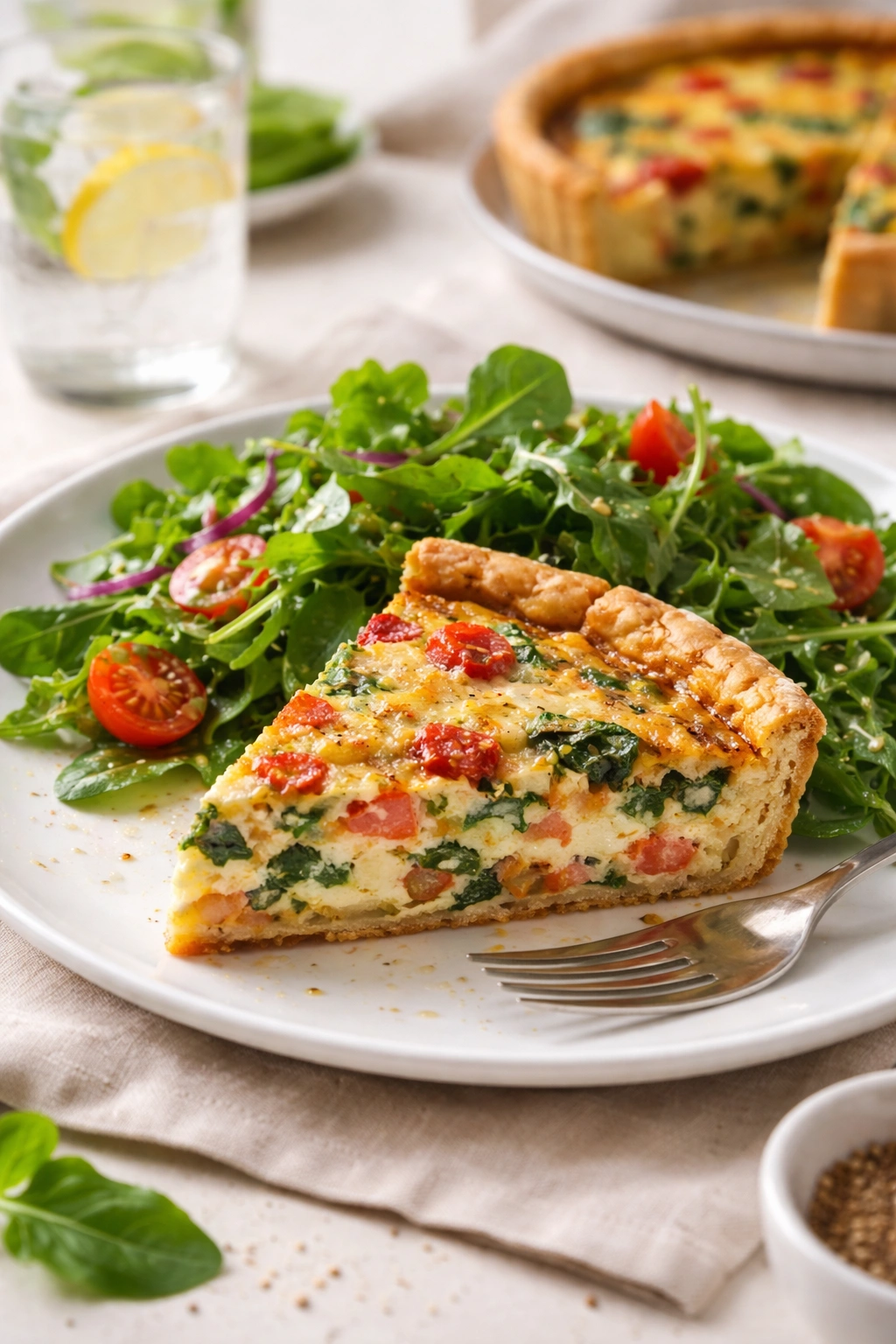
A slice of quiche with a side salad is a complete, balanced meal. The protein from the quiche means you’re not adding grilled chicken or another protein — the quiche is the protein component. A light vinaigrette-dressed salad with greens, maybe some raw vegetables or fruit, is genuinely all you need.
For breakfast, serve a slice with fresh fruit and maybe some whole-grain toast if you want extra carbs. A piece of fruit plus coffee plus quiche is a genuinely satisfying breakfast that keeps you full until lunch.
For dinner, pair a larger slice with roasted vegetables on the side — if your quiche is already vegetable-loaded, then simple roasted broccoli or a green salad is enough. If your quiche is bacon and cheddar heavy, adding a vegetable side balances it out nutritionally.
Quiche also works cold as part of a picnic or travel meal. Wrap a slice, pack it in a lunch box with some fruit, nuts, and cheese, and you’ve got a complete, portable meal that doesn’t require any refrigeration until you’re ready to eat it (it’ll stay safe at room temperature for several hours).
Final Thoughts

High-protein quiche for meal prep is genuinely one of those rare things that’s simultaneously practical, nutritious, and actually delicious. You’re not forcing yourself to eat something because it’s “good for you” — you’re choosing quiche because it’s legitimately better than most of the other options available during a busy week. The protein density keeps you satisfied, the flavor variations prevent boredom, and the storage flexibility means you can eat fresh, reheated, or cold depending on what your day looks like.
The formula is simple enough that it becomes automatic after you’ve made it once or twice, which means the real payoff is in week five when you’ve built quiche baking into your routine so thoroughly that it feels effortless. You’re not thinking about “meal prep” anymore — you’re just making something delicious that happens to feed you for most of the week.
