



Eating low-carb doesn’t mean every meal becomes boring or repetitive. The real secret to sticking with a low-carb lifestyle isn’t restriction — it’s having a arsenal of delicious, satisfying sides that make your proteins feel like part of a complete, craveable meal. When you have a roster of versatile, nutrient-dense sides that work with virtually any main dish, you’re not just staying on track with your goals, you’re actually enjoying what you eat.
Most people focus on the protein and forget that side dishes are where flavor, texture variety, and nutritional balance truly come together. A perfectly cooked steak or grilled chicken breast deserves something more interesting than a sad pile of plain vegetables, and low-carb options deliver exactly that. These sides aren’t sacrifices or settling — they’re full-flavored, satisfying dishes that happen to keep your carbohydrate intake controlled while boosting your vegetable intake, fiber, and micronutrients.
What makes a side truly low-carb? It’s not about deprivation. The best low-carb sides are vegetables and preparations that naturally contain minimal carbohydrates while still delivering bold flavor, appealing texture, and that sense of fullness and satisfaction you want alongside protein. Some are creamy and indulgent, others crispy and bright, and many come together in under 15 minutes. The variety across these 12 options means you can rotate through them daily without repetition, customize them to match whatever protein you’re serving, and never feel like you’re eating the same meal twice.
1. Roasted Cauliflower
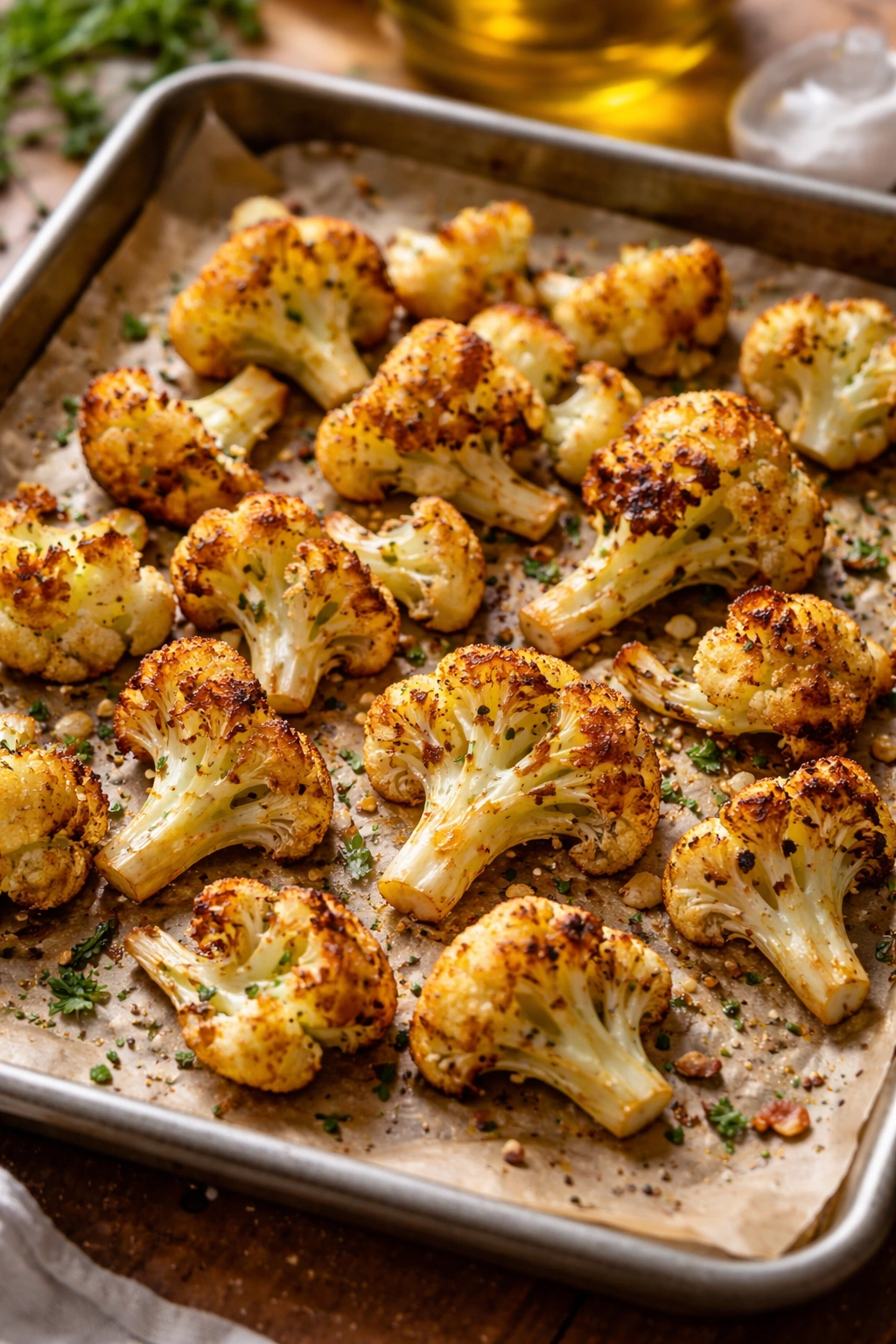
Roasted cauliflower transforms from a forgettable steamed vegetable into something genuinely craveable when you get the technique right. The florets develop deep, caramelized edges while staying tender inside, with a concentrated sweetness that emerges from the dry heat of the oven. This side works equally well alongside a simple grilled chicken breast, a rich steak, or a delicate fish fillet.
Why It Works
Cauliflower is the MVP of low-carb cooking because it’s incredibly versatile, budget-friendly, and delivers satisfying texture and flavor without any carb guilt. Roasting specifically brings out natural sweetness while creating textural contrast between crispy edges and creamy interiors. One cup of roasted cauliflower contains roughly 5 grams of carbs and almost 3 grams of fiber, leaving you with just 2 grams of net carbs per serving. The high water content keeps it feeling substantial despite the low calorie load.
Quick Facts
- Prep and cook time: 25 minutes total (5 minutes chopping, 20 minutes roasting)
- Temperature and technique: Toss florets with olive oil, salt, and pepper; spread on a baking sheet; roast at 425°F (220°C) until edges are golden and crispy
- Flavor variations: Garlic and parmesan, smoked paprika with cumin, chili powder and lime, or balsamic vinegar and herbs
- Storage: Keep in an airtight container in the refrigerator for up to 5 days; reheat in a 350°F oven for 5-8 minutes to restore crispness
Pro tip: Don’t crowd the pan. Spread cauliflower in a single layer with space between florets so steam can escape and edges can actually brown instead of steam.
2. Zucchini Noodles (Zoodles)
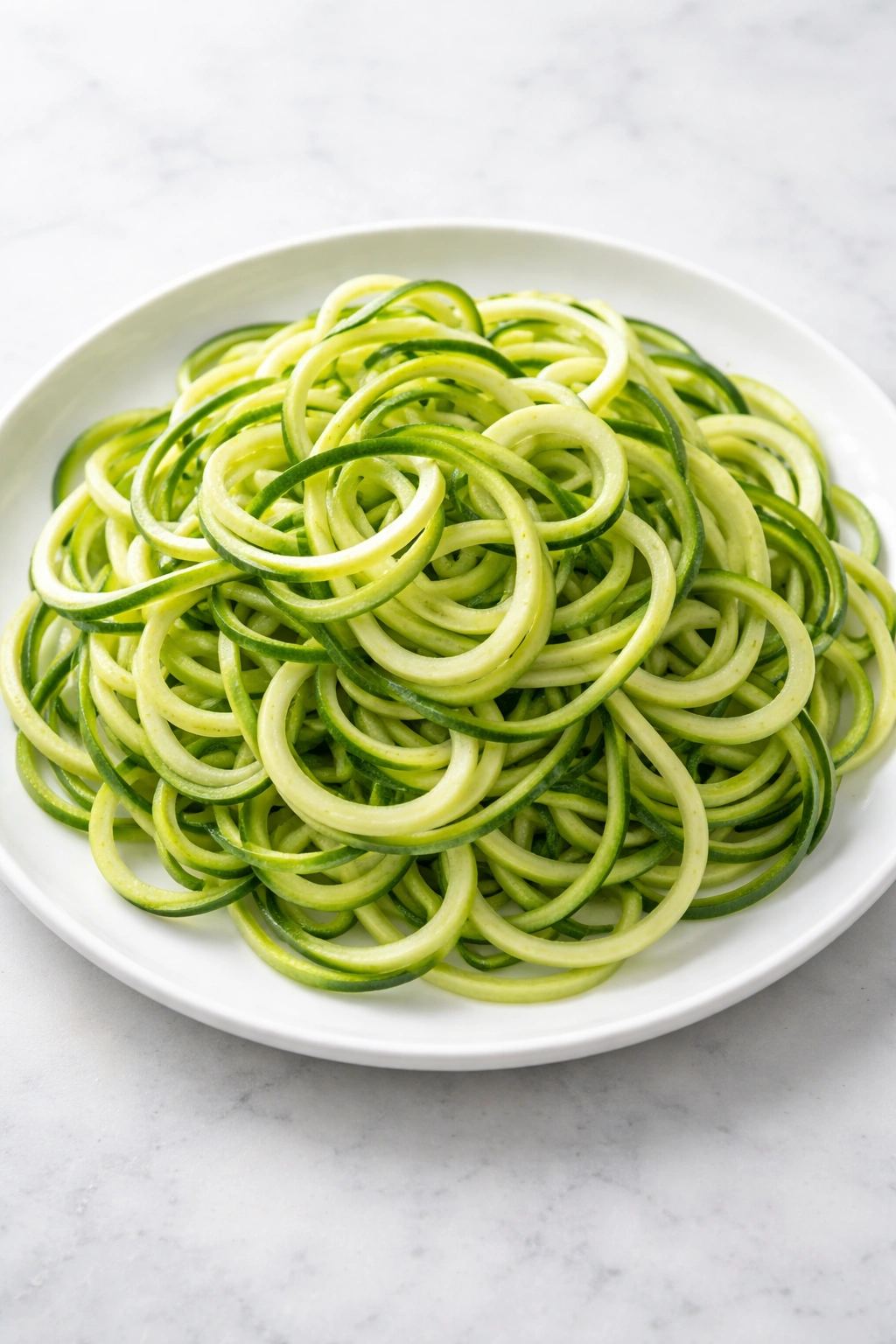
Zucchini noodles offer the familiar comfort of a noodle side without the carbohydrate load of pasta. They’re mild in flavor, which means they absorb whatever sauce, butter, or seasonings you pair them with while contributing almost zero carbs to your meal. Fresh zucchini has just 3.5 grams of carbs per cup raw, with nearly 1 gram of fiber.
Why It Works
The appeal of zoodles goes beyond just the low-carb numbers — it’s about recreating the texture and eating experience of traditional noodles while staying within your carb goals. Fresh zucchini has a naturally delicate flavor that complements both light, bright preparations and heavy, creamy sauces. Unlike some low-carb noodle substitutes that can taste artificial, zucchini noodles simply taste like what they are: tender, mild vegetables with a pleasant bite.
Quick Facts
- Equipment: A spiralizer, mandoline with a julienne blade, or vegetable peeler creates long strands; chopping works in a pinch
- Preparation method: Spiralize or cut zucchini and either eat raw, sauté quickly in a hot pan with butter for 2-3 minutes, or gently toss with warm sauce
- Best pairings: Pesto, olive oil and garlic, cream-based sauces, butter and herbs, or simple marinara
- Texture note: Zucchini releases water when cooked, so pat the noodles dry with paper towels after spiralizing to prevent a watery finished dish
Worth knowing: Don’t overcook zoodles — 2 to 3 minutes over high heat is plenty. They go from tender to mushy quickly, so timing is the difference between a great side and disappointment.
3. Brussels Sprouts
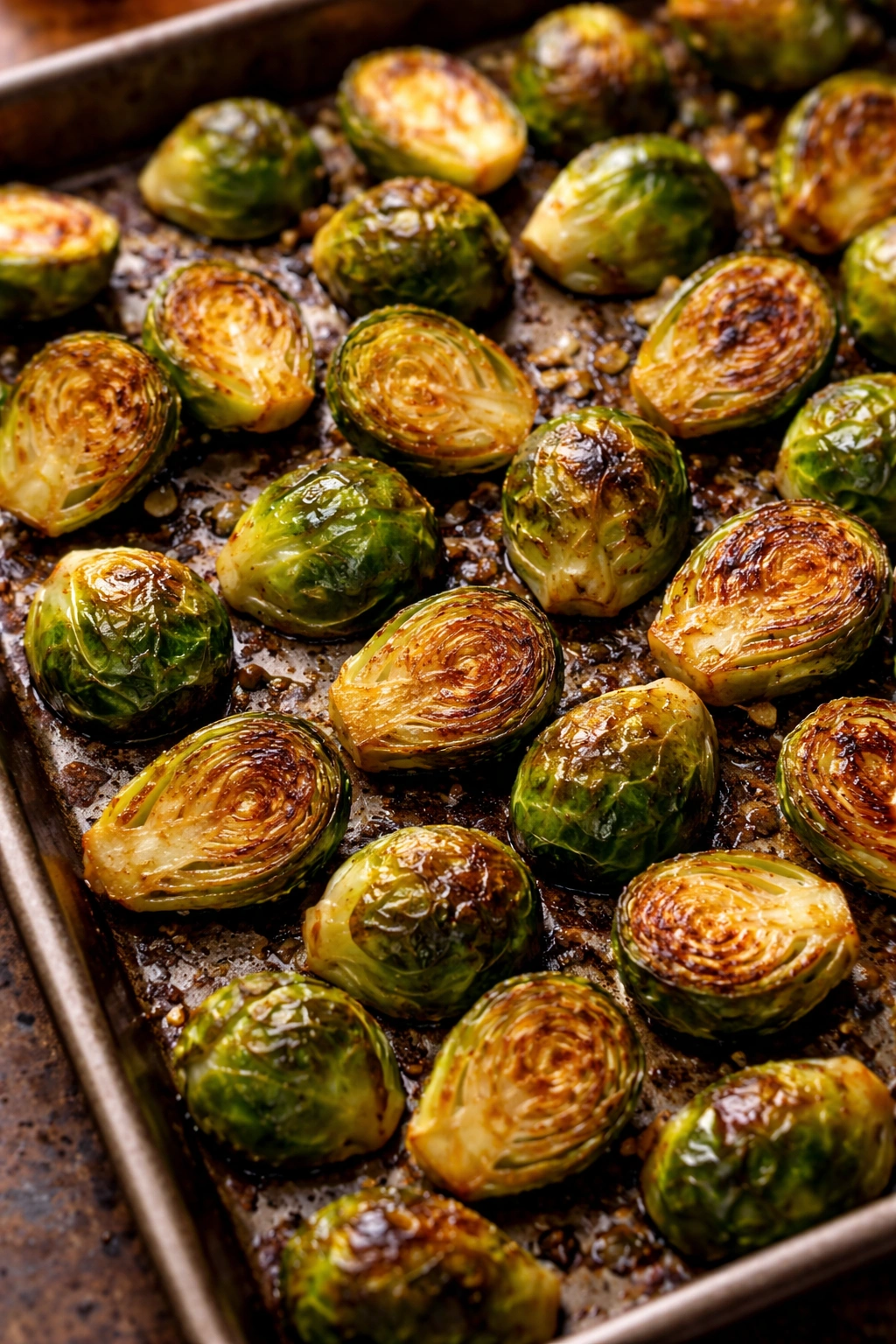
Brussels sprouts have undergone a major reputation upgrade in recent years, largely because people finally started cooking them properly. When roasted or sautéed until deeply caramelized, they develop a natural sweetness and nutty, almost savory flavor that’s nothing like the bitter, mushy versions from childhood. They’re substantial enough to feel like a real side dish rather than an afterthought.
Why It Works
Brussels sprouts deliver approximately 8 grams of carbs per cup cooked, but with 3.3 grams of fiber, leaving just 4.7 grams of net carbs. Beyond the numbers, they’re packed with vitamin K, vitamin C, and antioxidants that support overall health. The high fiber content makes them particularly satiating, and the complex flavor keeps your palate engaged through the meal.
Quick Facts
- Prep basics: Rinse, trim the stem end, remove yellowed or damaged outer leaves, then halve or quarter lengthwise
- Cooking methods: Roasting at 400°F for 25-30 minutes (toss halfway through), sautéing in butter over medium-high heat for 12-15 minutes, or air-frying at 375°F for 15-18 minutes
- Flavor boosters: Balsamic vinegar, crispy bacon pieces, parmesan cheese, garlic, or a drizzle of sriracha after cooking
- Make-ahead option: Roast a large batch and store in the refrigerator for up to 5 days; reheat gently before serving
Insider note: Cut the Brussels sprouts so a flat side faces down on the pan. That contact with the hot surface creates the crispy, caramelized exterior that makes them irresistible.
4. Sautéed Spinach
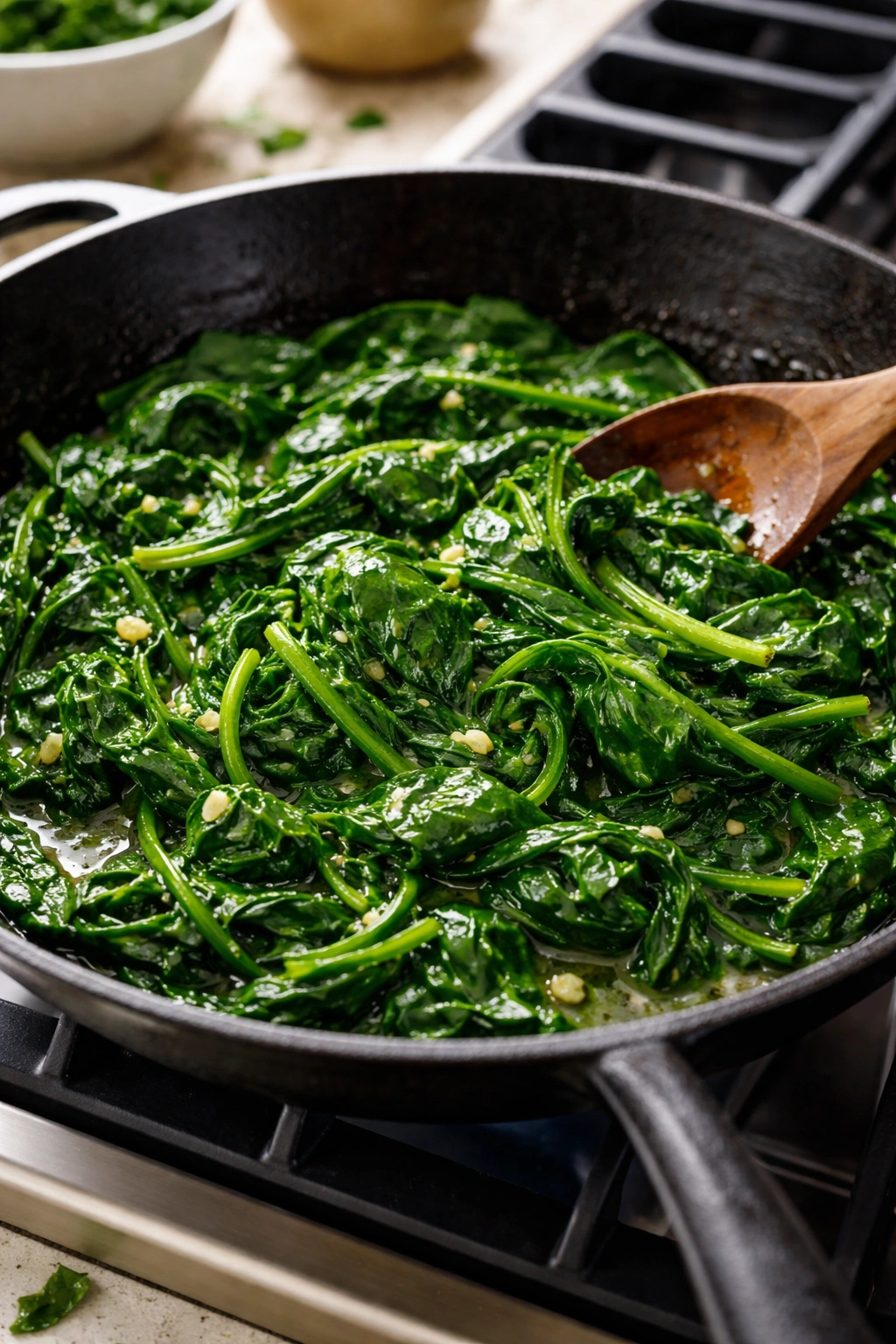
Sautéed spinach is one of the fastest, most nutrient-dense low-carb sides you can make — literally ready in under 5 minutes once your pan is hot. Fresh spinach wilts dramatically when heated, so a heaping handful transforms into a modest side portion, making it easy to add serious micronutrient density to your plate without feeling like you’re eating a salad.
Why It Works
Raw spinach contains about 3.6 grams of carbs and 2.4 grams of fiber per cup, yielding just 1.2 grams of net carbs. Cooked spinach concentrates the nutrients and removes the bulk, so you consume more of the beneficial compounds in a smaller volume. It’s also a powerhouse for iron, magnesium, potassium, and vitamins A and K — nutrients that many people don’t get enough of.
Quick Facts
- Cooking technique: Heat 2 tablespoons butter or olive oil in a large skillet over medium-high heat, add fresh spinach (4-5 cups roughly chopped), stir constantly for 2-3 minutes until wilted
- Flavor combinations: Garlic and lemon juice, garlic and nutmeg, sesame oil and ginger, or simply butter and sea salt with a crack of black pepper
- Volume note: One pound of fresh spinach cooks down to roughly 1 cup of finished side — don’t be shocked by how much it reduces
- Timing tip: Add spinach to a very hot pan so it wilts quickly; a cooler pan releases too much moisture and creates a mushy, watery result
Pro tip: Finish with a squeeze of fresh lemon or lime juice — the acid brightens the spinach and makes every bite taste fresher.
5. Cauliflower Rice
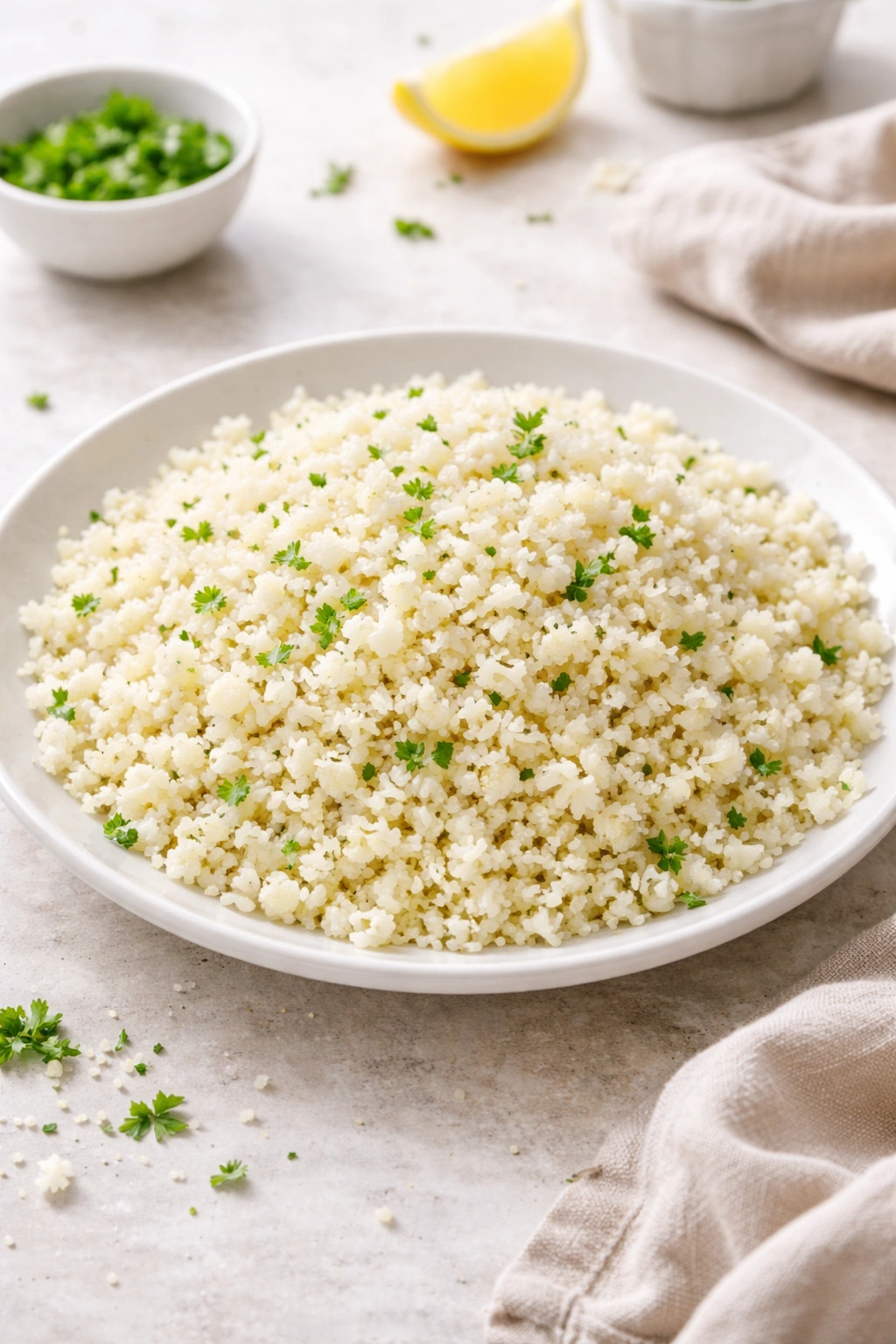
Cauliflower rice has become a staple in low-carb cooking for a reason: it mimics the texture and eating experience of white or brown rice while delivering a fraction of the carbohydrates. With just 5 grams of carbs per cup and nearly 2.5 grams of fiber, it’s the perfect vehicle for curry sauces, stir-fry preparations, or simple butter and seasoning.
Why It Works
The appeal of cauliflower rice extends beyond nutrition into pure practicality. It cooks in 5-7 minutes, requires minimal ingredients, stores well for several days, and adapts to virtually any global cuisine or flavor profile you’re drawn to. Whether you’re serving it alongside Indian spiced chicken, Asian-style steak, or Mediterranean fish, cauliflower rice feels like a complete side dish rather than a substitution.
Quick Facts
- Preparation methods: Buy pre-riced cauliflower (convenient but pricier), or pulse raw cauliflower florets in a food processor until rice-sized, or use a box grater for smaller batches
- Cooking approaches: Sauté in a hot pan with butter or oil for 5-7 minutes, stirring occasionally, until heated through with slight browning; microwave pre-riced cauliflower in 4-5 minutes for ultimate convenience
- Flavor bases: Coconut milk and curry powder, soy sauce and sesame oil, butter and Italian herbs, or cilantro and lime juice
- Batch cooking: Make a large batch at the beginning of the week and store in the refrigerator for quick reheating throughout the week
Worth knowing: Don’t overcook cauliflower rice or it becomes mushy and releases excess moisture. High heat and brief cooking time keep it light and fluffy.
6. Green Beans
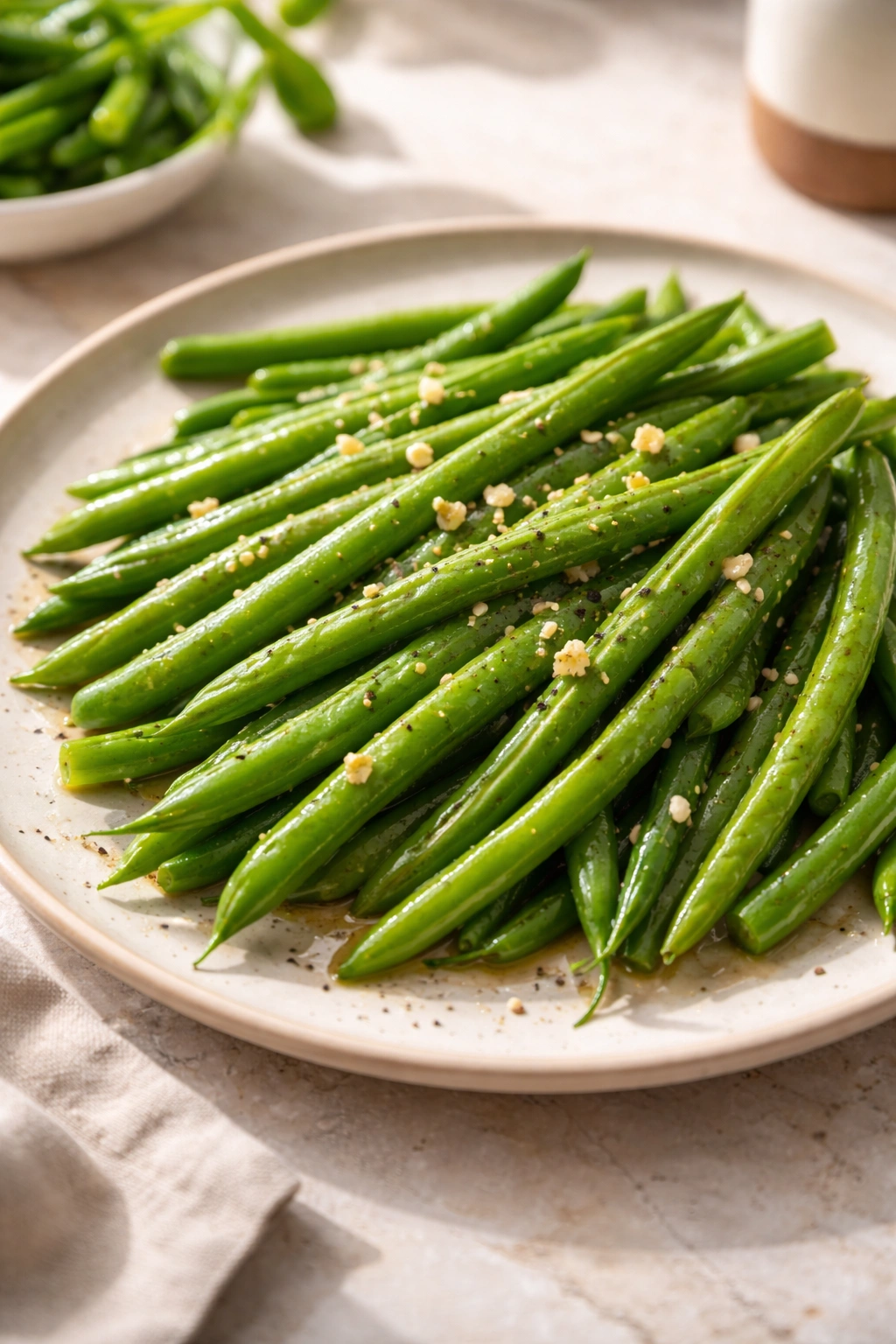
Green beans occupy a happy middle ground in the low-carb world — they’re more substantial than most leafy greens but still contain a modest carb count at just 7 grams per cup cooked with 3.7 grams of fiber. They have a pleasant, slightly sweet flavor and a satisfying snap when cooked properly, making them feel like a “real” vegetable side rather than a compromise.
Why It Works
Beyond the carb numbers, green beans provide manganese, vitamin K, and fiber — all nutrients that support bone health, blood clotting, and digestive function. Their mild flavor makes them incredibly versatile, taking on whatever seasoning profile you apply. Unlike some vegetables that can taste slightly off when prepared certain ways, green beans are reliably delicious across different cooking methods.
Quick Facts
- Trimming: Snap off the stem end; the thin tail end can stay attached and actually adds visual appeal to the finished dish
- Cooking options: Sauté fresh beans in butter over medium heat for 6-8 minutes until tender-crisp, boil for 5-6 minutes, steam for 6-7 minutes, or roast at 400°F for 15-20 minutes
- Classic flavor combos: Garlic and butter, crispy bacon pieces with onion, slivered almonds with thyme, or balsamic vinegar with parmesan
- Storage: Keep raw green beans in the crisper drawer for up to 5 days; cooked green beans stay fresh refrigerated for 4-5 days
Pro tip: For the best texture, cook green beans until they’re just tender but still have a slight bite when you chew them. That tender-crisp stage is where they taste best and feel most satisfying.
7. Roasted Broccoli
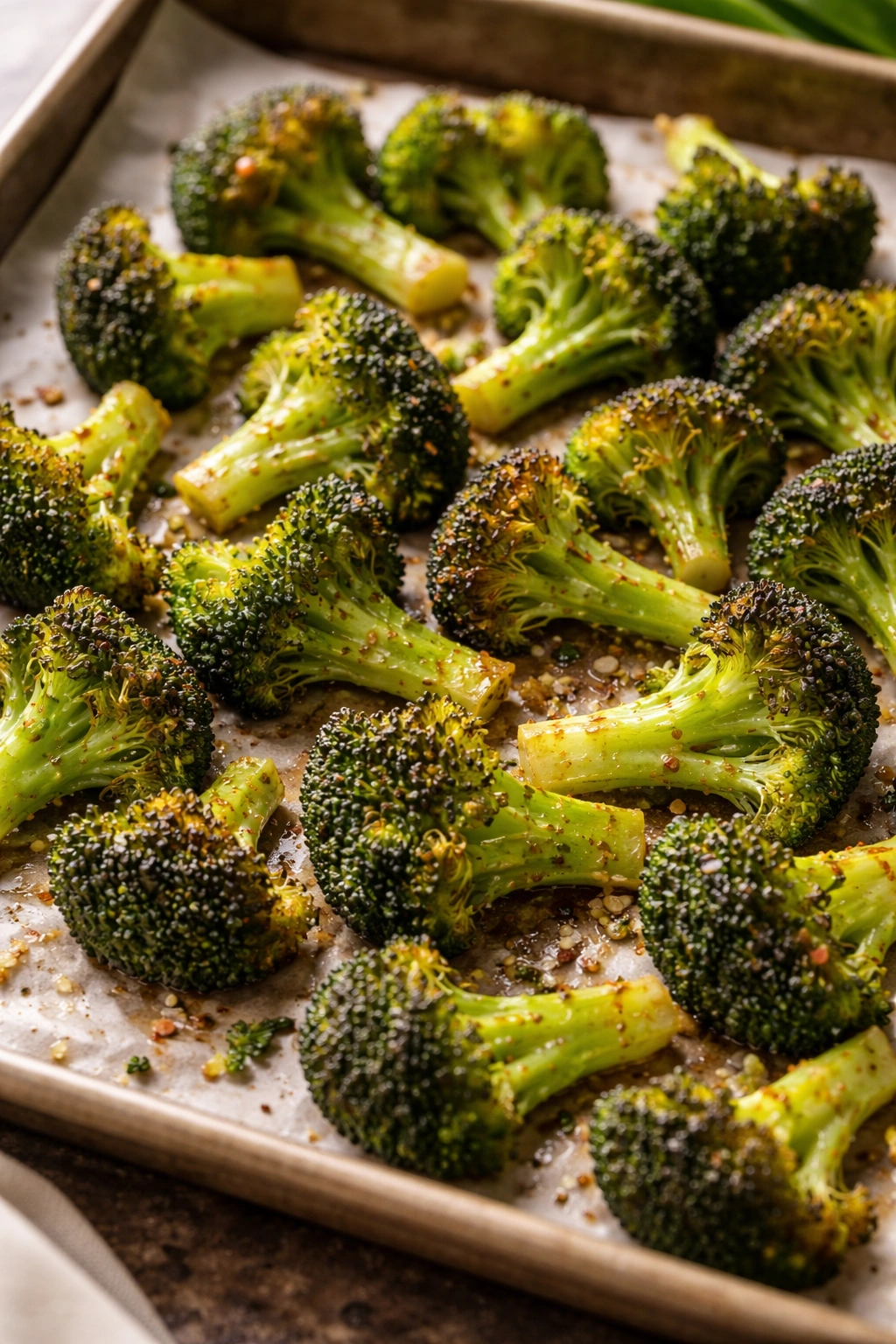
Roasted broccoli transforms from a steamed, slightly sulfurous vegetable into something genuinely delicious when treated with heat, oil, and proper seasoning. The florets develop crispy, caramelized edges while the stalk stays tender, creating multiple textures in a single side dish. It’s hearty enough to serve as a substantial side for any protein without tasting like an afterthought.
Why It Works
One cup of roasted broccoli contains just 6 grams of carbs with 2.4 grams of fiber, leaving 3.6 grams of net carbs. More importantly, broccoli is packed with sulforaphane, a compound with well-researched anti-inflammatory and potentially cancer-protective properties. Cooking broccoli high and fast actually preserves more of these beneficial compounds than gentle steaming.
Quick Facts
- Preparation: Cut broccoli into 1.5- to 2-inch florets; don’t discard the stalk — peel the outer layer and cut into bite-sized pieces for tender, delicious stalk pieces
- Roasting technique: Toss florets and stalk pieces with olive oil, salt, and pepper; spread on a baking sheet; roast at 425°F (220°C) for 15-20 minutes, stirring halfway through
- Flavor additions: Garlic powder and parmesan, lemon juice and red pepper flakes, balsamic vinegar, or sesame oil and a sprinkle of sea salt
- Batch cooking: Roast a large amount and store in the refrigerator for up to 5 days; reheat gently in a 350°F oven to restore crispness
Insider note: Don’t use a damp paper towel to dry the broccoli after rinsing — excess moisture prevents browning. Pat dry completely with a clean kitchen towel.
8. Creamed Mushrooms
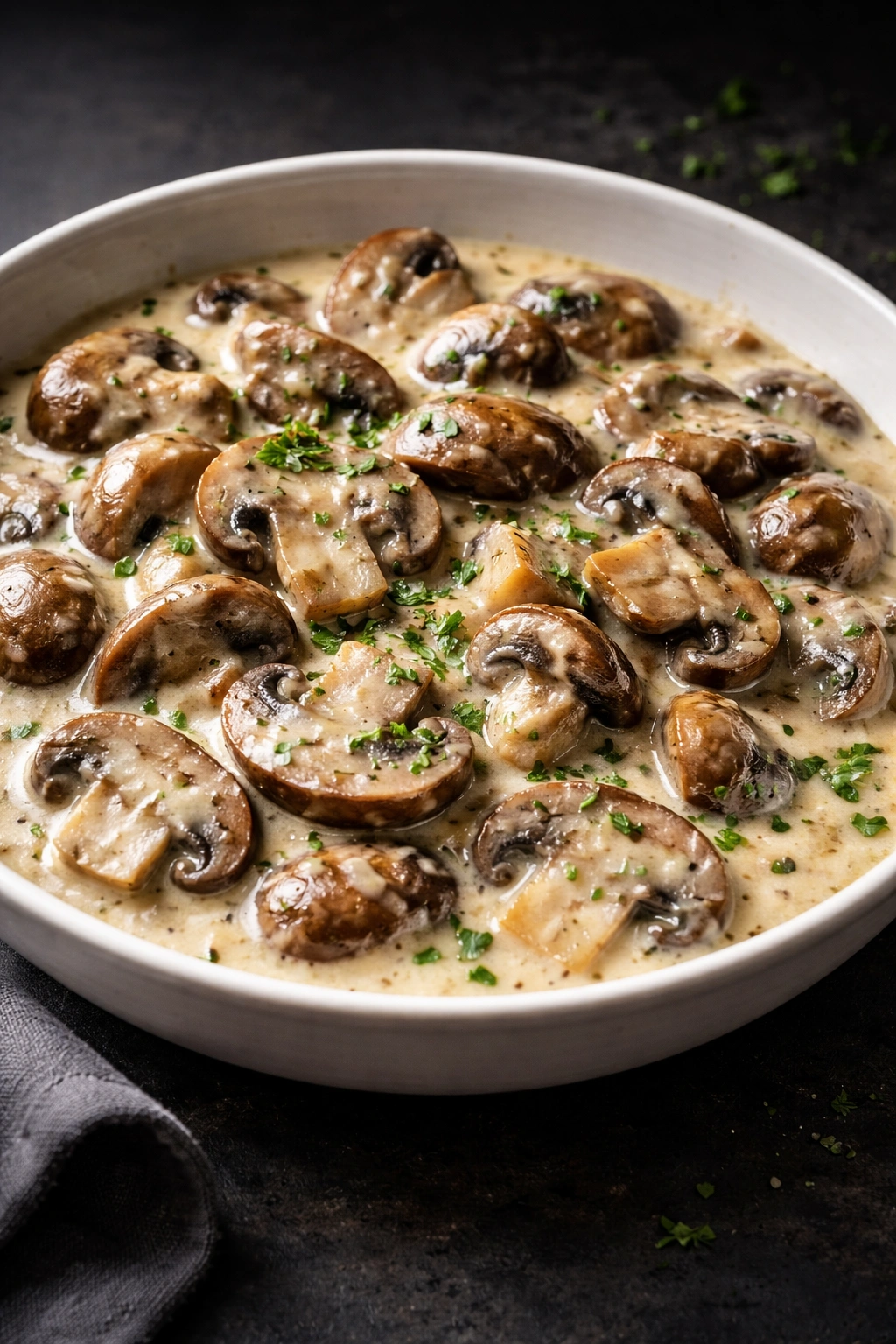
Creamed mushrooms deliver pure comfort in a surprisingly elegant side dish. The earthy, umami-rich flavor of cooked mushrooms paired with cream creates something that tastes indulgent but happens to fit perfectly into a low-carb meal. Mushrooms contain just 3.3 grams of carbs per cup cooked, with fiber bringing the net carbs down significantly.
Why It Works
The beauty of creamed mushrooms lies in their versatility and rich flavor profile. They work alongside virtually any protein — beef, chicken, fish, pork — without overshadowing the main dish or feeling like an obvious “low-carb substitution.” The creaminess adds textural variety to your plate, and mushrooms bring a meaty, substantial quality that satisfies even the most dedicated meat-eater.
Quick Facts
- Basic preparation: Slice mushrooms (cremini, button, or a mix), sauté in butter until they release their moisture and begin browning, then add minced garlic, cook briefly, and stir in cream or sour cream
- Cooking time: 12-15 minutes total (mushrooms take 5-6 minutes to soften and brown, cream sauce takes another 5-8 minutes to thicken slightly)
- Flavor enhancements: Fresh thyme or tarragon, dijon mustard, dry mustard powder, or a pinch of nutmeg
- Make-ahead friendly: Creamed mushrooms store perfectly in an airtight container for 4-5 days and reheat beautifully on the stovetop with a splash of extra cream
Pro tip: Cook the mushrooms in two batches if your pan is crowded. Mushrooms release water during cooking; if the pan is packed too tightly, they steam rather than sauté and won’t develop browning.
9. Asparagus with Garlic Butter
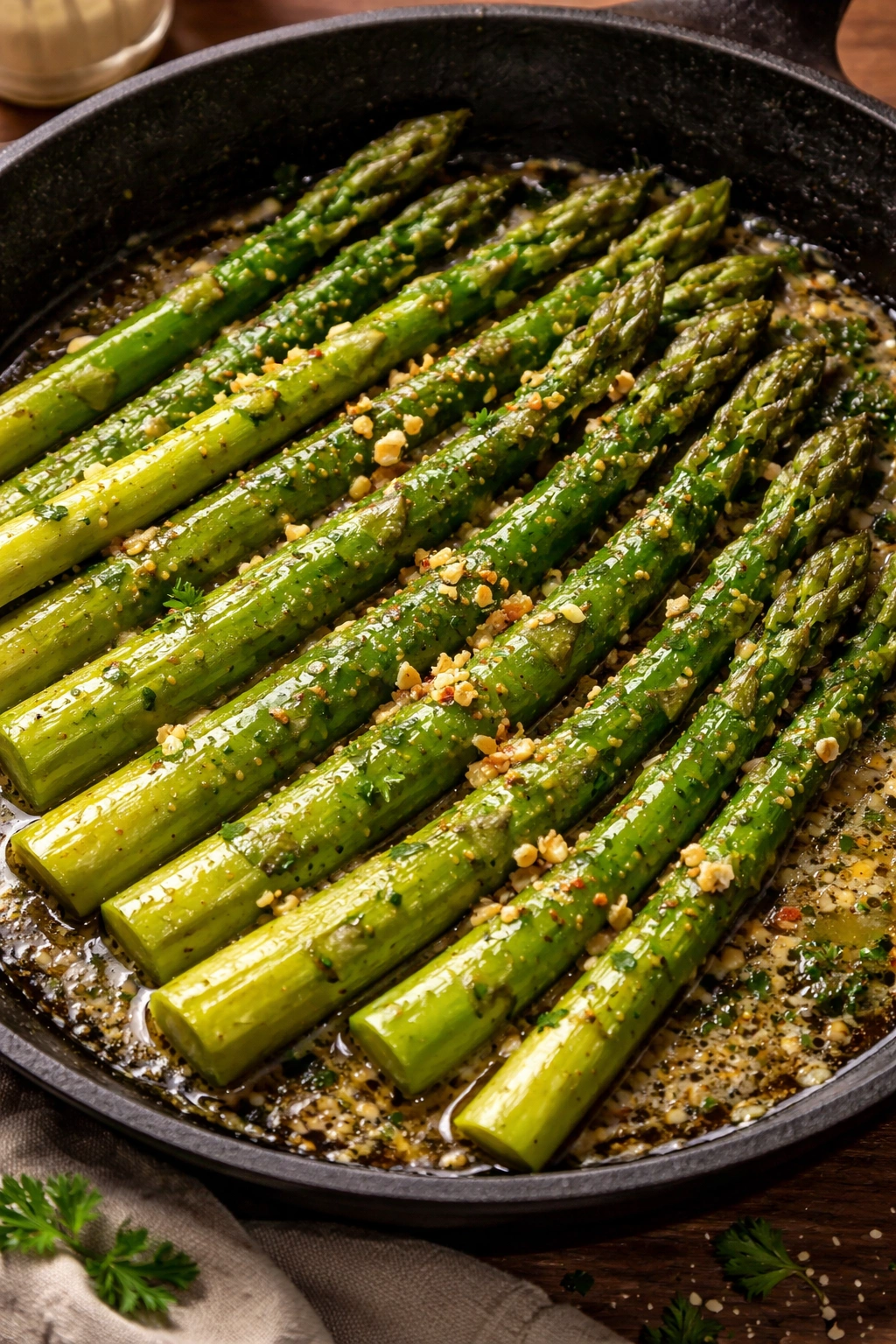
Asparagus is the elegant choice for low-carb entertaining or weeknight elegance — just 5 grams of carbs per cup cooked with 2.8 grams of fiber. A simple preparation of asparagus coated in garlic-infused butter elevates the spear’s natural delicate flavor without overcomplicating the dish. It cooks in minutes and feels special enough for company yet simple enough for a busy Tuesday night.
Why It Works
Asparagus has a naturally refined quality that makes it feel more upscale than many other vegetables. The flavor is mild but not bland, with a slight earthiness and sweetness that pairs beautifully with garlic and butter. Unlike some low-carb sides that feel like replacements or substitutions, asparagus with garlic butter feels like a restaurant-quality dish that happens to be low in carbs.
Quick Facts
- Selection and prep: Choose spears roughly the same diameter for even cooking; snap off the tough bottom third (they’ll naturally break at the ideal point when you bend them), then rinse well
- Cooking method: Sauté in a wide skillet with melted butter over medium-high heat for 5-8 minutes, stirring occasionally, until tender-crisp with a slight char
- Garlic butter prep: Mince fresh garlic and cook gently in butter over low heat for 1-2 minutes before adding asparagus, or toss cooked asparagus with butter that’s already been infused with garlic
- Serving temperature: Serve immediately while warm; asparagus that’s been sitting gets mushy quickly
Worth knowing: Don’t add salt until after cooking — salt draws moisture out of asparagus and can make it become mushy or stringy.
10. Cabbage Slaw
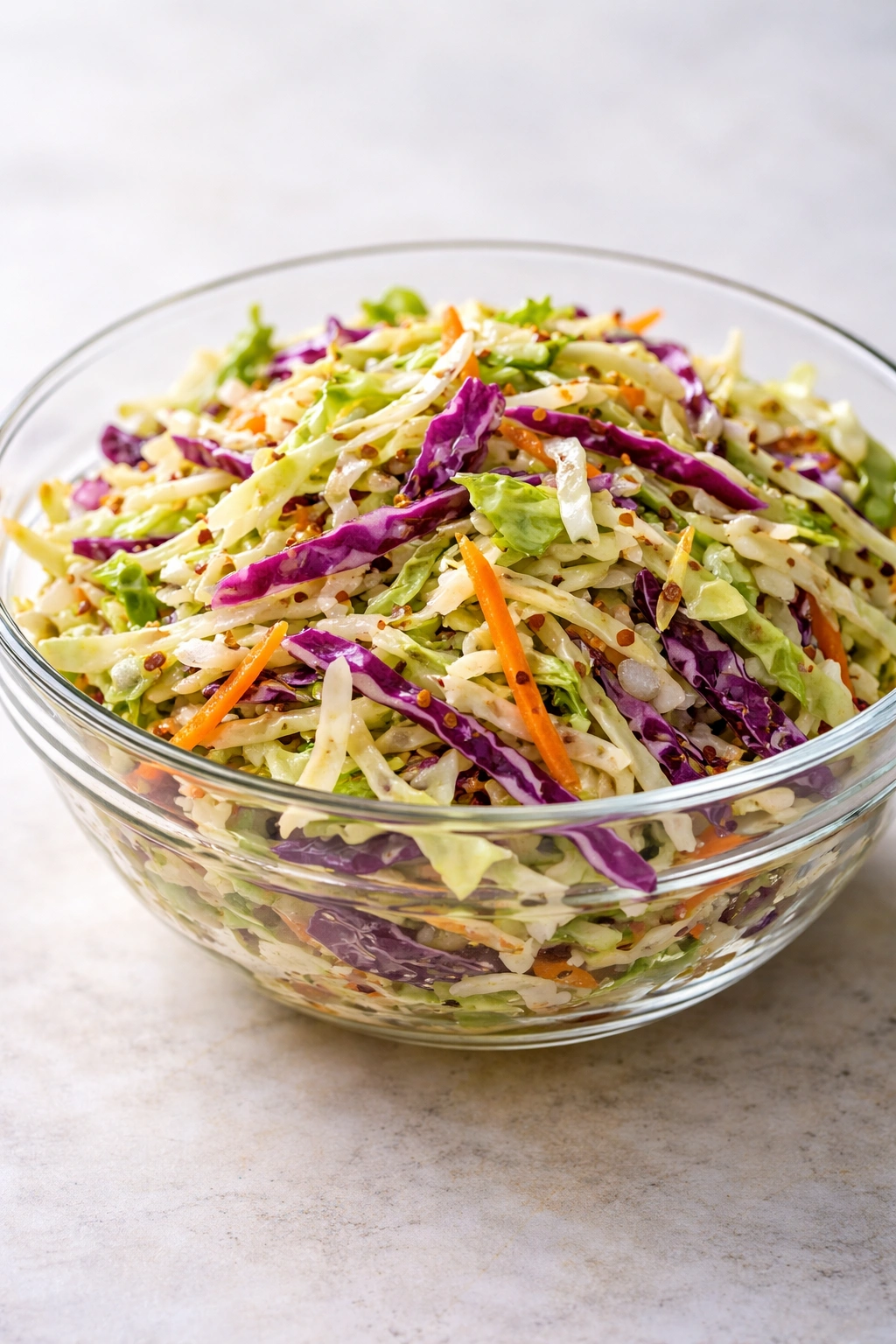
Cabbage slaw offers freshness, crunch, and acidity in a side dish that pairs exceptionally well with grilled or smoked proteins. Raw cabbage delivers just 5 grams of carbs per cup with 2 grams of fiber, and the act of massaging or fermenting cabbage increases the bioavailability of its nutrients. A quality slaw adds textural contrast and brightness to any plate.
Why It Works
Cabbage is an underrated powerhouse vegetable — cheap, shelf-stable, packed with vitamin C and beneficial compounds, and naturally satisfying in a way that leafy salads sometimes aren’t. The crunch appeals to people who crave textural variety in their meals, and the acidity from vinegar-based dressings provides flavor brightness that enhances any protein. Unlike delicate lettuces, cabbage actually holds up to transport and sitting for extended periods.
Quick Facts
- Base preparation: Slice green or red cabbage thinly (a mandoline works beautifully); optionally massage with salt for 2-3 minutes to soften slightly and release some of the raw bite
- Dressing styles: Classic vinegar-based slaw with mayo, Asian-inspired with sesame oil and rice vinegar, tangy mustard-based, or creamy avocado-lime variation
- Mix-ins to consider: Sliced radishes or jicama for crunch, fresh herbs like cilantro or parsley, crispy bacon bits, toasted nuts, or a sprinkle of sunflower seeds
- Storage: Undressed raw cabbage keeps in the refrigerator for up to 2 weeks; dressed slaw is best eaten within 1-2 days as the texture softens slightly over time
Pro tip: Make slaw dressing in a separate jar and store separately from the sliced cabbage. Combine just before serving to maintain crunch, or prepare the sliced cabbage and dressing separately and combine several hours ahead if you prefer softer, more marinated slaw.
11. Roasted Bell Peppers
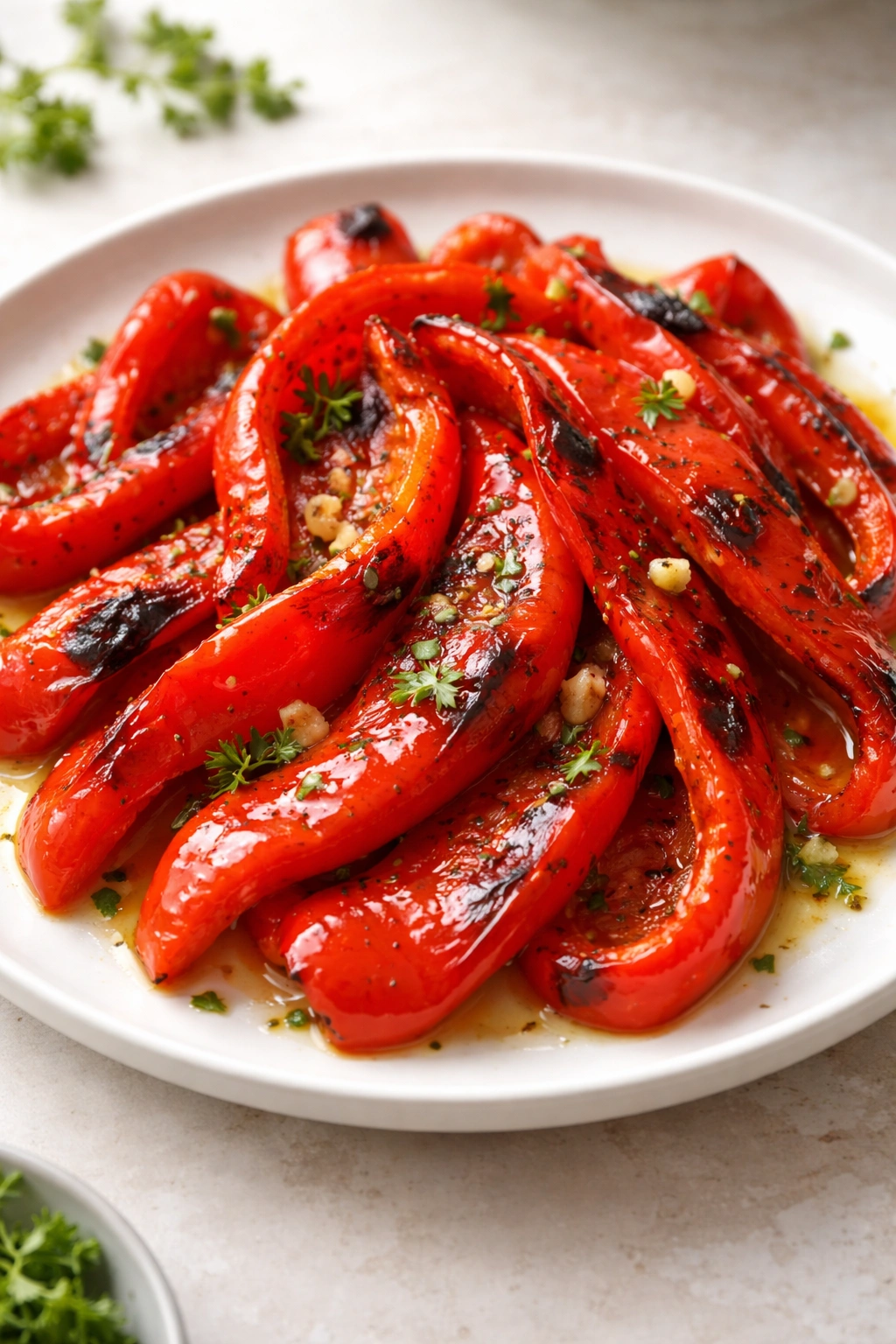
Roasted bell peppers offer natural sweetness, vibrant color, and a silky texture that feels almost luxurious compared to raw peppers. One cup of roasted red bell pepper contains about 7 grams of carbs with 1.5 grams of fiber, leaving 5.5 grams of net carbs — reasonable for a vegetable with such beautiful flavor and texture. The concentrated sweetness makes them feel indulgent even though they’re pure vegetables.
Why It Works
The act of roasting transforms bell peppers dramatically. The natural sugars caramelize slightly, the skin becomes charred and papery, and the flesh softens into a buttery texture. This transformation makes roasted peppers feel like a more substantial and satisfying side than raw pepper slices. They work beautifully alongside grilled meats, fish, or even in egg-based dishes.
Quick Facts
- Preparation method: Place whole peppers directly over a gas flame or under a broiler until the skin is blackened all over (5-10 minutes), then place in a covered bowl for 10 minutes to steam, then peel away the skin easily
- Finishing touch: Toss peeled and sliced peppers with olive oil, minced garlic, fresh herbs, and a pinch of sea salt while still warm so flavors are absorbed
- Flavor combinations: Red peppers with thyme and garlic, yellow peppers with cilantro and lime, or a mix of colors with parmesan and fresh basil
- Make-ahead advantage: Roasted peppers keep in the refrigerator for up to 1 week, making them perfect for batch cooking and easy weekday assembly
Insider note: The skin peels off much more easily if you let the peppers steam in a covered bowl after roasting — don’t skip this step or you’ll struggle with stubborn, stuck-on skin.
12. Leafy Green Salads
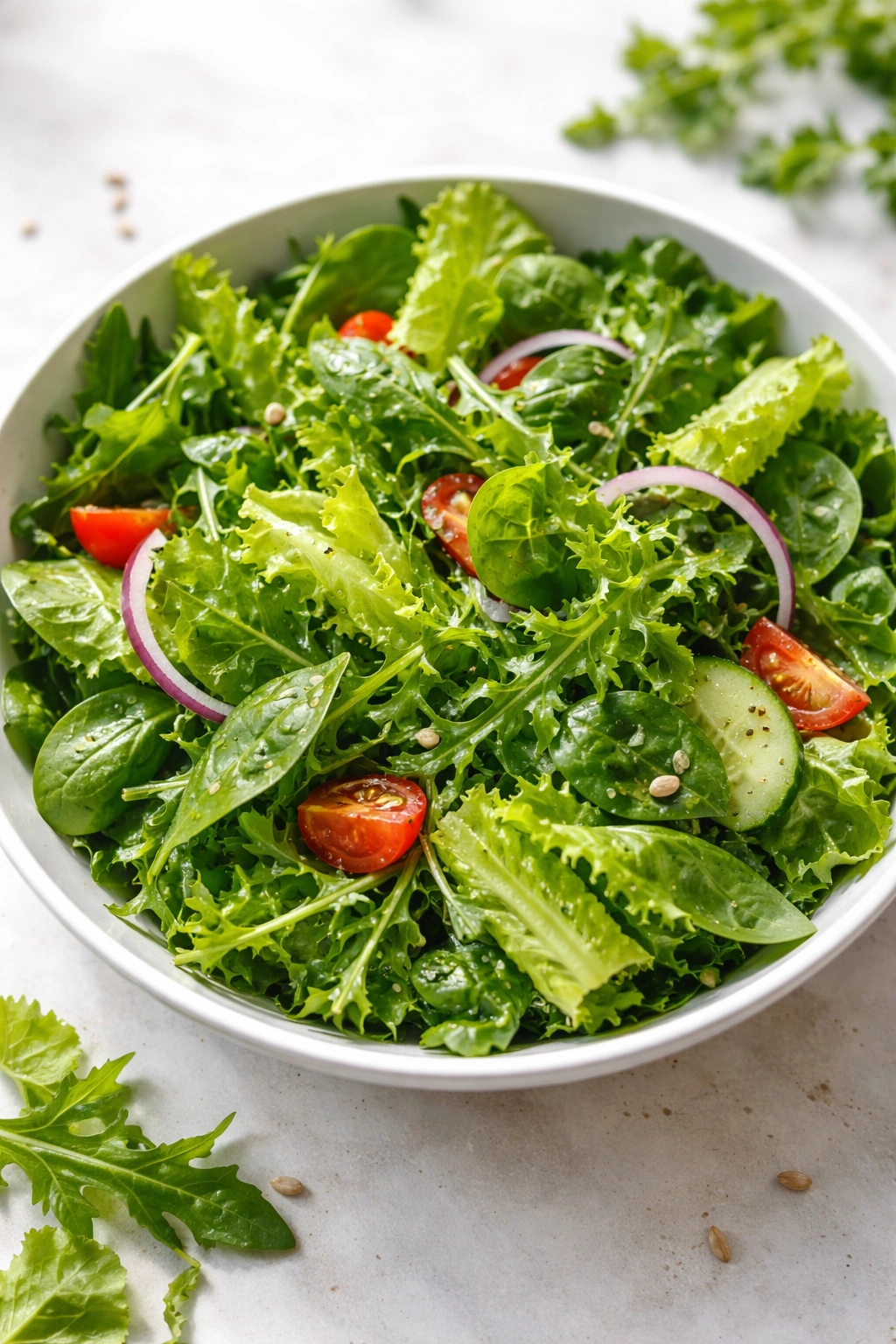
A proper salad — not as a diet food or an obligation, but as an intentional, flavorful side dish — brings crisp freshness and nutritional density to any protein-focused meal. Salad greens contain virtually negligible carbs (less than 1 gram per cup raw), with the carbs coming primarily from dressing choices. When constructed thoughtfully with quality ingredients and proper technique, salad becomes a genuinely craveable side.
Why It Works
Salads succeed as low-carb sides when they move beyond plain lettuce and weak vinaigrettes. A well-made salad combines multiple types of greens for textural variety, includes crunchy and creamy elements, features quality fat for flavor and satiety, and uses dressing proportions that coat the leaves without drowning them. The combination of textures, flavors, and temperatures makes salad compelling alongside any protein.
Quick Facts
- Greens selection: Mix sturdy varieties (romaine, curly endive, radicchio) with delicate options (arugula, microgreens, soft lettuces) for complexity and appeal
- Crunchy additions: Sliced radishes, raw almonds, walnuts, sunflower seeds, crispy bacon, toasted pumpkin seeds, or thin-sliced celery
- Creamy elements: Sliced avocado, full-fat cheese, hard-boiled eggs, or a creamy dressing base
- Dressing fundamentals: Quality olive oil, acid (lemon juice or vinegar), salt, pepper, and mustard creates an emulsified dressing that clings to leaves rather than pooling at the bottom
Pro tip: Dress salad right before serving. Toss the greens with dressing in a large bowl so every leaf gets coated evenly, rather than pouring dressing into individual bowls where some greens end up dry and others soggy.
Final Thoughts

Low-carb eating becomes sustainable and genuinely enjoyable the moment you stop thinking of side dishes as obligatory vegetables and start approaching them as opportunities for flavor, texture, and real satisfaction. These twelve options represent just the beginning — the foundation for a rotating roster of sides that keep your meals interesting while supporting your nutritional goals.
The most important insight isn’t about any single vegetable or preparation method: it’s the understanding that variety prevents monotony, and that investing a few extra minutes to roast, sauté, or properly season vegetables transforms them from something tolerated to something genuinely craveable. A protein-focused meal feels complete and satisfying when paired with a side dish that carries its own flavor complexity and textural appeal.
Start rotating through these options and you’ll notice that you’re not restricting yourself at all — you’re actually expanding the range of vegetables and flavors in your diet. Build your own favorites list, experiment with seasonings and cooking methods, and remember that the best low-carb side is simply the one you’re genuinely excited to eat. Your meals, and your commitment to your goals, will benefit from that authentic enthusiasm.
