



When your last child moves out, dinner suddenly feels different. You’re no longer planning meals around soccer practice schedules or appeasing a teenager’s latest dietary phase. You’ve got just two people to feed—which should be simpler, right? The truth is, cooking for two presents its own challenges. Recipes designed for a family of four leave you eating the same thing four nights in a row, grocery shopping becomes a puzzle of portion sizes, and the pressure to create elaborate home-cooked meals that made you feel like a good parent suddenly evaporates.
That’s actually liberating. Empty nesters have rediscovered something that busy families often forget: dinner doesn’t have to be complicated to be satisfying. It doesn’t even need to be cooked. What matters is finding meals that work with your new reality instead of against it—dishes that respect your time, don’t leave you drowning in leftovers, and celebrate the fact that you can now eat what you actually want.
The eight dinner ideas that follow aren’t gourmet. They’re not Instagram-worthy. What they are is real, tested, and genuinely easy—the kind of meals you can pull together on a Tuesday night without thinking, or leisurely prepare on Sunday when you’ve got time. They’re built around ingredients that won’t waste in your fridge, techniques that don’t require specialized skills, and the simple principle that feeding two people should feel like a pleasure, not a production.
1. Rotisserie Chicken Three Ways
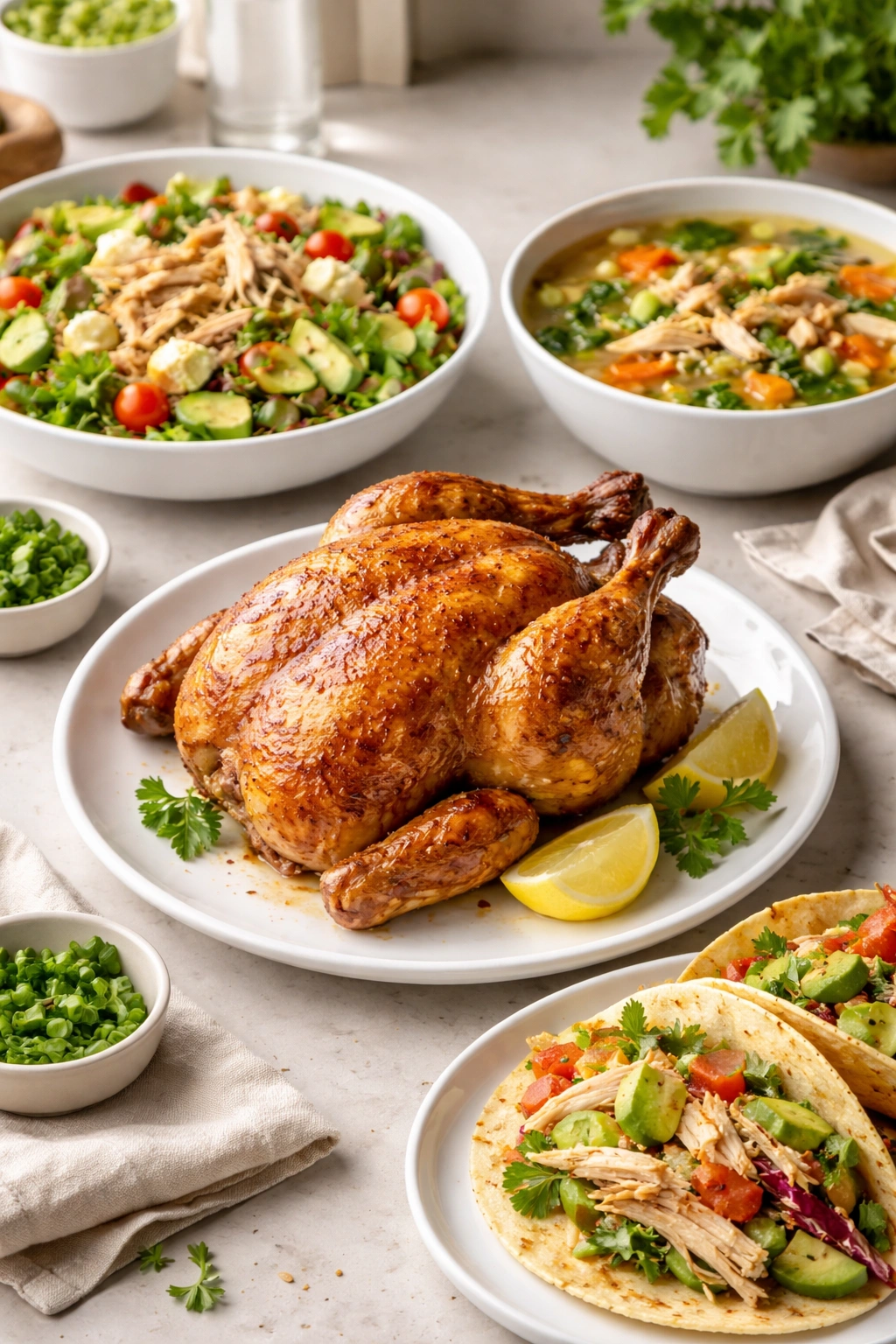
A store-bought rotisserie chicken is the empty nester’s secret weapon, and once you realize how many meals it generates, you’ll wonder why you didn’t embrace it sooner. On Monday night, you roast vegetables—carrots, Brussels sprouts, bell peppers, whatever’s in your crisper drawer—toss them with olive oil and herbs, and serve alongside the chicken with a simple lemon squeeze. That’s dinner one, with minimal hands-on work.
What You Can Make From One Chicken
The magic happens in the days that follow when that same bird becomes something entirely new. On Wednesday, you shred the leftover meat and turn it into a chicken salad with mayo, celery, and fresh herbs, served over greens or stuffed into pita pockets. Thursday might bring chicken soup—a simple broth with the bones you saved, a few vegetables, and the shredded meat. By Friday, you’ve got enough shredded chicken to fill enchilada filling or top nachos for a casual dinner.
Why This Works for Two People
The beauty of this approach is that you’re not eating identical meals each night, so fatigue doesn’t set in. You’re also using every bit of the bird—the bones make stock, the meat goes multiple directions, and your grocery bill stays modest because you’ve bought one protein that works for three or four meals. There’s no math required, no precise portioning, just pulling what you need from the fridge each day and deciding its fate based on your mood.
Pro tip: Save those bones in a freezer bag. Simmer them with an onion, celery, and a bay leaf for 45 minutes while you relax, and you’ll have homemade stock better than anything in a can.
2. Sheet Pan Everything
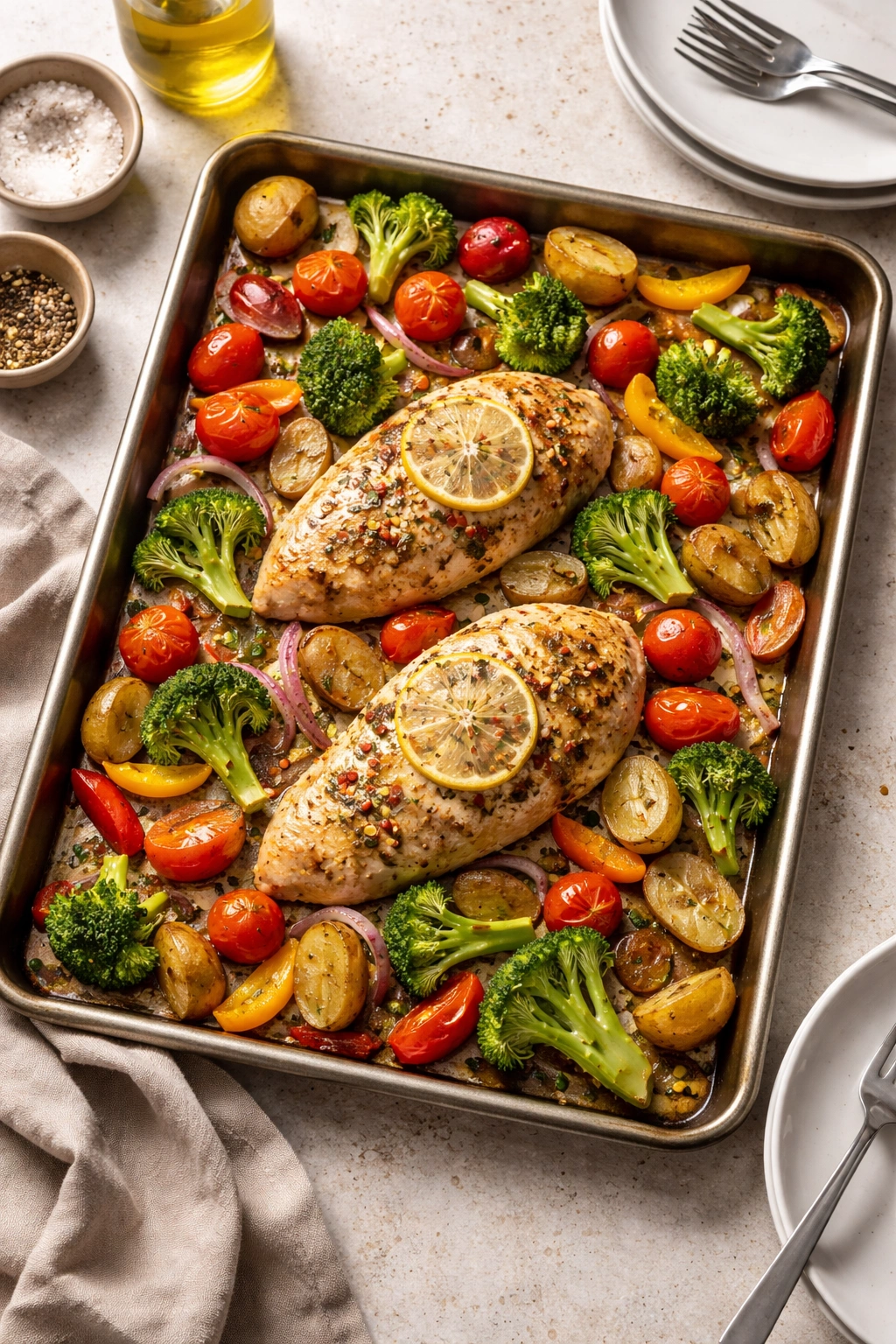
Sheet pan dinners are the opposite of fussy—you toss vegetables, protein, and seasoning onto a single pan, slide it into the oven, and walk away. For empty nesters, this becomes the weeknight default because cleanup is genuinely minimal, portions are naturally right-sized, and you only cook what you’re going to eat.
Building Your Sheet Pan
Start with a protein. Salmon fillets, chicken breasts, pork chops, or even tofu work beautifully. Around that protein, nestle bite-sized pieces of whatever vegetables you have on hand—zucchini, bell peppers, red onions, cherry tomatoes, broccoli florets, asparagus. The key is cutting everything into similar sizes so it roasts evenly. Drizzle everything with olive oil, season generously with salt, pepper, and whatever herbs appeal to you (garlic powder, paprika, Italian seasoning, cumin, even curry powder all work), and roast at 400°F until the vegetables are tender and the protein is cooked through, usually 20 to 25 minutes depending on thickness.
Why It Works
This method respects the reality that you don’t want to fuss on a Tuesday evening. It also prevents the waste that comes with buying full-size versions of ingredients—you use exactly what you need and nothing more. Some nights you’ll toss the roasted vegetables with pasta the next day; other nights, leftover roasted vegetables become the base of a lunch salad.
Worth knowing: Arrange everything on the pan so the protein sits slightly higher than the vegetables, giving the pan enough surface area that steam can escape and vegetables caramelize rather than steam into submission.
3. Foil Packet Meals
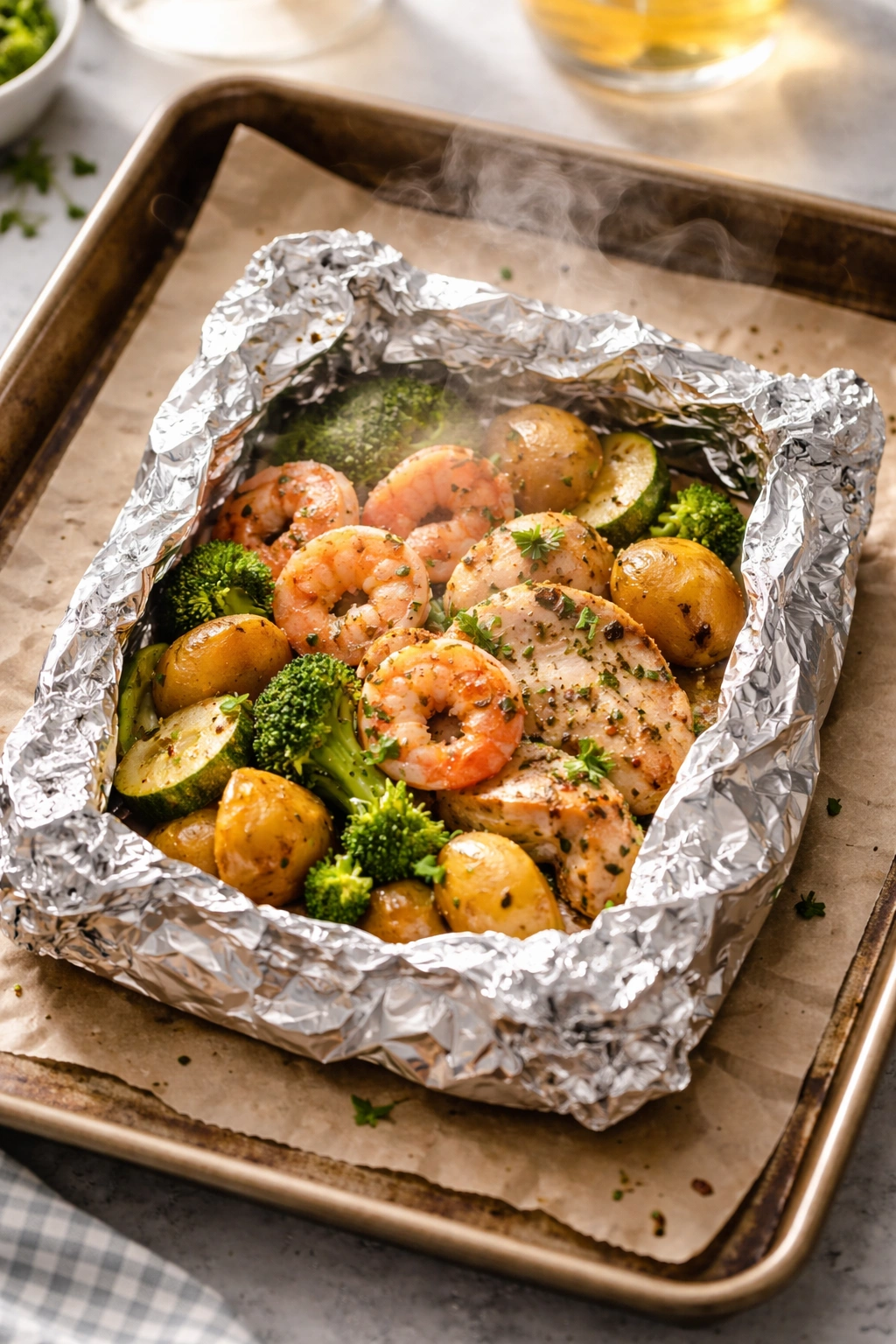
These are individual meals wrapped in foil—essentially a personalized steam case where everything cooks together. You can prep them in the morning and throw them on the grill or into the oven when you’re ready to eat, making them perfect for days when timing is unpredictable.
What Goes Inside
Each packet contains a protein (fish, chicken, shrimp, thin steak) plus vegetables, seasonings, and a little liquid—broth, wine, or lemon juice. A sample packet might hold a salmon fillet, thinly sliced zucchini, cherry tomatoes, fresh dill, a splash of white wine, and a pat of butter. Another might contain chicken breast, sliced bell pepper, onion, and a simple soy-ginger sauce. The combination options are genuinely endless.
Prep-Ahead Advantage
The real gift of foil packets is that you can assemble them hours (or even days) before cooking. This changes everything if your schedule is erratic. One person might be working late while the other eats early, so you prep two individual packets in the morning, store them in the fridge, and each of you cooks yours whenever you’re ready—no coordinating, no keeping food warm.
The Cooking Process
Bake at 400°F for 12 to 18 minutes (depending on the thickness of your protein), or place packets on the grill over medium heat for 12 to 15 minutes. The foil keeps everything moist and infuses the ingredients with flavor. When you open a packet at the table, the aromatics hit first, and there’s something genuinely luxurious about a perfectly steamed meal that feels intentional.
Insider note: A sweet potato cooked alongside in the oven becomes a ready-to-eat side dish, and you can reheat it the next day for lunch without any fuss.
4. Cheese and Charcuterie Board Dinners
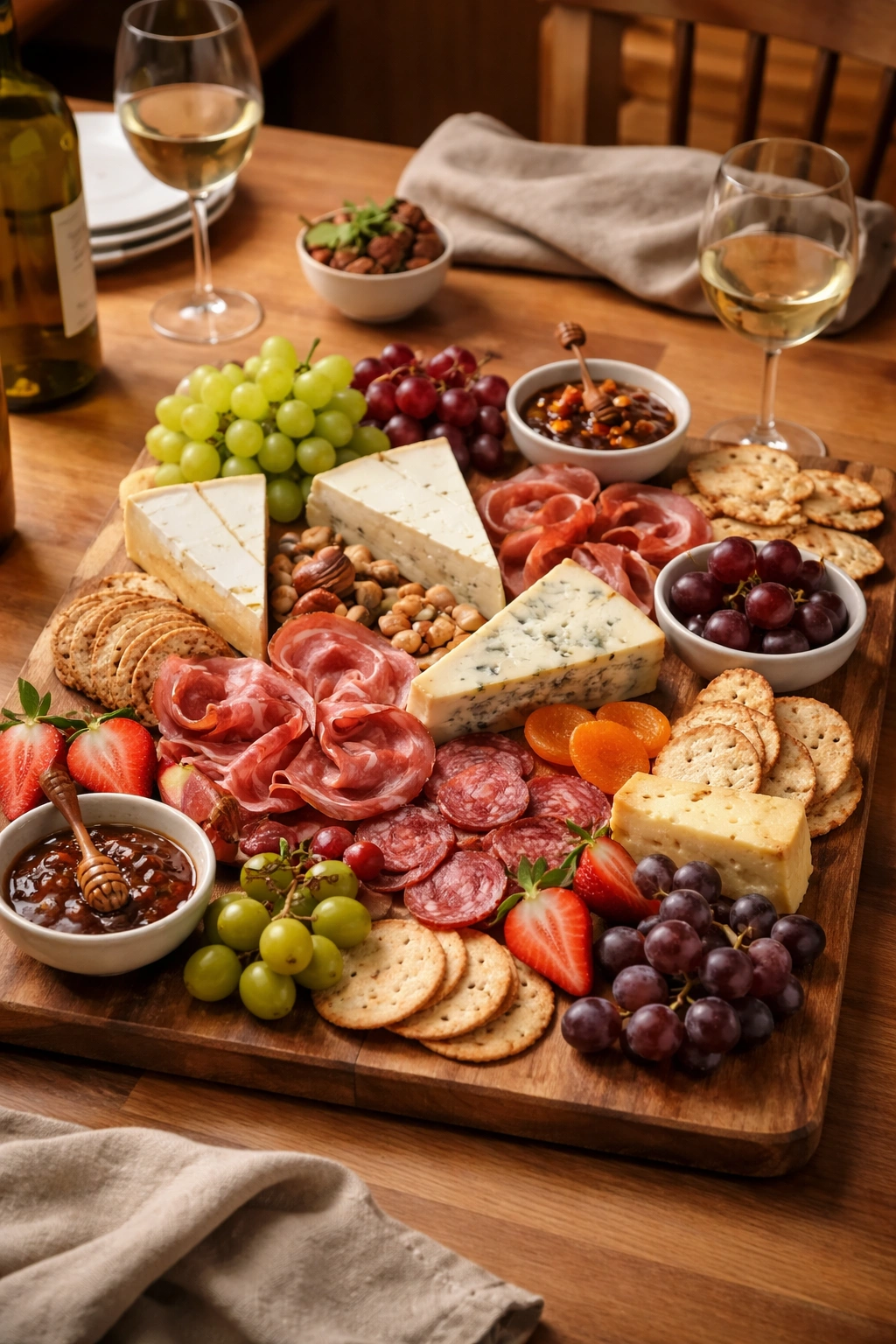
This might sound unconventional as a “dinner,” but it’s one of the most satisfying meals empty nesters can embrace. It’s the anti-recipe dinner—nothing is cooked, nothing needs technique, and it celebrates the fact that you can eat what you want without negotiating around anyone else’s preferences.
How to Build It
Gather a few types of cheese (good cheddar, brie, maybe a harder aged cheese—aim for three if you want variety, but even two works). Add cured meats: salami, prosciutto, pâté, sliced soppressata, whatever appeals to you. Include quality crackers, fresh or dried fruit, nuts, olives, maybe some cornichons or roasted peppers. A drizzle of honey, a dab of interesting mustard, and you’ve got a dinner that feels celebratory without demanding anything from you.
Why Empty Nesters Love This
The first time you serve yourselves a charcuterie board for dinner instead of apologizing for it, something shifts. There’s permission embedded in this meal—permission to eat simply, to skip cooking, to enjoy wine and good ingredients without justification. It’s the opposite of the elaborate family dinners that used to define your evenings.
Keeping It Fresh
The ingredients you buy for a board don’t waste because you keep them on hand. Wrapped separately in the fridge, cheese stays fresh longer. The crackers, nuts, and dried fruit live in your pantry indefinitely. It’s genuinely economical, especially compared to takeout.
Pro tip: Arrange your board the night before, cover it loosely with plastic wrap, and refrigerate. At dinnertime, you simply pull it out, pour wine, light a candle if the mood strikes, and eat at your own pace—no rush, no timing concerns.
5. Stir-Fries With Endless Variation
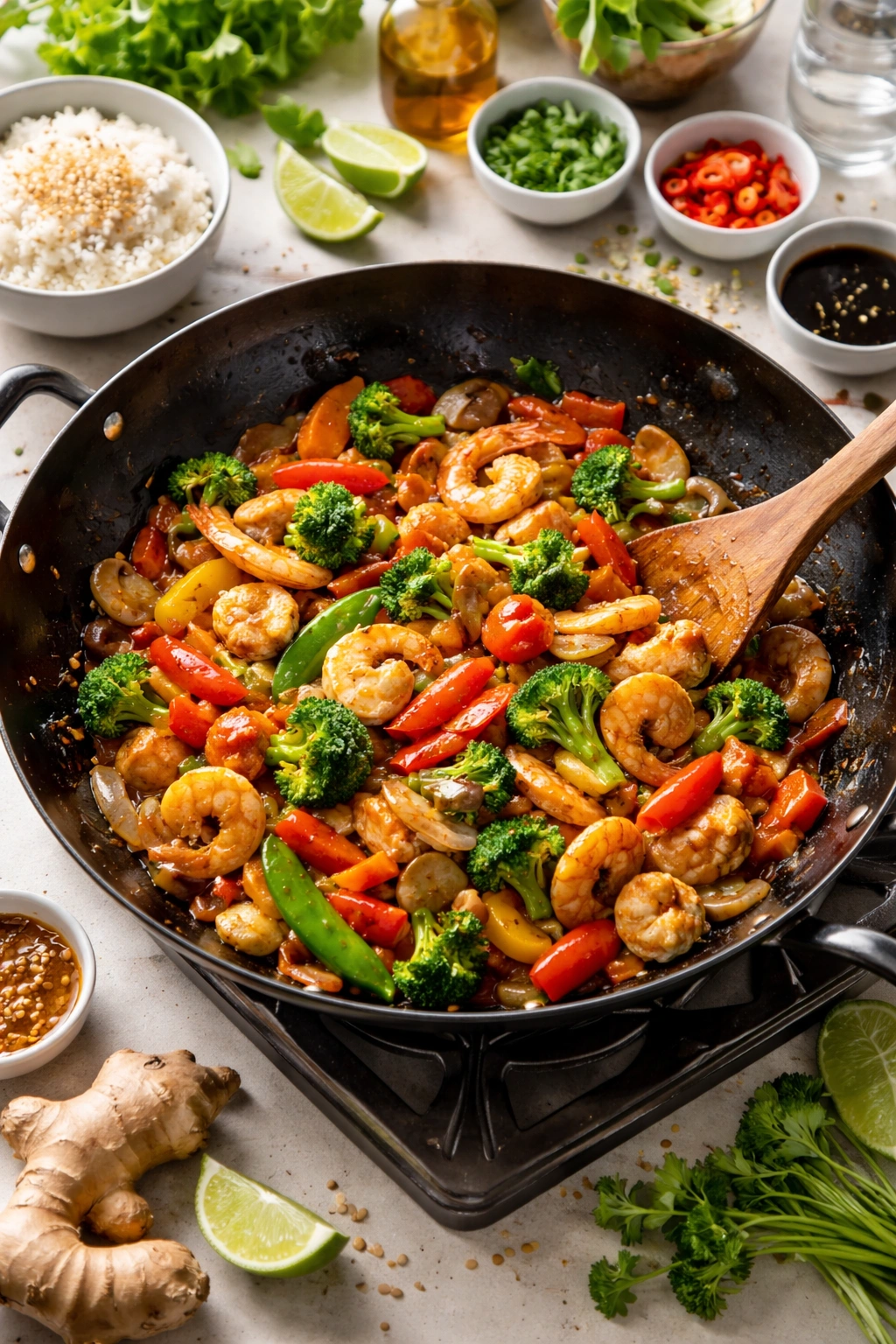
A stir-fry is fundamentally simple: protein, vegetables, a sauce, heat, and speed. For two people, it’s the ideal weeknight dinner because you only cook the amount you’ll eat, the whole process takes 15 to 20 minutes, and there’s room for infinite creativity based on what’s in your refrigerator.
The Basic Structure
Start with a hot wok or large skillet. Sear your protein (chicken breast, shrimp, thinly sliced pork or beef, tofu) until it’s nearly cooked through, then set it aside. In the same pan, stir-fry your vegetables—bell peppers, snap peas, broccoli, mushrooms, onions, whatever you have—moving everything constantly so it stays crisp. Return the protein to the pan, pour in your sauce, toss everything together, and you’re done.
Building Your Sauce
This is where personality comes in. A simple ginger-soy-garlic sauce uses soy sauce, minced ginger, minced garlic, and a splash of rice vinegar. An orange-based sauce adds orange zest and juice to a similar base. Peanut sauce uses peanut butter, soy sauce, lime juice, and a touch of honey. You’re not measuring precisely here—you’re tasting and adjusting, which means every stir-fry feels a little different depending on your instincts that night.
Serving Options
Stir-fries pair beautifully with steamed rice, but they also work over noodles, cauliflower rice, or even leafy greens if you’re wanting something lighter. The flexibility is the point. You’re not locked into a single way of serving dinner; you’re adapting based on what you feel like eating.
Worth knowing: Cut your vegetables and prep your sauce before you start cooking. Stir-frying moves fast, and you don’t want to be hunting for ingredients mid-cook.
6. Breakfast for Dinner
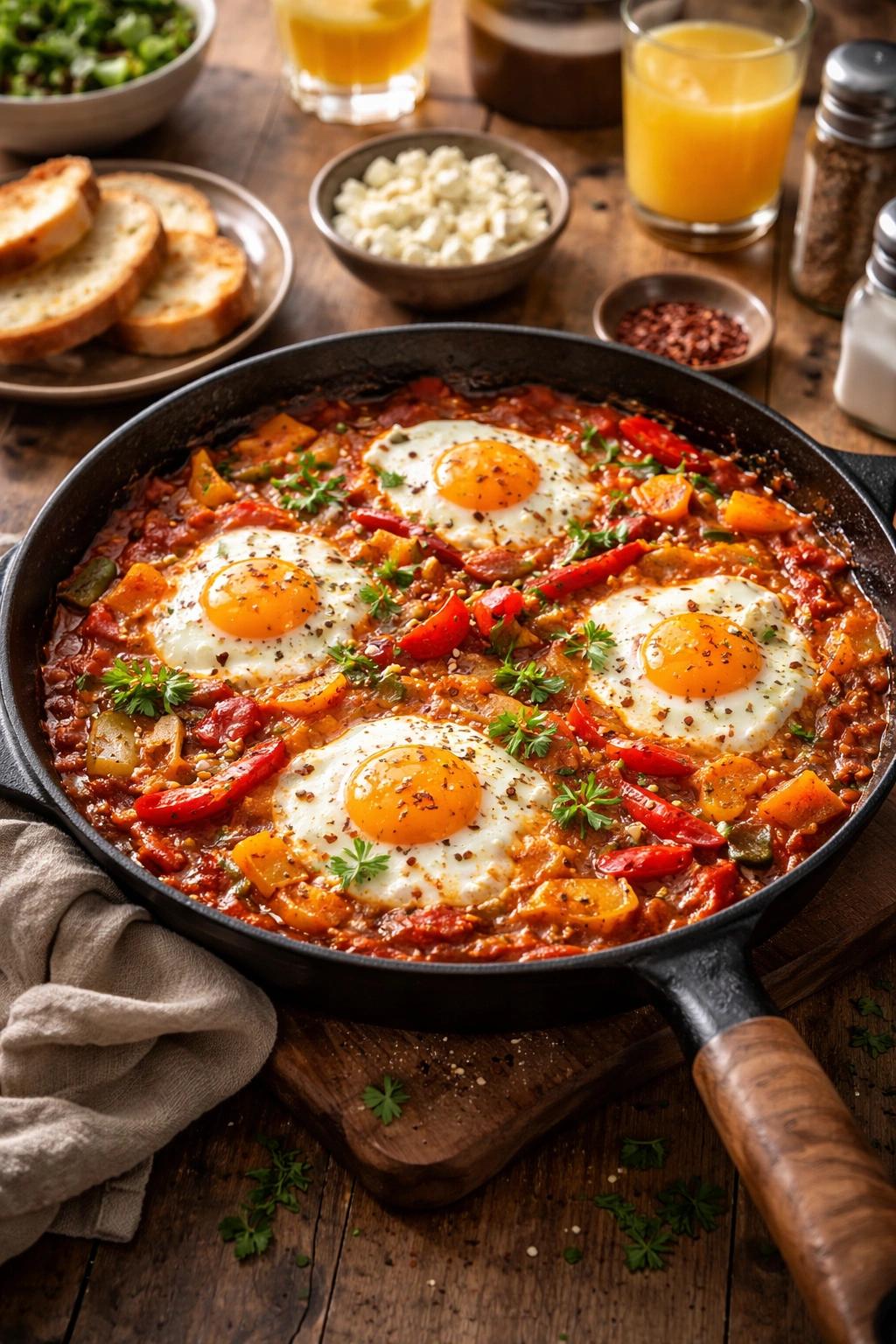
There’s something deeply satisfying about eating breakfast foods at night—partly because they’re usually quick to prepare, partly because they feel indulgent and rule-breaking, and partly because they remind you that you’re finally cooking for yourselves alone.
Beyond Basic Pancakes
While simple scrambled eggs and toast absolutely counts, empty nesters often elevate breakfast dinner slightly. A frittata loaded with leftover vegetables, cheese, and fresh herbs bakes while you set the table. Shakshuka—eggs poached in a spiced tomato sauce—feels restaurant-quality despite taking 20 minutes. Crepes filled with sautéed mushrooms and herbs and topped with a fried egg becomes dinner-appropriate without pretension.
Why It Works on Busy Nights
Breakfast proteins cook fast. Eggs, bacon, sausage—everything’s done in minutes. There’s no stress about getting timing exactly right because it doesn’t matter if your eggs are cooked one minute before you’re ready to sit down or three minutes before. The casualness is part of the appeal.
Making It Feel Special
The trick to breakfast dinner not feeling like you’re just grabbing leftovers is intentionality. Use fresh herbs, add quality cheese, toast your bread properly, maybe even set a nice table. You’re not cooking something complicated, but you’re acknowledging that this meal matters.
Pro tip: Make ahead a batch of your favorite breakfast baked good—scones, muffins, or quick bread—earlier in the week. Warm one up alongside breakfast dinner, and suddenly the meal feels more substantial.
7. No-Cook Salad Bowls
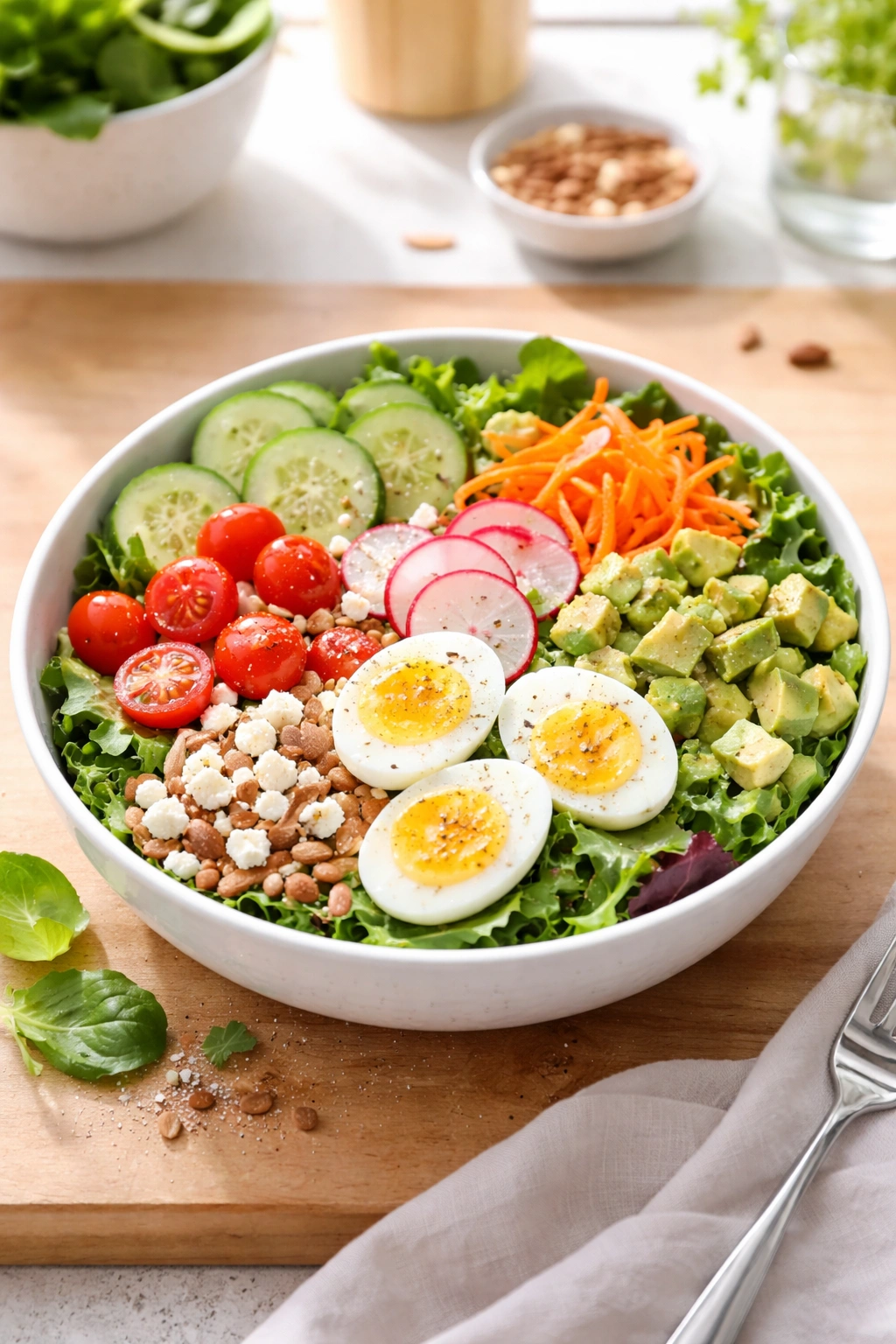
Some dinners don’t require cooking at all, and that’s entirely acceptable. A no-cook salad bowl is actually a complete dinner when you build it thoughtfully—greens as the base, then protein, vegetables, something crunchy, something creamy, and a solid dressing.
Building the Bowl
Start with your greens: spinach, arugula, mixed lettuce, whatever you prefer. Add a protein—rotisserie chicken, canned beans, hard-boiled eggs you made earlier in the week, tofu, leftover fish. Layer in vegetables: cucumber, bell pepper, radish, tomato, shredded carrot, avocado. Add something for crunch: toasted nuts, seeds, croutons, crispy chickpeas. Finish with cheese if you want richness.
The Everything-but-the-Kitchen-Sink Approach
The beauty of salad bowls is that there’s no wrong combination. You’re pulling ingredients from what you have on hand and assembling them based on mood and appetite. One night you create an Asian-inspired bowl with sesame-ginger dressing; the next night you build a Mediterranean version with feta and olives. You’re not eating the same thing twice because you’re not bound by a recipe.
Dressing as the Linchpin
A good dressing elevates everything. Keep a few options on hand: a simple vinaigrette made with olive oil and vinegar that takes two minutes to shake together, a tahini dressing for when you want richness, a citrus-based dressing for brightness. A properly dressed salad doesn’t need anything else—it is dinner.
Insider note: Prep your vegetables the day you shop and store them in containers. When dinner rolls around and you’re tired, you’re not fighting through chopping; you’re simply assembling.
8. One-Pot Soups and Stews
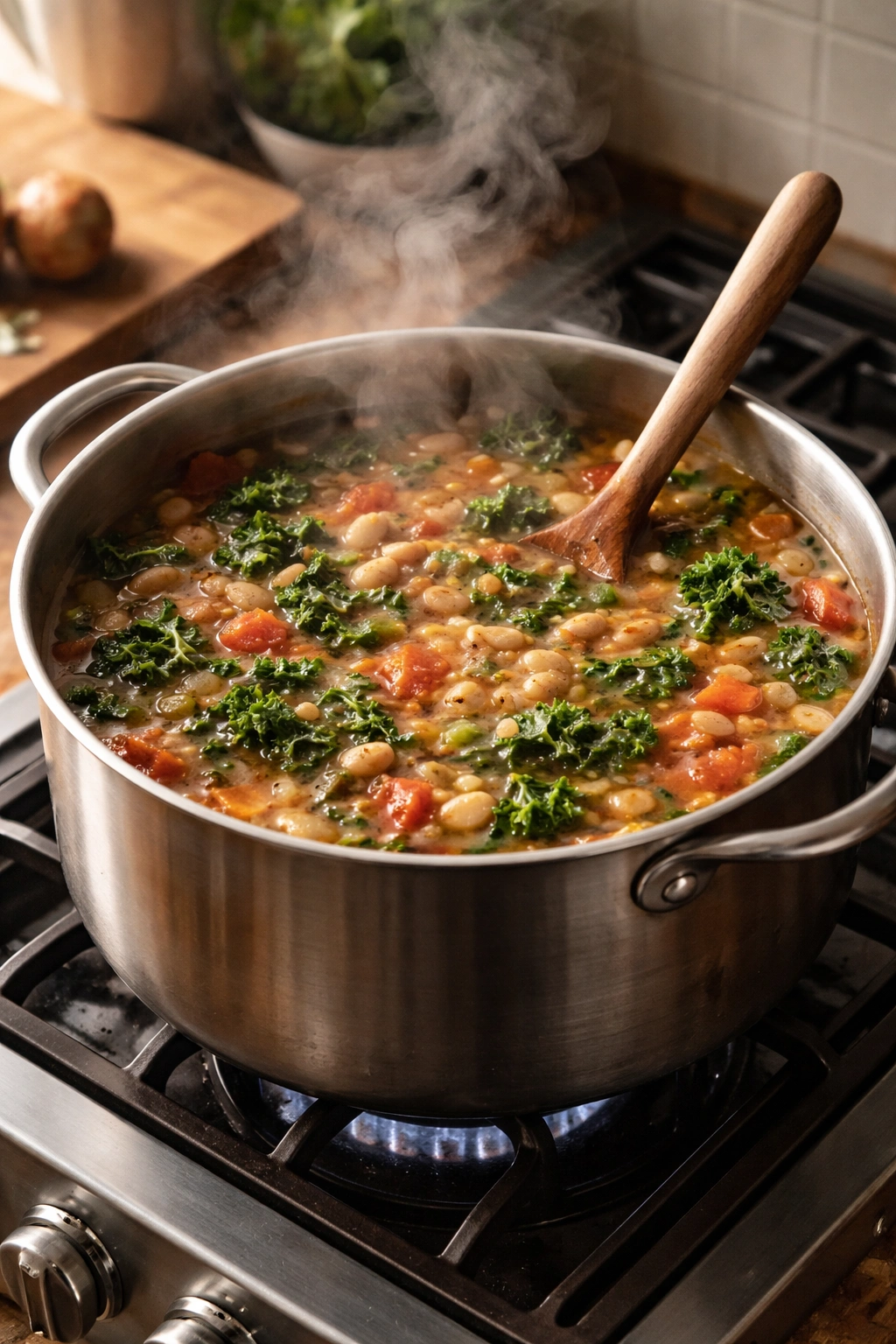
As the weather shifts through the seasons, a simple soup or stew becomes the kind of meal that feels nourishing and complete with minimal effort. You’re essentially combining ingredients, liquid, and heat—then waiting while everything becomes delicious.
Why One-Pot Works
Everything cooks in a single vessel, so cleanup is genuinely minimal. You’re not juggling multiple pans, and there’s something meditative about the process of sautéing aromatics, adding ingredients, and letting heat do the work while you read or sit with your partner.
Endless Flavor Directions
A basic soup formula starts with sautéed onion, garlic, and maybe celery. You add broth (vegetable, chicken, or beef depending on what direction you’re going), then proteins and vegetables, and let it simmer. Add white beans and kale with Italian seasoning, and you’ve got a Tuscan-inspired soup. Swap the seasonings to cumin and chili powder, add black beans and tomatoes, and suddenly it’s a Southwestern version. The same method creates completely different meals.
Batch Cooking Benefits
This is also where empty nesters can embrace a small amount of batch cooking that actually makes sense. Make a double batch of soup on Sunday when you have time, eat one portion Sunday night, and refrigerate the other. Three days later, you reheat it for a dinner that literally requires zero cooking time. It’s not meal prep in the exhausting sense—it’s just smart planning.
Building Flavor Without Fuss
Don’t skip the sautéing step, even though it adds five minutes. Letting onions soften and garlic bloom in fat before adding liquid creates depth that raw ingredients never achieve. Season as you go, tasting and adjusting. By the time your soup or stew is ready to eat, it should taste intentional, not underseasoned or generic.
Worth knowing: A soup that seems too thin on day one thickens as it sits in the fridge, so don’t panic if it’s brothier than you expected immediately after cooking.
Final Thoughts

The meals that work best for empty nesters aren’t about impressing anyone. They’re about recognizing that cooking for two is a completely different project than cooking for four or six, and that difference is worth celebrating. You get to be selfish about what lands on your plate. You don’t have to negotiate around picky eaters or dietary restrictions that aren’t yours. You don’t have to justify eating simply, or eating the same thing multiple nights, or deciding that tonight is a charcuterie board night.
The eight dinner approaches covered here all share one quality: they respect your time and your actual life. Some nights you’ll want a stir-fry that takes 20 minutes from fridge to table. Other nights a foil packet prepared that morning means dinner happens on your schedule. And some nights—the best nights—you’ll realize you don’t have to cook at all. You’ll pull together a board of good cheese and wine, and that becomes dinner, and no one’s disappointed because there’s no one to disappoint but yourselves.
That’s the real gift of the empty nest. You’re finally, genuinely, cooking for you.
