



Clean eating for weight loss doesn’t mean boring chicken and steamed broccoli every night. The best dinners are ones you’ll actually look forward to eating—meals that satisfy your hunger, taste genuinely good, and support your goals without making you feel deprived. The secret is understanding that weight loss happens when you consistently eat whole foods (lean proteins, vegetables, healthy fats, and whole grains) in portions that match your activity level, and that doesn’t require restriction or joyless sacrifice.
The challenge most people face isn’t knowing that they should eat clean—it’s figuring out what to actually cook when you’re tired after work, hungry right now, and don’t want to spend two hours in the kitchen. That’s where having a reliable rotation of clean-eating dinners becomes your greatest asset. These meals are built on the same proven formula: plenty of protein to keep you full, loads of vegetables for nutrients and fiber, healthy fats for satiety and hormone support, and smart carbs that fuel your body without sabotaging your progress.
What makes these specific dinners effective for weight loss is that they’re calorie-conscious without feeling restrictive. You’re eating real food in real portions—not drinking shakes or surviving on salads. Each dinner delivers the kind of satisfaction that keeps you from raiding the pantry at 9 PM, which is honestly half the battle. Here are ten clean-eating dinners that work with your body, not against it.
1. Grilled Salmon with Roasted Vegetables
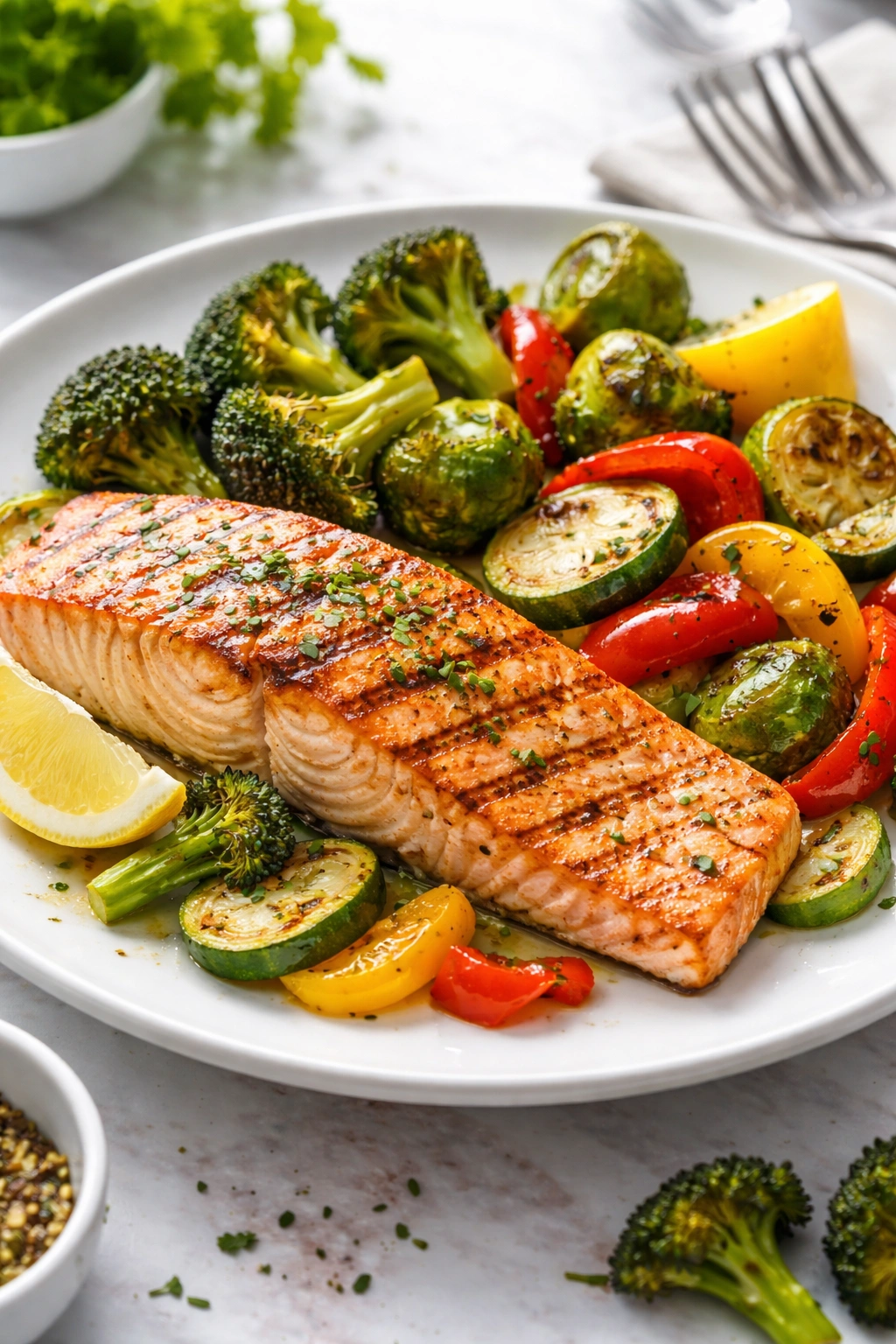
Salmon is one of the best proteins for anyone serious about weight loss, and here’s why: it’s packed with omega-3 fatty acids that actually reduce inflammation and improve how your body regulates hunger hormones. A six-ounce portion of salmon with a generous plate of roasted vegetables (broccoli, Brussels sprouts, bell peppers, zucchini) creates a meal that’s both filling and relatively modest in calories—typically around 400-450 calories when you use just a light coat of olive oil.
Why This Works for Weight Loss
The combination of protein, healthy fat, and fiber creates what nutritionists call “meal satisfaction”—you actually feel full for hours afterward, not hungry again in 90 minutes. The omega-3s in salmon also support metabolic health and reduce bloating, which many people struggle with when they’re eating a lot of processed foods. Roasting vegetables caramelizes them slightly, making them taste almost decadent without adding calories. You’re essentially getting a restaurant-quality meal that happens to align perfectly with weight loss goals.
How to Prepare It Right
- Preheat your oven to 425°F (220°C) and line two baking sheets with parchment paper for easy cleanup
- Pat your salmon dry with paper towels (this helps it crisp up), season with salt, pepper, and fresh dill or lemon, then place on one sheet
- Toss vegetables with just 1 tablespoon of olive oil per two cups, season, and spread on the second sheet
- Roast for 12-15 minutes until the salmon flakes easily with a fork and vegetables are golden at the edges
- The entire meal takes about 20 minutes from fridge to table, making it perfect for weeknight cooking
Pro tip: Cook extra salmon and store it in the refrigerator for 3-4 days—cold salmon makes an excellent addition to salads for quick lunches throughout the week.
2. Turkey Meatballs with Zucchini Noodles
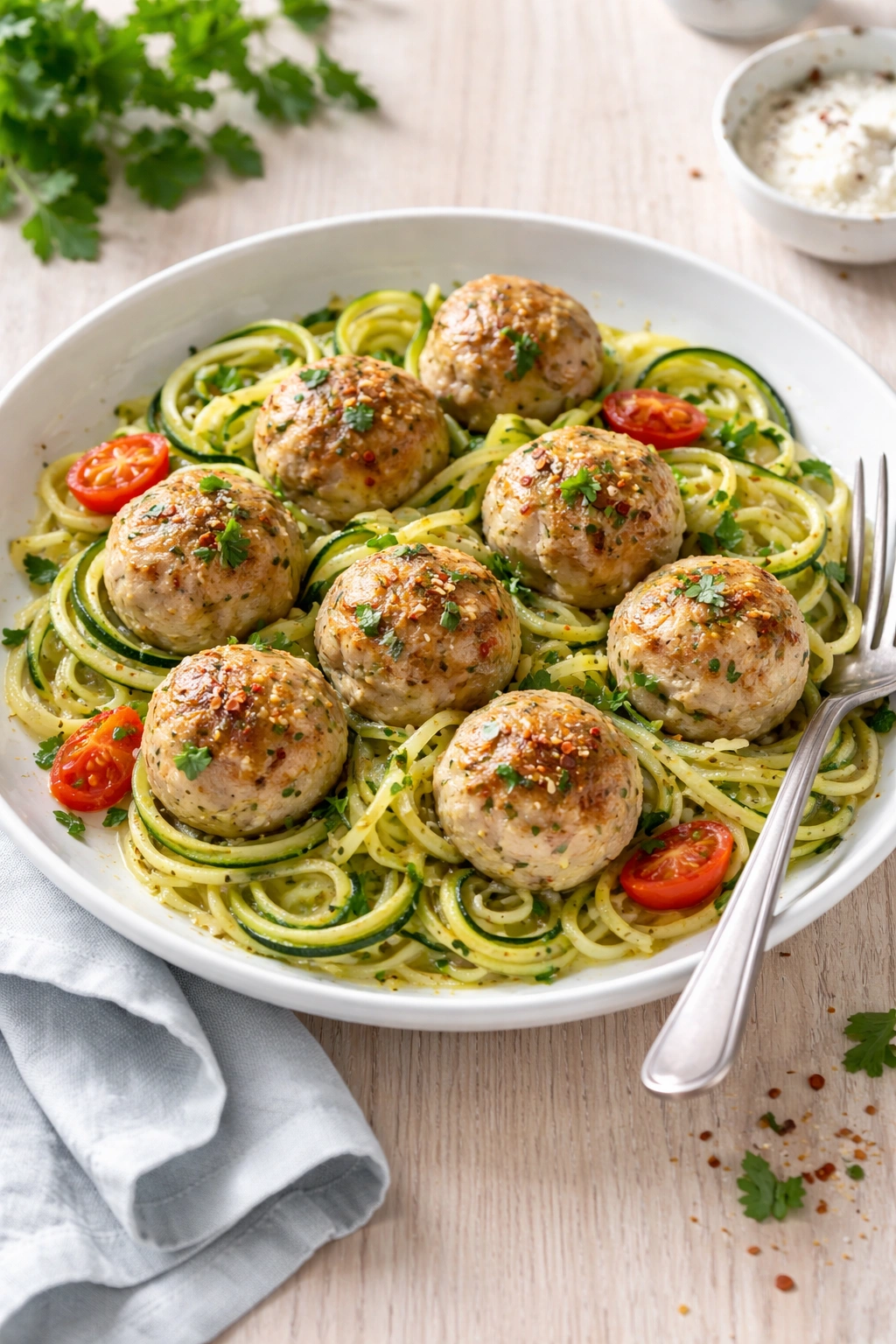
Ground turkey is criminally underrated as a weight-loss protein. It’s nearly as lean as chicken breast but has more flavor, and when you mix it with just the right amount of binder (egg and a small amount of breadcrumb), you get meatballs that are tender and delicious instead of dense and rubbery. Pairing them with zucchini noodles—spiralized or ribboned zucchini—replaces traditional pasta with a vegetable that’s less than one-tenth the calories.
What Makes This Meal Tick
Ground turkey has almost no fat, which sounds restrictive until you realize it actually absorbs the flavors around it beautifully. Adding a tablespoon of finely grated Parmesan to the meat mixture gives you umami richness without much added fat. The zucchini noodles soften slightly when cooked, taking on the flavor of your sauce (marinara, pesto, or a light olive oil–garlic sauce all work), and they’re so volumous that you end up eating a huge plate of food for under 300 calories if you’re using a clean marinara without added sugar.
Building the Perfect Batch
- Combine one pound of ground turkey with one egg, ¼ cup panko breadcrumb, ¼ cup grated Parmesan, minced garlic, Italian seasoning, salt, and pepper—mix just until combined, don’t overwork it
- Roll into 16-20 meatballs and place on a parchment-lined baking sheet
- Bake at 400°F (200°C) for 15-18 minutes until golden and cooked through
- Meanwhile, spiralize your zucchini and have it ready in a colander; toss with a pinch of salt to release excess moisture
- Warm your sauce separately and toss with the cooked zucchini noodles, then top with meatballs
Worth knowing: These meatballs freeze beautifully—make a double batch and freeze half in an airtight container for up to three months. Thaw overnight and you’ve got a backup dinner ready to go.
3. Chicken Stir-Fry with Brown Rice
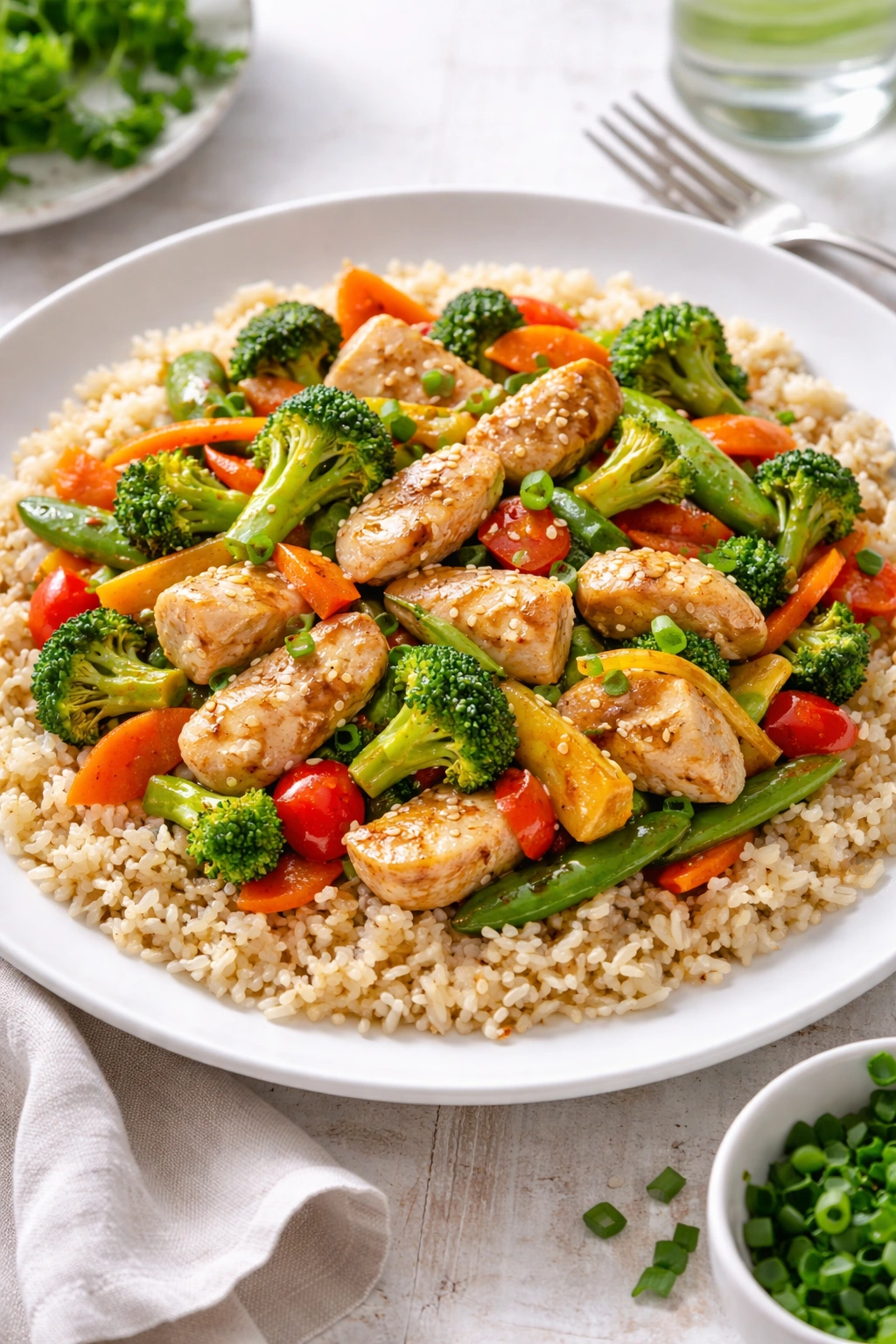
Stir-fry is one of the easiest ways to eat massive quantities of vegetables without noticing because they’re cooked into something flavorful and satisfying. The key to a weight-loss-friendly stir-fry is using a lean cut of chicken (breast or tenderloin), keeping the oil minimal through proper technique, and loading the pan with so many vegetables that they make up two-thirds of the meal.
Why Stir-Fry Supports Your Goals
Stir-frying at high heat cooks food quickly, which preserves more nutrients than slow cooking methods. The quick cooking also keeps vegetables slightly crisp, which means more fiber intake—the thing that actually makes your stomach feel satisfied. Brown rice adds whole-grain carbs that stabilize your blood sugar, so you won’t experience the energy crash and hunger spike you get from white rice or refined carbs. One cup of cooked brown rice paired with a full plate of stir-fried vegetables and lean protein usually totals around 550-600 calories and keeps you full until morning.
The Technique That Makes the Difference
- Cut skinless chicken breast into uniform, bite-sized pieces and pat completely dry (moisture prevents browning)
- Prep all vegetables first—bell peppers, broccoli, snap peas, carrots, onions, mushrooms—and keep them separate
- Heat a large skillet or wok over medium-high heat; add a tiny amount of oil and brown the chicken in batches, remove and set aside
- In the same pan, stir-fry harder vegetables (carrots, broccoli) first for 2-3 minutes, then add softer ones (peppers, peas), cook 2 more minutes
- Return chicken to the pan, add a sauce made from low-sodium soy sauce, rice vinegar, minced garlic, and a touch of honey, toss everything for 1-2 minutes until coated
- Serve over brown rice and top with sesame seeds for crunch
Quick facts: One tablespoon of oil is enough to cook for four servings if you use proper technique—allowing the pan to heat fully before adding ingredients and not crowding the pan lets you brown foods instead of steaming them.
4. Lean Beef Lettuce Wraps
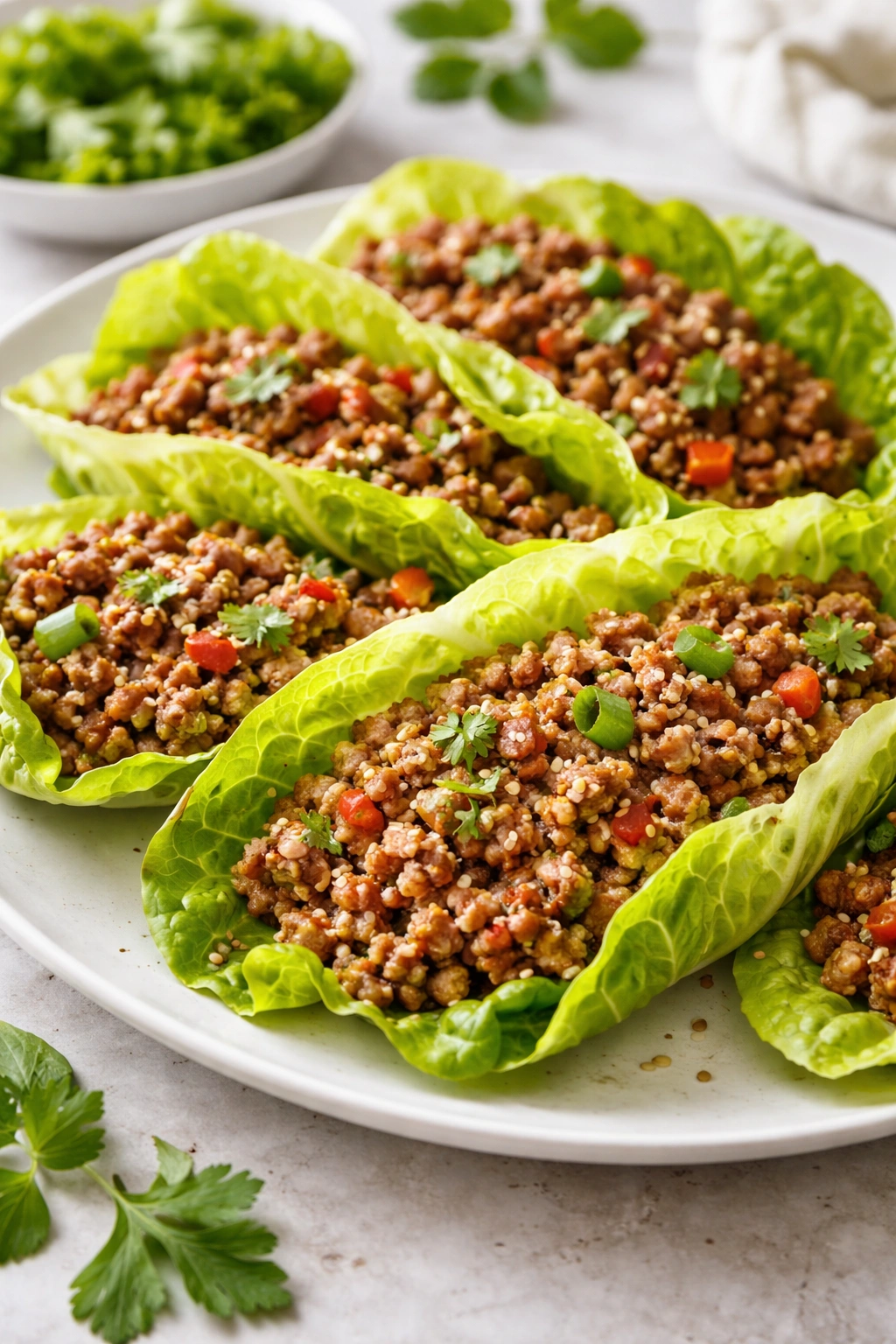
If you’re craving something that feels indulgent while still being clean and lean, lettuce wraps might become your secret weapon. Using lean ground beef (93% lean or higher) seasoned with Asian-inspired flavors creates a filling that’s savory and satisfying without any bread, and you can eat an enormous volume—five or six wraps is completely reasonable—for around 300 calories.
The Weight-Loss Advantage Here
Lettuce wraps eliminate bread entirely, which cuts calories dramatically but more importantly removes the blood-sugar spike that makes you hungry again two hours later. The protein in the beef combined with the fiber and water content in the lettuce creates sustained fullness. You’re also eating with your hands and assembling each wrap, which naturally slows down your eating pace—the difference between wolfing down a sandwich and mindfully eating your meal actually matters for satiety signals.
How to Execute Them Perfectly
- Brown one pound of 93% lean ground beef in a large skillet over medium-high heat, breaking it up as it cooks, then drain any excess liquid
- Add minced ginger, minced garlic, and a pinch of red pepper flakes, cook 30 seconds until fragrant
- Stir in low-sodium soy sauce, rice vinegar, a teaspoon of sesame oil, and a tablespoon of hoisin sauce (it has more flavor than you’d expect)
- Cook for 2-3 minutes until the liquid reduces slightly and the flavors meld together
- Serve with crisp butter lettuce leaves (more flexible than iceberg for wrapping), sliced scallions, shredded carrots, and fresh cilantro
- Each person assembles their own wraps—this adds an element of fun to eating and lets people customize to their taste
Pro tip: Prep the filling and have all the toppings in separate bowls ready to go; assembly takes about two minutes and feels almost like a shared meal experience rather than a solo dinner.
5. Baked White Fish with Quinoa
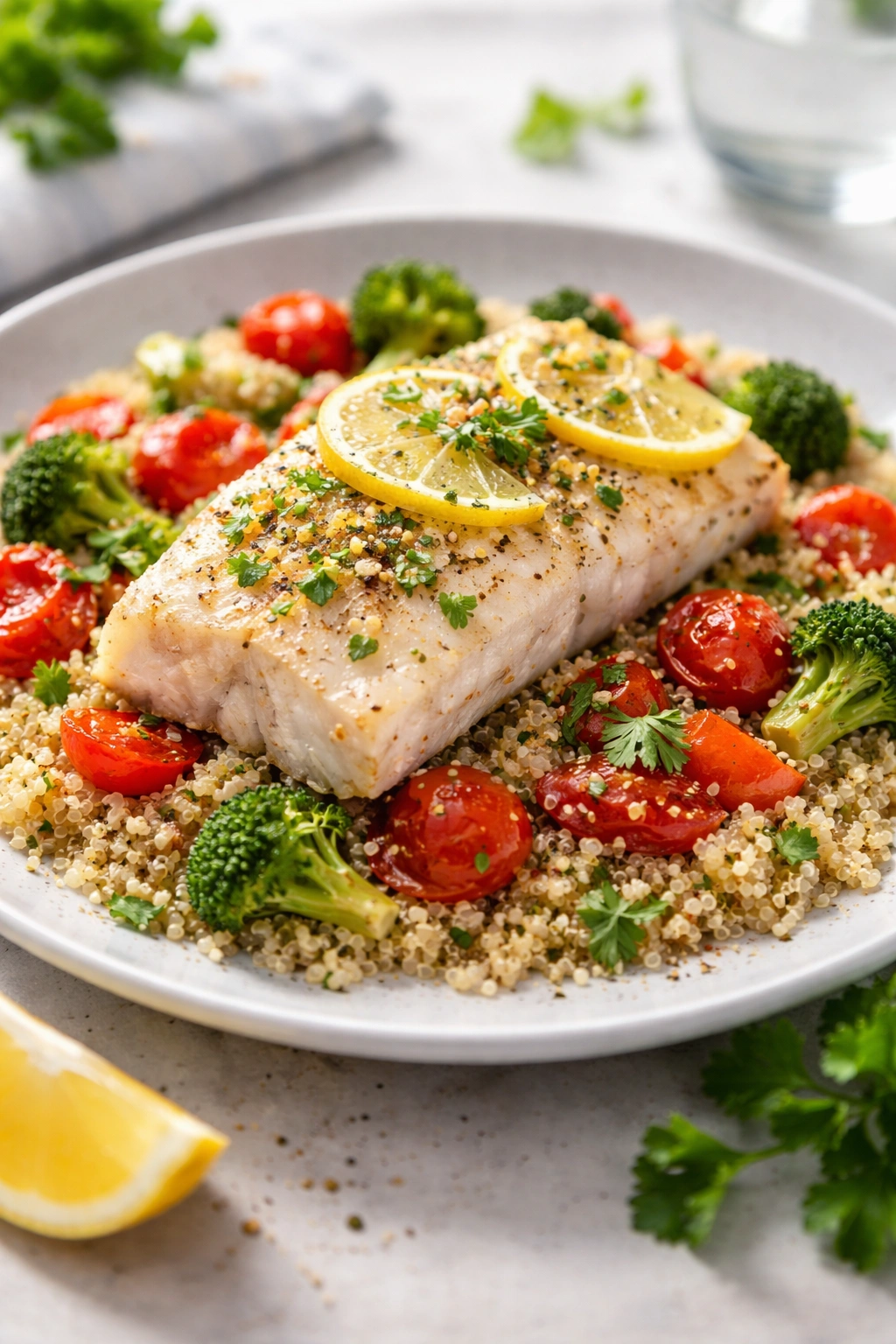
White fish like cod, halibut, or sea bass is the leanest protein available—sometimes fewer than 90 calories per three-ounce serving. Paired with quinoa (which is a complete protein containing all nine amino acids) and roasted vegetables, this meal delivers nutrition that’s almost too clean to be true. Yet it doesn’t taste clean-eating restrictive; when you season fish properly and roast it until it’s just cooked through, it’s genuinely delicious.
Why This Combination Works
The combination of two complete proteins (fish and quinoa) means your body gets everything it needs for muscle maintenance and recovery. This is especially important if you’re exercising while trying to lose weight—you want to preserve muscle while losing fat, and protein is what makes that happen. Quinoa has more fiber than white rice, so it keeps you satisfied longer, and it has a slightly nutty flavor that’s more interesting than bland starches. White fish is so mild that it takes on whatever flavors you pair it with, so the seasoning becomes the star.
Building the Meal from Start to Finish
- Cook quinoa according to package directions (usually one part quinoa to two parts water, simmer 15 minutes)
- While quinoa cooks, pat your fish fillets dry, season with salt, pepper, and fresh herbs (dill, parsley, tarragon all work)
- Place on a parchment-lined baking sheet, drizzle with a light amount of olive oil, squeeze of fresh lemon juice
- Bake at 400°F (200°C) for 10-12 minutes depending on thickness—the fish is done when it flakes easily with a fork but is still moist inside
- Serve the fish on top of the fluffy quinoa with a side of roasted vegetables or fresh steamed broccoli
Insider note: Make quinoa in larger batches on the weekend and store it in the refrigerator—it keeps for five days and you can use it as a base for quick bowl meals throughout the week.
6. Herb-Roasted Turkey Breast with Sweet Potato
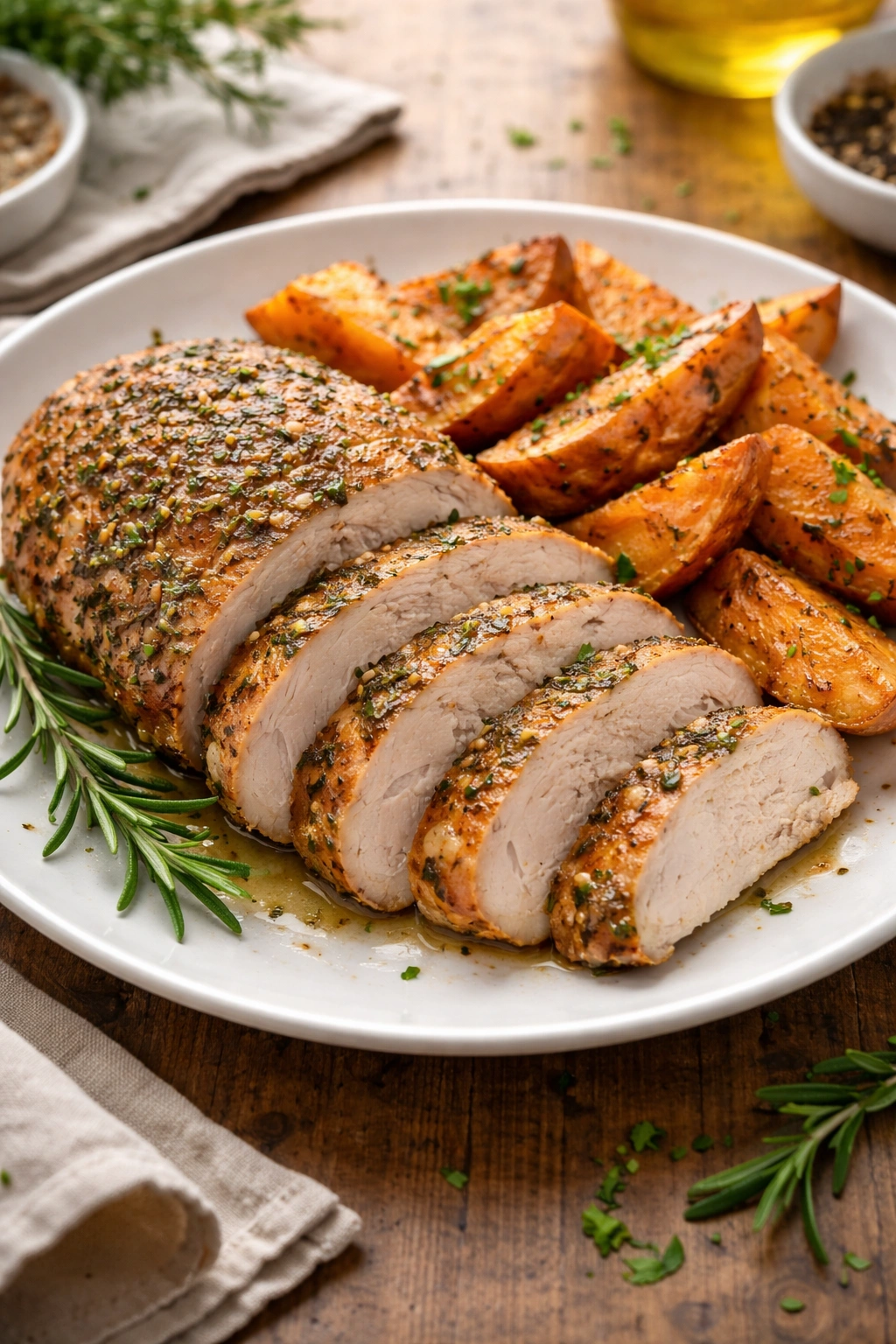
Turkey breast is one of the most underutilized proteins for home cooking, possibly because people associate it only with Thanksgiving. But a simple roasted turkey breast is incredibly moist when cooked correctly, slices beautifully, and costs far less than equivalent amounts of chicken. Paired with roasted sweet potato (which has more fiber and vitamins than white potatoes), this meal feels autumn-inspired and satisfying without being heavy.
The Metabolic Benefits
Sweet potatoes have a lower glycemic index than white potatoes, meaning they raise your blood sugar more gradually and don’t trigger the same hunger spike. They’re also rich in beta-carotene and fiber, so you’re getting serious nutrition along with your carbs. The combination of lean turkey protein and sweet potato carbs is actually ideal for post-workout meals if you’re exercising—the carbs replenish glycogen while the protein supports muscle recovery.
The Roasting Method That Keeps Turkey Moist
- Bring your turkey breast to room temperature for 15-20 minutes before cooking (this ensures even cooking)
- Rub the surface with a mixture of olive oil, minced fresh herbs (thyme, rosemary, sage), minced garlic, salt, and pepper
- Place in a baking dish, add about ½ cup of low-sodium chicken broth to the bottom (this keeps things moist)
- Roast at 350°F (175°C) for about 20 minutes per pound, checking that the internal temperature reaches 165°F (74°C)
- Let it rest for 5 minutes before slicing; this keeps it juicy instead of dry
- Serve sliced turkey alongside roasted sweet potato wedges and sautéed greens
Quick facts: One serving of roasted turkey breast is around 150-180 calories per three-ounce serving; a medium sweet potato adds about 100 calories and exceptional nutrition in the form of fiber and micronutrients.
7. Shrimp and Broccoli with Garlic Sauce
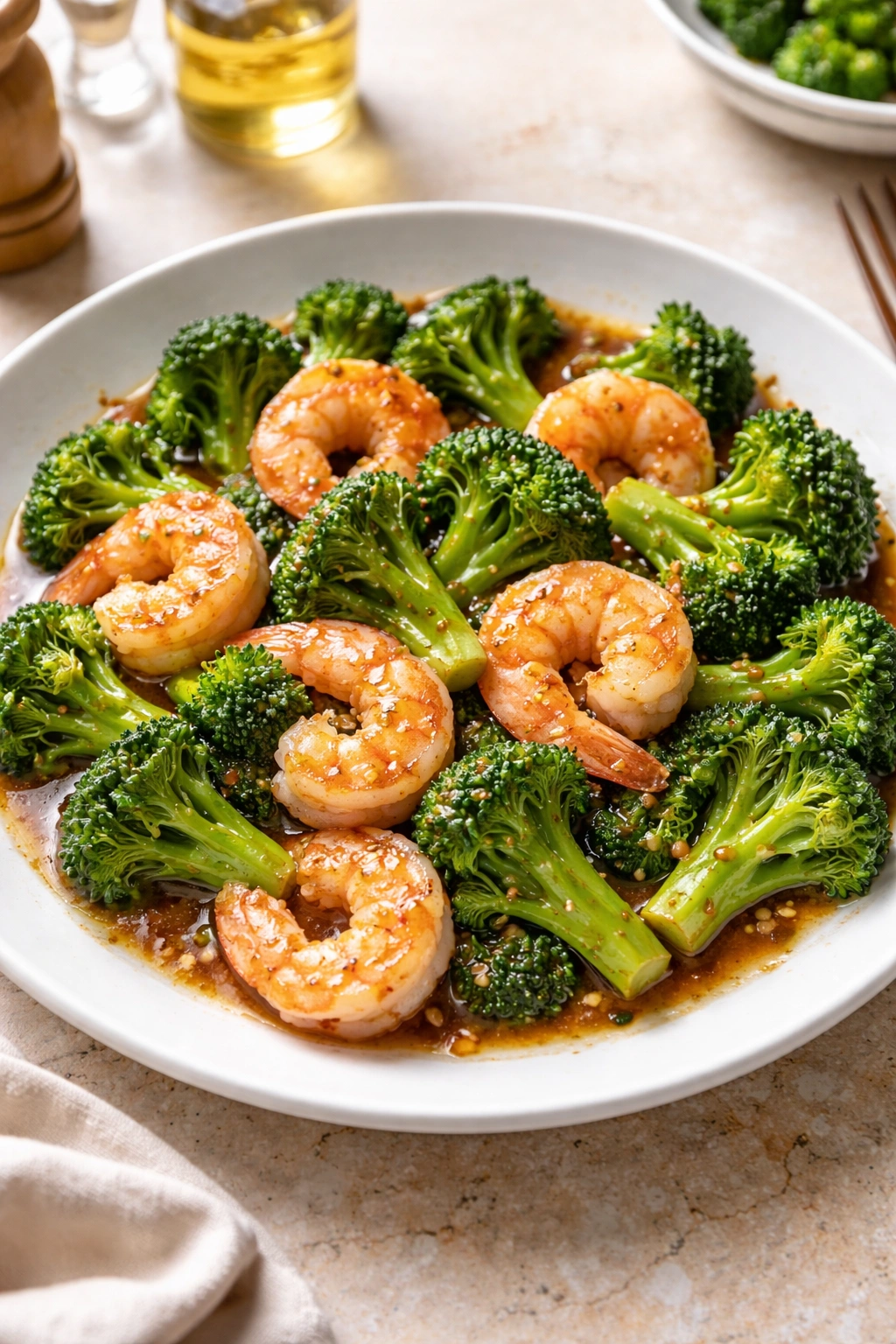
Shrimp is one of the best-kept secrets in clean eating for weight loss: it’s an incredibly lean protein with less than 100 calories per three-ounce serving, cooks in minutes, and takes on flavors beautifully. Combined with broccoli (cruciferous vegetables that support liver function and detoxification), this meal is ready in about 15 minutes from start to finish.
What Makes This Meal Special
Shrimp cooks so quickly that you’re not breaking down nutrients through long cooking times. The garlic sauce—made from minced garlic, a touch of sesame oil, low-sodium soy sauce, rice vinegar, and a pinch of red pepper flakes—is where all the flavor lives, so you don’t need heavy cream or excessive oil to make it taste amazing. Broccoli’s slightly bitter taste actually pairs perfectly with this garlicky, umami-rich sauce, and the combination feels restaurant-quality impressive while being incredibly simple to execute.
The Quick Cooking Process
- Pat shrimp dry and season with just salt and white pepper
- Heat a large skillet over medium-high heat with a minimal amount of oil
- Add shrimp in a single layer and cook 1-2 minutes per side until they turn opaque—don’t overcook or they become tough
- Remove shrimp and set aside; in the same pan, add broccoli florets with a splash of water, cover, and steam for 3-4 minutes until tender-crisp
- Create the sauce by combining minced garlic, 2 tablespoons low-sodium soy sauce, 1 tablespoon rice vinegar, 1 teaspoon sesame oil, and ½ teaspoon red pepper flakes
- Return shrimp to the pan, pour sauce over everything, toss for 30 seconds until coated
- Serve immediately, optionally over cauliflower rice or brown rice
Worth knowing: Buy frozen shrimp and keep it in your freezer—it thaws in about five minutes under cool running water and allows you to make this meal spontaneously whenever you need dinner fast.
8. Lentil and Vegetable Soup
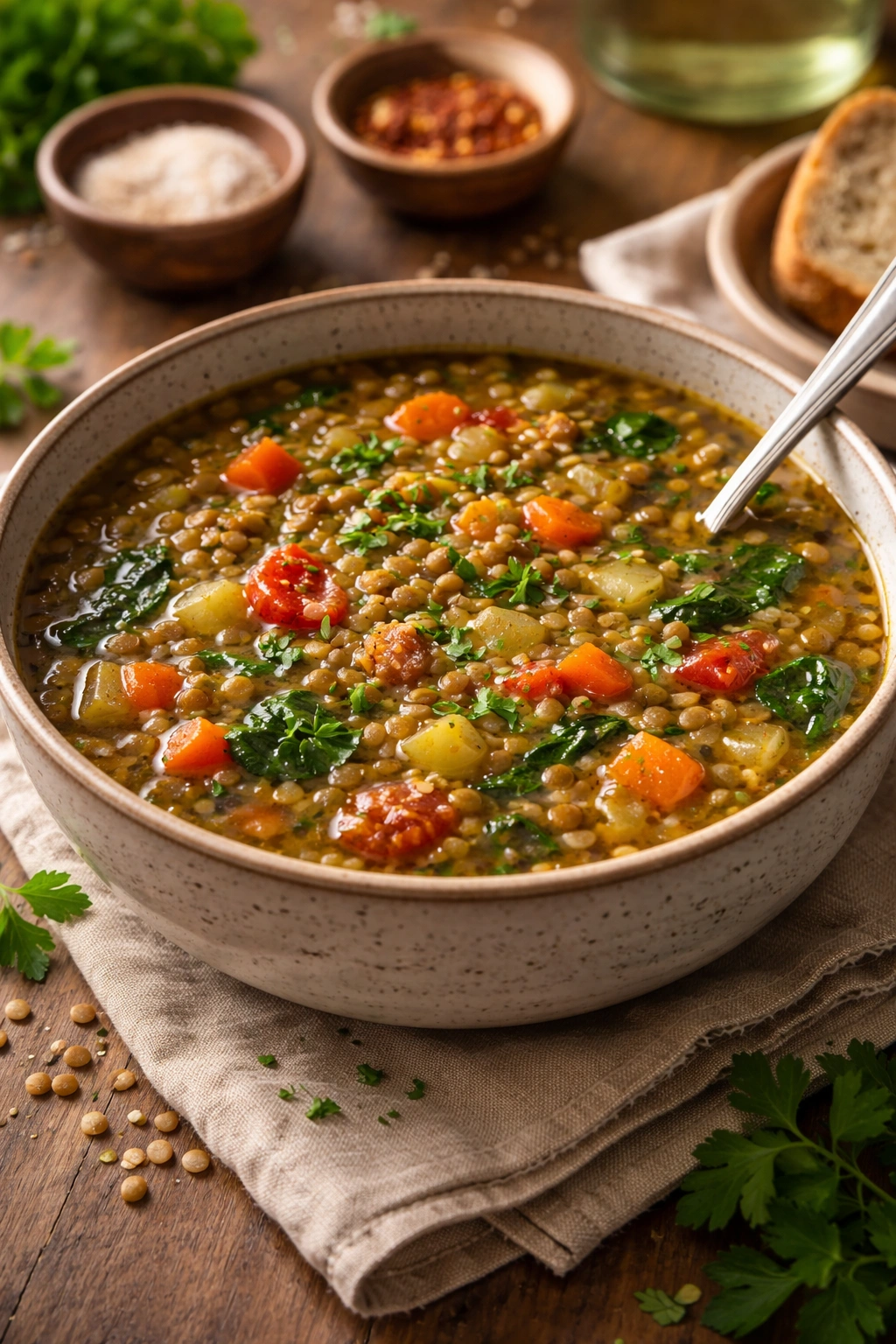
Soup might seem like an odd choice for a weight-loss dinner, but lentil-based soups are legitimately one of the most satisfying and nutrient-dense meals you can eat. Lentils are packed with fiber and plant-based protein, meaning they keep you full for hours despite being relatively low in calories. A big bowl of lentil soup with plenty of vegetables is around 250-350 calories and feels indulgent compared to salads or restrictive meals.
Why Lentil Soup Supports Weight Loss
Fiber is the most underrated weight-loss tool available—it literally makes your stomach expand and signals fullness to your brain, and lentils contain more fiber per serving than almost any other food. Lentils also have a low glycemic index, so they don’t spike your blood sugar, and they’re versatile enough that you can flavor them a hundred different ways without getting bored. Soup is also hydrating, which sometimes people confuse with hunger; many times when you think you’re hungry, you’re actually thirsty.
How to Build a Batch That Lasts All Week
- Sauté diced onion, carrots, and celery in a large pot with a minimal amount of oil until softened (about 5 minutes)
- Add minced garlic, diced tomatoes, low-sodium vegetable broth (8 cups), one cup of dried lentils, bay leaf, and Italian seasoning
- Bring to a boil, then reduce heat and simmer for 25-30 minutes until lentils are tender but not mushy
- Add chopped spinach, kale, or other greens in the last 5 minutes; season with salt, pepper, and a squeeze of fresh lemon juice
- Let cool and store in airtight containers; the soup keeps for up to five days in the refrigerator and freezes beautifully for up to three months
Pro tip: Make a double batch on Sunday and you’ve got ready-to-heat dinners for the next several nights—just grab a container, reheat on the stove or in the microwave, and eat.
9. Grilled Chicken with Cauliflower Rice
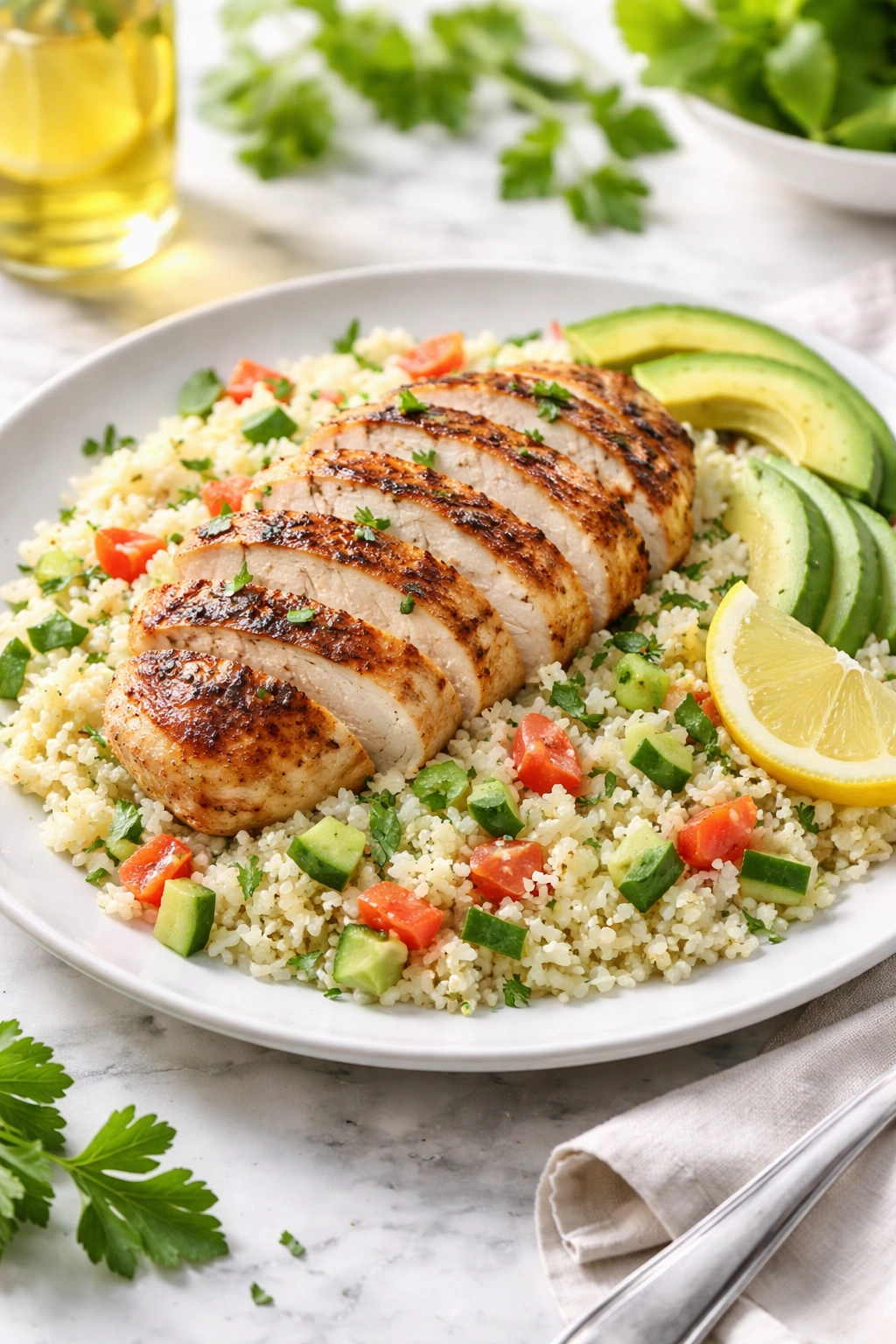
Cauliflower rice has become mainstream for good reason: it’s a clever way to add volume to a meal without adding significant calories. One cup of cauliflower rice is about 25 calories compared to 200 calories for one cup of cooked white rice. Pair it with grilled chicken breast (the leanest poultry protein available) and you’ve created the ultimate clean-eating dinner that supports weight loss without feeling punitive.
The Strategic Advantage
Cauliflower rice looks and has a texture similar enough to regular rice that your brain accepts it as a satisfying meal base, even though you’re eating vegetables. The grilled chicken provides the protein that anchors satiety, and because cauliflower rice is relatively bland on its own, you can season it however you want—stir-fry style, Mediterranean, Mexican-inspired—so you’re not eating the same flavor repeatedly. This meal typically totals 300-350 calories and keeps you full until morning.
Executing Both Components Properly
- Season your chicken breasts with salt and pepper on both sides; grill over medium-high heat for 6-7 minutes per side depending on thickness, until the internal temperature reaches 165°F (74°C)
- Let chicken rest for 3-5 minutes before slicing; this keeps it moist
- For cauliflower rice, you can buy it pre-riced and frozen, which saves prep time, or pulse raw cauliflower in a food processor until it resembles rice grains
- Warm a skillet over medium heat, add minimal oil, and cook the cauliflower rice for 4-5 minutes, stirring occasionally, until heated through and slightly softened
- Season with whatever flavor profile appeals to you: garlic and low-sodium soy sauce for Asian-inspired, cumin and lime for Mexican, olive oil and fresh herbs for Mediterranean
Quick facts: Sliced grilled chicken keeps in the refrigerator for up to four days, making this a meal you can assemble quickly throughout the week even on busy nights.
10. Black Bean and Vegetable Tacos
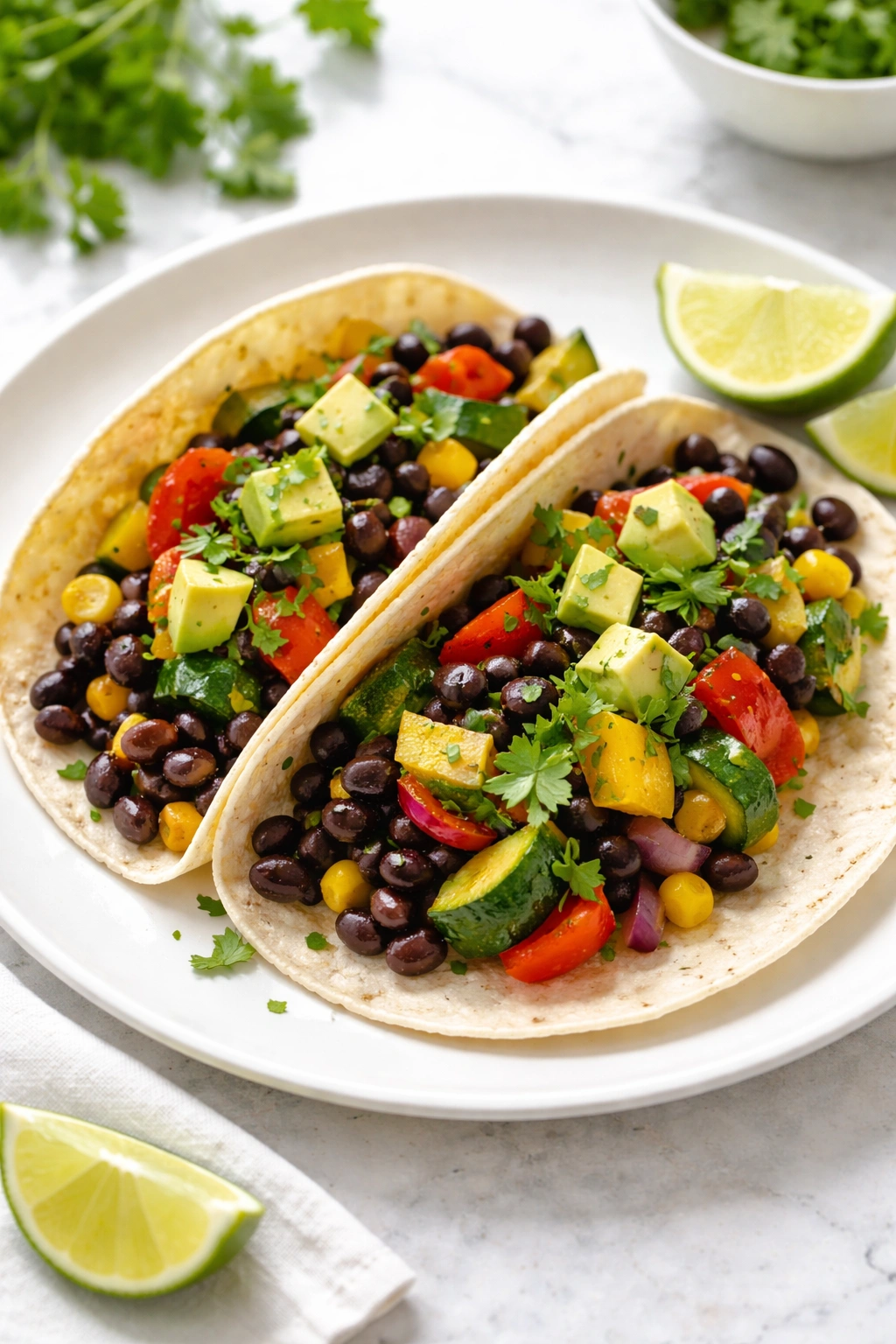
The fact that tacos can be a legitimate clean-eating, weight-loss meal surprises most people who think they have to give up foods they enjoy. Black beans provide plant-based protein and fiber, while corn tortillas (choosing smaller ones or lettuce wraps) keep calories moderate. Loading each taco with fresh vegetables, salsa, and a tiny amount of healthy fat creates a meal that’s satisfying, delicious, and actually supports your goals.
Why This Works Without Feeling Like Deprivation
Most people abandon weight-loss efforts because they feel too restricted—they can’t have foods they actually enjoy, so eventually they give up. These tacos prove that you can have real foods that taste great while losing weight. Black beans have a different nutrient profile than animal proteins; they’re rich in antioxidants and fiber, making them an excellent addition to a weight-loss diet. The act of assembling tacos also slows down your eating and makes the meal more engaging and enjoyable compared to just eating a plate of food.
Building Tacos That Feel Indulgent
- Drain and rinse a can of black beans, then simmer them in a skillet with minced garlic, cumin, chili powder, and a splash of low-sodium vegetable broth for 5-7 minutes
- While beans cook, prepare your taco components: shredded lettuce, diced tomato, diced red onion, shredded carrots, fresh cilantro, salsa, and a very small amount of shredded cheese or avocado
- Warm corn tortillas (two small ones per serving keeps calories moderate—usually around 50-60 calories per tortilla) either directly over a flame or wrapped in foil in a warm oven
- Assemble tacos with beans first, then pile on the fresh vegetables, finish with a small dollop of salsa and optional cilantro
- Set out all toppings and let everyone build their own tacos—this adds fun and allows people to customize to their preferences
Insider note: These tacos are even better the next day because the flavors meld overnight, so they make excellent lunch leftovers or a quick dinner when you need something ready immediately.
Final Thoughts

The biggest shift you need to make for sustainable weight loss isn’t about willpower or restriction—it’s about finding clean, whole-food dinners that actually satisfy you. When your meals are built around lean protein, plenty of vegetables, whole grains, and healthy fats, your body naturally regulates hunger better because you’re getting genuine nutrition instead of empty calories that leave you craving more.
These ten dinners work because they’re not punishment meals; they’re the kind of food you’d be happy to eat even if weight loss wasn’t a goal. They’re also flexible enough that you can adapt them based on what’s in your kitchen, what looks good at the market, or what flavors appeal to you that particular week. The most effective diet is always the one you’ll actually stick with, and that means eating food you genuinely enjoy.
Start by picking two or three of these that sound most appealing and rotating them through your weekly meal plan. Once you’re comfortable with those, add a couple more. Eventually, you’ll have a solid rotation of clean-eating dinners that support your weight-loss goals without feeling like you’re dieting at all.
