


Hunger strikes at the worst possible times. You’re in a meeting, running errands, or stuck in traffic, and suddenly your stomach is growling and your energy is tanking. That’s when most people reach for whatever convenient junk is nearby — a vending machine candy bar, a sugary granola bar, or a drive-thru pastry. But clean eating doesn’t stop when you leave home. The right portable snacks can keep your blood sugar stable, maintain your energy, and actually align with your nutrition goals instead of derailing them.
The challenge isn’t finding any snack. The challenge is finding snacks that are genuinely good for you, travel well without spoiling, don’t require refrigeration, and actually taste good enough that you’ll want to eat them. A snack is only “clean” if it’s made from real, recognizable ingredients — no mysterious additives, artificial flavors, or ultra-processed oils hiding in the ingredient list. But it also has to be practical enough that you’ll actually pack it and actually eat it instead of abandoning it in your bag after two days.
What follows are 10 portable snack options that nail both criteria. Each one travels well, requires minimal (or no) prep work, keeps for days or weeks, and delivers real nutrition — protein, healthy fats, or fiber that actually satisfies hunger instead of creating a spike-and-crash cycle. These aren’t exotic or complicated. They’re straightforward foods you can find at any grocery store, pack in five minutes, and feel genuinely good about eating.
1. Raw Almonds or Mixed Nuts
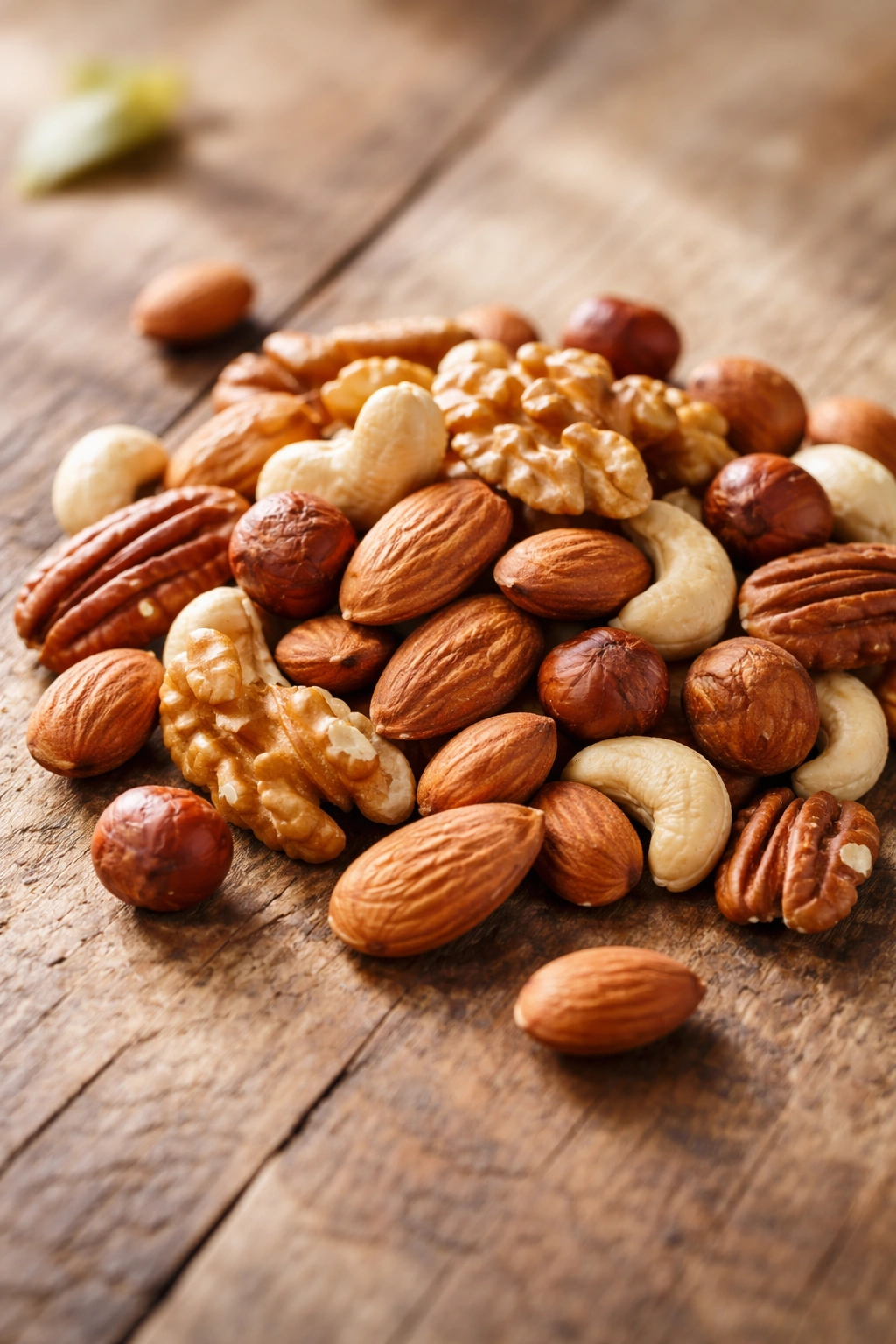
A small handful of almonds or mixed nuts is one of the most underrated portable snacks out there. Unlike processed granola or puffed snacks, nuts are genuine whole foods — just the dried kernel of a seed with zero added processing. A standard 1-ounce serving (roughly 23 almonds) packs protein, fiber, and healthy unsaturated fats that take real time to digest, which means you actually feel full afterward instead of hungry again 20 minutes later.
Why Nuts Are a Powerhouse Portable Snack
Almonds specifically contain magnesium and vitamin E, two nutrients most people don’t get enough of. Magnesium helps regulate blood sugar and supports muscle function — critical when you’re sitting at a desk or moving through a busy day. Cashews contain copper, which supports energy production, while walnuts are packed with omega-3 fatty acids, the same anti-inflammatory compounds found in fatty fish. Mixed nuts give you the benefits of multiple nutrients in one small bag. The fat and protein combination is what makes nuts so satisfying — your body has to work to digest them, which extends satiety well past the snack itself.
How to Pack and Store Nuts
- Portion nuts into small containers or snack-size bags (1-ounce servings, roughly 1/4 cup) at home so you’re not tempted to overeat from a large bag
- Store in airtight containers at room temperature — they’ll stay fresh for weeks without refrigeration
- Avoid pre-roasted salted varieties when possible; roasting damages some of the delicate oils, and excess salt can increase thirst during the day
- Raw or lightly roasted, unsalted almonds are your cleanest option, but unsalted mixed nuts work equally well
- Pack a small handful (about 1 ounce) in a snack bag or container — this is a satisfying portion that won’t spike your blood sugar
Pro tip: Raw almonds have a slightly bitter skin that contains tannins — compounds with antioxidant properties. You don’t need to blanch them (though some people prefer to). The skin is perfectly fine to eat and actually contains valuable nutrients.
2. Hard-Boiled Eggs
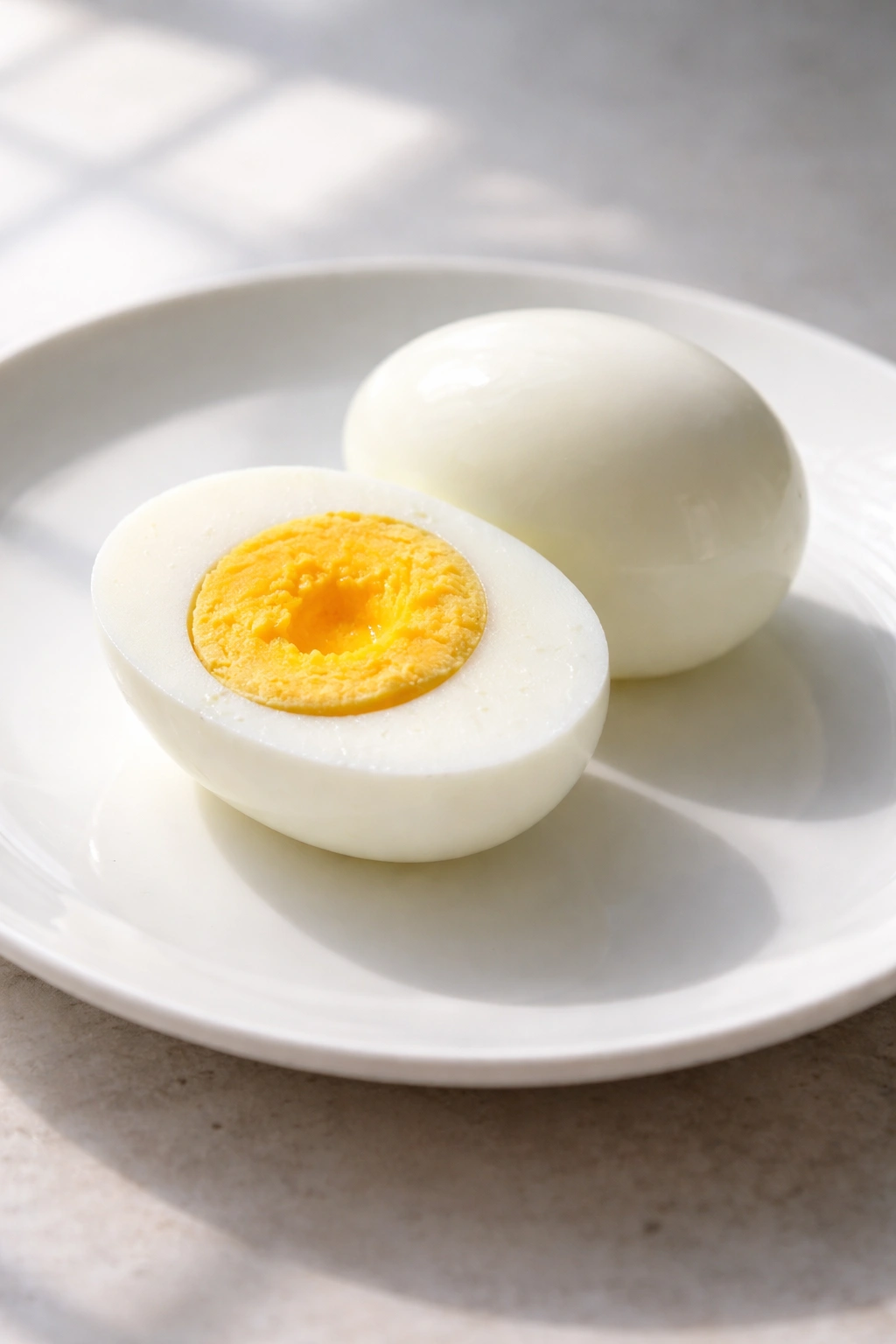
Hard-boiled eggs might be the cleanest, most portable protein snack that exists. An egg is a single whole food — no processing, no ingredients list — and a hard-boiled egg travels safely without refrigeration for several hours (or longer if kept in a cool lunch bag with an ice pack). One large egg contains about 6 grams of protein and all nine essential amino acids, meaning your body has everything it needs to repair and maintain muscle tissue.
Why Eggs Are Peak Portable Nutrition
Eggs contain choline, a compound critical for brain health and memory, plus lutein and zeaxanthin, antioxidants that protect your eyes from damage over time. The yolk gets unfairly blamed for cholesterol, but dietary cholesterol from eggs doesn’t significantly raise blood cholesterol in most people — in fact, research shows eggs can improve cholesterol ratios by raising “good” HDL. The protein-to-calorie ratio in eggs is exceptional: you get substantial satiety from just 70 calories, which is why hard-boiled eggs are so effective for keeping hunger at bay without adding a ton of calories.
Practical Tips for Boiled Eggs on the Go
- Boil a batch at home on Sunday or whenever you have time, and they’ll keep refrigerated for up to a week
- Peel them at home and pack them in a small container, or carry unpeeled eggs and peel them when you’re ready to eat
- Pack 1-2 eggs per snack session; two eggs provide 12 grams of protein and substantial staying power
- If you don’t have access to a cooler, hard-boiled eggs are safe at room temperature for 2-3 hours, longer in cool weather
- A pinch of salt and pepper, a tiny bit of hot sauce, or a dusting of everything-bagel seasoning adds flavor without adding calories
Worth knowing: Free-range or pasture-raised eggs have higher levels of omega-3s and other nutrients compared to conventional eggs. They’re worth seeking out if your budget allows, but conventional hard-boiled eggs are still an excellent clean snack.
3. Nut Butter Packets
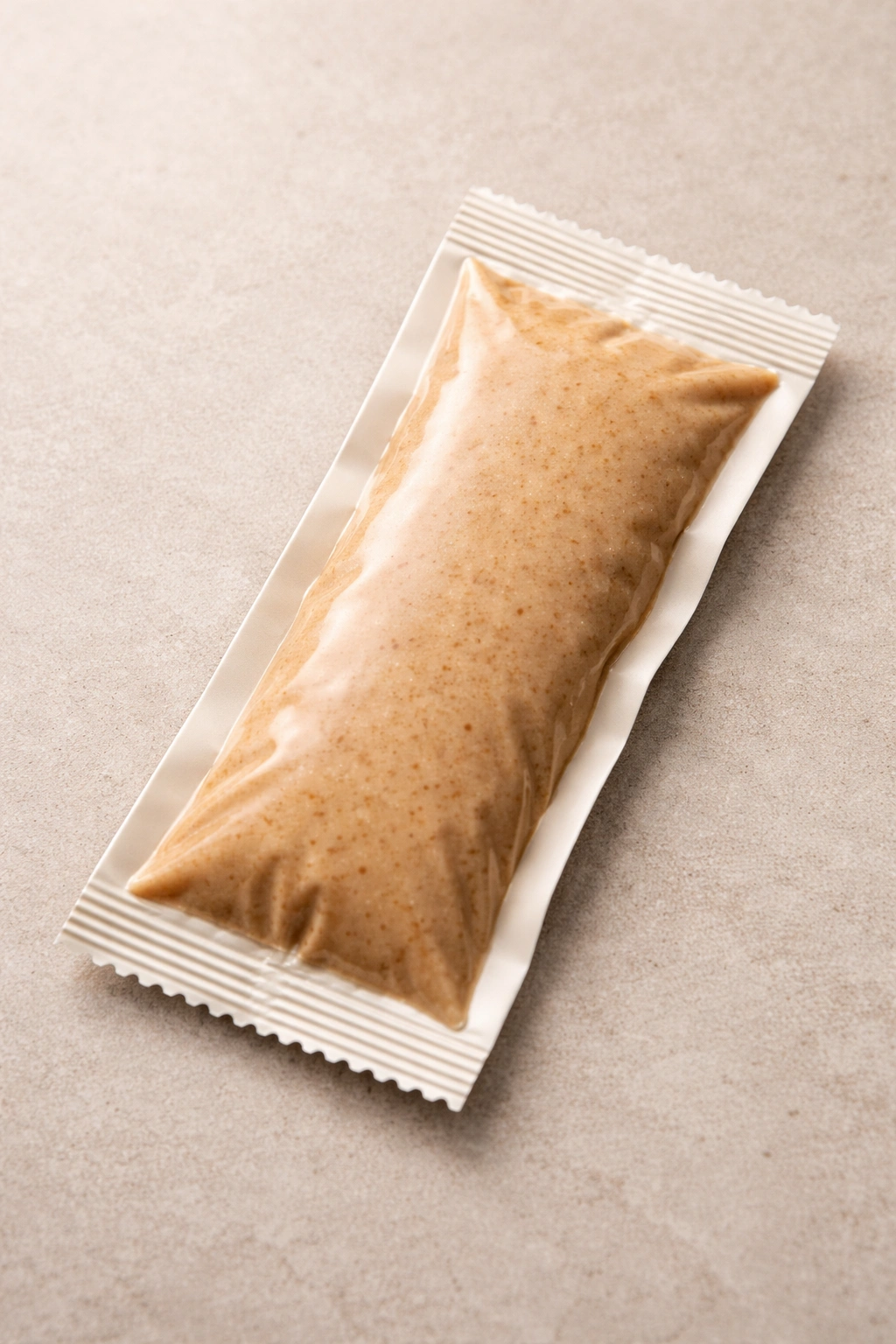
Single-serve nut butter packets (almond butter, peanut butter, or tahini) are genuinely convenient, and good ones contain nothing but ground nuts and maybe a tiny pinch of salt. Two tablespoons of nut butter delivers about 7-8 grams of protein, healthy fats that slow digestion, and enough calories to meaningfully reduce hunger without making you feel stuffed.
Why Nut Butters Work as Portable Protein
Nut butters provide quick-absorbing protein that your muscles can use immediately, plus sustained energy from the fat content. Unlike a candy bar that spikes blood sugar and crashes, nut butter creates a gentle, sustained energy curve. Almond butter is slightly lower in calories than peanut butter (95 calories per tablespoon vs. 100), though peanut butter has a slightly higher protein ratio and is often more affordable. Tahini (sesame seed butter) offers something different: it’s high in calcium and has a more neutral flavor if you want something less sweet.
How to Choose and Pack Nut Butter Packets
- Look for packets with only two ingredients: nuts and salt (or just nuts)
- Avoid packets with added sugar, oils, or palm oil — these are filler ingredients that change the nutrition profile
- Pair your nut butter with something for dipping: apple slices, carrot sticks, crackers, or berries make it a complete snack
- Store in your bag or backpack at room temperature — they don’t require refrigeration and won’t go bad
- Some packets come with tiny spreaders included, making them genuinely mess-free to eat without additional prep
Quick fact: One packet of quality nut butter pairs perfectly with one medium apple, and together they provide protein, healthy fat, fiber, and carbohydrates — a genuinely balanced snack that won’t leave you hungry in 30 minutes.
4. Apple with Almond Butter
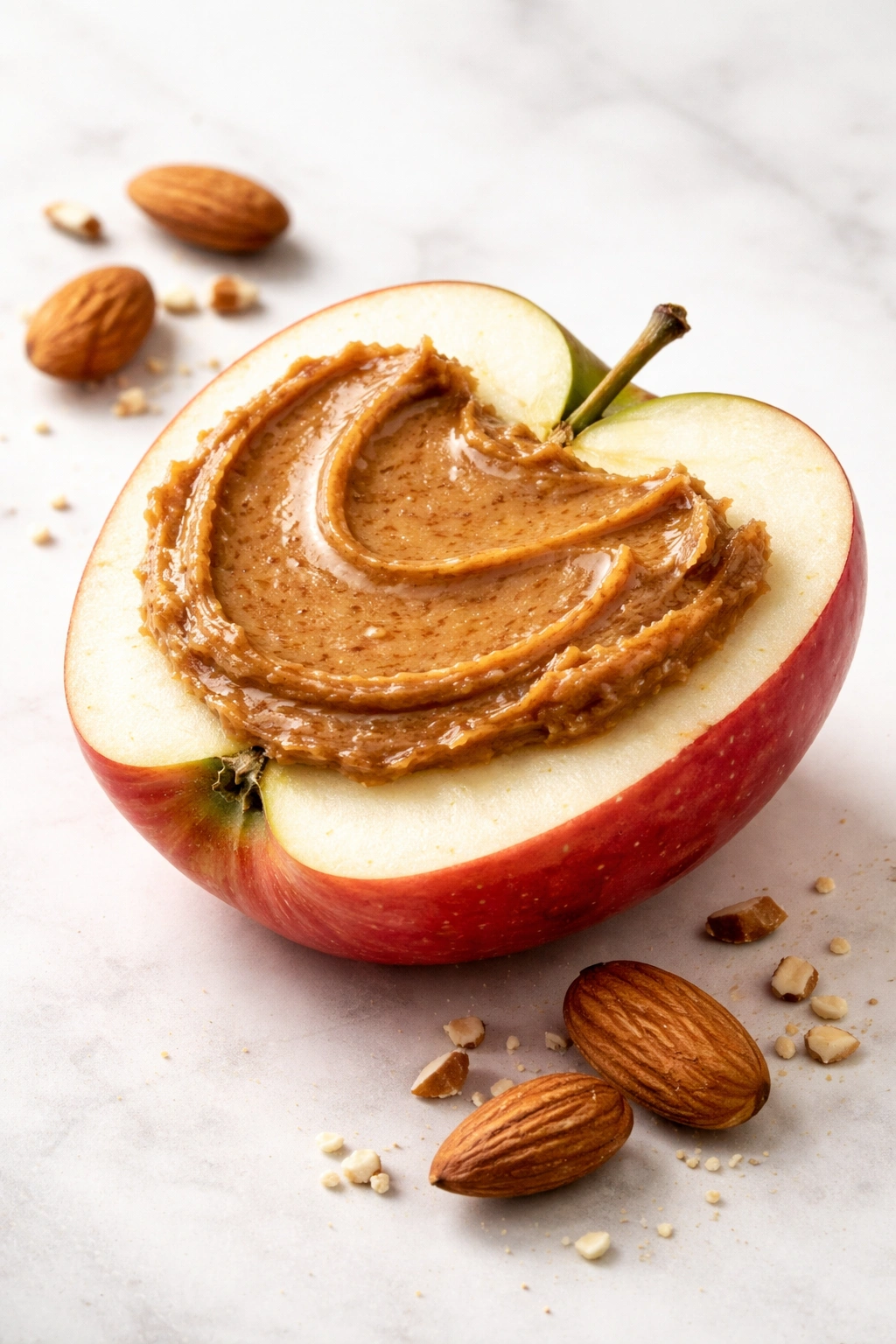
Combining an apple with nut butter deserves its own category because it’s such a classic pairing and such an effective snack strategy. The fiber and water content in apples keep you hydrated and provide volume that fills your stomach; the nut butter provides protein and fat that extends satiety. Together, they’re more satisfying than either one alone.
The Nutritional Synergy of Apples and Nut Butter
Apples contain pectin, a soluble fiber that slows down digestion and helps stabilize blood sugar. This is what makes apples special compared to other fruits — they’re not just carbs; the fiber content changes how your body processes them. When you combine that fiber with the protein and fat of nut butter, you’re creating a snack with almost no glycemic impact. A medium apple (about 95 calories) plus two tablespoons of almond butter (190 calories) gives you a 285-calorie snack that genuinely lasts — it’s a legitimate mini-meal, not a snack that disappears while you’re still hungry.
Best Apples for Traveling and Storage
- Granny Smith apples are tart, crisp, and hold up well to being jostled in a backpack without bruising as easily as softer varieties
- Honeycrisp apples are sweeter and also quite sturdy for travel
- Pack apples unpeeled (the skin contains fiber and protects the flesh from browning)
- Apples naturally stay fresh at room temperature for hours and don’t require refrigeration
- Cut them fresh at snack time instead of pre-cutting — once cut, apple flesh oxidizes and browns, and you lose some of the appeal
Insider note: If you pre-cut your apple at home, toss the slices in a tiny bit of lemon juice — the citric acid prevents browning and adds a subtle tang that complements nut butter perfectly.
5. Seeds: Pumpkin, Sunflower, or Hemp
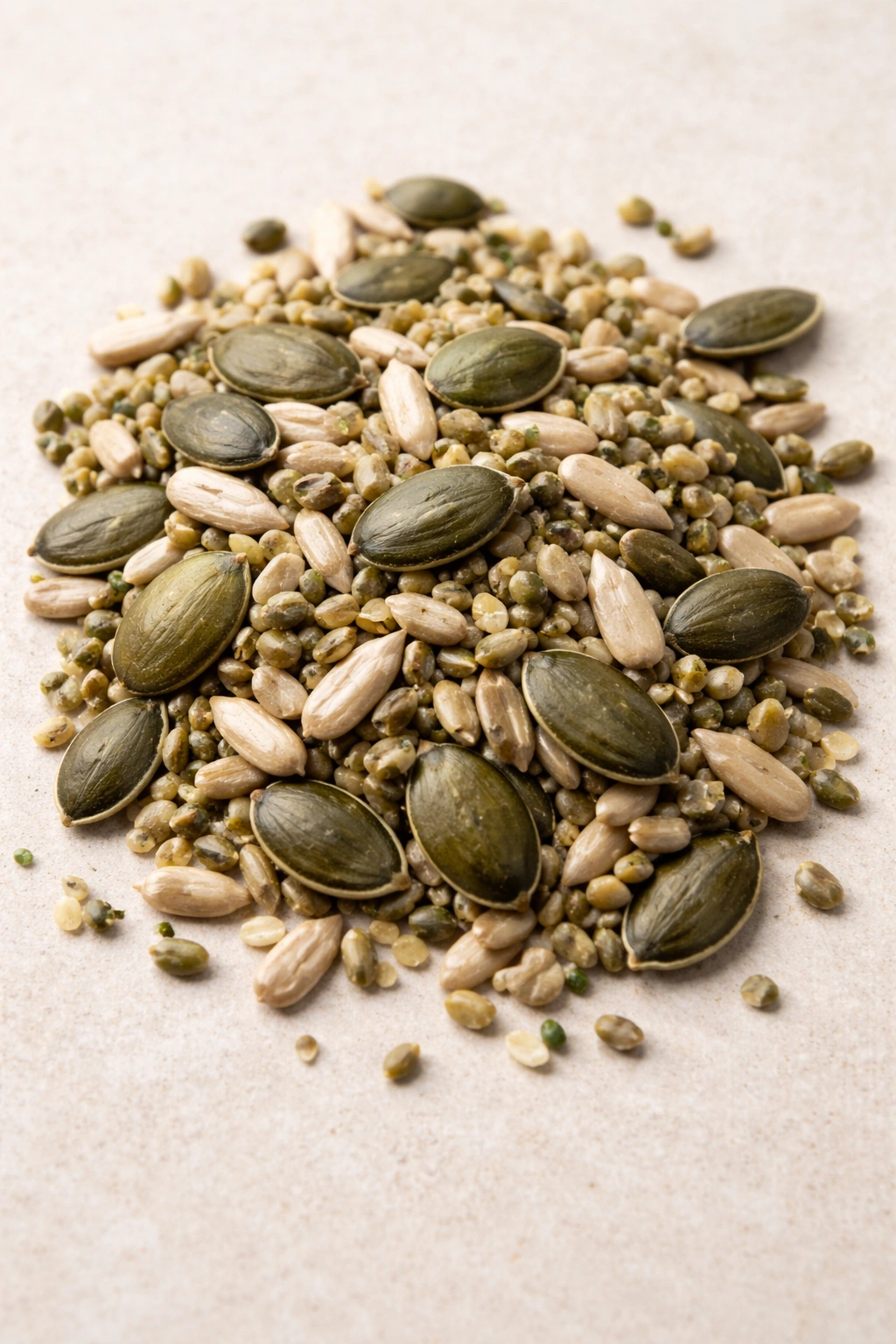
Seeds are severely underrated as snacks. A quarter-cup serving of pumpkin or sunflower seeds contains 8-10 grams of protein, magnesium, and healthy fats, all with essentially zero processing. Seeds are literally embryonic plants packed with nutrients designed to support growth — it’s why they’re so nutrient-dense compared to most other snacks.
Why Seeds Deserve More Attention
Pumpkin seeds (also called pepitas) contain zinc, a mineral essential for immune function and wound healing that many people don’t get enough of. Sunflower seeds are an excellent source of selenium and vitamin E, two powerful antioxidants that protect your cells from damage. Hemp seeds contain all nine essential amino acids, making them a rare plant-based complete protein — important if you’re vegetarian or vegan. The nutrient density per calorie in seeds is genuinely remarkable. They provide satiety similar to nuts but often feel less heavy in your stomach, and they’re naturally portable without any packaging tricks.
Storing and Eating Seeds
- Portion seeds into small containers or snack bags (1/4 cup per serving) at home
- Store at room temperature in an airtight container — seeds stay fresh for weeks without refrigeration
- Raw seeds have a more delicate flavor; roasted seeds are more flavorful but sometimes have added salt or oil
- Eat them straight from a container, or add them to yogurt, salads, or mixed with a small amount of dried fruit
- They have a slight shell that you crack with your teeth (in the case of sunflower and pumpkin seeds) — chewing them takes more effort than grabbing pre-cracked seeds, which actually helps with satiety
Worth knowing: If you find whole sunflower or pumpkin seeds tedious to crack, buy them pre-cracked or hulled. You’re paying a small premium, but the convenience might mean you actually eat them instead of abandoning the bag because they feel like work.
6. Greek Yogurt (Single-Serve Cups)
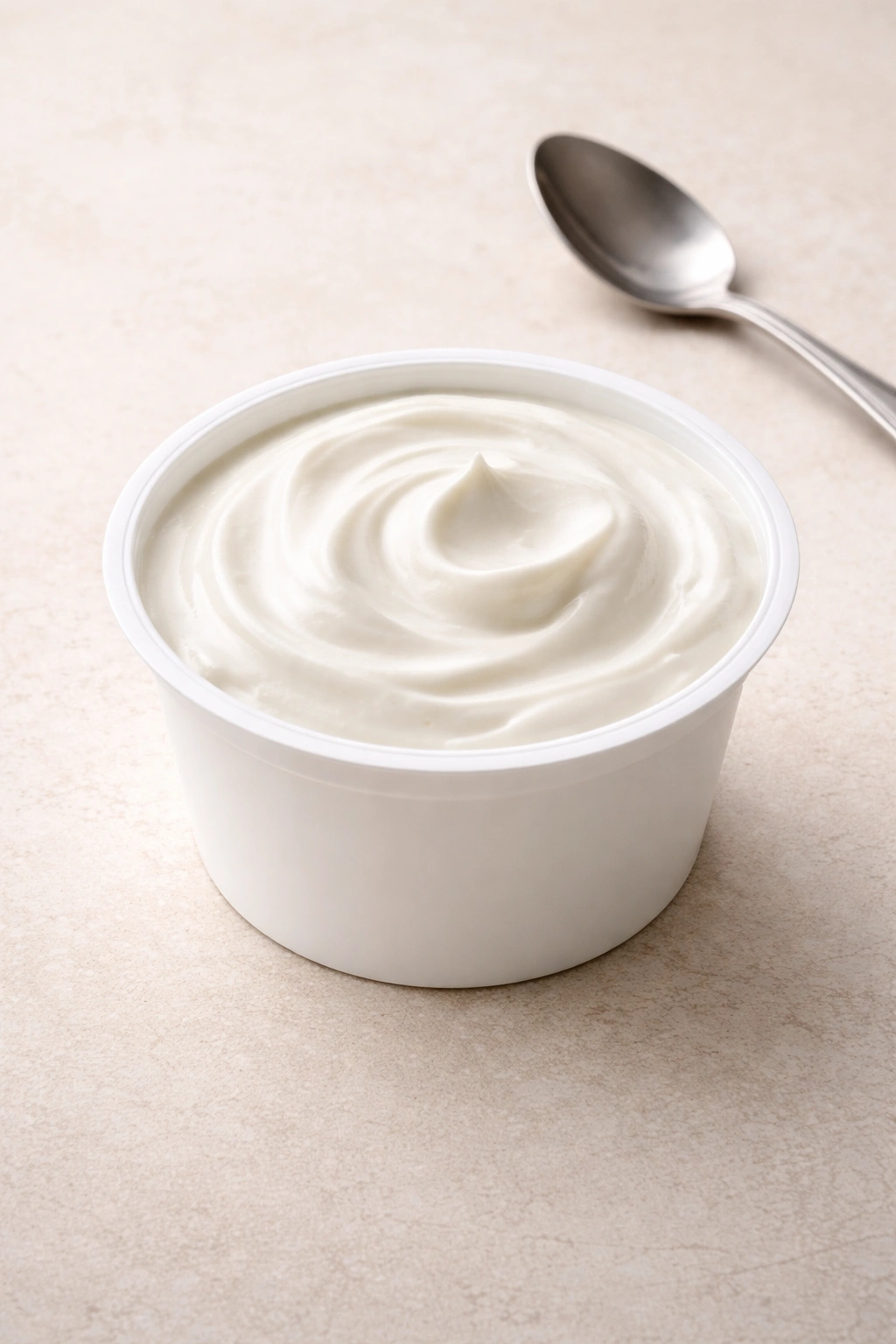
Plain Greek yogurt — not the flavored, sweetened varieties — is a protein powerhouse. A single 6-ounce cup of plain Greek yogurt contains 15-20 grams of protein, which is more than most people expect from a snack. The live cultures (probiotics) in yogurt support gut health, and the calcium supports bone density, especially important for women at any age.
Why Greek Yogurt Beats Regular Yogurt
Greek yogurt is strained to remove whey, concentrating the protein. Regular yogurt contains about 3-5 grams of protein; Greek yogurt contains three to four times that amount. The tangy flavor of unsweetened Greek yogurt pairs beautifully with fruit, nuts, or a drizzle of honey — you get to control exactly what goes into your snack instead of eating pre-sweetened yogurt full of added sugar. Greek yogurt also contains B vitamins that support energy production, particularly important if you’re dealing with afternoon fatigue.
Making Greek Yogurt Work on the Go
- Buy single-serve cups (4 or 6 ounces) in plain, unsweetened varieties
- Keep them in a small cooler with an ice pack if you’re out for most of the day, or grab one from your office fridge if you work indoors
- Pair with a handful of berries, a small piece of fruit, or a sprinkle of seeds for a complete snack with texture
- A drizzle of raw honey (about 1 teaspoon) adds sweetness without turning it into dessert
- If plain yogurt tastes too tart, gradually adjust your palate — most people who try it regularly find they prefer it to sweetened varieties within a week or two
Pro tip: Greek yogurt + a small handful of walnuts + a few berries is a snack that covers all the bases: protein, healthy fats, fiber, and probiotics. It takes literally 30 seconds to assemble if you have the components.
7. Vegetables with Hummus
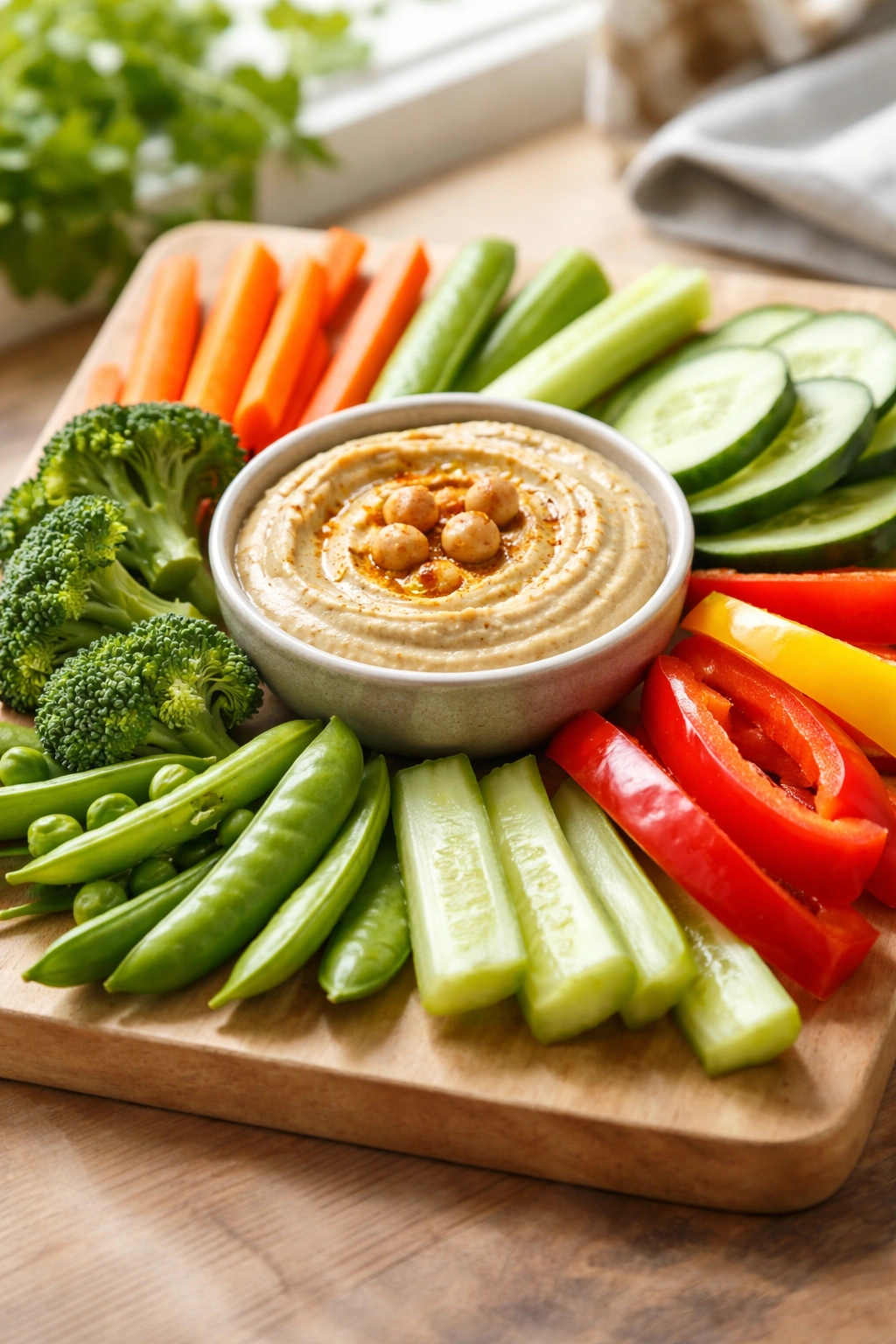
Raw vegetables (carrots, celery, bell peppers, cucumber, broccoli, snap peas) with a small container of hummus is a genuinely clean snack that almost no one gets tired of. Hummus — made from chickpeas, tahini, lemon juice, and garlic — is real food with zero weird additives, and pairing vegetables with a fat-based dip (the tahini in hummus) slows digestion and makes the carbs in vegetables have almost no glycemic impact.
The Nutrition Behind Vegetables and Hummus
Raw vegetables provide fiber and water that bulk up in your stomach, creating satiety from very few calories. A whole carrot has almost zero calories but substantial chewing required, which sends fullness signals to your brain. Chickpeas in the hummus provide complex carbs and plant-based protein, plus iron (particularly important if you don’t eat meat) and folate, a B vitamin critical for cell division and DNA synthesis. The tahini in hummus adds healthy fats that stabilize blood sugar and make the whole snack more satisfying. Vegetables are also packed with phytonutrients — plant compounds with antioxidant and anti-inflammatory properties that processed snacks simply don’t contain.
Packing Vegetables and Hummus Strategically
- Pre-cut vegetables at home and pack them in an airtight container with a small container of hummus on the side
- Choose vegetables that are sturdy and won’t get soggy: carrots, celery, bell peppers, broccoli, snap peas, and cucumber all travel well
- Pack about 2 tablespoons of hummus per snack session — that’s plenty for dipping and adds about 100 calories
- Vegetables don’t require refrigeration for several hours, though they’ll stay fresher if you have a cooler
- The combination is high-volume, low-calorie, and genuinely filling — you can eat quite a bit without guilt
Quick fact: Carrots contain beta-carotene, which your body converts to vitamin A for eye health and immune function. Raw carrots have a satisfying crunch that slower-digesting vegetables like cooked broccoli don’t provide, making them ideal for snacking.
8. Cheese (Hard Varieties)
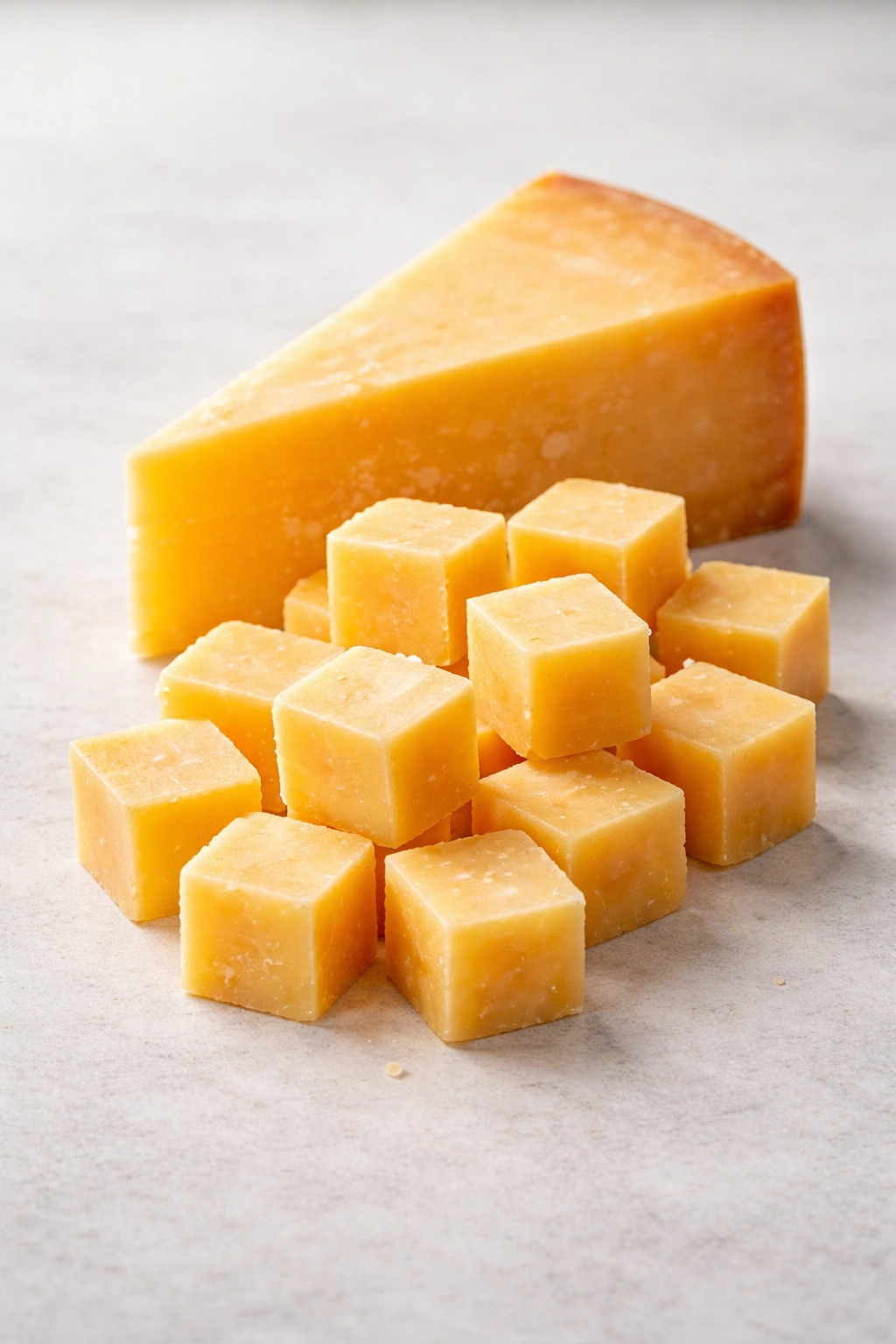
Good quality hard cheese — cheddar, gouda, parmesan, gruyere — is a clean snack with zero processing. Cheese is basically milk concentrated into a dense, calorie-rich form, and it’s an excellent source of calcium and protein. An ounce of cheddar (about the size of a small dice, roughly the length of your thumb) contains 7 grams of protein and 110 calories.
Why Hard Cheese Works as a Snack
Unlike soft cheese that can spoil quickly, hard aged cheeses are stable at room temperature for hours. The aging process develops complex flavors, so a small amount is genuinely satisfying — you don’t need much to feel like you’ve had a treat. Cheese contains casein protein, which is particularly good at building and maintaining muscle tissue. The fat in cheese helps absorb fat-soluble vitamins (A, D, E, K) that your body needs. Full-fat cheese from grass-fed cows has higher levels of conjugated linoleic acid (CLA), a fatty acid with anti-inflammatory properties.
Choosing and Packing Cheese for Travel
- Buy good quality hard cheese — aged varieties from real dairies rather than processed “cheese product”
- Cut or buy cheese cubes ahead of time and pack in a small container
- Pair with a small handful of nuts or a piece of fruit for a more complete snack
- Store at room temperature for snacking; won’t go bad for hours
- A 1-ounce portion (small handful of cubes, roughly 28 grams) is a satisfying snack that doesn’t overload on calories
Worth knowing: Cheese from grass-fed animals tends to have more nutrients and a richer flavor, which means you’re satisfied with less. It’s often more expensive, but a smaller portion goes a long way in terms of satisfaction.
9. Homemade Trail Mix
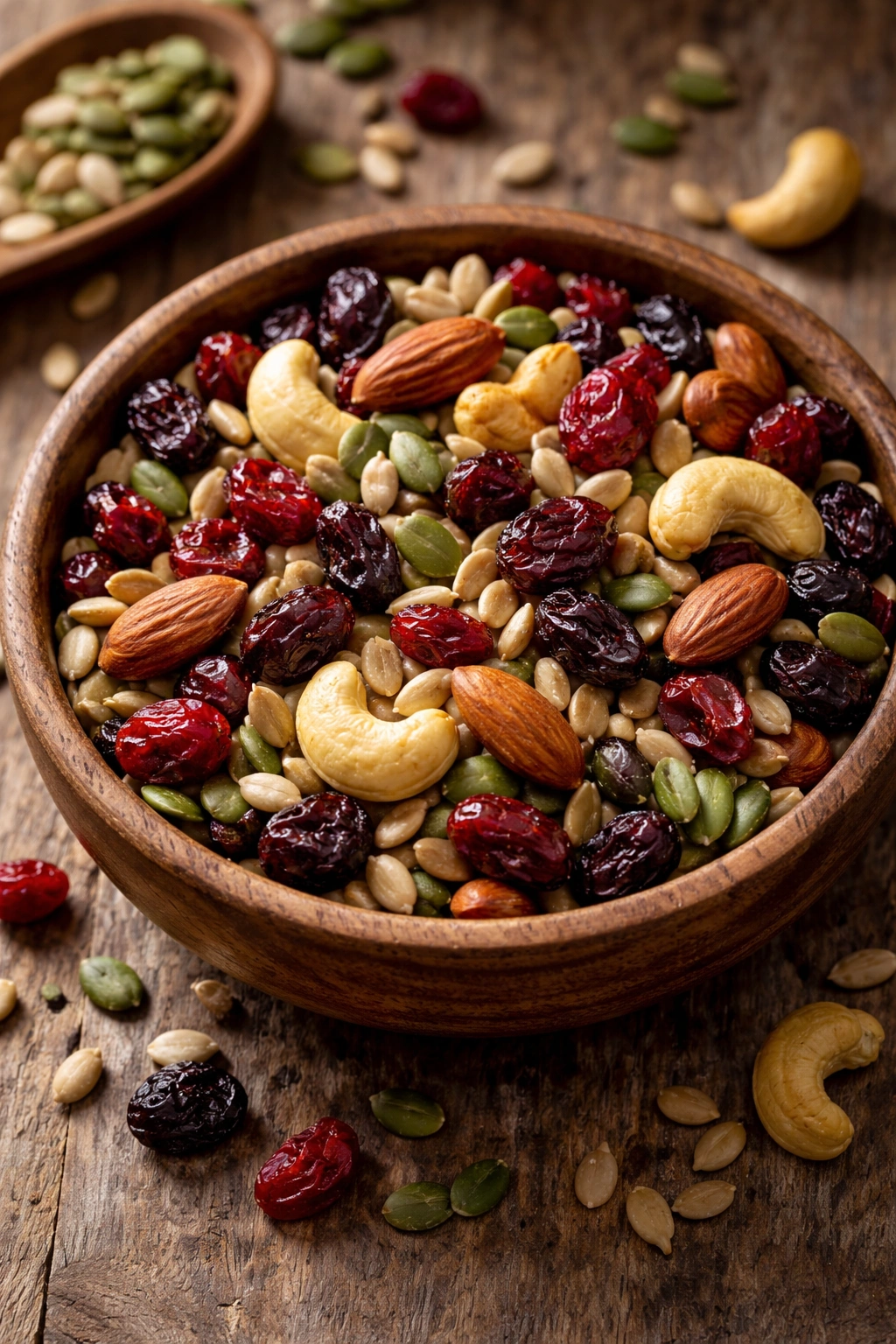
Pre-made trail mix from the store often contains questionable ingredients (cheap oils, added sugars, artificial flavors). But homemade trail mix — which takes five minutes to make and keeps for weeks — is a genuinely clean, customizable snack. You control every ingredient, which means you’re getting actual nuts and dried fruit without any filler.
What Makes Homemade Trail Mix Special
You’re combining nuts (protein and healthy fats), seeds (minerals and more protein), and dried fruit (quick carbs and natural sweetness) in a ratio that works. A basic formula is roughly 50% nuts, 25% seeds, and 25% dried fruit. This creates a snack with staying power from the fat and protein, quick energy from the dried fruit carbs, and substantial volume that satisfies hunger. Because you’re making it yourself, you can adjust the components based on what you like. Prefer sweeter? Add more raisins or dried cranberries. Want more texture? Add seeds or a small amount of dark chocolate chips (yes, seriously — a small amount of real dark chocolate is clean eating).
Making and Storing Homemade Trail Mix
- Combine roughly 1 cup raw almonds or mixed nuts, 1/4 cup seeds (pumpkin, sunflower, hemp), and 1/4 cup dried fruit (raisins, cranberries, unsweetened coconut)
- Mix in a large bowl and portion into small containers or snack bags
- Store in airtight containers at room temperature — it keeps for 3-4 weeks without spoiling
- Pack about 1/4 cup (a small handful) per snack session — this is roughly 150 calories and genuinely filling
- If you add anything sweetened, do it sparingly — your goal is to taste the real ingredients, not mask them with sugar
Pro tip: Add a pinch of sea salt to the mix — it brings out the flavors of the nuts and makes the snack feel less one-note. Salt also creates a tiny thirst sensation, which encourages you to drink water, helping you stay hydrated throughout the day.
10. Beef Jerky (Clean Varieties)
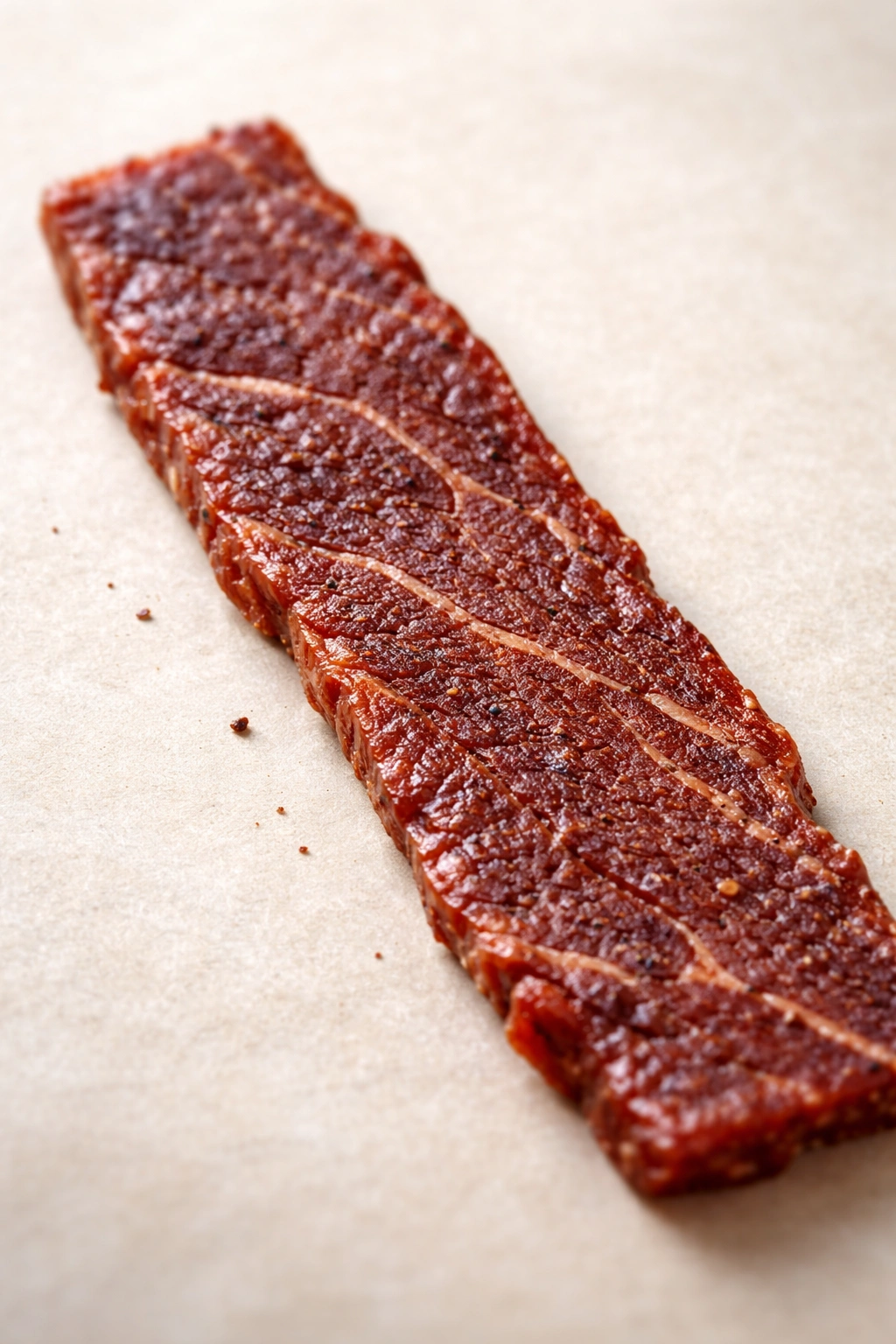
Beef jerky isn’t fancy, but it’s genuinely one of the most portable protein snacks that exists. An ounce of beef jerky (roughly one large strip) contains 8-10 grams of protein, requires zero refrigeration, and travels well in a bag or backpack without spoiling. The preservation through drying and salting is a traditional food preparation method, not a modern chemical process.
What Makes Clean Beef Jerky Different
Most commercial jerky contains added sugars, nitrates, and other preservatives you’re probably not thinking about when you grab a package. Clean beef jerky is made from beef and spices — nothing else. It’s made from lean beef that’s been salted and dried, a method humans have used for centuries to preserve meat. When you’re choosing jerky, read the ingredient list: you should see beef, salt, spices, and maybe garlic powder or smoke. That’s it. If you see “sodium nitrite,” “sugar,” “soy sauce,” or anything you don’t recognize, put it back.
Finding and Choosing Quality Beef Jerky
- Look for grassfed or pasture-raised beef jerky when possible — the animals were raised on natural diets instead of grain
- Buy from specialty food stores or online retailers that focus on clean ingredients; these companies make jerky without added sugar or nitrates
- Check the nutrition label: look for products with higher protein and lower sodium if possible (though some salt is necessary for preservation)
- Pack a small portion (1-2 ounces) — beef jerky is calorie-dense and very salty, so a little goes a long way
- Store in your bag or backpack; it won’t spoil and won’t require refrigeration
Insider note: Beef jerky is incredibly filling for its calorie count because it’s pure protein and requires intense chewing. Your jaw will get tired before you’re tempted to eat beyond satiety, which is a genuine advantage for portion control.
Key Takeaways

None of these snacks requires complicated shopping or lengthy meal prep. Most of them travel at room temperature without spoiling, and all of them deliver real nutrition that actually keeps you satisfied instead of creating the hunger-spike-and-crash cycle that processed snacks create. The key is choosing one or two snacks that appeal to you, buying the components, and portioning them at home so they’re grab-and-go convenient.
The single biggest advantage of planning portable snacks is consistency. When you have clean options prepped and ready, you’re not tempted by vending machines or drive-thrus when hunger hits unexpectedly. You’re also not relying on willpower — you’re just eating what’s available. Start with whichever snack sounds most appealing (almonds, hard-boiled eggs, or apple with nut butter are the easiest to start with), get comfortable with that, then add a second option. Within a week or two, you’ll have established a genuine snacking routine that supports your goals instead of working against them.
