



Bonefish Grill’s Bang Bang Shrimp is the kind of appetizer that keeps people coming back to the restaurant—crispy, sweet, a little spicy, and absolutely addictive. The good news? You don’t need a reservation or a drive to your nearest location to enjoy it at home. This copycat recipe captures the exact magic of those fried coconut shrimp with their signature creamy, zesty bang bang sauce, and once you make it, you’ll understand why this dish is so beloved.
The beauty of recreating restaurant favorites at home is the control you gain over quality and customization. You can use fresh, wild-caught shrimp instead of whatever’s been sitting in a freezer case. You can adjust the spice level to match your preference perfectly. You can make it whenever the craving strikes without waiting for a table or dealing with crowded dining rooms. Most importantly, you get to serve something restaurant-quality to your family or guests at a fraction of the cost—and often with better ingredients.
This recipe has become a go-to for parties, weeknight indulgences, and anyone who wants to impress without spending hours in the kitchen. The technique is straightforward, the ingredient list is short, and the results are so authentic you’d swear you ordered takeout. Let’s get into how to make it.
What Makes Bang Bang Shrimp So Irresistible
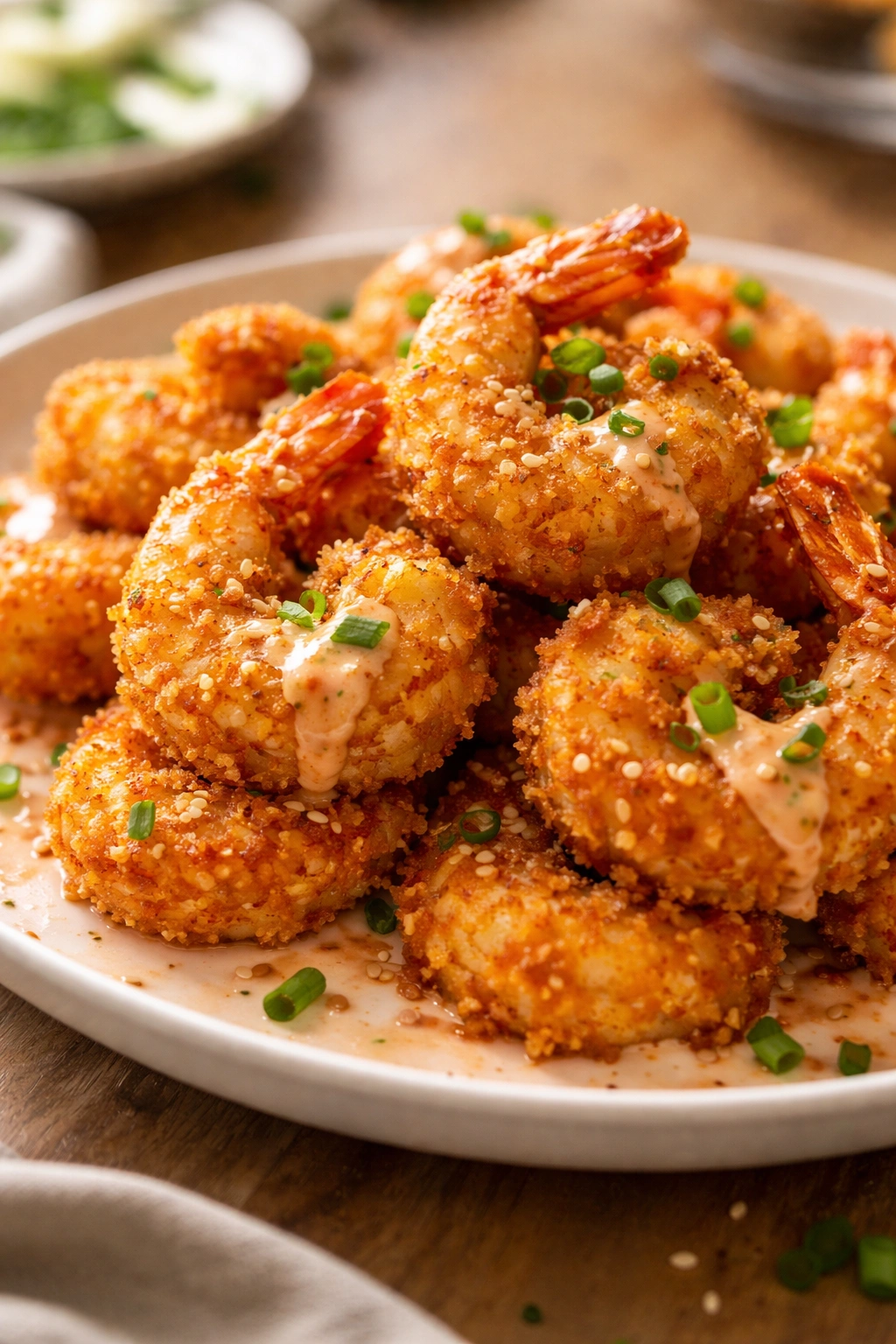
The appeal of Bang Bang Shrimp comes from the contrast of textures and flavors working together in perfect balance. You’ve got a crispy exterior from frying, tender shrimp on the inside, a light coconut coating that adds sweetness and crunch, and then the sauce—silky, creamy, with a kick of sriracha heat and the brightness of lime.
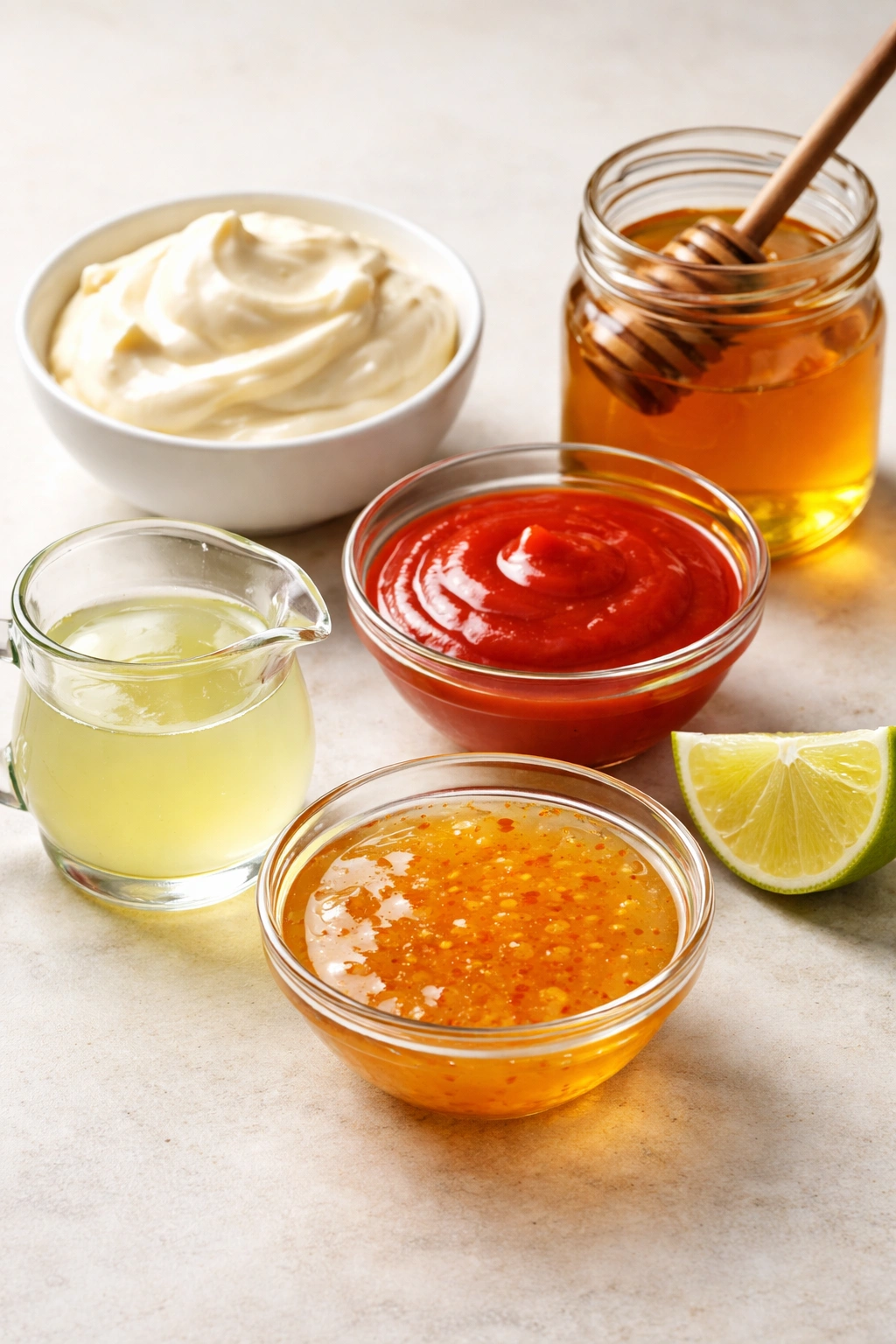
The sauce is honestly where the magic lives. It’s a simple combination of mayo, sriracha, sweet chili sauce, lime juice, and a touch of honey, but together these ingredients create something that’s simultaneously creamy, spicy, sweet, and tangy. Every single element matters, and getting those proportions right makes the difference between a good appetizer and one people actually remember.
What elevates this beyond just fried shrimp is the coconut coating. Unlike a standard breaded shrimp, the coconut adds a subtle tropical sweetness and a different texture—less dense than bread crumbs, with a delicate, slightly crispy finish that’s unique. That combination of crispy fried exterior, tender shrimp, and coconut coating is what makes it so crave-worthy.
The Story Behind This Copycat Recipe
Bonefish Grill, a Florida-based seafood chain, introduced Bang Bang Shrimp years ago, and it became an immediate phenomenon. The name itself hints at the flavors—a bang of heat, a bang of sweetness—all hitting at once. The dish became so popular that people started actively looking for ways to make it at home, and for good reason.
Restaurant appetizers often feel indulgent precisely because of the deep frying and rich sauces that home cooks shy away from. But fried shrimp isn’t complicated—it just requires the right temperature and a little confidence. The sauce is literally five ingredients whisked together. Once you realize how simple these components actually are, making this at home stops feeling intimidating and becomes genuinely easy.
This copycat version is faithful to the original while also being flexible. If you want it less spicy, dial back the sriracha. Prefer more coconut flavor? Add a bit more coconut to your breading. The foundational technique stays the same, but you get to make it your own.
Yield, Timing, and Difficulty
Yield: Serves 4 as an appetizer (about 20-24 shrimp) | Makes 2-3 servings as a light entrée
Prep Time: 20 minutes
Cook Time: 10 minutes
Total Time: 30 minutes
Difficulty: Intermediate — You’ll need to deep fry (which intimidates some home cooks), but the technique is straightforward and the recipe guides you through every step. If you’ve fried food before, this will feel easy.
The Bang Bang Sauce Ingredients
For the Sauce:
- ½ cup mayonnaise (best quality you can find — this is the base)
- 3 tablespoons sriracha sauce (adjust to taste for more or less heat)
- 3 tablespoons sweet chili sauce (Mae Ploy or similar — find it in the Asian foods aisle)
- 2 tablespoons fresh lime juice (about 1 lime)
- 1 tablespoon honey (this mellows the heat and adds subtle sweetness)
- ¼ teaspoon fine sea salt (only add if your mayo isn’t salted)
The Shrimp and Coating Ingredients
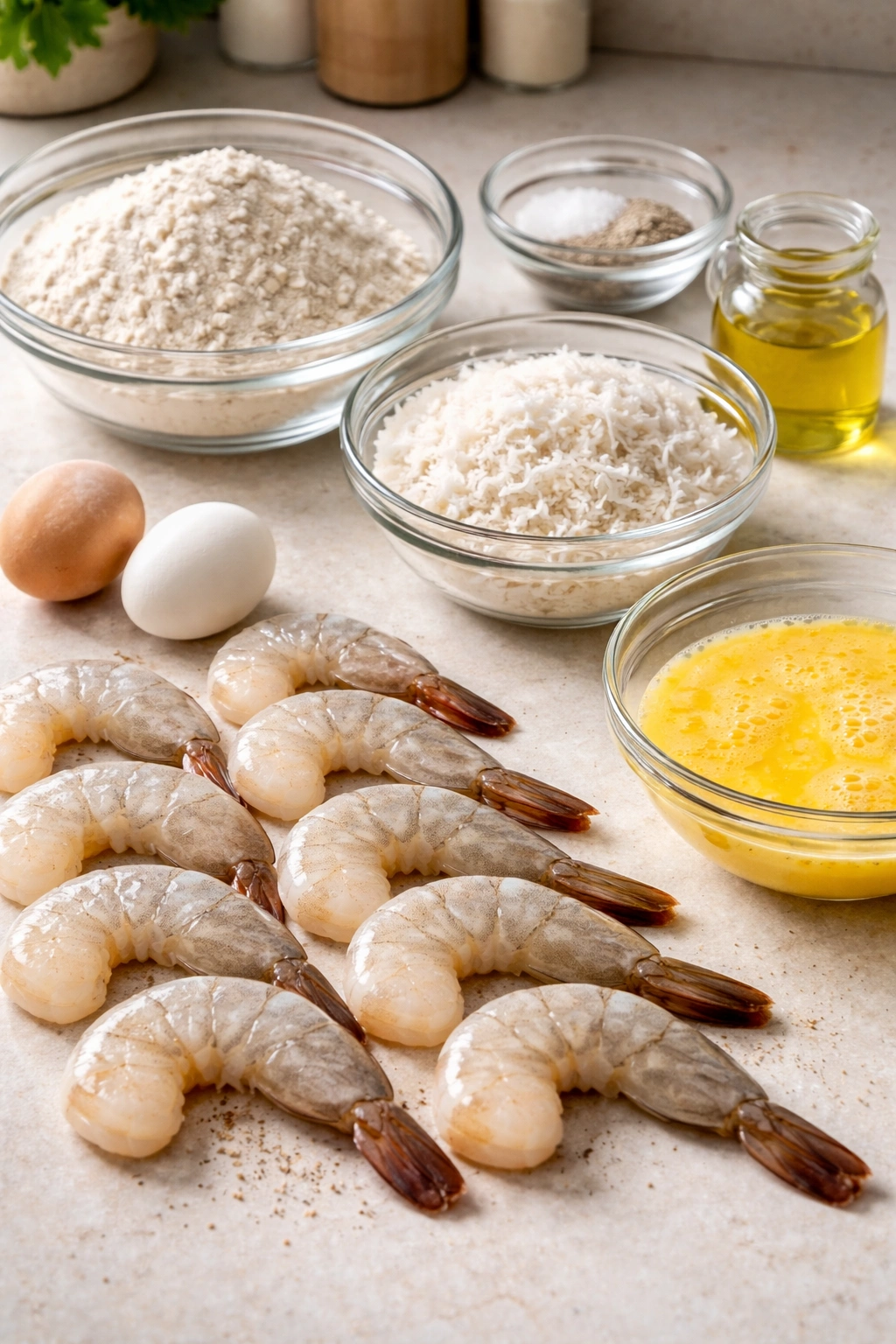
For the Shrimp:
- 1 pound large shrimp, peeled and deveined (16-20 count per pound, still frozen is fine)
- 1 cup all-purpose flour
- 1 teaspoon fine sea salt
- ½ teaspoon white pepper (or black pepper if you don’t have white)
- 1 cup shredded unsweetened coconut (the key word here is unsweetened — sweetened will burn)
- 2 large eggs, beaten
- Oil for deep frying (neutral oil like vegetable, canola, or peanut oil — avoid olive oil)
Making the Bang Bang Sauce
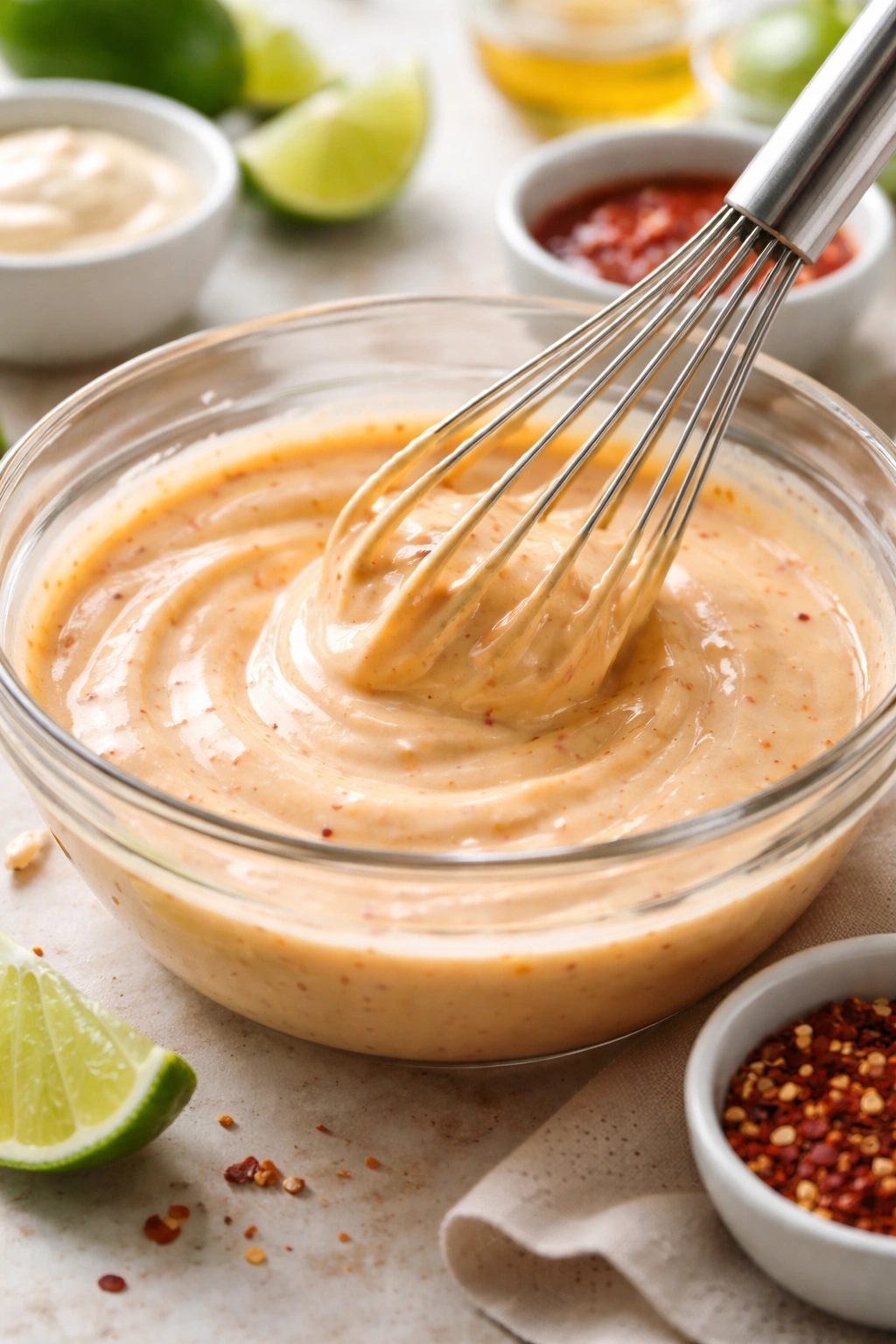
The sauce is genuinely the easiest part, and it’s where you should spend zero mental energy worrying about measurements—this is forgiving. Combine the mayo, sriracha, sweet chili sauce, lime juice, and honey in a medium bowl. Whisk them together until completely smooth.
Taste it. Does it need more heat? Add another teaspoon of sriracha. Too spicy? Mix in more mayo. Want more lime brightness? Squeeze in a bit more juice. This is the beauty of making it at home—you dial it in exactly as you want it, not how someone else decided it should taste. Set it in the fridge while you prepare the shrimp; it actually gets better as the flavors meld.
The sauce can be made up to 3 days ahead and stored in an airtight container in the refrigerator. In fact, many people find it tastes better the next day, so don’t hesitate to make it the day before you’re serving.
Preparing the Shrimp for Frying
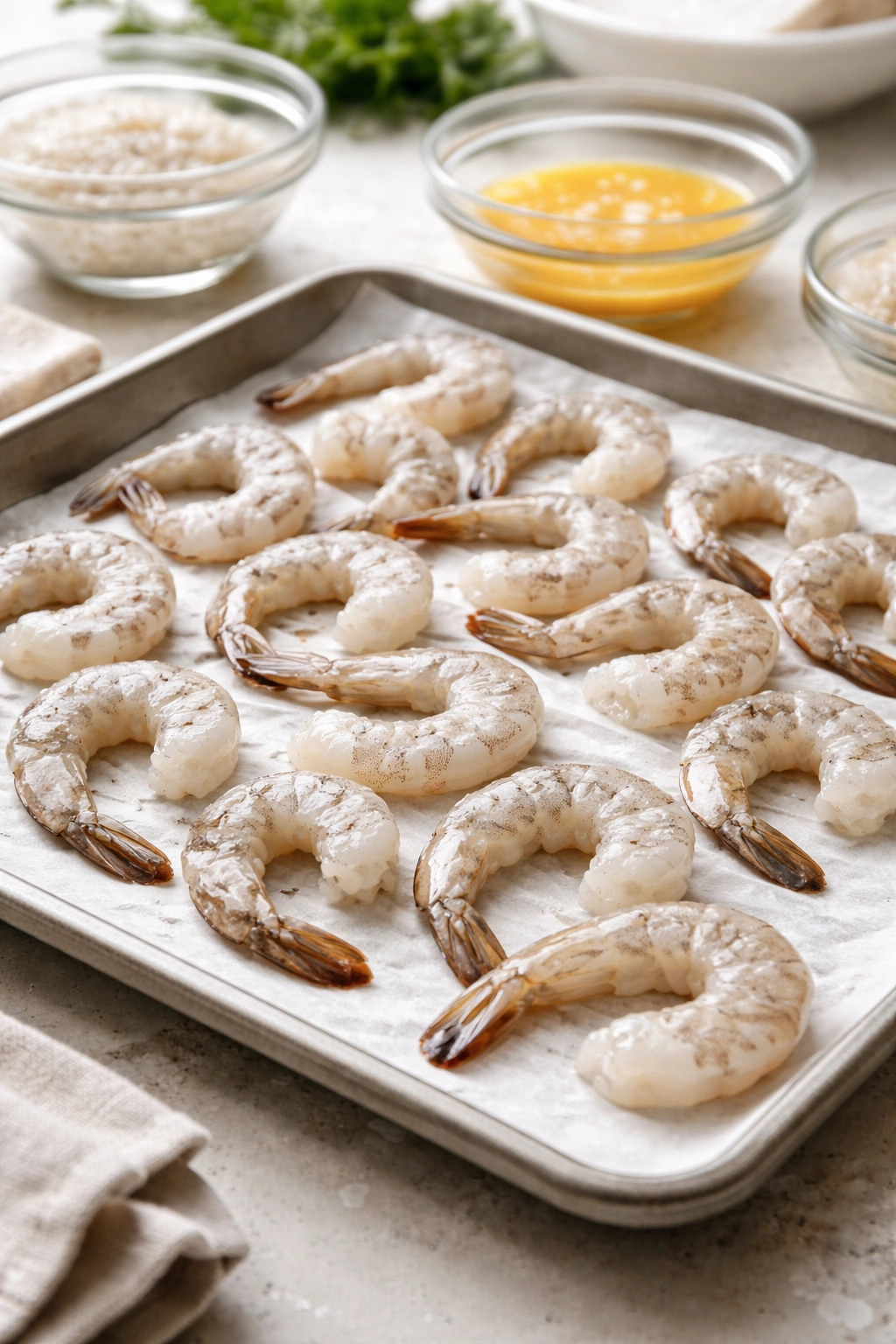
Pat your shrimp completely dry with paper towels. This is more important than it seems—any excess moisture will cause the oil to splatter and will prevent proper crisping. You don’t need to leave them out for 10 minutes or fuss with them; just a quick, thorough pat-down does the job.
Set up your breading station with three shallow bowls arranged in a line. In the first, combine the flour, salt, and white pepper. In the second, place your beaten eggs. In the third, combine the shredded coconut and a pinch of salt (the salt helps the coconut toast slightly during frying and enhances the flavor).
Take each shrimp and coat it first in the flour mixture, shaking off any excess. This flour layer helps the egg stick and creates a base for the coconut coating. Dip the floured shrimp into the egg, letting any excess drip off. Finally, press it firmly into the coconut mixture, making sure the coconut adheres well. This is the actual crust you’ll bite into, so don’t be shy—press and turn so the coconut really sticks to the egg layer.
Lay the breaded shrimp on a parchment-lined tray and let them rest for at least 5 minutes. This gives the coating time to set, which prevents it from sliding off in the hot oil. If you’re working ahead, you can refrigerate them for up to 4 hours.
Frying the Shrimp to Golden Perfection
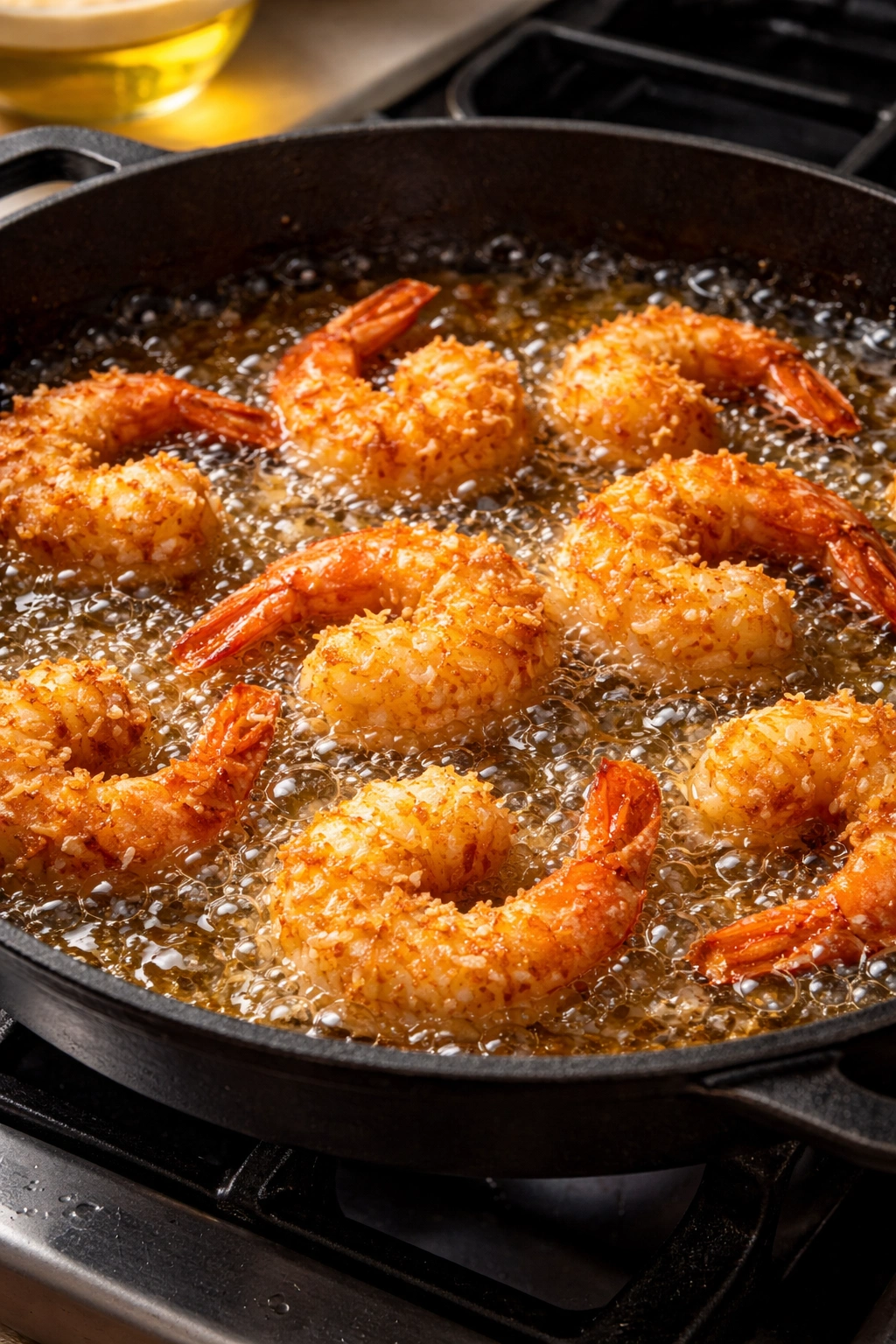
Heat your oil to 350°F (175°C). If you don’t have a thermometer, you can test the temperature by dropping a small breadcrumb into the oil—if it sizzles immediately and turns golden in about 20 seconds, you’re ready. If it burns right away, the oil is too hot; if it just drifts slowly, it’s too cool.
Working in batches so you don’t overcrowd the pan, carefully lower the breaded shrimp into the hot oil. Don’t drop them from a height—gently place them in so the oil doesn’t splatter up at you. You should hear a satisfying sizzle, but not an aggressive, violent one.
Fry the shrimp for 2 to 3 minutes until the coconut coating is golden-brown to light amber in color. They’ll cook faster than you expect—the shrimp itself only takes a minute or so, and you’re really waiting for the coconut to turn golden. When they’re done, use a slotted spoon to transfer them to a paper-towel-lined plate. Fry any remaining batches the same way.
The shrimp will continue to crisp slightly as they cool on the paper towels. Don’t stack them while they’re hot, or the steam will make the bottoms soggy. Spread them out in a single layer so air can circulate around each one.
Essential Tips for Perfect Bang Bang Shrimp
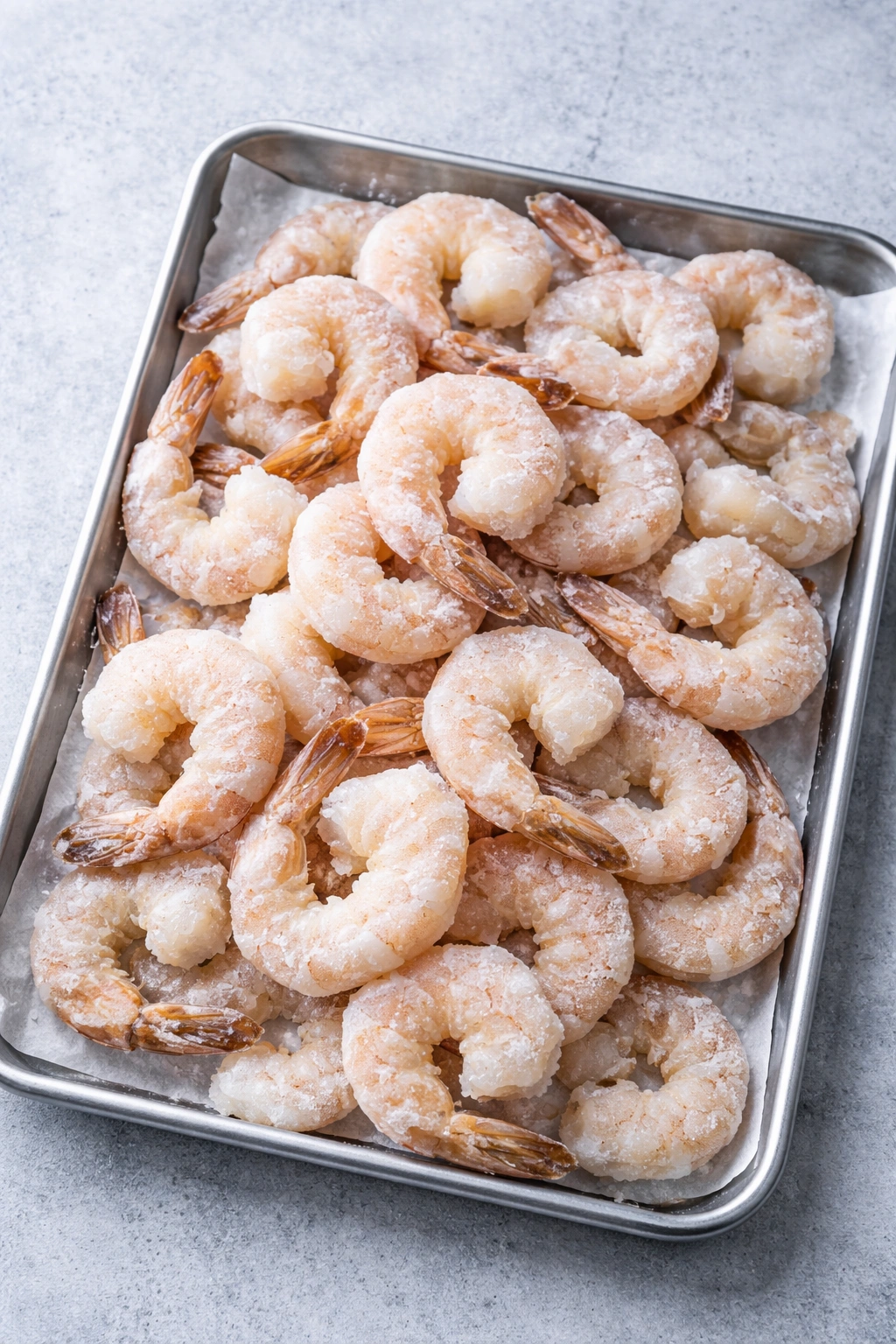
Use frozen shrimp, not thawed. This sounds counterintuitive, but frozen shrimp are often fresher (they’re frozen right on the boat) and they hold their texture better during frying. If you buy thawed shrimp, they’ve usually been sitting in a display case for days. Thaw your frozen shrimp in the refrigerator the night before, pat them very dry, and you’ll get better results. Never thaw shrimp at room temperature—bacteria multiply quickly, and you’ll lose quality.
Don’t skip the flour layer. Some recipes jump straight from shrimp to egg to coconut, but that flour layer is crucial. It helps the egg adhere better and creates a crispier overall coating. The extra 30 seconds per shrimp is worth it.
Temperature control is everything. Oil that’s too cool produces greasy, heavy shrimp. Oil that’s too hot burns the coconut coating before the shrimp finishes cooking. Use a thermometer. If you don’t own one, they’re inexpensive and genuinely useful for many cooking projects beyond this recipe.
Don’t reuse oil multiple times. If you’re frying shrimp, you can reuse the same oil for one more batch of something, but don’t keep using it repeatedly. The oil breaks down, picks up flavors, and stops crisping things properly. For a batch of shrimp like this, using fresh oil is the difference between shrimp you love and shrimp that tastes off.
Serve immediately. Bang Bang Shrimp is best eaten within 5-10 minutes of frying. They’ll stay crispy for up to 30 minutes if you keep them uncovered on the counter, but they genuinely do start losing quality after that. If you’re serving a crowd, have your sauce ready and plate them as soon as they’re done.
Common Mistakes and How to Avoid Them
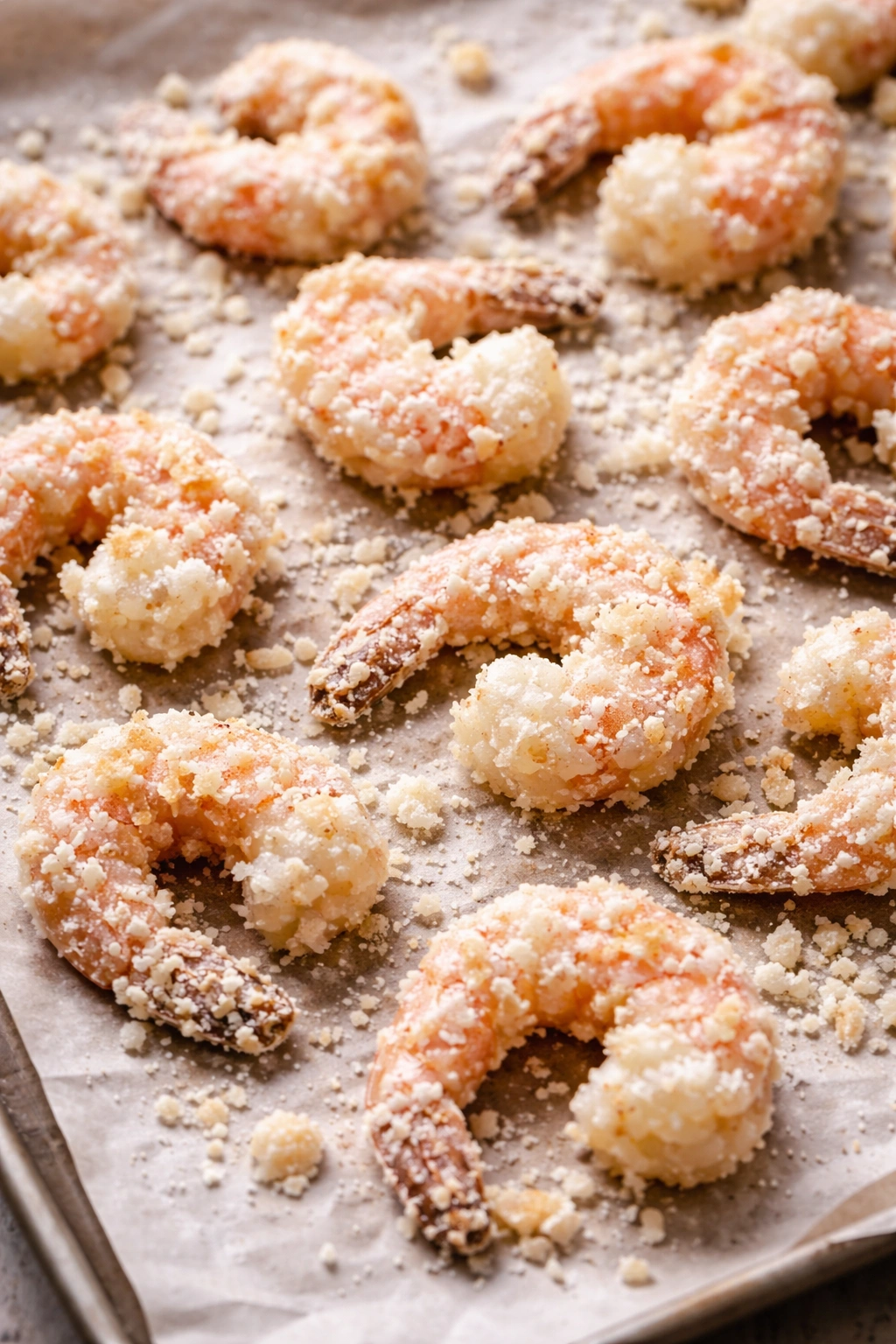
Wet shrimp: This is the single biggest problem. If shrimp are even slightly damp when they hit the oil, you’ll get splattering, soggy spots on the coating, and a greasy final product. Pat them aggressively with paper towels. You want them as dry as possible.
Overcrowding the pan: Frying more than 6-8 shrimp at once drops the oil temperature dramatically. The shrimp start steaming in the cooler oil instead of crisping. Work in smaller batches, even if it takes slightly longer. It’s worth it.
Using sweetened coconut: Sweetened coconut burns quickly and tastes nothing like the Bonefish version, which uses unsweetened. Read your label. Unsweetened coconut is easy to find in any grocery store, usually in the natural foods aisle or with the baking supplies.
Not letting the breading set: If you bread the shrimp and immediately fry them, the coating sometimes slides off. Those 5 minutes of rest time in the fridge lets the coating adhere properly. It’s a small step that prevents frustration.
Mixing the sauce wrong: If you don’t whisk the sauce ingredients together until completely smooth, you’ll get streaks of sriracha and chili sauce instead of an evenly flavored coating. Whisk it for a solid 30 seconds until it’s homogeneous.
Skipping the egg layer: Some people get impatient and try to stick the coconut straight to the flour-coated shrimp. It won’t work—the coconut needs that egg as glue. The egg is non-negotiable.
Flavor Variations and Customizations
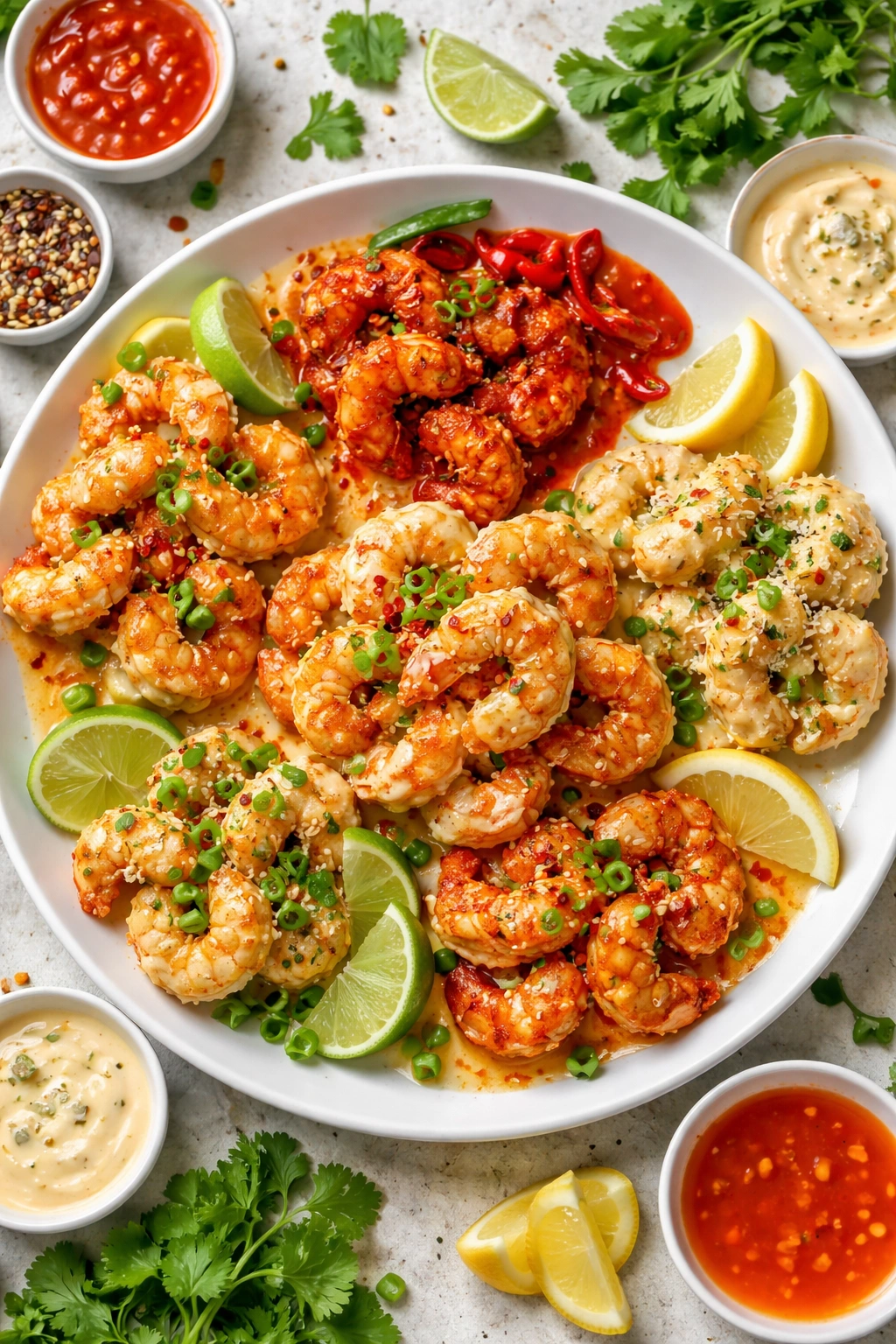
Spicier version: If you love heat, increase the sriracha to 4 tablespoons and add a pinch of cayenne pepper to the coconut breading. The sauce will genuinely pack a punch, and the cayenne gives you an extra layer of heat throughout the coating.
Less spicy version: Reduce the sriracha to 2 tablespoons and increase the honey to 1½ tablespoons. Add a pinch more salt to the sauce. This gives you the sweet-savory balance without much heat.
Spicy mayo base: Some people swear by mixing the mayo with a touch of Sriracha Mayo (like Kewpie) instead of regular mayo. It’s a shortcut that works beautifully if you have it on hand.
Garlic variation: Add 2 minced garlic cloves or ½ teaspoon garlic powder to the bang bang sauce. This adds a savory complexity that’s especially good if you’re serving these with a meal rather than as a standalone appetizer.
Citrus twist: Instead of lime juice, use fresh orange juice (about 1½ tablespoons) plus the lime juice. The sweetness of orange plays beautifully with the sriracha and coconut, creating a tropical feel.
Herb coating: Mix 1 tablespoon finely minced fresh cilantro into the coconut breading mixture. The cilantro stays fresh through frying and adds herbal brightness to each bite.
Panko hybrid: If you want more crunch but less coconut flavor, you can use a mixture of half unsweetened shredded coconut and half panko breadcrumbs. The panko gives you extra crunch, while the coconut keeps the signature Bonefish character.
Make-Ahead and Storage Guide
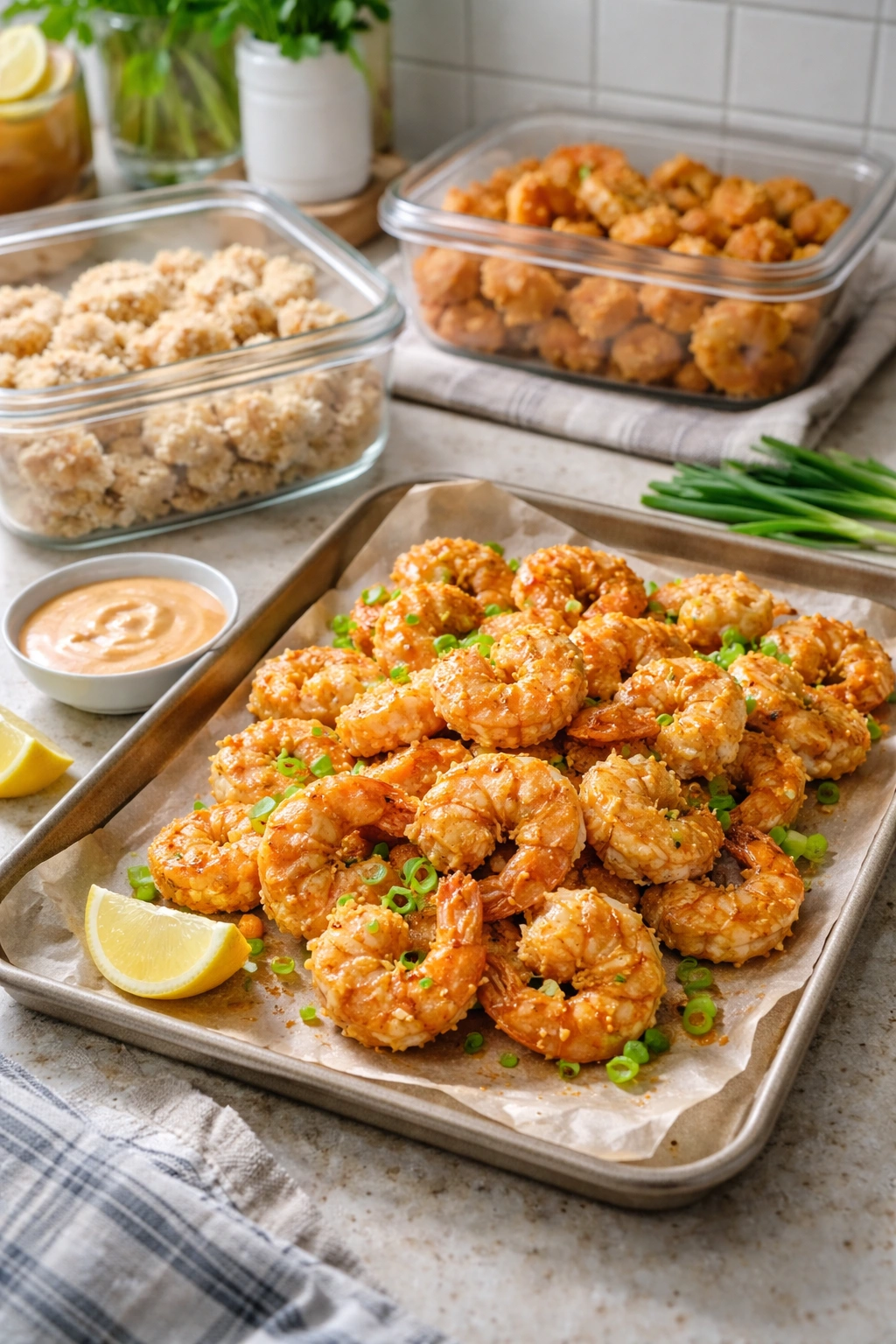
The bang bang sauce keeps for up to 4 days in the refrigerator in an airtight container. The flavors actually deepen on the second day, so you can happily make it the day before you plan to serve it.
Breaded shrimp can be breaded up to 8 hours ahead and kept in the refrigerator on a parchment-lined tray. Cover them loosely with plastic wrap so they don’t dry out. Don’t stack them on top of each other, or the bottoms will get soggy where they touch.
Fried shrimp are best eaten immediately, but they stay crispy for about 30 minutes at room temperature on an uncovered plate. After that, the moisture in the air starts softening the coating. If you’ve made them ahead and they’ve lost their crispness, you can briefly reheat them in a 350°F oven for 3-4 minutes to restore the texture, though it won’t be quite as good as fresh.
Freezing fried shrimp is possible but not ideal. If you do freeze leftovers, place them in a single layer on a baking sheet to freeze solid first, then transfer to a freezer bag for up to 1 month. Thaw in the refrigerator and reheat in a 350°F oven for 5 minutes. They won’t be as crispy as freshly fried, but they’re still quite good.
The full dish (shrimp plus sauce) is best kept separate until serving. Sauce softens the coating if it sits together for more than a few minutes. Serve the shrimp on a platter with the sauce in a bowl for dipping instead.
Serving Suggestions and Pairings
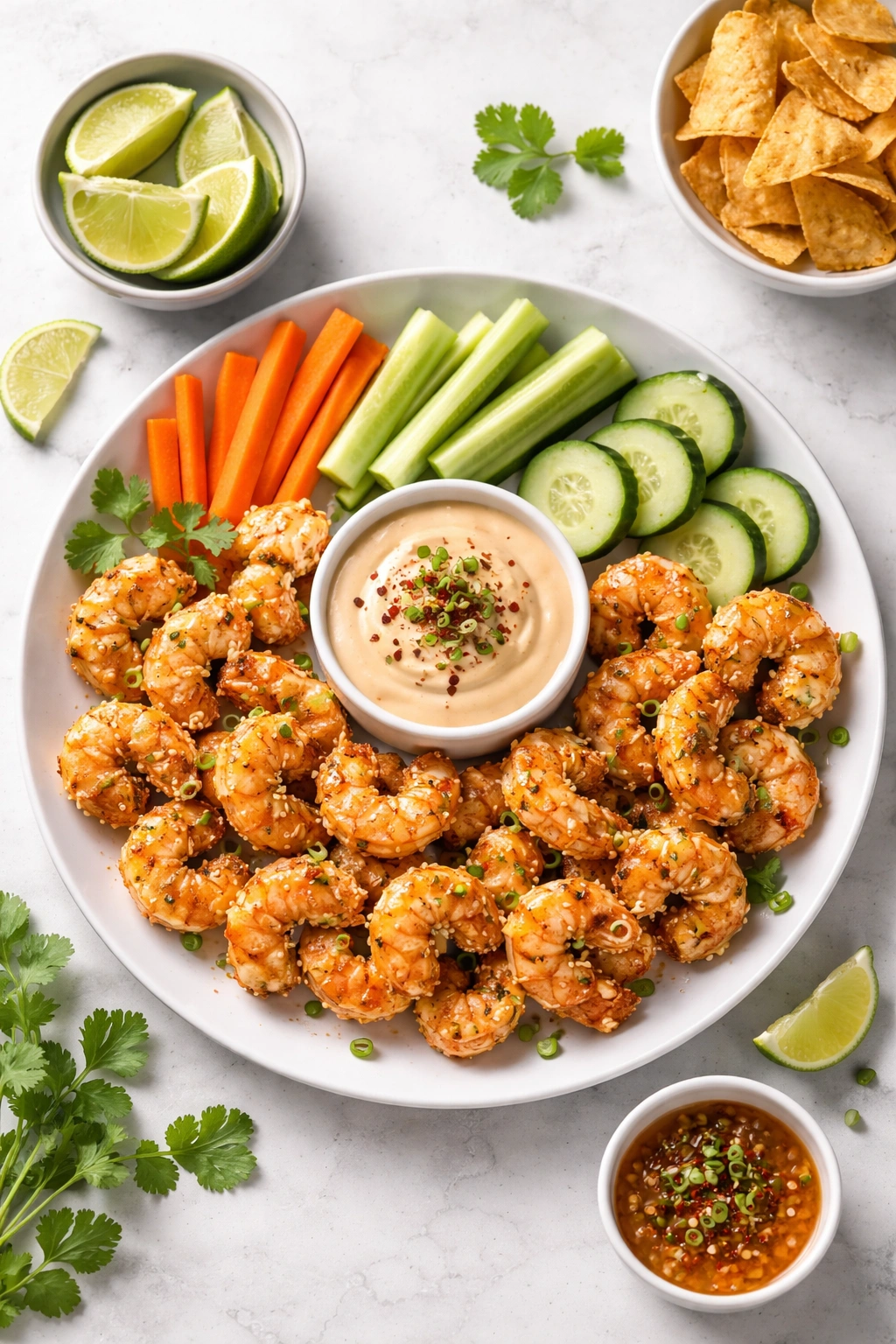
Bang Bang Shrimp works as an appetizer, a light entrée, or even a game-day snack. For appetizers, serve them with the sauce in a small bowl in the center of a platter and shrimp arranged around it for dipping. This is the restaurant presentation and it always impresses.
As part of a larger meal, pair these with rice or noodles to make it more substantial. Jasmine rice, coconut rice, or even simple white rice soaks up the sauce beautifully. Alternatively, serve them over a bed of greens with extra sauce drizzled on top for something that feels lighter while remaining deeply satisfying.
For drinks, cold beer is the obvious choice—the crispness cuts through the richness of the fried shrimp and the sweetness of the sauce. A crisp white wine like Sauvignon Blanc or Pinot Grigio also works beautifully. For non-alcoholic options, sparkling water with lime or a ginger beer (which echoes the heat of the sriracha) are both excellent.
Side dishes that work well include cucumber salad (the freshness and acidity balance the rich shrimp), steamed edamame (different texture and protein, adds substance), or simple green salad with lime vinaigrette. Avoid heavy, starchy sides; you want things that complement without competing.
As a party appetizer, expect people to eat at least 4-5 shrimp per person, so plan accordingly. Make extra sauce—people inevitably want more for dipping than you anticipate.
Final Thoughts
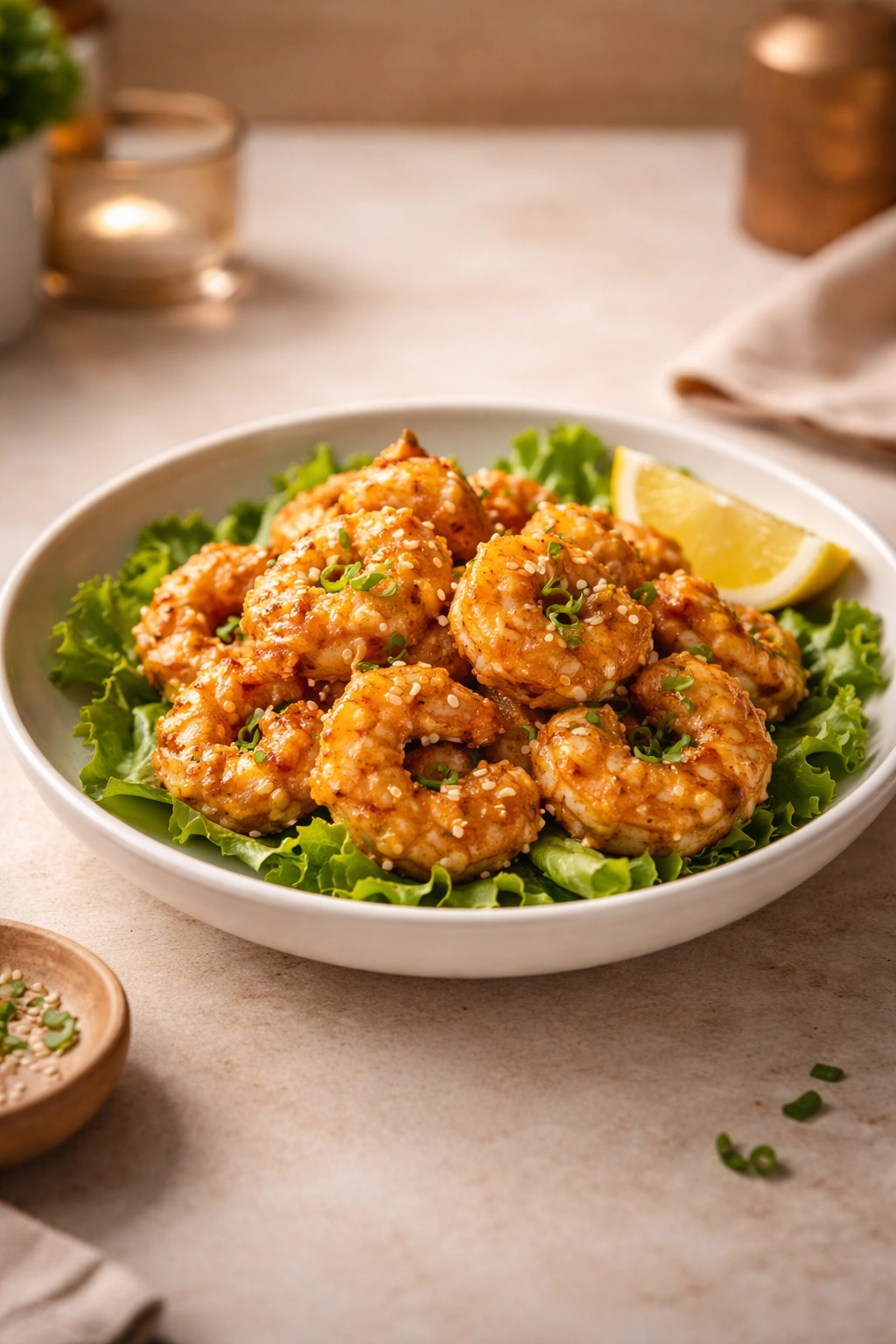
Making Bang Bang Shrimp at home teaches you something about restaurant cooking that applies far beyond this single recipe: restaurant favorites often seem intimidating until you actually break them down into components. The sauce is five ingredients whisked together. The shrimp is a standard breading-and-frying technique with coconut as the coating. Neither element is complicated; the magic comes from using good ingredients, keeping your oil at the right temperature, and executing each step with care.
Once you’ve made this once, it becomes genuinely easy. You’ll start making it for weeknight dinners, pulling it out whenever you want something that feels indulgent without requiring a reservation. You’ll customize it based on what you have on hand and what flavors you’re craving. Most importantly, you’ll stop paying restaurant prices for something you can make better at home in about 30 minutes.
The real win here isn’t just getting a copycat recipe that tastes right—it’s building confidence that you can recreate any restaurant dish if you understand the fundamentals. And those fundamentals are exactly what this recipe teaches you.
