



There’s something almost magical that happens when temperatures drop and darkness falls earlier each day. Your body naturally craves warmth, your kitchen becomes a refuge, and the urge to create something truly nourishing takes over. But not just any meal will do—you need food that wraps around you like a soft blanket, that fills your home with irresistible aromas, and that delivers genuine comfort with every bite. These aren’t just dinners; they’re the kind of meals that slow down time, bring people together around the table, and remind you why cooking matters so much when the world outside feels cold and unwelcoming.
The recipes ahead represent the best of what cold-weather cooking offers: dishes that have fed families for generations, recipes that taste even better on day two, and meals that prove you don’t need fancy techniques or hard-to-find ingredients to create something extraordinary. Some simmer gently on the stovetop while you relax nearby. Others bake slowly in the oven, filling your entire home with warmth and aroma. A few come together quickly in a single pot, proving that comfort doesn’t require hours of effort. What they all share is an ability to transform an ordinary evening into something special—the kind of dinner you’ll want to make again and again as cold nights return.
1. The Ultimate Chicken and Dumplings
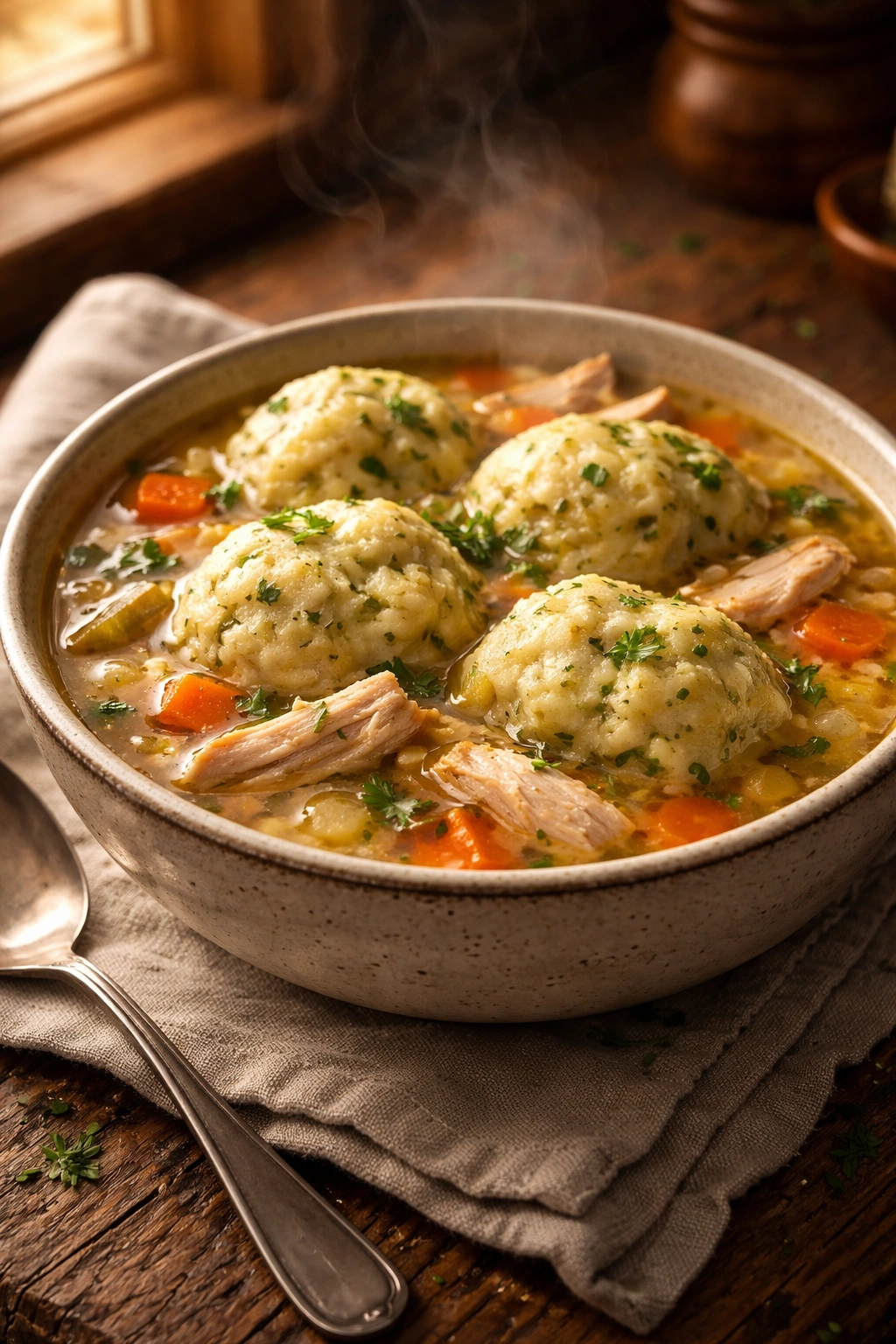
There’s a reason chicken and dumplings has endured as the ultimate cold-weather comfort food across multiple cultures and generations. This isn’t just about combining chicken, broth, and dough—it’s about creating something that tastes like home, like care, like someone took time to nourish you properly. The beauty of this dish lies in its simplicity and its depth of flavor, which comes from building a genuinely excellent chicken broth rather than relying on shortcuts.
Why This Works on Chilly Evenings
The magic happens when you start with a whole chicken simmered with aromatic vegetables like onions, celery, and carrots. This slow-simmering process extracts gelatin and collagen from the bones, creating a broth that’s rich, silky, and deeply chickeny—far superior to anything from a can. You’re not just making dinner; you’re creating something nourishing at a cellular level. The dumplings float in this golden liquid, absorbing its flavor while adding substance and texture to each spoonful.
What Makes Homemade Dumplings Special
- Baking soda mixed with sour cream creates dumplings that are light, airy, and pillowy rather than dense and heavy
- The dumplings cook directly in the simmering broth, which thickens the liquid while they absorb all that wonderful flavor
- Separating the chicken breast from the legs means you can pull the more delicate breast meat first, preventing it from overcooking while the darker meat finishes
- Fresh herbs stirred in at the end—parsley, thyme, maybe a touch of fresh dill—brighten the entire dish
Pro tip: Make the broth a day ahead. Not only does the flavor improve as it sits, but you can also skim off any fat that solidifies on top, giving you a cleaner, more elegant final dish.
2. Boeuf Bourguignon—Beef Stew Like You’ve Never Made It
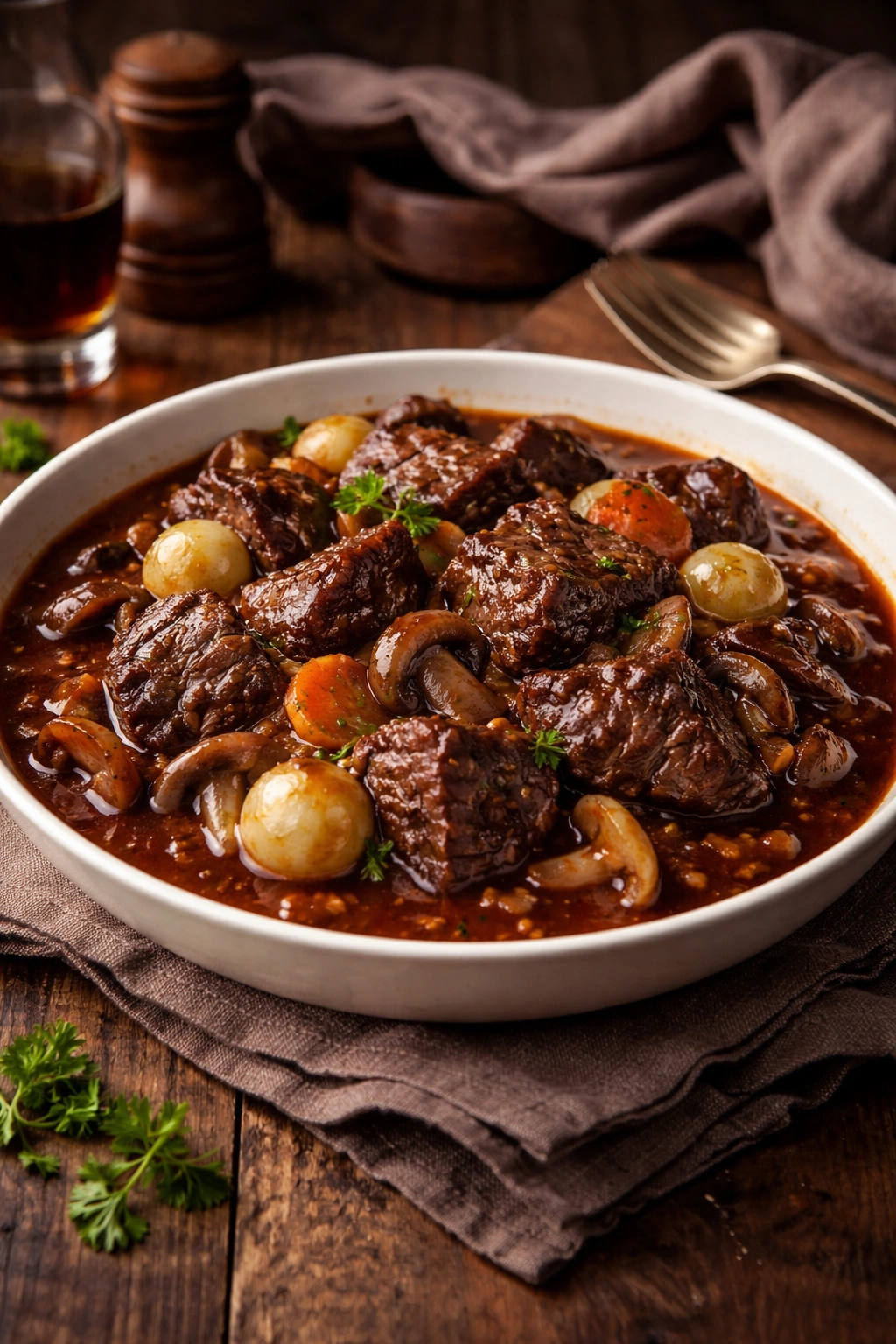
This legendary French dish sits at the top of the cold-weather comfort food hierarchy for good reason. Boeuf bourguignon isn’t just beef stew with wine—it’s a carefully orchestrated dish where every element contributes something essential, where the beef becomes impossibly tender, where pearl onions stay intact and glossy, where mushrooms develop deep, earthy flavor, and where the braising liquid transforms into something that coats the back of a spoon with silky richness.
The Technique That Makes the Difference
This dish demands proper searing of the beef, which builds the flavorful crust that anchors the entire stew. Chuck roll works beautifully because it’s packed with collagen-rich connective tissue that breaks down into gelatin during the long, slow braise, creating that signature velvety sauce. Rather than thickening with flour alone, which can make the sauce feel heavy or pasty, adding unflavored gelatin gives you a sauce that’s both rich and bright, one that clings beautifully to each piece of meat without tasting floury.
The Layered Flavor Profile
- Soy sauce and fish sauce add umami depth that makes people ask what the secret ingredient is (spoiler: it’s funky fermented goodness)
- Pearl onions and mushrooms are browned separately and added strategically so they don’t overcook and fall apart
- Red wine isn’t just flavoring—it’s structural, creating the acidic backbone that balances the richness of the beef and sauce
- Tomato paste, garlic, and herbs build a foundation that smells incredible while everything braises
Worth knowing: This dish genuinely improves if you make it a day or two ahead. The flavors meld together, the sauce becomes even more silky, and you skip the last-minute stress of timing everything perfectly.
3. Creamy White Chicken Chili for Warming Up Fast
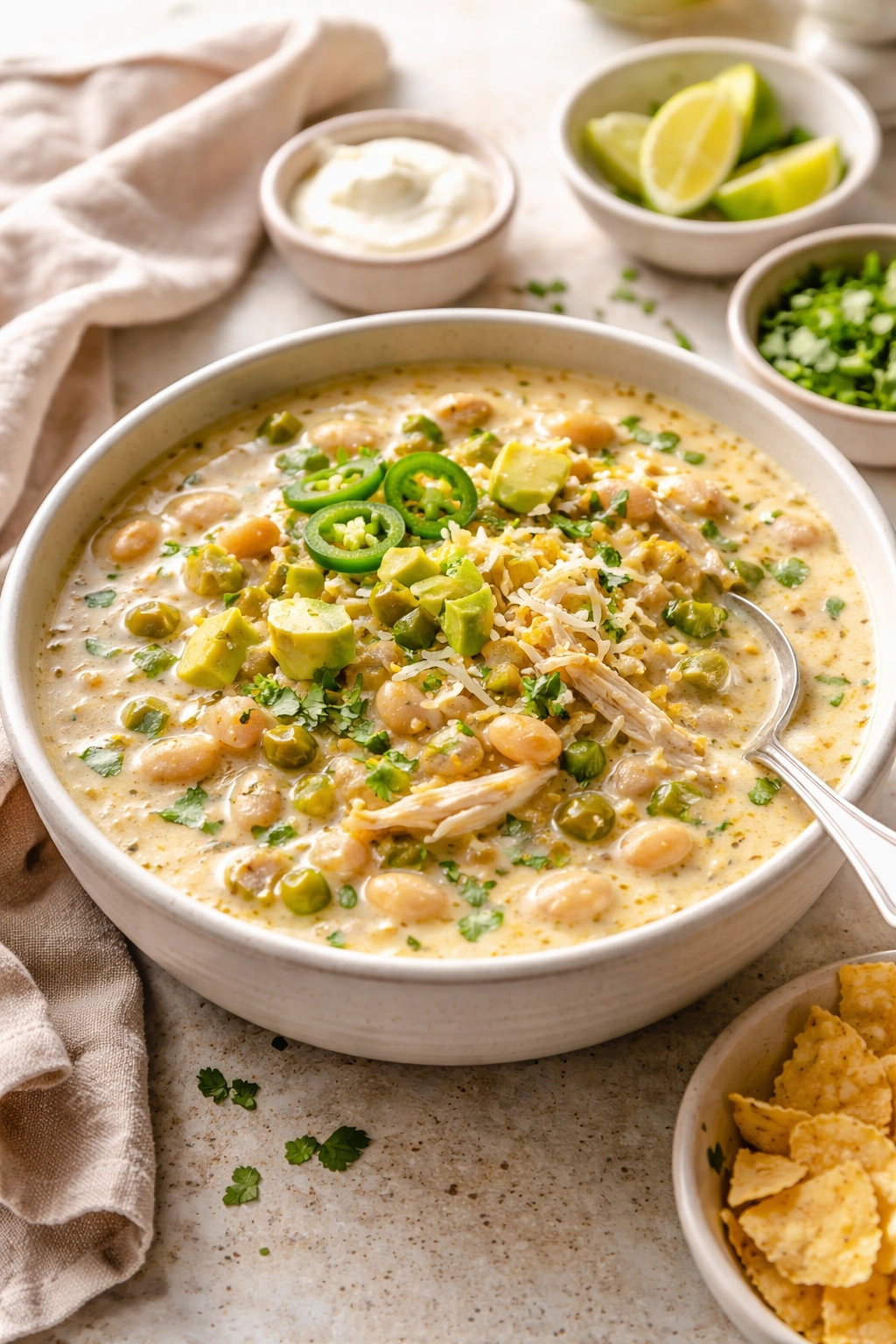
Not every cold night demands hours of cooking. White chicken chili delivers maximum comfort in a fraction of the time, building its creaminess from a base of white beans and chicken broth rather than relying on heavy cream alone. The result is something that feels indulgent but doesn’t leave you feeling weighed down—just genuinely satisfied and warm.
Why This Becomes a Cold-Weather Favorite
The contrast between the creamy base and the tender chunks of chicken, combined with green chiles that bring brightness and a subtle smokiness, creates a soup that tastes simultaneously comforting and fresh. It’s the kind of dinner you can have on the table in under an hour, yet it tastes like you’ve been tending it all day. The green chiles are the secret weapon here—charring them first develops their flavor and removes any harsh edges, leaving behind something with real depth.
Building Flavor in Minimal Time
- Sauté onions, garlic, and jalapeños first to build an aromatic base
- Toast cumin and oregano in the hot oil to release their essential oils and deepen their flavor
- Add chicken broth, white beans, and cooked shredded chicken
- Finish with a generous handful of shredded cheese that melts into the broth, creating creaminess
- Fresh lime juice squeezed in at the very end brightens everything and prevents the chili from tasting one-dimensional
Quick tip: Cook chicken breasts directly in the broth rather than cooking them separately. You’ll build more flavor in the broth and end up with perfectly moist chicken that’s already infused with seasoning.
4. Creamy Gnocchi Chicken Soup—Comfort in a Bowl
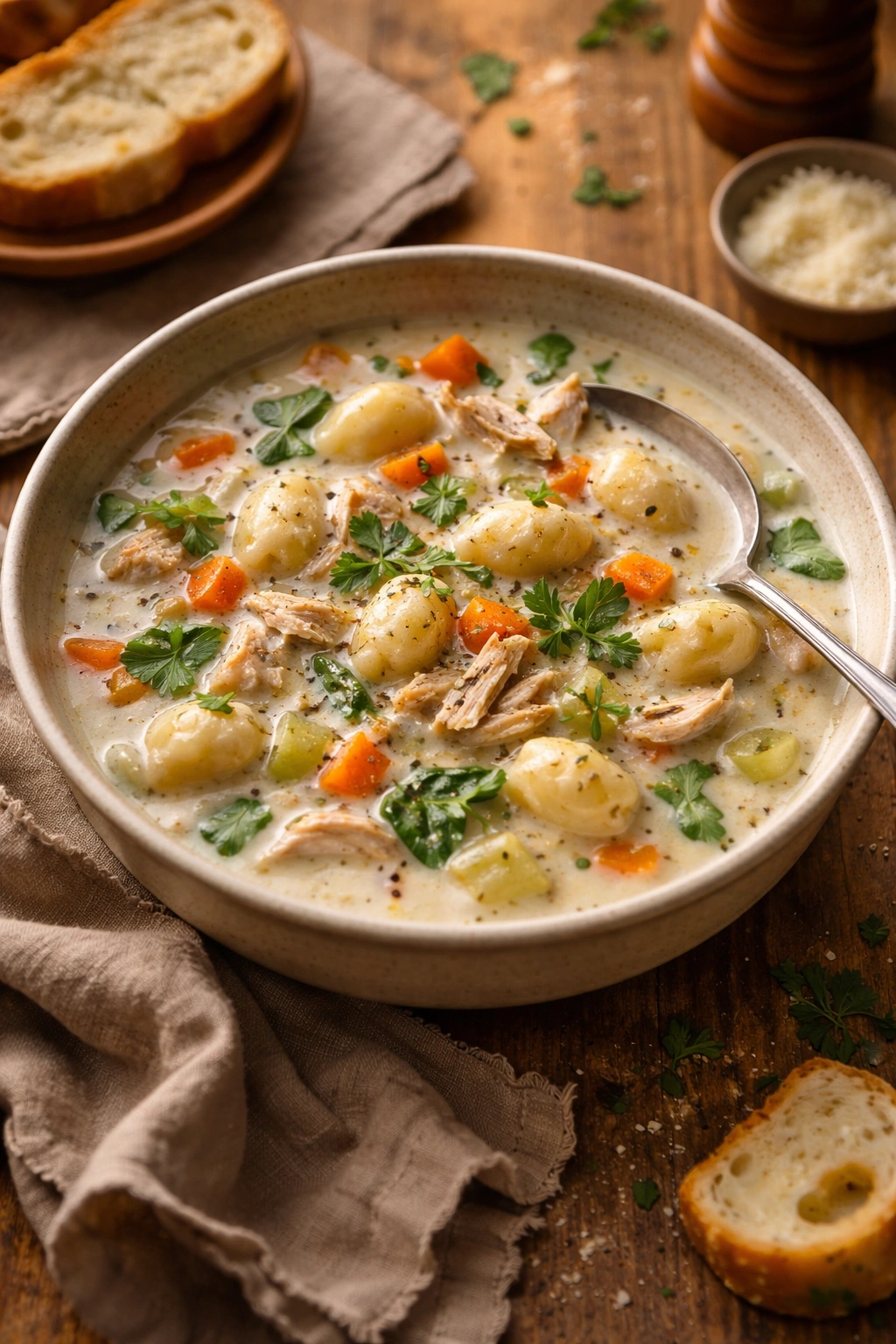
Gnocchi transforms soup from a light starter into a complete, satisfying meal. These pillowy potato dumplings absorb the creamy broth, becoming tender and almost luxurious. Combined with tender chicken, vegetables, and fresh herbs, this soup delivers everything you need on a cold evening: protein, carbohydrates, vegetables, and that unmistakable feeling of being truly cared for through food.
What Makes This Soup Special
The beauty lies in the contrast of textures—tender gnocchi against crunchy vegetables, silky broth against the substance of the chicken. Unlike pasta soups where the noodles can become mushy if you’re not careful, gnocchi holds up beautifully, staying light and pillowy even as it sits in the hot broth. The creamy element comes from a combination of chicken broth, a touch of heavy cream, and the starch that naturally leaches from the gnocchi into the liquid.
Building This Soup Properly
- Start by sautéing aromatic vegetables—onions, carrots, celery, and garlic—until they’re softened and fragrant
- Add chicken broth and bring it to a gentle simmer, not a rolling boil, which keeps everything tender
- Add diced chicken and simmer until cooked through, then add sturdy vegetables like diced potatoes
- Add gnocchi toward the end and simmer just until they float and are heated through
- Finish with fresh spinach or kale, which wilts into the broth in seconds, and fresh herbs like parsley or thyme
Real talk: Using store-bought gnocchi is completely acceptable and removes stress from the cooking process. Quality matters more than starting from scratch—look for gnocchi that’s made with real potatoes and few ingredients.
5. Braised Pot Roast with Root Vegetables—Set It and Forget It
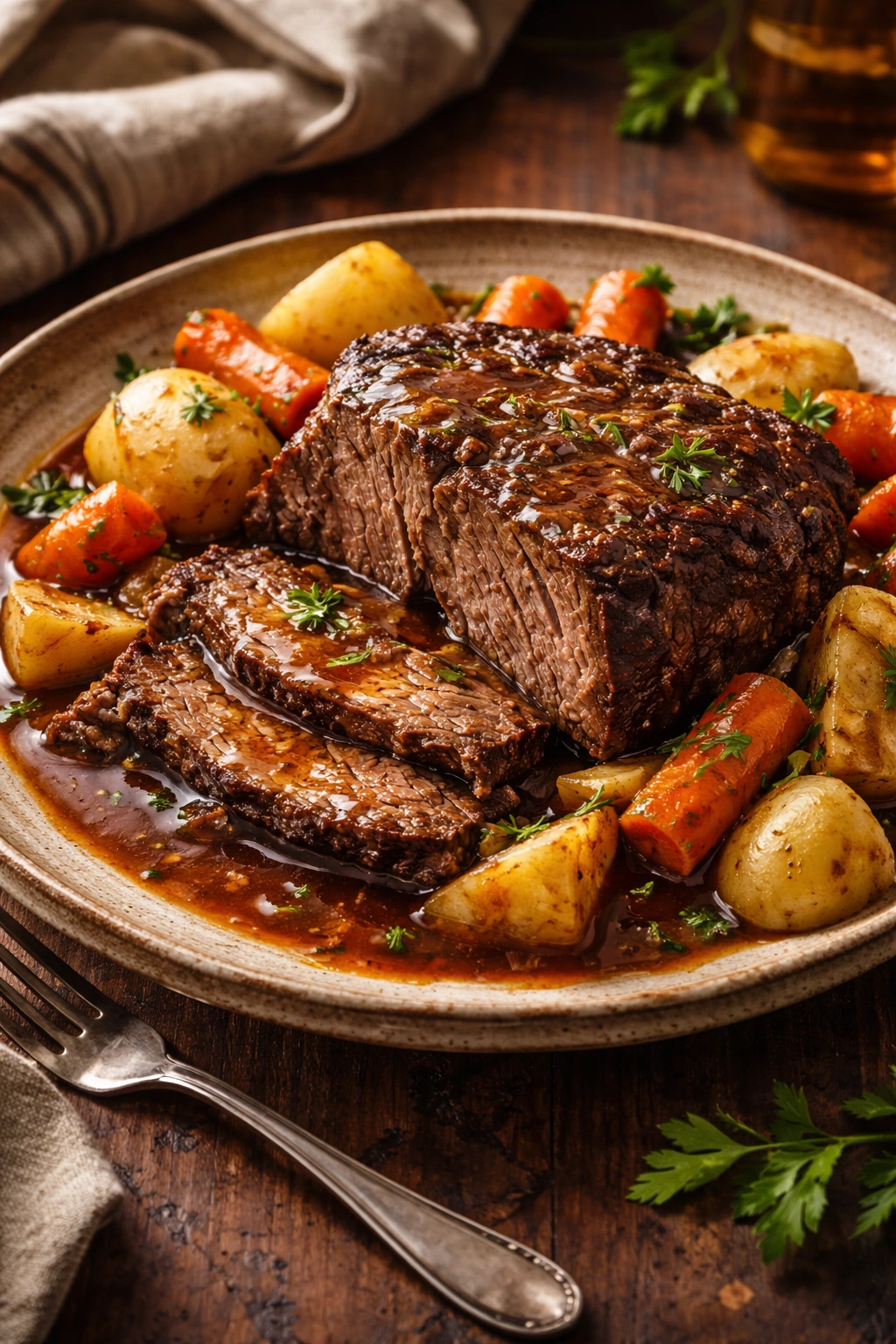
There’s a deep satisfaction in slow-braising a large hunk of beef until it becomes so tender you can cut it with a spoon. Pot roast represents the pinnacle of low-effort, high-reward cooking. You assemble the ingredients, set everything in a Dutch oven or slow cooker, and hours later, your home smells extraordinary and dinner is essentially ready.
Why This Is the Perfect Cold-Night Meal
A pot roast delivers on every level: the beef becomes impossibly tender through the long braise, root vegetables (potatoes, carrots, parsnips, onions) soften into sweet, concentrated versions of themselves, and the braising liquid reduces into a sauce rich enough to spoon over everything. This is peasant food elevated through technique and patience—exactly what cold-weather cooking should be.
The Proper Braising Method
- Sear the pot roast on all sides in a hot Dutch oven to develop a flavorful crust that anchors the dish
- Remove the meat and sauté aromatic vegetables in the same pot, scraping up all the browned bits from the bottom
- Add tomato paste and let it caramelize slightly, deepening its flavor considerably
- Deglaze with red wine or beef broth, scraping the bottom of the pot to incorporate all that flavorful browned material
- Return the meat to the pot along with whole vegetables, fresh herbs, and enough liquid to come halfway up the side of the roast
- Braise low and slow—either in the oven at 325°F (163°C) or in a slow cooker on low—until the meat is falling-apart tender
Insider note: The best pot roast actually tastes better on day two or three, after the flavors have had time to fully meld together. Make it ahead when you have time, and reheat it gently when you need dinner fast.
6. Loaded Potato Soup—Comfort in Its Purest Form
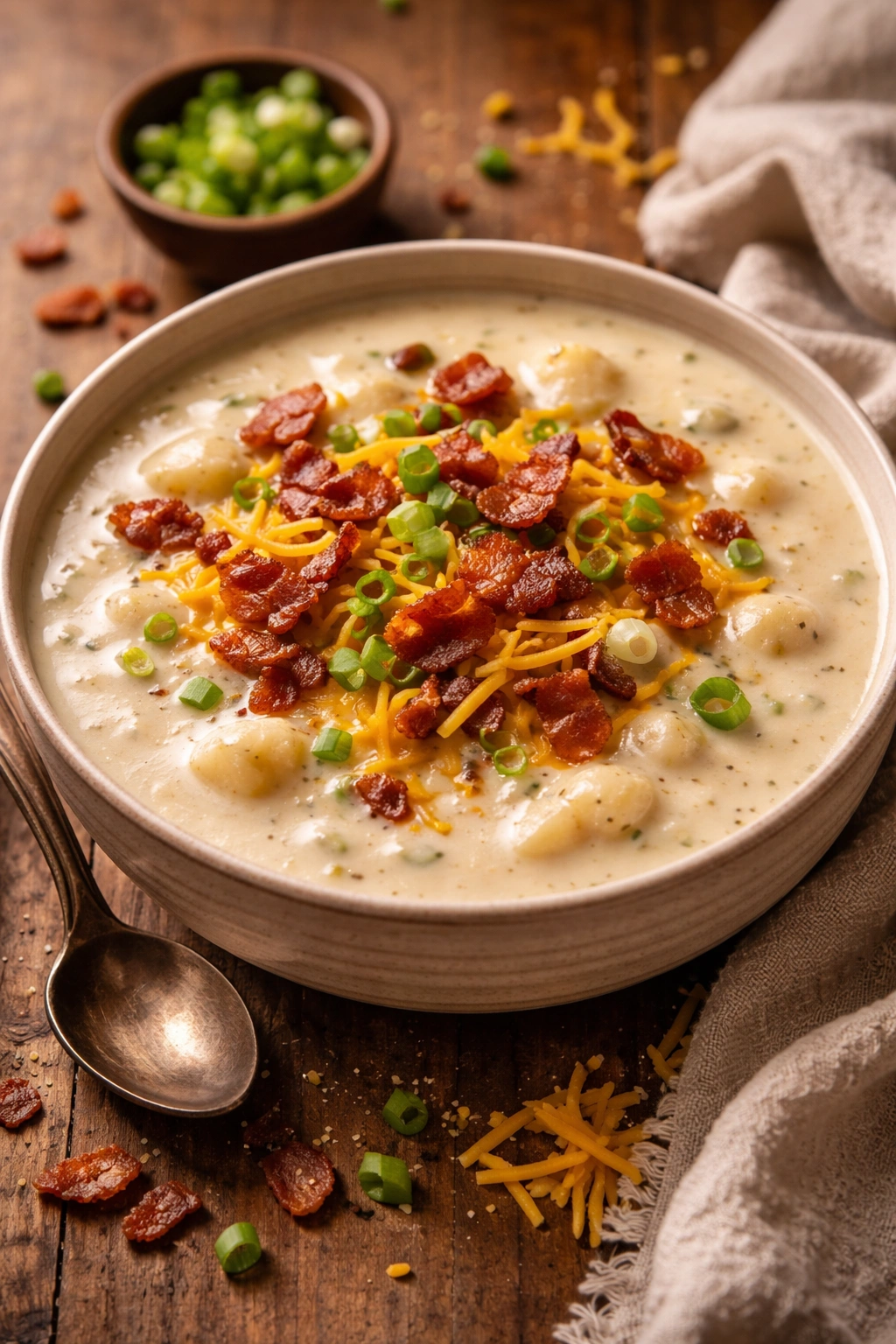
Potato soup occupies a special place in comfort food culture because it’s fundamentally about simplicity, yet it can be endlessly customized to match whatever you have on hand. A truly excellent potato soup has a creamy base without being heavy, contains actual chunks of tender potato, and tastes like potatoes—not like cream with a hint of potato flavor hiding in the background.
Building Genuine Potato Flavor
The secret is using enough potatoes and not pureeing everything into oblivion. You want distinct potato chunks that you can bite into, suspended in a broth that’s thickened slightly by the natural starch released from the potatoes. Some cooks add flour or cornstarch, which works fine, but the best potato soups rely on that natural starch. Start by sautéing onions and celery until they’re soft, add diced potatoes and good broth, and simmer until the potatoes are completely tender—usually about twenty minutes.
Toppings That Make It Sing
- Crispy bacon provides saltiness, smokiness, and textural contrast
- Fresh chives or green onions add brightness and a gentle onion flavor
- Shredded cheddar cheese stirred in just before serving creates creamy richness
- Sour cream dolloped on top adds tanginess and another layer of creaminess
- Fresh cracked pepper and fleur de sel transform it from ordinary to special
Worth trying: Add a touch of smoked paprika or a splash of white wine vinegar to deepen the flavor. Neither is necessary, but both elevate what might otherwise be a straightforward soup into something people genuinely crave.
7. Weeknight Chicken Pot Pie—Elegance Without the Stress
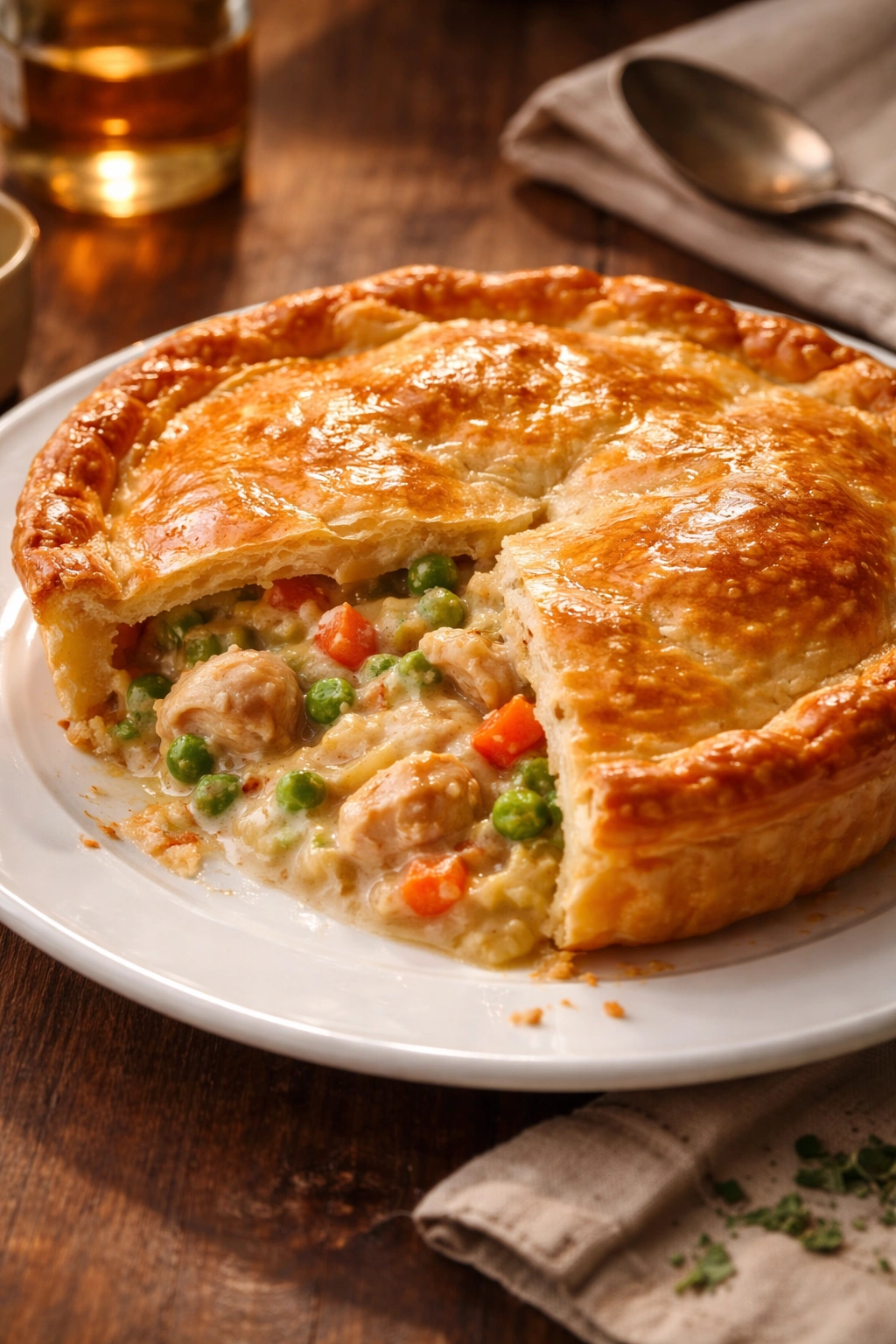
Chicken pot pie represents comfort food at its most refined: a creamy filling packed with tender chicken and vegetables, topped with golden, buttery pastry that shatters when you break into it. The beautiful part is that you don’t need to make pastry from scratch. A quality store-bought puff pastry does the work beautifully, leaving you to focus on creating an exceptional filling that justifies calling this dinner special.
The Filling That Matters
The filling should taste like itself—like chicken, vegetables, and a clean, savory sauce—rather than tasting like cream with things added to it. Start by sautéing onions, celery, and carrots until they’re softened, add minced garlic, then dust everything with flour and cook it briefly to remove the raw flour taste. Add chicken broth and a touch of heavy cream, then add diced cooked chicken and maybe some frozen peas. The consistency should be thick enough to support the pastry but loose enough that it’s actually soupy—it will thicken slightly as it cools before baking.
Making It Come Together Simply
- Prepare the filling completely while the oven preheats—this takes about fifteen minutes
- Pour the filling into individual baking dishes or one large dish, depending on what you’re serving
- Top with a sheet of thawed puff pastry, brush it lightly with egg wash, and score the surface with a knife to help it puff evenly
- Bake at a high temperature until the pastry is deeply golden and the filling is bubbling at the edges
- Fresh lemon zest stirred into the filling adds brightness that prevents it from tasting one-dimensional
Pro tip: Make the filling ahead and refrigerate it. When you’re ready to eat, simply top with pastry and bake. This transforms pot pie from a from-scratch project into something you can pull together on a busy weeknight.
8. Italian Sausage and Tortellini Soup—Quick Cooking, Deep Flavor
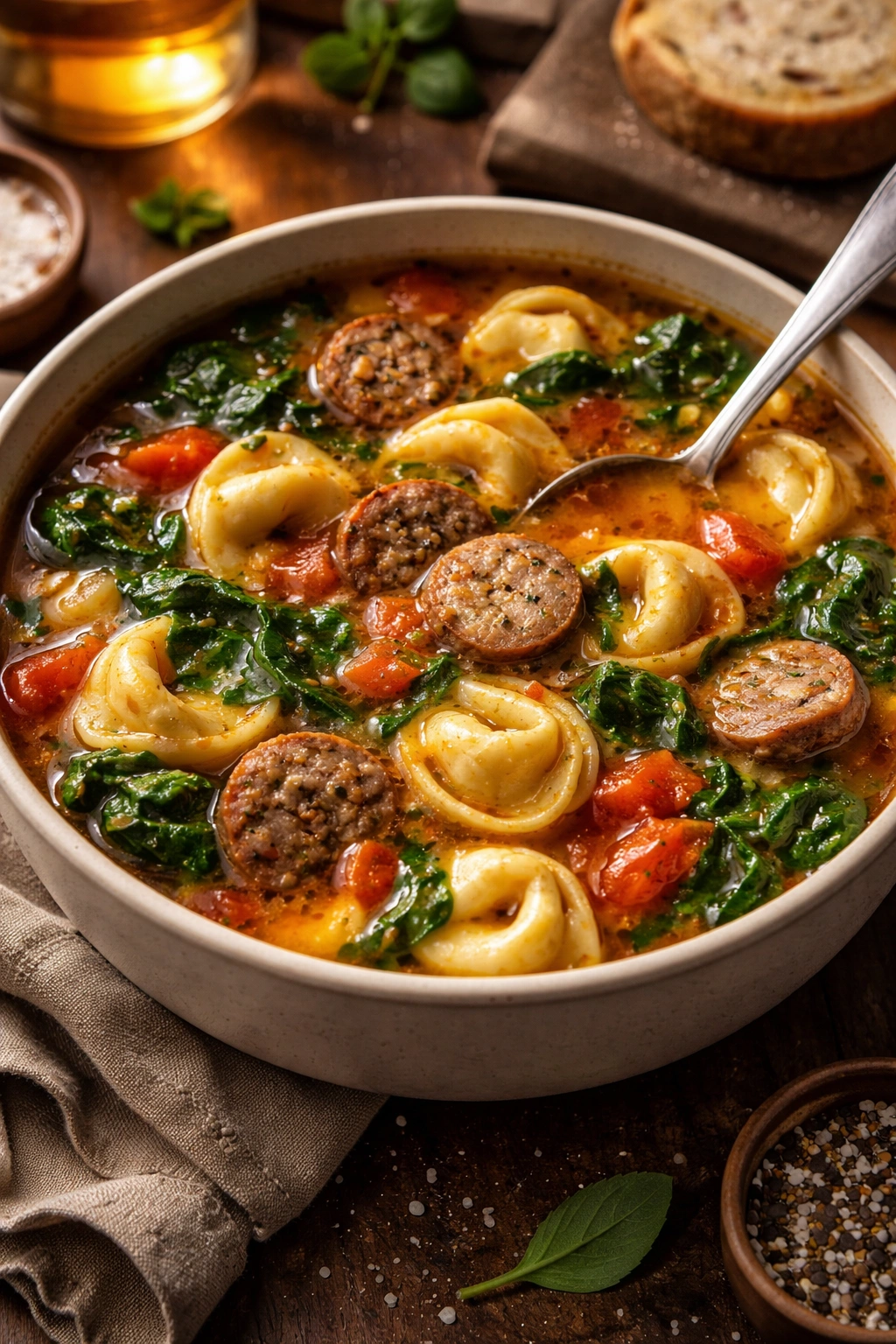
This soup proves that some of the most satisfying dinners come together quickly. Italian sausage brings inherent richness and spice, cheese-filled tortellini adds substance and creaminess, and fresh spinach contributes both nutrition and a beautiful green color. From start to finish, this takes perhaps thirty minutes, yet it tastes like you’ve been cooking thoughtfully all afternoon.
Why This Works as Cold-Weather Cooking
The combination of hot broth, tender pasta, wilted greens, and flavorful sausage creates something that’s greater than the sum of its parts. There’s enough going on texturally and flavor-wise to keep each spoonful interesting. The creaminess comes not from heavy cream but from the cheese in the tortellini and a splash of pasta water, which contains starch that naturally thickens the broth.
Building This Soup the Right Way
- Remove sausage from its casing and brown it in a large pot, breaking it up as it cooks
- Sauté diced onions, carrots, and celery in the fat rendered from the sausage
- Add minced garlic and cook until fragrant, maybe thirty seconds
- Add chicken or vegetable broth and bring to a simmer
- Add the tortellini and cook until just tender—check the package for timing
- Wilt in fresh spinach at the very end, finishing with fresh basil and a squeeze of lemon juice
- Taste and adjust seasoning—sausage is already quite salty, so taste before adding extra salt
Worth knowing: Keep the heat at a gentle simmer rather than a rolling boil. Boiling can cause the tortellini to burst open and release their filling into the broth, which isn’t terrible, but keeping them intact preserves their texture and makes for a more elegant presentation.
9. Creamy Sun-Dried Tomato Chicken and Pasta—One-Skillet Elegance
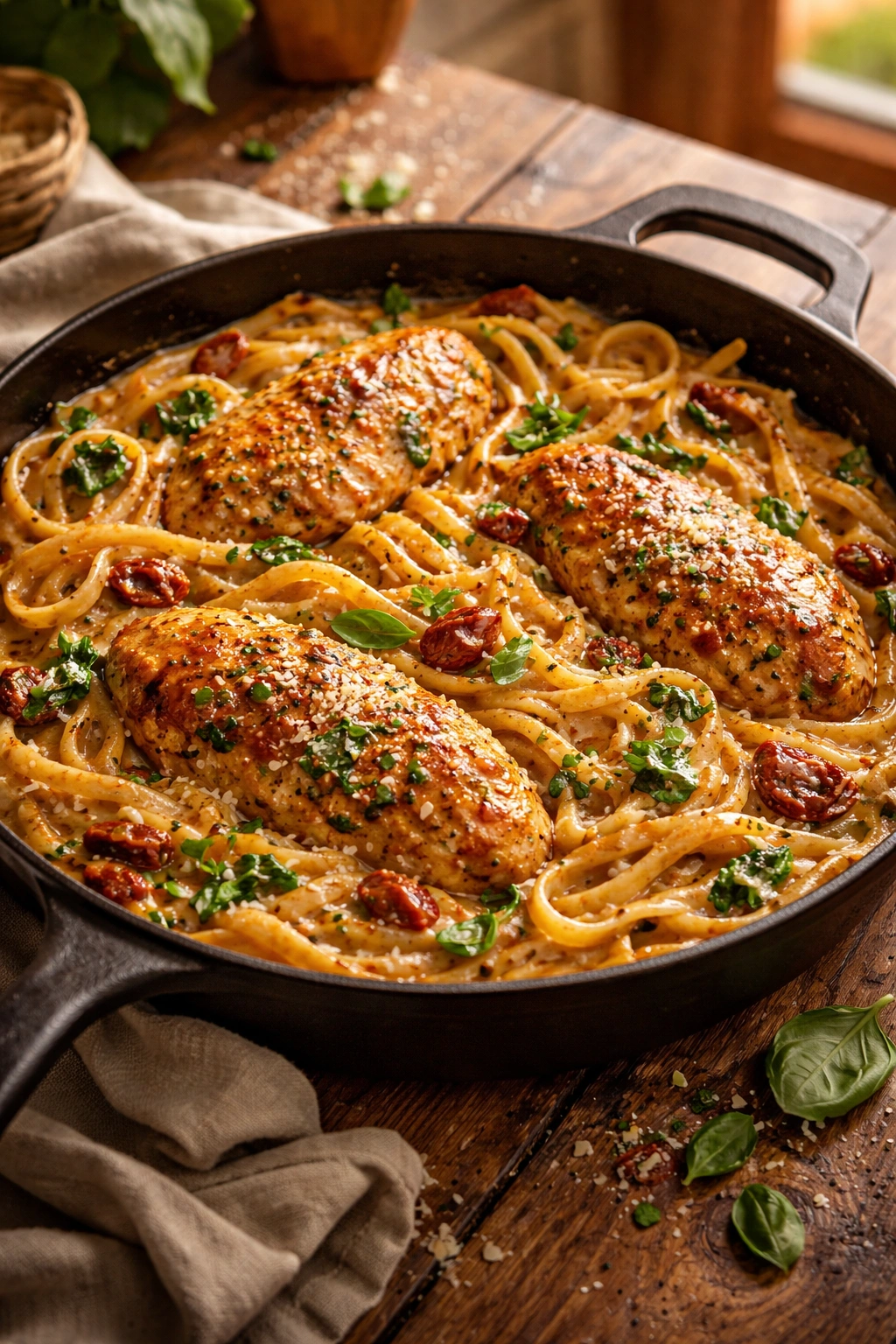
This dish bridges the gap between weeknight simplicity and dinner-party elegance. Everything cooks in a single skillet, meaning minimal cleanup, yet the final dish looks and tastes like you’ve invested considerable effort. The sauce is built from sun-dried tomatoes (which provide concentrated tomato flavor), fresh garlic, chicken broth, and a touch of cream, creating something that’s both light and deeply satisfying.
The Technique That Creates Restaurant-Quality Results
The key is building flavor deliberately. Sauté the chicken first until it’s golden on the outside but still slightly undercooked in the center—it will finish cooking in the sauce. Remove it and set aside, then sauté onions and garlic in the same skillet. Add sun-dried tomatoes (from a jar, packed in oil, is fine), fresh spinach, and broth, letting it simmer until the tomatoes have softened further and their flavor has infused the liquid. Add pasta directly to the skillet—it cooks in the sauce rather than in a separate pot of water, which means it absorbs all that flavorful liquid. Return the chicken to the skillet and finish with a splash of cream.
What Makes This Taste Special
- Sun-dried tomatoes provide a concentrated, almost sweet tomato flavor that’s completely different from fresh tomatoes
- Fresh baby spinach wilts into the sauce, adding earthiness and bright color
- A squeeze of fresh lemon juice at the end prevents the sauce from tasting heavy or one-dimensional
- Fresh basil or oregano stirred in at the very last moment adds aromatic brightness
- Parmesan cheese grated over the top adds saltiness and umami depth
Quick tip: Use chicken thighs instead of breasts if you can. They’re more forgiving—if you slightly overcook them, they stay tender and flavorful, whereas breasts dry out quickly.
10. Tater Tot Casserole—Nostalgic Comfort at Its Best

Tater tot casserole, also known as hotdish in the Midwest, represents a particular kind of American comfort: simple ingredients combined in an unexpected way, creating something greater than the sum of its parts. Ground beef seasoned with savory spices, vegetables bound in a creamy sauce, topped with a layer of golden, crispy tater tots—this is the definition of cozy winter dinner, the food of childhood and home.
Elevating a Humble Casserole
While the classic version uses canned cream of mushroom soup, making it from scratch delivers noticeably better flavor and texture. Start by browning ground beef with diced onions, then create a simple mushroom béchamel (butter, flour, sautéed mushrooms, and broth combined into a creamy sauce). Fold in frozen peas and corn, season assertively with Dijon mustard and Worcestershire sauce, then spread everything into a baking dish. Top with tater tots and bake until they’re golden and crispy and the filling is bubbling at the edges.
Why This Delivers Comfort So Effectively
- The combination of soft, creamy filling with crispy, salty tater tots creates textural contrast in every bite
- Ground beef provides protein and satisfying richness
- Frozen vegetables are actually preferable here—they stay intact rather than becoming mushy
- The béchamel-based sauce is sophisticated without being fussy
- Everything can be assembled ahead and baked when you need dinner
Real talk: Don’t skip the Dijon mustard and Worcestershire sauce. These aren’t noticeable as distinct flavors, but together they add savory depth that elevates the dish from adequate to genuinely delicious. They’re the difference between casserole that people eat because it’s there and casserole that people actually crave.
Final Thoughts

These ten dinners represent different approaches to the same goal: creating food that genuinely warms you from the inside out while making your kitchen feel like the coziest, most welcoming place in your home. Some take hours of slow cooking; others come together in thirty minutes. Some are luxurious and restaurant-inspired; others are wholesome and unpretentious. What they all share is the ability to transform an ordinary cold evening into something memorable, to bring people to the table with genuine anticipation, and to deliver the kind of satisfaction that only happens when food is made with intention and care.
The beautiful truth about comfort food is that it doesn’t require fancy ingredients or complicated techniques. It requires paying attention—using good broth instead of mediocre stock, browning meat properly to build flavor, finishing dishes with fresh herbs and a squeeze of acid, and treating the cooking process as something worth doing well. These aren’t just recipes to get dinner on the table; they’re invitations to slow down, to nourish yourself and the people you love, and to remember why cooking matters so much when the world outside feels cold.
