



Freezing soup is one of the most underrated meal prep strategies. You’re not just storing water—you’re bottling up time, convenience, and comfort for weeks ahead. The reality is that bulk-cooking a few different soups in one marathon session, then portioning them out, transforms your weeknight dinners from stressful scrambling into reaching-for-a-container simplicity. No chopping. No measuring. No second-guessing what’s for dinner. Just thaw, reheat, and serve.
The beauty of freezer soups is their versatility. Whether you’re feeding a family, meal prepping for the week, or building a nutritional safety net for unpredictable schedules, frozen soup adapts to your life rather than demanding that your life adapt to it. A sick day becomes manageable when comfort food is already waiting. A surprise dinner guest becomes simple when you have multiple varieties frozen and ready. A chaotic weeknight transforms into a win when dinner is genuinely ready in minutes.
But here’s the secret that separates successful freezer soups from disappointing ones: not all soups freeze equally. Broth-based soups, bean soups, vegetable soups, and lean meat soups freeze beautifully. Dairy-heavy creams can separate, pasta turns mushy, and potatoes break down. The recipes that follow have been selected and refined because they genuinely hold up to freezing, thawing, and reheating without sacrificing flavor or texture. These are soups worth making in bulk.
Why Freezing Soups Changes Everything
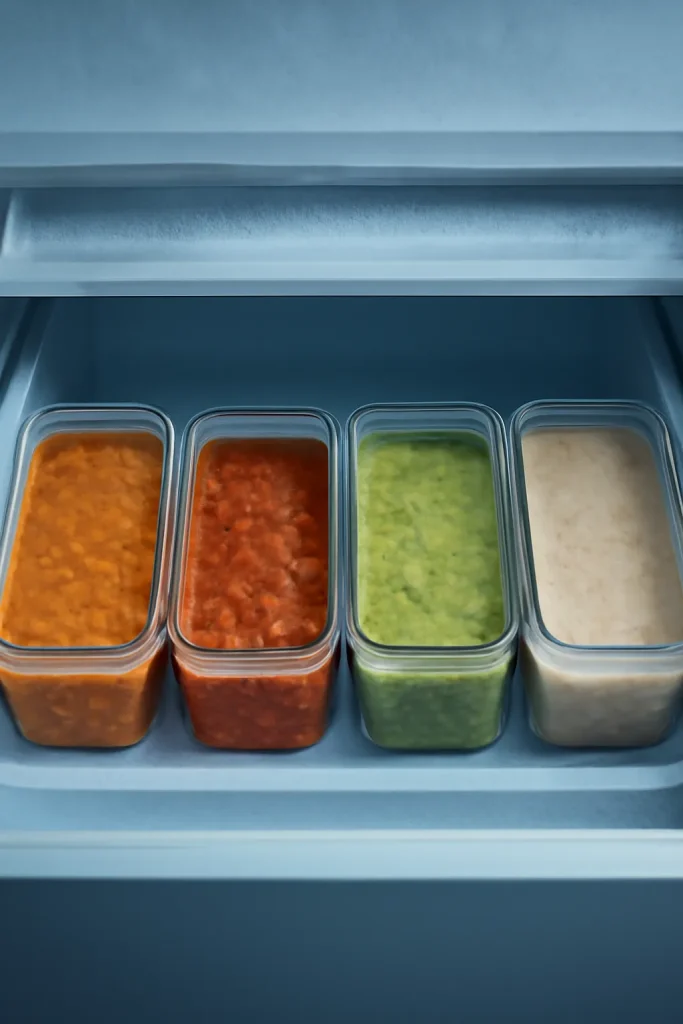
The practical benefits of freezing soup start with time reclamation. When you cook three or four soups simultaneously using a stovetop pot, slow cooker, and Instant Pot at once, you’re leveraging parallel cooking to create weeks of meals in a single afternoon. The ingredient prep—chopping vegetables, measuring broths, gathering spices—happens once. The dishes get washed once. But the payoff extends across a dozen+ future meals.
Beyond the time savings, freezer soups offer unmatched flexibility for household diversity. If your family has conflicting food preferences, freezing multiple varieties means everyone gets their preference without requiring you to cook separately. The vegetarian eats vegetable soups. The meat lover has beef and chicken options. The person avoiding dairy chooses broth-based recipes. Everyone wins without extra effort.
Storage efficiency matters too. Modern freezer containers—particularly reusable plastic tubs or silicone freezer cubes—take up far less space than you’d expect. Portion soups into 2-cup servings for quick lunches or full dinner-size portions for family meals. Label every container with the soup type and freezing date. Properly stored soup keeps for three to four months in the freezer without quality loss, though most people use their batches much faster.
Essential Tips for Freezing Soup Successfully

The foundation of successful freezer soup is understanding what works and what doesn’t. Always cool soup completely before freezing—pouring hot soup into containers generates steam that promotes ice crystal formation and freezer burn. Spread soup into a shallow pan and let it cool at room temperature for about thirty minutes, then transfer to the refrigerator for another hour before freezing. This two-step cooling process ensures the best texture when you eventually reheat.
Container selection dramatically impacts your experience. Rigid plastic containers with tight-fitting lids work well, but silicone freezer cubes—essentially muffin-tin-style compartments that pop individual portions right out—are genuinely life-changing for soup storage. They stack efficiently, freeze quickly, and make portioning portion control effortless. Wide-mouth canning jars work in a pinch if you thaw soup ahead of time, but frozen soup in narrow-mouth containers can be stubborn to extract.
Ingredient selection before freezing separates excellent freezer soups from disappointing ones. Avoid adding pasta or noodles directly to soup before freezing unless you enjoy soggy, mushy texture. Instead, cook pasta fresh during reheating and stir it in. The same principle applies to potatoes—they break down and become grainy after freezing. Add them during reheating or use heartier grains like barley or farro that maintain their texture. Fresh herbs wilt and deteriorate during freezing, so add these garnishes fresh when serving rather than during the initial cooking.
Go light on garlic and spices when preparing freezer soups, as flavors intensify during storage. Seasonings that seemed perfectly balanced when you first cooked the soup might taste aggressively strong after two months frozen. Start conservative with aromatic spices, then adjust boldly when reheating based on how the flavors have developed. Dairy-based soups require extra caution—cream can separate during thawing. For these recipes, either freeze the soup base and add cream when reheating, or plan to use an immersion blender to reincorporate separated elements.
1. Classic Chicken and Vegetable Soup
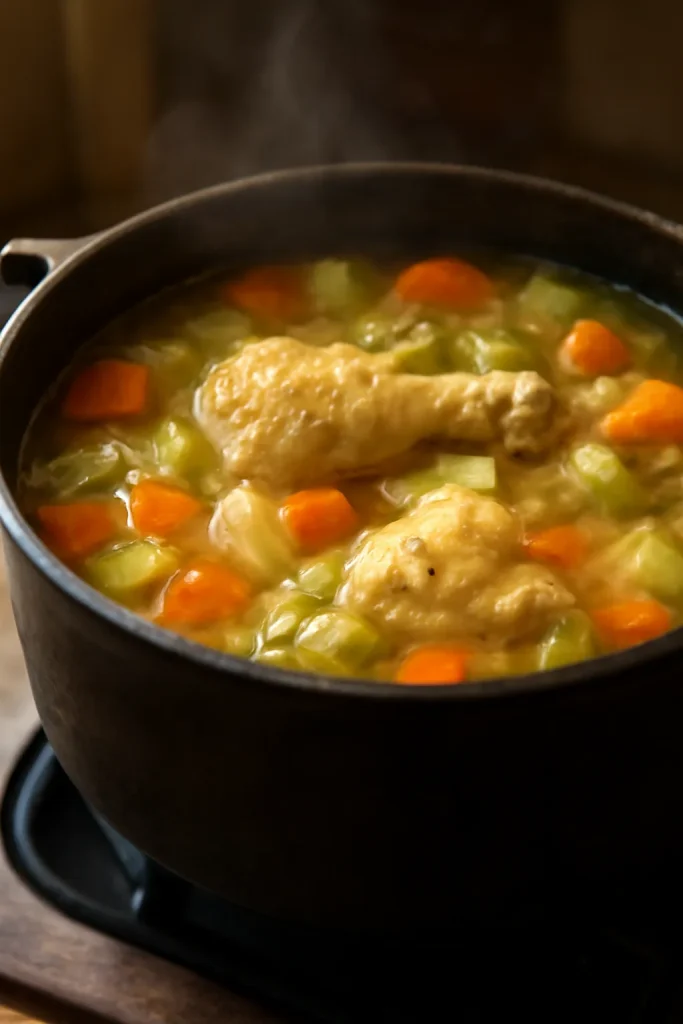
This is the ancestor of every comfort-food soup culture has ever created, and for good reason. Homemade chicken and vegetable soup is affordable, straightforward, and genuinely therapeutic when reheated. The combination of tender chicken, aromatic vegetables, and rich broth works every single time, and it freezes flawlessly because there’s nothing temperamental in the ingredient list.
What Makes This Freezer Champion Dependable
The secret to this soup’s success is using bone-in chicken breasts or thighs that actually develop flavor during simmering. Boneless, skinless chicken breasts can turn dry and stringy, but bone-in pieces stay tender and shed collagen into the broth, creating silky body without cream. The vegetable combination of carrots, celery, and onions builds the aromatic foundation that tastes both homey and sophisticated. Medium dice everything so vegetables cook evenly and maintain some structural integrity after freezing and reheating.
What You Need to Know Before Freezing
- Simmer chicken pieces for 45 minutes until fully cooked, then remove and shred finely before returning to the pot
- Use low-sodium broth to prevent the soup from becoming oversalted as flavors concentrate during freezing
- Add fresh parsley and dill garnish only after reheating; dried herbs added now will taste stale
- Mushrooms can absorb excess liquid, so add them sparingly or reserve fresh sautéed mushrooms to stir in after reheating
- This soup reaches peak flavor after one day in the fridge, so it’s worth tasting before freezing to adjust salt and pepper
Pro tip: Make this soup in a slow cooker using 8-10 bone-in chicken thighs, 6 cups of broth, and your vegetable mix. Set it to low for 6-8 hours while you go about your day. No active cooking required.
2. White Bean and Sausage Soup
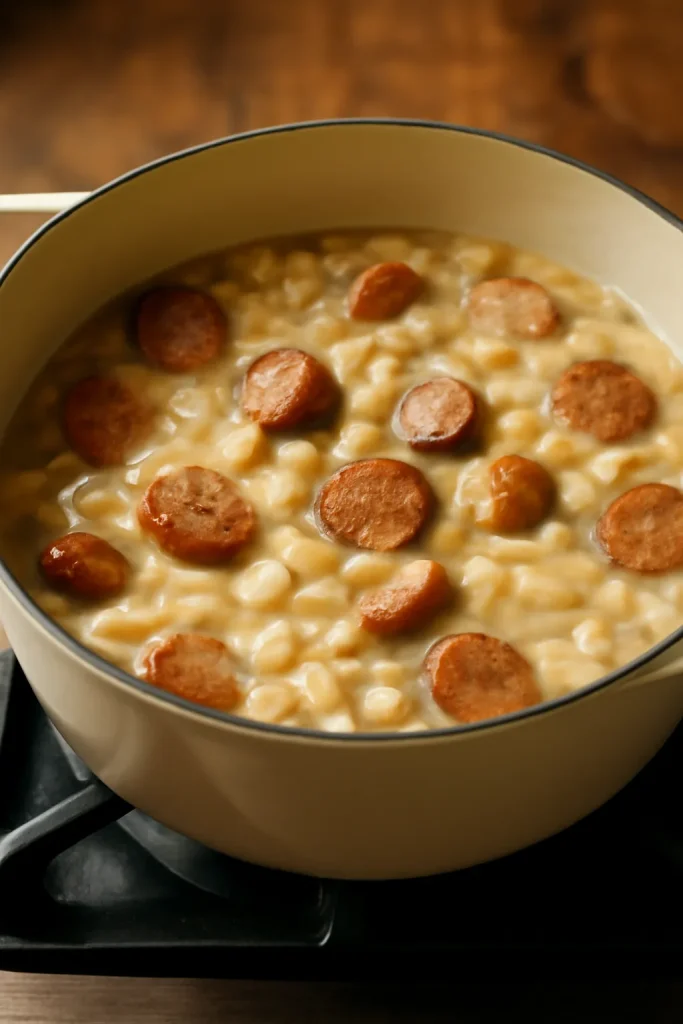
Hearty, genuinely filling, and ready in about thirty minutes, white bean and sausage soup proves you don’t need hours of simmering to create satisfying freezer meals. Italian sausage carries tremendous flavor by itself, which means you can keep spice additions minimal and let the natural meat seasoning shine. White beans—whether cannellini or great northern—turn silky during cooking and hold their shape perfectly through the freeze-thaw cycle.
Why This Recipe Works Freezer Magic
The protein combination of sausage and beans makes this soup filling enough for dinner rather than just a lunch side. Brown the sausage thoroughly in a Dutch oven to develop fond (those flavorful browned bits on the pan bottom), then deglaze with a splash of broth to capture all that richness. Add diced vegetables, canned white beans that you’ve drained and rinsed, and broth. The entire cook time is under forty minutes, and the soup actually improves after a few hours as flavors marry.
Storage and Reheating Notes
- Sausage fat rises during freezing and can form a layer on top—this is normal and actually protective of the soup below
- Reheat gently over medium heat on the stovetop rather than blasting in the microwave to prevent the broth from boiling off too quickly
- If the soup seems too thick after thawing, add a splash of broth or water to restore the proper consistency
- Fresh kale or spinach added just before serving brightens the entire bowl
- A drizzle of quality olive oil and crusty bread transform this simple soup into something restaurant-worthy
Worth knowing: This is one of the best soups for the freezer because sausage and beans are both freeze-friendly ingredients with no problematic textures or components.
3. Red Lentil Curry Soup
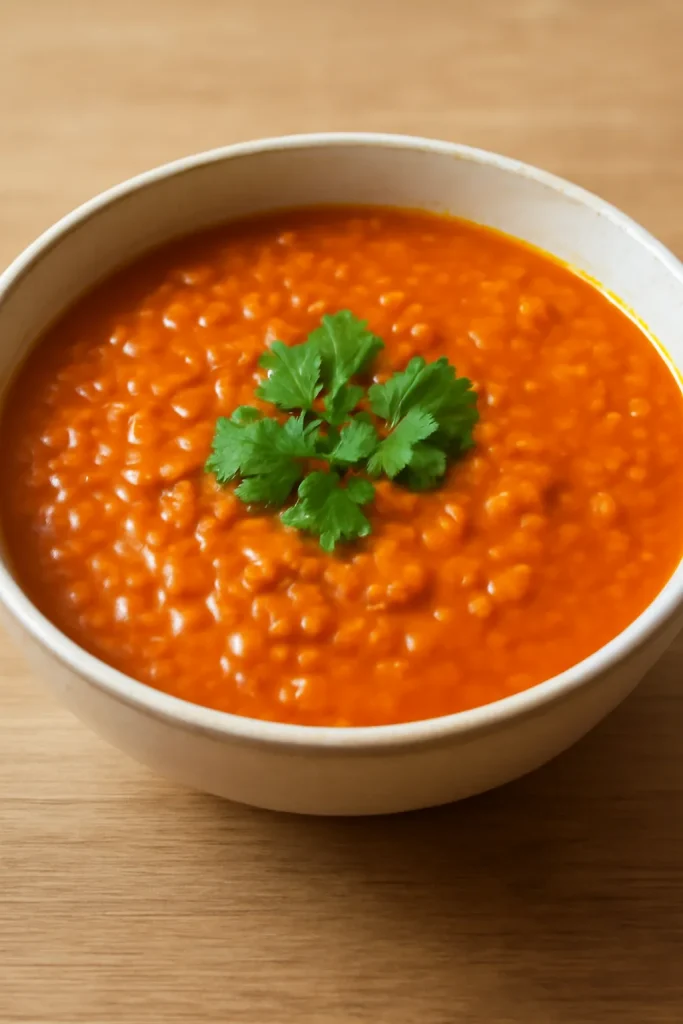
If you want to prove that vegetarian freezer soups can be genuinely exciting rather than just virtuous, make red lentil curry soup. Warm spices—turmeric, cumin, coriander, and ginger—transform simple lentils into something with serious depth and complexity. Red lentils break down slightly during cooking, creating natural creaminess without any dairy, and they freeze beautifully because that soft texture doesn’t degrade further during storage.
The Spice Story That Makes This Special
Toast your dry spices in a hot pot for one minute before adding liquid—this blooms the spices and releases their essential oils, intensifying flavor dramatically. Ginger and garlic go in after the spices have toasted, followed by broth and red lentils. The entire soup comes together in 25-30 minutes. A squeeze of lime juice or splash of coconut milk added during reheating brightens the finish without requiring dairy in the freezer.
Freezing and Serving Strategies
- Red lentil soups tend to thicken as they sit, so freeze them slightly looser than you’d serve them fresh
- A dollop of yogurt (plain Greek or regular) stirred in after reheating adds cooling richness and protein
- Fresh cilantro, diced red onion, and lime wedges are ideal garnishes—hold these until serving
- This soup pairs beautifully with naan bread or basmati rice cooked fresh when you reheat
- The soup actually tastes better the next day, making it ideal for freezer cooking—flavors mellow and integrate
Insider note: Make a double batch and serve half fresh for dinner, then freeze the remaining half. You’ll immediately appreciate how the flavors develop even further during its frozen rest.
4. Italian Minestrone with Vegetables and Pasta
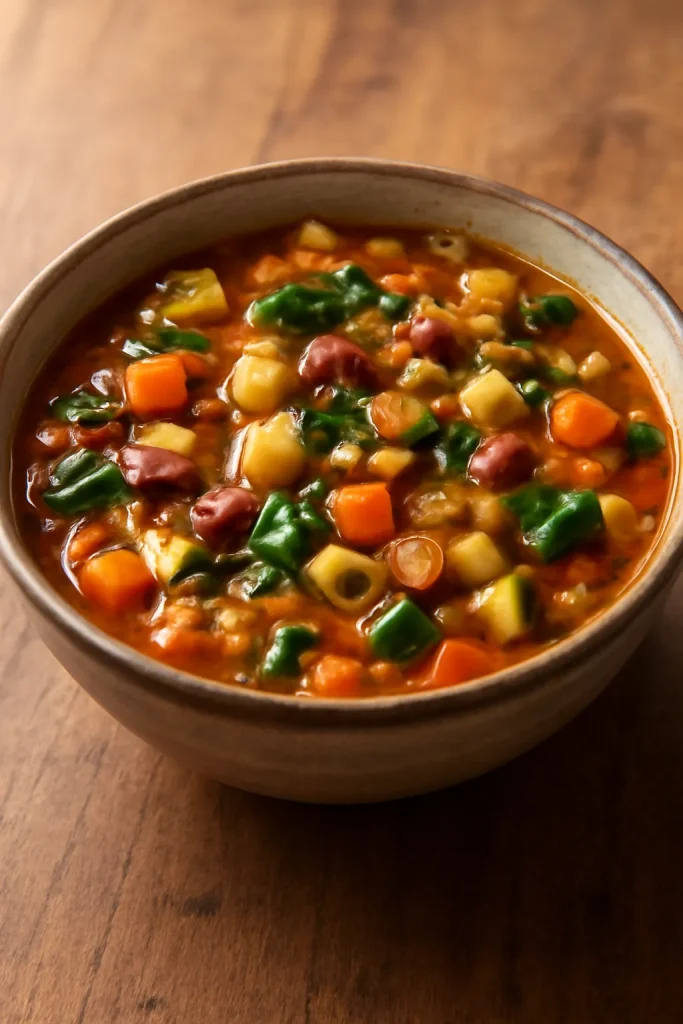
Minestrone is technically the plural of minestra, meaning “big soup” in Italian—and this recipe honors that definition completely. Loaded with at least six different vegetables, beans, and a light tomato broth, minestrone feels like eating an entire garden in a bowl. The key to a successful frozen minestrone is the vegetable variety. Don’t shy away from including zucchini, green beans, carrots, celery, onions, and leafy greens.
Building the Foundation That Supports Freezing
Dice vegetables into similar sizes so they cook evenly and look appetizing in the finished bowl. Do not add pasta before freezing—pasta becomes mushy and absorbs all the broth. Instead, freeze the vegetables, beans, and tomato broth together, then cook fresh pasta (or add it to the reheating broth at the last minute) when you serve. This single adjustment transforms minestrone from a soggy disappointment into something genuinely good.
The Vegetable Component That Sets This Apart
- Use a mix of hearty vegetables (carrots, celery) and tender vegetables (zucchini, green beans) for texture contrast
- Leafy greens like kale or spinach should be added fresh just before serving; they become bitter and unappealing if frozen
- Cherry or diced tomatoes add brightness; use canned if fresh aren’t available
- White beans or cannellini beans are traditional, but chickpeas work beautifully too
- Finish with fresh basil, grated Parmesan, and quality olive oil after reheating
Pro tip: This is the perfect “clean out the vegetable drawer” soup. Have broccoli that needs using? Add it. Leftover bell peppers? Dice them in. The more vegetable variety, the more interesting the final bowl.
5. Black Bean and Chorizo Chili
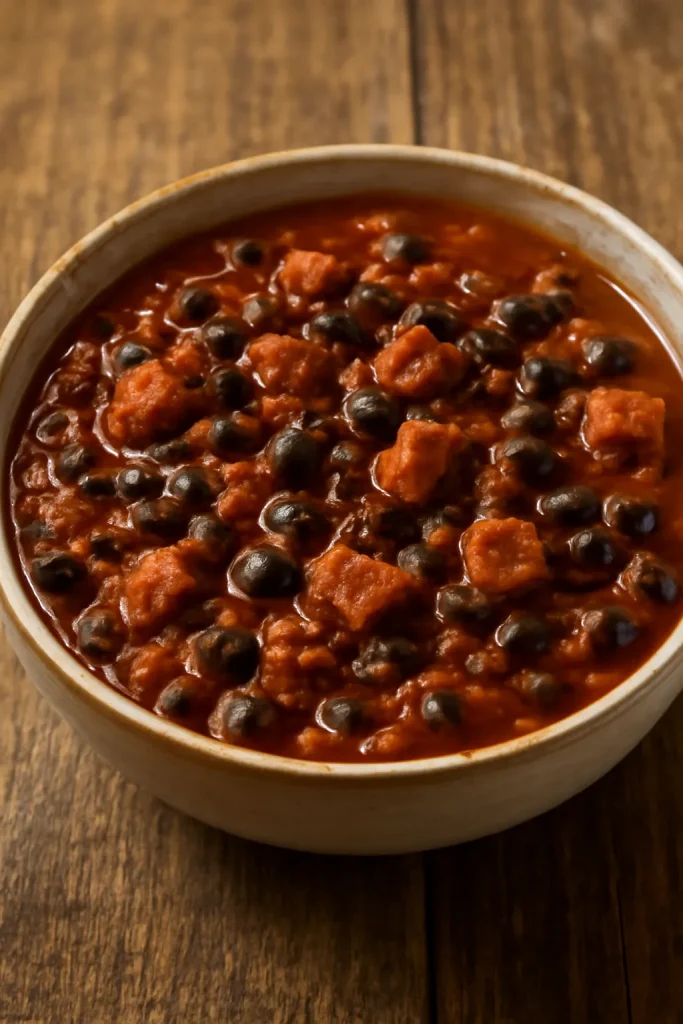
Chili and soup occupy an interesting gray space—they’re thick enough to eat with a spoon, full enough to be dinner, and they freeze like absolute champions. Black bean and chorizo chili brings together affordable ingredients with bold Spanish flavors, and it gets better each time you reheat it. Chorizo provides all the seasoning you need; the rest of the ingredients provide substance and body.
Why Chili Wins at Freezing
Bean-based chilis are nearly impossible to ruin in the freezer. Beans have no problematic texture issues, and the thick consistency means there’s minimal liquid separation or degradation. Chorizo’s natural oils keep everything silky and flavorful. Brown the chorizo first, drain most of the fat, add your aromatics, then load in black beans (canned, drained, and rinsed), diced tomatoes, and broth. The entire cook time is 20 minutes, but the soup will taste like it simmered for hours.
Cooking and Freezing Insights
- Good chorizo carries enough salt that you can go light on additional seasoning—adjust at the end if needed
- Diced jalapeños add heat without requiring fresh peppers at serving time
- A small splash of apple cider vinegar or lime juice brightens the finished chili when reheating
- Toppings are where chili shines: diced red onion, fresh cilantro, shredded cheese, lime wedges, and sour cream
- Unlike soups, chili actually benefits from partial evaporation and thickening, so don’t add extra broth during reheating unless it’s genuinely too thick
Worth knowing: Make a double batch of chili whenever you’re making any for dinner. The freezer storage costs nearly nothing, and having chili ready to reheat transforms busy weeknight cooking into a ten-minute task.
6. Turkey Sausage and Vegetable Soup
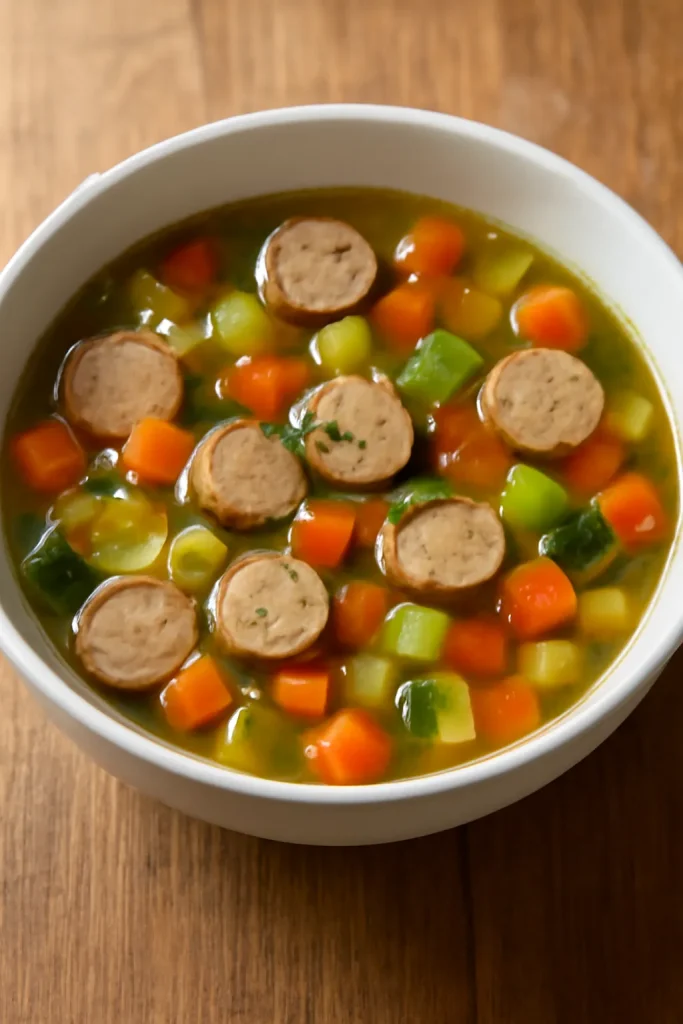
Leaner than pork sausage but more flavorful than ground turkey alone, turkey sausage is an underrated freezer soup ingredient. This soup combines sliced turkey sausage with a medley of diced vegetables in a clear broth base, creating something that’s hearty without feeling heavy. Italian seasoning is already in most turkey sausage, so the soup practically seasons itself.
The Lean Protein Advantage
Remove turkey sausage from casings and crumble into a hot pot, breaking it into small pieces as it browns. This distributes flavor throughout the soup rather than requiring you to navigate around large chunks. Diced vegetables—carrots, celery, zucchini, and bell peppers—add substance and nutrition. The broth can be chicken or vegetable; the sausage flavor dominates regardless. Simmer everything for about thirty minutes until vegetables are tender but not mushy.
Texture and Flavor Development
- Turkey sausage is leaner than pork, so it won’t develop as much protective fat layer during freezing—this is fine and actually preferred by many
- Fresh herbs like thyme or oregano added during cooking will taste stronger after freezing, so err on the side of restraint
- Leafy greens should always be added fresh; they won’t improve during storage
- This soup pairs beautifully with crusty bread or pasta cooked separately during reheating
- A squeeze of lemon juice after reheating brightens the entire bowl
Pro tip: Brown multiple batches of turkey sausage at once and freeze in portions, then you can mix and match with different vegetables for multiple soup variations throughout the freezer season.
7. Lentil Soup with Root Vegetables
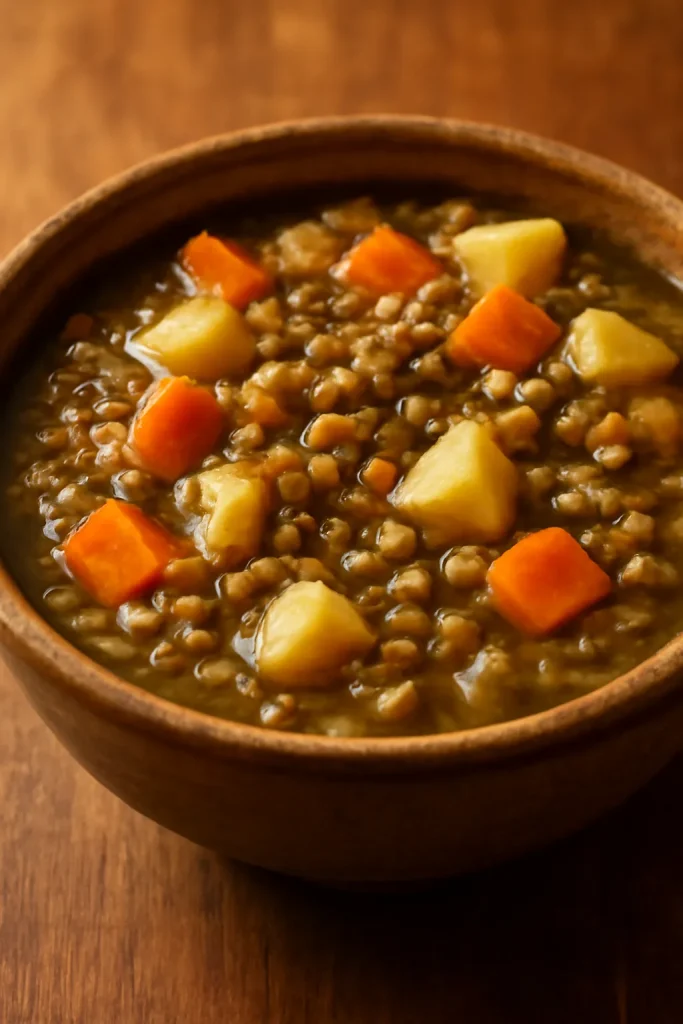
Brown or green lentils create a sturdy, satisfying soup that’s naturally vegan and vegetarian-friendly while being filling enough for absolute everyone. Root vegetables—carrots, parsnips, and celery root—caramelize slightly during cooking and become creamy and sweet. This combination creates a soup that tastes intentional and thoughtful despite being genuinely simple to assemble.
Why Lentils Are Freezer Powerhouses
Lentils maintain their firm texture through the entire freeze-thaw process without becoming mushy or grainy. Unlike potatoes, they actually benefit from extended cooking and freezing. Dice root vegetables into uniform half-inch cubes so they cook evenly and look intentional in the finished soup. Use a combination of brown and green lentils if possible; they have slightly different textures that create interest. Add them dry to the broth along with vegetables rather than pre-cooking them separately.
Building and Storing
- Vegetable broth works beautifully here; add a splash of tomato juice or a can of crushed tomatoes for depth
- Cumin or smoked paprika adds warmth without being spicy; add conservatively
- Cook for approximately 35-40 minutes until both lentils and vegetables are completely tender
- The soup thickens as it sits; freeze it slightly looser than you’d serve it fresh
- Fresh spinach stirred in after reheating adds nutrition and brightness without spoiling during storage
Insider note: This soup tastes noticeably better the day after cooking, making it ideal for freezing. The flavors mellow and integrate beautifully during the overnight rest before freezing.
8. Cream of Mushroom Soup (Dairy-Free Version)
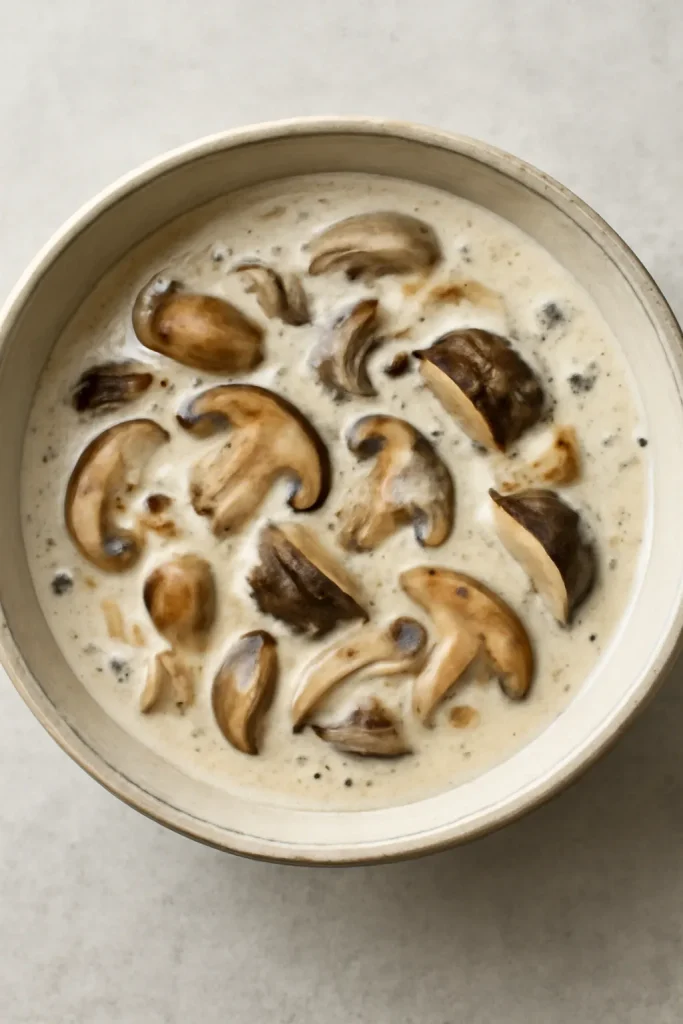
Mushroom soup doesn’t require cream to taste creamy—you just need enough mushrooms and the right technique. Sautéing mushrooms until deeply golden develops umami flavors that make this soup taste rich and indulgent despite being entirely dairy-free. This is the soup to make when you want restaurant-quality results without fussing.
The Mushroom Selection That Changes Everything
Use a mix of mushroom types if possible: cremini, shiitake, and oyster mushrooms each contribute different flavor notes. Slice them thickly and sauté in batches over medium-high heat without stirring constantly—this allows them to develop a golden crust that tastes phenomenal. Once all mushrooms are golden, add aromatics (onions and garlic), then broth. Simmer for about twenty minutes.
The Creaminess Secret That Has No Cream
- Blend approximately one-third of the soup using an immersion blender, leaving the rest chunky
- This creates natural creaminess from the mushroom starches without any dairy
- A splash of coconut milk or oat milk stirred in after reheating adds richness if desired, but isn’t necessary
- Fresh thyme added during cooking stays flavorful even after freezing
- Finishing with fresh dill and a squeeze of lemon juice transforms the soup from good to memorable
Worth knowing: Mushroom soup is one of the few vegetable soups that tastes even better after being frozen for a week or two. The umami flavors deepen and become more savory.
9. Chicken Tortilla Soup
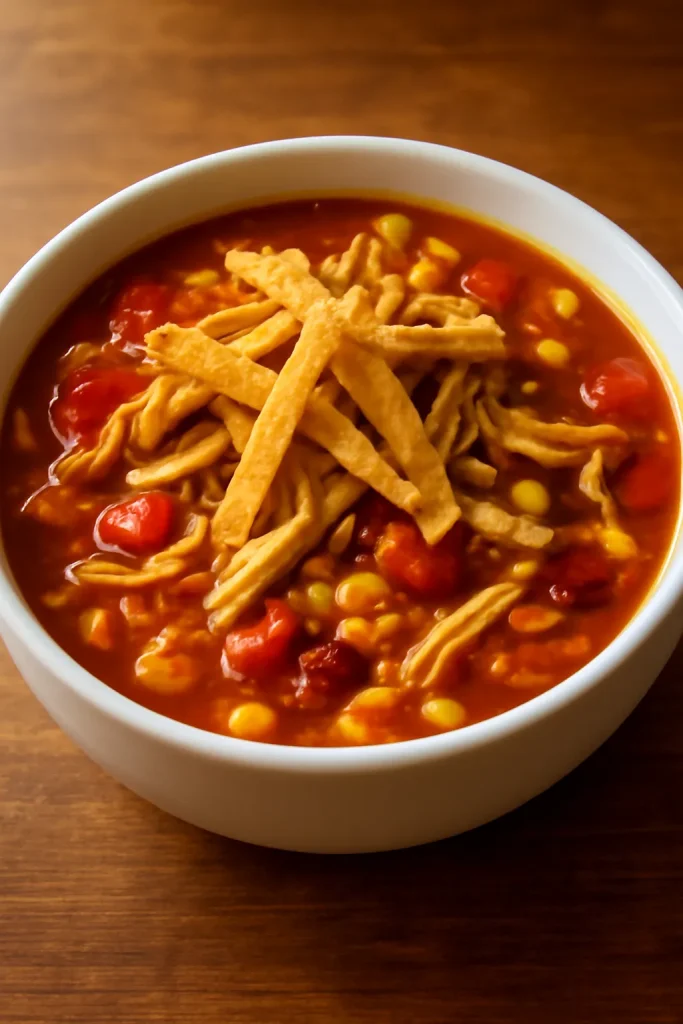
This soup feels like a special occasion even though it takes less than thirty minutes from start to finish. Chicken tortilla soup combines shredded chicken, tomatoes, beans, and warm spices in a savory broth that’s both comforting and refreshing. The freezer magic here is that tortilla strips, cheese, and avocado can all be added fresh when serving, meaning nothing gets soggy or compromised during storage.
The Flavor Base That Carries Through Freezing
Sauté diced onion and bell pepper, then add tomato paste and let it caramelize for a minute—this concentrated tomato flavor forms the soup’s backbone. Add broth, shredded cooked chicken, black beans, and corn. Chili powder and cumin provide warmth without overwhelming. A squeeze of lime juice during cooking helps the flavors pop, but hold fresh cilantro until reheating to preserve its delicate flavor.
The Toppings That Finish It Right
- Crispy tortilla strips added fresh prevent sogginess while providing texture contrast
- Shredded queso fresco or sharp cheddar melts slightly into the hot soup
- Diced avocado stirred in just before eating prevents browning
- A dollop of sour cream cools and enriches simultaneously
- Lime wedges let each person adjust the brightness to taste
Pro tip: Freeze the soup base alone, then add a fresh measure of cooked corn and black beans after reheating if you want everything tasting bright and fresh rather than blended.
10. Split Pea Soup with Ham
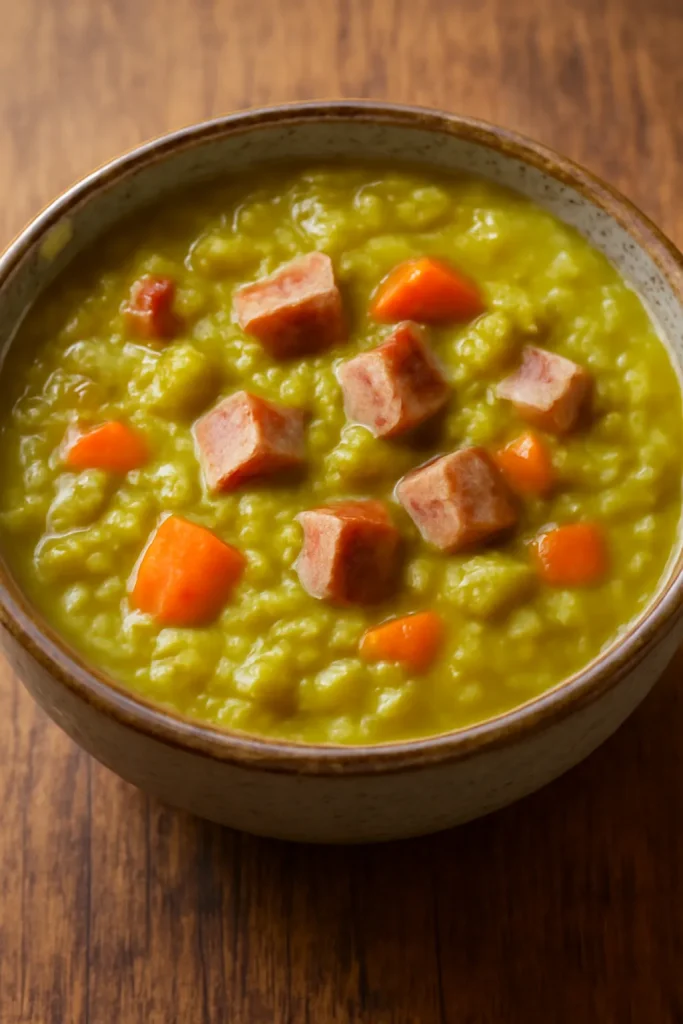
Split pea soup is the definition of old-school comfort, and it’s a legitimate reason to buy a ham hock. Cooking dried split peas with ham creates a soup that’s rich, creamy (without any cream), and tastes like it simmered all day long despite taking about two hours from start to finish. This is the ultimate freezer soup for people who love traditional flavors and generous portions.
Why This Soup Belongs in Every Freezer
Split peas break down during cooking and create natural creaminess through starch, which actually improves through the freeze-thaw cycle. A ham hock or leftover ham from holiday dinner contributes collagen and gelatin that enrich the broth and ensure the soup freezes beautifully. Diced vegetables (carrots, celery, onions) soften completely and integrate into the soup body rather than remaining distinct. The finished soup is thick enough to almost stand a spoon in it.
Cooking Method and Freezer Notes
- Soak dried split peas for at least thirty minutes before cooking, though this isn’t strictly necessary
- Simmer the ham hock in broth for about one hour to extract maximum flavor
- Remove the ham hock, shred any meat clinging to it, and return the meat to the pot
- Add diced vegetables and split peas, then simmer for approximately 45 minutes until peas completely break down
- A splash of apple cider vinegar added just before serving brightens the richness
- Fresh cracked black pepper and a pinch of cayenne add sophistication without heat
Insider note: This soup is nearly impossible to overcook. The longer it simmers, the creamier and more flavorful it becomes. Make it early in the day, let it rest in the fridge overnight, then freeze it. The overnight rest allows flavors to fully integrate, and you’ll swear you made it with a ham bone and eight hours of simmering.
The Freezer Soup Advantage You Shouldn’t Ignore
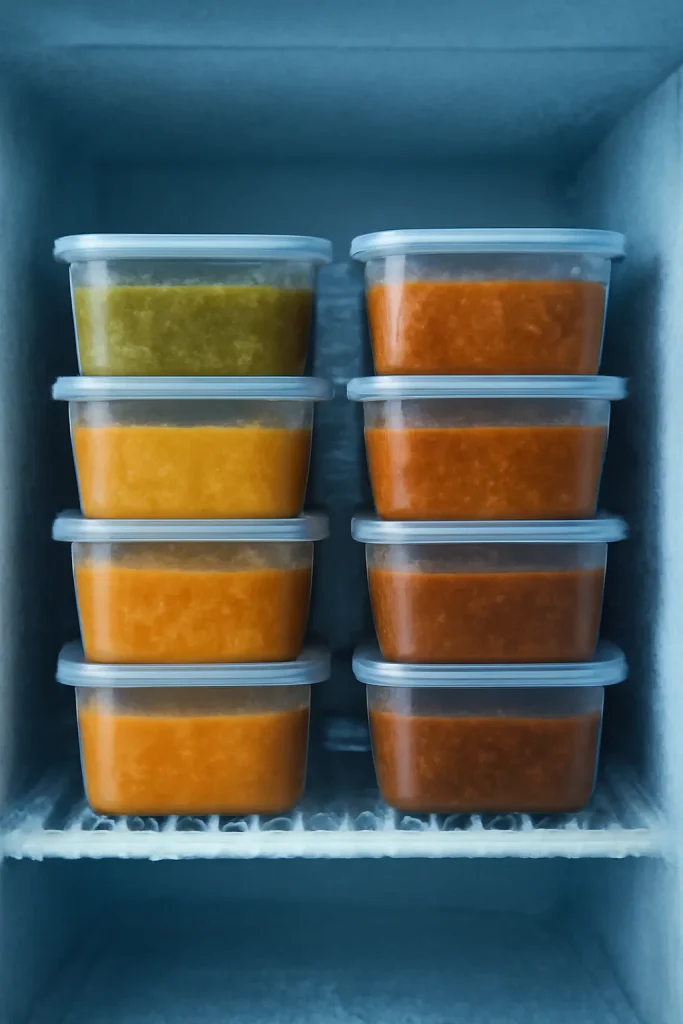
Freezing soup is secretly one of the highest-return meal prep investments you can make. You invest a weekend afternoon and a small amount of freezer space into creating two to three weeks of actual, real-food dinners. No processed ingredients. No shortcuts. Just honest food that reheats into something genuinely delicious.
The psychological benefit matters too. Knowing you have multiple soups frozen transforms those chaotic weeknights from “what’s for dinner and how fast can we eat something” into “which soup am I in the mood for.” That shift in tone—from stressful to choice—changes everything about how food tastes and feels.
Start with one or two of these recipes during your first freezer soup session. Pick soups that share ingredients so your shopping list stays short and your ingredient prep is efficient. As you discover which soups your household gravitates toward and how you prefer to portion them, you’ll naturally develop your own system and preferences. The point isn’t following a rigid protocol—it’s creating a sustainable strategy that actually works for your life and your freezer.
Final Thoughts
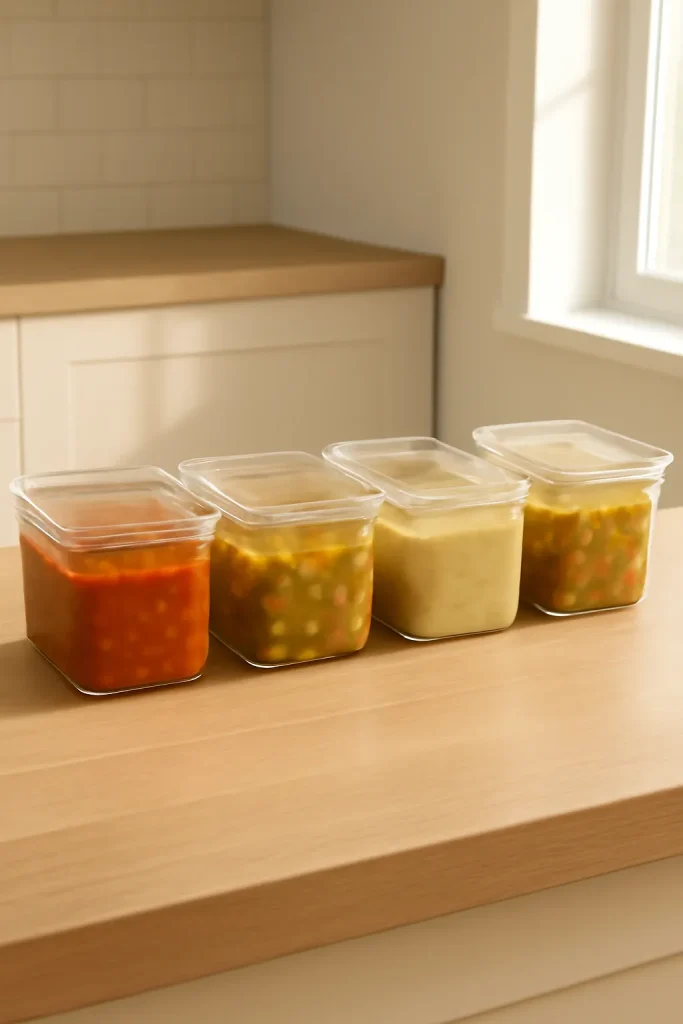
Freezer soups represent comfort food that’s genuinely practical. They’re proof that you don’t need elaborate techniques or fancy ingredients to create meals that sustain and satisfy. A weekend afternoon spent making batch soups is an investment in dozens of future meals, and that return on time and effort is genuinely unbeatable. Pick three recipes from the list above, set aside a Sunday afternoon, and experience the deep satisfaction of knowing dinner is handled for weeks. Your future self—particularly the one facing an unexpected busy night—will thank you enormously.
