



Kids come home from school hungry, tired, and ready to snack. That window between dismissal and dinner is critical — it’s when afternoon energy crashes hit hardest, focus dips for homework time, and the temptation to grab empty-calorie junk food peaks. But here’s what most parents miss: that snack moment is also your best opportunity to fuel growing bodies and developing brains with actual nutrition.
The challenge isn’t finding any snack your kid will eat — it’s finding snacks that pack real protein, taste good enough to actually get consumed, and don’t require you to transform into a short-order cook at 3 PM. Protein keeps kids fuller longer, stabilizes blood sugar so afternoon mood swings don’t derail your evening, and supports muscle development during these critical growth years. Yet most after-school snacking defaults to crackers, cookies, or fruit alone — quick hits that leave kids hungry again in 30 minutes.
The snacks in this list work because they check three essential boxes: they deliver meaningful protein (at least 5-10 grams per serving), they’re genuinely appealing to kids (no bitter health-food taste), and they’re realistic to prepare on a school day afternoon. Some come together in seconds; others take minimal advance prep. Most use ingredients already in your kitchen. All of them stay fresh enough that you can batch-prep portions for multiple days, so 3 PM snack time doesn’t require last-minute scrambling.
1. Greek Yogurt Parfaits
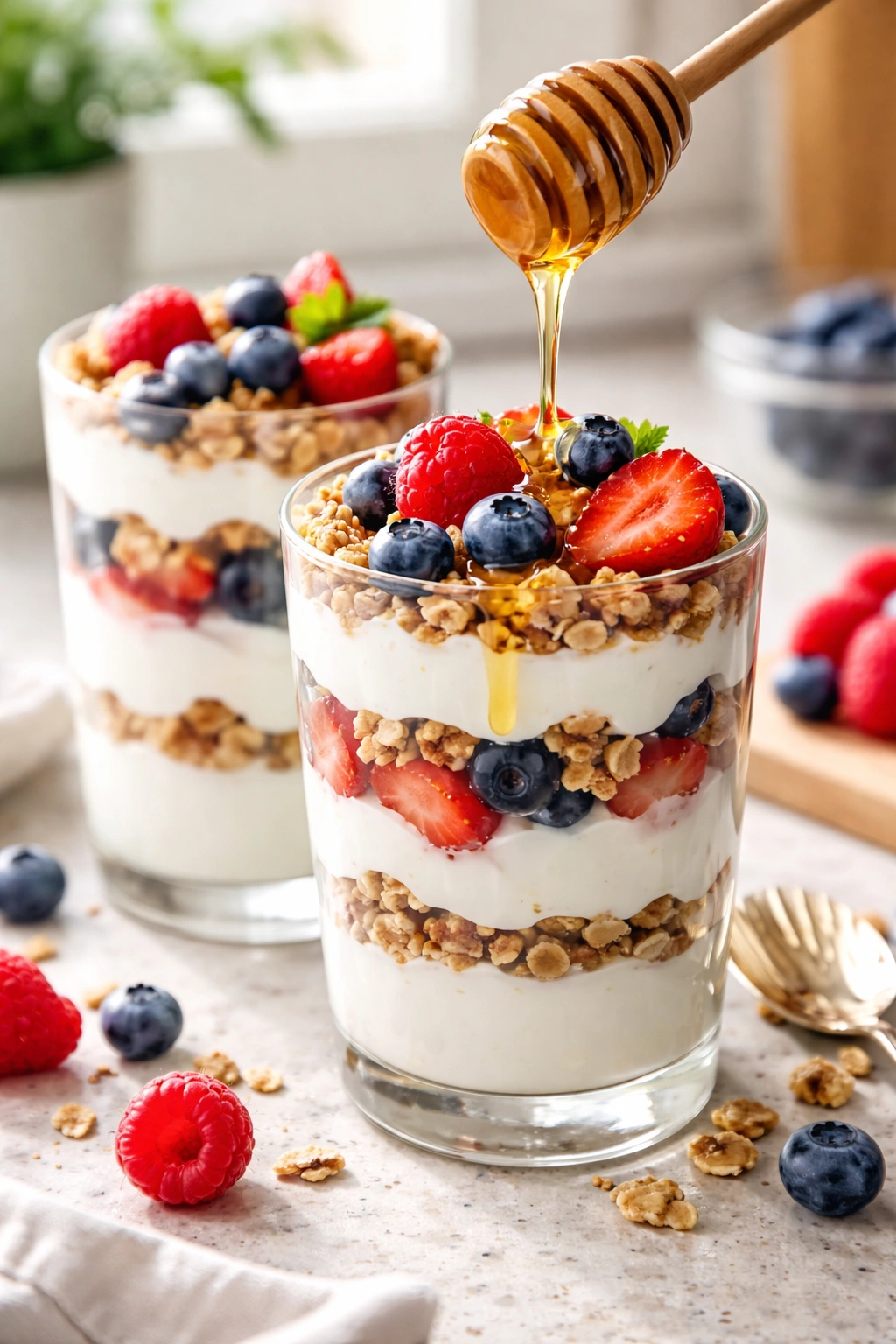
Greek yogurt is protein-packed gold for after-school snacking — a single serving contains roughly 15-20 grams of protein, which genuinely sustains hungry kids until dinner. The beauty of a yogurt parfait is that it feels indulgent enough to excite kids while delivering serious nutritional substance. Layer it with crunchy granola, fresh fruit, and a drizzle of honey, and you’ve got something kids actually choose over less nutritious options.
Why Greek Yogurt Wins for Growing Kids
Greek yogurt contains nearly double the protein of regular yogurt because it’s strained to remove whey, leaving behind thick, creamy, protein-dense curds. This isn’t just marketing — that protein difference genuinely extends how long your child feels satisfied. The probiotics in yogurt also support digestive health, which matters more than most parents realize during the growth spurts that happen through school years. Unlike flavored yogurts loaded with added sugar, plain Greek yogurt lets you control sweetness through honey, fruit, or a touch of vanilla extract, so kids get the indulgence without the afternoon sugar crash.
Simple Parfait Assembly
- Base: One 6-ounce container of plain Greek yogurt (about 15-17 grams protein)
- Crunch: ¼ cup granola, crushed pretzels, or toasted cereal (nuts if no allergies)
- Fruit: Fresh berries, diced apple, sliced peaches, or a handful of grapes
- Sweetness: 1 teaspoon honey, pure maple syrup, or a sprinkle of mini dark chocolate chips
- Optional extra: 1 tablespoon ground flaxseed or chia seeds for omega-3s and fiber
Pro tip: Assemble the yogurt base and toppings separately in the morning if your kids eat breakfast, then layer them just before snack time so granola stays crispy instead of getting soggy in the fridge. Grab-and-go containers with layered sections (yogurt on the bottom, granola and fruit on top, eaten straight from the cup) save cleanup and let kids assemble their own, which always makes them more likely to actually eat it.
2. Cheese and Whole Grain Crackers
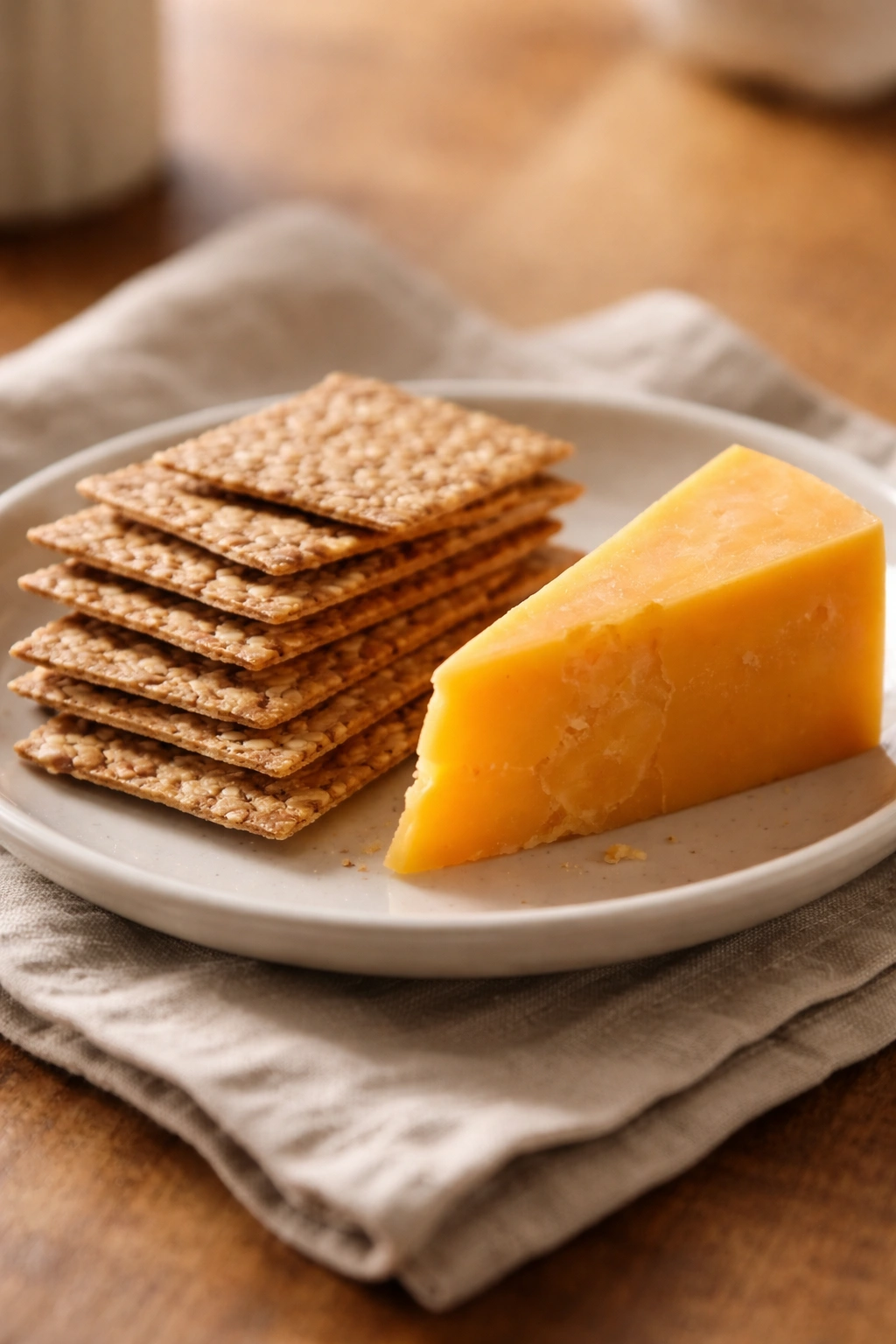
Cheese is one of the most underrated after-school proteins — a single ounce delivers 6-8 grams of protein, plus calcium and vitamin D for bone development. Paired with whole grain crackers instead of refined white ones, you create a snack with staying power, fiber for digestive health, and a flavor combination that tastes like a treat even though it’s genuinely good for you.
What Makes This Combination Effective
The combination of protein from cheese and complex carbohydrates from whole grain crackers hits your child’s system slower than refined options, providing steady energy that lasts through homework and activity time. The fats in cheese also help slow digestion, meaning your kid stays satisfied longer. This matters more than it sounds during those after-school hours — stable energy means better focus, fewer mood swings, and less bargaining about dinner timing. Unlike high-glycemic snacks that spike blood sugar then crash hard, this pairing maintains equilibrium.
Mix-and-Match Combinations
- Classic pairing: Aged cheddar with multigrain crackers or whole wheat crackers
- Flavor boost: Mild white cheddar or Monterey Jack with seed crackers or sprouted grain crackers
- Gourmet upgrade: Smoked gouda with whole grain Ritz-style crackers
- Adventurous option: Gruyère with flax seed crackers (for older kids who enjoy bolder flavors)
- Mild choice: Young Gouda or Colby Jack with vegetable-flavored whole grain crackers
Keep pre-cut cheese cubes or thin slices in the fridge in a sealed container, ready to grab alongside a small handful of crackers. The prep takes literally two minutes on a weekend, and it means the snack is accessible without requiring you to slice anything at 3 PM. Most whole grain crackers stay fresh for weeks once opened if sealed properly, so this is one of the easiest snacks to have genuinely ready.
3. Homemade Trail Mix
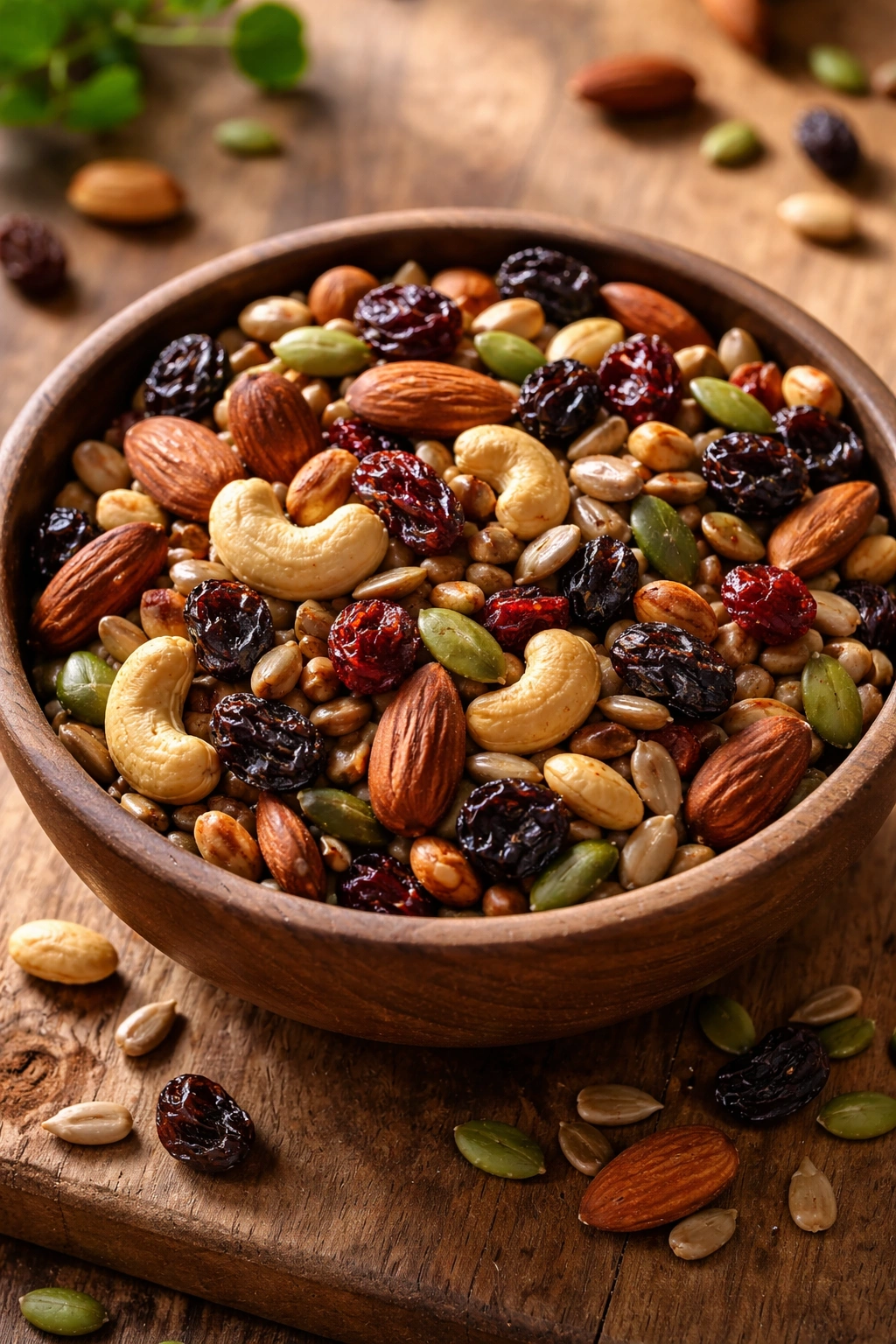
Store-bought trail mix often hides way too much added sugar in dried fruit and chocolate, plus it costs significantly more than assembling your own. Making trail mix from scratch takes 10 minutes and lets you control salt level, sugar content, and nut sizes based on your kids’ ages and preferences. The combination of nuts, seeds, dried fruit, and a bit of crunch delivers protein, healthy fats, and complex carbohydrates that fuel afternoon energy without the crash.
Why Homemade Beats Store-Bought
Homemade trail mix lets you skip the added oils, excess salt, and mystery ingredients in commercial versions. You also get substantially more protein per bite because you control the nut-to-filler ratio. A single serving of homemade trail mix made with 1 part nuts and seeds to ½ part dried fruit delivers 4-6 grams of protein, which pairs perfectly with an apple or cheese on the side. Plus, there’s something deeply satisfying about kids eating something you literally assembled yourself — it often tastes more appealing to them because of that personal touch.
Simple Homemade Recipe (Makes about 5 cups)
- 1½ cups raw unsalted almonds (or a mix of almonds, cashews, and pecans based on preferences)
- 1 cup raw sunflower seeds or pumpkin seeds
- ¾ cup dried cranberries (or raisins, dried apricots, or dried blueberries)
- ½ cup dark chocolate chips (optional, but honestly makes it feel like a treat)
- 1 tablespoon honey drizzled throughout and tossed together
- ¼ teaspoon sea salt mixed throughout (optional, especially if your kids prefer unsalted)
Combine everything in a large bowl and toss gently until distributed. Store in airtight containers or individual snack bags. This keeps for up to two weeks and is so much more cost-effective than buying pre-made versions that often come with excessive packaging.
Real talk: Some kids are pickier about nuts — if yours is one of them, substitute seeds for nuts entirely (sunflower, pumpkin, sesame) or use a mix of seeds with toasted chickpeas for that satisfying crunch.
4. Peanut Butter and Apple Slices
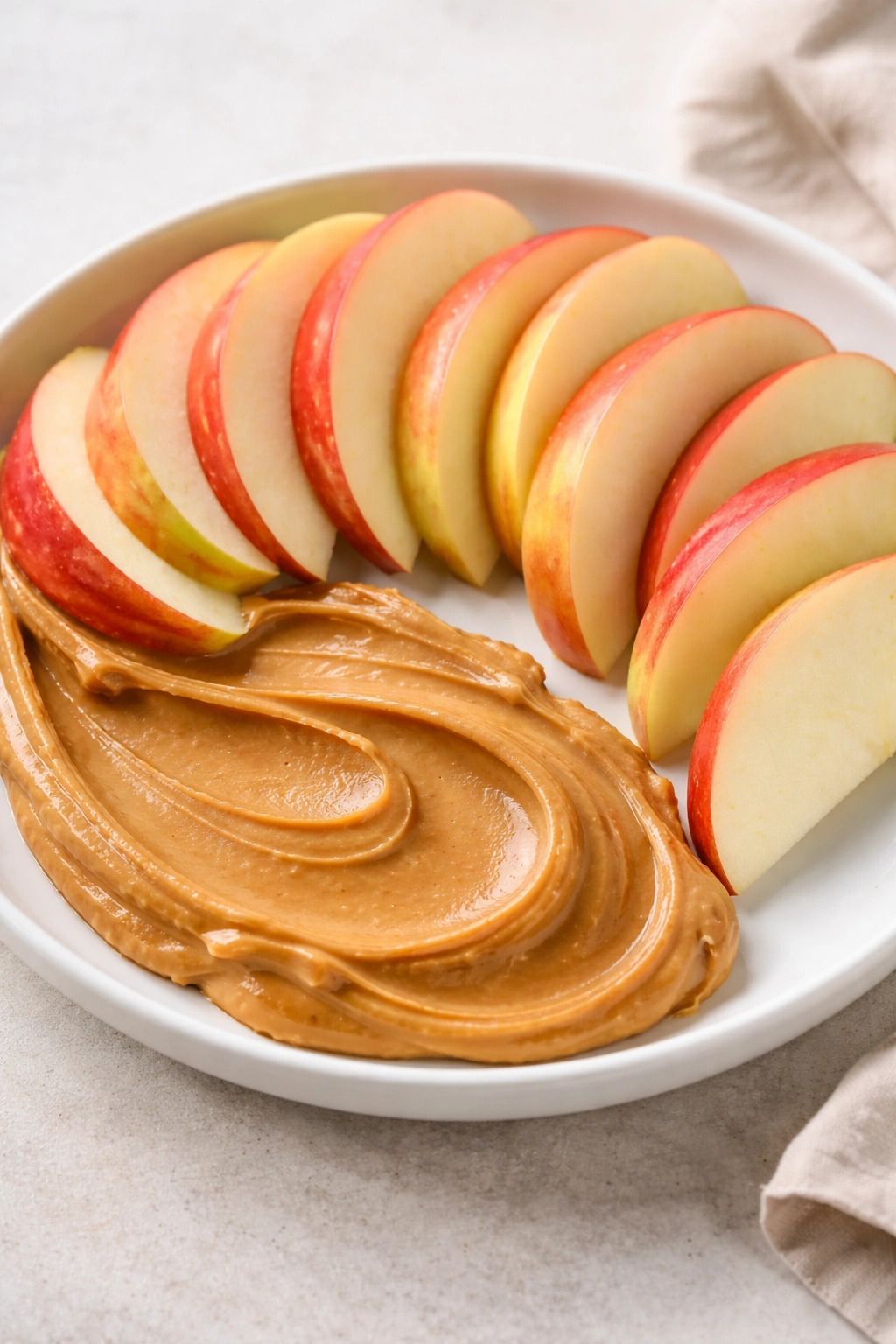
This is the classic that works because it actually delivers on its promise — it tastes good, feels like an indulgence because of the peanut butter, and genuinely fuels kids through late afternoon. One apple with 2 tablespoons of peanut butter provides roughly 8 grams of protein plus fiber, natural sugars that provide quick energy, and healthy fats from the peanut butter that prevent the energy from dropping off quickly.
Why the Combination Works Nutritionally
Peanut butter contains about 4 grams of protein per 2-tablespoon serving, which sounds modest until you add it to an apple (which adds natural sugars and fiber for sustained energy release). The fat in peanut butter slows digestion of the apple’s carbohydrates, creating a snack that provides both immediate energy and lasting satiety. This is exactly what you want in an afternoon snack — something that solves the immediate hunger while actually lasting until dinner rather than triggering another request for food 20 minutes later.
Variations That Keep It Interesting
- Straight peanut butter: For kids who love the classic and want nothing fancy
- Almond or sunflower seed butter: For nut allergies or kids who want variety
- Peanut butter with a pinch of cinnamon: The spice makes it feel special without adding sugar
- Peanut butter with a tiny drizzle of honey: For kids who like it slightly sweeter
- Mixed with granola: Spread a thin layer of peanut butter on apple slices, then sprinkle with granola for texture
- Apple nachos: Arrange apple slices on a plate and drizzle peanut butter over them (gets them eating more apple because it looks fun)
The secret to making this snack faster: slice apples ahead of time and store them in a container with a bit of lemon juice to prevent browning. When 3 PM hits, it’s literally grab an apple and a spoon of peanut butter. Kids can even dip the slices themselves, which makes them feel independent and (weirdly) more invested in actually eating the snack.
5. Hard-Boiled Eggs
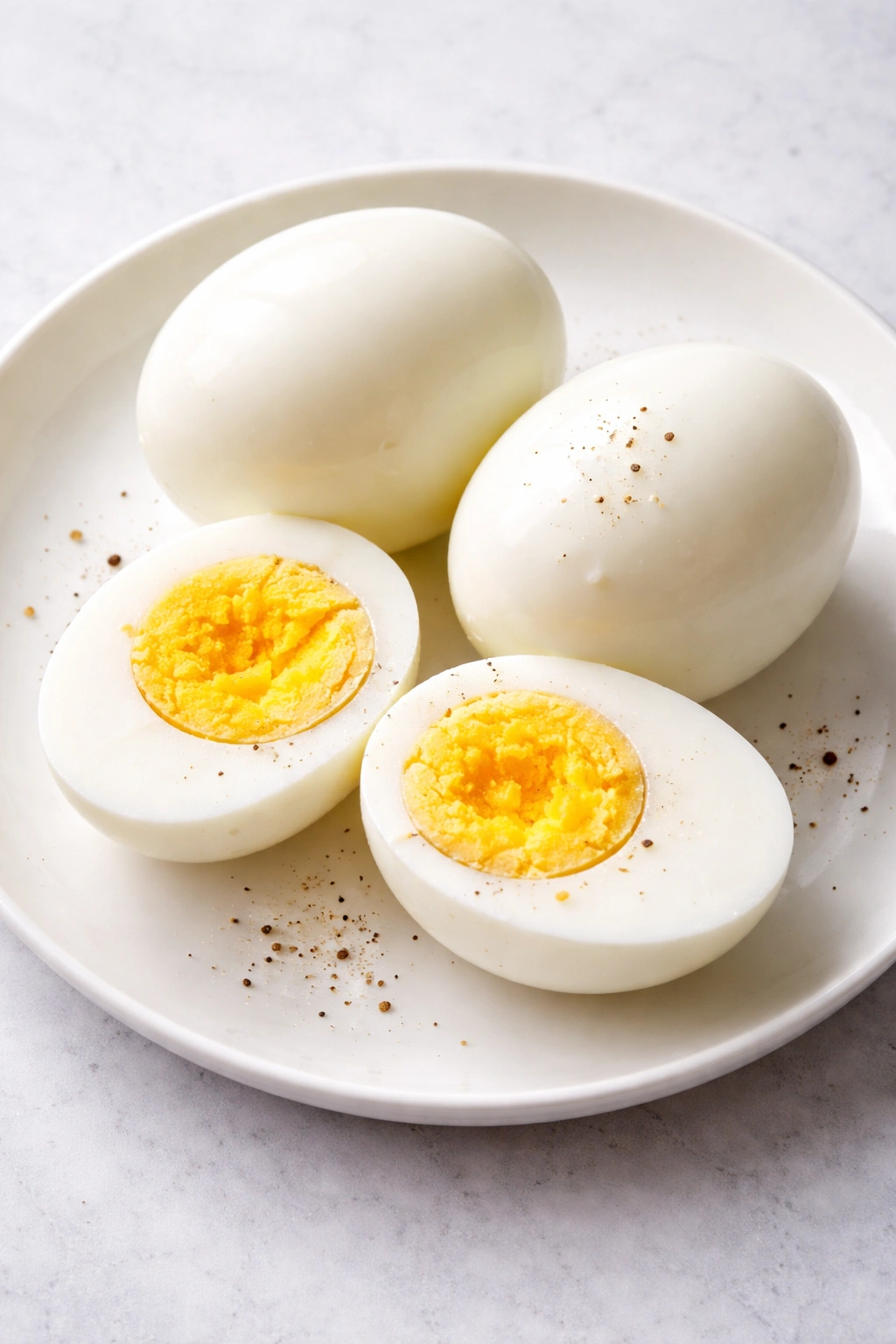
Hard-boiled eggs might not sound exciting, but they’re genuinely one of the most efficient protein snacks available — one large egg contains 6 grams of protein, all essential amino acids, plus choline for brain development. They require zero preparation at snack time, travel beautifully in lunch boxes or backpacks, and stay fresh in the refrigerator for up to a week if boiled ahead.
The Nutritional Case for Eggs
Eggs are complete proteins, meaning they contain all nine essential amino acids your child’s body cannot manufacture on its own — nutrients critical during growth years. The yolk contains choline, a nutrient specifically tied to memory and brain function that many kids don’t get enough of. Unlike snacks that provide quick energy then crash, eggs provide sustained, stable fuel because of their fat and protein content. They’re also genuinely affordable per serving, especially when bought on sale and prepared in bulk.
Making Hard-Boiled Eggs Appealing
- Plain with a pinch of salt: Simple and classic, works for kids who like neutral flavors
- Dipped in everything bagel seasoning: The salt, pepper, and sesame seeds make it feel sophisticated
- Served with a small container of ranch dip: The creaminess appeals to kids hesitant about plain eggs
- Chopped and mixed with a tiny bit of mayo and salt: Makes a mini egg salad that feels less plain
- Served alongside their favorite crackers: Gives them something to do with the egg besides eat it plain
- With a sprinkle of everything but the bagel seasoning: The same seasoning used for trendy toast, kids enjoy the novelty
Batch preparation secret: Boil a dozen eggs on Sunday, peel them immediately, store them in a sealed container with a damp paper towel, and they’ll stay fresh all week. Peel immediately after cooking — the steam between the shell and white creates a protective barrier that helps them last longer.
6. Cottage Cheese Bowls
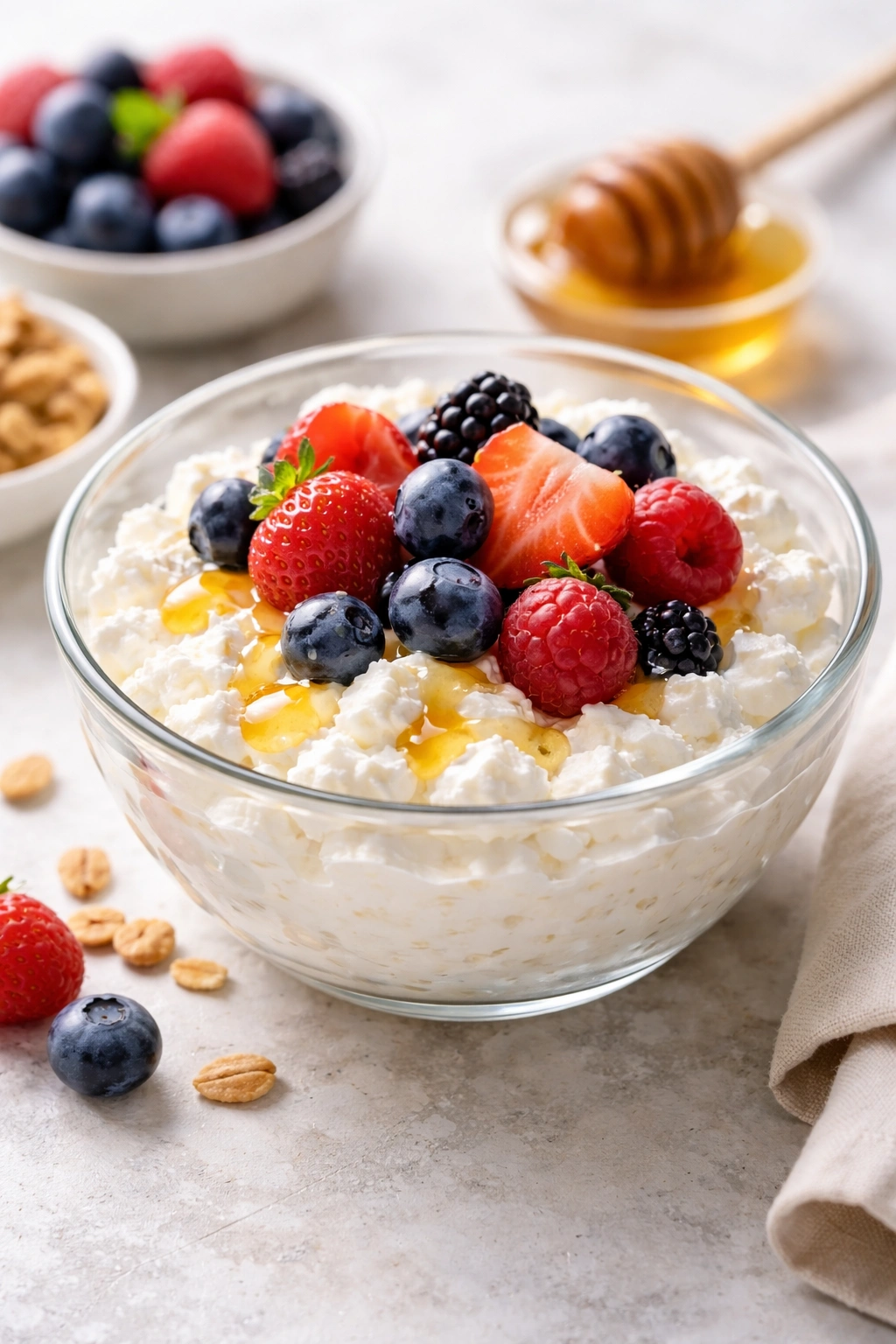
Cottage cheese is criminally underrated in kids’ snacking, probably because many parents remember unpleasant versions from their own childhoods. Modern cottage cheese, especially the creamed varieties, is remarkably different — mild, slightly sweet, and substantial enough that kids actually feel satisfied eating it. A half-cup serving contains roughly 14 grams of protein, more than Greek yogurt, and it’s thicker texture appeals to kids who find yogurt too liquidy.
Why Cottage Cheese Deserves a Second Look
Cottage cheese contains all the same casein proteins as regular cheese, but in a lighter, more digestible form. The curds have a unique texture that kids often find more interesting than smooth yogurt. Unlike many processed “kids’ snacks,” cottage cheese requires minimal processing — it’s essentially just milk that’s been curdled and strained, making it about as pure a protein source as you can find. It’s also significantly cheaper than Greek yogurt, so cottage cheese bowls let you deliver protein affordably.
Simple Bowl Combinations
- With berries and a drizzle of honey: Sweet enough to feel like dessert, but genuinely nutritious
- With a crunch element: Top with granola, crushed pretzels, or toasted seeds for texture contrast
- With fruit and vanilla extract: A few drops of vanilla extract make even plain cottage cheese taste more appealing
- With a sprinkle of cinnamon and raisins: Tastes like a cinnamon roll, nutritionally it’s nothing like one
- With fresh peaches and a touch of honey: Cottage cheese’s slight tang pairs beautifully with sweet peaches
- Savory version: Mixed with a tiny bit of salt and surrounded by veggie sticks and whole grain crackers
The texture honestly matters — kids who won’t eat straight cottage cheese often happily eat it once you add a crunch element that breaks up the uniformity. The combination of soft curds with crispy granola or seeds creates interest that keeps them eating.
7. String Cheese and Berries
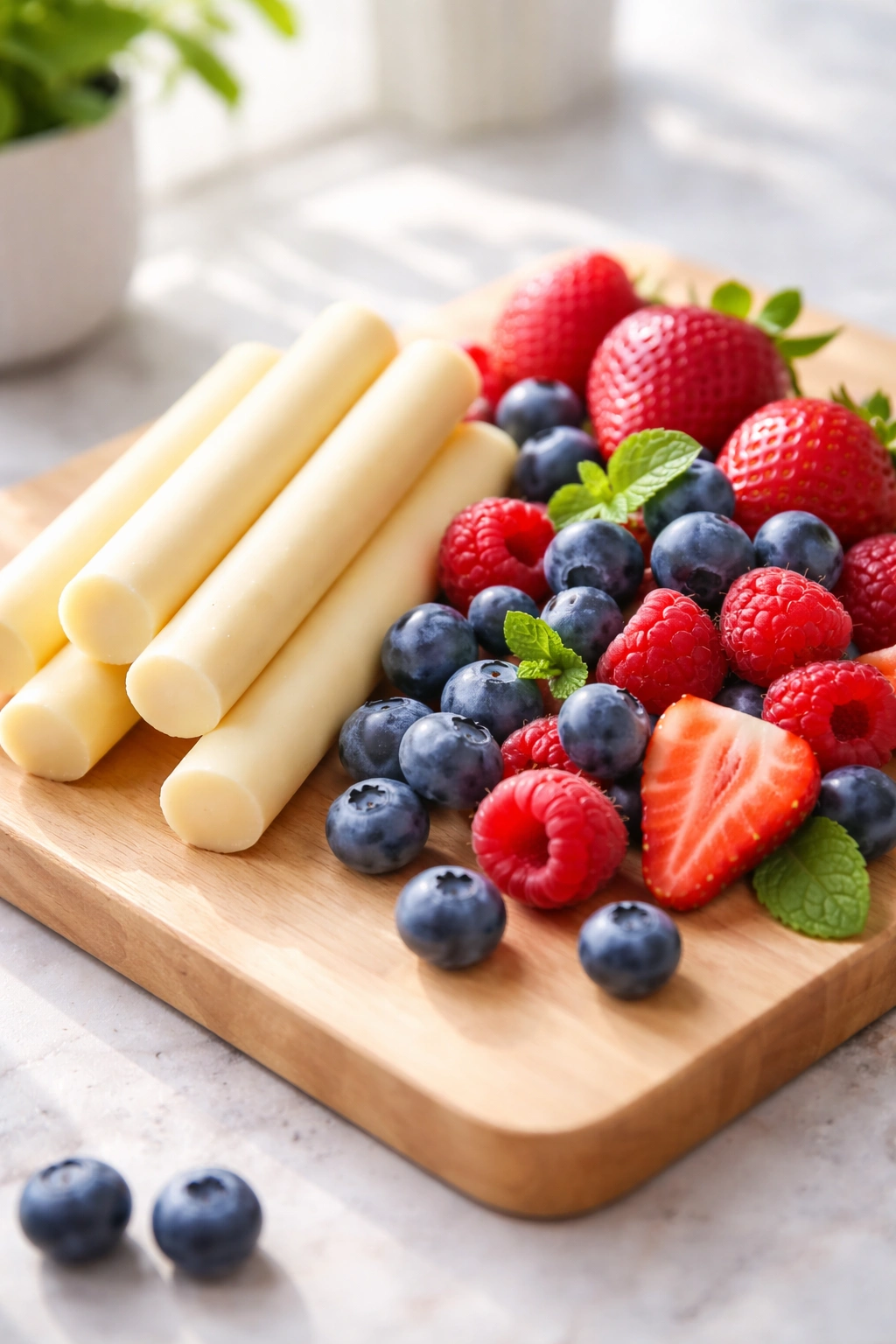
String cheese is portable, requires literally no preparation, and delivers 7-8 grams of protein per stick. Paired with berries, you get protein plus antioxidants, fiber, and natural sweetness. This combination works because it’s easy, it’s visually appealing (especially if you use colorful berries), and it genuinely satisfies without making kids feel like they’re eating “healthy food.”
The Simplicity Factor
Sometimes the best snacks are the ones that require zero prep and zero compromise. A stick of string cheese plus a small container of fresh berries is literally grab-and-go nutrition. Kids can eat it while doing homework, in the car on the way to activities, or just wandering around the house. No cutting required, no mixing, no heating. For busy afternoons when everyone’s moving in different directions, this snack’s simplicity is its superpower.
Flavor and Texture Combinations
- String cheese with blueberries: The tartness of blueberries cuts through the richness of cheese
- String cheese with strawberries: Sweeter pairing that feels more indulgent
- String cheese with raspberries: The slight tartness and delicate texture provide contrast
- String cheese with mixed berries: Gives variety, keeps kids interested throughout the week
- Smoked gouda string cheese with blackberries: For older kids, a more sophisticated flavor pairing
- Fresh mozzarella sticks with berries: Milder flavor profile appeals to kids sensitive to sharp cheese tastes
Keep string cheese stocked in the fridge alongside pre-washed berries in clear containers so kids can see what’s available. The visibility matters — kids are more likely to choose a snack if they can see it’s there rather than having to hunt or ask.
8. Hummus and Veggie Sticks
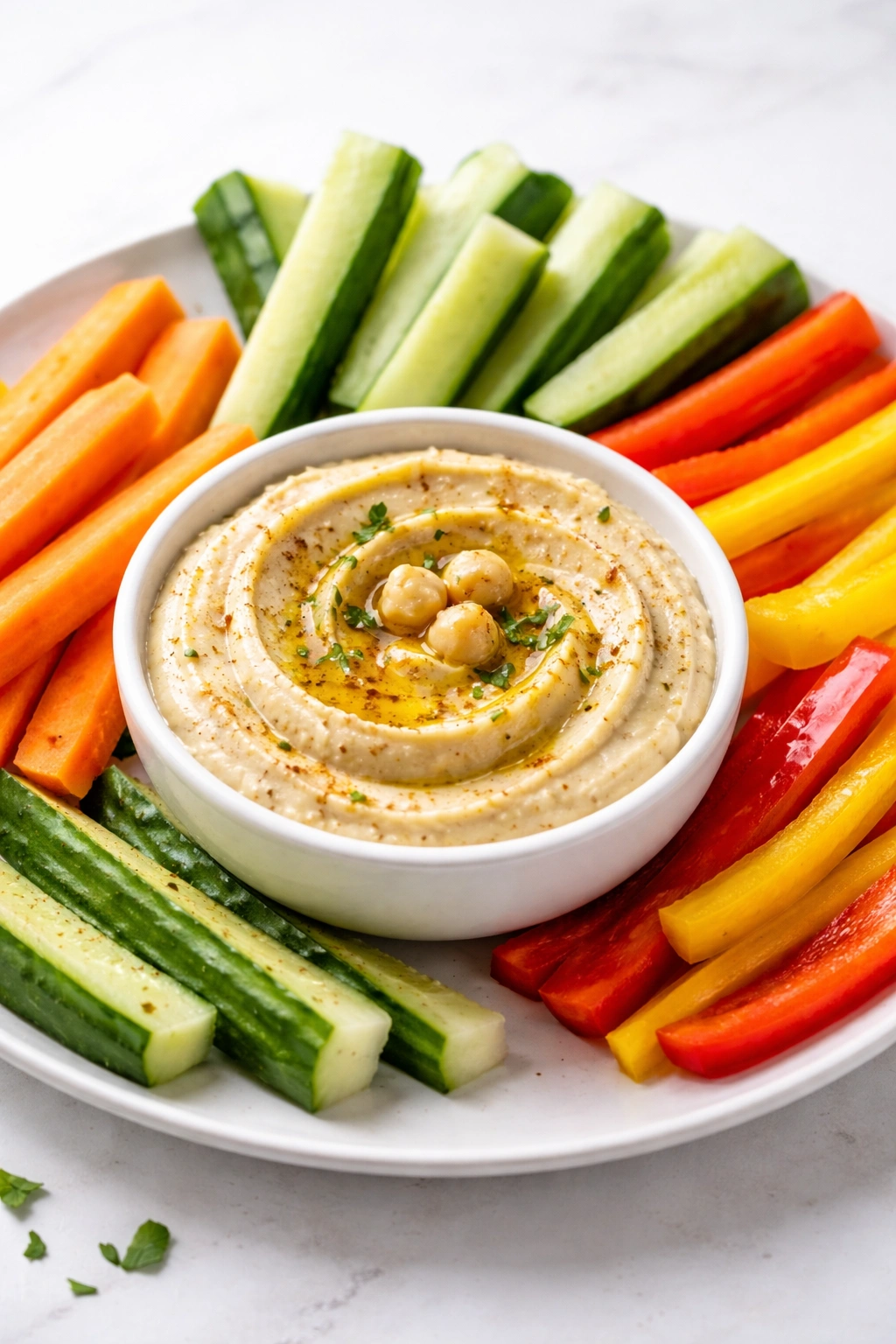
Hummus made from chickpeas delivers impressive protein — about 5 grams per 3-tablespoon serving — plus fiber and healthy fats from sesame seeds. Paired with crunchy vegetables, it creates a snack with substance, texture variety, and enough flavor that kids don’t feel like they’re eating “rabbit food.” The dipping format makes it interactive, which honestly matters more than most parents realize in determining whether kids will actually eat it.
Why Hummus Works as a Gateway Vegetable Snack
Hummus tastes savory and rich enough that it doesn’t feel like a health punishment, which matters tremendously for kids who resist vegetables. The creamy texture and nutty flavor create appeal that plain raw vegetables lack. The dipping format engages kids in the eating process rather than just handing them a plate of carrot sticks. You’re creating a snack experience rather than just offering nutrition, which translates to higher consumption and better satisfaction.
Veggie Combinations That Actually Work
- Carrots and hummus: The classic pairing works because carrots are naturally sweet, balancing hummus’s earthiness
- Bell pepper strips with hummus: Colorful, crunchy, and slightly sweet — appeals to kids who like visual interest
- Cucumber rounds with hummus: Mild flavor, watery crunch, and the hummus clings beautifully
- Cherry tomatoes, cucumber, and snap peas with hummus: Variety means kids don’t get bored eating the same veggie
- Celery sticks with hummus: Crisp texture, neutral flavor, holds the hummus without crumbling
- Radishes with hummus: Peppery crunch that kids find more interesting than plain carrots
Flavor variations: Basic hummus works fine, but roasted red pepper hummus, garlic hummus, or even chocolate hummus (yes, really) might appeal more to kids resistant to plain versions.
9. No-Bake Energy Balls
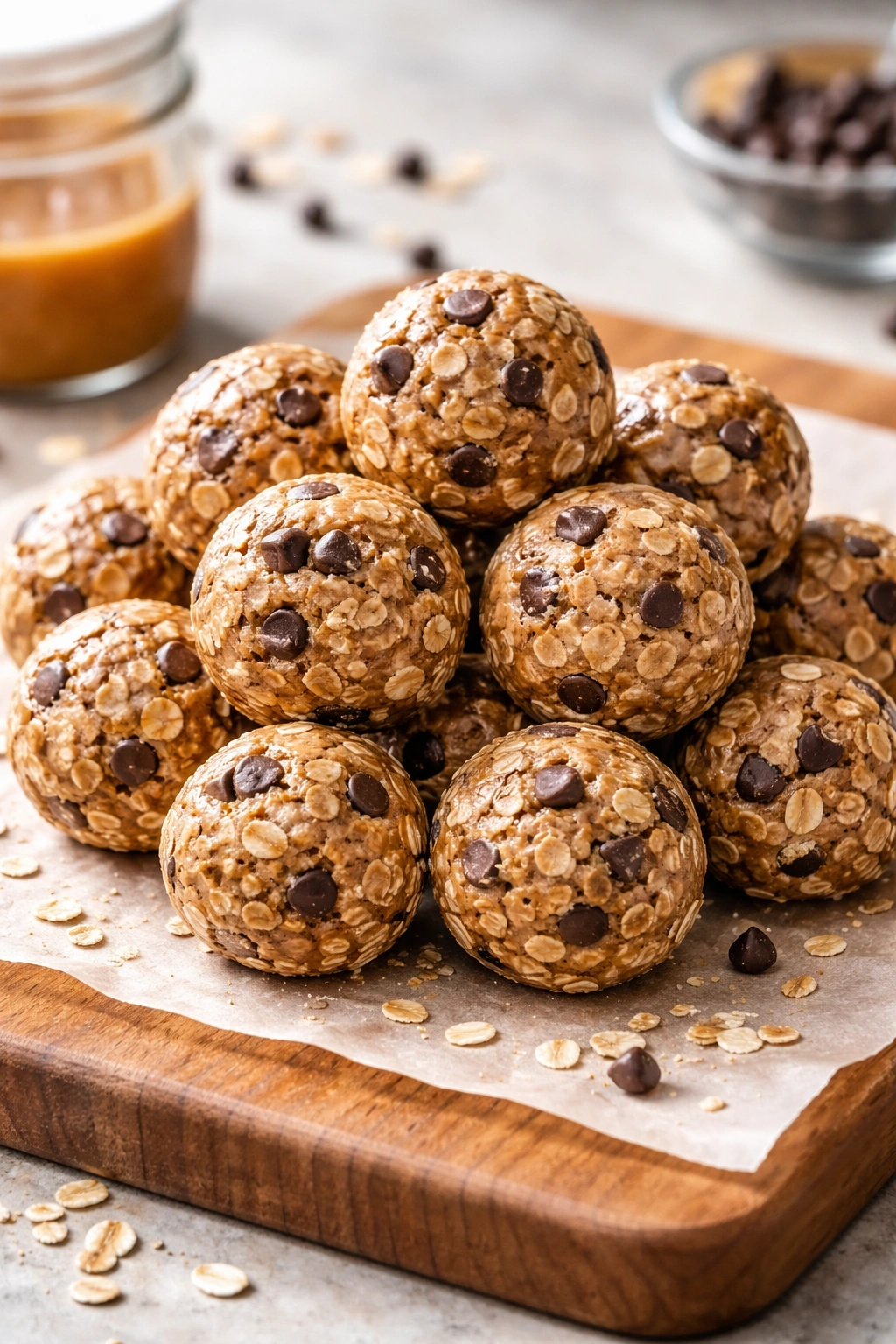
These are legitimately game-changing for after-school snacking because they hit the trifecta: protein-packed, genuinely tasty, and shelf-stable enough that you can prepare 20 of them on Sunday and grab them all week. Most recipes combine oats, nut butter, and a touch of sweetener — simple enough that kids can help make them, meaningful enough nutritionally that they justify being a regular snack choice.
Why Energy Balls Are Worth the Minimal Effort
A standard no-bake energy ball (about the size of a walnut) contains roughly 4-5 grams of protein from the combination of oats, nut butter, and often seeds or nuts mixed in. More importantly, they taste so good that kids choose them over less nutritious options. They’re inexpensive to make in bulk, they require no oven or cooking skills, and they store beautifully in the freezer for weeks. Having a container of these ready to grab beats scrambling for snack ideas at 3 PM.
Simple No-Bake Energy Ball Recipe
Makes about 20 balls (1 gram protein per ball, roughly)
- 1 cup old-fashioned oats
- ½ cup creamy peanut butter or almond butter
- ⅓ cup honey or pure maple syrup
- ½ cup mini dark chocolate chips (optional but highly recommended)
- 1 teaspoon vanilla extract
- Pinch of sea salt
Mix all ingredients in a bowl until thoroughly combined (your hands work best for this). Refrigerate for 30 minutes. Roll into ball-sized pieces (roughly the size of walnuts), then either eat immediately or freeze in an airtight container. Frozen energy balls thaw to perfect texture within 15 minutes or taste great eaten straight from the freezer as a cold snack.
Flavor variations: Add ½ teaspoon cinnamon for spiced balls, mix in ¼ cup shredded coconut, swap chocolate chips for crushed pretzels, or add a tablespoon of ground flax seed for omega-3s.
10. Smoothies with Greek Yogurt
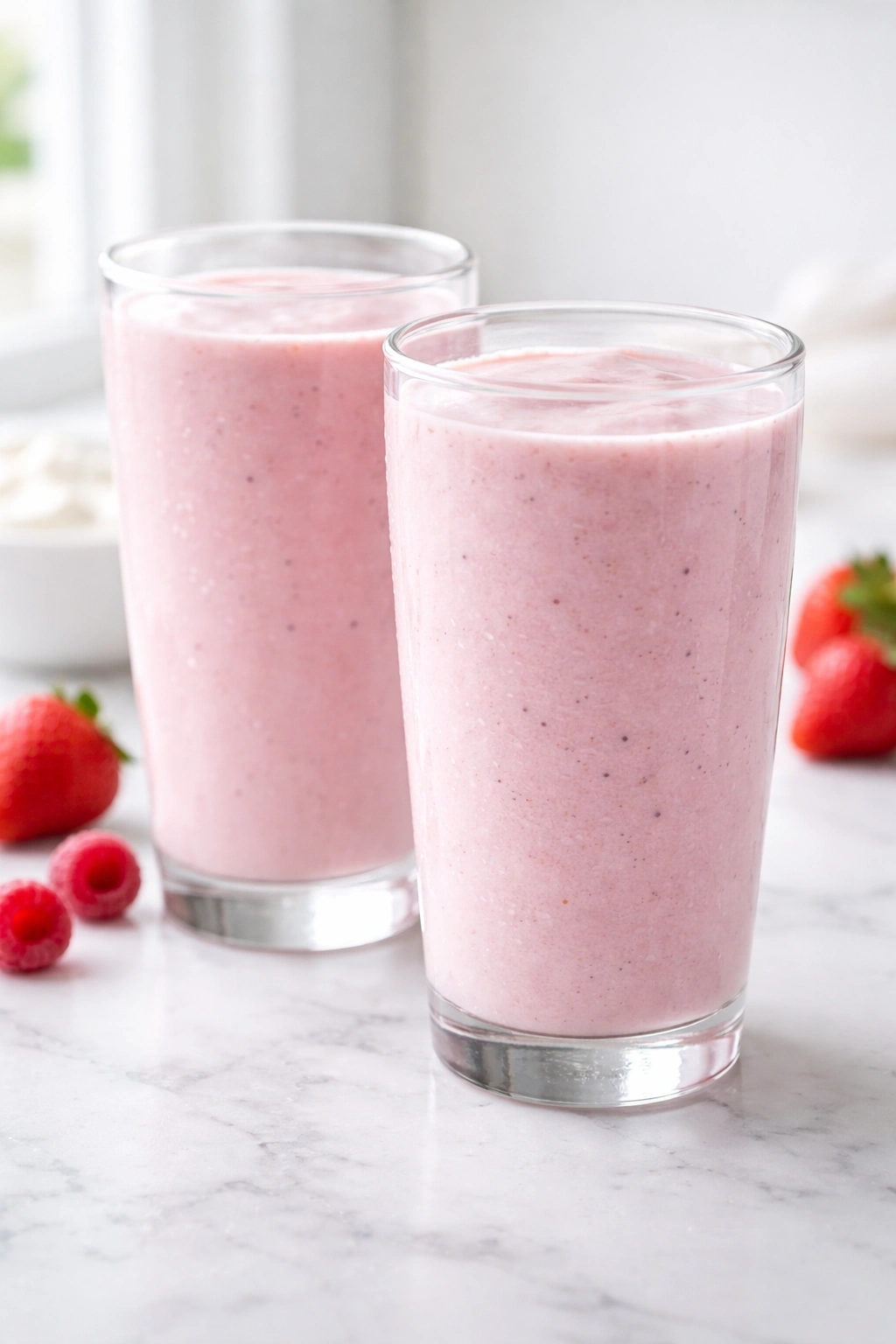
A protein-rich smoothie is essentially a drinkable snack that feels like dessert — and if your after-school afternoon is chaotic enough that sitting down for a snack isn’t realistic, smoothies let kids get protein and nutrition while moving between activities. A smoothie made with Greek yogurt, fruit, and a liquid base delivers 12-15 grams of protein in a single serve.
The Advantage of Drinkable Snacks
Smoothies solve a unique problem: kids who are too hungry to focus on homework but too busy to sit for a proper snack. They’re portable, they’re consumed faster than solid foods (so no extended chewing when there’s homework waiting), and you can sneak in nutritional components that kids might resist in solid form. You can also make smoothies the night before and grab them straight from the fridge, meaning genuinely zero preparation at snack time.
Foundational Smoothie Formula
Build every smoothie with this formula for guaranteed nutrition and flavor:
- ½ to ¾ cup plain Greek yogurt (provides 10-15 grams protein)
- ½ to 1 cup fresh or frozen fruit (berries, mango, peaches, or banana)
- ½ to 1 cup liquid (milk, plant-based milk, coconut water, or juice)
- Optional protein booster: 1 tablespoon nut butter, ½ cup oats, 1 tablespoon honey, or a handful of spinach
- Optional texture booster: Ice cubes, frozen banana, or ¼ cup frozen fruit
Blend until smooth. The frozen fruit base means smoothies without added ice taste thicker and more substantial.
Flavor Combinations That Consistently Win
- Strawberry banana with vanilla yogurt: Classic combo that almost no kid refuses
- Blueberry muffin: Blueberries, oats, honey, and yogurt tastes like dessert but is genuinely nutritious
- Peanut butter chocolate: Cocoa powder, peanut butter, banana, and yogurt (tastes like a healthy chocolate shake)
- Tropical smoothie: Mango, coconut milk, and yogurt for a vacation-vibe snack
- Green monster: Spinach (they won’t taste it), mango, and pineapple juice plus yogurt
- Berry blast: Mixed berries, banana, and yogurt (the banana adds sweetness and texture)
Make smoothies the night before in single-serve blender bottles, refrigerate overnight, and grab on the way out the door. They’re ready to go and the flavors actually blend better after sitting together overnight.
Final Thoughts

The difference between kids who eat adequate protein after school and those who don’t often comes down to convenience and appeal rather than availability. You probably already have the ingredients for most of these snacks somewhere in your kitchen right now. The breakthrough comes when you prep them ahead so that 3 PM snack time becomes a grab-and-go situation instead of requiring you to assemble something from scratch while your kids are hungry and impatient.
Rotate through different snacks throughout the week so kids don’t get bored eating the same thing every day. Batch prep on one afternoon or weekend morning — hard-boil a dozen eggs, assemble some energy balls, chop veggies, prepare trail mix, and layer yogurt parfaits in containers. These 30 minutes of prep work means you’ve actually purchased yourself seven days of solved afternoon snacking.
The snacks that stick are the ones kids actually choose without your prompting. That means taste and appeal matter as much as nutrition. A protein snack kids won’t eat is useless, so be willing to experiment with combinations and variations until you find what genuinely appeals to your specific kids. What excites one child leaves another cold — that’s normal. Your job is finding the intersection where genuine nutrition meets real appeal, and these 10 snacks offer plenty of flexibility to get there.
