



The best margaritas don’t require a sprawling bar setup or an intimidating ingredient list. Sometimes the most memorable ones come together with just three thoughtful components and a blender — which is exactly why the three-ingredient mango margarita has become a go-to for anyone who wants craft-quality flavor without the fuss. What starts as an improbably short ingredient list transforms into something surprisingly complex and deeply refreshing, with the natural sweetness of fresh mango carrying the entire drink, the tequila providing backbone and depth, and a hit of lime bringing everything into focus.
This approach to margarita-making appeals to home bartenders because it strips away the decorative complexity and focuses on what actually matters: quality ingredients, proper technique, and balance. When you’re working with just three components instead of five or six, each one has to earn its place, which means no room for shortcuts or mediocre bottles. The result is a drink that tastes more polished than it has any right to be, given how fast it comes together.
What makes this version different from standard mango margaritas isn’t some secret technique or hard-to-find ingredient — it’s the commitment to simplicity paired with actual precision about proportions and execution. A sloppy three-ingredient margarita will taste thin and one-dimensional. A thoughtfully made one becomes something you’ll find yourself returning to repeatedly, whether you’re making one for yourself on a Tuesday evening or batching them for a gathering.
The Story Behind This Mango Margarita
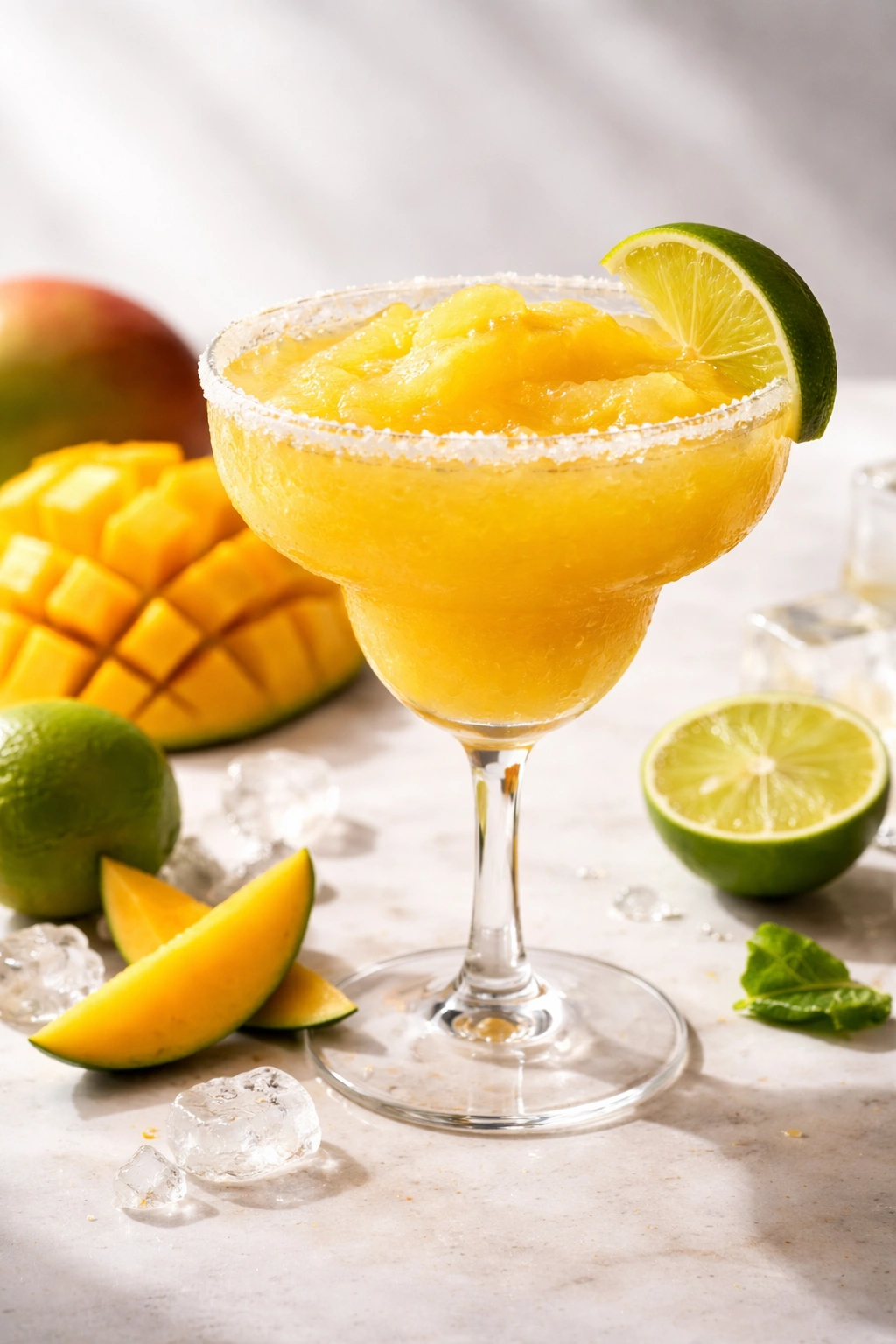
The three-ingredient margarita format traces back to bartending principles that prioritize balance and ingredient quality over complexity. Traditional margaritas have always lived in this space — tequila, lime juice, and orange liqueur form the holy trinity, each one essential and each one contributing something distinct. The mango version honors that same philosophy while leaning into the natural sweetness of the fruit rather than relying on orange liqueur, which shifts the flavor profile entirely.
Mango itself is a sophisticated ingredient in cocktails. Unlike artificial mango syrups or bottled mango juice, fresh mango brings a subtle perfumy quality and a texture that feels luxurious on the palate. The fruit has enough natural body to stand up to the heat and alcohol in tequila, and enough brightness to play off lime without becoming cloying. This combination emerged as bartenders began experimenting with fresh fruit in spirits-forward cocktails, moving away from the overly sweet, sour mix drinks that dominated casual bars.
The appeal of the three-ingredient version is partly practical and partly philosophical. Practically, it means you can make excellent margaritas anywhere — a beach house, a cottage without a fully stocked bar, a weekend away. Philosophically, it demands that you care about what goes into the glass. You can’t hide behind muddled berries, colored liqueurs, or layered complexity. The tequila matters, the mango matters, the lime matters, and the technique matters absolutely.
Why This 3-Ingredient Method Actually Works
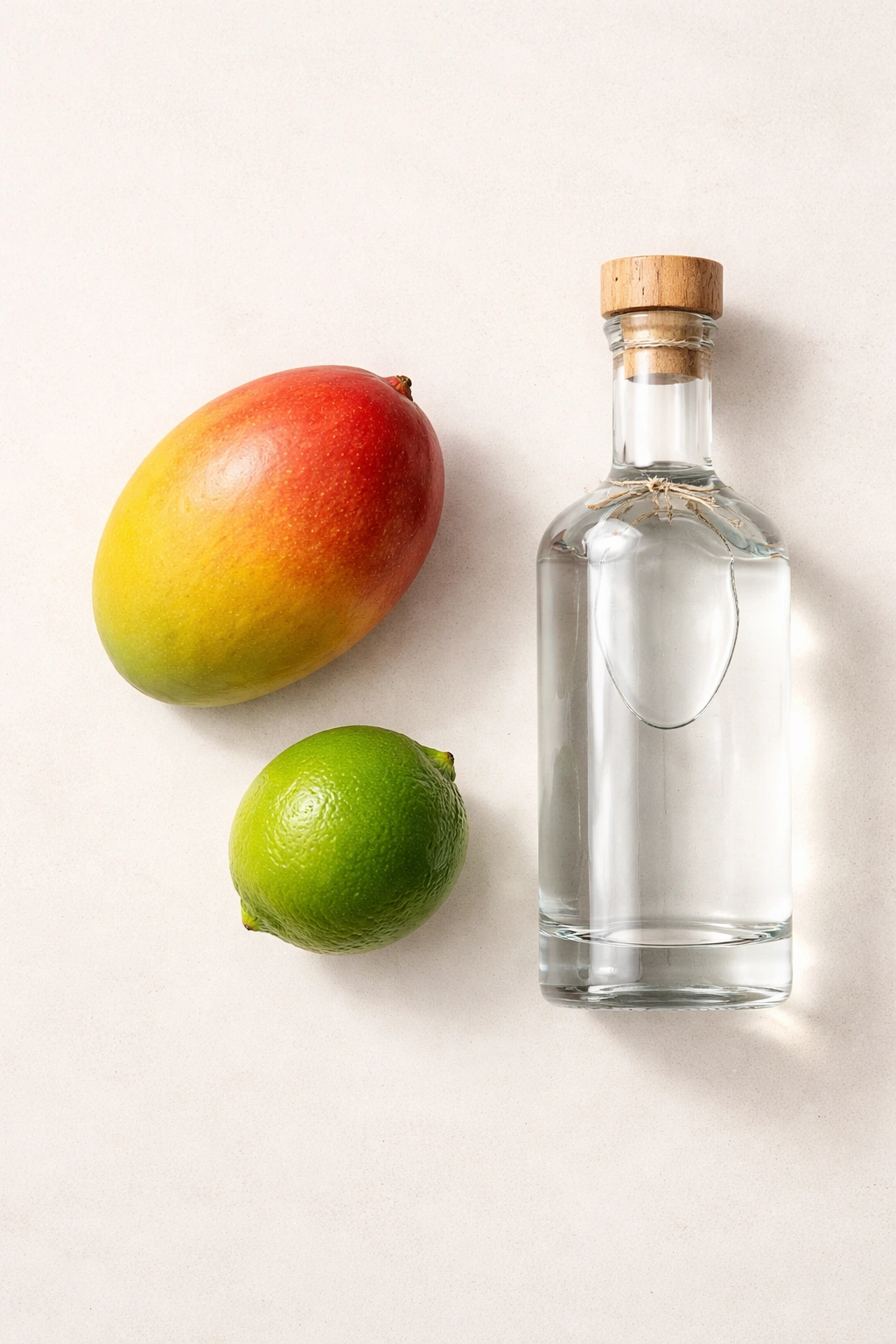
The three-ingredient approach works because each component pulls double duty. The mango isn’t just adding flavor — it’s providing the drink’s body, mouthfeel, and natural sweetness, which means you don’t need a separate sweetener. The tequila isn’t just providing alcohol — it’s contributing earthy, peppery notes that keep the mango from tasting flat or one-dimensional. The lime isn’t just adding acidity; it’s lifting everything and creating depth by cutting through richness and bringing the other flavors into sharper focus.
When you remove ingredients from a drink, everything that remains becomes proportionally more important. A poorly made tequila or lime juice that would go unnoticed in a five-ingredient drink becomes immediately obvious in a three-ingredient one. This forces intention. You’re not making a margarita despite its simplicity — you’re making one because of its simplicity.
The other advantage is that three ingredients means three opportunities to build quality. Rather than spreading your budget across six bottles and a liqueur, you’re investing in excellent tequila and fresh mangoes. That shift in economics actually makes the drink better, not worse. Fresh mango blended into ice creates a naturally smooth, creamy texture without any cream, which is something bottled mixers can’t replicate.
Ingredients and Timing
Yield: Serves 2 (one generous 6-ounce drink per person)
Prep Time: 10 minutes (mango peeling and chopping)
Chill Time: None required (served immediately frozen)
Total Time: 15 minutes from start to glass
Difficulty: Beginner — This requires no bartending experience, no special techniques, and only a blender and a knife. The only skill involved is choosing a ripe mango.
For the Margarita:
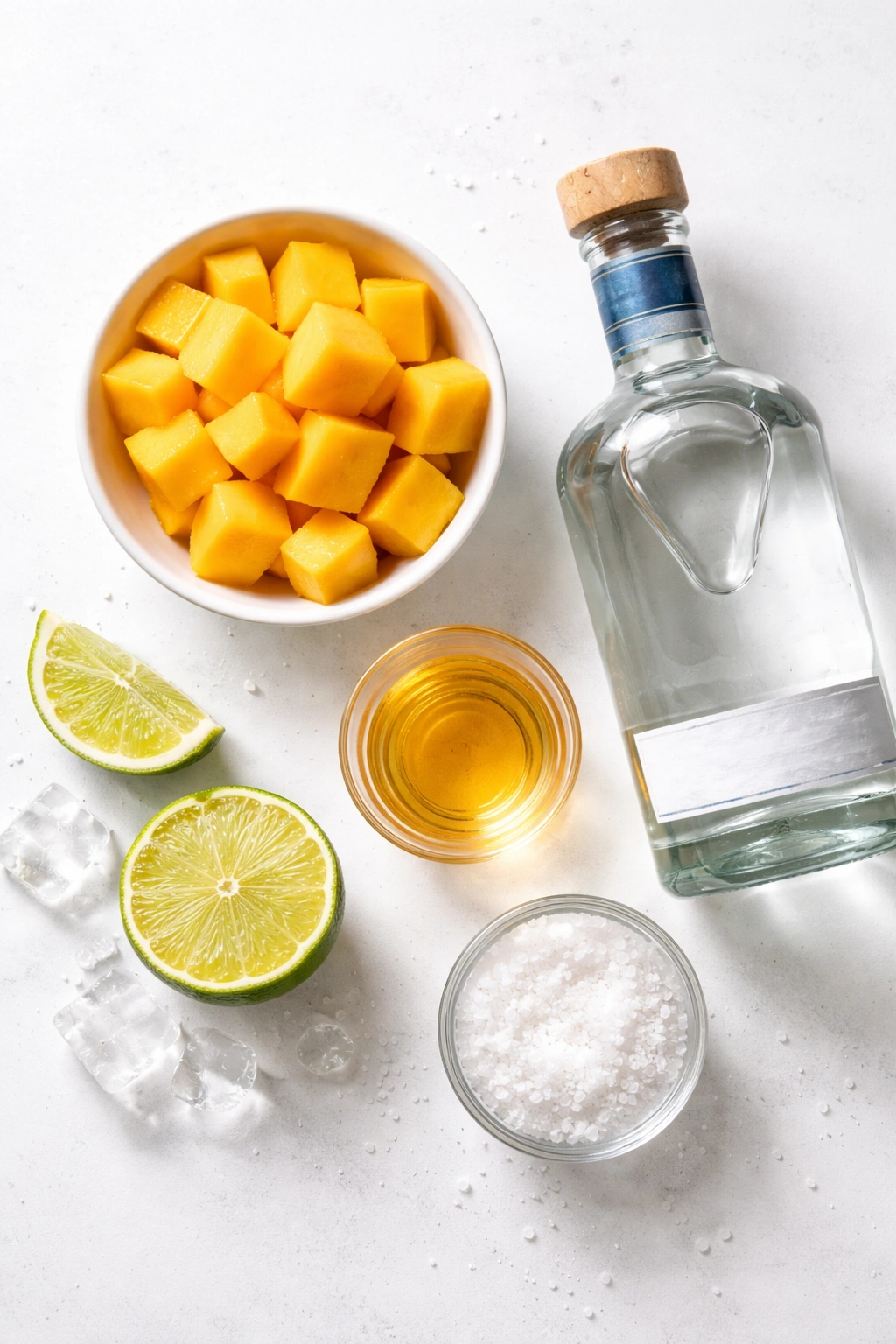
- 1½ cups fresh mango chunks, preferably from one large ripe mango (about 12-14 ounces), peeled, pitted, and cut into rough 1-inch cubes
- 3 ounces (90 ml) silver tequila, preferably 100% agave — a good quality silver tequila where you’d recognize the agave character when sipped straight
- 1½ ounces (45 ml) fresh-squeezed lime juice from about 2 medium limes (bottled lime juice changes the flavor profile noticeably and should be avoided)
- 1 cup ice cubes
- Optional rim: coarse salt or a half-salt, half-sugar mixture (also called a “sugar salt” or “candy rim”)
Notes on Ingredients:
The three ingredients are genuinely the entire formula, so each one needs consideration. For tequila, you want silver (also called blanco) tequila, which is unaged and lets the agave flavor shine. Avoid gold tequila, which often has caramel coloring added, and skip any flavored tequilas — this drink doesn’t need them. Brands that work beautifully here include Espolòn, Sauza Azul, Milagro, or Sombra. The tequila doesn’t need to be expensive, but it should taste good on its own.
For mango, ripeness is everything. A ripe mango will yield slightly to pressure but won’t be mushy, will smell fragrant and peachy, and will have a golden-orange skin with some red undertones (depending on the variety). If your mango is hard, it hasn’t developed enough sugar and will make a thin, watery drink. If it’s rock-hard when you buy it, buy it three to five days ahead and let it sit at room temperature until it’s ready. You want flesh that gives when you press it gently.
The lime juice absolutely must be fresh-squeezed. This is non-negotiable for a three-ingredient drink. Bottled lime juice tastes tinny and artificial, and it will undermine the entire drink. Fresh lime juice takes five minutes and the payoff is dramatic.
Step-by-Step Instructions
Prepare the Fruit:
-
Choose a ripe mango by gently pressing the skin — it should yield slightly to pressure but feel firm overall. The fruit should smell fragrant and sweet, like a cross between peach and tropical fruit.
-
Rinse the mango under cool water and pat it dry. Stand the mango upright on a cutting board, with the stem end pointing up toward you.
-
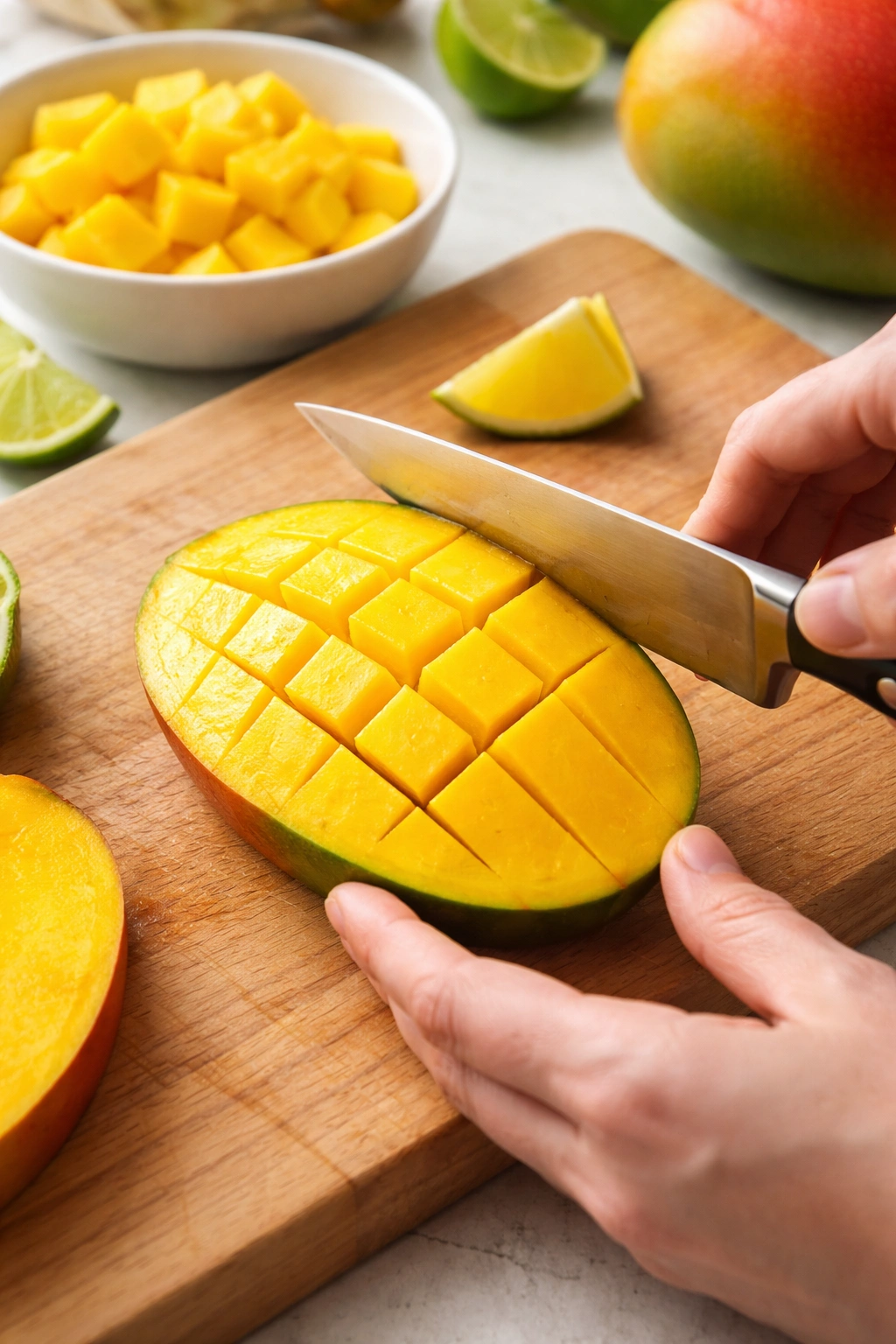
Using a sharp chef’s knife, carefully cut downward on either side of the flat center pit, creating two large flat “cheeks” of mango flesh. You’ll feel the knife slide along the pit as a guide. (Set the pit aside — you’re not using it, but the small amount of flesh clinging to it is delicious eaten straight.)
-
Score the flesh of each mango cheek into roughly 1-inch cubes by cutting parallel lines down the length of the flesh, then cutting perpendicular lines across. Cut deeply, but do not cut through the skin.
-
Invert the mango cheek (skin-side-up) and use a small paring knife or spoon to scoop the cubed mango directly into a cutting board or bowl. You’ll see the cubes pop upward as you press, making them easy to separate from the skin. Repeat with the second mango cheek.
-
Chop any remaining mango flesh from around the pit into rough 1-inch pieces. You should have approximately 1½ cups of mango chunks total (about 12-14 ounces). Measure by volume, not weight — you want roughly 1½ cups of cubed fruit.
Prepare the Lime and Assemble:
-
Cut the limes in half. Using a citrus juicer, handheld reamer, or even a fork, extract the juice. You should have approximately 1½ ounces of fresh juice — about 3 tablespoons. (If your limes are small or less juicy than expected, use a third lime to reach the full amount. Squeeze the juice through a fine-mesh strainer to catch any seeds or pulp bits, though a small amount of pulp is actually desirable here.)
-
If you’re using a rimmed glass, prepare it now. Pour coarse salt (or your salt-sugar mixture) onto a small plate. Run a lime wedge around the upper rim of a rocks glass or margarita glass, then press the rim gently into the salt, rotating to coat evenly. Set aside.
Blend:
-
Add the mango chunks, tequila, fresh lime juice, and ice cubes to a blender in that exact order. The order helps the liquid distribute properly and prevents the mango from sticking to the blades.
-
Blend on high speed for 45 to 60 seconds, until the mixture is completely smooth and you cannot see any mango chunks or pieces of ice — the drink should be thick, creamy, and uniform in texture, like a frozen margarita should be. If you see bits of ice remaining, blend for another 15 seconds.
-
Immediately pour the blended drink into the prepared glass (or into two glasses if making one for someone else). The drink will separate slightly if it sits, so serve immediately after blending. You want to catch it at peak texture — when it’s still thick and frosty.
-
Optionally garnish with a fresh mango slice wedged onto the rim, a small sprig of fresh mint, or a thin lime wheel. If you’re not serving immediately, keep the blended drink in the blender and re-blend for 10-15 seconds before pouring.
Tips for the Perfect Batch
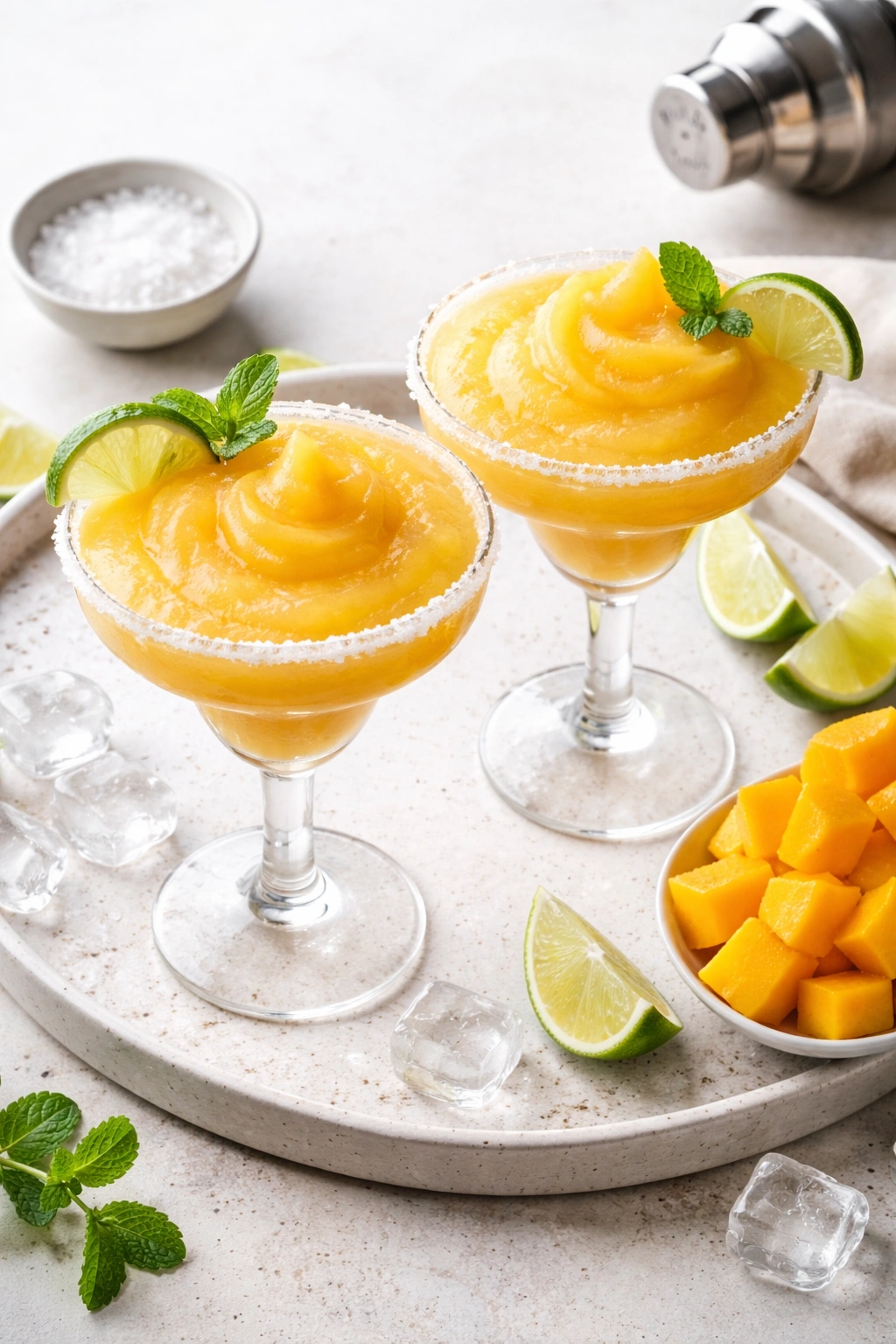
The difference between a watery, disappointing mango margarita and a genuinely great one often comes down to small details that seem insignificant until you taste the result. First, freeze your glasses for at least 15 minutes before serving if you’re making these ahead or for guests. A cold glass keeps the drink from melting and diluting too quickly. You can pop glasses in the freezer while you’re prepping the mango.
Second, use room-temperature fruit. It seems counterintuitive, but cold mangoes straight from the fridge don’t blend as smoothly and won’t release their juices as effectively. Let your mango sit on the counter for 30 minutes before cutting it if you’ve refrigerated it. The ice in the blender will chill everything adequately.
Third, don’t over-blend. There’s a sweet spot between “still chunky” and “overdone.” Once the ice and mango are completely smooth, stop. Over-blending heats the mixture and can separate the drink slightly, making the alcohol taste sharper and the overall texture grainy rather than creamy. The whole process should take 60 seconds maximum.
Fourth, taste and adjust as you go if you’re making multiple batches. Every mango variety has slightly different sweetness. If you taste the first batch and it feels too sweet, add another ½ ounce of lime juice to the next batch. If it tastes too tart, use slightly less lime juice (start at 1¼ ounces and work up). The drink should taste bright and tropical but never mouth-puckeringly sour — lime should be a supporting note, not the star.
Finally, invest in a decent blender. A weak blender will leave chunks of ice and mango, creating a sandy, unpleasant texture. You don’t need a high-end model, but a blender powerful enough to make smooth nut butters will absolutely handle this drink.
Flavor Variations You Can Try
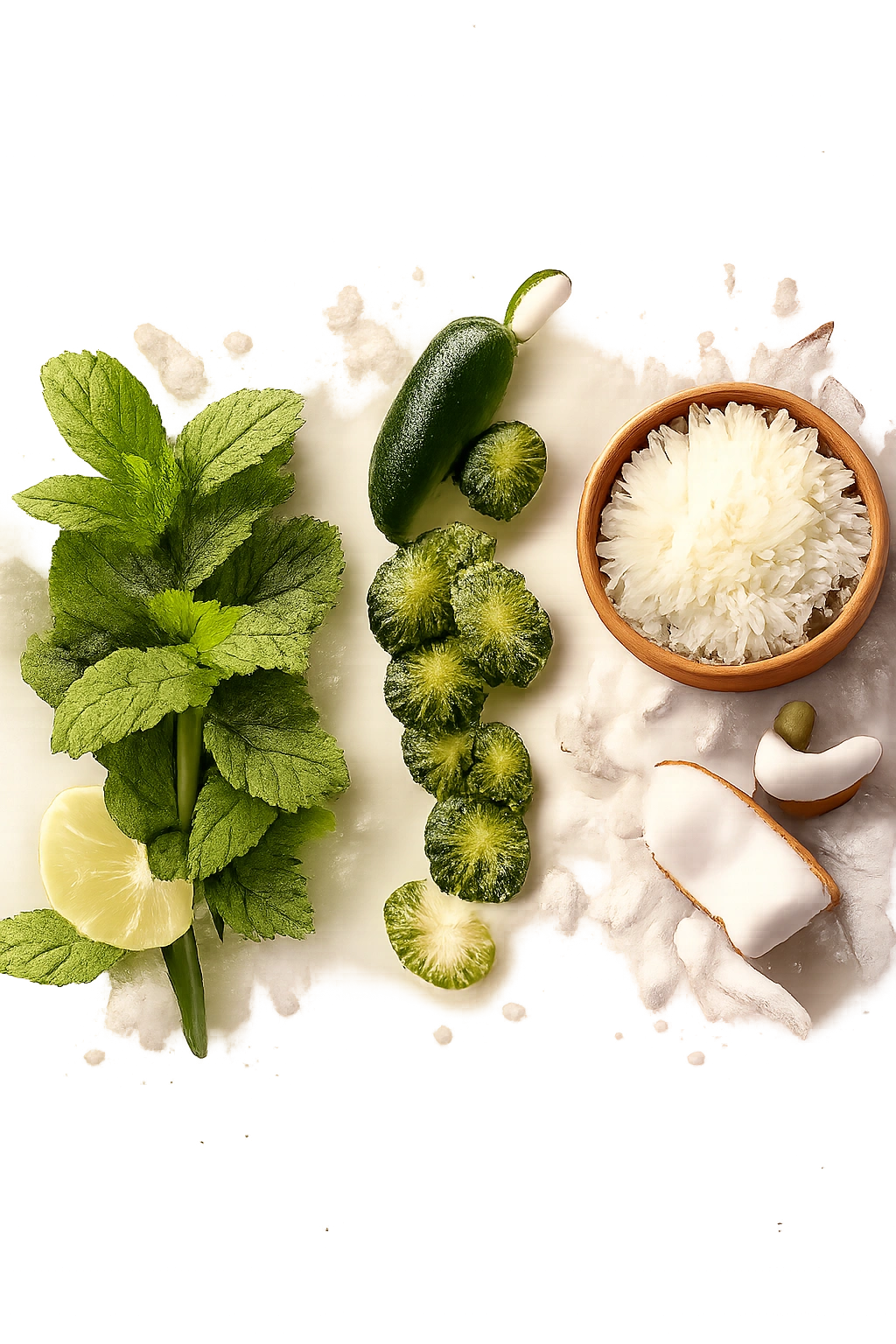
The foundation of tequila, mango, and lime is sturdy enough to support variations without falling apart. The simplest adaptation is adding fresh mint: muddle 4-5 small mint leaves gently in the blender before adding the other ingredients, or blend them with the mango. The mint adds an herbal brightness without changing the drink’s fundamental character.
Another direction is adding jalapeño for heat. Blend a small slice of fresh jalapeño (seeds removed for mild heat, seeds included for significant spice) with the mango. The heat plays beautifully against mango’s sweetness and tequila’s earthiness, creating a drink that feels sophisticated and memorable. Start conservative — you can always add more heat in the next batch, but you can’t take it out.
For a coconut variation, replace ¼ ounce of the tequila with coconut rum (like Bacardi Coco), or muddle 2-3 tablespoons of fresh grated coconut with the mango before blending. This version tastes more tropical and less spirit-forward, shifting the drink toward a vacation vibe.
A spicy-sweet version works beautifully: add ⅛ teaspoon of chili powder or a pinch of cayenne pepper to the blender along with the mango. You can also use a chili-spiced salt for the rim instead of plain salt. This version appeals to people who like complexity and heat.
If you want to use frozen mango instead of fresh — which is completely valid and often more affordable — use frozen chunks directly from the bag (no thawing required). The frozen mango actually creates a slightly thicker, more luxurious texture than fresh mango with ice, so you may want to add ¼ ounce less tequila to maintain balance.
For a brighter citrus version, use 1 ounce tequila, 1 ounce lime juice, and ½ ounce fresh orange juice (or 2 tablespoons of high-quality fresh OJ), plus the mango and ice. This creates a more citrus-forward drink that tastes almost like a margarita with an emphasis on fruit rather than spirit.
Best Practices for Prep and Batch Making
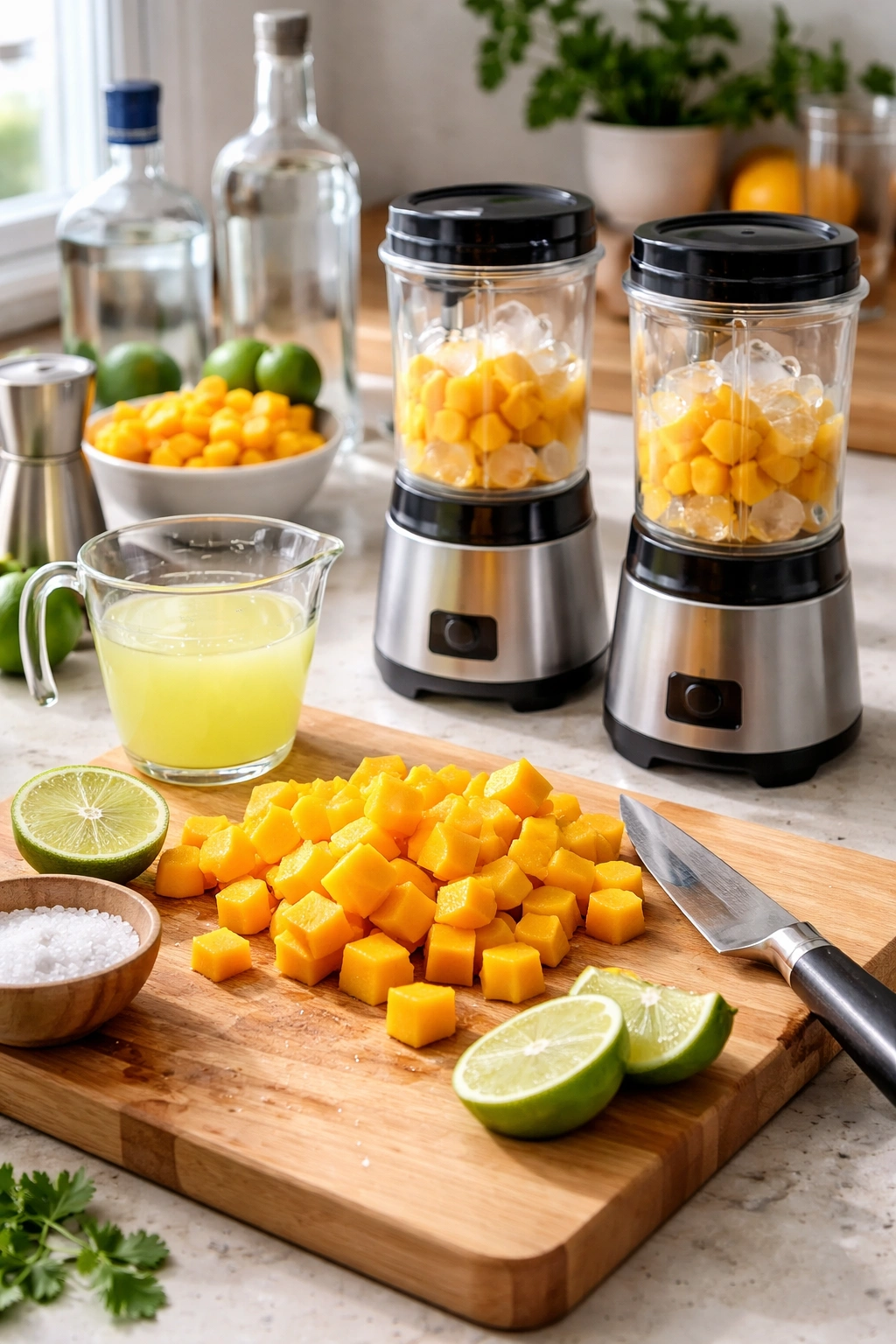
If you’re planning to serve these to multiple people, prep all the mango in advance and store the cubed fruit in an airtight container in the refrigerator for up to eight hours. Squeeze all the lime juice into a small bowl or measuring cup. That way, when guests arrive or it’s time to serve, you’re blending in individual batches — which gives you better control over texture and allows everyone to get a perfectly blended drink.
For batch cocktails, never try to blend all the ingredients at once and pour them into glasses. Multiple servings will separate, melt, and become watery. Always blend individual drinks right before serving. It takes perhaps three minutes per drink once you have ingredients prepped, and the quality difference is enormous.
Keep the blender running smoothly by rinsing it immediately after blending — mango is sticky and will harden if left sitting. A quick rinse takes five seconds and makes cleanup effortless later.
If you’re working with a crowd and have two blenders available, set up a batching system: one person preps mango, one person squeezes limes, and one person blends. This moves quickly and keeps the assembly-line feeling fun and efficient rather than chaotic.
Storage and Make-Ahead Guidance
These margaritas are best served immediately after blending, which is the whole point of the three-ingredient simplicity — they come together fast and you serve them right away. However, life isn’t always that neat.
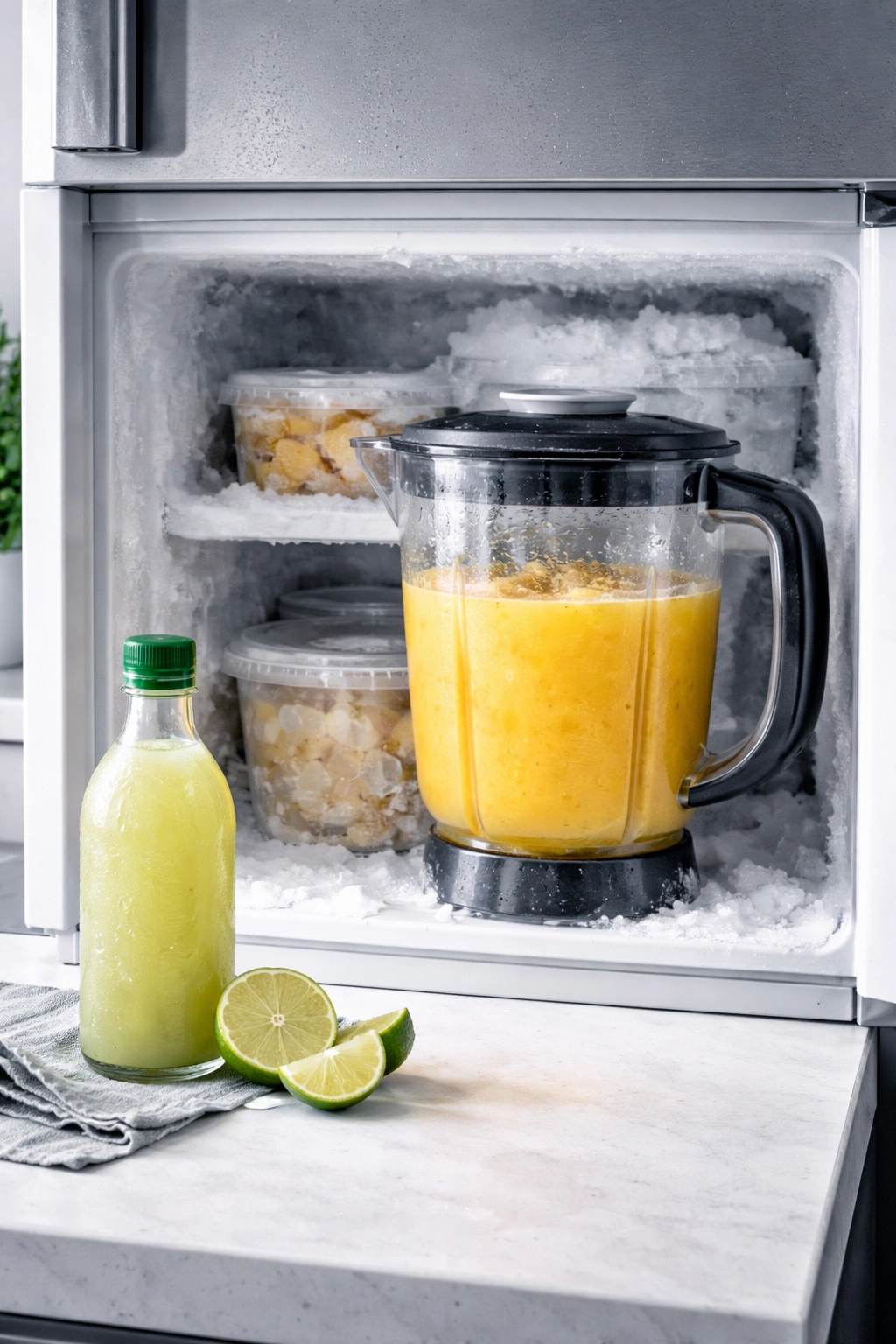
If you need to hold a blended margarita for 10-15 minutes, keep it in the blender jug (not in glasses) and return the entire thing to the freezer. Re-blend for 10-15 seconds immediately before pouring. This will restore the texture and incorporate any separated alcohol back into the mixture. Beyond 20 minutes, you’re fighting a losing battle — the drink will separate and melt, and no amount of re-blending will restore it entirely.
Do not prepare these drinks the night before. Unlike rum punches or sangrias that benefit from time, margaritas rely on the emulsion created by blending — that breaks down as the drink sits. Tomorrow’s leftover margarita will taste like separated mango juice with booze in it, which is genuinely unpleasant.
The components, however, keep beautifully: fresh lime juice stays good for 3-4 days in a sealed container in the refrigerator (though it does start to lose brightness after day two, so ideally use it within two days). Cubed mango stays good for up to 8 hours in the refrigerator before it begins to oxidize and brown. Tequila keeps indefinitely at room temperature in a sealed bottle.
So the practical approach is: make this drink on demand. Prep the ingredients earlier in the day, then assemble and blend drinks right before serving. It takes literally five minutes from “I want a margarita” to drinking it, which is faster than going to a bar anyway.
Serving Suggestions and Pairings
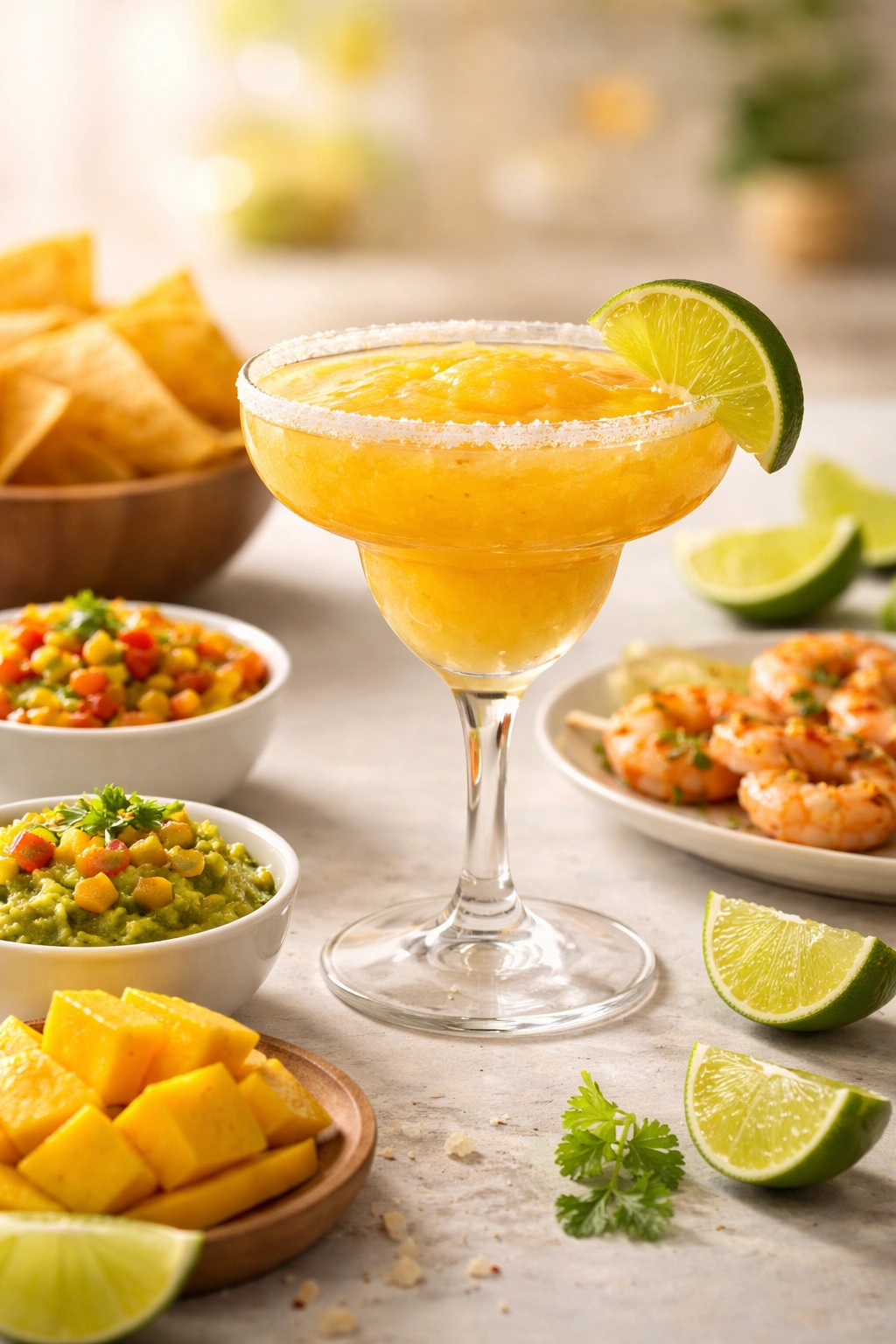
The three-ingredient mango margarita is refreshingly versatile as a serving drink. It works as an aperitif before a meal, but it’s equally at home as the entire focus of a casual gathering. The fruit-forward flavor pairs beautifully with light appetizers, especially anything involving fresh seafood, lime-based ceviche, or grilled fish with citrus flavoring.
Appetizer pairings that shine alongside this drink include: fresh shrimp ceviche with avocado, mango-chicken lettuce wraps, crispy tortilla chips with fresh salsa and guacamole, grilled halibut with mango salsa, blackened mahi-mahi with fresh lime, or even something as simple as fresh crab cakes with a lime remoulade. The drink’s sweetness and acidity make it forgiving with a wide range of flavors.
Charcuterie and cheese pairings work nicely too, particularly fresh, bright cheeses like queso fresco, fresh mozzarella, or a young goat cheese. Avoid very heavy, aged hard cheeses — the richness will overwhelm the drink. Keep accompaniments light: think fresh corn tortillas, breadsticks, and fruit rather than dense breads or cured meats.
Presentation matters even for a casual drink. A salt-rimmed glass looks intentional and special. A slice of fresh mango or a sprig of mint adds visual appeal and signals to guests that they’re getting something thoughtfully made, not just tequila poured into a glass. If you’re making these for a group, consider setting up a simple garnish station with lime wheels, mango slices, and fresh mint so people can customize.
The drink is equally at home in warm weather or cold, contrary to what you might expect. The frozen texture makes it refreshing on a hot afternoon, but it’s equally appropriate for an evening gathering year-round. The tropical flavor creates that vacation feeling regardless of whether you’re in shorts or a sweater.
Common Mistakes to Avoid
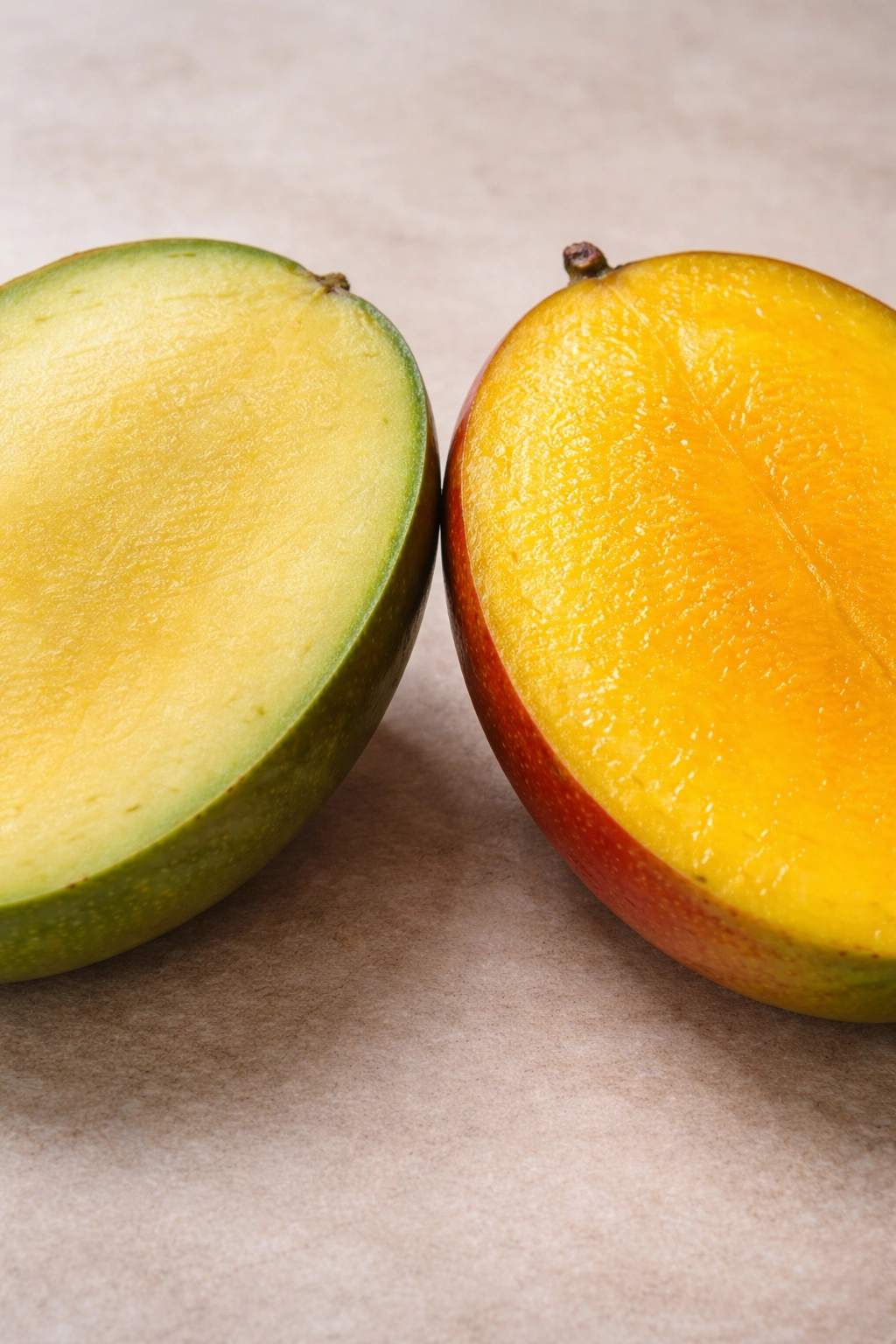
The most frequent mistake is using unripe mango. An unripe mango will make the drink watery, thin, and less naturally sweet — which means the tequila becomes too prominent and the overall flavor profile tips toward harsh and unbalanced. No amount of lime juice or technique fixes an underripe mango. If your mango feels hard, buy it earlier and let it sit at room temperature. This single choice will transform your results.
The second major mistake is using bottled lime juice. This is tempting because bottled juice is convenient, but it tastes nothing like fresh lime. Bottled lime juice has a chemical, tinny quality that immediately sounds false to anyone who’s ever tasted a proper margarita. Fresh lime juice takes genuinely five minutes and is worth every second of that effort.
A third mistake is blending too long or too vigorously. Over-blending heats the mixture and can cause it to separate into a layer of liquid sitting on top of pulpy mango. The drink will taste sharper and more alcoholic, and the texture becomes grainy. Blend until smooth, then stop. Sixty seconds is plenty.
Using poor-quality tequila is another costly mistake. A rough, spirit-forward tequila will make the drink taste harsh and will highlight every flaw in the blending. You don’t need an expensive tequila, but you need one that tastes smooth and pleasant on its own. Spend enough that you’d be willing to sip it straight.
Not freezing the glasses is a mistake that compounds throughout the drink. A room-temperature glass will warm the frozen margarita rapidly, diluting it as the ice melts. Frozen glasses keep the drink cold and maintain the texture for longer. It’s a small detail that makes a noticeable difference.
Finally, making these too far in advance is a common mistake. Unlike some cocktails, margaritas have a short window of optimal texture. More than 20-30 minutes and you’re working with a degraded product. Accept that these are meant to be made fresh and served immediately.
Final Thoughts
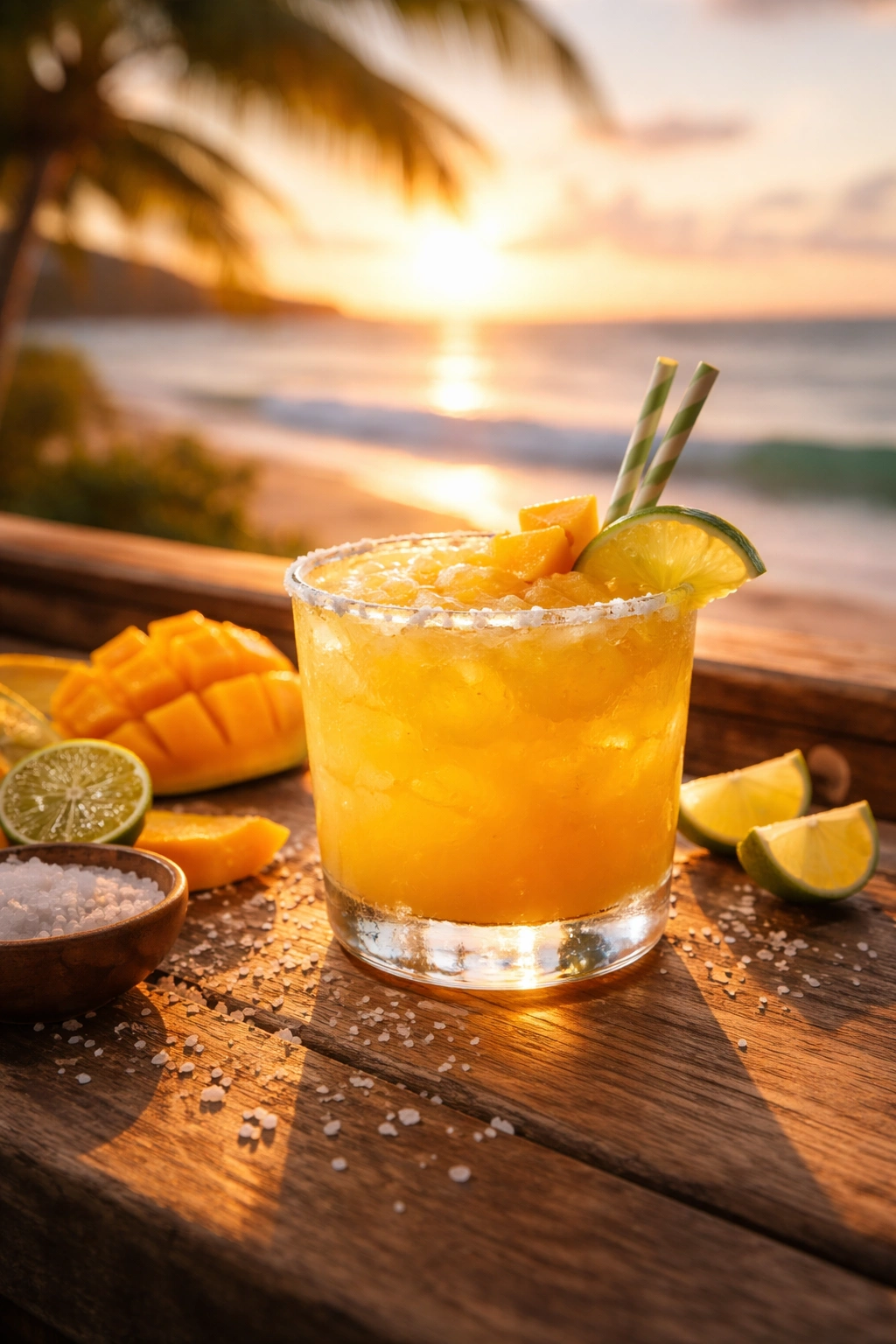
What begins as a deceptively simple three-ingredient drink reveals itself as something genuinely sophisticated once you understand the interplay between the components. The mango doesn’t just sweeten — it adds body and tropical brightness. The tequila doesn’t just add booze — it grounds the drink and prevents it from tasting like a dessert drink. The lime doesn’t just add tartness — it creates depth and lifts everything into focus.
This is a drink that rewards intention. You can’t make it carelessly and expect good results. But if you respect the simplicity, invest in quality ingredients, and nail the basic technique, you’ll consistently make margaritas that rival what you’d get at a thoughtful bar. More importantly, you’ll be able to make them anywhere — a beach house, a cabin, a rooftop, a friend’s kitchen — with nothing more than what fits in a small cooler.
The beauty of this formula is that it proves you don’t need complexity to achieve quality. You need ripeness, freshness, and care. You need a mango that’s actually ready to drink into a glass and lime juice that was squeezed an hour ago. You need tequila you’d be happy to taste on its own. That’s it. Everything else is just letting those excellent ingredients speak for themselves.
