



Finding meals that satisfy a picky toddler requires equal parts creativity, patience, and a solid understanding of what actually appeals to young children. It’s not about tricking kids into eating nutritious food—it’s about serving meals that genuinely taste good to them while delivering the nutrients their growing bodies need. The reality is that toddlers have legitimate texture preferences, strong flavor opinions, and an almost primal need for familiarity, even while their dietary preferences seem to shift without warning.
The truth many parents discover is that the most successful toddler meals share certain characteristics: they’re interactive enough to feel fun, they contain at least one ingredient the child recognizes and trusts, they’re sized appropriately for small hands, and they don’t require excessive chewing or complicated eating mechanics. Beyond that, the best meals are ones you can actually prepare without stress, because feeding a picky eater is challenging enough without adding complicated recipes to your plate.
What follows is a carefully considered collection of ten meals that have proven themselves reliably acceptable to even the most selective toddler eaters. These aren’t gimmicks or disguised health food—they’re legitimate, delicious meals that happen to work with, rather than against, the way young children approach food. Each one can be customized to your specific child’s preferences, made ahead for busy weeks, and served with confidence that you’re offering both nourishment and something they’ll actually want to eat.
1. Mac and Cheese with Hidden Vegetables
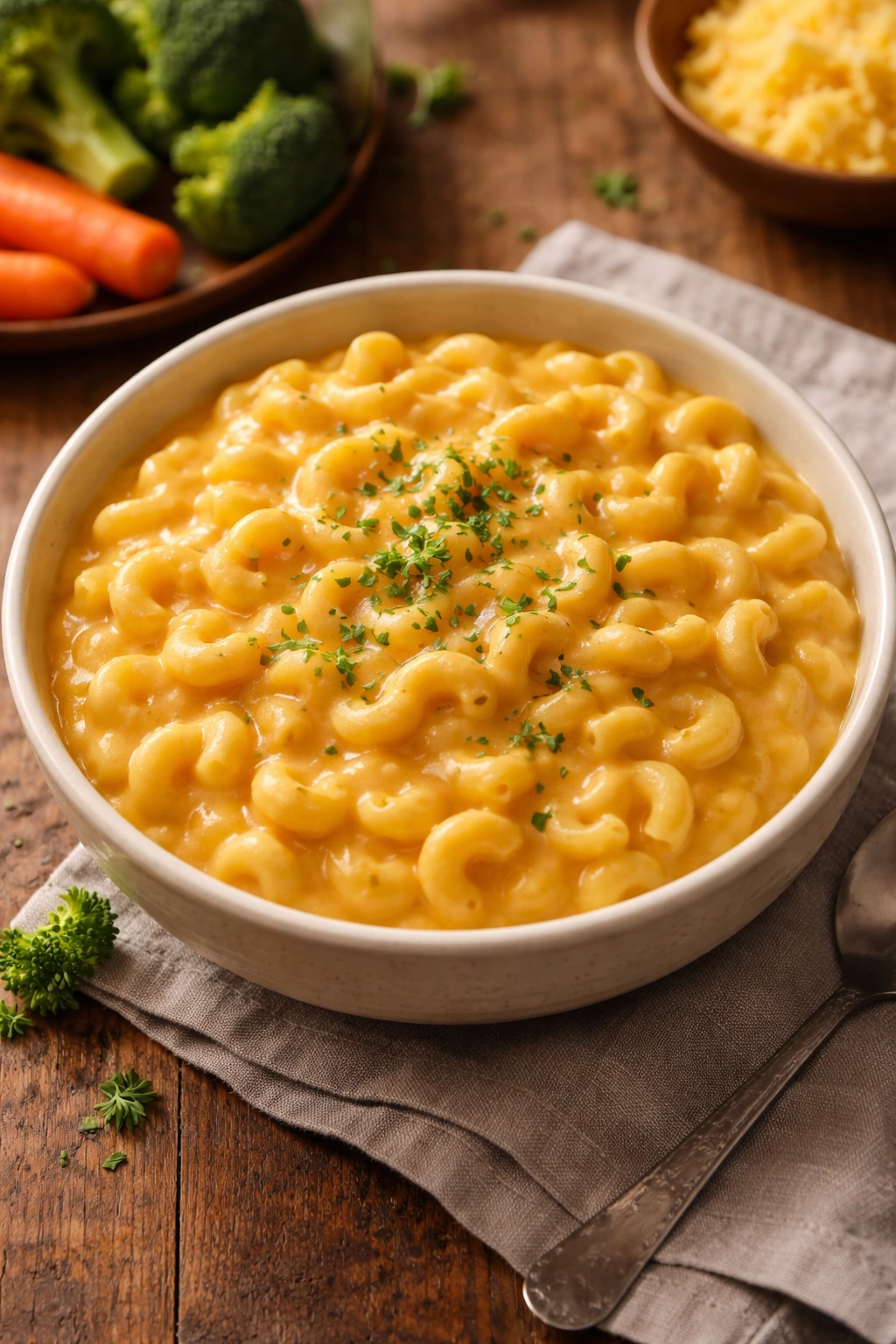
Mac and cheese holds an almost mythical status in the toddler food world, and for good reason. The creamy texture, the familiar pasta shape, and the comforting cheese flavor create a combination that appeals to toddlers at a fundamental level. What makes this version special is that it delivers genuine nutrition without your child needing to see, identify, or consciously acknowledge the vegetables involved.
Why This Works for Picky Eaters
Toddlers who reject vegetables when they’re visible on the plate often have zero problem consuming them when they’re pureed into a creamy cheese sauce. The starch-based sauce masks the flavor of vegetables completely while adding them directly into what’s already a favorite dish. There’s no negotiation, no picking, no separation required—it’s simply one unified meal that happens to contain butternut squash, carrots, or cauliflower without looking like it does.
How to Make It Nutritious and Delicious
The key is building a proper béchamel sauce rather than relying on powdered cheese packets. Steam your vegetables until completely soft, then puree them with a small amount of broth until you’ve got a smooth vegetable puree. Create your roux with butter and flour, gradually whisk in milk while stirring constantly, then add your vegetable puree, shredded cheese (both sharp cheddar and mild work beautifully), and a small pinch of salt. Toss this creamy sauce with cooked pasta.
Pro Tips for Maximum Success
- Make this in double or triple batches and freeze individual portions in ice cube trays—you’ll have grab-and-reheat meals ready for weeks
- Use mild vegetables for your first attempt: butternut squash, sweet potato, or carrots work better than broccoli or asparagus
- Cook your pasta about a minute under the recommended time so it maintains some slight firmness when tossed with the sauce
- Top with a small handful of crushed whole-grain crackers and broil briefly for a crunchy texture that many toddlers find irresistible
2. Homemade Chicken Nuggets with Sweet Potato Coating
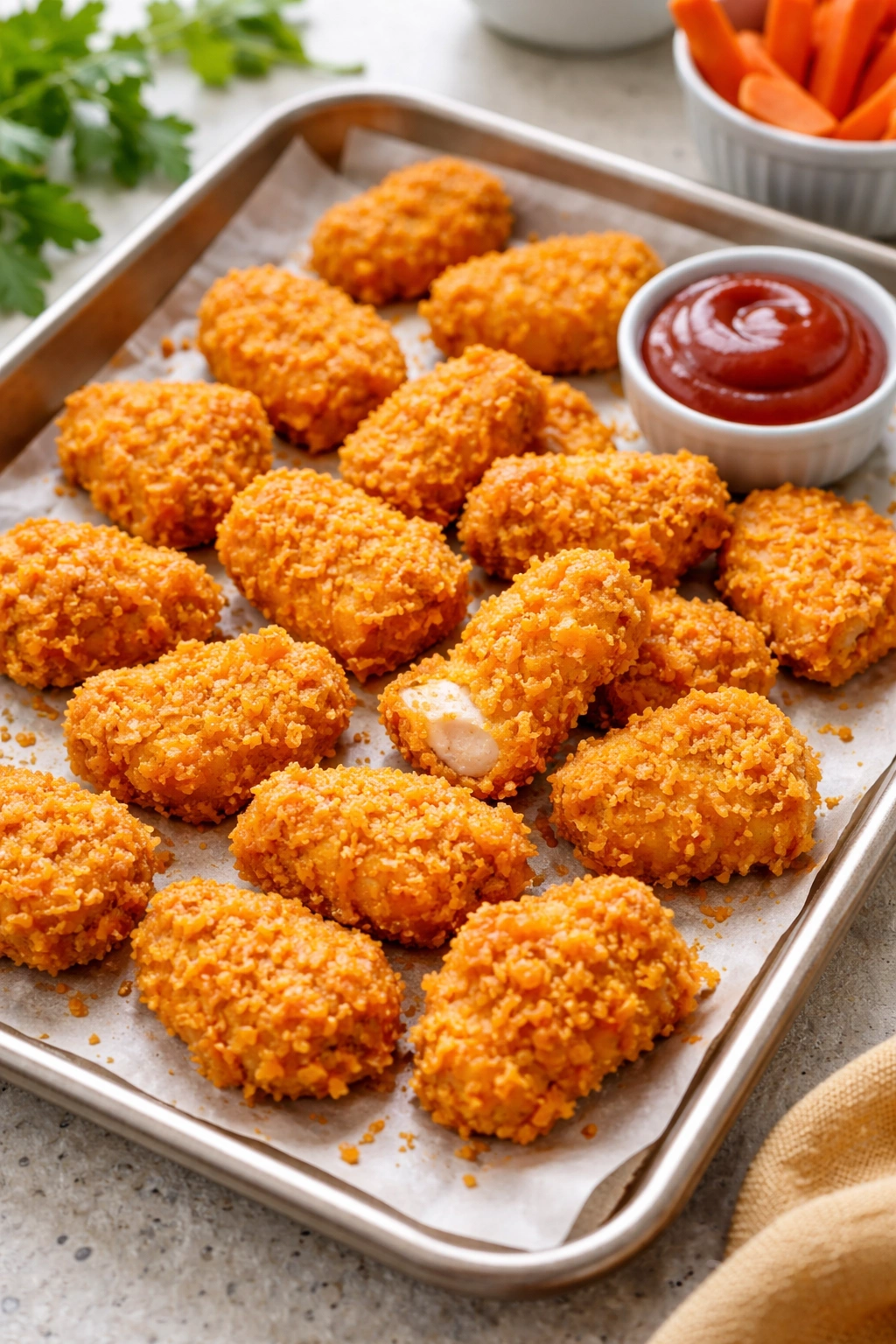
Chicken nuggets represent something crucial in toddler feeding: a food that’s familiar enough to accept immediately but customizable enough to sneak in genuine nutrition. Store-bought nuggets certainly have their place on busy nights, but homemade versions give you complete control over ingredients while delivering superior flavor and texture that toddlers genuinely prefer once they’ve tasted the difference.
What Makes Homemade Better
The texture of homemade nuggets is naturally tender on the inside because you’re coating real chicken breast, not processing it into an industrial slurry. The coating stays crispy longer, and you can use ingredients you actually recognize. More importantly, you can add protein powder, ground flaxseed, or finely processed vegetables directly into the coating mixture without your child ever knowing.
Building the Perfect Coating
Pound chicken breasts until they’re roughly half an inch thick, then cut them into nugget-sized pieces. Set up three shallow bowls: the first with beaten egg mixed with a tiny bit of milk, the second with a combination of panko breadcrumbs, finely grated sweet potato, and a pinch of mild salt. The sweet potato adds natural sweetness, a subtle color variation, and a nutritional boost. Dip each chicken piece in egg, then coat thoroughly in the breadcrumb mixture, pressing gently so the coating adheres.
Cooking Methods and Storage
Bake these on a parchment-lined sheet at 400°F for about 12 to 15 minutes until the coating is golden and the chicken is cooked through. You can also pan-fry them in a small amount of coconut oil for a faster weeknight dinner. The real advantage is freezing: prepare a full batch, freeze them uncooked on a baking sheet, then transfer to a freezer bag. You can bake frozen nuggets directly without thawing—just add a few extra minutes to the cooking time.
Dipping Sauce Strategy
Skip the impulse to limit dipping sauce options. Toddlers will eat significantly more of the actual nugget if they’ve got a flavorful sauce to dip into, and the sauce doesn’t diminish the nutrition they’re receiving. Ketchup works (it’s tomato, after all), but so do ranch dressing, yogurt-based dips, or mild marinara sauce.
3. Mini Cheese Quesadillas
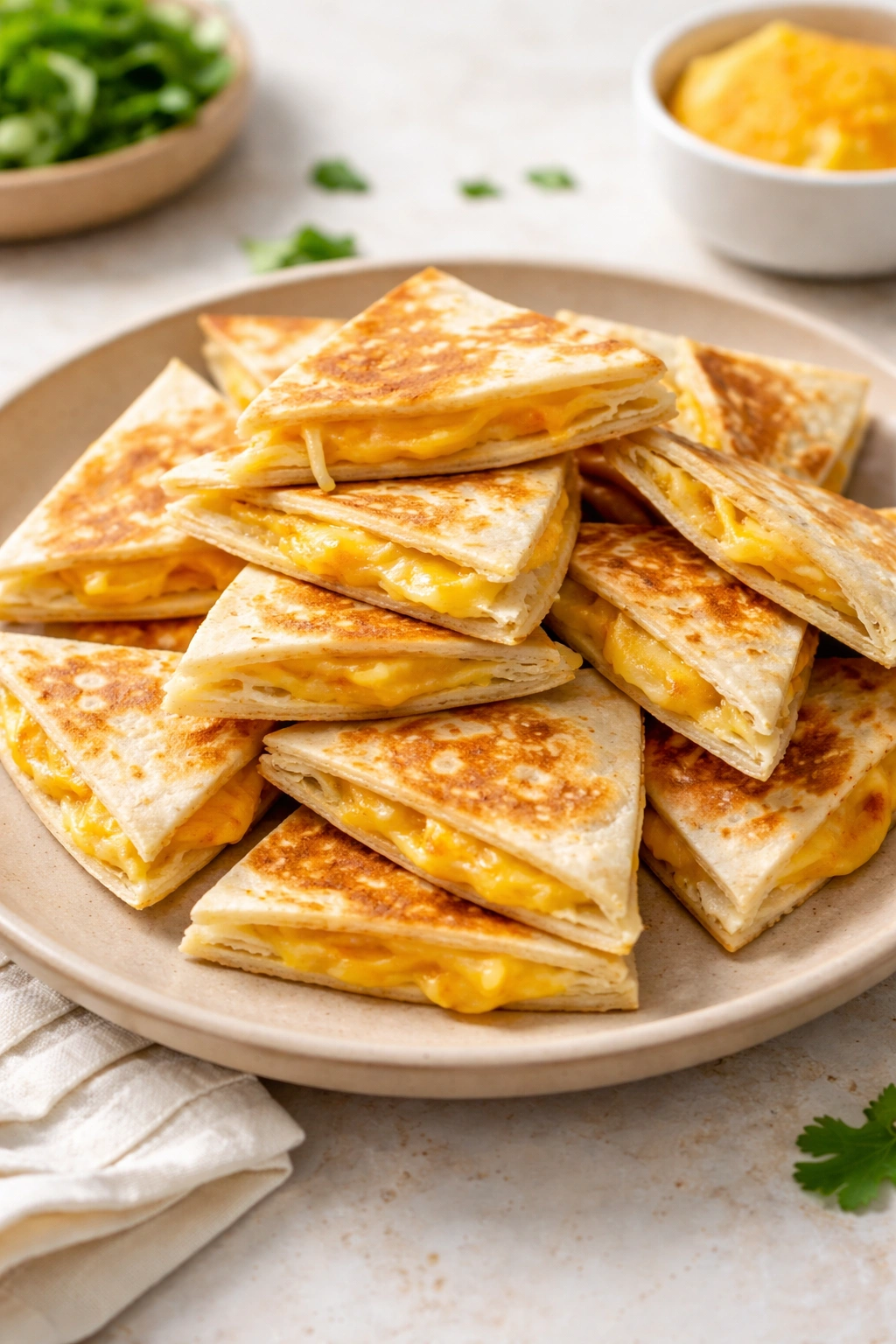
Quesadillas work brilliantly for picky toddlers because they’re completely customizable, require minimal ingredients, cook in under five minutes, and arrive at the table as one unified, intact item—no separated components, no picking required. The melted cheese binds everything together, and toddlers can hold and eat them independently, which feeds into their growing desire for autonomy.
The Foundation: Simple Cheese
The most basic version—and often the most successful—is simply a flour tortilla filled with shredded cheese, folded in half, and cooked in a skillet over medium heat until both sides are golden brown and the cheese has melted completely. That’s genuinely sufficient for many picky eaters. There’s comfort in simplicity, and a perfectly made cheese quesadilla delivers exactly what it promises without complication.
Building Flavor Without Causing Rejection
Once your child accepts the plain cheese version reliably, you can begin adding other elements. Finely mince cooked chicken and add it to the cheese filling. Try refried beans—they add creaminess and protein. Add sautéed spinach that’s been chopped finely and slightly dried so it doesn’t make the tortilla soggy. The key is adding ingredients so they’re indistinguishable from the cheese itself.
Serving Strategy for Maximum Appeal
Cut the finished quesadilla into triangles—most toddlers find this shape more appealing and easier to handle than other cuts. Serve with three optional dipping options: mild salsa (or even just a touch of picante sauce mixed with plain yogurt), sour cream, or guacamole. Let your child choose which—or whether—to use any dipping sauce. This illusion of control dramatically increases the likelihood they’ll actually eat the quesadilla.
Make-Ahead Advantage
Make a full batch of quesadillas, cool them completely, and refrigerate or freeze them. Reheat in a skillet over medium heat for two to three minutes per side, and they’re crispy and warm again. This makes quesadillas exceptionally practical for busy weeks—you can have hot dinner on the table in minutes.
4. Pasta with Simple Marinara Sauce and Meatballs
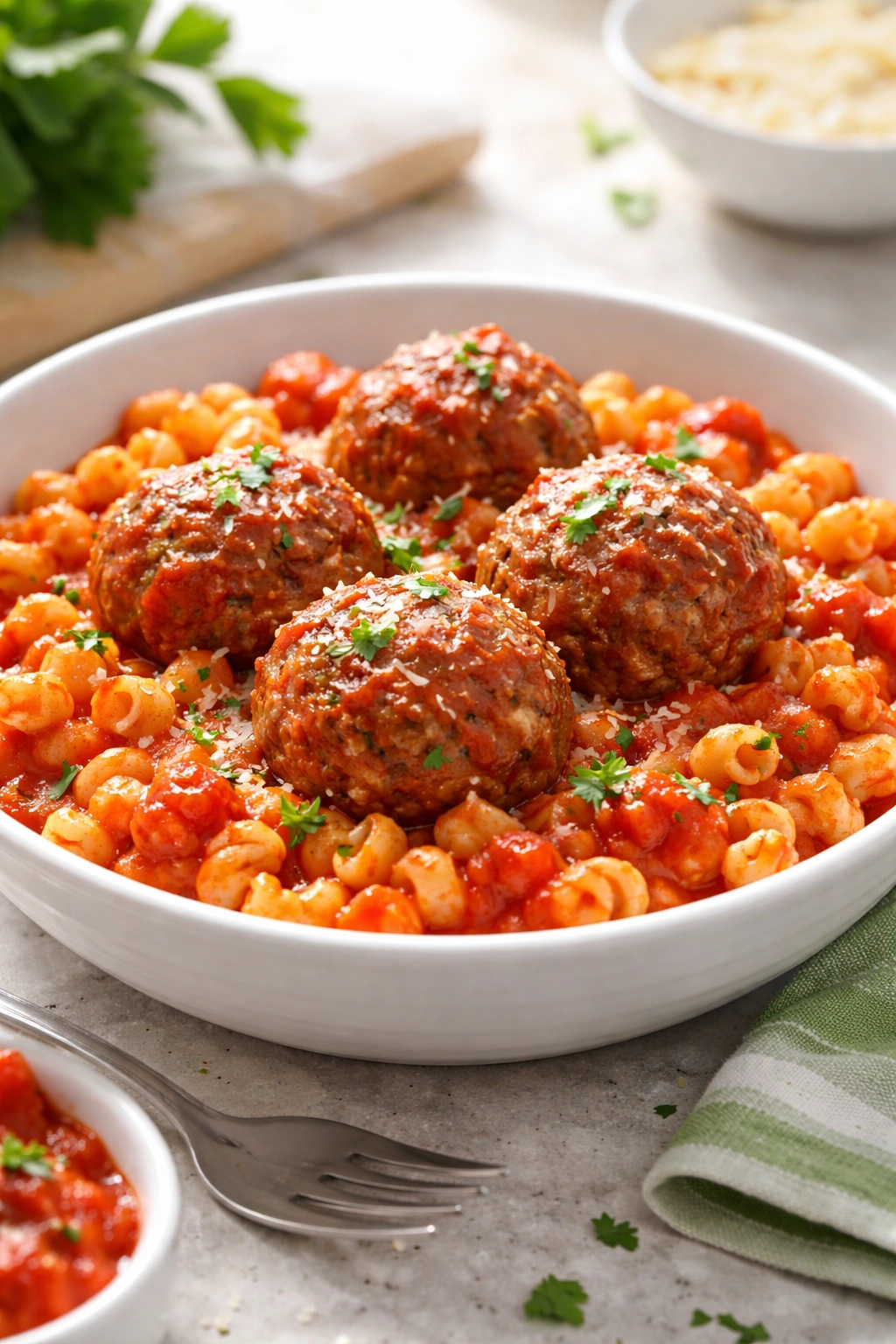
This combination works across age ranges because it’s simultaneously humble and satisfying. The sweetness of a good marinara sauce appeals to toddlers, the meatballs provide protein and are fun to eat as distinct items, and the pasta is purely familiar comfort. This meal doesn’t require convincing or negotiation—it’s simply dinner, served with confidence.
Choosing Your Pasta Shape
Small pasta shapes—like ditalini, small shells, or bow ties—work better than long noodles for toddlers. They’re easier to capture with a fork, they don’t require advanced coordination to manage, and they feel less overwhelming. The shape also determines how much sauce clings to each piece, which matters more than most people realize.
Making Meatballs That Toddlers Actually Enjoy
Skip the Italian herb-heavy versions and focus instead on mild, tender meatballs. Combine ground beef or turkey with panko breadcrumbs, grated Parmesan, beaten egg, a tiny bit of minced garlic, and salt. The mixture should be gentle—overworking it makes tough, dense meatballs. Shape them into pieces slightly smaller than a marble so they’re appropriately sized for toddler hands.
Bake these at 375°F for about twelve minutes until cooked through. You can simmer them directly in marinara sauce for the last few minutes, which infuses them with flavor. Alternatively, bake them on a sheet pan and add them to the sauce afterward—this prevents them from breaking apart if you’re making a large batch.
The Sauce Matters More Than You’d Think
A simple marinara—just tomatoes, garlic, olive oil, and salt—works better than heavily spiced versions. If your marinara has visible chunks of garlic or herbs, blend it smooth. The smooth texture feels less intimidating to toddlers who are cautious about food texture. A tiny pinch of sugar balances the acidity of tomatoes perfectly without making the sauce sweet.
Storage and Reheating
This meal freezes exceptionally well. Make a full batch, cool it completely, and freeze in individual portions. Reheat gently over low heat, adding a splash of water if the sauce has thickened too much. The flavors actually improve over a day or two as everything melds together.
5. Breakfast-for-Dinner Pancakes
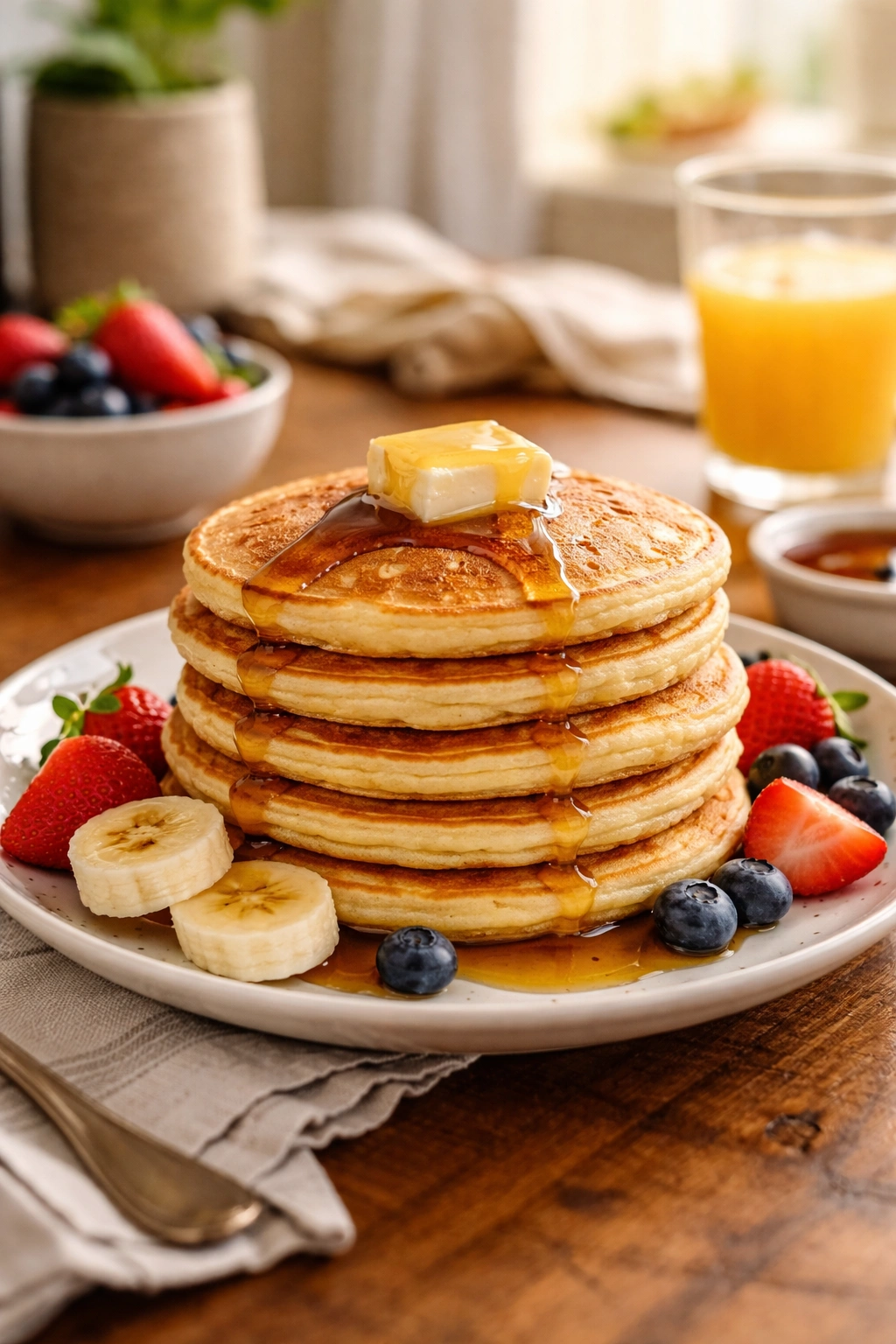
Breaking the breakfast-dinner boundary appeals to toddlers in a way that’s almost impossible to overstate. Pancakes for dinner feel like a special treat and a mild rebellion against normal rules, which makes them automatically more appealing than regular dinner. The reality is that pancakes deliver carbohydrates, protein (from eggs), and whatever additional nutrition you choose to incorporate into the batter.
Building a Toddler-Friendly Batter
Start with a basic pancake recipe, but customize it. Add mashed banana to your batter for natural sweetness and extra nutrients. You can also stir in finely grated apple, ground flaxseed, or wheat germ. Some families add a scoop of vanilla protein powder. The key is adding ingredients that don’t noticeably change the texture or appearance—your goal is familiar pancakes with hidden nutrition, not strange experimental creations.
Size and Thickness Strategy
Make smaller pancakes—about three inches in diameter—rather than standard-sized ones. They’re more manageable for toddler hands, they cook through more evenly, and they feel less intimidating on the plate. Thinner pancakes are also preferable because they’re easier to chew and swallow than thick, doughy versions.
Toppings That Deliver Nutrition
Skip the plain syrup if possible, or use it sparingly. Instead, top pancakes with mashed berries mixed with a touch of honey, or natural nut butter, or plain Greek yogurt. Some families serve pancakes with a small side of scrambled eggs or turkey sausage links. This transforms pancakes from a dessert-like meal into genuinely balanced nutrition that happens to taste like a treat.
The Make-Ahead Advantage
Pancakes freeze beautifully. Make a full batch on a weekend morning, cool them completely, and freeze them flat. Pop them in the toaster to reheat—they come out warm and crispy without any need for additional cooking. This makes breakfast-for-dinner genuinely convenient on nights when you haven’t planned ahead.
6. Fish Stick Tacos with Mild Toppings
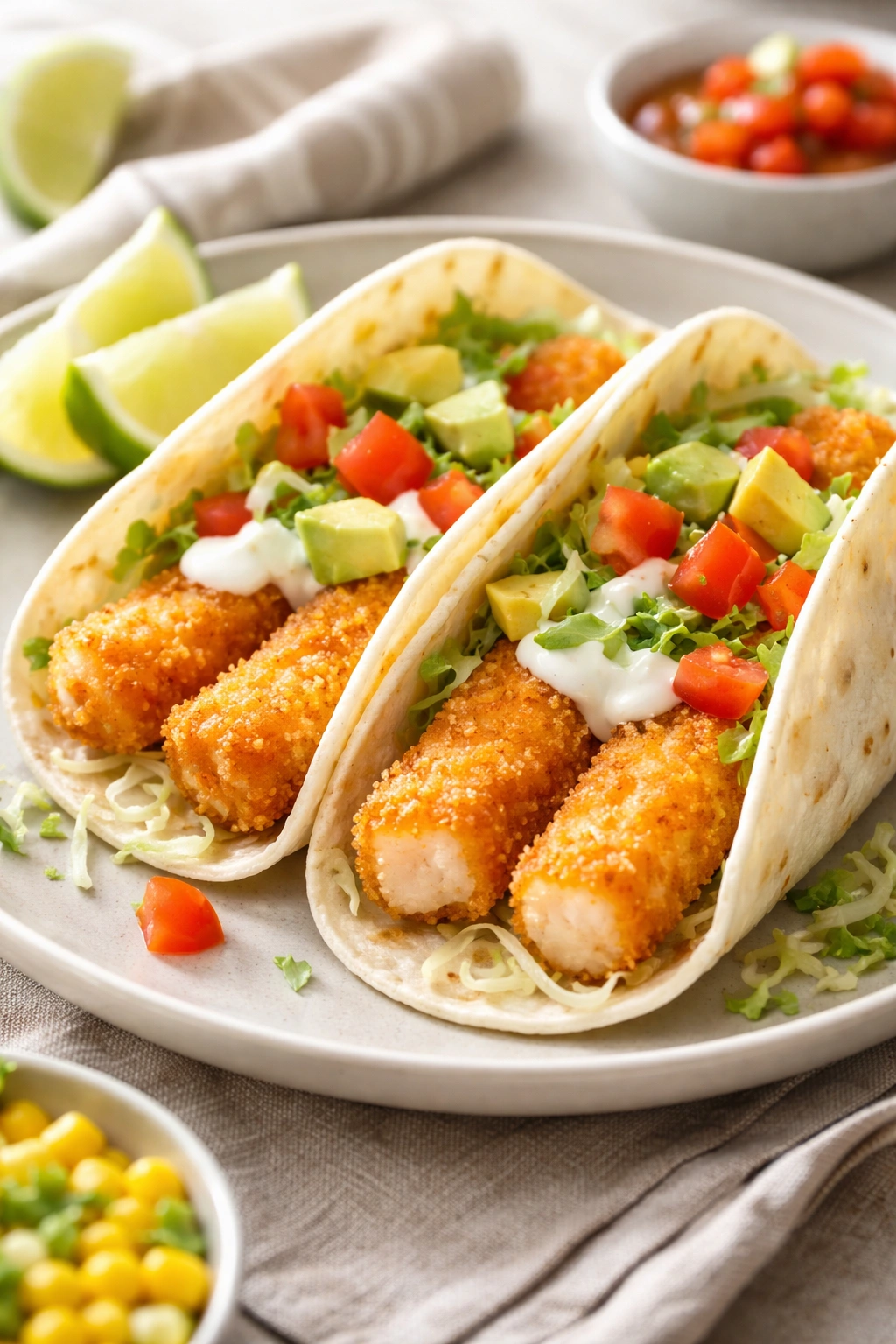
Fish sticks represent frozen convenience that actually works nutritionally—they’re a legitimate source of protein and omega-3 fatty acids. Turning them into tacos transforms them from a side dish into a complete meal while playing into toddlers’ love of foods they can assemble themselves. The taco format also makes the fish feel less intimidating because it’s contained and combined with familiar elements.
Why This Format Works
Individual taco assembly appeals to the toddler impulse toward independence. When your child gets to choose what goes into their taco, they’re invested in eating it. They also can easily remove any element they don’t want—the toppings stay separate until they decide to include them. This control reduces mealtime tension significantly.
Preparing Fish Sticks That Taste Good
Bake frozen fish sticks according to package directions, but add one extra minute to the cooking time to ensure they’re crispy all the way through. The exterior should crackle slightly when you bite into it. This crispiness appeals to toddlers in a way that soggy fish sticks absolutely don’t.
Building the Taco Bar
Set out small soft tortillas, your cooked fish sticks, shredded mild cheese, shredded lettuce, and finely diced tomato. Add a small bowl of mild salsa and another of sour cream. Don’t overwhelm with options—three to four toppings is sufficient. Let your child build their own tacos, choosing which toppings appeal to them.
Managing Texture Concerns
Some toddlers reject fish because of its texture—flaky fish can feel unfamiliar and slightly unsettling. Fish sticks bypass this issue because they have a firm, breaded exterior and a consistently mild interior. The breading provides a familiar texture that makes the fish less intimidating.
Serving with Confidence
Serve these with a side of rice, black beans, or roasted sweet potato. The combination delivers complete protein, carbohydrates, and vegetables without requiring your child to navigate multiple complicated dishes. The entire meal comes together in under fifteen minutes on nights when you haven’t planned ahead.
7. Build-Your-Own Taco Bowls
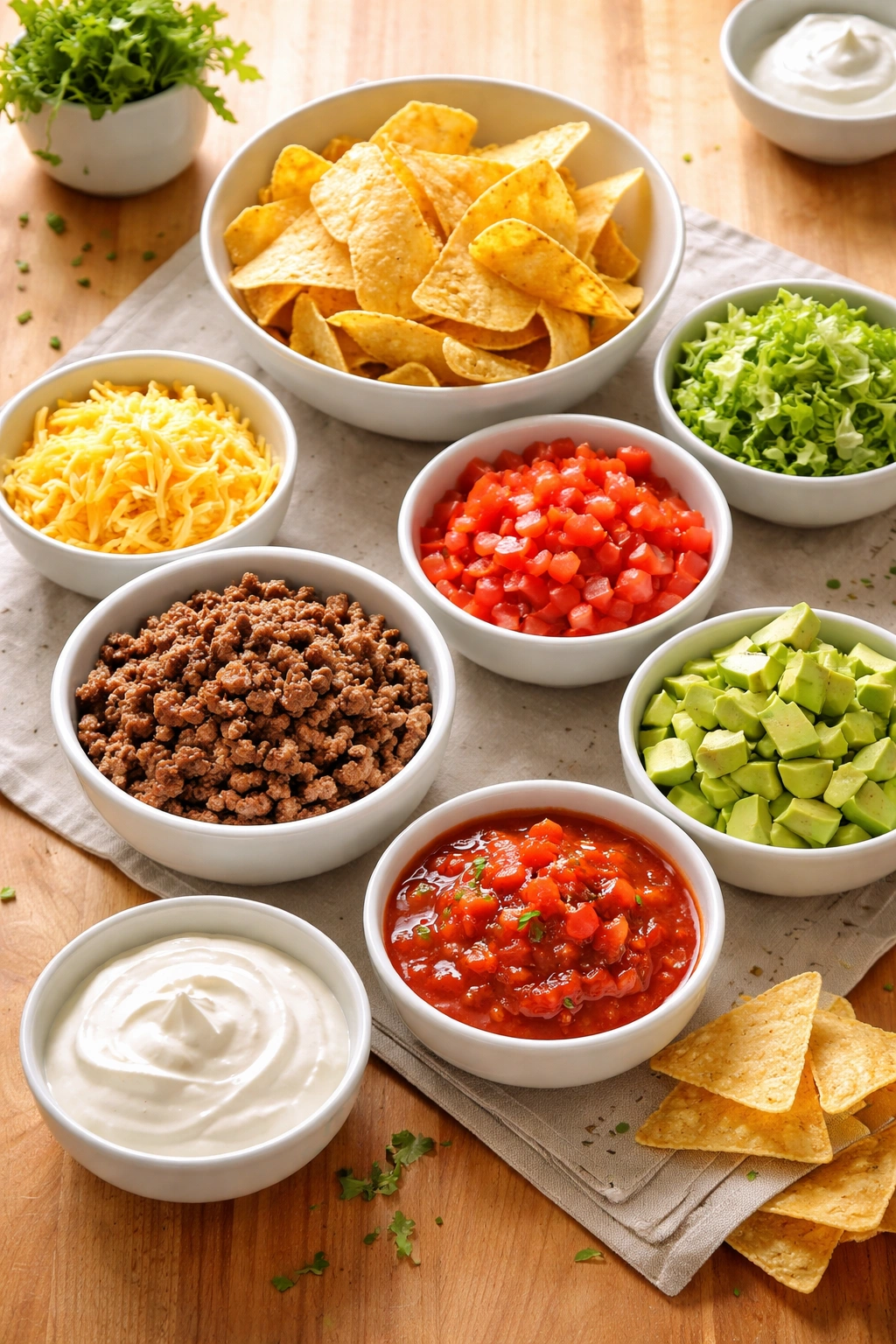
Deconstructed meals—where each component arrives separately and your child assembles what appeals to them—dramatically reduce mealtime conflict with picky eaters. Taco bowls work brilliantly because they’re completely customizable, visually appealing, and appeal to toddlers’ desire for autonomy without requiring any actual cooking skill on their part.
Setting Up the Components
Cook ground beef or turkey with mild taco seasoning—keep the heat level very low for toddlers, or skip the heat entirely and focus on savory flavors. In separate small bowls, arrange shredded cheddar cheese, finely shredded lettuce, diced tomato (seeds removed so it doesn’t get watery), diced avocado or guacamole, and mild salsa. Add a small bowl of sour cream and a basket of small tortilla chips or taco shells.
The Appeal of Deconstructed Format
When food arrives deconstructed, your child sees exactly what’s included and can make informed decisions about what to eat. A picky eater who would reject a traditional taco might happily eat cheese, meat, and tortilla chips separately, then accidentally create a taco in the process. The psychological difference is significant.
Customization for Different Preferences
Some toddlers want to build actual tacos. Others prefer to eat each component separately. Some will mix everything together in a bowl and eat it with a spoon. All of these approaches are equally valid. Your only job is presenting the components and allowing your child to decide how to approach them.
Make-This-Earlier Strategy
Prepare the seasoned meat earlier in the day and reheat it gently. Chop all vegetables ahead of time and store them in separate containers. When dinnertime arrives, you’re simply warming the meat and arranging everything on the table—no cooking required at the last minute.
8. Creamy Buttered Noodles
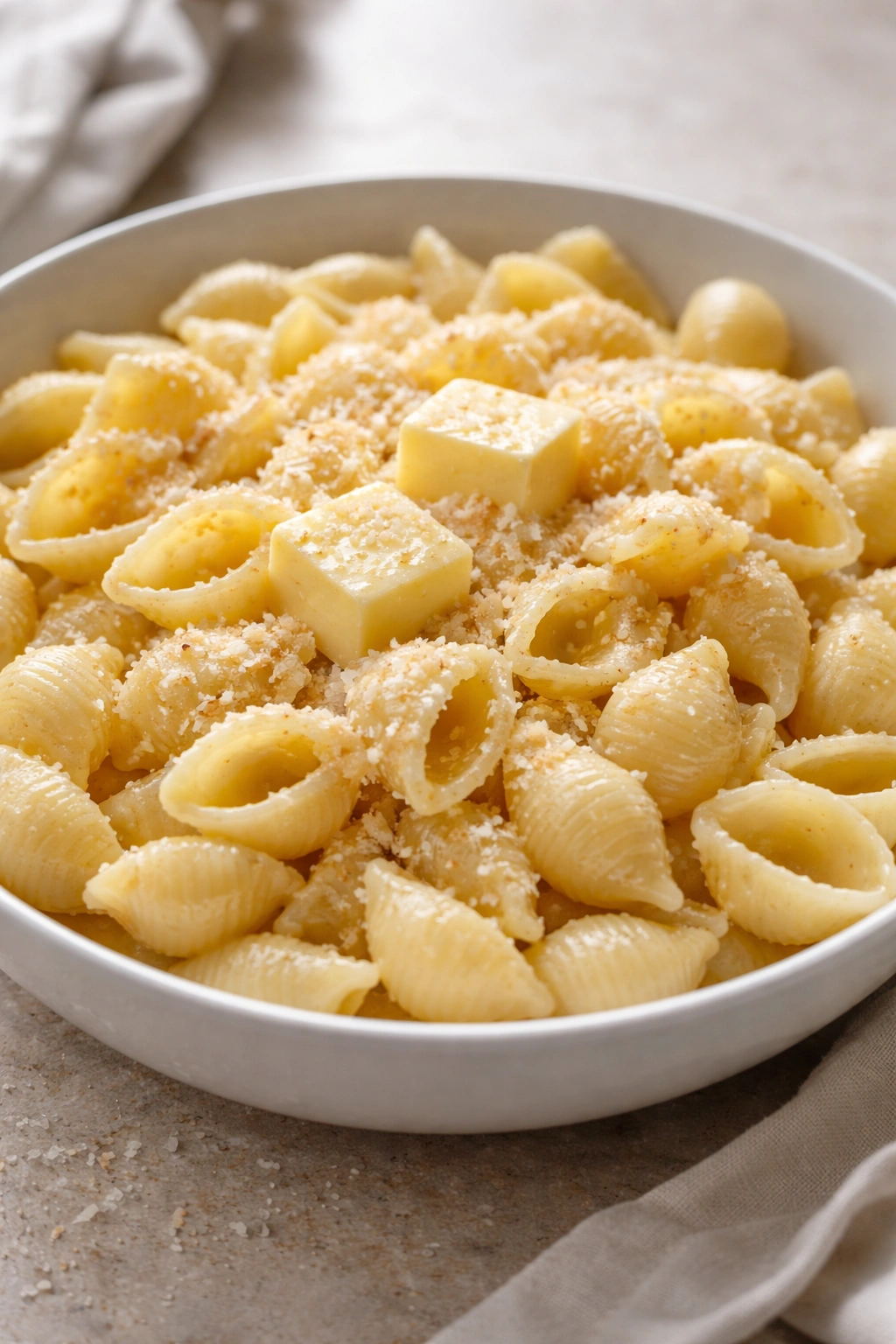
Sometimes picky eaters need meals that are unflinchingly simple. Buttered noodles—perfectly cooked pasta tossed with good butter, a small amount of grated Parmesan, and salt—deliver exactly what they promise without complication. This meal works especially well on nights when your child is overtired, overstimulated, or just genuinely not interested in complex flavors.
The Science of Perfect Buttered Noodles
Use pasta that holds sauce well: shapes like shells, bows, or tubes rather than long strands. Cook it until it’s tender but still maintains slight firmness. Drain it thoroughly—excess water will dilute the butter and make the dish less flavorful. Immediately toss the hot pasta with cold butter cut into small pieces, grated Parmesan, and salt. The residual heat from the pasta melts the butter and creates a light coating rather than a heavy sauce.
Why This Works for Picky Eaters
Buttered noodles are one of the few meals that genuinely cannot be rejected on the basis of “too complicated” or “weird texture.” The pasta is familiar, the butter is something most toddlers enjoy, and there’s no hidden nutrition or vegetables to trigger suspicion. This meal is honest and straightforward, which has surprising appeal.
Elevating Without Overcomplicating
Add a small handful of finely minced fresh parsley if your child accepts herbs, or skip it entirely. Some families stir in a small amount of cream cheese for richness and extra protein. Others add peas so small your child barely notices them. The point is keeping changes minimal and optional—this meal works best when it’s genuinely simple.
Serving Strategy
Serve buttered noodles with a side of roasted vegetables or fresh fruit. The simplicity of the main dish allows your child to focus on exploring other foods without feeling pressured. Many toddlers will eat significantly more of their vegetable side when the main course isn’t demanding their complete attention.
9. Mini Frittatas with Cheese and Vegetables
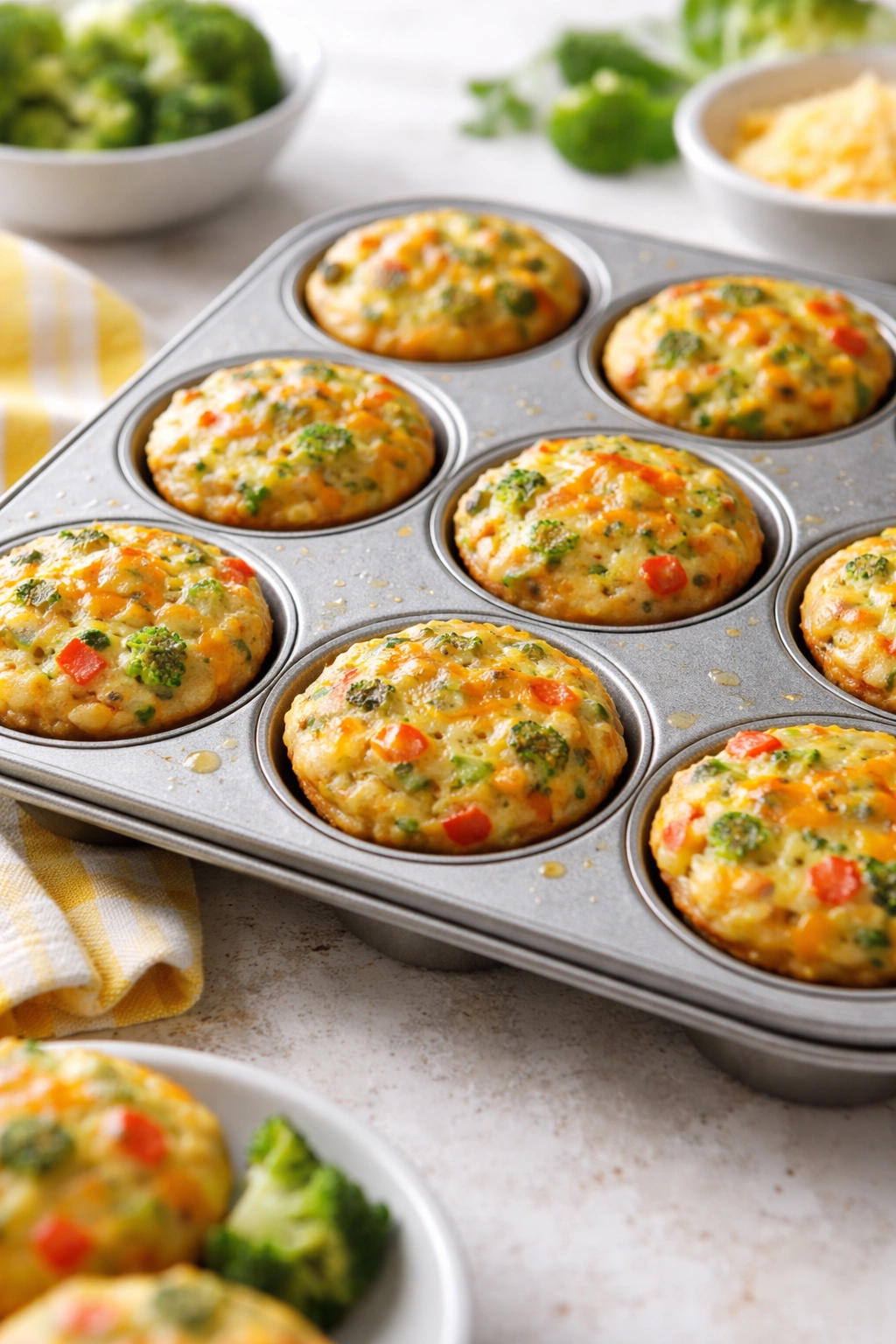
Frittatas represent one of the best-kept secrets in toddler feeding. They’re protein-dense, visually appealing, easy to eat with hands, make-ahead friendly, and genuinely delicious. Baking them in a muffin tin creates perfectly portioned individual servings that feel special and manageable.
The Basic Frittata Formula
Whisk together eggs with a splash of milk, salt, and pepper. Stir in shredded cheese—cheddar works beautifully—and finely minced or grated vegetables. Vegetables should be cut extremely small or grated so they blend seamlessly into the egg mixture. Pour the mixture into a greased muffin tin, filling each cup about three-quarters full. Bake at 350°F for about fifteen to eighteen minutes until the frittatas are set in the center and slightly golden on top.
Vegetable Choices That Work
Zucchini, bell pepper, and broccoli work beautifully when finely minced. Spinach—thawed and squeezed dry—blends in invisibly. Mushrooms, when finely chopped, become completely undetectable. The goal is vegetables so small they’re part of the texture rather than distinct items your child can identify and reject.
Why Mini Frittatas Appeal
They’re the right size for toddler hands. They’re sturdy enough to pick up and eat without falling apart. They look like actual food rather than something suspicious or strange. And they’re different enough from standard meals to feel special without being weird.
Storage and Serving
Bake a full batch, cool completely, and freeze in individual portions. You can grab one, reheat it in the microwave for thirty seconds, and serve it alongside fruit and toast. This makes frittatas exceptional for busy mornings or when you need a quick protein-based meal. They’re equally good hot or at room temperature.
10. Salmon Patties with Roasted Vegetables
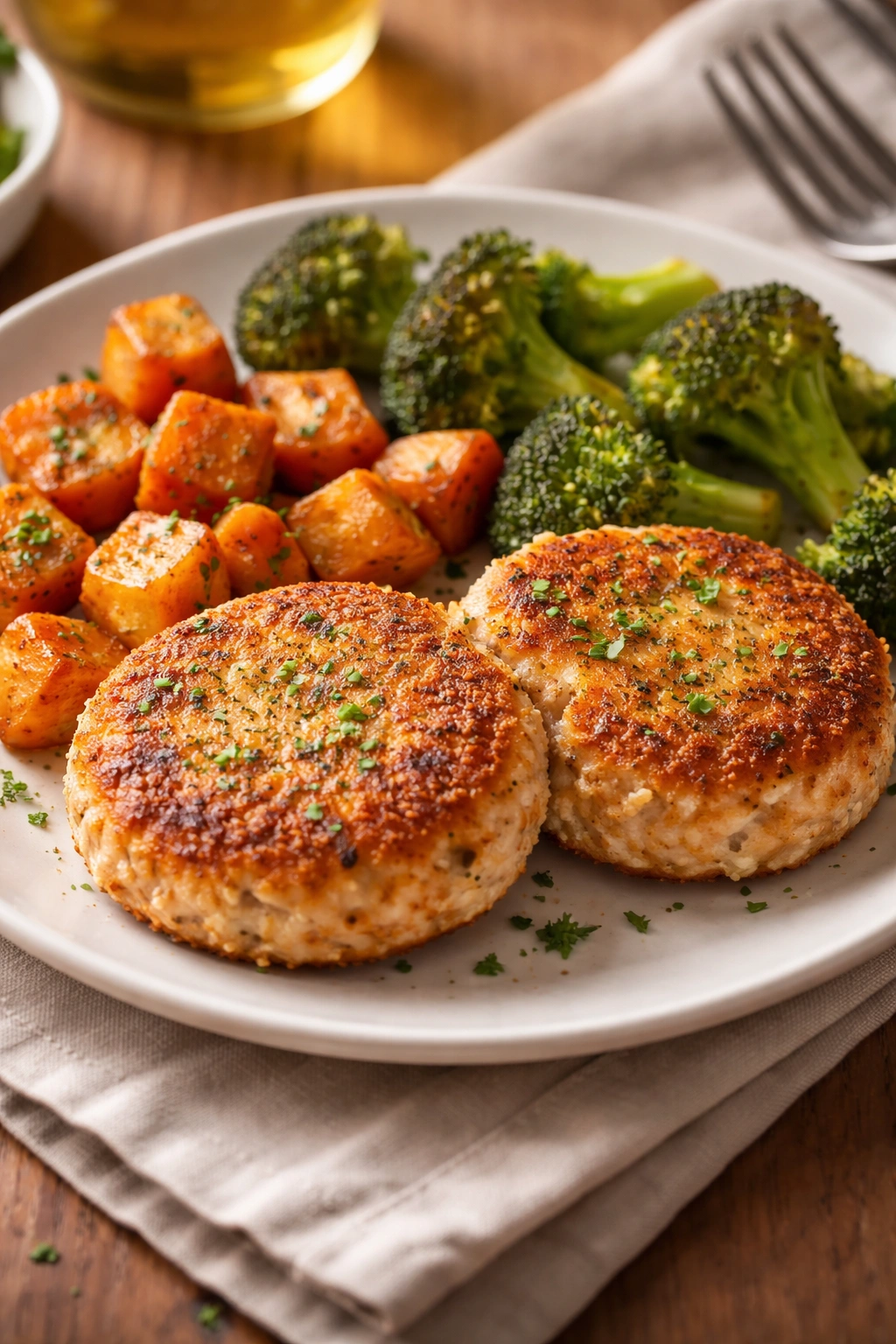
Salmon represents a nutritional powerhouse—it’s rich in omega-3 fatty acids crucial for brain development, protein, and various vitamins. But serving straight salmon fillet can feel intimidating to picky eaters because of the texture and the “fishiness.” Forming it into patties makes it less threatening while maintaining all the nutritional benefits.
Making Salmon Patties That Don’t Taste Fishy
Canned salmon (use the kind with bones for extra calcium—they’re soft and completely edible) works perfectly. Drain it thoroughly, then combine with panko breadcrumbs, beaten egg, a tiny bit of minced onion or garlic (optional), and salt. Form into small patties about the size of your palm. The breadcrumb coating mutes the salmon flavor significantly while creating a familiar texture.
Cooking Method
Pan-fry these patties in a small amount of coconut oil or butter over medium heat until both sides are golden brown and crispy. The exterior should be crunchy while the interior stays moist. This crispiness appeals to toddlers in a way that soft salmon never would.
Building a Complete Meal
Serve salmon patties with roasted vegetables—sweet potato, broccoli, and carrot cook beautifully together and arrive at the table soft and naturally sweet. Add rice or small pasta on the side. This combination delivers complete nutrition without requiring your child to navigate multiple complicated textures on the same plate.
Freezing Advantage
Make patties in advance, freeze them uncooked, and pan-fry them directly from frozen, adding a few extra minutes to the cooking time. This makes salmon patties accessible even when you haven’t planned ahead.
Key Takeaways for Success

The meals in this list share common characteristics that make them work across most picky eaters. They’re visually appealing and appropriately sized. They contain at least one familiar ingredient your child recognizes and trusts. They’re foods you can actually make without significant stress, because feeding a picky eater is manageable only when you’re not simultaneously stressed about complicated cooking.
Most importantly, these meals respect the reality that toddlers have legitimate food preferences. You’re not tricking them into nutrition or disguising their food in ways that feel dishonest. You’re simply serving meals that genuinely appeal to them while delivering the nutrients their growing bodies need. That’s the real secret to successful picky eater feeding—not elaborate tricks, but honest, delicious food served with patience and confidence that your child will eventually expand their preferences.
The meals that work best are the ones you serve repeatedly, with confidence, without commentary or pressure. Serve these dishes regularly, allow your child to explore them at their own pace, and trust that exposure combined with your own calm, positive relationship with food will gradually expand their comfort zone. You’re not just feeding your toddler dinner tonight—you’re shaping their relationship with eating for years to come.
