



There’s something almost magical about firing up the grill and gathering friends and family around smoky, charred food cooked over an open flame. Whether you’re hosting your first cookout of the season or looking to break out of your usual burger-and-hot-dog routine, having a solid lineup of tried-and-true BBQ recipes makes all the difference between a memorable gathering and a forgettable one. The recipes that earn their place at the table are the ones that balance impressive flavor with genuine ease—dishes that don’t require you to be a pitmaster to pull off beautifully.
The recipes we’re diving into span everything from classic grilled meats with sophisticated glazes to creative vegetable preparations and unexpected protein choices that’ll have your guests asking for the recipe. Each one has been selected because it delivers bold, satisfying flavor without demanding hours of prep or constant attention at the grill. More importantly, they’re the kinds of dishes that work just as well for a casual weeknight meal as they do for a backyard gathering of twenty people.
What makes these BBQ recipes special isn’t just the final plated result—it’s the entire experience of cooking outdoors. The char on the exterior, the smoky aroma drifting across the yard, the simplicity of one-step cooking that somehow tastes incredibly complex. You’ll notice that many of these recipes rely on marinades, dry rubs, and glazes that do the heavy lifting flavor-wise, meaning you can prep everything ahead and focus on enjoying the company when guests arrive.
Let’s explore twelve proven BBQ recipes that transform your next cookout from ordinary to unforgettable.
1. Korean-Style Grilled Short Ribs with Soy-Ginger Glaze
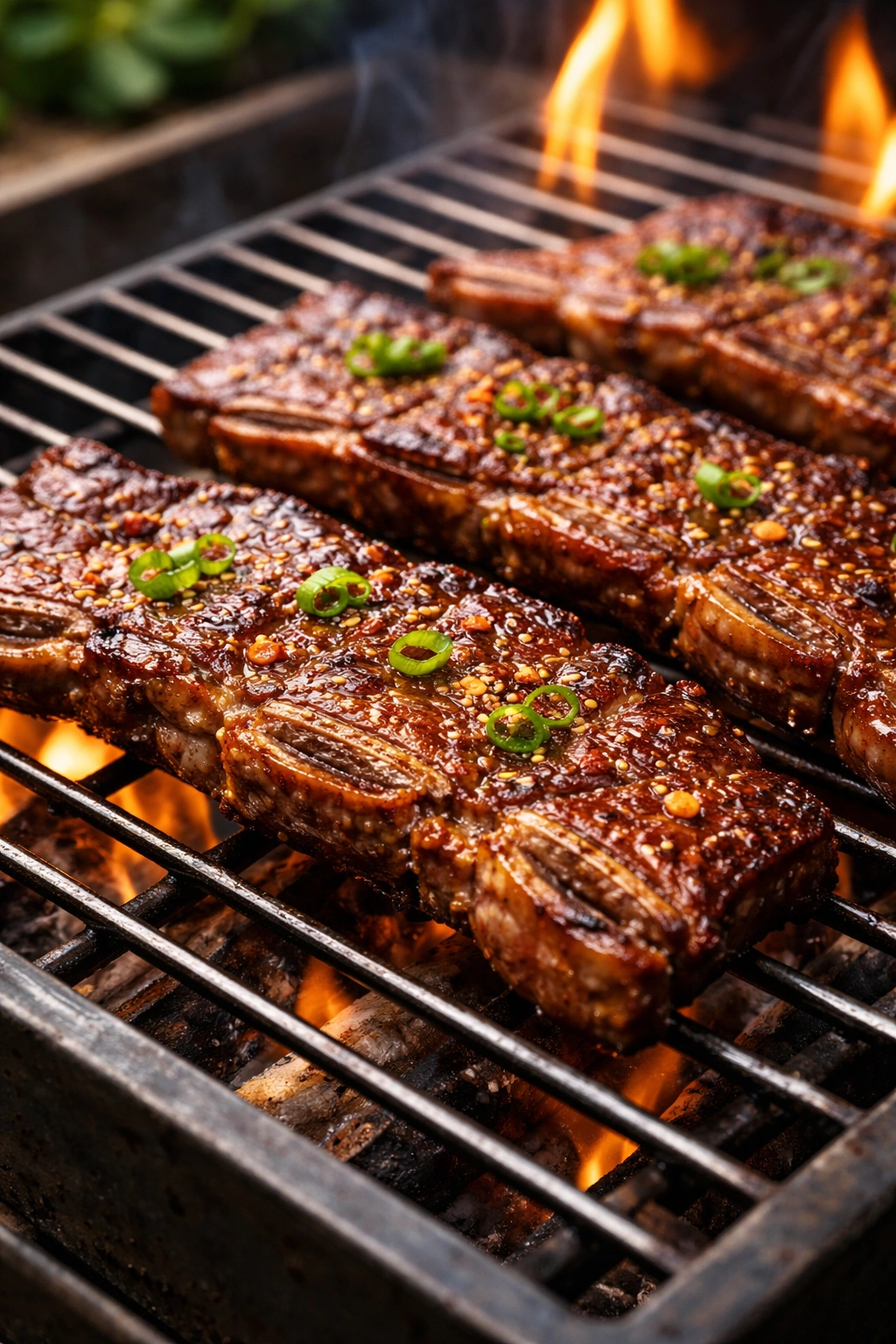
Short ribs are the kind of cut that rewards slow, careful attention, and the beauty of this Korean-inspired version is that you can marinate them hours ahead, then finish them with a sticky glaze that caramelizes beautifully over the flames. The combination of soy sauce, ginger, garlic, and a touch of brown sugar creates an umami-forward profile that tastes like it took all afternoon to develop, when really the active cooking time is less than twenty minutes once the ribs hit the grill.
Why This Recipe Stands Out
Korean short ribs (galbi-style) are butterflied thin, which means they cook quickly and develop a gorgeous caramelized crust while staying tender inside. The marinade penetrates deeply due to the thinness of the cut, and the high sugar content in the glaze means you get that restaurant-quality char and shine that looks absolutely stunning when plated. These ribs have real visual impact and deliver complex flavor that seems way more complicated than it actually is.
Key Components to Master
- The marinade: Soy sauce, brown sugar, ginger, garlic, sesame oil, and a splash of rice vinegar create the base that makes these ribs memorable
- The glaze: A reduced version of the marinade that you brush on during the last few minutes of grilling creates the signature sticky coating
- Grill temperature: Medium-high heat is essential so the exterior chars without the interior drying out
- Timing: Each side typically needs 4-5 minutes once you’ve marinated the ribs for at least 4 hours (or overnight)
Pro tip: Don’t skip the sesame seeds and sliced scallions as a garnish—they add textural contrast and elevate the finished dish from good to restaurant-worthy.
2. Chimichurri-Marinated Grilled Steak with Charred Onions
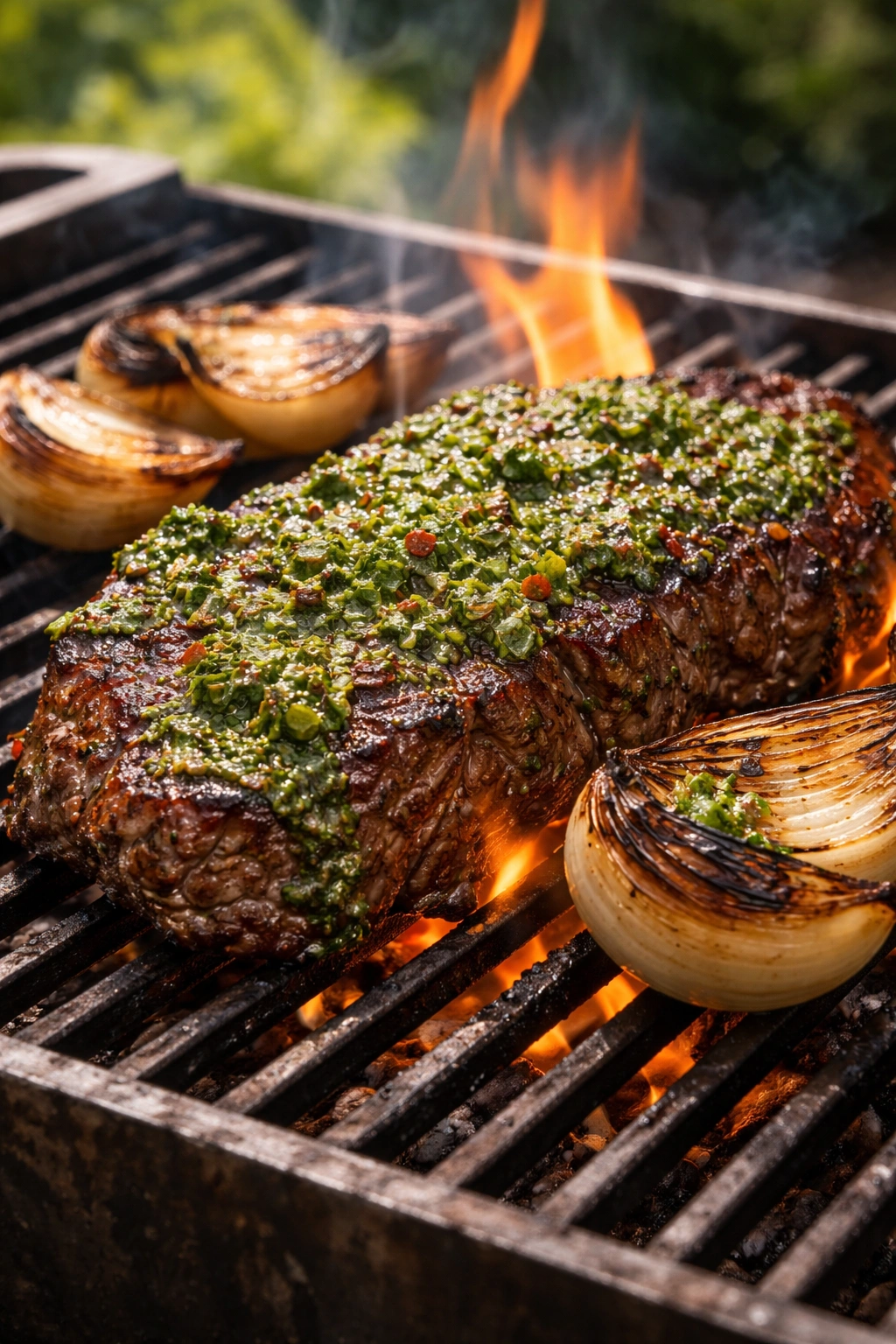
Chimichurri is an Argentine staple for a reason—this vibrant herb sauce with garlic, vinegar, and oil is basically liquid flavor that transforms any cut of beef into something memorable. The magic happens when you use the same chimichurri both as a marinade and as a finishing sauce, creating layers of herbal intensity that only get better when the steak hits high heat and develops that crucial crust.
What Makes It Special
Steak cooked over direct high heat develops a flavorful crust through the Maillard reaction, while the marinade helps tenderize the meat and keeps it juicy. Chimichurri is particularly brilliant here because the high vinegar content acts as a tenderizer while the herbs add brightness that cuts through the richness of the beef. When you finish the steak with a drizzle of reserved chimichurri right off the grill, you’re adding a fresh, herbaceous element that prevents the dish from feeling heavy.
Essential Technique Points
- Fresh herbs matter: Use a blend of parsley, oregano, and cilantro—the freshness is what defines chimichurri
- The marinade: At least 2-3 hours, though overnight is ideal for deeper flavor penetration
- Temperature control: Get your grill screaming hot (500°F+) for that perfect sear
- Resting: Let the steak rest 5 minutes after grilling so the juices redistribute throughout the meat
- Charred onions: Slice thick onion planks, brush with oil, and grill alongside the steak for a complementary side
Worth knowing: Making chimichurri in a food processor takes just 2 minutes, but you can also finely chop everything by hand for a more rustic, chunky texture that many prefer.
3. Honey Chipotle Glazed Ribs with Apple Wood Smoke
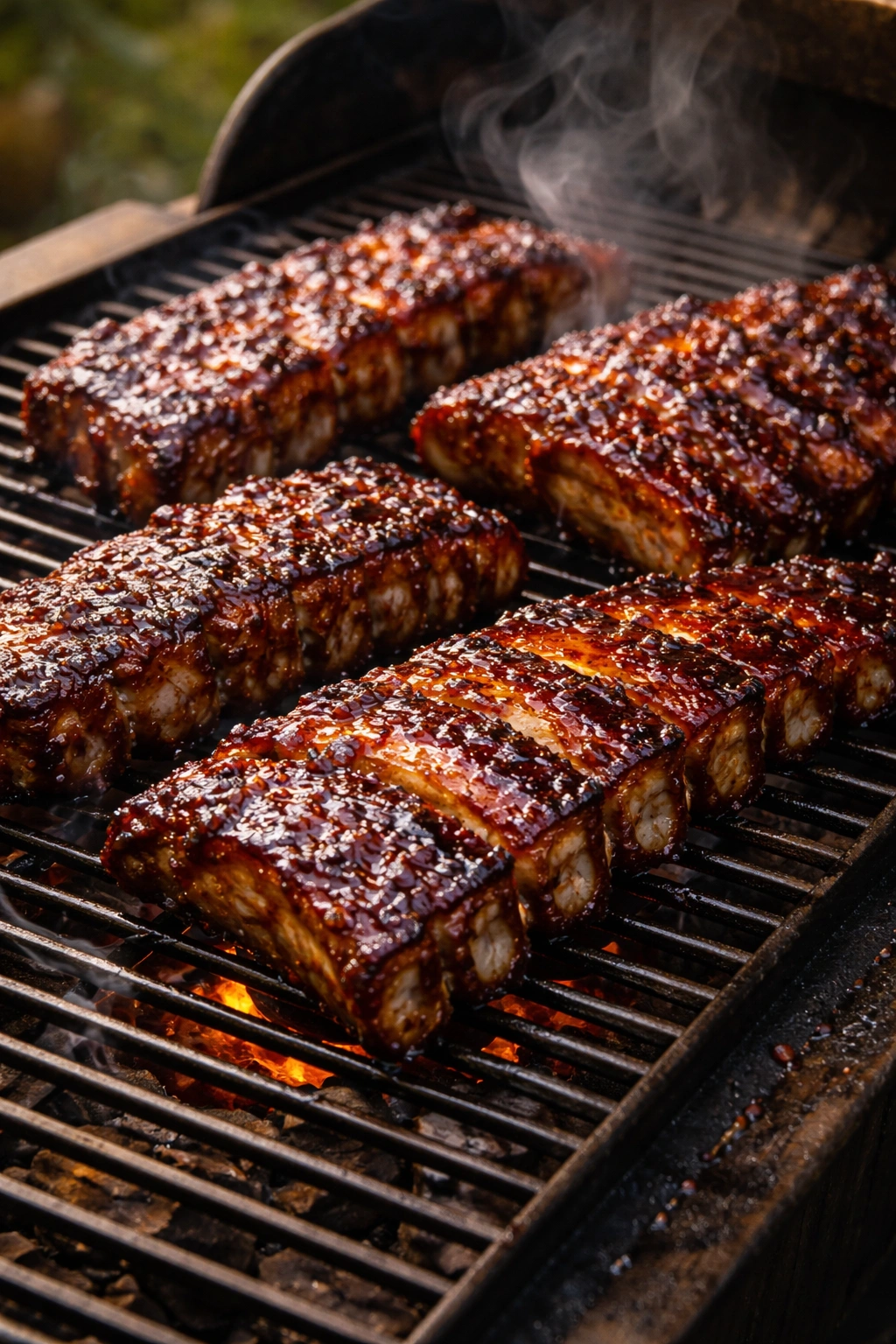
These ribs sit in that perfect sweet-and-spicy zone where the heat from chipotle peppers is balanced by the mellow sweetness of honey and a touch of apple butter. What makes this version sing is the combination of a dry rub applied before grilling and a glaze brushed on during the final minutes—this two-step approach creates a textured, caramelized exterior that pulls away from the bone easily while staying moist inside.
The Science Behind the Flavor
Chipotle peppers are jalapeños that have been smoked and dried, so they bring both heat and a subtle smokiness that pairs beautifully with the natural smoke from your grill. Honey and brown sugar caramelize at high temperatures, creating that gorgeous glaze, while vinegar adds balance and helps break down the meat’s connective tissues. The dry rub creates a flavorful bark (the browned exterior) before the glaze goes on, giving you multiple layers of taste and texture.
Mastering Ribs on the Grill
- Prep work: Remove the membrane from the back of the ribs by sliding a butter knife underneath and peeling it away
- The dry rub: Brown sugar, paprika, chili powder, garlic powder, and a pinch of cayenne creates the foundation
- Low and slow: Cook ribs over indirect heat (not directly over flames) for 2.5-3 hours, maintaining 225-250°F
- When to glaze: Apply the honey-chipotle glaze in the final 15-20 minutes to avoid burning the sugars
- The bend test: Ribs are done when they bend easily and the meat pulls away from the bones with gentle pressure
Insider note: If you’re short on time, you can pre-cook ribs in a low oven at 275°F for 1.5 hours, then finish them on the grill with the glaze—this ensures tender meat while still capturing that grilled flavor and appearance.
4. Cedar Plank Grilled Salmon with Lemon-Dill Butter
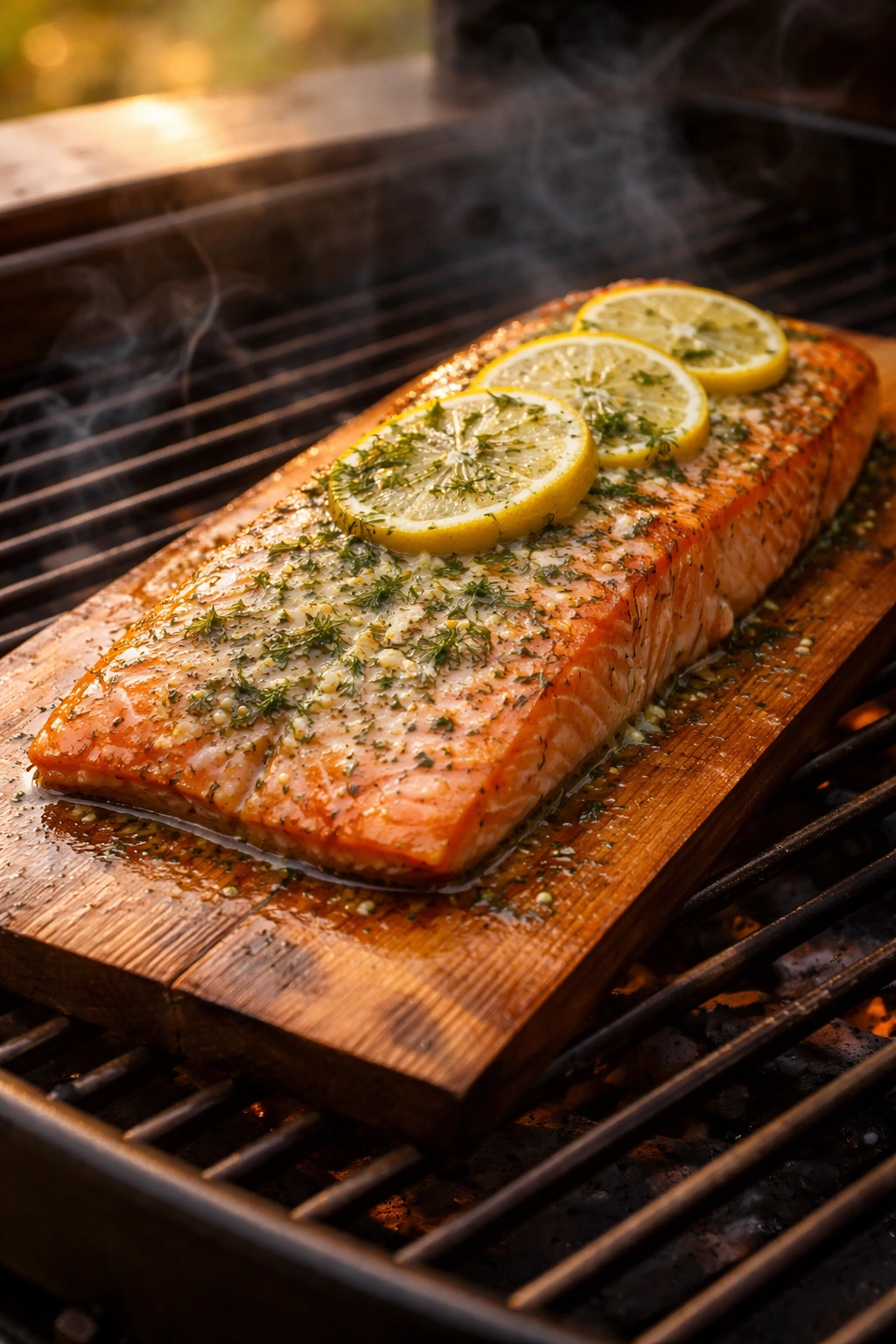
Cedar plank grilling is one of those techniques that looks impressive but is actually nearly foolproof, and salmon is the ideal protein for this method since its natural oils prevent it from drying out. The cedar plank imparts a subtle woody flavor while creating a gentler cooking environment than direct flame, resulting in flesh that’s silky inside with just enough browning on the exterior to look beautiful.
Why Cedar Plank Grilling Works
The soaked wood creates steam around the salmon while slowly infusing it with flavor, and the plank acts as insulation between the delicate fish and intense direct heat. Cedar specifically has a mild, pleasant flavor that complements salmon without overpowering it. This method is particularly forgiving because it’s nearly impossible to dry out the fish—the moist environment keeps everything tender even if you go a few minutes longer than intended.
Cedar Plank Success Formula
- Soaking: Always soak your cedar plank for at least 2 hours (4 is better) so it steams rather than burns
- Prep: Place the plank on the grill over indirect heat for 2-3 minutes to preheat it
- Temperature: Grill at 400°F—you’ll hear the wood begin to crackle and smoke when it’s ready for the fish
- Timing: A 1.5-inch thick salmon fillet takes 12-15 minutes
- Flavor additions: Lemon slices, fresh dill, and thin butter slices placed on top of the salmon create an aromatic, self-basting effect
Quick tip: Buy food-grade cedar planks online or at specialty stores—don’t use decorative lumber or untreated wood, which may contain harmful chemicals.
5. Spicy Thai-Inspired Grilled Chicken Thighs with Coconut-Curry Marinade
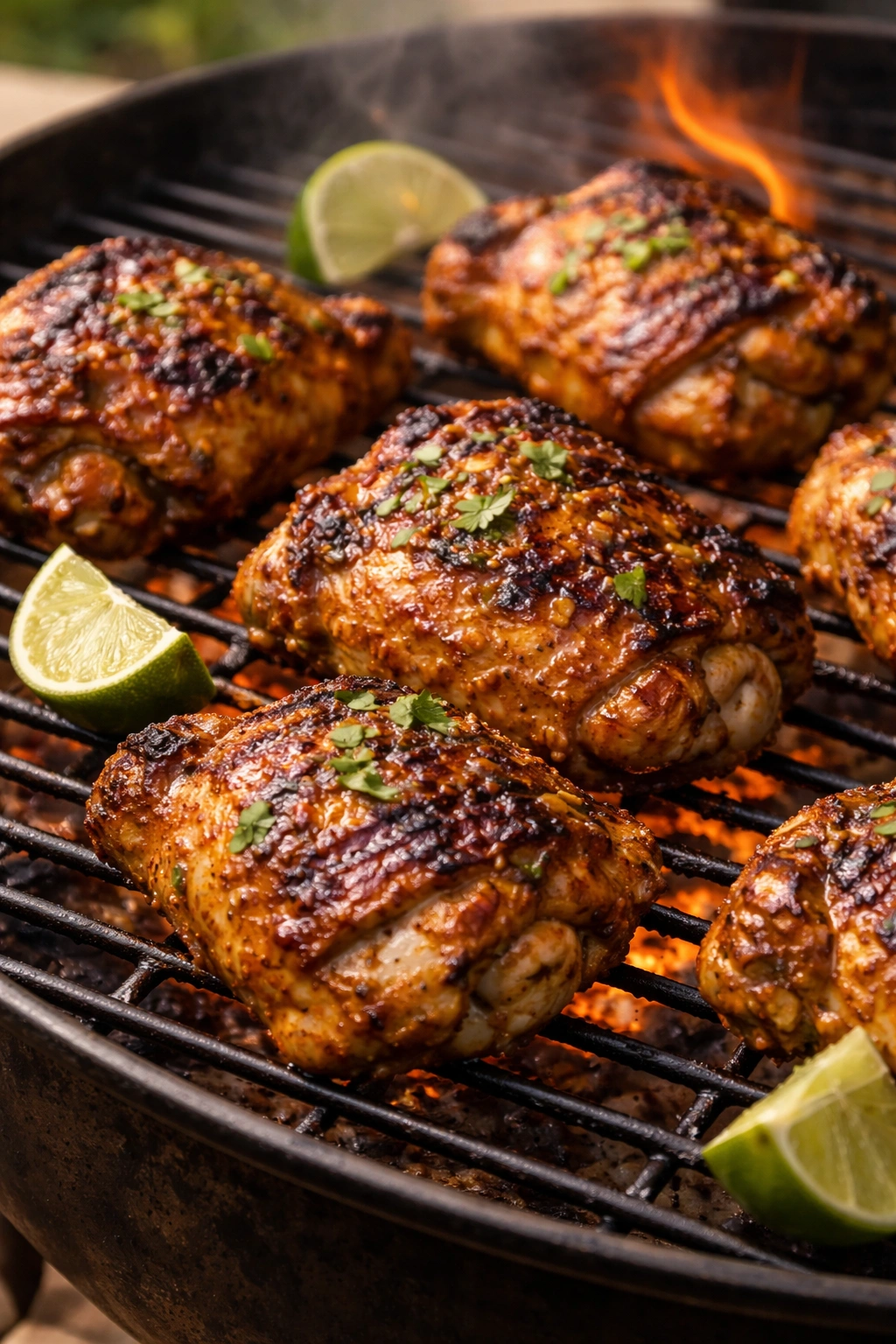
Chicken thighs are the grilling MVPs because they stay juicy even if you slightly overcook them, and they develop incredible caramelization thanks to their higher fat content. This Thai-inspired marinade combines coconut milk, red curry paste, lime juice, and fish sauce—an umami powerhouse that creates complexity without requiring multiple components or complicated techniques.
The Chicken Thigh Advantage
Bone-in, skin-on thighs are ideal for the grill because the skin crisps up beautifully while the meat beneath stays impossibly tender. The fat ratio means you get a forgiving window for doneness—anything from 160°F to 175°F internal temperature will be delicious, whereas chicken breasts become dry if you’re even a few degrees over. Dark meat also absorbs marinades more effectively than white meat, so the flavors penetrate deeper.
Building This Marinade
- The base: Coconut milk provides richness and helps carry fat-soluble flavors like red curry paste
- The kick: Red curry paste brings both heat and complexity with its blend of chilies, garlic, and spices
- The acid: Lime juice and fish sauce add brightness and savory depth
- Marination time: 4-6 hours minimum, though overnight is ideal for maximum flavor
- Grill setup: Medium-high heat with a slightly cooler zone to prevent charring while ensuring thorough cooking
Flavor hack: Reserve a portion of the marinade before adding raw chicken, then use it as a finishing sauce drizzled over the cooked thighs—this adds fresh flavor without food safety concerns.
6. Coffee-Rubbed Beef Brisket with Red-Eye Barbecue Sauce
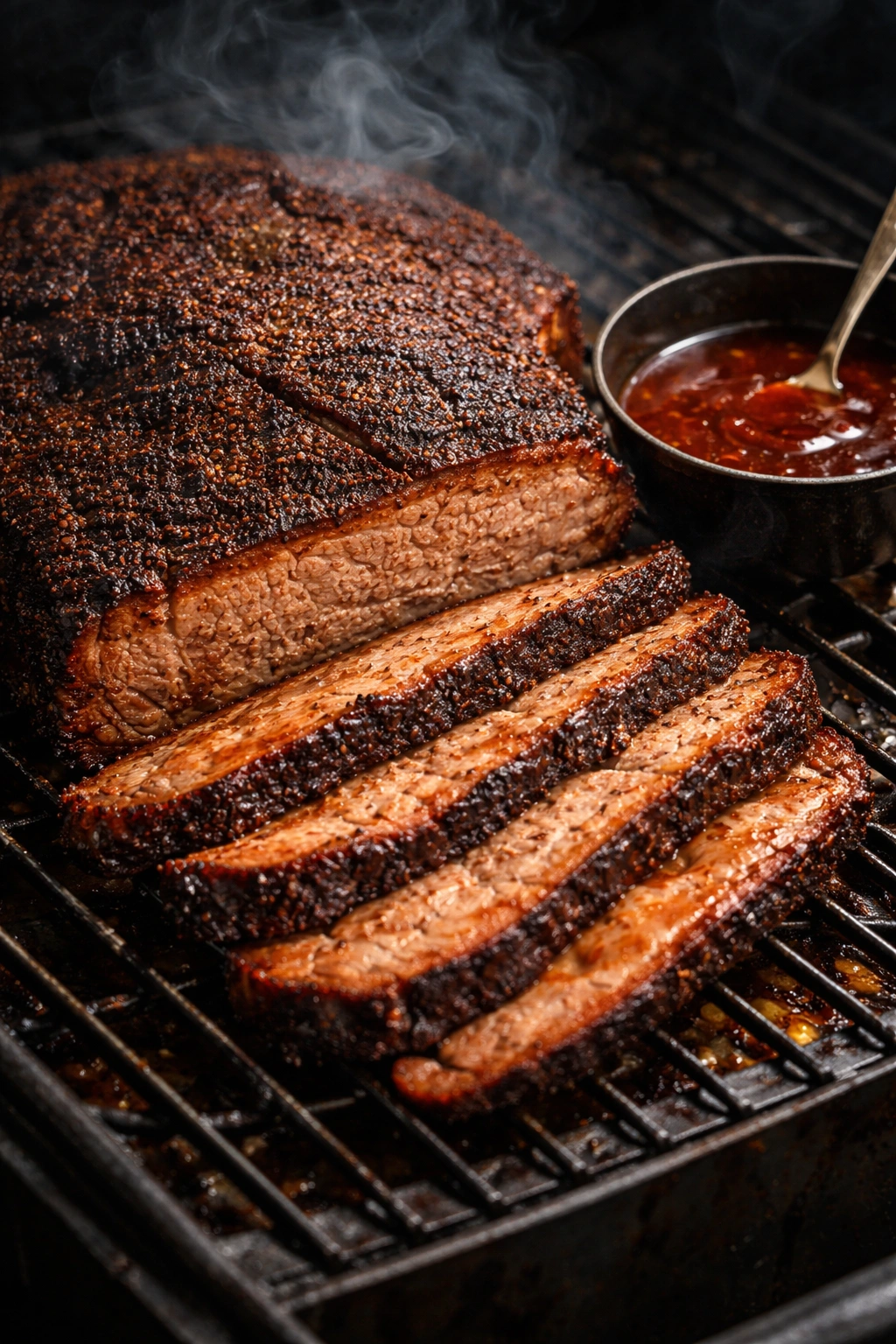
Brisket is the ultimate low-and-slow barbecue project, and while it requires patience, the actual hands-on work is minimal. The coffee rub might seem unusual, but the depth and bitterness of espresso powder actually enhances beef flavors while adding complexity that makes people pause and ask what that mysterious note is. The red-eye sauce—made with brewed coffee, ketchup, and spices—doubles down on this flavor profile in the best way.
Understanding Brisket
Brisket is a tough cut from the breast of the cow that becomes incredibly tender only when cooked low and slow, which breaks down the collagen into gelatin. This transformation typically takes 8-12 hours depending on the size and temperature maintained. The payoff is meat so tender it literally falls apart, with a deeply smoky flavor from hours of exposure to smoke and heat.
The Brisket Process
- Trimming: Trim the fat cap down to about 1/4 inch for better smoke penetration and rub adhesion
- The rub: Coffee, brown sugar, chili powder, paprika, garlic, and cayenne create a complex, savory crust
- Temperature: Maintain 225-250°F throughout the cook—consistent low heat is more important than exact temperature
- Wrapping: After about 6 hours when bark develops, wrap in foil with a little beef broth to speed the cooking process
- The stall: Expect a plateau where internal temperature stops rising—this is normal and takes 1-2 hours
Essential knowledge: Brisket is done when a meat thermometer inserted into the thickest part slides through like butter with minimal resistance, typically around 205°F internal temperature.
7. Grilled Fish Tacos with Mango-Habanero Salsa and Avocado Crema
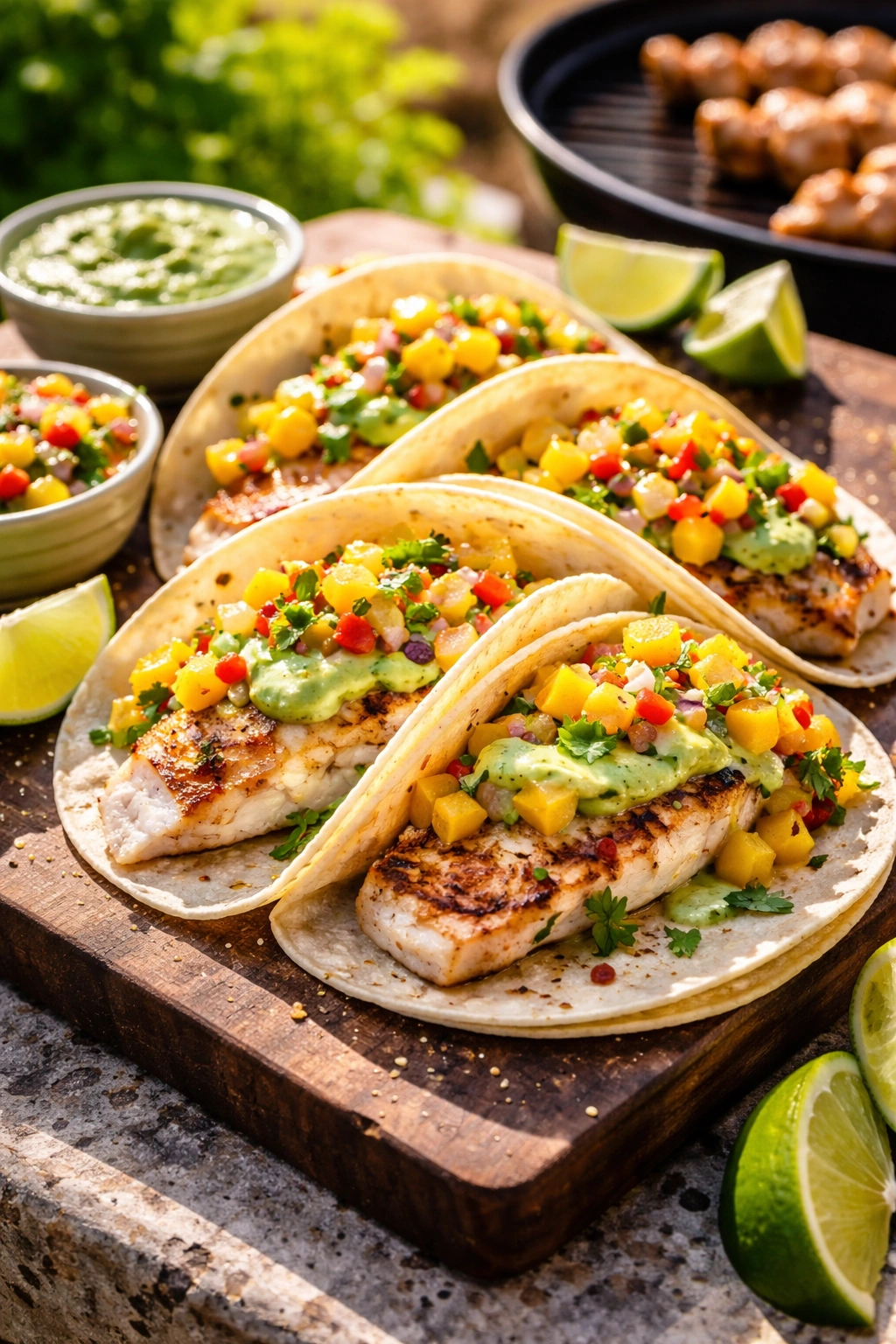
Fish tacos are the definition of a lighter grilled dish that still satisfies completely, and they’re one of the few recipes that actually taste better cooked quickly and simply. Firm white fish like mahi-mahi or snapper holds together beautifully on the grill, and the real stars here are the fresh, bright accompaniments—a spicy-sweet mango salsa and a cooling avocado crema that balance each other perfectly.
Choosing Your Fish
White fish fillets with firm flesh are essential because delicate fish will fall apart on the grill. Mahi-mahi, snapper, halibut, and sea bass all work wonderfully. You want fillets that are roughly the same thickness (about 1 inch) so they cook evenly. Ask your fishmonger for fillets that are fresh and never frozen, and cook them the same day you buy them.
Building the Taco Components
- The fish: Simply season with salt, pepper, cumin, and a squeeze of lime—let the fish shine
- Grill technique: Oil the grates well, then cook skin-side down first for 3-4 minutes, then flip carefully
- Mango salsa: Diced fresh mango, habanero (seeded for less heat), red onion, cilantro, lime juice
- Avocado crema: Blend ripe avocado, sour cream, lime juice, garlic, and cilantro into a smooth sauce
- Warm tortillas: Grill them lightly just before serving so they’re pliable and have char marks
Pro tip: Use a fish spatula (that thin, wide-bladed tool) specifically designed for fish—it makes flipping delicate fillets dramatically easier and less likely to fall apart.
8. Bourbon and Brown Sugar Glazed Bacon-Wrapped Meatloaf on the Grill
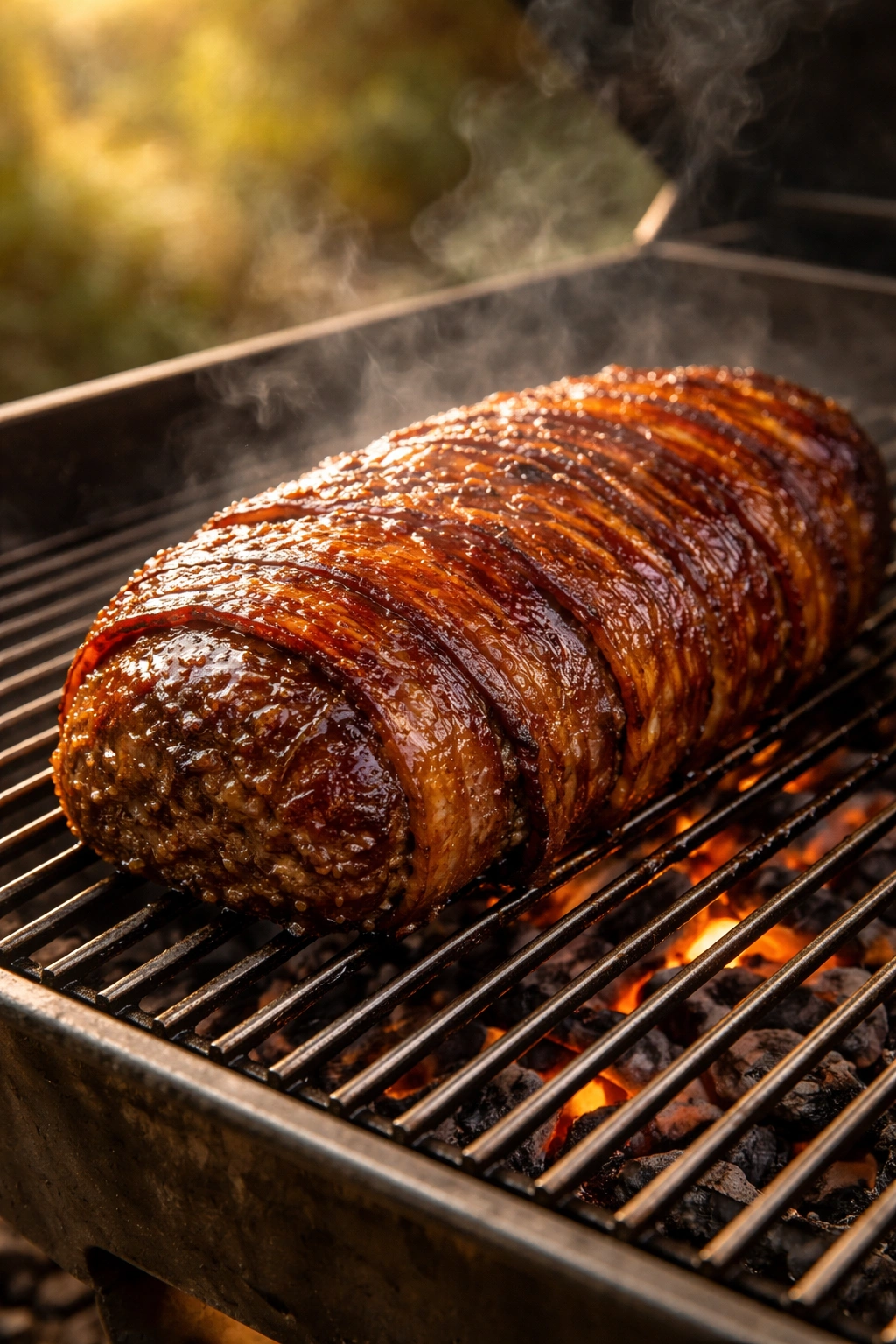
Meatloaf gets a completely new identity when cooked outdoors and draped in bacon, developing a caramelized exterior that’s impossibly good. This version features a bourbon-brown sugar glaze that creates a sticky, complex finish, and cooking it on the grill adds a subtle smokiness that elevates the whole dish far beyond what you’d get from an oven. It’s the kind of recipe that feels special even though it’s relatively simple.
Why Bacon-Wrapped Matters
Bacon adds fat that prevents the meatloaf from drying out while also creating crispy edges and infusing flavor throughout. The weaving pattern (bacon strips laid lengthwise over the loaf) ensures coverage while allowing the glaze to coat the sides. As the meatloaf cooks, the bacon renders, flavoring the meat and creating a protective layer that helps retain moisture.
The Meatloaf Foundation
- The mix: Combine ground beef (80/20 blend is ideal), breadcrumbs, egg, sautéed onion, and seasonings
- The shape: Pack loosely into a freestanding shape on the grill grate (no loaf pan needed), or use a grill-safe aluminum pan
- Temperature: Cook at 375°F over indirect heat for about 45 minutes to an internal temperature of 160°F
- The glaze: Bourbon, brown sugar, Dijon mustard, and Worcestershire sauce reduced into a glaze
- Application: Brush on during the final 10-15 minutes so it caramelizes without burning
Worth knowing: Cooking meatloaf directly on the grill without a pan requires a sturdy grill grate and careful attention—using an aluminum pan actually makes this easier and is completely acceptable.
9. Grilled Romaine Salad with Charred Lemon, Parmesan, and Anchovy Dressing
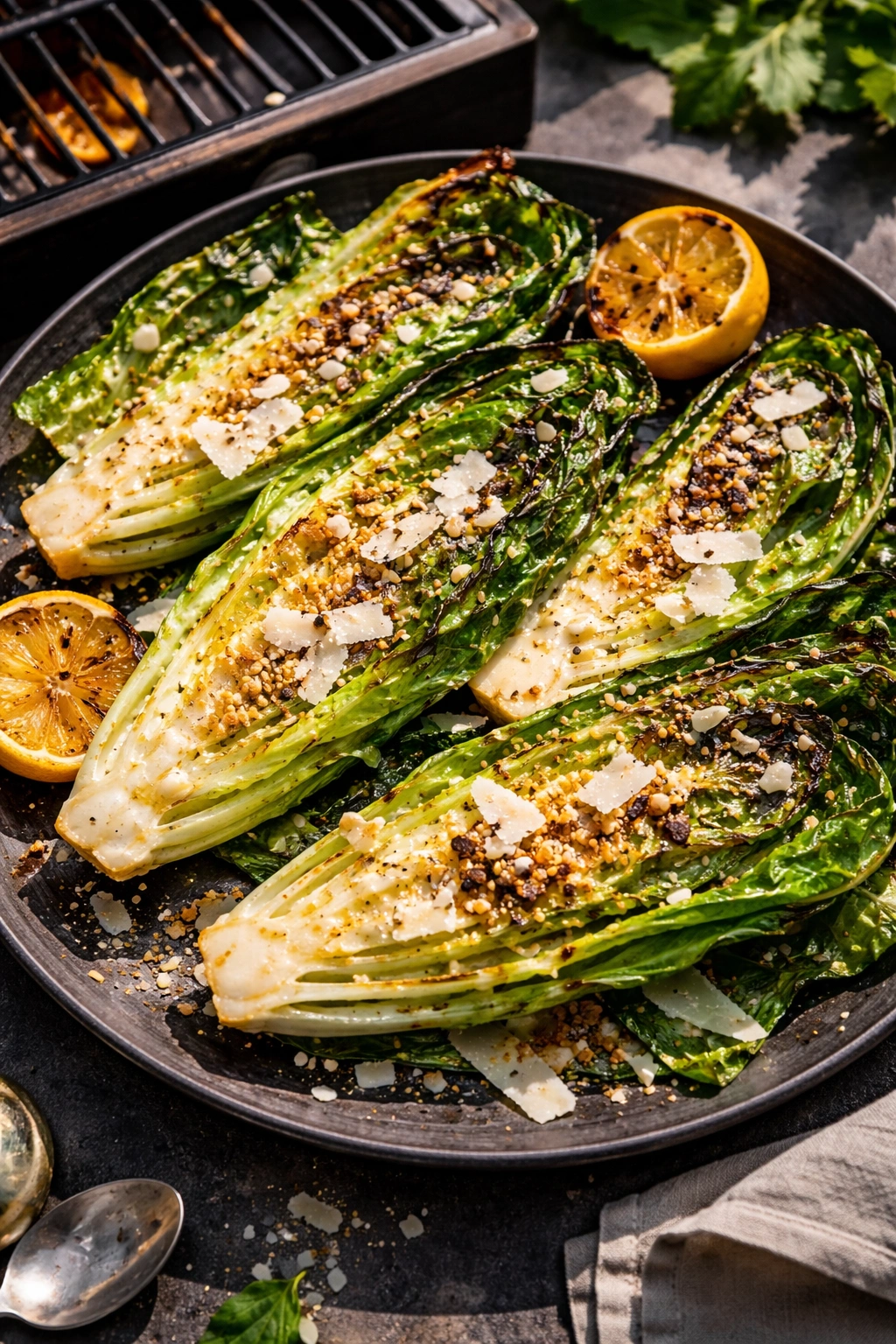
Grilling lettuce sounds counterintuitive until you taste the caramelized edges and wilted, tender leaves combined with a pungent anchovy dressing—it’s an elegant, surprising side that completely elevates a cookout. The high heat chars the outer leaves while the dense interior stays crisp, creating complex texture and developing subtle sweetness in the greens. This is the kind of side dish that makes guests stop and take notice.
The Magic of Grilled Lettuce
Romaine lettuce’s tight structure and sturdy leaves make it ideal for grilling—it won’t fall apart like more delicate lettuces. The heat causes the sugars in the leaves to caramelize slightly, developing a subtle sweetness that’s a revelation compared to raw romaine. The charred bits add bitterness that’s balanced beautifully by a rich, briny dressing.
Execution Details
- Prep: Halve romaine heads lengthwise, leaving the core intact to hold everything together
- Oil and season: Brush with olive oil, then season with salt and pepper before grilling
- Grill setup: Medium-high heat, grill cut-side down for 2-3 minutes until nicely charred, then flip and cook another minute
- The dressing: Classic Caesar-style with anchovies, garlic, lemon juice, Parmesan, and olive oil
- The charred lemon: Grill halved lemons alongside the romaine for a beautiful garnish and extra tang
Insider tip: Chilling the romaine heads in the refrigerator for 30 minutes before grilling actually helps them cook more evenly—the cold interior needs longer to heat through, giving you better texture contrast.
10. Grilled Lamb Kofta with Tahini-Yogurt Sauce and Grilled Vegetables
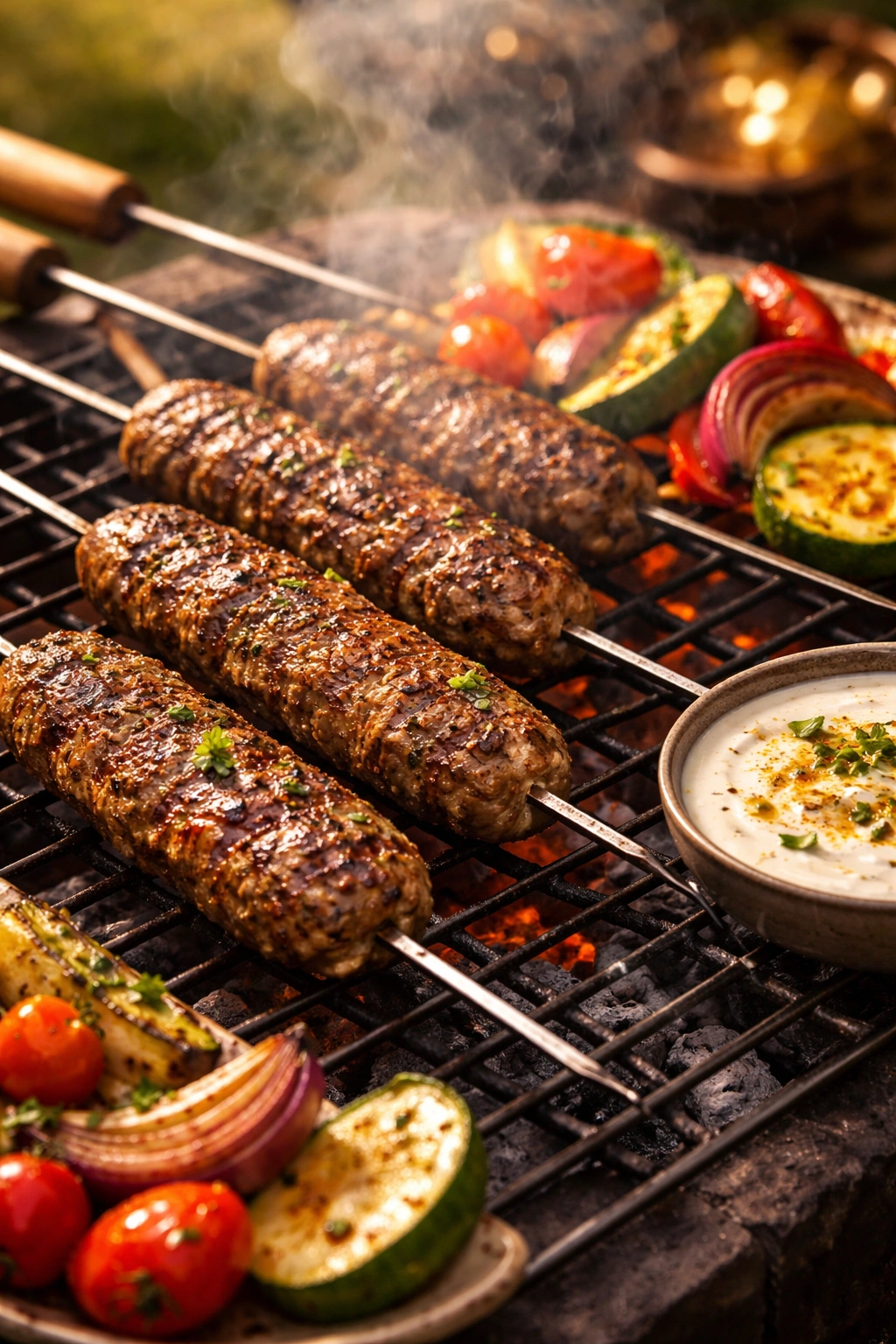
Lamb kofta—spiced ground lamb molded onto skewers—delivers bold, aromatic flavor that feels more restaurant-quality than backyard cookout. The combination of warm spices like cumin, coriander, and cinnamon creates an unexpectedly complex profile that works brilliantly with cooling yogurt sauce and charred vegetables. These cook quickly (about 10 minutes), so they’re perfect for feeding a crowd efficiently.
Spice Blend Breakdown
The kofta spice combination draws from Middle Eastern flavors: ground cumin, coriander, cinnamon, paprika, cayenne, and fresh mint create an aromatic blend that’s warm but not overwhelmingly hot. The cinnamon is the secret ingredient that catches people’s attention—it adds depth without tasting sweet. Fresh herbs mixed into the meat mixture (mint and parsley) add brightness that balances the warm spices.
Kofta Assembly and Grilling
- The meat: Ground lamb (fattier cuts like shoulder are ideal), with spices, finely minced onion, and herbs
- Molding: Firmly pack the mixture onto flat metal skewers—the firmer the better for holding together
- Refrigeration: Chill for at least 30 minutes so the mixture holds shape during grilling
- Grill technique: Medium-high heat, rotating every 2-3 minutes so all sides brown evenly
- Doneness: Cook to 160°F internal temperature for ground meat
- Sauce: Tahini, Greek yogurt, lemon juice, and garlic create a creamy, tangy accompaniment
Quick tip: Soak wooden skewers in water for at least 30 minutes before threading, or use metal skewers to eliminate burning concerns entirely.
11. Competition-Style BBQ Pulled Pork Sandwiches with Homemade Sauce
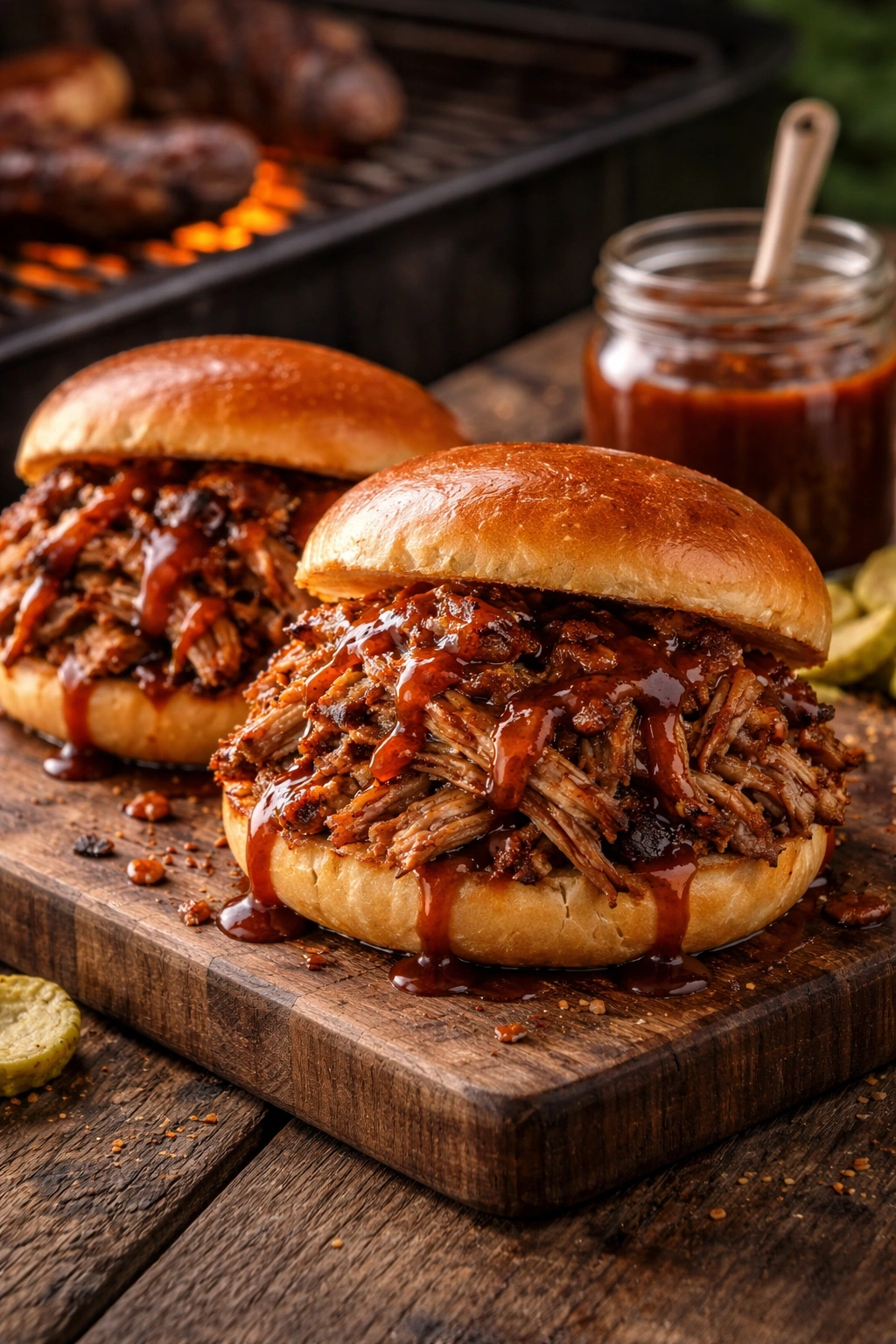
This is the recipe where you can actually taste why barbecue competitions exist—the rendered pork is impossibly tender, the bark (outer crust) has real textural interest, and the homemade sauce ties everything together with balance and complexity. Making pulled pork on a home grill requires planning and patience, but the actual technique is straightforward, and you’ll have enough meat to feed a crowd plus leftovers for other meals.
Understanding Pork Shoulder
Pork shoulder (also called pork butt, confusingly) is a heavily marbled cut perfect for low-and-slow cooking where the fat renders and keeps the meat moist. A 6-8 pound shoulder will feed about 10-12 people as the main course, and it actually improves slightly when rested and reheated, making it excellent for advance cooking.
The Low-and-Slow Process
- The rub: Brown sugar, paprika, garlic powder, chili powder, salt, and pepper create a well-balanced seasoning
- Temperature: Maintain 225-250°F throughout the 8-10 hour cook (plan on roughly 1.5-2 hours per pound)
- Smoke source: Apple or cherry wood adds sweet smokiness without overpowering pork
- Wrapping: After 5-6 hours when bark develops, wrap in foil with apple juice to prevent drying
- The pull test: Pork is done when it shreds easily when tested with two forks
- Rest period: Let it sit for 15-20 minutes before shredding so juices redistribute
Essential sauce knowledge: Make your sauce from scratch with ketchup, vinegar, brown sugar, Worcestershire, and spices—homemade always outperforms bottled for depth and balance.
12. Grilled Vegetable and Halloumi Skewers with Herb Marinade
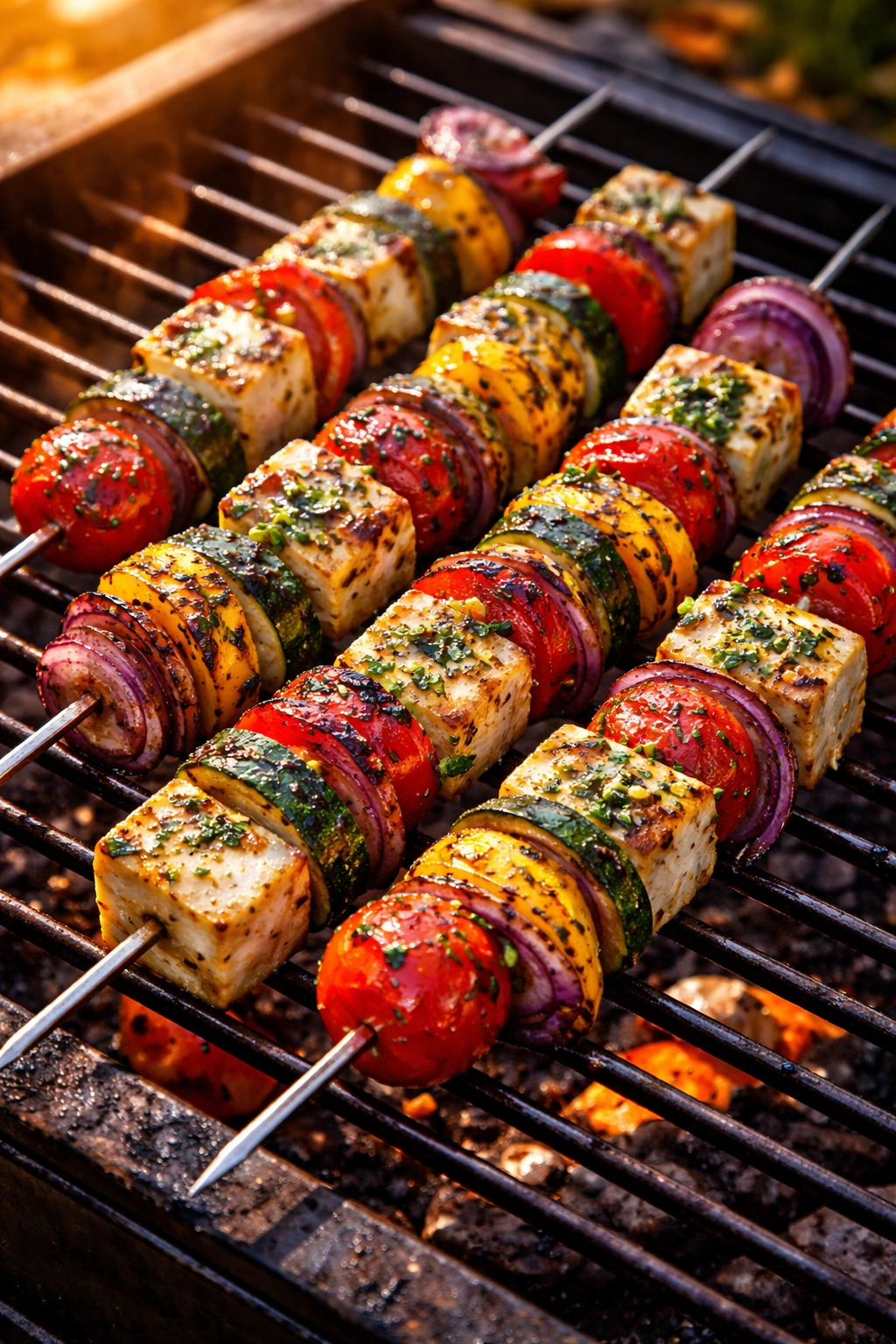
This vegetarian showstopper proves that cookouts aren’t just about meat—halloumi cheese has a remarkably high melting point, allowing it to cook over direct heat, developing a golden crust while staying creamy inside. Combined with grilled vegetables and a bright herb marinade, these skewers are so satisfying that even carnivorous guests will be grabbing multiple servings.
The Halloumi Advantage
Halloumi is a semi-firm cheese that’s traditionally deep-fried, but grilling works beautifully too. When heated, its outer layer browns and chars while the inside remains soft and slightly squeaky between your teeth—a unique texture that you simply can’t replicate with other cheeses. The high salt content means it needs minimal additional seasoning, and it has enough structure to be threaded onto skewers without falling apart.
Skewer Strategy and Flavoring
- Vegetable selection: Choose sturdy vegetables like zucchini, bell peppers, red onion, and cherry tomatoes
- Cutting: Cut everything to roughly the same size and thickness so they cook evenly
- The marinade: Olive oil, lemon juice, fresh oregano, basil, thyme, garlic, and a touch of salt and pepper
- Assembly: Alternate halloumi cubes with vegetables on skewers
- Marination: 30 minutes minimum, though 2-4 hours adds more flavor
- Grill technique: Medium-high heat, rotating every 2 minutes so all sides get color
- Doneness: Cheese should be golden brown and starting to ooze slightly when done (about 8-10 minutes)
Worth knowing: Look for halloumi in specialty cheese shops, Middle Eastern markets, or the international section of well-stocked groceries—it’s worth seeking out and freezes well for future cookouts.
Your Next Cookout Awaits
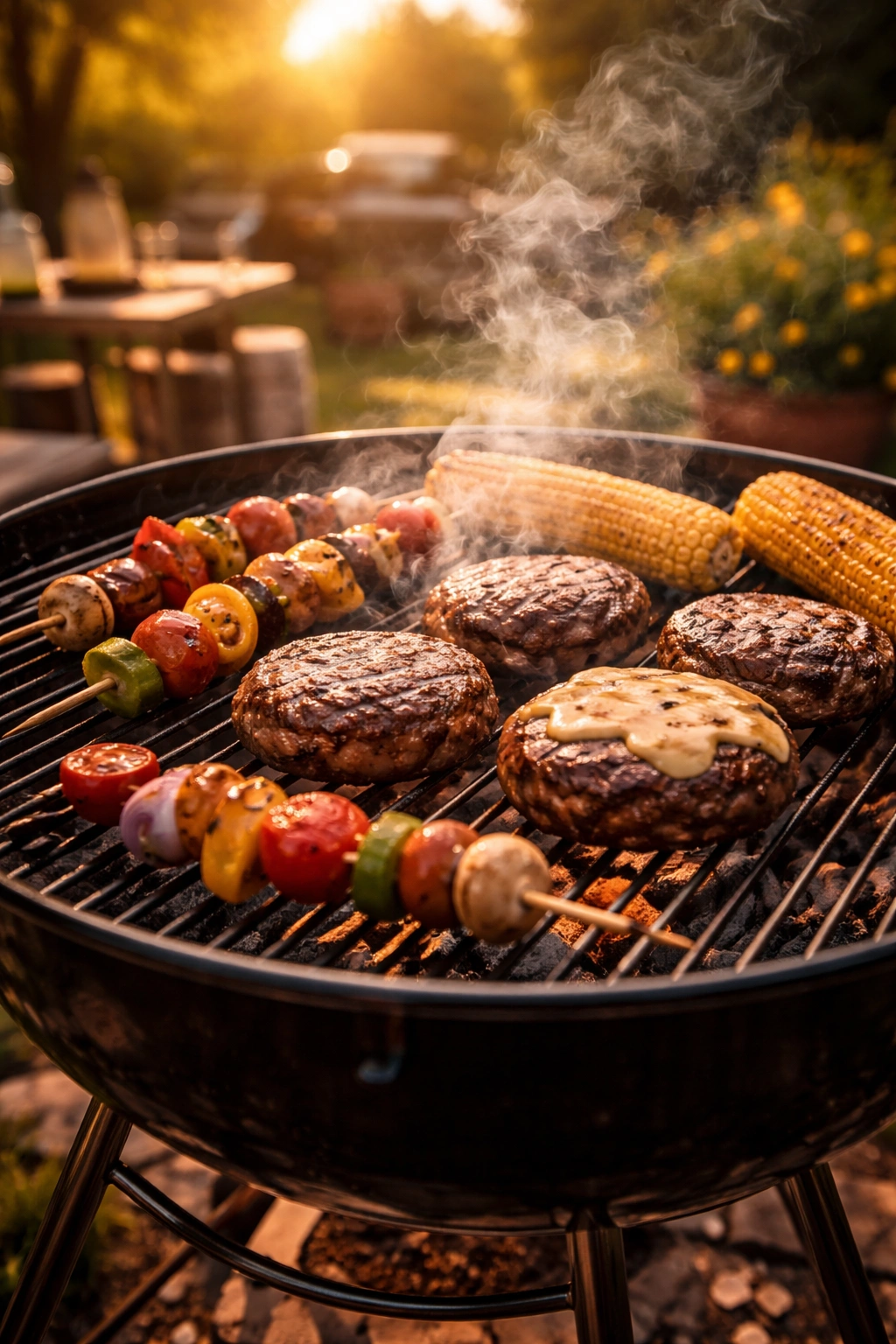
The beauty of these twelve recipes is their versatility — you can pick one or two as your main focus and round out the menu with simple sides, or you can prepare multiple options for variety. The key to stress-free grilling is preparation: marinate proteins the night before, chop vegetables in advance, and make any sauces hours ahead so that when guests arrive, you’re simply cooking, not scrambling.
Each recipe here has been selected because it delivers genuine flavor without demanding you become an expert pitmaster. They teach different grilling techniques—from direct high-heat searing to low-and-slow smoking to gentle plank cooking—so you’ll expand your skills naturally as you work through them. The real magic of outdoor cooking isn’t about perfection; it’s about gathering people around something delicious that you made with your own hands, over fire.
Start with whichever recipe calls to you most strongly, knowing that success is far more likely than failure with these proven approaches. Your next cookout is an opportunity to create memories through food.
