



If you’ve ever felt trapped between wanting to eat healthier and genuinely despising the taste of fish, you’re not alone. The reality is that plenty of people find seafood off-putting — whether it’s the texture, the smell, the flavor, or all three combined. But here’s the thing: a poorly prepared fish dish will turn anyone against seafood, even those who genuinely enjoy it. The good news? With the right approach, recipe, and cooking technique, even the staunchest fish skeptic can discover preparations they actually crave.
The key isn’t forcing yourself to eat salmon every week or choking down rubbery, overcooked fillets. Instead, it’s about understanding which types of fish actually work for non-fish lovers, how to prepare them in ways that minimize the “fishy” element, and which flavor combinations can transform seafood into something genuinely delicious. Whether you’re trying to improve your diet, cook for a reluctant spouse or partner, or expand your culinary horizons, these recipes prove that fish doesn’t have to taste like the ocean.
What makes these recipes different is that they’re designed with honest acknowledgment of what fish haters actually need: bold flavors that distract from the seafood itself, proper cooking technique that prevents the dry and rubbery texture people associate with bad fish experiences, and approaches that hide or complement the fish rather than celebrate it as the star. You’ll notice a pattern here — mild white fish appears frequently because it absorbs flavors without imposing its own strong taste, acidic ingredients like lemon brighten everything, and sauces matter tremendously.
Let’s get into the recipes that have actually converted reluctant eaters.
1. Bacon-Wrapped Scallops with Herb Butter
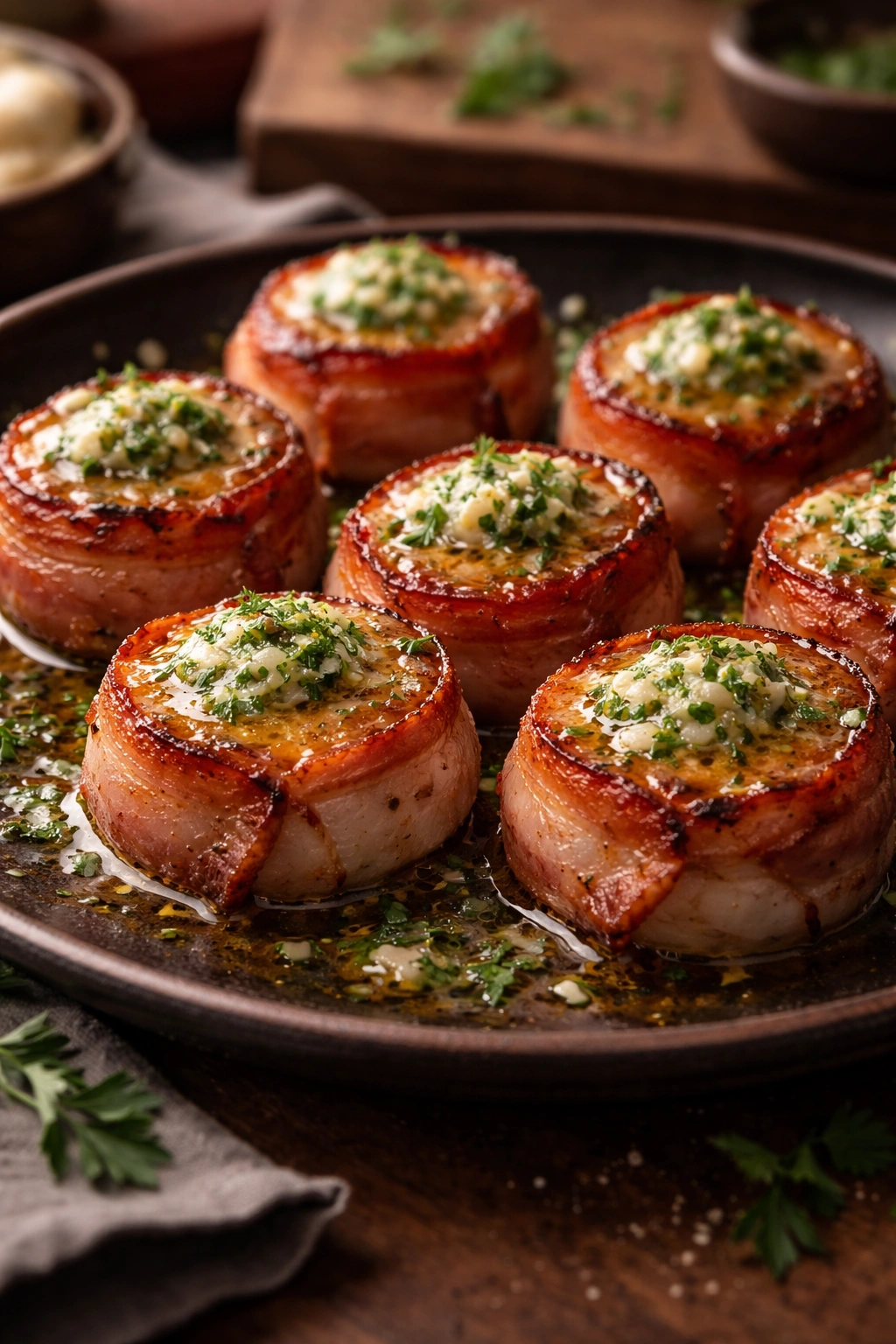
Why it works: Bacon makes almost everything more interesting, and scallops wrapped in it absorb that smoky, salty flavor while their tender texture doesn’t register as “fishy” to most people. The butter enriches the whole experience and masks any oceanic notes completely. When cooked correctly, they’re crispy on the outside and barely take five minutes.
The Texture Factor
Scallops have a reputation for being rubbery, but that only happens when they’ve been cooked too long. The trick is high heat and minimal time — about 1.5 minutes per side if you’re searing them in a hot pan. The bacon gets some color, the scallop stays tender, and nobody’s thinking “this tastes like the sea.”
How to Prepare Them
Start by removing the tough little muscle on the side of each scallop (most fishmongers will do this for you if you ask). Wrap a slice of bacon around each one — for small bay scallops, spiral it around the whole body, and for larger sea scallops, wrap it around the circumference. You can cook these either in a hot pan with butter or in a 425°F oven for about 10 minutes. The pan method gives you better control and crispier bacon, while the oven method is more hands-off.
Pro tip: Try smoked bacon or maple bacon instead of standard bacon for a flavor twist that adds another layer of distraction from any seafood taste. The smokiness particularly appeals to people who usually avoid fish.
2. Fish Cakes with Chipotle Mayo
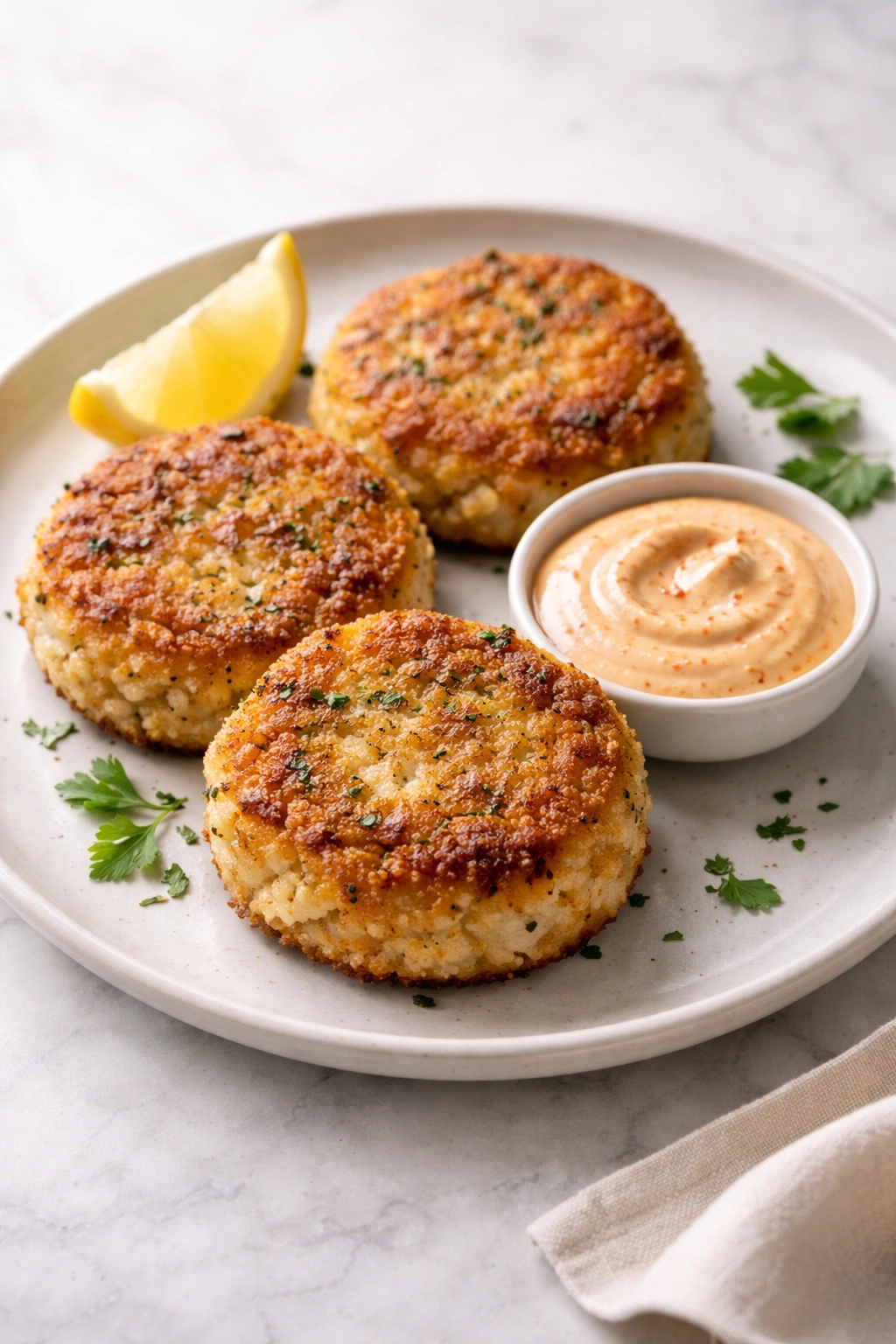
Why it works: Hiding fish inside something crispy and comforting makes it almost unrecognizable as seafood. Fish cakes feel more like a familiar comfort food — they’re the opposite of a whole fillet staring at you from a plate. Plus, the ratio of filler to fish means you’re eating mostly other ingredients, with the seafood just adding nutrition and mild flavor.
Building the Perfect Binder
The binder is what holds everything together and prevents your fish cakes from falling apart. Eggs mixed with breadcrumbs or crushed crackers work perfectly. Mix together roughly equal parts (by volume) of white fish like cod, crab, or shrimp with a mayo-based filler. Add finely chopped green onions, bell peppers, parsley, and a pinch of Old Bay seasoning. The binder should absorb the excess liquid so your mixture firms up enough to form into cakes.
Cooking and Serving
Bread the formed cakes with panko breadcrumbs for extra crunch, then either fry them in oil or bake them in the oven. The key is getting them golden and crispy on the outside — that’s where the texture appeal comes from. Serve with chipotle mayo (just mix mayo with chipotle peppers in adobo sauce), which masks any remaining fishy taste with bold, spicy heat.
Worth knowing: You can make these with canned fish to save time, and they freeze beautifully before cooking, making them perfect for meal prep.
3. Chili-Lime Roasted Cod with Cilantro
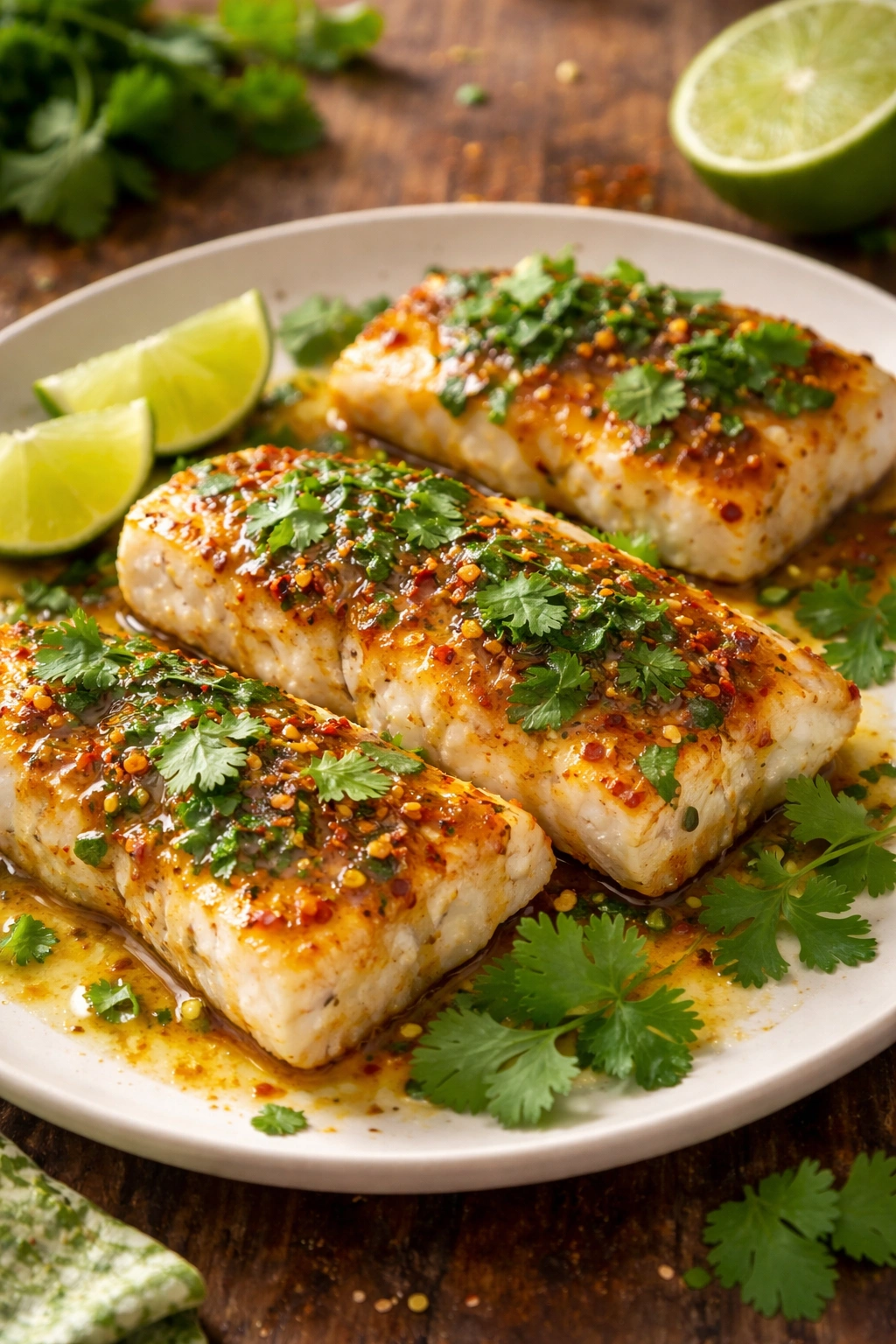
Why it works: Cod is the mildest white fish available, and when you roast it with bold spices and bright citrus, the fish becomes almost secondary to the sauce. The heat from the chili and the brightness from lime create so much flavor that your brain registers the dish as “spiced and tangy” rather than “fishy.”
Why Cod Specifically
White fish like cod, halibut, haddock, flounder, and sole are your safest choices for fish skeptics. They’re mild enough to absorb whatever flavors you want to throw at them without asserting a strong fish taste themselves. Cod is particularly forgiving because it has a firm, flaky texture that holds up well to cooking and won’t turn to mush.
The Flavor Profile
Mix together chili powder, smoked paprika, lime juice, lime zest, minced garlic, and a generous amount of butter. Smoked paprika is infinitely better than regular paprika if you have access to it — it adds a subtle depth that complements the lime perfectly. Spread this mixture on top of your cod fillets and roast at 400°F for about 12-15 minutes until the fish flakes easily with a fork.
The combination of heat, acid, and fat creates such a complete flavor experience that you’re not tasting “fish” — you’re tasting a composed dish where every element balances the others.
4. Lemon-Dill Salmon on a Bed of Sliced Lemons
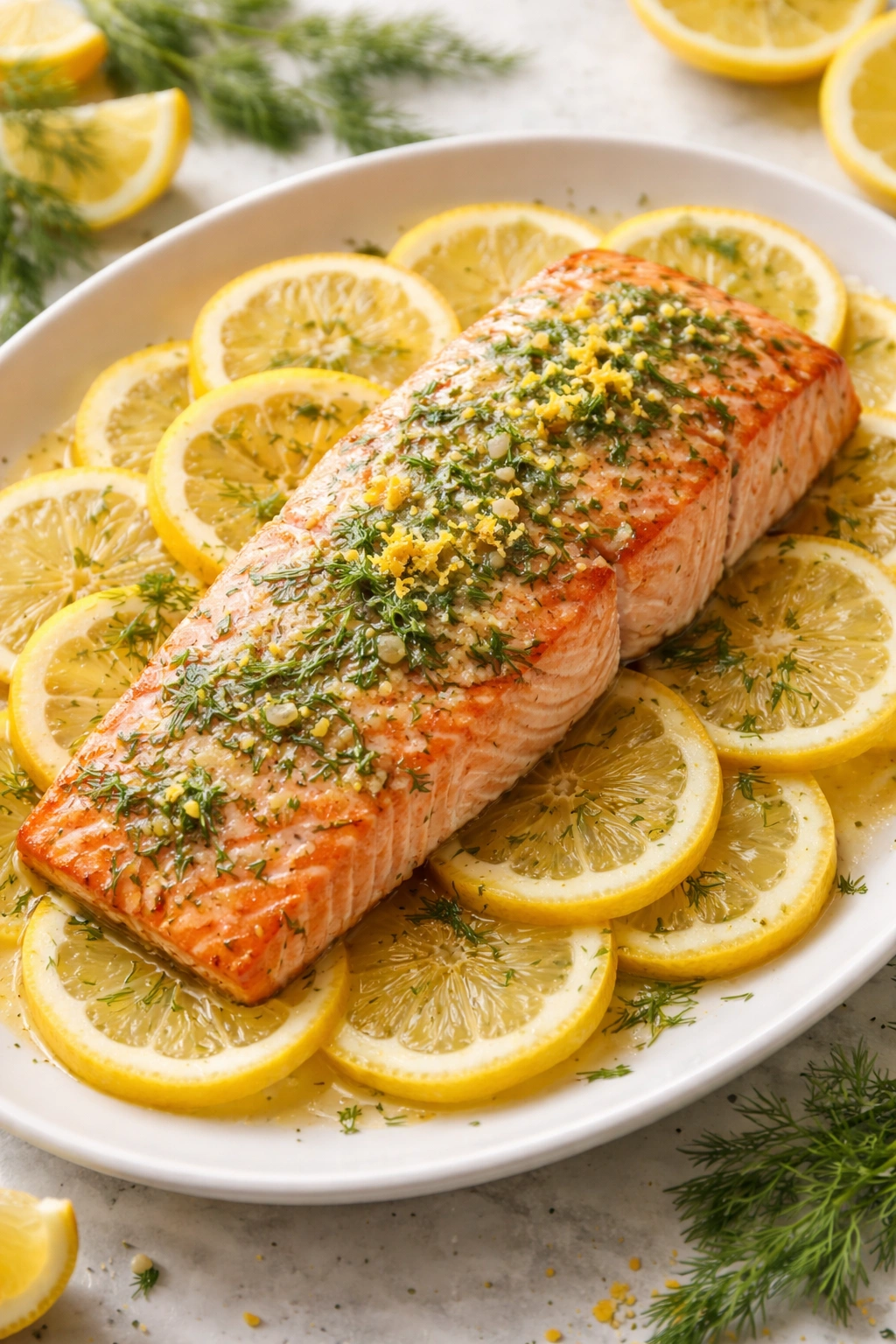
Why it works: Even fish haters often make an exception for salmon prepared this way because the lemon is so prominent that it becomes the main event. The acid in lemon brightens everything and actively neutralizes the fishy compounds that turn people off. Dill is herbaceous and slightly sweet, adding another layer of complexity that distracts from seafood flavor.
Understanding the Lemon Trick
Lemon doesn’t just add flavor — it chemically reduces the intensity of that “fishy” smell and taste. When you bake salmon on a bed of sliced lemons with lemon juice and zest mixed into melted butter on top, the acid permeates the fish while it cooks. The result tastes primarily of citrus and herb, with the salmon providing a creamy, rich texture.
Preparation and Timing
Preheat your oven to 400°F. Slice a lemon thinly and arrange the slices on parchment paper. Place your salmon fillet on top, skin-side down. Mix together minced garlic, lemon juice, lemon zest, melted butter, and dried dill, then spread this mixture over the salmon. Sprinkle a bit more fresh dill on top as garnish. Bake for 12-15 minutes until it flakes easily.
Fresh lemon is non-negotiable here — bottled lemon juice doesn’t have the same impact. The brightness you need comes from fresh fruit, not a concentrate.
5. Crispy Fish and Chips with Yogurt-Mustard Coating
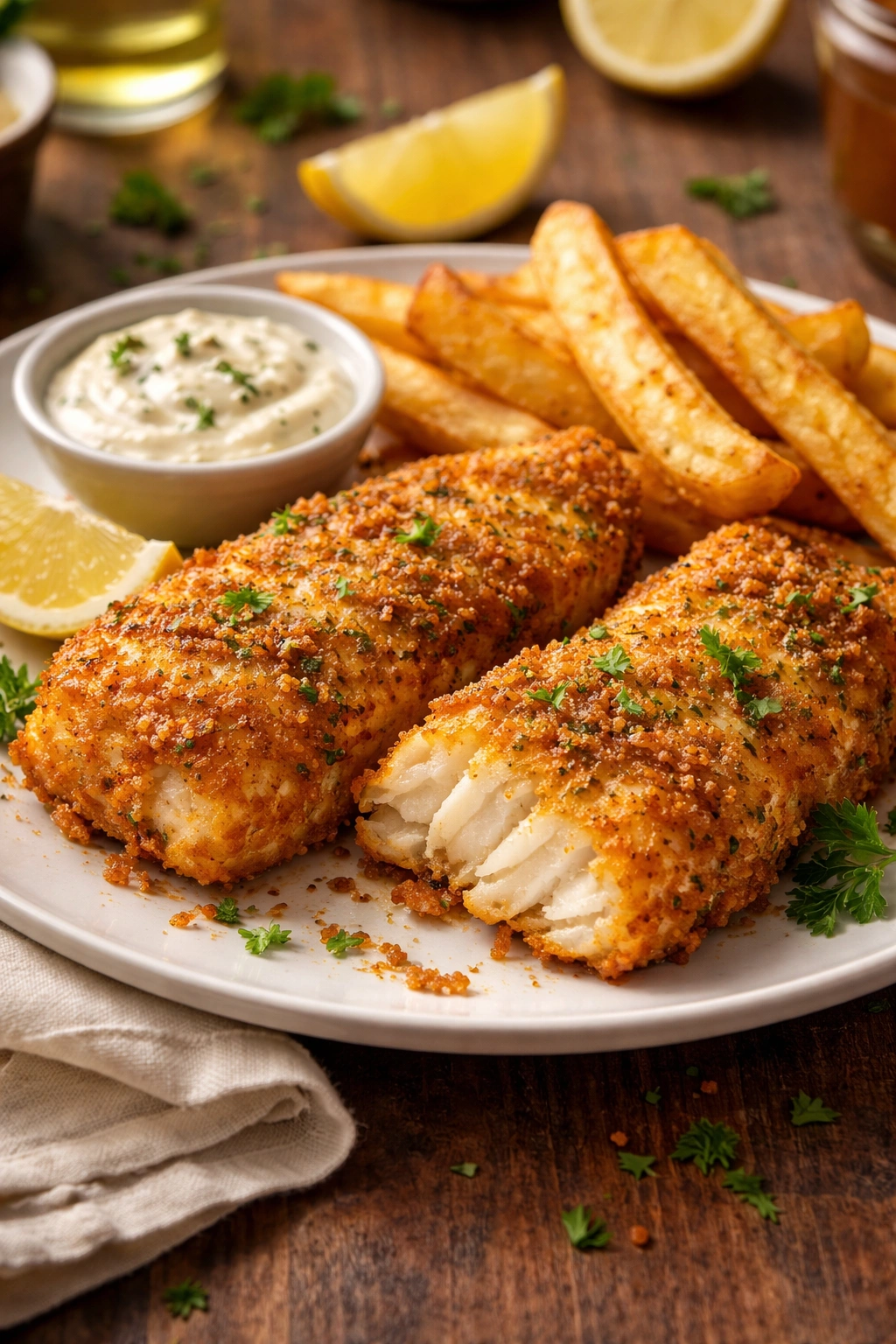
Why it works: This is basically an elevated fish stick — you’re frying fish, which automatically makes it more appealing to people resistant to seafood. The yogurt mixture creates a crispy, golden coating that acts as a barrier between your mouth and any fishy taste. It tastes more like fried chicken than fish, which is exactly the point.
The Yogurt Coating Secret
Instead of traditional breadcrumb coatings, use a mixture of plain yogurt, mustard, and minced garlic to coat your white fish fillets. The yogurt provides tang and moisture, the mustard adds sharp flavor, and the garlic brings savory depth. The protein in yogurt actually helps crisp everything up beautifully when it hits hot oil or air fryer.
Cooking Methods
You can pan-fry these in oil for ultimate crispiness, or bake them at 400°F for a lighter version. If you have an air fryer, that’s the sweet spot — you get restaurant-quality crispiness without deep frying. Coat the fish, dredge in panko breadcrumbs, then air fry at 390°F for about 10-12 minutes, shaking the basket halfway through.
Serve with homemade tartar sauce or just plain with lemon wedges. The crispy exterior is doing all the work here in making this feel like indulgent comfort food rather than healthy seafood.
6. Tuna Melt with Pesto Aioli
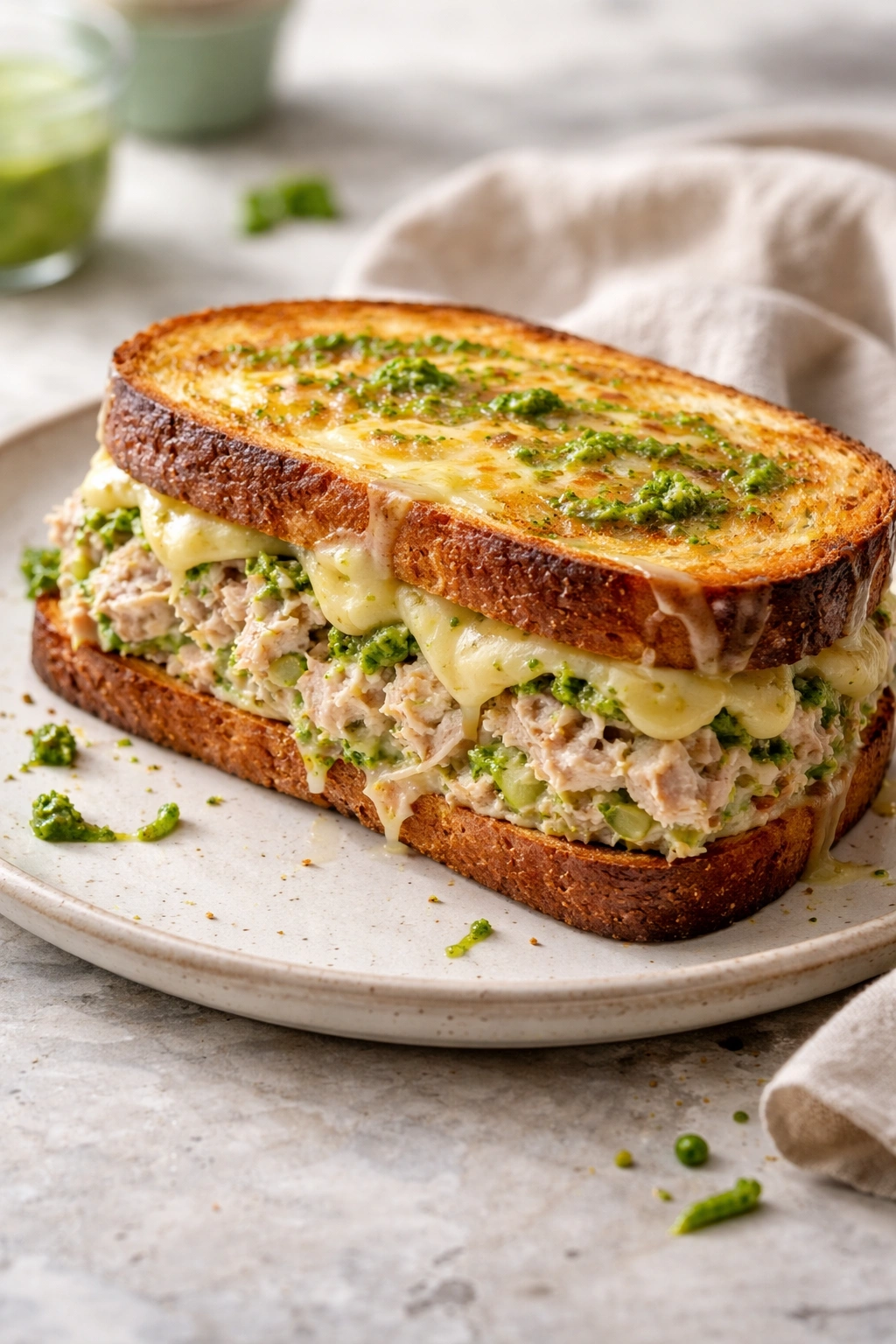
Why it works: Tuna melts are almost indistinguishable from regular sandwiches once you add melted cheese, pesto, and creamy aioli. The fish becomes just one component in a sandwich you’d be excited to eat regardless. This works whether you use canned or fresh tuna.
Building the Sandwich
Toast thick slices of sourdough or ciabatta bread. Mix canned or flaked fresh tuna with a pesto aioli (just mix pesto with mayo). Spread this on one slice of toast, add a handful of fresh spinach or arugula, then top with slices of Swiss or provolone cheese. Top with the second slice of bread and butter the outside generously.
Cook this in a skillet over medium heat until both sides are golden and crispy, about 3-4 minutes per side. The cheese melts, the bread gets all golden and toasty, and the whole thing tastes like a gourmet sandwich rather than fish.
Pro tip: If you’re using canned tuna, drain it well and squeeze out excess liquid with paper towels — that’s where the strong fishy taste often hides. Quality matters tremendously here.
7. Thai Red Curry with White Fish and Vegetables
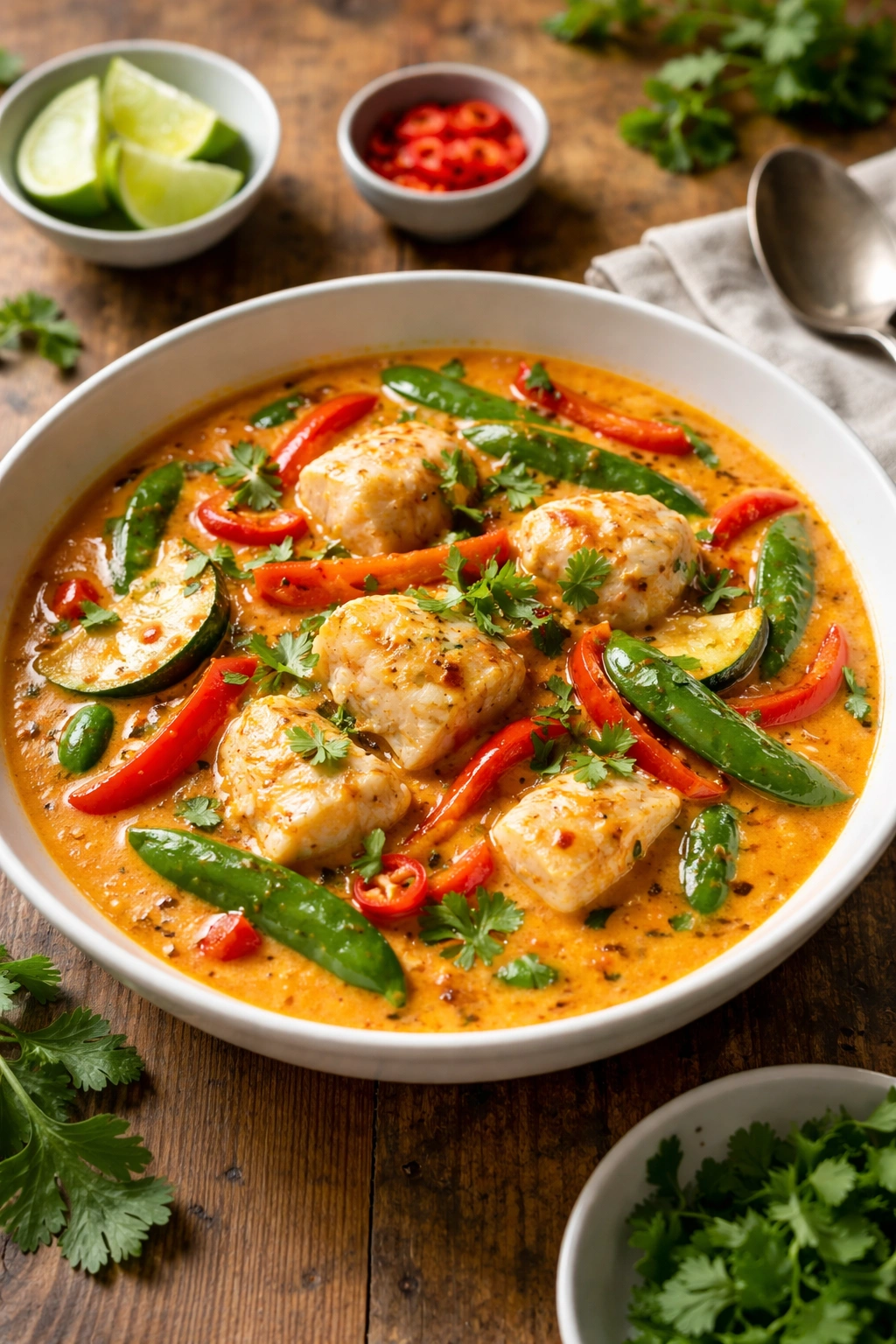
Why it works: Thai curry is so aromatic and flavorful that the fish becomes almost invisible. The coconut milk is rich and creamy, the spices are bold, and the lime juice brightens everything. Fish haters often discover they love this dish because they’re not actually tasting fish — they’re tasting curry.
Choosing Your Curry Base
Use quality red curry paste (or make your own if you’re ambitious). Sauté the paste briefly in oil or coconut milk to wake up the flavors, then add full-fat coconut milk, fish sauce (which smells strong but adds umami), and a squeeze of lime juice. The fish is almost incidental here — it cooks gently in the liquid for just a few minutes.
Ingredient Flexibility
Add whatever vegetables you like — bell peppers, snap peas, baby corn, zucchini. Cut your white fish into chunks so the pieces are small and less obviously “fish” on the plate. The goal is to serve this as a complete curry with vegetables and sauce, where the fish is just protein scattered throughout. Serve over jasmine rice or with rice noodles.
The beauty of curry is that it’s designed to transform ingredients. The spices, aromatics, and creamy coconut base were literally created to make mild proteins interesting. This is strategic fish-hiding in the best way.
8. Baked Cod with Crushed Tomatoes, Olives, and Capers
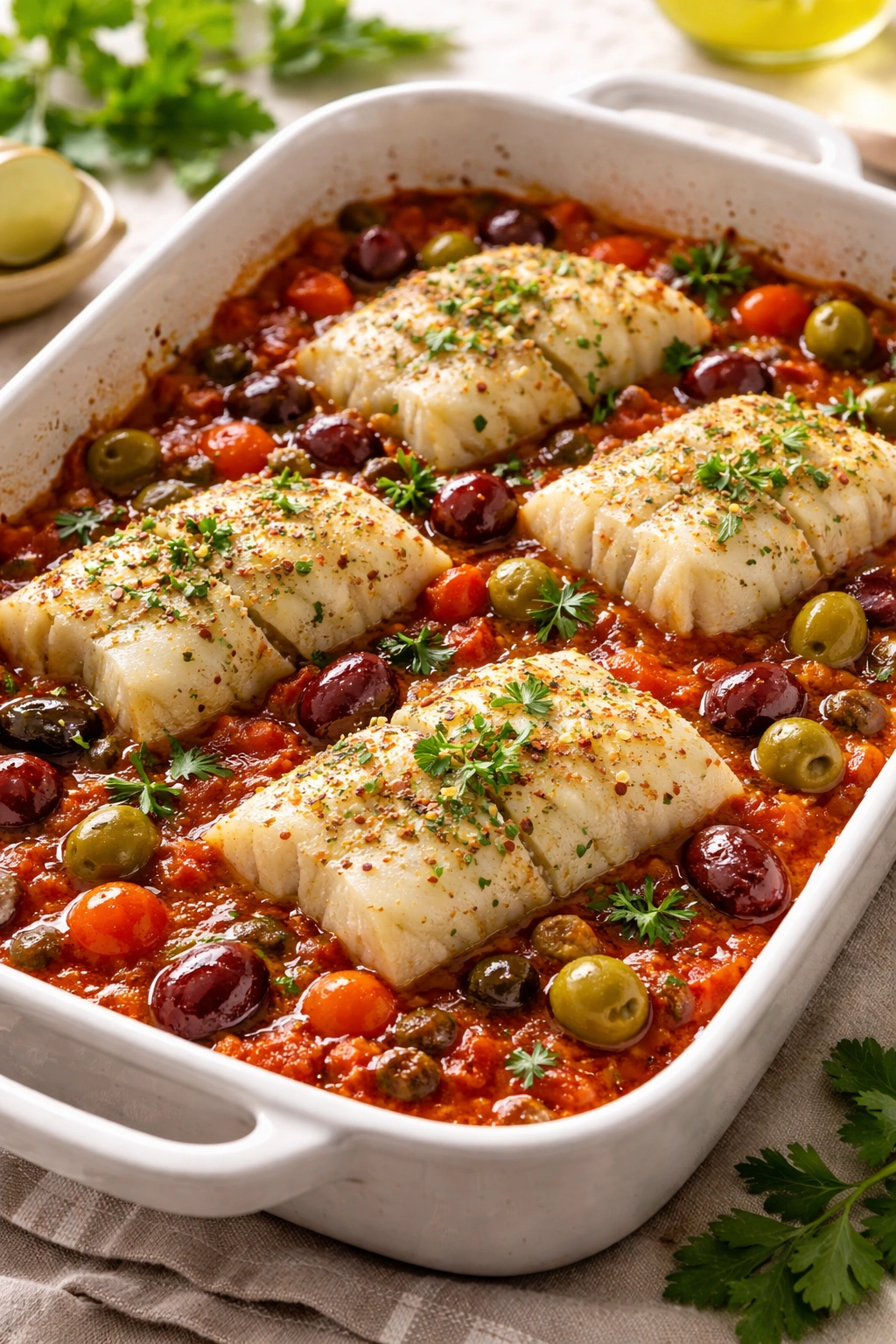
Why it works: This Mediterranean approach loads the fish with bright, briny, savory elements that completely mask any seafood taste. The tomatoes are acidic, the olives and capers are salty and complex, and together they create a sauce so interesting that the cod underneath is almost forgotten.
The Flavor Build
In a baking dish, combine canned crushed tomatoes with pitted green or Kalamata olives, capers, minced garlic, and a drizzle of olive oil. Season with salt, pepper, and Italian herbs. Place your cod fillets on top of this mixture and bake at 400°F for about 15 minutes until the fish flakes easily and the tomato mixture is bubbly.
Why This Works
The combination of olives and capers is nearly foolproof because they’re assertive flavors that dominate the palate. Your brain registers “Mediterranean tomato dish” before it registers “fish.” The acid from the tomatoes keeps everything bright, and the whole thing comes together as a complete, composed dish rather than fish with a side of sauce.
Serve with crusty bread for soaking up the sauce and maybe a side salad. This is healthy, flavorful, and genuinely delicious even for people who actively dislike fish.
9. Soy-Ginger Glazed Salmon with Sesame Seeds
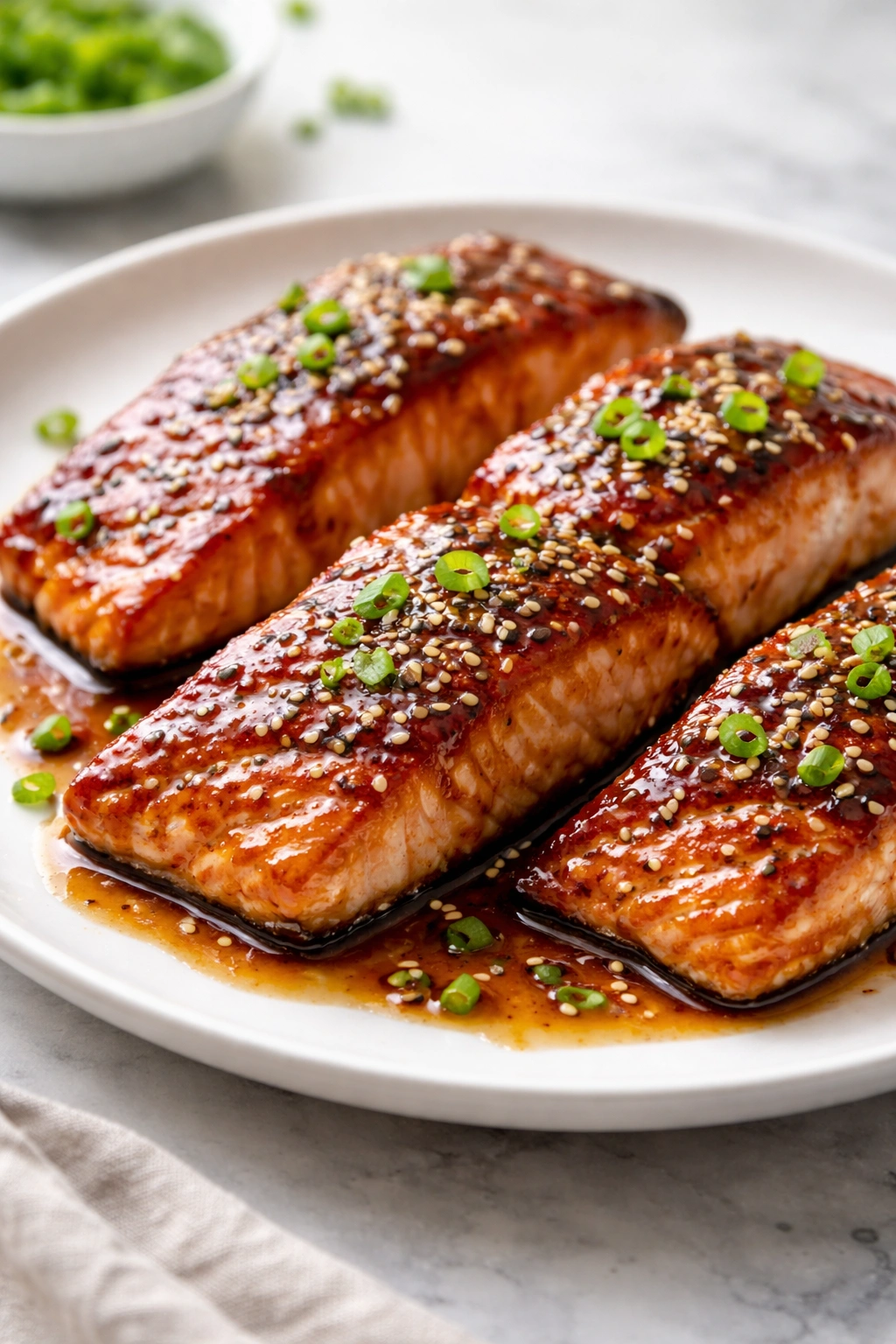
Why it works: Salmon has a stronger fish taste than cod or tilapia, but this Asian glaze is so sweet, savory, and aromatic that it overwhelms everything. The combination of soy sauce, honey, fresh ginger, and sesame oil creates something so interesting that the salmon becomes background to the glaze.
Making the Glaze
Whisk together soy sauce, honey, freshly grated ginger, rice vinegar, and sesame oil. Brush this generously on salmon fillets and bake at 425°F for 12-15 minutes. Near the end of cooking, you can broil for 2-3 minutes to caramelize the glaze slightly, which adds complexity and makes it taste even less fishy.
The Ginger Factor
Fresh ginger is non-negotiable — it adds warmth, slight spice, and a zingy freshness that cuts through salmon’s natural oiliness. Ground ginger won’t give you the same effect. If you have a microplane, grate the ginger directly into the glaze for the best texture and maximum flavor extraction.
Finish with a sprinkle of sesame seeds for crunch and garnish with chopped green onions. Serve alongside rice and steamed broccoli. The whole meal tastes Asian-inspired and sophisticated, not fishy.
10. Fish Tacos with Mango-Cilantro Salsa and Chipotle Cream
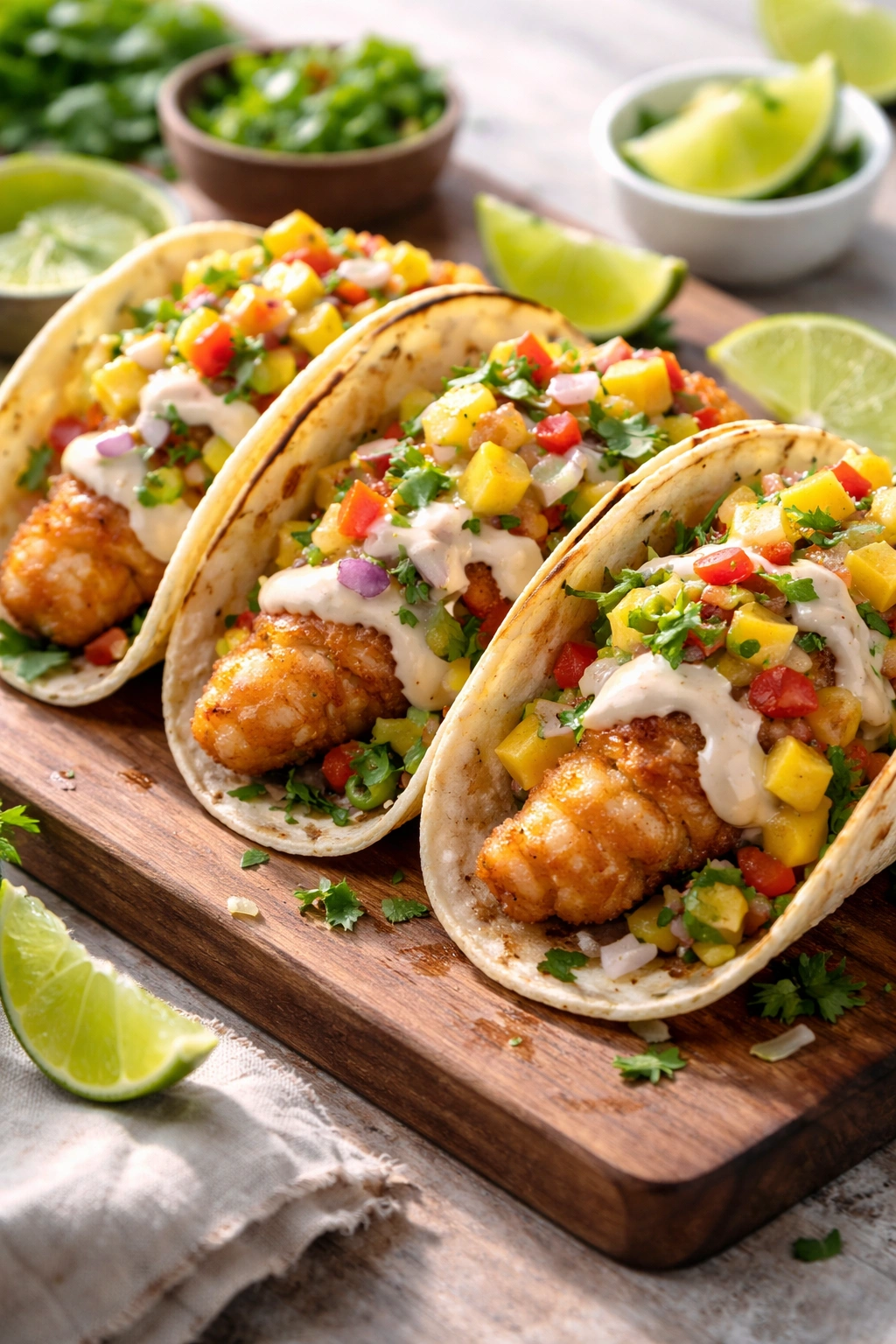
Why it works: Tacos are fun and casual, and when you fill them with crispy fish, bright salsa, creamy sauce, and crunchy slaw, the fish becomes just one component in something much bigger and more interesting. The format itself makes this feel less intimidating than a whole piece of fish on a plate.
Building the Components
Lightly season white fish fillets with cumin, chili powder, and lime juice, then crisp them up in a hot pan or air fryer. Make a mango-cilantro salsa by combining diced mango, red onion, jalapeño, cilantro, and lime juice. Mix mayo with chipotle peppers in adobo sauce for a creamy, spicy topping.
Warm some corn tortillas, then assemble: tortilla, crispy fish, shredded cabbage tossed with a bit of lime juice and salt, mango salsa, chipotle cream, and fresh cilantro. The acid from the lime and mango, the heat from the chipotle, and the crunch of the cabbage mean you’re experiencing a complex, multi-textured taco rather than focusing on fish taste.
These are perfect for weeknight dinners and genuinely exciting to eat — fish skeptics often ask for seconds with this preparation.
11. Creamy Dill Sauce with Roasted White Fish and Potatoes
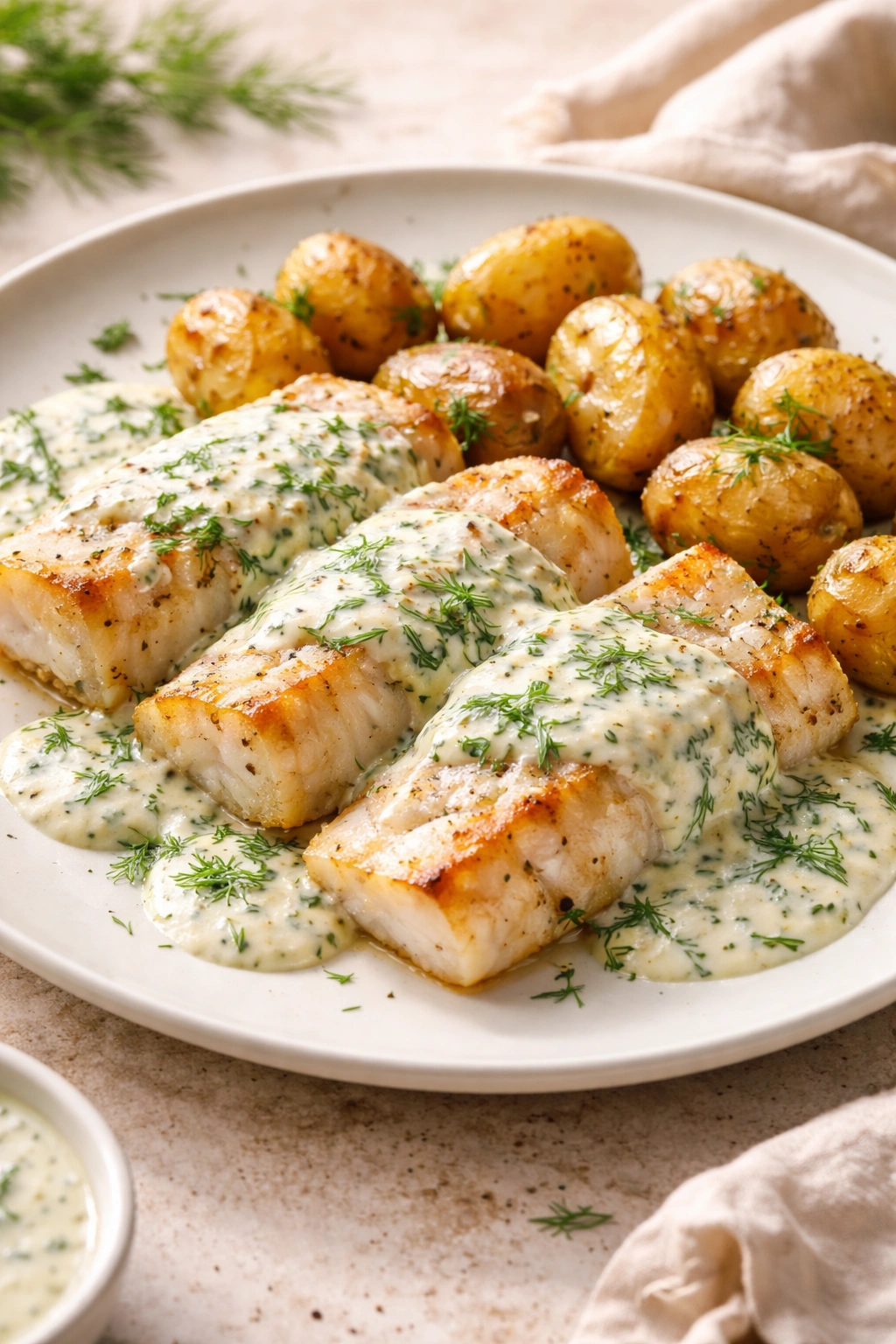
Why it works: This is comfort food masquerading as healthy seafood. The creamy dill sauce is something people already know and like (it’s classic steakhouse territory), so serving it with fish instead of steak feels familiar and approachable. The potatoes make this feel like a complete, satisfying meal.
The Sauce
Sauté shallots in butter, then whisk in a combination of chicken or vegetable broth and heavy cream. Season with fresh dill, salt, pepper, and a squeeze of lemon juice. The sauce should be rich, herbaceous, and noticeably creamy. Simmer until it coats the back of a spoon.
Plating and Serving
Roast white fish and baby potatoes on a sheet pan at 400°F for about 15 minutes. Arrange on plates and spoon the dill cream sauce over everything. The potatoes soak up the sauce, the fish becomes incredibly moist and tender underneath the sauce, and the whole presentation looks elegant without being fussy.
This dish converts skeptics because it tastes indulgent and rich, with dill providing the only herbaceous note. Nobody’s thinking about the ocean or fishy taste — they’re thinking about how good this creamy sauce is.
12. Monkfish with Spicy Tomato Beans and Peppers
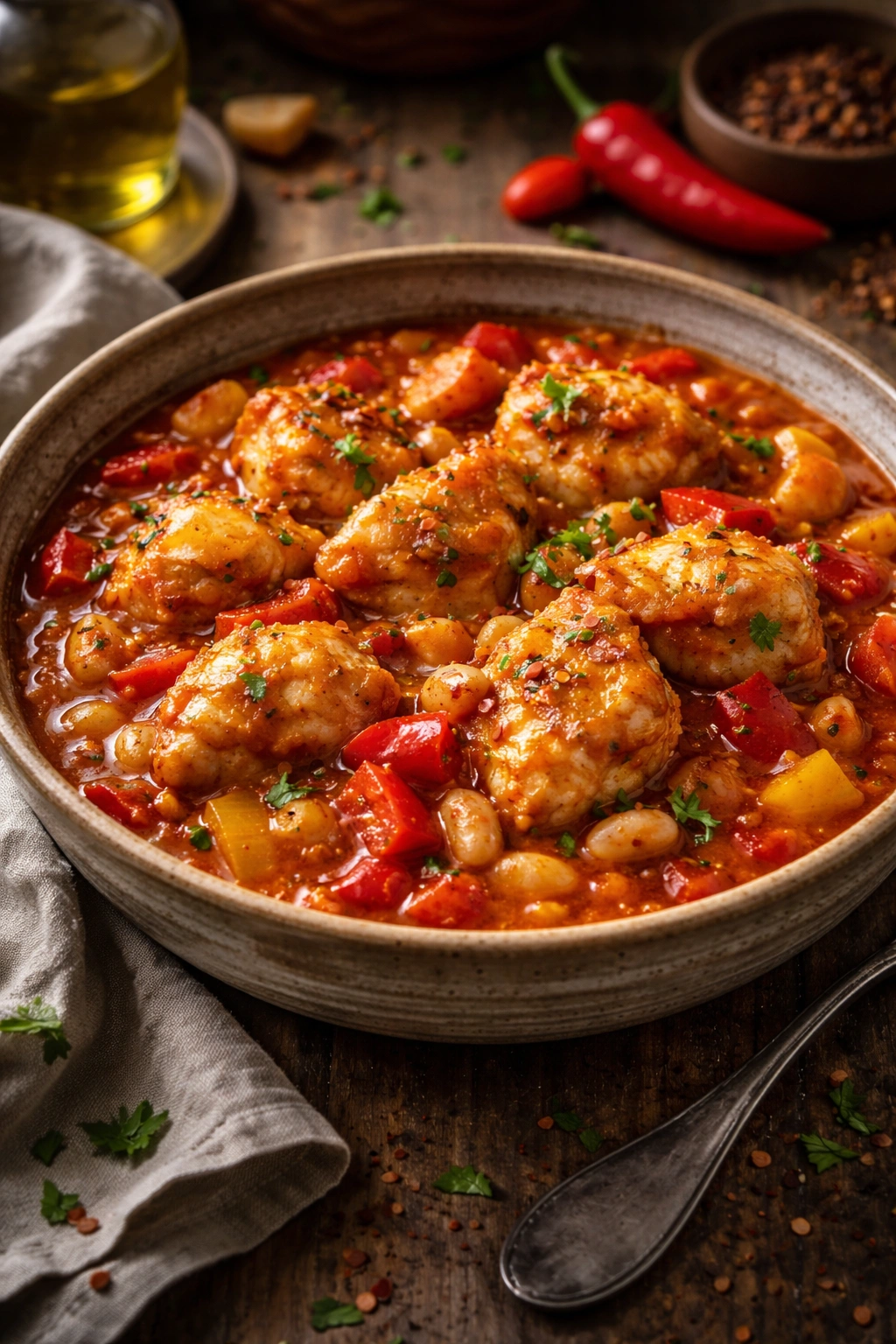
Why it works: Monkfish is called “poor man’s lobster” because it has such a firm, meaty texture and mild taste that it barely registers as fish to most people. This preparation treats it almost like a protein in a hearty stew, completely transforming the eating experience. The bold spices and vegetables make fish-hating irrelevant.
Why Monkfish Is Different
Unlike delicate white fish that flakes apart, monkfish holds its shape and has a dense, almost meat-like texture. It’s the fish least likely to trigger someone’s “this tastes like fish” reflex because it’s genuinely different from what they’re expecting. If you’ve had bad fish experiences due to mushy or flaky textures, monkfish bypasses that problem entirely.
The Preparation
Dust monkfish pieces with smoked paprika, then sear them quickly in oil to get color on the outside. In the same pot, sauté diced peppers and onions, then add canned borlotti or kidney beans, crushed tomatoes, garlic, and spices (cumin, chili powder, oregano). Simmer the fish gently in this mixture for about 10 minutes until cooked through.
The result is more akin to a Spanish stew than a fish dish — the warm spices, the beans, the bright tomato base, and the firm fish chunks all work together. Serve with crusty bread for soaking up the sauce. This preparation has genuinely converted lifelong fish avoiders.
Final Thoughts

The common thread running through all of these recipes isn’t magic or exotic ingredients — it’s recognizing that fish skepticism usually stems from specific triggers: strong taste, unfamiliar texture, or overcooked dryness. None of these preparations ask you to love fish. Instead, they acknowledge those concerns and build dishes where fish plays a supporting role rather than a starring one.
Start with the recipes that sound most appealing to you rather than forcing yourself through something that doesn’t match your existing flavor preferences. If you love bold spices, go for the curry or the monkfish stew. If you’re a cheese person, the fish and chips or the tuna melt will be your gateway. If you like fresh, bright flavors, the lemon-dill salmon or the fish tacos are your best bet.
The real secret is that seafood doesn’t have to be intimidating or taste “too fishy.” With proper cooking technique, quality ingredients, and strategic flavor pairings, these recipes prove that even the most dedicated fish avoiders can find preparations worth making again and again. You’re not forcing yourself to learn to love fish — you’re discovering the preparations where fish is genuinely delicious, and that’s an entirely different experience.
