



Perfectly pan-seared scallops are a restaurant-quality dinner that takes less time to prepare than many people think. The real magic, though, isn’t just in achieving that golden, caramelized crust—it’s in what you serve on top. A carefully chosen sauce transforms simple scallops from good to unforgettable, adding brightness, richness, or aromatic depth depending on what you’re in the mood for. Whether you’re cooking for a special occasion or treating yourself to an indulgent weeknight meal, the sauce you pair with your scallops should enhance their natural sweetness and tender texture without overwhelming them.
The beauty of scallop sauces is that they come together quickly, often in the same skillet you used to sear the seafood. This means you’re capturing all those flavorful browned bits—what chefs call fond—and transforming them into a silky, elegant sauce. The three sauces in this guide represent the most versatile and foolproof options that work beautifully whether you’re cooking for two or four, and each one can be customized to match your pantry staples and personal taste preferences.
How to Select and Prepare Scallops for Perfect Results
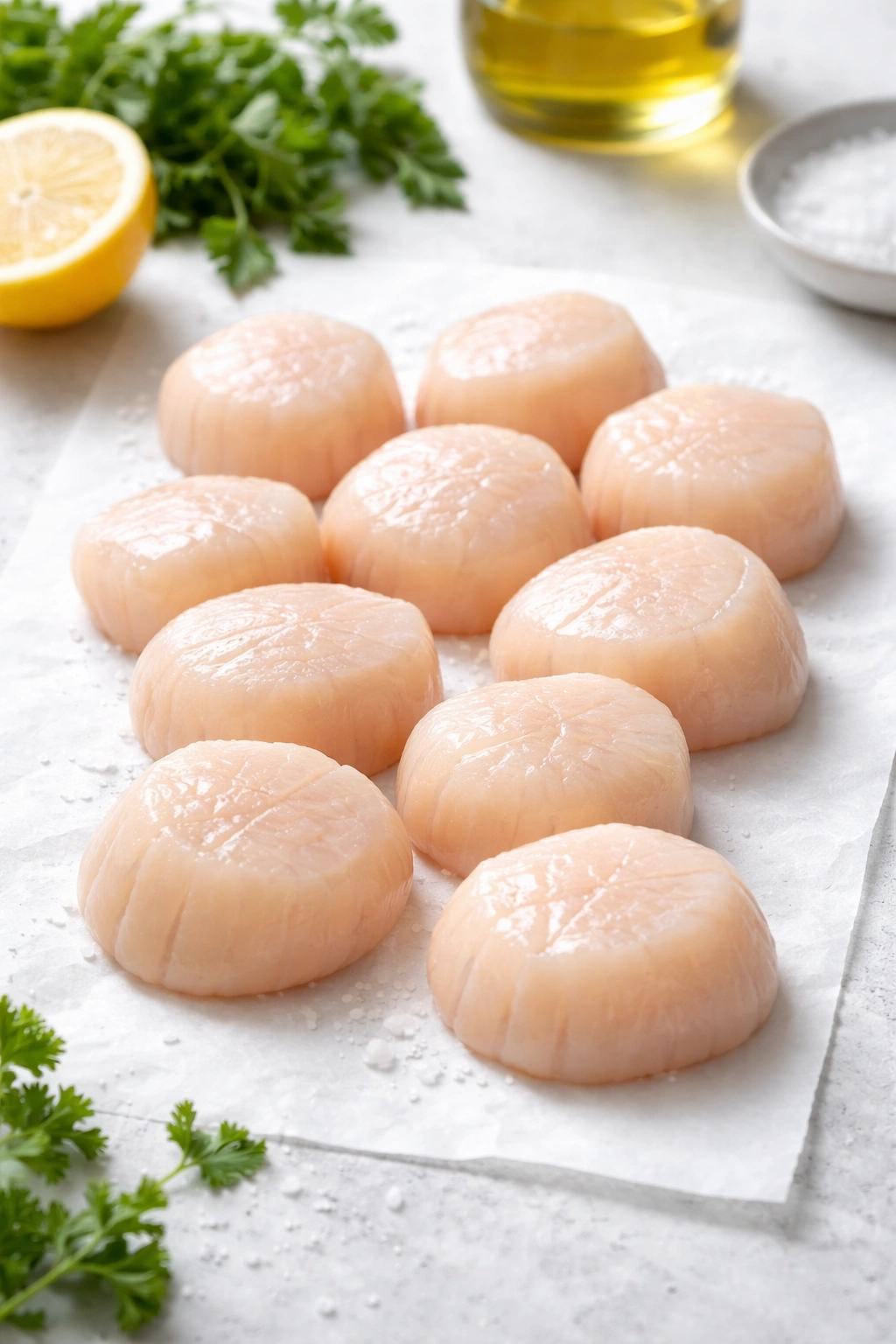
The foundation of any great scallop dinner starts at the fishmonger’s counter. Dry sea scallops are your best choice because they haven’t been treated with sodium tripolyphosphate—a chemical preservative that makes wet scallops absorb excess moisture and prevents proper browning in the pan. Dry scallops have a pinkish or ivory hue and smell fresh and briny, while wet scallops tend to look unnaturally white and slightly soapy in odor.
Look for scallops that are roughly the same size, ideally jumbo sea scallops sold at about 8 to 10 pieces per pound. Uniform sizing ensures that all your scallops cook at the same rate, preventing some from becoming tough while others are still undercooked. If you find scallops of varying sizes, consider halving the larger ones so each piece cooks evenly.
Fresh scallops are ideal, but frozen ones work beautifully too. The key is to thaw them properly—in the refrigerator overnight, never at room temperature. Once thawed, rinse them gently under cold water and pat them completely dry with paper towels. This drying step is absolutely critical because any residual moisture on the surface will turn to steam in the hot pan, preventing the caramelization you’re after. Use plenty of paper towels and don’t be shy about pressing gently to remove every last bit of moisture.
Before cooking, remove the small hard side muscle attached to each scallop if your fishmonger hasn’t already done so. This tough muscle is chewy and unpleasant, so it’s worth the ten seconds it takes to trim it away. Let your prepared scallops sit at room temperature for about 10 minutes before cooking—this ensures even cooking throughout, eliminating any cold spots in the center.
The Art of Pan-Searing Scallops
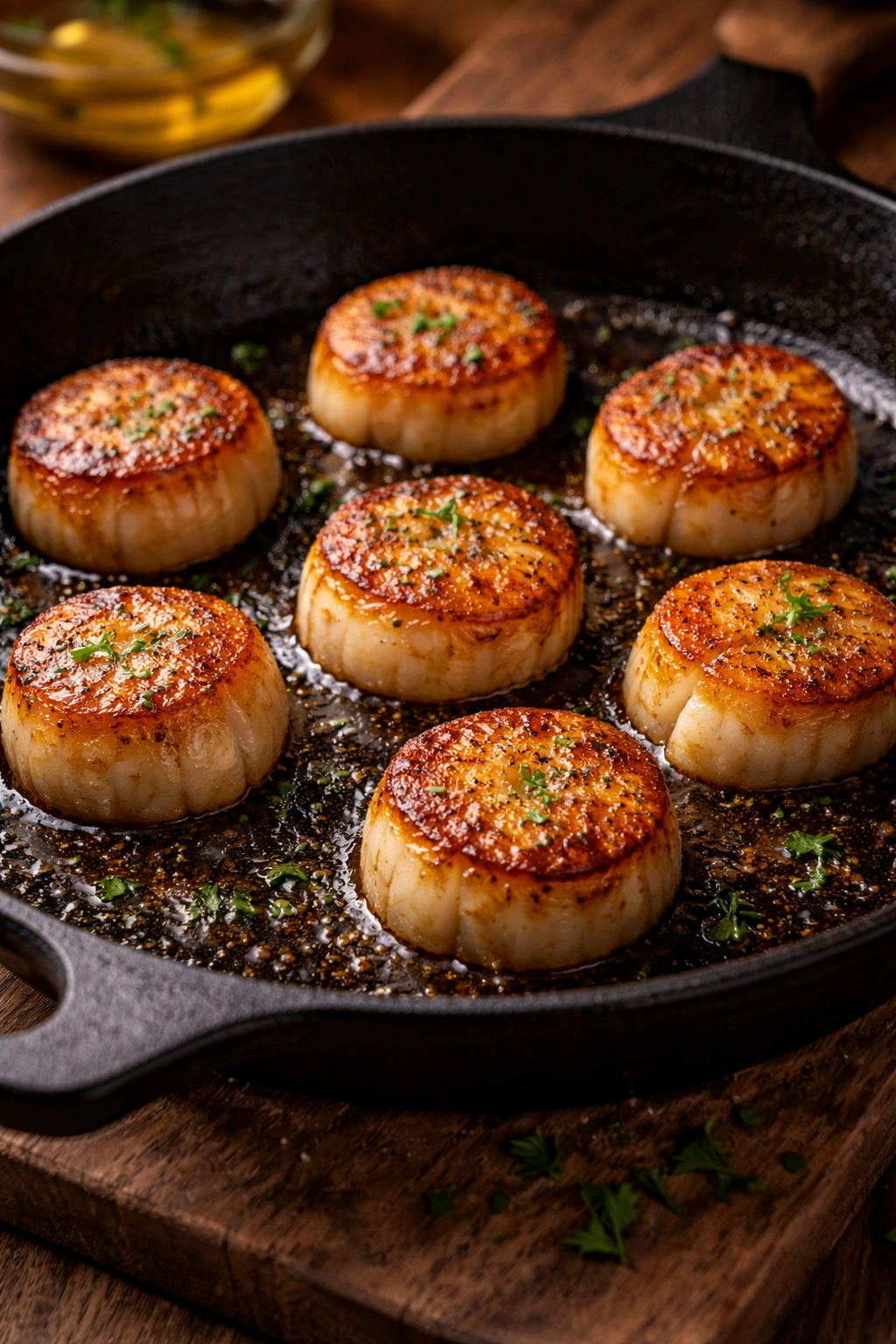
Searing scallops correctly is what separates restaurant-quality results from disappointing, rubbery outcomes. The key is high heat, a dry surface, and discipline—meaning you must resist the urge to move them around in the pan. Start with a large skillet (12 inches is ideal) made of cast iron or stainless steel. Nonstick pans work but won’t develop the same gorgeous golden crust.
Heat your pan over medium-high heat and add a combination of oil and butter—typically 1½ tablespoons of olive oil plus 1 tablespoon of butter. Use an oil with a high smoke point like avocado oil or grapeseed oil if you’re concerned about burning. Once the fat is shimmering and just barely begins to smoke, you’re ready to add the scallops. The pan should be hot enough that a drop of water sizzles immediately.
Season each scallop lightly with salt and pepper on both sides. Arrange them in a single layer without crowding—if they’re touching each other, you’ll get steam instead of a sear. Gently press the top of each scallop with the back of a spatula to ensure maximum contact with the hot pan. This is where the caramelization magic happens. Now comes the hardest part: don’t touch them for 2 to 3 minutes. This is when the Maillard reaction occurs, creating that beautiful golden crust that seals in the scallops’ sweetness.
After 2 to 3 minutes, flip each scallop and cook the other side for another 2 to 3 minutes. As they finish cooking, you might add a tablespoon of butter to the pan and tilt it, spooning the foaming butter over the tops of the scallops. This basting adds richness and promotes even browning. The scallops are done when they’re opaque and feel firm but not rock-hard—they should have just a hint of give when you press them gently with your finger. The very center should remain slightly translucent; this is actually a sign they’re perfectly cooked and won’t be rubbery.
1. Lemon Caper Sauce
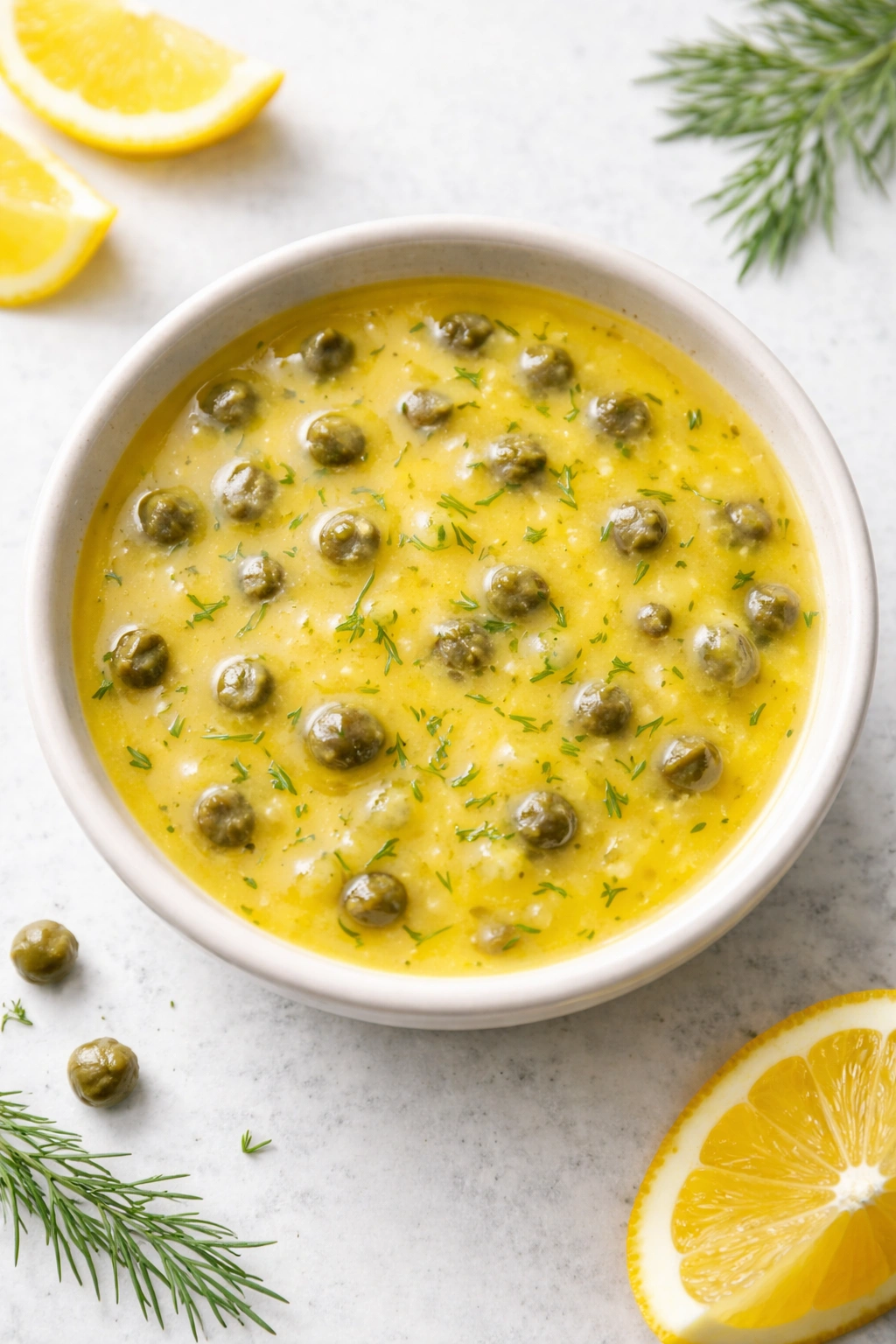
This bright, tangy sauce is the definition of elegance in simplicity. It’s the classic pairing for pan-seared scallops in upscale restaurants, and it works because the acidity of the lemon and the briny bite of the capers cut through the richness of the seared scallops without overwhelming their delicate flavor. The sauce comes together in the same pan you used to sear the scallops, taking advantage of every last bit of caramelized fond.
For the Sauce:
- 2 tablespoons unsalted butter
- 1 tablespoon minced garlic
- ½ cup dry white wine (Sauvignon Blanc, Pinot Grigio, or similar crisp wine)
- 1 cup chicken or seafood broth
- 2 tablespoons fresh lemon juice
- 1 teaspoon lemon zest
- 2 tablespoons capers, rinsed
- 1 tablespoon Dijon mustard
- 2 to 3 tablespoons heavy cream (optional, for richness)
- 1 tablespoon fresh dill or parsley, chopped
- Salt and pepper to taste
After you’ve removed the cooked scallops from the pan, reduce the heat to medium. Add the minced garlic and cook for about 30 seconds, just until fragrant—be careful not to let it brown, which will make it taste bitter. Pour in the white wine and scrape the bottom of the pan with a wooden spoon to release all those flavorful browned bits. Let the wine reduce by half, which takes about 2 to 3 minutes.
Pour in the broth, lemon juice, lemon zest, and capers. Turn the heat up to medium-high and let everything bubble together for 8 to 10 minutes until the sauce reduces to about ½ cup. You want it concentrated and slightly syrupy. Turn off the heat and whisk in the Dijon mustard, which adds a subtle pungency and helps emulsify the sauce. If you prefer a creamier version, add the heavy cream at this point and stir gently.
Return the cooked scallops to the pan and warm them through for about 1 minute, spooning the sauce over them. Taste and adjust the seasoning with salt and pepper if needed—remember that the capers and mustard already contribute salt and flavor, so taste before adding more. Garnish with fresh dill or parsley and serve immediately with lemon wedges on the side.
Why This Sauce Excels
The combination of white wine, citrus, and capers creates a sauce that’s sophisticated yet approachable. The lemon provides brightness without being sour, while the capers add a briny minerality that echoes the scallops’ natural oceanic character. The Dijon mustard is the secret ingredient—it adds depth and helps carry the flavors forward while maintaining the sauce’s silky texture.
Perfect Pairing Ideas
Serve lemon caper scallops over angel hair pasta tossed with a touch of olive oil and fresh parsley, or alongside creamy risotto that can absorb some of the sauce. For a lighter option, arrange the scallops over fresh spinach or alongside roasted asparagus. A crisp Sauvignon Blanc pairs beautifully with this sauce, echoing the wine in the pan.
2. Creamy Garlic White Wine Sauce
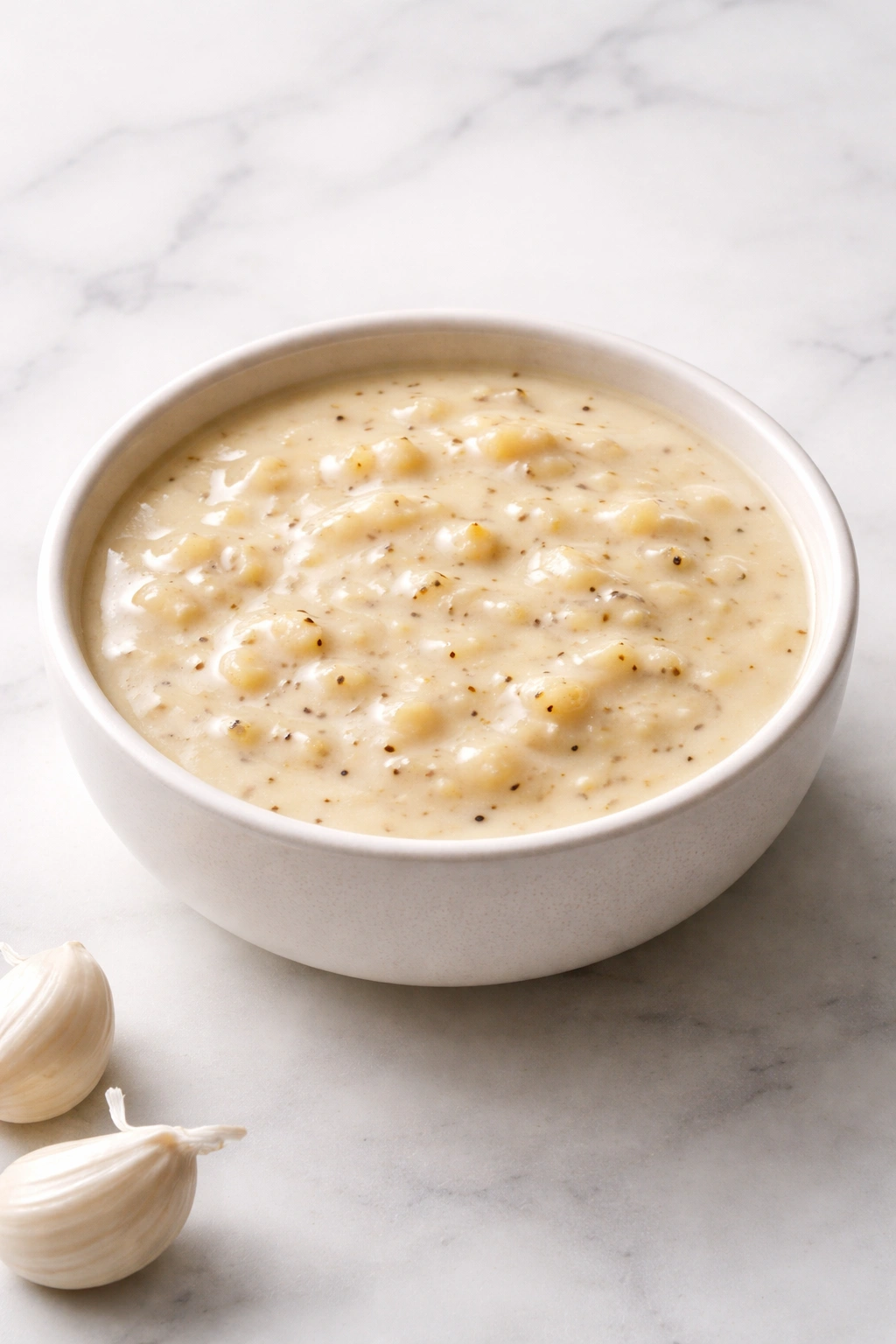
If you’re after indulgence and comfort, this is your sauce. Luxurious without being heavy, it wraps the scallops in a silky, garlicky blanket that feels special enough for date night yet comes together in mere minutes. The cream mellows the wine’s acidity while the garlic adds aromatic warmth, creating a sauce that tastes like it came from a Michelin-starred kitchen.
For the Sauce:
- 3 tablespoons unsalted butter, divided
- 3 to 4 cloves garlic, minced
- ½ cup dry white wine or dry vermouth
- ¼ cup seafood or chicken broth
- ¾ cup heavy cream
- 1 tablespoon fresh lemon juice
- ½ teaspoon red pepper flakes (optional)
- 2 tablespoons fresh parsley, chopped
- Salt and white pepper to taste
After removing the scallops, keep the pan off the heat for a moment and add 1 tablespoon of butter along with the minced garlic. The residual heat will cook the garlic gently without browning it. Sauté for about 1 minute, then return the pan to medium heat. Pour in the white wine and let it reduce by about half, which takes 2 to 3 minutes. This concentrates the wine’s flavor and burns off the alcohol.
Add the broth and let everything simmer together for about 1 minute, then reduce the heat to low and pour in the heavy cream. Stir gently and let the sauce simmer for about 4 to 6 minutes until it thickens enough to coat the back of a spoon. The sauce should be luxurious and velvety, not separated or greasy. If it seems too thick, add a splash of broth; if it’s too thin, continue simmering a bit longer.
Stir in the lemon juice, red pepper flakes (if using), and parsley. Whisk in the remaining cold butter, which adds shine and helps emulsify the sauce. Don’t let the sauce boil after adding the cream—high heat can cause it to break or become grainy. Return the scallops to the pan and warm them through gently for 1 to 2 minutes, coating them with sauce. Taste and season with salt and white pepper (white pepper is more delicate and won’t show black specks in the creamy sauce, though black pepper works fine too).
Why This Sauce Excels
Heavy cream transforms the wine sauce into something luxurious, but it’s balanced by the acidity of lemon juice and the savory depth of garlic. The sauce clings to the scallops, creating each bite to be buttery and rich without being overwhelming. The optional red pepper flakes add a subtle warmth that keeps the dish from feeling one-dimensional.
Perfect Pairing Ideas
This sauce shines when served over buttered pasta, creamy risotto, or mashed potatoes that can absorb its richness. You could also serve it over a bed of egg noodles for a touch of elegance. Complement the plate with roasted green beans, sautéed mushrooms, or a simple arugula salad dressed with lemon vinaigrette. A glass of unoaked Chardonnay or a lighter Pinot Noir echoes the sauce beautifully.
3. Citrus Ginger Sauce
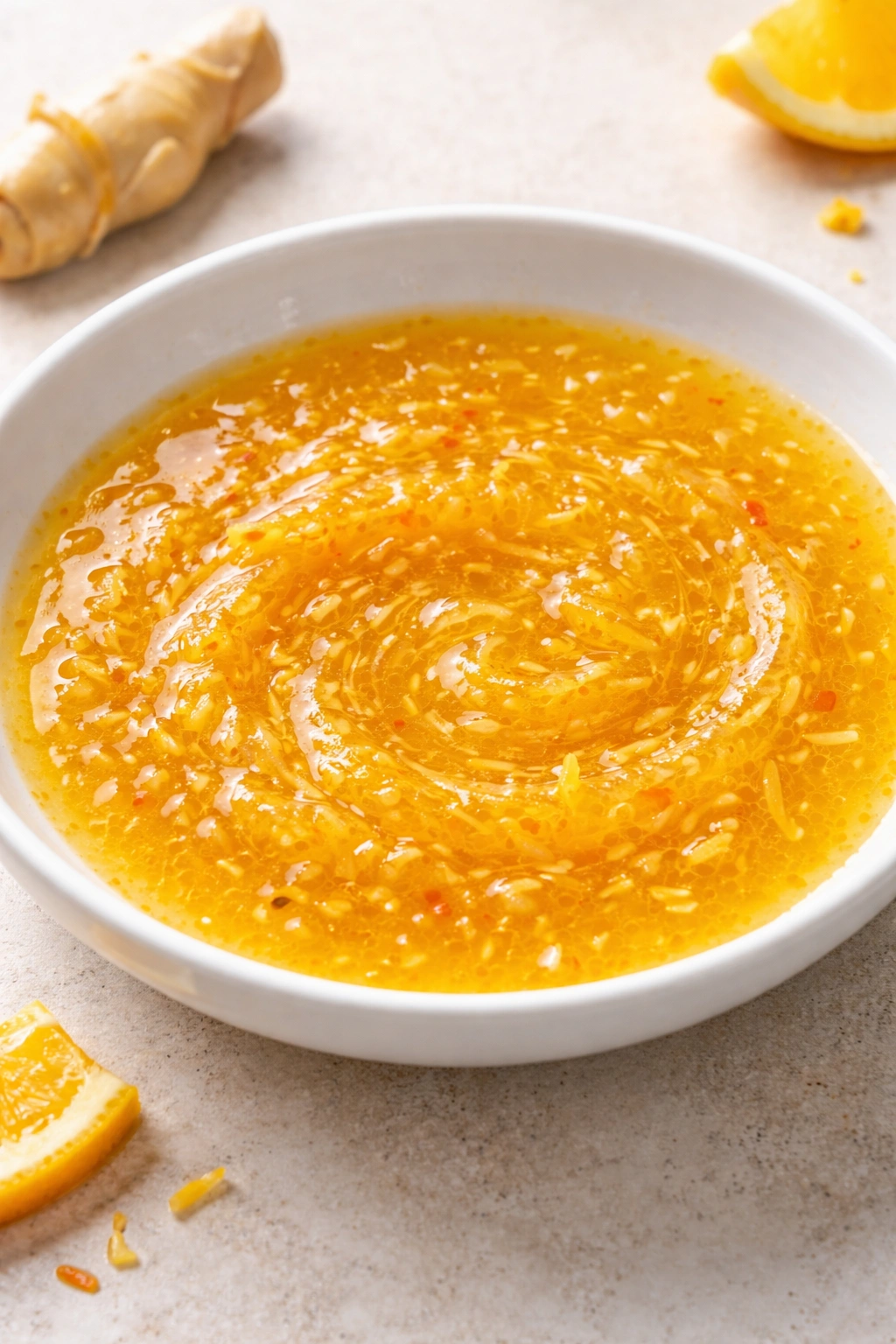
This sauce is for when you want something fresh, bright, and a little bit different. The combination of citrus juice and zest with fresh ginger creates a sauce that’s simultaneously sweet, tangy, and warming—perfect for lifting the scallops without weighing them down. It’s the kind of sauce that makes you feel like you’re dining at a modern seafood restaurant that emphasizes technique and flavor balance.
For the Sauce:
- 2 tablespoons unsalted butter
- 1 tablespoon fresh ginger, finely grated
- Zest of 1 orange
- Zest of ½ lemon
- ¼ cup fresh orange juice (about 1 medium orange)
- 2 tablespoons fresh lemon juice
- 2 tablespoons dry white wine or sake (optional)
- 2 tablespoons honey or agave syrup
- 1 tablespoon rice vinegar or white vinegar
- 1 tablespoon soy sauce (low-sodium is best)
- 1 teaspoon fresh thyme, chopped
- Salt and pepper to taste
Once the scallops are removed from the pan, reduce the heat to medium and add the butter. When it’s melted, add the grated ginger and cook for about 30 seconds—just long enough to release its aromatics. Pour in the orange juice, lemon juice, and wine if using. Let this mixture simmer for about 2 minutes.
Add the orange zest, lemon zest, honey, and rice vinegar. Stir in the soy sauce, which adds umami depth and saltiness that prevents the sauce from tasting one-dimensionally sweet. Let everything bubble together for another 2 to 3 minutes until slightly reduced and slightly syrupy. The sauce should coat a spoon but still flow easily.
Return the scallops to the pan and warm them through for about 1 minute, spooning the sauce over them. Taste carefully—citrus sauces can be tricky because acidity can vary depending on the fruit. If the sauce tastes too acidic, add a small pinch of honey to balance it. If it’s too sweet, add a squeeze of lemon juice. Finish with fresh thyme and serve immediately.
Why This Sauce Excels
Ginger adds a subtle heat and complexity that makes people say “I can’t quite put my finger on what makes this taste so good.” The combination of citrus juices with zest gives you both the brightness and the intense, slightly bitter aromatic oils from the peel. The soy sauce and honey work together to add depth and a touch of sweetness that’s never cloying, while the vinegar keeps everything balanced and fresh. This sauce is lighter than the creamy option but more flavorful than you’d expect.
Perfect Pairing Ideas
Serve these scallops over jasmine rice or sticky rice to balance the bright acidity. A bed of bok choy, sautéed broccoli, or asparagus makes the plate feel Asian-inspired and harmonious. The sauce is also wonderful drizzled over a simple green salad or alongside roasted carrots and snap peas. A crisp Sauvignon Blanc, a Riesling, or even a light sparkling wine pairs beautifully with this sauce’s fresh, zesty character.
Pairing Each Sauce With Complementary Sides
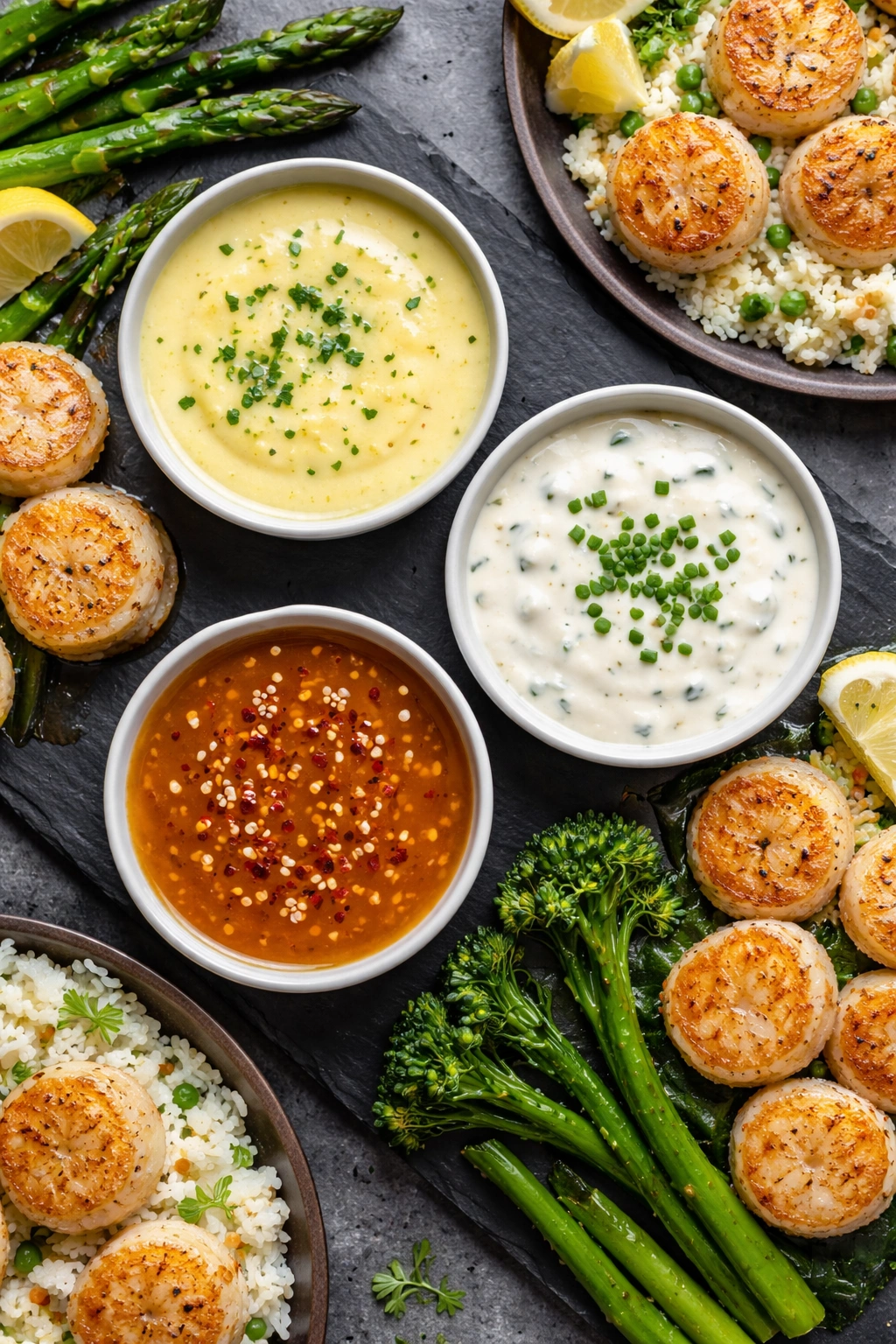
The sauce you choose should influence what you serve alongside the scallops. Lemon caper sauce is traditional and sophisticated, so it pairs well with classic sides like fresh pasta, creamy risotto, or tender roasted asparagus. The sauce itself contains enough acidity and brightness that your sides can be slightly richer—think garlic mashed potatoes or buttered egg noodles. A simple green salad with a light vinaigrette rounds out the plate by providing textural contrast.
Creamy garlic sauce is luxurious and comforting, which means it works beautifully with sides that are equally elegant. Buttered fettuccine noodles allow the sauce to cling and coat every strand. Sautéed mushrooms—cremini, shiitake, or oyster—echo the sauce’s earthiness and richness. Roasted fingerling potatoes or creamed spinach add substance without competing for attention. The richness of the sauce means you can go lighter on the side vegetable; a simple butter-steamed broccoli or green beans is plenty.
Citrus ginger sauce is bright and modern, calling for sides that share its fresh, clean character. Jasmine rice or sticky rice absorbs the sauce beautifully while remaining light. Sautéed bok choy, gai lan (Chinese broccoli), or regular broccoli all complement the Asian-inspired flavors. Roasted snap peas with a sprinkle of sesame seeds add sweetness and crunch. Even a simple cucumber salad or some pickled vegetables work wonderfully because they echo the sauce’s fresh, tangy nature.
Storage and Make-Ahead Tips for Scallop Sauces
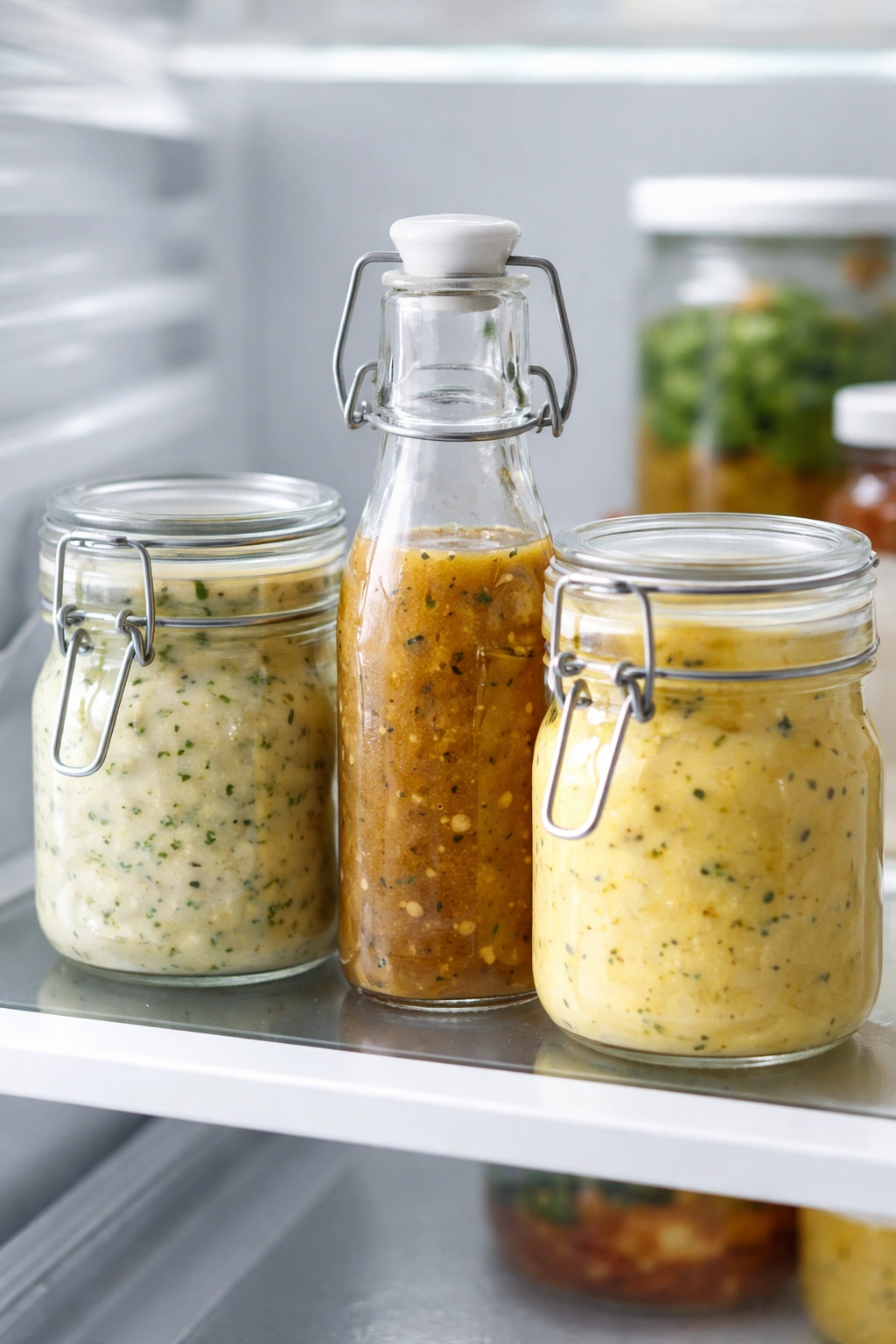
One of the great advantages of these scallop sauces is that they can be made ahead, which takes pressure off your cooking timeline. All three sauces can be prepared up to several hours in advance and reheated gently just before serving. Store them in airtight containers in the refrigerator for up to 3 days, though they’re best enjoyed within 1 to 2 days when their flavors are brightest and most vibrant.
When reheating, do so slowly over low heat in a small saucepan, stirring gently and adding a splash of broth or wine if the sauce has thickened too much during storage. If you made a cream-based sauce, avoid boiling it, which can cause the cream to break or become separated and grainy. The lemon caper and citrus ginger sauces are more forgiving during reheating since they don’t contain cream.
Don’t cook the scallops ahead of time. Scallops are best eaten immediately after cooking, as they continue to firm up as they cool and can become tough if left to sit. Instead, prepare your sauce and sides completely, then sear the scallops as your final step. This entire process takes less than 15 minutes, so you can easily have a restaurant-quality meal on the table with minimal stress.
If you want to partially prepare, you can make your sauce base (everything except final garnishes and adjustments) an hour or two ahead, then finish it while the scallops cook. The creamy sauce should be brought to temperature gently; the citrus and lemon caper sauces can tolerate a bit more heat if needed to reduce again.
Common Mistakes When Making Scallop Sauces
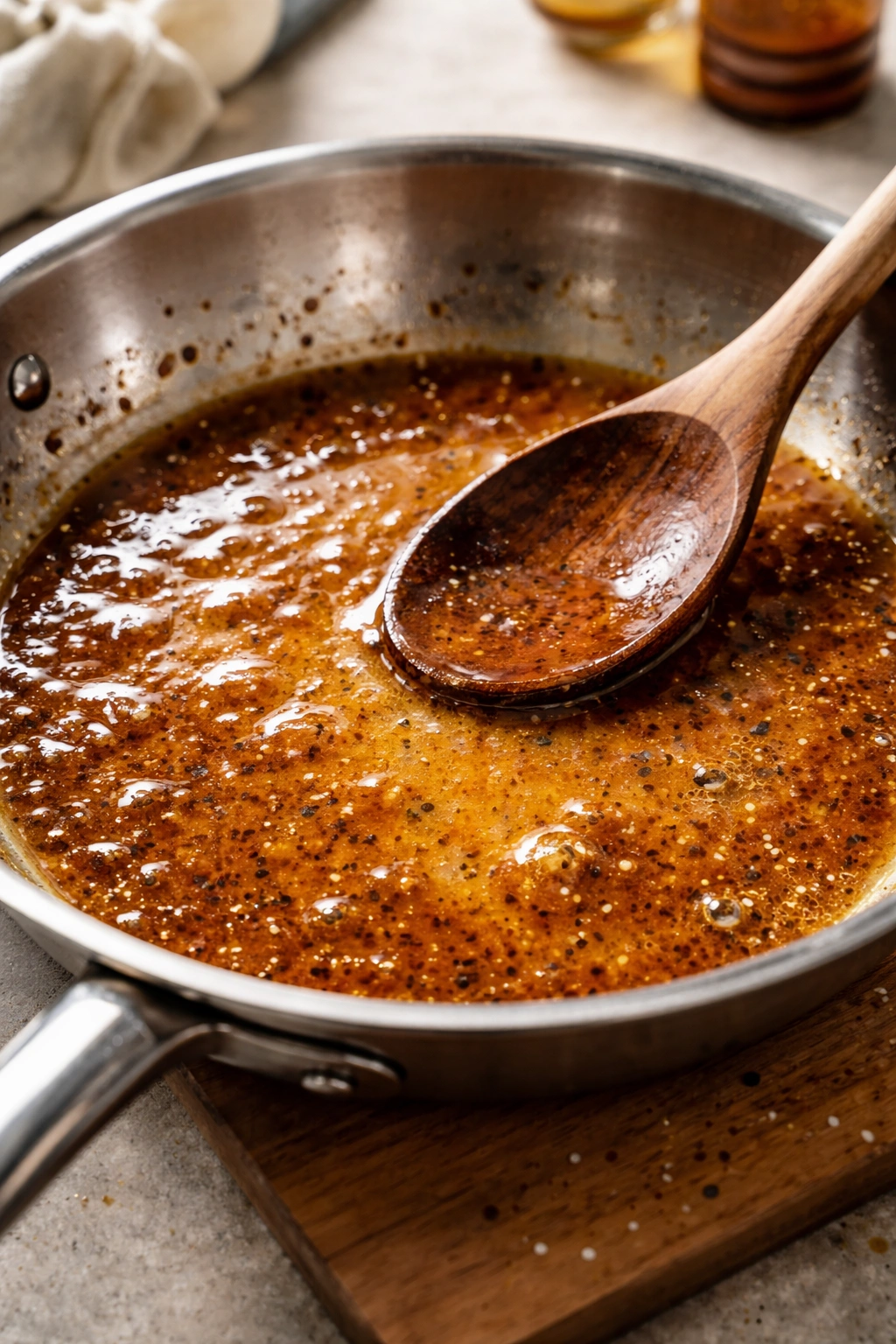
The most frequent mistake people make when preparing scallop sauces is over-reducing the liquid. A sauce that’s too thick and concentrated becomes intensely salty and sharp-tasting, and there’s no saving it once you’ve gone too far. Remember that the sauce will continue to reduce slightly off the heat through residual heat transfer. If you’re uncertain, pull it from the heat when it’s still slightly looser than you want—it will thicken as it cools and sits.
Another common error is not scraping the fond from the bottom of the pan. Those caramelized, stuck-on bits are pure flavor, and they dissolve into your sauce when you deglaze the pan with wine or liquid. Use a wooden spoon and a bit of elbow grease to scrape up every particle. If you skip this step, your sauce will taste thin and flat by comparison.
Adding dairy (cream or butter) to a sauce that’s too hot will cause it to break or separate. Always reduce the heat before whisking in cold butter, and never add cream to a rapidly boiling sauce. The proteins in the cream denature and separate when exposed to high heat, leaving you with a greasy, curdled mess. Low and slow is the way to go with cream-based sauces.
Finally, many people oversalt their sauces. Remember that you’ve already seasoned the scallops, and ingredients like capers, soy sauce, Dijon mustard, and broth all contribute salt. Taste your sauce carefully before adding more, and season in small pinches rather than large shakes of salt. You can always add more, but you can’t take it out.
Final Thoughts
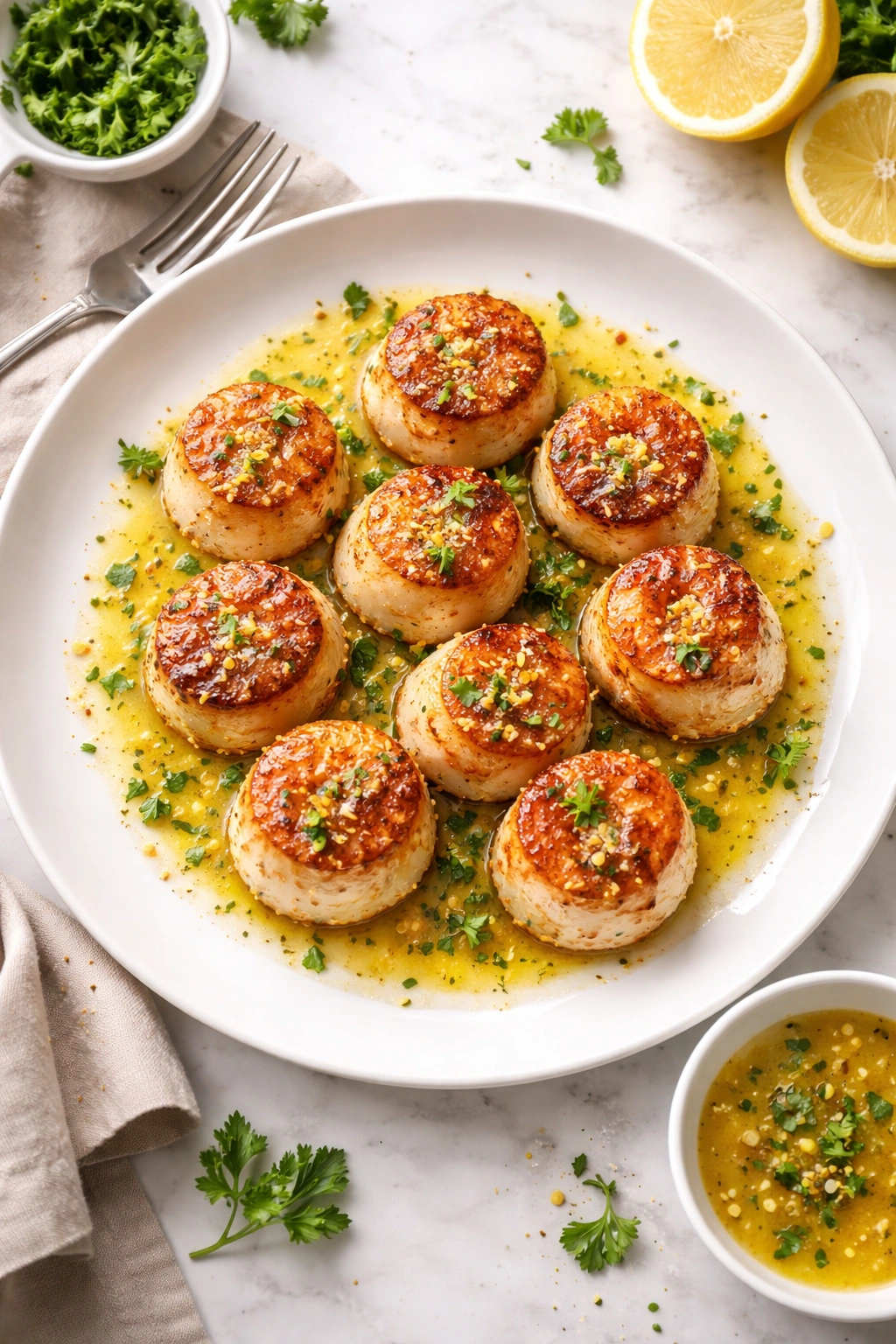
Pan-seared scallops with a simple, elegant sauce represent some of the easiest luxury you can create at home. The scallops themselves cook in just 4 to 6 minutes, and any of these three sauces comes together in under 10 minutes. What matters most is starting with dry, high-quality scallops, ensuring your pan is adequately hot, and resisting the urge to fiddle with them as they cook.
Choose your sauce based on your mood and what ingredients you have on hand. The lemon caper sauce is timeless and foolproof, perfect when you want to taste the scallops themselves with a supporting flavor. The creamy garlic sauce is indulgent and restaurant-worthy, ideal for date night or when you want pure comfort. The citrus ginger sauce is modern and surprising, best when you want to impress yourself or adventurous guests with something a bit different.
Remember that the highest quality ingredient—the scallops themselves—should be treated with respect. Keep the sauce simple enough that it enhances rather than masks their natural sweetness and tender texture. Serve the scallops immediately while everything is hot, and enjoy knowing you’ve created something that tastes like it came from the best seafood restaurant in town. You’ve earned it.
