



When you’re hosting friends or family and want to create something that looks impressive without requiring hours in the kitchen, a grazing table is the answer. It’s stunning, it’s interactive, and it lets guests pick exactly what they want to eat. But there’s a real difference between throwing random items on a board and creating a thoughtfully curated spread that looks like it belongs in a magazine.
The magic of a grazing table isn’t just about abundance — it’s about balance, color, texture, and thoughtful arrangement. You’re essentially creating an edible landscape that’s visually appealing while offering genuine variety. The best grazing tables feel effortless, but they’re actually the result of intentional choices about proportion, placement, and pairing. Once you understand the core principles, you’ll be able to build one that works for any occasion, any guest list, and any dietary preference.
Choosing the Right Base and Surface
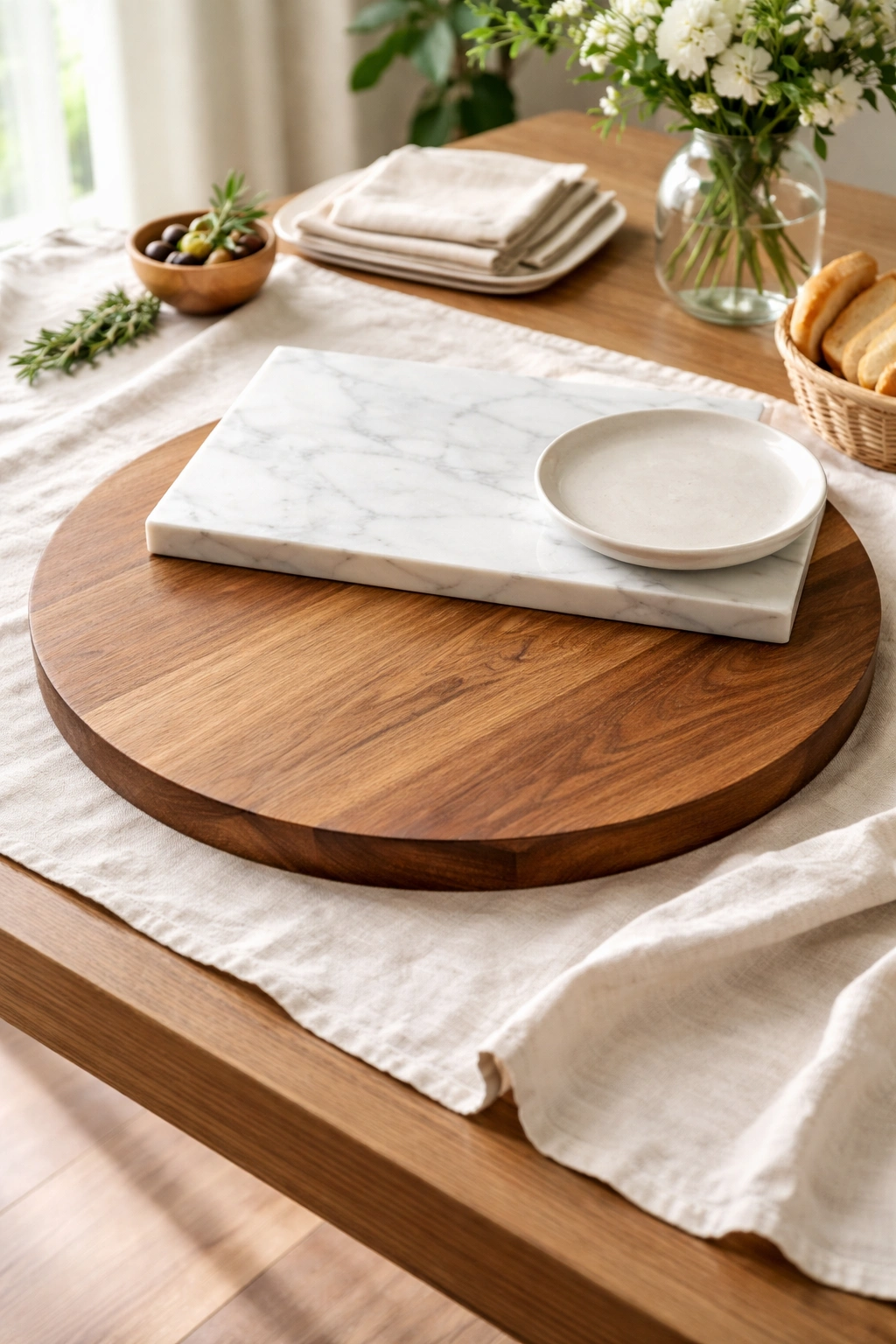
Your foundation matters far more than you’d think. A grazing table needs a surface that’s large enough to actually breathe — a cramped, crowded board feels messy rather than curated. For a gathering of 8-10 people, you’re looking at a minimum of 24 inches by 36 inches. For 12-16 people, aim for something closer to 3 feet by 5 feet or even larger.
The traditional option is a wooden charcuterie board, which adds warmth and natural beauty. But don’t limit yourself to just one board. Many of the most striking grazing tables actually use multiple surfaces at different heights — a large board as the main base, then small wooden cutting boards, marble slabs, or ceramic plates layered on top to create dimension and visual interest. This elevated approach looks intentional and prevents the table from feeling flat.
Wood is forgiving because it coordinates with nearly everything, but marble, slate, or even a large ceramic platter can work beautifully too. The color of your base should complement your overall color scheme. A dark marble works well with jewel tones and contrasts dramatically with bright fruits and cheeses, while lighter woods pair beautifully with pastels or a more organic, rustic feel. Whatever surface you choose, make sure it’s clean and, ideally, free of strong odors that might transfer to your food.
If you don’t have a large board, a clean wooden table, a marble countertop, or even a large shallow serving tray can serve as your base. The principle is the same — you’re creating a contained, attractive space for food arrangement.
Selecting Your Color Palette and Visual Theme
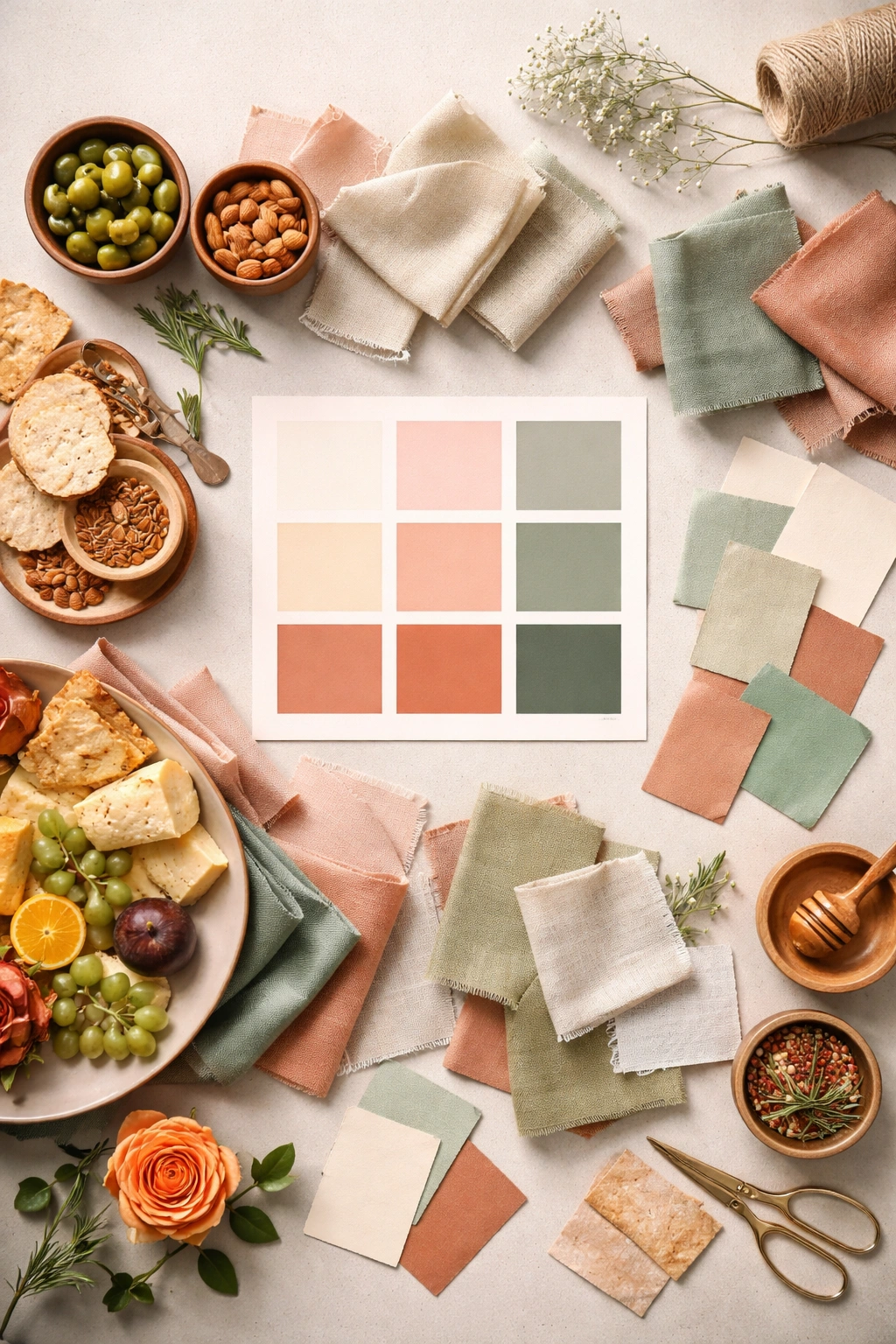
Before you buy a single ingredient, decide on a color direction. The most striking grazing tables feel intentional in their aesthetic, which means the colors work together rather than fighting for attention. You don’t need every color of the rainbow — often, the most beautiful tables stick to a loose palette of 4-5 dominant colors.
A classic pairing might be whites and golds (creamy cheeses, pale grapes, apricots) with pops of deep burgundy or forest green. A summer-focused palette could lean into bright pinks, oranges, and greens with fresh berries and vibrant vegetables. A more neutral, elegant approach uses creams, taupes, grays, and blacks with dramatic contrast between light and dark items.
Think about the occasion and season. A winter grazing table might emphasize deeper colors, warming spices, and rich cheeses, while a spring table leans into pastels and fresh, delicate items. An autumn table naturally incorporates warm oranges, deep reds, and golden tones. These seasonal nods don’t require much effort, but they elevate the table from generic to thoughtful.
You can also tie your color palette to your home’s décor or the event’s theme. If you’re doing a wedding or special celebration, consider incorporating the event colors in subtle ways through your ingredient choices. This doesn’t mean forcing artificial colors — it means being intentional about which cheeses, fruits, and garnishes you select to create cohesion.
Building Your Cheese Selection
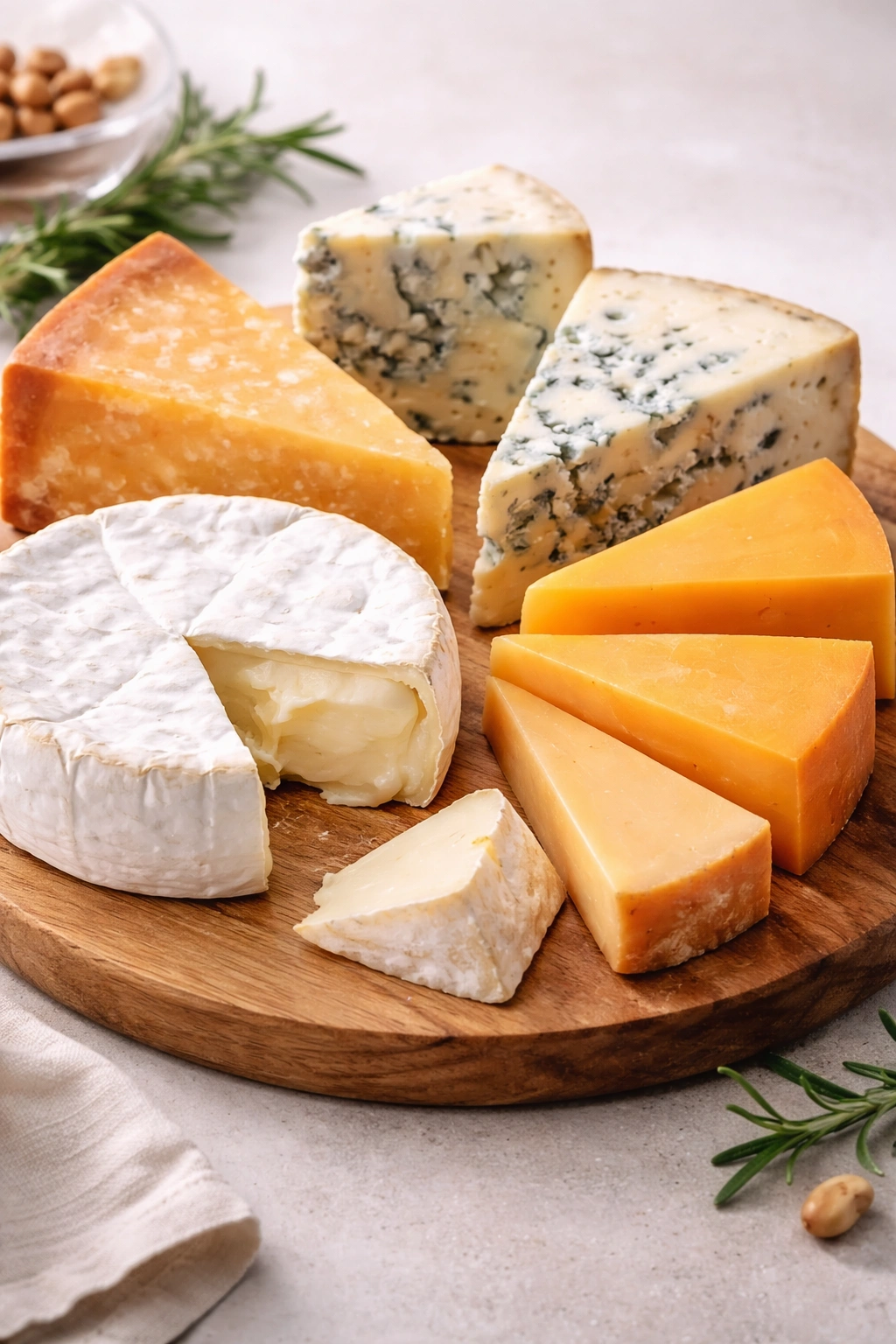
Cheese is the anchor of a grazing table, typically making up about 30-40% of the total spread. The key is variety in texture, flavor, and color. You’re aiming for a range that hits different notes: something creamy, something crumbly, something sharp, and something mild. This gives guests options and creates visual interest through contrast.
A solid rule of thumb is to include three to five cheese varieties for a medium-sized table, with about 3 ounces of each type per person. For 10 people, that’s roughly 30 ounces of cheese total if cheese is your main focus — though you’ll adjust this based on what else you’re serving.
Include at least one soft cheese (brie, camembert, or chèvre), one firm cheese (aged cheddar, manchego, or gruyère), and one blue or washed-rind cheese if your guests enjoy bold flavors. Add a hard cheese like parmigiano-reggiano that guests can break into shards. These categories give you natural variety without overthinking it.
Consider the colors too. White cheeses (chèvre, mozzarella, feta), golden cheeses (aged cheddar, gruyère), and blue-veined varieties create visual contrast. If you want to keep things simple, stick to 2-3 cheeses and let them be really good rather than spreading yourself thin across six mediocre options.
Arrange cheeses strategically so each one is clearly visible and guests can identify them. Small hand-written labels or cards add a elegant touch and help guests make confident choices. Leave cheese out at room temperature for about 30-45 minutes before serving so flavors come alive — cold cheese tastes muted.
Adding Cured Meats and Proteins
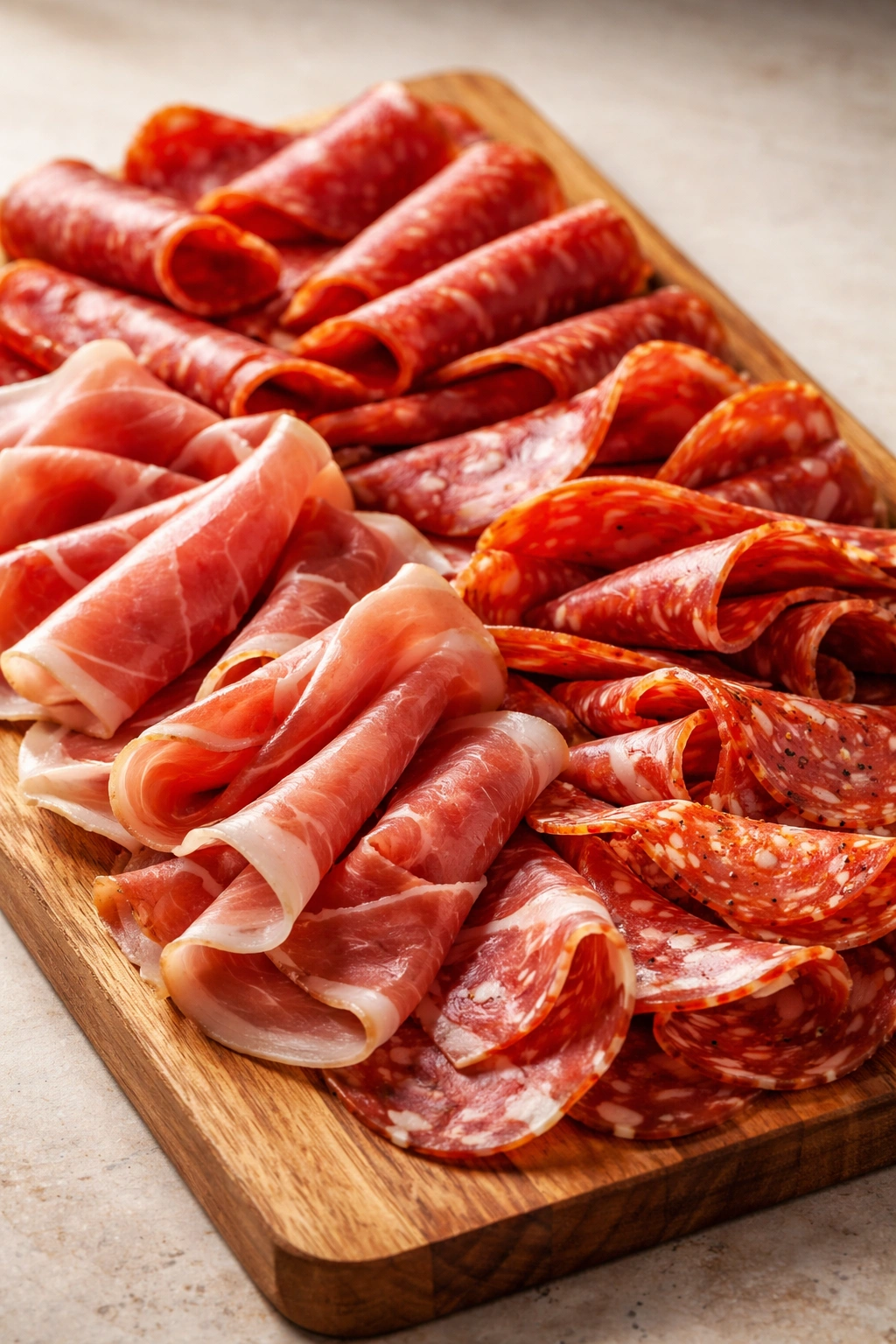
Cured meats provide salty, savory richness and add dramatic visual depth through color variation. Think prosciutto (pale pink and translucent), Spanish jamón (deeper red), salami (rich burgundy), and soppressata (darker, speckled). The key is to fold or loosely bunch them rather than laying them flat and overlapping in neat rows — rumpled, layered cured meats look more dynamic and organic.
Include 2-3 varieties of cured meat, with about 2-3 ounces per person total. If you have vegetarian guests, make sure you have clearly separated spaces so there’s no cross-contact with shared utensils. A helpful move is to set aside a small dedicated vegetarian board or clearly designated section.
Beyond traditional cured meats, consider other proteins that fit your theme. Smoked salmon draped elegantly across the board, prepared meatballs, or marinated olives add protein and variety. Prosciutto-wrapped figs or dates create an elegant bite that feels more composed than raw ingredients alone. Deviled eggs (if your grazing table includes hot elements, which some do) offer richness and visual interest.
The way you present cured meats matters. Loosely fold thin slices and stand them up slightly so light catches the folds, creating dimension. Thicker slices of dry salami can be rolled or fanned. This creates an architectural quality to your table that flat, overlapping slices don’t achieve.
Including Fresh Fruits for Color and Sweetness
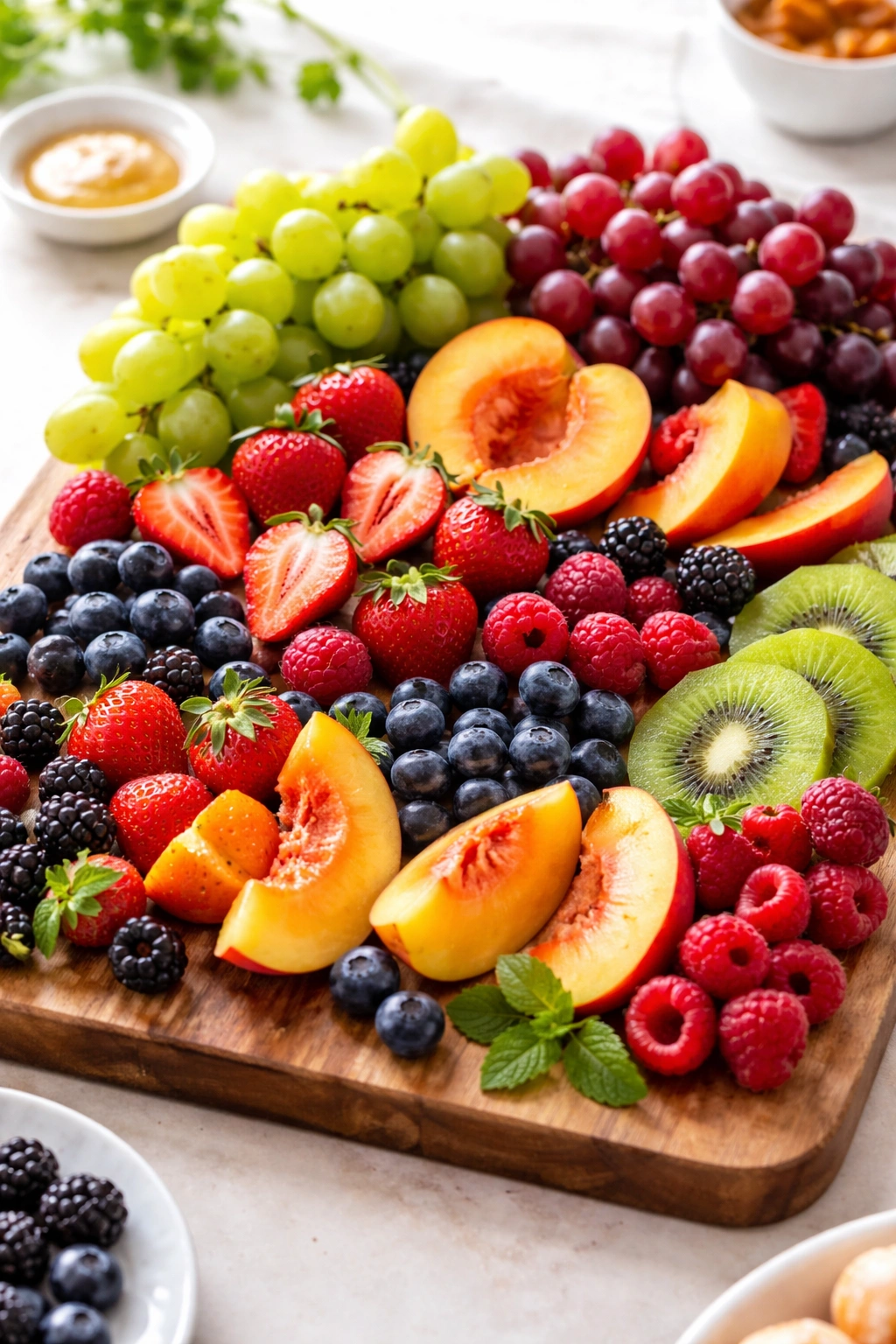
Fruit provides natural sweetness, color variety, and freshness that balances rich cheeses and meats. Red grapes, green grapes, and black grapes offer different visual notes. Berries (strawberries, raspberries, blueberries) add pops of bright color. Dried apricots, figs, and cranberries contribute depth and look beautiful scattered throughout.
Fresh stone fruits cut into wedges or halves (peaches, nectarines, plums) add elegance and visual appeal. Thin apple or pear slices create delicate layers and pair beautifully with cheese. A handful of pomegranate arils scattered across the board introduce jewel tones and visual sparkle.
Don’t prep all your fruit hours ahead, as apples and pears oxidize and berries become soft. Cut them 30-45 minutes before guests arrive, or prep them right before serving. To prevent apple and pear slices from browning, you can toss them lightly in a tiny bit of lemon juice, though this isn’t always necessary if you’re serving them quickly.
About 20-30% of your grazing table should be fruit. This ratio keeps things balanced — enough to provide visual appeal and textural contrast, but not so much that you’re short on the savory items guests often gravitate toward. Whole grapes and berries require no prep and stay beautiful throughout the event, making them practical choices for longer gatherings.
Vegetables and Raw Produce Arrangements
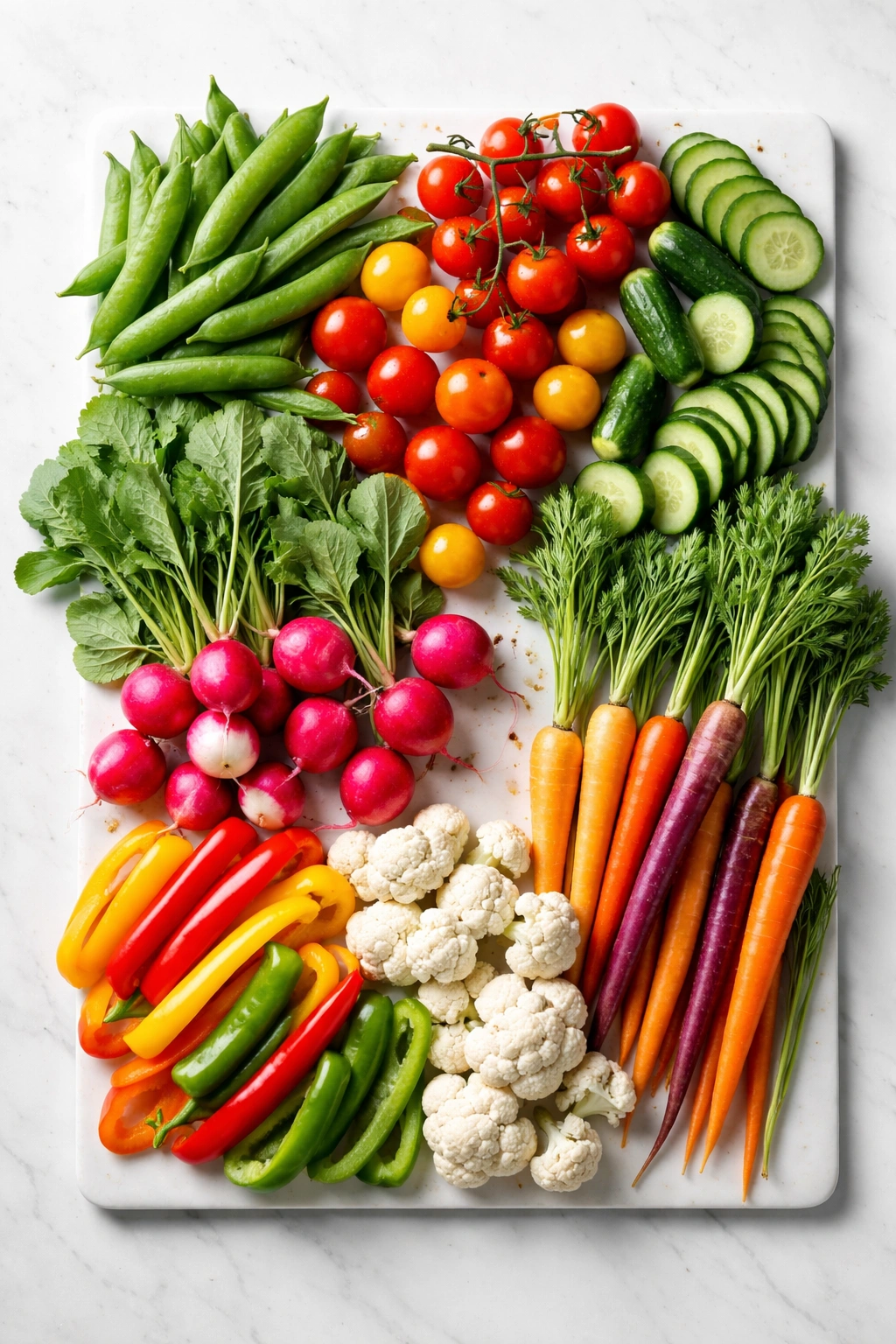
Vegetables add crucial freshness, crunch, and often bright green color that contrasts beautifully with rich, warm tones of cheese and meat. Include a mix of textures: crisp snap peas, tender cucumber ribbons, crunchy radish slices, and sweet bell peppers in multiple colors.
Cherry tomatoes are a grazing table staple — they’re bite-sized, colorful, require no prep, and pair well with everything. Carrot sticks, celery, and blanched asparagus spears offer satisfying crunch. Thinly sliced radishes bring peppery heat and pretty pink-and-white coloring. Roasted baby potatoes, if you want to include a warm element, add substance and sophistication.
Raw mushrooms (cremini or baby bellas, halved or quartered) add earthiness and texture. A small handful of pickled vegetables — cornichons, pickled onions, or marinated vegetables — introduce tangy contrast that cuts through richness. These tangy items are flavor-game changers and give your grazing table depth beyond what plain, raw vegetables alone offer.
Arrange vegetables in small clusters rather than scattering them randomly. Group snap peas together, tomatoes in another spot, and radishes in a third area. This creates visual organization that feels intentional. Vegetables should make up roughly 15-20% of your table.
Crackers, Breads, and Carbohydrates
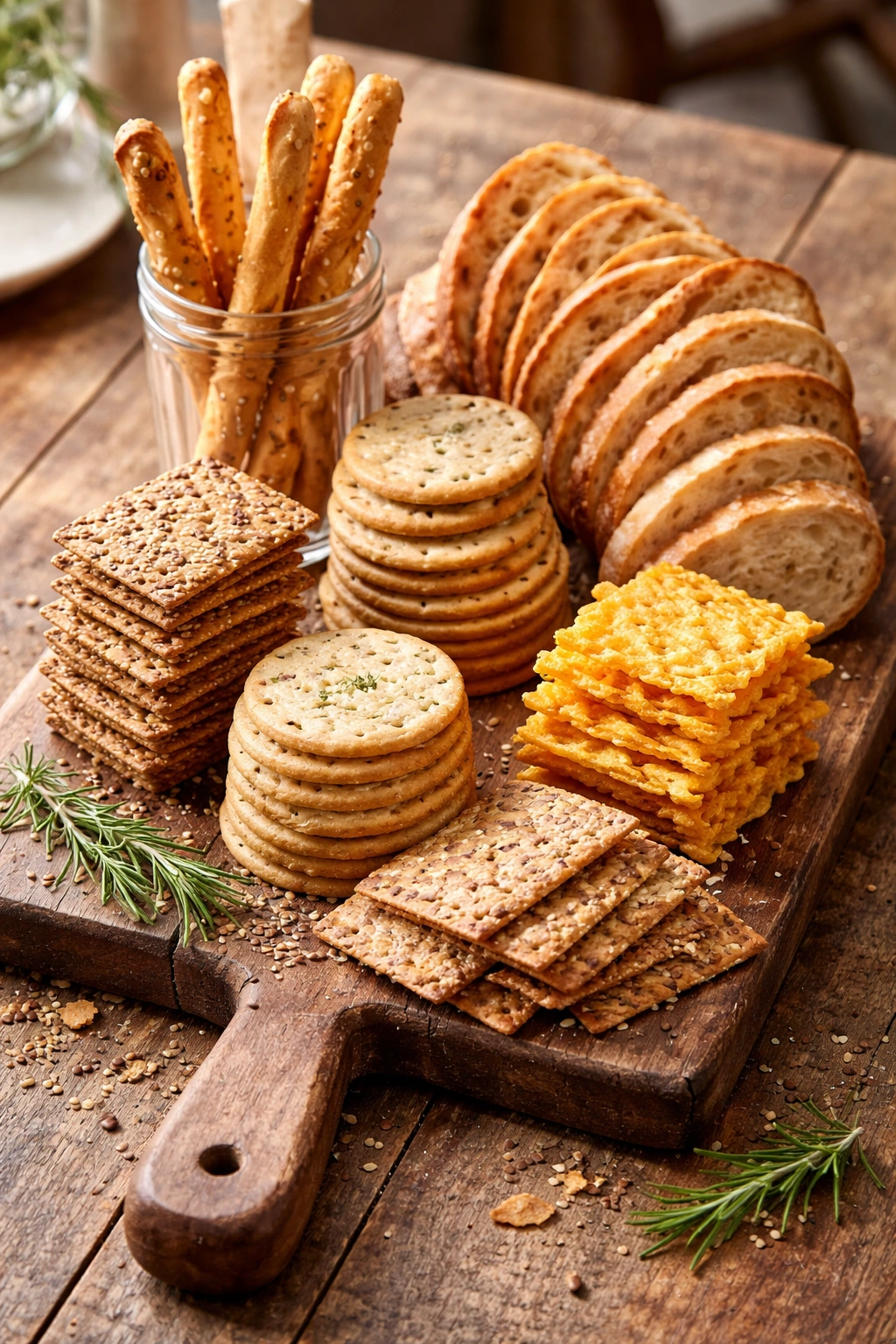
Crackers and bread are the vehicle for your cheese and spreads, so choose varieties that add both texture and flavor. Don’t default to plain water crackers. Mix in options: seeded crackers, rosemary crackers, cheddar crisps, breadsticks (breadsticks take up visual space and add height with minimal ingredient cost), and thin slices of really good crusty bread, focaccia, or crostini.
The mix of flavored and plain crackers keeps things interesting. Some guests want a neutral base that showcases the cheese, while others appreciate a cracker with its own personality. About 15-20% of your total table should be crackers and bread — enough so guests always have a vehicle, but not so much that the table feels carb-heavy.
Arrange crackers standing up in small stacks or propped against the cheese board’s edge so they’re easy to grab. This creates vertical interest and prevents them from looking like scattered clutter. Keep breadsticks in a small glass or cup for visual containment. If you’re using bread slices, arrange them overlapping in a fan pattern to look composed and intentional.
Nuts, Seeds, and Crunchy Additions
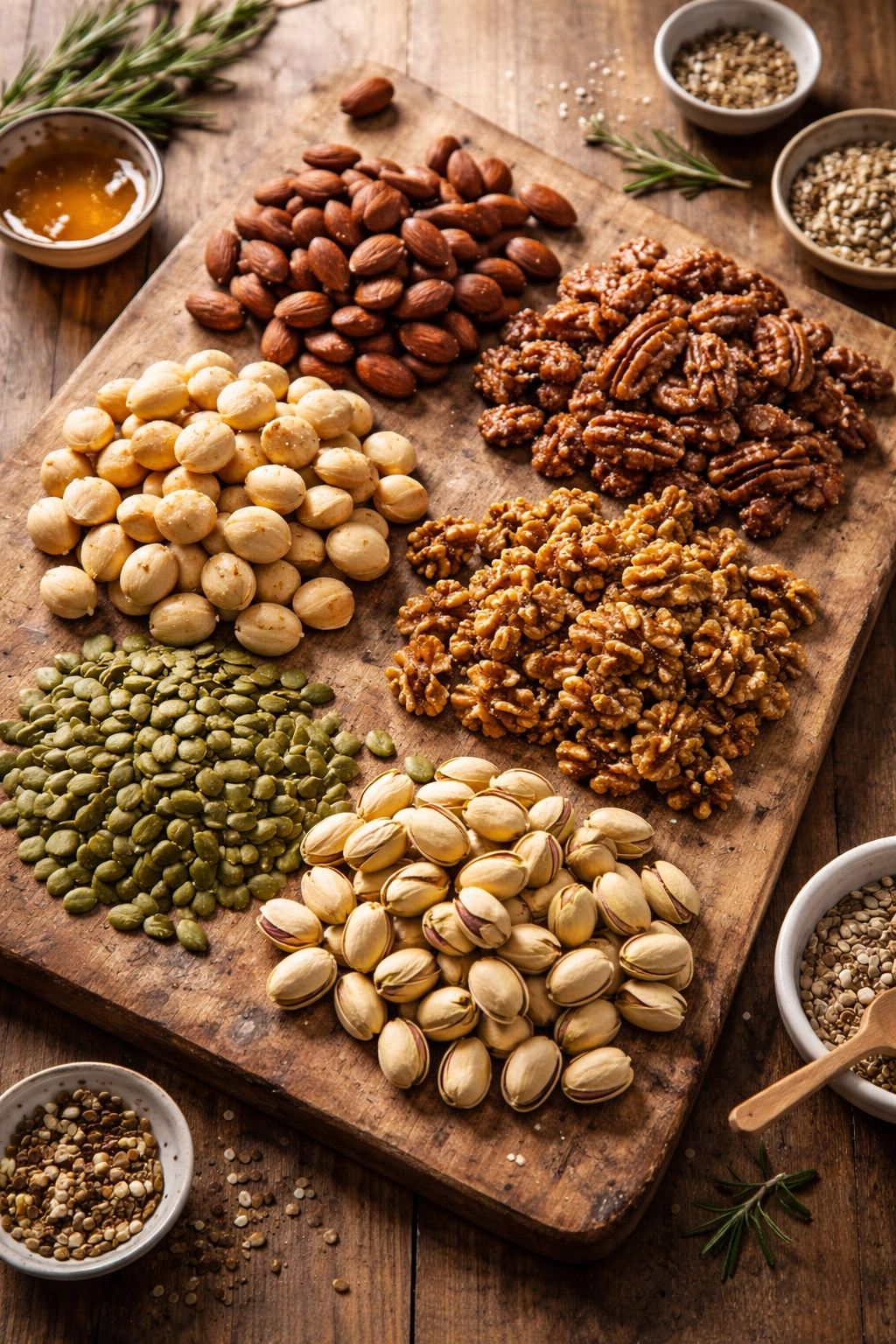
Nuts add textural contrast, richness, and visual bulk without much ingredient cost. Roasted almonds, candied pecans, spiced walnuts, and marcona almonds offer different flavor profiles. Pistachios in their shells add visual interest through their bright green color and the fact that guests have to work slightly to enjoy them (this actually increases their perceived value and slows down consumption, which is useful for longer events).
Mix plain and flavored nuts. A handful of rosemary-roasted almonds, some honey-roasted pecans, and some plain marcona almonds together create a nut station within your grazing table that feels sophisticated. Seeds (sunflower seeds, pumpkin seeds) add a different texture and are great for guests avoiding nuts.
Nuts should comprise about 5-10% of your table. Scatter them in small piles or fill a small bowl and tuck it into the board. Candied nuts and honey-roasted varieties feel more like a treat, while plain roasted nuts feel more neutral and versatile. The contrast between salty nuts and sweet fruits is one of the core pleasures of a grazing table, so don’t skip this element.
Spreads, Dips, and Complementary Sauces
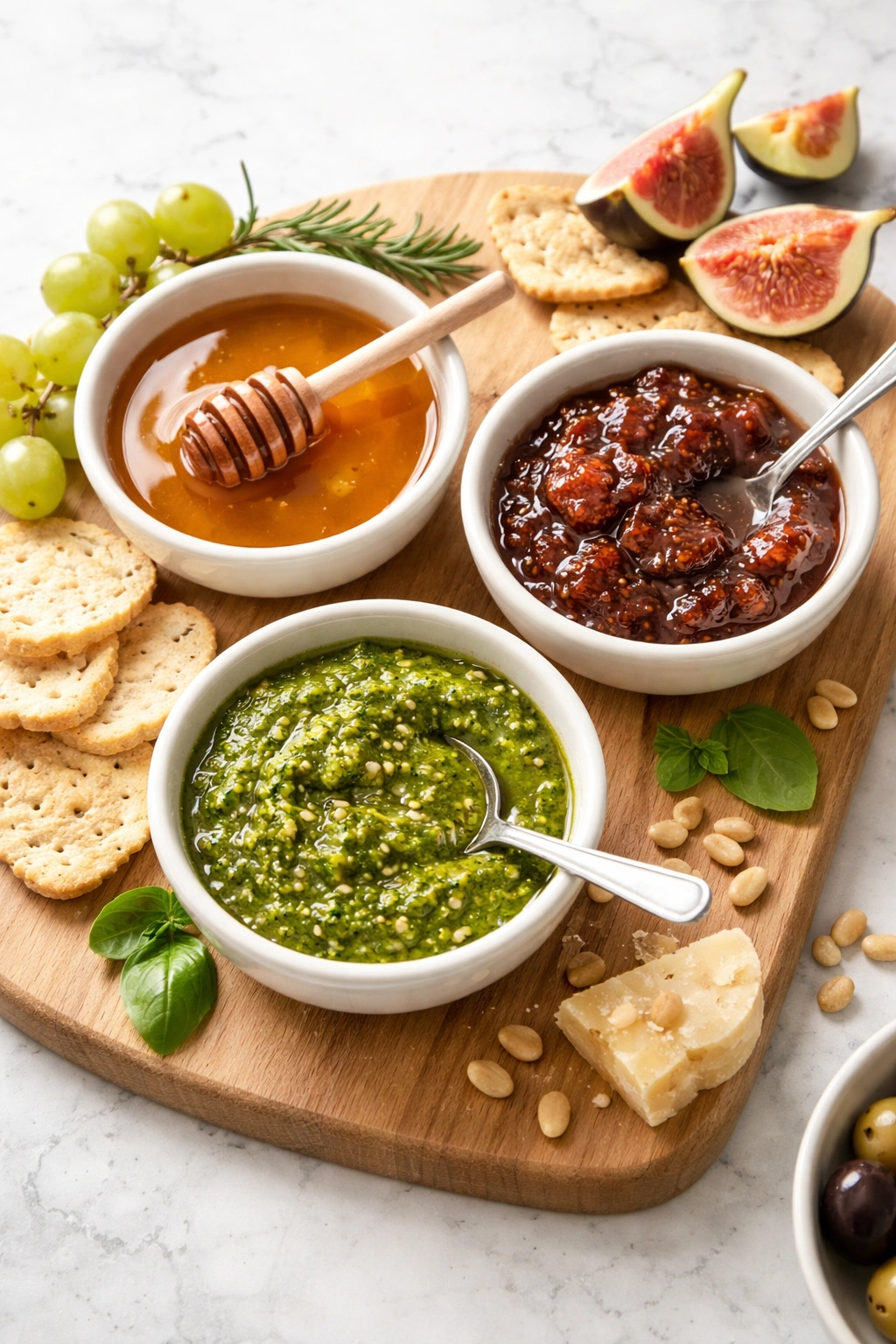
Spreads elevate a grazing table from simple cheese board to curated experience. Honeycomb with honey is a classic pairing with cheese — the sweetness and stickiness complement sharp cheeses beautifully. Fig jam or apricot preserves offer sweet-savory balance. A high-quality pesto adds richness and herbaceous flavor.
Hummus and other creamy dips work too, though they feel slightly more casual. If you’re going for elegant, go traditional: honey, jam, and maybe a spicy element like hot honey or chili oil. Hot honey drizzled over soft cheese like brie is chef’s kiss — it’s elegant, unexpected, and genuinely delicious.
Whole grain mustard adds tangy bite. Marinated white beans or marinated artichokes provide substance if you want something beyond cheese and cured meat. These items should be served in small bowls with small spoons or spreaders so guests can easily portion them onto their crackers without mess.
About 3-4 small bowls of spreads and sauces is ideal. More than that feels cluttered; fewer feels like you didn’t try. The honey, a jam, and maybe one other element (spicy oil or pesto) is perfectly adequate. Small bowls are key — they look intentional and keep dips from getting lost on a large board.
Strategic Placement and Balance
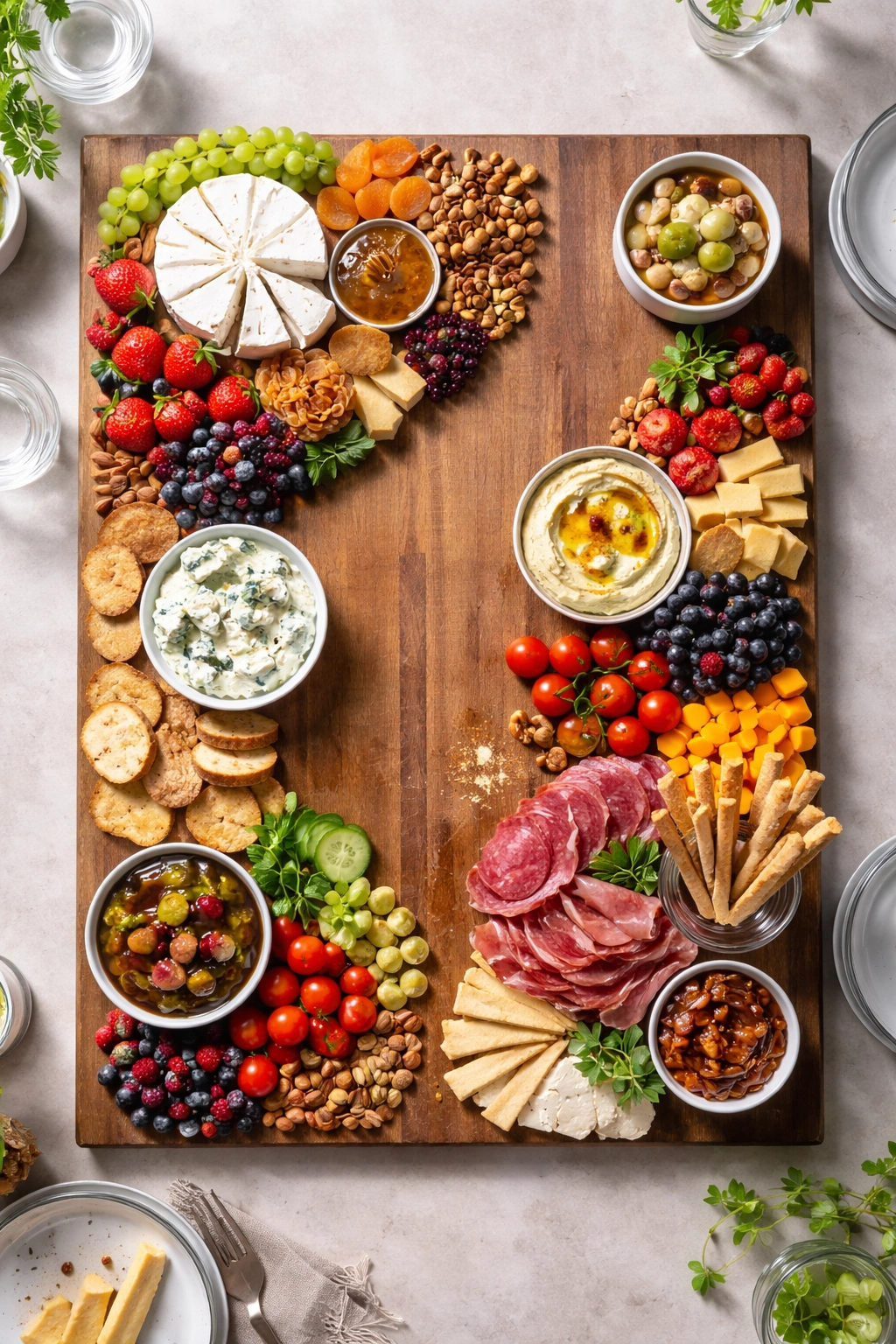
Now that you understand the components, placement is what separates a beautiful grazing table from a chaotic one. Start by identifying your focal points — where does the eye naturally land first? Place your most visually striking or your most important elements (best cheese, most vibrant fruit, centerpiece items) in these spots.
Create rough zones even though items will eventually flow together. Dedicate one area primarily to cheese, another to cured meats, another to fruits, and so on. This prevents each element from getting lost and ensures guests won’t miss anything. Think of it like a map of flavors that guides them through the experience.
Leave roughly 15-20% of your board actually empty. This breathing room is crucial — it’s what makes a table look curated rather than stuffed. A full, crowded board actually looks less appealing and is harder to navigate. The negative space makes everything else more visible and more appetizing.
Start with larger items placed intentionally, then fill gaps with smaller items. Place a wheel of soft cheese in one spot, prop cured meats in another, create a little nest of berries elsewhere. This anchored approach prevents things from looking too scattered. As you add smaller items, you’re filling the designed gaps, not just covering every millimeter.
Height, Texture, and Visual Interest
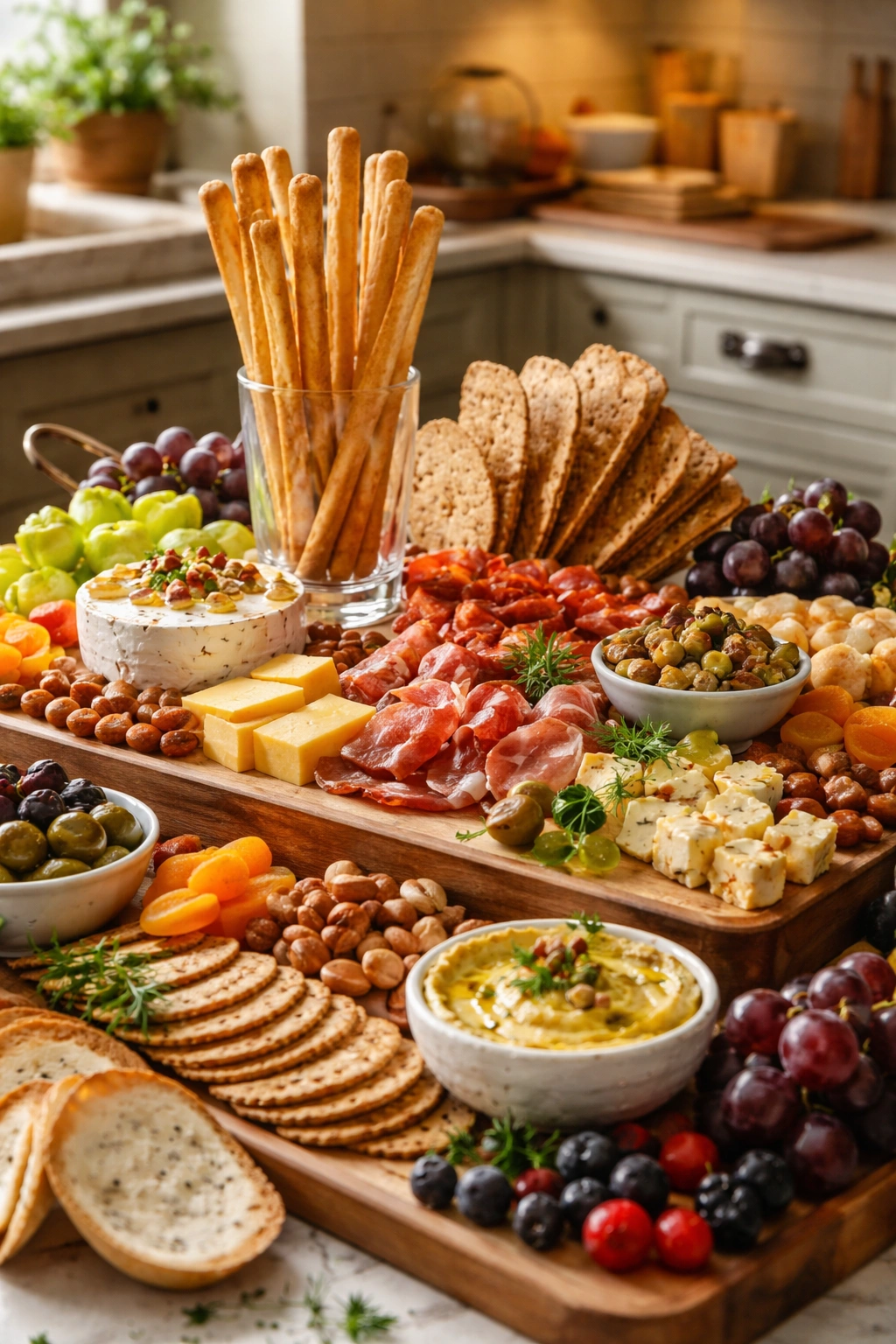
A flat grazing table is boring. Creating dimension through height and texture variation transforms it into something visually compelling. Use small wooden cutting boards, marble slabs, stacked plates, or even small pedestals to vary the height of different sections. A cheese wheel propped up on a board is more visually interesting than a cheese wheel laid flat.
Texture variety is equally important. Smooth creaminess of brie contrasts beautifully with the crumbly texture of blue cheese. The translucent delicacy of prosciutto plays against the dense richness of nuts. Crisp vegetables offer satisfying crunch against soft fruits. This textural variety is part of what makes a grazing table exciting to eat — every bite offers something different.
Lean items vertically where possible. Stand crackers at angles, prop cured meats upright, nestle breadsticks in a glass. This creates visual height and makes everything feel more dynamic. When everything is laid flat, the eye gets confused about where to look. Vertical elements create visual focal points that guide the eye naturally around the table.
Color distribution matters too. Don’t pile all your red items (strawberries, radishes, red meat) in one corner. Scatter them throughout so color feels balanced across the whole surface. This creates a natural visual flow that feels intentional and sophisticated.
Adding Edible Flowers and Garnishes
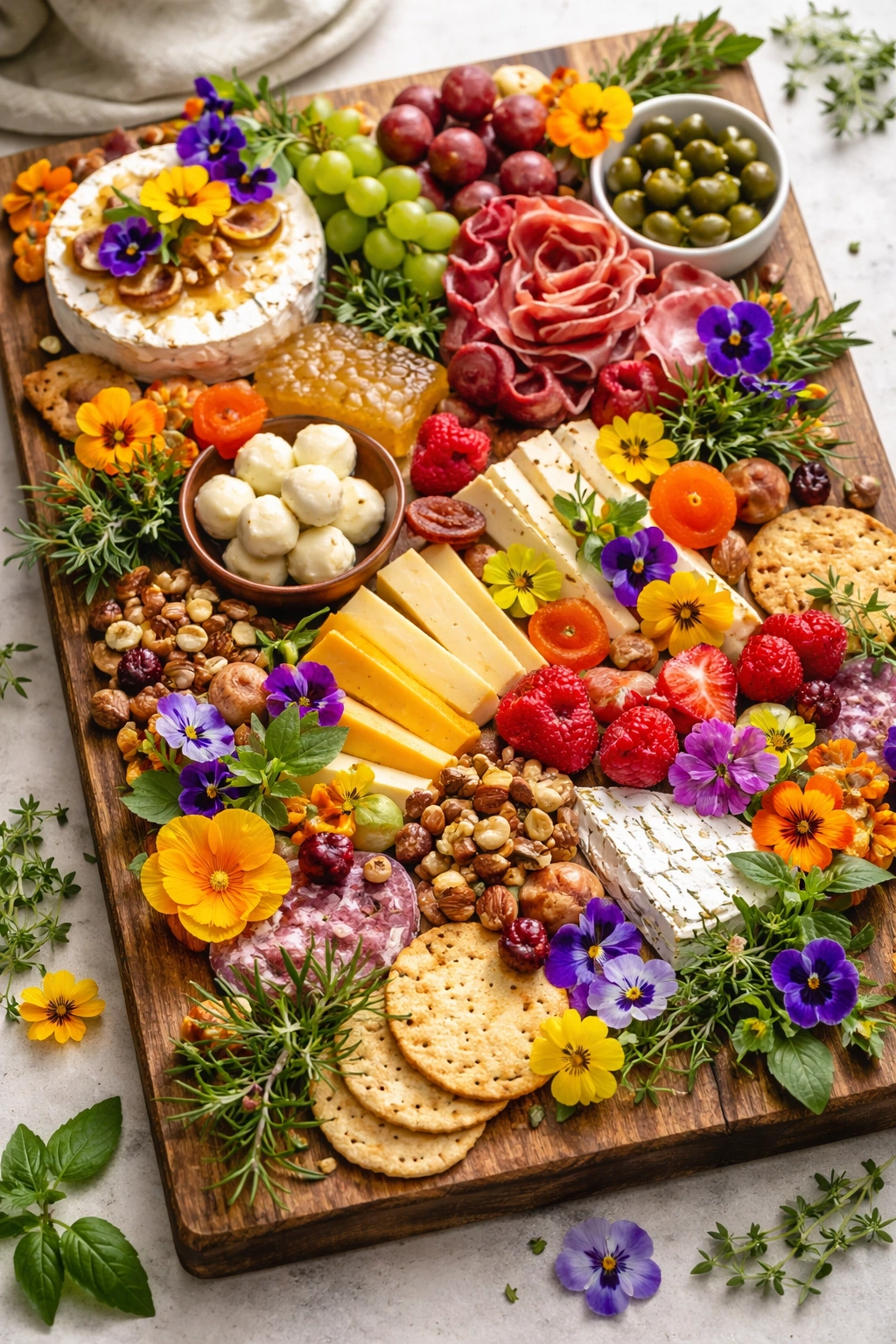
Edible flowers are the secret weapon of grazing table design. They add minimal substance but enormous visual impact. Pansies, violas, nasturtiums, and calendula flowers are all edible and widely available at grocery stores and farmers’ markets. They introduce color and delicacy that feels elegant without being precious.
Scatter flowers strategically around the board, tucking them near cheese, nestling them among berries, placing them near the base of standing items. They make the whole thing feel thoughtfully designed. Fresh herbs — small sprigs of rosemary, basil, or thyme — add greenery and herbaceous notes that enhance the overall visual appeal.
Microgreens and peppery sprouts add delicate greenery and can be scattered over various elements. Edible pansy petals, pulled from the whole flower, can be scattered across white cheese for dramatic contrast. These garnishing touches take about five minutes but create a profound impression of thoughtfulness.
Don’t overdo it. A few flowers placed intentionally looks beautiful; flowers everywhere looks contrived. Aim for a handful scattered throughout the board rather than covering every inch. Let the food be the main event, with flowers serving as elegant accent notes.
Timing and Preparation Strategy
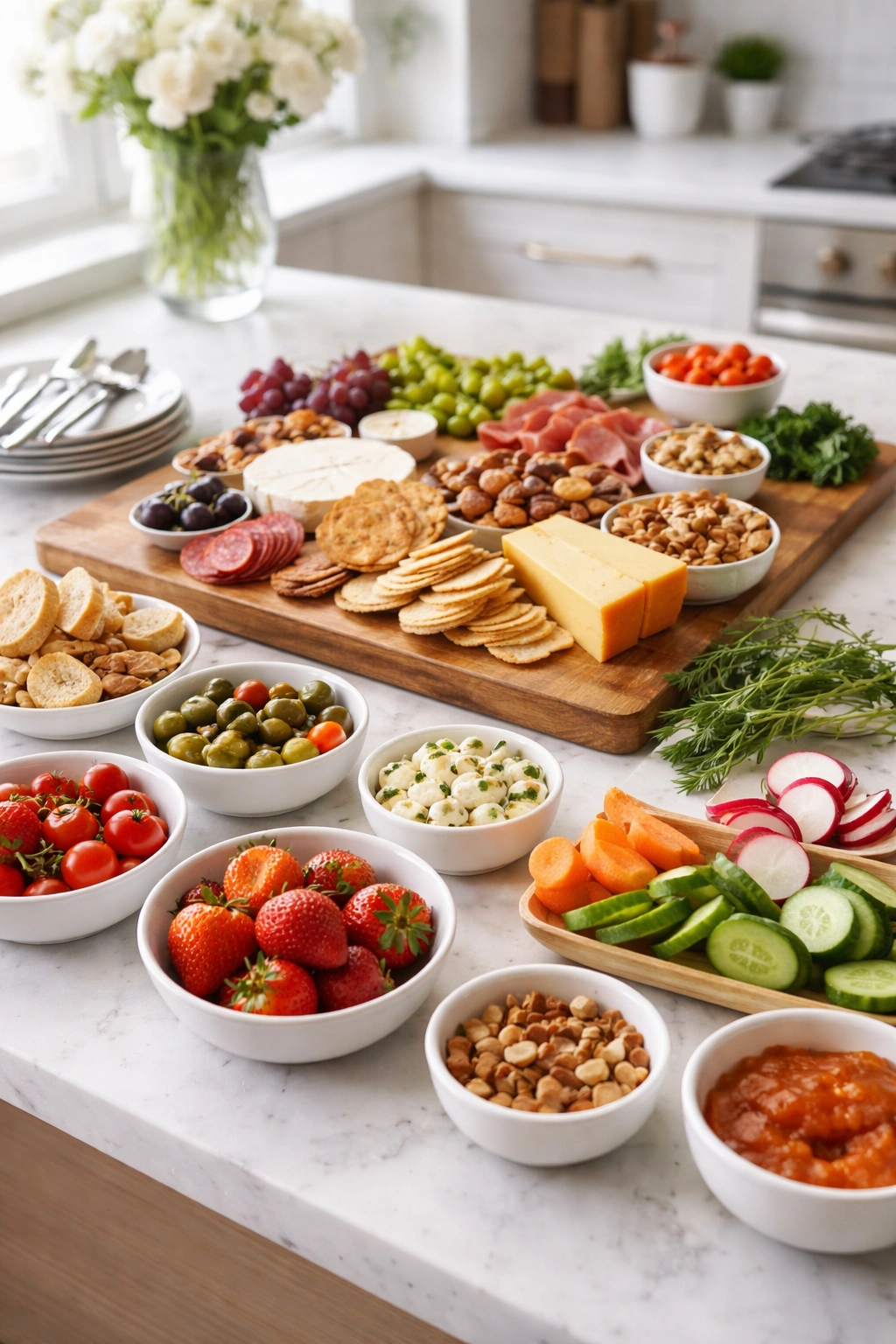
Preparation timing dramatically affects how beautiful your table looks and how fresh everything tastes. Some items can be prepped hours ahead; others need to stay until the last moment.
Cheese can be arranged, wrapped loosely in plastic wrap, and refrigerated up to 24 hours ahead. Cured meats and crackers also hold well when covered. Nuts, seeds, and most dried items can be in place hours early. Spreads and dips can be prepared and placed in their serving bowls the morning of your event.
Wait until about 30 minutes before guests arrive to arrange fresh elements. Cut fruit, arrange fresh vegetables, and place very fresh items last. If you’re including berries or very delicate items, add these as late as possible — even 15 minutes before service. This ensures they look pristine and fresh when guests arrive.
About 45 minutes before serving, remove the cheese from the refrigerator so it comes to room temperature and flavors fully develop. Have small cheese knives, spreaders, and small serving plates ready for guests before they arrive. Provide small forks or picks for items without natural handles.
Set up a small trash or compost bowl near the board — guests will accumulate stems, pits, and packaging, and a designated container keeps things tidy. Small napkins placed nearby are essential since grazing is inherently a bit messy.
Common Mistakes to Avoid
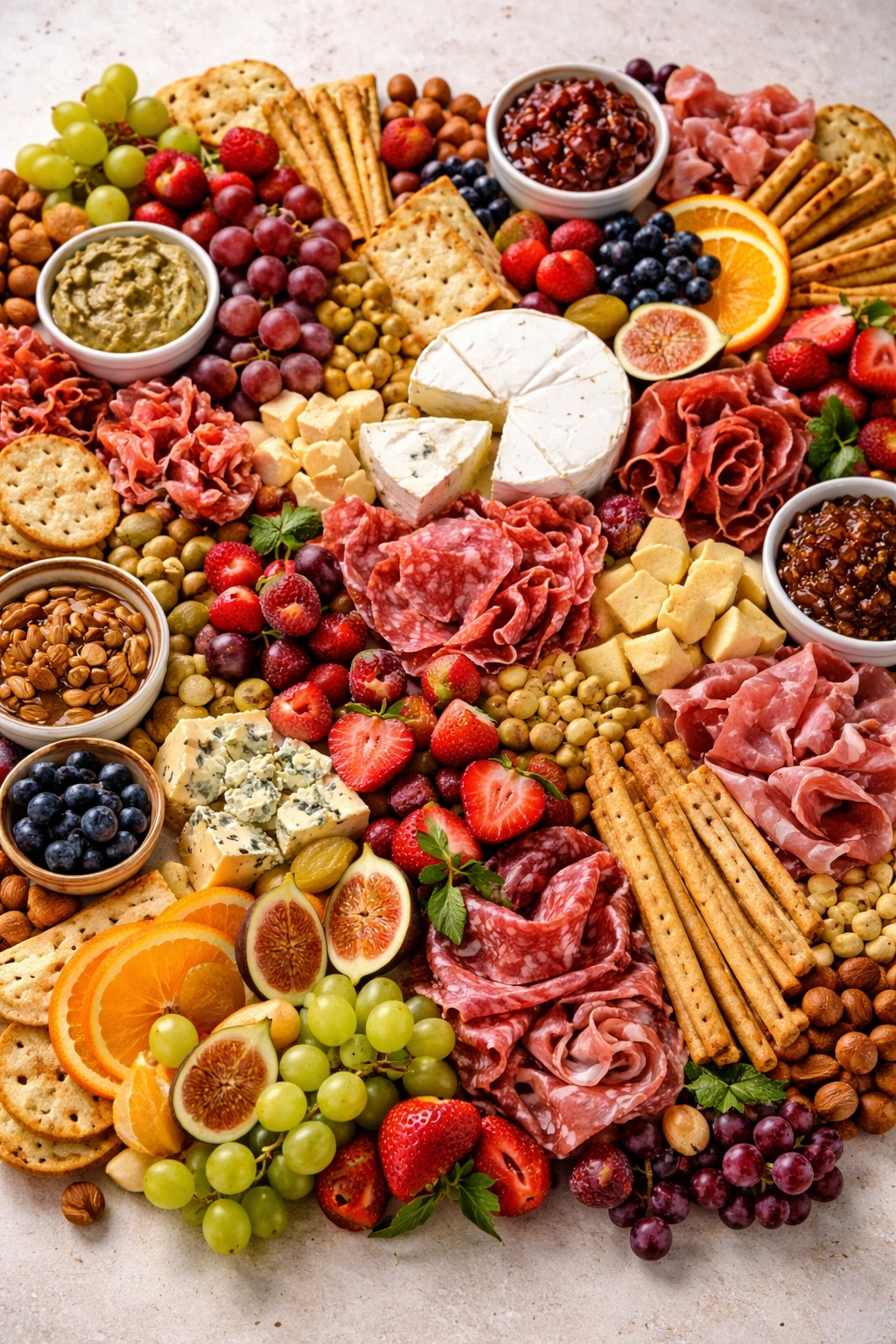
The most common mistake is overcrowding. Beginners often try to use every square inch of board space, which creates a chaotic, overwhelming appearance. Resist the urge to pack more in. That breathing room is what makes your table look intentional and professional.
Another frequent error is failing to consider your guests’ actual preferences and restrictions. Always ask if anyone has dietary restrictions or strong food aversions before finalizing your selection. A vegetarian guest looking at a board full of meat products feels excluded, even if you can pick around it. Create true options, not afterthoughts.
Unbalanced component ratio is another issue. If your board is 70% crackers and 20% cheese, guests will quickly get bored because there aren’t enough flavor vessels and interesting components. Keep proportions in mind: roughly 30-40% cheese, 15-20% cured meat or protein, 20-30% fruit and vegetables, 15-20% crackers, 5-10% nuts and seeds.
Poor presentation of cured meats — lying flat and overlapping in rows — is fixable with a conscious effort to fold, bunch, and layer them for texture. Flat meats look static; rumpled ones look inviting. The same goes for cheese. A whole wheel looks more impressive than pre-sliced cheese spread out thin.
Forgetting about temperature is an often-overlooked issue. Cheeses taste dramatically better at room temperature. Letting everything sit at room temperature isn’t practical for a long event in warm weather, but at least for the first hour or so, your guests will experience your food as it was meant to taste.
Finally, don’t serve stale crackers or poor-quality bread as a filler. These are non-negotiable elements of the experience. If you’re going to include them, they should be good enough that guests would eat them plain. Stale crackers actively diminish the experience and feel cheap.
Final Thoughts
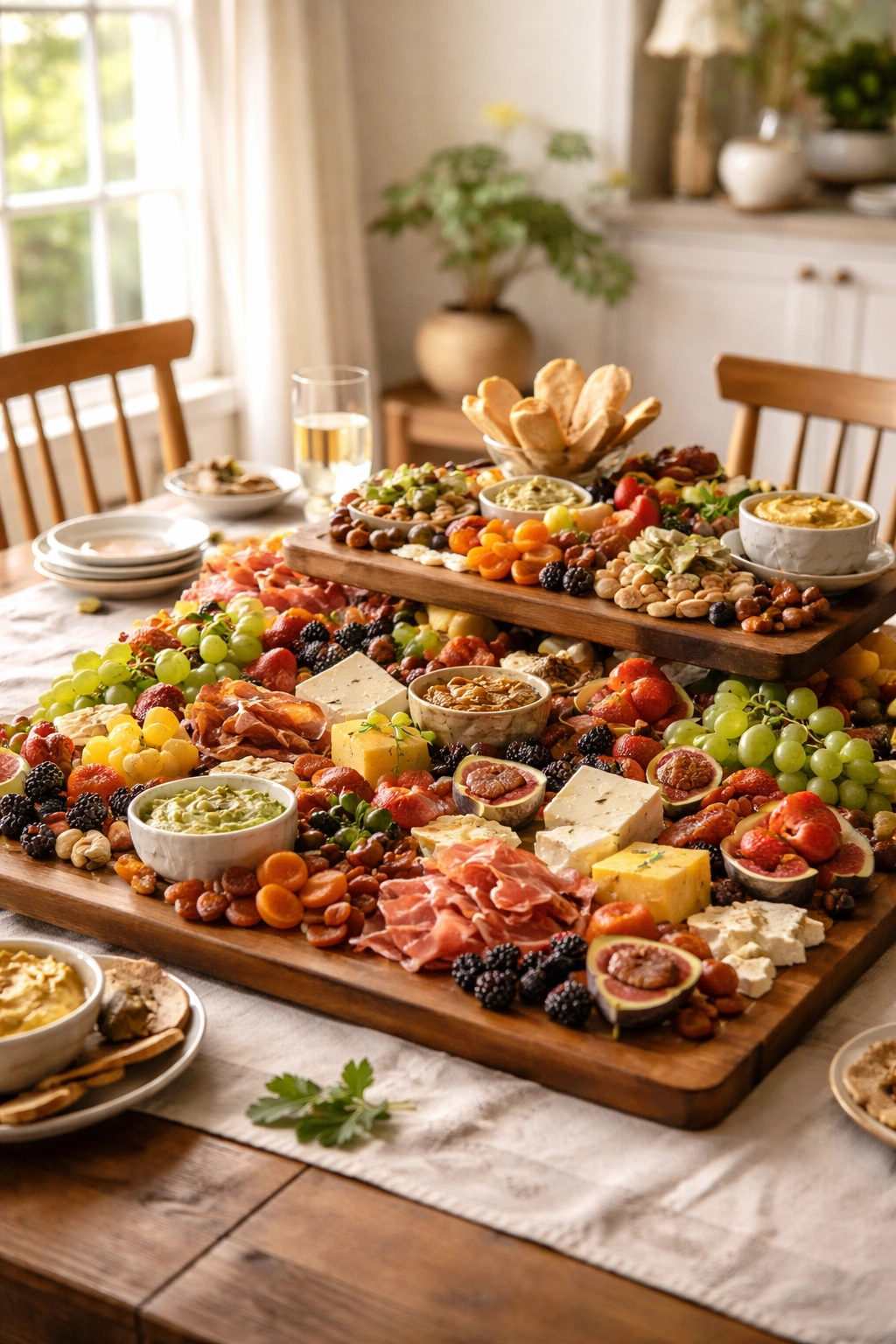
Creating a beautiful grazing table is genuinely one of the easiest ways to impress guests and look like you’ve put in far more effort than you actually have. The magic isn’t in complexity — it’s in thoughtful selection, intentional arrangement, and understanding a few core principles about color, texture, and balance.
Start by choosing a theme or color palette that excites you. Select really good cheese (quality matters here, more than quantity), add cured meats and fresh elements for contrast, and don’t forget the flavor bridges like honey and jam that tie everything together. Place items with intention, create height and texture variety, and leave breathing room.
The beautiful truth is that once you’ve set one up, you can do it again and again with slight variations based on what’s in season, what’s on sale, and what your guests prefer. A grazing table in spring looks different from one in autumn, and that’s the point. This is a forgiving format that adapts beautifully to what you have on hand and what you’re genuinely excited to serve. Your confidence in the elements you choose will shine through and make the whole thing feel effortless — which is exactly the goal.
