



Green smoothies have developed an unfair reputation for tasting like you’re drinking a lawn — but the truth is, the difference between a delicious green smoothie and a grim one usually comes down to a few simple decisions. The best green smoothies don’t taste despite being nutritious; they taste amazing because they balance bright flavors, natural sweetness, and the subtle earthiness of greens in ways that actually work together. The secret isn’t complicated: it’s about respecting flavor fundamentals while sneaking in your nutrients.
What separates a smoothie you genuinely crave from one you choke down is understanding that greens are just one ingredient among many, not the star of the show. Spinach and kale have mild, sometimes slightly bitter tastes that need partners — not just fruit that masks them, but ingredients that genuinely complement them. Citrus, coconut, fresh ginger, creamy avocado, tangy yogurt, and even unexpected touches like mint or vanilla can transform a green smoothie from an act of nutritional obligation into something you’d actually order at a café. These five smoothies prove that green drinks can be genuinely delicious without tasting like you’re getting punished for eating kale.
1. Tropical Green Smoothie With Coconut and Lime
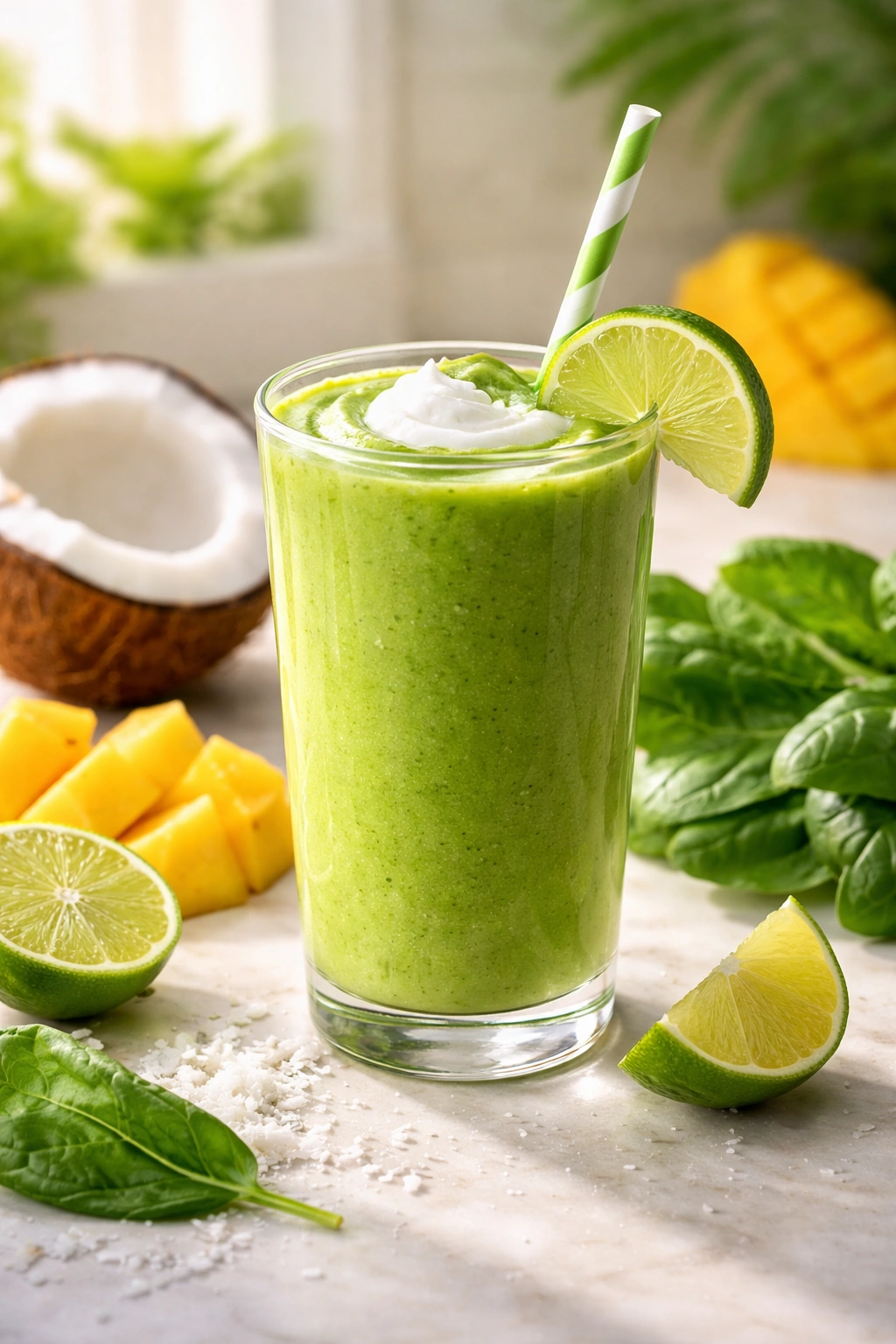
This is the smoothie that converts skeptics. Tropical fruit — mango, pineapple, and a touch of banana — creates a bright, naturally sweet base that makes the spinach almost invisible. The coconut milk adds richness and a subtle tropical warmth that feels indulgent, while lime juice brings sharp acidity that wakes up every other flavor on the palate. You taste the fruit first, the creaminess second, and the green nutrition quietly in the background. It’s the kind of smoothie you’d genuinely want to sip slowly on a warm morning.
Yield: Serves 2 | Prep Time: 10 minutes | Total Time: 10 minutes | Difficulty: Beginner — just blending, no cooking.
For the Tropical Green Base:
- 2 cups fresh spinach, loosely packed (or 1 cup frozen spinach)
- 1 cup fresh or frozen mango chunks
- ¾ cup fresh or frozen pineapple chunks
- 1 small banana, peeled and sliced
- ¾ cup full-fat coconut milk (canned, not the thin carton kind)
- ½ cup unsweetened coconut water or regular water
- Juice of ½ fresh lime (about 1 tablespoon)
- 1 tablespoon raw honey or agave, optional (add only if you prefer it sweeter)
- ½ cup plain Greek yogurt or coconut yogurt, optional (for creaminess)
Make the Smoothie:
- Add the spinach to your blender first, followed by the coconut milk and coconut water. Blend on high speed for 15 seconds until the greens are completely broken down and the mixture is smooth — this prevents leafy chunks from hiding in your finished smoothie.
- Add the mango, pineapple, banana, and lime juice. Blend on high for 45 seconds to 1 minute, until completely smooth and creamy. If using yogurt, add it now and blend for another 15 seconds until fully incorporated.
- Taste the smoothie before serving. If you prefer it sweeter, add honey and blend again for a few seconds.
- Pour into tall glasses immediately and serve right away, or chill for up to 2 hours before drinking.
Why This Combination Works So Well
The natural sugars in mango and pineapple are what make this smoothie taste indulgent without any added sugar. Mango has a creamy, almost buttery texture when blended, so it creates a luxurious mouthfeel entirely on its own. The coconut milk amplifies that richness, while lime juice — and this is the secret — prevents the sweetness from feeling cloying. Acid in citrus makes everything taste fresher and more vibrant. The spinach adds iron and minerals without adding any flavor you’ll consciously detect.
Tips and Variations
- For a protein boost: Add 1 scoop vanilla protein powder or 1 tablespoon almond butter before blending.
- Make it dairy-free: Use coconut yogurt instead of Greek yogurt, or skip it entirely — the coconut milk provides enough creaminess.
- Frozen fruit hack: Frozen mango and pineapple actually blend more smoothly than fresh and make the drink naturally cold without needing ice.
- Tropical twist: Add a small piece of fresh ginger (about ½ teaspoon) for subtle heat and digestion support.
Storage: Store any leftover smoothie in a sealed glass jar in the refrigerator for up to 24 hours, though separation will occur — just shake or stir before drinking. Freeze individual portions in ice cube trays for up to 3 months if you want to batch-make this.
2. Strawberry, Banana, and Hidden Greens Smoothie
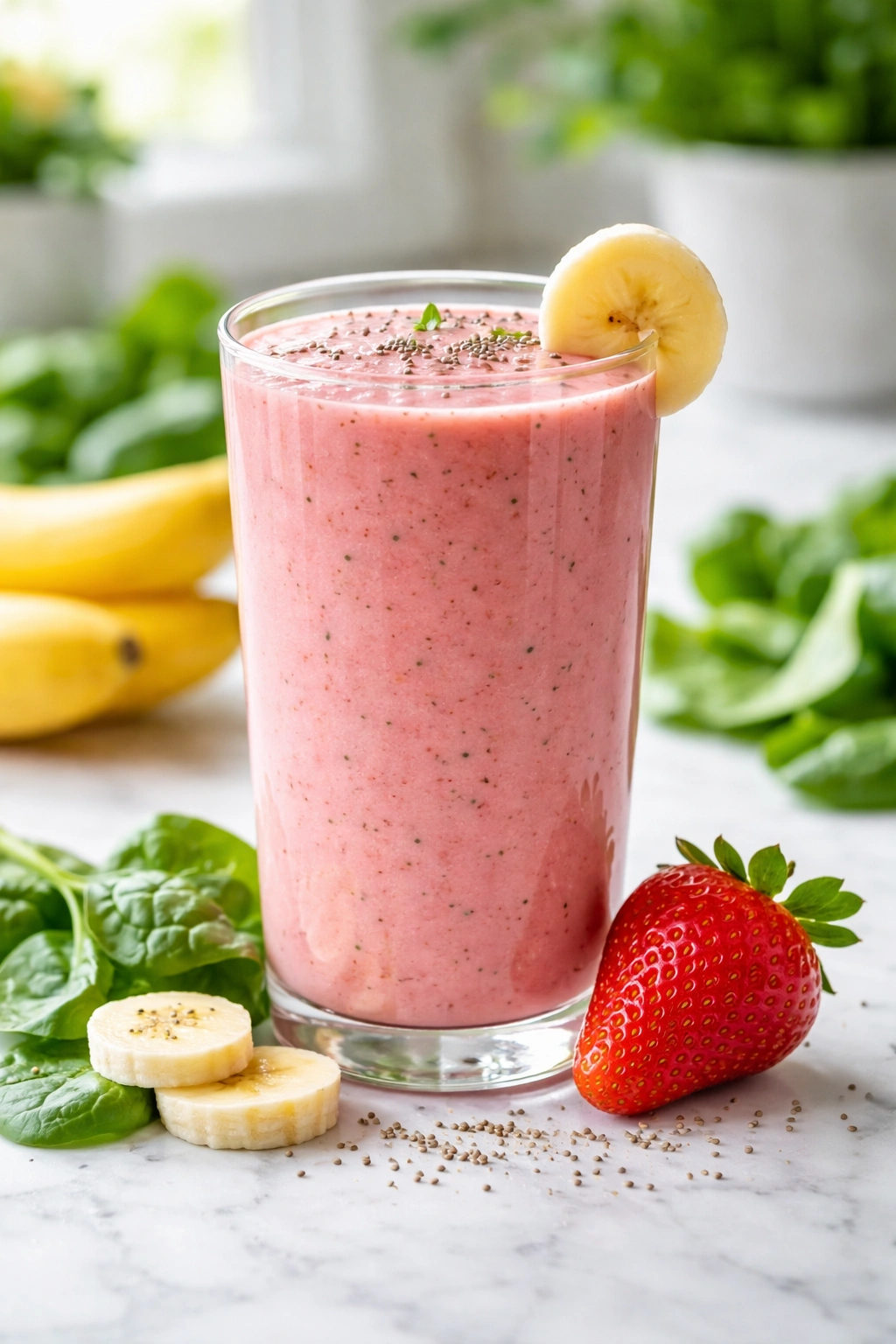
This one’s the gateway smoothie for people who think they hate green drinks. Strawberries are naturally sweet and have almost no earthy flavor — they taste like dessert. The banana adds body and creaminess without any bitterness. Together, they create a taste profile that reminds you of strawberry shortcake or a milkshake. The spinach hides completely because these fruits are bold enough to overshadow it entirely. But you’re getting a full cup of greens plus the added nutrition of seeds and protein. It’s nutritional stealth wrapped in something that tastes like a treat.
Yield: Serves 2 | Prep Time: 8 minutes | Total Time: 8 minutes | Difficulty: Beginner — straightforward blending.
For the Strawberry Base:
- 2 cups fresh or frozen strawberries
- 2 cups fresh spinach, loosely packed (or 1 cup frozen)
- 1 medium banana, peeled and sliced
- 1 cup plain or vanilla yogurt
- ½ cup unsweetened almond milk or whole milk
- 1 tablespoon raw almonds or almond butter
- 1 teaspoon pure vanilla extract
- ½ tablespoon raw honey, if you want it sweeter
- Pinch of sea salt
Make the Smoothie:
- Pour the almond milk into the blender first, then add the spinach. Blend on high for 15 seconds until the greens are completely pulverized — you should see no visible spinach pieces.
- Add the yogurt, strawberries, banana, almond butter, vanilla extract, and salt. Blend on high for 1 minute until completely smooth and creamy.
- Pour into glasses and serve immediately, or refrigerate until you’re ready to drink.
Why Kids and Skeptics Actually Love This One
Strawberries are the gateway fruit because they’re sweet without being overly tropical or unusual. The banana creates an almost ice-cream-like texture that your mouth recognizes as “dessert,” which psychologically makes people more receptive to the hidden greens. The vanilla adds a nostalgic sweetness that reminds people of milkshakes. The key insight here is that you’re not trying to make the green taste good — you’re making the other flavors so compelling that the green becomes invisible. The spinach adds silky mouthfeel without adding any flavor to compete with the fruit.
What Makes This Different
- The salt is crucial: A tiny pinch of sea salt (just a whisper) amplifies the strawberry flavor and suppresses any green notes. Don’t skip this.
- Yogurt over milk: Greek yogurt or regular yogurt creates a thicker, more milkshake-like texture than a smoothie made with only milk. If you prefer something thinner, use ¾ cup yogurt and ¾ cup milk instead.
- Frozen strawberries actually taste better: Fresh strawberries can sometimes be watery, but frozen ones are picked at peak ripeness and taste more intensely strawberry-like. Use them.
Storage and Make-Ahead
You can prep the strawberries, banana, and spinach in a freezer-safe bag the night before, then just dump everything into the blender with yogurt and milk in the morning for a genuinely 2-minute smoothie. This smoothie also freezes beautifully — pour leftovers into ice pop molds for frozen treats.
3. Green Apple, Ginger, and Turmeric Smoothie
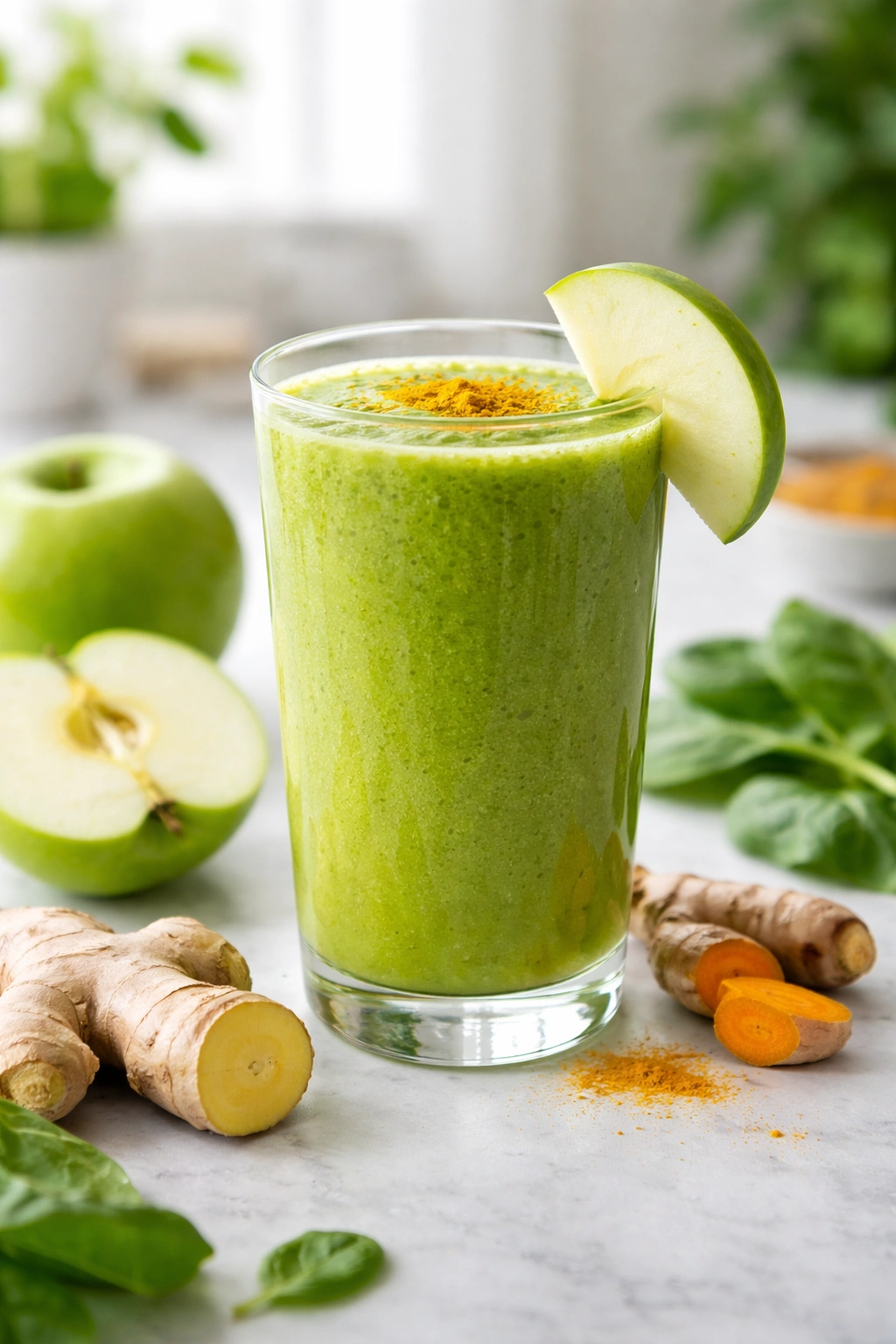
This smoothie is for people who want their green drink to feel healing and sophisticated at the same time. Green apples bring tartness and a crisp flavor that cuts through any earthiness from the greens. Fresh ginger adds a warming spice and natural digestive support. Turmeric brings an earthy depth and a beautiful golden-green color. The result tastes like a wellness tonic, but it’s genuinely delicious — you taste apple first, then a warming ginger heat, then a creamy, slightly spiced finish. This one feels less like breakfast and more like self-care you actually enjoy drinking.
Yield: Serves 2 | Prep Time: 10 minutes | Total Time: 10 minutes | Difficulty: Beginner — just blending and measuring.
For the Apple-Ginger Green Mix:
- 2 cups fresh spinach or kale, loosely packed
- 2 medium green apples (Granny Smith or Pink Lady), cored and chopped
- 1 small banana, peeled and sliced
- 1 teaspoon fresh ginger, grated (or ½ teaspoon ground ginger if fresh isn’t available)
- ½ teaspoon ground turmeric
- ¾ cup unsweetened almond milk or cashew milk
- ½ cup plain Greek yogurt
- ½ tablespoon raw honey
- Juice of ¼ fresh lemon (about 1 teaspoon)
- ⅛ teaspoon black pepper (this enhances turmeric absorption)
Make the Smoothie:
- Add the almond milk to the blender first, then the spinach or kale. Blend on high for 20 seconds until the greens are completely smooth — kale takes slightly longer than spinach to break down.
- Add the chopped apples, banana, ginger, turmeric, yogurt, honey, lemon juice, and black pepper. Blend on high for 1 minute until completely smooth. The turmeric can take a moment to fully blend in — if you still see flecks, blend for another 15 seconds.
- Taste before serving. If it feels too warming-spice-forward, add another splash of milk. If it needs tartness, add a touch more lemon juice.
- Pour into glasses and drink immediately for the freshest ginger flavor.
The Wellness Angle Without the Hype
This smoothie genuinely does contain turmeric and ginger, which are compounds with real anti-inflammatory and digestive properties supported by research. But here’s what matters: it tastes good enough that you’ll actually drink it regularly, and consistency is what creates real health benefits. The apple and banana keep it from tasting medicinal, and the lemon brings brightness that prevents the spices from feeling heavy. This isn’t a wellness scam smoothie — it’s a delicious drink that happens to contain ingredients with genuine nutritional benefit.
Flavor Balance Tips
- Fresh ginger is mandatory: Ground ginger is convenient, but fresh ginger brings a bright, peppery quality that ground ginger can’t match. If you have it, grate it on a microplane or finely mince it.
- The black pepper matters: Curcumin (the active compound in turmeric) is absorbed much better by your body when paired with black pepper. It’s a tiny amount, but it genuinely makes a difference both nutritionally and flavor-wise.
- Lemon, not lime: The tartness of lemon pairs better with warm spices than lime does. Lime’s tropical brightness competes with the ginger and turmeric instead of complementing them.
Variations for Different Days
- Spice it up: Add ⅛ teaspoon cayenne pepper for subtle heat.
- Make it creamier: Use coconut milk instead of almond milk for richness.
- Add protein: Blend in ½ cup plain Greek yogurt instead of the ¼ cup for more staying power.
4. Minty Green Smoothie With Avocado and Cucumber
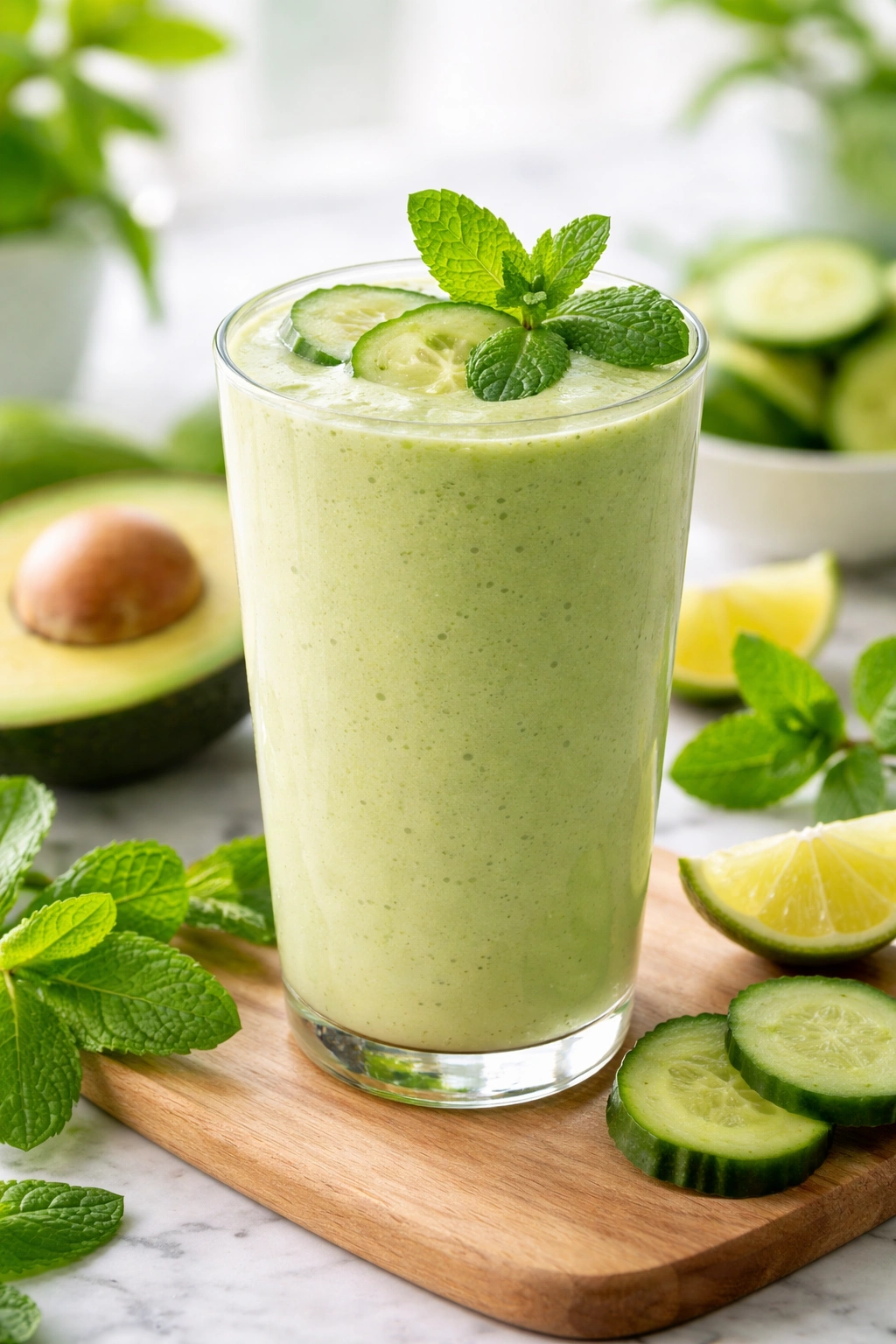
This is the “clean” smoothie that actually tastes fresh and sophisticated. Fresh mint creates a cooling, bright flavor that feels invigorating. Cucumber is mostly water, so it doesn’t add much flavor, but it adds incredible volume and a subtle cooling quality that makes this smoothie feel light and refreshing. Avocado is where the magic happens — it creates a luxurious, creamy texture without tasting like avocado unless you’re specifically looking for it. Pineapple sweetens the whole thing while remaining light. The result is something that tastes like a spa day in a glass, but it’s substantial enough to actually fill you up.
Yield: Serves 2 | Prep Time: 10 minutes | Total Time: 10 minutes | Difficulty: Beginner — simple prep and blending.
For the Minty-Fresh Green Base:
- 3 cups fresh spinach, loosely packed (this smoothie can handle extra greens)
- 1 small ripe avocado, halved, pit removed, and flesh scooped into a bowl
- 1 cup fresh cucumber, roughly chopped (about ½ large cucumber, no need to peel)
- 1 cup fresh or frozen pineapple chunks
- ½ cup fresh mint leaves, lightly packed (about 15-20 leaves)
- ¾ cup unsweetened coconut water or plain water
- ½ cup plain Greek yogurt or coconut yogurt
- Juice of ½ fresh lime (about 1 tablespoon)
- 1 small piece fresh ginger, optional (adds a subtle warmth)
Make the Smoothie:
- Pour the coconut water into the blender, then add the spinach and mint leaves. Blend on high for 20 seconds until the greens and mint are completely pulverized — you should smell the mint powerfully and see no green flecks in the mixture.
- Add the avocado (broken into chunks), cucumber, pineapple, yogurt, and lime juice. Blend on high for 1 minute until completely smooth. The avocado takes a moment to fully incorporate into the liquid — don’t stop blending until there are no visible chunks.
- Taste before serving. If it needs more mint flavor, you can add a few more leaves and pulse, but be careful — mint can overpower quickly.
- Pour into glasses immediately and drink right away. This smoothie is best consumed fresh.
Why This Combo Feels So Light
Mint is a flavor that tricks your brain into thinking you’re drinking something lighter and more refreshing than you actually are. Even though there’s avocado (which is calorie-dense), the combination of mint, cucumber, and lime makes your mouth perceive the smoothie as bright and hydrating rather than heavy. It’s a genuinely clever flavor combination — the cool mint contrasts with the rich avocado, the light cucumber contrasts with the sweet pineapple, and the lime brings everything into sharp focus. This is the smoothie to drink on warm mornings or when you want something nutritious but not heavy.
Technique for Perfect Texture
- The mint goes in early: Blending mint first with the liquid ensures it distributes evenly instead of staying in clumps.
- Avocado last: Because avocado is creamy and thick, adding it last in the blending process prevents it from coating the blender blades before other ingredients are broken down. This ensures everything blends smoothly.
- Don’t over-blend: Once everything is smooth, stop. Over-blending can introduce too much air and make the smoothie separate.
Storage Considerations
This smoothie is best within 30 minutes of blending because the mint flavor fades and the avocado can start to oxidize slightly. If you must make it ahead, store it in a sealed glass jar in the refrigerator for no more than 4 hours, and squeeze extra lime juice on top before serving to preserve the bright flavor.
5. Chocolate, Banana, and Hidden Greens Smoothie
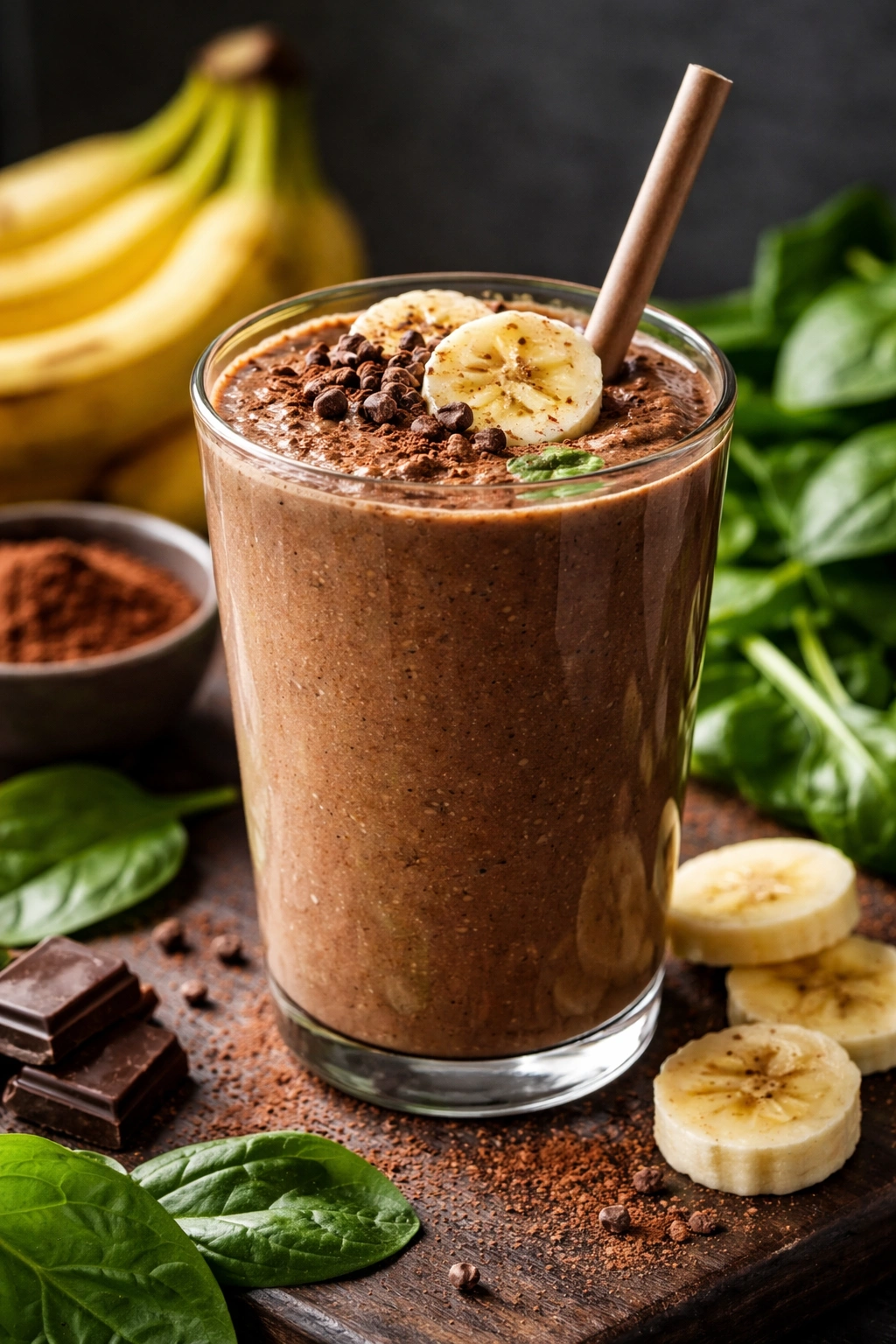
This one breaks the “healthy smoothie” mold entirely — it tastes like chocolate mousse but it’s packed with spinach, seeds, and protein. Chocolate (in the form of unsweetened cocoa powder) is the star flavor, while banana provides natural sweetness and creamy texture. Dates add richness and additional sweetness without the processed taste of sugar. The spinach is completely undetectable because chocolate is a bold enough flavor to completely mask it. But you’re getting a genuinely nutritious smoothie that tastes so much like dessert that your brain thinks you’re indulging. This is the smoothie for people who want their breakfast to feel like a treat.
Yield: Serves 2 | Prep Time: 8 minutes | Total Time: 8 minutes | Difficulty: Beginner — straightforward blending.
For the Chocolate-Banana Base:
- 2 cups fresh spinach, loosely packed (or 1 cup frozen)
- 2 medium bananas, peeled and sliced
- 2 tablespoons unsweetened cocoa powder (not sweetened hot cocoa mix)
- 3 large Medjool dates, pitted (or 4-5 small dates)
- 1 cup plain Greek yogurt or plain milk yogurt
- ¾ cup unsweetened almond milk or whole milk
- 1 tablespoon natural almond butter or peanut butter
- ½ teaspoon pure vanilla extract
- Pinch of sea salt
- Optional: ⅛ teaspoon instant espresso powder (this deepens chocolate flavor)
Make the Smoothie:
- Pour the almond milk into the blender, then add the spinach. Blend on high for 15 seconds until the greens are completely smooth.
- Add the bananas, pitted dates, cocoa powder, yogurt, nut butter, vanilla extract, and salt. Blend on high for 1 minute until completely smooth and creamy. The cocoa powder and dates can take a moment to fully incorporate — if you see powder particles or date pieces, blend for another 15 seconds.
- Taste the smoothie. If it feels too sweet, add ½ tablespoon more cocoa powder and blend again. If you want a deeper chocolate flavor, add a pinch of espresso powder.
- Pour into glasses and serve immediately.
Why This Tastes Like Dessert
Dates are basically nature’s candy — they’re intensely sweet and creamy, with an almost molasses-like richness. When blended, they dissolve completely into the liquid and provide sweetness without any artificial aftertaste. Combined with banana, you get a smoothie that’s naturally sweet enough that it feels indulgent. The cocoa powder brings genuine chocolate flavor and a slight bitterness that balances the sweetness perfectly. The nut butter adds fat and a subtle richness that tricks your mouth into thinking this is a serious dessert. And the spinach? Completely invisible. You taste chocolate and banana in equal measure, and nothing else.
The Cocoa Powder Choice Matters
- Unsweetened cocoa powder only: Don’t use sweetened hot cocoa mix or chocolate-flavored instant mixes. You need pure, unsweetened cocoa powder. The slight bitterness is what makes this work as a flavor balance against the sweet banana and dates.
- Dutch-process vs. natural cocoa: Either works fine, though Dutch-process cocoa is slightly smoother and less acidic. Natural cocoa brings a bit more chocolate intensity.
Make It Even Better
- Frozen banana hack: Slice bananas, freeze them in a freezer bag, and use the frozen slices. They create a naturally cold, ice-cream-like texture without any actual ice.
- Protein boost: Add 1 scoop vanilla or chocolate protein powder for a post-workout smoothie.
- Thickness control: If you like it thicker (like a smoothie bowl), use less milk. If you like it drinkier, add more milk a few tablespoons at a time.
- Cayenne addition: A tiny pinch of cayenne pepper adds an almost imperceptible warmth that enhances chocolate flavor — this is a pro tip from chocolate makers.
Storage
This smoothie keeps in the refrigerator for up to 24 hours, though separation will occur. Shake or stir before drinking. You can also freeze portions in ice cube trays and blend with a splash of milk the next day for an instant smoothie.
Tips for Smoothie Success Every Single Time
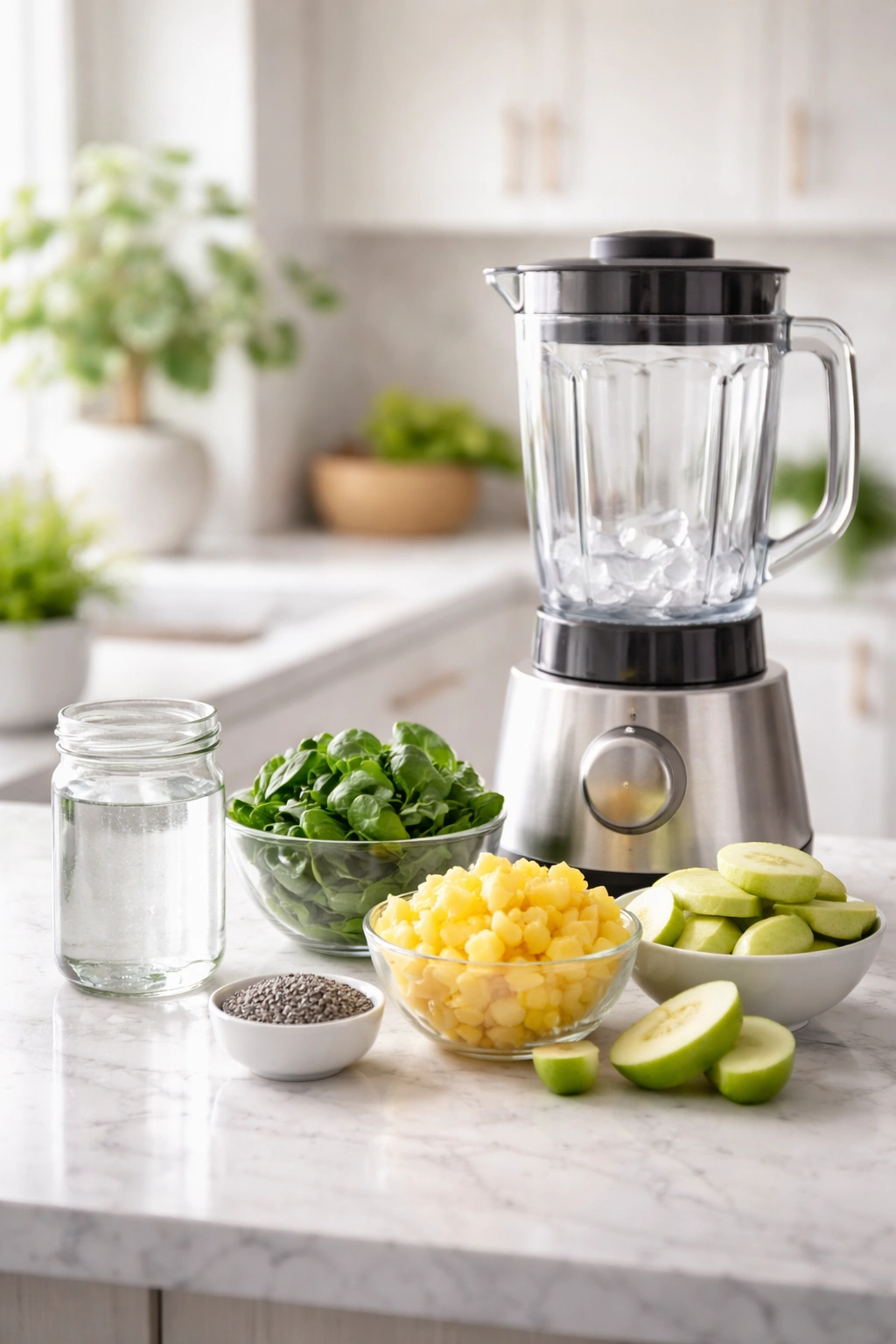
The difference between a consistently delicious smoothie and one that’s hit-or-miss usually comes down to a few foundational techniques that most people skip over. The blending order matters more than most people realize — adding ingredients in the right sequence ensures even breakdown and prevents leafy pieces from hiding in the finished drink. Start with liquid, then greens, then blend that combination smooth before adding any other ingredients. This ensures the greens are actually pulverized instead of just chopped into chunks that hide in the smoothie. Your blender can only do so much; if the greens aren’t broken down first, they won’t fully blend in.
The temperature of your ingredients affects the final smoothie more than you’d think. Frozen fruit creates a naturally cold, thick smoothie without needing ice (which dilutes flavor as it melts). Fresh fruit creates a thinner, more refreshing smoothie. If you’re using fresh fruit and want it cold, add 3-4 ice cubes, but understand that this does dilute the final taste slightly. Frozen greens are convenient and actually work beautifully — they were flash-frozen at peak nutrition, and they don’t have the watery quality of thawed fresh greens.
The ratio of liquid to solid ingredients determines texture, and this should shift based on your preference. For a thick, spoon-able smoothie, use ½ to ¾ cup liquid per serving. For a drinkable smoothie, use ¾ to 1 cup liquid per serving. Start on the thicker side — you can always add more liquid, but you can’t remove it. Some people prefer a smoothie you eat with a spoon; others want something they can drink through a straw. Neither is wrong; it’s just about knowing your preference and adjusting the liquid accordingly.
Flavor balance is a learnable skill. Smoothies need at least three flavor dimensions: sweetness (from fruit or honey), tartness (from citrus or yogurt), and richness or depth (from nut butter, avocado, coconut, or cocoa). Without tartness, smoothies taste cloying. Without richness, they taste thin and watery. Without sweetness, they taste vegetal. Most disappointing green smoothies are missing one of these three elements.
The Freezer Hack That Changes Everything
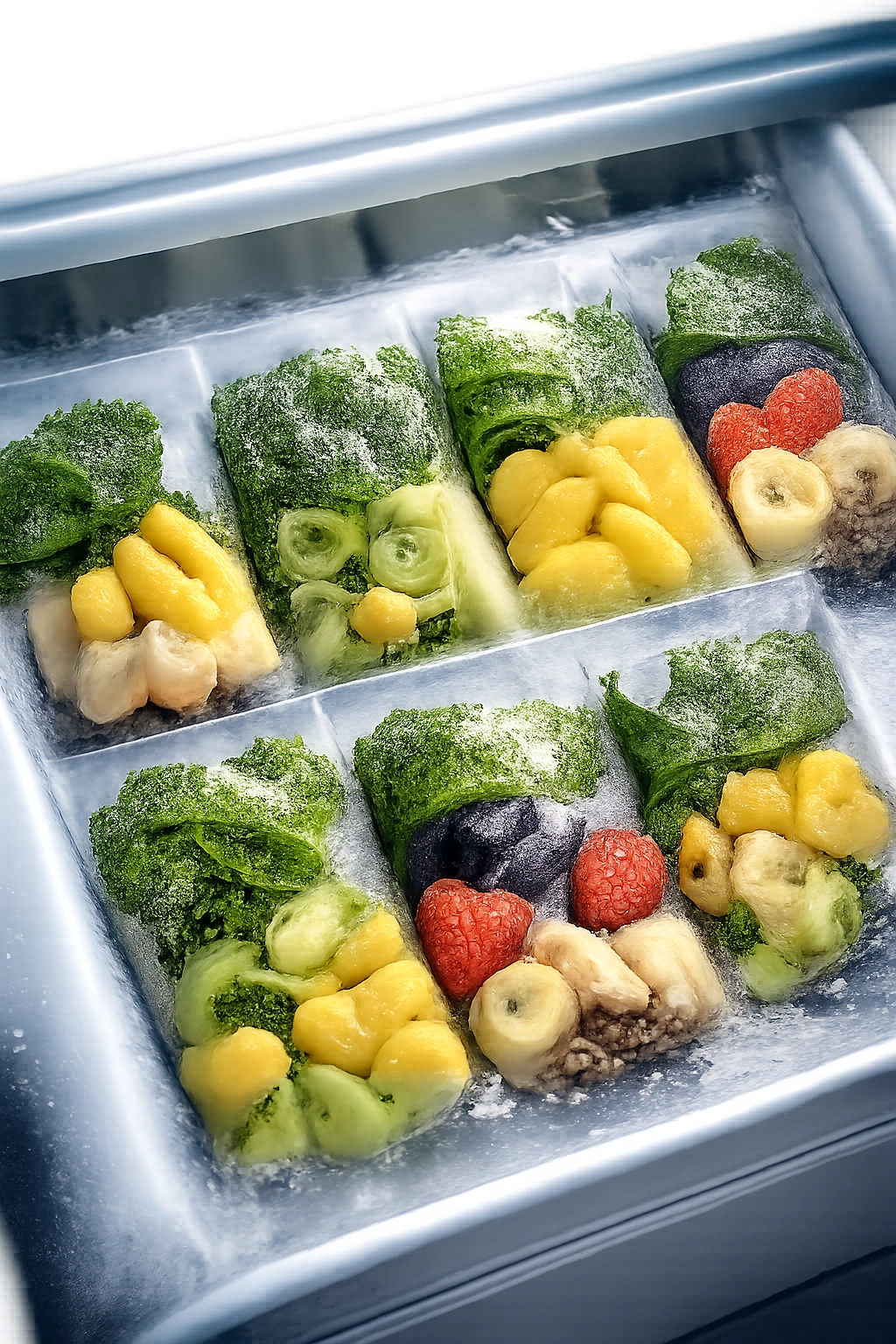
Once you understand that smoothies are just blended combinations of a few solid ingredients and some liquid, you can start batch-preparing them. The most useful hack is freezing pre-portioned smoothie bags. Take gallon-size freezer bags, portion out the solid ingredients for one smoothie (all the fruit, greens, nut butter, seeds, whatever), label it with the date and smoothie name, and freeze. When you want a smoothie, dump the frozen bag contents into the blender, add your liquid (yogurt, milk, or coconut water), and blend for one minute. This works because frozen fruit and greens actually blend more smoothly than fresh, and you’ve removed the most tedious part of smoothie-making: measuring and chopping ingredients every morning.
This strategy is particularly valuable if you make smoothies regularly. Spend 30 minutes on a Sunday portioning out bags for the entire week, and you’ve essentially eliminated the prep time from smoothie-making on busy mornings. Everything except the liquid goes in the freezer; the liquid you add fresh. This ensures the smoothie tastes freshly made even though you prepped it days ago. The frozen ingredients stay good for up to three months in the freezer, though quality is best within the first month.
There’s also a texture advantage to using frozen fruit. Fresh fruit can be watery, especially berries or melons late in their season. Frozen fruit was picked at peak ripeness and immediately flash-frozen, so it has more concentrated flavor and less water content. When blended, frozen fruit creates a naturally cold, thick smoothie without the dilution that comes from adding ice.
Storage and Make-Ahead Strategy
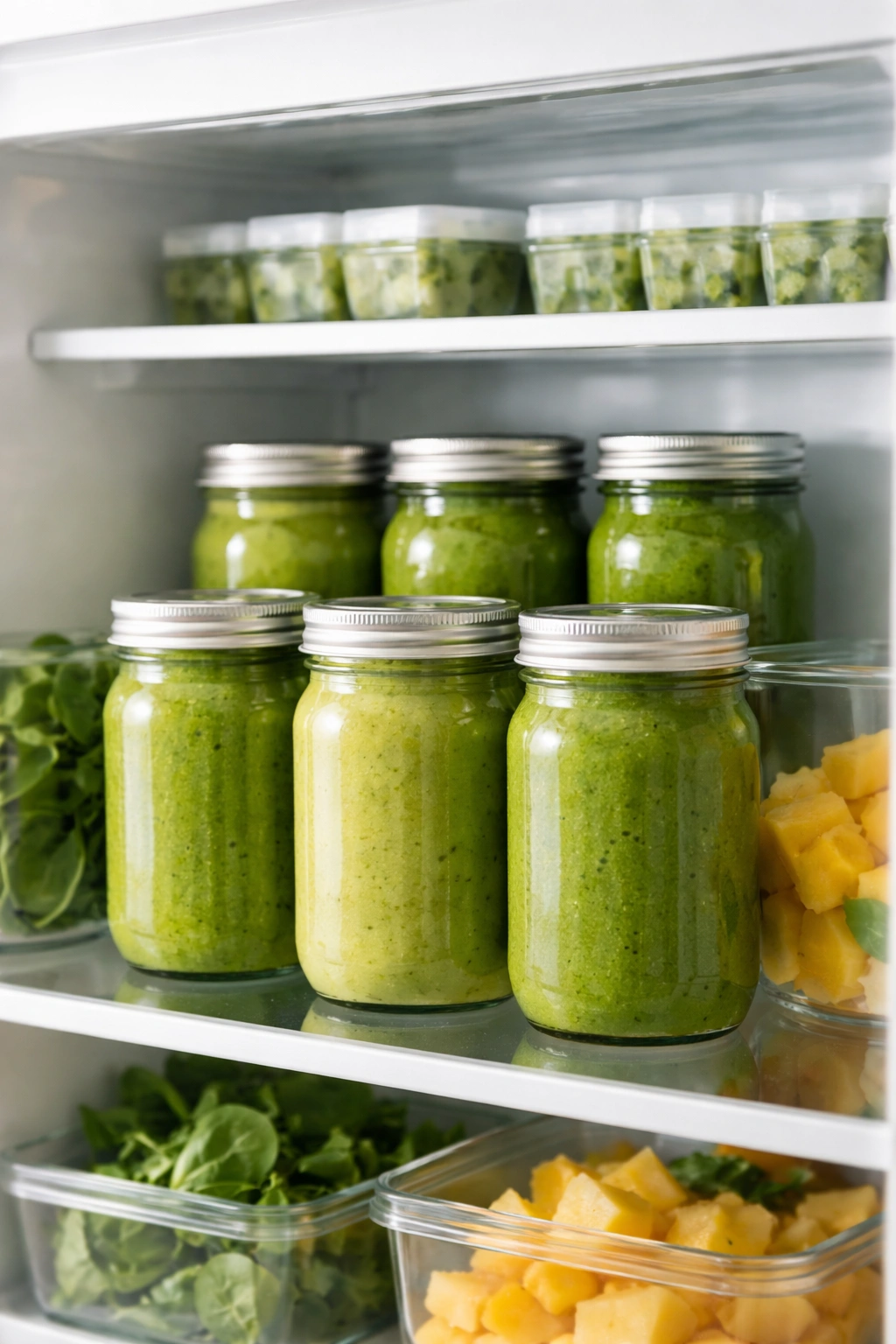
Smoothies are best consumed immediately after blending, while flavors are at their brightest and the texture is perfectly smooth and creamy. But real life doesn’t always allow for fresh-blended smoothies every morning, and that’s okay — storing smoothies properly means you can make them in advance without a huge quality loss.
If you blend a smoothie and need to drink it later, pour it immediately into an airtight glass jar (avoid plastic, which can leach into the smoothie). Store it in the refrigerator for up to 24 hours. You’ll notice separation — the liquid will settle at the bottom and the thicker ingredients will float on top. This is completely normal and doesn’t indicate anything is wrong. Simply shake or stir the smoothie before drinking, and it will recombine. The flavor will be slightly less bright than a fresh smoothie (some of the mineral sharpness from citrus fades, and the mint flavor mellows), but it’s still delicious.
If you want smoothies with even longer shelf life, freeze them. Pour smoothies into freezer-safe containers or ice pop molds and freeze for up to three months. To drink a frozen smoothie, thaw it in the refrigerator overnight or blend it with a splash of milk to create a partially frozen, slushi-like consistency. The texture won’t be exactly like a fresh smoothie, but the flavor is preserved beautifully. Many people actually prefer frozen-then-thawed smoothies because they take longer to drink and feel more indulgent.
The make-ahead strategy that requires the least compromise is freezing individual ingredients separately, then combining them fresh when you blend. Buy pre-frozen fruit (which is actually superior to fresh in most cases), portion your greens into freezer bags, and store nut butters and other add-ins in the pantry. When you want a smoothie, you’re genuinely three minutes away from a freshly made drink, which tastes noticeably better than anything you could have prepared ahead.
Common Green Smoothie Mistakes (And How to Avoid Them)
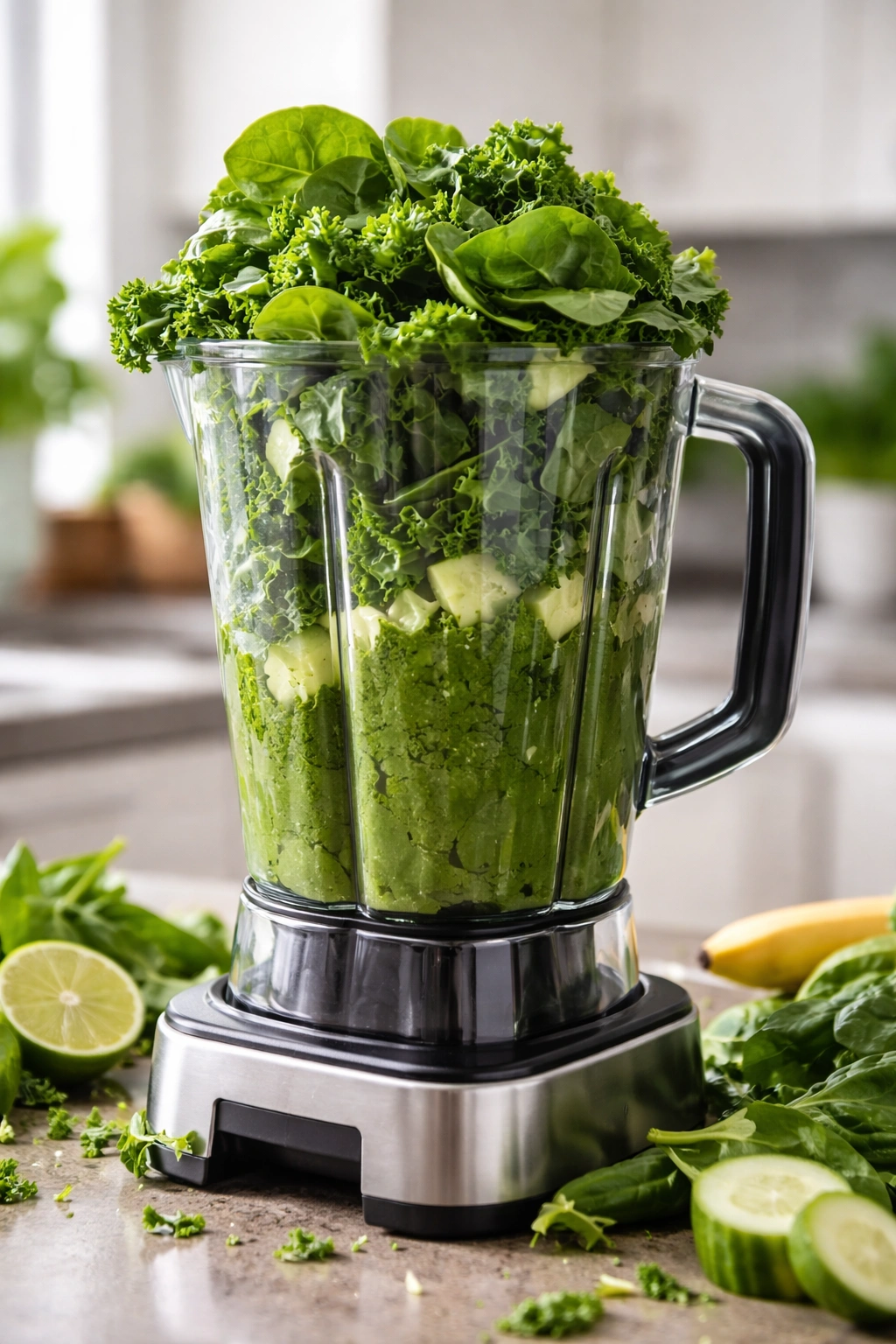
The most common mistake is using too many greens. This isn’t because greens are bad — it’s because they’re heavy and can actually make a smoothie taste unpleasantly vegetal. A good rule: use no more than 2-3 cups of loosely packed greens per smoothie, regardless of the size. Spinach is milder than kale, so you can use more spinach; if you’re using kale, stick to the lower end. Most people who say they hate green smoothies made them with far too much kale.
Overfilling the blender is another silent killer. If you fill your blender more than three-quarters of the way, the ingredients won’t circulate properly and you’ll end up with unblended chunks, particularly leafy greens that haven’t been pulverized. Blend in two batches if you need to make a large quantity. This takes an extra two minutes and produces a genuinely better result than trying to force too many ingredients into one batch.
Using low-quality greens is less important than people think, but the quality of your fruit matters enormously. Watery strawberries, mealy apples, or flavorless bananas will all create a less satisfying smoothie no matter what else you add. Frozen fruit from reputable brands is actually your best bet for consistent quality — frozen fruit was picked at peak ripeness and immediately flash-frozen, so it has more flavor than out-of-season fresh fruit.
Not tasting before serving is a waste. Blend your smoothie, take a sip, and adjust. If it needs more sweetness, add honey. If it’s too sweet, add more milk or lemon juice. If it needs more green flavor (which is rarely what’s missing), add spinach and blend again. A 30-second taste-and-adjust step transforms a mediocre smoothie into something genuinely delicious.
Using sweetened cocoa powder or drinking mixes when the recipe calls for unsweetened cocoa powder completely changes the flavor profile and usually makes the smoothie cloying. Read the label and verify you have unsweetened cocoa powder — it should have no added sugar. The small bitter edge from unsweetened cocoa is what makes chocolate smoothies taste sophisticated instead of like sweet chocolate milk.
Final Thoughts
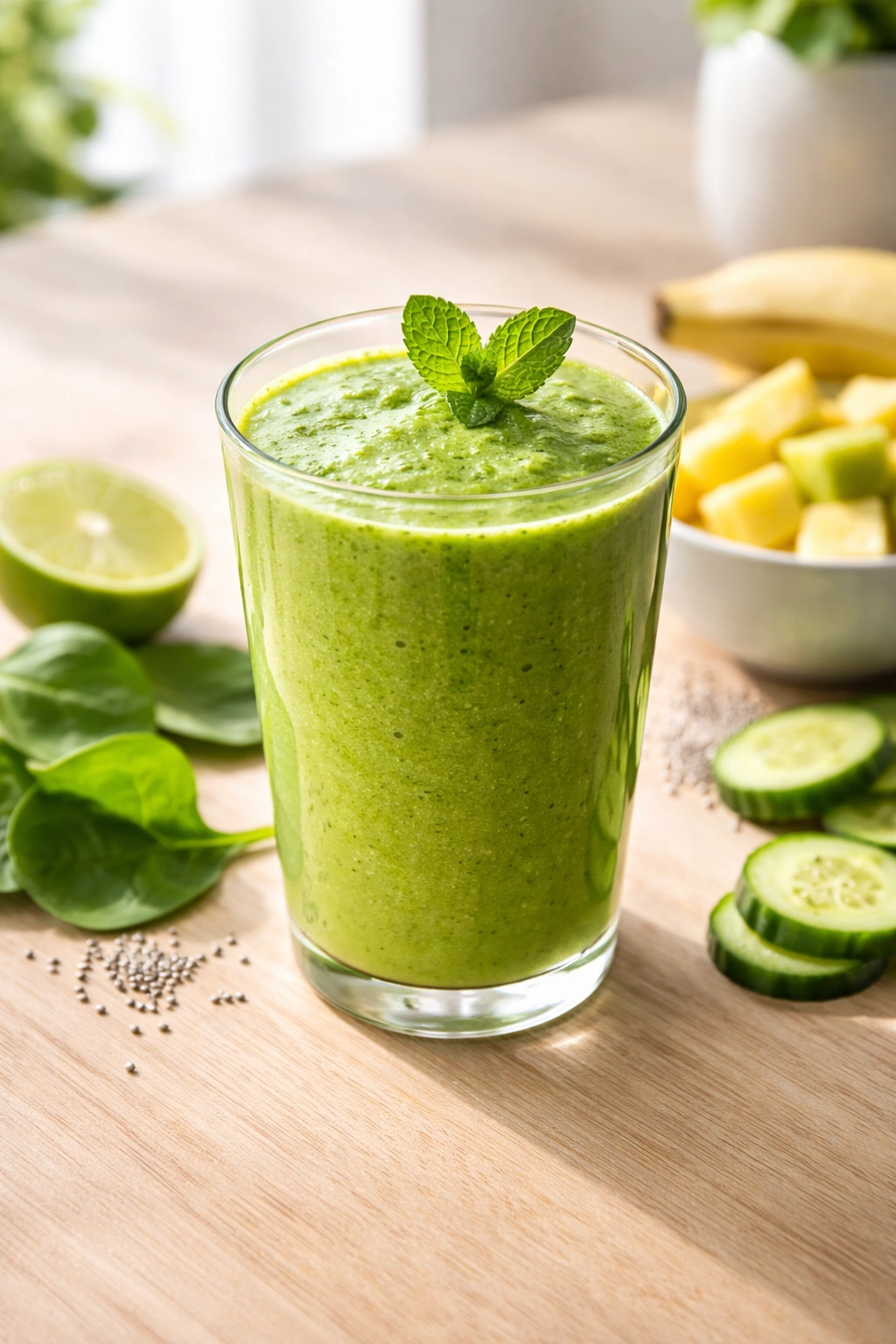
The real secret to green smoothies that actually taste amazing is respecting the fundamentals of flavor balance: sweetness, tartness, and richness work together to create something greater than the individual ingredients. It’s not about hiding greens or adding secret ingredients — it’s about understanding which flavors genuinely pair well and letting them do the work for you. A green smoothie with bright tropical fruit, coconut cream, and lime tastes good because those three elements belong together, not because you’ve tricked yourself into drinking vegetables.
Start with whichever of these five smoothies appeals to you most. Make it exactly as written the first time so you understand how it’s supposed to taste, then adapt based on your preferences. Frozen fruit is your secret weapon for consistent texture and quality. Batch-prepare freezer bags on a quiet Sunday morning so that weekday smoothies take genuinely three minutes. And always taste before serving — that one extra step separates smoothies you tolerate from smoothies you actually crave.
The best green smoothie is the one you’ll actually drink regularly. If you hate mint, skip the minty smoothie. If you’re not a chocolate person, there’s no reason to force yourself through the chocolate-banana version. But if you’re open-minded, these five recipes represent the full range of green smoothie possibilities — from tropical and refreshing to decadent and dessert-like. Try them all, find your favorite, and then lean into making that one perfect.
