



Grilled cheese and soup is one of those pairings that feels like a warm hug in food form. There’s something deeply nostalgic and comforting about crispy, buttery bread giving way to melted cheese, dipped into a steaming bowl of soup. But here’s the thing—not all grilled cheese sandwiches are created equal. While the classic version will always have a place in our hearts, elevating your grilled cheese game opens up a whole world of flavor possibilities. Whether you’re looking for something rich and luxurious, gourmet and sophisticated, or simple yet perfectly executed, the right cheese combination and cooking technique can transform this everyday sandwich into a showstopper.
The beauty of the grilled cheese is its flexibility. It’s a blank canvas that welcomes creativity while maintaining its essential character: soft, melted cheese nestled between crispy, golden bread. The key lies in understanding which cheeses melt beautifully, which bread provides the ideal texture, and how to achieve that perfect balance of crunch and creaminess. This guide walks you through five distinct grilled cheese recipes, each paired with soups that complement their unique flavor profiles. You’ll discover techniques that professionals use, learn which cheese combinations create the most memorable melts, and gain the confidence to create restaurant-quality grilled cheese in your own kitchen.
The Foundation: Why Bread and Butter Matter More Than You Think
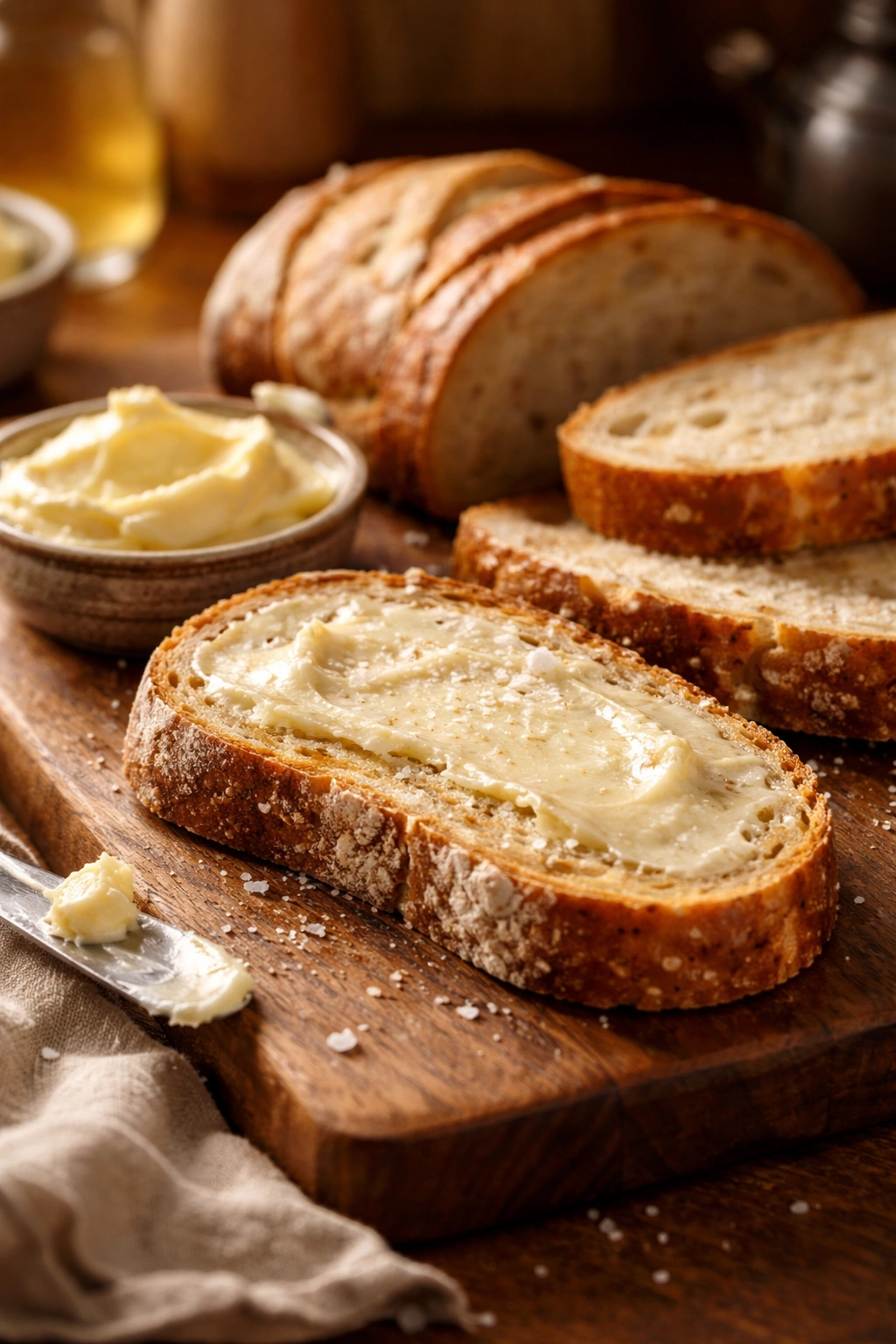
Before diving into the recipes, let’s talk about the fundamentals. The bread is the architecture of your grilled cheese—it’s what holds the cheese together and creates those crispy, golden-brown edges that make this sandwich irresistible. Fresh bakery bread is always superior to pre-sliced white bread from a plastic bag, though quality varies by location. Sourdough offers tang and structural integrity, Italian loaves provide a tender crumb, brioche delivers richness, and whole grain options bring nutty depth and extra nutrition.
The thickness matters too. Thin slices toast quickly and can burn before the cheese melts; thick slices provide better insulation and toasting surface. Aim for roughly half-inch thick slices cut from a fresh loaf. When you slice your own bread, you control the thickness and freshness, which dramatically improves the final result.
Butter is equally critical. Unsalted butter brushed or spread on the outside of the bread creates that prized golden-brown crust and prevents sticking. Some people swear by mayonnaise for even greater crispness—the emulsifiers help the bread brown faster and more evenly. Both work; choose based on whether you want pure butter flavor or the subtle savory edge mayonnaise provides. Apply butter all the way to the edges of your bread; incomplete coverage means you’ll lose crunch in those spots.
Heat Control: The Secret to Perfect Cheese Melting
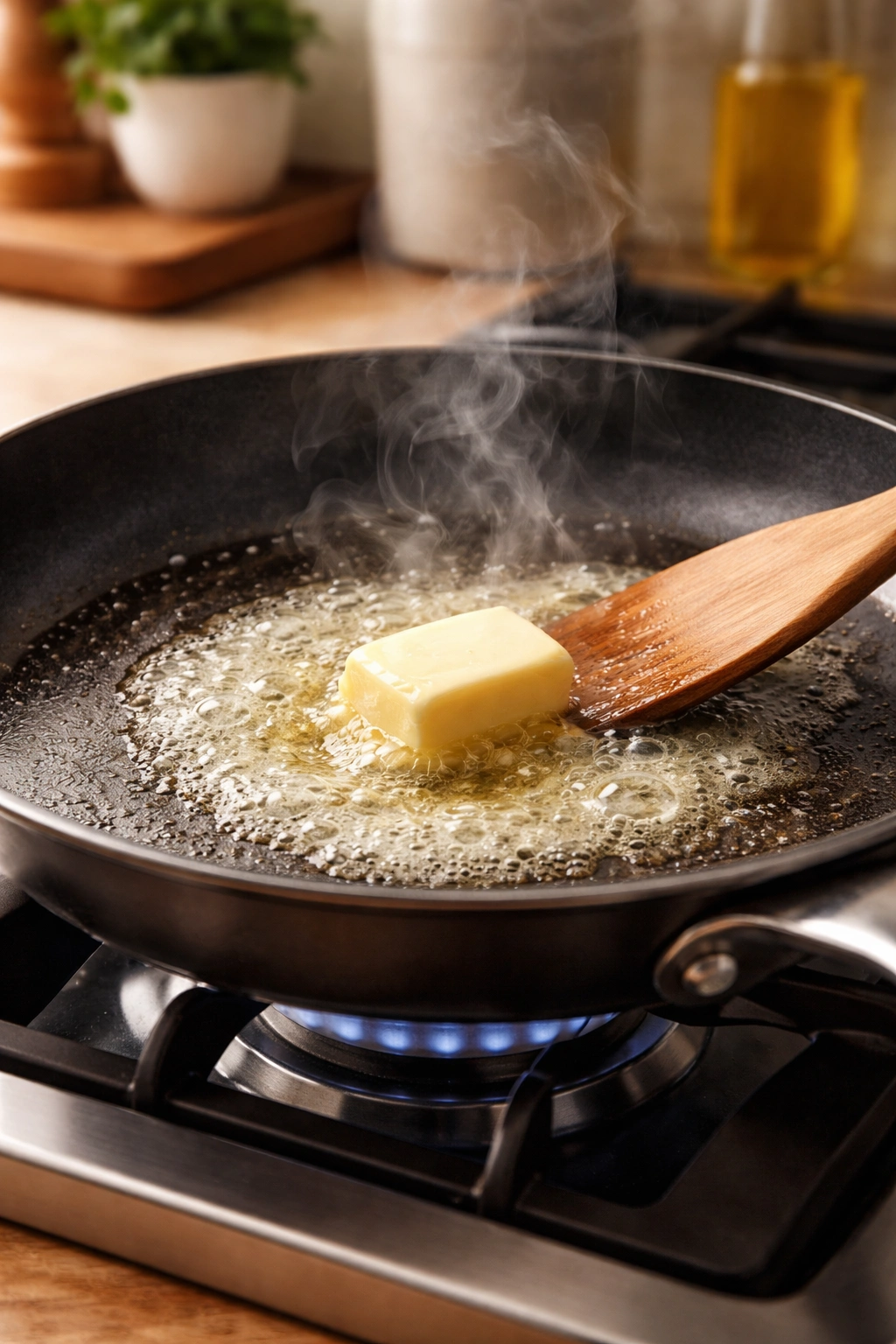
The most common mistake home cooks make is cooking grilled cheese over heat that’s too high. Your instinct says “high heat = golden, crispy bread,” but what actually happens is the exterior burns while the interior cheese remains cold. Medium or medium-low heat is the sweet spot. This allows the cheese to melt slowly and evenly while the bread toasts gently to golden perfection.
Starting in a cold pan and heating it gradually actually works beautifully. This gives you more control and prevents the hot-pan shock that causes uneven browning. Once the butter melts and shimmers, your pan is ready. Cooking time typically ranges from 4-6 minutes per side, depending on bread thickness and your specific stove. If your sandwich feels like it’s cooking too fast or the exterior is browning before the cheese melts, lower the heat immediately and consider covering the pan with a lid to trap steam and speed the melting process.
The Art of Cheese Selection for Perfect Melting

Not all cheeses melt beautifully, and not all cheeses that melt are equally delicious in a grilled cheese. You want low-moisture cheeses that melt smoothly without becoming greasy. Sharp cheddar, gruyère, fontina, colby jack, gouda, and brie all rank among the best choices. American cheese—yes, the processed kind from the deli counter—actually melts remarkably well and creates incredible smoothness, though it lacks the complexity some prefer.
The trick is using multiple cheeses. A blend of two, three, or even four cheeses creates layers of flavor and improves meltability. Combining a creamy cheese like brie with a sharp cheese like gruyère gives you both luxury and punch. Mixing in mozzarella adds stretchiness. Adding a hard cheese like parmesan creates a crispy, flavorful crust when used on the exterior.
1. Classic Four-Cheese Grilled Cheese with Tomato Soup
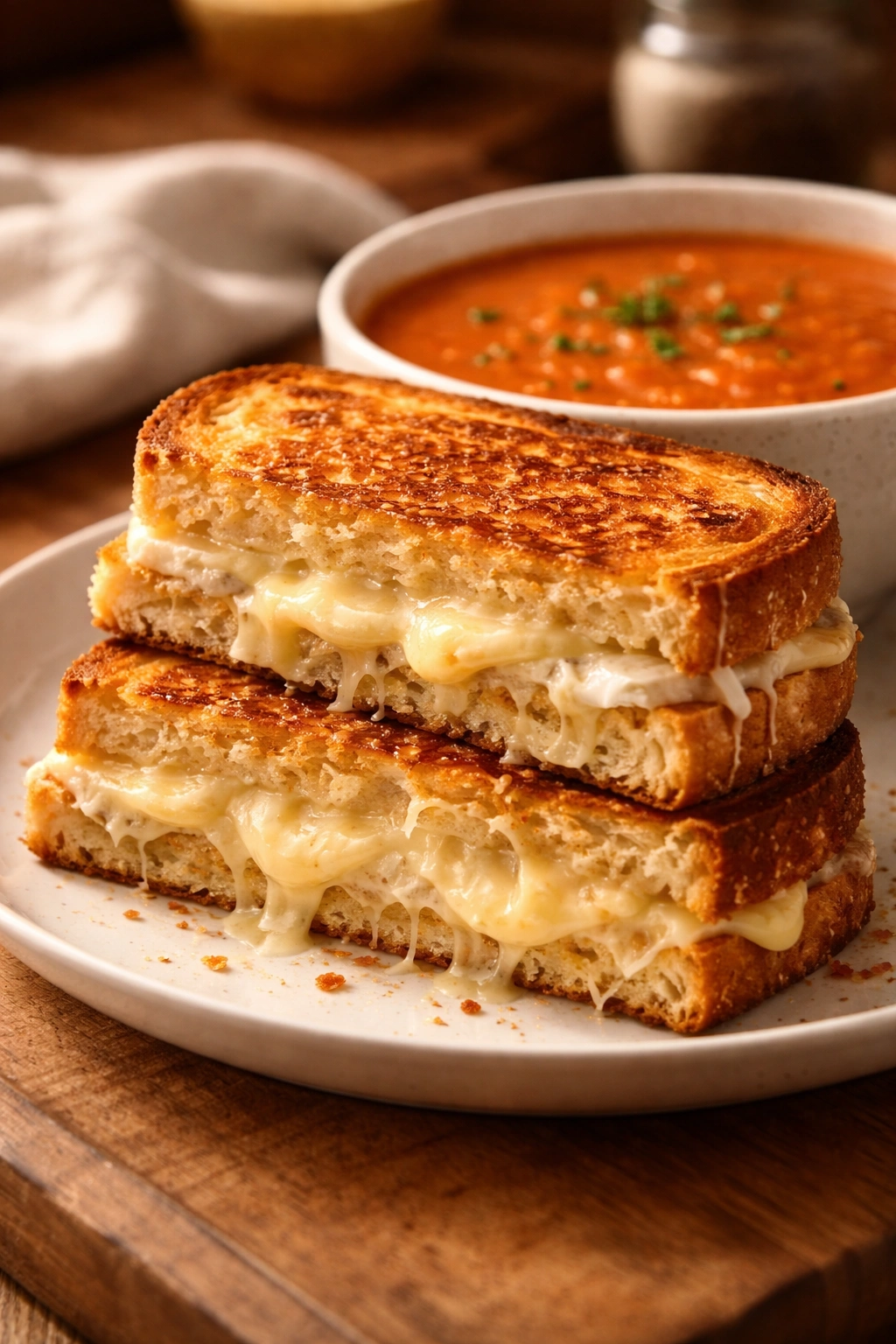
This is the “OMG grilled cheese” that makes people pause mid-bite and simply say “oh my God.” The combination of gruyère, brie, goat cheese, and white cheddar creates a symphony of flavors—nutty depth from the gruyère, luxurious creaminess from the brie, tangy brightness from the goat cheese, and sharp complexity from the white cheddar. Each cheese contributes something distinct, but together they create something greater than their individual parts.
Start with high-quality sliced bread from your bakery, either sourdough or Italian loaf. Butter the outside of two slices generously. Layer your cheeses on the inside of one slice in this order: gruyère (strong foundation), brie (creamy middle), goat cheese (brightness), and white cheddar (sharp finish). Top with the second slice, butter side out.
Heat a skillet to medium heat with a small knob of butter. Once the butter foams, place your sandwich in the pan and resist the urge to move it around. Let it sit for 3-4 minutes until the bottom achieves a deep golden-brown color. Flip carefully and cook the other side for another 3-4 minutes. If your cheese feels resistant to melting, cover the pan with a lid for the final minute to trap heat and steam.
Why This Combination Works
Gruyère is a cheese with serious complexity—nutty, slightly sweet, aging depth that elevates every other flavor around it. Brie melts into luxurious smoothness that becomes almost creamy, creating a silky mouthfeel. Goat cheese adds a tangy, almost citrus-like brightness that cuts through richness. White cheddar provides sharpness and a slightly flinty quality that wakes up your palate.
Best Soup Pairing
Creamy tomato soup is the classic partner for this sandwich. The acidity and bright tomato flavor cuts through the rich cheese without overwhelming it. Roast your tomatoes with garlic, onion, and olive oil until deeply caramelized, then blend with cream and chicken stock. The soup should be velvety but not overly heavy—you want balance. Finish with a swirl of cream and fresh basil.
For a lighter option, try carrot and fennel soup, which has a naturally sweet character that complements the cheese’s richness without competing for attention. The delicate fennel flavor adds sophistication while the carrot’s subtle sweetness plays against the goat cheese’s tanginess.
Pro Tips for Maximum Success
Slice your cheeses fresh rather than using pre-shredded varieties; pre-shredded cheese contains anti-caking agents that interfere with smooth melting. Layer the cheeses strategically so each one can contribute its flavor throughout the bite. Let your sandwich rest for a minute after cooking before cutting into it—this allows the cheese to set slightly so it doesn’t spill all over your plate.
2. Gourmet Mushroom and Gruyère Grilled Cheese with French Onion Soup
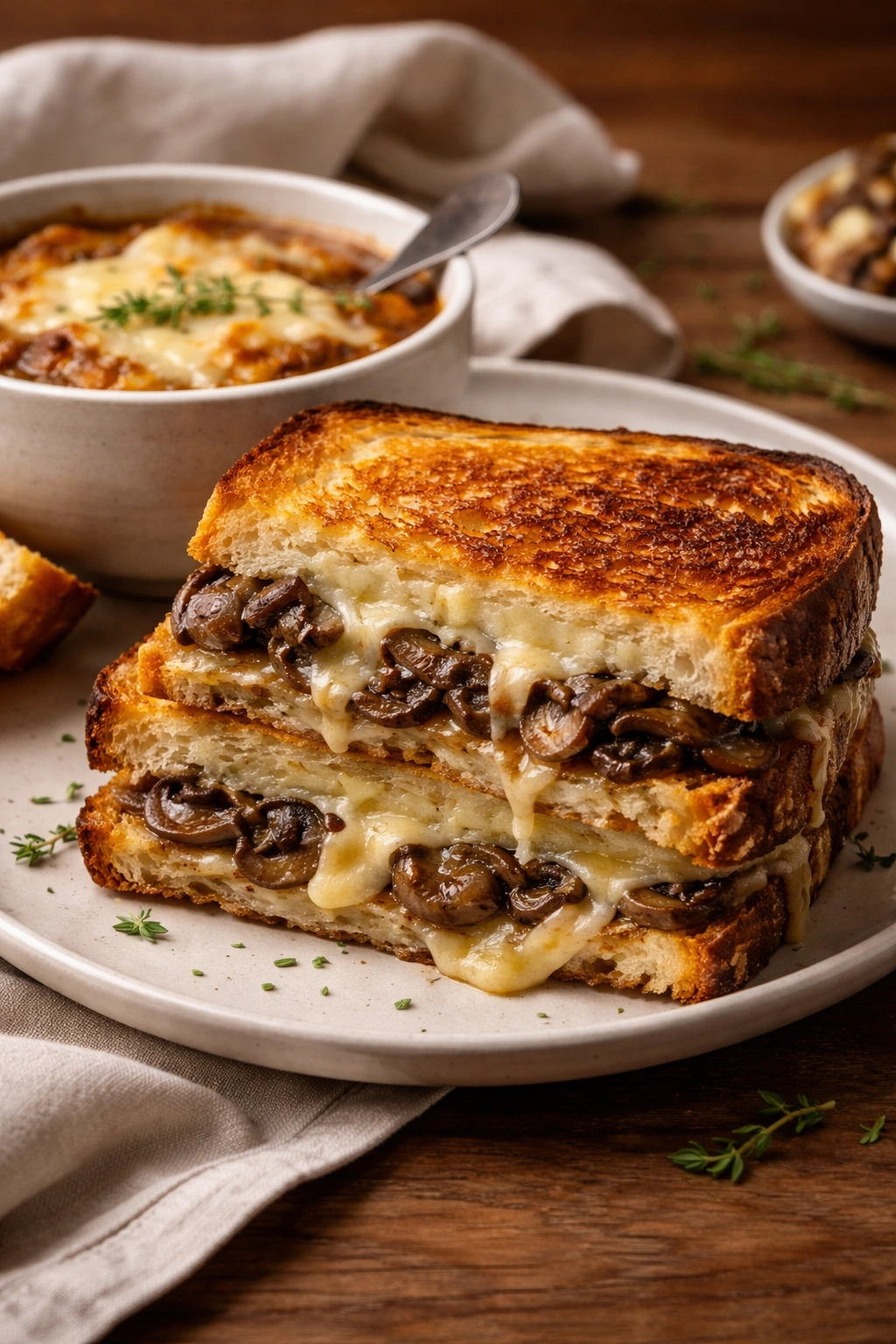
This elevated version takes inspiration from French onion soup itself—earthy mushrooms and deep umami flavors that pair perfectly with rich gruyère cheese and sourdough bread. The key is preparing the mushrooms properly so they become concentrated bundles of savory goodness rather than watery disappointments.
Slice cremini or porcini mushrooms thinly and sauté them in butter over medium-high heat until their released moisture evaporates completely. This takes longer than most people expect—usually 8-10 minutes. Season generously with salt and pepper as they cook; this helps draw out moisture and concentrates flavor. Once the mushrooms achieve a deep golden-brown color and any remaining liquid has evaporated, they’re ready. The mushrooms should look almost caramelized, not just limp and soft.
Building the Perfect Mushroom Gruyère Sandwich
Slice your sourdough thick—nearly three-quarters of an inch. Butter both outer surfaces generously. On the inside of one slice, layer a slice of gruyère (firm base), then your caramelized mushrooms, then another slice of gruyère (this seals in the mushrooms so they don’t squish out when you press), then optionally a thin layer of brie for luxury. Top with the second bread slice, butter side out.
Cook over medium heat for 4-5 minutes per side. The sourdough’s tang complements the earthy mushrooms beautifully, and the gruyère’s nuttiness ties everything together. Press down gently on the sandwich with your spatula while cooking—this promotes even heat distribution and helps the cheese meld with the bread.
Why French Onion Soup Is the Only Logical Pairing
French onion soup shares the same flavor family as this grilled cheese. Caramelized onions develop deep, almost mushroom-like umami flavors through their long, slow cook. The beef broth and melted cheese on top create richness that echoes the gruyère in your sandwich. When you dip the mushroom gruyère sandwich into French onion soup, you’re doubling down on umami, depth, and savory satisfaction. The flavors amplify each other rather than competing.
To make a simplified French onion soup, caramelize sliced onions low and slow—at least 30 minutes—stirring frequently. This isn’t quick, but the extended cooking creates those deep caramel notes. Deglaze with a splash of dry white wine, add beef or chicken broth, season with thyme and bay leaf, and simmer gently. Top your soup with crusty bread and melted gruyère, or simply serve alongside your grilled cheese for dipping.
Alternative Pairing: Mushroom Soup
If French onion soup feels like too much effort, a creamy mushroom soup is equally delicious. The earthy mushroom flavor in both the sandwich and soup creates cohesive, luxurious comfort. Build mushroom soup by sautéing shallots and garlic in butter, adding sliced mushrooms and vegetable broth, simmering until the mushrooms are tender, then blending until smooth. Finish with heavy cream, a touch of fresh thyme, and nutmeg. The soup should taste distinctly mushroomy—not watered down or timid.
3. Crispy Parmesan-Crusted Grilled Cheese with Roasted Tomato Soup
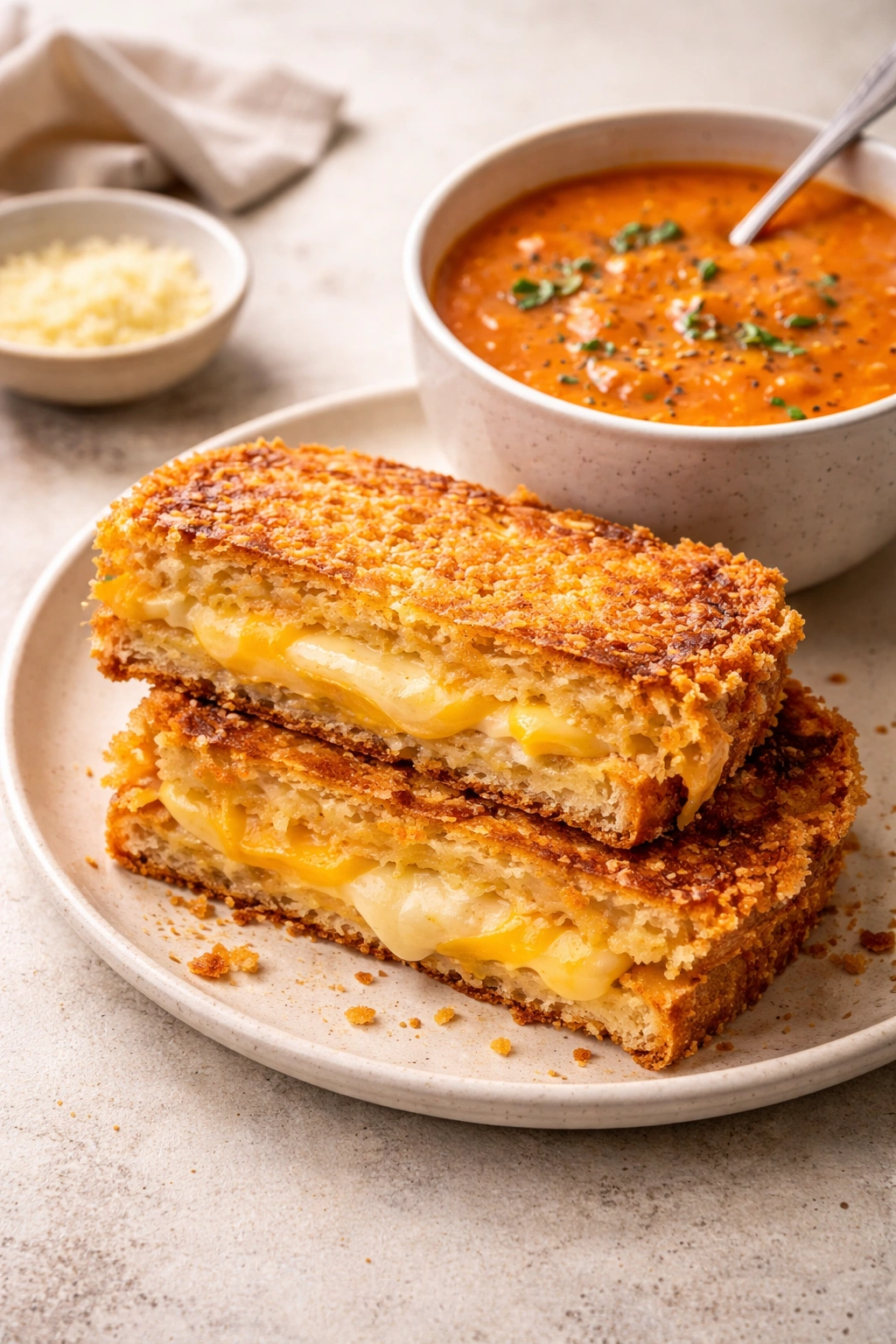
This version introduces a technique called “frico”—melting cheese directly on the pan’s surface so it becomes a crispy, golden crust that adheres to the bread. This technique originated in Italy and elevates grilled cheese from simple to spectacular. When done right, the parmesan crust develops a glass-like finish that shatters between your teeth, releasing sharp, concentrated cheese flavor.
The base sandwich uses a combination of mozzarella, sharp cheddar, and comté cheese nestled between sourdough slices, spread with a modest amount of butter on the inside surfaces. But here’s where the magic happens: rather than simply toasting the sandwich in the pan, you create the frico layer.
The Frico Technique Explained
Heat your skillet to medium-low heat. Sprinkle a thin, even layer of grated parmesan cheese directly onto the hot pan—enough to cover an area slightly larger than your bread slice. Let it melt for 2-3 minutes until it becomes golden and forms a crispy disc. This happens faster than you might expect, so watch carefully to prevent burning.
Once the parmesan is set and golden, carefully place one buttered slice of sourdough directly onto the melting cheese, butter side up. Top the bread with your mozzarella-cheddar-comté blend, then add the second sourdough slice, butter side up. Now cook for 2-3 minutes until the exposed cheese on the pan starts to brown and the bread begins toasting.
Carefully flip the entire sandwich. The parmesan crust should adhere to the bread, creating a golden, crispy exterior. Cook the other side for another 2-3 minutes. The result is a sandwich with a crispy, salty parmesan crust on one side and golden-brown buttered bread on the other.
Roasted Tomato Soup: The Perfect Counterpart
Roasting tomatoes concentrates their sugars and deepens their flavor. Quarter ripe tomatoes (or use good-quality canned San Marzano tomatoes), toss with olive oil, salt, and pepper, then roast at 400°F for about 25-30 minutes until they’re soft and beginning to caramelize. Sauté onions and garlic until fragrant, add the roasted tomatoes with their juices, pour in chicken or vegetable stock, and simmer for 10 minutes. Blend until smooth, then finish with a splash of heavy cream and fresh basil.
The sweetness of roasted tomatoes balances the sharp, salty intensity of the parmesan crust beautifully. The soup becomes a cooling, creamy counterpoint to the crispy, cheesy bread.
Making Frico Without Stress
The biggest challenge with frico is timing—the cheese goes from perfectly golden to burned quickly. Start with medium-low heat and watch carefully. If you’re nervous, practice with a test piece of parmesan before attempting the full sandwich. Some people find it helpful to use a silicone mat on the pan surface, which prevents sticking and makes removal easier. Once you’ve made it a couple times, the technique becomes second nature.
4. Ultimate Creamy Cheese Blend Grilled Cheese with Tomato Basil Soup
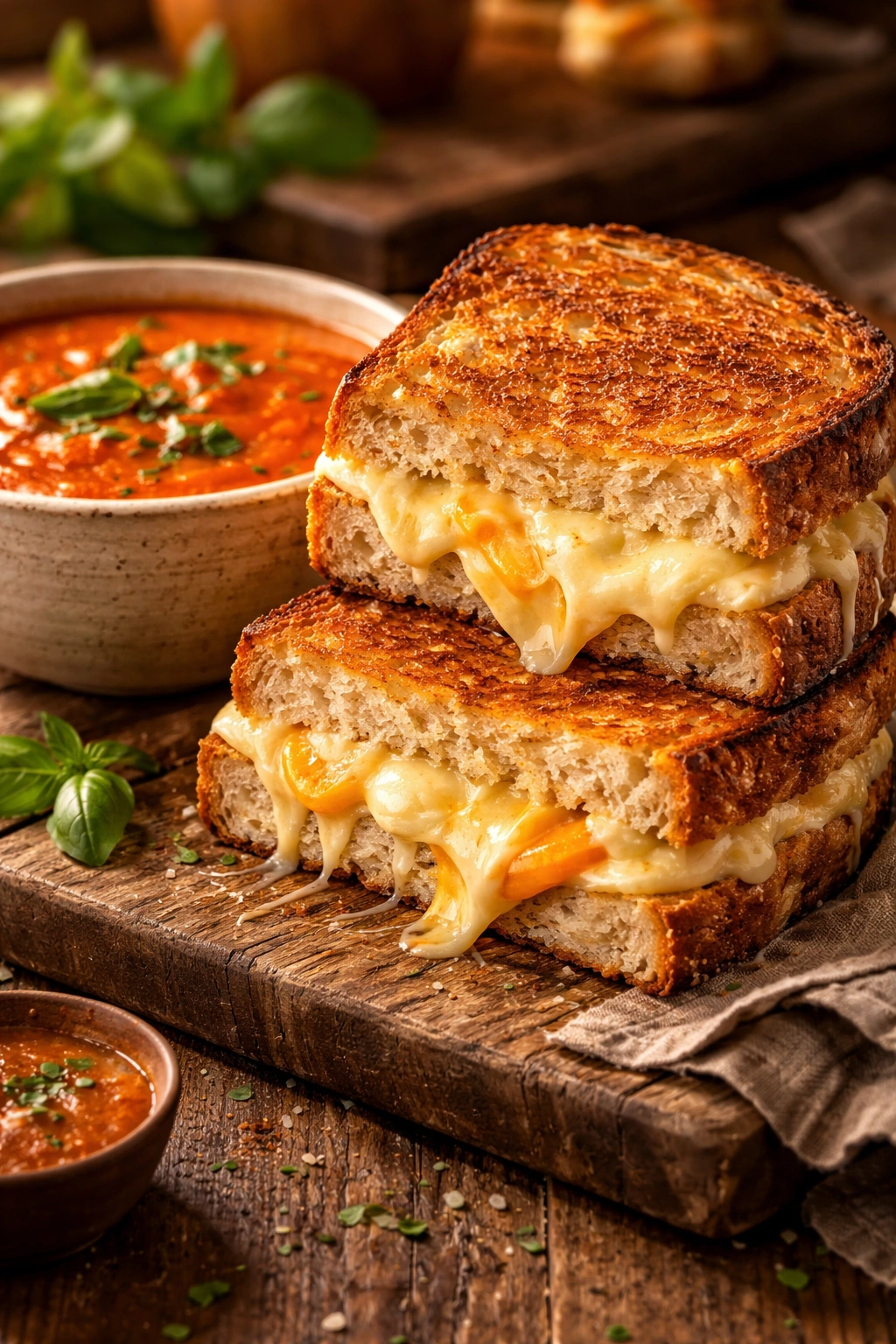
This is the recipe that converts skeptics. It uses a cheese spread made from four components mixed into a creamy, spreadable mixture that gets smeared onto thick-cut bread, then grilled until the cheese melts into an almost queso-like consistency inside and a crispy golden exterior outside.
The spread consists of softened cream cheese, mayonnaise, shredded mozzarella, shredded sharp cheddar, plus garlic powder and seasoned salt. Beat the cream cheese and mayonnaise together until completely smooth, then fold in the shredded cheeses and seasonings. This mixture is richer and more complex than using cheese alone; the cream cheese and mayo create a binding medium that allows the cheese to meld into silky smoothness.
The Building Process
Use thick slices of Italian or sourdough bread—ideally cut from a fresh bakery loaf. Spread the cheese mixture generously on five or six slices (enough for the sandwich you’re making), using approximately one-third cup per slice. Top each spread-covered slice with another slice of bread to create sandwiches.
Now here’s the critical step: butter the outside of the bread slices thoroughly before grilling. This creates the contrast between the rich, creamy interior cheese and the crispy exterior. Heat a large skillet or griddle over medium heat, then add your sandwiches and cook for 4-5 minutes until the bottom is golden brown and the cheese has started melting.
Carefully flip and cook the other side for another 4-5 minutes. The bread should achieve a deep golden-brown color and the interior should be melted into creamy richness. Some people like to cover the pan during the final minute to trap heat and ensure the cheese reaches peak meltiness.
Why This Spread Works Better Than Sliced Cheese
The spread creates an intimate bond between bread and cheese that sliced cheese alone can’t achieve. It distributes flavor evenly throughout the sandwich rather than creating pockets of melted and unmelted cheese. The cream cheese and mayo add fat and emulsifiers that help everything meld together smoothly. The result is a sandwich where every bite has balanced cheese throughout.
Tomato Basil Soup: Fresh and Bright
Make a tomato soup that highlights fresh basil rather than cream. Use canned whole San Marzano tomatoes (they’re genuinely better than most fresh varieties), sauté onions and garlic, add the tomatoes with a splash of vegetable broth, and simmer for 15-20 minutes. Add a generous handful of fresh basil leaves at the end—they should be lightly wilted but still vibrant.
Skip the heavy cream or use just a splash. The soup should be bright and tomato-forward, not heavy. The contrast between the rich, creamy cheese sandwich and the lighter, fresher soup creates beautiful balance. Drizzle with good olive oil and finish with a basil leaf if you’re feeling fancy.
Make-Ahead Advantage
The cheese spread can be made up to two days ahead and stored in an airtight container in the refrigerator. This makes dinner prep incredibly easy on busy nights—just spread, butter, and cook. The spread also works beautifully on other sandwiches or as a dip for crusty bread.
5. Elevated Herb-Infused Grilled Cheese with Roasted Red Pepper Soup
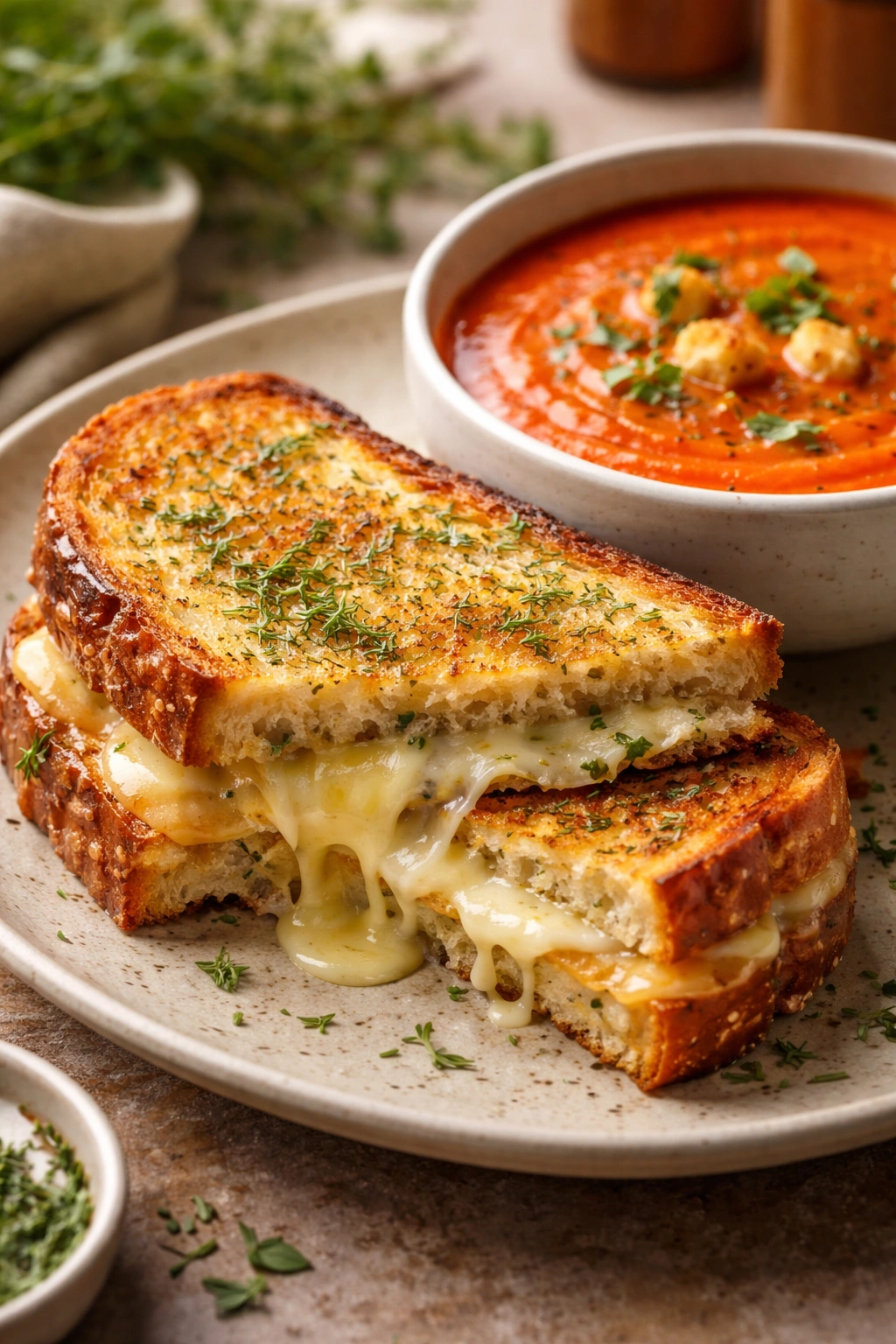
This version brings sophistication through herbal aromatics and the brightness of fresh herbs mixed directly into your cheese layer. Fresh thyme, dill, or tarragon transform a simple grilled cheese into something restaurant-worthy. The herbs don’t overpower—they simply add a subtle sophistication that elevates every other flavor.
Combine softened butter with finely minced fresh herbs—a combination of dill, thyme, and a small amount of tarragon works beautifully. Spread this herb butter on the outside of thick-cut sourdough or brioche bread (yes, brioche works here; its richness complements the herbs). Inside, layer gruyère, Swiss cheese (which has a delicate, slightly sweet character), and a thin slice of brie.
Cooking the Herb-Infused Version
Heat your skillet to medium heat. Once the herb butter melts into fragrance, add your sandwich and cook until the bread achieves a golden color and the herbs begin releasing their aromas into the pan. This typically takes 4 minutes. Flip carefully and cook the other side for another 4 minutes. The herbs should toast slightly, becoming even more aromatic without burning.
The result is a sandwich that smells herbaceous and elegant, with that herbaceous flavor threading through the creamy cheese layers.
Roasted Red Pepper Soup: Bright and Balanced
Roast red bell peppers over an open flame or under your broiler until the skin blackens completely. Place them in a covered bowl for 10 minutes, then peel away the charred skin under cool running water. The flesh should be tender and sweet. Sauté onion and garlic, add the roasted peppers, vegetable broth, and a pinch of smoked paprika, then simmer for 10 minutes. Blend until completely smooth.
Finish with a splash of cream and a squeeze of fresh lemon juice. The soup should taste vibrant and slightly smoky, with the sweetness of roasted peppers balanced by the lemon’s acidity. A drizzle of good olive oil and a basil leaf as garnish completes the picture.
The herbaceous grilled cheese’s subtle flavors pair beautifully with the soup’s sweetness and smokiness. Neither one overwhelms; together they create sophistication and comfort in equal measure.
Tips for Grilled Cheese Success Every Single Time
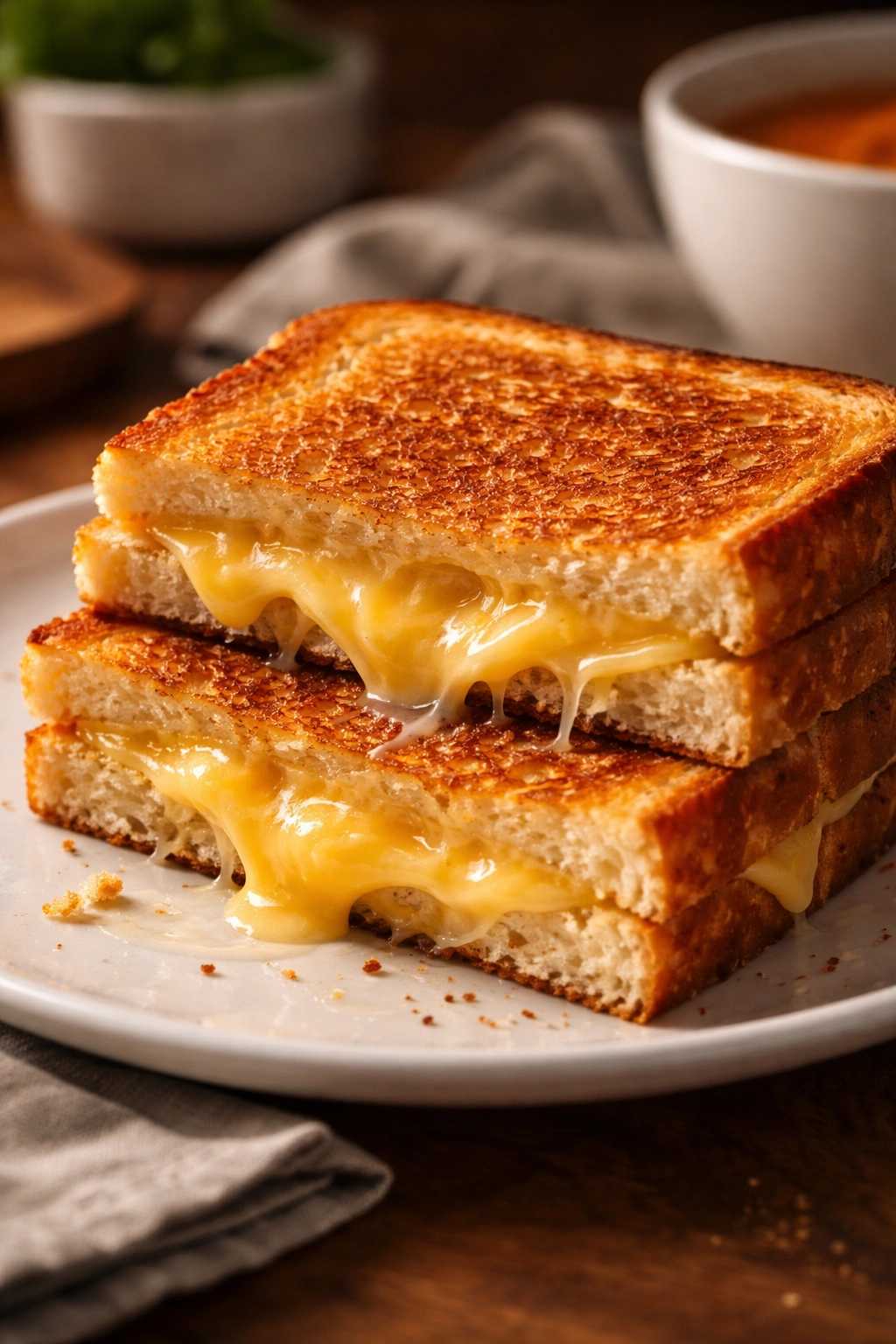
Temperature control is everything. Use medium or medium-low heat. High heat makes burnt bread and cold cheese. If you’re impatient and turn up the heat, you’ll regret it—the bread will brown before the cheese melts.
Use fresh bread. Three-day-old bread from the grocery store aisle tastes sad compared to bread fresh from a bakery. If you can, buy your bread same-day or the day before. Slice it yourself rather than using pre-sliced varieties whenever possible.
Quality cheese matters. Invest in real aged cheddar, genuine gruyère, and fresh mozzarella. Processed cheese spreads and pre-shredded varieties contain additives that interfere with smooth melting. You don’t need expensive cheese, but you need real cheese.
Don’t skip the butter. Yes, butter. Some people use mayonnaise instead, which creates impressive crispness, but butter creates flavor and a golden-brown crust that’s worth the calories. Spread it all the way to the edges.
Resist the urge to flip frequently. Place the sandwich in the pan and leave it alone for several minutes. Constant flipping prevents proper browning and disrupts cheese melting. Flip once, cook the other side, and you’re done.
Cover the pan if needed. If you’re cooking on lower heat to prevent burning and the cheese seems slow to melt, cover the pan with a lid for the final 1-2 minutes. The trapped steam accelerates melting beautifully.
Let it rest. After removing from heat, let the sandwich sit for 30 seconds to 1 minute. This allows the cheese to set slightly, preventing it from spilling everywhere when you bite in.
Storage and Make-Ahead Strategies
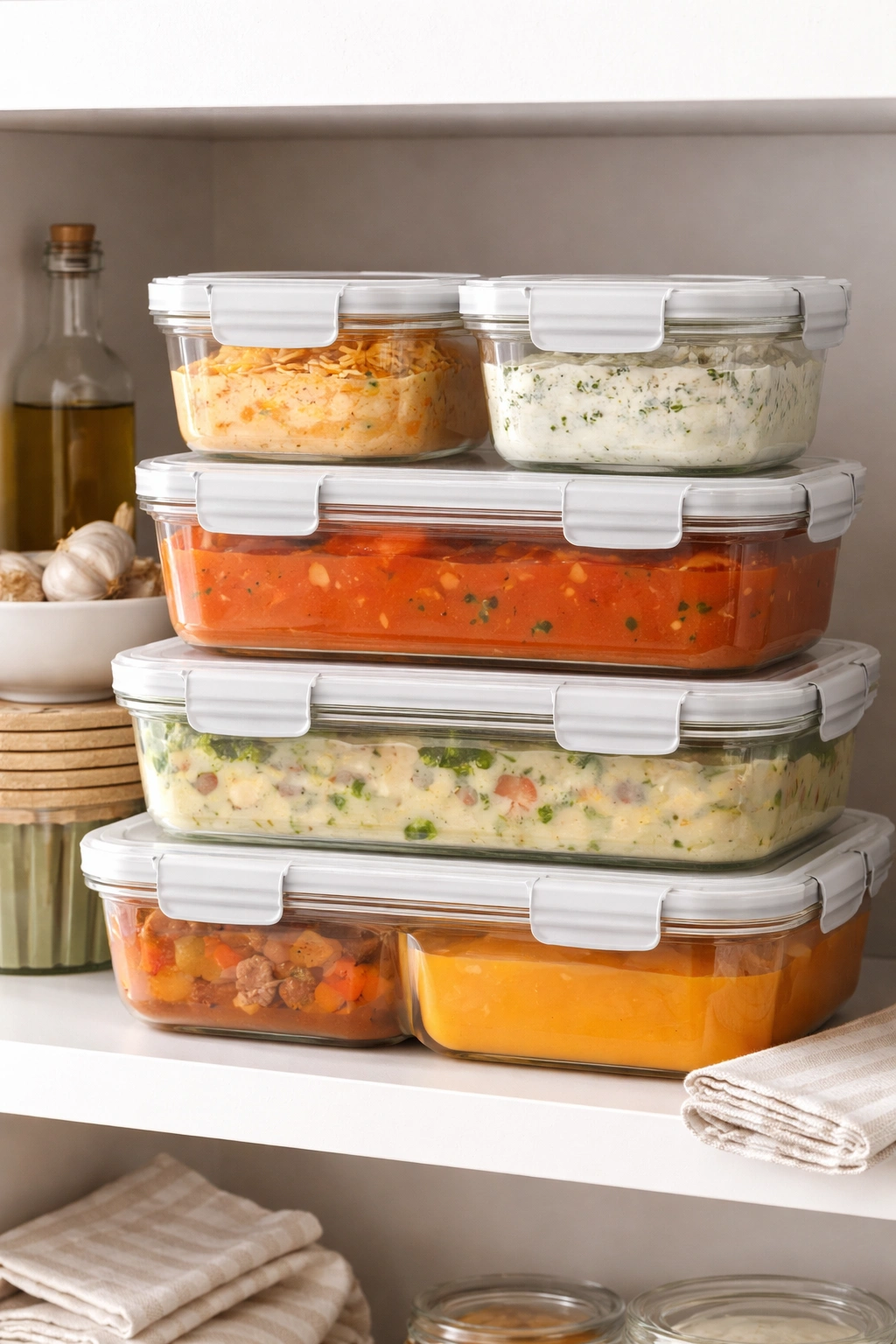
Grilled cheese is best eaten immediately, while the cheese is still molten and the bread still crispy. However, they reheat reasonably well. Store leftovers in an airtight container in the refrigerator for up to two days.
To reheat, place the sandwich in a skillet over medium-low heat, cover with a lid, and warm for 2-3 minutes per side. The bread will crisp back up and the cheese will melt again, though it won’t achieve the same texture as a freshly made sandwich.
The cheese spread recipes can be made 2-3 days ahead. The soup can be made up to three days in advance and stored in an airtight container in the refrigerator. Both components can also be frozen; the soups freeze beautifully for up to three months, and the cheese spread freezes well though it should be thawed in the refrigerator before use.
If you’re meal prepping for the week, prepare your soups and cheese spreads ahead, then assemble and cook the sandwiches fresh when you need them. This is the sweet spot between convenience and quality.
Creative Variations and Flavor Combinations
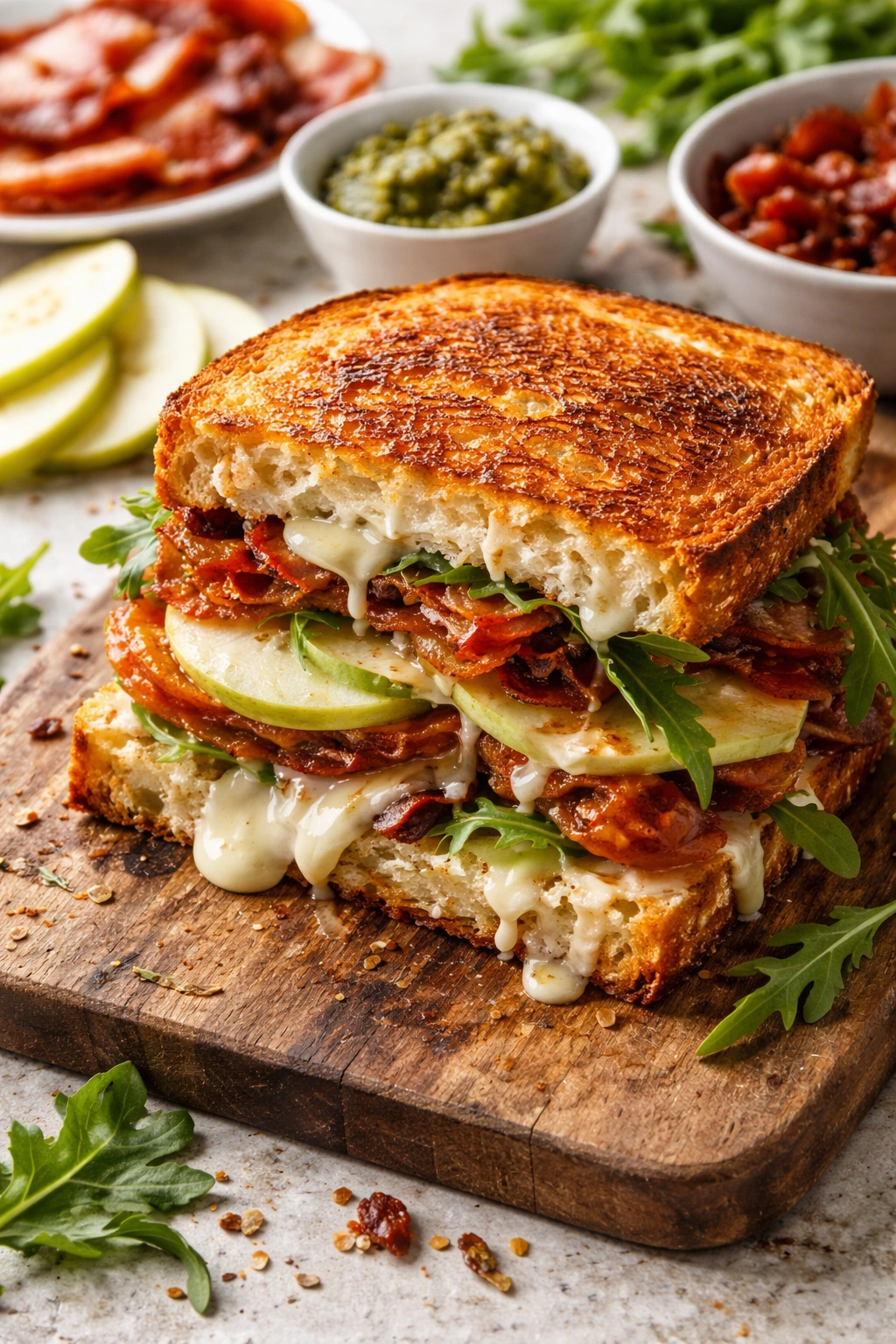
Once you understand the fundamentals, variations become endless. Add thin slices of apple and sharp cheddar with a touch of whole grain mustard. Layer crispy bacon with gruyère and brie. Mix sautéed caramelized onions with gouda and Swiss. Add sliced fresh tomatoes (blotted dry so they don’t make the sandwich soggy) with fresh mozzarella and basil. Spread pesto inside with fontina and sun-dried tomato.
The key to successful additions is avoiding excess moisture. Tomatoes, mushrooms, and other vegetables release water that makes bread soggy. Dry them thoroughly on paper towels before adding them. Similarly, keep additions modest so the cheese remains the star.
Dietary adaptations work well too. Vegan cheese has improved dramatically and some varieties melt beautifully—try cashew-based or nutritional yeast-forward options. Gluten-free bread exists in better quality than it used to; look for varieties with good structure that won’t crumble. Dairy-free butter substitutes work fine, though they sometimes create less impressive browning than dairy butter.
The Perfect Pairing Philosophy
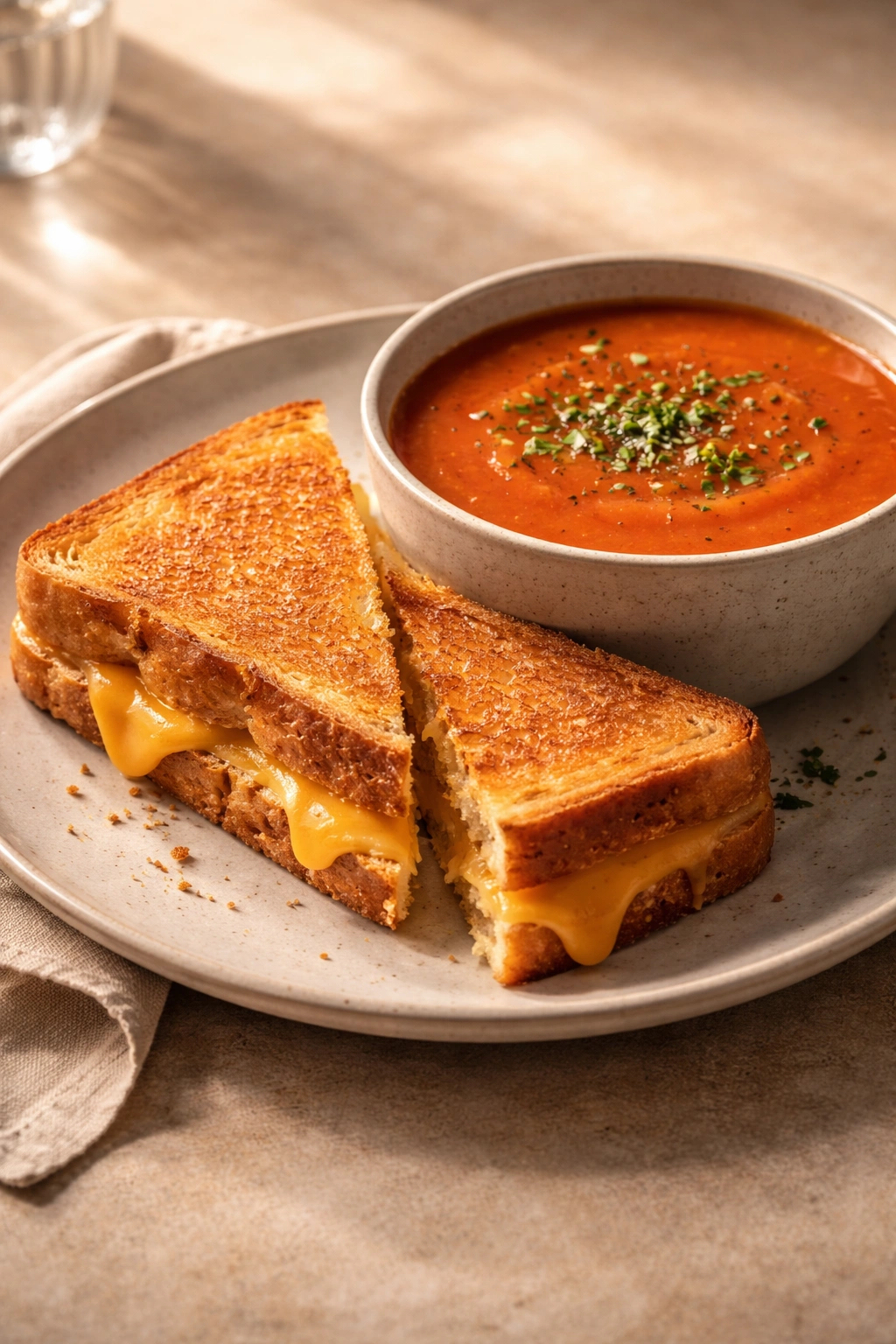
The relationship between grilled cheese and soup is symbiotic. The sandwich’s richness needs the soup’s acidity, moisture, and flavor brightness to feel balanced. Creamy tomato soup without grilled cheese feels like something’s missing; grilled cheese without soup feels incomplete. Together they create a meal that’s greater than the sum of its parts.
Think about flavor contrast, temperature contrast, and texture contrast when pairing sandwiches with soups. A crispy, rich, creamy sandwich pairs beautifully with a bright, acidic tomato soup or a smooth, earthy mushroom soup. An herb-forward sandwich works with roasted vegetable soups or lighter broths.
The soup doesn’t need to be complex or time-consuming. Sometimes the best pairings are the simplest—a good tomato soup made from canned San Marzano tomatoes, cream, and fresh basil alongside a perfectly executed classic grilled cheese. The quality comes from technique and attention to detail, not from lengthy ingredient lists or unusual flavor combinations.
Final Thoughts

Grilled cheese and soup represent comfort food at its finest, yet they’re also vehicles for creativity and refinement. A perfect grilled cheese—crispy exterior, melted interior, buttery aroma—remains one of life’s great pleasures. Pair it with a thoughtful soup, and you’ve created something that nourishes both body and spirit.
The five recipes here represent different approaches to the same essential idea: good bread, quality cheese, proper technique, and a soup that complements rather than competes. Start with whichever sounds most appealing, then use the fundamentals to create your own combinations. Pay attention to what works—which cheeses melt smoothly, which soups provide the best contrast, which temperatures and cook times work best on your specific stove.
Grilled cheese is forgiving enough for experimentation yet specific enough that small details matter enormously. Master the basics first, then play. The reward is meals that taste restaurant-quality but come from your own kitchen, made exactly the way you prefer them. And honestly, there’s nothing quite as satisfying as crispy, melted cheese and the comfort of good soup on a day when the world feels complicated.
