



Crushing a tough workout leaves your muscles depleted and hungry for recovery fuel. Your body’s tissues are broken down, your glycogen stores are depleted, and there’s a narrow window — roughly 30 to 60 minutes post-exercise — when your muscles are especially eager to absorb the nutrients they need to repair and grow stronger. This is where protein smoothies become your secret weapon. They deliver the exact combination your body craves: fast-absorbing protein to rebuild muscle fibers, carbohydrates to replenish energy, and fats to support hormone production and nutrient absorption. But here’s the catch: a post-workout smoothie has to taste genuinely good, or you won’t make it a habit. A chalky, mediocre smoothie sipped out of obligation won’t cut it when you’re tired and hungry after training.
The smoothies in this guide aren’t your typical protein-powder-and-water situation. Each one is designed to taste so satisfying that you’ll actually crave it after your workouts — while delivering the proven nutrition science that athletes and fitness enthusiasts rely on. These are tested combinations that balance flavor, texture, and recovery benefits, whether you’re a serious lifter, a runner refueling after distance work, or someone who just wants a delicious way to support their post-exercise recovery.
Why Protein Smoothies Are the Ultimate Post-Workout Recovery Tool
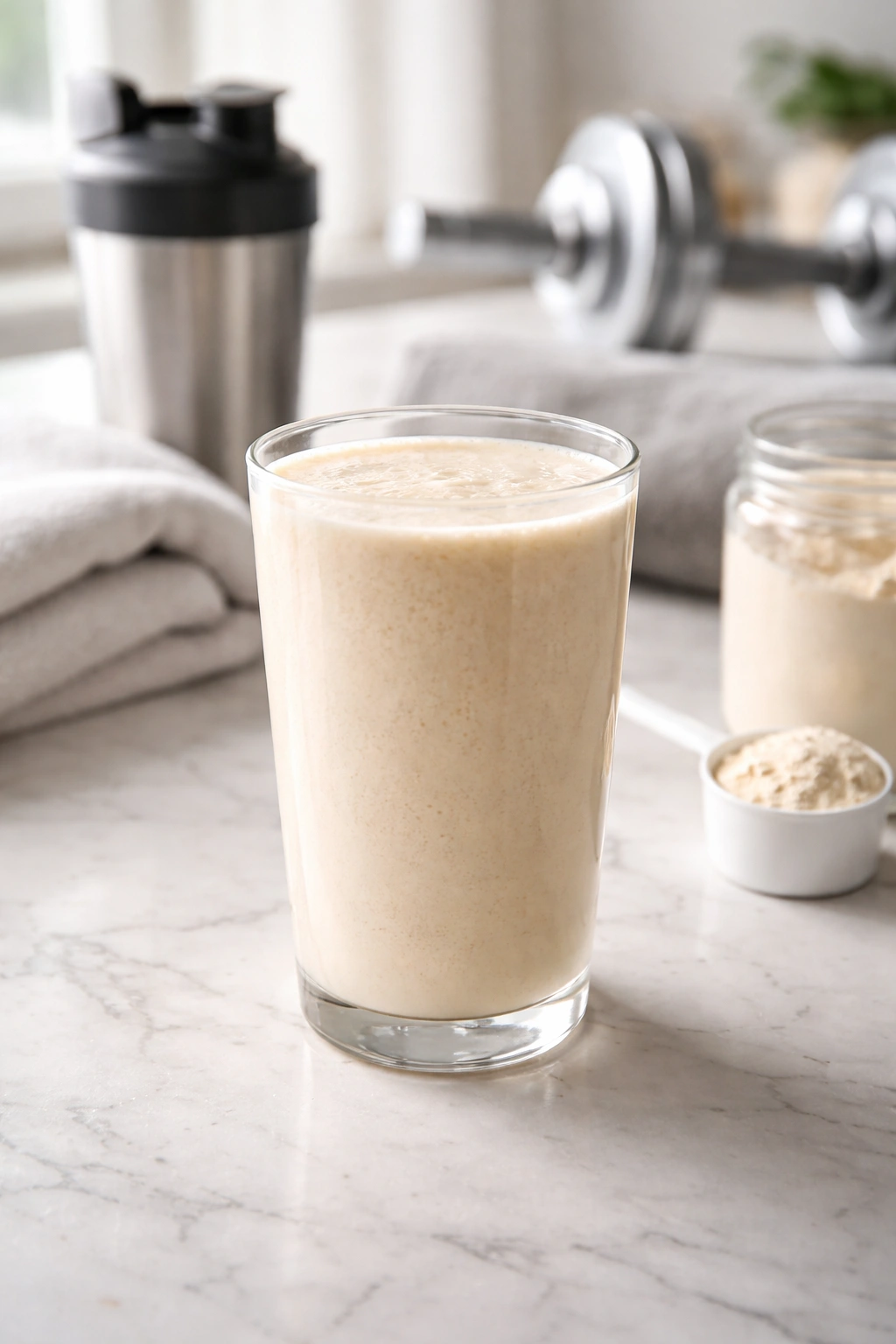
After intense exercise, your muscles enter a heightened state of protein synthesis — basically, they’re actively building new tissue and repairing damage from your workout. This process is triggered by the mechanical stress of exercise and fueled by the availability of amino acids from dietary protein. Without adequate protein within a reasonable window after training, your body misses the opportunity to maximize muscle adaptation and growth.
A well-designed smoothie accomplishes this with speed and convenience. It’s easier to digest than solid food when your body’s energy is still redirected toward cooling down and stabilizing your nervous system. Liquid nutrition gets to work faster: your digestive system can begin breaking down and absorbing protein within minutes, allowing those amino acids to reach your muscles when they’re most receptive. This is why chocolate milk has become a legitimate sports nutrition staple — it’s not about marketing, it’s about the science of timing and macronutrient composition.
Beyond protein, post-workout smoothies provide carbohydrates, which restore your depleted glycogen stores and trigger an insulin spike that helps shuttle amino acids into muscle cells. They’re also practical: no cooking, minimal cleanup, and a highly customizable format that lets you tailor the exact flavor profile and nutritional balance to your preferences. A homemade smoothie costs a fraction of what you’d pay at a juice bar, and you have complete control over ingredient quality.
1. Chocolate Peanut Butter Banana Powerhouse
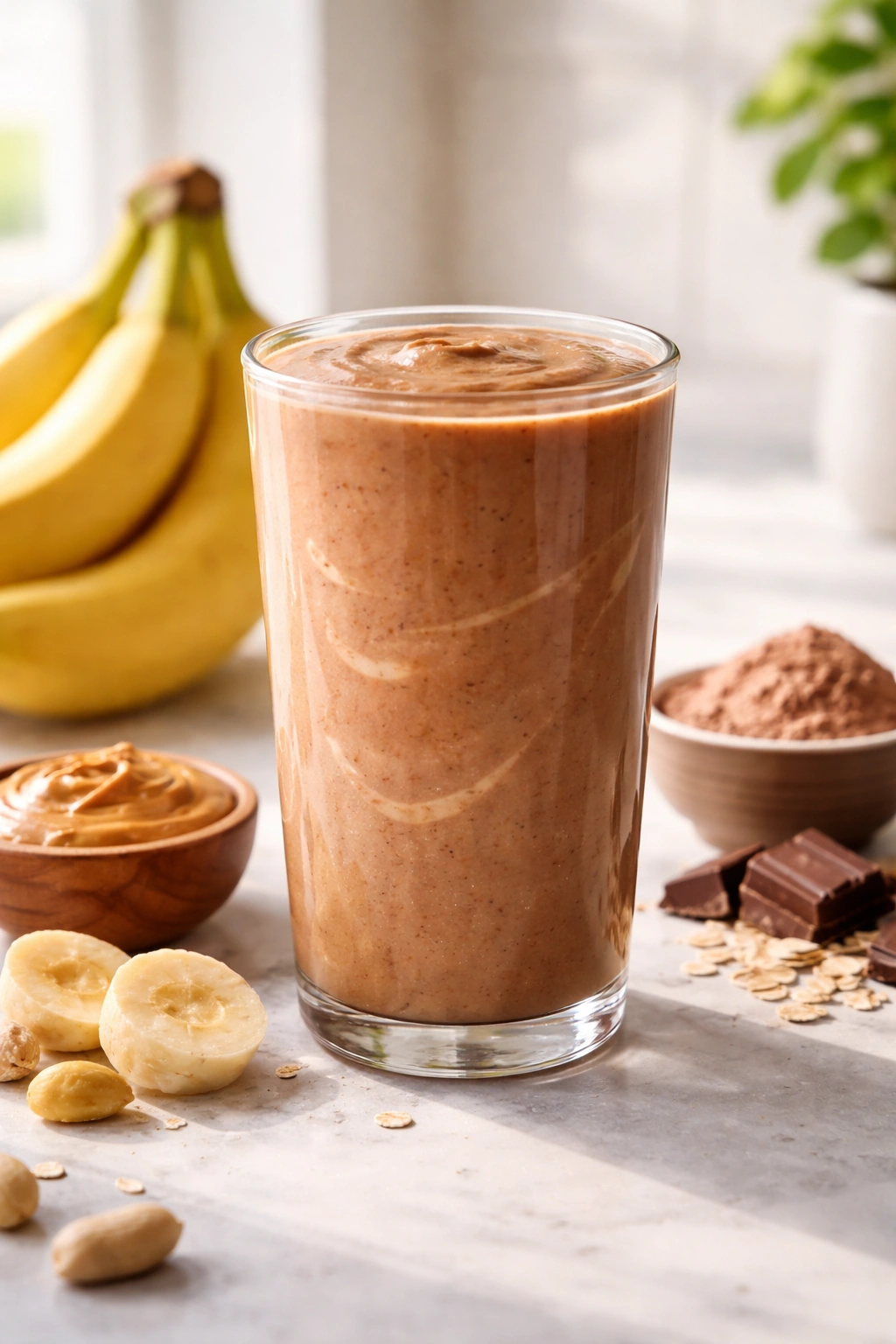
This is the gold standard post-workout smoothie — a flavor combination so universally appealing that it tastes more like a dessert than recovery nutrition. The beauty of this blend is that every ingredient pulls double duty: chocolate provides antioxidants and mood-boosting phenylethylamine, peanut butter adds fat and plant-based protein for satiety and flavor depth, and banana brings natural sweetness, potassium (crucial for post-exercise electrolyte balance), and resistant starch that aids digestion.
Why This Is Your Post-Workout MVP
The macronutrient profile is expertly balanced. One serving typically delivers 25-35 grams of protein from powder and peanut butter, 35-45 grams of carbohydrates from the banana and any added oats, and 8-12 grams of fat from the peanut butter — landing in the sweet spot that research suggests optimizes muscle protein synthesis. The 3:1 carbohydrate-to-protein ratio aligns with established sports nutrition guidelines for recovery. What often gets overlooked is the sensory satisfaction: chocolate activates your brain’s reward centers, making you feel like you’re treating yourself rather than medicating yourself with nutrition. This psychological angle matters more than most nutritionists admit — a smoothie you genuinely enjoy is one you’ll actually make after every workout.
What Makes It Taste Incredible
- The chocolate-peanut butter-banana trio creates a flavor profile that mimics a legitimate dessert — no masking of powder taste required
- Using natural peanut butter (or powdered peanut butter mixed with a small amount of regular peanut butter) prevents the smoothie from becoming overly thick and dense
- A ripe banana contributes natural sweetness, so you can skip added sugars entirely and avoid that artificial aftertaste
- A pinch of salt intensifies the chocolate-peanut flavor contrast and masks any metallic notes from protein powder
- Greek yogurt adds creaminess and an additional 15-20 grams of protein without changing the flavor profile
Pro tip: Frozen banana is essential — fresh banana makes the smoothie runny. Slice and freeze bananas in advance, then use frozen pieces. They add body and create a sorbet-like texture that’s more satisfying than a watery blend.
2. Strawberry Vanilla Greek Yogurt Recovery Blend
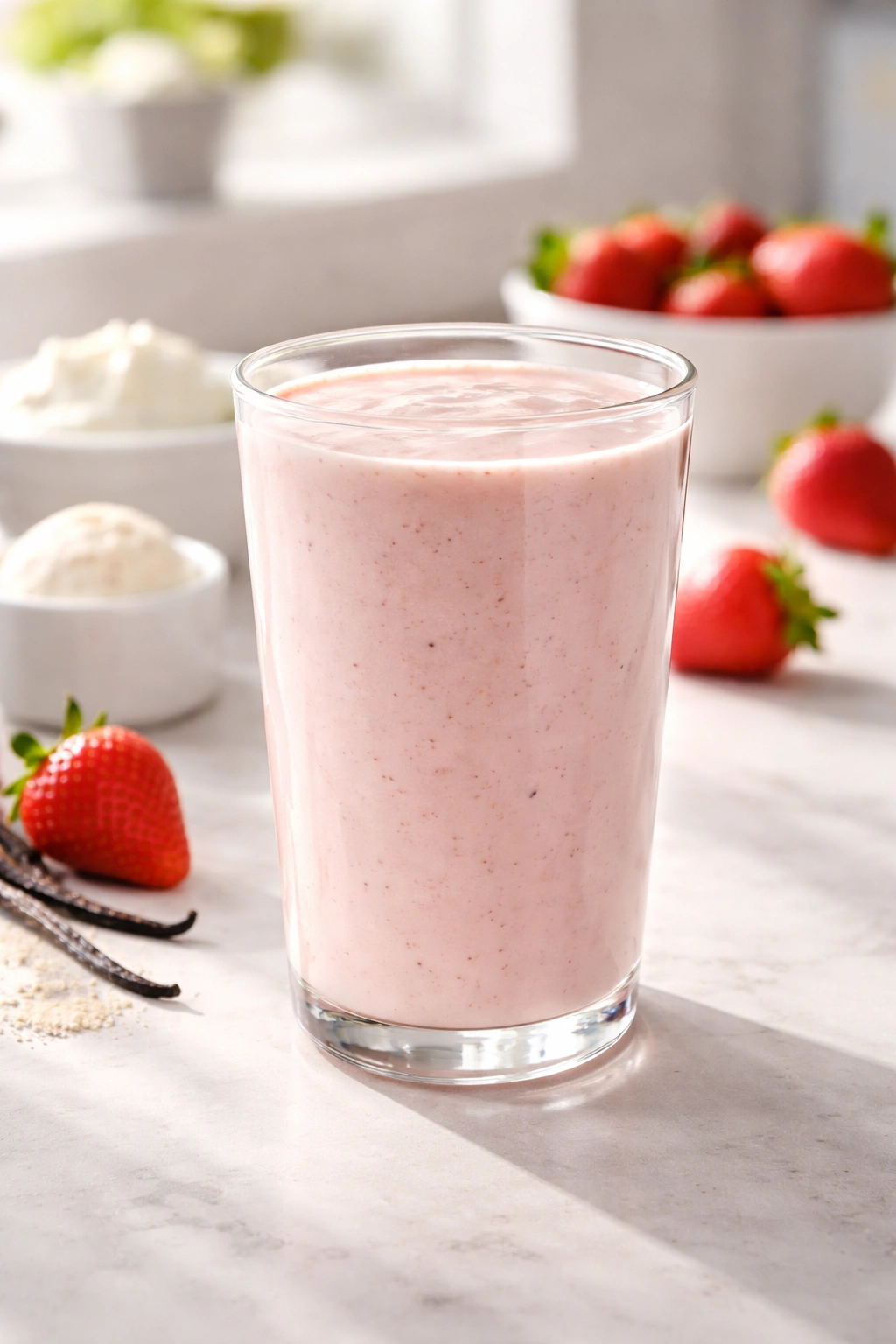
If chocolate-peanut butter feels too heavy or you’re craving something brighter, this strawberry-vanilla combination delivers genuine tartness and freshness while still nailing the recovery numbers. Greek yogurt is the star here: it’s substantially higher in protein than regular yogurt (15-20 grams per 100 grams versus 3.5 grams), creates a rich, creamy mouthfeel without excess fat, and adds beneficial probiotics that support gut health — which often takes a beating during intense training stress.
The Muscle-Building Science Behind This Flavor
Strawberries are often overlooked as a post-workout fruit, but they pack anti-inflammatory compounds called anthocyanins that research has linked to faster recovery and reduced exercise-induced muscle damage. They’re also relatively low in sugar compared to other berries, which means you can use a generous portion without spiking carbohydrate intake beyond optimal levels. The vanilla acts as a flavor amplifier — it doesn’t add sweetness on its own, but it makes whatever natural sweetness is present taste more pronounced, so you need less added sugar.
The combination of fresh strawberry flavor with the tartness of Greek yogurt creates complexity that keeps your palate interested through the entire smoothie, rather than the one-note flavor of more basic blends.
Texture and Taste Tips
- Fresh strawberries work better here than frozen (unlike the banana situation) — their tartness is more pronounced when not frozen
- Vanilla extract goes a long way; 1 teaspoon is sufficient, and more can taste artificial
- A splash of milk (dairy or non-dairy) prevents the smoothie from becoming too thick — Greek yogurt alone can make it dense
- A small squeeze of honey (optional) brightens the strawberry flavor without making the smoothie cloying
- Whole Greek yogurt creates a richer taste than nonfat, but both work nutritionally
Worth knowing: Strawberries lose some of their antioxidant potency as they age. Buy them within two days of when you plan to use them for peak recovery benefit.
3. Tropical Mango Coconut Protein Paradise
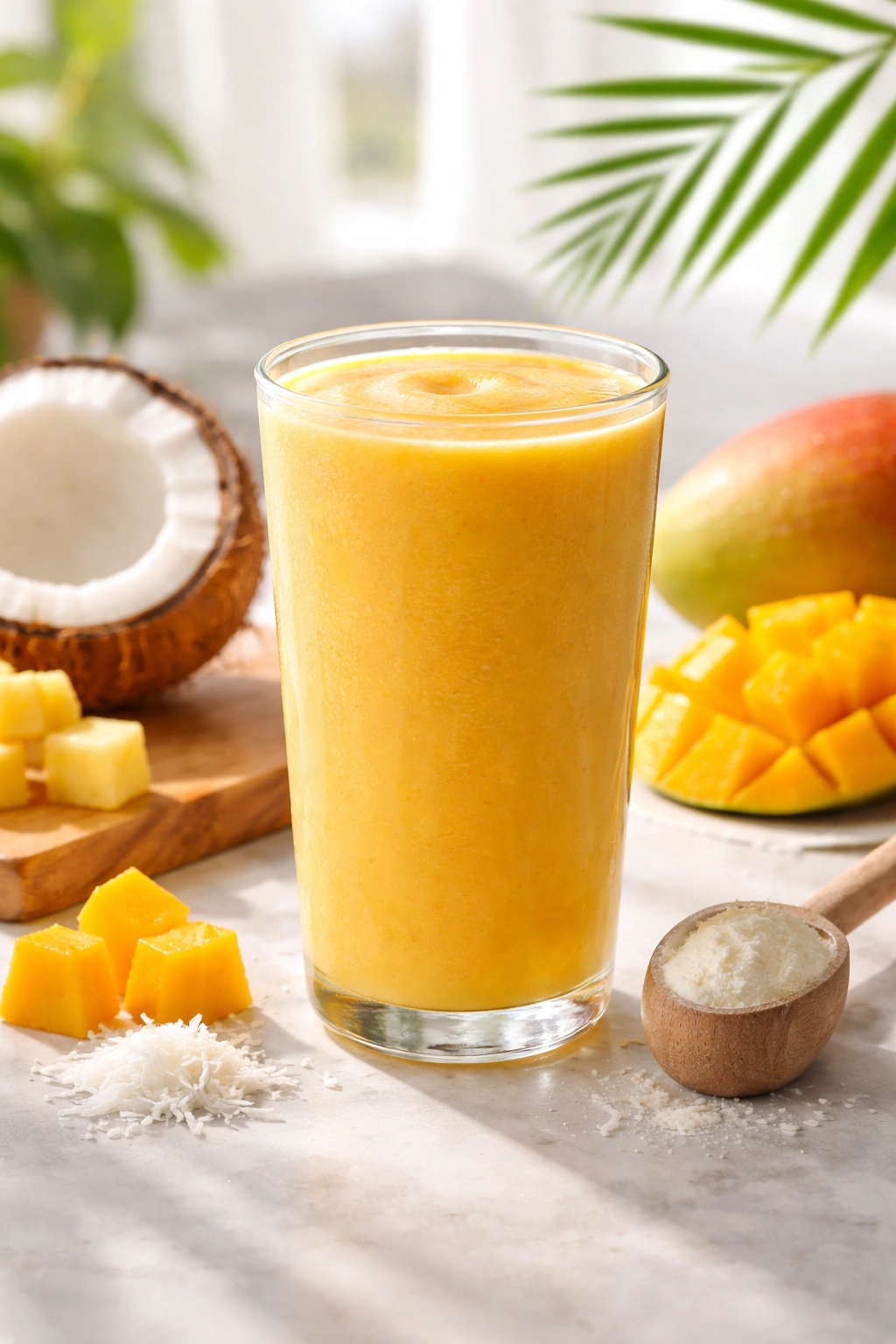
This smoothie takes you to recovery mode with a vacation vibe — and the tropical angle isn’t just flavor fluff. Mango is genuinely nutrient-dense for a fruit: one cup provides nearly 25% of your daily vitamin C (an immune booster your body especially needs after hard training depletes immune function), plus polyphenols linked to anti-inflammatory effects. Coconut milk (the full-fat version, not the light version) adds medium-chain triglycerides (MCTs) that your body can rapidly convert to energy, plus a flavor component that feels indulgent.
Why Tropical Fruits Excel at Post-Workout Recovery
Mangoes have a higher glycemic index than many other fruits — meaning they raise blood sugar relatively quickly — which is actually advantageous immediately post-workout. That rapid glucose absorption triggers an insulin spike that shuttles amino acids into muscle cells and signals your body that recovery-building is the priority. The carbohydrate content (around 27 grams per cup) fits perfectly within post-workout carbohydrate targets. The natural sweetness of mango means you typically don’t need added sugar at all.
Pineapple (if you opt to include it) brings bromelain, an enzyme with anti-inflammatory properties. Combined with mango’s polyphenols, you’re building a smoothie with legitimate anti-inflammatory firepower — valuable after the acute inflammation your muscles experience during intense training.
Creating the Perfect Tropical Texture
- Frozen mango chunks are your foundation — they create thickness without requiring banana
- Full-fat canned coconut milk (about ½ cup) adds richness and the signature tropical taste
- A quality whey or plant-based protein powder works here; vanilla or coconut-flavored powders pair especially well
- A touch of lime juice (fresh, about ½ teaspoon) brightens the mango flavor and prevents the smoothie from tasting flat
- Plain Greek yogurt or coconut yogurt adds protein and cuts the richness slightly
Insider note: Real coconut milk separates in the can — the thick cream rises to the top. This is normal. Shake the can vigorously before opening, or mix the cream and liquid for consistent texture in your smoothie.
4. Berry Blast Green Recovery Smoothie
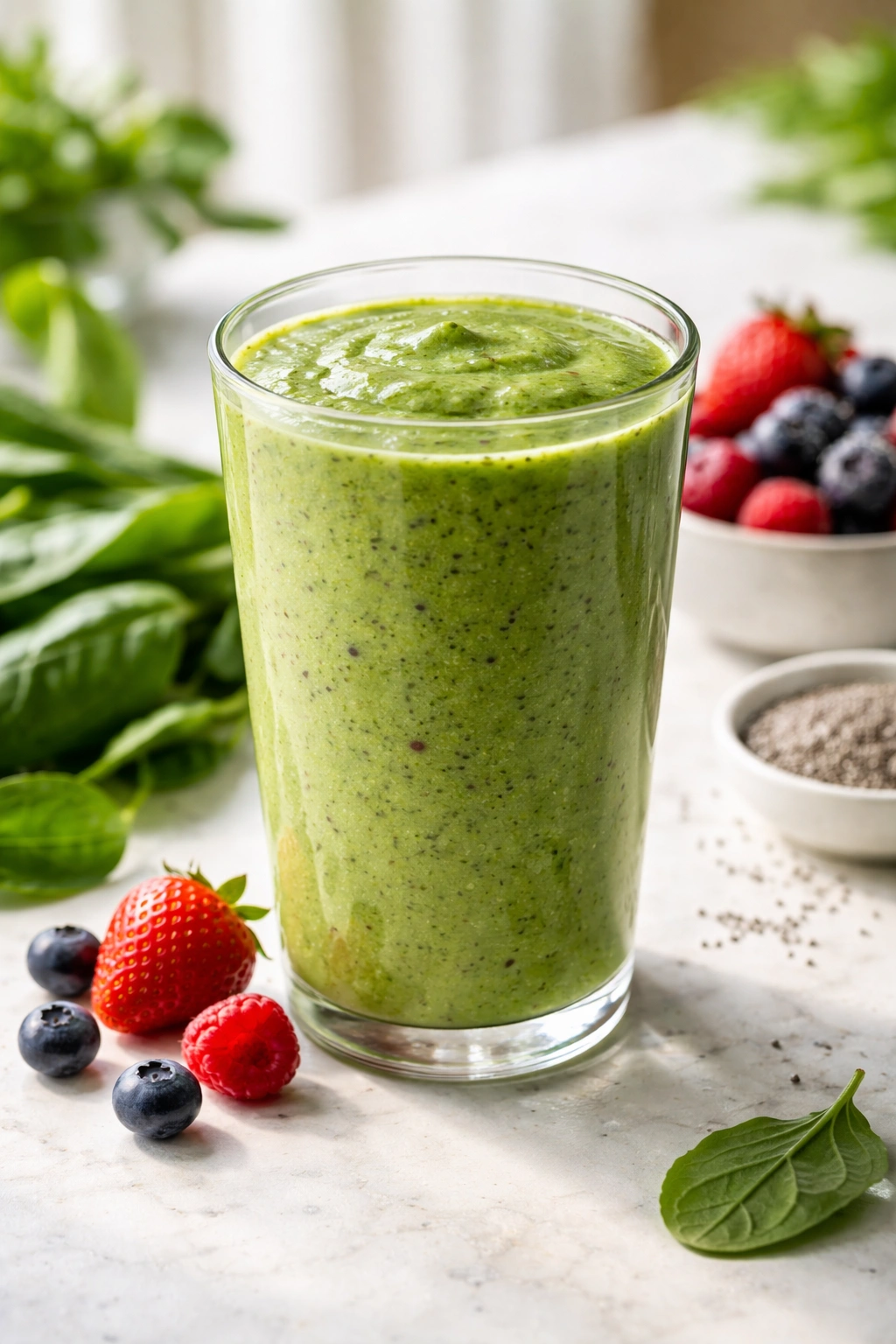
Here’s where we address a common post-workout hesitation: many people assume “healthy recovery smoothies” means green drinks that taste like grass clippings. This smoothie proves otherwise. It’s genuinely green (packed with spinach and a bit of kale for nutritional density) but tastes like berry-forward bliss. The green vegetables are almost invisible flavor-wise, but they’re working hard nutritionally.
Spinach and kale contribute lutein and zeaxanthin (eye-protective compounds), folate (crucial for cell division and recovery), and iron (especially important for aerobic athletes). They’re also incredibly low in calories, so you can load them in without adding unnecessary carbohydrates. The berries — a mix of blueberries, raspberries, and blackberries — provide different anthocyanins and polyphenols, creating a broader spectrum of anti-inflammatory compounds than any single berry alone could deliver.
The Nutritional Angle Most People Miss
Green leafy vegetables are legitimately powerful post-workout nutrition. Your intense training creates reactive oxygen species (free radicals) that, left unchecked, can impair recovery and increase inflammation. Antioxidants from greens and berries neutralize these free radicals directly, reducing exercise-induced oxidative stress. Research has shown that athletes who consistently consume high-antioxidant foods recover faster, experience less delayed-onset muscle soreness (DOMS), and maintain stronger performance across successive workouts.
This isn’t theoretical nutrition — it’s observable recovery advantage in real athletes.
Making the Green Taste Genuinely Delicious
- Start with a generous handful of fresh baby spinach — it’s mild-flavored and easy to incorporate
- Add frozen mixed berries (about 1½ cups) — frozen berries are just as nutritious as fresh and create a thick, luxurious texture
- Include ½ cup plain Greek yogurt for protein and creaminess that masks any vegetable earthiness
- One frozen banana (optional) adds natural sweetness and body without changing the berry flavor profile
- A splash of unsweetened almond milk or coconut milk brings the viscosity to drinkable level
- ½ teaspoon vanilla extract amplifies berry sweetness perception
The secret: don’t taste-test until the entire smoothie is blended. The berries and banana overwhelm the greens in the final flavor profile, but only if everything’s combined.
Pro tip: Use pre-frozen berries from the store rather than trying to freeze fresh ones yourself. Commercial freezing preserves antioxidant content better than home freezing, and the texture is superior for smoothie-making.
5. Cookies and Cream High-Protein Indulgence
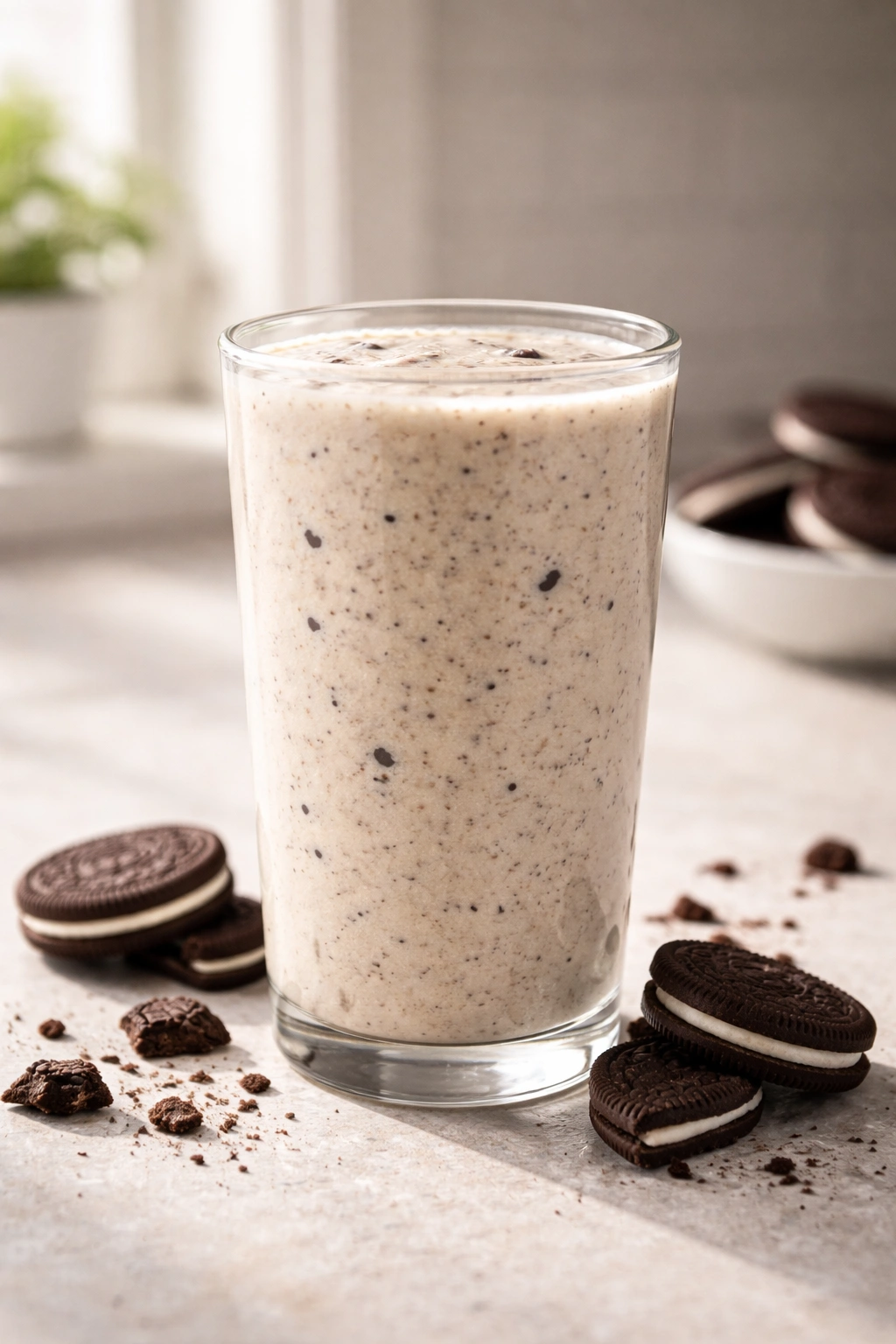
Sometimes after a brutal workout, your body craves genuine satisfaction — and cookies and cream delivers that without apology. This smoothie uses classic flavor chemistry (vanilla + cocoa cookie crumbles) to create something that tastes like a milkshake but delivers serious protein and recovery nutrition. It’s proof that post-workout nutrition and genuine enjoyment aren’t mutually exclusive.
The base is typically vanilla protein powder (providing 25-30 grams of protein), which pairs with crushed vanilla cookies or cookie crumbles (controlled portion, about ¼ cup), Greek yogurt, and milk. When blended, the cookie pieces integrate into the smoothie, creating that authentic cookies-and-cream flavor without requiring artificial flavoring.
Why This Works Nutritionally and Psychologically
The psychological component matters scientifically. Post-workout mood and motivation are influenced by reward perception — smoothies that taste genuinely satisfying trigger dopamine release and make you psychologically associate post-workout recovery with something positive. Over weeks and months, this creates a powerful habit loop where your body actually craves the post-workout smoothie, making consistency effortless.
Nutritionally, this smoothie still delivers the macronutrient priorities: approximately 30 grams of protein, 35-45 grams of carbohydrates, and 10-15 grams of fat. The cookie crumbles contribute both carbohydrates and a small amount of fat that adds to satiety.
The Technique for Perfect Texture
- Use quality vanilla protein powder — cheaper powders often have a plastic or chemical aftertaste that’s more noticeable in simpler flavor profiles
- Vanilla Greek yogurt (instead of plain) adds flavor layering without extra sugar
- About ½ cup cold milk (dairy or non-dairy) prevents the smoothie from becoming pudding-like
- Freeze the protein powder mixture (powder mixed with about 2 tablespoons milk) for 15 minutes before blending — this keeps the smoothie cold longer
- Add cookie crumbles after the base is mostly blended, then pulse briefly — this keeps them distinctly textured rather than pulverizing them into powder
Real talk: If you’re using store-bought cookie crumbles, check the ingredient label. Some brands contain hydrogenated oils or excessive added sugar. Simple cookie brands or homemade crushed vanilla cookies are worth the extra effort.
Choosing the Right Protein Powder for Post-Workout Recovery
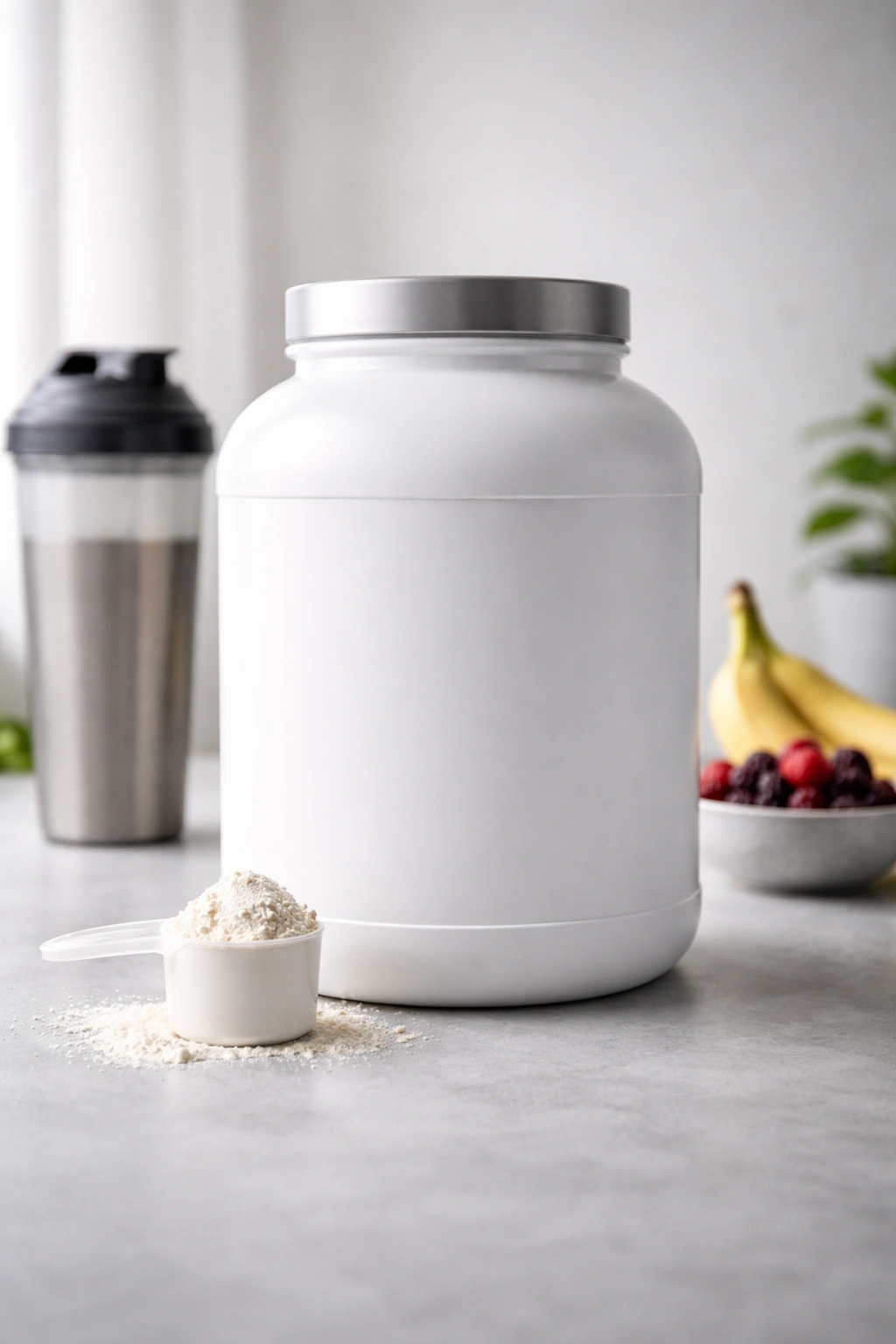
Protein powder quality matters more for post-workout smoothies than for any other use case, because this is when your muscles are actively primed to absorb and utilize amino acids. The wrong powder can leave you with a smoothie that’s nutritionally incomplete or that tastes so bad you avoid making it.
Whey protein isolate is the gold standard for post-workout recovery — it’s absorbed rapidly, contains all nine essential amino acids in optimal ratios, and mixes cleanly without grit or chalky texture. Whey concentrate is slightly less pure but still excellent and more affordable. Plant-based protein (pea, hemp, brown rice blends) works well if you’re vegan or lactose-intolerant, though the amino acid profile is less complete on its own — combining multiple plant sources (pea + rice, for example) creates a complete profile.
The flavor profile matters more than brand name. Vanilla, chocolate, and unflavored are the most versatile options. Avoid overly sweet powders that already contain artificial sweeteners — these limit your control over the smoothie’s final sweetness and can create a cloying result. Mid-range powders from recognizable brands (Optimum Nutrition, Isopure, Garden of Life, or equivalent) perform better than budget brands and don’t require the premium price of ultra-boutique options.
Tips for Maximum Post-Workout Recovery Impact
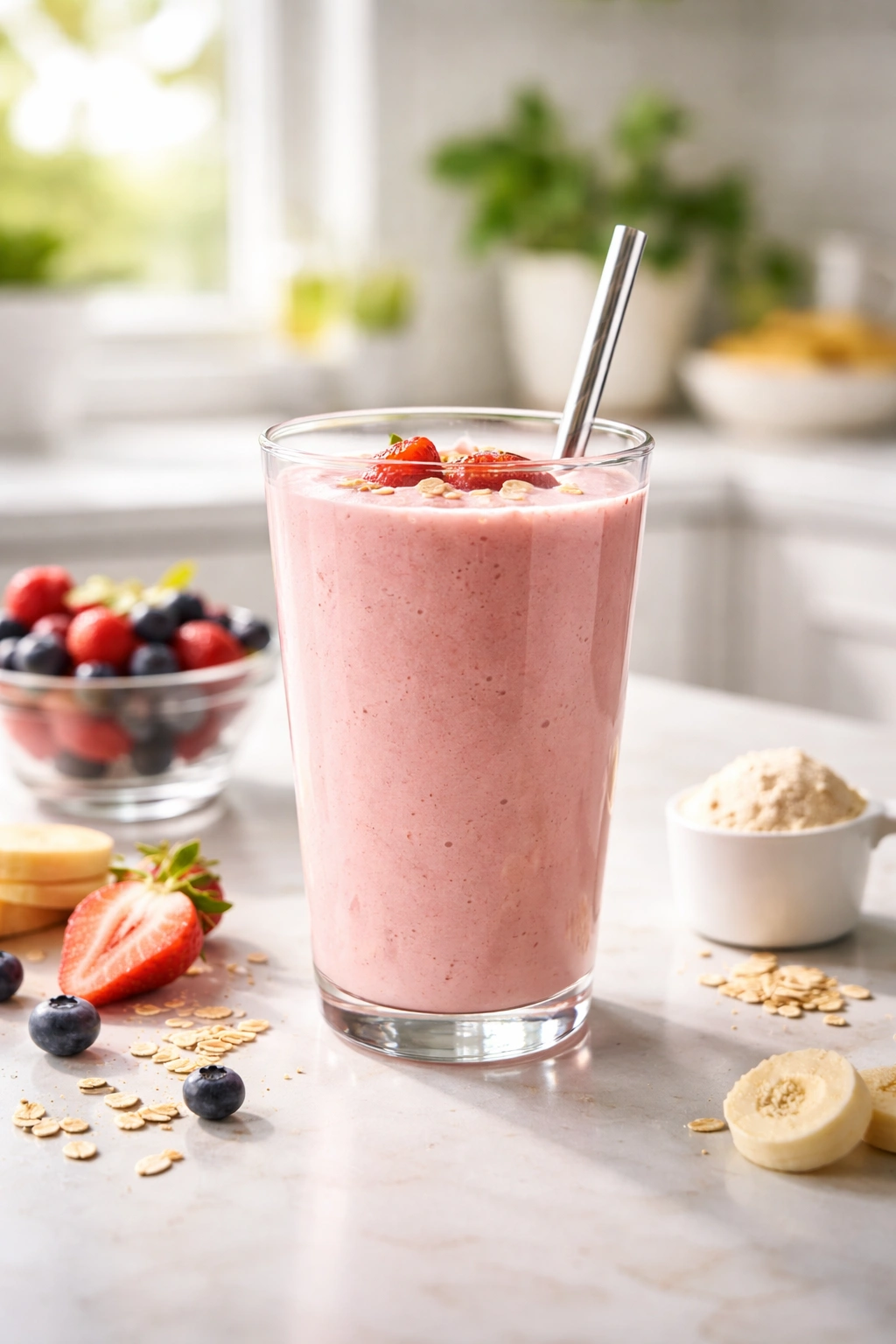
Timing isn’t as rigid as 1990s sports nutrition claimed, but it’s still relevant. Consuming a protein smoothie within 60 minutes post-workout (ideally within 30 minutes) aligns with when your muscles’ protein synthesis response is elevated. This doesn’t mean you’ve missed recovery forever if you wait longer, but immediate post-workout nutrition is measurably better than waiting hours.
Temperature matters for absorption speed. Cold smoothies are absorbed slightly more slowly than room-temperature liquids, but the effect is minor. The practical advantage of cold smoothies is that they taste better and feel more refreshing after a heated workout, so the psychological satisfaction outweighs the marginal absorption difference.
Consistency drives results more than any single smoothie component. One perfect post-workout smoothie provides minimal advantage; your muscles adapt and grow based on what you do repeatedly. Building smoothies into a non-negotiable post-workout routine is the real difference-maker — the cumulative effect of dozens or hundreds of properly-timed recovery nutrition moments compounds into genuine progress.
Blending technique affects digestibility. A thoroughly blended smoothie (no chunks, homogeneous texture) is absorbed faster and easier on your digestive system than a partially-blended version with visible pieces. Immersion blenders work but struggle with thick ingredients — a countertop blender (even an inexpensive one) provides superior results.
Don’t pair your post-workout smoothie with excessive fiber immediately after training. Whole grains, chia seeds, and high-fiber additions slow protein and carbohydrate absorption — valuable at other meals, but counterproductive when you want rapid nutrient delivery post-workout. Save the fiber additions for meals later in the day.
Final Thoughts
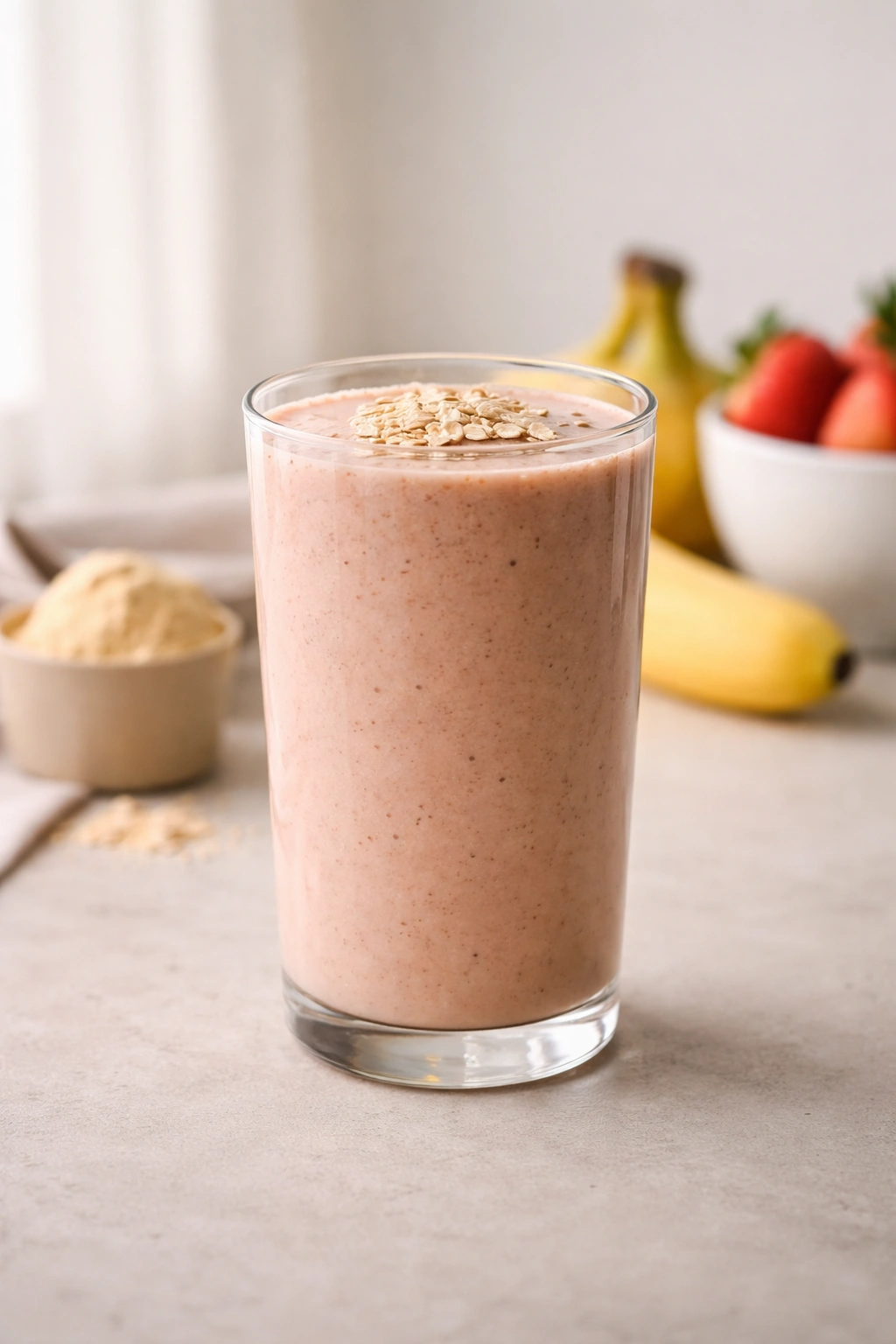
The best post-workout smoothie isn’t the one with the most protein powder or the fanciest supplement stack — it’s the one you’ll consistently make and actually enjoy drinking. Each of these five options delivers the nutritional fundamentals your body needs: fast-absorbing protein, replenishing carbohydrates, and recovery-supporting micronutrients. The difference between them is flavor preference and what sounds satisfying to you on a given day.
Start by picking whichever one appeals to you most, then build it as written a few times to establish consistency. Once you’ve found your rhythm, experiment within that framework: swap protein powder flavors, adjust the frozen fruit ratio to preference, or try different yogurt brands. The flexibility of smoothies is their superpower — you can hit the same nutritional targets while keeping the experience fresh.
Your post-workout recovery is too important to leave to chance or to gut down something mediocre. These smoothies prove that optimal recovery nutrition and genuine taste satisfaction go hand-in-hand.
