



When your day has been hectic and dinner needs to happen quickly, a steaming bowl of homemade soup feels like a small miracle. The beauty of these six soups is that they prove you don’t need hours of simmering to create something genuinely nourishing and delicious. Each recipe comes together in 30 minutes or less, yet tastes like you’ve spent all afternoon tending to a simmering pot. They’re the kind of meals that make you feel taken care of—warming you from the inside out without requiring any real cooking stress.
These aren’t shortcuts that sacrifice flavor. Instead, they’re built on smart techniques: sautéing aromatics to build depth, using quality broth as a flavor foundation, and adding fresh herbs or bright citrus at the end to elevate everything. Whether you’re recovering from a tough week, looking for comfort on a gray afternoon, or simply need something nourishing that doesn’t demand hours in the kitchen, these soups deliver exactly what you’re craving.
Why These 6 Soups Are Perfect for Busy Weeknights
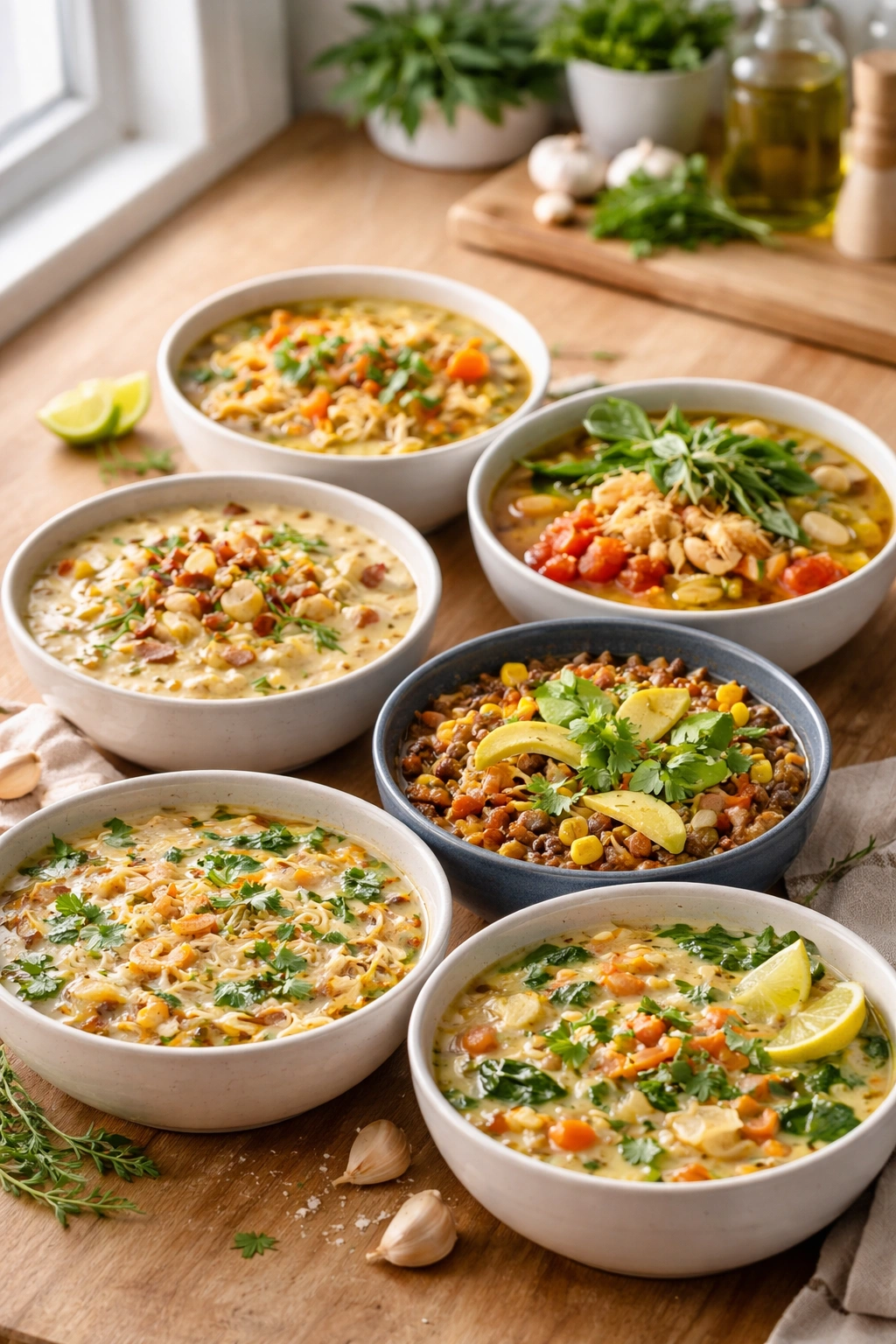
Soup occupies a special place in the weeknight dinner rotation. It’s a one-pot meal that requires minimal cleanup, tastes even better the next day, and makes your whole kitchen smell incredible while it’s cooking. These particular soups also share a common thread: they’re built on accessible ingredients you can find at any grocery store, they don’t demand obscure techniques, and they come together quickly without sacrificing depth or satisfaction.
The real advantage is versatility. These aren’t rigid recipes—each one invites customization based on what you have on hand or what you’re craving. Swap vegetables, adjust spice levels, switch proteins, or load up on extra greens. The framework remains the same, but the soup becomes yours.
Beyond convenience, there’s real nutrition packed into every spoonful. Bone broth or vegetable broth provides collagen and minerals. Vegetables add fiber and phytonutrients. Legumes or protein contribute satiety so you feel satisfied, not hungry an hour later. Fresh herbs and citrus boost immunity and add antioxidants. You’re not just eating something warm—you’re genuinely nourishing your body.
Essential Tips for Making Fast, Delicious Soups
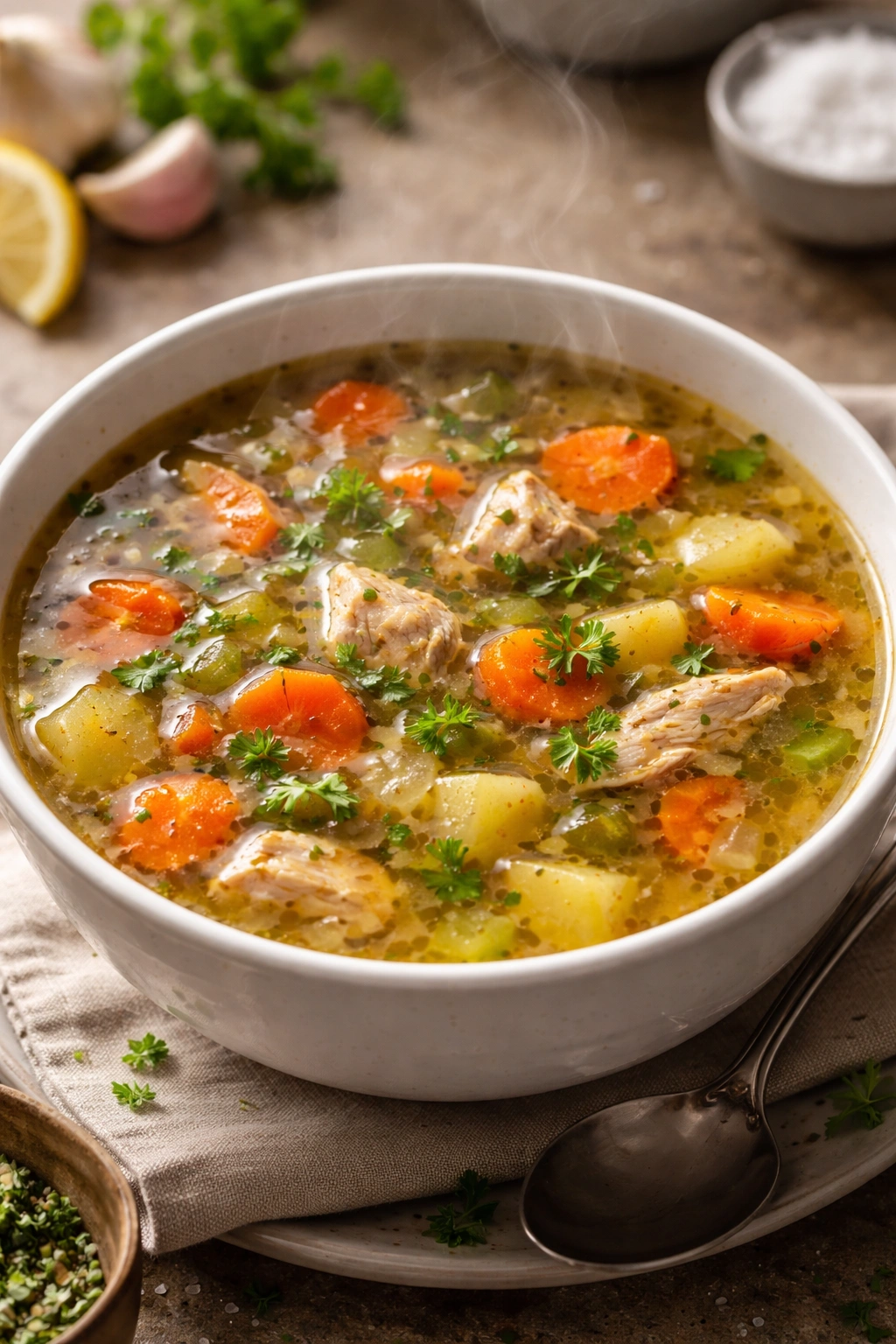
Making soup in 30 minutes requires a shift in mindset. You’re not building flavor layer by layer over hours; instead, you’re being intentional about every step to maximize flavor in minimal time. These techniques make all the difference.
Start with proper heat and aromatic vegetables
Don’t be shy about your stovetop temperature. Once your oil is hot, add your onions, carrots, or celery and let them cook undisturbed for the first minute or two. This allows them to caramelize slightly and develop deeper flavor. Stir occasionally until they begin to soften and the onions turn translucent—this usually takes 5-8 minutes depending on the size of your dice. This foundation step isn’t wasted time; it’s the entire flavor profile of your soup being built.
Use quality broth as your shortcut
The difference between using basic store-bought broth and a good-quality one is noticeable. Look for broths made with actual bones and vegetables, minimal additives, and ideally some salt already added so you’re starting with a flavorful base. Some home cooks swear by concentrated bases like Better Than Bouillon, which deliver intense savory flavor in a small amount. Having excellent broth on hand is the single best way to ensure your 30-minute soup tastes like it simmered all day.
Layer flavors strategically
Add spices or paste-based ingredients (like tomato paste or curry paste) directly to hot oil and let them toast for 30 seconds before adding liquid. This blooms the spices and develops their flavor compounds. Fresh herbs that need cooking—like rosemary or thyme—go in early so they infuse the broth. Fresh herbs that should stay bright and verdant—like basil or cilantro—get stirred in at the very end, just before serving.
Finish with acid and salt
A squeeze of fresh lemon juice, a splash of vinegar, or a pinch of zest at the end transforms a good soup into a great one. Acid brightens flavors and pulls everything into focus. Don’t skip this step, even if the soup tastes good on its own. Salt similarly should be added gradually throughout cooking, then adjusted at the end when you can actually taste the finished product.
Don’t overthink the pasta timing
If you’re using delicate pasta like angel hair or egg noodles, cook them separately to prevent mushiness, especially if you’ll have leftovers. Heartier shapes like ditalini, orzo, or shells can go directly into the simmering broth. The pasta will absorb broth as it cooks, which is actually desirable—it flavors the pasta and slightly thickens the soup.
1. Creamy Tomato Soup with Basil
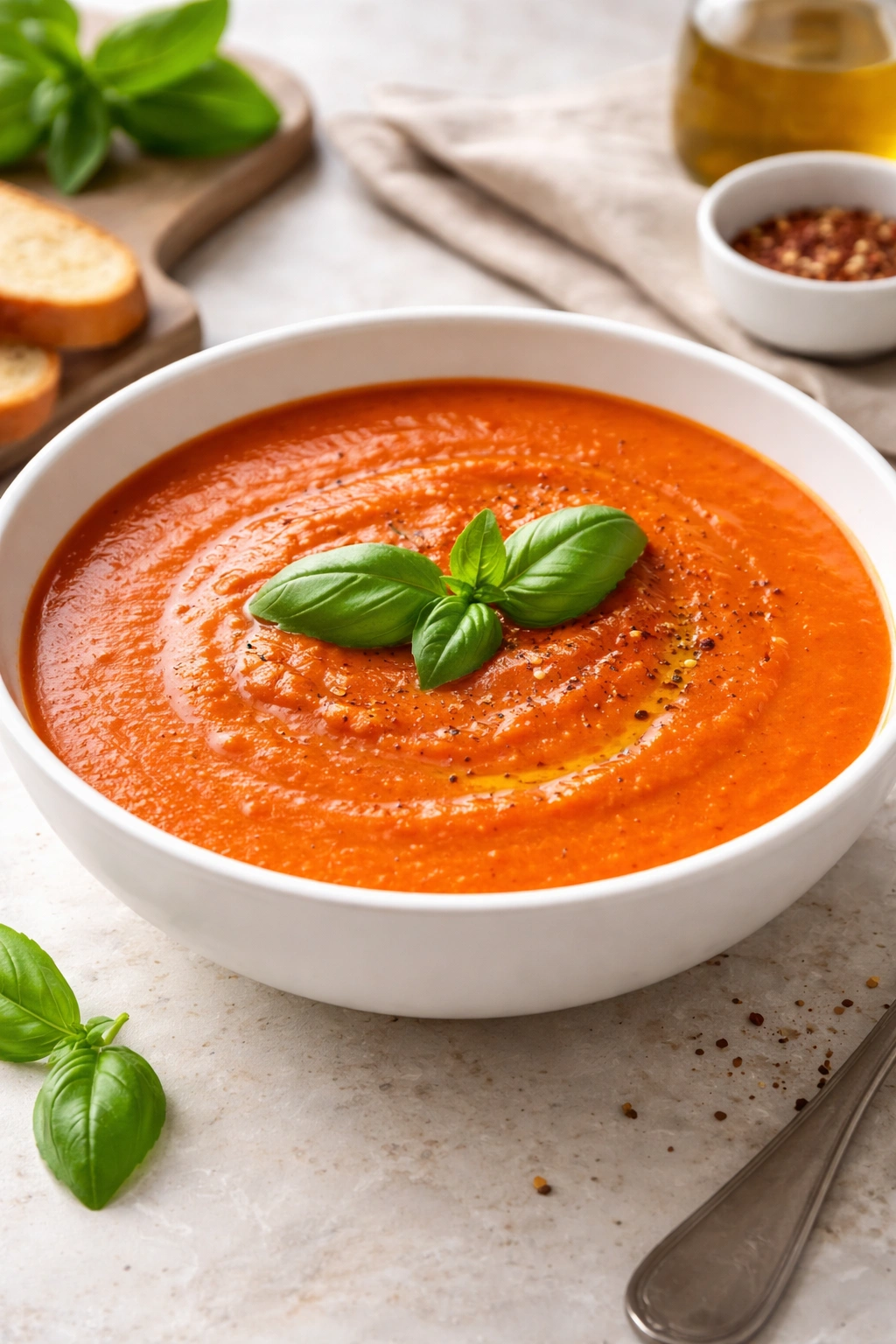
This isn’t the canned stuff you may remember from childhood. Fire-roasted tomatoes (canned or fresh if they’re in season), garlic, and a handful of fresh basil create a soup that’s luxuriously smooth without any cream whatsoever. The secret to achieving that velvety texture in minimal time is blending—an immersion blender right in the pot works perfectly, or carefully transfer the hot soup to a blender in batches. The result is restaurant-quality comfort in about 25 minutes from start to finish.
Building umami depth
Start by sautéing diced onion and minced garlic in olive oil until fragrant and soft. Add a tablespoon of tomato paste and let it cook for a minute, allowing the paste to caramelize slightly and intensify its flavor. This concentrated tomato paste provides the backbone of savory umami that makes this soup taste like it’s been simmering for hours. Pour in your broth and canned fire-roasted tomatoes (which already have lovely charred notes), then bring to a gentle simmer.
The blending technique that prevents splatter
If using a traditional blender, fill it only halfway with the hot soup. Remove the center plug from the blender lid and drape a clean kitchen towel loosely over the top. This allows steam to escape safely while preventing the hot liquid from splattering. Blend until completely smooth, working in batches if necessary. An immersion blender is honestly easier—just pulse the soup directly in the pot until you reach your desired consistency.
Fresh herb finishing
Once blended, stir in fresh basil (chiffonade it by rolling the leaves and slicing thinly for a refined presentation), a pinch of red pepper flakes if you like warmth, and fresh lemon juice. The lemon is non-negotiable—it lifts the tomato flavor and prevents the soup from tasting flat. Season with salt and freshly ground black pepper to taste.
Why this version surpasses canned tomato soup
Canned tomato soup often tastes one-dimensional and overly sweet. This version, built on fire-roasted tomatoes with their naturally deeper flavor, tastes complex and balanced. The fresh basil adds herbaceous brightness that canned versions can’t replicate. Most importantly, you know exactly what’s going into your bowl—no mysterious additives or excess sugar.
Perfect pairing: Serve alongside a grilled cheese made with quality cheese and crusty bread, or with a simple arugula salad dressed in balsamic vinaigrette for lunch the next day.
2. Quick Chicken Noodle Soup with Ginger

This is the soup to make when someone in your household needs comfort or when you’re feeling like you need a nutritious pick-me-up. Using rotisserie chicken from the grocery store cuts your active cooking time dramatically—you’re simply building a flavorful broth and adding shredded chicken at the end. Fresh ginger, turmeric, and lemon juice elevate this beyond basic chicken noodle into something with real depth and immune-supporting properties.
Why rotisserie chicken is the ultimate shortcut
A quality rotisserie chicken from the grocery store is already seasoned, cooked through, and ready to shred. You lose absolutely nothing in flavor by using it—in fact, the rendered fat and collagen from the chicken have already flavored the meat beautifully. Simply pull the meat from the bones (you can save the bones for broth if you’re feeling ambitious), shred it with two forks, and you’re done with the protein component. This single ingredient allows you to deliver a complete, satisfying soup in 30 minutes.
Building an aromatic broth
While your chicken cooks on the counter, sauté diced onion, sliced carrots, and celery in olive oil until softened. Add minced garlic and fresh ginger (use a microplane or fine grater to mince it finely) and cook for another minute until fragrant. This ginger is crucial—it provides warmth and subtle spice while also aiding digestion and reducing inflammation. Add your broth and bring to a simmer, then let it bubble gently for about 10 minutes to allow flavors to meld.
Noodle selection matters
For this soup, use egg noodles or small pasta shapes like ditalini or stelline. These cook quickly (usually 6-8 minutes) and have a tender, comforting texture that suits the broth. Add the noodles to the simmering broth about 7 minutes before you want to serve, so they’re tender but not falling apart. The starch from the pasta will slightly thicken the broth, which is desirable.
The finishing flourishes
Stir in your shredded rotisserie chicken about 2 minutes before the noodles finish cooking, just enough time for it to warm through. Add fresh lemon juice (this is essential—it brightens everything and adds complexity), a pinch of ground turmeric for its golden color and anti-inflammatory properties, and plenty of freshly ground black pepper. Finish with fresh parsley or chives for color and freshness. Taste and adjust seasoning with salt as needed.
Make-ahead advantage
This soup actually tastes better the next day—the flavors have time to deepen and meld. Store it in the refrigerator in an airtight container for up to 4 days. When reheating, do so gently on the stovetop over medium heat, adding a splash of broth or water if it’s thickened too much.
3. White Bean and Greens Soup
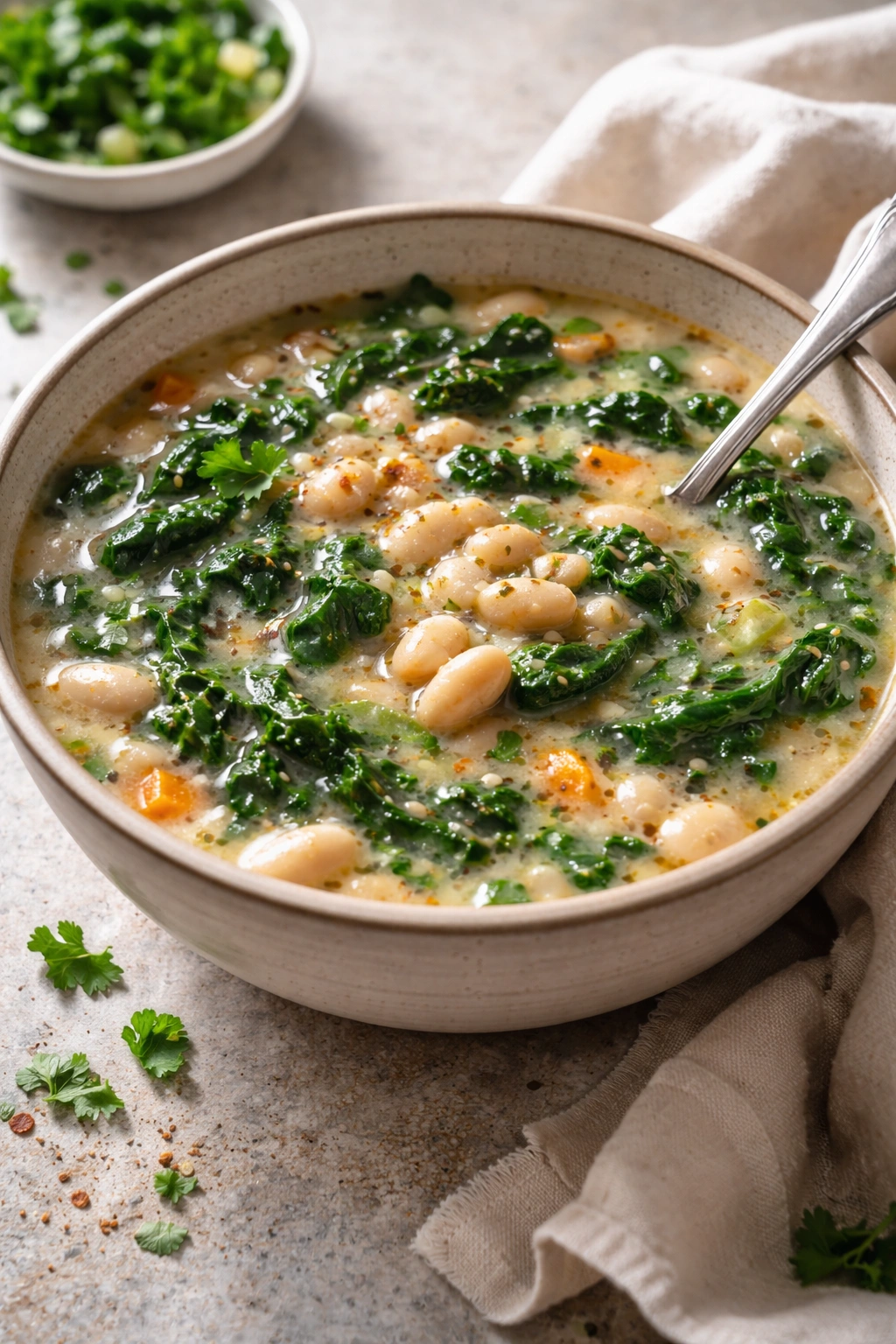
This Tuscan-inspired soup proves that you don’t need cream or meat to create something rich and satisfying. Canned white beans (which are pantry staples) get mashed into the broth, creating natural creaminess without any dairy. Leafy greens—kale, spinach, or Swiss chard—add nutrition and color, while garlic, fresh herbs, and a drizzle of quality olive oil finish the bowl with elegance.
The power of mashed beans for creaminess
Canned cannellini beans or white kidney beans are your secret weapon for creating a luxurious texture without cream. Drain and rinse them thoroughly to remove excess sodium. When you add them to the simmering broth, let them cook for just a few minutes, then mash some of them against the side of the pot with the back of a wooden spoon. This releases their starch into the broth, creating a naturally creamy consistency. The remaining whole beans add texture and substance to each spoonful.
Building the aromatic base
Sauté diced onion, minced garlic, and diced carrot in olive oil until soft and fragrant. This mirepoix base (the classic combination of onion, celery, and carrot) takes maybe 6-8 minutes and creates the flavor foundation for everything else. If you have fresh sage or rosemary on hand, add a sprig now—these woody herbs benefit from longer cooking and will infuse the entire pot with herbal depth.
Adding hearty greens
Tough greens like kale need a few minutes of cooking to become tender, so add them with the beans and let them simmer together. Delicate greens like spinach or Swiss chard can go in at the very end, just wilting gently in the residual heat. This preserves their bright color and prevents them from becoming dark and tired-looking. Fresh greens add fiber, minerals, and visual appeal—don’t skip this step.
The olive oil finish makes all the difference
Just before serving, swirl in a generous amount of quality extra-virgin olive oil. This isn’t excessive indulgence—the fat carries flavor, adds richness, and creates a beautiful glossy finish. Finish with fresh lemon juice and maybe a pinch of red pepper flakes. A sprinkle of good sea salt and freshly ground black pepper completes the bowl.
Variations and swaps
Substitute any beans you have on hand—chickpeas, Great Northern beans, or even black beans work beautifully. If you don’t have fresh herbs, dried rosemary or oregano work fine. Vegetable broth is ideal, but chicken broth adds subtle depth if that’s what you have. The beauty of this soup is its flexibility.
4. Spiced Coconut Butternut Squash Soup
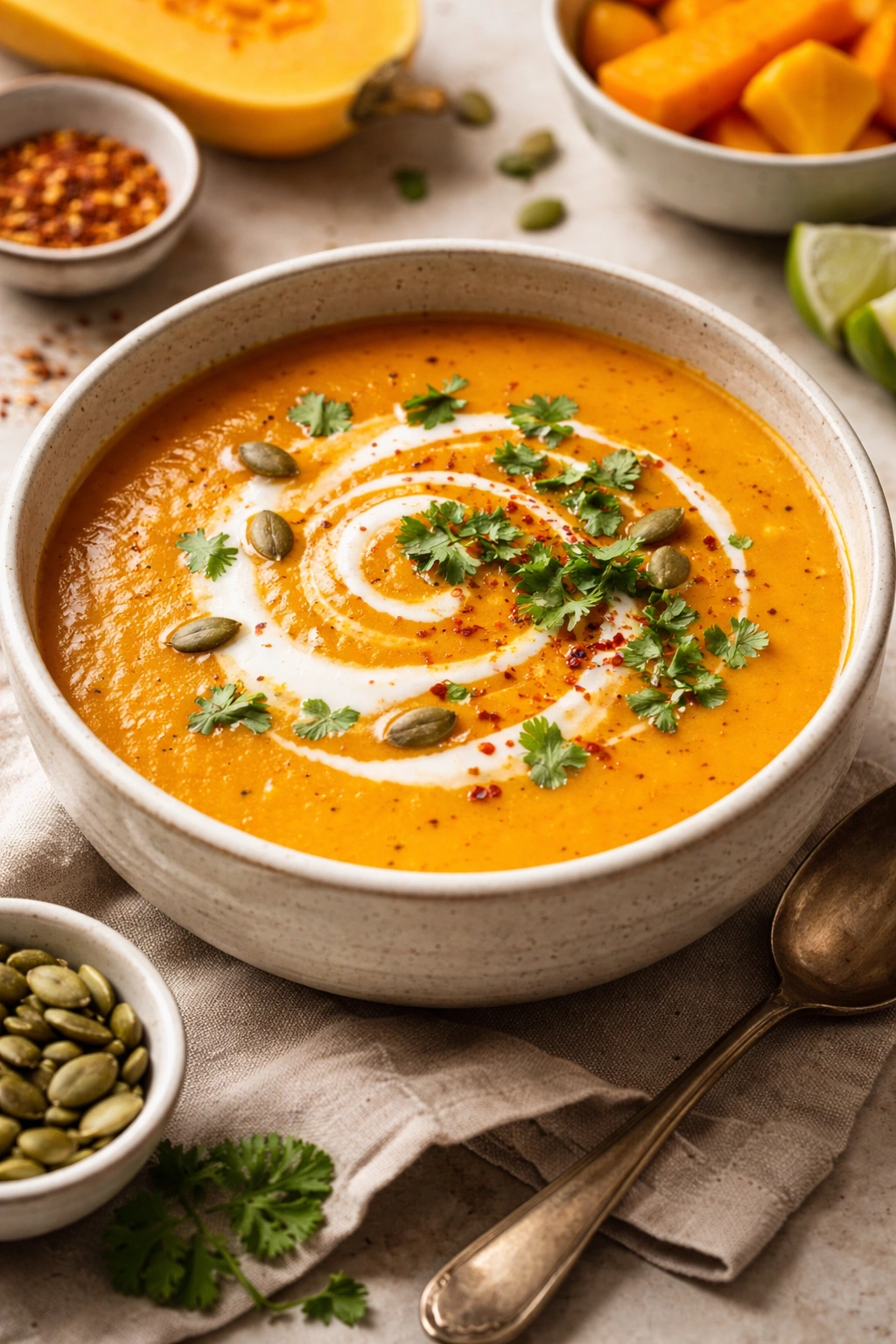
This soup tastes like autumn in a bowl, but the beauty is you can make it any time of year using pre-cut butternut squash from the produce section or frozen cubes. Coconut milk provides richness and creaminess while warm spices—cumin, ginger, cinnamon—create depth and complexity. A touch of lime juice at the end keeps everything bright and prevents the soup from tasting heavy or one-dimensional.
Using pre-cut squash saves massive time
Peeling and cutting raw butternut squash can take 20 minutes alone, which defeats the purpose of a 30-minute soup. Instead, buy pre-cubed butternut squash from the produce section or use frozen squash cubes. These cook down in about 12-15 minutes, giving you a finished soup with perfectly tender squash and no extra work. The quality is identical to fresh-cut squash—you’re just trading prep time for convenience.
Building warm spice complexity
Sauté diced onion and minced garlic in coconut oil (or regular olive oil) until fragrant. Add your spices directly to the hot oil: ground cumin, ground ginger, a pinch of cinnamon, and a small pinch of cayenne. Let them toast in the hot oil for about 30 seconds—this blooms the spices and releases their essential oils, making them taste more vibrant and less dusty. This technique is the difference between a one-dimensional soup and one with real complexity.
The coconut milk addition
Pour in your broth and add the pre-cut butternut squash. Let it simmer until completely tender, about 12-15 minutes. Add a can of coconut milk (full-fat if you want maximum creaminess, light if you prefer something less heavy). The coconut milk makes the soup silky smooth without needing to blend it, though you can blend it if you prefer a completely uniform texture.
Bright finishing touches
Just before serving, stir in fresh lime juice (about 2 tablespoons, adjusted to taste) and taste for seasoning. The lime is crucial—it provides brightness that prevents the soup from tasting flat or overly sweet. Add salt to taste. Consider topping each bowl with toasted pumpkin seeds, a dollop of Greek yogurt, or a sprinkle of crispy sage leaves for textural interest.
Scaling this recipe up
This soup freezes beautifully, making it perfect for batch cooking. Double or triple the recipe and freeze in individual portions. Thaw overnight in the refrigerator and reheat gently on the stovetop. It actually tastes even better after a day or two, as flavors have time to develop.
5. Lemon Chicken Orzo with Fresh Herbs

Light, bright, and incredibly satisfying, this soup tastes like a warm hug on a cool day. Chicken breast cooks directly in the broth, infusing it with flavor while staying tender and juicy. Orzo (rice-shaped pasta) cooks in the soup itself, absorbing the lemony broth. Fresh dill and parsley add herbaceous brightness that makes this soup feel sophisticated despite its simplicity.
Cooking chicken directly in broth
Rather than cooking chicken separately, add it to the broth at the beginning and let it poach gently. Use boneless, skinless chicken breasts—they cook through in about 10-12 minutes when the broth stays at a gentle simmer (not a rolling boil, which toughens the meat). Once cooked through, remove the chicken and shred it with two forks, then return it to the pot. This method infuses the broth with delicate chicken flavor while keeping the meat moist.
Building the herb-forward flavor profile
After sautéing onion and minced garlic, add fresh lemon zest directly to the pot (not just juice—the zest contains essential oils that add aromatic brightness). Pour in your broth, add the chicken, and let it simmer. Fresh dill is the star here—add about half of it at the beginning so it infuses the broth, and reserve the rest to stir in at the end for brightness and color. Fresh parsley does the same job. Don’t use dried herbs for this soup; the fresh herbs are essential to its character.
Orzo timing
Orzo cooks quickly, usually in 8-10 minutes. Add it about 10 minutes before you want to serve the soup, so it’s tender but not mushy. If you’re concerned about it becoming too soft (especially if you’re making this ahead), cook the orzo separately and add it to individual bowls just before serving.
The lemon juice balance
Finish with fresh lemon juice—about 3-4 tablespoons depending on the size of your lemons and your taste preference. Taste as you add it; you want brightness without sourness. The lemon should make you taste other flavors more clearly, not dominate the bowl. A pinch of salt and freshly ground black pepper complete the picture.
Why this soup works year-round
While it feels especially lovely in spring or summer, this soup’s light, clean flavors actually work beautifully in any season. It’s particularly lovely if you’re recovering from illness—the lemon aids digestion, the broth is nourishing, and the fresh herbs provide a gentle wake-up call to your palate.
6. Black Bean and Chipotle Soup
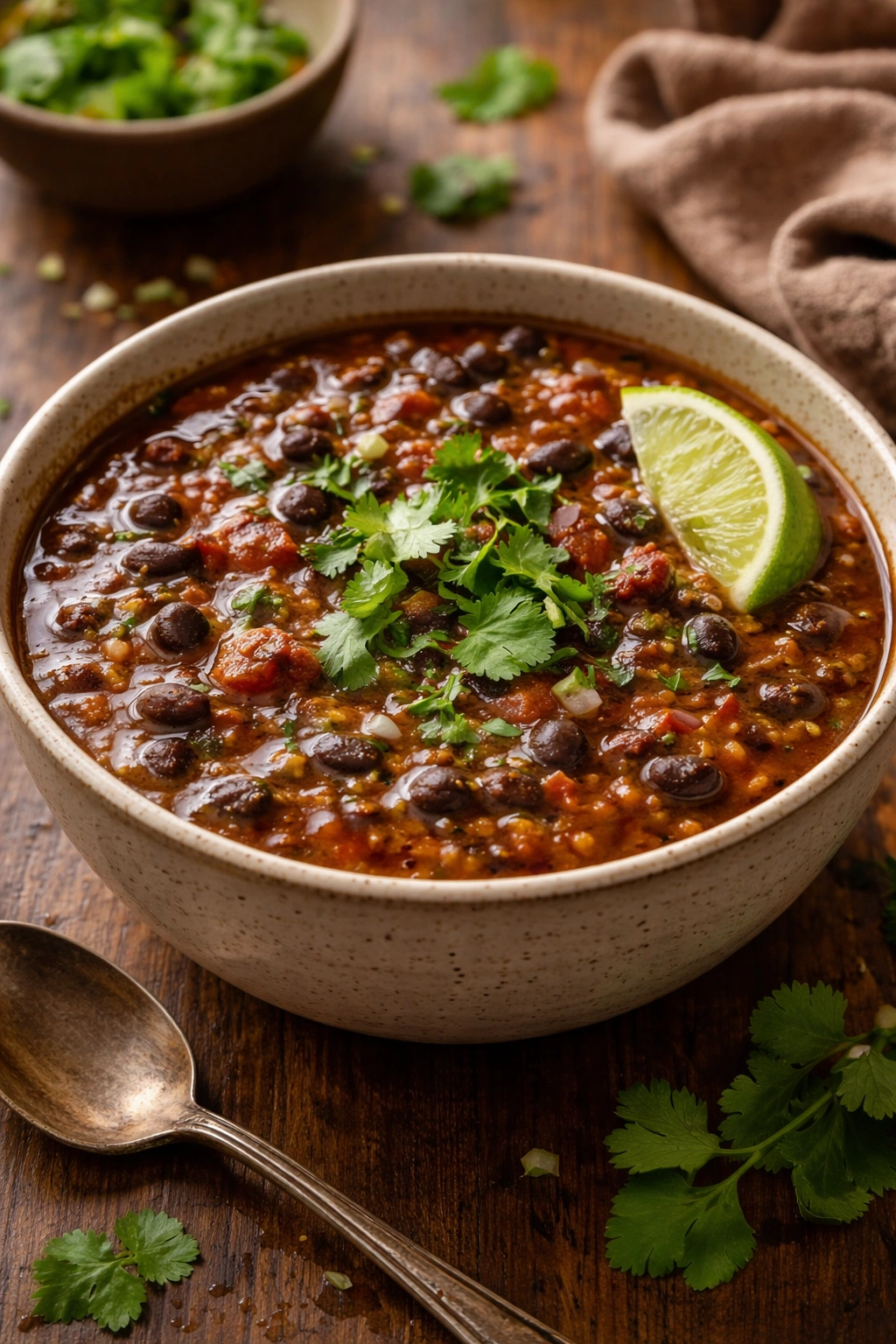
Smoky, spicy, and deeply satisfying, this soup starts with canned black beans and builds from there with chipotle peppers in adobo sauce, garlic, and warm spices. The chipotle peppers provide a distinctive smoky heat that tastes sophisticated without being aggressively spicy. Fresh lime juice and cilantro brighten the finished bowl. This is the soup to make when you’re craving bold, confident flavors.
Working with canned beans strategically
Canned black beans are a legitimate pantry staple—they’re nutritious, convenient, and work beautifully in this soup. Always drain and rinse them thoroughly under cold water to remove excess sodium. For this soup, you’ll mash about half of them to create a thicker, creamier base while leaving the rest whole for texture. Mash them against the side of the pot with the back of a wooden spoon.
The chipotle pepper foundation
Chipotles in adobo sauce are canned peppers that have been smoked and packed in a tangy, spiced sauce. Use about 1-2 peppers (depending on your heat tolerance), minced finely, plus a tablespoon or so of the sauce they come in. Add them to hot oil along with minced garlic and let them cook for a minute, releasing their smoky oils. This concentrated flavor is the entire soul of the soup—don’t skip it or substitute something else.
Building the spice profile
Add ground cumin and a pinch of smoked paprika to amplify the smoky notes. These spices should toast in the hot oil for about 30 seconds before you add your broth. Pour in vegetable or chicken broth, add the black beans, and let everything simmer together for about 10 minutes so flavors can meld and deepen.
Bright finishing components
Finish with fresh lime juice (lime is essential here—it cuts through the richness and adds brightness), fresh cilantro, and a pinch of sea salt. Taste and add more lime juice if needed. Some people finish with a dollop of sour cream or Greek yogurt, which adds creaminess that balances the spice beautifully.
Customizing the bowl
This soup is perfect for customizing with toppings. Serve with crispy tortilla strips, crumbled queso fresco or cotija cheese, sliced jalapeños, diced avocado, and lime wedges. Let people build their own bowl, adding toppings based on their heat preference and flavor cravings. This interactive element makes it perfect for casual weeknight dinners or feeding a group with different preferences.
Storage and Make-Ahead Strategies
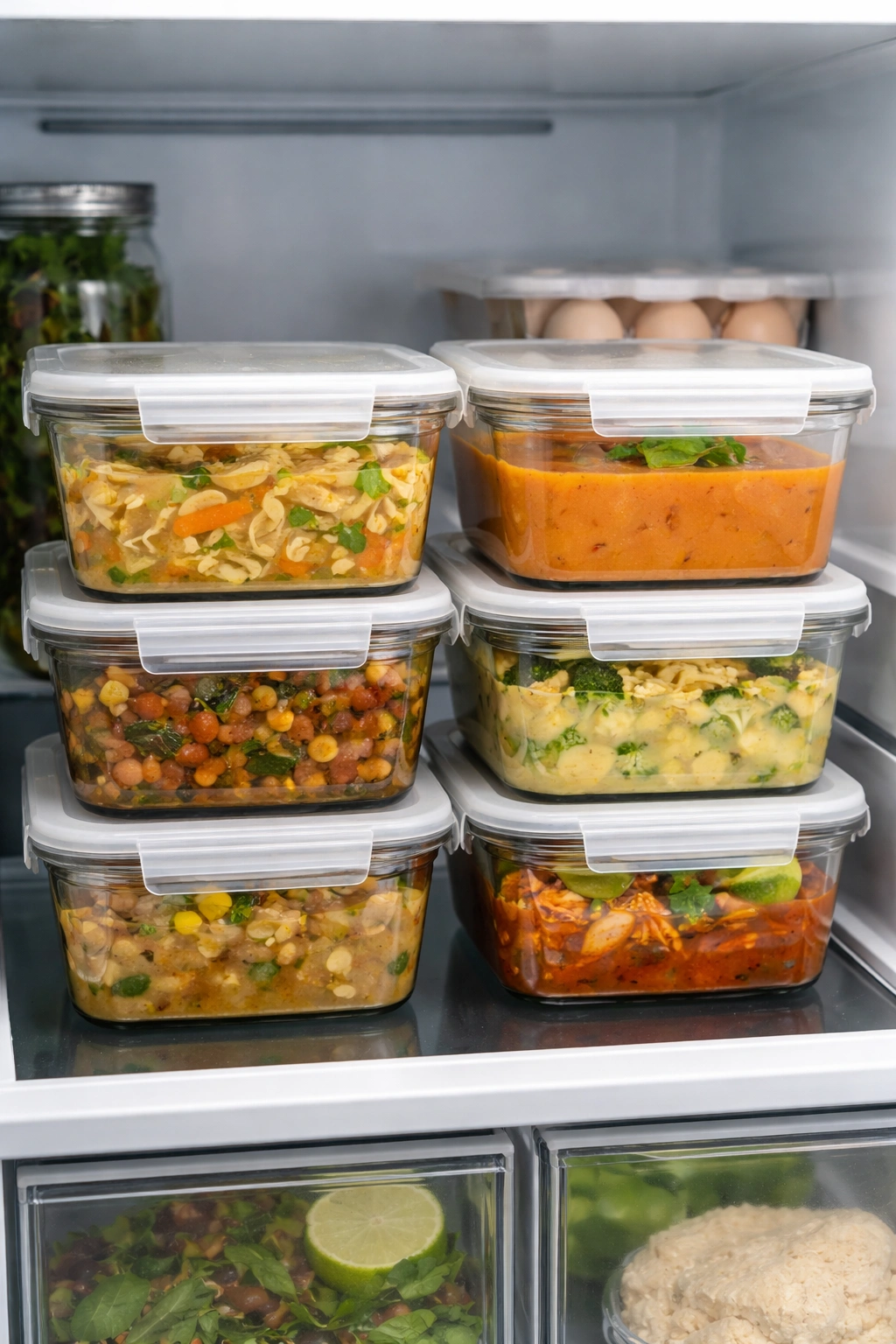
These soups are designed for real life, which means you’re likely making them with the intention of eating leftovers. All six soups store beautifully in the refrigerator and freeze remarkably well, making them excellent candidates for batch cooking.
Refrigerator storage guidelines
Store cooled soup in airtight glass containers (plastic can absorb flavors and odors, while glass remains neutral). Most of these soups keep safely for 3-4 days in the refrigerator. The lemon chicken orzo and creamy tomato soup stay fresher on the shorter end of that spectrum, while the bean soups actually improve as flavors meld. Always store soup in the back of the refrigerator where it’s coldest, not on the door where temperature fluctuates.
Freezing for future meals
All six soups freeze brilliantly for up to 3 months. Freeze in individual portions using freezer-safe containers or even ice cube trays (perfect for portion control). Leave about an inch of headspace at the top of containers—soup expands slightly as it freezes, and you need room to accommodate that expansion without creating a mess. Label containers with the soup type and date so you know what you’re thawing.
The pasta exception
If your soup contains delicate pasta like egg noodles or orzo, consider freezing the soup and pasta separately if you plan to freeze it. When you freeze them together, the pasta continues to absorb liquid and becomes mushy by the time you thaw it. Alternatively, freeze the soup without pasta and cook fresh pasta when you reheat and serve. This requires minimal extra effort but dramatically improves the texture of leftovers.
Reheating properly
Reheat soups gently on the stovetop over medium heat, stirring occasionally. A quick reheat in the microwave works fine, but stovetop reheating is gentler and more even, especially for cream-based soups. Add a splash of additional broth or water if the soup has thickened during storage—this is normal as starches continue to absorb liquid. The soup may have separated slightly, but a good stir will bring it back together.
Pairing Your 30-Minute Soups with Simple Sides
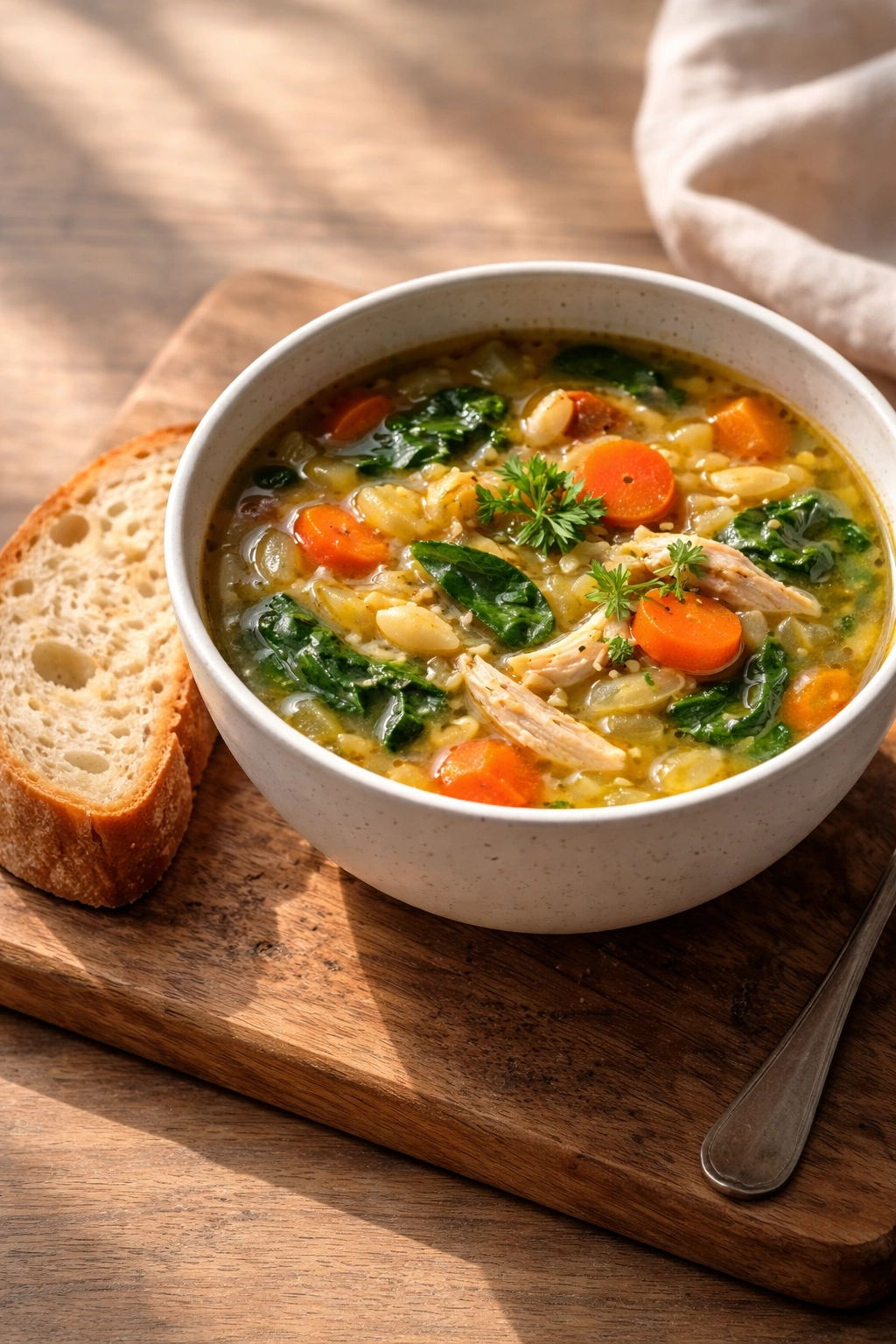
Soup is a complete meal on its own, but simple sides elevate it into something more memorable. These pairings take minimal effort and maximize satisfaction without requiring any additional cooking complexity.
Bread options that matter
Crusty bread is the classic soup companion. Look for artisanal bakery bread rather than pre-packaged varieties—the crust is crispier and the crumb structure actually holds up to soup without dissolving into mush. Toast thick slices in a hot skillet with a bit of olive oil until golden, then rub with a cut garlic clove if you’re feeling fancy. For the tomato and bean soups, garlic bread is particularly lovely. The lemon chicken soup pairs beautifully with simple buttered toast or ciabatta.
Quick salad solutions
A simple green salad provides textural contrast and adds nutrition. Toss together mixed greens or arugula with a basic vinaigrette (equal parts olive oil and vinegar, salt, pepper, a touch of Dijon mustard). Finish with shaved Parmesan or crumbled feta. This takes maybe 5 minutes and transforms the meal into something that feels more complete and restaurant-quality. The acidity in the vinaigrette also complements most of these soups beautifully.
Cheese boards for casual entertaining
If you’re serving soup to guests, a simple cheese board alongside is elegant and minimal effort. Include two or three different cheeses (mix soft, hard, and something with personality), some olives, crusty bread, and maybe some cured meat. Everyone can build their own bowl or plate, and you’ve turned a weeknight dinner into something that feels special.
Roasted vegetables as bonus nutrition
If you have 20 minutes and want to add roasted vegetables, toss whatever you have with olive oil, salt, and pepper, then roast at 425°F while your soup cooks. Root vegetables, Brussels sprouts, broccoli, or cauliflower all work beautifully. This provides extra nutrition and textural interest without any real effort beyond chopping and tossing.
Final Thoughts
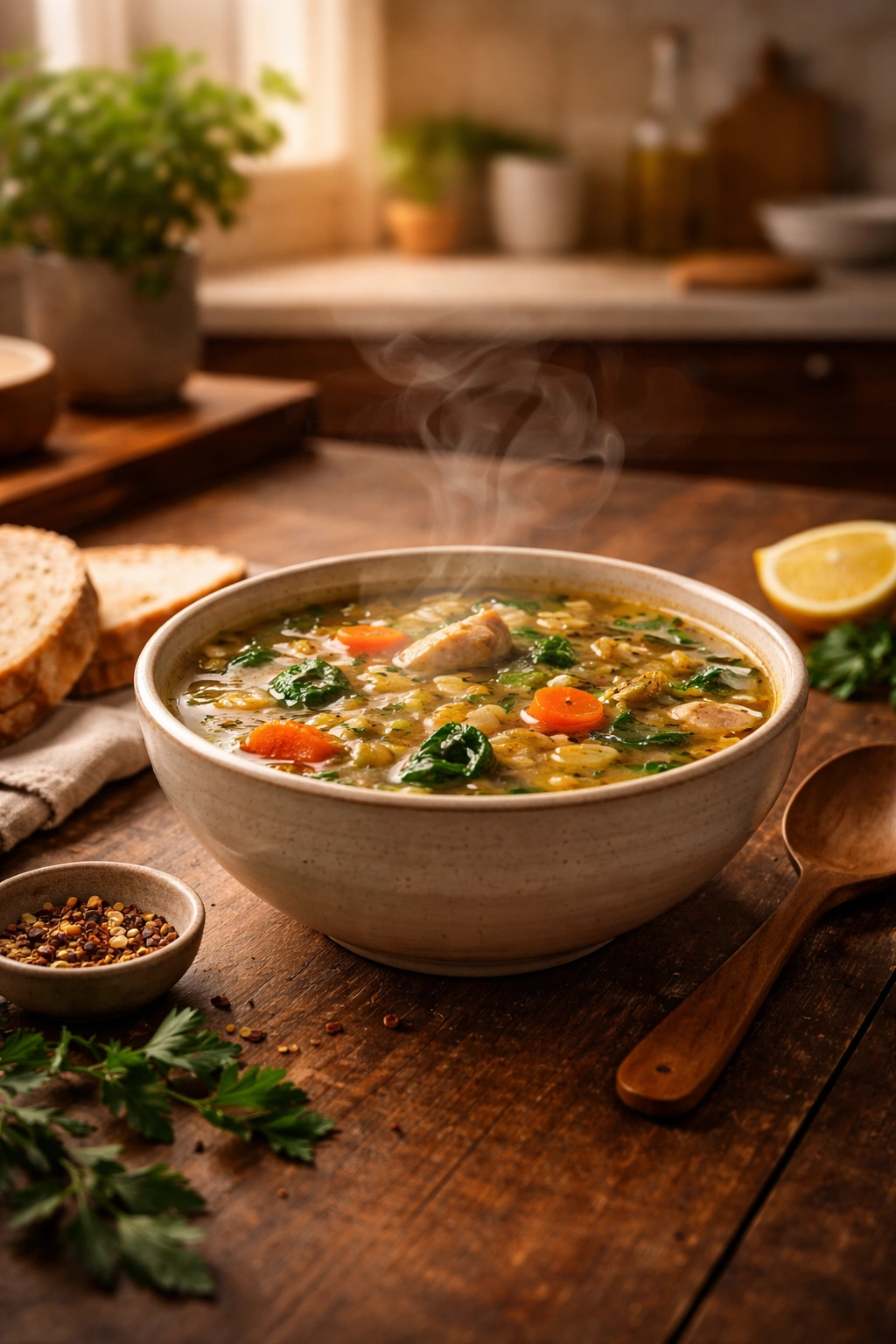
These six soups prove that weeknight cooking doesn’t require complexity or hours at the stove. Instead, it requires intentionality—choosing quality ingredients, using smart shortcuts like rotisserie chicken and pre-cut vegetables, and understanding the techniques that build flavor quickly. A proper sauté of aromatics, a good broth, fresh herbs added at the end, and bright finishing touches like lemon or lime juice transform simple components into soups that taste deeply satisfying and genuinely nourishing.
The real magic of these soups isn’t their speed, though that certainly matters on busy nights. It’s that they taste like comfort, like someone who understands you is taking care of your needs. They warm you from the inside, provide real nutrition, and make your kitchen smell incredible while they cook. Keep these recipes in your regular rotation, and you’ll never feel stranded when dinner needs to happen quickly. Better yet, you’ll discover that weeknight cooking can be both efficient and genuinely delicious.
