



When the temperature climbs and the thought of turning on your oven or standing over a hot stove makes you want to scream, dinner suddenly feels impossible. You’re not alone in this struggle. That sinking feeling when you open your fridge at 6 PM on a sweltering day, already exhausted from the heat, is something millions of home cooks face during warm months. The good news? You don’t need to surrender to takeout pizza or sad cereal bowls. There are genuinely delicious, satisfying dinners you can pull together with minimal heat and maximum flavor—meals that’ll actually make you excited to eat, not just desperate for something to fill your stomach before bed.
The secret isn’t complicated: it’s about shifting your mindset from traditional “cooking” to strategic assembly. You’re working with ingredients that are already cooked, naturally cool, or require just a few minutes of preparation. The magic happens in the dressing, the sauce, the seasoning—the things that transform simple components into something memorable. Over the past few years, food writers and home cooks have developed a solid playbook of no-cook and low-cook dinners that work beautifully when temperatures soar. This guide brings together eight of the most reliable, genuinely delicious options that’ll keep your kitchen cool and your appetite satisfied.
1. Loaded Salads That Actually Feel Like Dinner
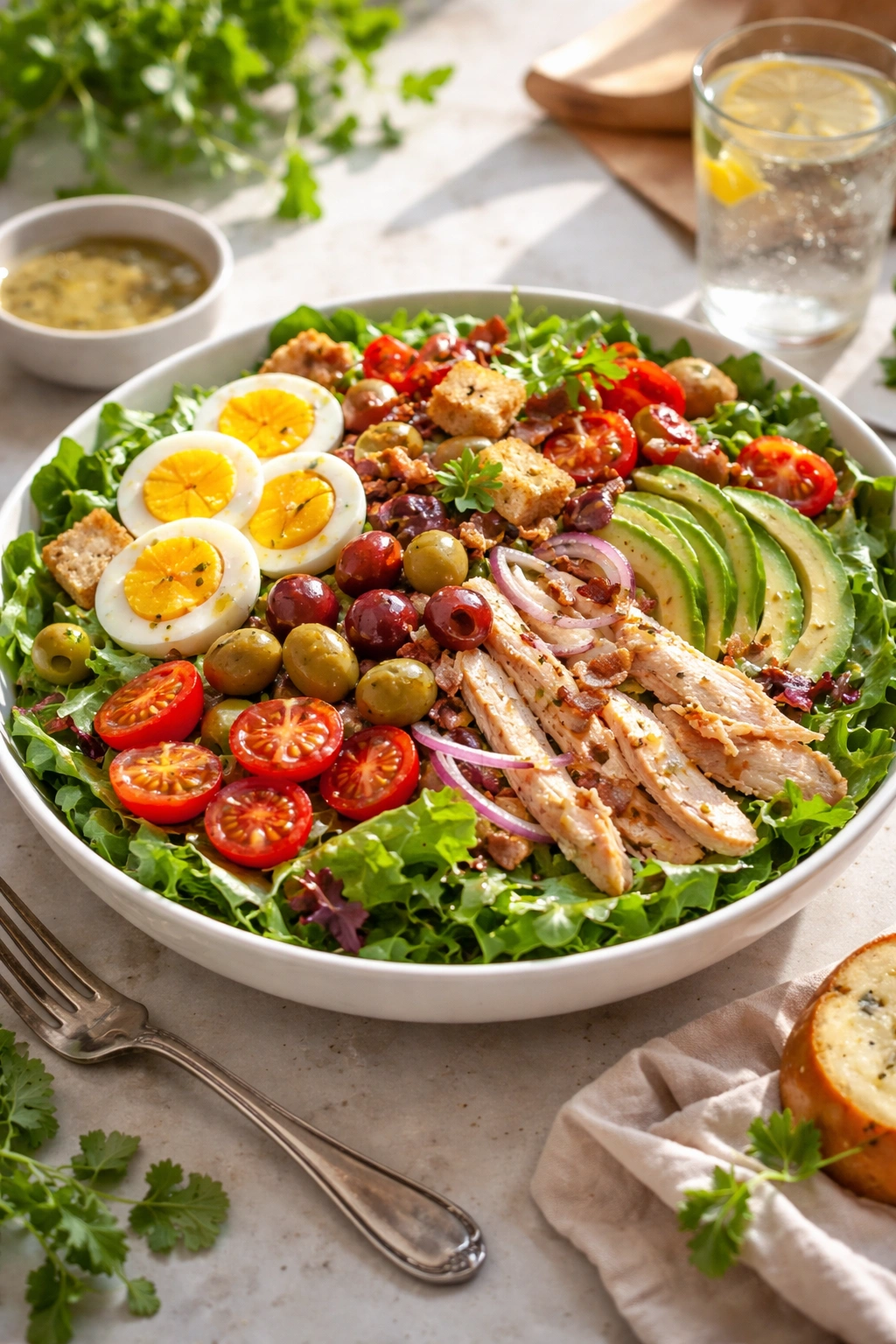
Most people dismiss salad as “not real dinner,” which is exactly why this approach works so well. A truly loaded salad isn’t a side dish—it’s a complete meal with protein, healthy fats, carbohydrates, and enough flavor that you won’t feel deprived while eating something cold. The key is thinking in terms of components rather than just “tossing some greens together.”
Building a Salad That Satisfies
Start with your greens as the foundation, but don’t limit yourself to iceberg lettuce. Mix tender greens like arugula or spinach with slightly more substantial ones like romaine or mixed lettuces for varying textures. The contrast between delicate, peppery leaves and crunchier varieties creates the kind of eating experience that keeps you engaged. Next comes your protein—this is non-negotiable for making a salad feel like a real dinner. Rotisserie chicken is the gold standard because it requires zero cooking on your part, though grilled shrimp, canned tuna, hard-boiled eggs, or even crispy chickpeas work beautifully. One to two cups of protein per salad ensures you’re actually satisfied and not hunting for snacks two hours later.
Vegetables are where you add volume, nutrition, and visual appeal. Cherry tomatoes, cucumber, bell peppers, radishes, shredded carrots, and avocado all require nothing more than chopping. Many cooks make the mistake of being too cautious with additions—don’t be. A generous salad with lots of different textures and flavors is infinitely more enjoyable than a sparse, sad plate. Include something crunchy beyond lettuce: toasted nuts, seeds, or even store-bought croutons add textural contrast that makes your brain register the meal as more satisfying.
The Dressing Makes Everything
A truly great salad dressing is what separates “I’m eating this because I’m hungry” from “I’m genuinely excited about this meal.” Rather than reaching for bottled ranch or vinaigrette, spend five minutes whisking together a bright, flavorful dressing. A basic formula is three parts oil to one part acid (lemon juice or vinegar), with mustard, garlic, salt, and pepper for depth. You can make it creamy by adding Greek yogurt or avocado, or herb-forward by blending in fresh basil, cilantro, or dill. The dressing should taste bold enough that you notice it immediately—this is your insurance policy against the salad feeling bland or boring.
Practical Assembly Tips
Make your salad just before eating so greens stay crisp and dressing doesn’t make everything soggy. Dress only the portion you’re eating immediately, keeping the rest separate. If you’re meal-prepping multiple salads, keep the dressing in a separate container and dress right before eating. Consider making a Thai chopped salad with shredded cabbage, cucumber, cilantro, and a peanut dressing, or a Mediterranean version with white beans, feta, tomatoes, and olive oil-lemon dressing. Italian chopped salads loaded with cold cuts, mozzarella, and pepperoncini are another reliable option that feels hearty and substantial on even the hottest days.
2. No-Cook Wraps and Sandwiches with Fresh Appeal
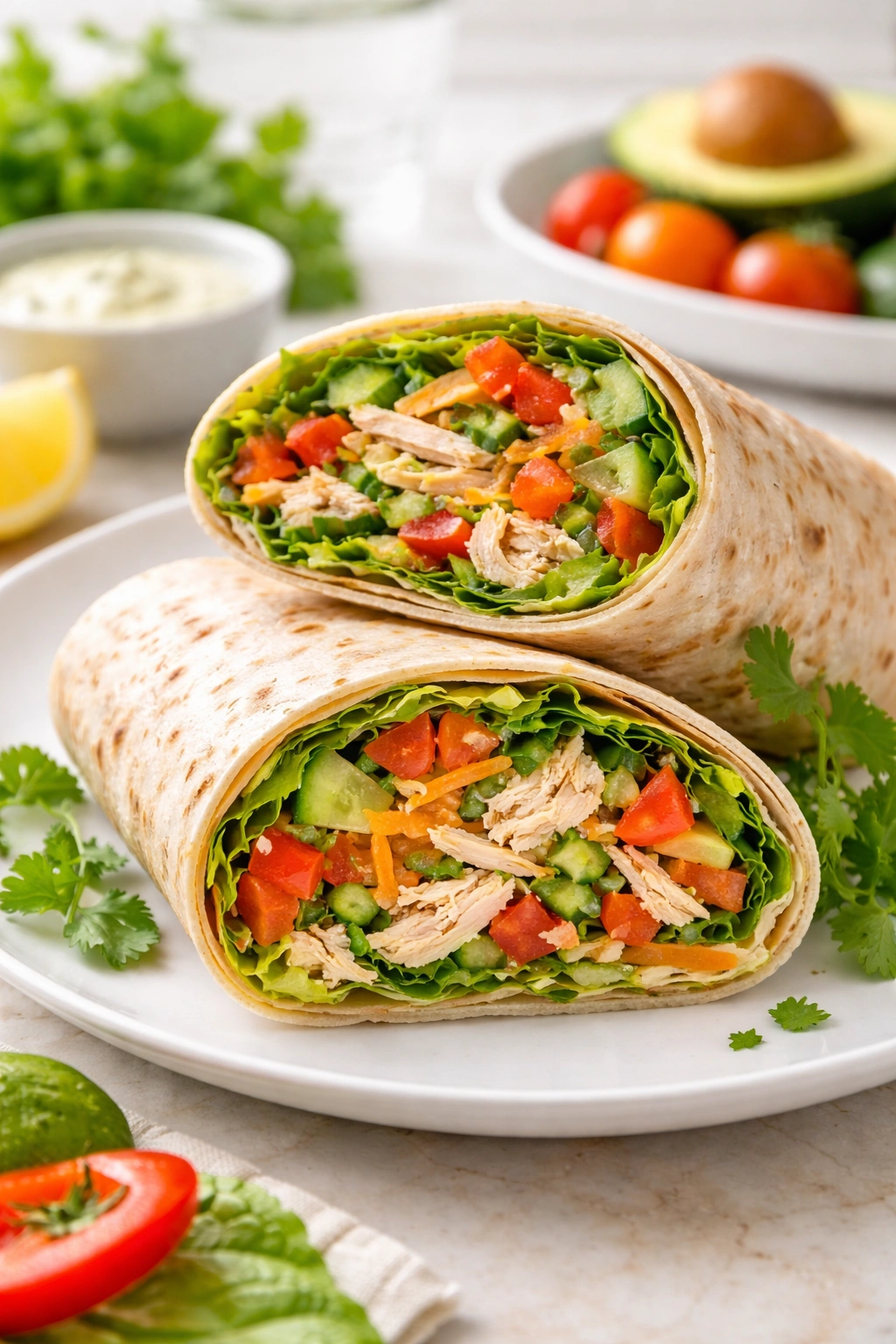
When you need something you can hold in your hand and eat quickly, wraps and sandwiches deliver where salads sometimes don’t. The advantage here is that they’re infinitely customizable—everyone can build exactly what they want—and they taste better when made fresh rather than assembled hours in advance. This isn’t about boring turkey sandwiches; it’s about using quality ingredients and combinations that actually excite your palate.
Cold Sandwich Foundations
Start with excellent bread or wraps. A crusty baguette for a Vietnamese banh mi-style sandwich, sturdy whole grain bread for substantial sandwiches, large flour tortillas for wraps, or even large lettuce leaves for a carb-free option. The bread is the structure that holds everything together, so it deserves real consideration. Stale or mediocre bread will ruin even the best fillings, while quality bread makes everything taste better.
Layer your proteins thoughtfully. Deli turkey, rotisserie chicken shredded fine, canned tuna mixed with just enough mayo to bind it, smoked salmon, or even grilled vegetables work beautifully. Avoid piling on too many proteins—two to three ounces is plenty when paired with fresh vegetables and interesting spreads. The real magic comes from vegetables and condiments. Crisp lettuce, tomato slices, cucumber, shredded carrots, bell peppers, and radishes add crunch and freshness that keeps the sandwich interesting. Avocado deserves special mention because it adds creaminess and healthy fat that makes the whole thing feel more luxurious.
The Spread Is Everything
This is where homemade dressings and spreads elevate your sandwich from ordinary to genuinely crave-worthy. A basil mayo made by blending fresh basil into mayonnaise transforms a simple turkey sandwich. Curry-spiced mayo works with chicken. A mixture of cream cheese and everything bagel seasoning becomes addictive on any sandwich. Greek yogurt thinned with lemon juice and mixed with herbs works as a lighter alternative to mayo. The spread should complement your fillings and add moisture without making the bread soggy—the barrier of lettuce between bread and wet fillings helps prevent sogginess.
Strategic Assembly Approach
Toast your bread lightly if you like—it creates a slight barrier that prevents sogginess and adds textural contrast. Build in layers: bread, spread, then lettuce or other vegetables that create a moisture barrier, then wet ingredients like tomato or avocado, then other proteins and toppings, finishing with another layer of vegetables and the top bread. Wrap tightly in foil or parchment if eating later, as the compression helps hold everything together and blends flavors. Consider making these mid-afternoon when you have energy, then refrigerating until dinner time.
3. Fresh Seafood and Ceviche for Elegant Simplicity
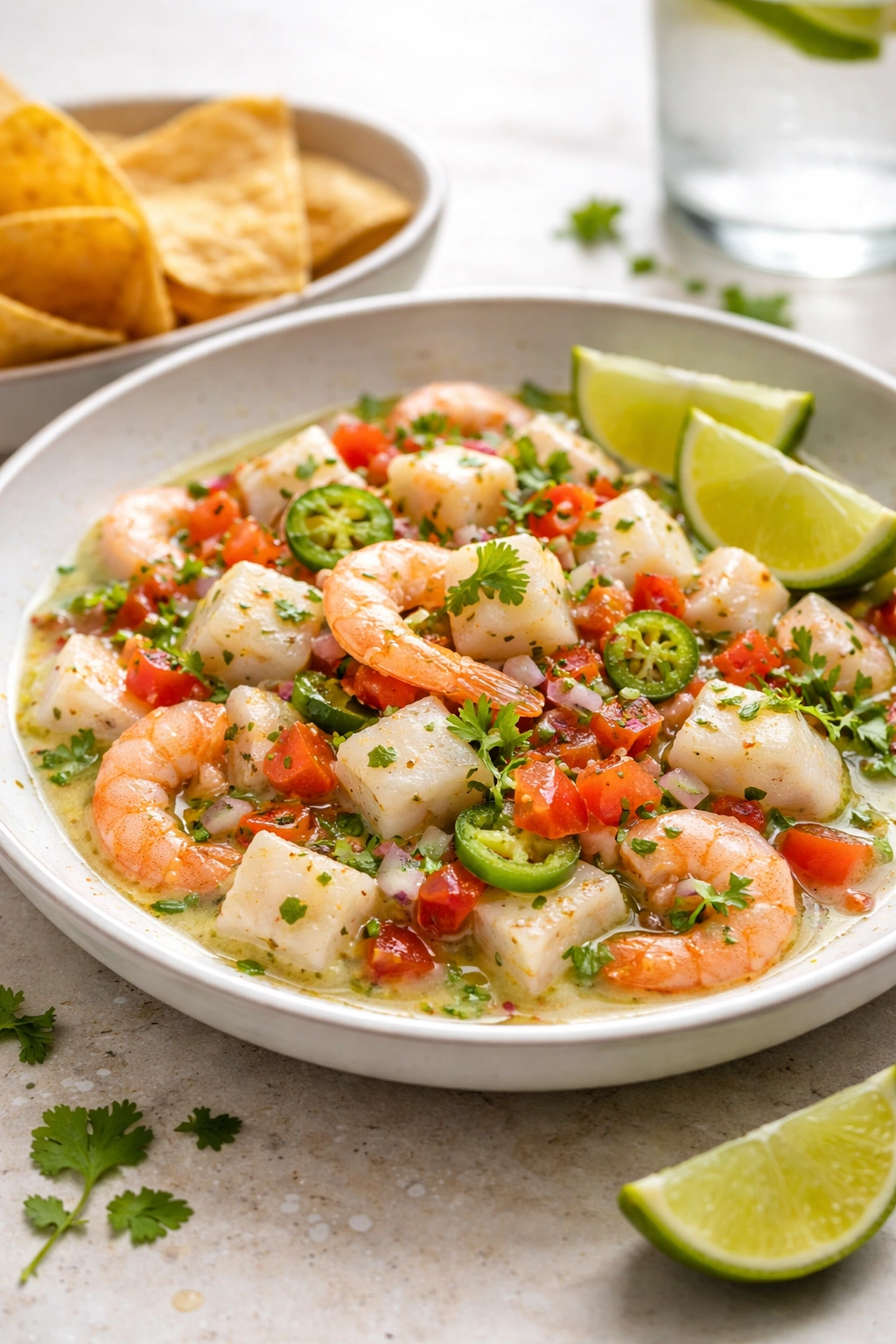
If you have access to high-quality, sashimi-grade fish, ceviche stands as one of the most impressive no-cook dinners you can make. The beauty of ceviche is that the acid from citrus juice actually “cooks” the raw fish through a chemical process called denaturation, meaning you’re not eating truly raw protein—it’s transformed into something safer and more thoroughly cooked than many realize.
Understanding Ceviche Basics
Ceviche works best with firm white fish or shrimp. Halibut, sea bass, flounder, and kingfish are traditional choices, though any sashimi-grade fish works beautifully. Ask your fishmonger specifically for sashimi-grade or ceviche-grade fish—this designation means it’s been frozen to a temperature that eliminates parasites and is deemed safe for raw consumption. You’ll need roughly four ounces of fish per person, cut into small, bite-sized pieces about half an inch square.
The citrus juice is what does the transformative work. Fresh lime juice is traditional, though you can use a combination of lime and lemon. You need enough juice to fully submerge the fish—roughly one cup of juice for one pound of fish. The fish will “cook” in about 15 minutes, though 30 minutes to an hour develops better flavor. The fish pieces will turn opaque and firm, just like they would if heated, but with a delicate texture that’s impossible to achieve through traditional cooking.
Building Ceviche Flavors
Beyond fish and citrus, add diced red onion, cilantro, jalapeño, and tomato. Some versions include diced avocado or cucumber for additional freshness. A touch of olive oil, salt, and pepper rounds everything out. The beauty is that you can prepare all components hours in advance, then combine them just before serving. The fish should only be exposed to the citrus for as long as necessary before eating—if left too long, the texture becomes mushy and unpleasant.
Serving and Accompaniments
Serve ceviche in small bowls as an appetizer, or pair it with crispy corn chips or tostadas for scooping, turning it into a full dinner. Some versions come served in avocado halves or in lettuce cups for a lower-carb option. Accompany with cold beer or a crisp white wine, fresh lime wedges, and extra cilantro. The combination of cold, bright, spicy, and fresh flavors is inherently satisfying and celebratory—perfect for when you want something that feels special without any actual cooking effort.
4. Chilled Soups That Cool You From the Inside Out
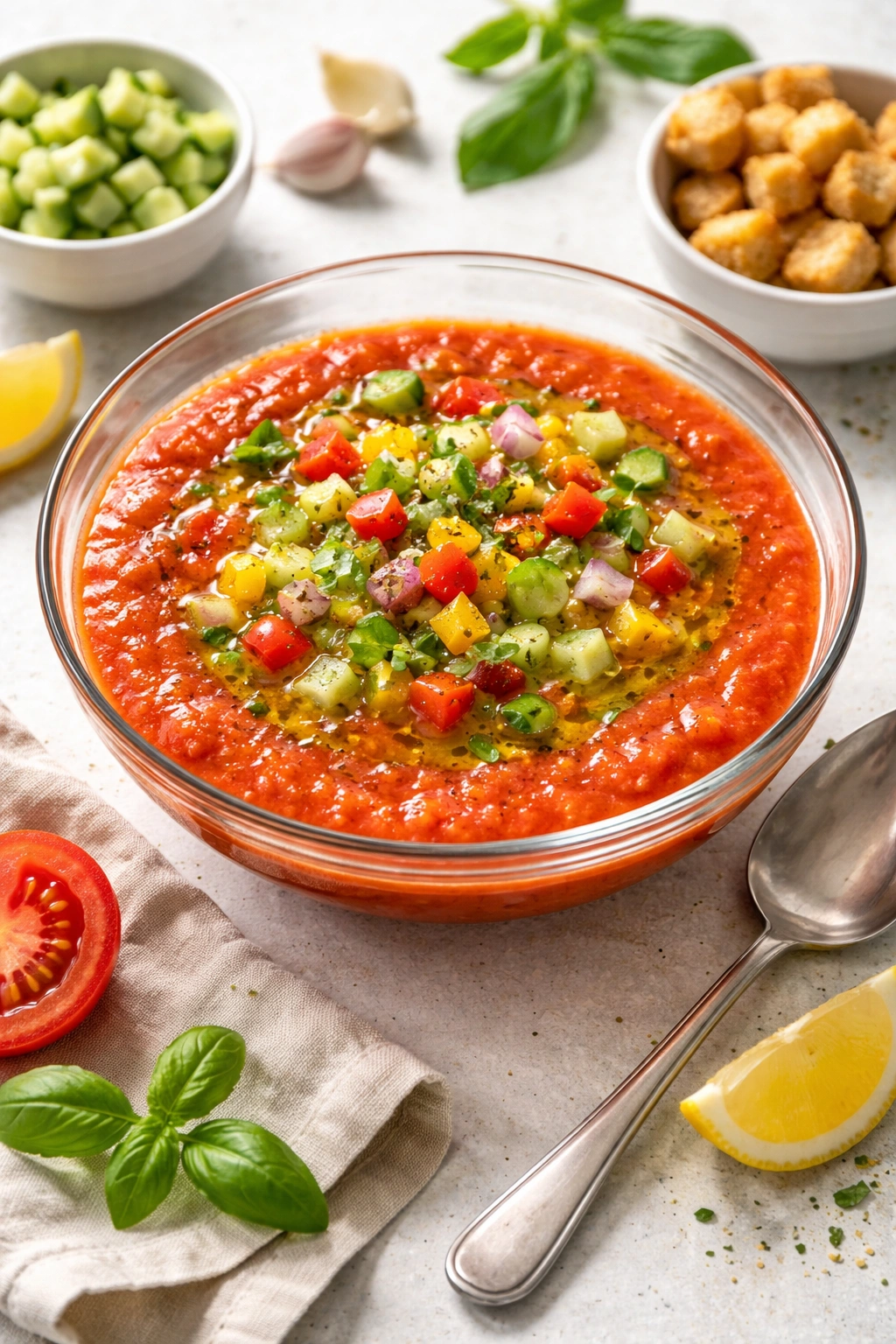
Cold soups sound counterintuitive as a hot-weather dinner, but they work brilliantly because they’re refreshing, require minimal cooking (if any at all), and deliver substantial nutrition and satisfaction in a single bowl. Gazpacho stands as the most famous example, but there are many variations worth exploring.
The Magic of Gazpacho
Gazpacho is essentially a cold tomato soup that requires no cooking whatsoever. The base is fresh, high-quality tomatoes—and this matters tremendously. Flavorless supermarket tomatoes won’t make good gazpacho, so seek out farmers market tomatoes or use high-quality canned tomatoes from a good brand. Roughly chop two pounds of tomatoes and combine with diced cucumber, bell pepper, red onion, and garlic. Add good olive oil, red wine vinegar, salt, and pepper. Some versions include a touch of bread soaked in water to add body, though this is optional.
The secret to exceptional gazpacho is proper marinating time. Rather than eating it immediately after chopping, let the vegetables sit in the olive oil and vinegar for at least an hour, preferably several hours. This allows flavors to meld and deepen. When you’re ready to eat, you can serve it chunky (which many people prefer), or blend it to a smooth consistency. Chill thoroughly before serving, and taste just before serving to adjust seasoning—cold temperatures mute flavors, so it often needs more salt and acid than you’d initially think.
Variations Beyond Tomato
Cucumber gazpacho offers a lighter, more delicate option. Blend cucumbers, Greek yogurt, fresh dill, lemon juice, and vegetable broth into a refreshing, creamy soup. Avocado-based chilled soups work beautifully too, blending ripe avocados with broth, lime juice, and cilantro for something inherently luxurious. Even a chilled beet soup with cucumber and yogurt delivers impressive color and flavor with virtually no cooking required.
Toppings Make It a Meal
Chilled soup by itself might feel light, so top it generously. Crispy croutons, diced hard-boiled eggs, cooked shrimp, diced avocado, crumbled feta, chopped fresh herbs, and a drizzle of good olive oil all work beautifully. Consider serving with crusty bread alongside, or with a substantial salad on the side to round out the meal into something more filling.
5. Asian Rice Paper Rolls With Endless Variations
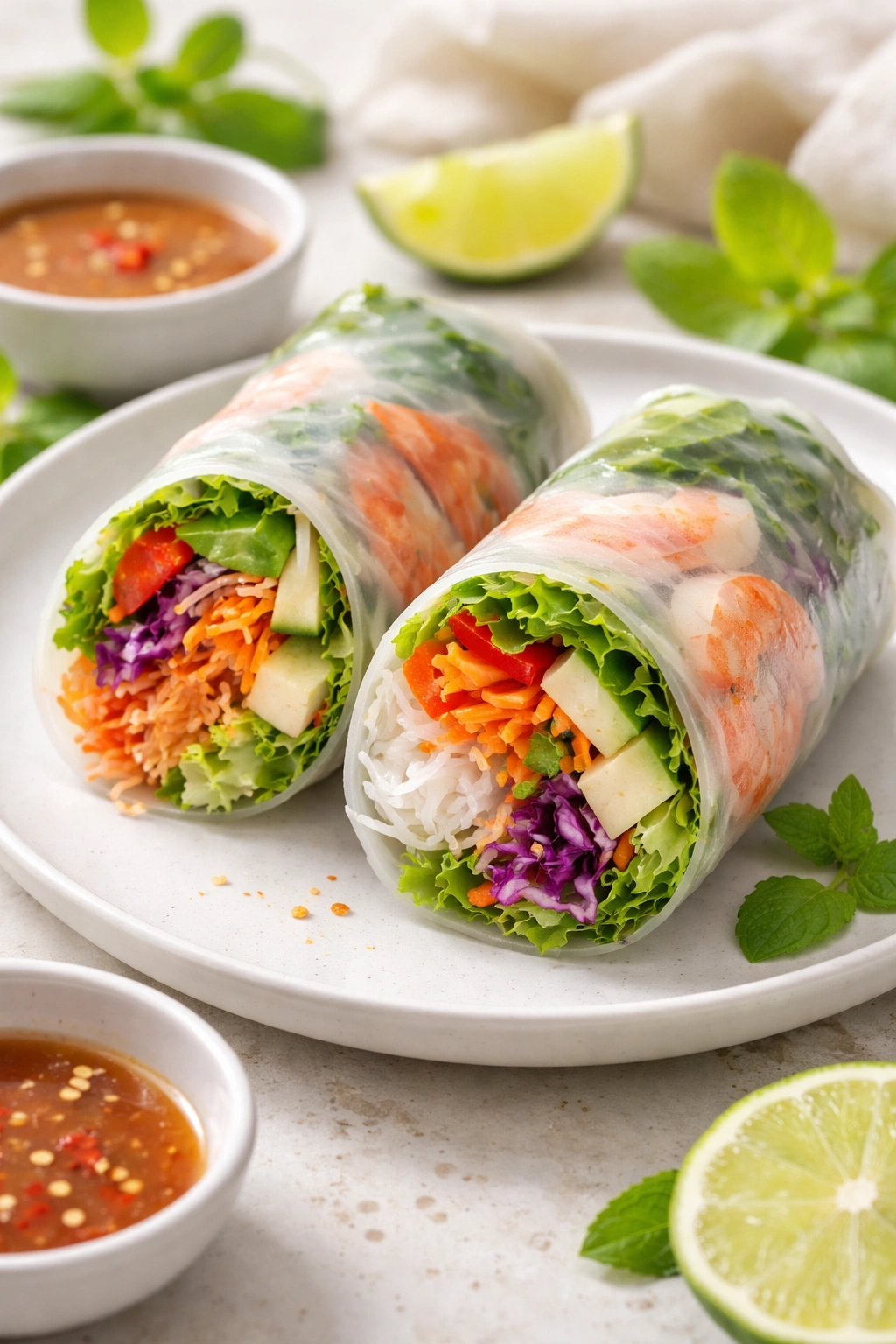
Rice paper rolls are a revelation for hot-weather dinners because they’re entirely customizable, require zero cooking (if using cooked proteins), and feel elegant and impressive despite being shockingly simple to make. The key is understanding the mechanics of rice paper and preparing all your fillings before you start rolling.
Preparing Your Station
Soak rice papers in warm (not hot) water for about 30 seconds until they’re pliable but still slightly firm. Too long and they become gummy; too short and they tear. Have all your fillings laid out before you start: cooked proteins (shrimp, chicken, or tofu), lettuce, fresh herbs (mint, cilantro, basil), julienned vegetables (carrots, cucumber, bell peppers), and rice noodles or vermicelli. Working quickly before the paper dries is essential.
Rolling Technique
Place the softened rice paper on a clean surface. Lay a piece of lettuce down the center, then add a small amount of noodles. Top with protein, herbs, and vegetables—don’t overstuff. The rice paper will be translucent when properly softened, which is gorgeous when it’s not packed so full that you can’t see through it. Fold the sides in, then roll tightly away from you like a burrito. The rice paper will stick to itself and seal the roll without any additional moisture.
The Essential Dipping Sauce
A peanut dipping sauce makes these rolls addictive. Whisk together peanut butter, fish sauce, lime juice, water, brown sugar, and minced garlic. Adjust the consistency with more water until it’s pourable but still has body. Some people add a touch of sriracha for heat. This sauce can be made hours in advance and actually improves as flavors meld. Alternatively, a Vietnamese dipping sauce (nuoc cham) of fish sauce, lime juice, water, and sugar with minced garlic and chilies works equally well.
Make-Ahead and Serving
Rice paper rolls can be made an hour or two before eating without drying out—the rice paper maintains moisture. Stack them between parchment paper and cover loosely with a damp towel. Serve at room temperature with your dipping sauce alongside, fresh lime wedges, and extra herbs for anyone who wants to add more.
6. Grain and Bean Bowls Assembled Without Heat
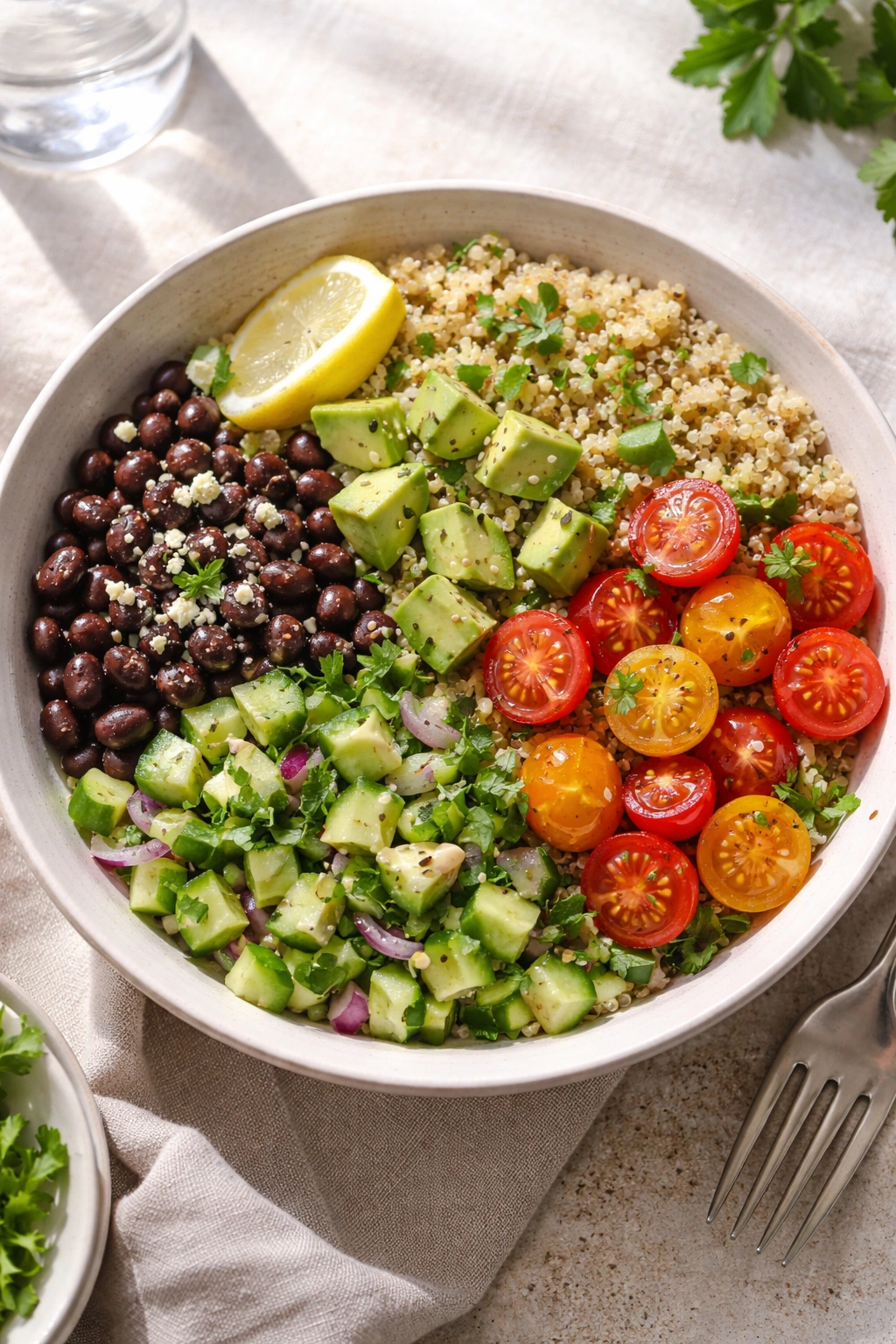
A well-constructed grain bowl requires minimal actual cooking if you keep pre-cooked grains on hand. These bowls come together in minutes and deliver the satisfaction of a complete meal with interesting textures, flavors, and nutrition.
Smart Grain Choices
Keep cooked quinoa, rice, or farro on hand in your freezer or refrigerator. Many grocery stores now sell packages of pre-cooked grains that just need a quick reheat or can be served cold. Alternatively, if you’ve made grain for another meal, simply refrigerate the extra knowing you have the foundation for several quick bowls. These grains can be served cold or at room temperature, absorbing the flavors of whatever dressing or sauce you toss them with.
Building the Bowl
Start with your grain as the base. Add a protein—canned beans (chickpeas, black beans, or white beans work beautifully), hard-boiled eggs, cooked shrimp, or tofu. Add raw or roasted vegetables: cherry tomatoes, cucumber, shredded carrots, bell peppers, or roasted beets if you’ve made them. Include something creamy: avocado, tahini dressing, or a dollop of yogurt. Finish with fresh herbs, a sprinkle of nuts or seeds, and your dressing.
Dressing Variations Keep It Interesting
A tahini-lemon dressing (tahini, lemon juice, garlic, water, salt) works with Mediterranean flavors. A cilantro-lime dressing (cilantro, lime juice, garlic, olive oil, water) pairs beautifully with Latin-inspired bowls. A simple olive oil and balsamic vinegar never fails with Italian components. The dressing is what prevents the bowl from feeling boring or dry, so make it interesting and use enough to coat everything thoroughly.
Meal Prep Potential
These bowls are perfect for preparing components in advance. Cook your grain, roast some vegetables the day before, chop your raw vegetables, prepare your dressing—then assemble individual bowls when you’re ready to eat. Everything can be stored separately in containers, giving you flexibility about composition.
7. Fruit and Yogurt Bowls for Light, Refreshing Dinners
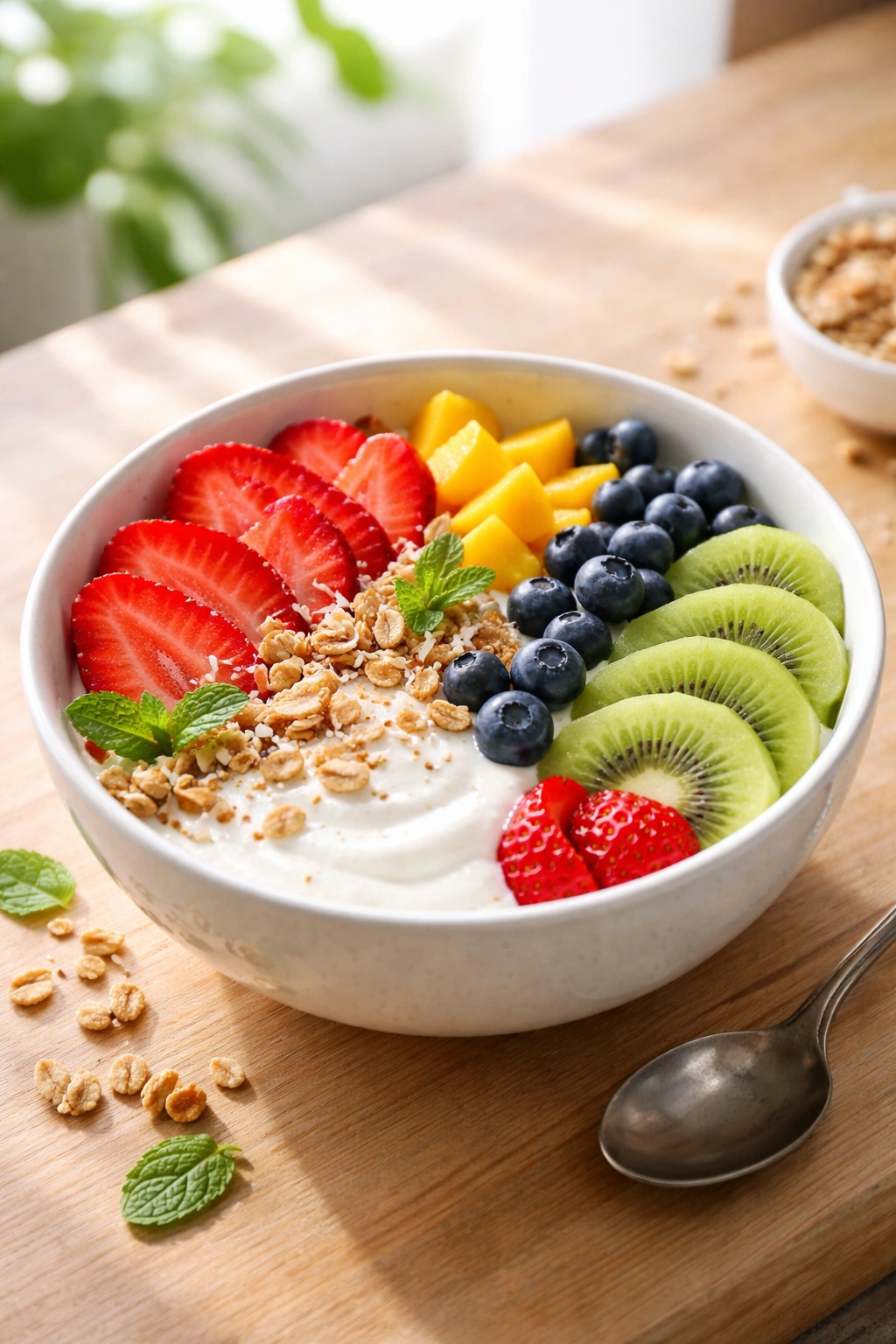
When the heat absolutely kills your appetite and the thought of substantial food feels impossible, a beautiful fruit and yogurt bowl delivers nutrition and satisfaction without feeling heavy. These work brilliantly as a lighter dinner option, possibly paired with something else like toast, granola, or a side salad to round it out.
Choosing Your Yogurt Base
Start with Greek yogurt or regular yogurt—Greek yogurt is higher in protein and creamier, making it more satisfying. Yogurt should be cold right from the refrigerator, so keep it chilled and serve it straight. If you want something even creamier, blend yogurt with a touch of honey and vanilla extract for a custard-like base. Dairy-free yogurts work equally well if you prefer them.
Fruit Selection and Layering
Use whatever fruit is in season and locally available—berries, stone fruits, melon, grapes, or tropical fruits all work beautifully. The key is including different textures: soft berries, firmer stone fruits, juicy melon. Cut fruit into bite-sized pieces or leave small items whole. Layer fruit with yogurt in a bowl or glass, creating an attractive presentation that makes the meal feel special. Top with granola for crunch, nuts for healthy fat, and fresh herbs like mint for brightness.
Flavor Additions
A drizzle of honey, agave, or maple syrup adds sweetness without needing any cooking. Citrus zest (lemon or lime) adds brightness. A sprinkle of coconut flakes adds tropical flavor. Ground cinnamon or cardamom adds warmth. A touch of vanilla extract stirred into the yogurt creates subtle depth. These additions take the bowl from simple to genuinely crave-worthy.
Making It More Substantial
If you want something more filling, serve the yogurt bowl alongside toast with almond butter, a handful of nuts, or even a simple egg on the side. Some cooks add chia seeds or ground flax for healthy fats and texture. The flexibility of this format means you can adjust the richness and substance based on your actual hunger level.
8. Pasta Salads That Actually Taste Good
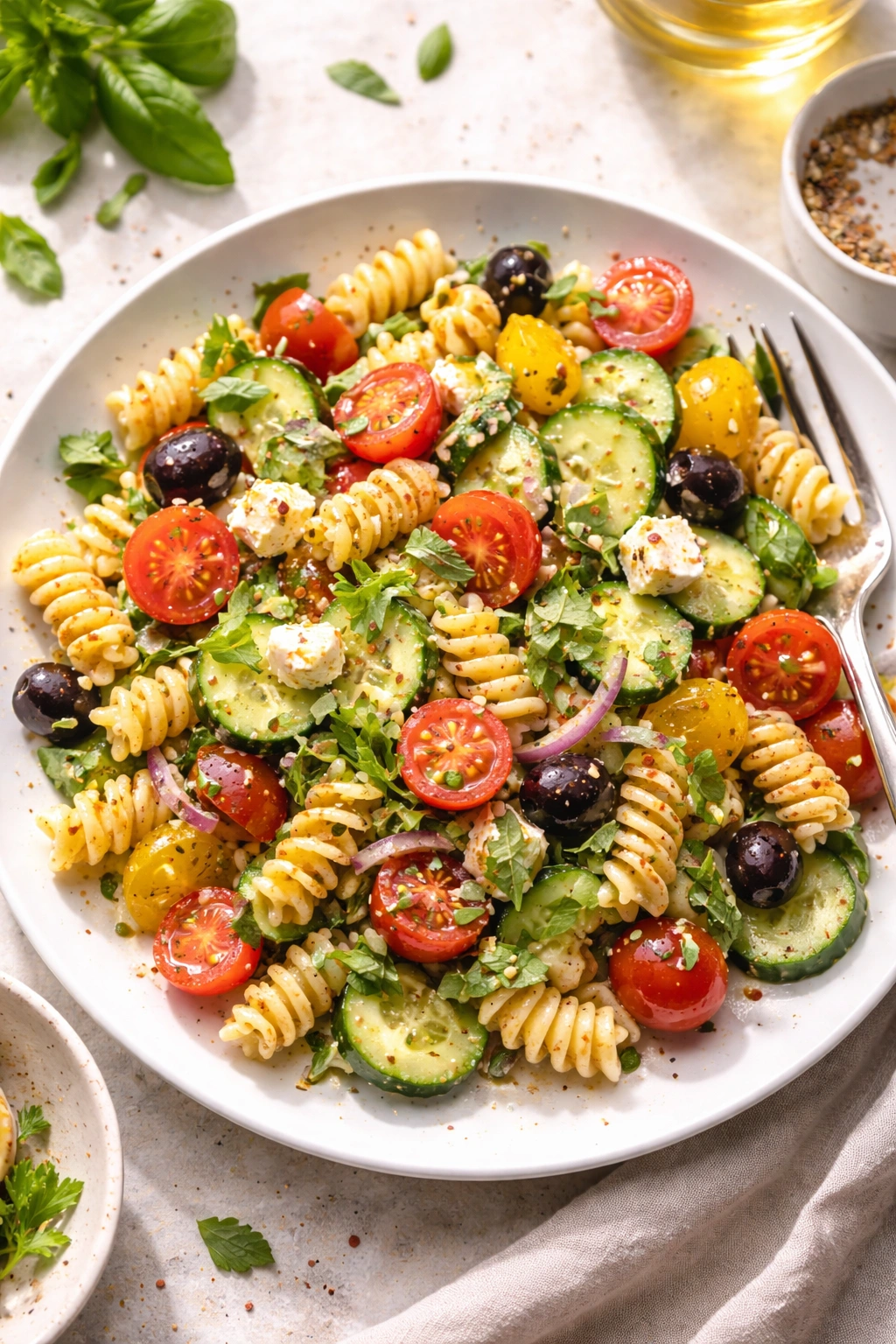
Pasta salad gets a bad reputation because so many versions are mayonnaise-heavy, mushy, and forgettable. Done right, with quality ingredients and interesting flavors, pasta salad is genuinely delicious and completely satisfying as a cold dinner.
Cooking Pasta Properly
Cook your pasta to al dente, not soft. Drain it thoroughly and toss it immediately with a touch of olive oil to prevent sticking. The oil also helps the pasta absorb dressing more effectively later. You can cook pasta the morning of and let it sit in the refrigerator, or cook it fresh if you’re willing to turn on the stove briefly. Cold pasta is actually preferable to room-temperature pasta for a salad.
Flavor-Forward Dressing Is Non-Negotiable
Rather than drowning pasta in heavy mayonnaise, make an interesting vinaigrette or light cream-based dressing. A basic vinaigrette of quality olive oil, red wine vinegar, Dijon mustard, minced garlic, salt, and oregano works beautifully. You can make it creamier with Greek yogurt or a touch of pesto instead of mayo. The dressing should taste slightly bolder than you think it needs—the pasta will mellow it somewhat, so account for that.
Building Textures and Flavors
Pasta is relatively neutral, so it needs interesting additions to be memorable. Add roasted or fresh vegetables: cherry tomatoes, cucumber, bell peppers, red onion, artichoke hearts, sun-dried tomatoes. Include protein: grilled chicken, hard-boiled eggs, canned chickpeas, white beans, or even grilled shrimp if you’ve prepared it. Add something briny and umami-rich: olives, capers, feta, or mozzarella. Include fresh herbs: basil, parsley, or cilantro depending on your flavor direction. The combination of flavors, textures, and temperatures makes every bite interesting.
Storage and Serving Strategy
Make the salad several hours ahead so flavors meld, but add any delicate ingredients (like fresh herbs or avocado) just before serving. If the pasta seems dry when you’re ready to eat, add a touch more dressing or a squeeze of fresh lemon juice. Serve cold or at room temperature, with extra dressing on the side for anyone who wants more.
Smart Strategies for Cooking in the Heat
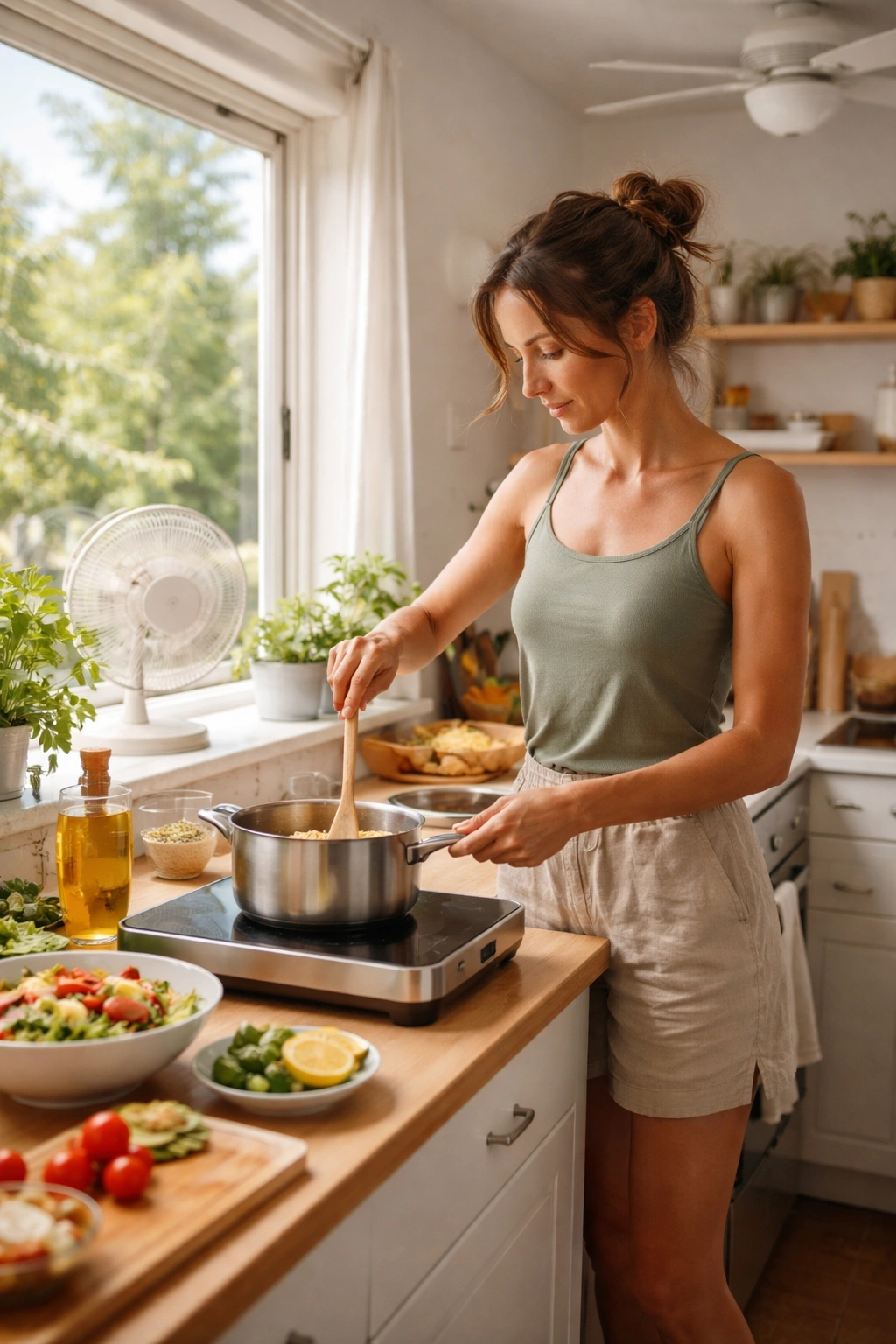
While these eight dinner options minimize cooking, a few smart strategies help you manage even the minimal cooking required without heating your kitchen excessively.
Timing Your Cooking
Prepare any necessary cooking early in the morning when temperatures are coolest, or wait until evening when the sun is lower and your kitchen starts cooling down. Most of the recipes here involve brief cooking—boiling pasta, steaming rice, or quickly grilling fish—that can be done quickly with minimal heat buildup. Use a timer to stay focused and efficient, preventing yourself from leaving burners on longer than necessary.
Choosing Your Equipment Wisely
If any cooking is involved, use the stovetop rather than the oven whenever possible. Stovetop cooking generates heat only in one small area, while ovens heat your entire kitchen. A microwave for heating pre-cooked components generates even less ambient heat. If you must use the oven, run it only for the brief time needed and resist opening the door (which lets heat escape and makes the appliance work harder). A grill or outdoor cooktop, if available, keeps heat completely outside your living space.
Minimize Fridge Opening
Keep your refrigerator well-organized so you can grab what you need quickly without prolonged door-opening. This is especially important in hot weather when appliances work harder to maintain temperature. Know where everything is and gather all ingredients before starting to cook, rather than making multiple trips.
Preparing Ahead When You Have Energy
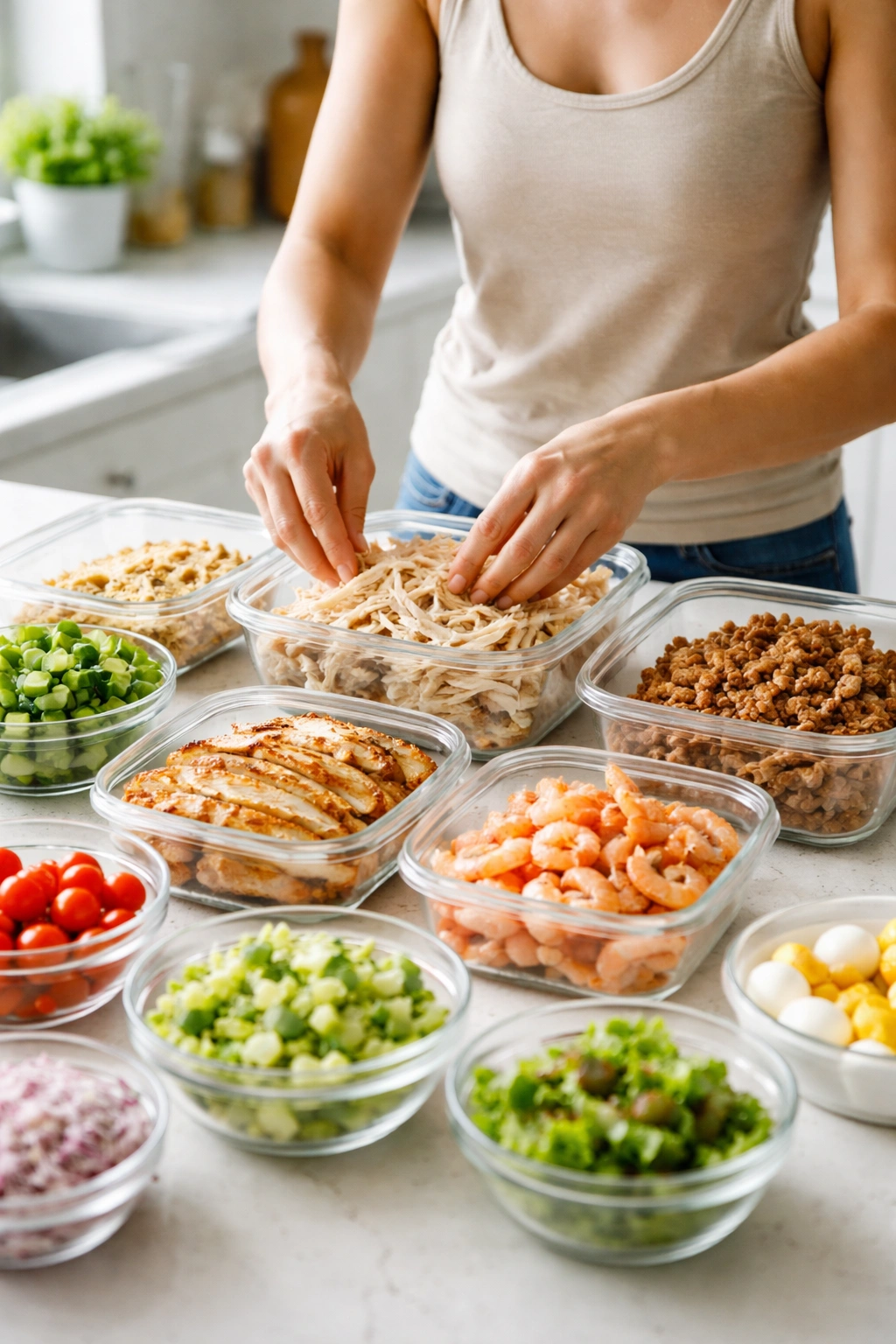
The reality of hot-weather cooking is that advance preparation is your best friend. Taking an hour when you have energy to prepare components in advance makes dinner assembly trivial when the heat makes you exhausted.
Make-Ahead Components Worth Preparing
Cook proteins when your energy is highest: rotisserie chickens, hard-boiled eggs, grilled shrimp, or canned beans. These proteins form the foundation of nearly every no-cook dinner and can be prepared days in advance. Chop vegetables and store them in containers with paper towels to absorb excess moisture. Make dressings and sauces—they actually improve as flavors meld, so prepare them early and let them sit in your refrigerator. Cook grains and store them in individual portions, both in the refrigerator for immediate use and in the freezer for longer storage.
Storage Containers Make Everything Easier
Invest in quality storage containers that let you see what you have without opening them. Keeping proteins, vegetables, and other components in clear containers means you can quickly assemble a dinner without extensive searching. Label everything with preparation date so you know what’s fresh and what needs using soon.
Storing and Serving Cold Dinners Properly
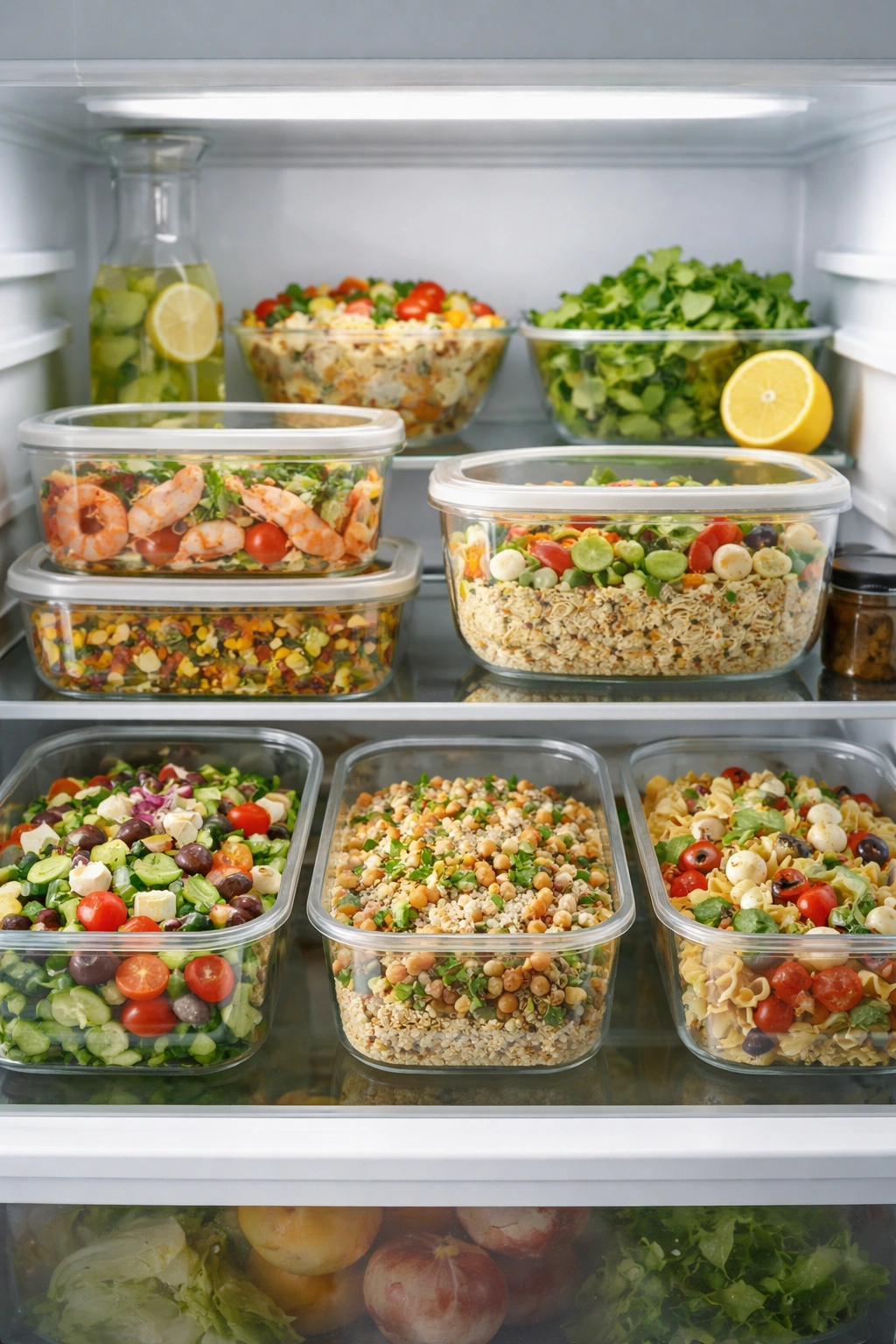
Cold dinners have unique storage considerations different from hot meals. Understanding proper storage extends the time these meals stay fresh and delicious.
Keeping Components Fresh
Most vegetables stay fresh for three to five days when stored in airtight containers. Avocados should be added right before eating to prevent browning. Proteins stay fresh for three to four days when properly stored—keep them in the coldest part of your refrigerator. Dressings and sauces can be made three to five days ahead. Assembled salads and grain bowls are best eaten within a day of assembly, though components can be stored separately and assembled as needed.
Temperature Matters for Safety
Keep everything properly chilled, especially any salads containing fish, shrimp, or eggs. The danger zone for bacterial growth is between 40°F and 140°F, so food should move quickly from refrigerator to table and back to refrigerator if not consumed immediately. On particularly hot days, even more vigilance is warranted—don’t leave prepared dinners sitting at room temperature longer than necessary.
Serving Temperature and Texture
Cold dinners taste best when genuinely cold, so chill serving bowls in the refrigerator before serving. Remove salads and cold dinners from refrigerator only moments before eating. Some components like pasta and grains can be eaten cold or brought to room temperature depending on preference—experiment to find what appeals to you most.
Key Takeaways for Your Hot-Weather Kitchen
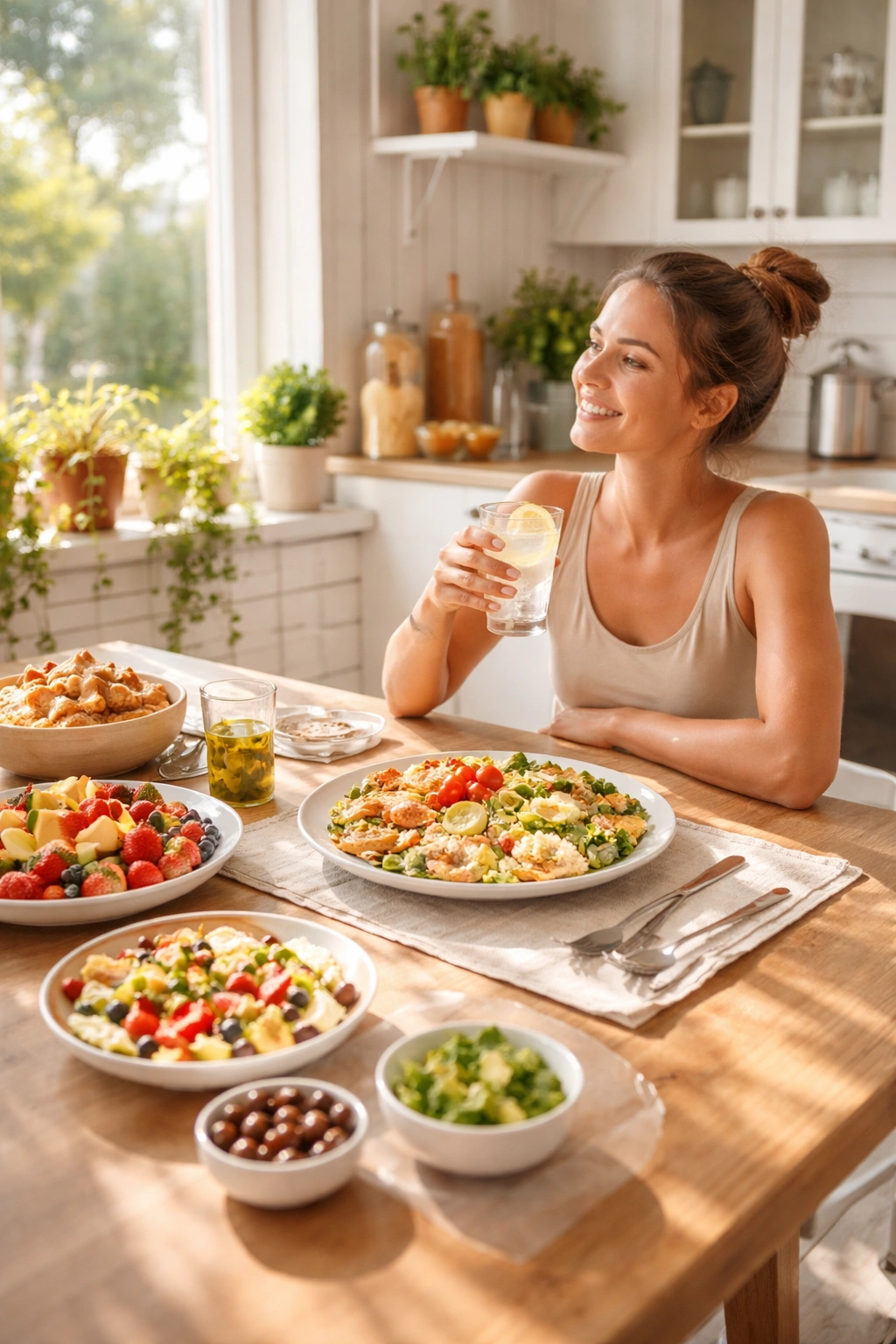
The beauty of these eight dinner options is that none requires you to stand over a hot stove while already exhausted from heat. Each can be prepared with minimal effort and maximum flavor, delivered cold or cool enough to feel refreshing. The strategy that works best is preparing components when you have energy, then assembling them into complete meals when dinner time arrives. This removes the pressure of cooking while you’re already depleted and lets you enjoy dinner without the guilty feeling that comes from resorting to takeout.
Real talk: some days the heat is legitimately oppressive enough that even assembly feels impossible. On those days, a rotisserie chicken with store-bought salad mix and a simple dressing is completely acceptable. The goal isn’t perfection—it’s eating something nourishing without making yourself more miserable. These eight dinner concepts give you a framework for staying fed when cooking feels like torture, so you can get through hot months without your kitchen making you want to cry.
