



Heart disease remains one of the leading health concerns for millions of people, and one of the most effective ways to support cardiovascular health is through the foods you eat at dinner. High sodium intake is a major contributor to elevated blood pressure, which strains your heart and increases your risk of serious cardiovascular events—yet many people consume far more salt than recommended without even realizing it, especially when eating processed foods or restaurant meals. The good news? Creating delicious, satisfying low-sodium dinners at home doesn’t require sacrificing flavor or spending hours in the kitchen. By focusing on whole foods, fresh herbs, aromatic spices, and cooking methods that highlight natural tastes, you can prepare meals that actively support your heart health while tasting so good your family won’t miss the salt shaker.
What makes these dinners work for your heart goes beyond just reducing sodium. They emphasize lean proteins, fiber-rich whole grains, omega-3 fatty acids, and abundant vegetables—the nutritional cornerstones of heart-healthy eating. The dinners in this guide are designed to be practical for busy weeknight cooking, can be adapted for different preferences and dietary restrictions, and prove that heart-healthy eating is genuinely enjoyable. You’ll discover how simple ingredients and smart cooking techniques can transform your dinner table into a place where cardiovascular wellness becomes something you’re actively nourishing with every bite.
1. Herb-Crusted Grilled Salmon with Roasted Vegetables
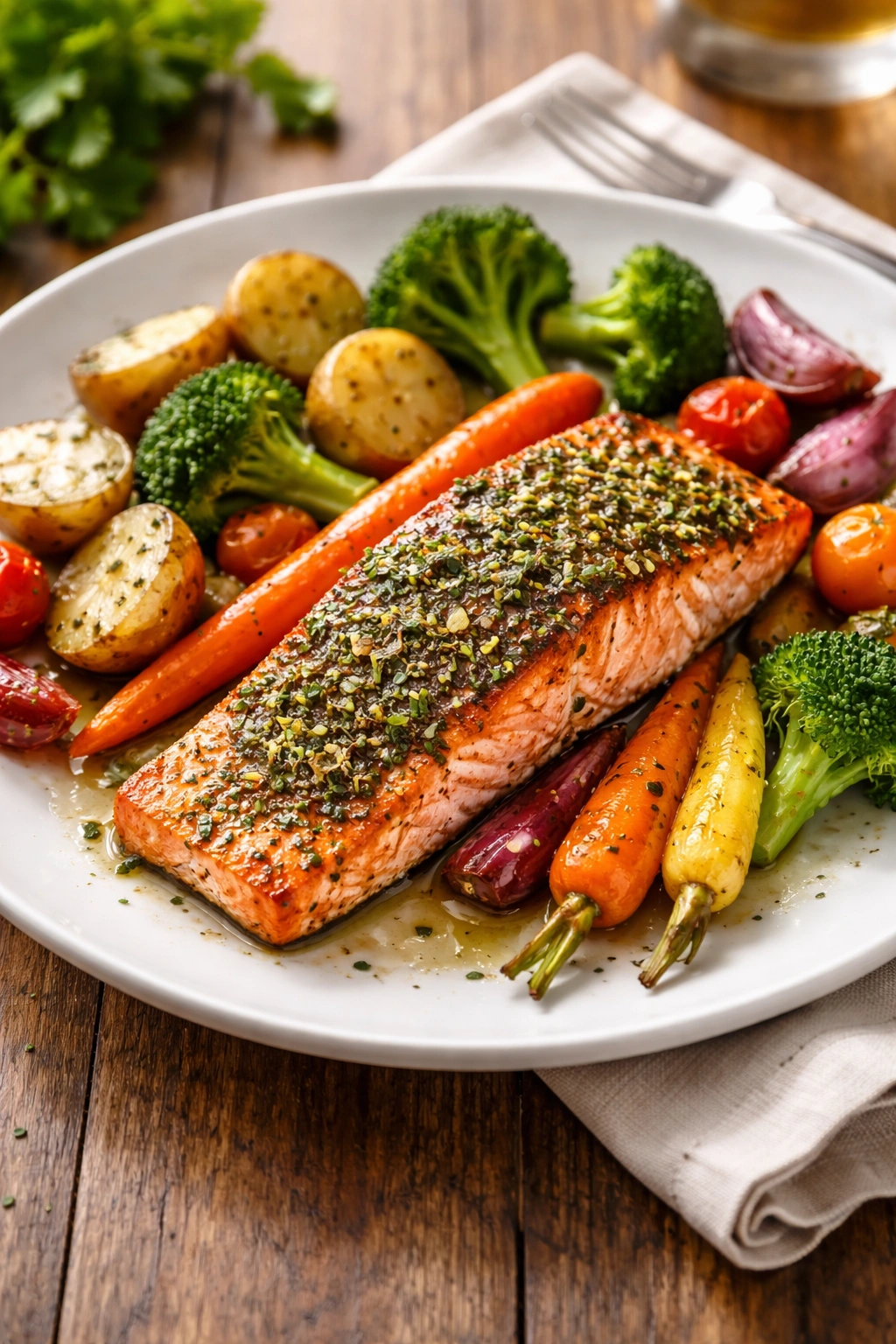
Salmon is one of nature’s most potent heart medicines, packed with omega-3 fatty acids that actively reduce inflammation in your cardiovascular system and help lower triglycerides and blood pressure. A simple herb crust—made from fresh herbs like dill, thyme, and parsley mixed with olive oil and lemon zest—transforms a basic salmon fillet into something restaurant-quality without any added salt. The beauty of this dinner is that it comes together in under 30 minutes, making it perfect for weeknight cooking when you’re juggling multiple responsibilities.
Why Salmon Is Exceptional for Heart Health
The omega-3 fatty acids in salmon, particularly EPA and DPA, have been extensively researched for their cardiovascular benefits. These compounds help reduce inflammation throughout your arteries, lower your resting heart rate, and improve the elasticity of blood vessel walls. Unlike other proteins that can add saturated fat to your diet, salmon provides heart-protective fat—the kind your cardiovascular system actively uses to repair and strengthen itself. A single 3-ounce serving of salmon provides more than half your daily omega-3 needs, making it one of the most efficient choices for heart health.
How to Build the Perfect Herb Crust
Instead of salt, layer flavors with fresh herbs that taste vibrant and complex. Combine freshly chopped dill, thyme, and parsley with minced garlic, lemon zest, and a drizzle of high-quality olive oil. Press this mixture directly onto the top of your salmon fillet before grilling, creating a flavor-packed crust that seals in moisture while your herbs infuse the fish with aromatic compounds. The key is using fresh herbs rather than dried—they’re more potent and aromatic when just crushed. For roasted vegetables, toss broccoli, bell peppers, and Brussels sprouts with a light coat of olive oil and herbs, then roast at 425°F until they’re caramelized and tender, about 20 minutes.
Pro tip: Grill your salmon skin-side up (rather than skin-side down) to prevent sticking and allow the herb crust to develop a light char while the flesh stays moist underneath.
2. Lentil and Vegetable Stir-Fry with Brown Rice
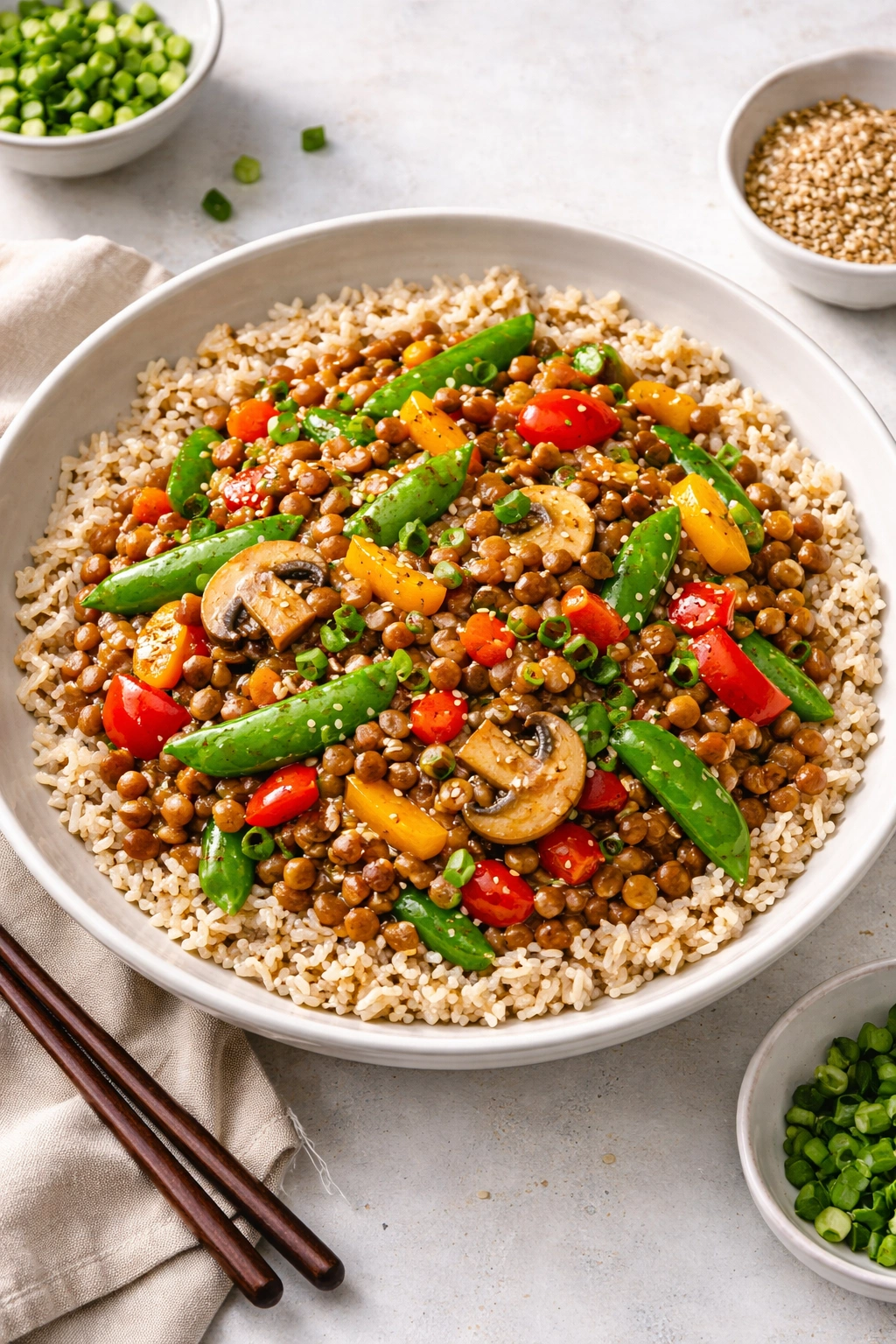
Plant-based dinners don’t need to feel like a consolation prize—this vibrant stir-fry proves that vegetables and legumes can be just as satisfying and crave-worthy as any meat-centered meal. Lentils pack more fiber and plant-based protein than most other vegetables, which not only supports your digestive health but also helps regulate blood sugar and cholesterol levels. When you pair lentils with deeply colored vegetables like bell peppers, snap peas, and mushrooms, you’re getting a full spectrum of antioxidants and phytonutrients that protect your cardiovascular system from oxidative stress.
The Fiber and Heart-Health Connection
This dinner delivers nearly 12 grams of fiber per serving, which plays multiple protective roles in your cardiovascular system. Soluble fiber binds to cholesterol particles in your digestive system and escorts them out of your body before they can enter your bloodstream and accumulate in your arteries. This mechanism is so effective that eating 2-3 servings of high-fiber foods like lentils daily can reduce your LDL (“bad”) cholesterol by 5-10 percent—a reduction comparable to some pharmaceutical interventions. Beyond cholesterol management, the fiber in this meal feeds beneficial bacteria in your gut, and emerging research shows that a healthy gut microbiome is directly linked to better cardiovascular function.
Building Maximum Flavor Without Salt
The secret to addictive stir-fry without sodium lies in creating multiple layers of flavor through cooking technique and aromatics. Start with a hot wok or large skillet, toast whole cumin seeds and dried chilies until fragrant, then add minced garlic and fresh ginger. This blooming step releases essential oils and creates a deeply aromatic flavor foundation that tricks your palate into perceiving savory richness without salt. Add the cooked lentils and vegetables, then finish with a splash of low-sodium vegetable broth and a squeeze of fresh lime juice, which adds brightness and complexity. Serve over brown rice, which adds whole-grain texture and additional heart-protecting fiber.
Worth knowing: Pre-cooking lentils and storing them in your refrigerator (they keep for 5 days) means this dinner can come together in just 10 minutes on busy evenings.
3. Slow-Cooker Chicken and Root Vegetable Soup
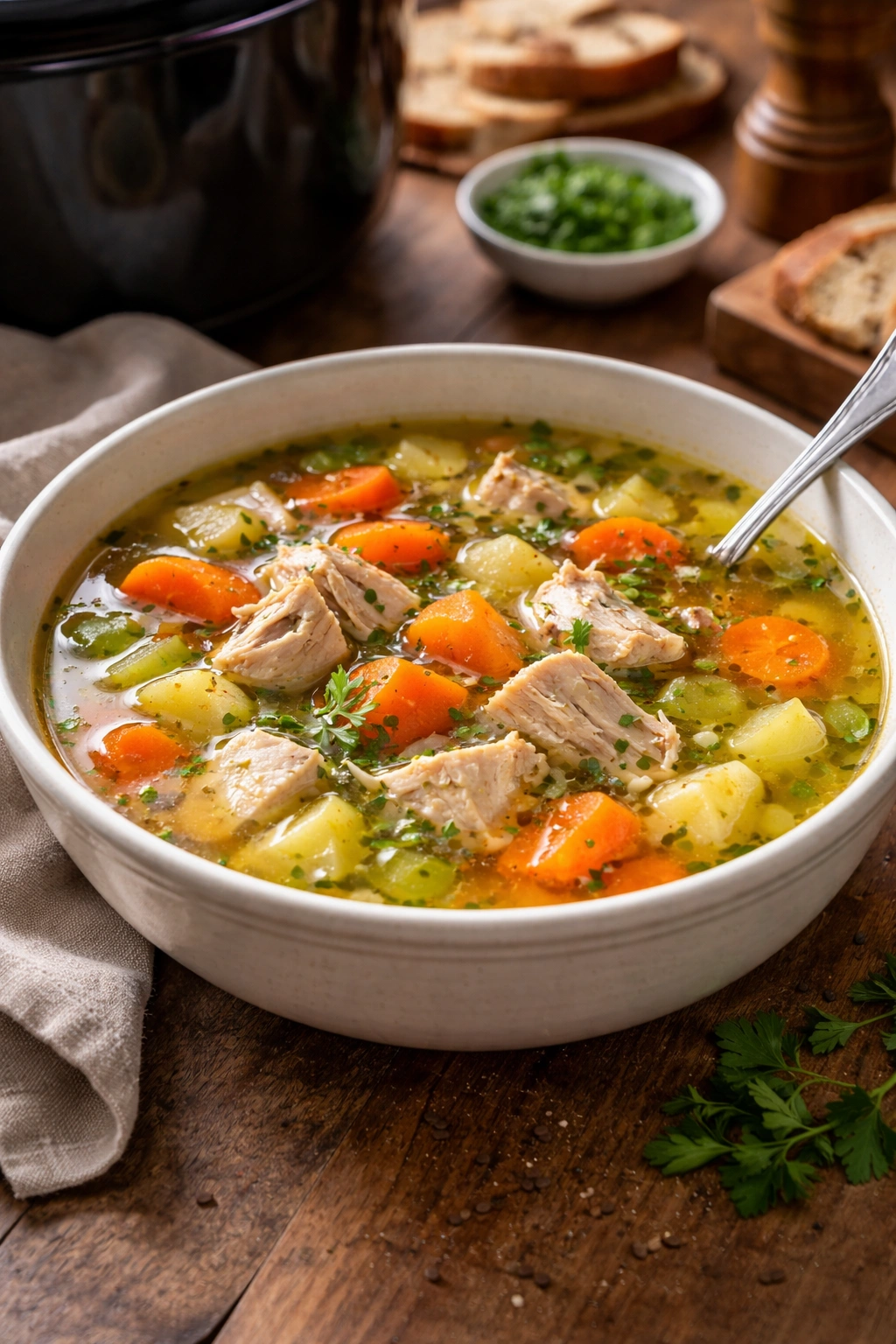
There’s something genuinely nourishing about a warm, homemade soup, and slow-cooker versions are the ultimate set-it-and-forget-it approach to heart-healthy eating. Lean chicken breast, tender root vegetables like carrots and parsnips, and a flavorful broth create a meal that feels comforting while being unambiguously good for your cardiovascular system. Because the slow cooker gently simmers everything together for hours, the flavors meld into something complex and deeply satisfying—no salt needed.
Why Slow-Cooking Amplifies Flavor Without Sodium
Low and slow cooking transforms ordinary ingredients through a process called browning reactions, where proteins and vegetables break down and recombine into hundreds of new flavor compounds. When you brown your chicken pieces briefly in a hot skillet before adding them to the slow cooker (an extra 5 minutes of effort), you create an even deeper flavor foundation. The long simmering time allows herbs and aromatics to fully infuse the broth, creating a deeply savory profile that your brain interprets as satisfying and complete—the sensory experience that salt normally provides. Add fresh herbs like thyme and bay leaves at the start, then finish with fresh parsley or dill just before serving to maintain brightness and prevent the flavor from becoming one-note.
Vegetable Selection for Maximum Heart Benefits
Choose a variety of root vegetables to add different fiber profiles and micronutrients. Carrots provide beta-carotene and soluble fiber, parsnips add a subtle sweetness and unique phytonutrients, celery contributes potassium (which helps counterbalance sodium’s effects on blood pressure), and mushrooms add umami richness and protective compounds called beta-glucans. Aim for a 3:1 vegetable-to-chicken ratio, which keeps the soup hearty and interesting while preventing it from becoming overly protein-heavy. Cook on low for 6-8 hours or high for 3-4 hours, and you’ll return home to a dinner that’s already prepared and filling your kitchen with incredible aromas.
4. Mediterranean Zucchini Noodles with Fresh Herbs and Olive Oil
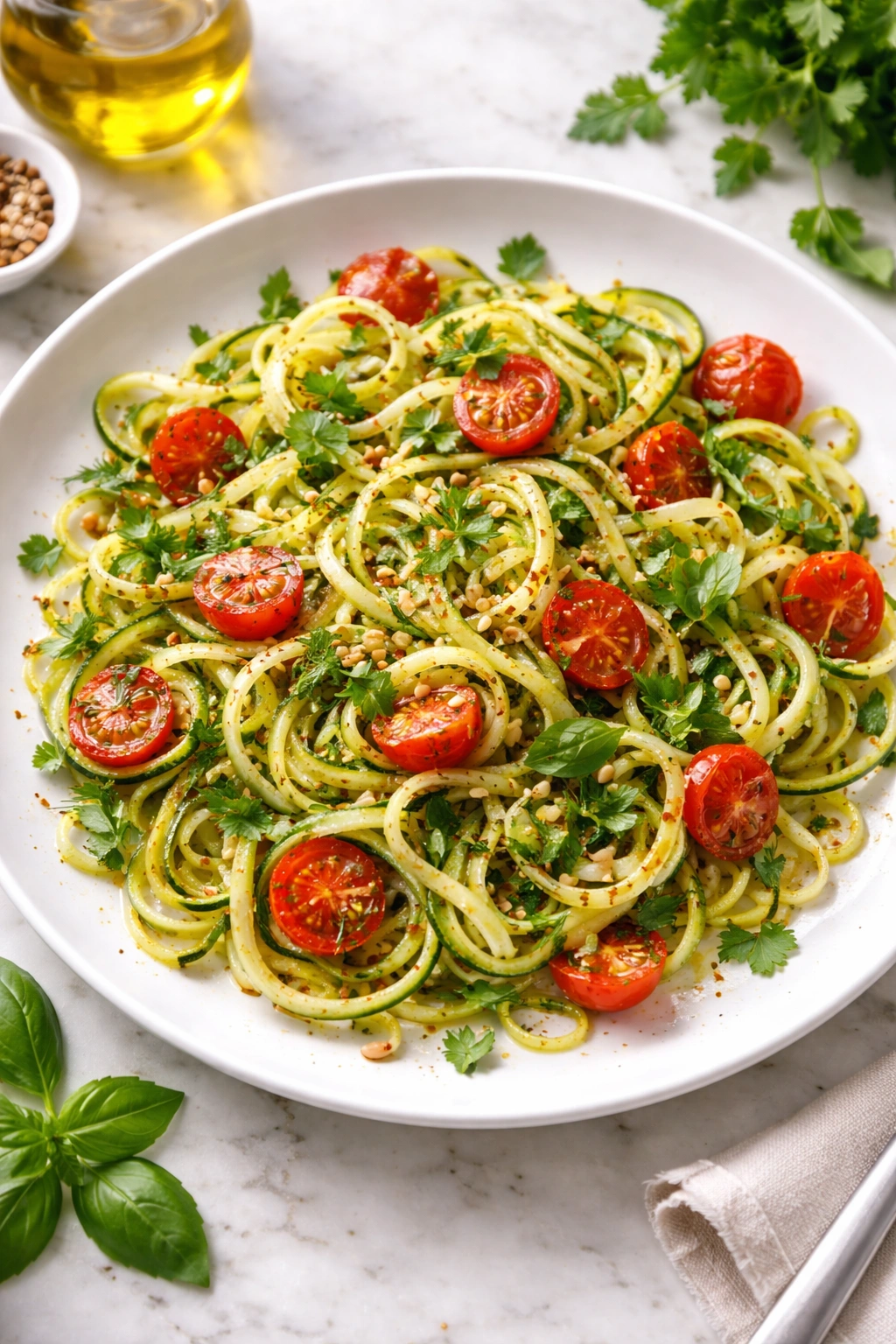
If you’re managing blood sugar levels as part of your heart health strategy, this meal demonstrates that pasta-like comfort food doesn’t need to revolve around refined grains. Zucchini noodles (spiralized zucchini) provide the familiar textures and satisfaction of traditional pasta while keeping carbohydrate load low and vegetable content high. The Mediterranean approach—using abundant fresh herbs, quality olive oil, fresh tomatoes, and lemon—creates a meal that tastes indulgent while being nutritionally pristine for cardiovascular health.
The Monounsaturated Fat and Polyphenol Advantage
The Mediterranean diet has more cardiovascular research supporting it than perhaps any other eating pattern, and a major reason is the emphasis on extra-virgin olive oil as the primary source of fat. Extra-virgin olive oil is rich in monounsaturated fats and polyphenols—plant compounds with powerful anti-inflammatory effects. When you drizzle high-quality olive oil over your zucchini noodles and toss it with fresh basil, oregano, and parsley, you’re not just adding flavor; you’re adding compounds that actively reduce inflammation in your arteries and help prevent the arterial plaque buildup that leads to heart attacks. Using olive oil raw (rather than heating it) preserves these delicate polyphenols, which is why this simple sauce approach is so effective.
Creating Textural Complexity Without Processed Ingredients
The key to making zucchini noodles feel satisfying (rather than like a diet food) is adding textural contrast through other components. Toast a handful of unsalted pine nuts or walnuts until fragrant, creating a crispy element that makes the meal feel complete. Fresh cherry tomatoes, halved and lightly warmed in the pan, add juicy sweetness and lycopene (a heart-protective antioxidant). A crumble of fresh mozzarella adds creaminess and umami richness. This combination of textures—tender noodles, crispy nuts, juicy tomatoes, and creamy cheese—creates a satisfying whole that’s greater than its parts, even though every element is whole food and sodium-free.
Real talk: Zucchini noodles release water as they cook, so spiralize them fresh just before cooking and don’t store them in liquid for more than a few hours.
5. Quinoa and Black Bean Buddha Bowl with Lime Vinaigrette
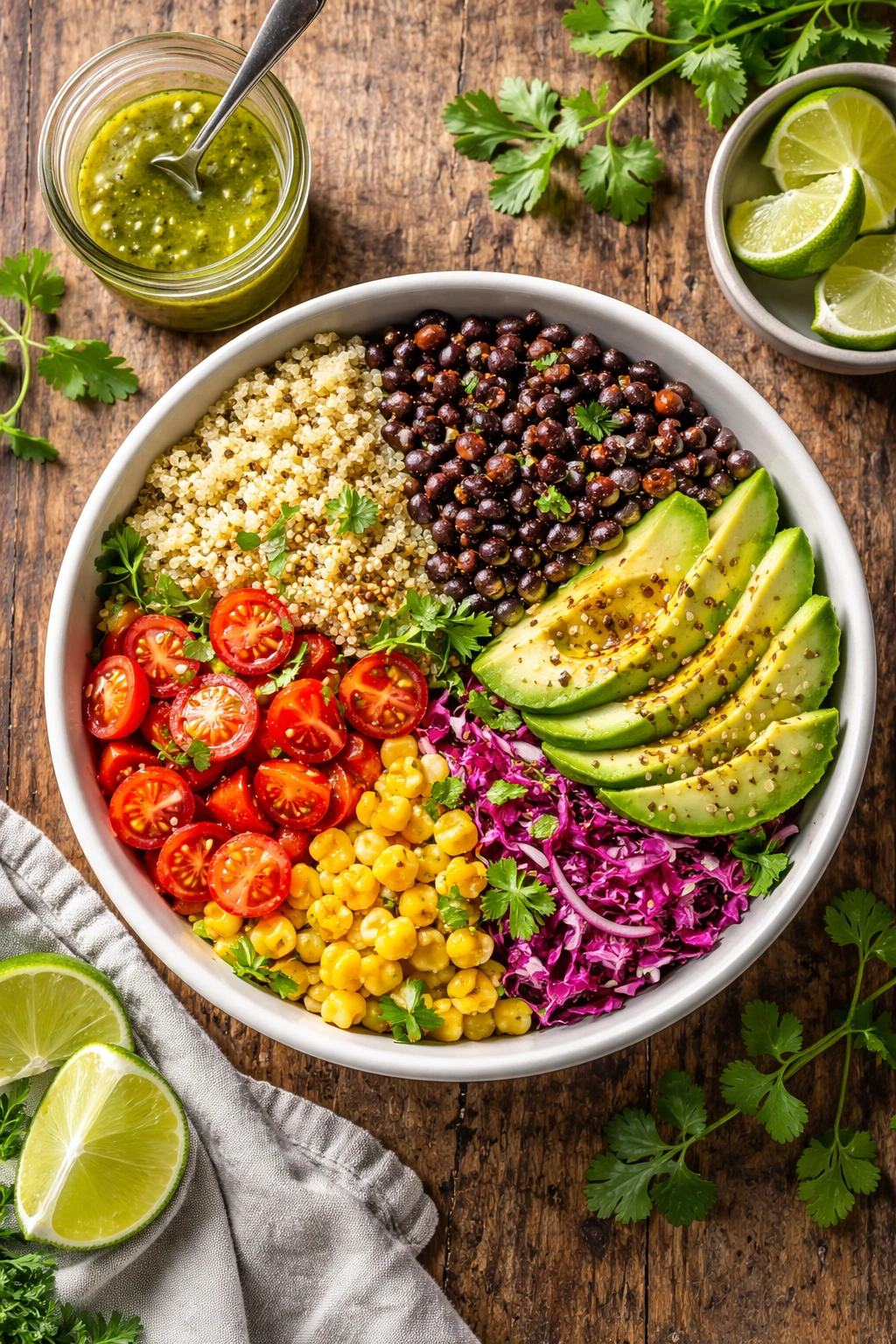
Buddha bowls represent the modern approach to balanced, nutrient-dense eating—instead of a plate divided into separate protein, starch, and vegetable sections, everything mixes together in one satisfying bowl. This version combines complete-protein quinoa (which contains all nine essential amino acids), black beans (loaded with fiber and polyphenols), and a colorful array of vegetables, all dressed with a bright lime vinaigrette. The beauty of bowl meals is that they’re endlessly customizable, satisfy cravings for something substantial, and come together in under 20 minutes.
Complete Proteins for Heart Health Without Animal Products
Quinoa and black beans together create what’s called a complete protein—meaning they contain all nine essential amino acids your body cannot manufacture itself. This is particularly important if you’re reducing animal protein intake for cardiovascular reasons. Plant-based proteins typically come with additional benefits like high fiber content, antioxidants, and lower saturated fat compared to many animal proteins. A Harvard study tracking over 100,000 people found that those who replaced red meat with plant-based proteins had significantly lower rates of coronary heart disease, suggesting that the source of your protein matters at least as much as the amount.
Building a Nutrient-Dense Vegetable Mix
The variety of colors and textures in your bowl determines the variety of protective compounds you’re consuming. Red cabbage provides anthocyanins, avocado provides heart-protective monounsaturated fat and potassium, roasted sweet potato provides beta-carotene and fiber, cucumber provides hydrating minerals, and roasted beets provide nitrates (which help improve blood vessel function). Rather than just piling vegetables on top of the grains, roast some of them to develop deeper flavors and make them feel more like intentional components of the meal rather than obligatory vegetables. A bright lime vinaigrette—lime juice, minced garlic, a splash of olive oil, and a pinch of cumin—dresses the whole bowl without any salt while adding brightness that ties all the elements together.
6. Pan-Seared White Fish with Steamed Broccoli and Sweet Potato
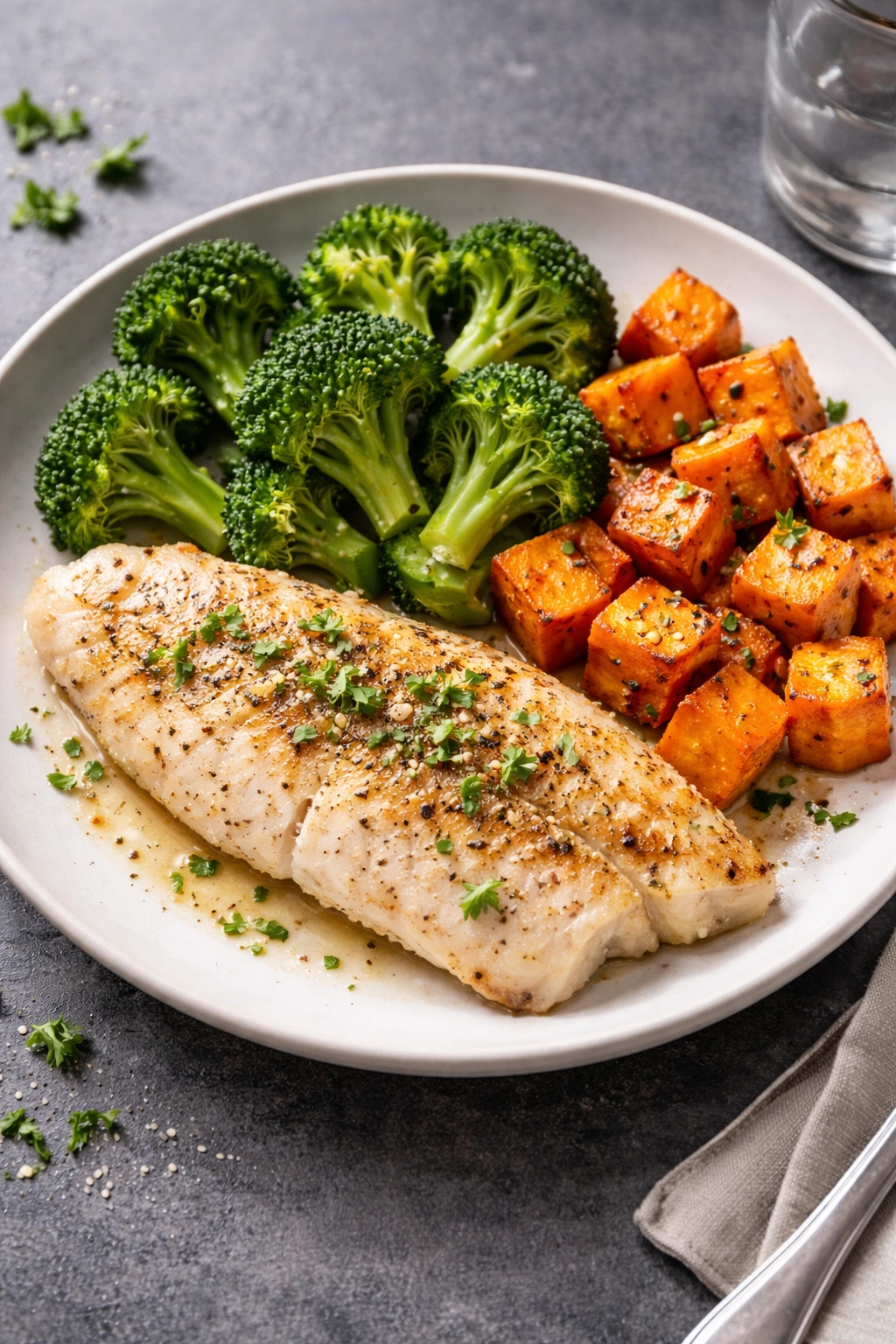
White fish like halibut, cod, or mahi-mahi offers lean protein with minimal sodium, making it an excellent canvas for flavor-building techniques that don’t involve salt. This simple dinner proves that restaurant-quality preparation doesn’t require complicated techniques or ingredients—just good fish, high heat, and proper seasoning with herbs and lemon. Paired with nutrient-dense sides, this meal feels satisfying and complete within 20 minutes.
Lean Protein and Blood Pressure Benefits
Fish in general provides exceptional cardiovascular benefits, but white fish specifically offers a different advantage than fattier fish like salmon. While salmon excels for omega-3 content, white fish is extraordinarily lean—meaning it provides high-quality protein with virtually no saturated fat. This becomes particularly important if you’re managing blood pressure, as some research suggests that excess saturated fat intake can impair your vessels’ ability to relax and dilate properly. The high-quality protein in white fish supports muscle maintenance (which becomes increasingly important for metabolic health as you age) without the cardiovascular risk factors of higher-fat proteins. A 3-ounce serving provides about 20 grams of protein for just 80-90 calories.
The Pan-Searing Technique for Maximum Flavor
The key to building flavor in a simple white fish preparation is proper surface searing—this requires dry fish, a very hot pan, and patience (don’t move the fish around). Pat your fish completely dry, season it with finely ground white pepper and dried herbs like tarragon or dill, then place it skin-side down in a hot skillet with just enough olive oil to coat the bottom. Let it sit undisturbed for 3-4 minutes until the skin becomes crispy and releases easily from the pan—that’s when the Maillard reactions are happening, creating savory, complex flavors from the protein itself. Finish with a squeeze of fresh lemon juice, which adds brightness and helps your body absorb the iron in the fish.
Pro tip: Keep your fish on the counter for 10 minutes before cooking to bring it closer to room temperature, which promotes more even cooking and better browning.
7. Turkey Meatballs with Marinara and Whole Wheat Pasta
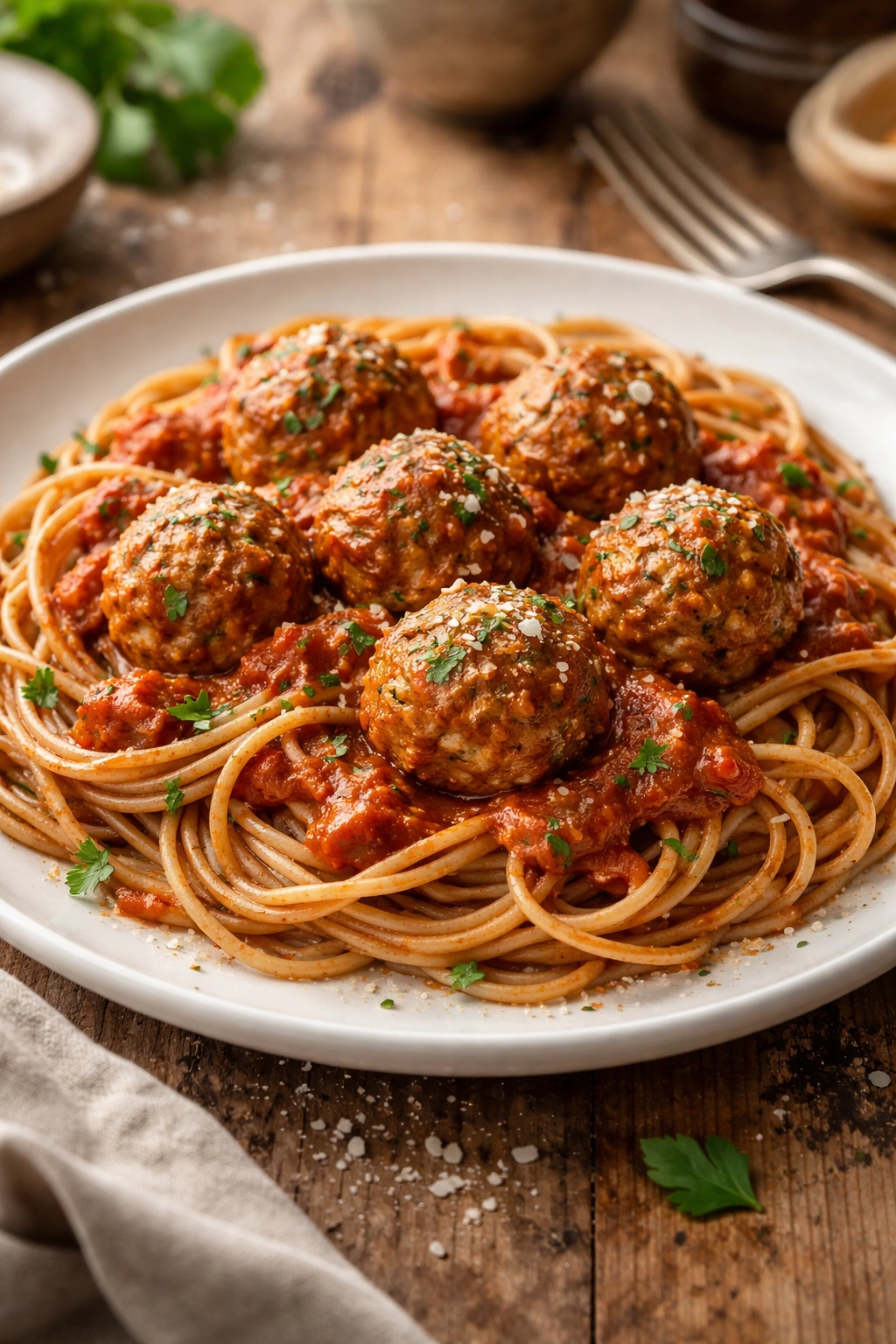
Ground turkey provides lean protein that lets you enjoy comfort food classics like pasta with meatballs while keeping saturated fat and sodium low. The key to making turkey meatballs actually taste good (rather than dry and bland) is adding moisture through grated vegetables and binders, plus building flavor through Italian herbs and freshly grated Parmesan. Pair with a simple marinara sauce (canned tomatoes are fine if you avoid brands with added salt) and whole wheat pasta for a meal that feels indulgent while actively supporting your cardiovascular health.
How Whole Grains Lower Heart Disease Risk
Whole wheat pasta retains all three parts of the grain—bran, germ, and endosperm—which means it contains exponentially more fiber, vitamins, and minerals than refined white pasta. The fiber in whole grains helps reduce inflammation throughout your cardiovascular system and supports healthy cholesterol levels, while the B vitamins support proper heart rhythm and blood pressure regulation. Research following people over decades consistently shows that those who eat three or more servings of whole grains daily have significantly lower rates of heart disease compared to those eating mostly refined grains. The switch from white to whole wheat pasta adds complexity in flavor (nuttier, earthier) that pairs beautifully with tomato-based sauces.
Building Juicy Meatballs Without Added Sodium
The trick to tender, juicy turkey meatballs is adding moisture-retaining ingredients that prevent the lean meat from drying out during cooking. Finely grate zucchini and carrots, squeeze out excess moisture in a clean kitchen towel, then fold them into your ground turkey along with an egg yolk (acts as a binder), panko breadcrumbs, and minced garlic. The grated vegetables add moisture and also contain compounds that keep the meatballs tender. Fresh herbs like parsley and basil provide flavor without salt, while just a small amount of freshly grated Parmesan adds umami and helps bind the mixture. Rather than baking (which can dry them out), pan-sear the meatballs first in a skillet, building a golden crust, then simmer them in your marinara sauce where they continue cooking in the moist environment and absorb the tomato flavors.
8. Mediterranean Chickpea and Vegetable Skillet
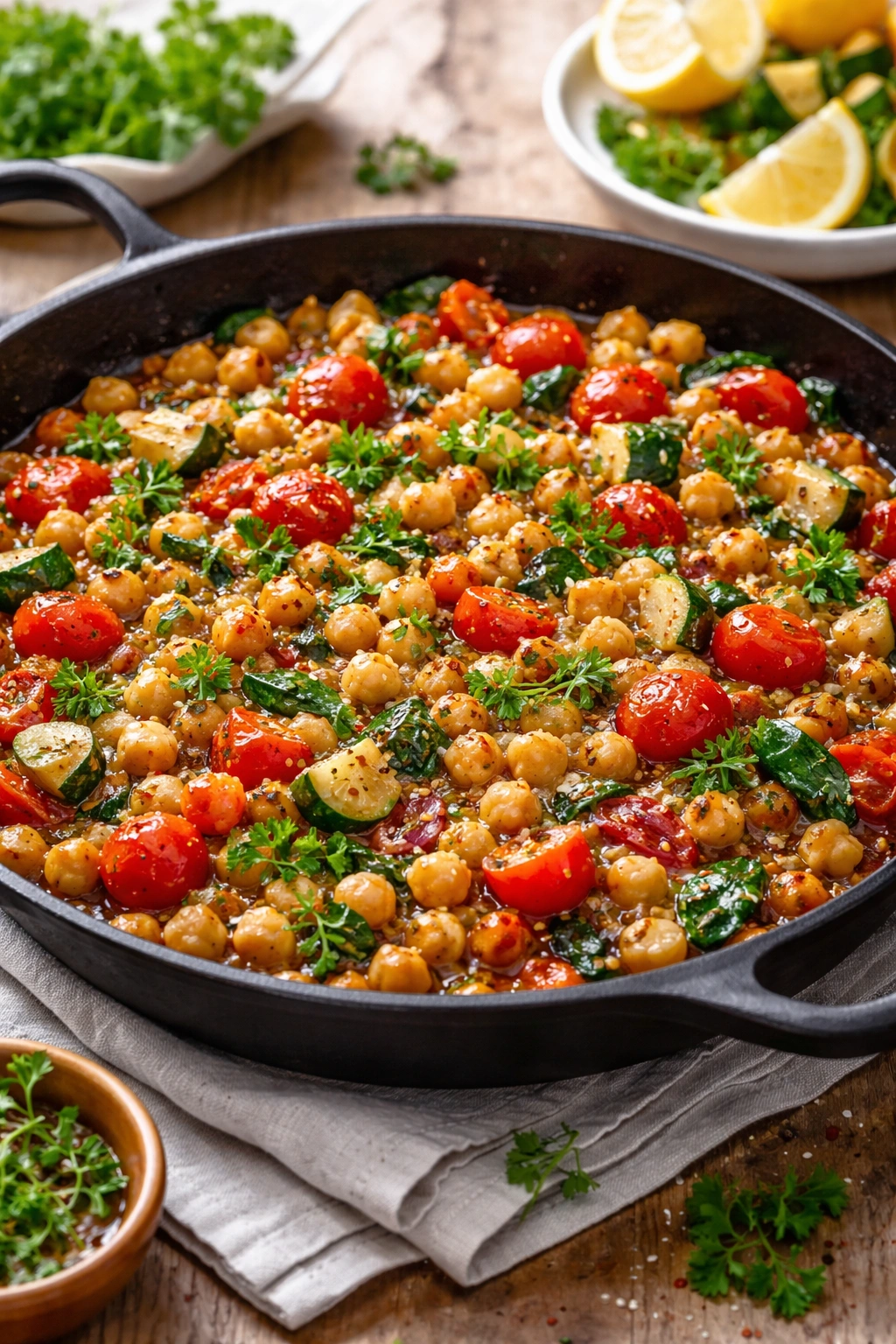
This final dinner centers on chickpeas, legumes that provide exceptional cardiovascular benefits—they’re high in soluble fiber, polyphenols, and plant-based protein, and they cook in minutes if you start with canned chickpeas. A Mediterranean approach means abundant fresh herbs, quality olive oil, tomatoes, and vegetables that create a deeply flavored, satisfying meal that happens to be entirely plant-based. This is the kind of dinner that makes people realize you’re not eating “restrictive” food; you’re simply eating delicious, whole ingredients prepared thoughtfully.
The Polyphenol Advantage of Legumes
Chickpeas contain more than 500 different polyphenol compounds—plant metabolites that function as antioxidants and anti-inflammatory agents throughout your body. Research shows that regular legume consumption is associated with reduced inflammation markers (C-reactive protein, interleukin-6) that predict cardiovascular disease risk. These polyphenols also support a healthy gut microbiome, and evidence increasingly shows that what happens in your gut directly affects your heart health through multiple mechanisms. The beauty of using canned chickpeas is that you’re getting all these compounds instantly—no soaking or long cooking required.
Creating a Flavor-Packed Sauce Without Salt
The key to a satisfying chickpea skillet is building a deeply flavored sauce that the chickpeas absorb. Start by sautéing diced onion and minced garlic in olive oil until fragrant, add diced tomatoes (fresh or canned low-sodium), then add your chickpeas and a cup of low-sodium vegetable broth. Simmer everything for 10 minutes, then finish with fresh herbs—lots of parsley, basil, and a touch of oregano. Just before serving, squeeze in fresh lemon juice and add a handful of fresh spinach, which wilts into the warm sauce and adds iron and additional antioxidants. The acidity from lemon and tomatoes, combined with the aromatic herbs and olive oil, creates a savory, complex flavor profile that completely masks the absence of salt. Serve in bowls over brown rice, farro, or simply with crusty whole-grain bread for soaking up the sauce.
Final Thoughts
Creating heart-healthy dinners at home gives you complete control over the sodium content of your meals, which is impossible when eating processed foods or restaurant meals where salt is used as a flavor shortcut. Each of these eight dinners demonstrates a different approach to building satisfying, delicious meals around cardiovascular wellness—whether through omega-3 rich fish, fiber-packed legumes, colorful vegetables, or whole grains. The consistent threads running through all of them are whole foods, quality fats from olive oil and nuts, abundant herbs for flavor, and cooking methods that highlight natural tastes.
The beauty of eating this way is that it doesn’t feel like a temporary diet or a deprivation—these are genuinely crave-worthy meals that happen to actively support your heart health. Start by picking one or two of these dinners that appeal to you and adding them to your regular rotation, then gradually expand your repertoire. As your palate adjusts to less salt, you’ll likely find that you taste more subtle flavors in vegetables and whole ingredients that were previously masked by excess sodium. Your taste buds will reset, your blood pressure readings may improve, and you’ll develop a cooking habit that supports cardiovascular health for the rest of your life.
