



Getting everyone around the table for a home-cooked meal is one of the best gifts you can give your family. But balancing nutrition with what your kids will actually eat — and doing it without spending hours in the kitchen — feels like solving a puzzle with missing pieces. You want meals that won’t derail anyone’s health goals, that don’t require specialty ingredients or complicated techniques, and that taste good enough that no one feels like they’re being served “diet food.” The good news? You don’t need to choose between delicious and nutritious. Building filling, satisfying dinners under 500 calories is entirely doable when you understand the right framework — lean proteins, vegetables that actually fill the plate, and simple cooking methods that let real flavors shine through.
The dinners below are built on the same principle your family’s body needs: substantial protein to keep everyone satisfied, plenty of vegetables for fiber and nutrients, and whole grains or smart carbs in sensible portions. Each comes together in 25-40 minutes, uses ingredients you can find at any grocery store, and tastes genuinely good without any sacrifice. These aren’t rabbit food or punishment meals. They’re the kind of dinners you’ll actually want to cook again, that your kids won’t push around their plates, and that you won’t need to supplement with an extra snack at 8 PM because everyone’s still hungry. Let’s dig into the recipes that prove healthy family dinners don’t have to be complicated.
1. Baked Lemon Herb Chicken with Roasted Vegetables
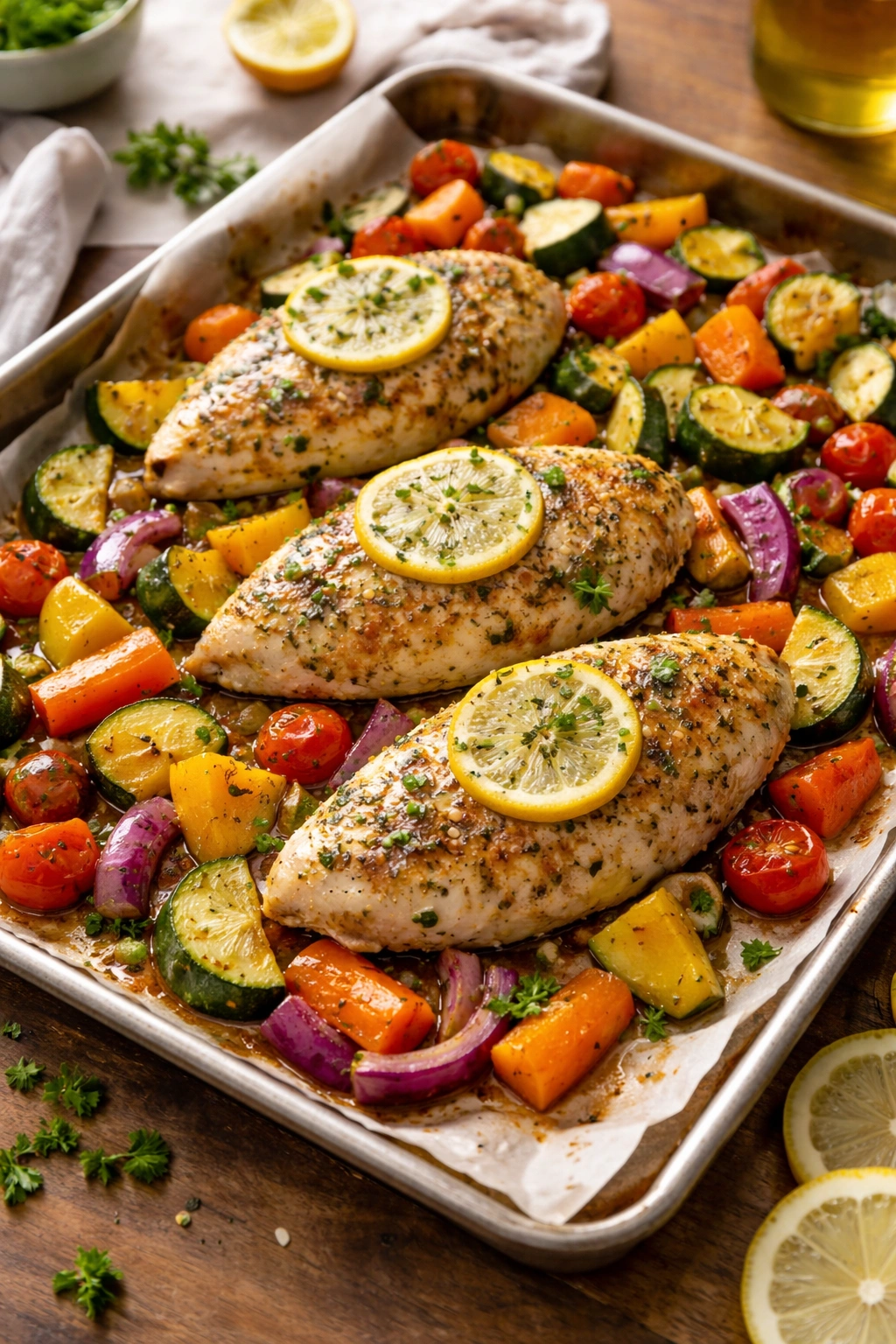
This is the dinner you’ll come back to again and again because it works, tastes fresh, and feels light without leaving anyone hungry. A thin chicken breast gets topped with fresh lemon juice, garlic, and herbs, then baked alongside a bed of colorful roasted vegetables. The vegetables do the heavy lifting here — they bulk up the plate without adding many calories, while the chicken provides the lean protein that keeps everyone satisfied through the evening.
Why This Works for Families
The beauty of this meal is that you’re roasting everything on one pan, which means minimal cleanup and the veggies pick up savory, slightly caramelized flavors from their time in the oven. You control the seasoning completely, so there’s no hidden sodium or added sugar. Kids often surprise you by eating vegetables when they’re roasted until the edges get crispy and slightly charred.
How to Build It
Pound a boneless, skinless chicken breast to a half-inch thickness (this helps it cook evenly and prevents the tough, dry edges that discourage people from eating chicken). Season it generously with salt and pepper, then place it on a large sheet pan alongside cut vegetables — zucchini, bell peppers, cherry tomatoes, and red onions all work beautifully. Drizzle everything with a light coating of olive oil (about 1 teaspoon per breast), then squeeze fresh lemon over the chicken, add minced garlic, and sprinkle with dried oregano or Italian seasoning. Roast at 400°F for about 20 minutes until the chicken reaches 165°F internally and the vegetables are tender with crispy, golden edges. The whole meal comes to roughly 380-420 calories depending on your vegetable choices and oil amount.
Quick Serving Tips
Serve this with a small side of whole grain rice if anyone’s still growing and burning calories at a high rate, but the meal is completely satisfying on its own. A squeeze of fresh lemon at the table adds brightness and makes the flavors feel even fresher. This reheats beautifully the next day — the flavors actually deepen overnight, which makes it perfect for meal prep.
2. Turkey and Vegetable Stir-Fry
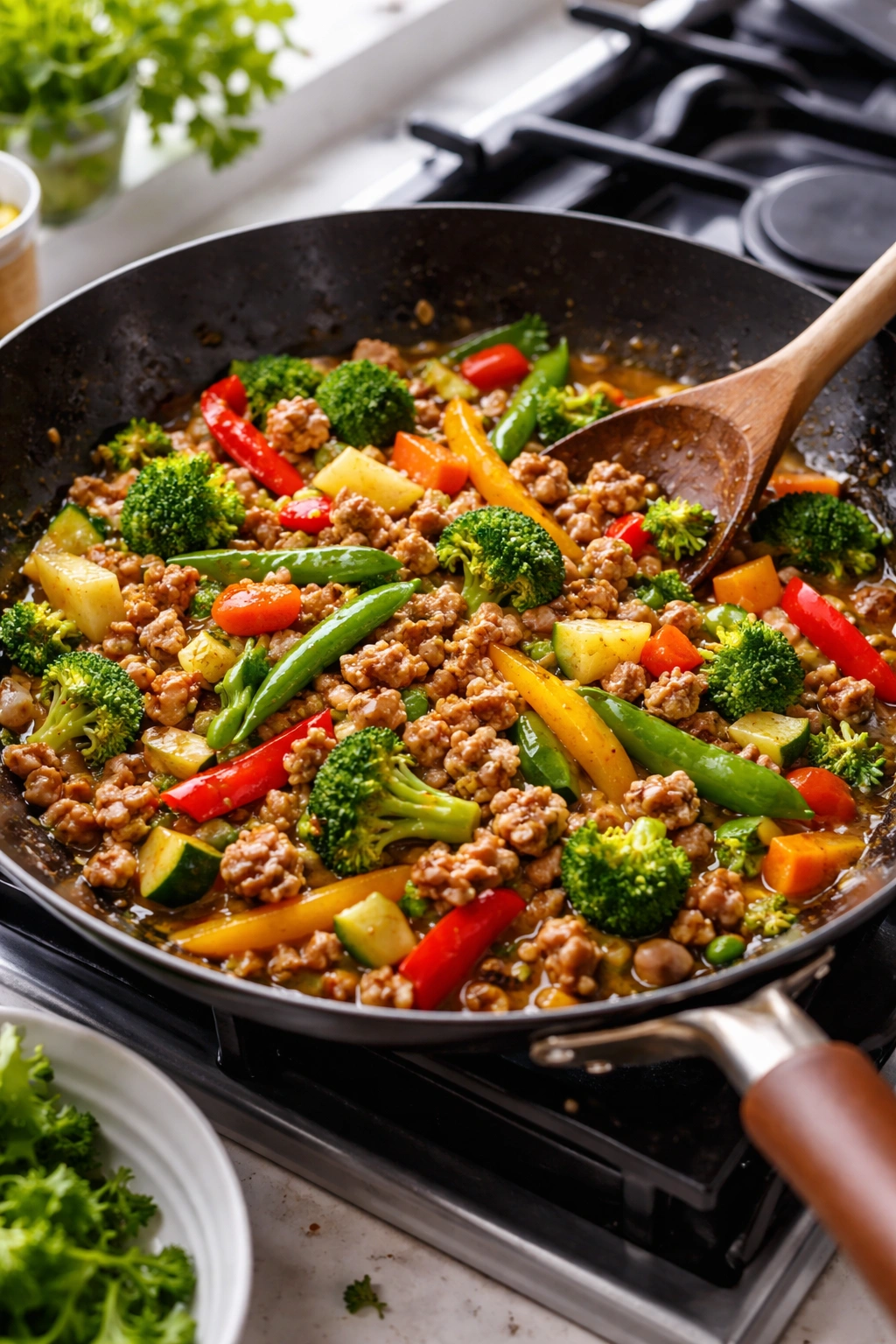
Stir-fry might be the most versatile weeknight dinner framework ever invented. Ground turkey replaces beef, keeping calories in check, while a pile of vegetables becomes the star of the plate. The key is respecting the cooking time on each vegetable so nothing turns to mush, and using a high heat to get a slight char that builds deep flavor with minimal oil.
Why Ground Turkey Transforms Stir-Fry
Ground turkey cooks in about 4-5 minutes, develops a naturally savory flavor, and brings protein density without the heavy saturated fat you get from ground beef. It’s lean enough that you genuinely don’t need more than a teaspoon of oil to cook it — the meat releases its own moisture. For families watching their fat intake, this is a game-changer.
Building the Perfect Stir-Fry Plate
Brown 4 ounces of ground turkey over medium-high heat in a large skillet or wok, breaking it into small crumbles as it cooks — this takes about 5 minutes. Push the cooked turkey to the side, then add your vegetables in order of cooking time: harder vegetables first (carrots, broccoli), then medium ones (snap peas, bell peppers), then quick-cooking ones (mushrooms, green onions) at the very end. The whole vegetable phase takes about 6-8 minutes total. Season with reduced-sodium soy sauce (just 1 tablespoon for the entire plate), a pinch of ginger, and garlic. Serve over a small portion of brown rice or cauliflower rice to keep calories around 450-480.
Simple Ingredient Swaps
Swap ground turkey for ground chicken or even crumbled tofu. Replace rice with shirataki noodles (almost zero calories) if you want the volume and texture of noodles without the carbs. Add a splash of rice vinegar or lime juice for brightness. The flexibility is what makes stir-fry so family-friendly — you can adjust based on what you have and what people prefer.
3. Grilled Fish Tacos with Crispy Slaw
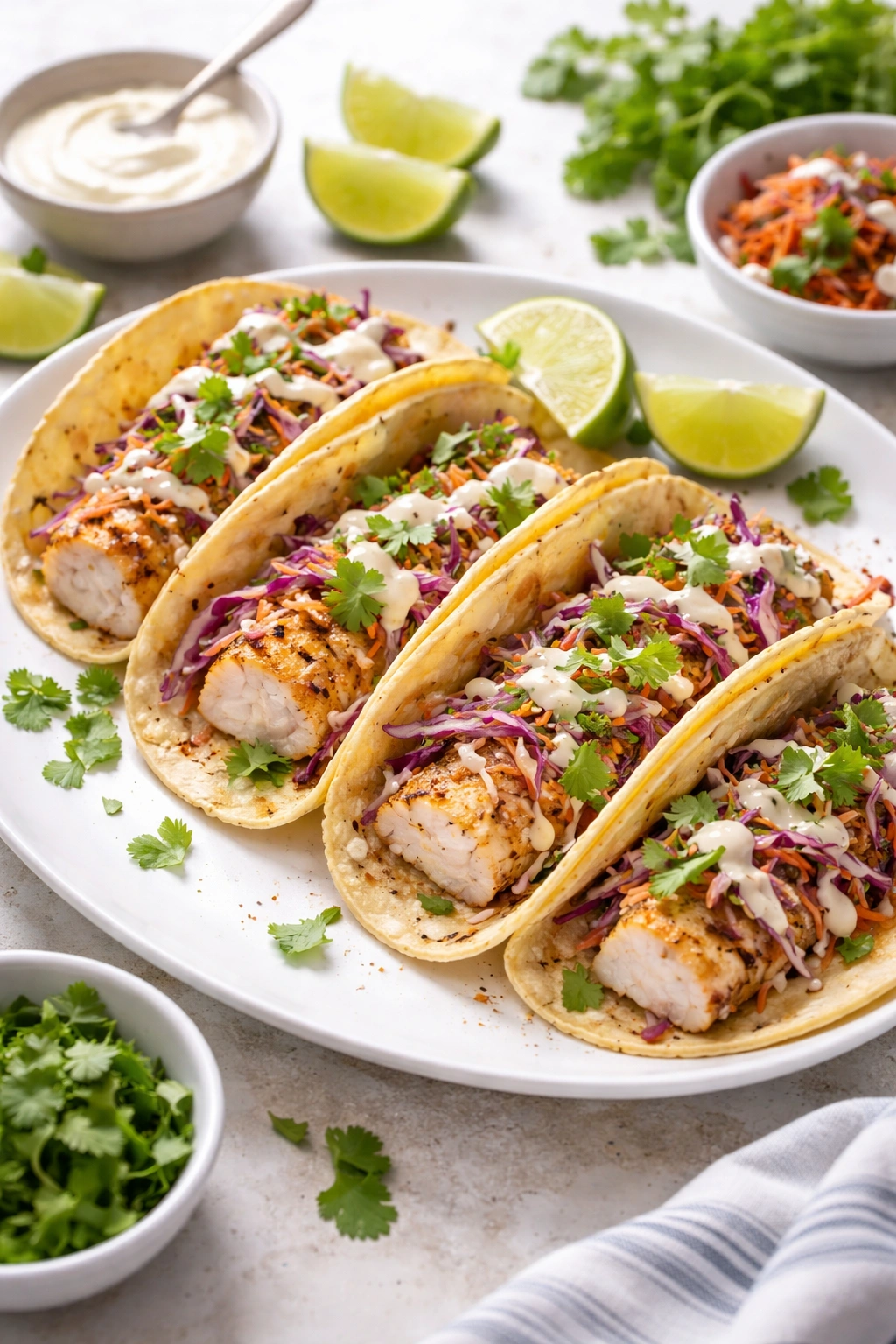
Fish tacos sound fancy but they’re genuinely one of the quickest, easiest dinners you can make. A white fish fillet seasons in just minutes, grills in about 8 minutes, and tastes light and fresh in a way that everyone — even kids who claim they don’t like fish — usually finds appealing. The crispy slaw provides crunch and freshness that makes the whole meal feel special without being complicated.
Why Fish Works for Weeknight Cooking
White fish (cod, tilapia, halibut, mahi-mahi) is incredibly forgiving. It cooks through quickly, stays moist if you don’t overcook it, and has a mild flavor that won’t overwhelm a family dinner table. A 4-ounce fillet is lean enough to fit easily into a 500-calorie budget while providing substantial protein. The quickest way is to brush a fillet with lime juice, sprinkle with cumin and chili powder, then grill over medium-high heat for 4 minutes per side.
The Slaw That Makes It
While the fish cooks, shred about 2 cups of cabbage (green or purple), mix it with a quarter cup of diced fresh cilantro, the juice from a lime, and a tiny pinch of salt. That’s it. The lime juice lightly pickles the cabbage, making it crisp and bright without any calorie-heavy dressing. Serve the fish in small corn tortillas (about 50 calories each) with the slaw, a spoonful of salsa, and a small dollop of Greek yogurt instead of sour cream.
The Math
One taco with fish, slaw, and toppings comes to about 120-140 calories, so you can have two generous tacos plus a side of black beans and lime-cilantro rice and stay comfortably under 500 calories for the whole meal. This tastes like you spent way more effort than you actually did.
4. Zucchini Noodle Pad Thai
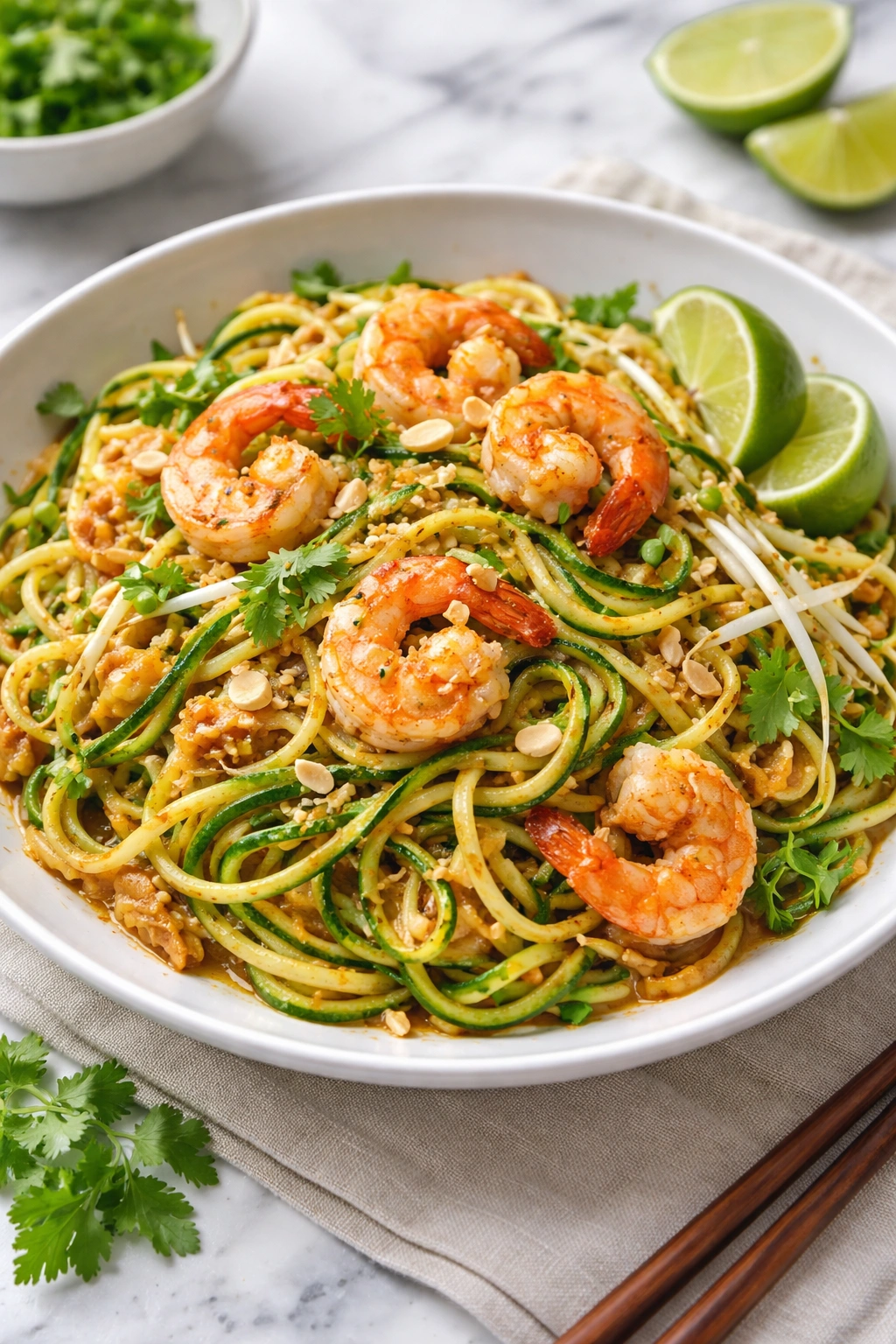
If someone in your family is watching carbs or just looking for a lighter noodle dish, zucchini noodles (spiralized or thinly sliced) mimic the texture of actual noodles while being about 90% water and almost zero calories. Mixed with a light, flavorful sauce, they become a genuinely satisfying base for what feels like an indulgent Thai-inspired dinner.
The Sauce That Makes It Work
The sauce is the soul of this dish, and you don’t need a complicated recipe. Whisk together 2 tablespoons almond butter (or peanut butter, but almond is slightly lower calorie), 1 tablespoon reduced-sodium soy sauce, 1 tablespoon rice vinegar, a teaspoon of honey, and minced garlic and ginger. The result is creamy, tangy, and deeply flavorful without being heavy. Heat it gently in a large pan, then add your zucchini noodles and toss quickly — you want them hot but still with a slight firmness, not mushy.
Building the Plate
Cook 3-4 ounces of shrimp separately in a hot pan with just a spray of oil, or use rotisserie chicken. Toss the noodles and protein with the sauce, then top with chopped peanuts, fresh cilantro, a squeeze of lime, and diced scallions. A small sprinkle of sesame seeds adds nuttiness. The entire meal stays under 400 calories while tasting indulgent and complex — exactly what weeknight dinners should be.
Why This Wins for Families
Kids often love noodle-like foods even when they’re skeptical of vegetables. Zucchini noodles deliver that noodle experience while sneaking in vegetables. The sauce is mild enough for less adventurous eaters but deeply flavorful enough to satisfy adults. It’s also fast — from pan to plate in about 15 minutes.
5. Ground Turkey Meatballs with Marinara and Zucchini Noodles
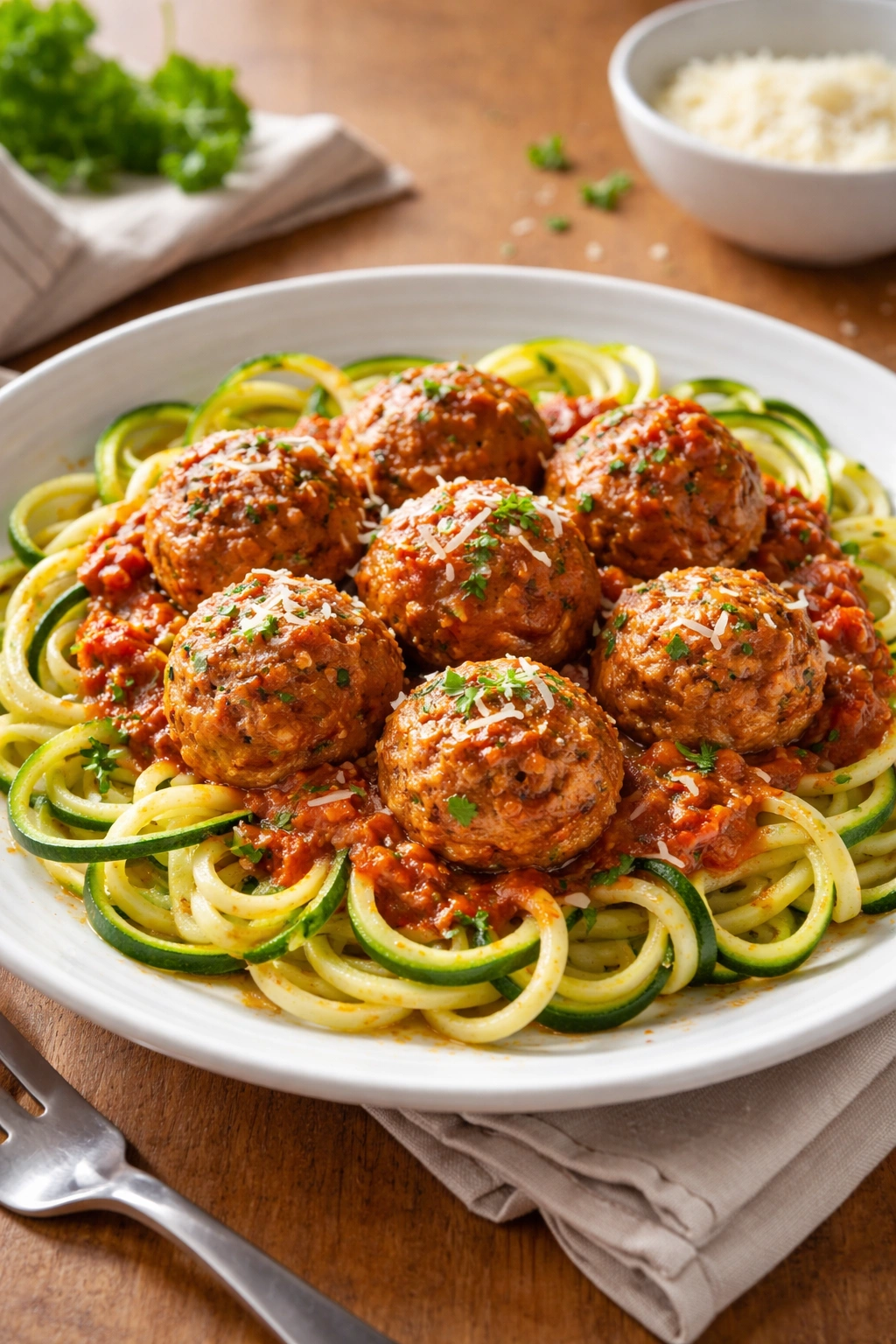
Meatballs feel indulgent and special, which makes families excited to eat them, but they’re actually a brilliant vehicle for keeping calories reasonable. Ground turkey is leaner than ground beef, and mixing in grated zucchini adds moisture and volume without many extra calories, which means you can make meatballs that are juicy and tender without relying on breadcrumbs and cheese.
Building Better Meatballs
Combine 1 pound of ground turkey with a cup of grated zucchini (squeezed dry in a clean kitchen towel), a quarter cup of finely minced mushrooms, 2 cloves of minced garlic, an egg, and just 2 tablespoons of whole wheat panko. Season with salt, pepper, and Italian seasoning. The mixture will feel slightly softer than traditional meatballs, but that’s intentional — it means they’ll stay tender. Bake them on a parchment-lined sheet at 400°F for about 15 minutes. They’ll firm up as they cook, and the moisture from the zucchini and mushrooms keeps them from drying out.
The Sauce and Serving Strategy
Simmer your baked meatballs in a good-quality marinara sauce (watch the sodium on store-bought versions — aim for under 500mg per half cup) for about 5 minutes to meld flavors. Serve over zucchini noodles or a small portion of whole wheat pasta. A small sprinkle of Parmesan adds richness without many calories. The whole meal — 3 large meatballs, sauce, noodles, and cheese — comes to approximately 420-450 calories.
Make-Ahead Magic
This is one of the few recipes that’s actually better when you make extra. Freeze uncooked meatballs on a sheet pan, then transfer to a freezer bag. When you need dinner fast, bake frozen meatballs for about 20 minutes and you have a complete meal in under half an hour. Parents love this option.
6. Shrimp Scampi with Whole Wheat Pasta
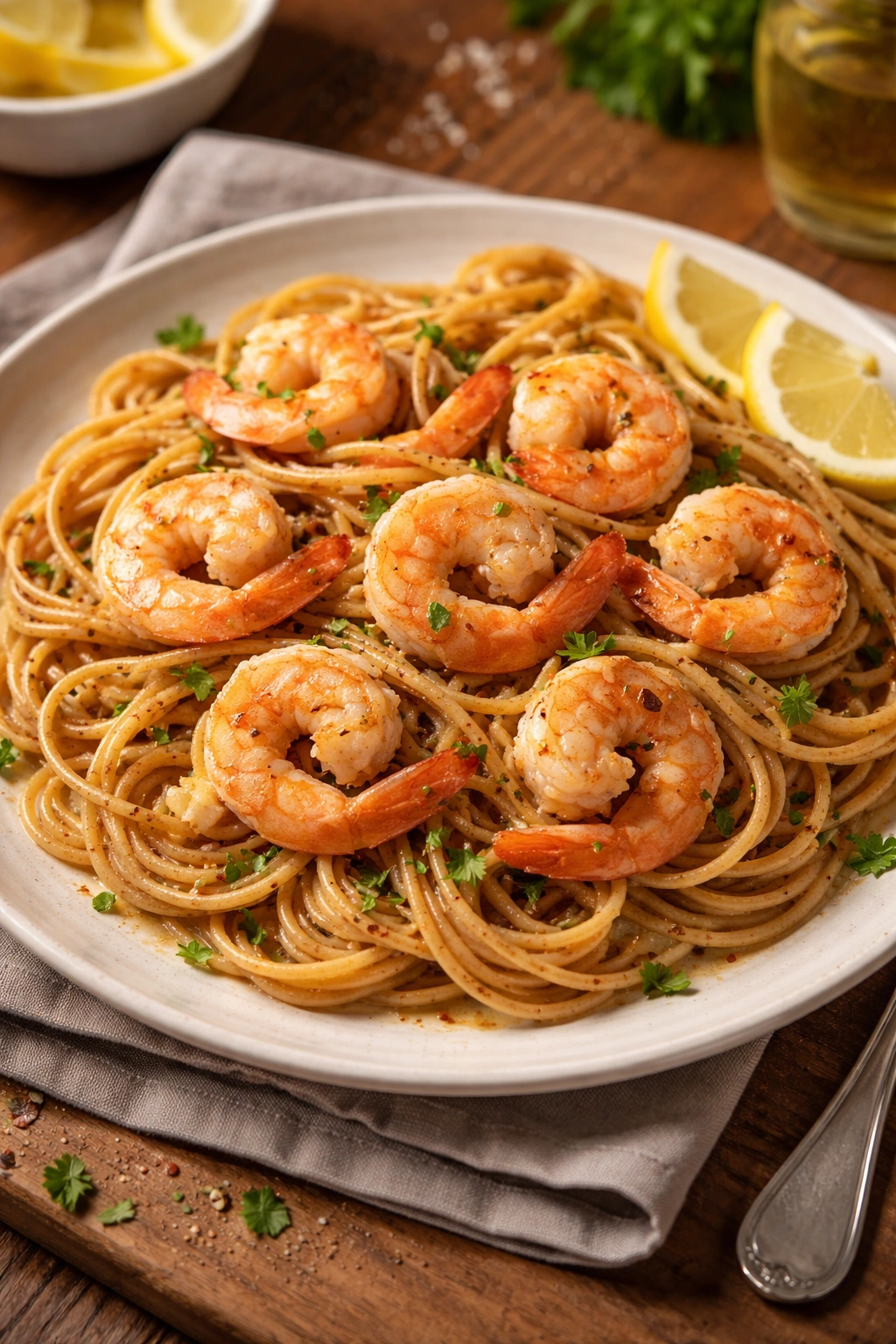
Shrimp is pure protein with almost no fat, making it one of the leanest proteins available. It cooks in about 3 minutes, which means this entire dinner goes from pantry to table in roughly 20 minutes. The classic scampi sauce is butter and garlic based, but by using just a touch of butter and adding white wine and fresh lemon juice, you get restaurant-quality flavor with a fraction of the calories.
The Actual Cooking Process
Bring a pot of salted water to a boil and cook whole wheat pasta according to package directions — usually about 9-10 minutes. While it cooks, heat a large skillet over medium-high heat. Add 1 teaspoon of butter and 1 teaspoon of olive oil, then add minced garlic (3-4 cloves) and cook for about 30 seconds until fragrant. Add 4 ounces of shrimp (peeled and deveined), a quarter cup of white wine, and the juice of half a lemon. Cook for exactly 3-4 minutes, stirring occasionally, until the shrimp are pink and just cooked through. Don’t overcook — overcooked shrimp becomes rubbery and disappointing.
Finishing It Right
Toss the drained pasta with the shrimp and sauce, add some fresh lemon zest and sliced red pepper flakes if anyone likes heat, and top with fresh parsley. The acid from the wine and lemon keeps the dish feeling light and fresh. Serve with a small side salad dressed with lemon vinaigrette. The whole meal stays around 420-450 calories and feels completely indulgent.
Why Kids Often Approve
Shrimp has a slightly sweet flavor that many kids find appealing. The sauce is simple enough that there are no suspicious ingredients or weird textures. And because it cooks so quickly, you can involve kids in the cooking process — they can toss the pasta, squeeze the lemon, or help with the parsley.
7. Slow Cooker Chicken Chili
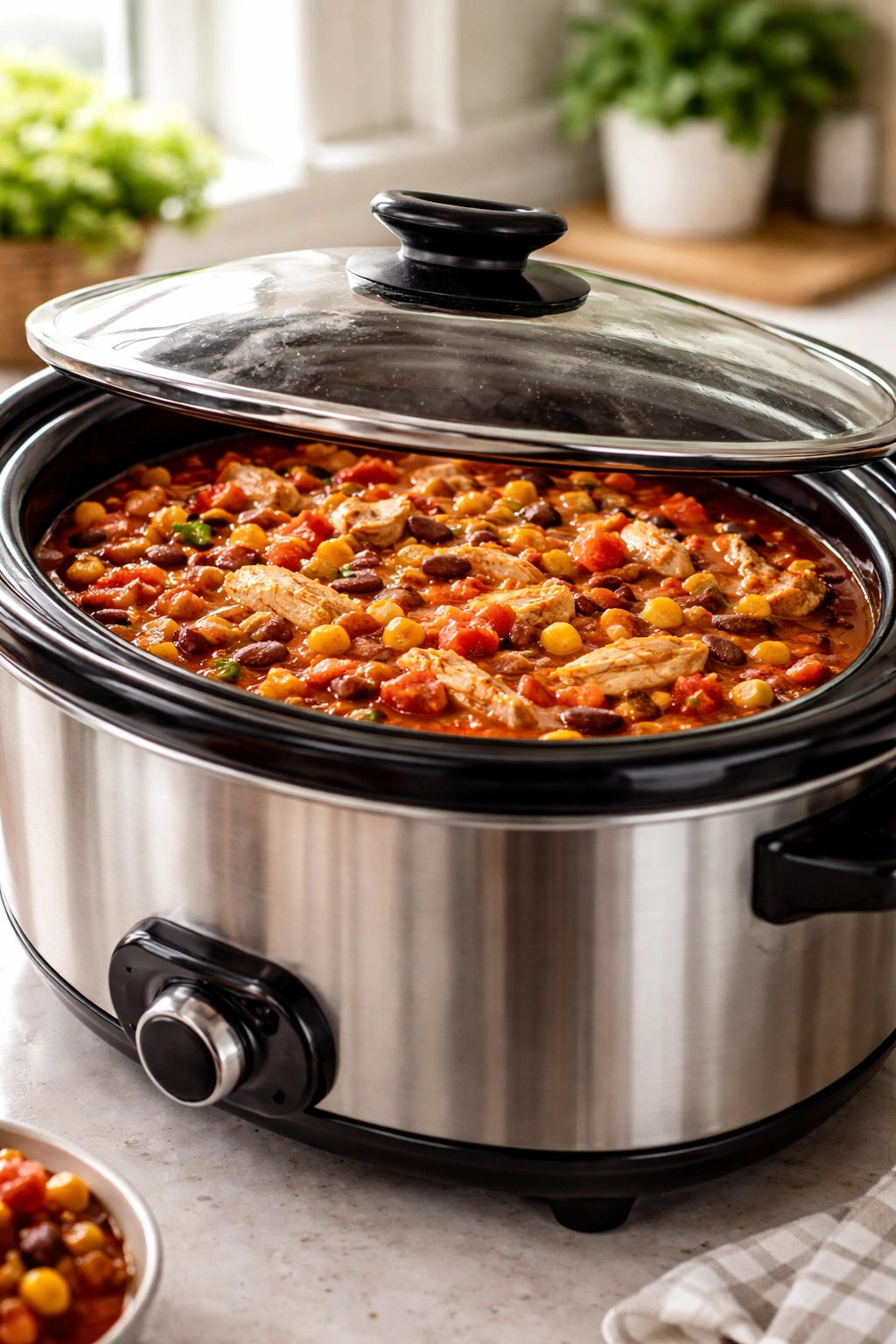
Chili is built-in crowd-pleasing comfort food, and using chicken instead of beef automatically drops the calories and saturated fat. A slow cooker does all the work for you, which is revolutionary on days when you need dinner ready by the time everyone walks through the door. You can prep this in about 15 minutes in the morning and come home to a complete meal.
Building the Chili Base
Combine 1.5 pounds of diced boneless, skinless chicken breast with a can of diced tomatoes (no sugar added), a can of kidney beans (drained and rinsed), a can of black beans, diced onion, minced garlic, and about 2 tablespoons of chili powder. Add a teaspoon of cumin, a quarter teaspoon of cayenne if your family likes heat, salt, and pepper. Pour everything into a slow cooker and cook on low for 6-8 hours or high for 3-4 hours. The long, slow cooking melds all the flavors into something that tastes like it simmered all day.
Topping Strategy
Here’s where chili gets interesting — toppings add flavor and texture without pushing calories up. Serve with a small dollop of Greek yogurt instead of sour cream, fresh cilantro, a sprinkle of shredded cheese, and sliced jalapeños. A small cornbread muffin on the side makes it feel special. A single serving of chili (about 1.5 cups) with toppings stays right around 380-420 calories.
Why This Works for Family Dinners
Everyone can customize their bowl based on what they like. It reheats beautifully. You can make a huge batch and freeze half for next month. It’s genuinely nourishing — packed with protein, fiber, and vegetables. And because you made it at home, you control the sodium and sugar completely.
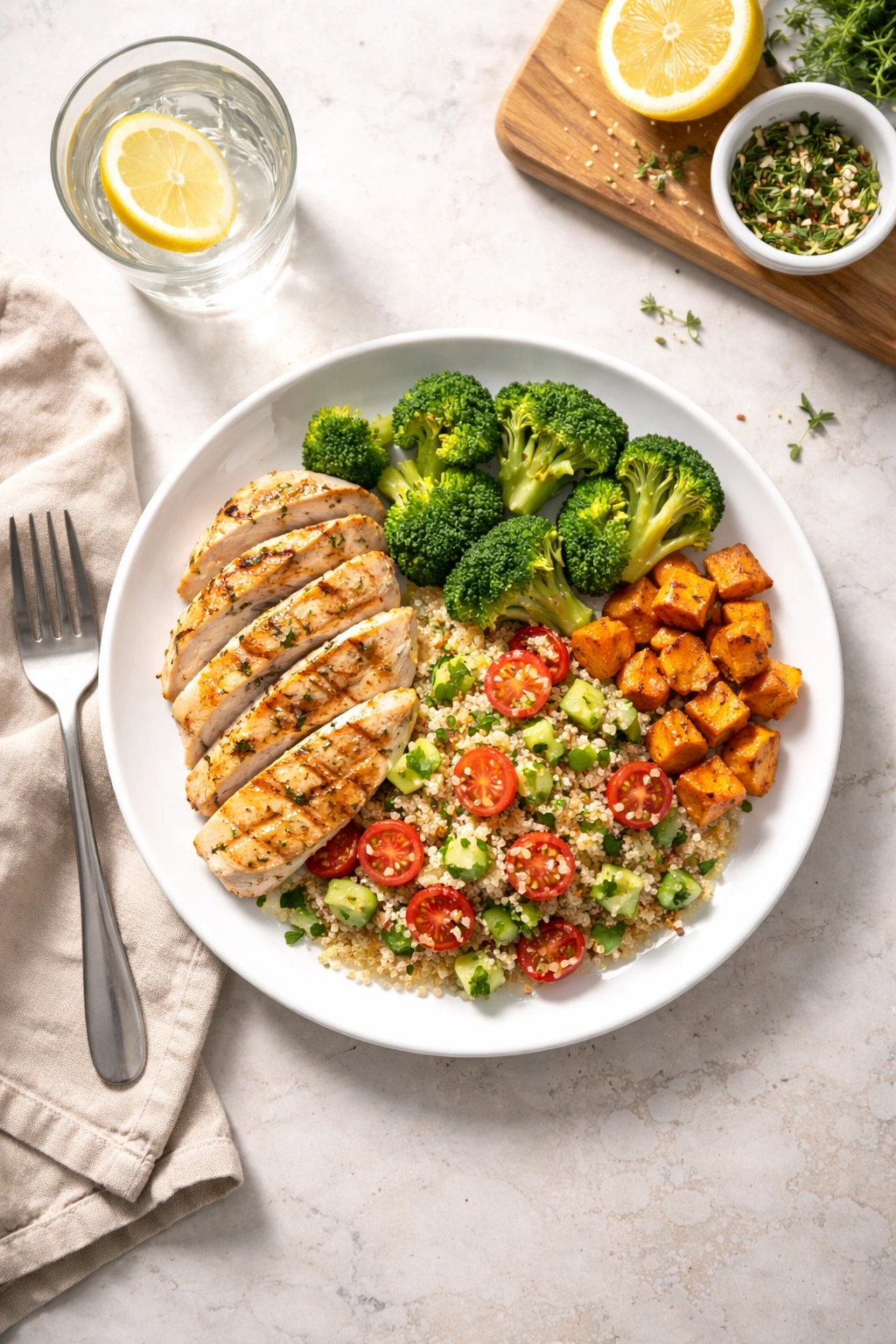
8. Grilled Chicken Breast with Quinoa and Roasted Broccoli
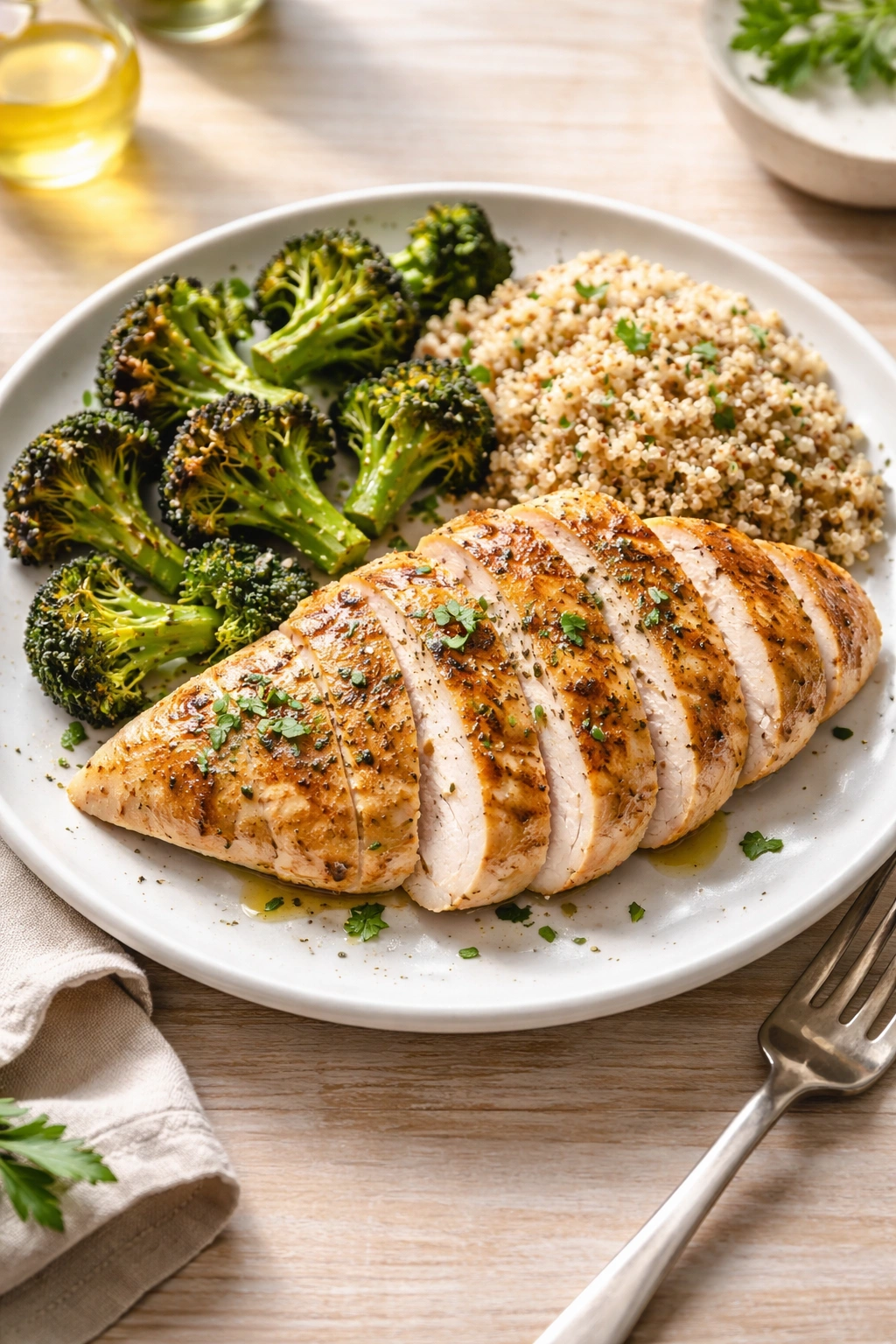
Sometimes the simplest meals are the most satisfying. A perfectly cooked chicken breast, fluffy quinoa, and charred roasted broccoli is a combination that tastes clean, wholesome, and genuinely delicious without being fussy. The key is respecting the cooking time on the chicken so it stays juicy, and letting the broccoli get dark and crispy so it develops deep, savory flavor.
Perfect Grilled Chicken Every Time
Pound a boneless, skinless chicken breast to even thickness (about three-quarters of an inch), which ensures it cooks evenly. Let it sit at room temperature for about 10 minutes while you heat your grill to medium-high. Pat the chicken dry, brush lightly with oil, and season generously with salt and pepper. Grill for 6-7 minutes per side without moving it around — moving it prevents that beautiful caramelized crust from forming. Use an instant-read thermometer to check that it’s hit 165°F internally. The result is chicken that’s tender, juicy, and tastes like actual food, not diet food.
The Quinoa Component
Quinoa is a complete protein, which means it contains all nine essential amino acids. Cook it according to package directions (usually a 1:2 ratio of quinoa to water, simmered for about 15 minutes). While it cooks, toss a bunch of broccoli florets with a half teaspoon of olive oil, salt, and pepper, then spread them on a sheet pan and roast at 425°F for about 12-15 minutes until the florets are dark green and the edges are crispy. Fluff the cooked quinoa with a fork and stir in a squeeze of lemon juice.
The Complete Plate
A 4-ounce grilled chicken breast, about half a cup of cooked quinoa, and a generous serving of roasted broccoli totals approximately 420-450 calories. Add a squeeze of fresh lemon and a light sprinkle of fresh herbs, and you have a meal that’s nutritionally balanced, completely satisfying, and tastes like you actually tried — because you did.
9. Baked White Fish with Roasted Sweet Potato and Green Beans
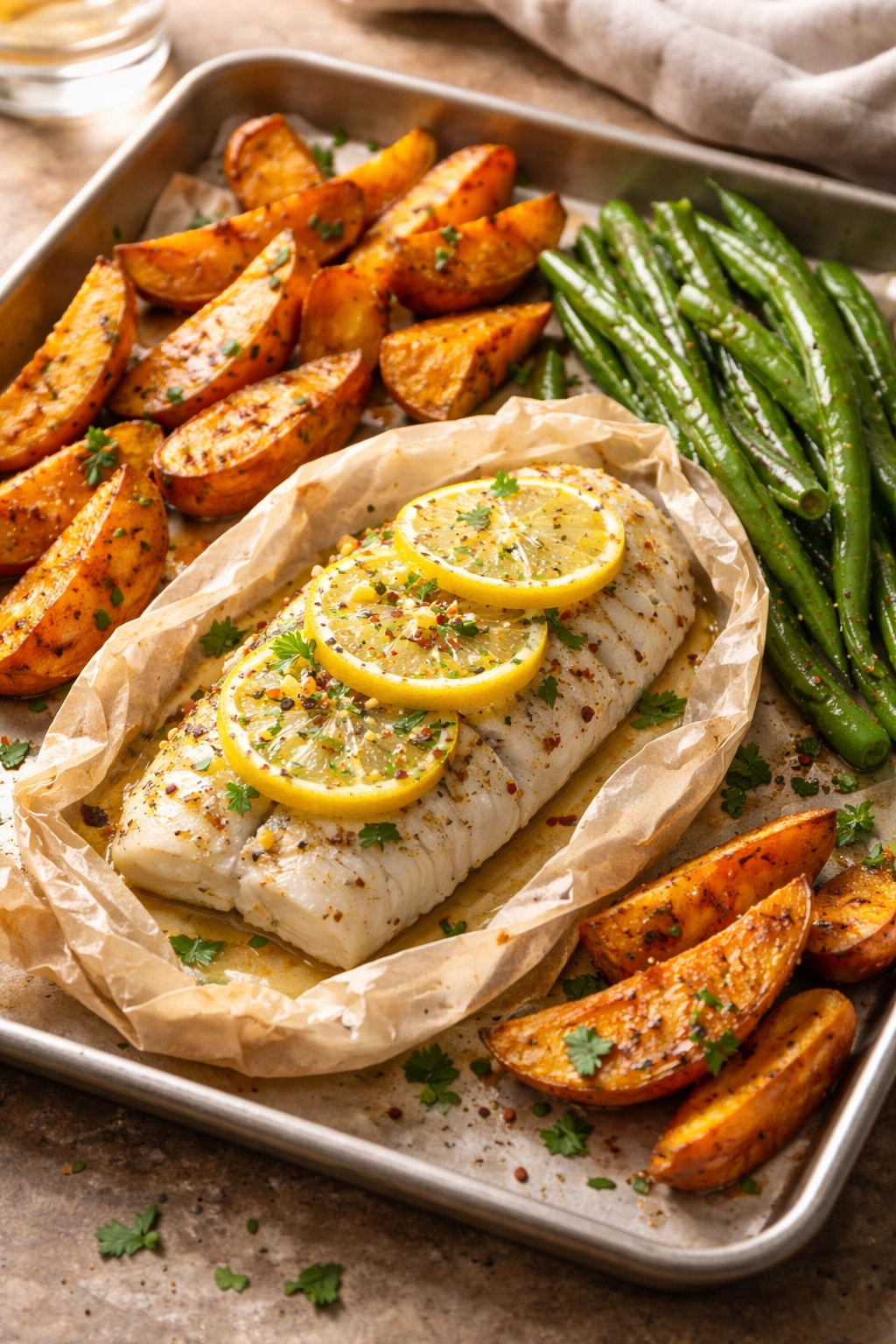
This is the meal that feels like proper food, something substantial and nourishing. A white fish fillet, a small roasted sweet potato, and crisp-tender green beans make a complete dinner plate that looks beautiful on the table. Sweet potato brings natural sweetness and a wealth of nutrients, while the fiber keeps everyone satisfied well past dinner.
Cooking Everything Together
Preheat your oven to 400°F. Place a fish fillet (about 5 ounces of cod, halibut, or similar white fish) on a piece of parchment paper, season with salt, pepper, and a sprinkle of fresh herbs, then top with thin lemon slices. Fold the parchment over and seal it loosely — this creates a little steamer packet that keeps the fish impossibly moist. Place it on a sheet pan alongside a medium sweet potato (scrubbed, pierced with a fork, and lightly oiled) and fresh green beans tossed with a tiny bit of oil and salt. Everything roasts together for about 25 minutes until the fish flakes easily, the sweet potato is tender inside, and the green beans are starting to char at the tips.
Why This Works Nutritionally
A 5-ounce piece of white fish provides substantial lean protein. A medium sweet potato (about 100 calories) offers complex carbs, fiber, and beta-carotene. Green beans add volume and fiber for almost no calories. The meal comes together at about 350-380 calories, leaving room for a small side salad or a piece of fruit if anyone wants it.
The Serving Touch
Serve the fish in its parchment packet so it arrives at the table warm and steaming — it feels special and the presentation makes everyone excited to eat. Add a squeeze of fresh lemon at the table. This meal works beautifully for introducing kids to real fish, because there’s nothing weird or suspicious about it — just clean, simple ingredients cooked gently.
10. Lean Ground Turkey Lettuce Wraps
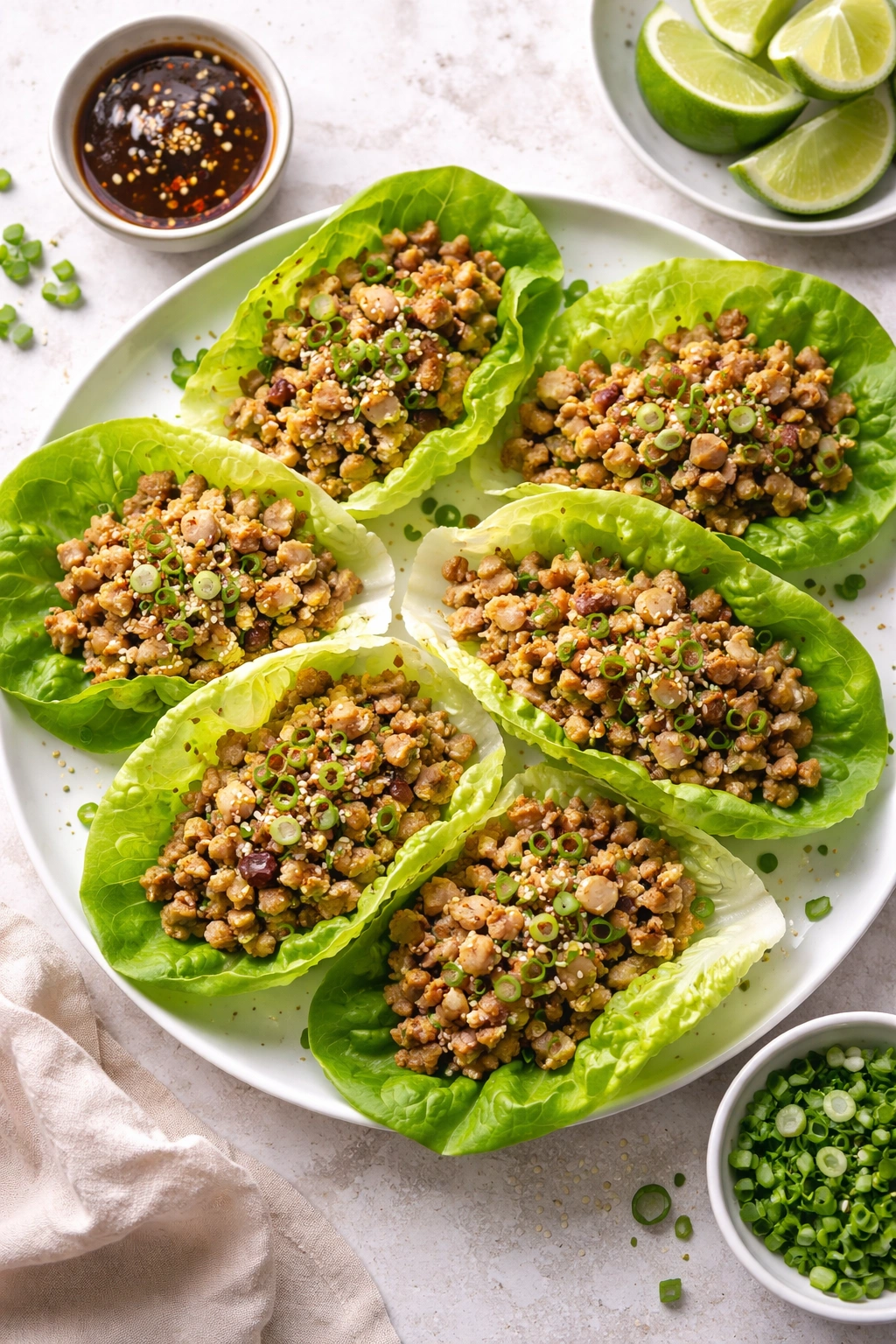
Lettuce wraps are deceptively satisfying. The crispy, cool lettuce provides structural integrity and a refreshing contrast to warm, savory filling. They’re fast, require only one pan, and feel like a fun, interactive dinner — everyone can customize their own wrap based on what they like. The flavor profile is Asian-inspired without being intimidating.
Building the Perfect Filling
Brown 1 pound of ground turkey over medium-high heat, breaking it into small pieces as it cooks — about 5 minutes total. Add minced garlic and ginger, then stir in diced water chestnuts, diced mushrooms, and thinly sliced green onions. Season with reduced-sodium soy sauce (1-2 tablespoons for the whole batch), a teaspoon of sesame oil for depth, and a pinch of white pepper. The filling should be moist but not wet, savory, and complex-tasting despite being simple.
The Wrap Strategy
Use large butter lettuce or romaine lettuce leaves as your wrapper — they’re sturdy enough to hold filling without tearing. Spoon a small amount of the turkey mixture into each leaf, top with a few chopped peanuts, fresh cilantro, and a thin matchstick of carrot or cucumber. The contrast of the warm, savory filling and the cool, crisp lettuce is genuinely delicious.
Why Families Love This
Kids enjoy the interactive nature of assembling their own wraps. It feels like casual, fun food rather than “healthy food.” The flavor is interesting and complex enough for adults to enjoy while being mild enough for younger palates. A serving of two generous wraps with filling and toppings stays right around 280-320 calories, leaving room for a side of jasmine rice or a small mango for dessert.
Final Thoughts
The real secret to keeping family dinners under 500 calories isn’t deprivation or complicated swaps. It’s building meals around lean proteins that actually satisfy hunger, filling the plate with vegetables that add volume without many calories, and respecting simple cooking methods that let real flavors shine through. When your family tastes food that’s genuinely delicious — not food that tastes like diet food — everything changes. Dinners become something people actually look forward to rather than something to rush through. You can build these meals using ingredients you likely already have on hand, cook them in the time it takes to order takeout, and feel genuinely good about what you’re serving. Start with whichever sounds most appealing and keep coming back to the ones your family actually wants to eat. That’s how healthy cooking becomes something that sticks.
