



Most people think breakfast is eggs, toast, and maybe some bacon. And sure, those classics have their place. But if you’re eating the same morning meal day after day, you’re missing out on some genuinely delicious territory. Savory breakfasts go way beyond the standard American breakfast plate—they’re vibrant, protein-packed, and far more satisfying than sweet cereals or sugar-loaded pastries. The beauty of savory breakfast is that it doesn’t require special skills or hard-to-find ingredients. Many of these dishes come straight from Mediterranean, Middle Eastern, Latin American, and Asian cuisines, where savory morning meals are the norm. These ideas are hearty enough to carry you through a busy morning, flexible enough to work with whatever you have on hand, and interesting enough that you’ll actually look forward to breakfast instead of defaulting to the same routine. Let’s explore eight savory breakfast ideas that will completely change how you think about morning meals.
1. Shakshuka with Spiced Tomato and Peppers
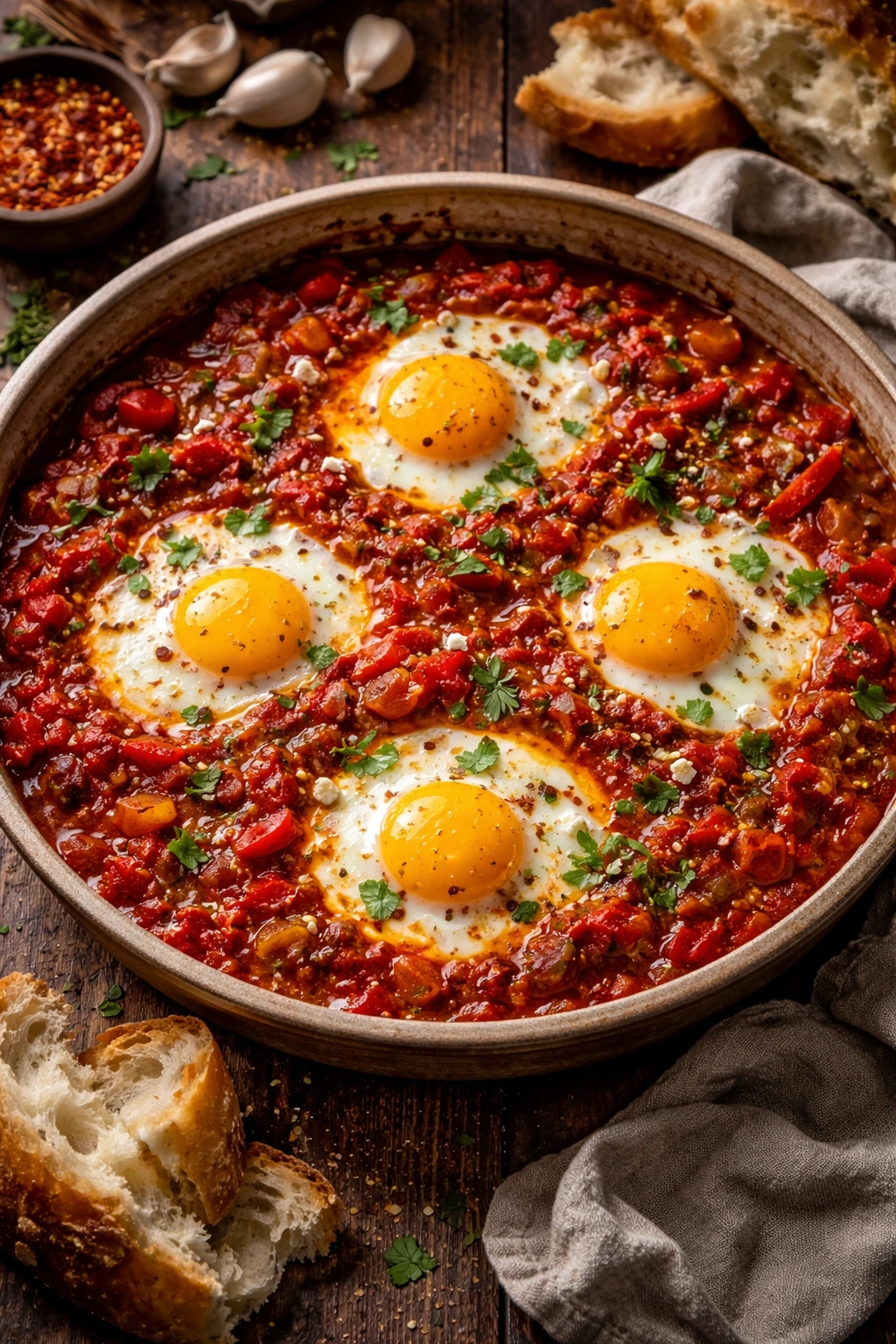
Shakshuka is a Middle Eastern and North African breakfast staple where eggs are poached directly in a flavorful tomato sauce. It’s warm, aromatic, deeply satisfying, and honestly one of the most impressive breakfasts you can put on the table in under 20 minutes. The magic comes from building a rich tomato base with spices like cumin, paprika, and a pinch of cayenne, then nestling eggs into the bubbling sauce to cook until the whites set but the yolks stay runny.
This dish works because the eggs absorb all those warm spices and the slightly acidic tomato sauce, creating something far more complex than a fried egg on a plate. You’re eating protein, vegetables, and flavor all in one bowl. It’s the kind of breakfast that feels special enough for weekend entertaining but simple enough for a regular Tuesday morning.
Why Shakshuka Works for Breakfast
Shakshuka delivers all your morning protein needs through the eggs while the vegetables provide fiber and nutrients. The warming spices boost digestion and give you that full, satisfied feeling that lasts for hours. Unlike heavier breakfasts, it won’t make you feel sluggish by mid-morning—instead, the balanced protein and fat keep your blood sugar stable.
What You’ll Need to Master It
- A heavy skillet or shallow baking dish that distributes heat evenly
- Good-quality canned tomatoes (San Marzano if possible) or fresh tomatoes when in season
- Essential spices: ground cumin, smoked paprika, and cayenne pepper for depth
- Fresh herbs like parsley or cilantro to finish, plus feta cheese for creaminess
- Quality olive oil that you actually enjoy, since it’s a starring ingredient here
Pro tip: Make the tomato sauce up to three days ahead and store it in the fridge. When you’re ready to eat, reheat the sauce, crack your eggs into it, and you have breakfast ready in five minutes. You can also add sautéed peppers, onions, or spinach to the sauce base to customize it to whatever vegetables you have on hand.
2. Avocado Toast with Crispy Chickpeas and Dukkah
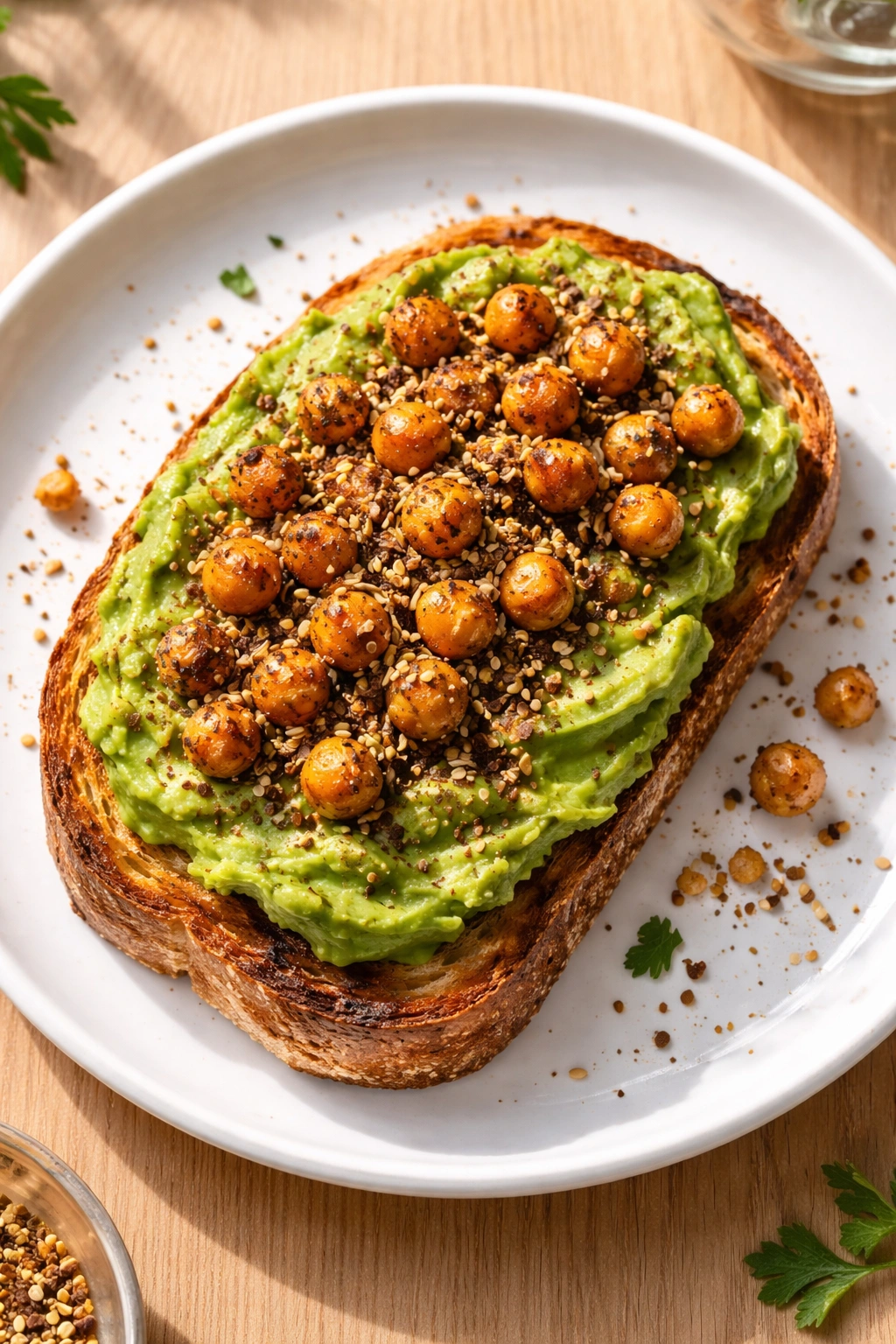
Avocado toast has become almost clichéd, but there’s a reason it stuck around—it’s genuinely delicious when done right and made with intention. The savory version skips the honey drizzle and leans into textures and spices instead. Crispy roasted chickpeas add protein and crunch, while dukkah (an Egyptian spice blend of nuts, seeds, and warming spices) brings complexity that makes every single bite interesting.
The foundation is still good sourdough or whole grain bread, toasted until it’s actually crispy, not just warm. The avocado should be ripe but not mushy—that perfect creamy texture that spreads easily but holds its shape. Then you layer on the chickpeas, a sprinkle of dukkah, maybe some fresh lime juice and flaky sea salt, and you’ve got something that feels indulgent without being heavy.
The Case for Savory Avocado Toast
Avocados bring healthy monounsaturated fats that help your body absorb fat-soluble vitamins and keep you full. Chickpeas add fiber and plant-based protein, making this a genuinely complete meal rather than just bread with something pretty on top. The dukkah adds antioxidants from nuts and seeds, plus warm spices that help with digestion and metabolism.
Components That Transform This Breakfast
- Thick slices of quality sourdough or whole grain bread with a good crust
- One perfectly ripe avocado per slice of toast (an avocado that yields slightly to pressure but isn’t black)
- One cup of roasted chickpeas (toss canned, drained chickpeas with olive oil and salt, roast at 400°F for 20-25 minutes)
- Two to three tablespoons of dukkah seasoning blend sprinkled generously across the top
- A squeeze of fresh lime juice, flaky sea salt, and a grind of black pepper
- Optional: crumbled feta, sliced tomato, or a soft-boiled egg on top
Worth knowing: You can make your own dukkah by toasting hazelnuts, sesame seeds, and spices, then grinding them together—or grab a jar at most grocery stores now. Pre-made dukkah saves time and tastes like you put in way more effort than you actually did.
3. Smoked Salmon and Herb Cream Cheese Breakfast Sandwiches
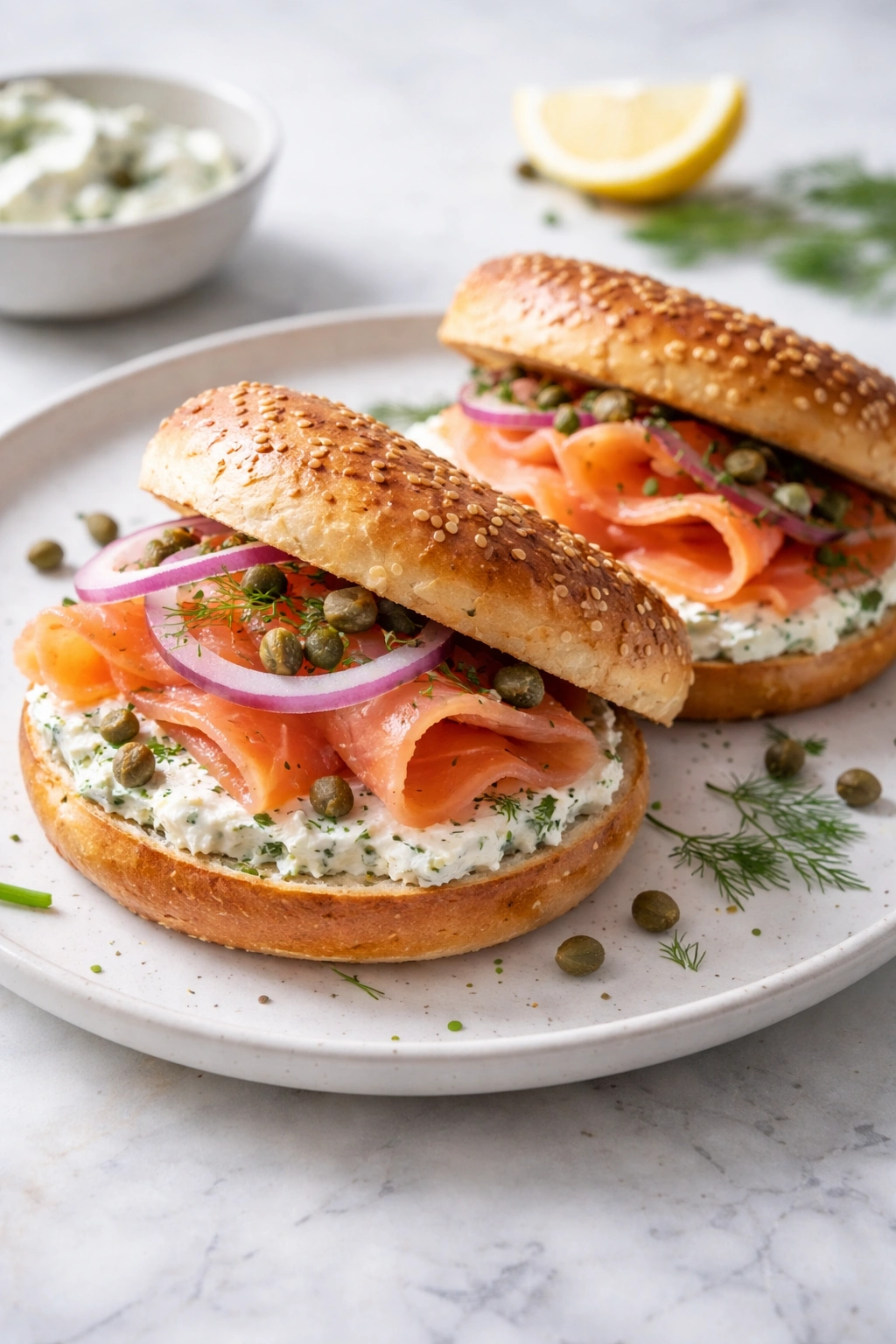
This is breakfast that feels like you’re treating yourself, except it comes together in five minutes if you buy smoked salmon pre-sliced. A tender bagel or thick slice of toasted sourdough gets slathered with herb-infused cream cheese, then topped with smoked salmon, thin red onion slices, capers, and fresh dill. It’s elegant enough for a special occasion but simple enough that you’ll actually make it on a regular morning.
The combination works because smoked salmon brings umami depth and omega-3 fatty acids, while cream cheese adds richness and tang. The red onion cuts through with brightness, the capers add a salty brine note, and the dill brings that fresh herbaceousness that makes everything taste more sophisticated. You get protein, healthy fats, and vegetables all on one handheld package.
Why This Breakfast Actually Fills You Up
Smoked salmon is incredibly protein-dense—roughly 25 grams of protein per 3-ounce serving—which means it triggers satiety hormones and keeps hunger at bay. The healthy fats from salmon slow digestion, preventing the blood sugar spikes that make you hungry an hour later. You’re looking at a genuinely nutritious breakfast that happens to taste like you’re eating at an upscale café.
The Setup for Success
- Quality bagels (ideally fresh from a bagel shop) or thick-cut sourdough bread
- Cream cheese softened to room temperature mixed with fresh dill, chives, or other fresh herbs
- Thinly sliced smoked salmon (wild-caught is worth seeking out if budget allows)
- Red onion sliced paper-thin (crisp it in ice water for 10 minutes before serving)
- Capers or caper berries for that briny pop
- Fresh dill sprigs and a lemon wedge for finishing
Insider note: Toast your bagel or bread just lightly enough to warm it and crisp the outside—overtoasting makes the salmon taste dry. If you’re using bagels, scoop out some of the dense center to make room for toppings so your sandwich stays balanced and manageable to eat.
4. Breakfast Burritos Packed with Sautéed Vegetables and Beans
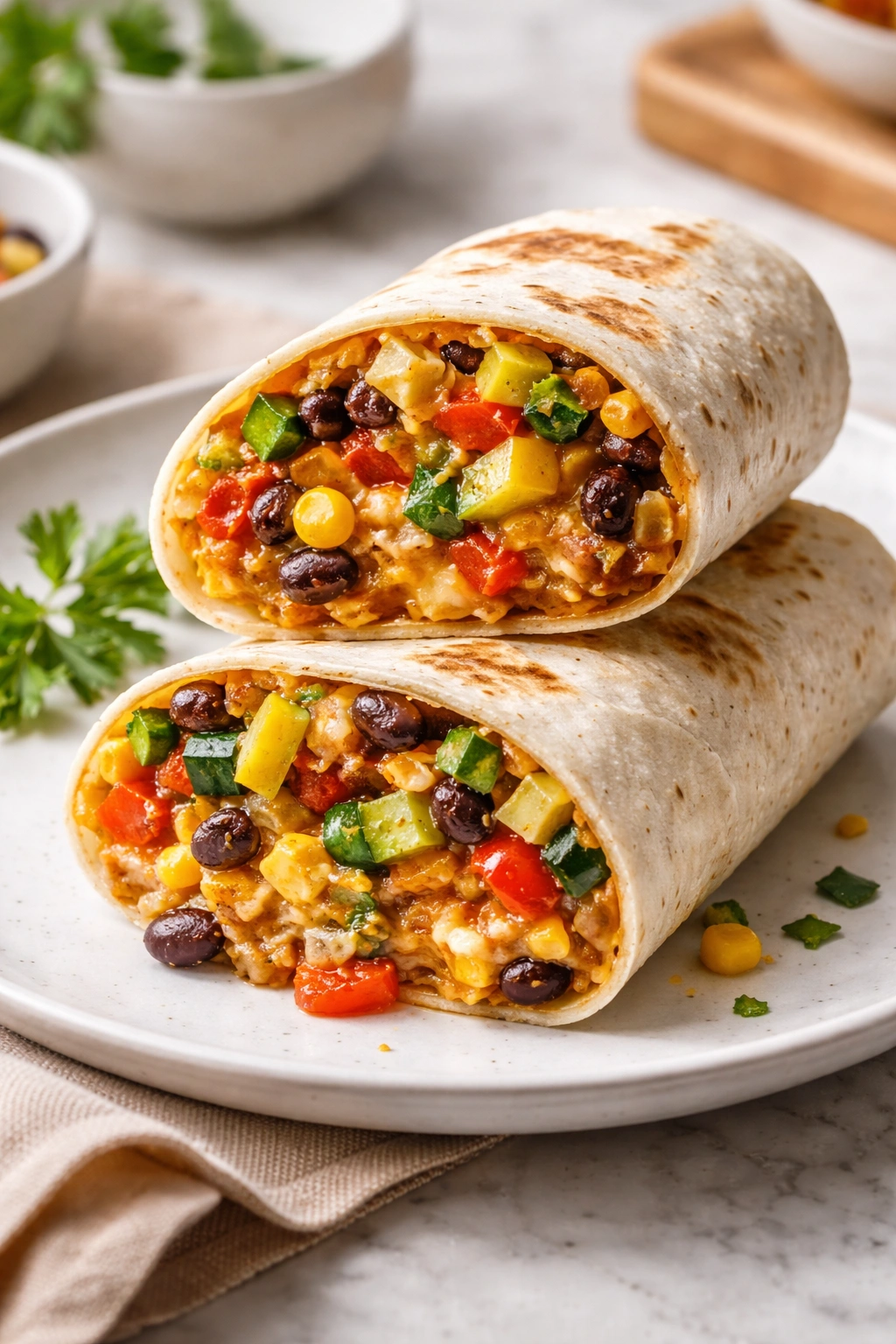
A properly built breakfast burrito is a complete meal in a single handheld package—protein, vegetables, carbs, and fat all together. The key is not overstuffing (a classic mistake that makes it impossible to eat) and building flavor through a combination of properly seasoned vegetables, beans, cheese, and a sauce that ties everything together. You can make these as a quick weekday grab-and-go or prep a batch on Sunday and reheat them throughout the week.
The technique matters here. You want to sauté your vegetables until they’re softened and slightly caramelized rather than steamed. Seasoning each component individually, rather than trying to add all spices at the end, makes every bite flavorful. A good hot sauce or a quick crema drizzled inside adds moisture and brightness that transforms a good burrito into an unforgettable one.
The Strategic Build for a Perfect Burrito
The structure of a burrito matters more than people realize. Start with your warmed tortilla, add a base of refried beans or black beans (these act as a moisture barrier and prevent sogginess), then layer in your sautéed vegetables, scrambled eggs or cooked meat protein, cheese, and fresh toppings. The hot components go in the center, and the cold toppings go on top where they won’t release moisture into the tortilla.
Components Worth Including
- Large flour tortillas (10-12 inches; burrito-sized, not taco-sized)
- One cup of refried beans or seasoned black beans spread thinly as a base layer
- One to two cups of sautéed vegetables: diced bell peppers, onions, mushrooms, zucchini, or potatoes seasoned with cumin and chili powder
- Two to three scrambled eggs mixed with cheese and seasoning
- Half a cup of shredded cheese: cheddar, Monterey Jack, or a blend
- Fresh toppings: diced avocado, salsa, cilantro, lime crema, and pickled red onions
Pro tip: Wrap your burritos tightly in foil and refrigerate up to four days, then reheat in the oven at 350°F for 12-15 minutes. The flavors actually meld and improve overnight, making Sunday-prepped burritos even better on Wednesday morning.
5. Herbed Cheese Frittata with Roasted Vegetables
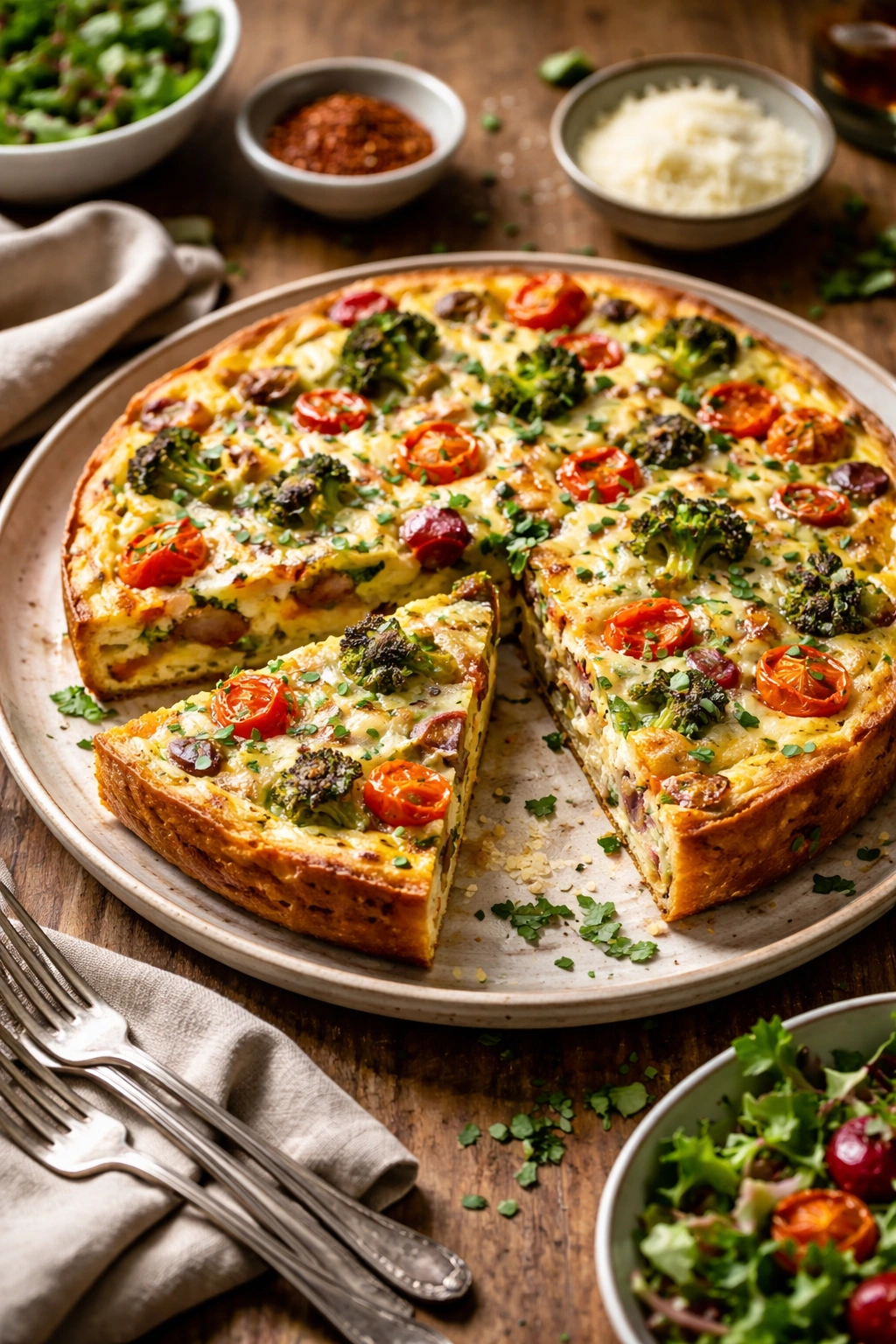
A frittata is basically an omelet that gets started on the stovetop and finished in the oven—which means no flipping, no stress, and no undercooked center. It’s naturally elegant enough for brunch guests but simple enough that anyone can execute it. Loaded with roasted vegetables, fresh herbs, and good cheese, a frittata is hearty, sliceable, and just as good cold as it is warm, making it perfect for eating throughout the week.
The beauty of a frittata is its flexibility. You can build one around whatever vegetables you have on hand—roasted broccolini and garlic, sun-dried tomatoes and basil, sautéed mushrooms and thyme, or a spring version with asparagus and fresh herbs. The formula stays the same: sauté your add-ins first, pour beaten eggs mixed with cheese over top, cook until the edges set, then transfer to a hot oven to finish. Eight to ten minutes in a 375°F oven and you’re done.
Why Frittata Works for Feeding Multiple People
One frittata feeds four to six people with minimal effort, making it the perfect solution for weekend breakfast with family or friends. There’s no timing stress (you can’t overcook it the way you can an omelet), and you can make it ahead and serve it at room temperature. Each slice is self-contained, protein-rich, and visually beautiful when you’ve loaded it with colorful vegetables.
The Winning Formula
- Eight to ten large eggs beaten together with a splash of milk or cream and salt and pepper
- One to two cups of pre-cooked vegetables: roasted potatoes, sautéed mushrooms, caramelized onions, or blanched broccoli
- One cup of shredded cheese: gruyère, sharp cheddar, or fontina all work beautifully
- Two tablespoons of fresh herbs: dill, parsley, chives, or tarragon chopped fine
- Two tablespoons of good olive oil or butter for the pan
- A 10-inch oven-safe skillet (cast iron is perfect)
What to know: Let your vegetables cool before adding them to the eggs, otherwise you’ll start cooking the eggs on the bottom while the vegetables are still releasing steam. Also, invest in a proper oven-safe skillet—a pan with a plastic handle won’t make it into a 375°F oven without melting.
6. Savory Oatmeal with Broth and Roasted Vegetables
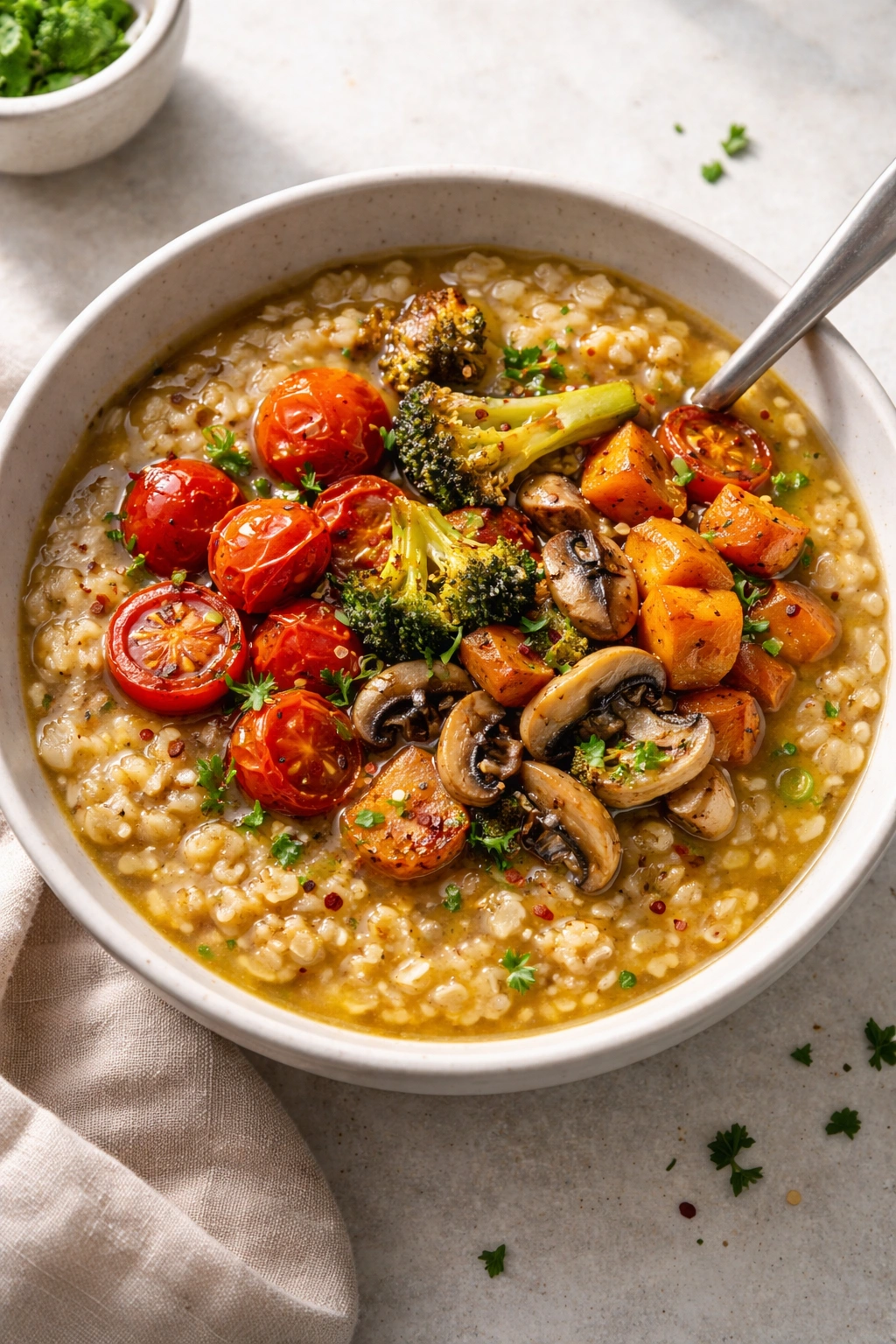
Savory oatmeal sounds unusual if you’ve only ever had it sweetened with brown sugar and cinnamon, but it’s genuinely one of the most comforting and satisfying breakfasts you can eat. Instead of milk and sweetener, you cook your oats in chicken or vegetable broth, then finish with roasted vegetables, a soft-boiled egg, crispy bacon or smoked salmon, and fresh herbs. It tastes like nothing you’ve had before, and it’s filling enough to carry you through a full morning.
The broth replaces water and milk, infusing every grain with savory flavor. Steel-cut or rolled oats work equally well, though steel-cut takes longer to cook and delivers a slightly chewier texture. You layer in roasted vegetables for sweetness and texture contrast, add protein through eggs or smoked fish, then finish with a drizzle of good olive oil and fresh herbs. It’s warm, deeply satisfying, and never boring because you can change the vegetables and toppings constantly.
The Science Behind Savory Breakfast Grains
Cooking oats in broth rather than water adds minerals, collagen, and depth that keep you feeling full longer. The protein additions make this a genuinely complete meal that won’t leave you hungry by 10 AM. The warm temperature aids digestion, and the slower carbs in oats release glucose steadily rather than causing blood sugar spikes.
What Goes Into Your Savory Oat Bowl
- One cup of chicken, vegetable, or mushroom broth heated with a pinch of sea salt
- Half a cup of rolled oats or steel-cut oats (steel-cut takes 20-30 minutes; rolled oats take 5-10)
- One cup of roasted vegetables: cherry tomatoes, mushrooms, Brussels sprouts, or root vegetables
- One soft-boiled egg, a handful of smoked salmon, or a few strips of crispy bacon for protein
- A drizzle of good olive oil and a squeeze of fresh lemon juice
- Fresh herbs like parsley, dill, or chives and a grind of black pepper
Worth knowing: You can batch-roast vegetables on Sunday and store them in the fridge for quick weekday assembly. Just reheat them gently in the microwave or on the stovetop before adding to your warm oatmeal.
7. Breakfast Tacos with Seasoned Vegetables and Black Beans
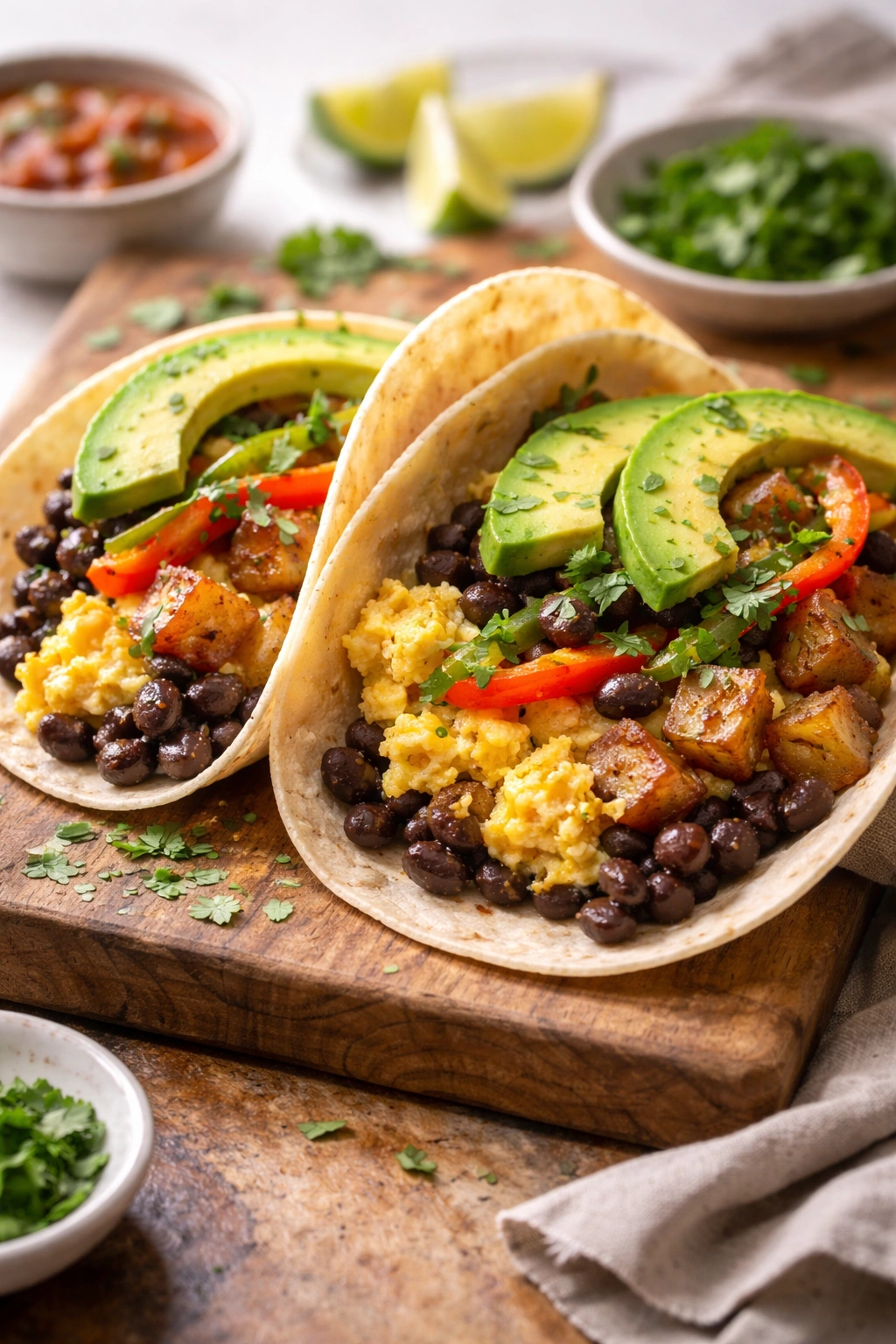
Breakfast tacos are deceptively simple but genuinely crave-worthy when built with intention. Warm corn tortillas become the vehicle for seasoned black beans, scrambled eggs, crispy roasted potatoes, sautéed peppers, and fresh toppings like avocado, cilantro, and lime crema. They’re handheld, infinitely customizable, and exciting enough that you won’t get bored eating them multiple times a week.
The magic comes from layering flavors rather than trying to cram everything into a single component. Your beans get their own seasoning with cumin and chili powder. Your vegetables roast with olive oil and salt until caramelized. Your eggs get a finishing sprinkle of fresh cilantro. Then you assemble it all into something that tastes more sophisticated than the sum of its parts. You can make components ahead and assemble tacos fresh each morning, or fully assemble them and wrap in foil to eat on your commute.
Why Breakfast Tacos Beat Other Grab-and-Go Breakfasts
Tacos are forgiving—you can add or subtract components based on what you have and how hungry you are. They deliver protein, fiber, and vegetables in a package you can actually eat one-handed. Unlike heavier breakfast sandwiches, tacos feel light enough that they won’t sit heavy in your stomach, but filling enough that they actually sustain you.
The Components Worth Prepping
- Corn tortillas warmed gently so they’re pliable but still warm (not dry)
- One to two cups of roasted diced potatoes seasoned with cumin, chili powder, and salt
- One to two cups of black beans seasoned with cumin, garlic, and a pinch of cayenne
- Two to three scrambled eggs per serving mixed with a pinch of turmeric and fresh herbs
- Sautéed bell peppers and onions seasoned with a pinch of cumin and salt
- Fresh toppings: diced avocado, cilantro, lime crema, diced tomato, and hot sauce
Pro tip: Make a simple lime crema by whisking together sour cream, lime juice, garlic, and salt—it adds creaminess and tang that ties everything together without being heavy.
8. Crispy Halloumi with Charred Tomatoes and Fresh Herbs
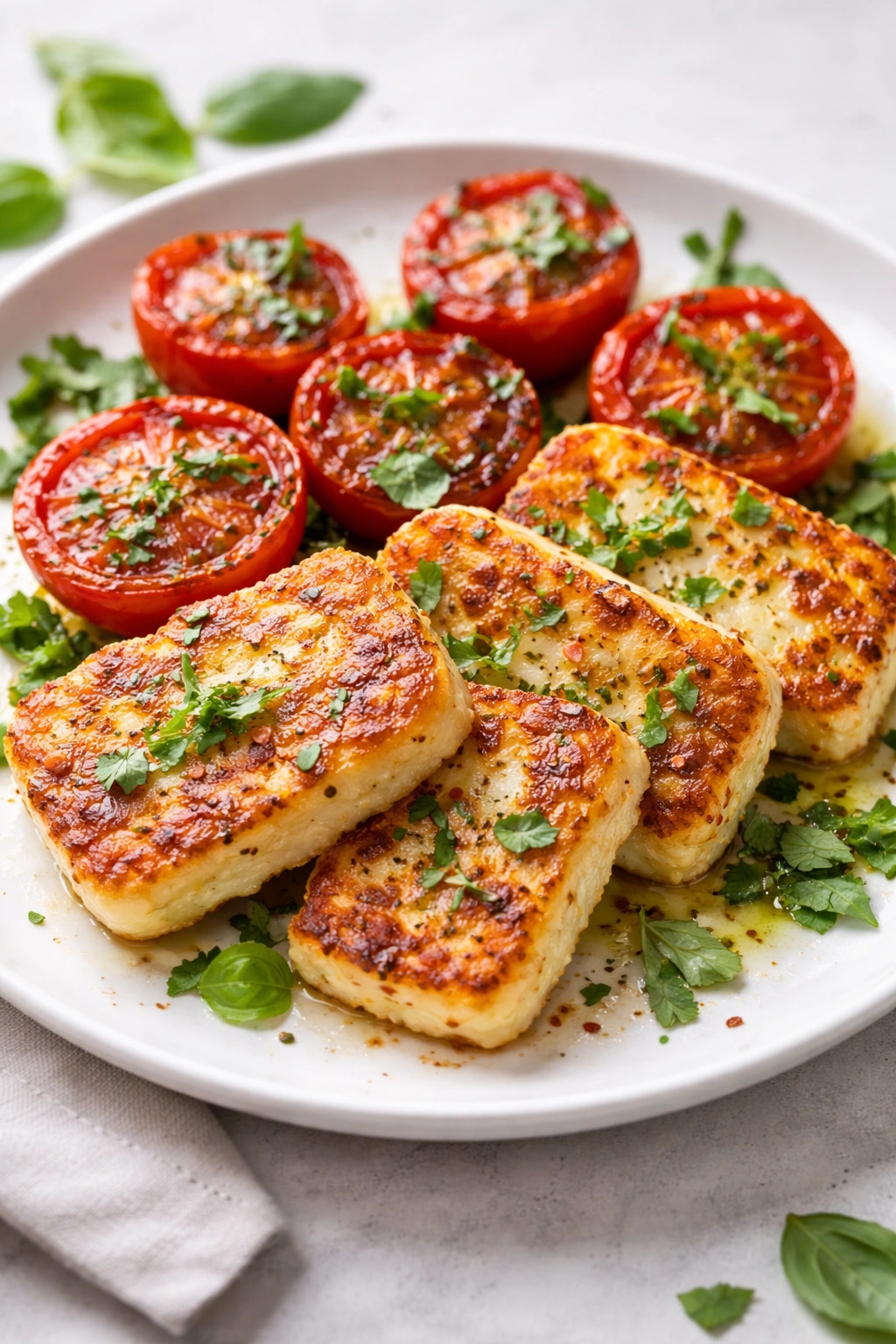
Halloumi is a Mediterranean cheese with an incredibly high melting point, which means you can actually pan-fry it until the outside crisps and caramelizes while the inside gets melty and squeaky. Paired with charred tomatoes, fresh herbs, and crusty bread, it becomes a breakfast that feels more like a Mediterranean lunch—sophisticated, satisfying, and surprisingly easy to pull together.
The cheese cooks in just a few minutes in a hot skillet, developing a golden crust on both sides while staying creamy inside. Fresh tomatoes get charred alongside, bursting open slightly and releasing their juice and concentrated sweetness. A handful of fresh herbs (basil, oregano, or mint), a squeeze of lemon juice, and you’re done. It’s protein-forward, vegetable-rich, and crave-worthy enough that you’ll find yourself planning breakfast the night before.
What Makes Halloumi the Breakfast Breakthrough
Halloumi is a high-protein cheese delivering roughly 7 grams per ounce, making it substantial enough to build breakfast around. The high fat content makes it incredibly satisfying despite being lighter than egg-based breakfasts. The texture contrast between crispy exterior and creamy interior, plus the natural squeeze of the cheese when you bite into it, makes every bite interesting and textured rather than monotonous.
Building Your Halloumi Breakfast Plate
- One package of halloumi cheese cut into quarter-inch slabs (six to eight pieces depending on package size)
- Two to three medium tomatoes halved or quartered
- Crusty bread for soaking up juices and eating alongside
- Fresh herbs: basil, oregano, mint, or parsley depending on what you have
- Good olive oil, fresh lemon juice, sea salt, and black pepper
- Optional: a soft-boiled egg or poached egg on top for extra protein
Insider note: Don’t move the halloumi around the pan—let it sit undisturbed for two to three minutes per side so it develops that golden, crispy exterior. And choose tomatoes that are ripe but still slightly firm so they hold their shape while charring rather than falling apart.
Final Thoughts

The shift from sweet or repetitive breakfasts to savory options opens up an entirely new dimension of how you think about morning meals. These eight ideas barely scratch the surface—they’re starting points for exploring Mediterranean shakshuka variations, building your own breakfast grain bowls, or discovering regional breakfast dishes from cuisines all over the world. The common thread is that each of these breakfasts delivers real nutrition, actual flavor, and enough interest that you’ll be excited to eat breakfast rather than treating it as an obligation.
The practical beauty here is that most of these are actually quicker to pull together than you might expect, especially if you spend a bit of time prepping components on Sunday. Cook your grains, roast your vegetables, cook your beans, prep your herbs. Then throughout the week, breakfast becomes a matter of quick assembly rather than actual cooking. You’re eating vegetables and protein at 7 AM instead of processed carbs and refined sugar, which means your energy stays stable, your focus sharpens, and that 3 PM crash that sends you toward the vending machine becomes less likely.
Start with whichever of these sounds most interesting to you, make it once or twice, and pay attention to how you feel two hours later. You’ll probably notice that you’re more satisfied, less distracted, and less inclined to snack frantically mid-morning. That’s the real payoff of switching to savory breakfast—not just that it tastes better, though it absolutely does, but that it actually changes how you feel for the entire rest of the day.
