



There’s something almost ceremonial about assembling a perfect piece of avocado toast — the way the creamy green spreads across warm, crispy bread, how the flavors and textures shift with just a few simple additions. What started as a simple brunch staple has become a canvas for creativity, a five-minute meal that can taste completely different depending on what you put on it. If you’ve been making the same version for months, you’re missing out on how easily this breakfast transforms into something entirely new.
The beauty of avocado toast is that it doesn’t require fancy ingredients or complicated techniques. You already have most of what you need in your kitchen right now. With just a shift in toppings, flavor combinations, or preparation methods, you can have six completely distinct breakfast experiences throughout the week — some spicy and vibrant, others smooth and elegant, a few hearty enough to carry you through a hard morning’s work. Each version tastes so different that you won’t get bored, yet each one takes about the same amount of time to throw together.
This isn’t about randomly piling things on bread. Each variation here has been chosen for how it genuinely changes the eating experience. You’ll discover how different breads affect the entire dish, which toppings create unexpected flavor combinations, and which versions work best depending on whether you’re eating alone at your kitchen counter or serving this to people who are genuinely expecting breakfast. Let’s explore six ways to transform your avocado toast into something you’ll actually be excited to make again.
1. Classic Lime Avocado with Everything Bagel Seasoning
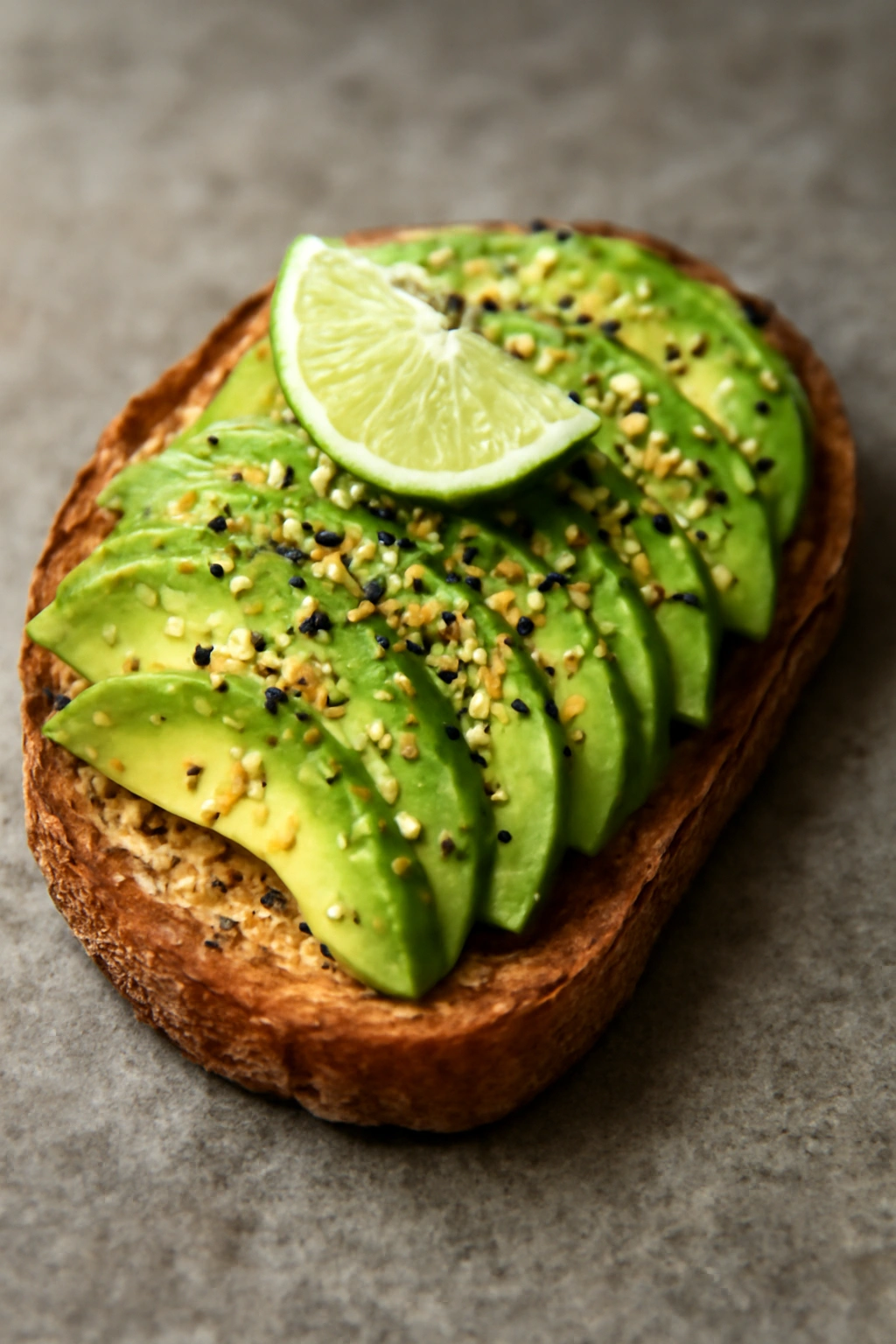
This is the version that started the whole trend, and it remains the gold standard for a reason. The appeal isn’t in complicated technique but in the perfect balance between the creamy, mild avocado and sharp, acidic, salty elements that make every bite interesting. When you nail the proportions here — and it’s simpler than you might think — you understand why this became a breakfast obsession.
Start with a thick slice of sourdough or a sturdy whole grain bread toasted until it’s genuinely crispy, not just warm. You want bread that can hold up to moisture without becoming soggy within two minutes of assembly. Cut a ripe avocado in half lengthwise and remove the pit, then scoop the flesh directly onto the toast using a fork to break it into rough, chunky pieces as you spread. Don’t blend it into a smooth paste — the texture matters here. Squeeze fresh lime juice over the avocado immediately, which prevents browning and adds brightness that cuts through the richness.
Sprinkle everything bagel seasoning generously across the top. If you haven’t encountered this particular blend before, it’s typically a mix of sesame seeds, dried minced garlic, dried minced onion, poppy seeds, and flaky sea salt. The combination creates a textural contrast against the soft avocado and adds layers of savory flavor that feel simultaneously simple and sophisticated. Finish with a small pinch of coarse sea salt and a few twists of fresh cracked black pepper.
Why This Version Works So Well
The lime juice does more than prevent oxidation — it fundamentally changes the flavor profile, adding a subtle tang that prevents the avocado from tasting heavy. The everything bagel seasoning provides textural contrast and umami depth that would be missing from plain salted avocado. The result is bright, interesting, and satisfying all at once.
Pro tip:
Buy avocados a couple days before you plan to eat them, rather than waiting until they’re perfectly soft. A slightly firm avocado slices cleaner and breaks into better chunks than one that’s past peak ripeness.
2. Spicy Sriracha Avocado with Crispy Eggs
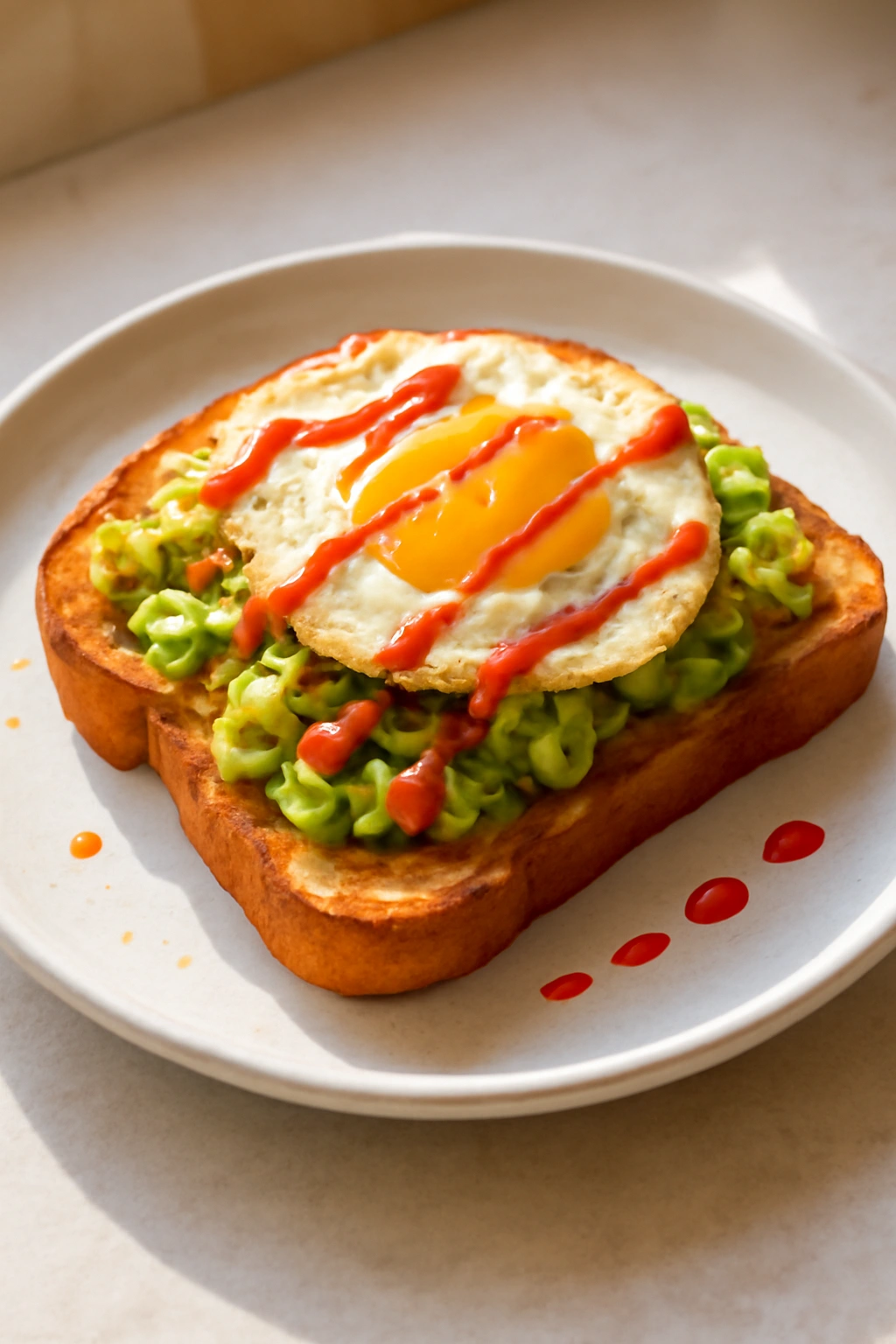
When you want avocado toast to feel like an actual meal rather than a light snack, this is your version. The addition of a fried egg transforms the whole experience — suddenly you have protein, fat, and carbohydrates in proper proportion, plus the luxurious pleasure of a warm, runny yolk mixing with everything else on the plate. The sriracha adds heat and complexity that makes every component taste sharper and more alive.
Toast your bread — brioche works beautifully here, or a sturdy white sourdough if you want slightly less sweetness. While the bread is toasting, heat a tablespoon of butter or oil in a skillet over medium-high heat. Crack an egg directly into the pan and let it cook until the whites are set but the yolk remains soft and jiggly in the center, about three to four minutes depending on your heat level. You’re looking for the edges to be slightly crispy and browned, which happens when the butter gets hot enough to sizzle and brown. Season the egg with salt and pepper as soon as it comes out of the pan.
Spread the avocado on your toast the same way as the classic version — chunky, not smooth. Drizzle sriracha generously over the avocado, then carefully slide the egg on top. The heat from the egg will warm the avocado slightly, and when you break that yolk and let it run across everything, it creates a rich sauce that ties all the elements together. Finish with a few flakes of fleur de sel and a small handful of fresh cilantro if you have it on hand.
Why Heat and Richness Belong Together
Sriracha’s sharp, fermented spice contrasts beautifully against creamy avocado and runny egg yolk. The flavors would be one-dimensional without that heat — the egg yolk alone would feel heavy, the avocado mild. The sriracha wakes everything up. Meanwhile, the richness of the yolk makes the heat feel less aggressive, creating balance rather than pure fire.
Quick tips:
- A medium-heat is better than high heat for frying eggs — too hot and the whites set before the yolk cooks at all, leaving you with a hard yolk
- If you prefer a fully cooked yolk, just add another minute to the cooking time
- Lime juice works here too, squeezed over the avocado before the egg and sriracha
3. Mediterranean Style with Tomato, Cucumber, and Feta
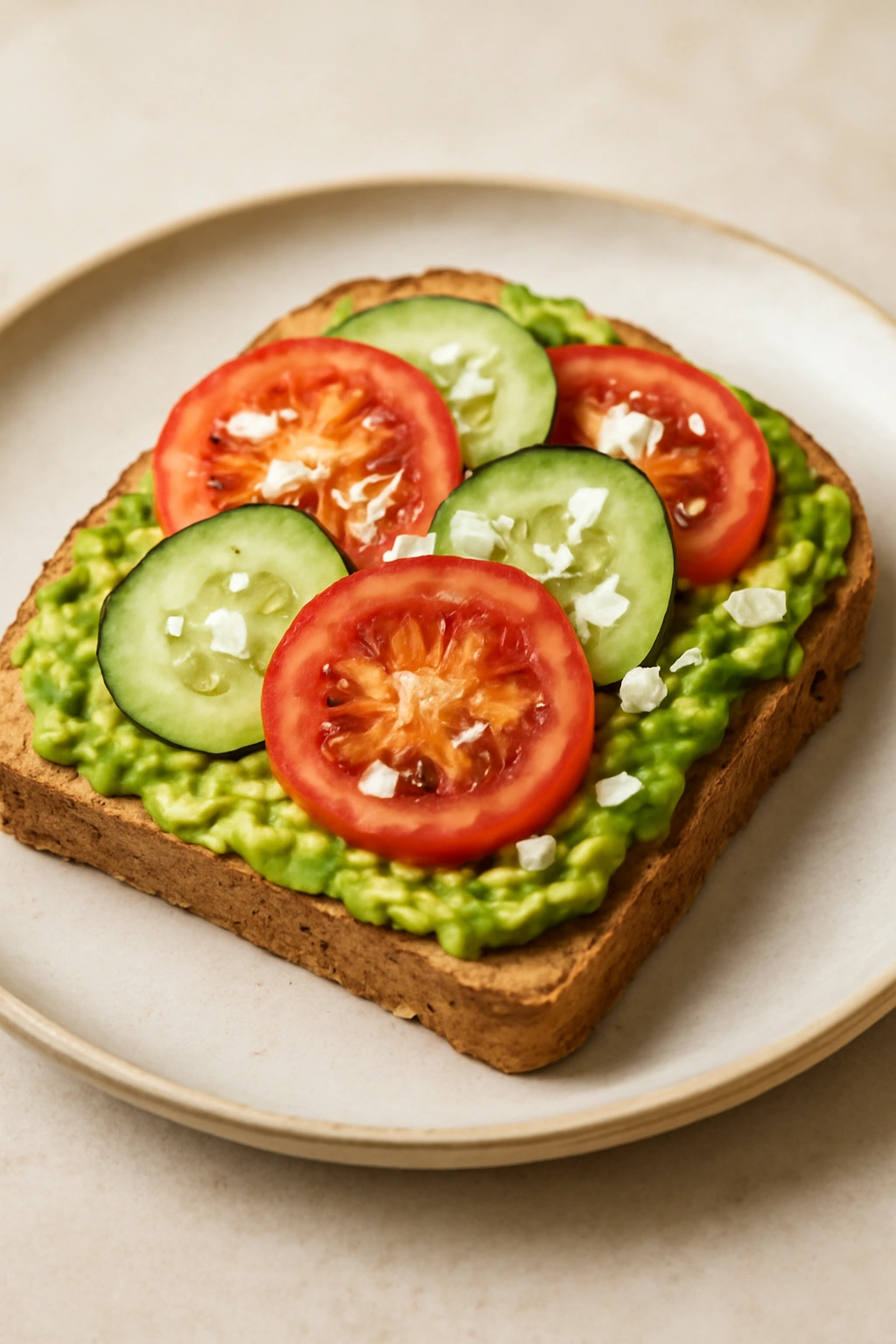
This version tastes like a breakfast that belongs in Greece or the south of France — fresh, bright, and herbaceous. It’s lighter than some of the other variations but no less satisfying, especially when you choose the freshest produce available. The combination of cool, crisp vegetables with warm toast and creamy avocado creates an eating experience that feels both summery and substantial.
Toast a thick slice of country bread or rustic white sourdough until it’s golden and crispy. Spread the avocado on the toast in your usual chunky fashion, then top with thin slices of ripe tomato, leaving the seeds and juice behind so your toast doesn’t get soggy — you can save those for another purpose. Add slices of fresh cucumber (English cucumbers have fewer seeds and hold together better than regular cucars), then crumble good-quality feta cheese across the top. The salt in the feta seasons the entire dish, so go easy if you’re adding additional salt separately.
Finish with a generous pinch of dried oregano, a small drizzle of good olive oil, and fresh cracked black pepper. A tiny squeeze of lemon juice ties everything together, brightening the vegetables and helping the feta flavor shine through. If you have fresh dill or basil on hand, tear a few leaves and scatter them on top — the herbs complete the Mediterranean picture and add complexity that pre-made herb blends simply can’t match.
Why Fresh Vegetables Matter Here
This version lives or dies based on the quality of your tomatoes and cucumbers. A mealy, pale tomato picked before it ripened will make the entire dish taste bland. Seek out the most flavorful tomatoes you can find — ideally heirlooms or vine-ripened varieties. The same goes for cucumbers — the fresher and crisper, the better the textural contrast with the soft avocado and bread.
Timing trick:
Assemble this toast right before eating it, rather than making it ahead. The vegetables will release moisture and make the bread soggy if they sit too long. The beauty of this version is how quick it comes together anyway — less than three minutes from start to finish.
4. Smoky Bacon and Tomato Jam
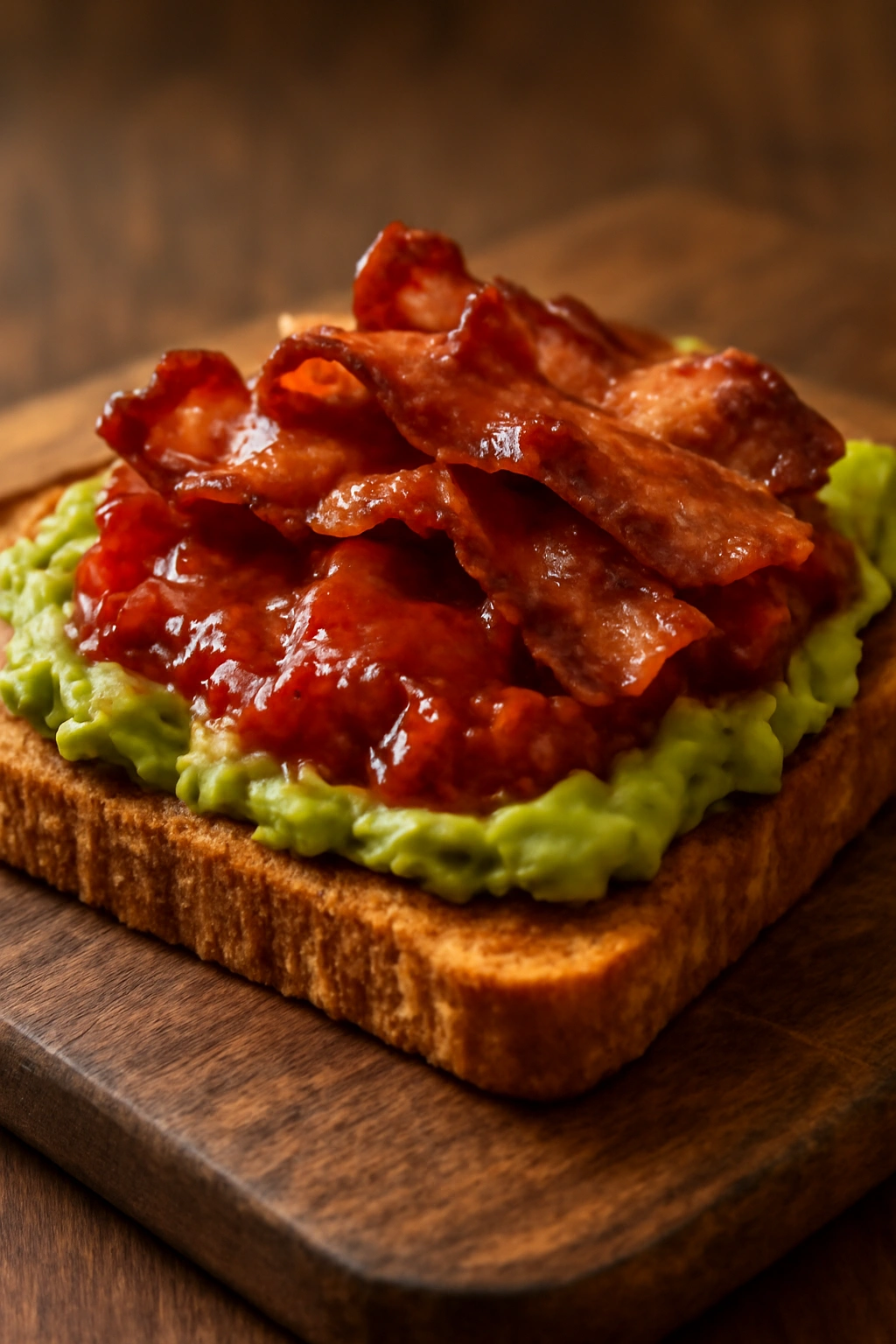
This is the version that feels indulgent, almost luxurious. Smoky bacon, sweet-spicy tomato jam, and creamy avocado create a flavor combination that sounds complicated but actually comes together in minutes if you use good quality bacon and a store-bought tomato jam (or make your own if you have time). This version appeals to people who think avocado toast needs something more substantial, more flavorful, something that justifies actually sitting down for breakfast rather than eating while standing at the counter.
Cook three or four slices of thick-cut bacon in a skillet over medium heat until crispy, about eight to ten minutes total. Set the bacon on paper towels to drain, then crumble it into bite-sized pieces once it’s cool enough to handle. Toast your bread — rye bread or a darker sourdough works beautifully here, providing a sturdy foundation for the rich toppings. Spread the avocado on your toast, then spoon a generous amount of tomato jam across the top, about two to three tablespoons depending on how much you like.
Scatter the crispy bacon pieces over the jam, then finish with a tiny pinch of sea salt, fresh cracked black pepper, and a few fresh basil leaves if you have them. The basil is optional but transforms this from good to genuinely special. The sweetness of the tomato jam, the smokiness of the bacon, and the creaminess of the avocado create a balance that feels way more complex than the simple ingredients suggest.
The Bacon and Jam Combination
Bacon brings saltiness and smokiness that would normally feel heavy, but the tomato jam’s sweetness and slight acidity cuts through that richness perfectly. Together they’re greater than the sum of their parts. The jam also provides moisture and flavor that prevents the toast from tasting dry despite the bacon’s richness.
Make-ahead option:
Cook the bacon ahead of time and reheat it in a 350°F oven for about five minutes before eating — it will crisp back up and taste nearly as good as fresh. You can assemble this toast several hours after cooking the bacon without any quality loss. This makes it an excellent choice for meal prep or a lazy weekend breakfast.
5. Asian-Inspired Ginger-Sesame with Poached Egg
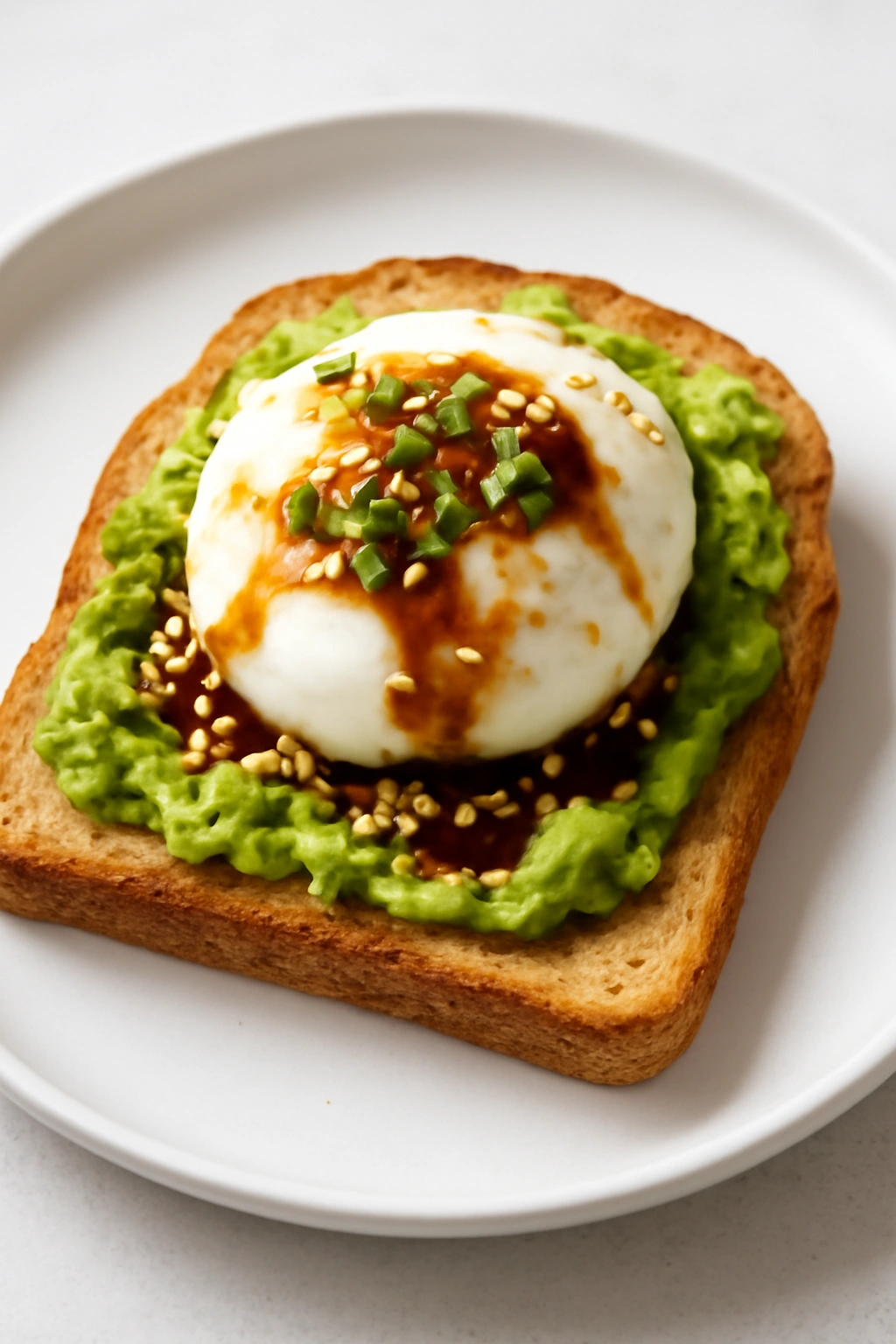
This version pulls flavors from Southeast Asia and East Asia — ginger, sesame oil, soy sauce, and fresh herbs create something that tastes completely different from the Mediterranean or Mediterranean versions. It’s sophisticated enough for company but simple enough for a solo weekday breakfast. The poached egg replaces the fried egg from version two, which creates a different textural experience while maintaining that crucial protein and richness.
For the poached egg, bring a small pot of water to a gentle simmer and add a splash of white vinegar — about one tablespoon per cup of water. Crack your egg into a small bowl or cup first, then gently slide it into the simmering water. The egg will cook in about three to four minutes, at which point the white will be set but the yolk still soft. Use a slotted spoon to carefully remove the egg and set it on a paper towel briefly to drain excess water.
Toast a slice of brioche or white sourdough until lightly golden — you want less crispness here than in other versions, as the delicate poached egg and light-handed sauce benefit from a slightly softer texture. Spread avocado on the toast, then very gently drizzle a combination of two parts soy sauce mixed with one part sesame oil and a tiny pinch of freshly grated ginger. You’re aiming for a light sauce here, not a heavy coating — about one tablespoon total. Slide the poached egg on top, then scatter a generous handful of sliced green onions and a sprinkle of white sesame seeds across the plate.
Finish with a few drops of sriracha or a pinch of dried chili flakes if you want heat, then add a few leaves of fresh cilantro. The combination feels delicate and elegant rather than heavy or overly complicated.
The Poached Egg Advantage
A poached egg has a completely different texture than a fried egg — the white is creamy rather than crispy, the yolk stays soft and luxurious. When you break that yolk over your toast, it creates a different kind of sauce than butter and oil alone. The poached egg also feels lighter and more refined, which suits the Asian flavor profile better than the rustic heartiness of a fried egg.
Ingredient sourcing:
Seek out good quality soy sauce rather than the cheap salt-heavy versions. The difference is noticeable. The same goes for sesame oil — get the dark, fragrant kind from an Asian market rather than the lighter versions sold in regular grocery stores.
6. Herbed Goat Cheese and Roasted Red Pepper
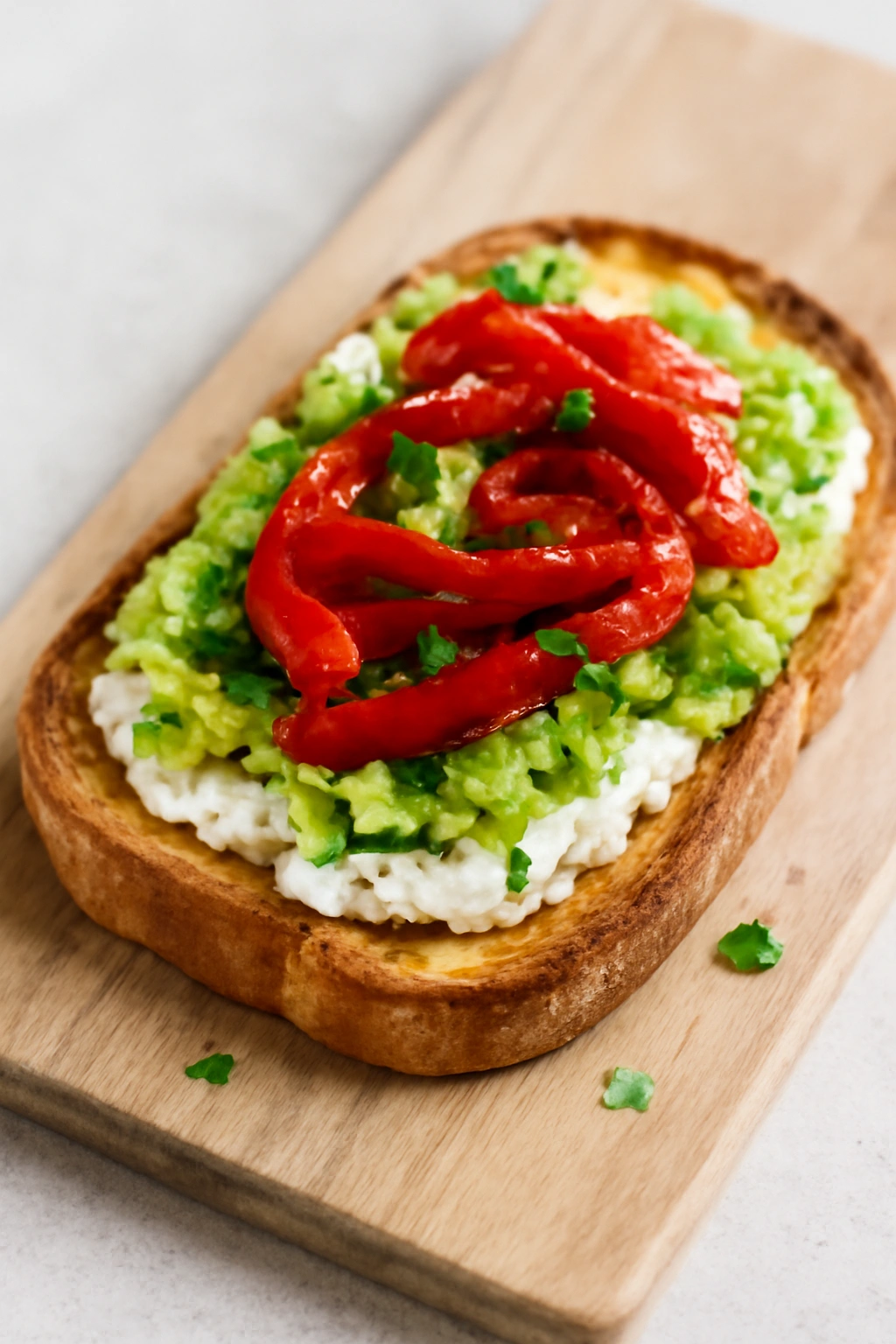
This final version is elegant and satisfying, the one you’d serve to brunch guests who aren’t sure about avocado toast in the first place. The goat cheese brings tanginess and creaminess that complements the avocado differently than eggs or other toppings. The roasted red peppers add sweetness and a silky texture that makes the whole thing feel more luxurious than it actually is. It’s the fancy version that doesn’t require any complicated cooking.
Toast a thick slice of sourdough or a rustic white bread until crispy. Spread a generous layer of creamy goat cheese across the warm toast — about two tablespoons. The heat from the toast will soften the goat cheese slightly, making it easier to spread and releasing its tang. On top of the goat cheese, layer your chunky avocado spread, then top with strips of roasted red pepper. If you’re using jarred roasted red peppers (which is totally fine and saves you time), drain them well and pat them dry before adding.
Finish with a small drizzle of good olive oil, a tiny pinch of sea salt, and fresh cracked black pepper. Scatter fresh herbs across the top — basil, parsley, chives, or dill all work beautifully. If you have fresh thyme on hand, just a couple of small sprigs add a sophisticated herbal note. A squeeze of lemon juice ties everything together and brightens the earthiness of the goat cheese.
Why Goat Cheese Changes Everything
Goat cheese brings a subtle tanginess that prevents this from tasting heavy despite the combination of creamy elements. It also has a different flavor profile than cream cheese or ricotta — more pronounced, more interesting, harder to get bored with. The combination of goat cheese and roasted red pepper is classic for a reason, and it translates perfectly to avocado toast.
Simple roasted red pepper hack:
If you’ve never roasted peppers before, the process is simpler than you might think. Char a whole red pepper directly over a gas flame using tongs, rotating every thirty seconds or so until the entire outside is blackened. Place it in a bowl covered with plastic wrap for ten minutes to steam. The skin will rub off easily under cold running water. Slice it into strips, toss with olive oil and salt, and you have roasted red peppers that taste infinitely better than jarred versions. You can make a batch and store them in the fridge for a week.
Final Thoughts
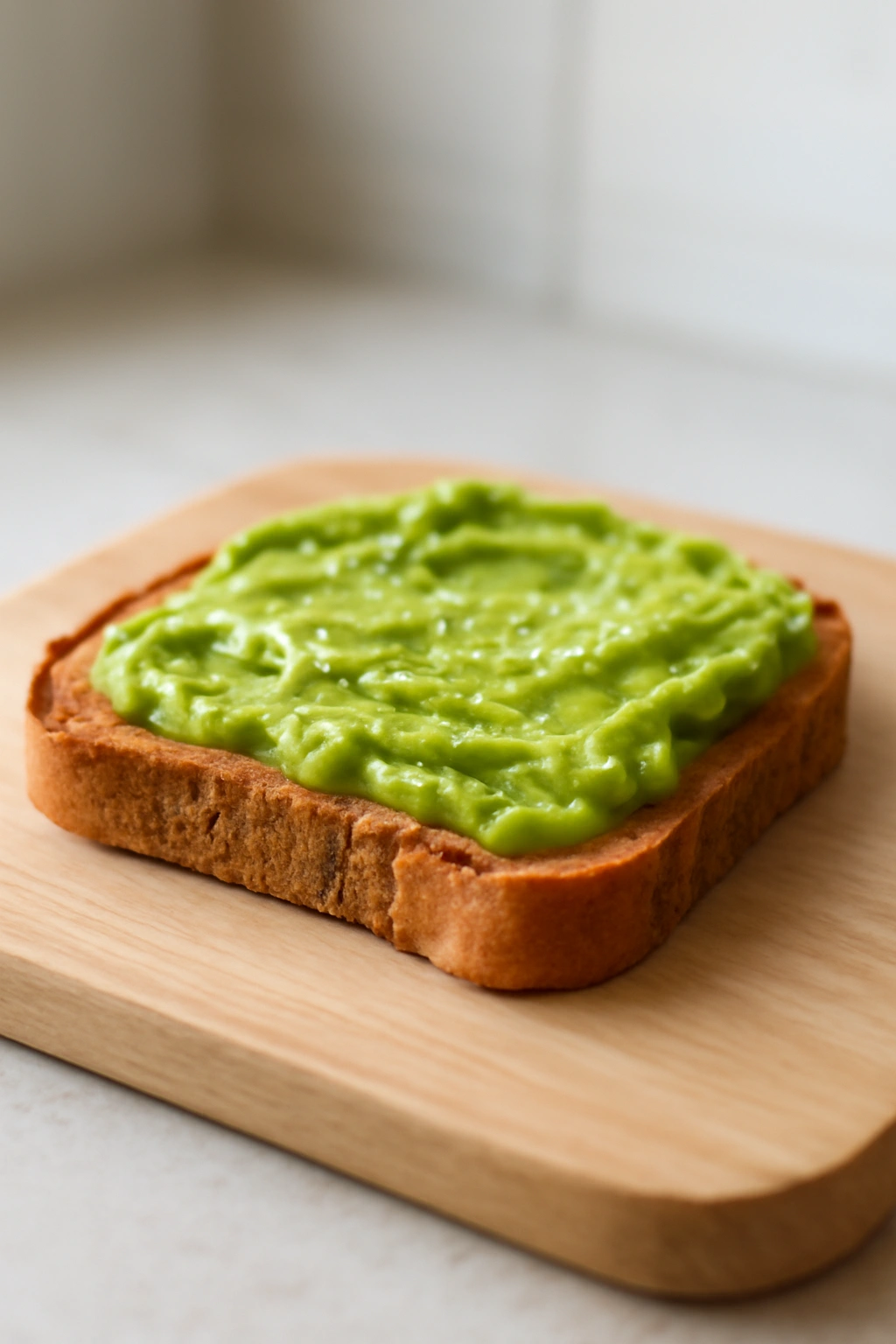
Avocado toast transformed from trendy brunch food to legitimate staple because it’s genuinely versatile. These six versions prove that you don’t need to eat the same thing twice if you don’t want to. The bread stays roughly the same, the avocado is always the foundation, but everything else shifts completely depending on what flavor story you want to tell that morning.
The real skill isn’t in mastering complex techniques — it’s in choosing ripe avocados, using good bread, and understanding which flavor combinations actually belong together. Once you internalize that, you’ll stop thinking about avocado toast as a single dish and start seeing it as a formula you can adapt endlessly based on what’s in your fridge, what you’re in the mood for, and who you’re cooking for.
Start with whichever version appeals to you most. Make it a few times until you understand how the components work together, then experiment with your own variations. Add caramelized onions. Try different cheeses. Layer in roasted vegetables. The avocado toast canvas is yours — use it to create breakfasts you’re genuinely excited to make.
