



Tired of starting your day with carbs that leave you ravenous by mid-morning? High-protein waffles solve that problem completely. Unlike traditional waffles that spike your blood sugar and fade fast, these are engineered to keep you satisfied, energized, and focused for hours. The secret isn’t some complicated technique — it’s actually straightforward once you understand which ingredients deliver real protein without sacrificing that crispy-outside, fluffy-inside texture everyone loves.
The beauty of high-protein waffles is that they taste indulgent while actually supporting your fitness goals, stabilizing energy, and keeping cravings at bay. Whether you’re building muscle, managing weight, or simply want a breakfast that doesn’t leave you exhausted by 10 a.m., this approach delivers. I’ve tested dozens of formulas — some turned into dense, rubbery disasters, others stayed soft but fell apart. The recipe below represents what actually works: waffles that crisp up beautifully, hold together perfectly, and pack 25-30 grams of protein per serving while tasting genuinely delicious.
The best part? These waffles aren’t some specialized “fitness food” that tastes like sawdust and regret. They’re the real deal — the kind you’d serve to guests who have no idea they’re eating a powerhouse breakfast. Let me walk you through exactly how to make them, what mistakes to avoid, and how to customize them to fit your taste and dietary needs.
Why Protein Matters in Your Morning Waffle

Waffles are traditionally a carb-and-fat delivery system that provides quick energy but leaves you hungry shortly after. High-protein versions flip that equation entirely. Protein digests slowly, keeps your blood sugar stable, and triggers satiety hormones that quiet cravings before they start. When you eat a 25-30 gram protein waffle, your body absorbs it gradually over several hours instead of the blood-sugar spike-and-crash cycle of standard waffles.
The hunger difference is dramatic and measurable. Eat a regular waffle at 7 a.m., and you’re looking for a snack by 9 a.m. Eat a high-protein waffle with the same calorie count, and you’ll genuinely forget to eat until lunch. This isn’t motivation or willpower — it’s physiology. Protein signals satiety directly to your brain, and the slower digestion extends that signal across the entire morning.
Beyond satiety, adequate morning protein supports muscle maintenance, accelerates recovery from workouts, and stabilizes mood and focus. If you exercise, this matters even more — your muscles need amino acids to repair and grow after a training session. Eating protein within a few hours of a workout creates the conditions for adaptation and strength gains.
The protein also improves the actual waffle texture in unexpected ways. Protein powders add structure and binding power, which means you can reduce flour without sacrificing the crispy exterior and tender crumb. The result is a waffle that’s lighter, crisps faster, and stays crispy longer than traditional waffles made with the same amount of flour.
The Key Ingredients That Drive Protein Content
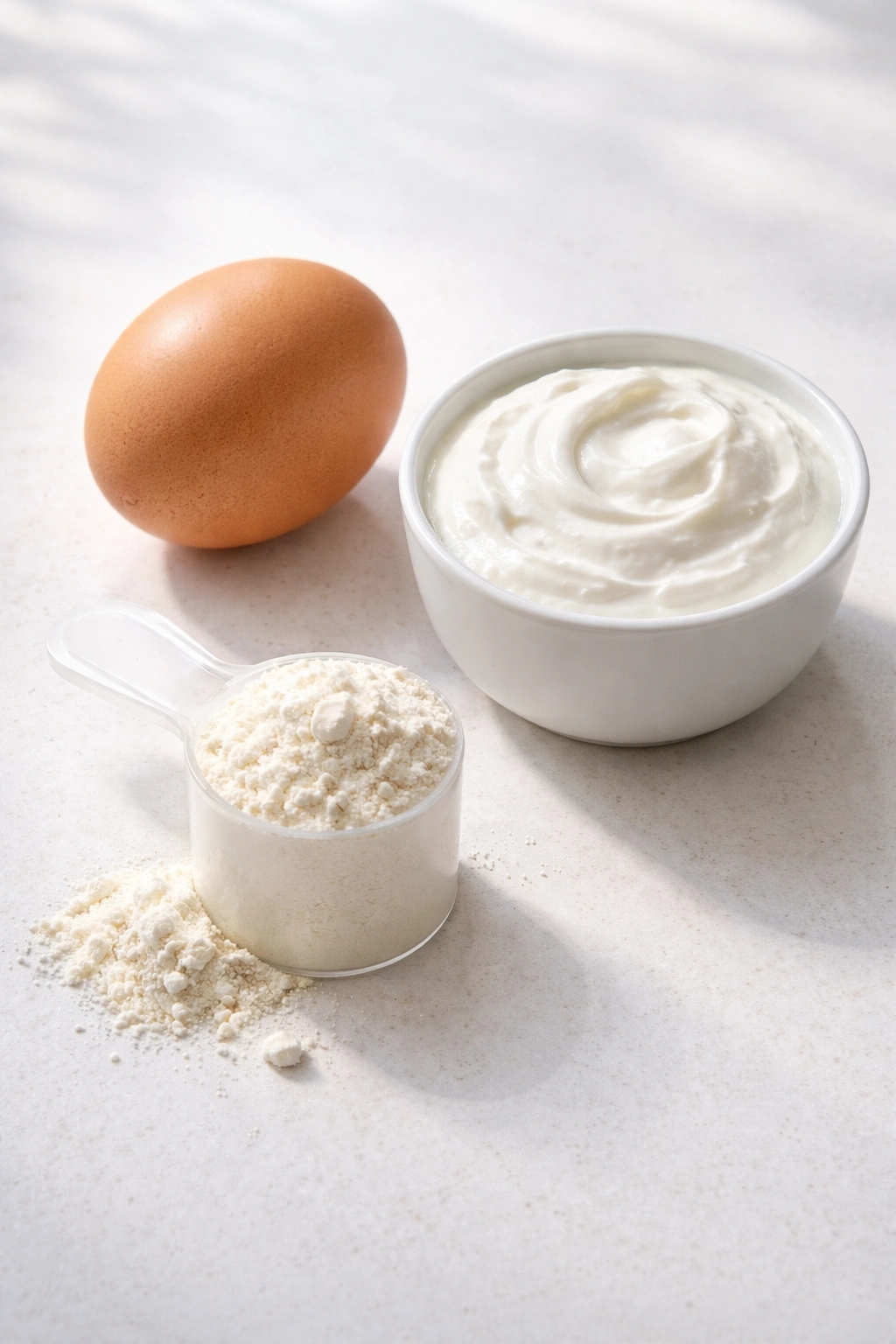
The foundation of a high-protein waffle starts with choosing ingredients that contribute substantial protein. Whole eggs are the first pillar — a single large egg delivers 6 grams of protein plus lecithin and fat that create richness and lift in the batter. Greek yogurt is the second major player, adding 8-10 grams of protein per half-cup while delivering moisture and a subtle tangy flavor that brightens the overall taste.
Protein powder is the third critical component. This is where most people make mistakes — they use too much (creating a dense, rubbery texture), the wrong type (creating an artificial or metallic flavor), or skip it entirely (defeating the whole purpose). A quarter-cup of a high-quality protein powder adds 20-25 grams of protein to a batch that makes 8-10 waffles. Spread across portions, that’s 2-3 grams of protein per waffle from the powder alone — far more than whole-grain flour or oats could contribute.
Flour isn’t skipped in high-protein waffles, but the ratio shifts. All-purpose flour still provides structure and the binding that holds waffles together, but you use less of it. The combination of eggs, yogurt, and protein powder creates so much cohesion that you can drop the flour from the traditional 2 cups down to 1.5 cups (for a standard batch). This ratio reduction is what keeps the waffles light and crispy rather than dense and heavy.
Baking powder and baking soda deserve attention too. Baking powder creates the initial rise and fluffy crumb throughout the waffle. Baking soda reacts with the acidity in yogurt, creating additional carbon dioxide bubbles and ensuring the edges crisp while the center stays tender. Use too little of either, and you get dense, compact waffles. Use too much, and they rise too fast, deflate, and turn gummy.
Fat in the form of melted butter or coconut oil is essential. Fat carries flavor, creates tenderness, and helps the waffle brown evenly. Most high-protein waffles are tempted to cut fat drastically, which results in waffles that stick to the iron, don’t crisp, and taste dry. A half-cup (one stick) of melted butter in a full batch is actually necessary and appropriate.
Understanding Different Protein Powder Options
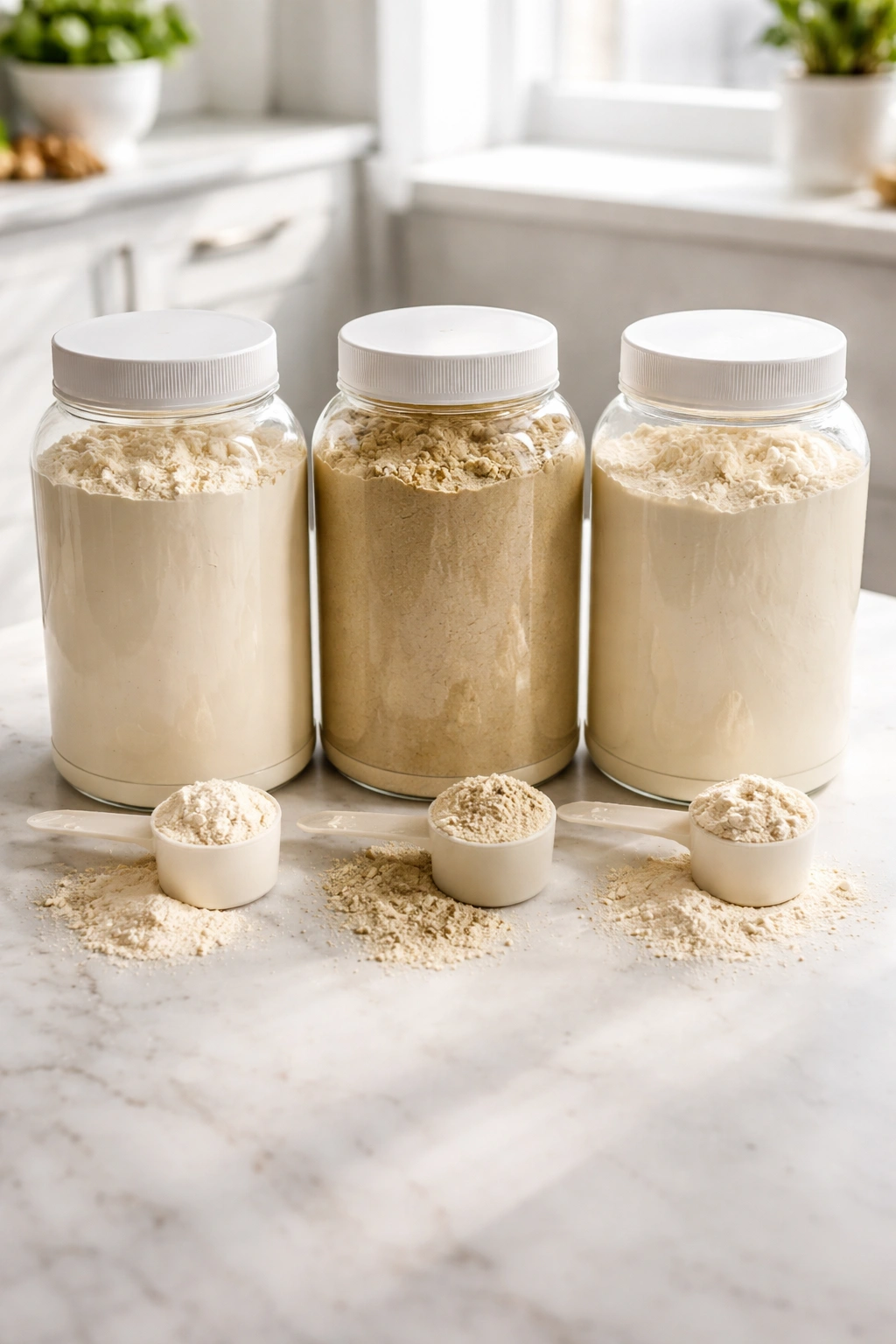
Whey protein isolate is the most popular choice for waffle baking, and for good reason. It dissolves smoothly, contributes neutral flavor, and doesn’t interfere with the batter texture. Vanilla whey is versatile across both sweet and savory applications. Unflavored whey works if you want to avoid any flavor tint and control the taste entirely through mix-ins and toppings. Chocolate or cookie-butter flavored whey works beautifully in chocolate waffles or cinnamon-sugar applications. The key is using a powder with quality ingredients — avoid products with artificial sweeteners that create an aftertaste or bulking agents that make waffles gritty.
Plant-based protein powders (pea, hemp, brown rice blends) work perfectly in these waffles if you’re avoiding whey. The texture lands similarly, though some plant-based powders introduce a slightly earthy undertone that pairs well with cinnamon, nutmeg, or vanilla. The ratio stays the same — quarter-cup per batch. Be slightly cautious with hemp powder, which has a stronger flavor and can overpower delicate waffle taste if used at full strength.
Casein protein powder is less common for waffles but absolutely functional. It creates a slightly denser, more compact texture than whey, which some people prefer. Casein waffles are less fluffy and more waffle-cake-like, which works beautifully if that’s your preference. The flavor is similarly neutral.
Collagen powder is technically not a complete protein (it’s missing tryptophan), so it shouldn’t be your only protein source. However, it’s an excellent addition to boost total protein without adding too much volume. Use it as a 1:3 ratio with whey — for every tablespoon of collagen, include 3 tablespoons of whey protein. Collagen adds subtle richness and mouth-feel without any flavor profile.
The label claims on protein powders matter here. Look for products that list protein first on the ingredient list, keep sweeteners minimal or use monk fruit and stevia rather than sugar alcohols (which can create digestive issues and aftertaste), and avoid anything with more than 3-4 grams of carbs per scoop. The best protein powders for baking have proven track records in recipes — if reviews mention waffles or pancakes, that’s a signal the powder works well in batter applications.
The Art of Making Fluffy, High-Protein Waffles
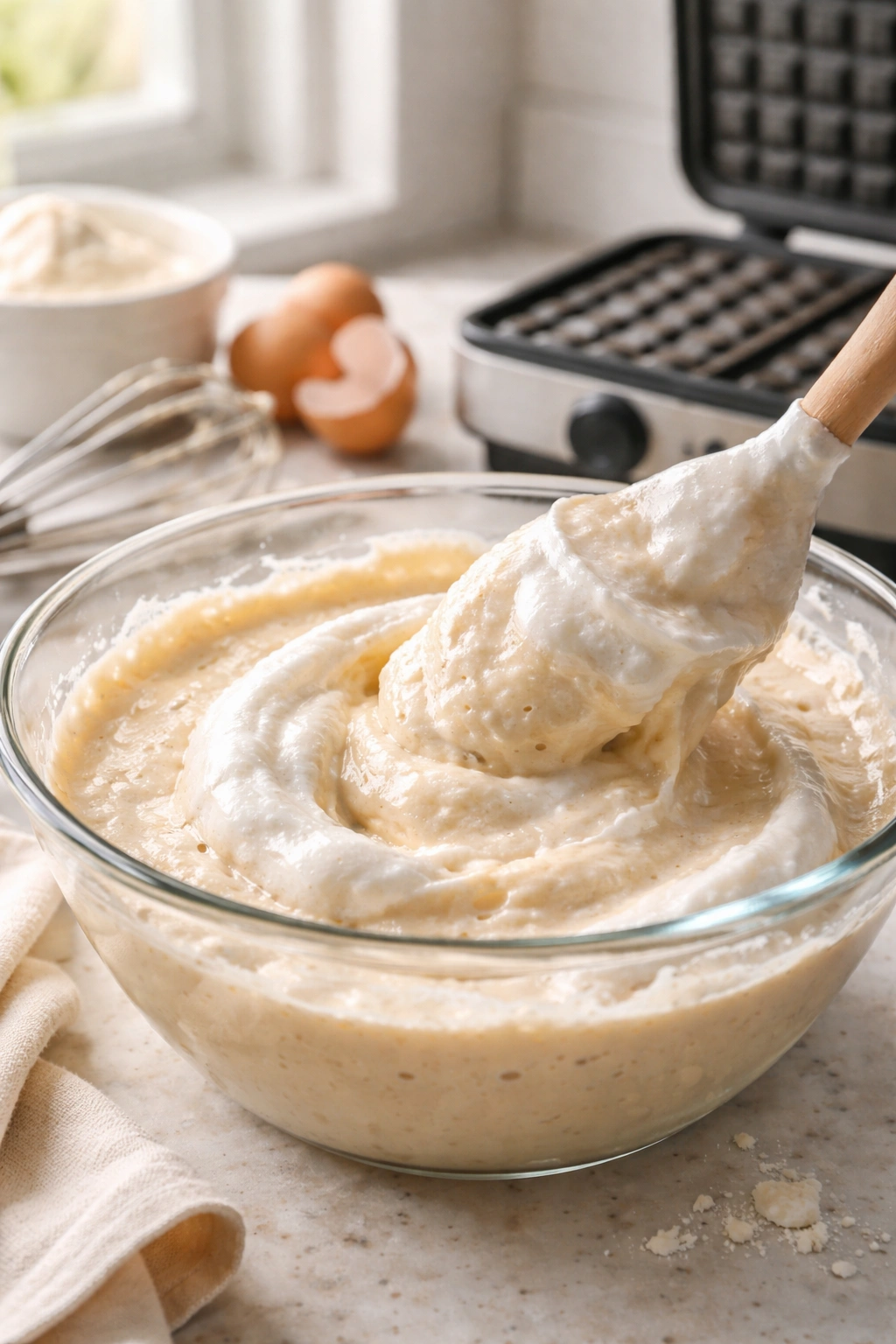
The texture difference between a flat, dense waffle and a fluffy, crispy one comes down to how you treat the batter and the iron. The first critical step is separating your eggs. This sounds like extra work, but it’s genuinely the leverage point that determines success. The egg whites whip into clouds of aerated protein and trap air bubbles. The yolks contribute fat and emulsification that keeps everything cohesive. When you fold the whipped whites into the batter at the very end, you’re adding volume and loft that elevates the entire waffle.
Most batters fail here because people either skip the whipping entirely or fold too roughly, crushing the air out of the whites. Whip the whites until they form stiff peaks — white, glossy, and holding shape when you lift the whisk. This takes 3-4 minutes with a hand mixer or stand mixer. Then, fold them in with a rubber spatula using large, gentle strokes from the bottom of the bowl upward. Rotate the bowl slightly with each stroke rather than stirring in circles. This preserves the air bubbles while incorporating the whites throughout the batter.
The waffle iron itself makes an enormous difference. Non-stick irons are convenient but often don’t crisp waffles as effectively as cast-iron or seasoned steel models. If you use a non-stick iron, ensure it’s properly preheated — a cold iron will steam the waffle before it crisps. Cast-iron waffle irons or commercial-style Belgian waffle makers brown more aggressively and create crispier edges. Preheat your iron to medium-high heat and let it sit for a full 5 minutes before pouring batter.
The amount of batter you use matters enormously. Too little, and the waffle cooks before it rises properly. Too much, and batter overflows, creating mess and uneven browning. For a standard waffle iron, use approximately half a cup of batter. For a Belgian waffle maker, use three-quarter cup. Pour the batter into the center and close the iron gently without pressing down — pressing forces air out of the batter and creates density.
Resist the urge to open the waffle iron early. The waffle needs 4-5 minutes to set its structure and begin crisping. If you open too soon, the waffle collapses or tears. The waffle is ready when steam has mostly stopped releasing from the iron and the exterior is golden brown. Some irons have a readiness light; others require you to listen for steam or peek slightly at the edges.
Yield: Serves 4 (makes 8-10 waffles, depending on iron size)
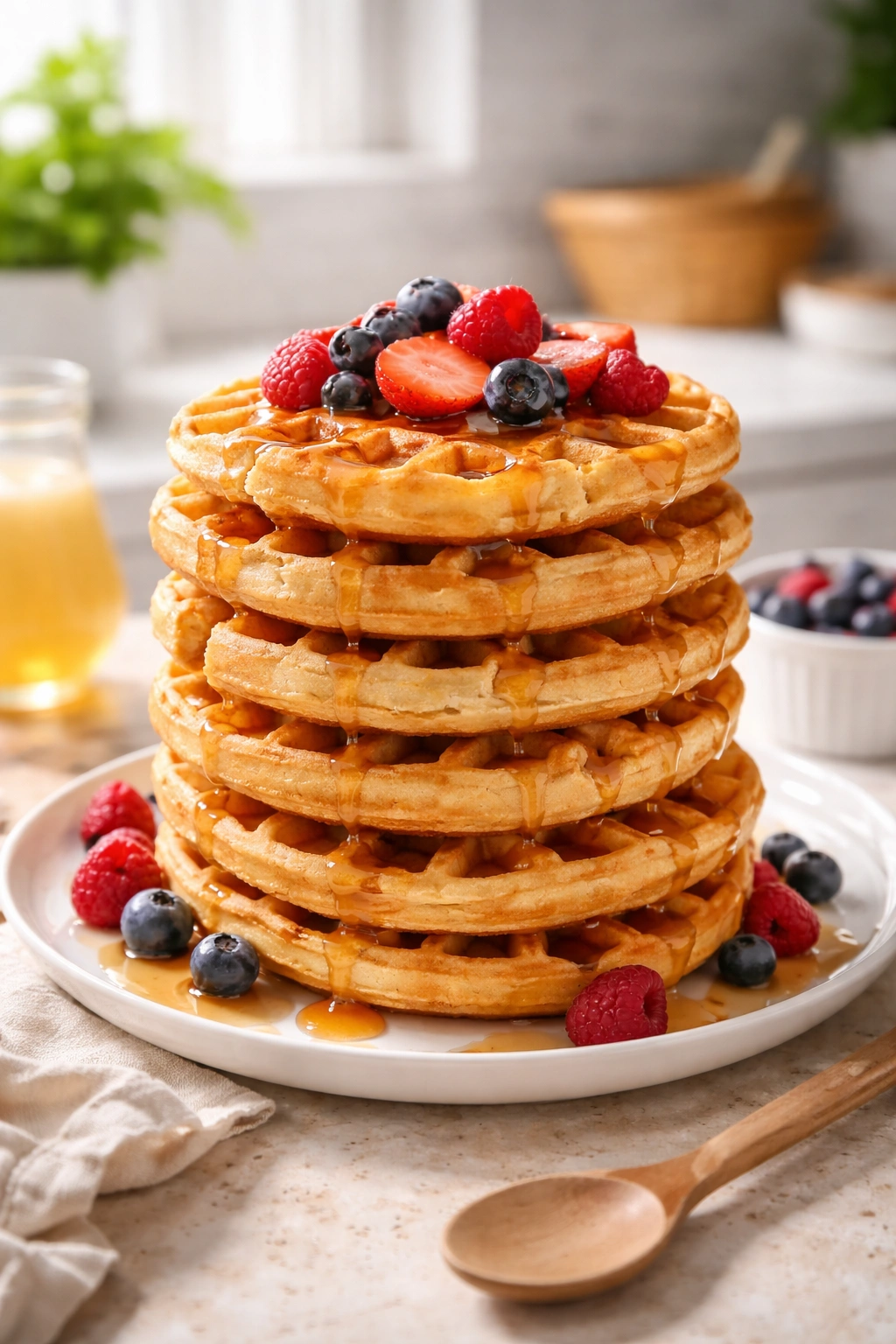
Prep Time: 20 minutes Cook Time: 20-25 minutes (about 2-3 minutes per waffle) Total Time: 40-50 minutes Difficulty: Beginner — the steps are straightforward, and the main technique (folding whipped egg whites) is actually easier than it sounds once you see it done.
For the Waffle Batter:
- 4 large eggs, separated (whites and yolks in separate bowls)
- 1 cup whole Greek yogurt, plain unsweetened
- 1 cup whole milk or unsweetened almond milk
- 1 teaspoon pure vanilla extract
- 2 tablespoons melted butter or coconut oil
- 1½ cups all-purpose flour
- ¼ cup vanilla whey protein powder (or unflavored, if you prefer)
- 2 tablespoons granulated sugar or honey
- 2 teaspoons baking powder
- ½ teaspoon baking soda
- ¼ teaspoon fine sea salt
- ½ teaspoon ground cinnamon (optional, but highly recommended)
For Serving (optional but suggested):
- Greek yogurt (plain or vanilla)
- Fresh berries (blueberries, raspberries, strawberries, or a mix)
- Pure maple syrup
- Sliced almonds or chopped pecans
- Ground flax seed or chia seed
- Fresh whipped cream
- Honey or almond butter for drizzling
Prepare the Dry Ingredients:
-
In a medium mixing bowl, whisk together the flour, protein powder, baking powder, baking soda, salt, and cinnamon (if using) until evenly combined. Set aside. This prevents clumps of baking soda or protein powder from appearing in your finished waffles.
-
Preheat your waffle iron to medium-high heat and let it sit for a full 5 minutes. You want it properly hot so waffles brown and crisp evenly — a cold iron creates steamed rather than crisped waffles.
Make the Wet Base:
-
In a large bowl, whisk together the egg yolks, Greek yogurt, milk, melted butter, vanilla, and sugar until smooth and well combined. The mixture should look like a thick, creamy batter base.
Advertisements -
Pour the dry ingredients into the wet mixture and stir gently with a spatula until the ingredients are just combined. Do not overmix. A few small lumps are fine and actually preferable to overdeveloping the flour, which toughens waffles. Overmixing develops gluten, resulting in dense, chewy rather than light, crispy waffles.
The Critical Step — Whip and Fold the Egg Whites:
-
In a separate, completely clean and dry bowl, use an electric mixer (hand mixer or stand mixer) to beat the egg whites on high speed for 3-4 minutes, until they form stiff peaks. The whites should be white, glossy, and hold their shape firmly when you lift the whisk. This step is the secret to fluffy waffles — the whipped whites add volume and lift.
-
Gently fold the whipped egg whites into the batter using a rubber spatula. Use large, sweeping strokes from the bottom of the bowl up and over the top. Rotate the bowl slightly with each stroke. Fold until the whites are mostly incorporated but some white streaks still remain visible — this takes about 10-15 folds. Do not stir vigorously, which deflates the whipped whites and defeats the purpose of whipping them. A few undissolved white streaks are fine; they’ll incorporate during cooking.
Cook the Waffles:
-
Pour ½ cup of batter (or ¾ cup for Belgian-style irons) into the center of the preheated waffle iron. Close the lid gently without pressing down — pressing forces air out of the batter and creates flat, dense waffles.
-
Cook for 4-5 minutes, until steam has mostly stopped releasing from the iron and the exterior is golden brown. Resist the urge to open the iron early — the waffle needs time to set its structure and crisp. If your iron has a readiness indicator, follow its signal.
-
Using a fork or tongs, carefully remove the waffle from the iron and place it on a wire cooling rack (or a plate if serving immediately). The cooling rack prevents steam from making the bottom soggy. Do not stack hot waffles directly on top of each other, as the steam gets trapped and creates a gummy texture. A cooling rack solves this perfectly.
-
Repeat steps 7-9 with remaining batter, preheating the iron for 30 seconds between batches to maintain temperature.
Serving the Waffles:
- Serve the waffles immediately while they’re still warm and crispy, or cool them completely and reheat them in a 350°F (175°C) toaster oven for 5 minutes before serving — this restores crispiness without overdrying them.
Common Mistakes and How to Fix Them
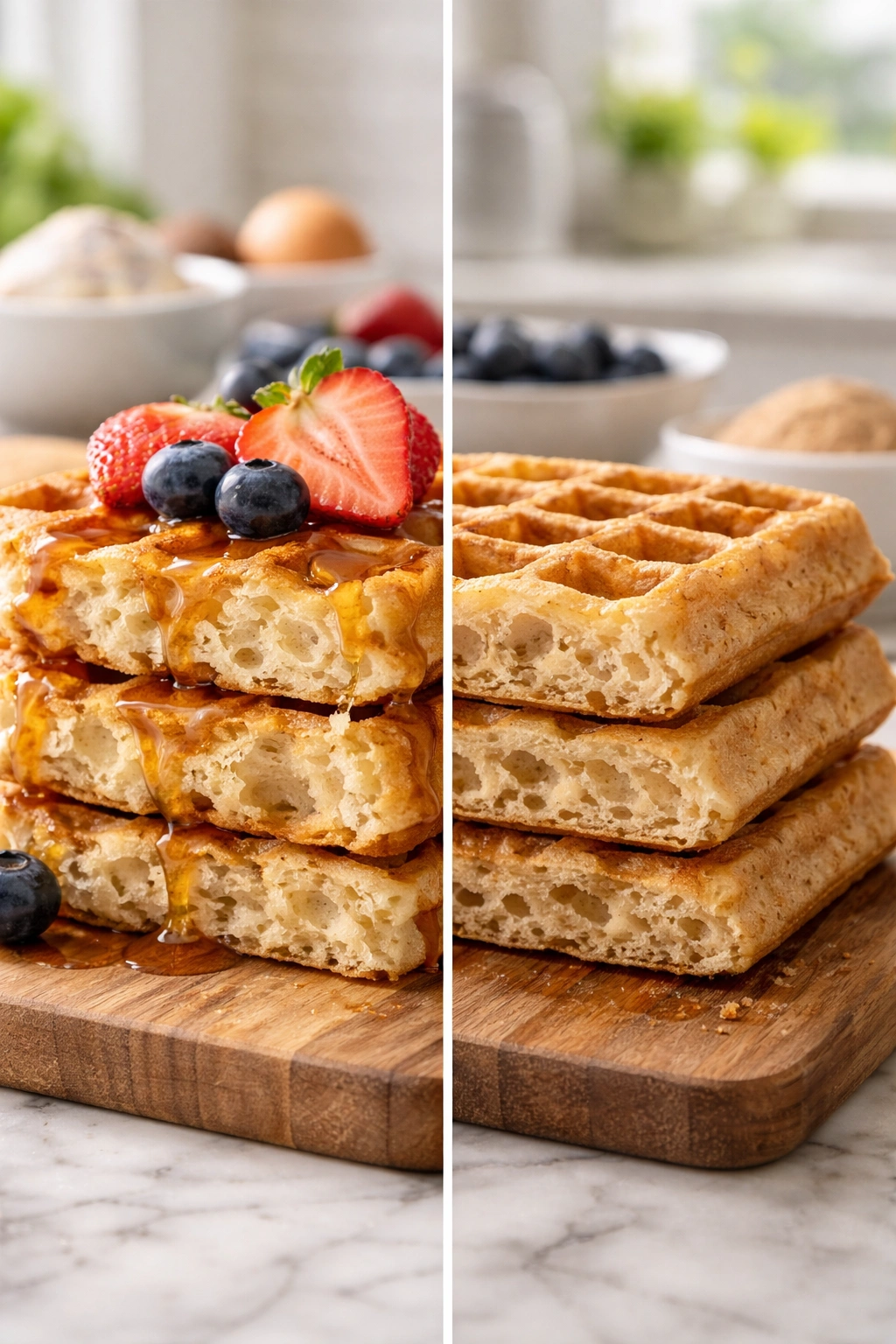
The most frequent mistake is treating the egg whites casually. If you skip whipping them entirely or only whip them for 1-2 minutes until they’re soft and foamy (rather than stiff and peaked), your waffles will be flat and dense. The fix is simple: whip them fully to stiff peaks every single time. This is the single most important step that separates fluffy waffles from dense ones.
The second common error is using too much protein powder. More isn’t better — it’s actually worse. Protein powder is concentrated, and too much creates a rubbery, tough texture that tastes slightly chalky. A quarter-cup is the right amount for this recipe. If you want even more protein, add a tablespoon of ground flax or collagen powder mixed into the yogurt before combining with other wet ingredients, rather than increasing the protein powder further.
Overmixing the batter is the third major pitfall. Once you add the dry ingredients to the wet ones, the goal is to combine just until no flour streaks remain visible. Continue stirring after that point develops gluten, which makes waffles chewy and dense rather than tender. The folding of whipped whites into the batter is specifically designed to add structure and air — overmixing at any stage crushes that carefully created volume.
Many people also fail to properly preheat the waffle iron. A cold iron means the batter steams before it browns, creating pale, soft waffles that lack crispiness. Preheat for a full 5 minutes and test the heat by flicking a tiny drop of water onto the surface — it should sizzle and evaporate immediately.
Pouring too much batter or using the waffle iron’s press incorrectly creates flat, dense results. Use the measured amount for your specific iron (½ cup for standard, ¾ cup for Belgian), and close the lid gently with your hands rather than pressing down hard. The iron’s weight is sufficient to cook the waffle without any additional pressure.
Finally, opening the iron too early ruins the structure. Wait for steam to mostly stop releasing and the exterior to turn golden brown. This takes 4-5 minutes typically. Opening early causes the waffle to collapse or tear because the interior isn’t yet set.
Topping Ideas That Complement Protein-Rich Waffles
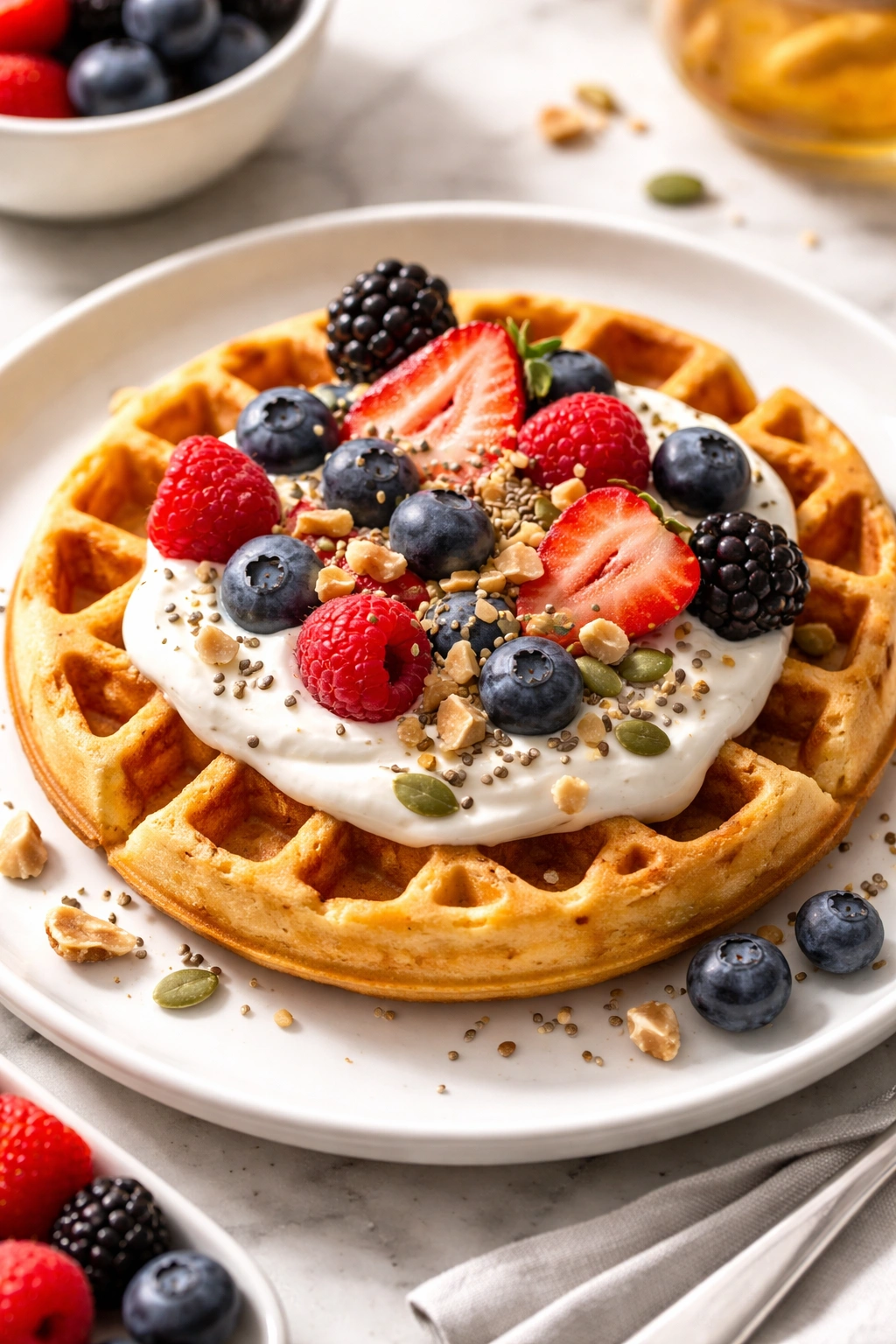
High-protein waffles pair beautifully with toppings that add flavor, nutrition, and visual appeal without overwhelming the waffle’s texture. Greek yogurt is an obvious choice — it’s protein-on-protein, visually appealing, and adds creamy richness. Use it straight from the container, or mix it with a touch of honey and vanilla for a light yogurt cream.
Fresh berries are the classic for a reason. Blueberries, raspberries, strawberries, or blackberries add bright acidity, natural sweetness, and antioxidants. Layer them directly on warm waffles so they warm slightly and release a bit of juice that soaks into the edges. A half-cup of mixed berries adds virtually no calories but massively increases satiety and satisfaction.
Nuts and seeds add textural contrast and healthy fats. Sliced almonds, chopped pecans, walnuts, or candied pecans provide crunch. Toasted pumpkin seeds or sunflower seeds add earthiness. Ground flax seeds or chia seeds contribute additional fiber and omega-3 fats without changing the flavor significantly. Sprinkle these on top before serving, or mix them into Greek yogurt as a topping base.
Nut butters drizzled warm over waffles are indulgent and deeply satisfying. Almond butter, peanut butter, or sunflower seed butter add richness and protein. Warm the butter slightly (just a few seconds in the microwave) so it drizzles easily across the waffle’s surface. A two-tablespoon portion adds 8 grams of protein and creates a restaurant-quality presentation.
Maple syrup is traditional for a reason, but use real maple syrup rather than corn syrup-based imitations. The flavor is infinitely superior, and you can use less of it because the taste is more concentrated. Two tablespoons of real maple syrup on a high-protein waffle doesn’t derail anything — you’re getting 25-30 grams of protein and 30 grams of carbohydrate, which is genuinely balanced.
Cinnamon and vanilla whipped cream creates an indulgent-feeling but relatively moderate topping. Whip heavy cream with a touch of honey and a pinch of cinnamon, then dollop on warm waffles. It looks fancy, tastes decadent, and adds minimal calories relative to the satisfaction it provides.
Chocolate adds luxury without excess. Drizzle melted dark chocolate (70% cacao or higher) across waffles, or sprinkle cocoa nibs for textural contrast. The bitterness of quality dark chocolate pairs unexpectedly well with the slight tanginess of Greek yogurt and the sweetness of berries.
Savory toppings work beautifully too. A savory waffle topped with a fried egg, avocado, and hot sauce creates a completely different breakfast that’s still high-protein and satisfying. This approach is less common but genuinely delicious and opens up waffle applications beyond sweet territory.
Flavor Variations to Try
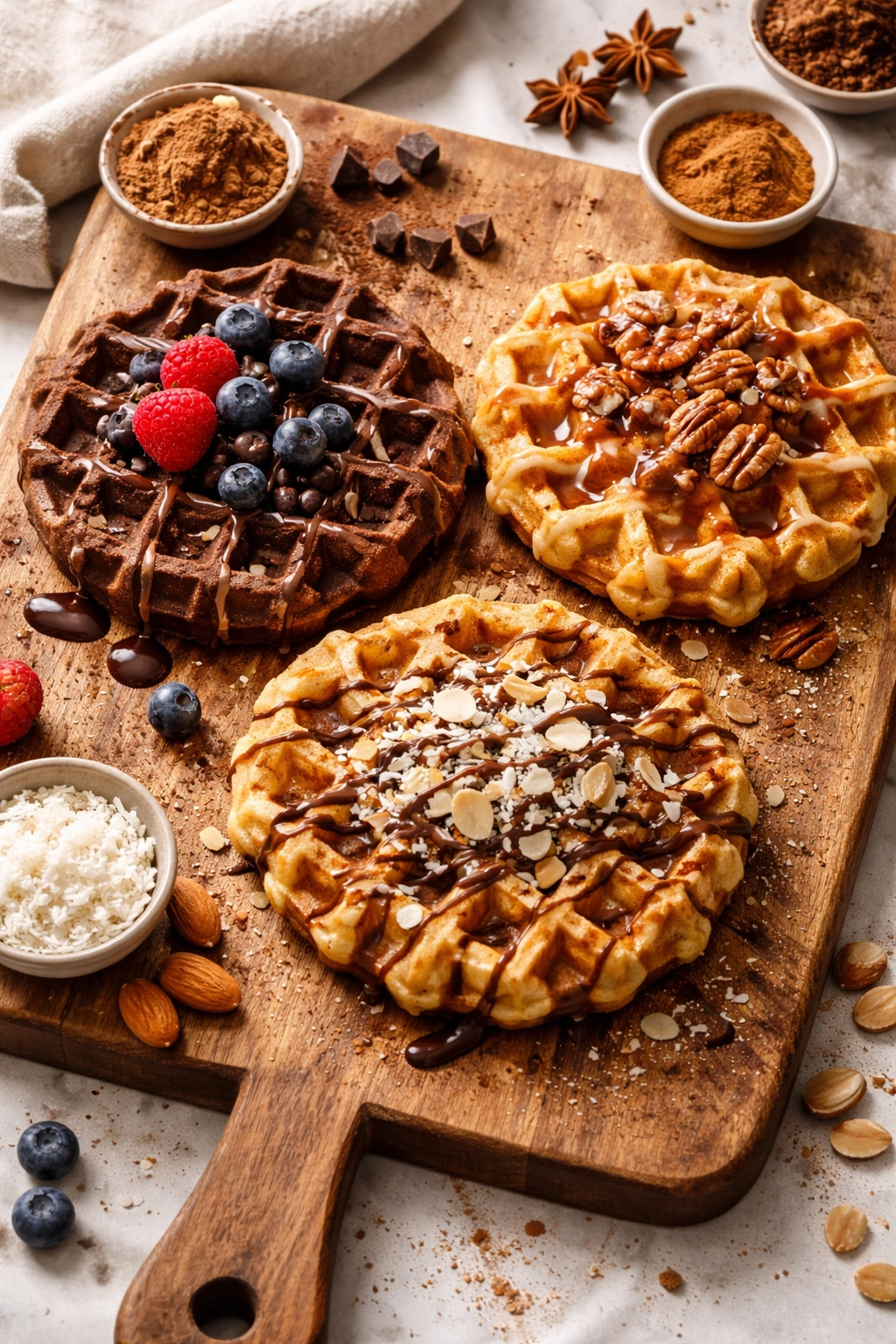
Chocolate high-protein waffles are straightforward to make. Substitute the vanilla whey for chocolate-flavored whey, add 2 tablespoons of unsweetened cocoa powder to the dry ingredients, and increase the sugar to 3 tablespoons to balance the cocoa’s bitterness. The flavor is rich and decadent without tasting artificial. Top with berries and whipped cream for maximum appeal.
Pumpkin spice waffles work beautifully and feel seasonally appropriate. Add ½ cup of pure pumpkin puree to the wet ingredients (and reduce the Greek yogurt to ½ cup to compensate for the added moisture), increase cinnamon to 1 teaspoon, add ½ teaspoon ground ginger, ¼ teaspoon ground cloves, and ¼ teaspoon ground nutmeg. These waffles taste like fall and pair wonderfully with a drizzle of maple syrup and toasted pecans.
Almond joy waffles combine coconut and chocolate. Use ½ cup of unsweetened shredded coconut mixed into the dry ingredients, substitute chocolate whey for vanilla, and top finished waffles with shredded coconut, dark chocolate drizzle, and almonds. This tastes like the beloved candy bar but lands on the breakfast plate.
Blueberry waffles incorporate fresh fruit directly into the batter. Fold ¾ cup of fresh blueberries (or frozen, unthawed) into the batter after folding in the egg whites, just before cooking. The berries burst during cooking, creating pockets of fruity flavor and moisture throughout. Top with additional fresh berries and yogurt.
Berry cream cheese waffles bring bagel-and-lox energy to breakfast. Mix 4 ounces of softened cream cheese into the wet ingredients (and reduce yogurt to ½ cup). The cream cheese adds richness and slight tang. Top with fresh berries and a drizzle of berry jam for sophisticated appeal.
Vanilla bean waffles use the real deal for sophisticated flavor. Replace vanilla extract with the seeds scraped from half a vanilla bean (or ¼ teaspoon vanilla bean paste, if available). The flecks of vanilla throughout create visual interest, and the flavor is infinitely more complex than extract alone. These waffles need nothing more than fresh whipped cream and berries.
Maple pecan waffles substitute maple extract for vanilla extract and fold ½ cup of toasted, chopped pecans into the batter before cooking. Top with a small drizzle of maple syrup and additional pecans. This version tastes authentically like the classic maple-pecan combination without any artificial flavoring.
Storage and Make-Ahead Tips
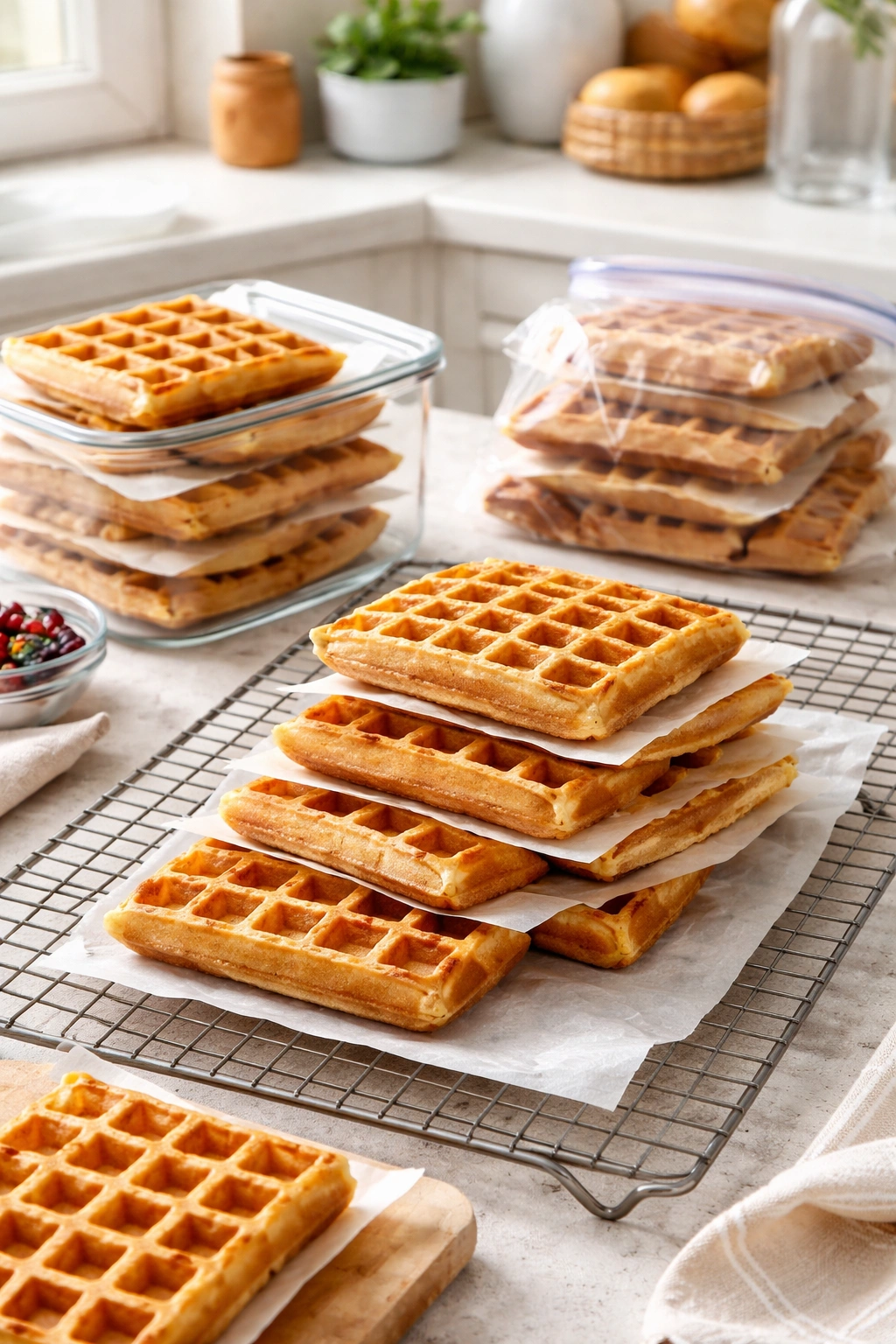
Cooked waffles keep beautifully at room temperature for up to 2 hours — simply stack them on a plate without stacking them directly on top of each other, which traps steam. If you’re eating several hours later, refrigerate them on a cooling rack or in an airtight container for up to 5 days. The texture softens slightly but remains perfectly edible.
Freezing is where high-protein waffles truly shine for meal prep. Cool completely, then layer them between parchment paper in a freezer bag or container. They keep frozen for up to 3 months. To reheat, pop a frozen waffle directly into a 350°F (175°C) toaster oven for 5 minutes, or use a regular toaster on a medium setting for 2-3 minutes per side. This restores crispiness without drying them out. A microwave works in a pinch but creates a softer texture.
Batter also keeps refrigerated for up to 24 hours before cooking. Cover the bowl tightly with plastic wrap or a tight-fitting lid after you’ve folded in the egg whites. When you’re ready to cook, the batter may have lost some volume as the whipped whites gradually deflate, but it still produces acceptable waffles. For optimal results, whip fresh egg whites the morning you plan to cook if you’ve prepared batter the night before.
Make-ahead component strategy works beautifully for busy mornings. Prepare the dry ingredient mix (flour, protein powder, baking powder, baking soda, salt, cinnamon) in a storage container up to 2 weeks ahead. Whisk the wet ingredients together the morning of, fold in the whipped egg whites, and cook. This cuts active prep time to about 10 minutes on waffle-cooking day.
Dietary Swaps and Adaptations
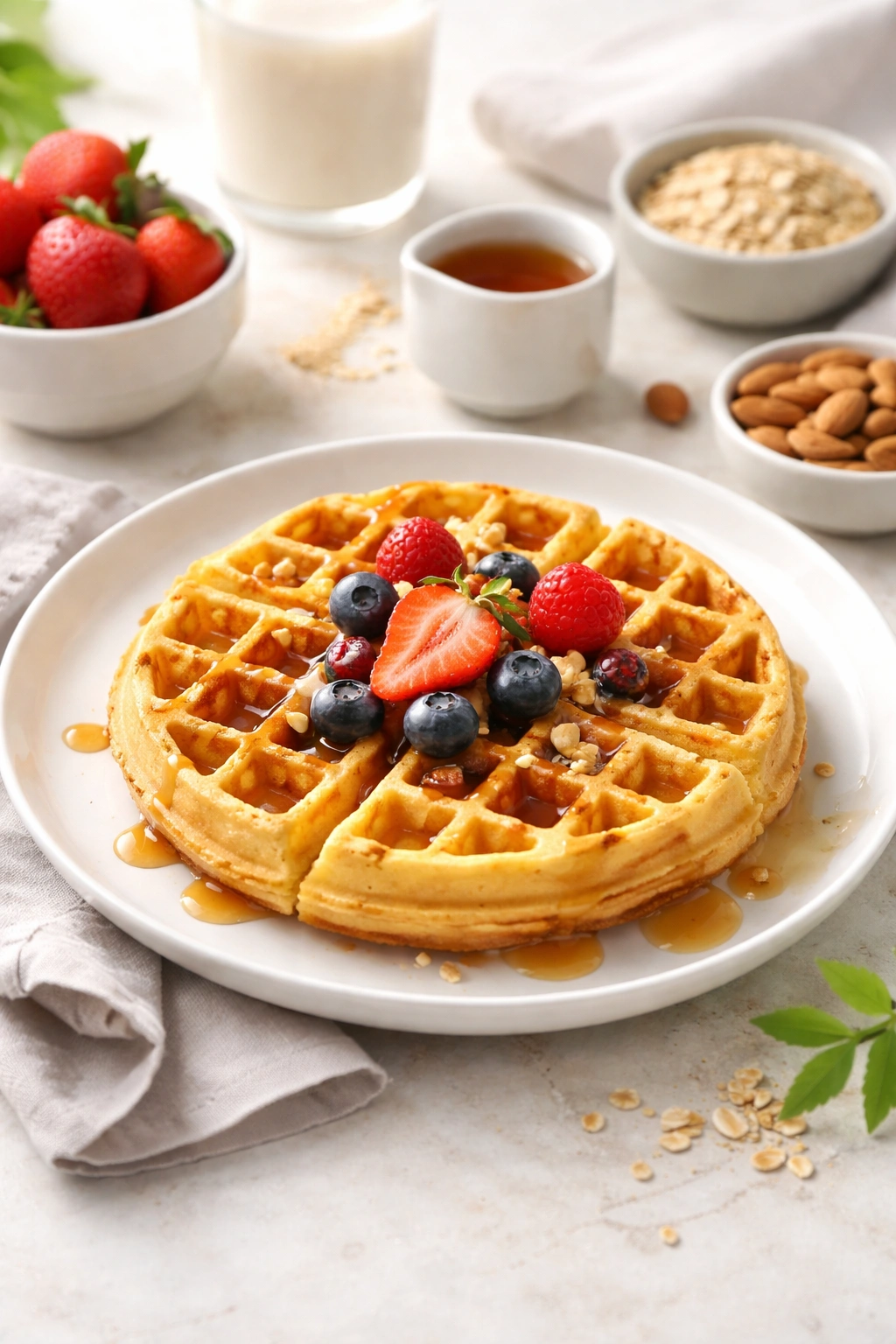
Gluten-free waffles work with a 1:1 gluten-free flour blend in place of all-purpose flour. Use brands specifically designed for baking rather than whole-grain blends, which create denser results. You may need to add an extra teaspoon of baking powder because gluten-free flours need slightly more leavening to achieve proper rise. The texture lands slightly more tender and less crispy than traditional waffles, but still absolutely delicious.
Dairy-free versions use non-dairy yogurt (coconut, almond, or oat-based) in place of Greek yogurt and non-dairy milk instead of regular milk. Coconut-based yogurt is thicker and works best, providing the same creaminess as Greek yogurt. The texture comes out nearly identical to dairy waffles. Use 1 tablespoon of coconut oil instead of butter for dairy-free, and ensure your protein powder contains no whey (use pea, hemp, or rice-based).
Vegan adaptations require egg substitution, which is the trickiest part. Use a commercial egg replacer (follow package directions), or make a flax egg: whisk 2 tablespoons of ground flax with 6 tablespoons of water and let sit 5 minutes before adding to the wet ingredients. This creates cohesion but won’t give you whipped-white volume, so the waffles won’t be quite as fluffy. The result is still satisfying — more like crepes or pancakes than traditional fluffy waffles.
Lower-sugar versions reduce the granulated sugar from 2 tablespoons to 1 tablespoon and add ½ teaspoon of a high-quality sweetener like stevia or monk fruit. The waffles taste slightly less sweet but genuinely delicious — the Greek yogurt and egg yolks provide natural richness that compensates for reduced added sugar.
Almond flour swaps work partially but not completely. You cannot simply replace all-purpose flour with almond flour one-to-one. Instead, use ¾ cup all-purpose flour and ¾ cup finely ground almond flour, reducing the liquid slightly (use ¾ cup milk instead of 1 cup) because almond flour absorbs more moisture. The result is a denser, moister waffle with a slightly coarser crumb — some people prefer this texture immensely.
Oat flour adds nutrition and subtle nuttiness. Replace ½ cup of all-purpose flour with old-fashioned rolled oats ground into a flour in a food processor. This adds fiber without changing the waffle structure significantly and increases the protein and mineral content. The flavor becomes slightly earthier and more complex.
Serving Suggestions for Maximum Nutrition

Pair high-protein waffles with a full glass of water or herbal tea. The protein content means these waffles will sit in your stomach longer and digest slowly, so hydration matters more than with lighter breakfasts. Water helps with nutrient absorption and keeps you hydrated through the morning.
A complete breakfast pairs waffles with a fresh fruit serving on the side. This adds fiber, vitamins, and minerals that waffles alone don’t provide. A serving of berries, sliced melon, or citrus alongside the waffle creates a nutritionally complete breakfast that hits multiple food groups.
Pair with a vegetable if you’re eating a savory waffle version. A simple green salad with lemon vinaigrette, or sautéed spinach and mushrooms alongside a waffle topped with a fried egg and avocado creates a breakfast that looks like lunch but delivers serious nutritional density.
Coffee or tea naturally complement these waffles. The high protein content means these waffles keep you satisfied and focused — pair that with caffeine, and you’ve got genuine energy that lasts. Skip the heavily sugared coffee drinks in favor of black coffee or tea with a splash of milk.
Eat waffles within an hour post-workout if you exercised that morning. The combination of carbohydrates from the waffle and protein from both the waffle and your normal post-workout beverage hits the nutrient timing window perfectly for muscle recovery and glycogen replenishment.
Serve these waffles to guests who are impressed by both the taste and the nutritional profile. High-protein waffles taste indulgent and special while delivering actual nutrition — serve them to someone who doesn’t realize they’re eating a “healthy” breakfast, and you’ll get immediate enthusiasm.
Final Thoughts
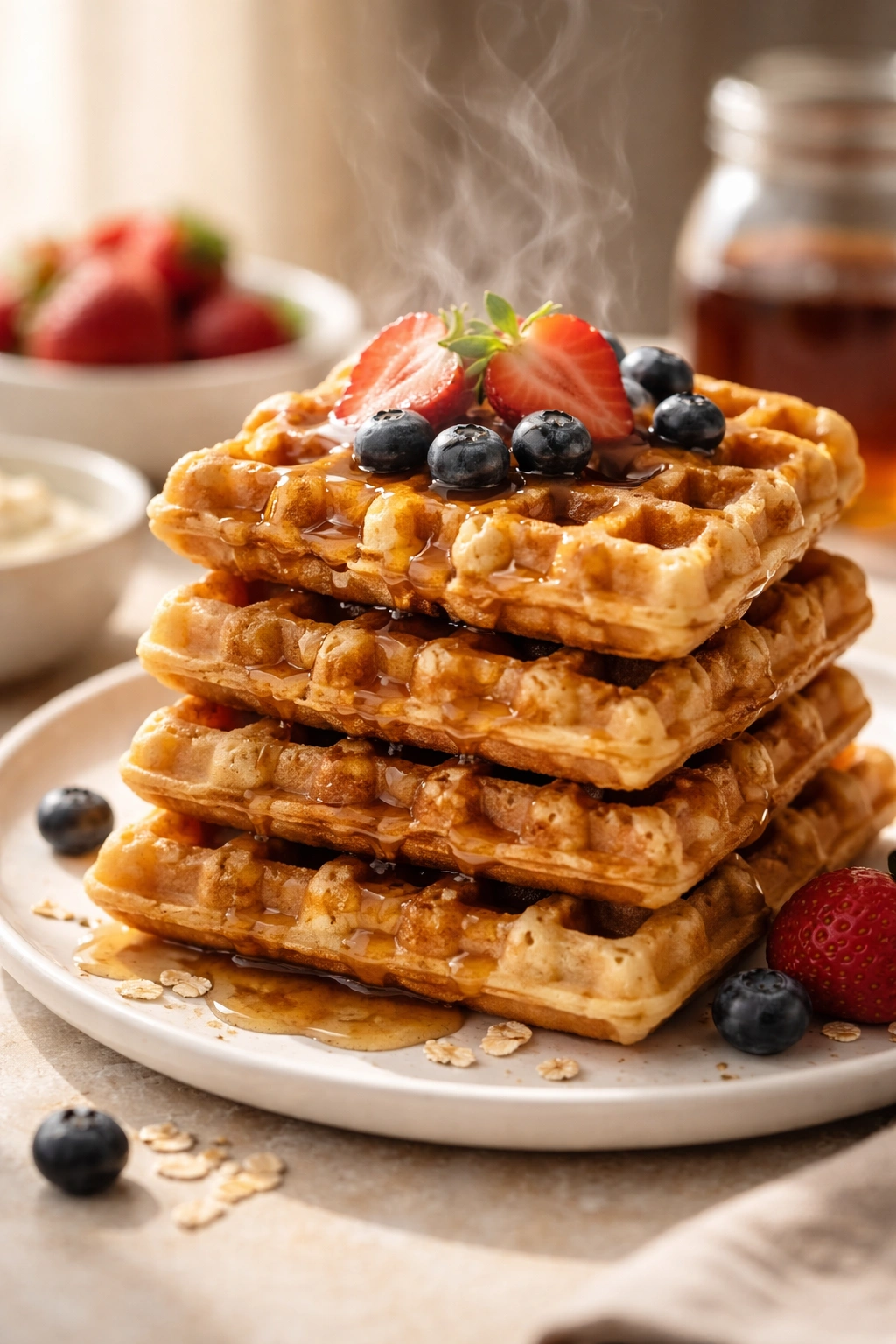
High-protein waffles aren’t a compromise or a sacrifice — they’re genuinely superior to traditional waffles if you care about sustained energy, satiety, or supporting your fitness goals. The technique is simple once you understand the role of whipped egg whites and the importance of not overmixing. The recipe is flexible enough to adapt to dietary restrictions, flavor preferences, and ingredient availability. And the results are crispy, fluffy, and absolutely delicious.
The real power of these waffles is that they free you from the blood-sugar rollercoaster of standard breakfast carbs. Eat one at 7 a.m., and you’ll still feel genuinely satisfied at noon without mindless snacking or energy crashes in between. That consistency, that steady focus and energy, is what makes these waffles worth the 10-minute hands-on effort.
Make these waffles once, and the technique becomes automatic. Make them twice, and you’ll likely freeze a batch to have a genuinely nutritious, satisfying breakfast available any morning by simply reheating. That convenience — a restaurant-quality high-protein breakfast ready in 5 minutes from frozen — is the real win. Combine them with any topping that appeals to you on a given morning, and you’ve got a breakfast that adapts to your cravings while staying true to your nutritional goals.
