



Making restaurant-quality rice at home is one of those kitchen skills that seems harder than it actually is. The cilantro lime rice served at Chipotle has become something of a sensation—so beloved that countless home cooks have spent time reverse-engineering the recipe to recreate it in their own kitchens. The good news? Once you understand the fundamentals and a few key technique adjustments, you can produce cilantro lime rice that tastes virtually identical to the restaurant version, and you’ll do it in about 25 minutes with ingredients you probably already have on hand.
The magic behind this recipe isn’t secret ingredients or complicated methods—it’s about using the right type of rice, cooking it properly to achieve that perfect fluffy texture without stickiness, and then finishing it with bright, fresh flavors that transform plain white rice into something genuinely special. Whether you’re building burrito bowls at home, looking for a versatile side dish, or meal prepping for the week, this copycat recipe gives you complete control over the flavors while saving you money and the drive to a restaurant.
What Makes This Rice Different From Regular White Rice
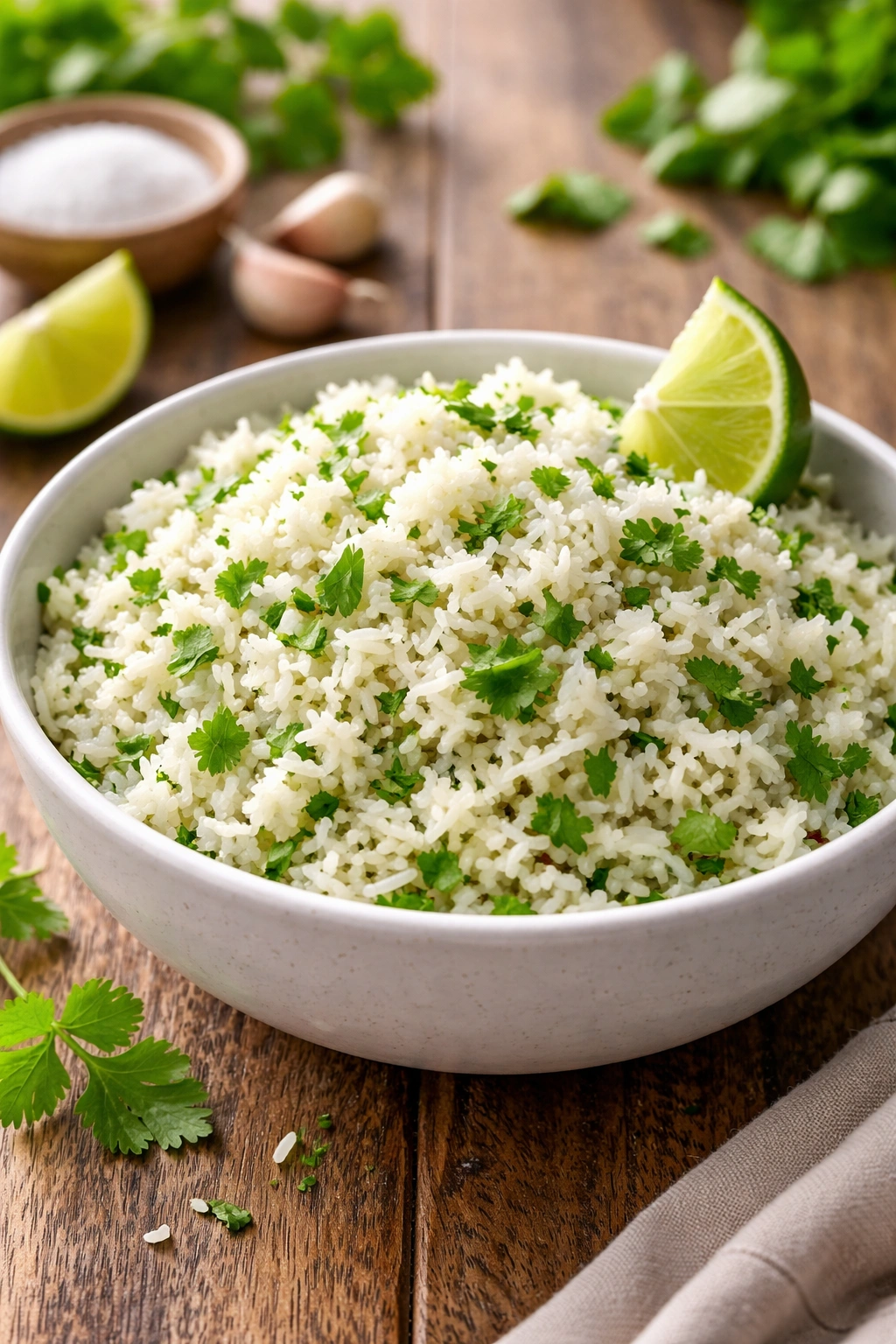
Plain white rice, while perfectly fine as a neutral base, can feel one-dimensional on the plate. What Chipotle does brilliantly is elevate that simple grain into something memorable through strategic additions of fresh cilantro, bright lime juice, and sometimes a whisper of garlic. The herbs don’t overwhelm the rice—instead, they wake it up, adding dimension without heaviness.
The texture matters just as much as the flavor. You want rice where each grain stands distinct from its neighbors, fluffy enough that you can fluff it with a fork without it falling apart, but with enough structure that it doesn’t turn into mush. This requires understanding how much water your rice truly needs and respecting the resting period that allows steam to finish cooking the grains perfectly.
The transformation from ordinary to extraordinary happens in the final step, when you fold in the cilantro and lime juice. That fresh citrus brightness cuts through the richness of any protein or toppings you pair it with, making the entire meal feel lighter and more vibrant.
Choosing the Right Rice for Perfect Texture
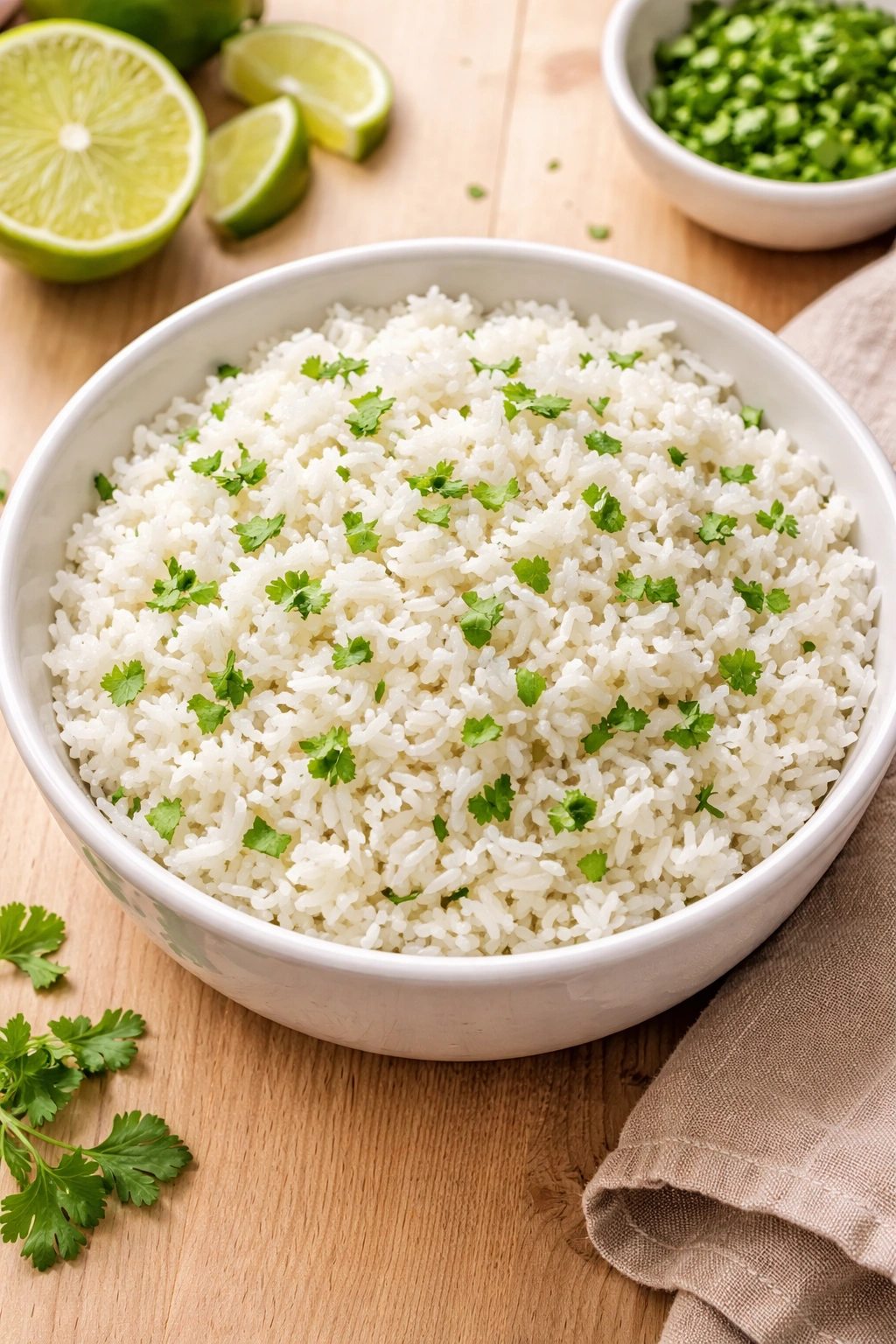
Not all rice behaves the same way during cooking, which is why the type you choose matters more than many home cooks realize. Long-grain rice varieties—particularly basmati and jasmine—work best for this recipe because they produce grains that stay separate and firm rather than clumping together.
Basmati rice is the traditional choice for this copycat recipe. It’s a slender, fragrant rice that becomes noticeably fluffy when cooked. Jasmine rice is slightly softer and more aromatic, and it works beautifully too. Both varieties have relatively low starch content compared to short-grain varieties, which means they’ll cook up separated and light rather than gummy.
Short-grain rice, like the kind used for sushi or risotto, contains much more starch and will stick together—that’s actually desirable for those applications, but it’s exactly what you want to avoid here. If you use short-grain rice, you’ll end up with something that clumps together rather than maintaining individual grains.
Brown rice adds a nuttier flavor and more fiber, and it’s absolutely usable in this recipe if you prefer it. Just know that brown rice requires significantly longer cooking time—about 40-45 minutes instead of 15-20 minutes—because the bran layer takes longer to soften. The flavoring process remains the same, though.
The Critical Step Most People Skip: Rinsing Your Rice
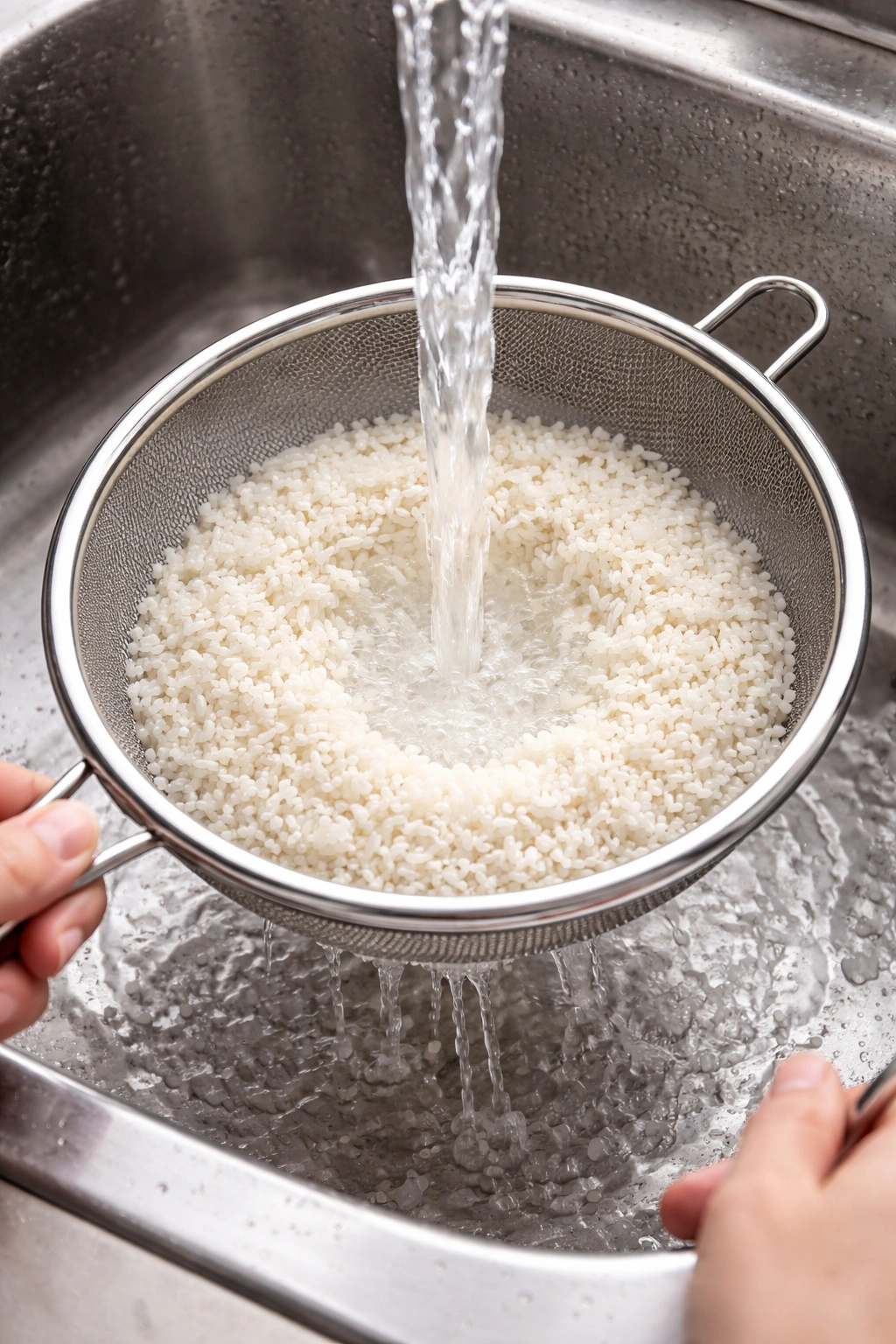
This single step makes a dramatic difference in your final result, and it’s one that many home cooks skip because it seems unnecessary. Rinsing removes excess starch that clings to the surface of the rice grains.
That cloudy water you see when you first rinse is pure starch, and rinsing until the water runs mostly clear removes enough of it that your cooked rice won’t have that gluey, gummy quality that ruins the texture. It also clears away any dust or debris that might have accumulated during storage or packaging.
To rinse rice properly, place it in a fine-mesh sieve and run cool water over it while gently rubbing the grains between your fingers. Do this three to four times until the water runs relatively clear. You don’t need to achieve perfectly transparent water—that’s impossible—but you should see a dramatic improvement. The whole process takes about two minutes and absolutely pays off in the final texture.
The one exception is if you’re using unrinsed basmati rice, which some recipes specify. In that case, the rice is already processed in a way that reduces excess starch, and you can skip the rinsing step if you prefer.
Two Excellent Methods: Stovetop vs. Rice Cooker
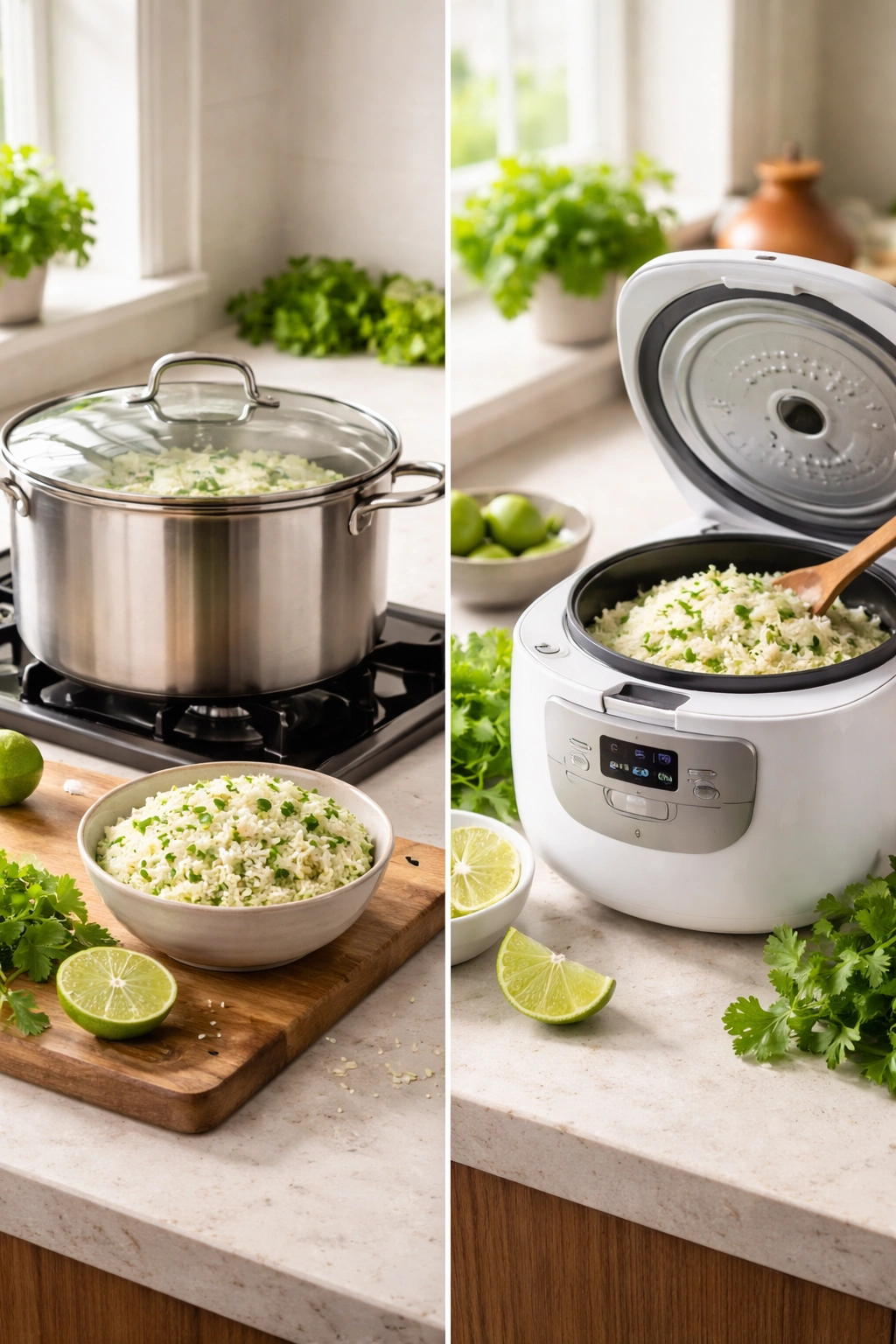
You have flexibility in how you actually cook the rice, and both the stovetop and rice cooker methods produce equally delicious results. Your choice might depend on what equipment you have available or whether you want to free up a burner for other components of your meal.
The stovetop method gives you the most control and is what most culinary professionals prefer. You can monitor the water level, adjust the heat as needed, and get a feel for when the rice is properly cooked. The pasta method—boiling rice in abundant water then draining it—is forgiving and nearly impossible to mess up.
The rice cooker method is hands-off and incredibly convenient. Once you add your ingredients and start the cooker, you can attend to other parts of dinner without watching the pot. Rice cookers also keep rice warm for extended periods, making them perfect if you’re serving at different times or prepping ahead.
Yield: Serves 4 to 6 | Makes approximately 3 cups cooked rice
Prep Time: 5 minutes
Cook Time: 20 minutes (stovetop) | 25-30 minutes (rice cooker)
Total Time: 25 minutes (stovetop) | 30-35 minutes (rice cooker)
Difficulty: Beginner — The cooking method is straightforward with no special skills required, and the seasoning is accomplished by simply stirring in fresh ingredients after cooking.
Ingredients for Cilantro Lime Rice
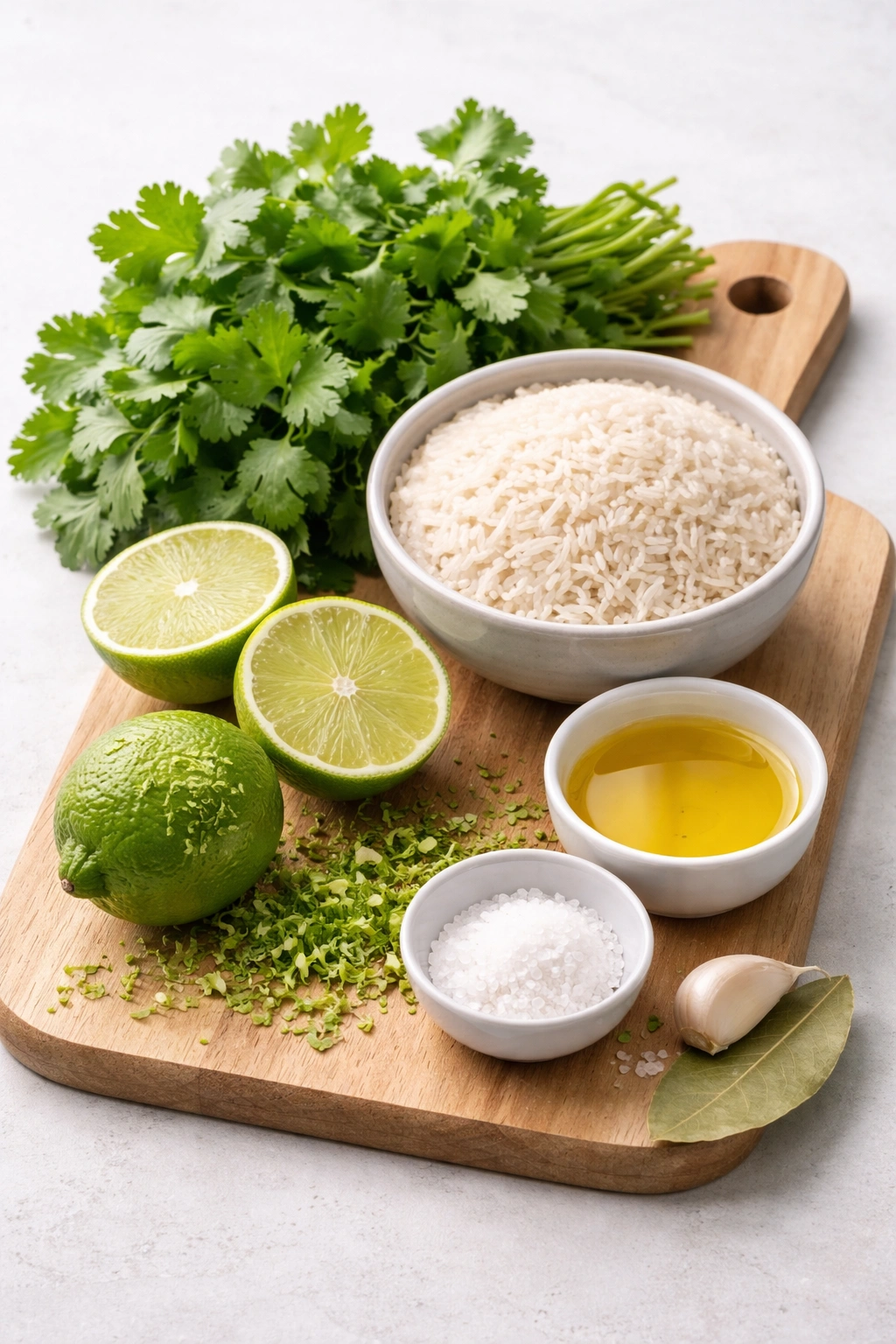
For the Rice:
- 1 cup long-grain white rice (basmati or jasmine work best), rinsed
- 2 cups water (or chicken or vegetable broth for extra flavor)
- 1 teaspoon olive oil or vegetable oil
- 1 bay leaf (optional but recommended—it adds subtle depth)
- ¾ teaspoon kosher salt (divided, plus more to taste)
For the Cilantro Lime Seasoning:
- 3 tablespoons fresh cilantro, finely chopped
- 2 tablespoons fresh lime juice (about 1 to 1½ limes)
- 1 teaspoon lime zest (from the same lime you juice)
- ½ tablespoon fresh lemon juice (optional but adds complexity)
- ½ teaspoon minced garlic (optional, adds savory depth—some copycat recipes include this)
Notes on Ingredients: Use fresh lime juice, never bottled, as the flavor difference is dramatic. Bottled lime juice tastes metallic and flat by comparison. Fresh cilantro should be bright green and fragrant—if it smells musty or looks yellowed, it’s past its prime. The garlic is optional; if you include it, mince it very finely so it distributes evenly throughout the rice.
The Stovetop Method: Absolute Control
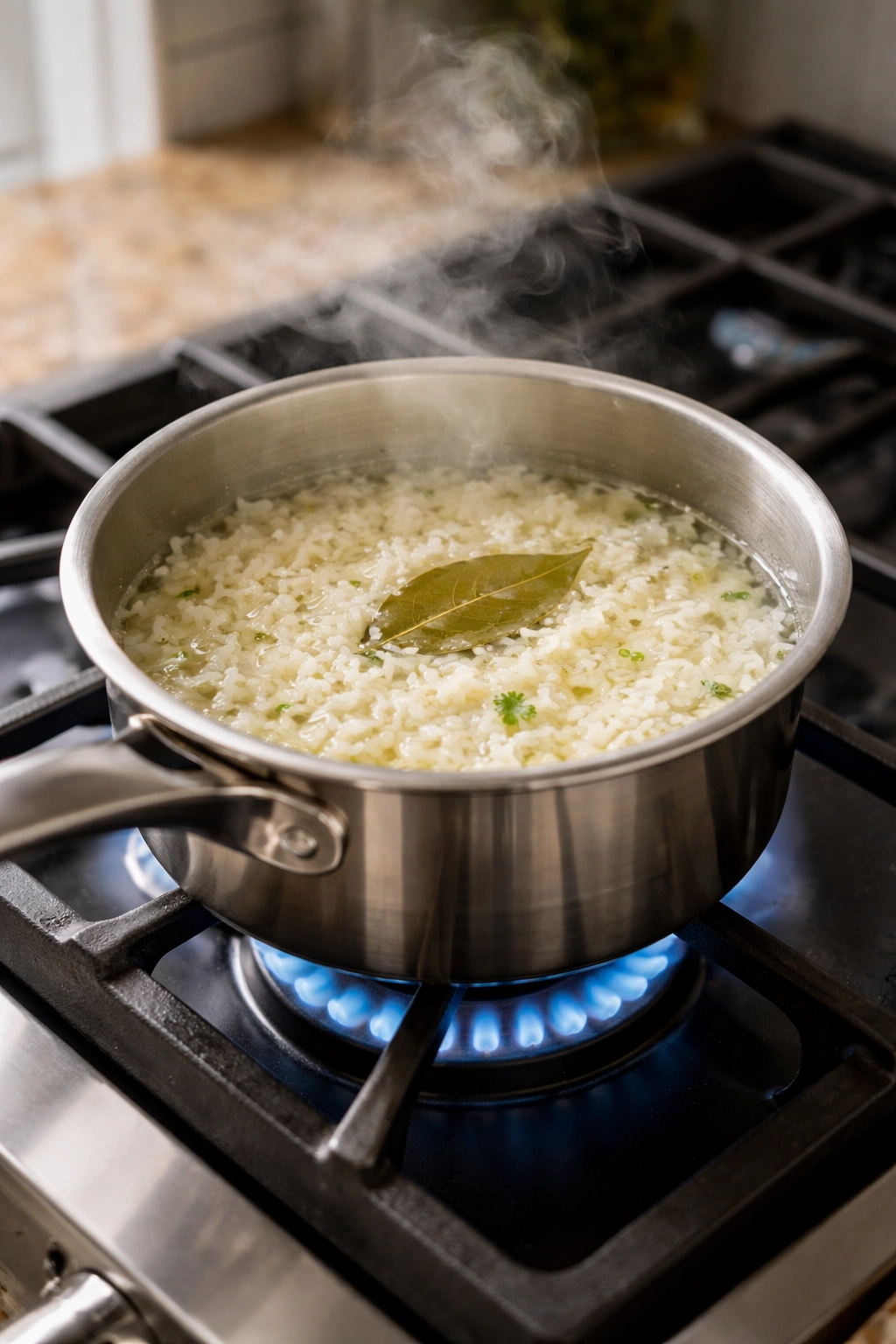
This method gives you the most transparency into what’s happening with your rice at each stage, and it’s the approach most reliable for achieving that perfect texture.
Prepare Your Rice:
-
Rinse 1 cup of rice in a fine-mesh sieve under cool running water, rubbing gently with your fingers until the water runs mostly clear. Drain thoroughly.
-
Chop the cilantro finely and set aside in a small bowl. Juice your lime directly into a separate small container and zest it into the same container. If using garlic, mince it very finely. Have all your seasonings prepped before you begin cooking—this matters because you’ll be adding them very quickly once the rice is ready.
Cook the Rice:
-
In a medium saucepan with a tight-fitting lid, heat 1 teaspoon oil over medium heat for about 30 seconds until it shimmers slightly.
Advertisements -
Add your rinsed rice and the bay leaf to the hot oil. Stir constantly for 1 to 2 minutes, until the rice grains are lightly coated with oil and smell faintly toasted—you’re not browning the rice, just toasting it slightly to deepen the flavor and help the grains stay separate.
-
Pour 2 cups water or broth into the saucepan, add ¾ teaspoon salt, and stir once to combine. Do not stir again after this point; stirring releases starch and makes the rice gummy.
-
Bring the water to a gentle boil over medium-high heat—this should take 3 to 4 minutes. You’ll see steam rising and hear gentle bubbling.
-
As soon as the water reaches a boil, reduce the heat to low, place the lid on the saucepan, and leave it undisturbed for 15 minutes. Don’t lift the lid. Don’t stir. Don’t peek. The steam is doing the work now, and any interruption releases that steam and disrupts the cooking process.
-
After exactly 15 minutes, remove the saucepan from heat (keep the lid on) and let it rest for an additional 5 to 10 minutes. This resting period is essential—the residual heat and steam finish cooking the rice gently, ensuring every grain is tender.
Season and Serve:
-
Remove the bay leaf and discard it. Using a fork, gently fluff the rice to separate the grains. Some grains may have formed a thin crispy layer on the bottom (called the tahdig)—this is desirable and adds textural interest, though you can avoid it by using lower heat if you prefer.
-
In a large bowl or directly in the saucepan, gently fold in the lime juice, lime zest, cilantro, and optional garlic. Fold gently so the herbs distribute evenly without crushing them. Taste and add additional salt, lime juice, or cilantro to your preference.
-
Serve warm as a side dish, or use as the base for burrito bowls and tacos.
The Rice Cooker Method: Set and Forget
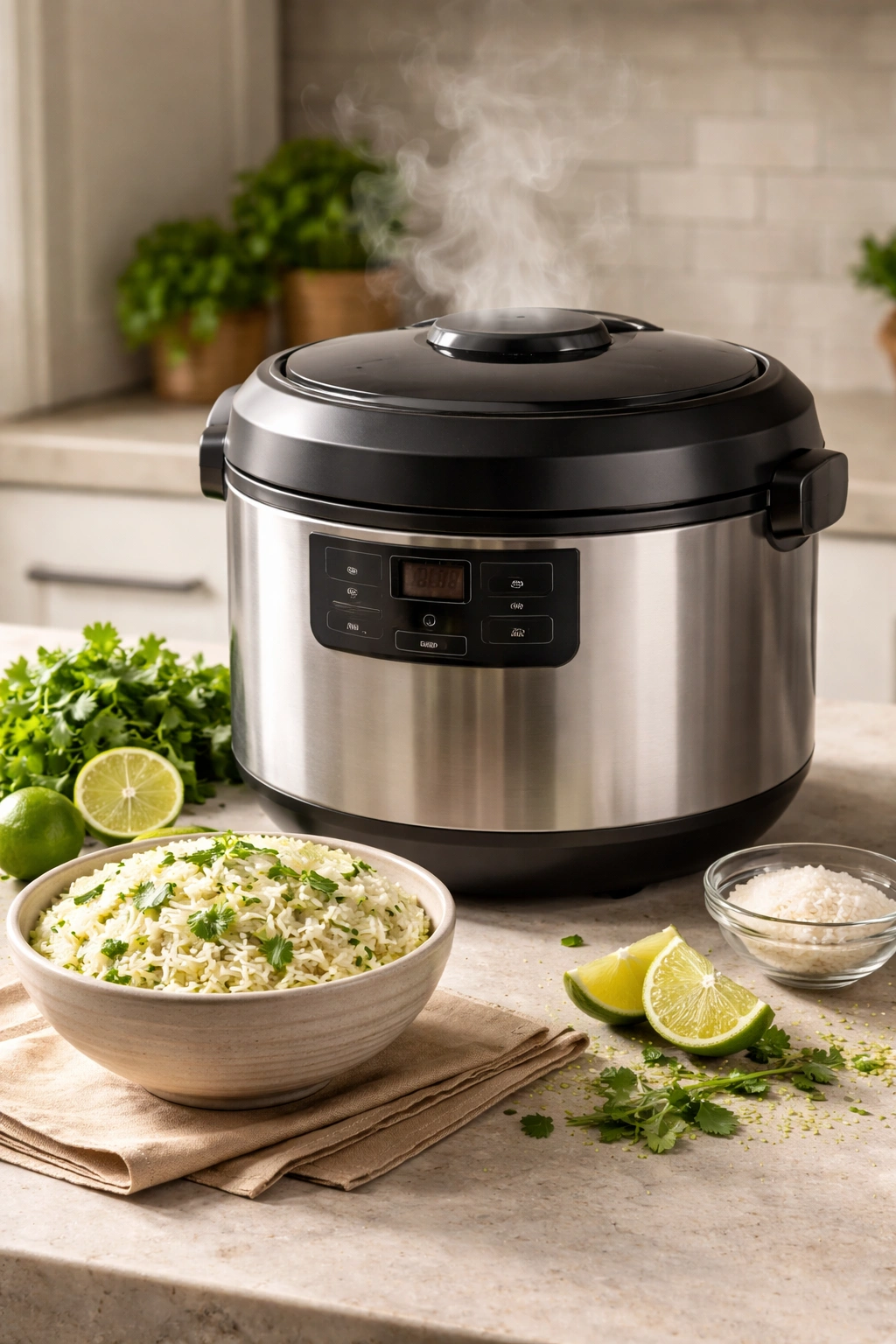
If you own a rice cooker, this method is even simpler and produces equally excellent results.
Prepare:
-
Rinse your rice as described above and drain thoroughly.
-
Add the rinsed rice, water (or broth), oil, bay leaf, and salt to your rice cooker. Stir gently to combine.
-
Close the lid and start the cooker on the white rice setting. Different rice cookers vary slightly in timing, but white rice typically takes 20-30 minutes.
-
While the rice cooks, chop and prepare all your cilantro lime seasonings.
Finish:
-
When your rice cooker indicates the rice is done, carefully remove the bay leaf.
-
Transfer the rice to a large serving bowl and gently fluff with a fork. Add the lime juice, lime zest, cilantro, and optional garlic, folding gently to distribute the seasonings evenly.
-
Taste and adjust salt and lime juice as needed before serving.
Making It in the Instant Pot
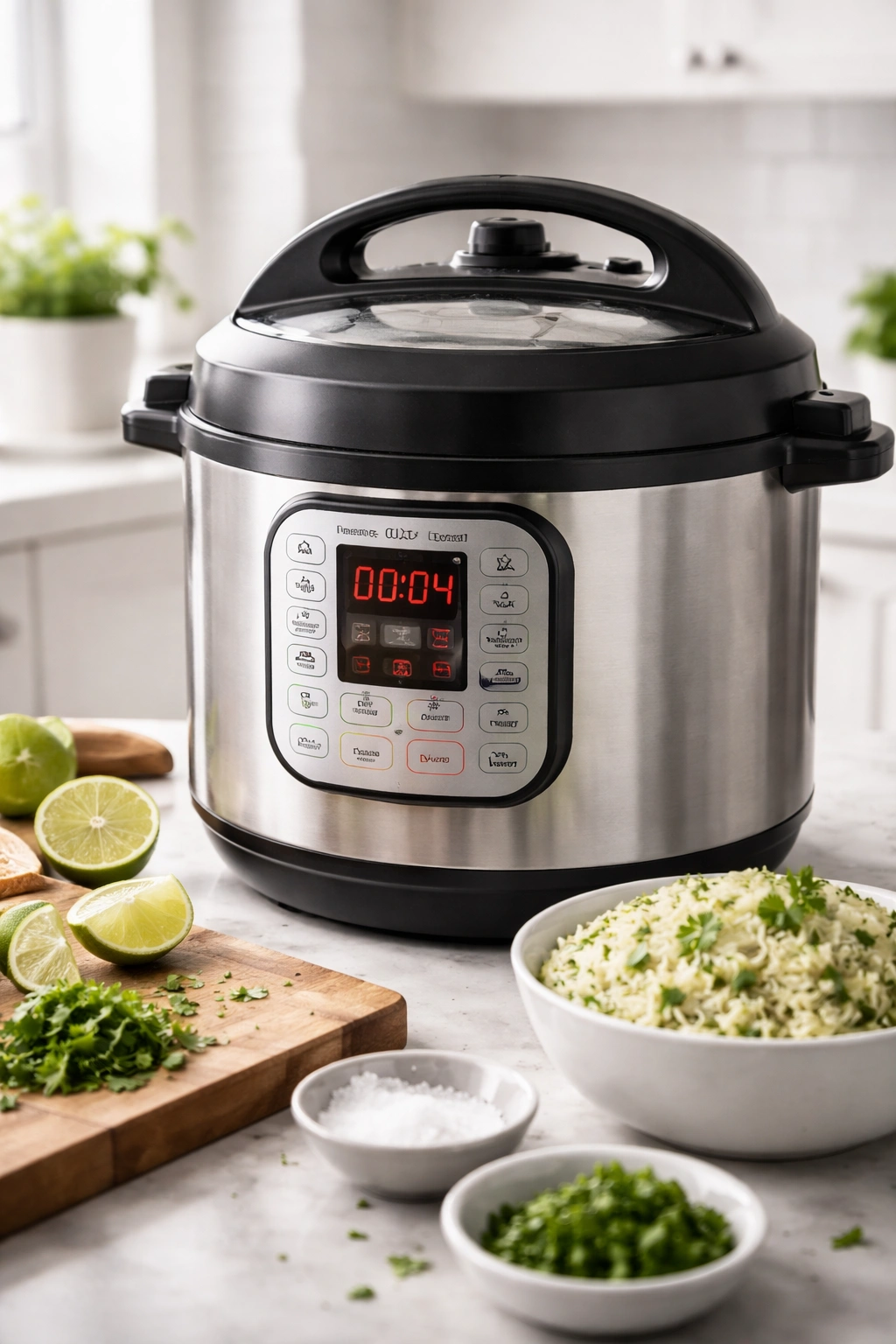
For those with an Instant Pot or pressure cooker, you can have cilantro lime rice ready in about 15 minutes total time. Reduce the water to 1½ cups for 1 cup of rice, add your oil, salt, and bay leaf, and cook on high pressure for 8 minutes. Allow natural pressure release for 5 minutes, then quick-release any remaining pressure. Fluff and add your seasonings as usual. The texture comes out slightly softer than the stovetop method but still delicious.
Why Your Rice Might Turn Out Mushy or Hard
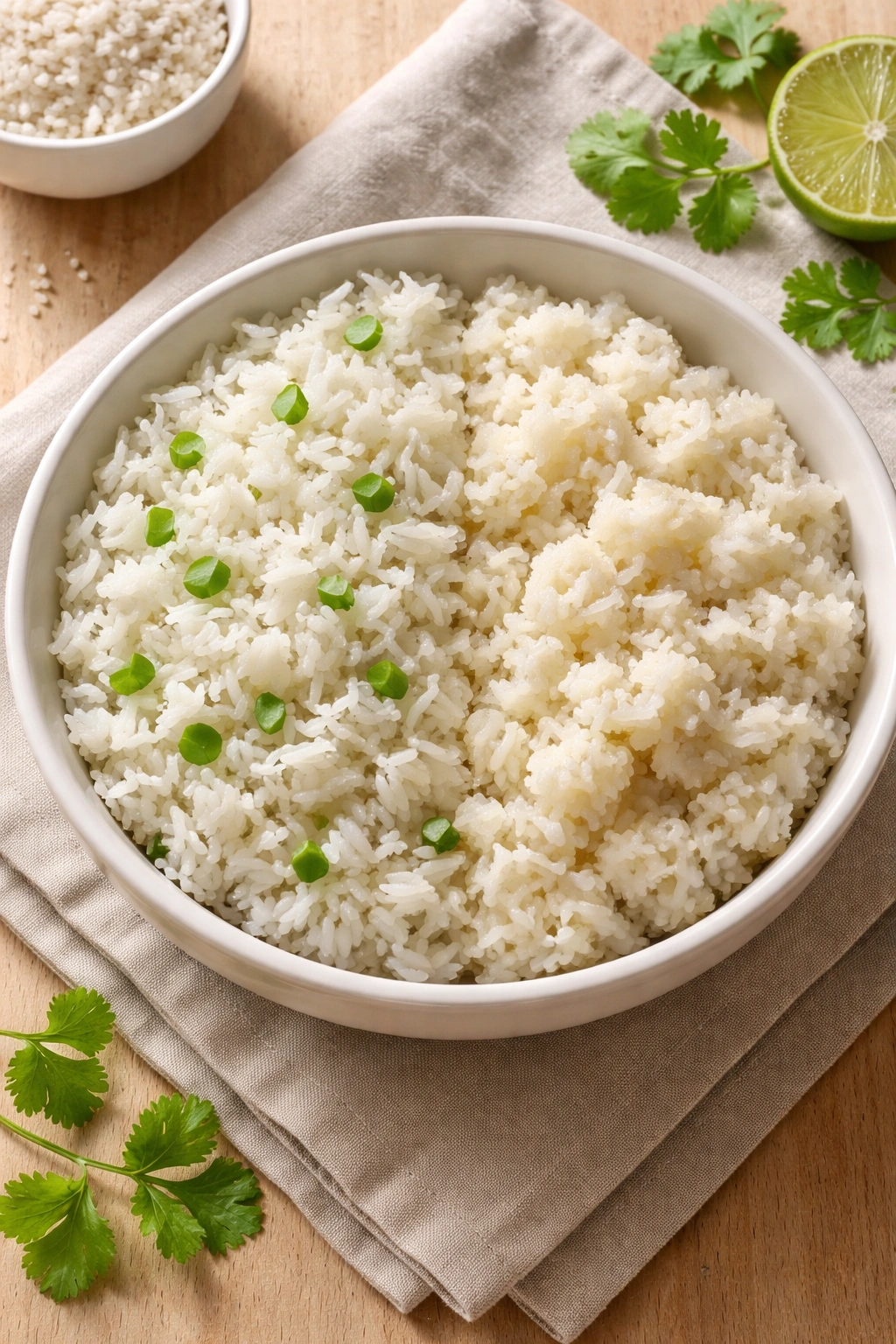
Understanding what went wrong is the fastest path to improvement. Mushy rice typically results from cooking too long, using too much water, or repeatedly lifting the lid during cooking. Hard rice that won’t soften usually means you didn’t have enough water to begin with or the heat was too high and the water evaporated before the grains absorbed it. The solution is simple: stick to the 1:2 water-to-rice ratio, don’t peek, and trust the process.
If your rice does turn out slightly hard on your first attempt, sprinkle a tablespoon or two of hot water over it, cover, and let it rest on very low heat for another few minutes. The steam will help soften any remaining firm grains.
Pro Tips for Restaurant-Quality Results Every Time
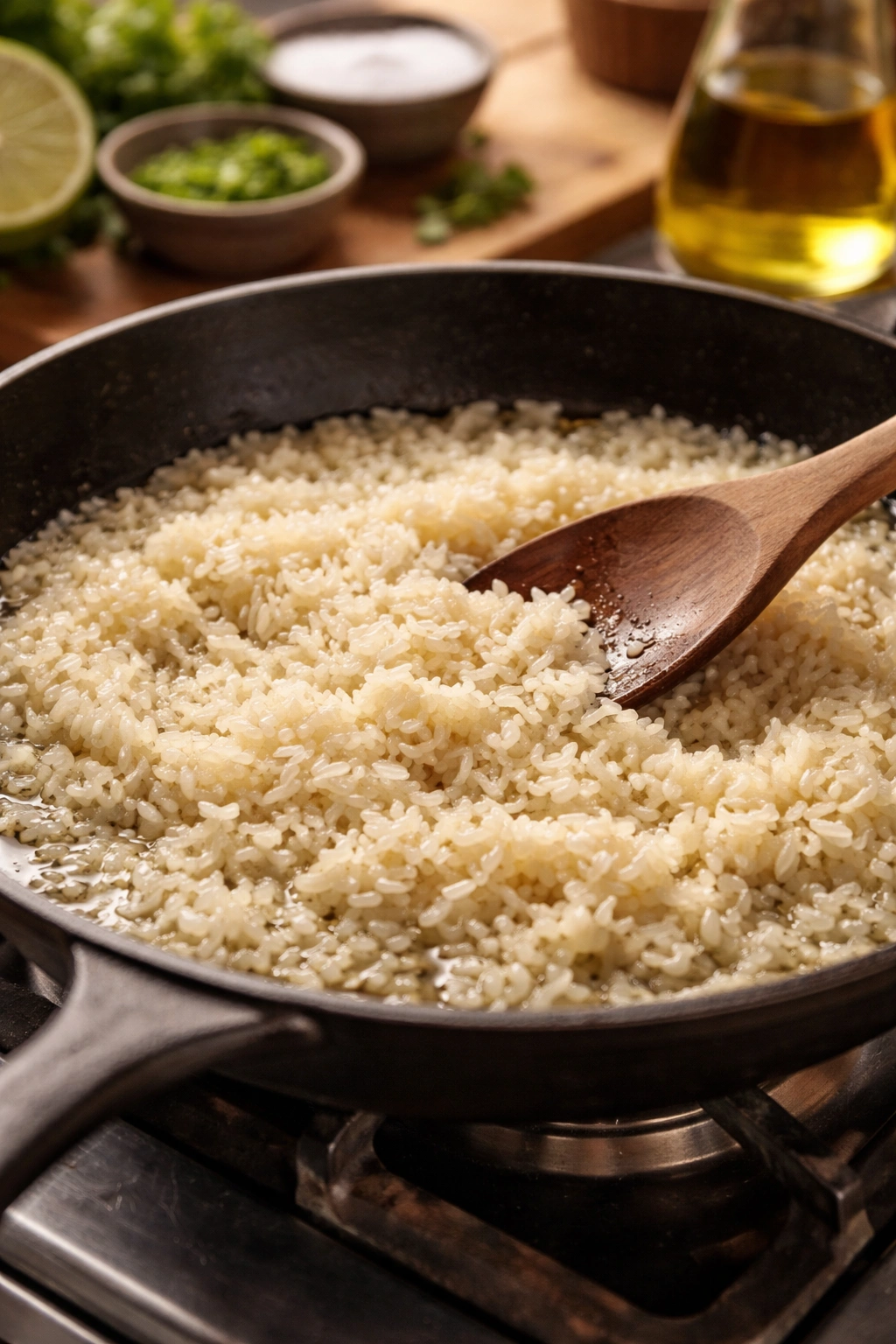
Toast your rice first, but don’t brown it. That brief toasting in oil deepens the flavor and helps the grains stay separated. You’re aiming for a faint, pleasant toasted aroma, not a brown color.
Use broth instead of water for deeper flavor. Chicken broth or vegetable broth adds subtle savory notes that make the finished rice taste more developed. This is an easy upgrade that costs nothing if you have broth on hand.
Don’t skip the resting period. Those final 5-10 minutes of undisturbed resting after you remove the rice from heat are when the steam finishes cooking the grains evenly. Skipping this step results in slightly unevenly cooked rice.
Add your seasonings while the rice is still warm, not hot. Hot rice is more delicate and the herbs will bruise. Warm rice allows the cilantro to distribute evenly and the lime juice to be absorbed without damaging the texture.
Use fresh lime and lemon juice exclusively. The bottled versions taste noticeably different and will undermine the brightness you’re aiming for. If you don’t have limes on hand, skip the lemon juice rather than using bottled—the recipe still works beautifully.
Chop cilantro just before using. Pre-chopped cilantro oxidizes and loses flavor quickly. If you must prep ahead, keep the cilantro whole and chop it right before you finish the rice.
Flavor Variations Worth Trying
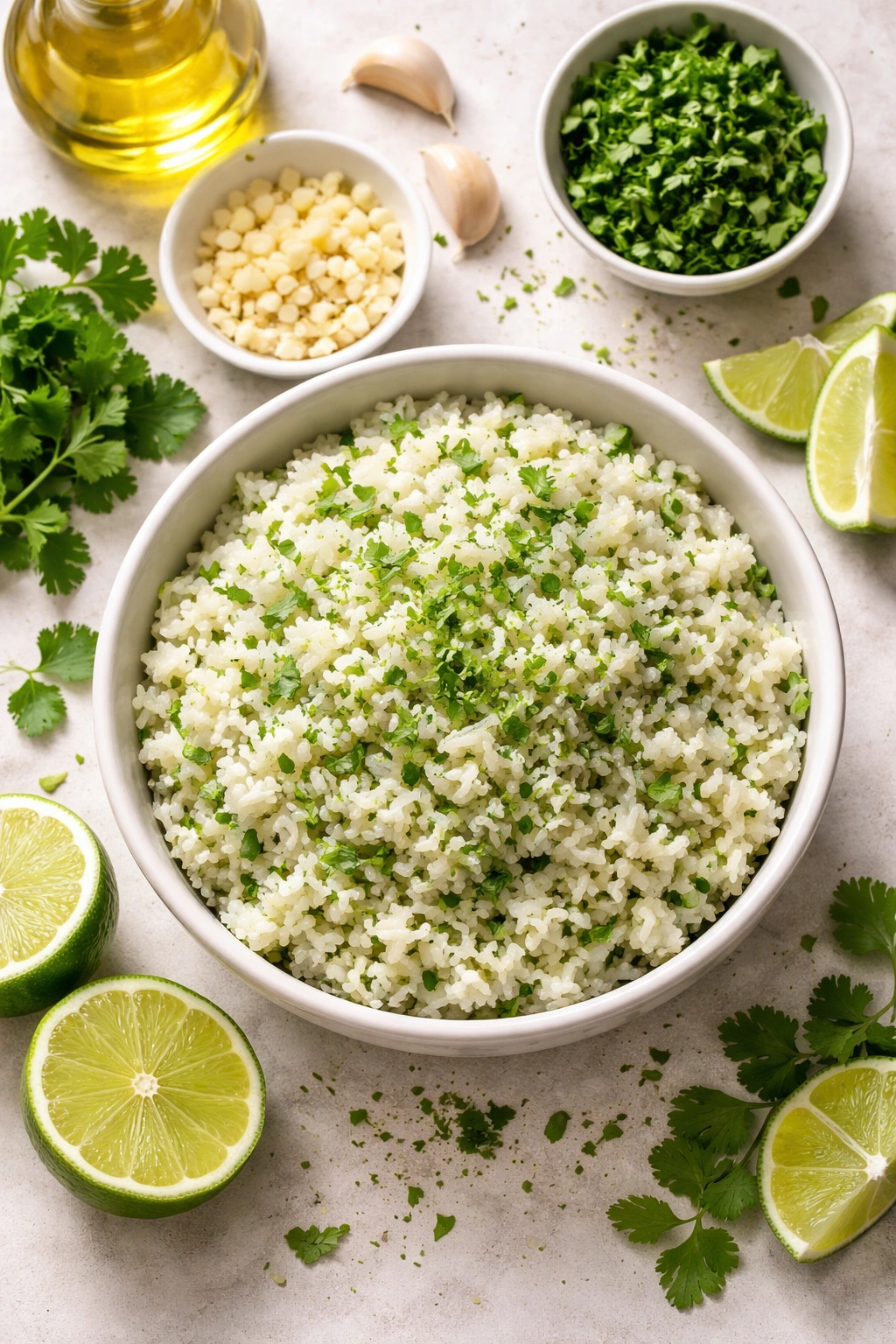
For garlic lovers, mince a garlic clove very finely and add it to the oil before toasting the rice, or stir it into the finished rice. The garlic cooks slightly from the heat of the rice and adds a subtle savory note that some copycat versions include.
Brown rice version: Use 1 cup brown basmati or long-grain brown rice with 2½ cups water. Toast the rice in oil as usual, bring to a boil, then reduce heat to low, cover, and cook for 40-45 minutes until tender. Add the cilantro lime seasonings exactly as described. Brown rice takes longer to cook but adds nutty flavor and more fiber.
For cilantro skeptics, substitute fresh flat-leaf parsley for some or all of the cilantro. Parsley offers similar freshness without the characteristic cilantro flavor that some people dislike. You won’t get that exact Chipotle taste, but the rice will still be delicious.
Extra lime intensity: Add lime zest in addition to the juice, and increase the amount of lime juice slightly. If you love that citrus brightness, this adjustment makes it even more pronounced.
Garlic-lime with cilantro: Combine the minced garlic with the cilantro and lime seasonings for a more complex, savory-bright final flavor that pairs exceptionally well with chicken or beef.
Lime and lemon combo: The original Chipotle recipe is rumored to include both lime and lemon juice. Use 1½ tablespoons lime juice and ½ tablespoon lemon juice for a more complex citrus profile—the lemon adds a mellower note underneath the lime’s brightness.
How to Store and Reheat Your Cilantro Lime Rice
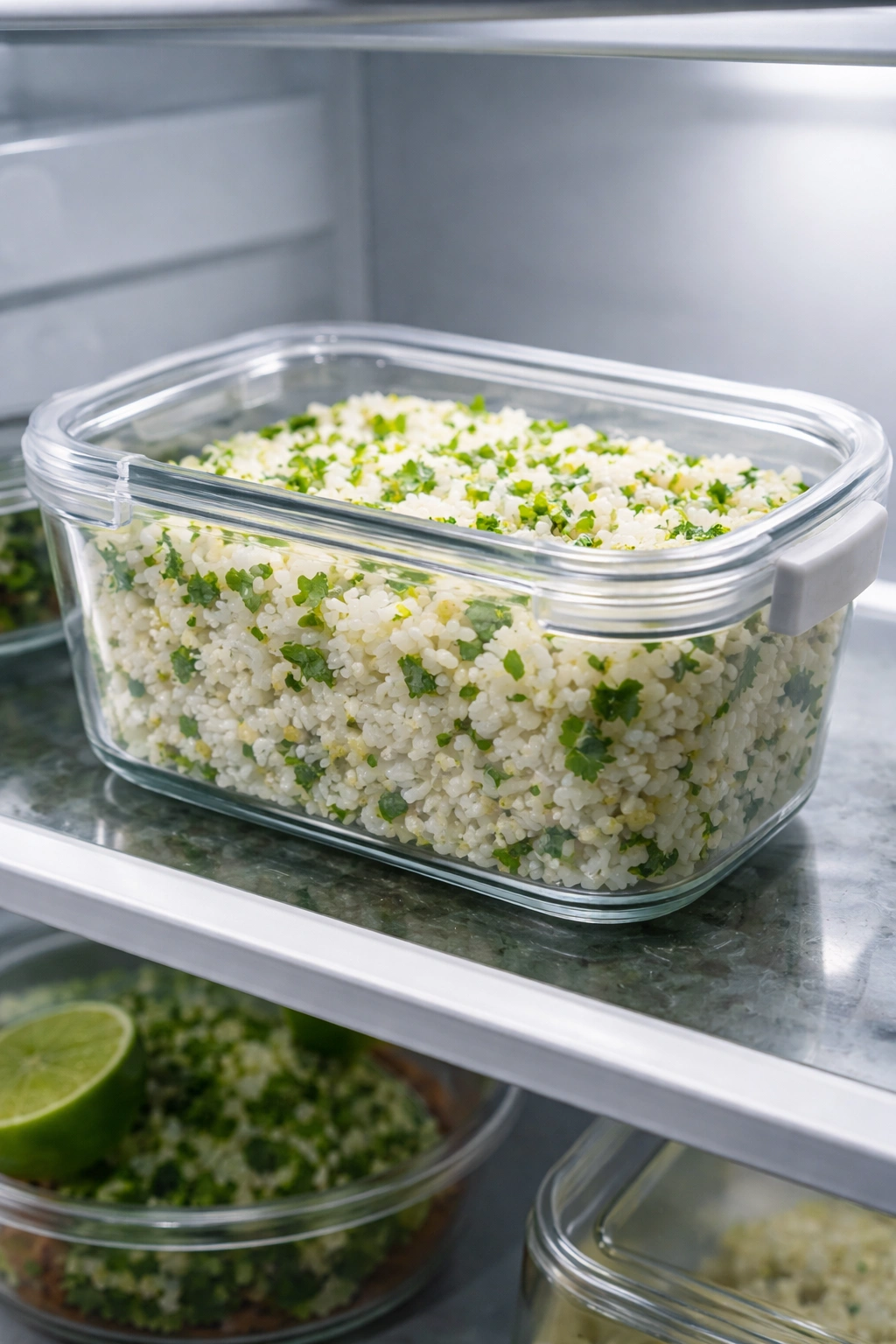
Cooked cilantro lime rice keeps well in the refrigerator for 3 to 4 days when stored in an airtight container. The flavor actually develops slightly as it sits, making it excellent for meal prep. The rice will firm up as it cools, which is completely normal.
To reheat, transfer the rice to a microwave-safe bowl and add a splash of water—about 1 tablespoon per cup of rice—to restore moisture. Microwave on high for 1 to 2 minutes, stirring halfway through, until the rice is heated through. The splash of water prevents it from drying out during reheating.
Alternatively, you can reheat rice on the stovetop. Place it in a skillet over medium heat with a tablespoon of water, cover loosely, and stir occasionally until warmed through, about 3-5 minutes. This method gives you slightly better control over the final texture.
Freezing is an excellent option for longer storage. Cool the rice completely, then portion it into freezer bags or containers in 1-cup or 2-cup amounts (whatever you typically use). Frozen cilantro lime rice keeps for up to 3 months. Thaw it overnight in the refrigerator, then reheat using either method above. To refresh the flavor, add a squeeze of fresh lime juice after reheating.
What to Serve with Cilantro Lime Rice
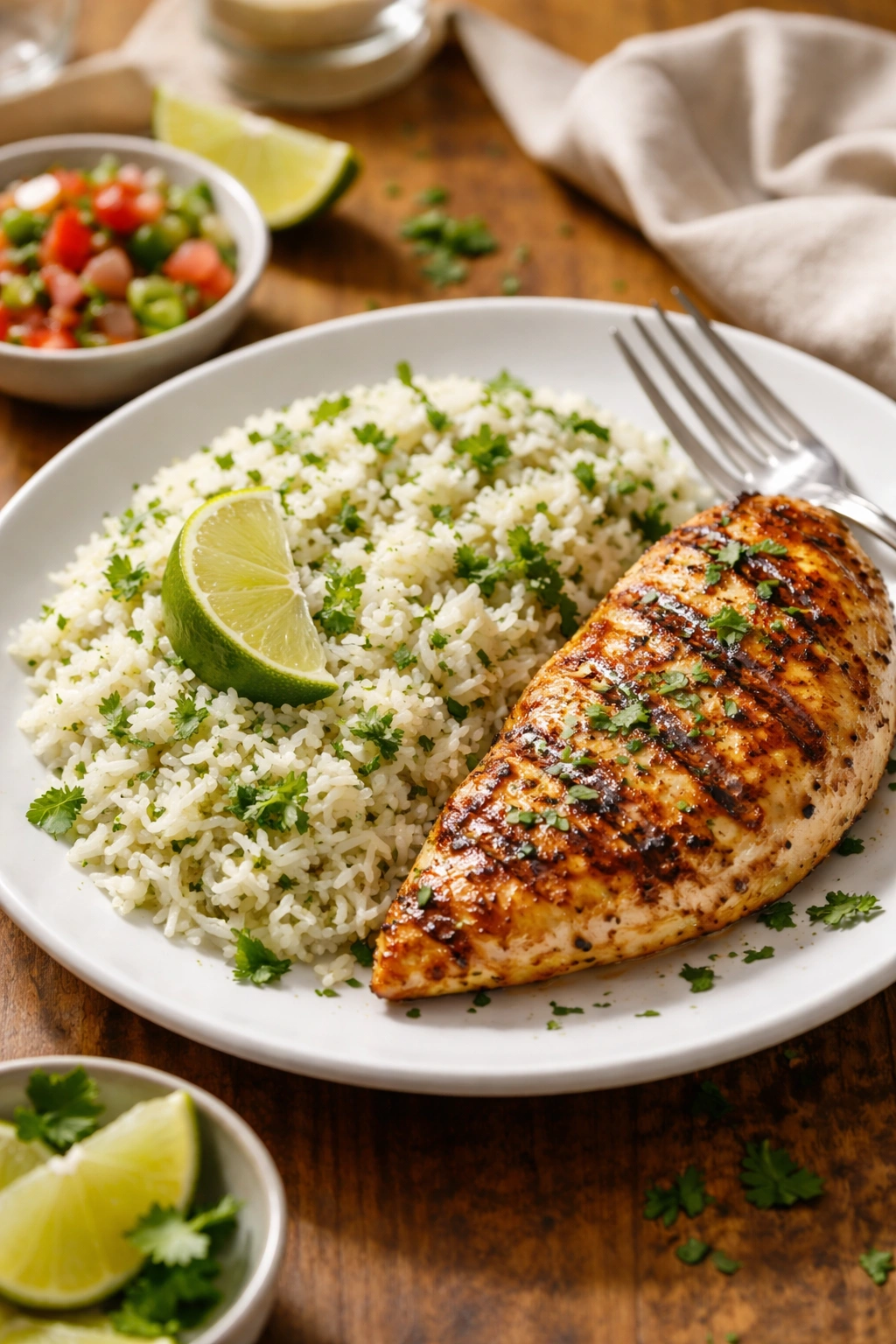
This rice is a genuine chameleon—it complements virtually any Mexican or Tex-Mex protein, but it also pairs beautifully with Asian-inspired dishes and simple grilled meats.
For burrito bowls and tacos, layer the rice with your choice of protein (carnitas, barbacoa beef, chipotle chicken, or grilled shrimp), black beans or pinto beans, roasted vegetables, pico de gallo, guacamole, and a dollable crema or Greek yogurt mixed with lime juice.
For dinner meals, serve alongside grilled chicken breast, roasted pork chops, or seared fish. The brightness of the rice cuts through richer proteins beautifully.
For breakfast, use cilantro lime rice as the base for breakfast bowls topped with fried or scrambled eggs, black beans, salsa, cheese, and avocado.
For meal prep, divide the rice among containers and pair it with pre-cooked proteins and vegetables for grab-and-go lunches throughout the week.
Common Mistakes and How to Avoid Them
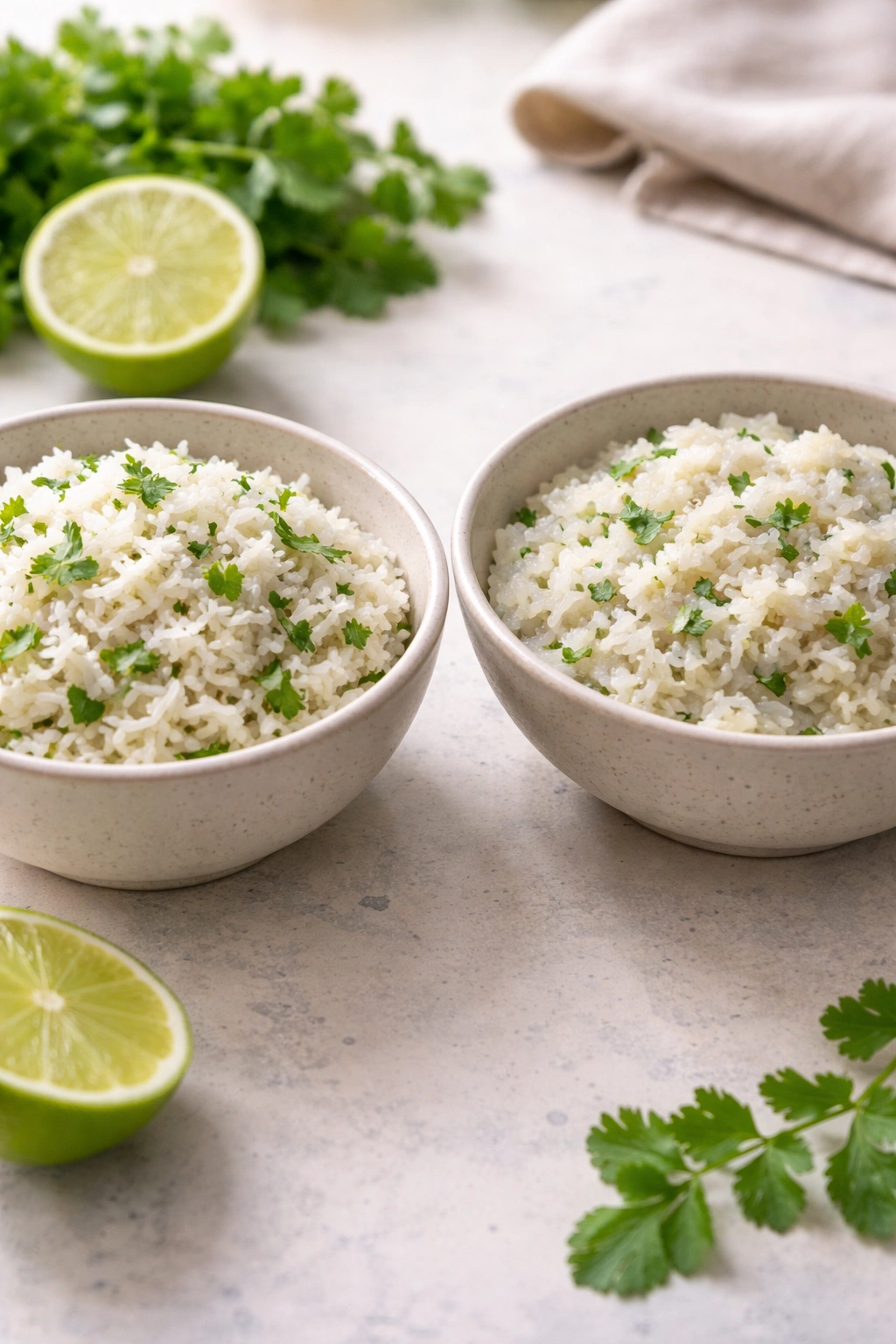
Using bottled lime juice produces noticeably inferior results. Fresh lime juice costs pennies more and makes a dramatic difference in flavor brightness.
Stirring the rice while it cooks is the fastest way to end up with gummy rice. Resist the urge—trust that the process is working.
Lifting the lid to check on the rice releases steam and disrupts the cooking process. Set a timer and wait.
Using the wrong rice variety (short-grain sticky rice instead of long-grain) produces a completely different texture. Long-grain basmati or jasmine rice is key.
Skipping the resting period means the rice won’t finish cooking evenly. Those final 5-10 minutes are non-negotiable.
Over-salting from the start can’t be fixed. Start with ¾ teaspoon per cup of rice, then taste and adjust upward if needed. It’s always easier to add salt than to remove it.
Final Thoughts
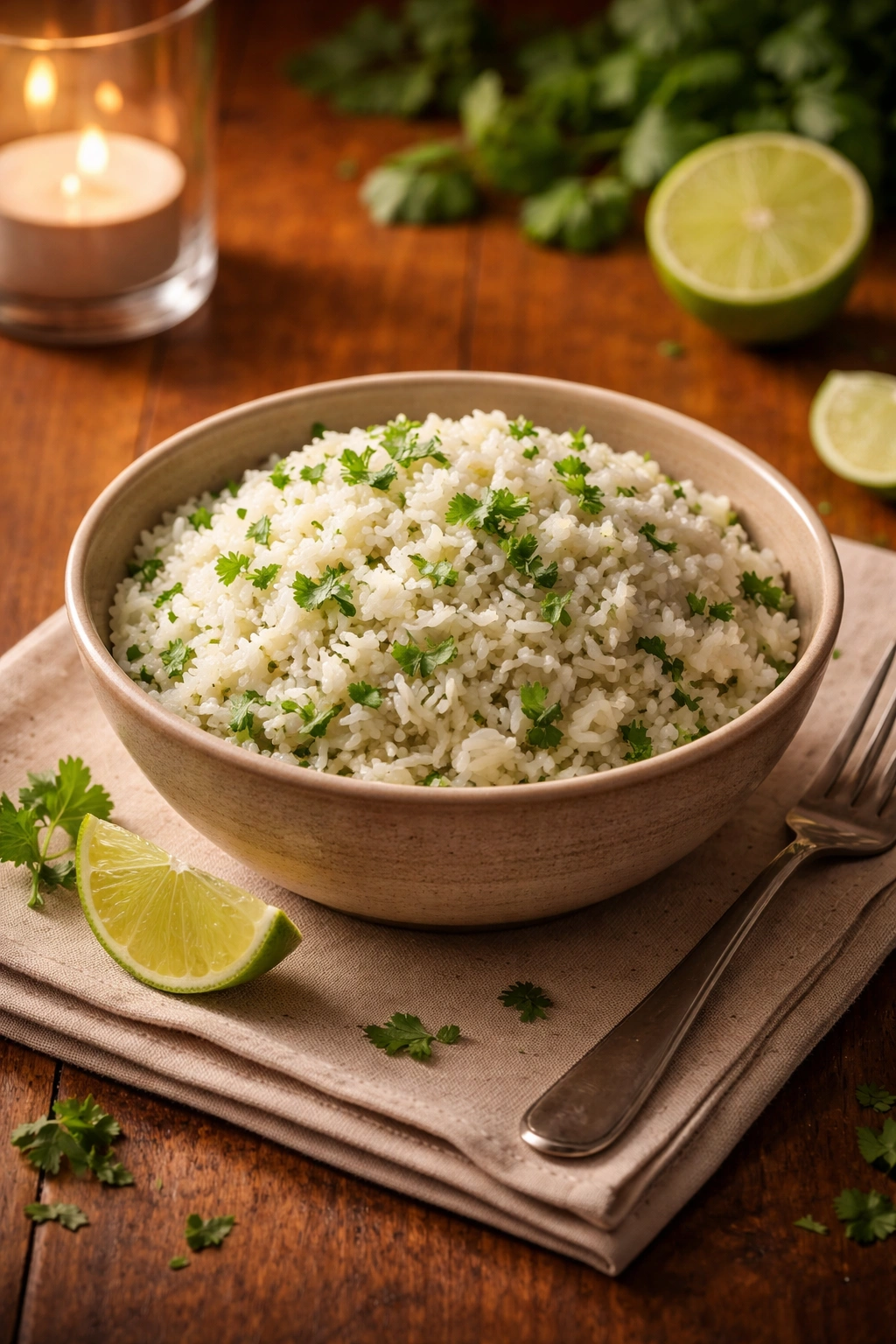
Making cilantro lime rice at home is genuinely one of the easiest ways to elevate your dinner without adding complexity to your cooking. The ingredient list is remarkably simple—just rice, water, oil, fresh cilantro, and citrus—yet the result tastes like restaurant food.
Once you’ve made it a few times and developed an intuition for how your particular pot and stove behave, you’ll be able to produce this rice reliably without even thinking about it. The beauty of mastering this single recipe is that it becomes the foundation for countless future meals. Burrito bowls, taco nights, quick weeknight dinners, meal-prep sessions—cilantro lime rice works in all of them.
Best of all, you’ll save money compared to buying it at a restaurant, reduce your cooking time since you’re not traveling anywhere, and gain total control over the flavors so you can adjust them exactly to your preferences. Once you taste your own homemade version, you’ll likely never order it at a restaurant again.
