



Creamy garlic shrimp occupies a special place in the weeknight dinner rotation — it’s the kind of dish that tastes like you spent hours in the kitchen when, in reality, you’ve got a restaurant-quality meal on the table in less time than it takes to order takeout. The secret isn’t complicated or mystical. It’s simply knowing that shrimp requires just minutes to cook, that a few quality ingredients can create an unexpectedly luxurious sauce, and that the whole operation comes together with the kind of speed that makes you feel genuinely impressive without requiring any actual culinary wizardry.
There’s something almost magical about watching pale raw shrimp turn from translucent to perfectly pink, then watching them get wrapped in a silky garlic and cream sauce that clings to every curve. The transformation happens in your skillet in real time, and by the time you’re garnishing with fresh parsley, you’ve already won over whoever is about to eat this meal. It’s comfort food elevated, elegant without being fussy, and genuinely achievable on the busiest of weeknights.
What makes this recipe so reliable is that there’s very little that can go wrong if you follow a few straightforward principles. Keep your heat moderate once the cream hits the pan. Don’t wander away while the shrimp are cooking. Pat them completely dry before they hit the hot oil. These small actions compound into a dish that tastes like it belongs in a nice restaurant, and you’ll find yourself making it again and again because it never disappoints.
Why This Recipe Becomes Your Go-To Weeknight Dinner
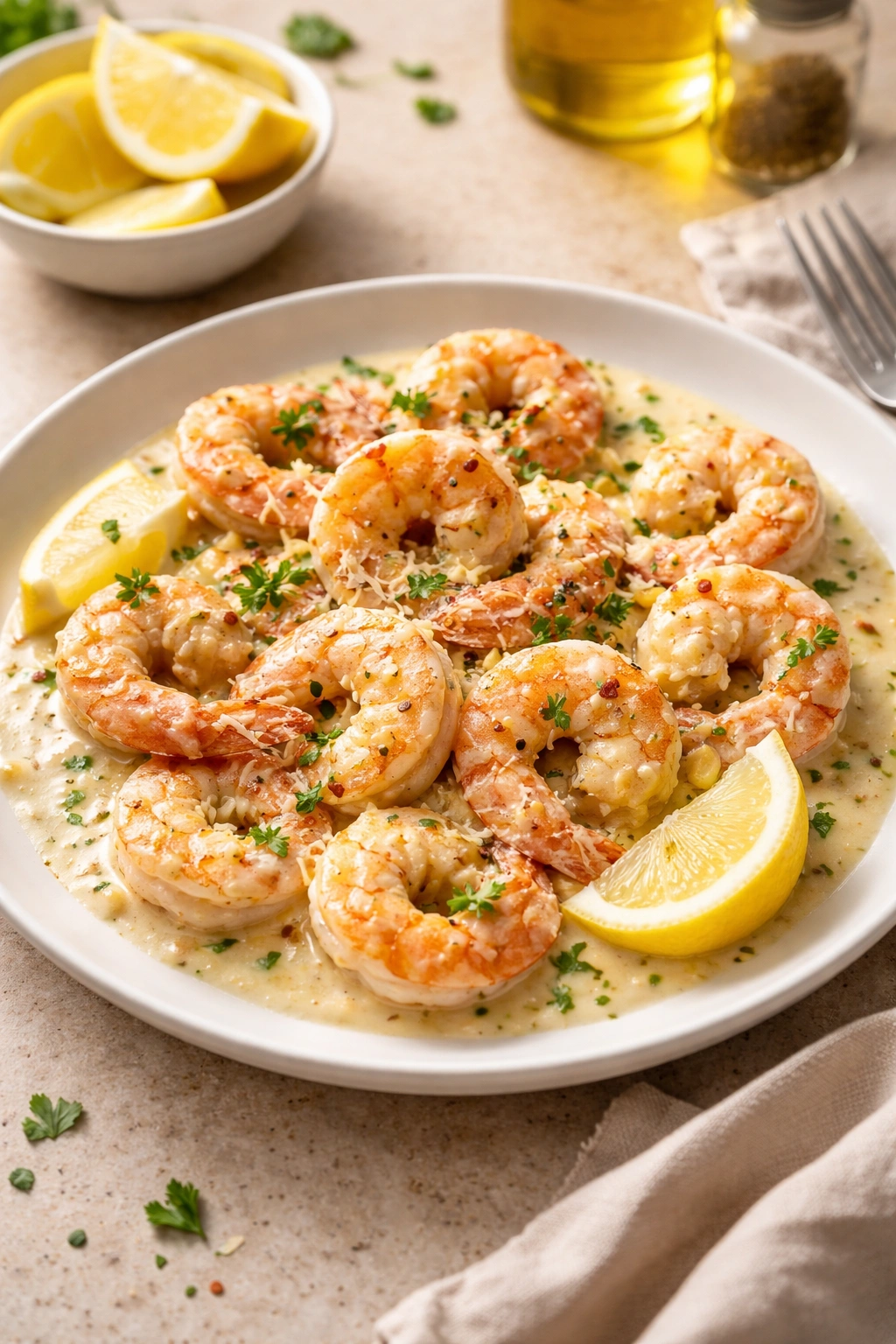
Once you’ve made creamy garlic shrimp a couple of times, you’ll understand why it deserves permanent rotation status in your cooking lineup. The entire process, from the moment you pull ingredients from the fridge to the moment you’re plating, takes less than a quarter hour. More importantly, there’s nothing tricky or temperamental about it — if you can melt butter and stir, you can execute this recipe flawlessly.
The beauty of this dish lies in its simplicity combined with its impressive results. You’re working with maybe seven or eight core ingredients, yet the final product tastes like something that required serious effort. This is the kind of recipe that makes unexpected dinner guests feel genuinely welcomed, makes your family think you’re a better cook than you actually are, and makes you feel proud of yourself for pulling together something this delicious so quickly.
Shrimp has this remarkable property where it goes from raw to perfectly cooked in an incredibly narrow window — usually two to three minutes per side. Unlike chicken or pork, where you need to worry about internal temperatures and resting times, shrimp announces when it’s done through a visual cue so obvious that you literally cannot miss it. This predictability means that even someone cooking shrimp for the very first time can achieve perfect results with confidence.
The Science Behind Why This Sauce Works
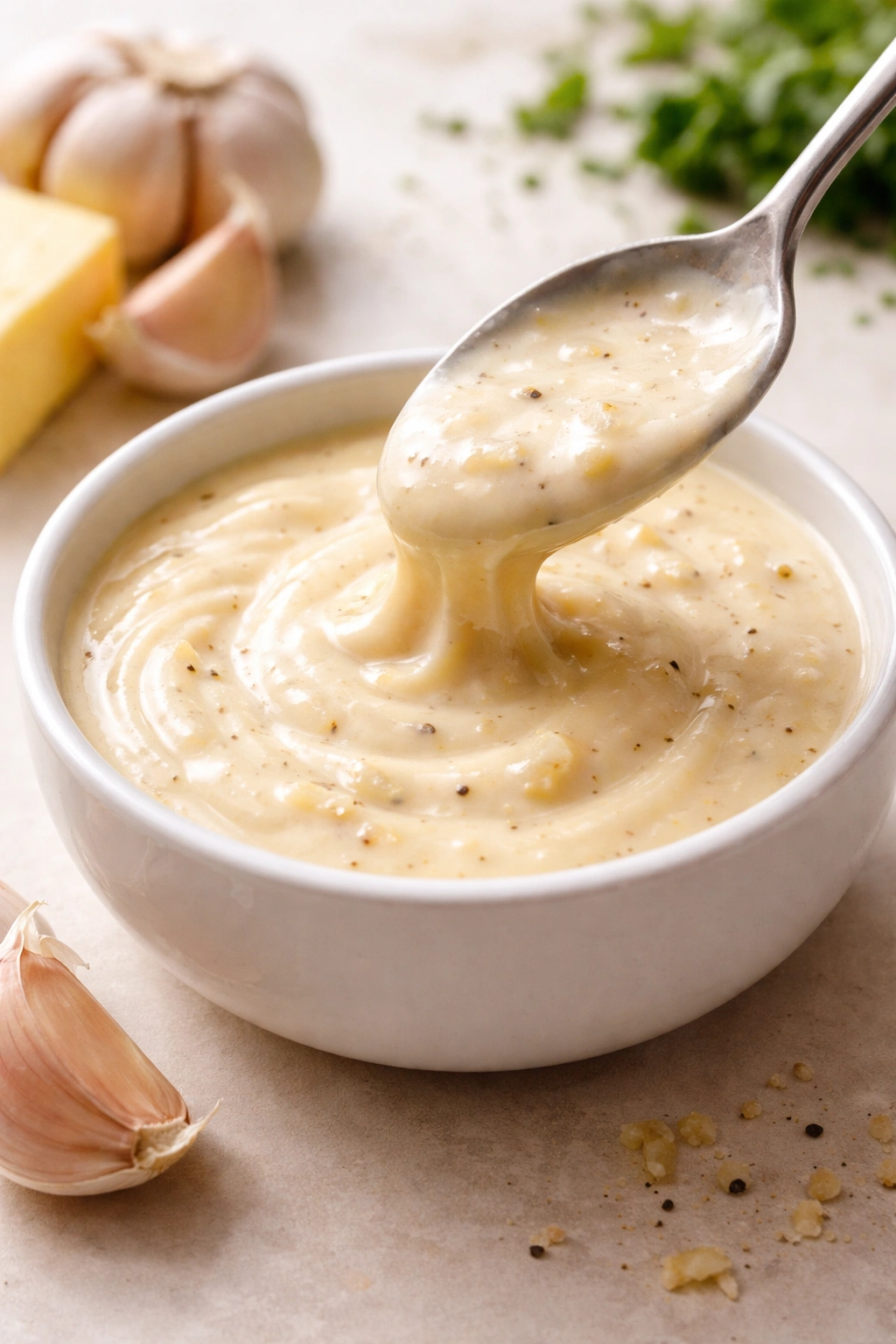
The cream sauce in this recipe works through a combination of simple food science that’s worth understanding, because it helps you troubleshoot if something ever goes slightly wrong. When you melt butter and add minced garlic, you’re releasing aromatic compounds from the garlic that dissolve into the fat — this is why garlic suddenly becomes fragrant and tasty instead of harsh and raw. The fat carries these flavors throughout the sauce, creating a base that’s deeply flavored before the cream even arrives.
When heavy cream hits the hot pan, its fat and water components emulsify together with the butter and garlic, creating that silky texture that coats your mouth in the best possible way. If you add cheese, the proteins in the cheese help stabilize this emulsion further, creating an even thicker, more luxurious sauce. This is why the cream must stay at a gentle simmer rather than a rolling boil — aggressive heat can break this careful balance and cause the sauce to separate or become grainy.
The lemon juice or white wine serves a critical function beyond just adding flavor. The acidity cuts through the richness of the cream and helps prevent the sauce from feeling heavy or cloying. It’s why even a squeeze of fresh lemon juice at the very end can suddenly make a good sauce taste absolutely revelatory. The acid brightens everything and makes your palate crave another bite rather than feeling satisfied after just a few spoonfuls.
Choosing Quality Ingredients Makes a Real Difference
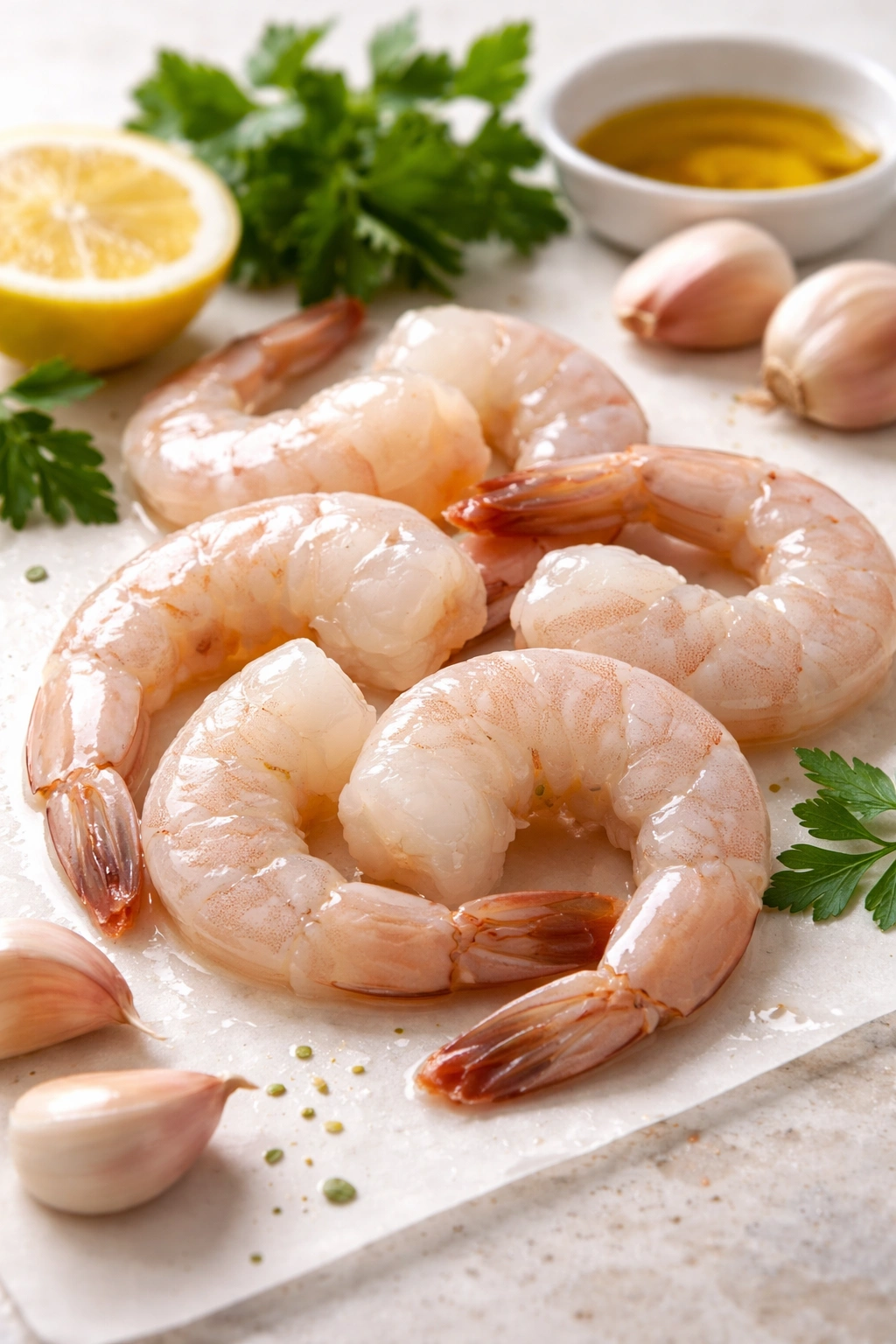
Since this recipe is so straightforward and contains so few components, the quality of what you’re using becomes proportionally more important. You can’t hide behind complex techniques or numerous ingredients — every element shows up clearly in the final dish. This isn’t a reason to panic; it’s actually good news because it means you don’t need anything fancy or hard to find.
Start with shrimp. Frozen shrimp is genuinely your friend here, despite what food snobs might tell you. The shrimp at most grocery store seafood counters are actually previously frozen shrimp that have been thawed, so buying frozen shrimp and thawing it yourself means you’re getting something that’s fresher and of higher quality. Look for shrimp that’s labeled “wild-caught” if your budget allows, though good-quality farmed shrimp works beautifully too. What matters most is that the shrimp is raw and that you thaw it completely and pat it completely dry before cooking. Wet shrimp will steam rather than sear, and steamed shrimp misses out on those golden, caramelized edges that make each bite more interesting.
For the garlic, absolutely use fresh minced garlic rather than jarred. The difference is genuinely noticeable — jarred garlic tastes flattened and tired compared to the bright, sharp flavor of freshly minced cloves. You can mince it yourself or buy it pre-minced if you’re in a rush, but the quality difference is worth the extra thirty seconds of knife work.
The cream should be heavy cream, not half-and-half or milk. Heavy cream has the fat content necessary to create that luxurious sauce without becoming thin and watery. If you only have half-and-half or milk available, the dish will still be edible but noticeably less rich and creamy. Similarly, use freshly grated Parmesan cheese rather than the pre-grated stuff in the green can. Pre-grated Parmesan contains anti-caking agents and starches that prevent it from melting smoothly into the sauce, leading to a grainy texture instead of that silky finish you’re after.
Equipment You’ll Need to Get Started
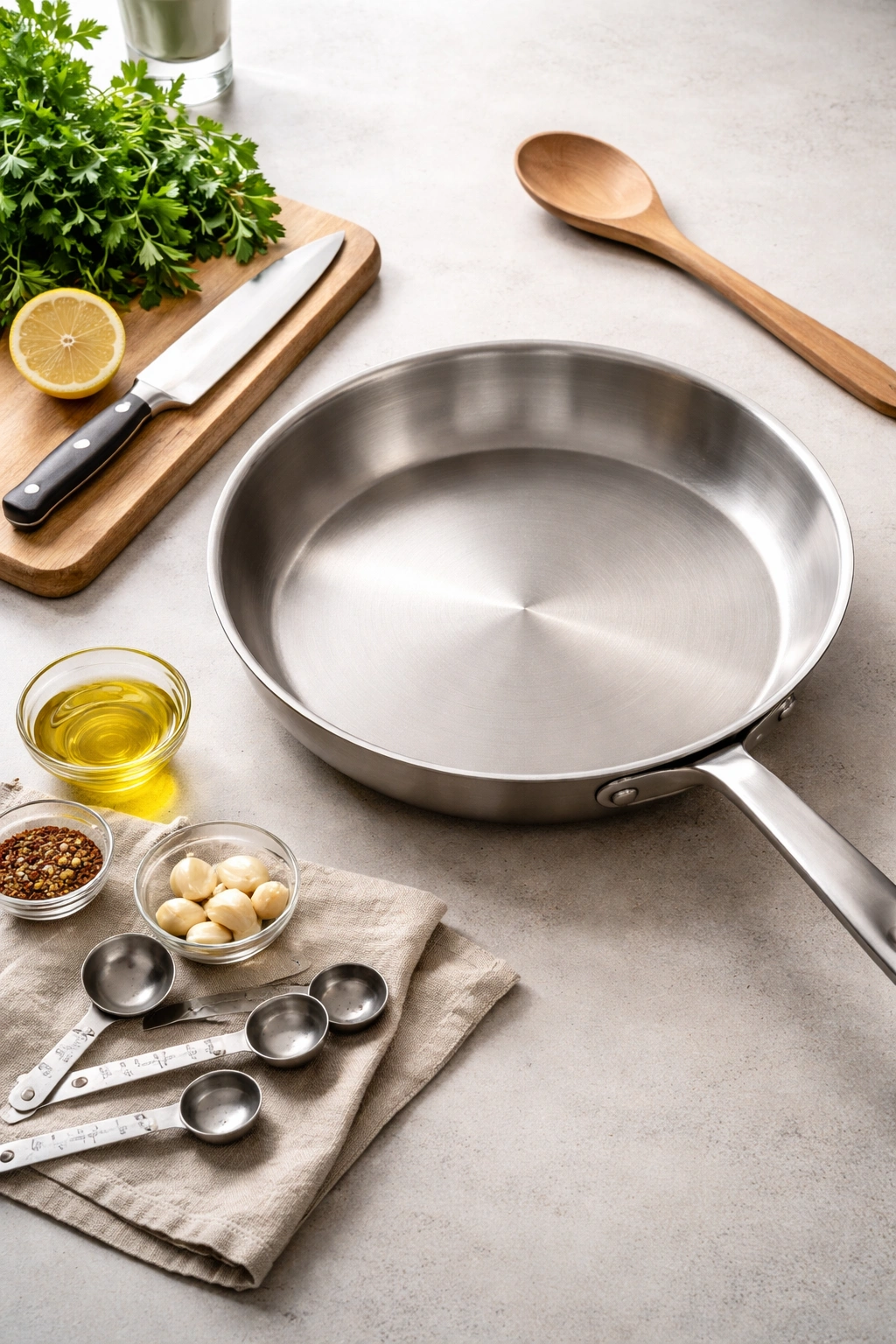
The beautiful thing about this recipe is that you need almost nothing beyond basic kitchen equipment. A large skillet is the MVP here — preferably something with a diameter of at least 10 to 12 inches that allows the shrimp to cook in a single layer without crowding. Cast iron works beautifully for this, as does stainless steel or nonstick. The key is that your pan needs to be large enough that the shrimp can sit flat without piling on top of each other, which would cause them to steam instead of sear.
You’ll want measuring cups and spoons for accuracy, though the recipe is forgiving enough that eyeballing things slightly works fine once you’ve made it once. A wooden spoon or silicone spatula for stirring keeps you from scratching your skillet. A cutting board and sharp knife for mincing garlic and chopping parsley. A medium bowl to hold the cooked shrimp while you make the sauce. Paper towels for patting the shrimp dry — this step is genuinely important and shouldn’t be skipped.
That’s legitimately all you need. No special equipment, no stand mixer, no food processor. The simplicity of the cooking method is part of what makes this recipe so appealing, especially on nights when you’re tired and the last thing you want to do is haul out a bunch of gadgets and then wash them all.
Yield: Serves 4 as a main course, or 6-8 as an appetizer
Prep Time: 10 minutes
Cook Time: 10-12 minutes
Total Time: 20-22 minutes
Difficulty: Beginner — no special techniques required, and the recipe is forgiving even if you’ve never made it before. The timing is straightforward, and the steps are logical and easy to follow.
Ingredients
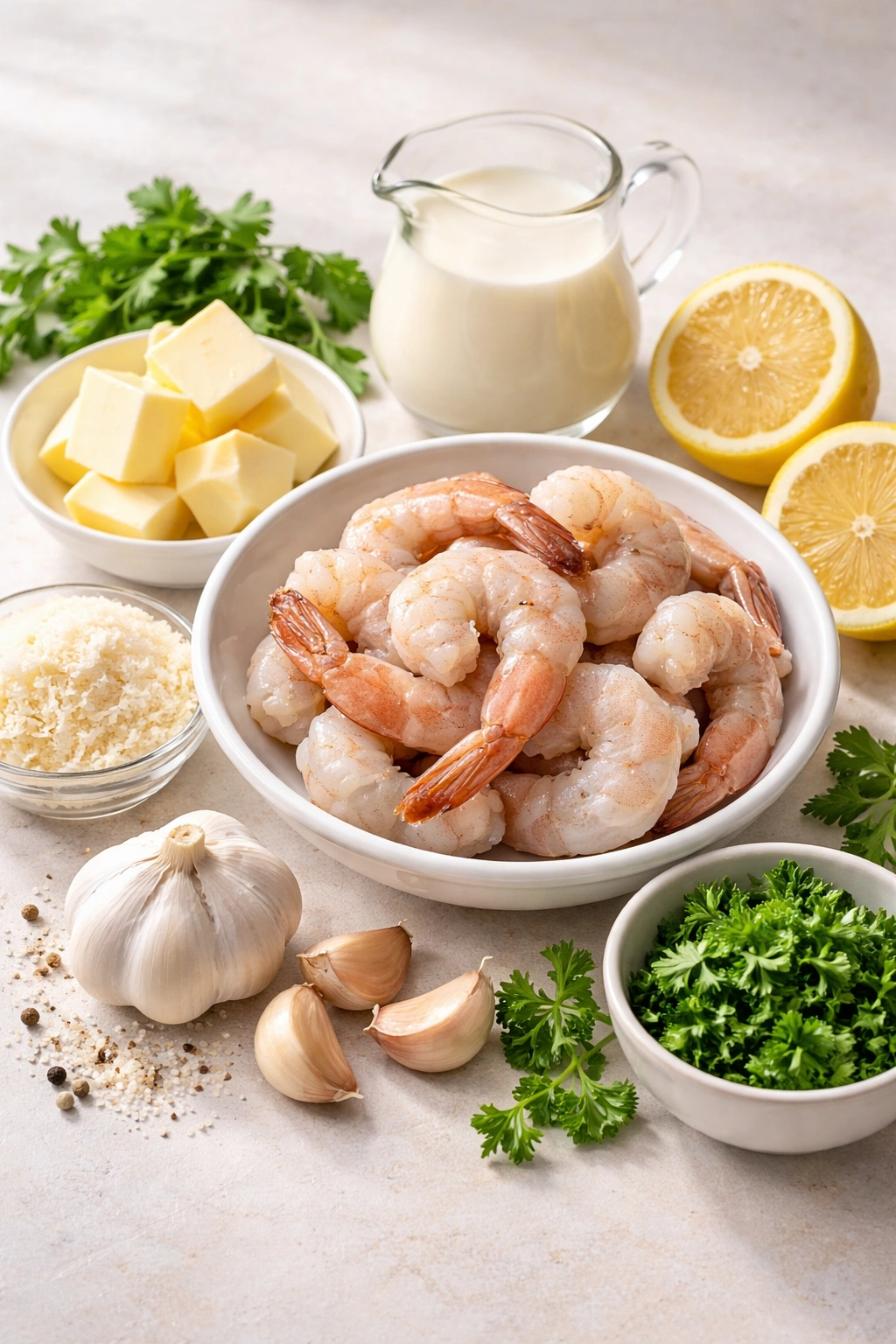
For the Shrimp:
- 1½ to 2 pounds jumbo or large shrimp, peeled, deveined, and patted completely dry
- 2 tablespoons neutral cooking oil (vegetable, olive, avocado, or coconut oil all work)
- ½ teaspoon fine sea salt
- ¼ teaspoon freshly ground black pepper
For the Creamy Garlic Sauce:
- 3 tablespoons unsalted butter
- 5 to 6 cloves fresh garlic, minced (or 2 tablespoons pre-minced garlic if necessary)
- ¼ teaspoon red pepper flakes (optional, for subtle heat)
- ½ cup dry white wine (Sauvignon Blanc or Pinot Grigio work beautifully; see notes for alcohol-free option)
- 1 cup heavy cream, at room temperature
- ½ teaspoon Italian seasoning (dried oregano, basil, and thyme combined)
- ¾ cup freshly grated Parmesan cheese
- 1½ tablespoons fresh lemon juice (or juice from ½ a fresh lemon)
- ¼ teaspoon fine sea salt, plus more to taste
- Pinch of freshly ground black pepper
For Serving and Garnish:
- 3 tablespoons fresh parsley, finely chopped
- Lemon wedges for serving
- Optional: additional grated Parmesan cheese
Step-by-Step Instructions
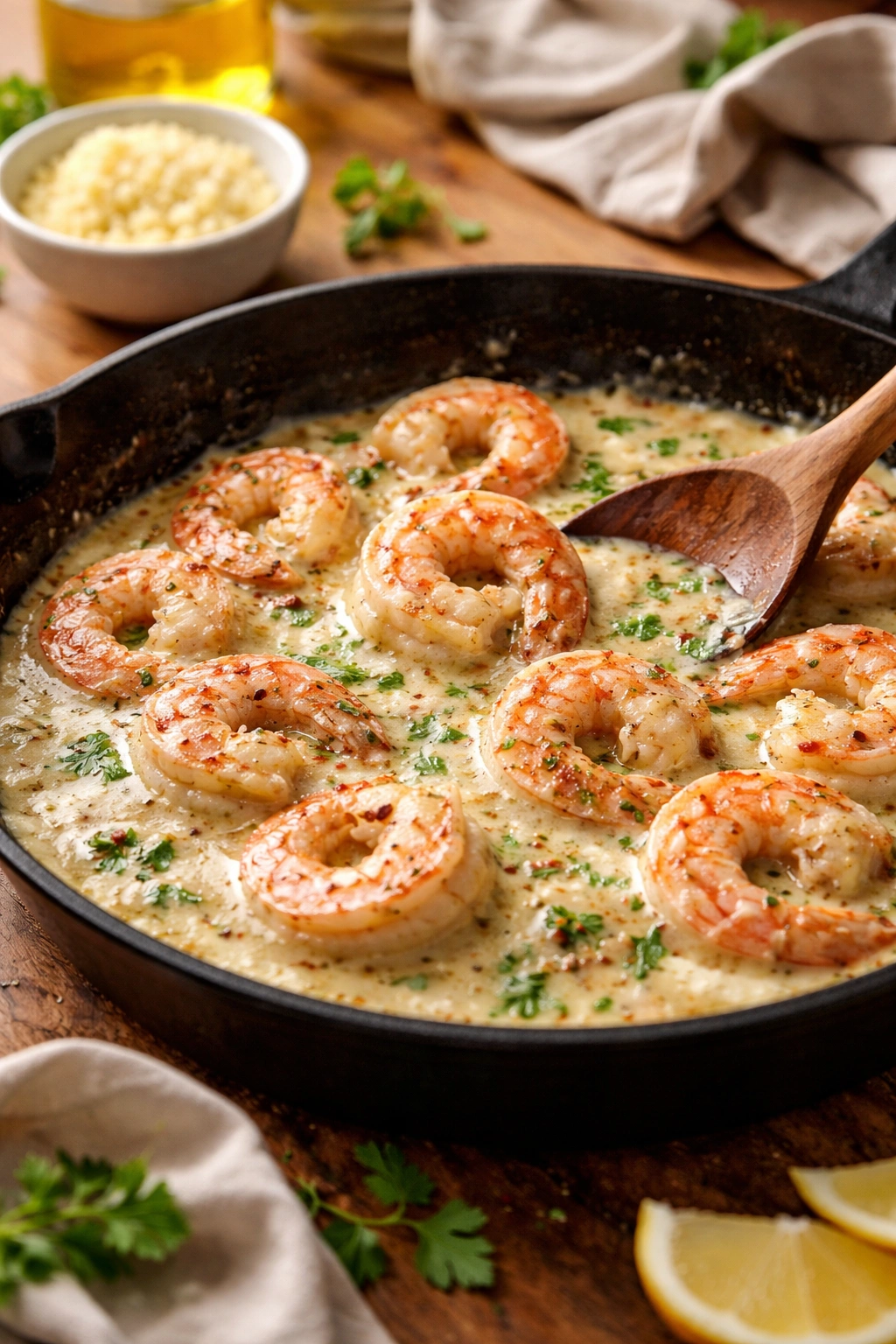
Prepare Your Ingredients:
-
Remove the shrimp from the refrigerator and spread them out on a layer of paper towels in a single flat layer. Press another layer of paper towels on top and gently press down, allowing the paper towels to absorb any excess moisture. Let them sit for 2 to 3 minutes while you gather and prepare your other ingredients — this drying step is more important than it sounds and makes a genuine difference in how the shrimp sear.
-
Mince your garlic cloves finely, or measure out your pre-minced garlic into a small bowl. Have your lemon squeezed and measured. Pour your heavy cream into a liquid measuring cup if your kitchen is cool; if it’s warm, you can just use it straight from the fridge. Having everything prepped and within arm’s reach means the cooking process moves smoothly without any scrambling.
Sear the Shrimp:
-
Place your large skillet over medium-high heat and add the cooking oil. Let it heat for about 1 to 2 minutes — you’re looking for the surface to shimmer and move easily when you tilt the pan, but you don’t want it smoking. Smoke means the oil is too hot and will burn your garlic later.
-
Once the oil is properly heated, season the dried shrimp generously on both sides with the salt and black pepper. Work in two batches if necessary to avoid crowding the pan — shrimp touching each other will steam rather than sear, and you’re after those golden, caramelized edges.
Advertisements -
Carefully add the shrimp to the hot oil in a single layer. Do not stir them immediately. Let them sit undisturbed for 1 to 2 minutes, which allows them to develop a golden sear on the bottom. You’ll see the edges start to turn pink.
-
Flip each shrimp over using tongs and cook for another 1 to 2 minutes on the second side until the shrimp are pink and opaque throughout. The shrimp should curl gently into a C-shape when fully cooked. If they curl into a tight O-shape, you’ve overcooked them and they’ll be rubbery. Transfer the cooked shrimp to a clean plate and set aside. Don’t rinse the pan — those golden browned bits stuck to the bottom are pure flavor.
Build the Sauce:
-
Reduce the heat to medium and add the butter to the same skillet. Let it melt completely, which takes about 30 seconds to 1 minute. Once melted, immediately add your minced garlic and the red pepper flakes if using. Stir constantly for about 30 seconds until the garlic becomes fragrant. Be watchful here — garlic burns quickly and burned garlic tastes bitter and harsh, completely ruining the delicate balance of flavors. If you smell anything even slightly acrid, remove the pan from heat immediately.
-
Pour in the white wine and use a wooden spoon or spatula to scrape up all those golden, flavorful browned bits stuck to the bottom of the pan — this is called deglazing and it’s where much of the sauce’s depth comes from. Stir well and let the wine bubble gently for 2 to 3 minutes, which allows some of the alcohol to cook off and the liquid to reduce slightly.
-
Remove the pan from the heat momentarily and slowly pour in the heavy cream while stirring gently. The cream should be at room temperature or cold; if it’s too hot, it can sometimes split. Stir until everything is combined, then return the pan to medium-low heat.
-
Add the Italian seasoning and salt, stirring gently. Let the sauce come to a gentle simmer — you should see small bubbles breaking the surface, but not a rolling boil. Keep the heat at medium-low rather than medium once the cream is in the pan; this prevents the sauce from breaking or becoming grainy. Simmer for 2 to 3 minutes, stirring occasionally, until the sauce thickens slightly and coats the back of a spoon.
-
Remove the pan from heat again and sprinkle in the grated Parmesan cheese a small handful at a time, stirring gently after each addition until the cheese melts completely. Add it slowly rather than all at once — this ensures the cheese melts smoothly into the sauce rather than clumping.
-
Squeeze in the fresh lemon juice and stir well. Taste the sauce and add additional salt and pepper as needed — seasoning at the very end is where many sauces go from good to genuinely excellent because you can taste what you’re adding.
Bring Everything Together:
-
Return the cooked shrimp to the skillet, along with any juices that have accumulated on the plate. Gently fold the shrimp into the sauce, coating each piece generously. Simmer for just 1 minute to heat the shrimp back through — don’t let them linger in the hot sauce too long or they’ll continue cooking and toughen up.
-
Remove from heat. Scatter the fresh chopped parsley over the top and stir gently to incorporate.
Serve:
- Divide the creamy garlic shrimp among serving bowls or plates immediately. Serve right away while the sauce is still hot and silky. Arrange lemon wedges alongside and drizzle any extra sauce from the bottom of the pan over the shrimp. Offer additional grated Parmesan cheese at the table for those who want more.
Tips That Separate Good Results from Great Results
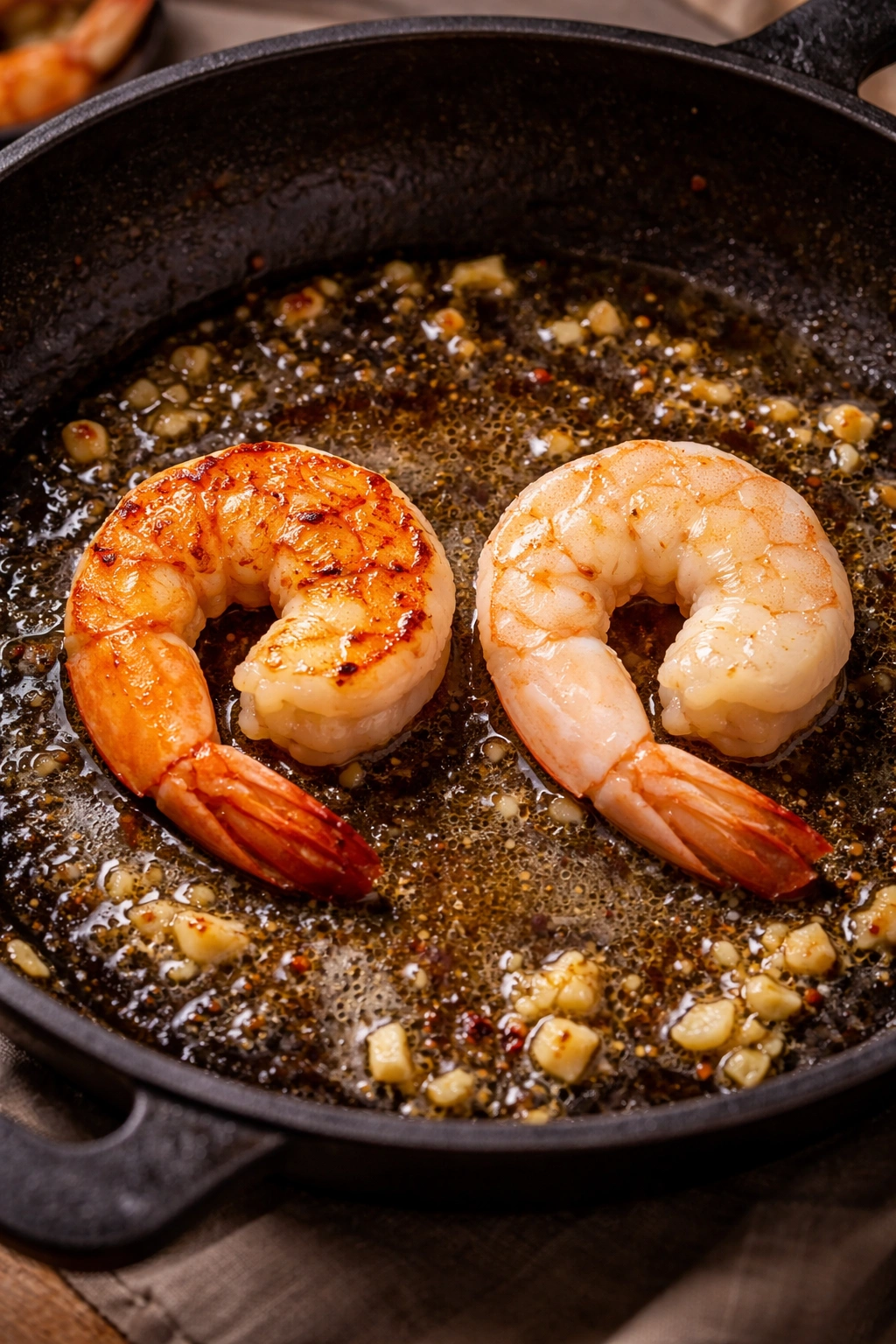
Pat your shrimp completely dry. This is the single most important step if you want that gorgeous golden sear. Wet shrimp releases moisture into the pan, creating steam that prevents proper browning. Spend two full minutes pressing paper towels onto both sides of your shrimp before cooking, even though it feels like an unnecessary step. It genuinely is not.
Don’t wander away during the searing step. Shrimp cooks so quickly that the window between perfect and overcooked is genuinely tiny. Set a mental timer or use your phone, and stay present. The moment the shrimp turns pink and opaque, it’s done. Every additional second in the pan is a second closer to rubbery texture.
Use fresh minced garlic whenever possible. I know jarred garlic seems more convenient, and in some recipes the difference is minimal. This isn’t one of those recipes. Garlic is the star here, and its flavor should be bright and clean, not flattened and tired. If you’re truly in a rush, pre-minced garlic from your grocery store’s produce section is better than jarred, though fresh is still best.
Add the cream slowly and gently. Cold or cool cream hitting very hot liquid can sometimes cause the mixture to break or separate. By removing the pan from heat before adding the cream and then slowly pouring while stirring, you prevent this issue. This is especially important if your cream has been sitting in a cool fridge.
Grate your Parmesan fresh from a block. Pre-grated Parmesan contains anti-caking agents that prevent it from melting smoothly. You’ll end up with a grainy sauce rather than the silky, creamy finish you’re after. A box grater works fine, or use the grater attachment on a food processor if you’re grating more than a cup.
Keep that heat moderate once cream is in the pan. Once you’ve added the heavy cream, reduce your heat to medium-low. A rolling boil can cause the cream to break, resulting in a sauce that looks separated or grainy. You want small, gentle bubbles breaking the surface, not an aggressive boil.
Squeeze fresh lemon juice at the very end. The acidity of the lemon is what makes this sauce sing, cutting through the richness and making you crave another bite. Add it right before serving so the brightness hasn’t had time to dissipate. A squeeze from a fresh lemon is better than bottled, but bottled works in a pinch.
Common Mistakes That Muddy the Final Result
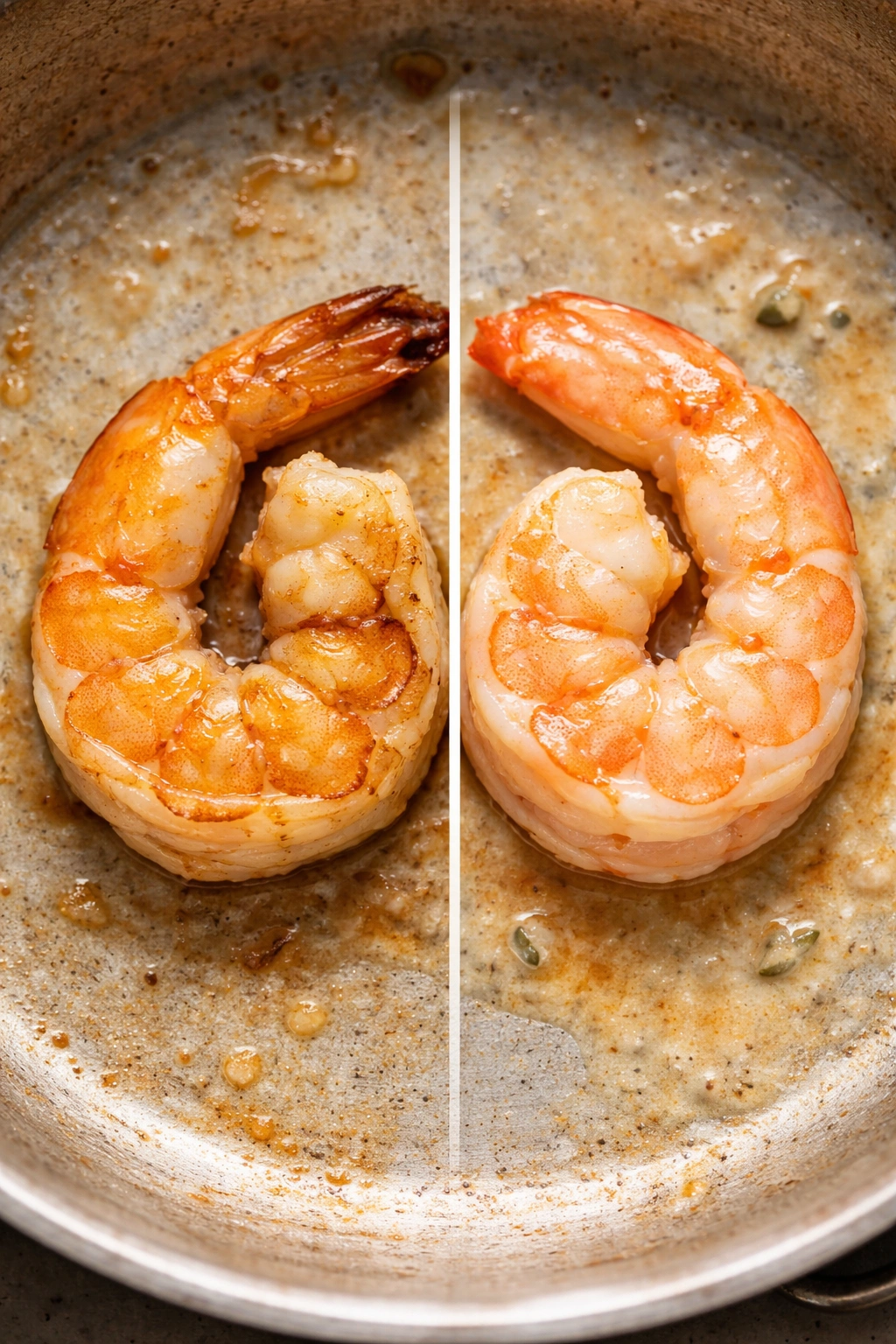
Overcooking the shrimp is the most common misstep. Shrimp goes from perfectly cooked to rubbery in about thirty seconds, which sounds dramatic until you’re actually cooking them and realize how true it is. The moment they turn pink and opaque and curl slightly, they’re done. If you’re unsure whether they’re cooked, pull them out — you can always put them back in for thirty more seconds if needed, but you cannot undo overcooked shrimp.
Skipping the drying step leads to steamed rather than seared shrimp. If you don’t take two minutes to pat your shrimp completely dry, the moisture in the pan will create steam instead of heat, and your shrimp will poach rather than sear. You’ll miss out on those caramelized edges that make this dish special.
Using pre-grated Parmesan instead of freshly grated causes a grainy sauce. The anti-caking agents in pre-grated cheese don’t integrate smoothly into the cream sauce, resulting in texture issues. Spend one minute grating fresh Parmesan — it’s worth it for the silky final result.
Adding the cream to a screaming-hot pan can break the sauce. If your cream is cold and your pan is very hot, the sudden temperature change can cause the emulsion to break. Remove the pan from heat, let it cool for just a moment, and add the cream slowly while stirring. This one precaution prevents most sauce disasters.
Not seasoning at the very end means a bland sauce. Taste the sauce just before serving and add salt and pepper as needed. What tastes underseasoned at a simmer might be perfect once everything hits your mouth, but tasting allows you to dial in the seasoning precisely. This last-minute adjustment is what transforms a good sauce into one that tastes restaurant-quality.
Crowding the pan during the searing step prevents proper browning. If your shrimp are piled on top of each other, they’ll steam instead of sear. If your skillet isn’t large enough for all your shrimp in one layer, work in two batches. It adds two minutes to the total time but yields far superior results.
Variations and Flavor Twists to Make It Your Own
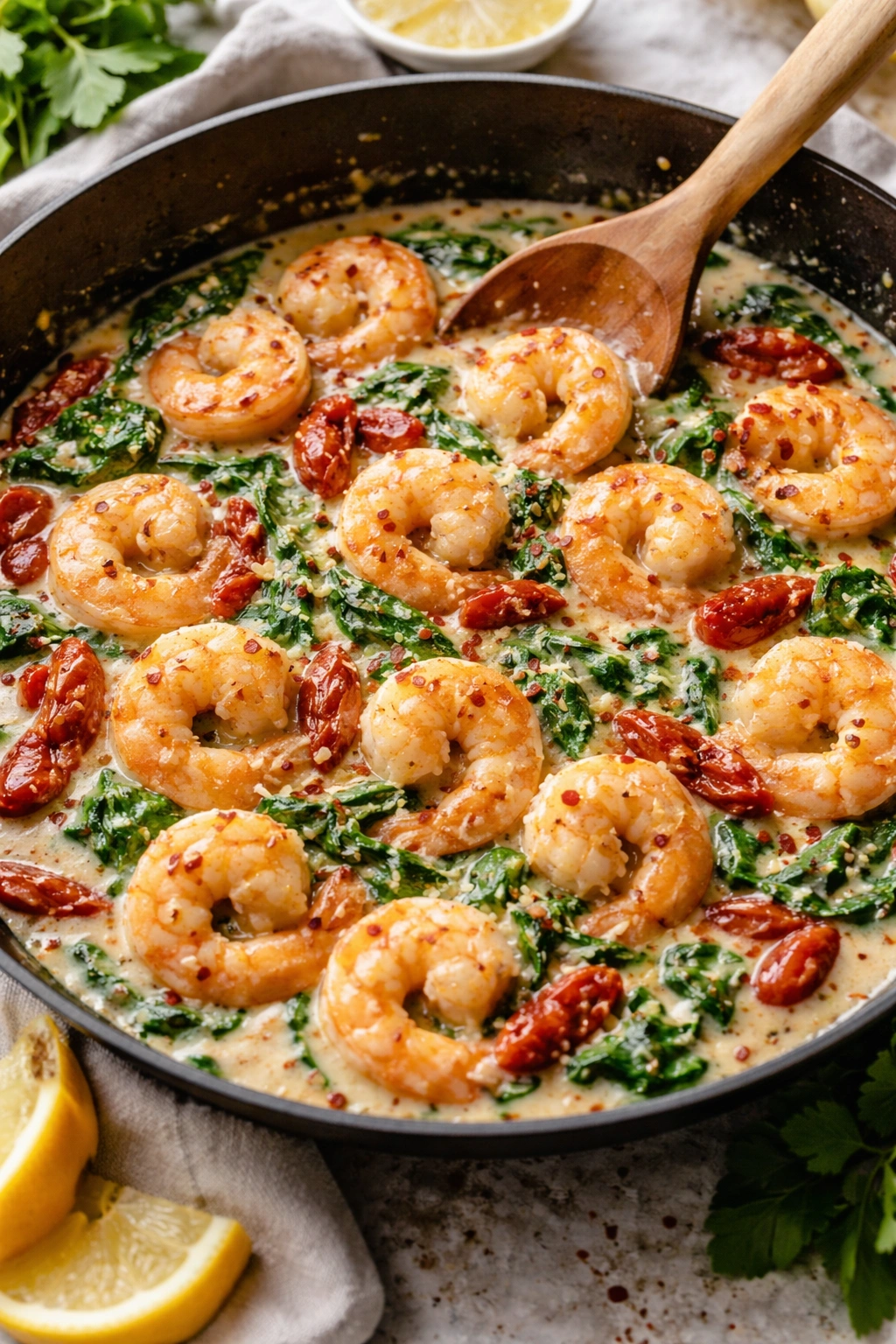
For a Tuscan version, add a handful of sun-dried tomatoes and fresh spinach during the simmering step. The tomatoes add color and a slightly sweet depth, while the spinach wilts into the sauce and adds nutrition. Add the spinach in the last minute so it just wilts without becoming mushy. This transforms the dish from simple garlic to something with more complexity and visual interest.
To make it spicy, add ½ to ¾ teaspoon of red pepper flakes when you sauté the garlic. If that’s not enough heat for your preferences, add more. You can also finish with a small splash of hot sauce or a pinch of cayenne pepper. The heat should complement the garlic and cream rather than overpower it.
For a Mediterranean twist, use half Parmesan and half crumbled feta cheese instead of all Parmesan. Add some chopped fresh dill along with the parsley, and a squeeze of lemon juice. This version tastes lighter and brighter, and it pairs beautifully with orzo pasta or a simple arugula salad.
To lighten the sauce, substitute half-and-half for the heavy cream. The sauce will be thinner and less rich, but still delicious. You may need to simmer it slightly longer for it to reach the same thickness, and the final flavor will be more delicate. This works beautifully if you’re watching your calorie or fat intake.
For a bacon-forward version, cook 4 to 6 slices of diced bacon in the skillet first, remove it and set it aside, then proceed with the recipe using the bacon grease as part of your oil. Return the cooked bacon to the sauce at the very end. The smoky, salty flavor of bacon creates an entirely different flavor profile that’s equally delicious.
To make it with white wine substituted for chicken broth, use ½ cup chicken or vegetable broth instead of the white wine for an alcohol-free version. The sauce will be slightly less complex, but still very good. Broth adds savory depth where wine would add acidity and complexity, so you may want to add an extra squeeze of lemon juice to keep the brightness.
For a shrimp pasta version, cook 8 to 10 ounces of pasta (fettuccine, linguine, or spaghetti are all excellent choices) according to package directions until al dente. Reserve 1 cup of the pasta cooking water before draining. Toss the drained pasta directly into the finished shrimp and sauce, adding a bit of the reserved pasta water if the sauce seems too thick. The starchy pasta water helps the sauce cling to the noodles, creating a silky coating.
To add cherry tomatoes, halve about 1 cup of fresh cherry tomatoes and add them during the last 2 minutes of sauce simmering. They warm through and release their juices, adding brightness and visual appeal without significantly changing the flavor profile.
For a mushroom-forward version, sauté 8 ounces of sliced mushrooms (cremini, button, or a mix) in the butter before adding the garlic. The earthy flavor of cooked mushrooms pairs beautifully with garlic and cream, and adds substance to make the dish feel more substantial.
Make-Ahead and Storage Guidance
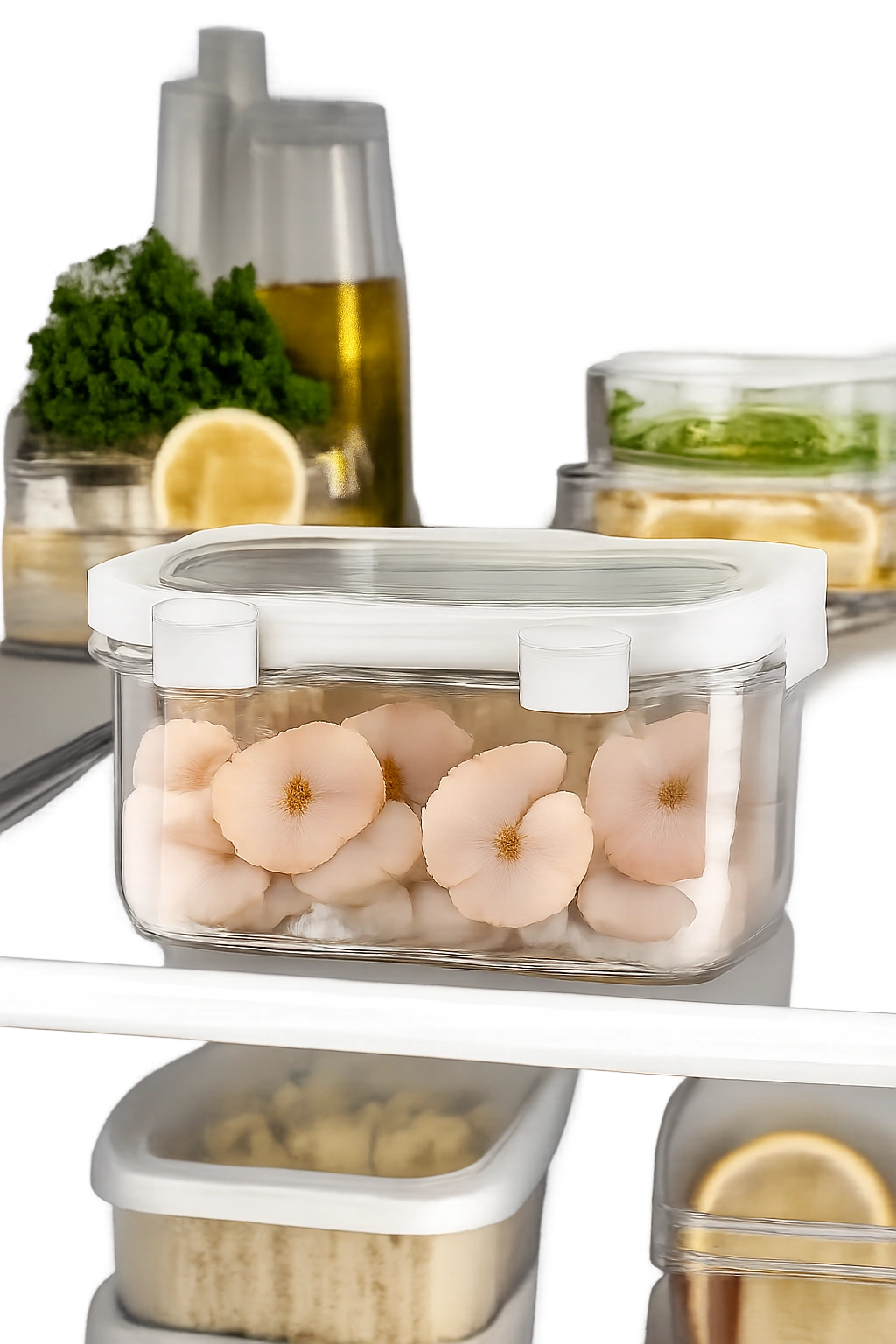
Can you prep shrimp ahead of time? Yes, but with caveats. You can peel and devein your shrimp up to one day ahead and store them in an airtight container in the coldest part of your fridge. However, don’t pat them dry until right before cooking, as the moisture will reabsorb and they’ll become wet again. Pat them dry immediately before cooking and you’ll get excellent results.
Can you make the sauce ahead? The sauce doesn’t hold well if made more than a few hours ahead. Cream sauces can break or separate when refrigerated and reheated. However, you can prep all your ingredients — mince the garlic, measure out the cream, grate the cheese, squeeze the lemon juice — in advance, which cuts down on last-minute scrambling. Keep the cream in the fridge and bring it to room temperature right before cooking.
Storage for leftovers: This dish is honestly at its absolute peak when freshly made, but leftovers keep in the refrigerator in an airtight container for up to three days. The sauce may thicken significantly when cold, which is normal. To reheat, gently warm the shrimp and sauce in a small saucepan over low to medium-low heat, stirring occasionally. The sauce should come back together as it warms. If it seems too thick, add a splash of heavy cream or a bit of pasta water to loosen it.
Never reheat in the microwave. Microwaving shrimp results in a rubbery, unpleasant texture that’s honestly disappointing. The stovetop method takes only five to ten minutes and yields far superior results. Slow, gentle heat is your friend here.
Don’t freeze the finished dish. Cream-based sauces don’t freeze well — they tend to separate and become grainy when thawed. If you must freeze, separate the shrimp from the sauce, freeze them in separate containers, and make fresh sauce when you reheat. The shrimp will thaw and reheat acceptably, and you’ll get a properly textured sauce rather than a broken, separated mess.
Serving Suggestions and Perfect Pairings
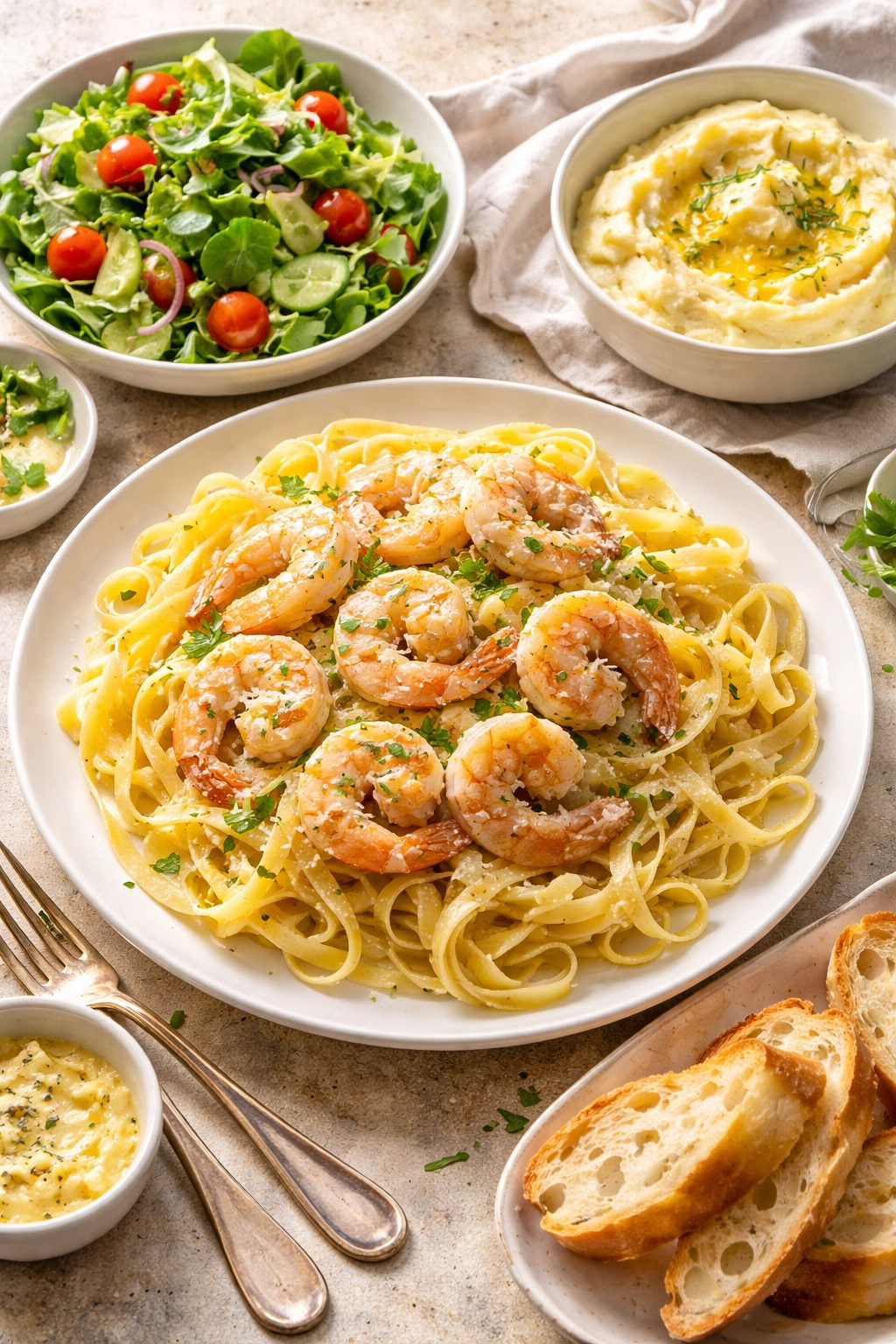
Serve over pasta for a complete meal. Fettuccine, linguine, spaghetti, or angel hair pasta all work beautifully. The sauce clings to the noodles, and each bite combines tender shrimp with silky sauce and pasta. Reserve some of the pasta cooking water to loosen the sauce if it seems too thick — the starchy water helps everything come together cohesively.
Pair with creamy or starchy sides. Buttered egg noodles, creamy mashed potatoes, roasted mashed cauliflower, buttered rice, or creamy polenta all make excellent accompaniments. The richness of these sides complements the garlic cream sauce perfectly, making for a completely satisfying meal.
Serve with crusty bread for sauce-dunking. A slice of good sourdough, focaccia, or garlic bread becomes an essential tool for capturing every last drop of sauce. This is genuinely one of the best ways to serve creamy garlic shrimp, especially if you’re eating it as a casual dinner at home.
Keep things light with vegetable sides. If you want something fresher or lighter, serve alongside roasted asparagus, steamed broccoli, sautéed zucchini, or a crisp green salad. The acidity in a salad dressing and the freshness of raw greens provide a nice contrast to the rich, creamy sauce.
Serve as an elegant appetizer. Spoon the shrimp into small bowls or on crostini, and serve as a tapas-style appetizer alongside wine or cocktails. The small portion size makes it elegant, and the richness means a little goes a long way toward impressing your guests.
Pair with wine or cocktails. A crisp white wine like Sauvignon Blanc, Pinot Grigio, or Albariño pairs beautifully with the creamy garlic sauce and bright lemon juice. The acidity in the wine cleanses your palate between bites. If you prefer cocktails, a simple gin and tonic or a light aperitif works well.
Consider serving as part of a larger meal. The richness of this dish means it pairs well with lighter sides. A simple arugula salad dressed with lemon vinaigrette, some roasted vegetables, and crusty bread create a balanced, restaurant-quality meal.
Make it a date-night dinner. The elegance of this dish, combined with its impressive flavor-to-effort ratio, makes it perfect for cooking for someone you’re trying to impress. Plate it beautifully with a garnish of fresh parsley and lemon wedges, light some candles, and enjoy together.
Final Thoughts
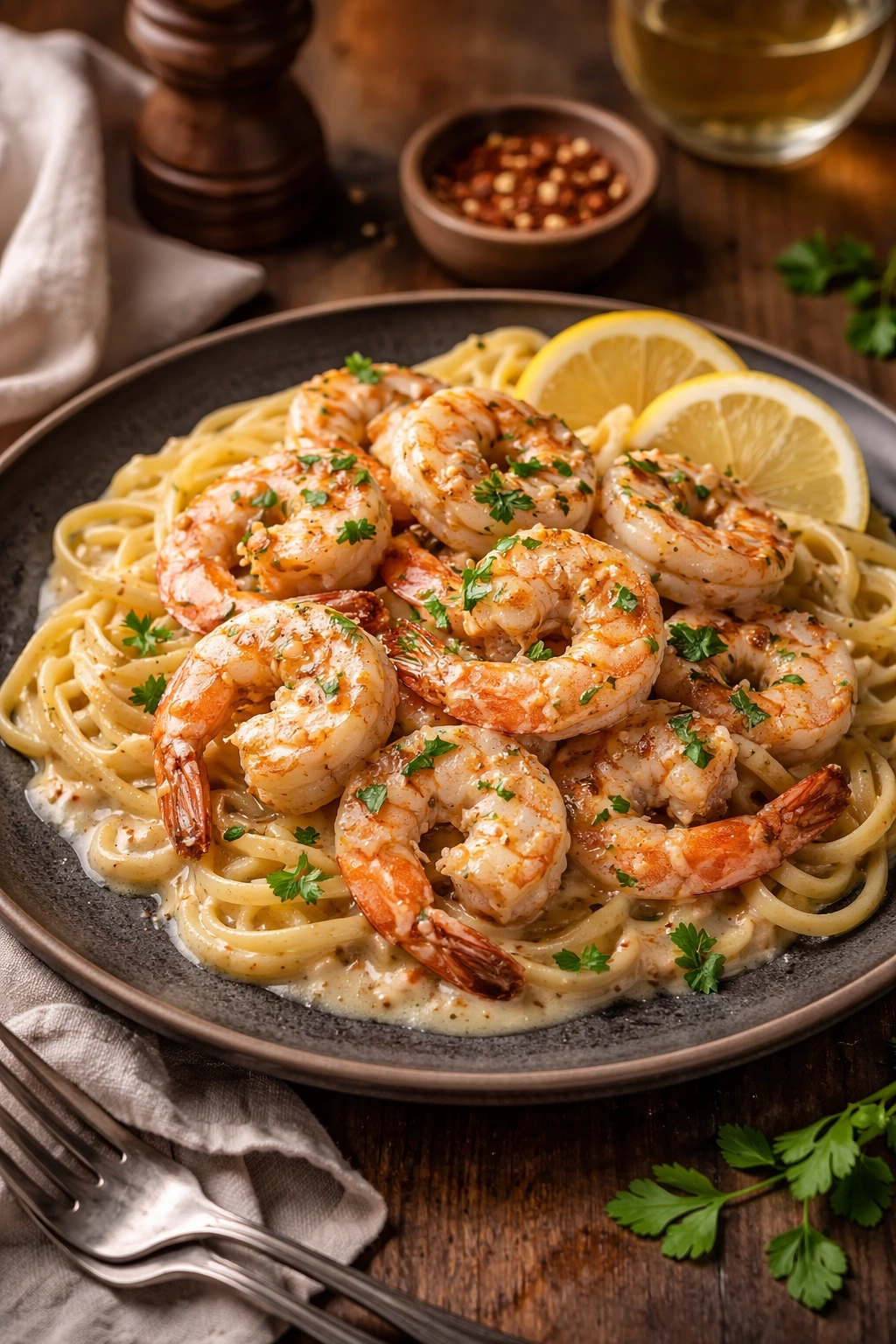
Creamy garlic shrimp in fifteen minutes is one of those recipes that shifts how you think about weeknight cooking. Once you realize how achievable restaurant-quality results actually are, you start believing that other fancy-sounding dishes might be within reach too. The magic here isn’t secret ingredients or complicated techniques — it’s simply understanding how a few quality ingredients interact, respecting the inherent speed of shrimp as a protein, and not overthinking something that’s fundamentally straightforward.
The next time you’re standing in front of the fridge at five o’clock wondering what on earth you’re going to make for dinner, remember that you have everything you need for something genuinely impressive sitting right there in your kitchen. Shrimp, butter, garlic, cream, and cheese are the foundation of something that tastes like you tried, but honestly requires less effort than most other proteins. Make it once and you’ll understand why it deserves permanent placement in your regular cooking rotation. Make it twice and you’ll be confidently adapting it with variations that suit your particular preferences. Make it enough times and people will start asking you for the recipe, marveling that something this good comes together so quickly.
