



Tight grocery budgets don’t have to mean sacrificing home-cooked comfort food. A slow cooker is genuinely one of the best kitchen tools for stretching every dollar, transforming inexpensive cuts of meat and humble pantry staples into meals your whole family will actually want to eat. The magic happens over hours of low, steady heat—tough, affordable cuts become fork-tender, dried beans absorb rich flavor, and simple ingredients meld into something that tastes like you spent all day cooking it. More importantly, a well-planned crock pot meal can feed a family of four for under $8, leaving leftovers for lunch the next day. That’s less than two dollars per person for a satisfying, home-cooked dinner.
The real secret isn’t about cutting corners on quality—it’s about understanding which ingredients deliver maximum flavor and nutrition for minimum cost, and how to layer them strategically in the slow cooker so every element pulls its weight. You don’t need fancy specialty items or complicated techniques. You need a realistic game plan, a reliable slow cooker, and the willingness to shop strategically. If you’ve been thinking slow cooker meals have to be expensive, or that budget dinners automatically taste bland, this article is going to change your perspective entirely.
How Slow Cookers Transform Cheap Ingredients Into Dinner
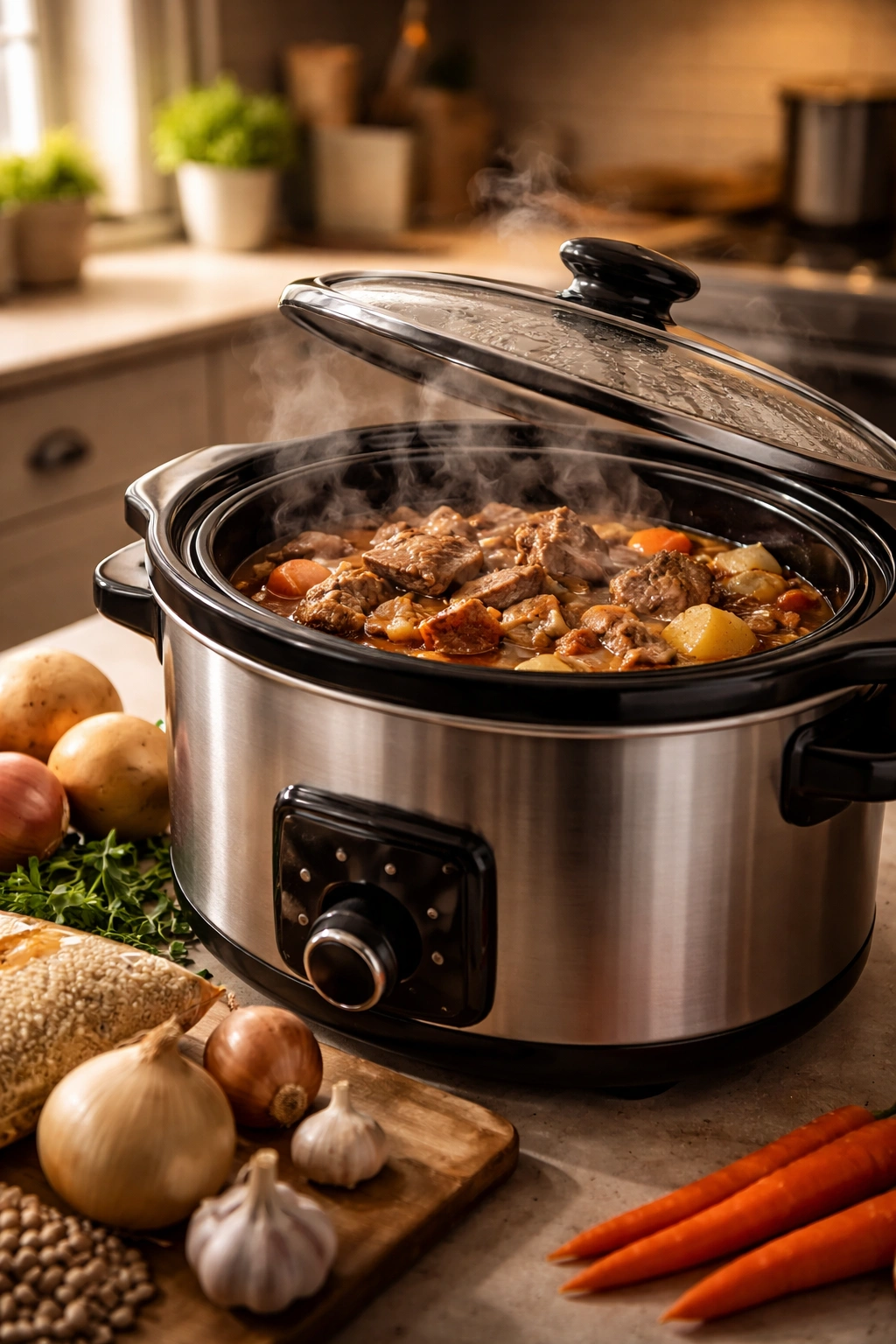
Slow cookers are the budget cook’s secret weapon because they excel at doing exactly what expensive cooking methods struggle with: making inexpensive cuts of meat absolutely delicious. A chuck roast that costs under $6 becomes impossibly tender and flavorful after eight hours on low heat. Bone-in chicken thighs at a fraction of the price of boneless, skinless breasts turn into shredded meat so moist and tasty that no one misses the premium cut. Dried beans that cost pennies per pound transform into creamy, richly flavored components that stretch meat portions and add nutritional depth.
The slow cooker works this magic through low-temperature, long-duration cooking. Collagen in tough cuts breaks down into gelatin, making the meat incredibly tender. Water-soluble flavors from spices, aromatics, and sauce ingredients have hours to infuse throughout the dish—far longer than stovetop or oven cooking allows. Everything stays in that enclosed pot, so no flavors escape with steam. Nothing burns or dries out. The result is a fully developed, homemade dinner that tastes like a labor of love, when really all you did was layer ingredients in the morning and press a button.
This method also means you can buy larger quantities of inexpensive ingredients when they’re on sale, portion them into freezer bags with seasonings already mixed in, and have dinner ingredients ready to dump into the slow cooker for weeks. No browning meat on the stovetop—which uses extra fuel and dirty dishes. No standing over a pot. Just setup and waiting. For people living on tight food budgets, that efficiency translates directly to savings on both groceries and utilities.
The Best Budget Proteins for Slow Cooking
Not all proteins deliver the same value in the slow cooker. Understanding which cuts work best on a budget is foundational to keeping costs low without sacrificing flavor or quality. Chuck roast is the gold standard for beef—it’s marbled with fat that melts during cooking, creating sauce-like richness naturally. A 3-4 pound chuck roast typically costs between $4 and $6 depending on where you shop, and it easily feeds a family of four with leftovers. The tougher the cut looks initially, the better it works in the slow cooker and the cheaper it is.
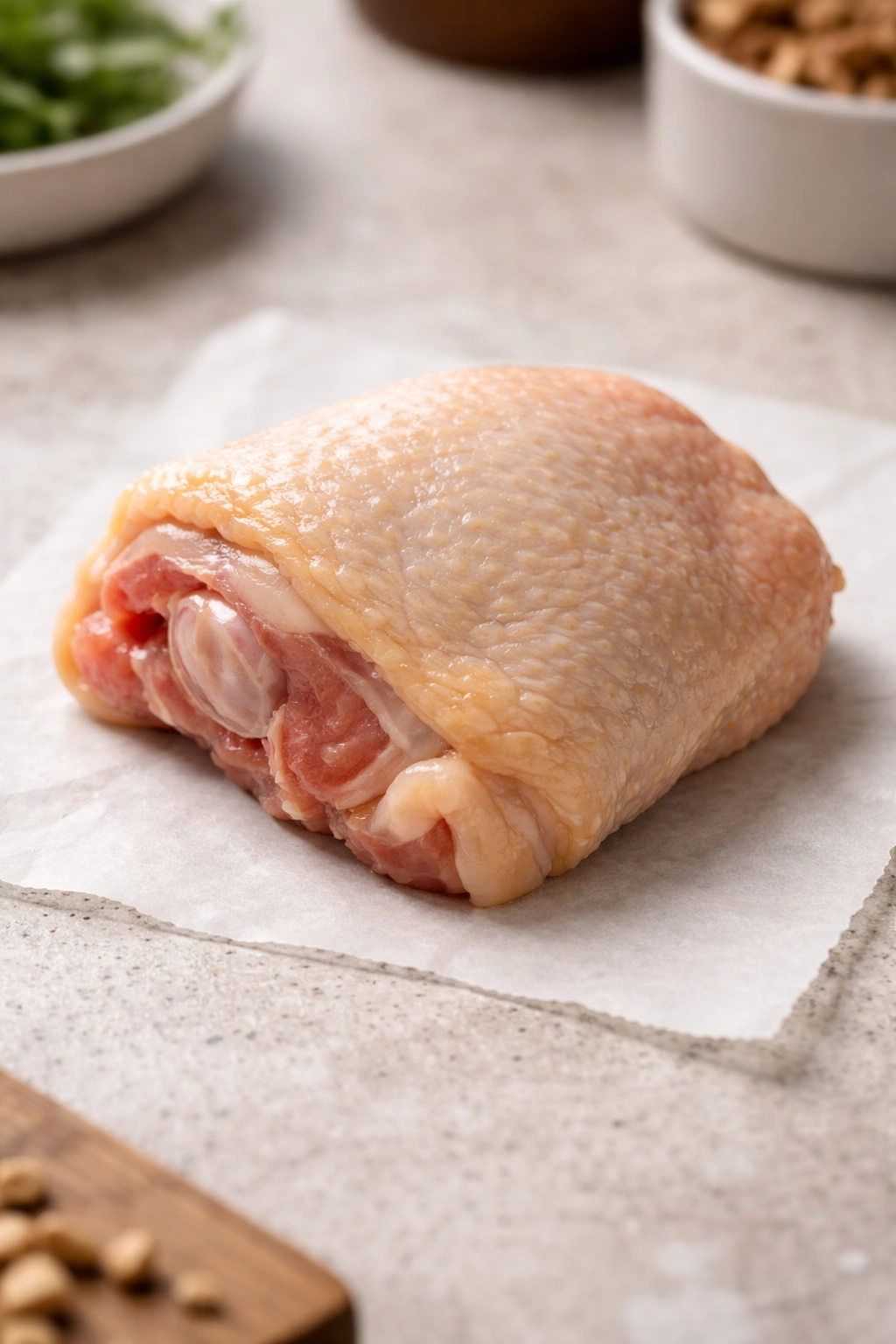
Bone-in chicken thighs are a game changer for budget crock pot cooking. They cost one-third to one-half the price of boneless, skinless breasts, and they’re actually more flavorful. The dark meat stays moist through long cooking, and the bones add body to any sauce. You can buy a family pack of thighs for $5-7 and make enough shredded chicken for tacos, salads, rice bowls, or sandwiches for multiple meals. Simply cook them whole, then remove and discard the bones and skin before serving—a thirty-second task that saves serious money.
Pork shoulder and pork butt are criminally underpriced. A 3-pound pork shoulder costs $5-8 and serves 6-8 people. It shreds beautifully after slow cooking and works for pulled pork sandwiches, tacos, rice bowls, or shredded pork fried rice. Ground beef is affordable when you buy family packs on sale, but your best value comes from buying when it’s marked down and freezing it immediately. Watch for price drops midweek rather than weekend shopping.
Whole chickens are another hidden treasure. They’re cheaper per pound than any broken-down parts, and the carcass becomes free broth after you shred the meat. Use bone-in, skin-on chicken pieces when they go on sale. Budget-conscious cooks should prioritize buying in bulk when prices drop and freezing ingredients immediately—this single habit can reduce your grocery costs by 20-30% because you’re buying at optimal prices, not paying full price when you need something tonight.
Rice, Beans, and Lentils: The Trifecta of Cheap Meals
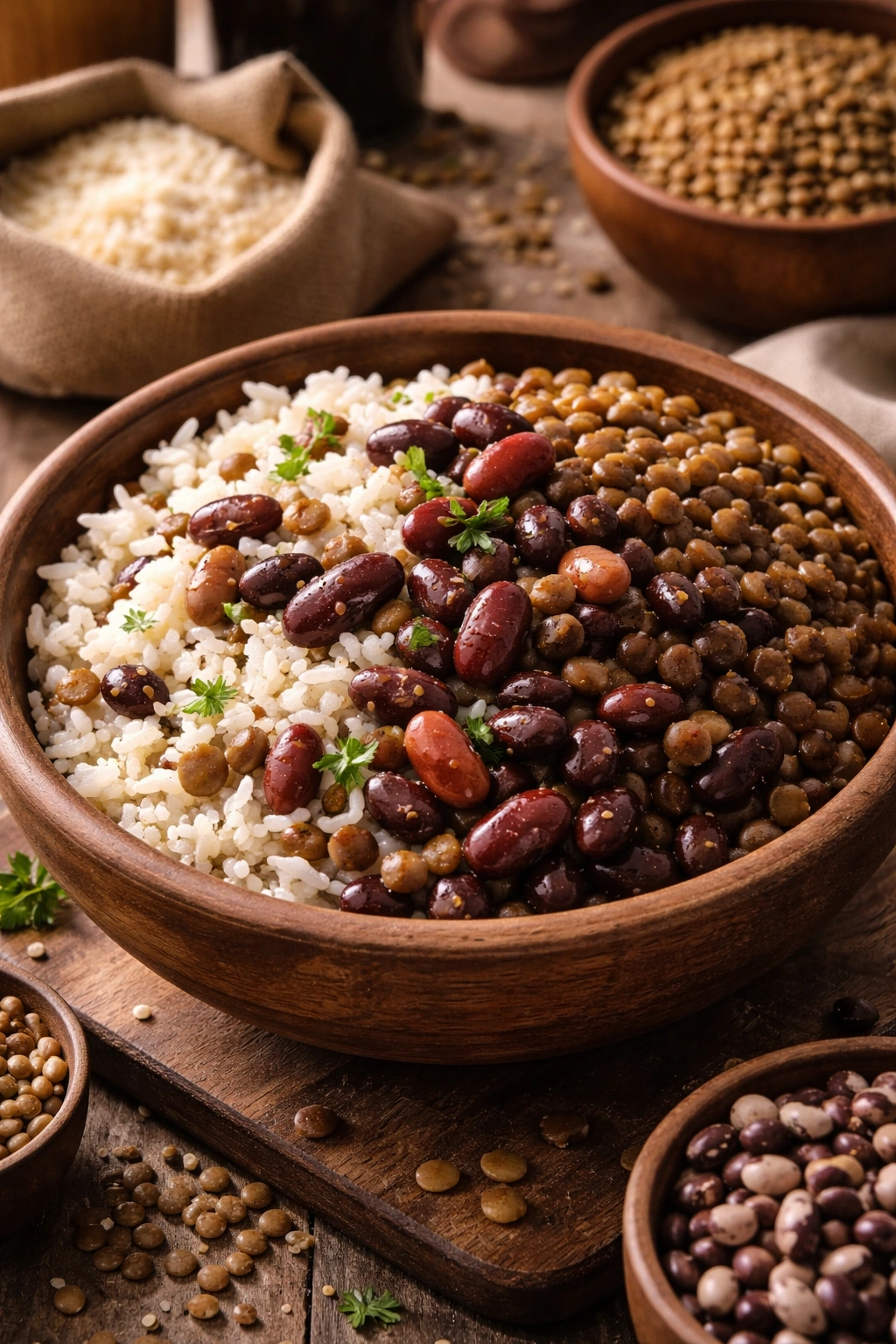
If protein is the foundation of slow cooker meals, rice, beans, and lentils are the framework that lets you stretch affordable proteins into satisfying, complete dinners. A pound of dried beans costs under $2 and yields about 6-7 cups of cooked beans—enough to feed a family of four with protein and fiber, all for pennies. Black beans, pinto beans, kidney beans, and chickpeas all work beautifully in the slow cooker. The key is rinsing them first and, if using fully dried beans, soaking them overnight. Canned beans cost more but eliminate the overnight-soak step, and they’re still inexpensive—usually 2-3 cans for around $2.
Rice stretches meat portions substantially. A cup of uncooked rice costs maybe 50 cents and yields about 3 cups cooked, enough to serve a family as a side. Brown rice and white rice have nearly identical cost, but brown rice has more fiber and micronutrients, so it’s the slightly better choice for the same price. Cooking rice directly in the slow cooker alongside other ingredients is possible for some recipes, though it requires careful timing to avoid mushiness.
Lentils are a revelation for budget cooks. A pound of dried lentils costs $1-2 and doesn’t require soaking—you just rinse and go. They cook in 20-30 minutes in the slow cooker and absorb flavors beautifully. Brown lentils hold their shape better than red lentils for mixed dishes. Lentil-based soups, lentil and rice pilafs, and lentils mixed with ground meat or diced vegetables create incredibly nutritious, complete meals for under $6 that serve 4-6 people.
Smart Shopping Strategies That Cut Crock Pot Costs
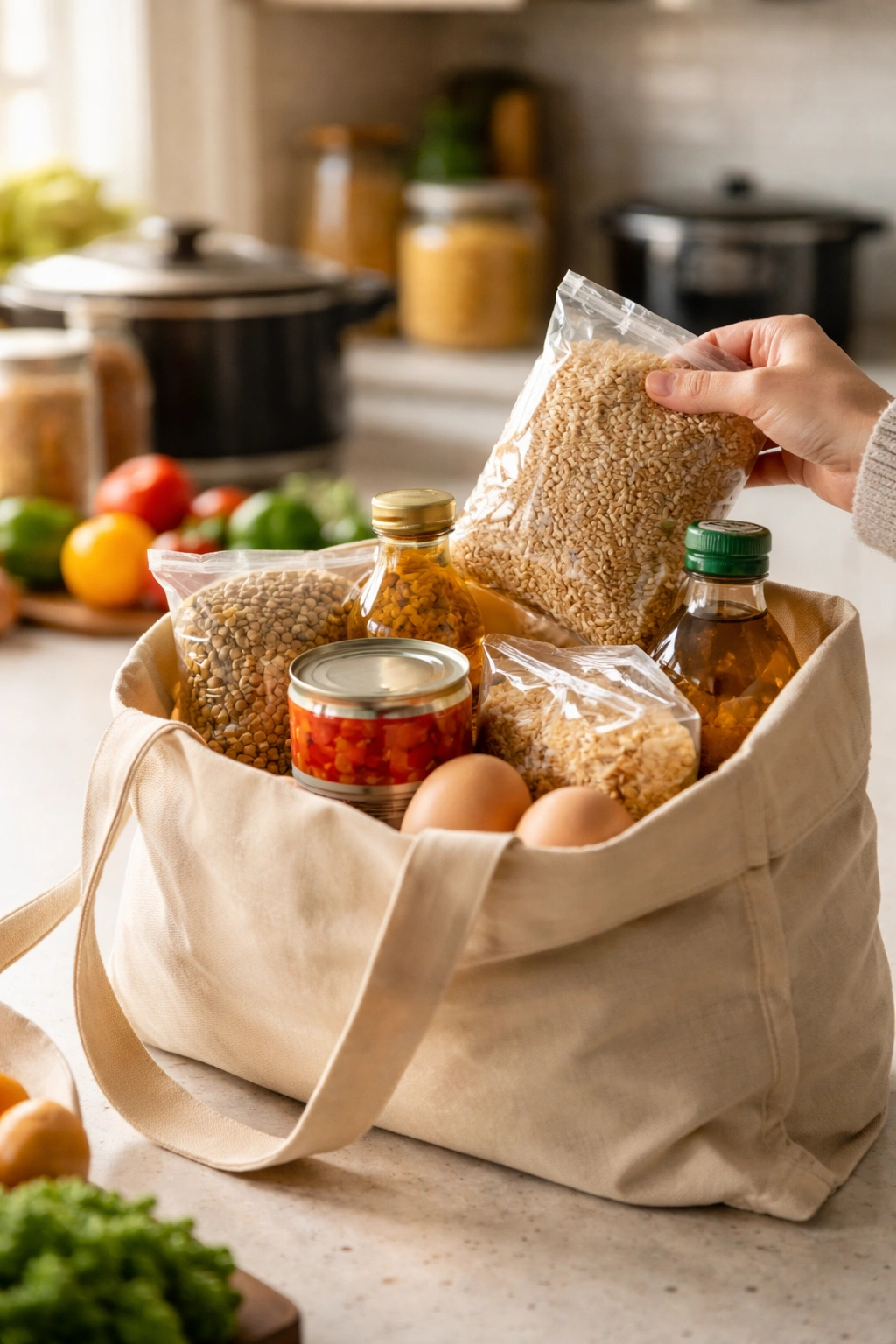
Shopping strategically is the real secret to sustainable budget slow cooker cooking. The first rule is never shop hungry and never buy full-price meat. Most grocery stores mark down meat on specific days—usually midweek—so it’s used before the weekend rush. Buy on those days and freeze immediately. Many stores also have seasonal sales: whole chickens are cheapest around major holidays, pork shoulders hit rock bottom around summer barbecue season, and chuck roast prices drop during chili season.
Buy store brands instead of name brands—they’re identical products at 20-40% lower cost. Canned goods, beans, rice, and spices from store brands are exactly the same as premium brands, just without the marketing expense. Build a rotating pantry staple list and buy sale items in bulk, not based on weekly menu plans. When lentils go on sale, buy several pounds. When canned tomatoes are 3 for $2, stock up. When onions drop to 50 cents per pound, buy 10 pounds. This approach requires minor freezer space but eliminates the “full price panic buy” trap.
Shops with discount produce sections are goldmines. Slightly soft carrots, bell peppers that aren’t perfect, or potatoes with minor blemishes taste identical to perfect ones and cost half the price. Frozen vegetables are consistently cheaper than fresh and just as nutritious—sometimes more nutritious because they’re frozen immediately after harvest. A 10-pound bag of frozen stir-fry vegetables or mixed vegetables costs $3-5 and can be portioned into multiple meals.
Buy spices from the bulk bin, not pre-packaged containers. A quarter-pound of cumin from bulk costs $2; the same amount in a tiny jar costs $7. Keep basic spices on hand: salt, pepper, garlic powder, onion powder, paprika, cumin, chili powder, and Italian seasoning cover about 80% of slow cooker recipes. One small investment stocked in your pantry serves hundreds of meals.
Chicken and Rice Bowls for Under $5
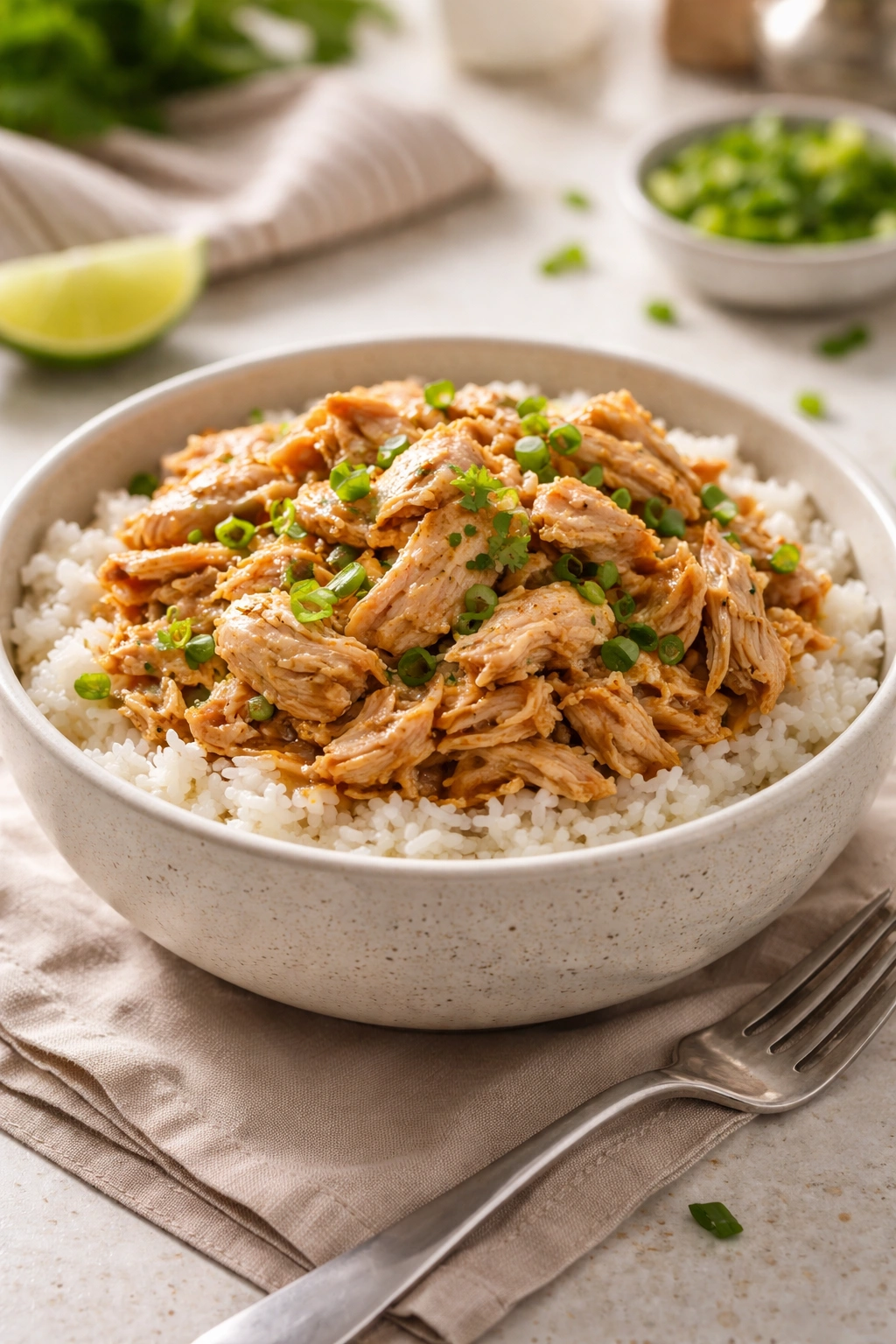
Slow cooker chicken and rice is the quickest path to dinner for under $5 that can feed four people with leftovers. Start with 1.5-2 pounds of bone-in chicken thighs or breasts, arranged on the bottom of the slow cooker. Add 2 cups of chicken broth (homemade or a $1 carton), 1 cup of uncooked rice, and aromatics: diced onion, minced garlic, or a carrot cut into rounds. Season with salt, pepper, and whatever spice combination appeals to you. If making a Mexican version, use cumin, chili powder, and cilantro. For Asian-inspired bowls, add soy sauce and sesame oil. Mediterranean style? Dried oregano, lemon juice, and kalamata olives.
Cook on low for 5-6 hours until the chicken is cooked through and rice is tender. The meat pulls right off the bones, and you’ve got a one-pot dinner. Add a can of black beans, a can of corn, or frozen peas toward the end for bulk and nutrition. Serve topped with whatever you have on hand: shredded cheese ($1), sour cream (usually in budget), salsa ($1), lime wedges if they’re cheap that week.
Ground chicken or turkey is another option if thighs are unavailable. Brown it lightly in a skillet first to avoid a mushy texture in the slow cooker (this takes 10 minutes), then proceed as above. A pound of ground chicken costs around $2-3 and makes about four generous servings when mixed with rice and vegetables. This meal-prep style preparation means you can have the same healthy lunch for three days straight, or enough for dinner plus lunches the next day.
The entire meal costs between $4-5: chicken ($2-2.50), rice and broth ($1), onion and seasonings ($0.50-1), plus optional add-ins. That’s approximately $1.25 per serving before toppings. Leftovers reheat perfectly and actually taste better the next day after flavors meld. You can meal-prep these in individual containers for grab-and-go lunches all week.
Hearty Pork Roasts and Pulled Pork Under $7
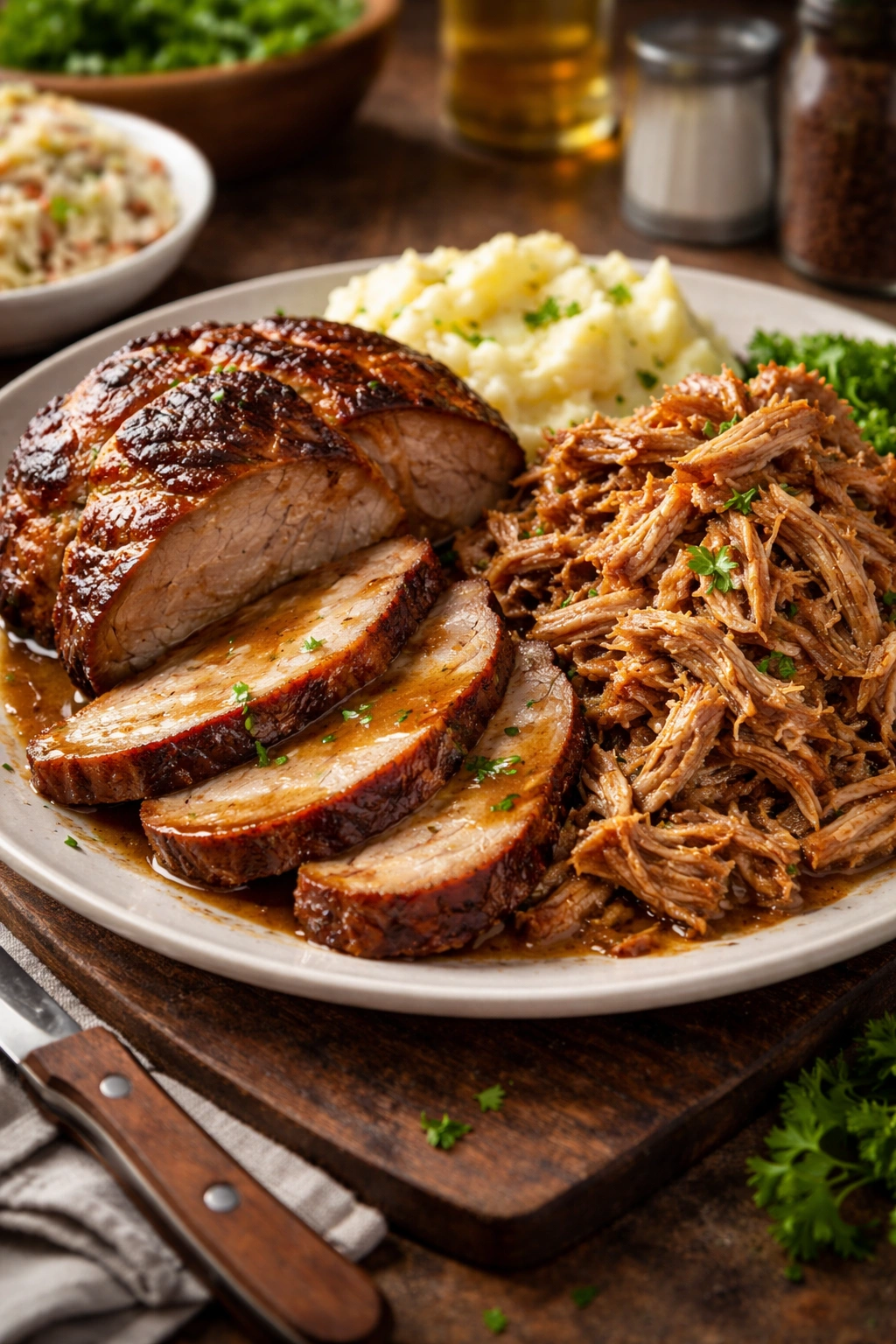
Pork shoulder is possibly the cheapest protein you can slow cook, and it yields enough shredded meat for multiple meals. A 3-pound pork shoulder costs $5-7 depending on when you buy it. Place it whole in the slow cooker with just water, salt, and pepper, or get creative with a sauce of your choice. Salsa-based pulled pork, bbq-sauce versions, or even Asian-inspired pork with soy sauce and ginger all work beautifully.
Cook on low for 8-10 hours until the meat shreds easily with a fork. You’ll get roughly 2 pounds of cooked shredded meat from a 3-pound raw shoulder. Serve it as pulled pork sandwiches ($2 for buns, split between multiple people), in tacos, over rice, on nachos, or mixed with egg noodles and a can of cream of mushroom soup for a budget stroganoff.
The leftover pork lasts 4-5 days in the refrigerator or 3 months frozen, which means this single purchase becomes multiple dinners spread across weeks. You’re amortizing the cooking time and effort across many meals, which is the smart budget approach. A bun costs roughly 40 cents; toppings cost almost nothing. Pulled pork sandwiches end up being $1.50-2 per sandwich fed and served.
Pork ribs (the less expensive bone-in variety, not fancy baby backs) slow cook beautifully with just salt, pepper, and bbq sauce. A rack costs $3-5 and feeds 2-4 people depending on appetites and what you serve alongside. The meat falls off the bone after slow cooking and requires zero knife work. Serve with inexpensive coleslaw (just shredded cabbage and a dressing), baked beans made from dried beans in the slow cooker, or potato salad made from sale-price potatoes.
Ground Beef Casseroles and Chilis Under $6
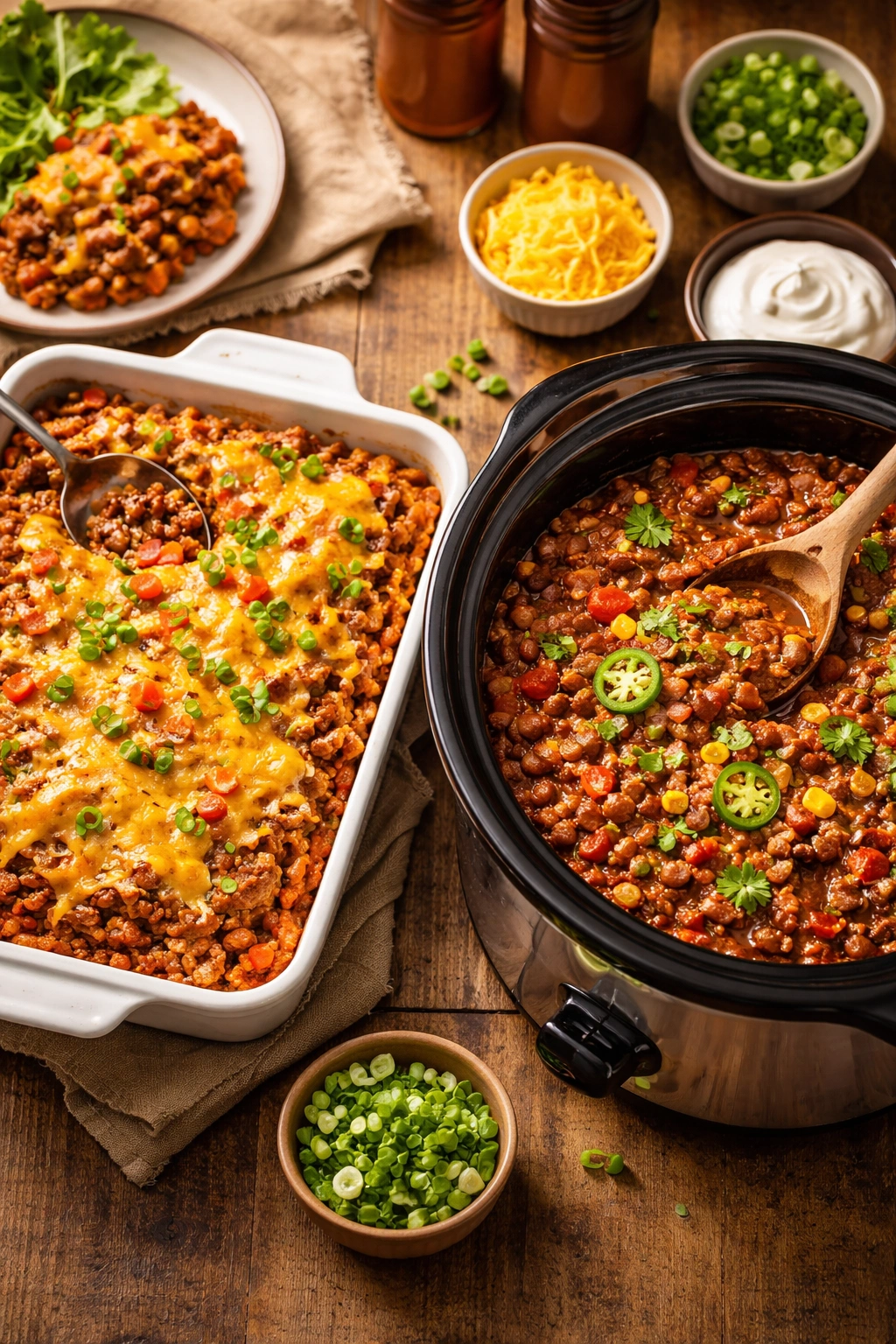
Ground beef is affordable when you buy family packs (usually $2-3 per pound) and freeze in meal-sized portions. The most budget-friendly approach is to brown the ground beef first in a skillet, then transfer it to the slow cooker with other ingredients. This prevents a grainy texture and ensures everything cooks evenly. For a hearty ground beef and tomato-based chili, combine 2 pounds of browned ground beef, 2 cans of kidney beans, 2 cans of crushed tomatoes, 1 onion (diced), 2 cloves garlic (minced), and chili powder or taco seasoning. Cook on low for 6-8 hours. Total cost is around $4-5 for a meal that serves 6.
Crockpot spaghetti and meatballs is another affordable classic. Brown 1.5 pounds of ground beef with breadcrumbs mixed in (stretches the meat), roll into balls, and cook in the slow cooker with 2 jars of pasta sauce. The meatballs stay tender and absorb sauce flavor. Cook noodles separately and add to the slow cooker at the very end, or serve sauce over noodles as you’d normally make spaghetti. Cost is around $4-6 total.
Casserole-style ground beef dishes combine browned ground beef with egg noodles, soup, and vegetables in the slow cooker. Brown beef, combine with cooked noodles, a can of cream of mushroom soup, frozen mixed vegetables, and some broth or milk, then cook on low. It’s comfort food that costs $3-5 for a family serving. Hamburger casserole, taco casserole with black beans and salsa, or beef stroganoff all follow this basic formula and cost similarly.
Tacos are perhaps the most versatile ground beef slow cooker meal. Brown 2 pounds of ground beef, add to the slow cooker with a packet of taco seasoning and a little water, cook on low for 2-3 hours (or high for 1 hour), and you have taco filling for the entire week. Taco shells or tortillas are cheap bulk items. Toppings like shredded cheese ($1), lettuce (usually inexpensive), and salsa create a meal that costs roughly $4-5 for enough tacos to feed a family of four.
Budget-Friendly Bean and Vegetable Slow Cooker Meals
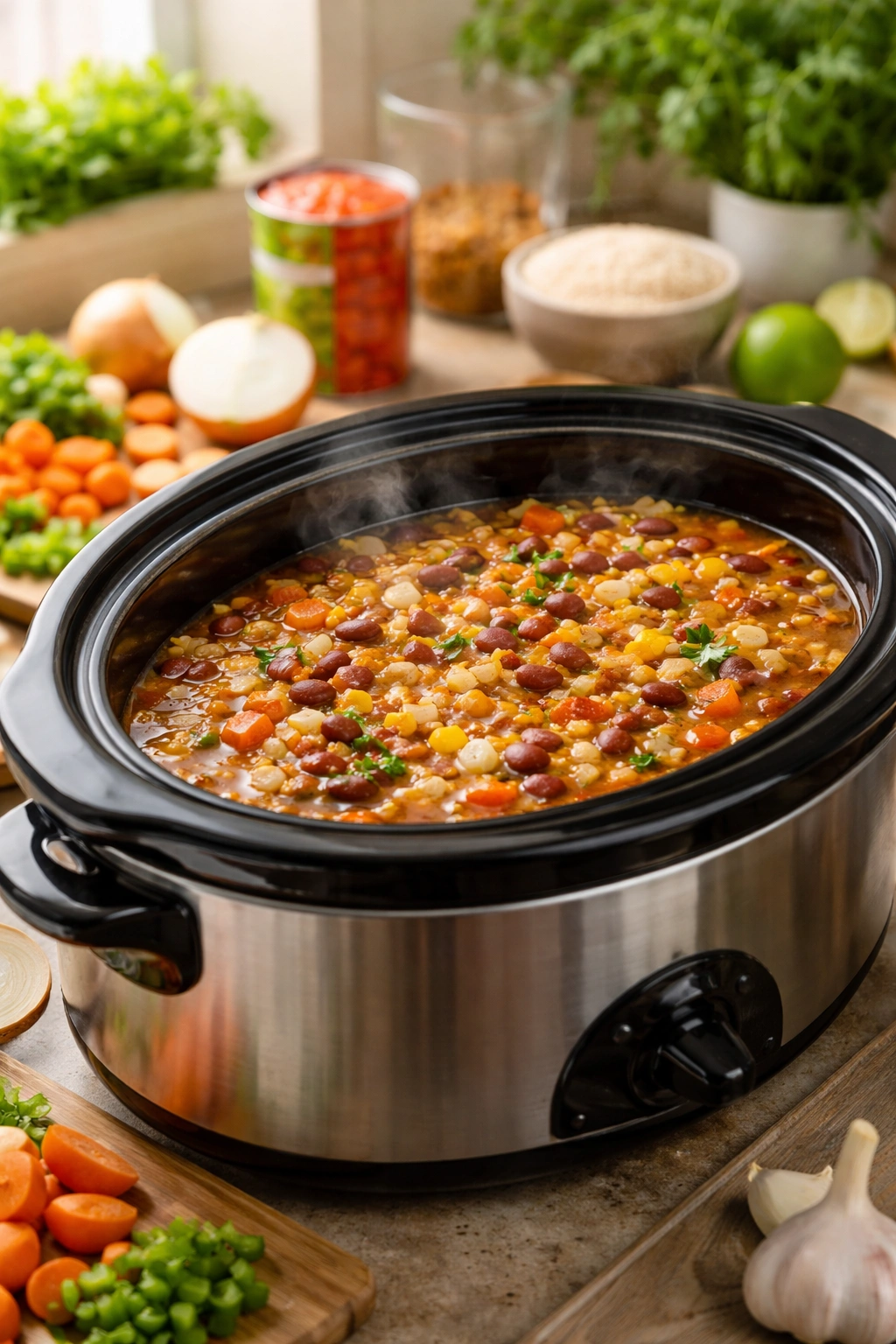
Vegetarian or mostly-vegetarian slow cooker meals are often the cheapest option per serving. A pot of beans and rice with sautéed aromatics and vegetables costs under $4 to make and serves 6 people. Red beans and rice, black beans and rice, or pinto beans and rice are traditional combinations for good reason—beans and rice provide a complete protein when eaten together, plus tons of fiber and nutrients.
To make red beans and rice the budget way, soak 1 pound of dried red beans overnight, then add to the slow cooker with water, a diced onion, minced garlic, and whatever spices are on hand (cumin, chili powder, paprika work well). Optionally add a can of diced tomatoes or tomato sauce. Cook on low for 6-8 hours until beans are tender. Serve over rice. The entire dish costs around $2-3 and serves 4-6 people. You can add a small amount of sausage or bacon if budget allows, but it’s not necessary—the beans are flavorful on their own.
Lentil soup is similarly affordable and nutrition-dense. Combine dried lentils (no soaking required), diced carrots, diced onions, vegetable or chicken broth, and seasonings in the slow cooker. Cook on low for 5-6 hours. A pound of lentils and vegetables costs around $3-4 and yields a soup that serves 6-8. The natural richness comes from the lentils and long, slow cooking, not from cream or meat. Add spinach, kale, or frozen vegetables for minimal additional cost and major nutritional boost.
Vegetable beef soup combines inexpensive ground beef with plenty of vegetables and broth, stretching the meat while keeping costs down. Brown ground beef, combine with diced carrots, diced potatoes, diced celery, diced onions, canned tomatoes, and beef broth. Cook on low for 6-8 hours. The vegetables are usually cheaper than the beef, making this a budget-conscious approach to meat-based meals. Cost is around $4-5 for 6-8 servings.
Chickpea curry is an option if you’re open to ethnic flavors. A can of chickpeas, a can of coconut milk, canned tomatoes, onions, garlic, and curry powder create a flavorful, protein-rich meal. Serve over rice. The combination sounds expensive but actually costs $3-4 total because chickpeas and coconut milk cans are inexpensive staples. Feeds 4-5 people.
Soups and Stews That Feed 4-6 People for Under $8
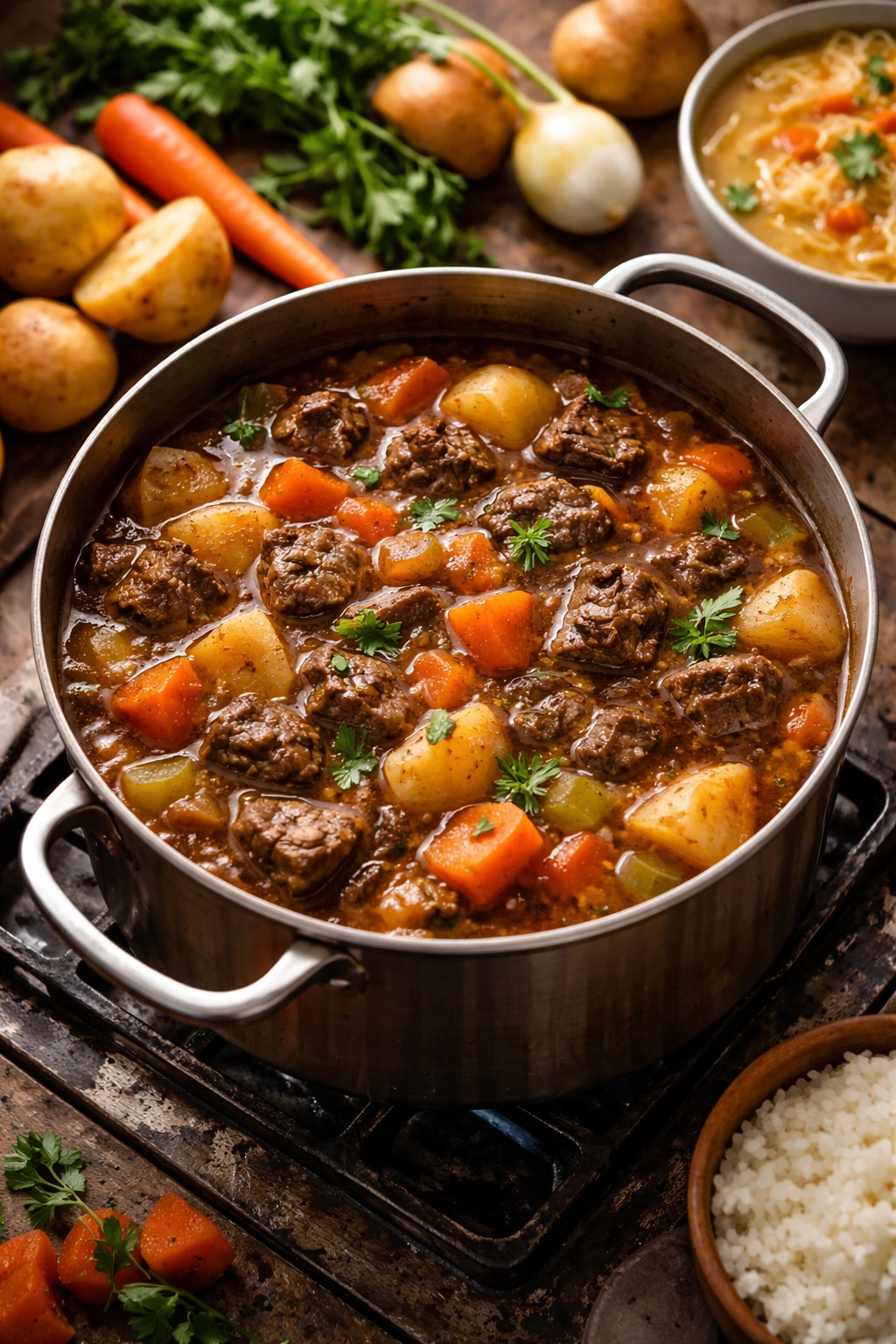
Slow cooker soups and stews are the ultimate budget dinner because they combine cheap proteins, inexpensive vegetables, and affordable starches into a single, complete meal. A basic beef stew with potatoes, carrots, and onions costs under $5 and feeds a family of four with leftovers. Use a less expensive cut like chuck beef cubed (about $3 per pound), potatoes ($0.50 per pound), carrots ($0.50 per pound), one onion ($0.25), and beef broth ($1). Brown the beef first, add everything to the slow cooker, and cook on low for 8 hours. The result is a hearty, stick-to-your-ribs meal that costs roughly $1-1.50 per person.
Chicken noodle soup made in the slow cooker is similarly affordable and endlessly customizable. Use bone-in chicken pieces (cheaper per pound), chicken broth, egg noodles, and whatever vegetables are on sale: carrots, celery, peas, or green beans. Cook the chicken until it shreds easily, then shred it and return it to the pot with noodles and vegetables. Cost is around $3-4 for 6-8 servings.
Split pea soup is one of the absolute cheapest soups to make, costing under $3 total. A pound of dried split peas is usually around $1-2, plus onion ($0.25), carrots ($0.50), ham bone or a small ham hock ($1-2, sometimes free from the butcher counter), and vegetable or chicken broth. Cook on low for 8-10 hours. The soup becomes creamy as the peas break down naturally, creating body without cream or oil. A ham bone is often free or under $2 at the meat counter, making this an exceptional value meal. Split pea soup serves 8-10 people from a single slow cooker batch.
Bean and vegetable soups are endlessly adaptable to whatever’s on sale. Black bean soup, white bean soup, or mixed bean soup all follow the same formula: cooked or canned beans, diced vegetables (onion, celery, carrots at minimum), broth, and seasonings. Add a can of diced tomatoes and a bay leaf, cook on low for 6-8 hours, and you’ve got a complete meal for $3-4 that serves 6-8. Cost per serving is under 50 cents.
Make-Ahead and Freezer-Friendly Budget Slow Cooker Meals
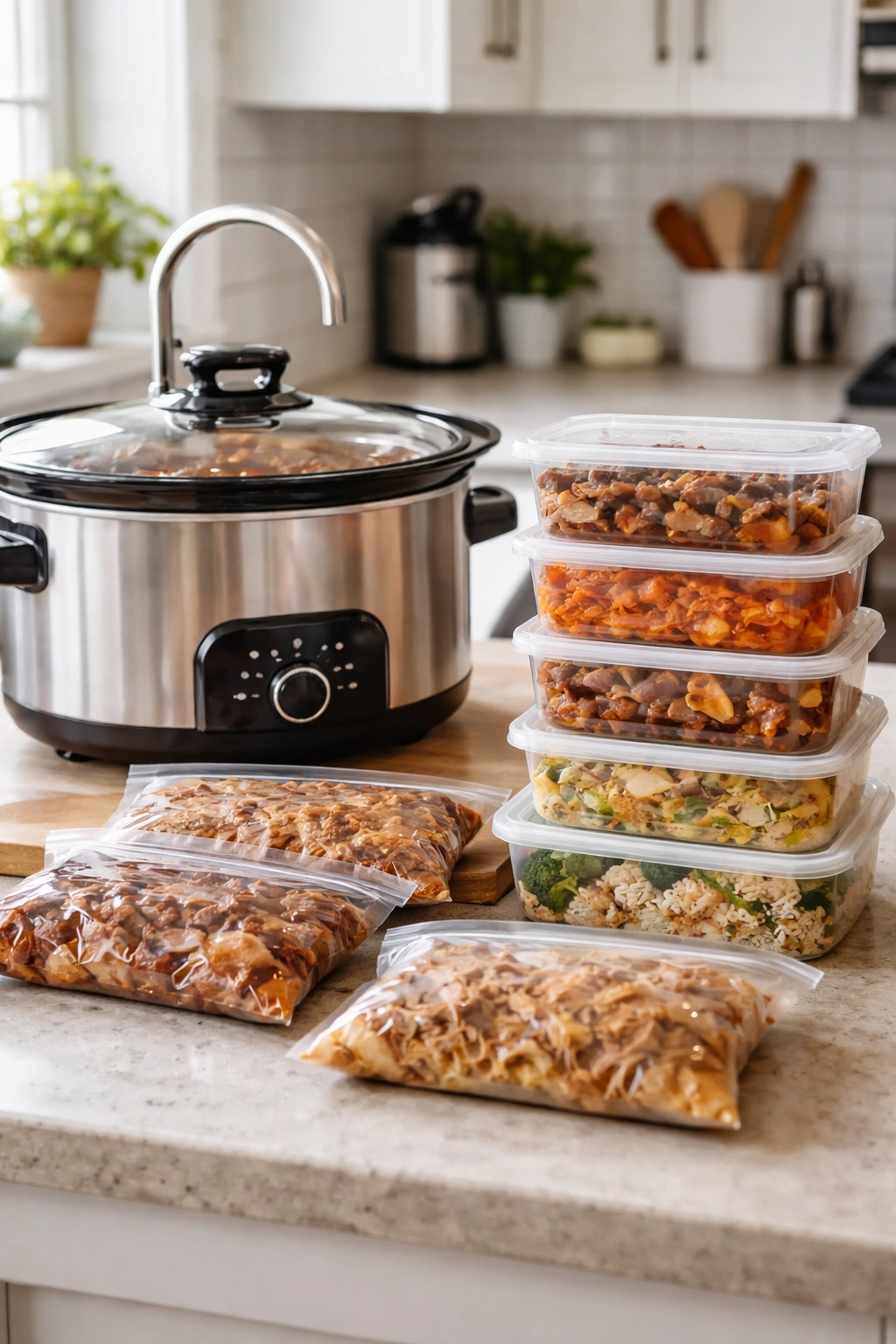
The real power of slow cooker meals on a budget comes from being able to batch-cook and freeze, stretching your grocery dollars even further. When you find beef roast, pork shoulder, or chicken on sale, buy multiples. Make two or three slow cooker meals at once, freeze most of them, and you’ve built a month of dinners from a single good sale price.
Slow cooker meals freeze beautifully because the long cooking time means flavors are already fully developed—they don’t suffer from freezing like fresh-cooked dinners sometimes do. In fact, many slow cooker meals taste better the next day or after freezing as flavors continue to meld. Pack cooled slow cooker meals into disposable aluminum containers or freezer bags lying flat, label with the contents and date, and they’ll keep for up to 3 months. Flat-frozen bags stack easily and thaw quickly—just submerge the bag in warm water for 30 minutes or thaw overnight in the refrigerator.
The freezer meal approach means buying for sales rather than for immediate meals. When chuck roast is $2.99 per pound, buy 10 pounds instead of 2-3 and make multiple batches of chili or stew simultaneously. The setup time is barely longer than making one batch, but you’ve created 4-5 meals instead of one. Amortize that work across multiple meals and you’re maximizing both time and money efficiency.
Another money-saving approach is assembly-line meal prep: Brown a large batch of ground beef once, divide it among multiple containers, and use it for taco filling one night, chili the next, pasta sauce later in the week, and soup another time. Same protein, different seasonings and accompaniments. This prevents boredom, uses ingredients efficiently, and reduces overall cooking effort. You’re leveraging the initial setup work across multiple different meals.
Common Budget Slow Cooker Mistakes to Avoid
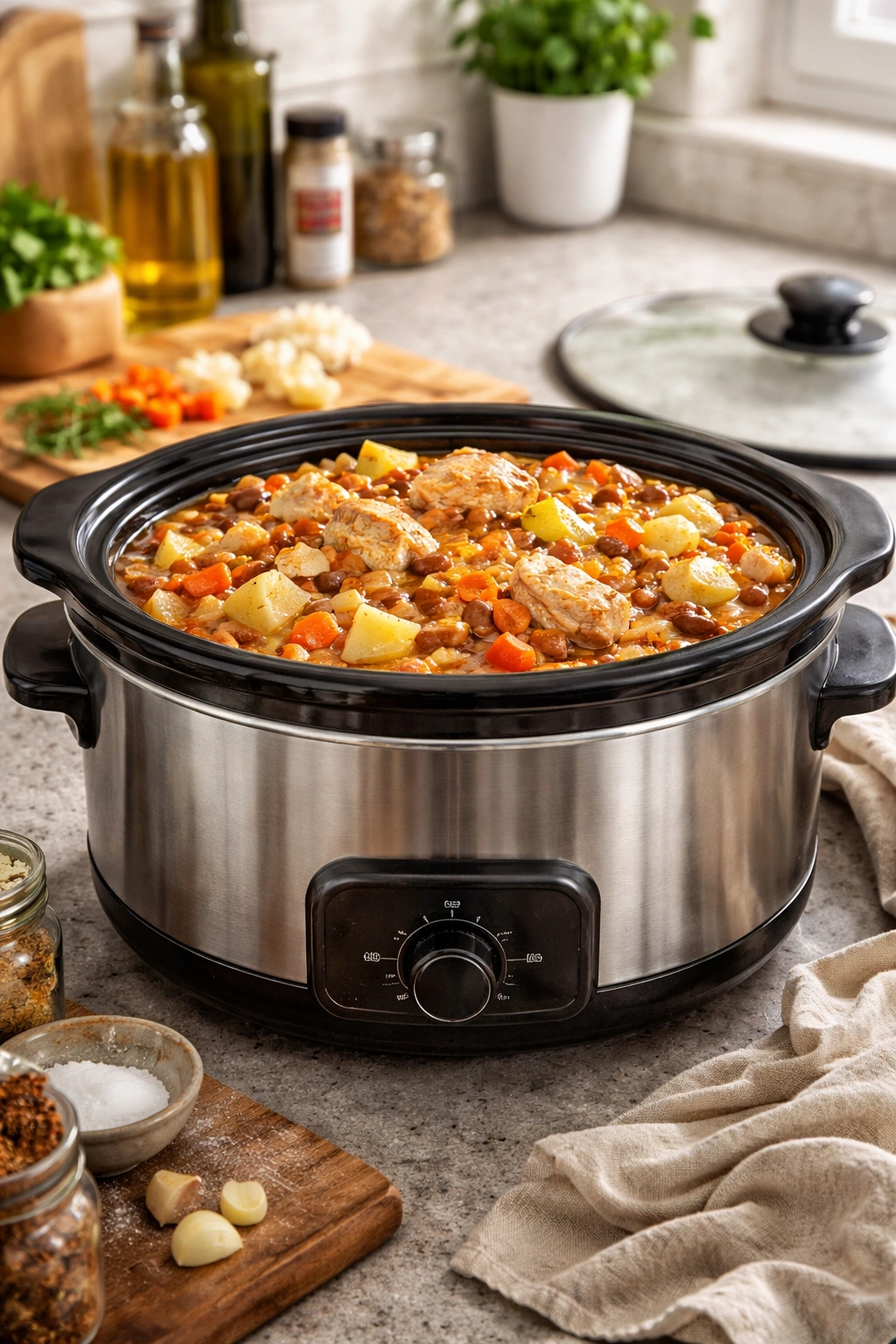
Even well-intentioned budget cooking can waste money through preventable mistakes. The biggest one is overfilling the slow cooker, which prevents even cooking and often leads to unsafe food safety situations if the pot isn’t half-full. A slow cooker is only efficient when it’s filled to 50-75% capacity. Buy an appropriately sized slow cooker for your household, not one massive cooker you’re never full enough to use properly.
Another expensive mistake is not buying on sale and not freezing. Buying meat at full price because you need it tonight costs 30-40% more than waiting for a sale and having a stocked freezer. Even small household freezers can hold enough ingredients to cover 2-4 weeks of meals if you prioritize smartly. Without that buffer, you’re always paying premium prices on the timeline that’s convenient, not on the timeline that makes financial sense.
Overrelying on convenience items and pre-made seasonings adds significant cost without adding value. A packet of taco seasoning costs $1 and seasoning the meat yourself with cumin, chili powder, salt, and pepper costs maybe 25 cents if you buy spices from the bulk bin. That 75-cent difference per meal doesn’t sound like much until you’re making tacos weekly for a year—that’s nearly $40 in avoidable expense. Pre-made soup bases, seasoning packets, and convenience mixes are one place where budget cooks absolutely should do the manual work.
Not using bones and scraps is wasteful. A roasted chicken carcass makes free broth that saves $2-3 per pot. Vegetable scraps—onion ends, carrot tops, celery leaves—become broth as well. Freezing these scraps until you have enough to simmer 4-6 hours in the slow cooker creates a nutritious, completely free ingredient you would’ve otherwise thrown away. Same with ham bones, which often come free from the butcher.
Buying name brands consistently is an insidious budget leak. Switching to store brands across the board saves 20-30% on your grocery budget with zero quality sacrifice. Over a year, that’s hundreds of dollars recovered. The same applies to buying whole ingredients instead of pre-cut or pre-prepared foods—you pay significantly more for someone else to chop your vegetables or cook your rice.
Strategic Shopping Tips to Maximize Your Budget

Building relationships with your grocery store’s meat counter staff pays dividends over time. Ask when they mark down meat; most stores have specific days. Ask if they’ll order bulk portions for you if you want a large amount. Some butchers will give you bones and scraps free if you ask—bones make broth, and scraps extend meat portions. These relationships cost you nothing and can reduce meat expenses by 20%.
Shopping apps and coupon matching websites are legitimate tools for budget cooks who don’t mind a little research. Many grocery stores have digital coupons loaded directly to your membership card, eliminating the clipping hassle. Some apps tell you which stores have the best prices for specific items that week. Ten minutes of research before shopping can save $5-10 on a typical grocery trip.
Buying whole or “manager’s special” proteins when they’re discounted is smart if you use them immediately or freeze them that day. A pork shoulder marked down 30% because it’s near its sell-by date is still perfectly safe when frozen immediately—you’ve just scored a dramatic price reduction. Approach this strategically: only buy marked-down proteins if you have a plan to use or freeze them within an hour of shopping.
Shopping seasonally stretches your budget. Chicken is cheapest during summer months. Pork is cheap around barbecue season and near holidays. Beef goes on sale around Father’s Day and in the fall. Root vegetables (potatoes, carrots, onions) are cheapest in fall and winter. Rice and beans are consistently cheap year-round. Align your meal planning with seasonal prices and you’ll automatically spend less.
Feeding a Family on Under $8 Per Meal
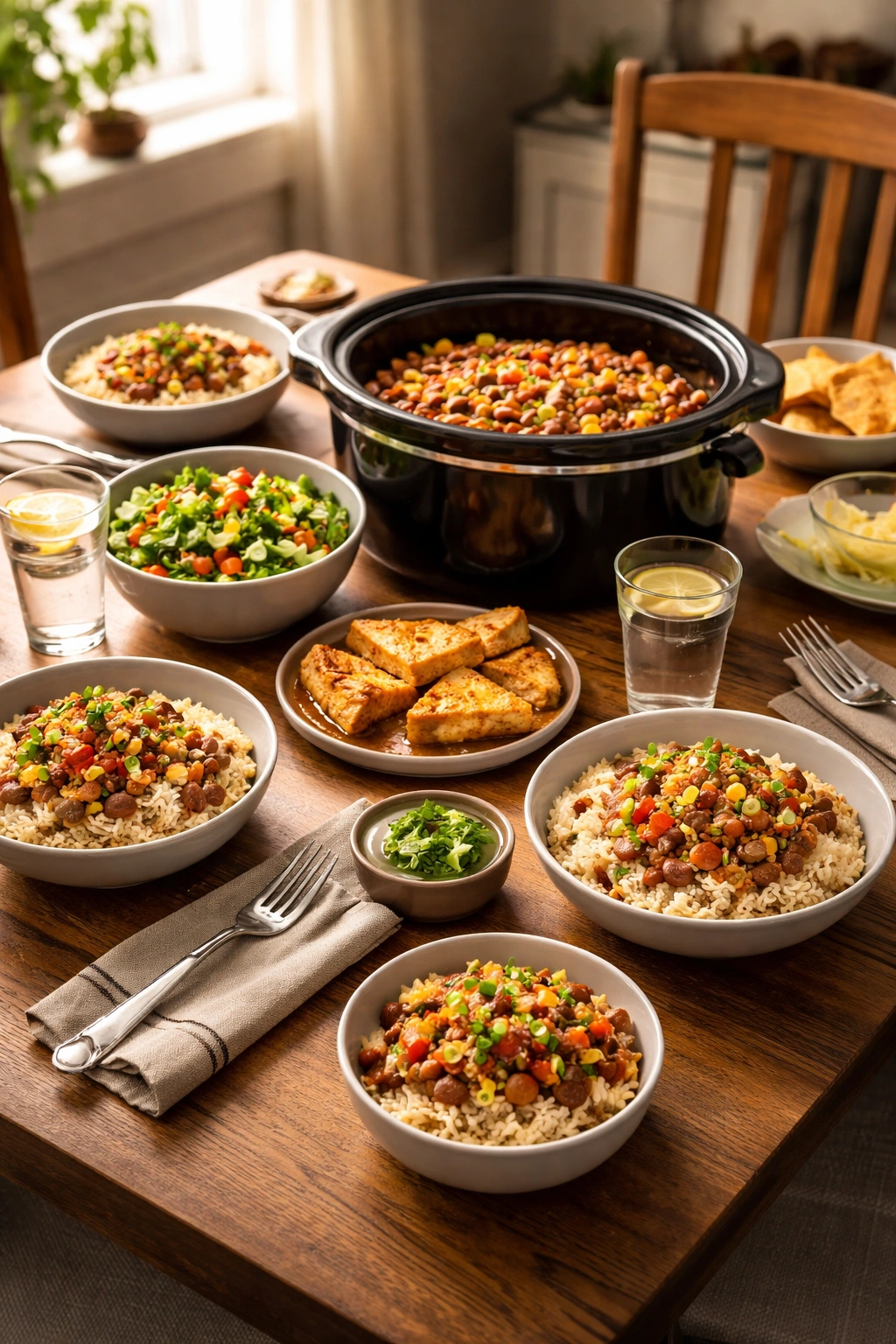
When you’re shopping strategically, buying on sale, freezing bulk purchases, and choosing proteins that perform well in the slow cooker, feeding a family of four on under $8 per dinner becomes absolutely achievable. That translates to roughly $2 per person, or about $10-12 per person per week on groceries when spread across breakfast and lunch. It requires planning and discipline—you can’t be spontaneous with your meals—but it’s doable and has been done by thousands of budget-conscious families successfully.
The foundation is understanding that cheap slow cooker meals are about ratios: roughly 1-2 pounds of protein to 4-6 cups of filler (rice, beans, vegetables, broth). That ratio ensures sufficient portions without wasting protein on overfeeding per person. A pound of ground beef feeds 4-6 people when cooked with rice, pasta, or beans. A whole chicken feeds 4-6 when served with vegetables and starches.
Building a rotating menu of 8-10 reliable slow cooker meals that you make monthly or every few weeks prevents boredom while keeping grocery decisions simple. You know which ingredients you need, which stores have the best prices, and you buy those items when they’re on sale. Over time, this systematic approach requires less mental energy than constantly seeking new recipes while simultaneously spending significantly less than random meal planning.
Final Thoughts
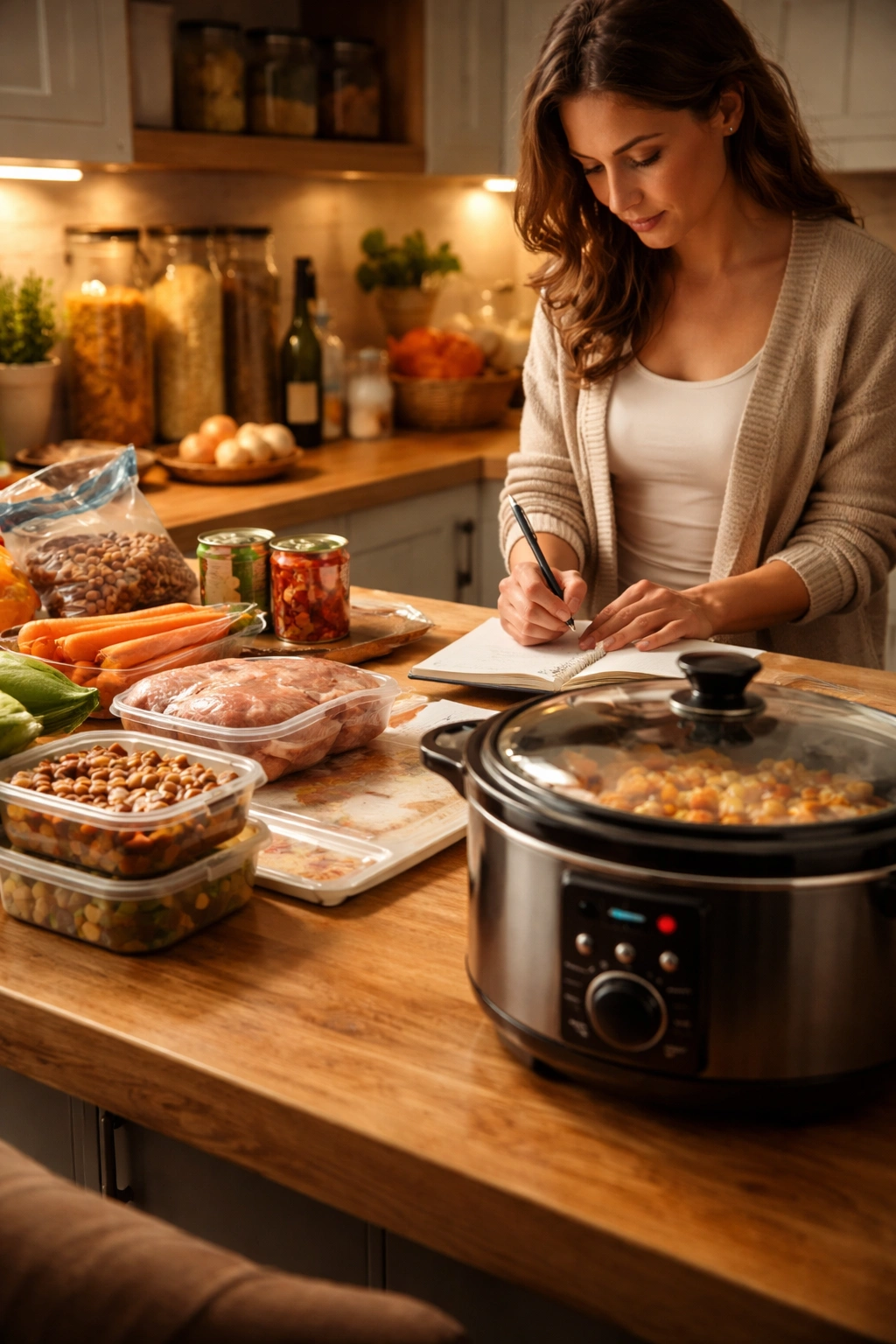
Eating well on a tight budget doesn’t require complicated techniques or obscure ingredients. A slow cooker, basic pantry staples, and strategic shopping habits create genuinely delicious dinners for under $8 that feed four people with leftovers. The key is choosing proteins and cooking methods that work with your budget, not against it. Chuck roast, bone-in chicken, pork shoulder, ground beef, beans, rice, and lentils are cheap for a reason—they’re affordable, nutritious, and when slow-cooked properly, absolutely delicious.
The other secret is accepting that budget eating means planning, freezing, and buying on a sales cycle rather than based on immediate needs. Stock your freezer when prices are good. Build a pantry of staple ingredients purchased at their lowest prices. Master a handful of reliable recipes so you can confidently execute them with whatever proteins are cheapest that week. Do this, and you’ll look back in a few months shocked at how much money you’ve saved while eating genuinely good food your family loves. That’s the real power of slow cooker cooking on a budget.
