



There’s a particular magic in biting into a blueberry muffin that’s still tender and moist on day three, with intact berries bursting across your tongue and a crumb that hasn’t gone tough or dry. Most muffin recipes peak the day they’re baked, then slowly desert you. But they don’t have to. The difference between a muffin that’s delicious for one morning and one that stays genuinely great for days comes down to a few specific technique choices—the right balance of fat and liquid, the way you handle the berries, and how you store them once they’ve cooled.
I’ve been making these muffins for years, and they’ve become the recipe I come back to whenever I need something that actually tastes better as it sits. They’re straightforward enough for a beginner, but they contain small, deliberate decisions that bakers who’ve struggled with dry or crumbly results will immediately recognize as the difference between fine and forgettable. These muffins are supremely tender, loaded with bright, juicy blueberries, and they genuinely stay moist for days without any special tricks beyond proper storage.
Why These Muffins Stay Moist Longer Than Most
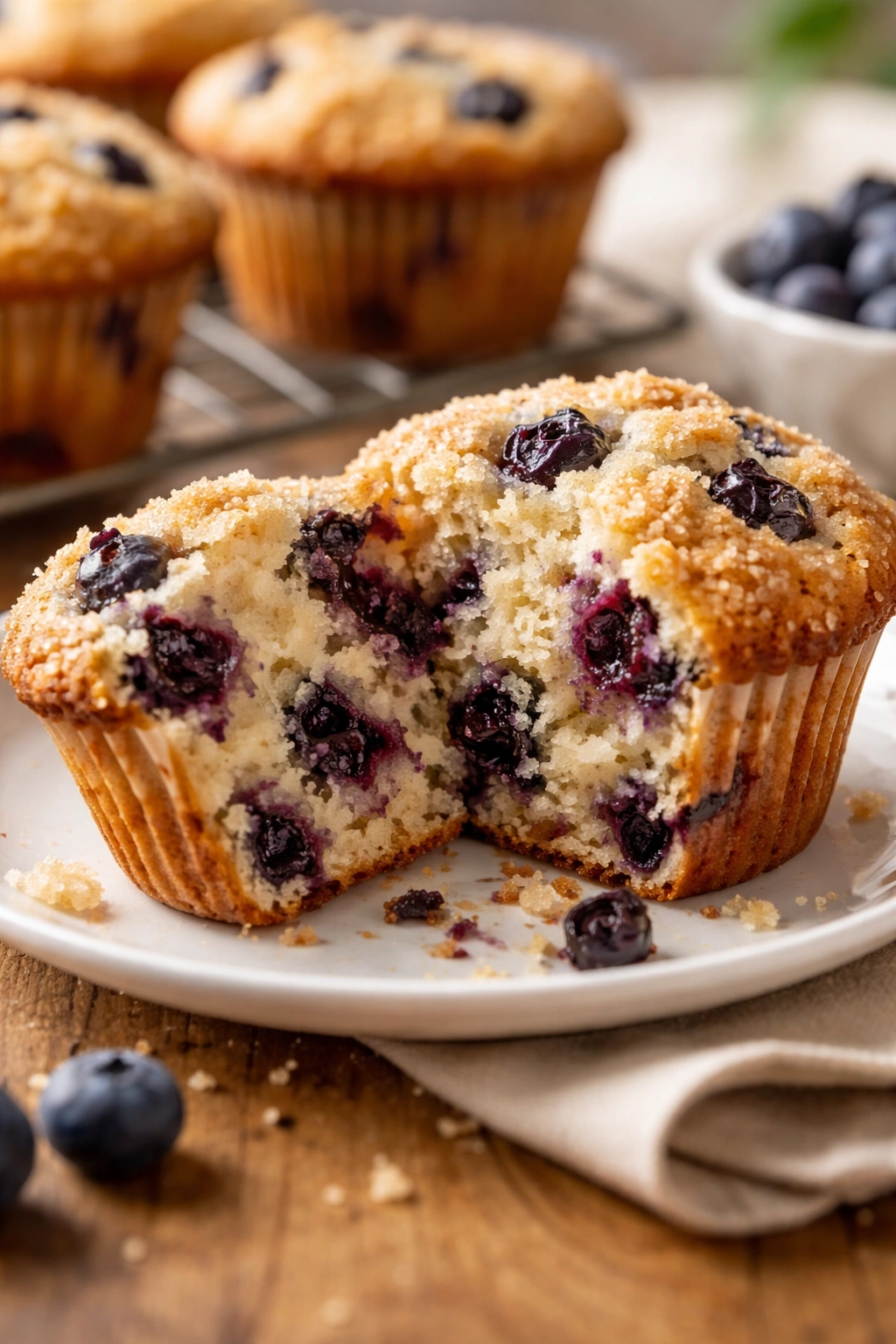
Most muffin recipes dry out because they lean too heavily on flour and don’t contain enough fat or moisture-retaining ingredients. The crumb structure that makes them fluffy on day one actually works against them on day two—all that air becomes a liability, allowing moisture to evaporate faster. These muffins stay moist through a combination of deliberate choices: a higher ratio of butter and sour cream (which adds both fat and moisture), an extra egg yolk for richness and tenderness, a touch of vanilla extract and almond extract for depth of flavor and subtle moisture retention, and careful blueberry preparation that prevents them from weeping juice all over the batter while baking.
The science here is straightforward. Fat coats flour particles and slows down moisture loss from the crumb. Sour cream adds both fat and moisture while creating a tender, velvety texture that’s naturally more resistant to drying out. An extra yolk contributes lecithin, which acts as an emulsifier and helps keep everything bound together smoothly. When muffins are stored properly in an airtight container, these elements work together to keep them soft and springy even on day four.
Beyond the ingredient choices, the way you fold the batter matters enormously. Overmixing develops gluten, which creates a tighter crumb structure that dries out faster. Gentle folding—mixing just until the dry ingredients disappear into the wet mixture—creates a more tender, open crumb that holds onto moisture beautifully.
Choosing the Right Blueberries and Preparing Them
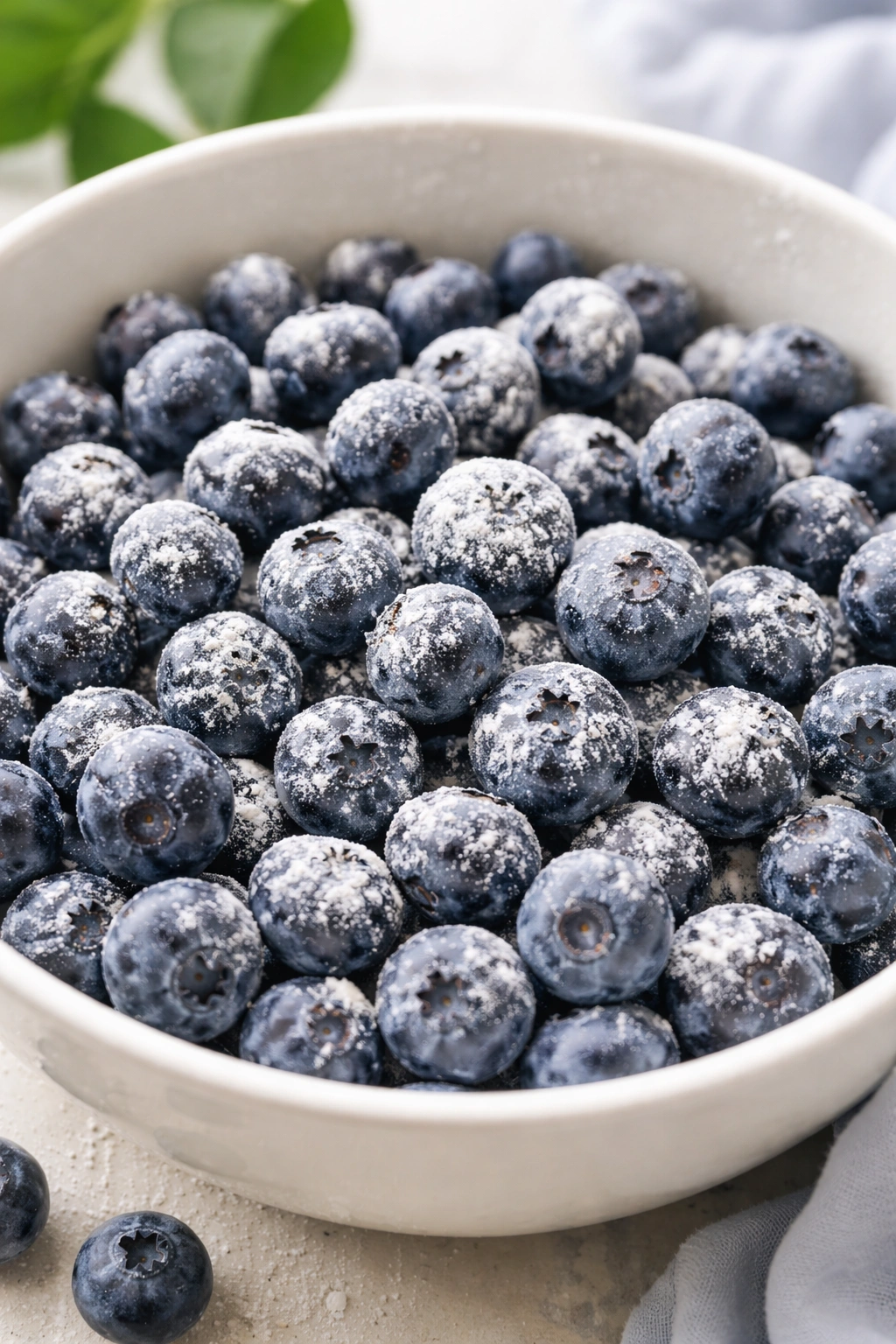
Fresh blueberries are ideal for this recipe, but they come with a challenge: they burst during mixing and baking, releasing their juice into the batter and turning it purple-blue. That might look appealing, but it actually changes the texture of the muffins, making them denser and wetter in all the wrong ways. The solution is incredibly simple but makes a visible difference: toss your blueberries in a small bowl with a tablespoon of flour from your measured dry ingredients before folding them into the batter.
This flour coating absorbs surface moisture on the berries and creates a tiny barrier that helps them hold their shape and integrity during mixing and baking. You’ll get distinct pockets of beautiful blueberries throughout the muffins instead of a muddy purple batter. The berries stay plump and flavorful, and the muffin crumb stays tender and golden.
Frozen blueberries work beautifully too, though they require one important adjustment: don’t thaw them. Add them to the batter straight from the freezer. As they thaw during baking, they release their juice slowly into the batter rather than all at once, which means you get the benefits of whole berries without the soggy-batter problem. Frozen berries are often less expensive and actually contain just as many nutrients as fresh ones (sometimes more, since they’re frozen at peak ripeness).
If you’re using frozen berries, you might need an extra minute or two of baking time, since the center of the muffins will take slightly longer to bake through. A toothpick inserted in the center should come out clean or with just a tiny crumb—not wet batter.
The Role of Sour Cream and Acid in Tender Muffins
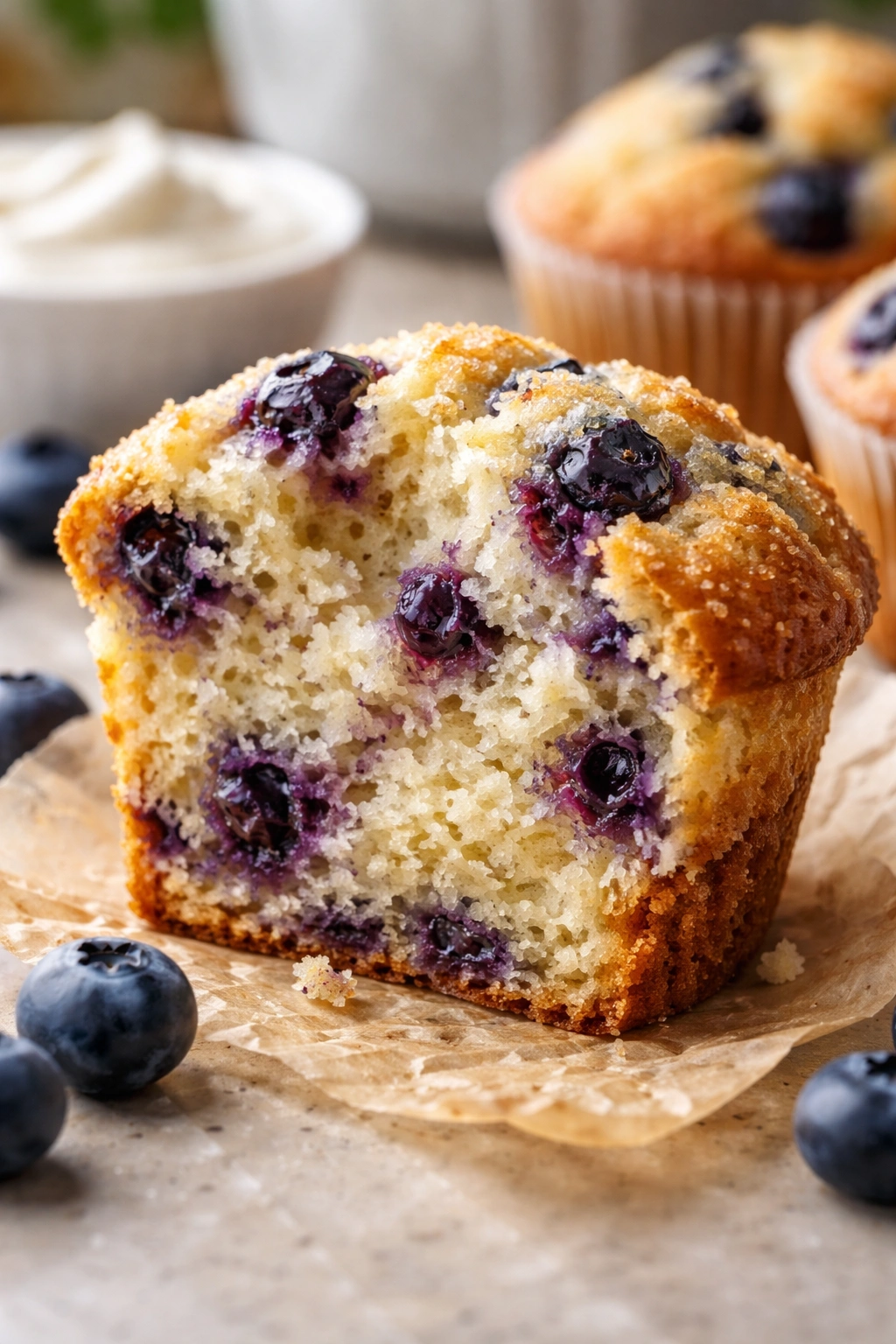
Sour cream does three crucial things in these muffins. First, it adds richness and moisture through its fat content. Second, the lactic acid in sour cream reacts with baking soda, creating lift and creating a tender crumb structure. Third, sour cream’s thick, viscous texture creates a velvety mouthfeel that’s distinctly better than recipes made with plain milk or yogurt.
Greek yogurt can substitute for some of the sour cream, but don’t swap it out entirely—it’s thinner and more acidic, so using only Greek yogurt will throw off the liquid balance slightly. If you want to use Greek yogurt, reduce it to half of what the recipe calls for and add a few extra tablespoons of whole milk to maintain the proper batter consistency.
The vanilla extract and almond extract are subtle but important. They add flavor depth that keeps the muffins tasting fresh and complex even on day three or four. The almond extract is particularly useful here—it amplifies the flavor of the blueberries and adds a sophisticated background note that makes people ask what they’re tasting (it’s never as obvious as “oh, almonds”).
Equipment and Prep You Actually Need
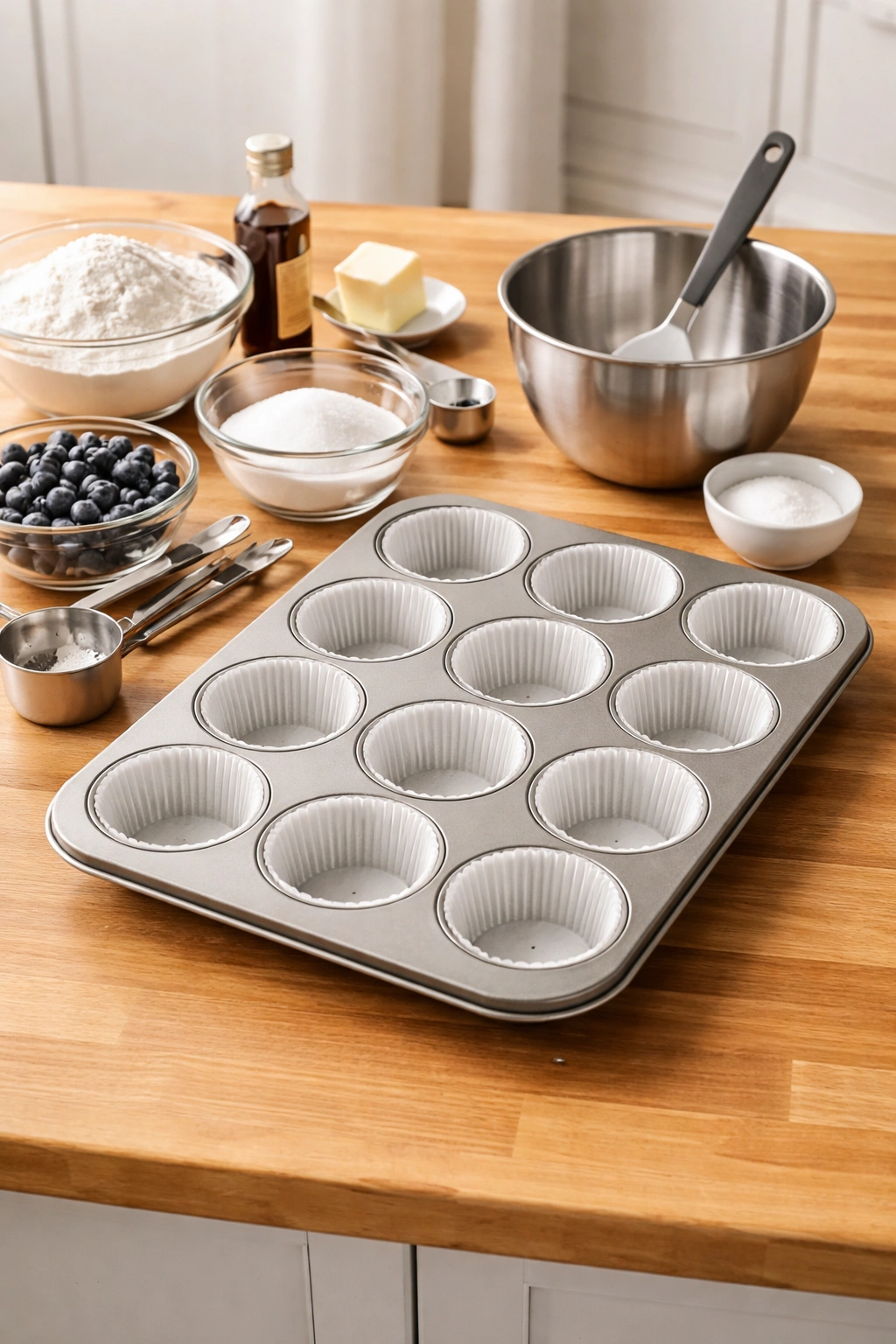
A standard 12-cup muffin tin and muffin liners or a well-buttered tin are all you need. If you’re using paper liners, butter or spray them lightly even though they’re “non-stick”—this prevents the muffins from sticking to the sides of the liner as they cool, making them easier to remove and keeping the muffin walls intact.
A large mixing bowl and a medium mixing bowl are essential. Keeping wet and dry ingredients separate until the last moment prevents overmixing, which is one of the easiest ways to end up with tough, dense muffins instead of tender ones. An electric mixer on low speed is helpful but entirely optional—a whisk and some elbow grease works perfectly fine for this recipe.
An oven thermometer is worth keeping on hand. Oven temperature accuracy matters more than most home bakers realize. If your oven actually runs 25°F hotter or cooler than its dial suggests, your muffins might be overbaked (and therefore dry) or underbaked (and therefore gummy) even though you followed the timing perfectly.
A standard toothpick or a cake tester (a thin metal skewer designed for checking doneness) is your best tool for determining when muffins are fully baked but not overdone. A toothpick inserted in the center should come out clean or with just a tiny crumb stuck to it. If it comes out with wet batter, they need more time. If the toothpick comes out completely clean and the muffins are starting to brown on top, you’re right on schedule.
Yield, Prep Time, and Difficulty
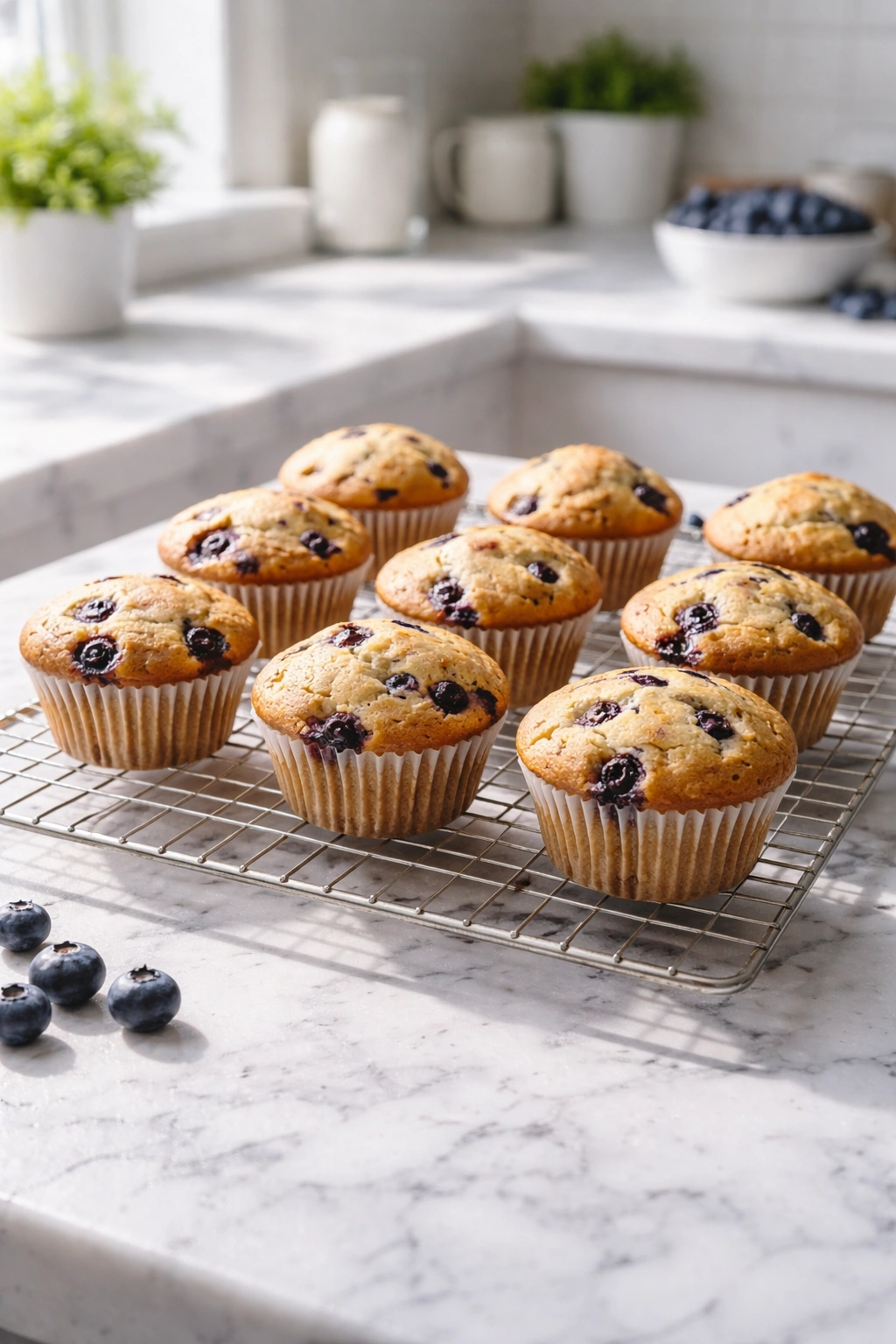
Yield: Makes 12 muffins
Prep Time: 15 minutes (mixing the batter and preparing pans)
Cook Time: 22 to 25 minutes (baking)
Total Time: 40 minutes active + 15 minutes cooling in the pan before serving
Difficulty: Beginner — this recipe uses basic mixing techniques, straightforward ingredients, and no special equipment beyond a standard muffin tin. The key is gentle handling and proper ingredient ratios rather than advanced skills.
Ingredients for Easy Blueberry Muffins
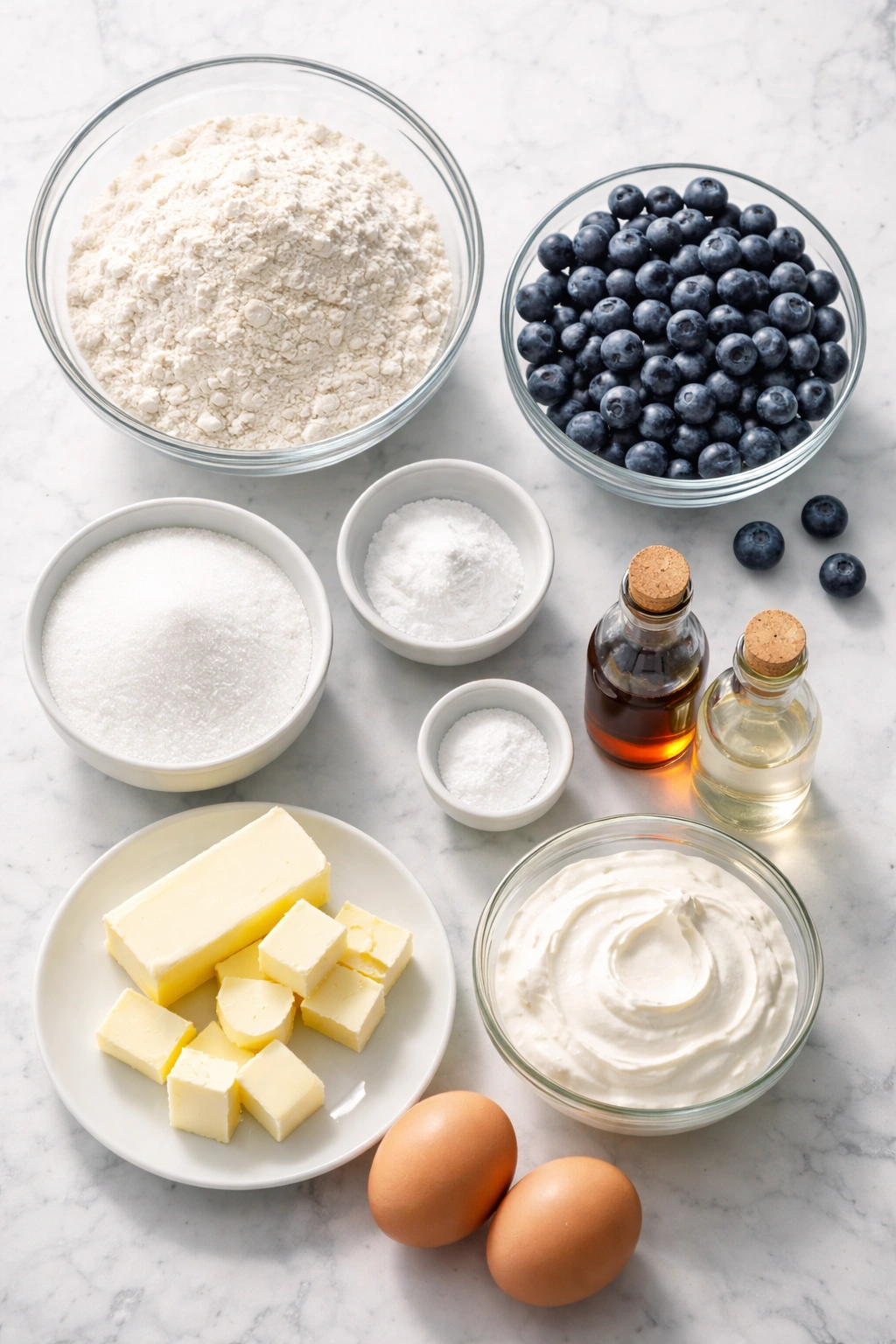
For the Muffins:
- 2 cups all-purpose flour
- 2 teaspoons baking powder
- ½ teaspoon baking soda
- ½ teaspoon fine sea salt
- ¾ cup (1½ sticks) unsalted butter, softened to room temperature
- ¾ cup granulated sugar
- 1 large egg, room temperature
- 1 large egg yolk, room temperature
- 1 teaspoon pure vanilla extract
- ¼ teaspoon pure almond extract
- ¾ cup full-fat sour cream, room temperature
- 1½ cups fresh blueberries (or frozen blueberries, do not thaw)
- 1 tablespoon all-purpose flour (for coating the berries)
Optional Streusel Topping (adds texture and keeps muffin tops moist):
- ⅓ cup all-purpose flour
- ⅓ cup packed light brown sugar
- 3 tablespoons cold unsalted butter, cut into small pieces
- ⅛ teaspoon fine sea salt
- Pinch of ground cinnamon (optional)
Step-by-Step Instructions for Blueberry Muffins
Prepare the Pan and Preheat:
-
Preheat the oven to 375°F (190°C) and position the rack in the center of the oven.
-
Line a standard 12-cup muffin tin with paper liners or grease each cup thoroughly with softened butter, making sure to coat the sides and bottoms evenly. If using paper liners, lightly spray or butter them as well—this prevents the edges from sticking.
Make the Streusel Topping (if using):
- In a small bowl, whisk together the flour, brown sugar, salt, and cinnamon (if using). Add the cold butter pieces and use your fingertips to rub the mixture together until it resembles coarse breadcrumbs and no large butter pieces remain visible. This should be done just before baking so the topping doesn’t get warm and dense. Set aside.
Mix the Dry Ingredients:
- In a medium bowl, whisk together the flour, baking powder, baking soda, and salt until thoroughly combined and no lumps of baking soda remain (pressing any lumps against the side of the bowl with the back of a spoon helps). Set aside.
Cream the Butter and Sugar:
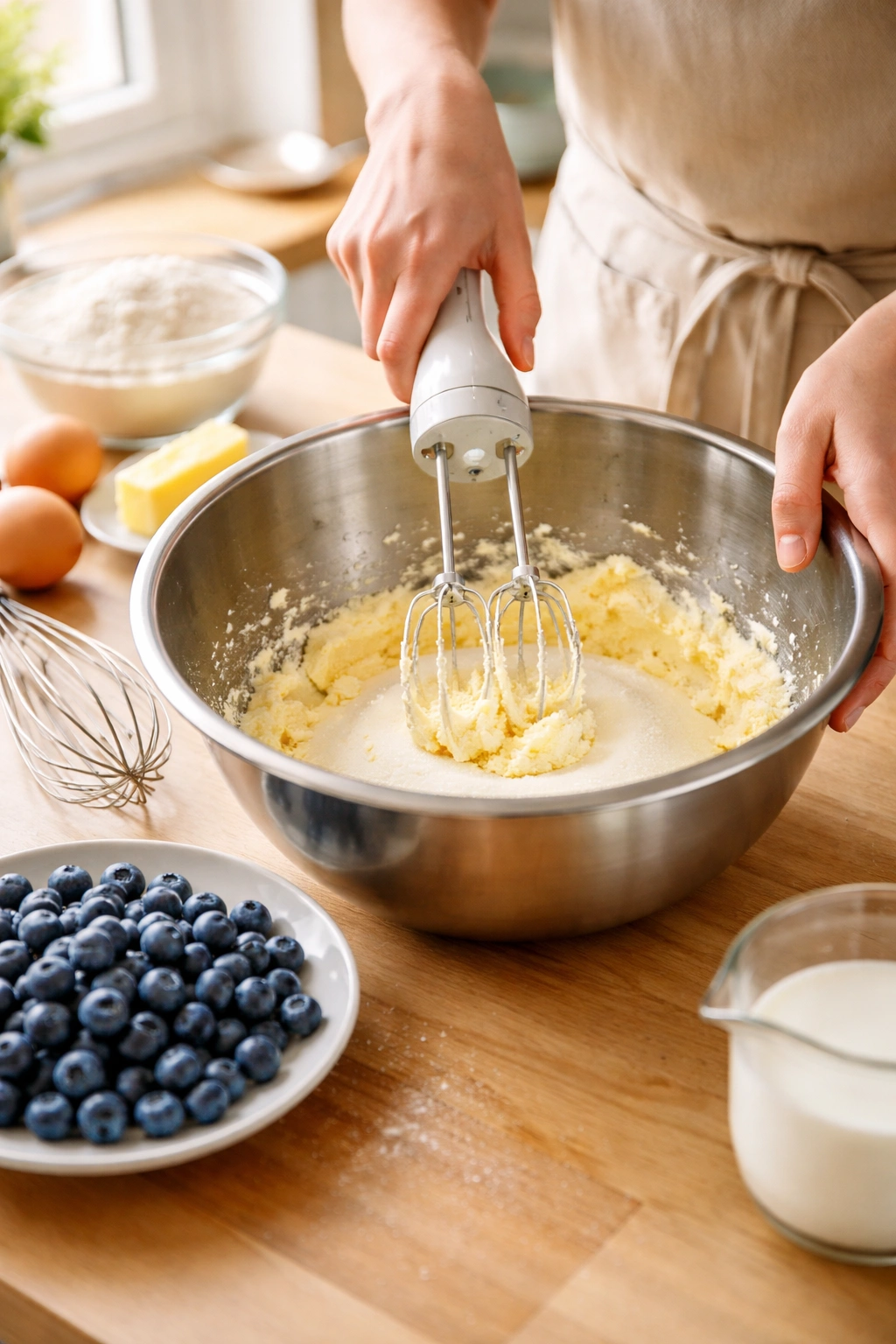
- In a large bowl, using a hand mixer on medium speed (or a whisk and your own strength), beat the softened butter and sugar together for 2 to 3 minutes, until the mixture is pale, noticeably fluffy, and increased in volume. The texture should resemble soft whipped cream. This step is important because it incorporates air into the batter, which creates tender muffins. Scrape down the sides of the bowl at least once during this process.
Add the Eggs and Flavorings:
-
Add the whole egg to the butter mixture and beat on low speed for 20 seconds, then scrape down the bowl. The batter may look slightly broken or curdled at this stage—that’s completely normal.
-
Add the egg yolk, vanilla extract, and almond extract, and beat on low speed for another 20 seconds until combined. Scrape down the bowl again. The mixture should now look smooth and creamy.
Combine Wet and Dry Ingredients:
-
Reduce the mixer to the lowest speed (or switch to a spatula and fold by hand). Add about one-third of the dry flour mixture and mix just until the flour disappears into the batter—this should take only 5 to 10 seconds of mixing. Do not overmix. This is where many muffin recipes fail: overmixing develops gluten, which creates tough, dense muffins instead of tender ones.
-
Add about half of the sour cream and fold gently just until combined. Again, stop mixing as soon as you can’t see streaks of sour cream anymore.
-
Add the remaining flour in two additions, alternating with the remaining sour cream (flour — sour cream — flour), folding gently after each addition just until combined. The final batter should be thick, lumpy, and homogeneous, with no visible streaks of flour or sour cream. Do not smooth the batter or overmix. A few small lumps are actually a good sign—they indicate you haven’t overworked the gluten.
Prepare and Add the Blueberries:
-
In a small bowl, toss the blueberries with the tablespoon of all-purpose flour until each berry is lightly coated. This flour coating helps the berries maintain their integrity during baking and prevents them from releasing too much juice into the batter, which would turn it muddy and create dense, heavy muffins.
-
Fold the floured blueberries gently into the batter with just a few strokes of your spatula, stirring only until the berries are distributed throughout and no flour streaks remain visible. Stop mixing immediately; you don’t want the berries to break apart or the batter to become overworked.
Fill the Muffin Cups:
-
Divide the batter evenly among the 12 prepared muffin cups, filling each one about two-thirds full. This gives the muffins room to rise without overflowing. An ice cream scoop (the trigger-release kind) is genuinely helpful here for getting equal portions, but a spoon works fine too.
-
If using the streusel topping, sprinkle about a teaspoon of the mixture over the top of each muffin, gently pressing it down so it adheres to the batter. The streusel creates a crumbly, crunchy texture on top and—importantly—it helps keep the very top of the muffin moist by protecting it from direct oven heat.
Bake:
- Bake for 22 to 25 minutes, rotating the tin halfway through the baking time if your oven bakes unevenly. The muffins are done when a toothpick inserted into the center of one of the middle muffins comes out clean or with just a tiny crumb clinging to it. The tops should be golden brown and spring back when you press them lightly with your finger. Do not overbake—this is the enemy of moist muffins. Muffins continue to cook from residual heat even after they come out of the oven, so it’s better to pull them out a minute too early than a minute too late.
Cool:
-
Remove the muffin tin from the oven and set it on a wire cooling rack. Let the muffins cool in the tin for 15 minutes. This cooling period allows them to set up so they come out cleanly without falling apart, but it’s not so long that they become stale from sitting in the hot tin.
-
After 15 minutes, gently turn the muffin tin on its side and tap the bottom while wiggling the muffins to loosen them, then lift each muffin (still in its liner if you’re using one) out of the tin and place it on the cooling rack. Allow the muffins to cool completely to room temperature—at least 30 minutes—before storing them. The interior continues to set as they cool, which contributes to the moist, tender texture you’re aiming for.
Insider Tips for Perfect Muffins Every Time
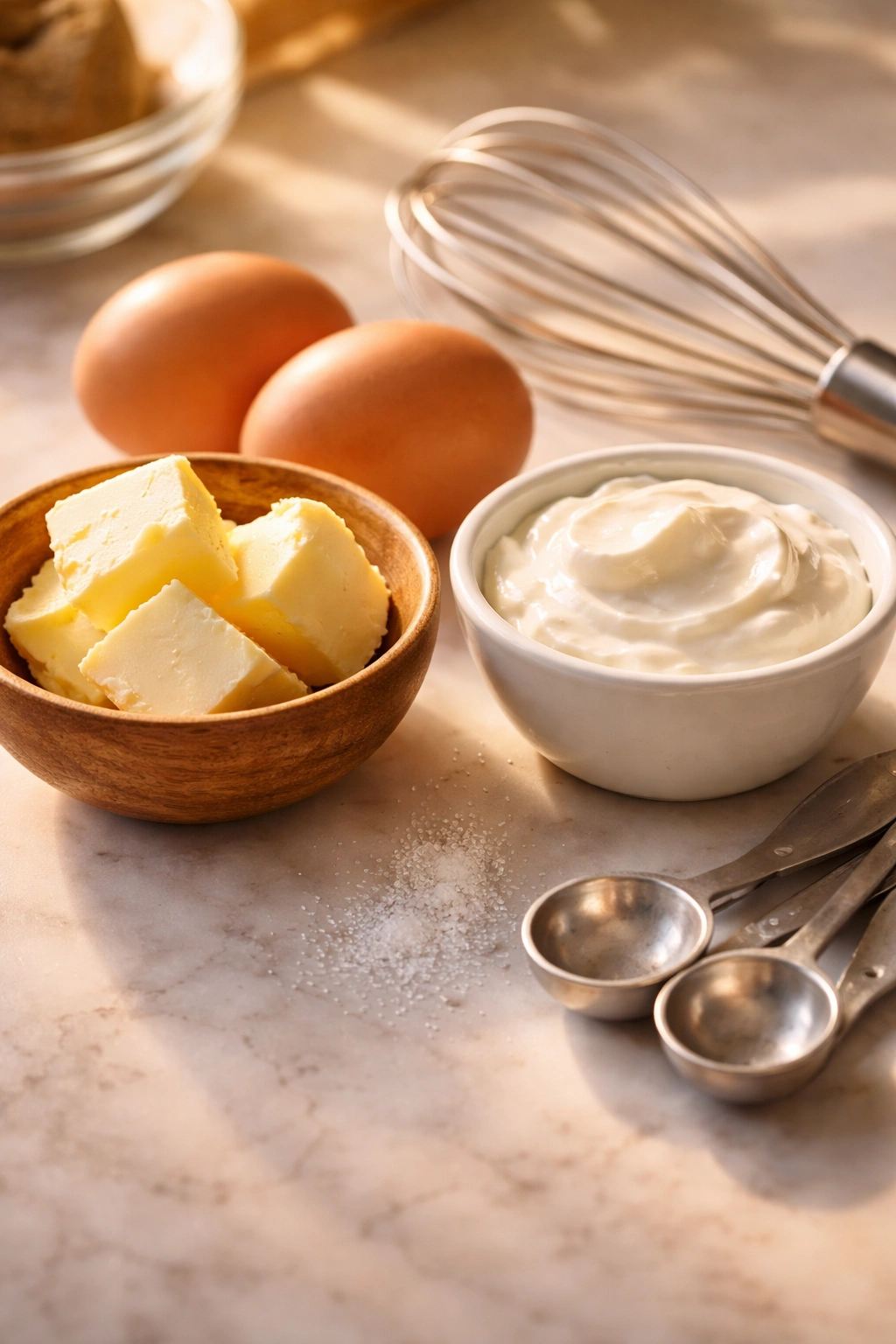
These details separate muffins that taste good from muffins that taste genuinely exceptional and stay moist for days. They’re small, but they compound into a major difference.
Why Room-Temperature Ingredients Matter
Cold butter and eggs don’t incorporate smoothly into the sugar, which means you won’t get the fluffy, well-emulsified base that creates a tender muffin. Cold sour cream doesn’t blend smoothly with the wet ingredients, creating lumps that can persist through baking. Room-temperature ingredients mix together easily, creating a smooth, homogeneous batter. This matters because a well-emulsified batter has a finer, more tender crumb structure that holds moisture beautifully.
Take the butter and eggs out of the fridge about 30 minutes before you plan to bake. The sour cream can come out of the fridge at the same time. This is a tiny shift in your prep routine that has a genuinely noticeable effect on the final texture.
The Baking Soda Ratio Is Critical
Baking soda reacts with the acid in the sour cream, creating leavening that lifts the muffins and creates a tender crumb. Too little baking soda and your muffins will be dense. Too much and they’ll taste metallic and be prone to doming (the tops will peak sharply instead of rising evenly). This recipe’s ratio of two teaspoons baking powder to half a teaspoon baking soda is calibrated specifically for the amount of sour cream and the other ingredients. Don’t skip or adjust either one without understanding what you’re changing.
The Streusel Topping Serves a Purpose
The streusel isn’t just decoration—it actually keeps the muffin tops from overbaking. Muffin tops tend to brown faster and sometimes get hard or crusty if exposed directly to oven heat for the full 22 to 25 minutes. A streusel topping creates a protective layer that stays moist and tender while still creating a nice golden crust. If you skip the topping, reduce the oven temperature to 365°F and watch closely toward the end of baking so the tops don’t brown too much.
Don’t Skip the 15-Minute Cool-Down in the Tin
Muffins are delicate when they first come out of the oven. They’re still setting up internally even as they cool. Removing them immediately from the tin can cause them to fall apart or develop cracks. The 15-minute wait in the tin lets them firm up enough to handle without damage, while the residual heat ensures they continue to bake and cook gently rather than stalling or becoming dense.
Why These Muffins Stay Moist
The combination of butter, eggs, and sour cream means your muffins have a higher fat content than many basic recipes. Fat slows moisture evaporation dramatically. When stored properly in an airtight container, the muffins release moisture as they cool, which then circulates inside the container and gets reabsorbed by the muffins rather than escaping into the air. This is why a sealed container keeps muffins moist for days while a paper bag or plate would dry them out.
Common Mistakes and How to Avoid Them
Overmixing the Batter
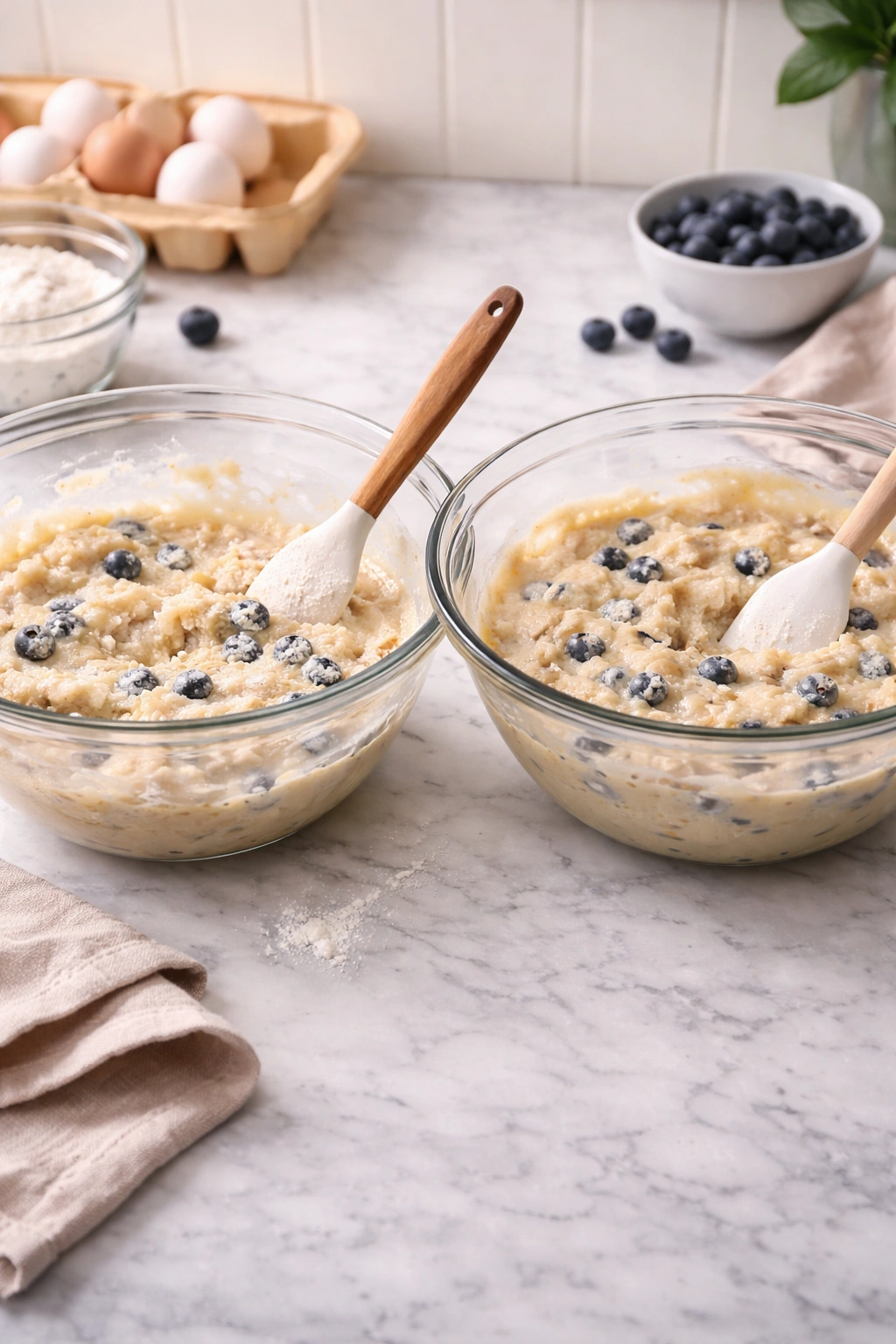
This is the single most common mistake, and it’s why I emphasize it repeatedly. The moment the flour disappears into the wet ingredients, stop mixing. Yes, the batter will look lumpy. That’s perfect. The lumps will smooth out as the muffins bake, but the extra mixing you might think you need will develop gluten and create tough, dense, dry muffins. If you’re worried about lumps, remember: a few small lumps in the batter always translate to tender muffins, while a completely smooth batter usually means you’ve overworked it.
Using Cold Ingredients
Cold butter, cold eggs, and cold sour cream don’t emulsify properly, which means the batter won’t have the smooth, velvety texture that creates tender, moist muffins. Cold ingredients also make it harder to get a good creaming action when you beat the butter and sugar together. Take everything out of the fridge 30 minutes before you bake, or (for butter and eggs especially) leave them on the counter while you prepare the rest of your ingredients.
Overbaking
A toothpick that comes out with a wet streak of batter means your muffins need more time. But a toothpick that comes out completely clean, with the muffin tops already starting to brown around the edges, means you’re at the edge of overbaking. Overbaking dries out muffins dramatically. If your oven tends to run hot, start checking at 20 minutes instead of 22. Better to check early and give them one more minute than to let them bake the full time and find they’re overdone.
Not Coating Blueberries in Flour
Without the flour coating, fresh blueberries release their juice into the batter during mixing, turning it purple and creating a muddy, denser texture. This small step is genuinely important. Even just tossing them in a tablespoon of flour from your measured dry ingredients makes a visible difference in the final texture and appearance.
Using Room-Temperature Frozen Blueberries
If you thaw frozen blueberries, they release all their juice at once, which makes your batter wet and muddy. Keep frozen blueberries frozen until the moment you add them to the batter, then fold them in. They’ll thaw slowly during baking, releasing their juice gradually, which means you get whole berries and tender muffins.
Not Giving Them Proper Cool-Down Time
I know 15 minutes in the tin feels unnecessary, but it’s essential. Muffins are still setting up as they cool. Remove them too early and they fall apart. This isn’t a shortcut you can skip.
Storage, Keeping, and Make-Ahead Strategies
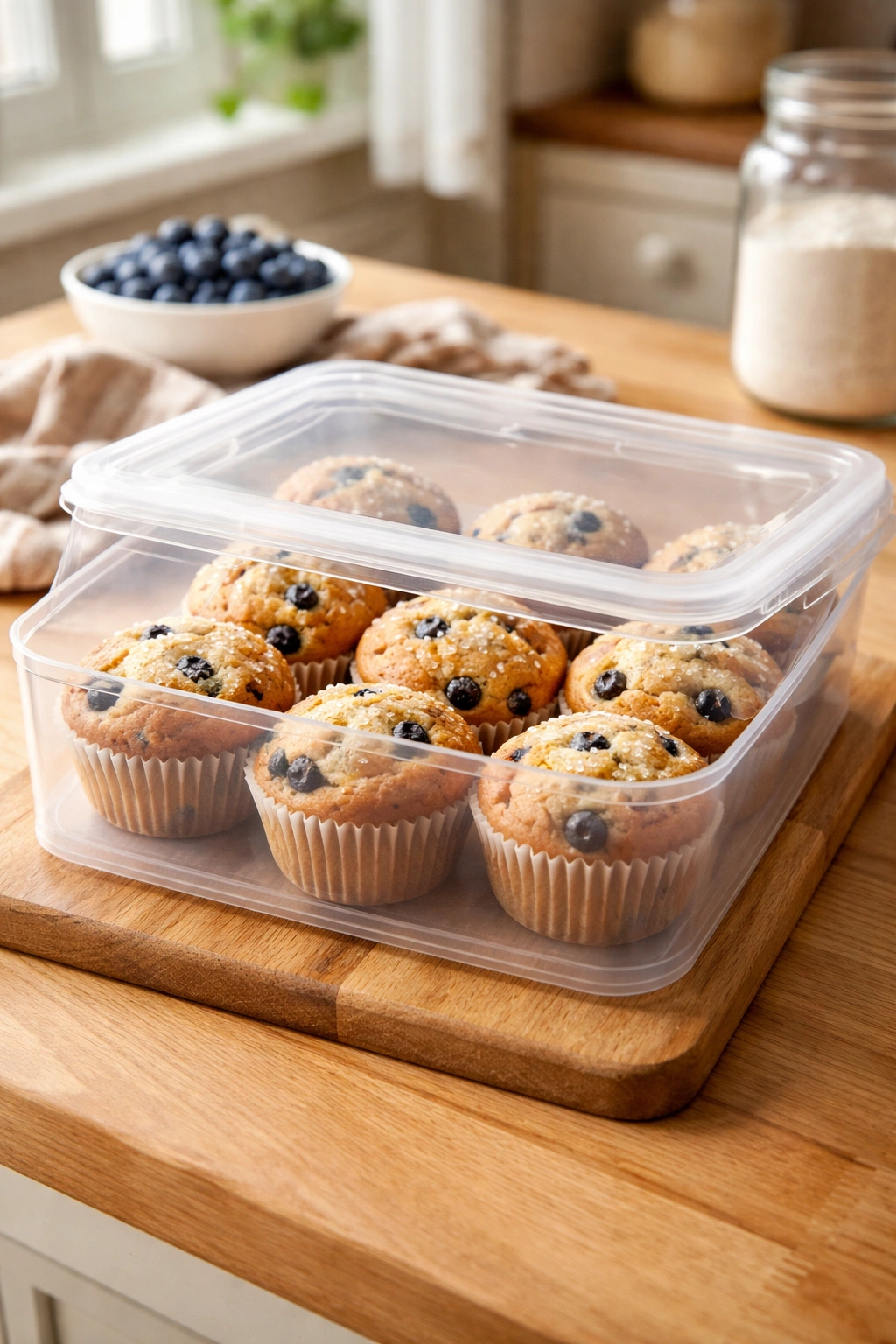
These muffins genuinely stay moist for four full days with proper storage, which is why they’re so useful to bake ahead or keep on hand. The key is an airtight container that keeps moisture from escaping.
Room-Temperature Storage
Once the muffins have cooled completely to room temperature, place them in an airtight container or ziplock bag, removing as much air as possible before sealing. A hard-sided airtight container works better than a plastic bag because it provides more protection, but both work if sealed well. The muffins will stay fresh and moist at room temperature for three to four days. Each day, the muffins will actually taste slightly better as the crumb continues to set and the flavors meld together.
Refrigerator Storage
You can refrigerate muffins for up to a week in an airtight container, though the texture will be slightly denser and drier in the fridge than at room temperature. If you refrigerate them, pull them out 30 minutes before eating and let them come back to room temperature for the best texture and flavor. Or warm them gently in a 300°F oven for 5 to 8 minutes to restore moisture and warmth.
Freezing for Long-Term Storage
Blueberry muffins freeze beautifully for up to three months. Once they’ve cooled completely, place them in a freezer-safe airtight container or ziplock bag (removing as much air as possible), with parchment paper between layers if stacking them. Label the container with the date so you remember how long they’ve been frozen.
Thaw muffins at room temperature for about an hour, or reheat them straight from the freezer in a 300°F oven for 10 to 15 minutes, wrapped loosely in foil to prevent the tops from drying out. Frozen and reheated muffins taste nearly identical to freshly baked ones because the moisture content is preserved during freezing.
Baking Ahead
You can make the batter the night before and refrigerate it in an airtight container, then bake the next morning. The batter will keep for up to 8 hours in the fridge. The only adjustment: add about 1 minute to the baking time since the batter will be colder than usual. You can also prepare the dry ingredients in a sealed container and the wet ingredients separately the night before, then combine them and bake the next morning—this takes only 5 minutes in the morning and gives you the benefit of freshly baked muffins.
Does the Recipe Improve Overnight?
Yes, absolutely. These muffins taste better on day two than day one. The crumb firms up, the flavors deepen and meld together, and the texture becomes even more tender as moisture redistributes throughout the muffins. Day three and four are still excellent. This is one of the reasons the recipe is so practical—you can bake on a weekend and have fresh-tasting muffins for your weekday breakfasts without any last-minute work.
Variations and Flavor Adaptations
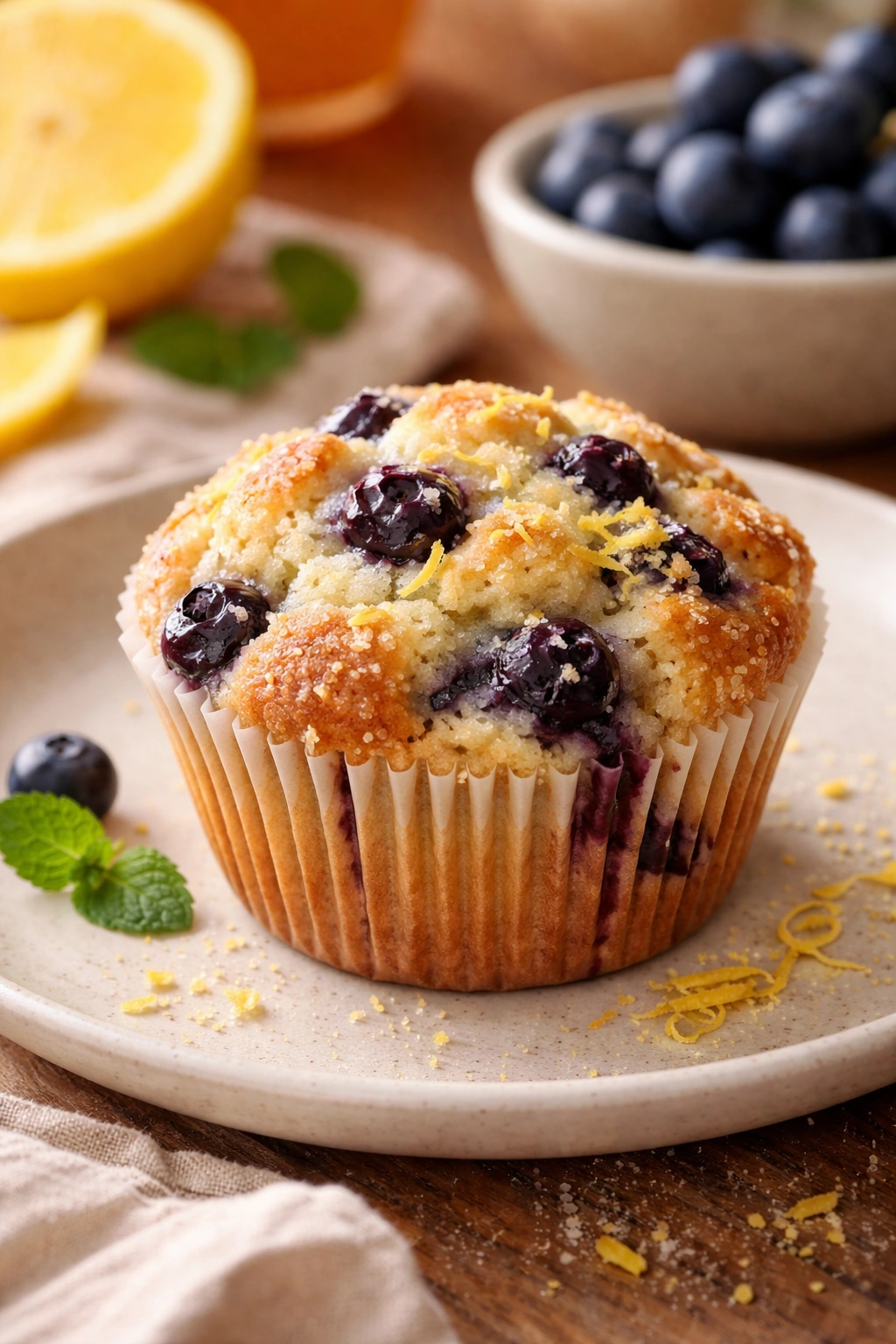
Once you’ve made this recipe a few times and understand how it works, you can customize it easily. The base is sturdy enough to handle flavor additions without falling apart.
Lemon Blueberry Muffins
Replace the almond extract with lemon extract (½ teaspoon), and add the zest of one medium lemon (about 2 teaspoons) to the creamed butter and sugar. Reduce the vanilla extract to ¾ teaspoon. The lemon brightens the blueberries and creates a more sophisticated flavor. You can also whisk a tablespoon of fresh lemon juice into the sour cream before adding it to the batter. This is a lovely variation that tastes slightly more complex than the classic version.
Peach or Nectarine Blueberry Muffins
Dice one ripe but firm peach or nectarine and toss it with the blueberries before coating them in flour. The stone fruit adds natural sweetness and a subtle tartness that complements the blueberries. You may want to reduce the granulated sugar by a tablespoon or two since the peach or nectarine adds sweetness. Make sure the fruit is ripe but not soft or mushy, or it will break down during baking.
Raspberry or Blackberry Muffins
You can substitute raspberries or blackberries entirely for the blueberries, or use half blueberries and half raspberries. These berries are more delicate and break apart more easily during mixing, so handle them gently and consider adding them at the very last moment, folding just one or two times to distribute them. The texture will be slightly looser because these berries are less sturdy, but the flavor will be gorgeous.
Blueberry Muffins with Almond Flour
For a slightly nuttier, more tender muffin, replace ¼ cup of the all-purpose flour with finely ground blanched almond flour. Add it to the dry ingredient mixture. This makes the muffins slightly denser but incredibly moist and tender, with a subtle almond flavor that’s complemented by the almond extract already in the recipe.
Brown Butter Blueberry Muffins
For a more complex, nutty flavor, brown the butter before creaming it with the sugar. Heat ¾ cup of butter in a small saucepan over medium heat, swirling occasionally, until the milk solids turn golden brown and smell nutty (about 5 to 8 minutes). Pour the brown butter into a bowl and let it cool to room temperature. Proceed with the recipe as written, creaming the cooled brown butter with the sugar. This creates a more sophisticated, almost caramelized flavor that pairs beautifully with blueberries.
Gluten-Free Blueberry Muffins
You can make these muffins gluten-free by swapping the all-purpose flour with a one-to-one gluten-free flour blend (such as Bob’s Red Mill or King Arthur Baking Company). Use exactly the same amount, and add ⅓ teaspoon of xanthan gum if your flour blend doesn’t already contain it (most commercial blends do, but check the label). The texture will be slightly different—tender but perhaps slightly crumbier—but the muffins will still be delicious and will stay moist just as long as the regular version.
Dairy-Free Version
To make these dairy-free, substitute the butter with dairy-free butter, the sour cream with dairy-free sour cream or a 50/50 mix of dairy-free yogurt and dairy-free milk, and use one dairy-free egg replacer in place of the whole egg. The texture will be slightly different since dairy-free substitutes don’t emulsify quite as smoothly, but muffins made this way are still moist and tender. You may need to add a tablespoon or two of dairy-free milk if the batter seems too thick.
Selecting and Preparing Your Blueberries
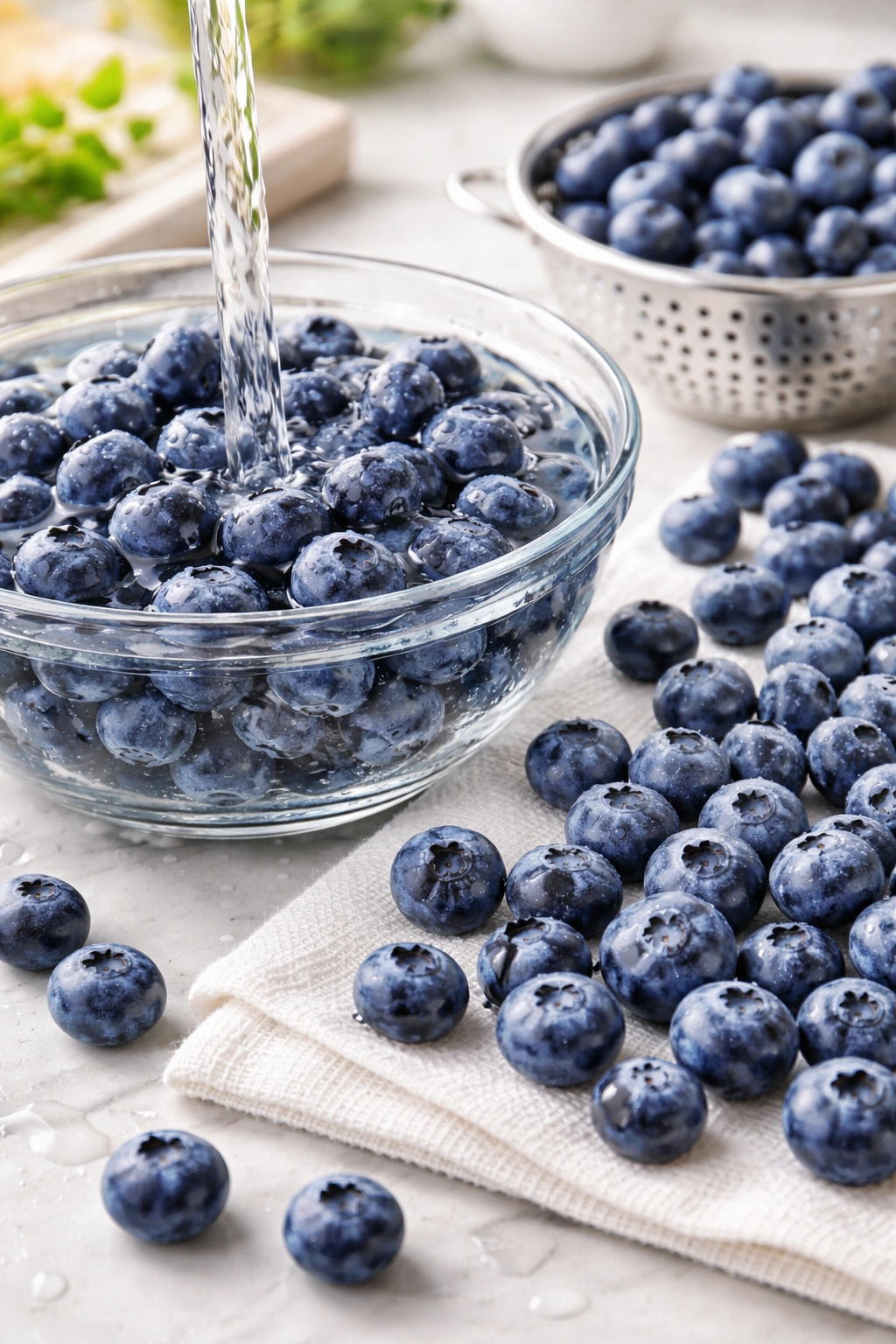
The quality and freshness of your blueberries will noticeably affect the flavor of your finished muffins. Blueberries that are barely ripe are fine (they’re actually less juicy and more likely to stay whole during baking), but truly past-their-prime berries that are soft and leaking juice will make your batter muddy and your muffins less moist.
Fresh Blueberries
If you’re buying fresh blueberries, look for ones that are plump, firm, and a deep blue color with a slight bloom (a whitish dusty coating that’s totally natural and actually indicates freshness). Avoid berries that are soft, mushy, or leaking juice. Store them in the coldest part of your fridge and use them within three to five days of purchase for the best texture and flavor.
Before baking, rinse the blueberries gently in cool water and pat them dry thoroughly with a clean kitchen towel or paper towels. Moisture on the surface of the berries will be absorbed by the flour coating and can make your batter slightly wetter than intended. Dry berries are essential.
Frozen Blueberries
Frozen blueberries are genuinely convenient and offer several advantages. They’re frozen at peak ripeness, so they often have more concentrated flavor than “fresh” berries that have traveled long distances. They’re less expensive and more available year-round. They create fewer challenges with juice in your batter because they release their juice slowly as they thaw during baking.
Use frozen blueberries straight from the freezer—do not thaw them before baking. If you’ve stored them in a bag, break them apart gently so they’re not in one large clump. Toss them with flour just as you would fresh berries, then fold them into the batter. They’ll add maybe a minute or two to the baking time because the center of the muffins has to bake a bit longer, but the result is just as moist and delicious.
Wild Blueberries
Smaller wild blueberries have more concentrated flavor than standard cultivated blueberries, which is wonderful. They’re also more delicate and break apart more easily, so handle them gently when mixing. You can use the same amount as cultivated berries, or slightly less (1¼ cups) since their flavor is more intense.
Pairing and Serving Ideas
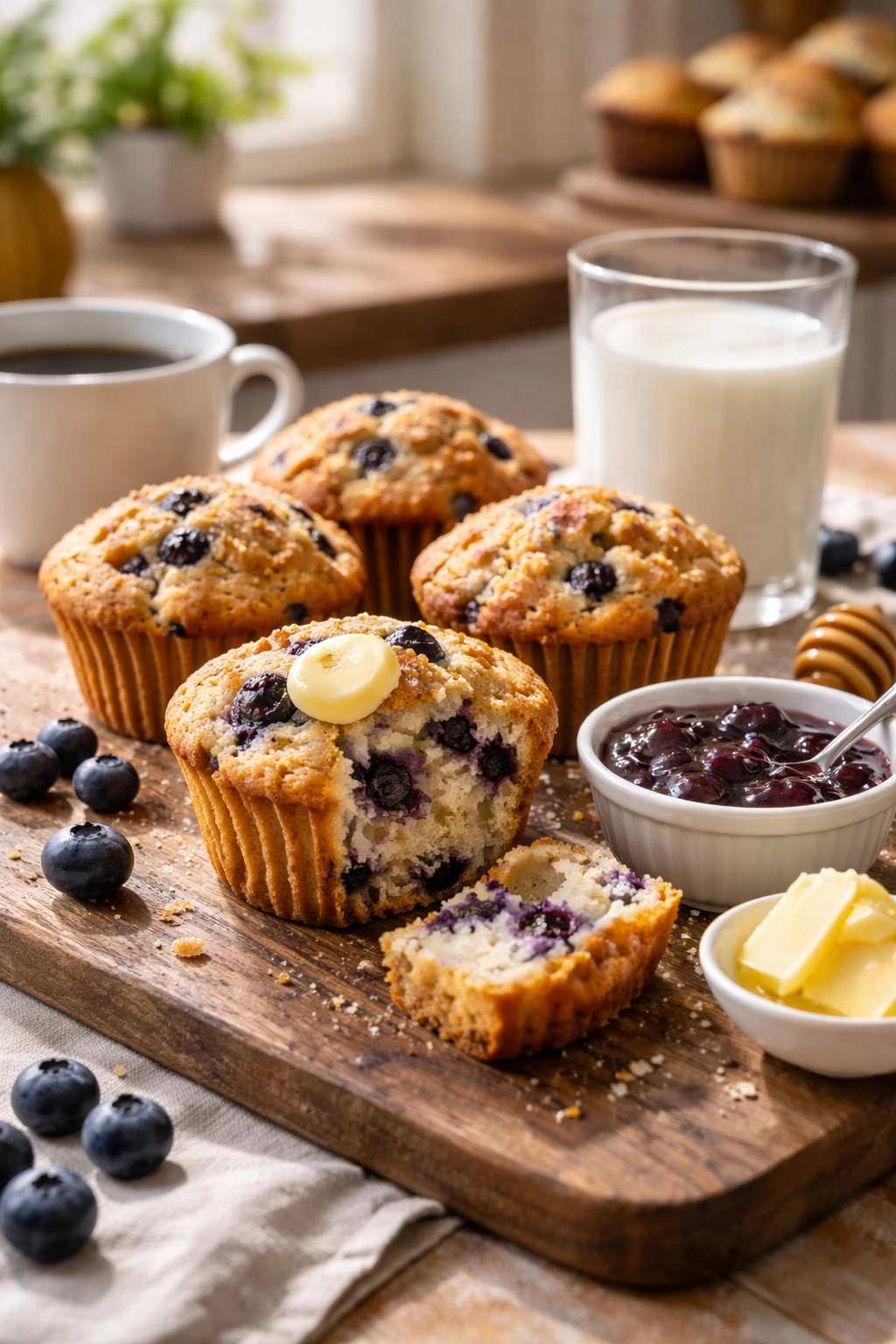
Blueberry muffins are straightforward and wonderful on their own, but a few thoughtful pairings can make them feel more like an intentional breakfast or brunch rather than just a quick snack.
The Simple Breakfast Approach
Serve your muffin warm (or reheated) with softened butter and good jam or honey. The warmth of the muffin helps the butter melt into the crumb, and the jam or honey adds brightness and richness. A glass of cold milk or a cup of hot coffee is all you need.
With Cream Cheese or Whipped Cream Cheese
For a slightly more indulgent version, whip cream cheese with a teaspoon of powdered sugar and a tiny pinch of vanilla. Spread this on a warm muffin. The tanginess of the cream cheese plays beautifully against the sweetness of the blueberries, and it adds moisture and richness that takes the muffin from simple to special.
Part of a Larger Brunch Spread
Muffins are perfect alongside scrambled eggs, fresh fruit, smoked salmon, or a simple salad of fresh greens. If you’re serving them at a gathering, arrange them on a board with softened butter, a small dish of preserves, and maybe some fresh lemon slices for squeezing. The visual presentation of a nice muffin with good accompaniments signals effort and care.
With Yogurt and Granola
Crumble a muffin into a bowl of thick yogurt and layer it with granola and fresh berries. This works particularly well with day-old muffins, which have a sturdier crumb structure. It’s a fun, different way to serve them, and it turns a simple muffin into more of a complete breakfast.
Pairing with Beverages
Blueberry muffins pair beautifully with strong black tea (especially English Breakfast or a simple black tea like Assam), with coffee (particularly a brighter, more acidic coffee that echoes the tartness of the berries), or with a smoothie (though the muffin on its own is probably substantial enough that you don’t need the smoothie too). Cold milk is always right. So is fresh-squeezed orange juice for a bright, refreshing contrast.
Final Thoughts
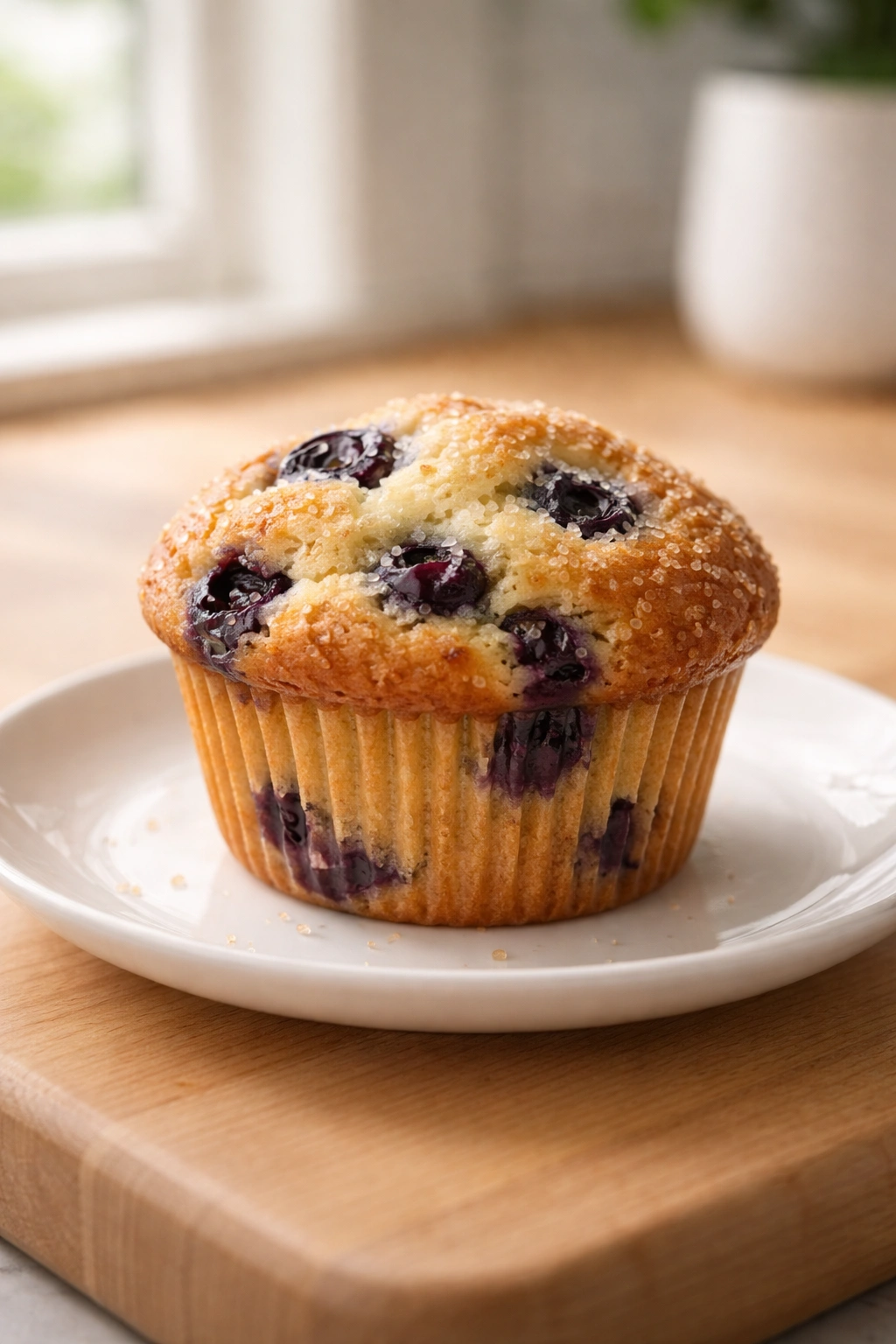
The beauty of these muffins is that they’re easy to make but deliberate in their construction. Every choice—the ratio of fat and liquid, the way you handle the blueberries, the streusel topping, the proper cool-down time—works together to create muffins that taste genuinely excellent not just on baking day but for days afterward. That’s more useful than almost any other muffin recipe you’ll find.
Bake these once and you’ll understand why the technique matters. The muffins will taste better on day three than most recipes taste on day one, and you’ll find yourself baking them regularly because they’re so convenient to have on hand. They freeze beautifully, they’re sturdy enough to travel, they taste just as good cold straight from the container as they do warmed up, and they’re the kind of thing your friends and family will genuinely appreciate when you bring them to a gathering.
The recipe is straightforward, but it rewards precision and care. If you’re new to muffin baking, start here. If you’re an experienced baker looking for a formula that actually delivers on the promise of moisture and tenderness, you’ve found it. These blueberry muffins have earned their place on regular rotation in countless kitchens, and they’ll earn theirs in yours too.
