



Cooking for one doesn’t have to mean defaulting to cereal, takeout, or sad desk lunches eaten straight from a container. There’s something quietly powerful about the decision to prepare a real meal just for yourself — one that tastes good, nourishes you properly, and actually feels like you cared enough to try. Yet somehow, the prospect of solo cooking trips up even confident home cooks. Recipes designed for families leave you drowning in leftovers, portion sizes feel wasteful, and standing in front of the stove with an audience of one can feel strangely lonely. The good news? Easy solo dinners aren’t a compromise — they’re actually a gift you give yourself. This guide walks you through everything you need to know about creating satisfying, delicious meals designed for one, from 15-minute sheet pan dinners to creative leftover transformations that make you wonder why you ever hesitated to cook alone.
Why Treating Yourself to Solo Dinners Matters
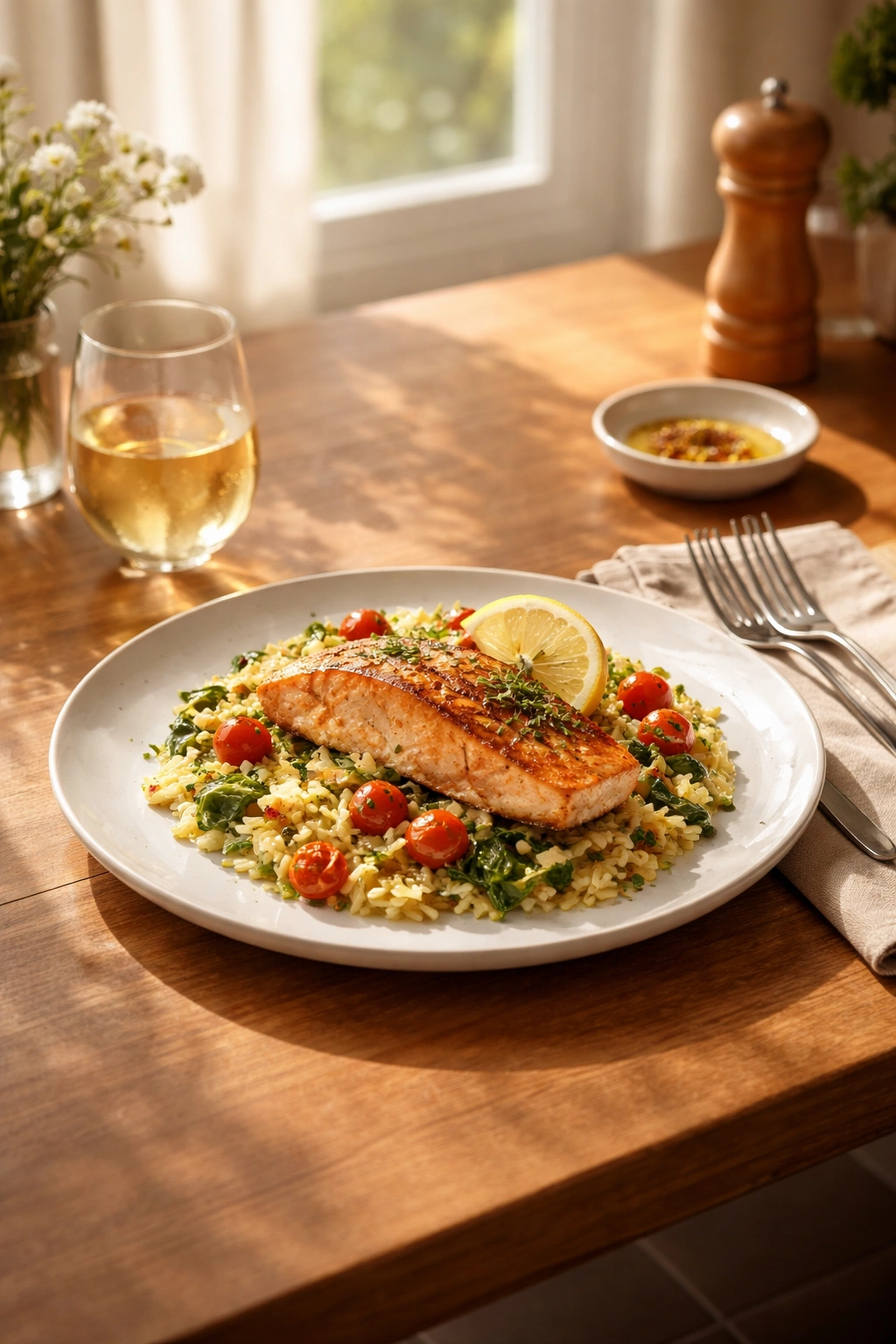
Eating well when you’re cooking for one is an act of self-respect, not indulgence. There’s a particular kind of joy in setting a place for yourself with intention — plating something with care, using a real napkin, tasting as you go instead of rushing through preparation — because the person receiving that meal is you, and you’re worth it.
The legendary cookbook editor Judith Jones understood this deeply. After her husband passed away following 45 years of marriage, she wrote The Pleasures of Cooking for One, emphasizing that cooking alone doesn’t diminish the sensuality of the experience. If anything, it intensifies it. Without other palates to consider, you can pursue exactly the flavors and textures that make you happy. You can use up that expensive saffron you’ve been saving. You can spend 20 minutes caramelizing onions just because it makes you feel alive. You can eat directly from a fancy bowl while standing at the counter without a single judgment from anyone.
Solo cooking also solves a hidden problem many home cooks face: the energy drain of feeding other people’s preferences. When you’re cooking only for yourself, there’s no negotiation, no compromise, no “but I don’t like that.” You’re free to follow your actual cravings, experiment with cuisines you’ve been curious about, or discover that yes, scrambled eggs and toast with good butter really is your perfect meal. That freedom is precious, and treating it as such makes the entire experience feel less like a chore and more like a small luxury.
The Real Challenges of Cooking for One (and How to Beat Them)
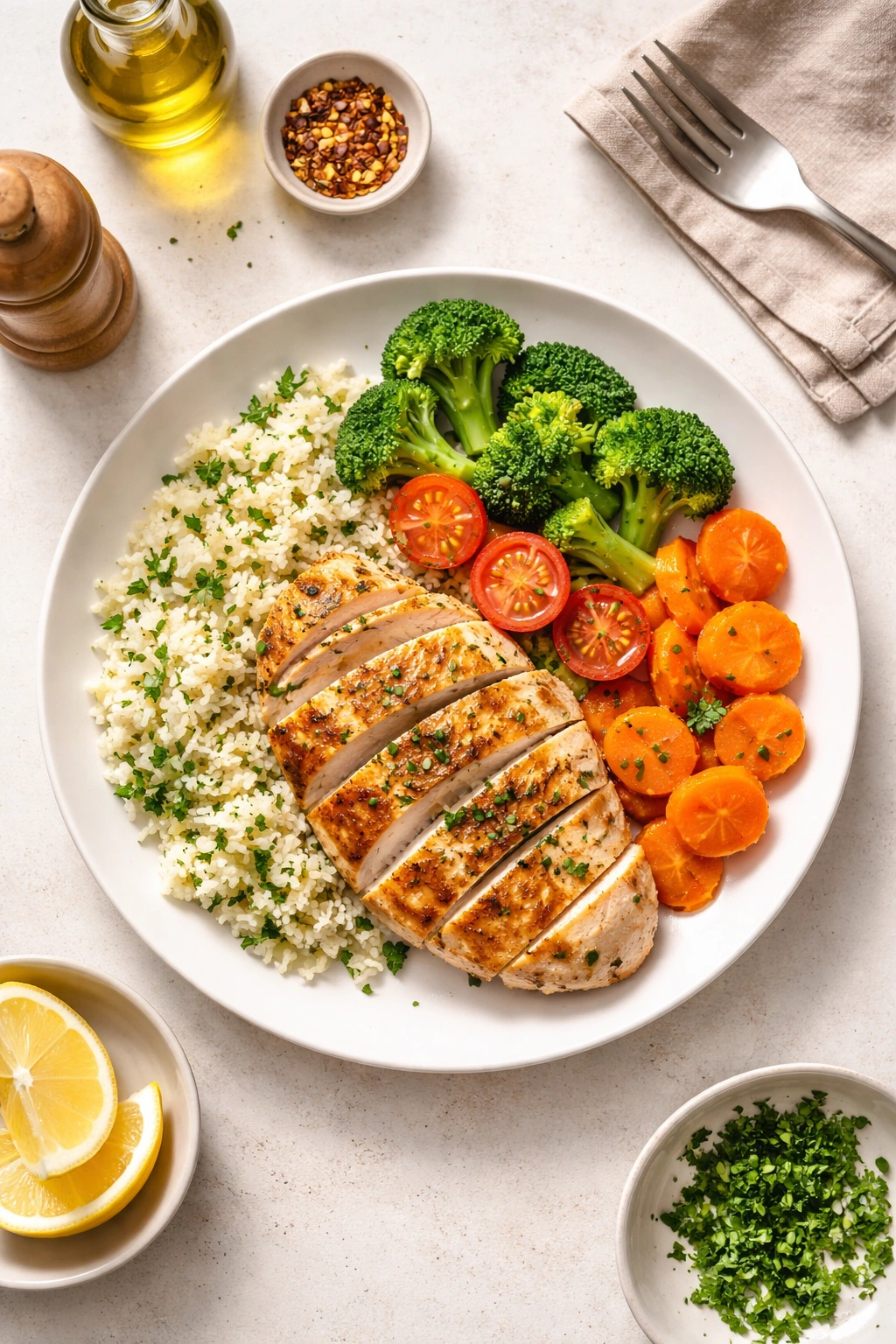
Solo cooking does come with specific obstacles that cooking for families doesn’t usually face. Understanding these challenges before they frustrate you is half the battle.
The portion puzzle hits first. Standard recipes assume you’re feeding four to six people, and the prospect of dividing recipes feels fiddly and error-prone. Who wants to figure out what half of a tablespoon of salt is, or guess whether 1/3 of an egg will actually work? The mental load alone stops many people from even trying.
The solution isn’t complicated: seek out recipes specifically written for one or two servings from the start, rather than constantly halving standard recipes. Over time, your intuition about portions improves naturally. A single chicken breast looks right. Two cups of vegetables feels proportional. You stop second-guessing yourself.
Ingredient waste frustrates home cooks eating solo more than anyone else. You buy fresh herbs and watch them wilt. A half-used block of cheese develops mold. Those two carrots that seemed like a bargain end up soft in the vegetable drawer. Buying smaller quantities, shopping in bulk bins where you can purchase exact amounts, and keeping a freezer-friendly rotation of ingredients you actually use prevents this spiral.
The psychological loneliness of cooking for one surprises people who didn’t expect to feel it. Preparing food is traditionally a communal activity — someone cooks while others gather around, anticipation building. Cooking alone can feel isolating without that natural social layer. The antidote? Embrace it as solo time you actually get to choose, rather than something done to you. Play music. Pour yourself a drink. Call a friend while you cook. Or sit down and actually taste what you made with full attention instead of rushing through service.
Unhealthy default choices happen when solo cooking feels overwhelming. It’s easier to grab takeout than to face the setup, cooking, and cleanup of a proper meal. Breaking this cycle requires making the easier choice actually be the healthy one — having go-to recipes so simple they rival takeout for speed, keeping your kitchen organized so cooking doesn’t feel like a production, and building a small arsenal of weeknight standbys you genuinely enjoy.
15-Minute Sheet Pan Dinners That Do the Heavy Lifting
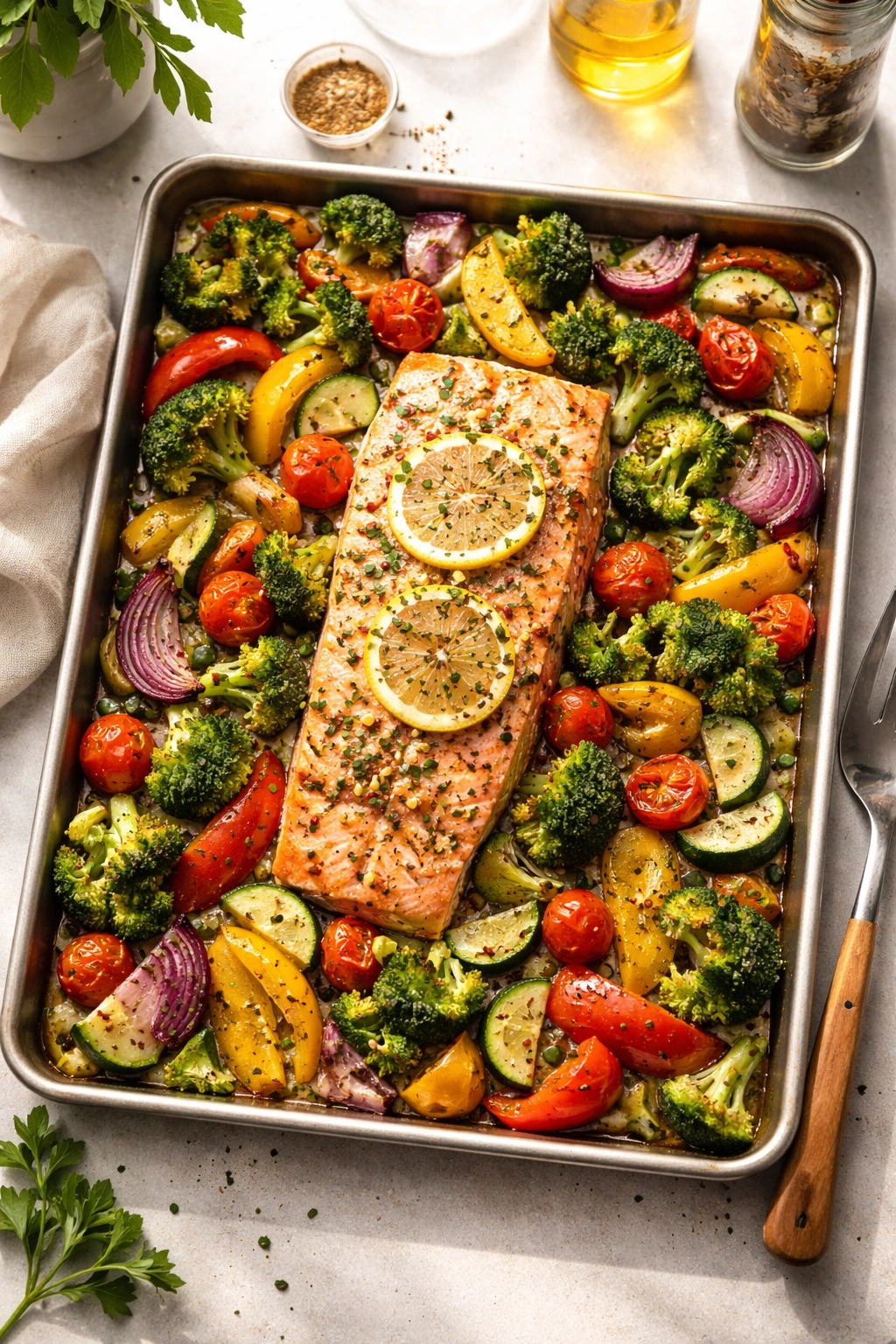
The sheet pan is your secret weapon for solo cooking. Everything happens in one place, you roast it while you relax, and cleanup amounts to rinsing a single pan. The magic of sheet pan dinners is that they feel effortless while delivering the kind of caramelized, deeply flavored food that makes you feel like you actually cooked.
Start with a protein — a salmon fillet, chicken thigh, or handful of shrimp — and arrange it in the center of a rimmed sheet pan. Toss whatever vegetables you have with olive oil, salt, and pepper, and scatter them around the protein. A squeeze of lemon, some minced garlic, dried herbs, maybe a drizzle of balsamic vinegar. Slide it into a 400°F oven for 12 to 18 minutes depending on your protein choice. While it roasts, you’re genuinely done. Pour a glass of wine, check your phone, read a book.
The flexibility is what makes sheet pan cooking genius for solo diners. On nights when you have asparagus, use asparagus. Broccoli weeks mean broccoli. Cherry tomatoes and zucchini in summer. Root vegetables and Brussels sprouts in colder months. The technique stays identical; only the vegetables change. This means you’re never bored, never stuck making the same dinner twice, and always cooking with what’s actually in season and reasonably priced.
Protein and Vegetable Combinations That Always Work
Salmon with asparagus and dill. Chicken thigh with cherry tomatoes and basil. Shrimp with bell peppers and snap peas. Ground turkey with broccoli and garlic. Cod with zucchini and lemon. The pattern is: one protein, two or three vegetables, one acid (lemon juice, vinegar, tomato), fat (olive oil, butter), and seasoning. Done.
The Timing Secret That Prevents Undercooked Vegetables
Cut your vegetables so they’re roughly the same size as your protein thickness. A thin salmon fillet means thinly sliced vegetables. A thick chicken thigh means you can handle thicker vegetable chunks. This way, everything finishes at the same time, and you’re not pulling out a perfectly cooked piece of fish attached to raw carrot.
One-Pot Wonders That Minimize Cleanup
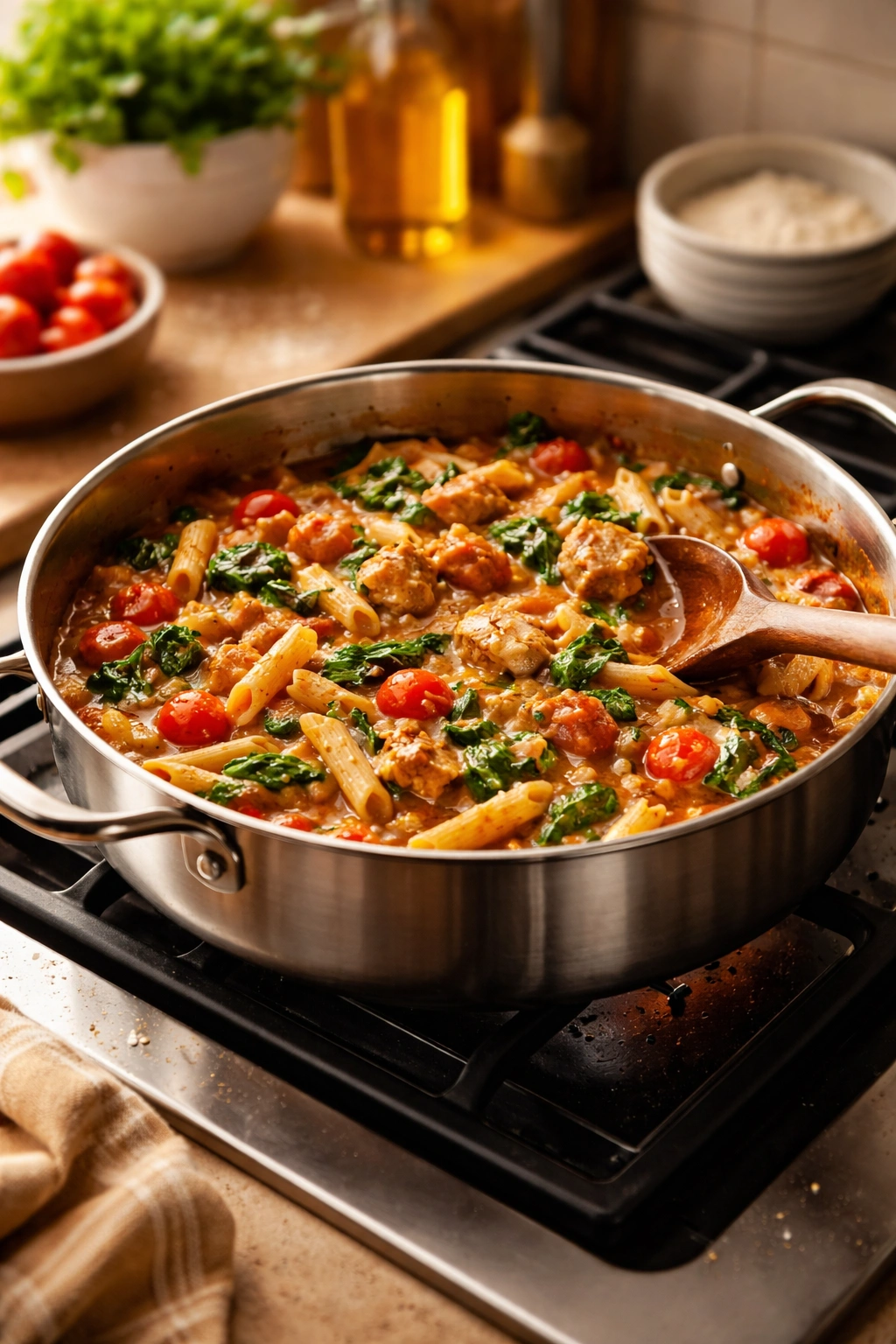
After a long day, the thought of washing multiple pans stops people from cooking almost as much as the actual cooking does. One-pot dinners eliminate this friction.
Pasta dishes work brilliantly in a single pot. Boil water, add pasta, and when it’s nearly cooked, add your vegetables directly to the pot along with sauce, broth, or cream. Everything finishes together, the pasta absorbs flavor from the liquid, and you have one pot to wash. This isn’t a fancy technique — it’s just recognizing that everything doesn’t need separate real estate.
Stir-fries are inherently one-pan affairs. Heat oil, cook proteins until they’re mostly done, push them to the side, add aromatics (garlic, ginger), add vegetables in the order they need to cook (harder vegetables first), then everything comes together with sauce. From the time you start chopping to the time you’re eating is usually under 20 minutes. The single pan means you’re not juggling — you’re just orchestrating what’s already there.
Build a One-Pot Dinner Template
Start with fat (oil or butter), add aromatics (onion, garlic, ginger), add your protein if using, add vegetables, add liquid (broth, coconut milk, tomato sauce, water), add seasoning, let it simmer. The specifics change, but the structure stays the same. Once you understand this skeleton, you can improvise endlessly based on what you actually have in your kitchen.
The Flavor Boost You Can’t Skip
Season in layers rather than all at the end. A pinch of salt when you add the onions. More when you add vegetables. Final seasoning check before serving. This distributes flavor throughout the dish instead of tasting seasoned only on the surface.
Quick Pasta Dishes That Feel Fancier Than They Are
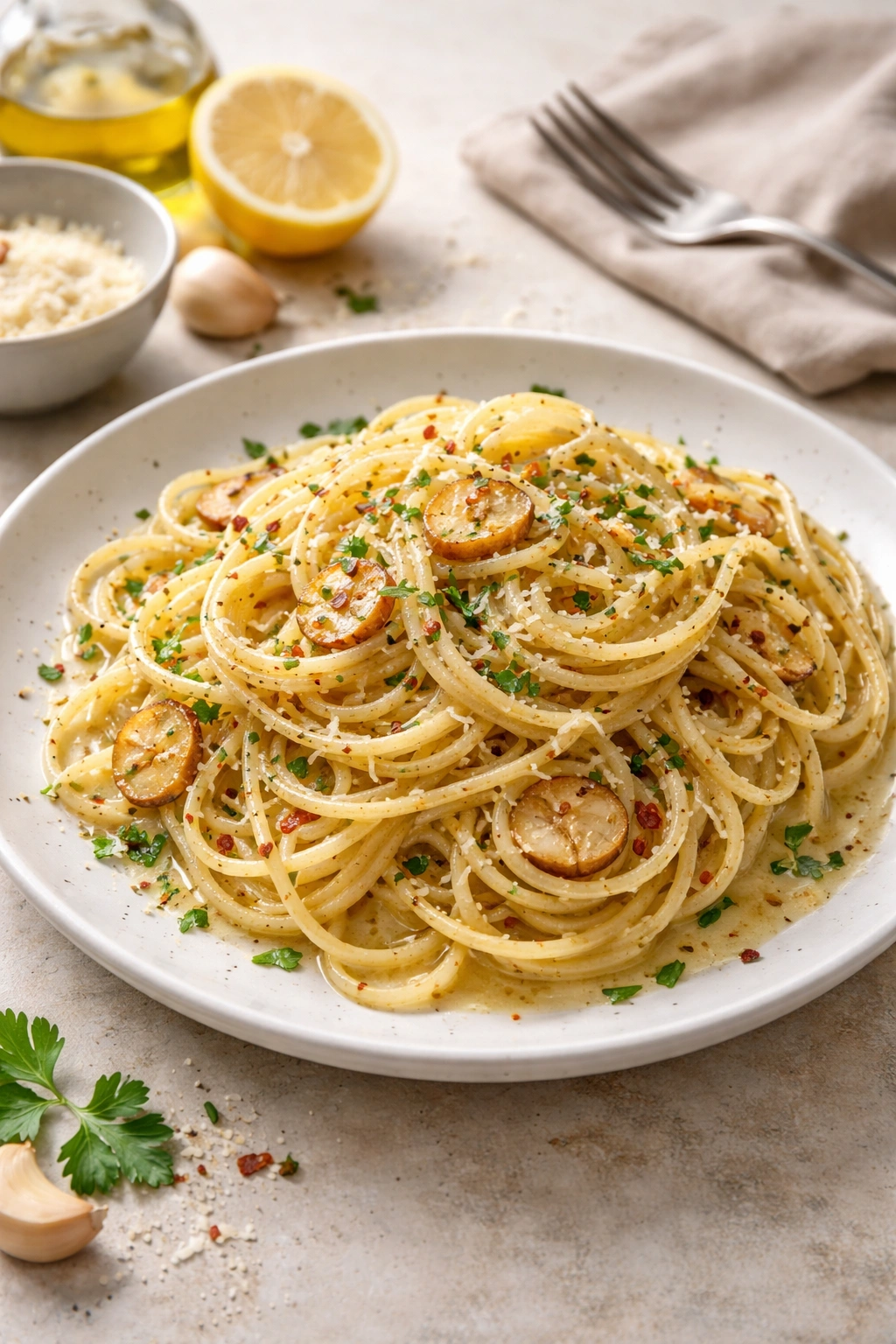
Pasta is the ultimate solo dinner ingredient. A box costs almost nothing, it cooks in under 15 minutes, and the possibilities feel endless. Yet most solo cooks fall into the trap of viewing pasta as inherently boring — just something functional to fill a plate.
The shift that changes everything is treating pasta as a vehicle for flavor, not just calories. A simple aglio e olio — pasta with just garlic, olive oil, and red pepper flakes — becomes transcendent when you use good olive oil, lots of garlic sliced thin so it toasts in the oil, and fresh pasta that actually tastes like wheat. It’s not about complexity; it’s about intention. Every ingredient is there because it contributes something.
Pasta with brown butter and sage tastes elegant despite using ingredients you probably already have. Brown the butter until it smells nutty, add torn sage leaves, toss with cooked pasta and a shower of Parmesan. Twelve minutes from start to finish, and you feel like you’ve somehow treated yourself to a restaurant meal.
The Crowd-Pleasing Pasta Formula
Cooked pasta plus a fat (olive oil, butter, cream) plus aromatics (garlic, onions, shallots) plus vegetables or protein or both plus acid (lemon juice, vinegar, tomato) plus cheese and seasonings equals a complete meal. The ratios barely matter once you understand the structure. Too thick? Add pasta water. Too thin? Let it reduce. Too bland? More salt and acid.
Why Pasta Water Is Actually Your Secret Weapon
Don’t drain your pasta and forget that water. The starchy liquid is liquid gold for loosening sauces, bringing flavors together, and creating silky coatings that make you wonder what restaurant technique you’ve stumbled onto. Keep some in a mug before draining, and add it back by the tablespoon until your pasta reaches the consistency you want.
Rice and Grain Bowls You Can Customize in Minutes
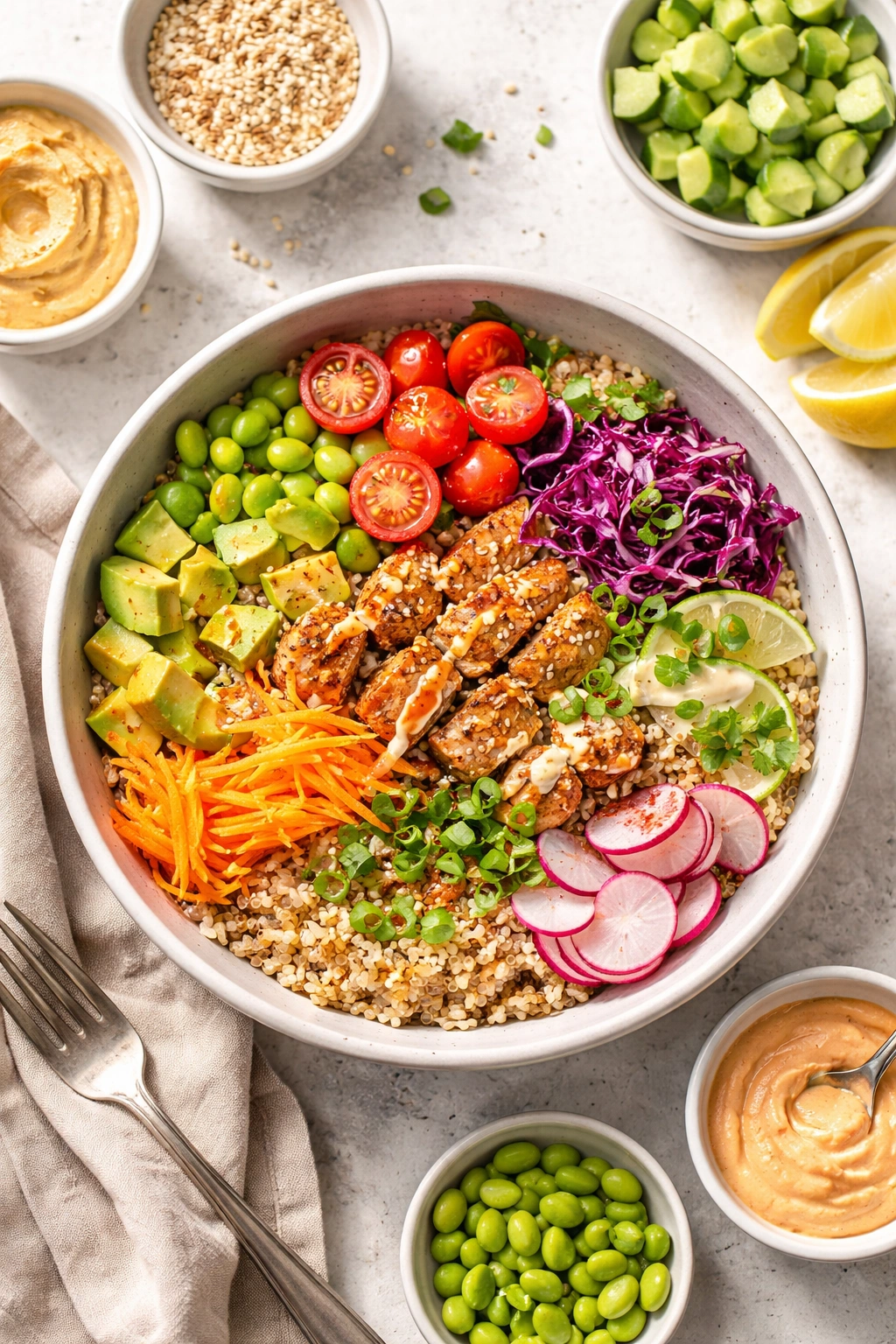
A bowl — whether filled with rice, quinoa, farro, or even couscous — is the simplest possible framework for a solo dinner. You’re not plating different components; you’re layering them in one vessel. There’s something satisfying about that simplicity.
Start with your grain of choice, either freshly cooked or leftovers from earlier in the week. Add protein: canned tuna, rotisserie chicken shredded by hand, a fried egg, cooked beans, crispy tofu. Add vegetables, raw or cooked depending on what you have: shredded carrots, cucumber, avocado, roasted peppers, leafy greens. Add a sauce or dressing: miso-based, tahini-based, citrus vinaigrette, anything that pulls the flavors together. Taste. Season. Eat.
What makes this approach brilliant for solo cooking is that it’s infinitely adaptable. You’re not locked into a specific recipe. If you have avocado and lime, it’s Mexican-inspired. Coconut milk and curry paste makes it Southeast Asian. Miso and sesame oil puts you in Japanese territory. The same basic structure accommodates every craving and every ingredient currently in your kitchen.
The Grain Bowl Shopping List That Covers Most Nights
Keep rice, quinoa, or both on hand. Always have canned beans, canned tuna, and eggs. One fresh vegetable (or several small ones) per week plus shelf-stable options like shredded carrots and frozen vegetables. Tahini, miso, and a quality olive oil for dressings. With just these basics, you can assemble dozens of different bowls without shopping specifically for “dinner.”
No-Cook and Minimal-Cook Options for Lazy Nights
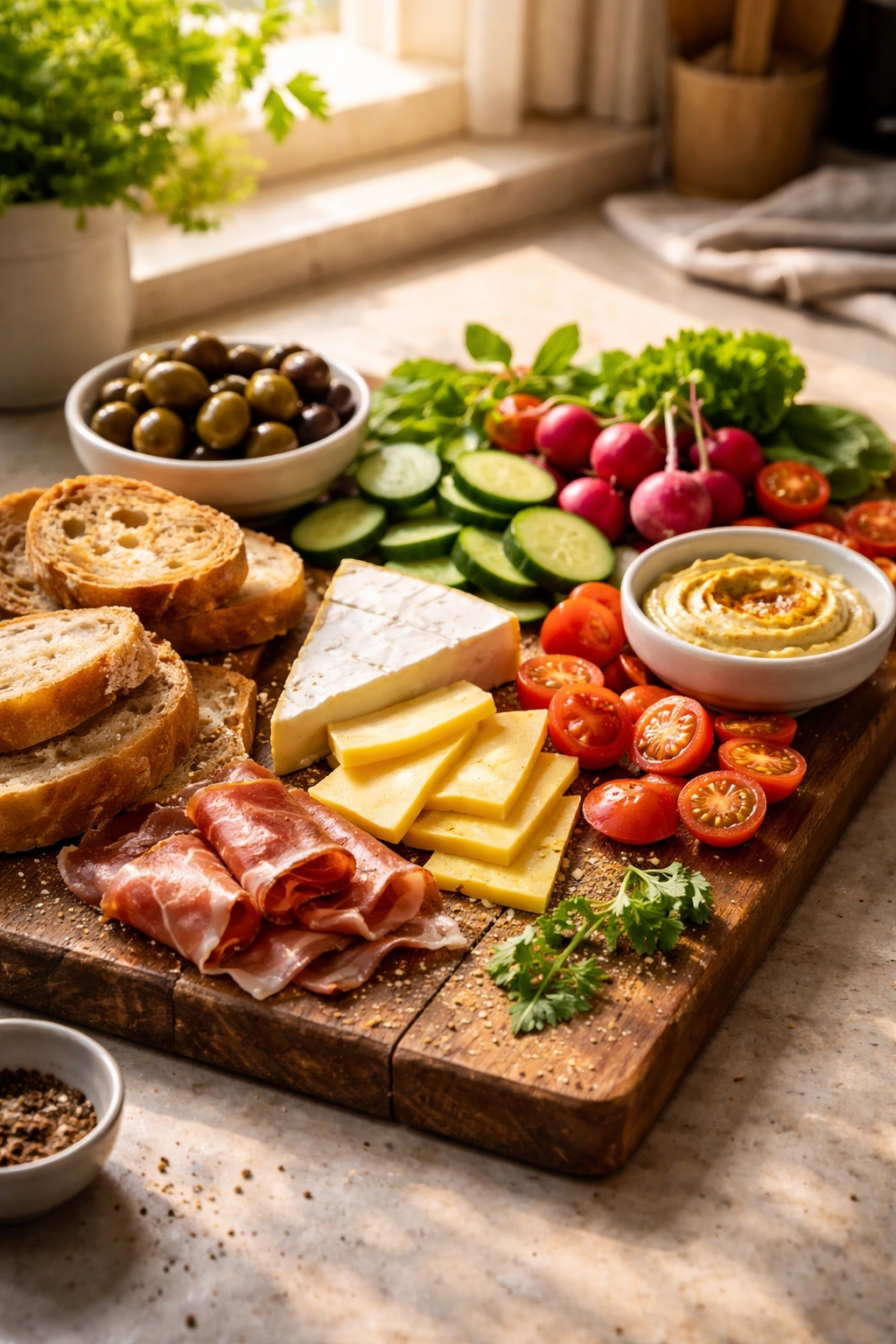
Some nights, you don’t have energy to cook. Acknowledging this without defaulting to takeout is the key to maintaining your solo cooking momentum.
A plate of good cheese, good bread, olives, and whatever vegetables are in your fridge becomes dinner when you stop seeing it as “not cooking.” It’s assembly, not cooking, but it’s still intentional. It still nourishes you. It still tastes good. It doesn’t require explaining.
Salads transform entirely when you stop treating them as sad obligations. Creamy dressings made with Greek yogurt, tahini, or avocado feel indulgent. Adding a protein — canned sardines, a rotisserie chicken leg, hard-boiled eggs you boiled at the start of the week — makes it complete. Toasted nuts or seeds add texture and richness. Suddenly you’re eating dinner, not punishing yourself.
Toast becomes dinner when you top it properly. Mashed avocado with fleur de sel and red pepper flakes. Ricotta with jam and pistachios. Tuna salad with crispy capers. Hummus with roasted vegetables. The bread is almost a delivery system for flavors you actually want to eat.
The Charcuterie Plate Mindset Shift
You’re not settling by assembling rather than cooking. You’re being smart about your energy. You’re eating well anyway. Sometimes the best dinner is the one that requires no cleanup and gets you out of the kitchen fastest so you can do something you actually want to do.
The Art of the Solo Breakfast Dinner
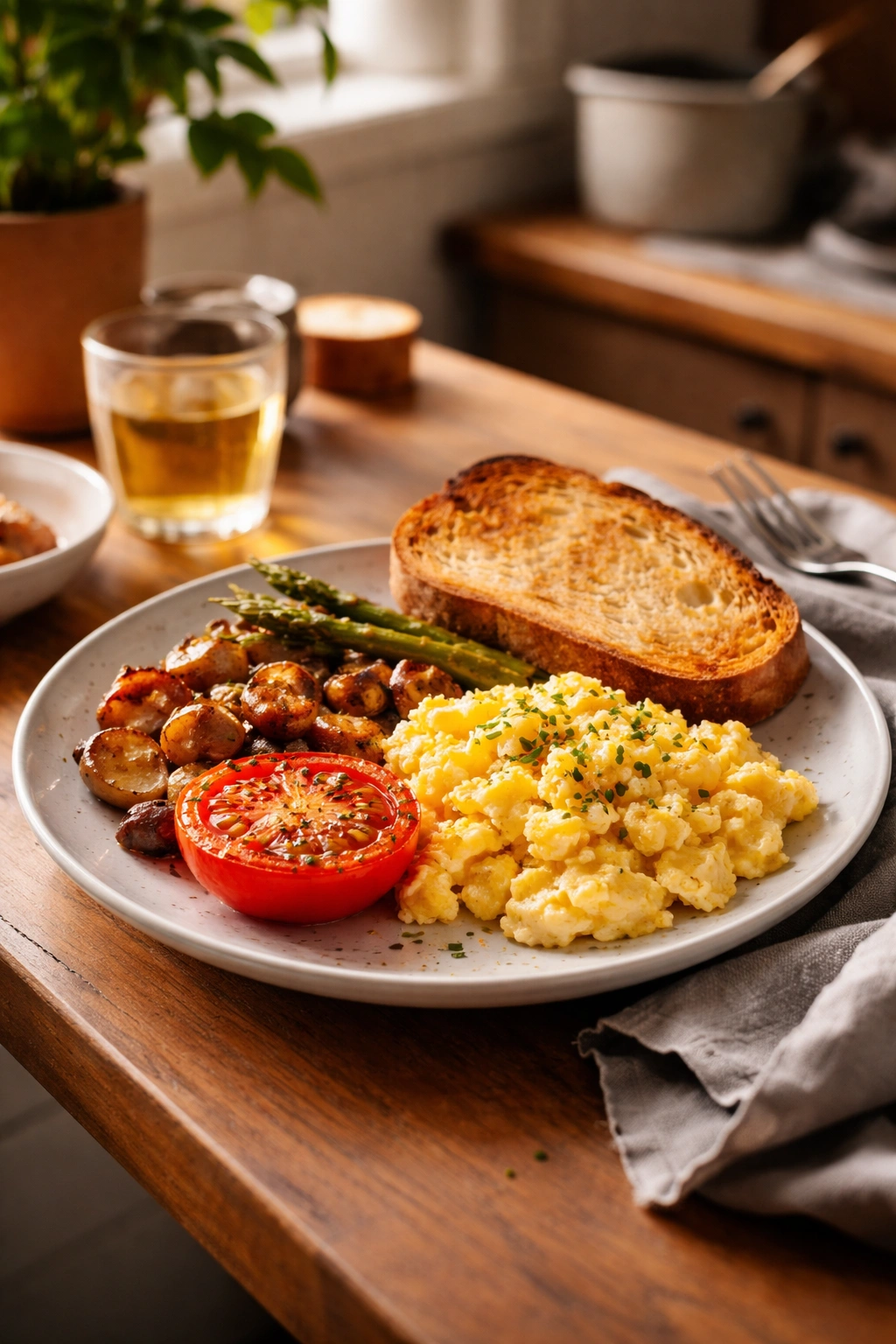
Breakfast foods at dinner feel like a gift you give yourself — a small rebellion against the rules that say breakfast belongs in the morning. Scrambled eggs don’t know what time of day it is.
A plate of scrambled eggs (cooked gently over medium-low heat so they stay creamy), good toast, a sliced tomato, and maybe some leftover roasted vegetables becomes dinner with almost no effort and zero waste. Eggs are cheap, versatile, and somehow feel indulgent when prepared with care.
Shakshuka — eggs poached in spiced tomato sauce — feels fancy while using pantry staples. Brown an onion, add garlic and spices (cumin, paprika, a pinch of cayenne), add canned tomatoes, let it simmer until it thickens slightly, then crack eggs directly into the sauce and cover until they cook through. Serve with bread for dunking.
French toast with savory toppings (an egg on top, some greens, maybe hot sauce) stops being dessert and becomes dinner. Pancakes topped with a fried egg and sautéed vegetables work too. The key is giving yourself permission to ignore traditional meal categories when you’re cooking alone. The rules don’t apply.
Building Your Pantry for Quick Solo Meals
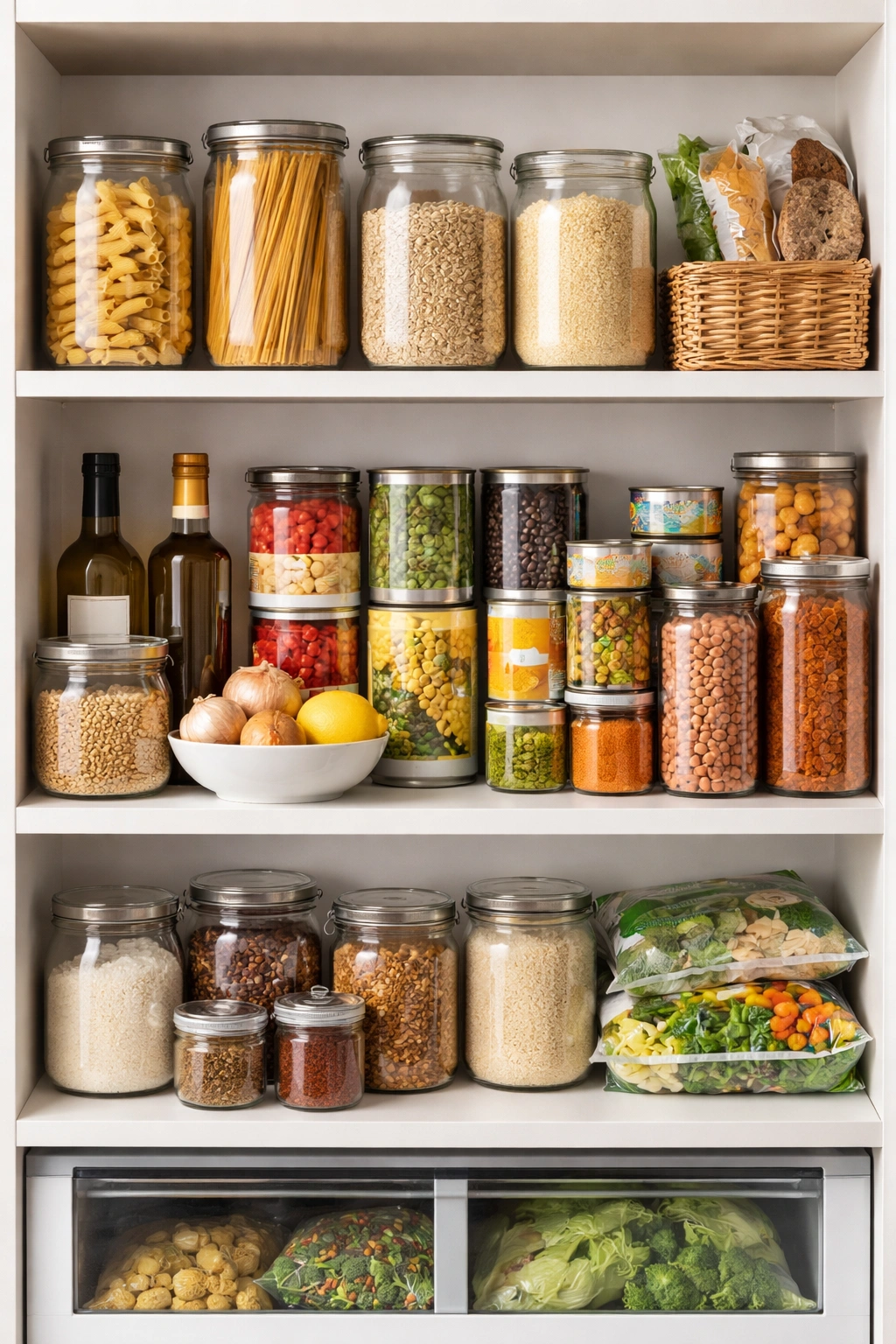
An organized pantry is what stands between a quick dinner and a frustrating evening of “I don’t have anything to cook.” You don’t need a massive stockpile — just intentional choices about which staples actually serve you.
Pasta in multiple shapes because variety matters. Rice, preferably a couple of types. Canned beans, canned tomatoes, canned fish. Dried herbs and spices used regularly enough that they’re flavorful. Good olive oil. Vinegars — at minimum balsamic and something acidic like white wine or rice vinegar. These are your foundation. Everything else is negotiable.
Frozen vegetables mean you always have vegetables without the waste. Frozen stir-fry mixes, frozen broccoli, frozen peppers — use these without guilt. They’re picked at peak ripeness, frozen immediately, and often more nutritious than fresh that’s been sitting in your fridge for a week.
Condiments elevate simple dinners instantly. Good mayonnaise, Dijon mustard, hot sauce, fish sauce, soy sauce, miso. A good quality pasta sauce even though you can make sauce yourself — sometimes the choice is between a decent jarred sauce and takeout, and the jarred sauce wins every time.
The One-Week Pantry Reset
At the start of each week, mentally scan your pantry and freezer. What proteins do you have? What vegetables? What grains? Build your week’s dinners around what’s already there before shopping. This prevents the waste that makes solo cooking feel expensive and frustrating.
Freezer-Friendly Meals You Can Make Ahead
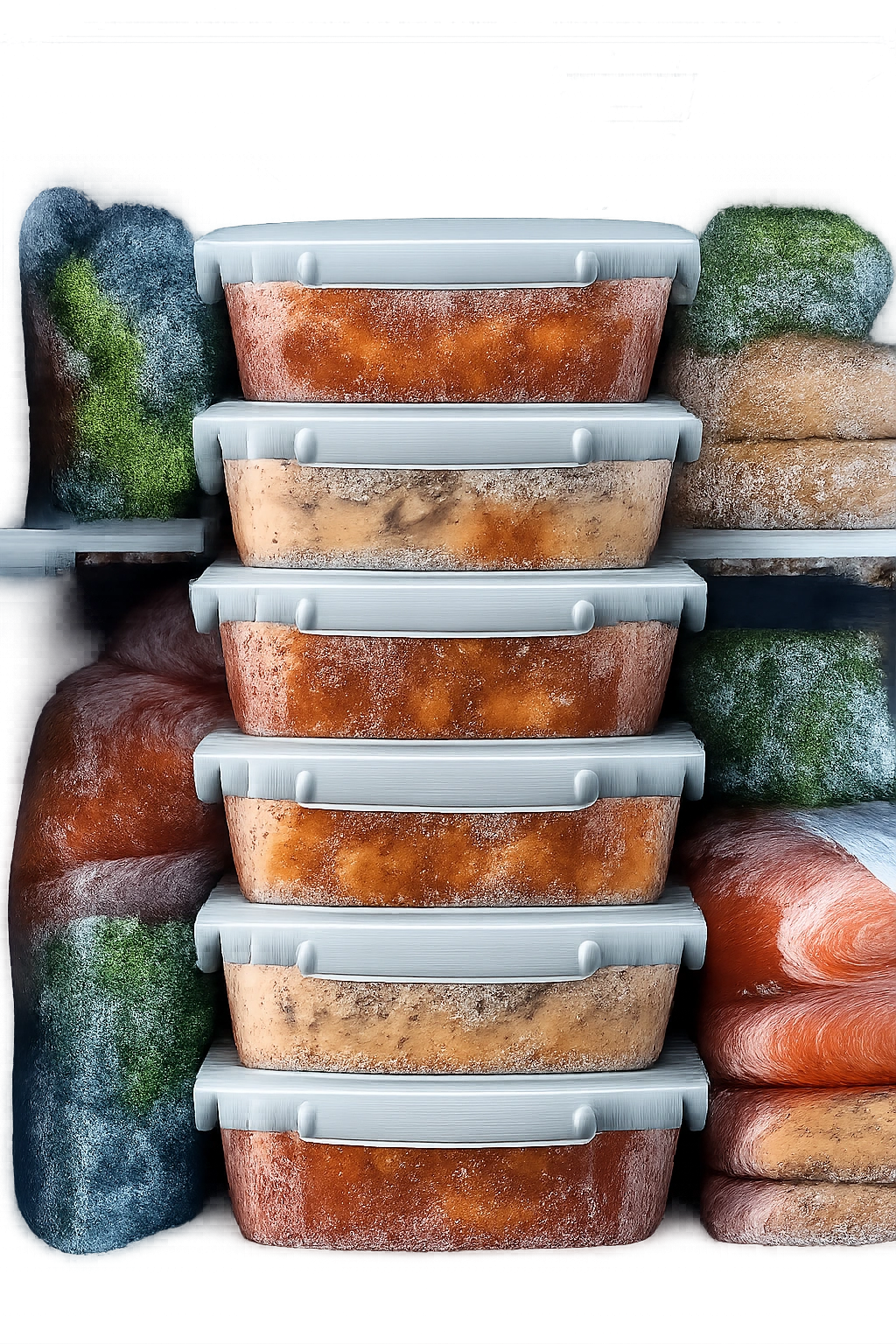
The secret many solo cooks miss is that making ahead doesn’t have to mean cooking the same thing twice. It means making something in one batch and eating it across multiple nights — something that actually sounds appealing rather than like you’re punishing yourself with leftovers.
Chili freezes beautifully and tastes better the next day. Make a single-serving batch on a Sunday and eat it across Wednesday, Thursday, and Friday nights if you want, or freeze it and pull it out weeks later when you need it. Same with soups, stews, and braised dishes that taste richer and deeper as flavors meld.
Meatballs — whether turkey, beef, or pork — freeze impeccably. Make a batch, freeze them in single portions, and you’ve got protein ready to go. Toss them into pasta sauce, add them to rice bowls, put them in a sandwich. They’re three-minute transformations into complete meals.
Grains cooked in bulk ahead of the week save tremendous time. Cook rice, cook quinoa, cook farro. Keep them in the fridge, and they’re instantly accessible for bowl-building all week. Knowing you have cooked grains ready eliminates the “well, dinner would take 30 minutes with cooking time” excuse.
The Freeze-and-Thaw Strategy That Actually Works
Freeze meals in portions you’ll actually eat. If you live alone and freeze an enormous container, you’re eating the same thing seven nights straight or you’re throwing it away. Freeze in single or double portions in containers or freezer bags. Thaw in the refrigerator overnight or in a pot on the stove. Reheat gently and taste — you might need to add fresh elements back (salt, acid, fresh herbs) to restore vibrancy after freezing.
How to Transform Leftovers Into Something New
Leftovers get a bad reputation because they’re often eaten directly from the fridge, cold, tasting stale by day three. The game-changer is treating them not as “yesterday’s dinner” but as ingredients for today’s dinner.
Roasted chicken from Tuesday becomes chicken salad for Wednesday (shredded, mixed with mayo, Dijon, maybe some diced apple and toasted nuts). The same chicken shredded and stirred into rice with vegetables and a sauce becomes a different meal entirely by Thursday.
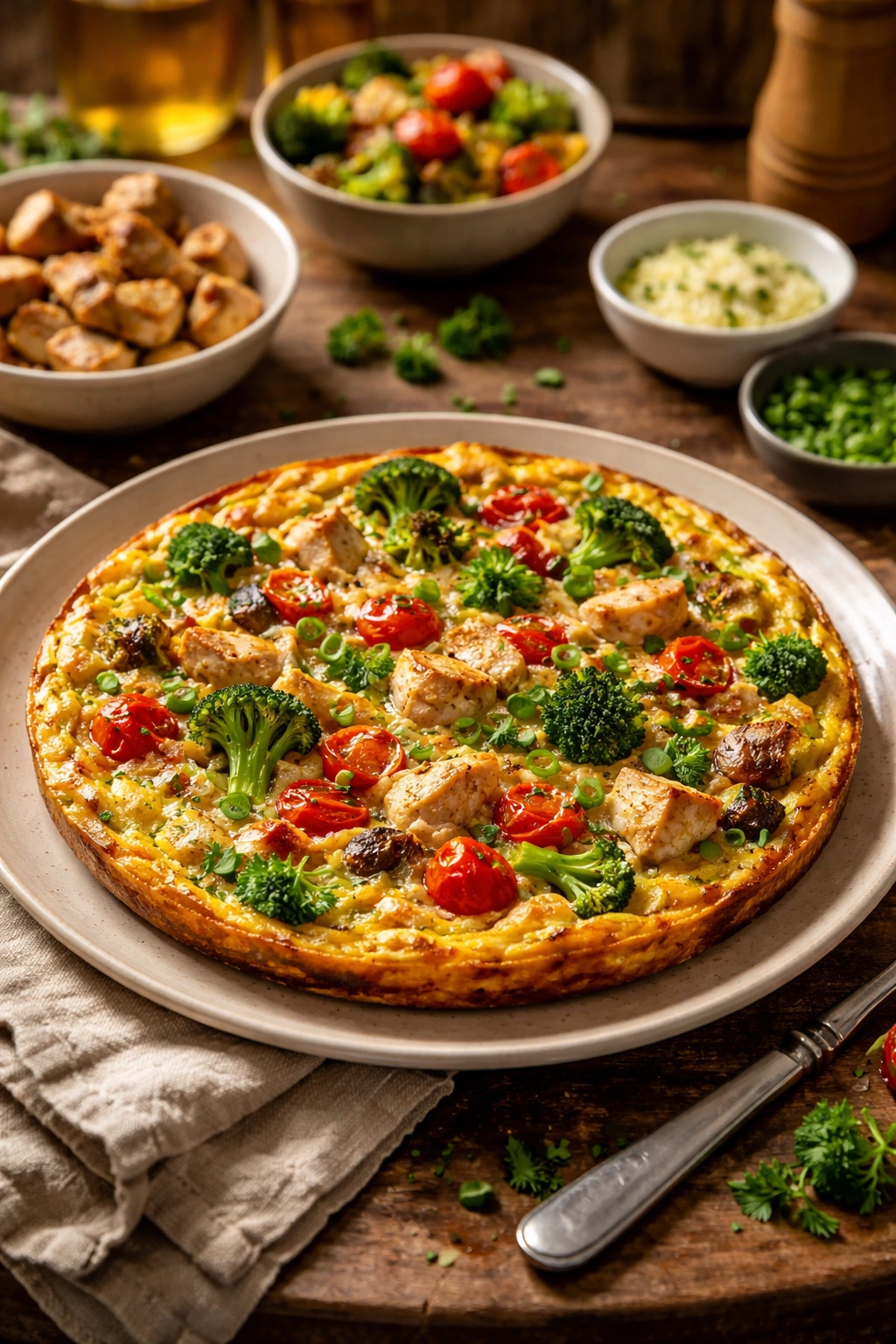
Roasted vegetables don’t have to be reheated and eaten the same way. Toss them into a frittata. Stuff them into a quesadilla. Pile them on toast. Mix them into pasta. Suddenly they’re new meals, not “yesterday’s sides.”
Grains transform into completely different dinners depending on what you do with them. Rice becomes a stir-fry, a burrito bowl, a soup base. Couscous becomes a salad, a stuffing for vegetables, a pilaf. Leftover pasta becomes pasta salad if you dress it differently, or you break it up and use it as the base for a frittata.
The Transformation Mindset Shift
Instead of asking “what do I have left over,” ask “what can I make with this ingredient?” It’s the difference between eating yesterday’s dinner and creating something that happens to use yesterday’s ingredient.
Budget-Friendly Solo Dinners That Don’t Feel Cheap
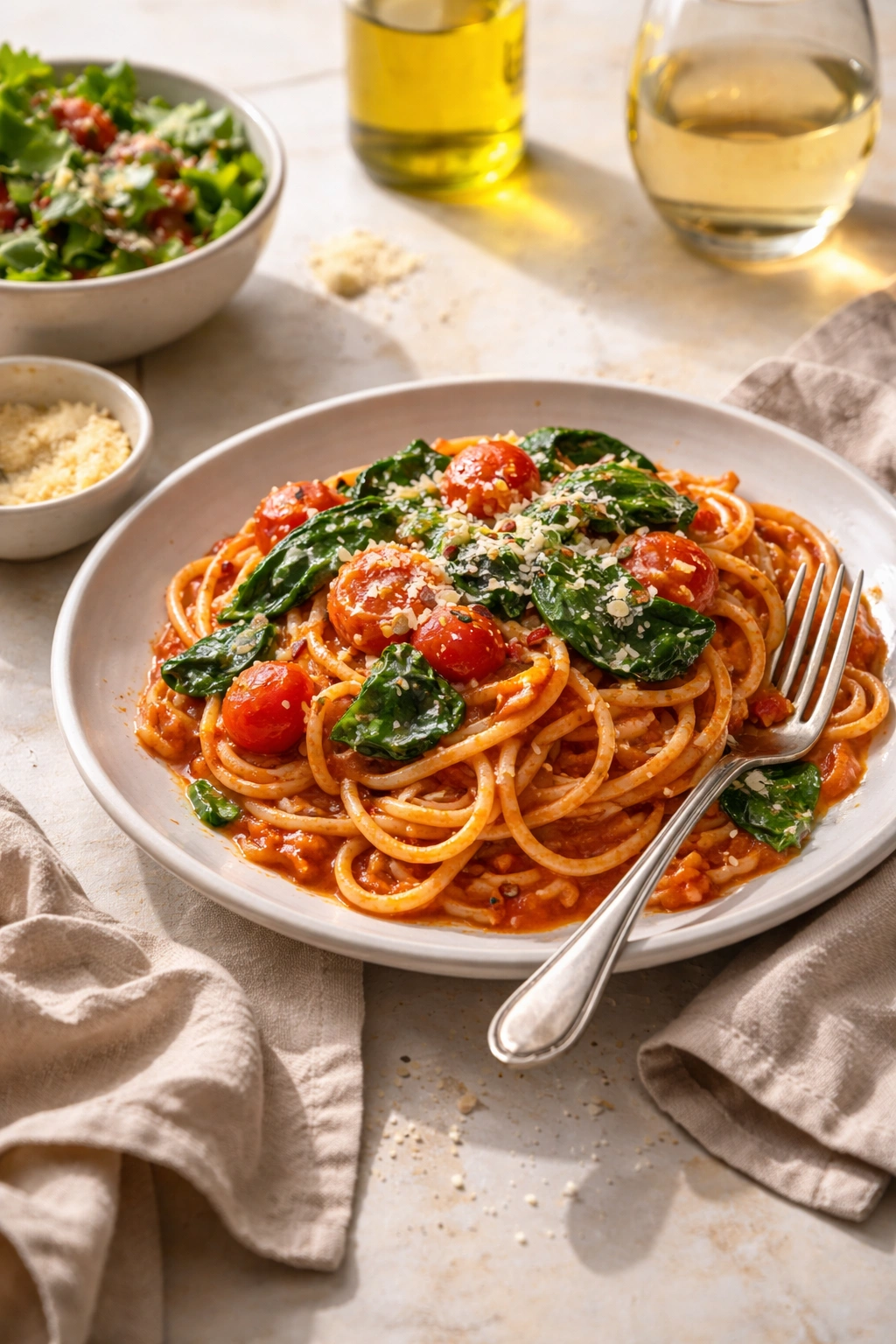
Cooking cheaply for one is entirely possible without it feeling like you’re depriving yourself. The key is prioritizing what you’ll actually eat.
Eggs, beans, lentils, and pasta are cheap proteins that taste genuinely good when prepared with care. An egg cost pennies but becomes luxury when fried gently in good butter and served on good toast. A can of beans costs less than a coffee but becomes a satisfying dinner when seasoned well and served with vegetables.
Rice and grains in bulk are tremendously cheap. A pound of dried lentils feeds you for weeks at just a few dollars. That same money spent on takeout gets you one meal. It’s hard to argue with the economics.
Seasonal vegetables cost less when they’re actually in season. Summer tomatoes are cheap and delicious; winter tomatoes are expensive and disappointing. Cooking with what’s cheap right now means eating better food for less money. Frozen vegetables cost even less and are genuinely nutritious.
Shop your pantry before shopping new ingredients. Most meals can be built from what you already have supplemented with just one or two fresh items. This mindset saves money and reduces waste simultaneously.
The Cheap Dinners Worth Making Again
Rice and beans with a fried egg. Pasta with garlic and oil and whatever vegetables you have. Lentil soup using an onion, carrots, and canned tomatoes. A simple frittata using eggs and whatever’s in your fridge. These aren’t poverty food — they’re foundational meals made better with practice and intention.
Making Takeout-Quality Meals at Home
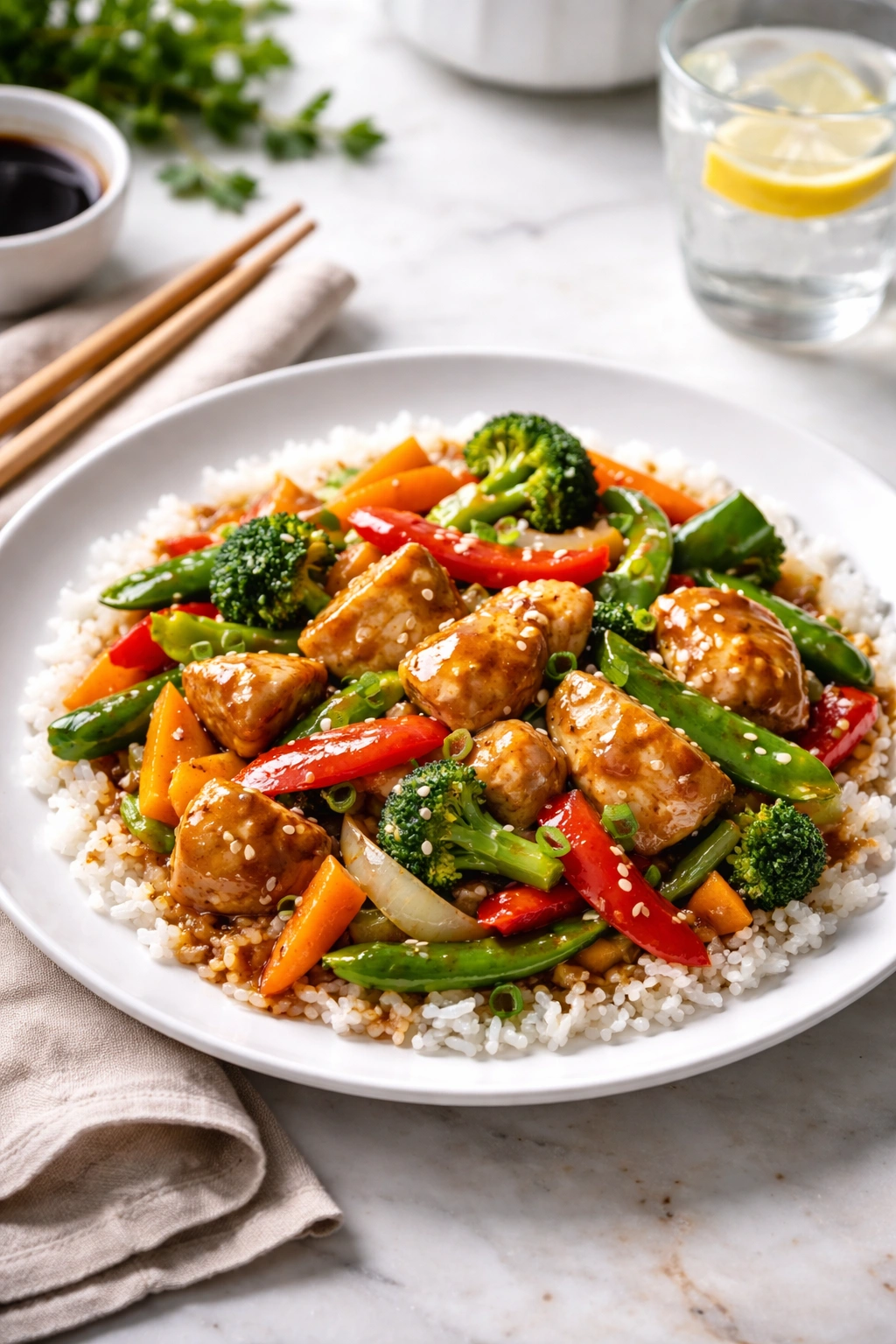
The real reason people order takeout isn’t always convenience — it’s the comfort of knowing something will taste really good. Home cooking beats takeout when you stop trying to replicate standard recipes and start focusing on flavor.
Thai takeout is expensive but essentially simple: protein, vegetables, sauce. Make that same combination at home using a few good ingredients (fish sauce, lime juice, soy sauce, chili paste) and the cost drops by 80 percent while the flavor arguably improves.
Chinese takeout relies heavily on high heat, good technique, and ingredients you can absolutely buy. A stir-fry made at home in a very hot wok or skillet tastes identical to takeout, cooks in under 15 minutes, and costs a fraction of the price.
Ramen from a restaurant is expensive; homemade broth from boxed stock and a few add-ins (soft-boiled egg, vegetables, greens, maybe some cooked chicken) tastes surprisingly close and costs just a couple dollars.
The Technique That Makes Home Cooking Taste Professional
High heat. Most home cooks cook too gently. Stir-fries need actual heat. Searing proteins needs a hot pan. Even scrambled eggs improve when cooked over medium-high rather than medium-low. The Maillard reaction — that browning that creates delicious flavor — requires heat. Give it that, and suddenly your home cooking starts tasting like someone who knows what they’re doing made it.
The Microwave Hack You Never Knew You Needed
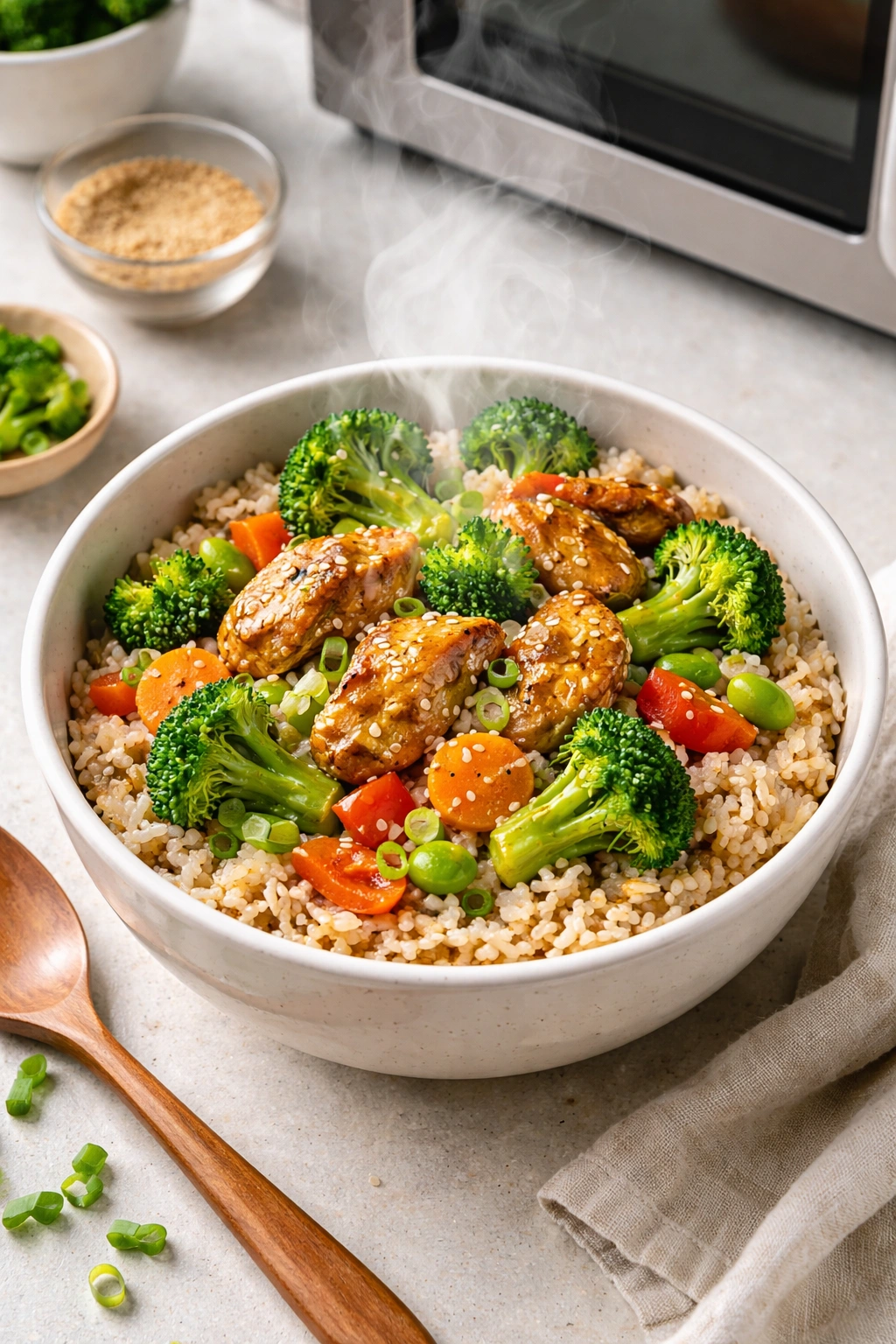
Microwave cooking has a reputation it doesn’t deserve. Yes, it can overcook things into rubber. But it’s also unbelievably useful for solo cooking — it’s fast, it uses less energy, and cleanup is virtually nonexistent.
A bowl of rice, some vegetables, a protein, and sauce microwaved together for a few minutes becomes a complete meal that tastes great. You’re not relying solely on the microwave; you’re using it efficiently as part of a larger approach.
Microwave-steamed vegetables are actually superior to boiled because they retain more flavor and nutrients. Put vegetables in a bowl with a tablespoon of water, cover, microwave for 3 to 4 minutes depending on texture. Done.
Mug meals aren’t just novelty — they’re genuinely useful for solo cooking. Mac and cheese in a mug, various pasta dishes, even fried rice or stir-fries in a mug if you work with smaller quantities. You’re using one vessel, the microwave does the heavy lifting, and cleanup is just rinsing a mug.
The Microwave Method Nobody Talks About
Microwave your pot of water to a boil while you prep ingredients. Cook pasta in already-boiling water instead of waiting for a full kettle. It saves 5 to 10 minutes on weeknight cooking. It sounds like nothing until you’re actually tired and it’s the difference between cooking and just ordering something.
Building Confidence in Your Own Cooking
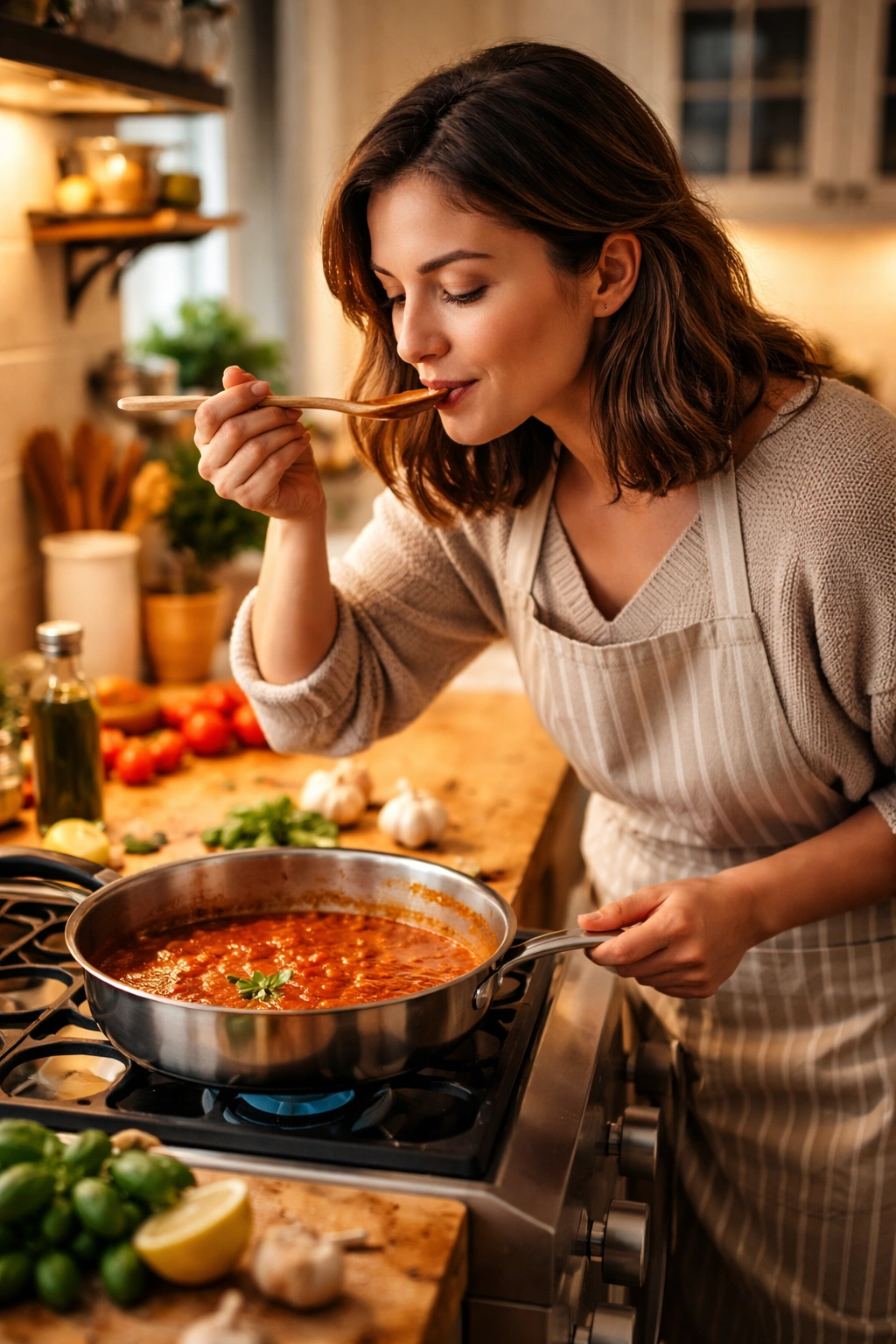
The biggest barrier to solo cooking isn’t actually the cooking itself — it’s confidence that what you make will be edible and worth your effort. This comes only through repetition and permission to fail.
Cook the same meal three times. The first time, follow the recipe closely. The second time, adjust what bothered you. The third time, you’ve stopped following the recipe and you’re cooking from intuition. By the third iteration, you own the meal. You’re not making someone else’s recipe; you’re cooking your dinner.
Taste constantly as you cook. This is how you learn flavor. It’s how you know when something needs more salt, more acid, more heat. Tasting teaches you more than any recipe can.
Embrace small mistakes without drama. If pasta is slightly overcooked, it’s not a disaster — it still tastes good and still feeds you. If you oversalt something, you’ve learned what oversalt tastes like and you’ll avoid it next time. Perfection isn’t the goal; nourishment and pleasure are.
Give yourself permission to eat the weird experimental dinner that doesn’t quite work. Not every attempt succeeds. That’s genuinely okay. You got practice, you learned something, and you can try differently next time.
Final Thoughts
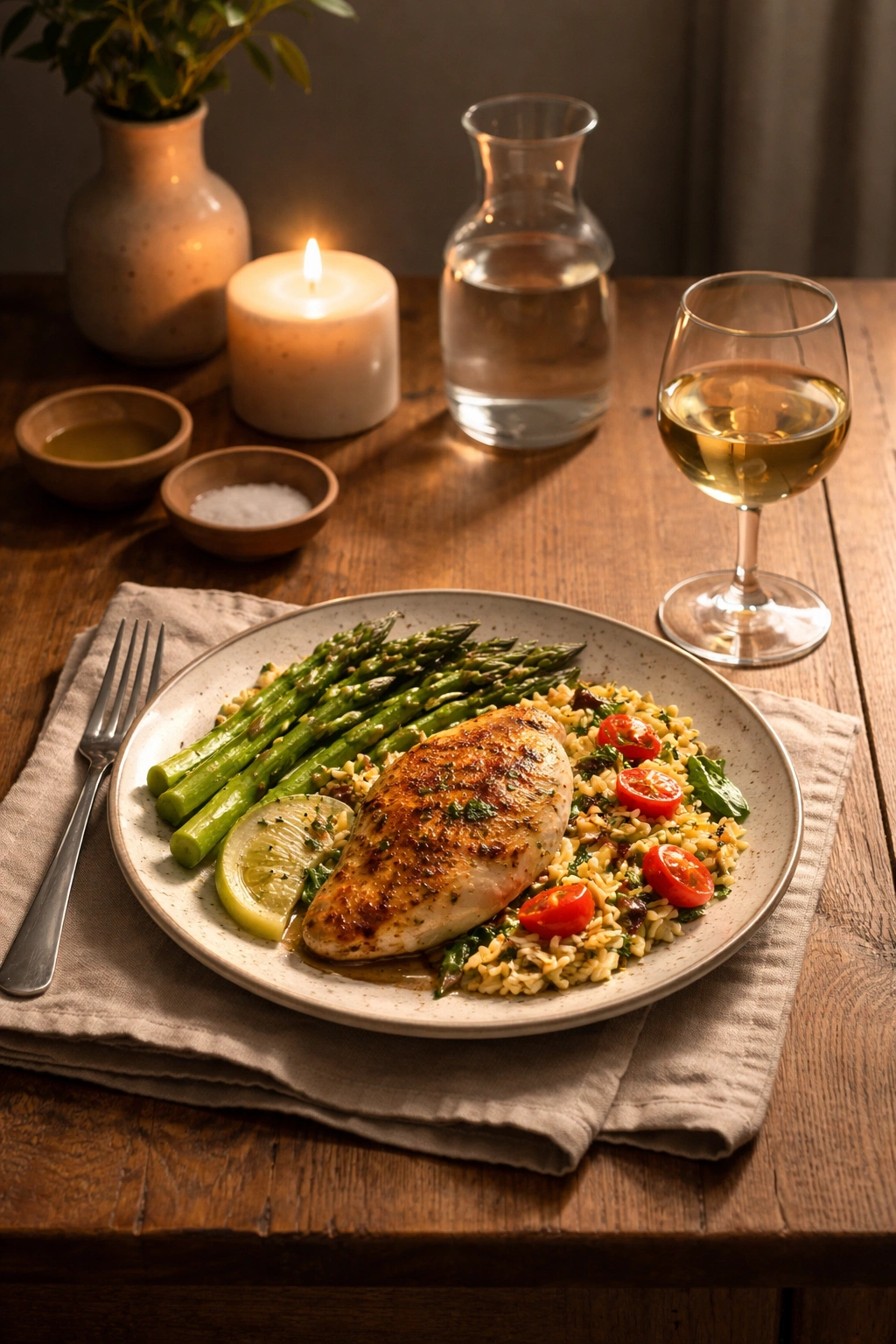
Easy solo dinners aren’t about speed or minimal effort, though they can offer both. They’re about deciding that you’re worth feeding well, and then building systems that make it natural to follow through on that decision. They’re about recognizing that cooking for one is a privilege, not a punishment — a time when you can be completely selfish about flavors and textures and timing because you’re the only opinion that matters.
Start small. Pick three dinners you genuinely like and learn those well. Build a pantry that reflects how you actually cook rather than aspirational recipes you’ll never make. Give yourself permission to use shortcuts without guilt — good jarred sauce, frozen vegetables, rotisserie chicken. None of these things cheapen your meal; they’re just being smart.
The real magic of solo cooking emerges gradually. It’s the moment you realize you don’t need a recipe because you understand the principles. It’s the night you throw together something from pantry scraps that tastes surprisingly good. It’s sitting down to a meal you cooked for yourself and remembering that this — taking care of yourself through food — actually matters. That’s when cooking alone stops feeling like a consolation prize and starts feeling like exactly what you wanted.
