



A perfectly balanced Paloma doesn’t require fancy bartending skills or obscure ingredients — just three core components mixed in the right proportions, poured over ice, and served in a salt-rimmed glass. What makes this tequila cocktail so endlessly appealing is its brilliant simplicity: the bright acidity of grapefruit juice cuts through the agave spirit’s peppery notes, while lime juice adds sharpness, and a splash of soda water lifts everything into refreshment territory. Unlike many cocktails that demand precision timing or layering techniques, the Paloma thrives on straightforward mixing and honest ingredients. Within minutes of reaching for your bottle of tequila, you’ll have a drink that tastes like someone who knows their way around a bar actually made it for you.
The beauty of this drink lies in how forgiving it is. Whether you’re a cocktail enthusiast building a home bar or someone making their first mixed drink, the Paloma works because the formula is nearly impossible to mess up. The grapefruit juice should be fresh and properly balanced — not the sweetened version from concentrate that masquerades as real juice — and once you nail that detail, everything else falls into place. No special tools beyond a jigger and a shaker. No precious liqueurs. No pretension. It’s one of those rare cocktails that tastes better when made casually and served quickly, which is precisely why it’s earned such devoted fans across Mexico, the American Southwest, and anywhere people appreciate simplicity that delivers genuine flavor.
The Paloma’s Story and Why It Deserves Your Attention
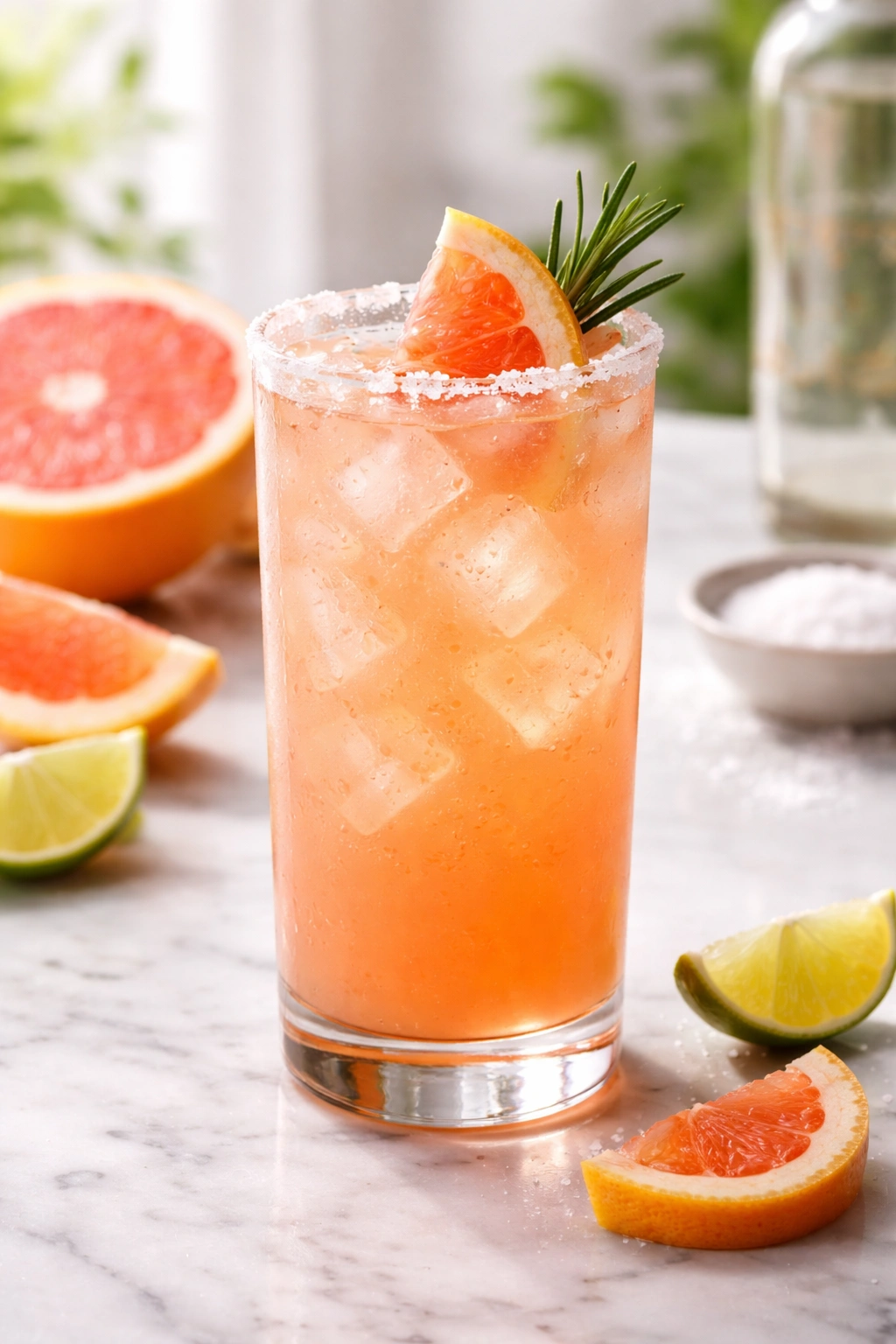
The Paloma emerged from Mexico, though the exact origin story remains charmingly uncertain — bar historians and spirits experts have debated its birthplace for years, with various regions claiming credit for inventing this now-iconic drink. What’s undeniable is that somewhere along the way, someone brilliant realized that tequila and grapefruit juice were meant to be together, the way some flavor combinations just click because they’re fundamentally complementary rather than merely compatible.
The drink’s name means “dove” in Spanish, a reference that carries both poetic weight and practical charm. Some accounts suggest the name came from a family brand of grapefruit soda once popular in Mexico, while others point to the drink’s light, graceful character — a name befitting something that’s delicate without being delicate in the fussy sense. What matters most isn’t the origin myth but the fact that the Paloma has become a go-to order at serious cocktail bars and casual beach shacks alike, a rare accomplishment for any drink.
Unlike the Margarita, which dominated cocktail culture for decades and sometimes gets hidden under sweet triple sec and processed mixers, the Paloma has remained relatively pure — drinkers tend to order it at its essence: tequila, grapefruit, lime, and soda water. This restraint is what keeps it fresh and relevant across seasons and occasions. There’s no temptation to oversweeten it or layer it with flavored liqueurs because the base formula is already so well-balanced that tampering rarely improves it.
Why Fresh Grapefruit Juice Is Non-Negotiable
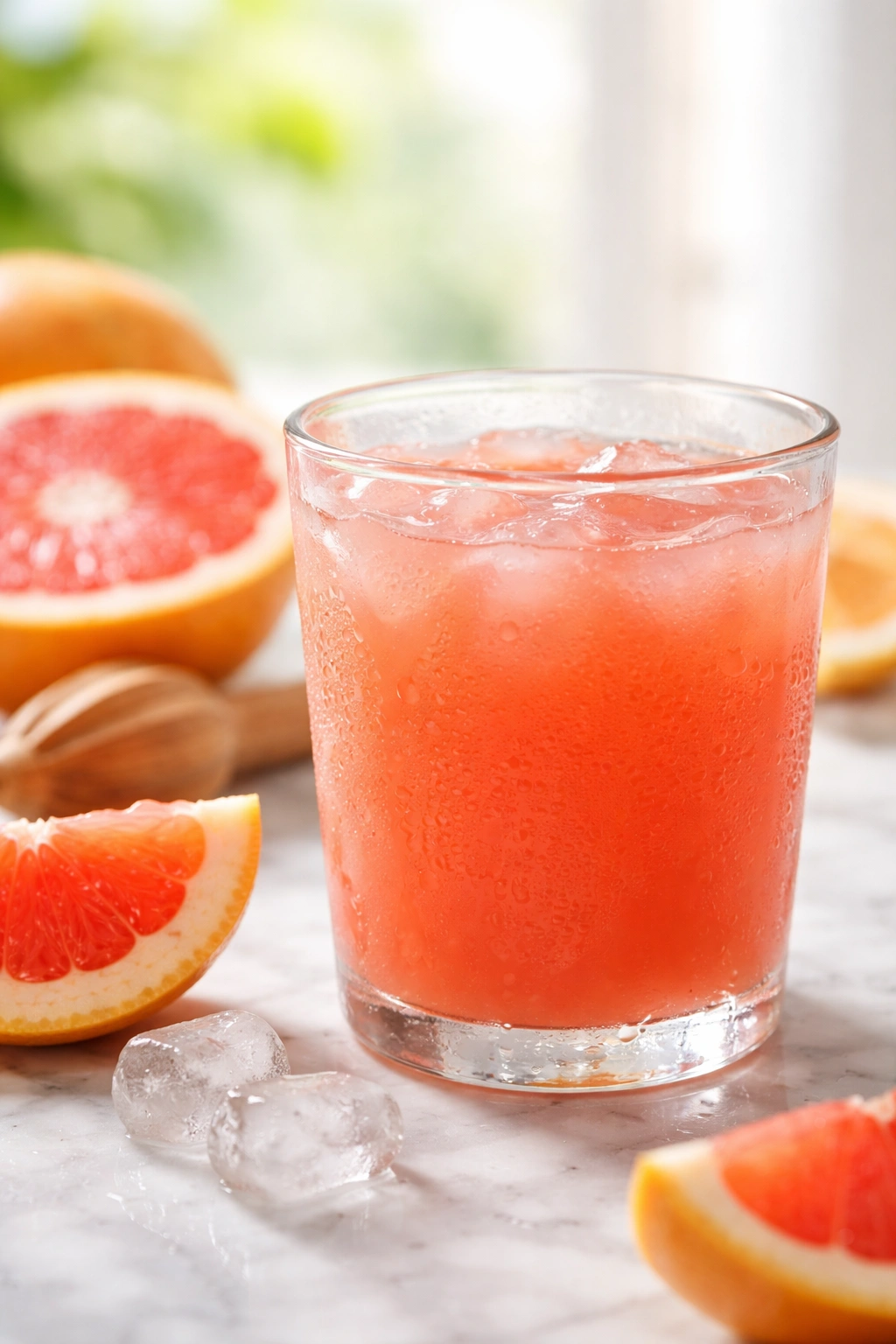
The single most important variable in a Paloma is the quality of your grapefruit juice, and I’m not being dramatic about this. When you’re working with only a handful of ingredients, each one matters proportionally more than it would in a complex cocktail with dozens of flavor layers. Using bottled, pasteurized grapefruit juice from concentrate will produce a drink that’s technically a Paloma but misses the brightness that makes this cocktail sing.
Fresh grapefruit juice has a tartness and complexity that bottled versions simply cannot match. The bottled stuff tastes either muted and dull or aggressively sweetened to compensate for the flatness — neither option creates the balanced, refreshing drink you’re after. A whole grapefruit, freshly halved and juiced, gives you that snappy acidity, the subtle bitter notes that prevent sweetness from overwhelming the palate, and an aromatic quality that transforms a drink from forgettable into genuinely delicious.
The good news is that fresh grapefruit juice requires zero special equipment. A simple citrus reamer works fine — you don’t need a commercial juicer or any fancy gadget. Cut your grapefruit in half, twist it onto the reamer, and squeeze. One large grapefruit typically yields about 6-8 ounces of juice, enough for three to four Palomas depending on how generous you’re pouring. If you’re making drinks for guests, juice your grapefruit just before serving; fresh-squeezed juice oxidizes and loses its brightness within an hour or two.
Why Pink vs. Ruby Red Grapefruit Matters
The variety of grapefruit you choose affects both the visual appeal and the flavor profile of your drink. Pink or ruby red grapefruit produces a beautiful coral-hued cocktail with slightly sweeter notes than white grapefruit, which is more intensely tart and bracing. Neither is objectively “correct” — it’s purely about preference and mood. For a drink you want to feel summery and approachable, pink grapefruit edges slightly ahead. For something you want to taste sharper and more complex, white grapefruit is your answer.
The color difference becomes meaningful when you’re serving these drinks to guests, as the pale-pink Paloma looks more inviting than a nearly clear drink, even though both taste perfectly legitimate. If you have a choice at your market, opt for grapefruits that feel heavy for their size — they contain more juice. Avoid any that feel soft or show dark spots, as these have started to deteriorate inside.
Choosing the Right Tequila for Your Paloma
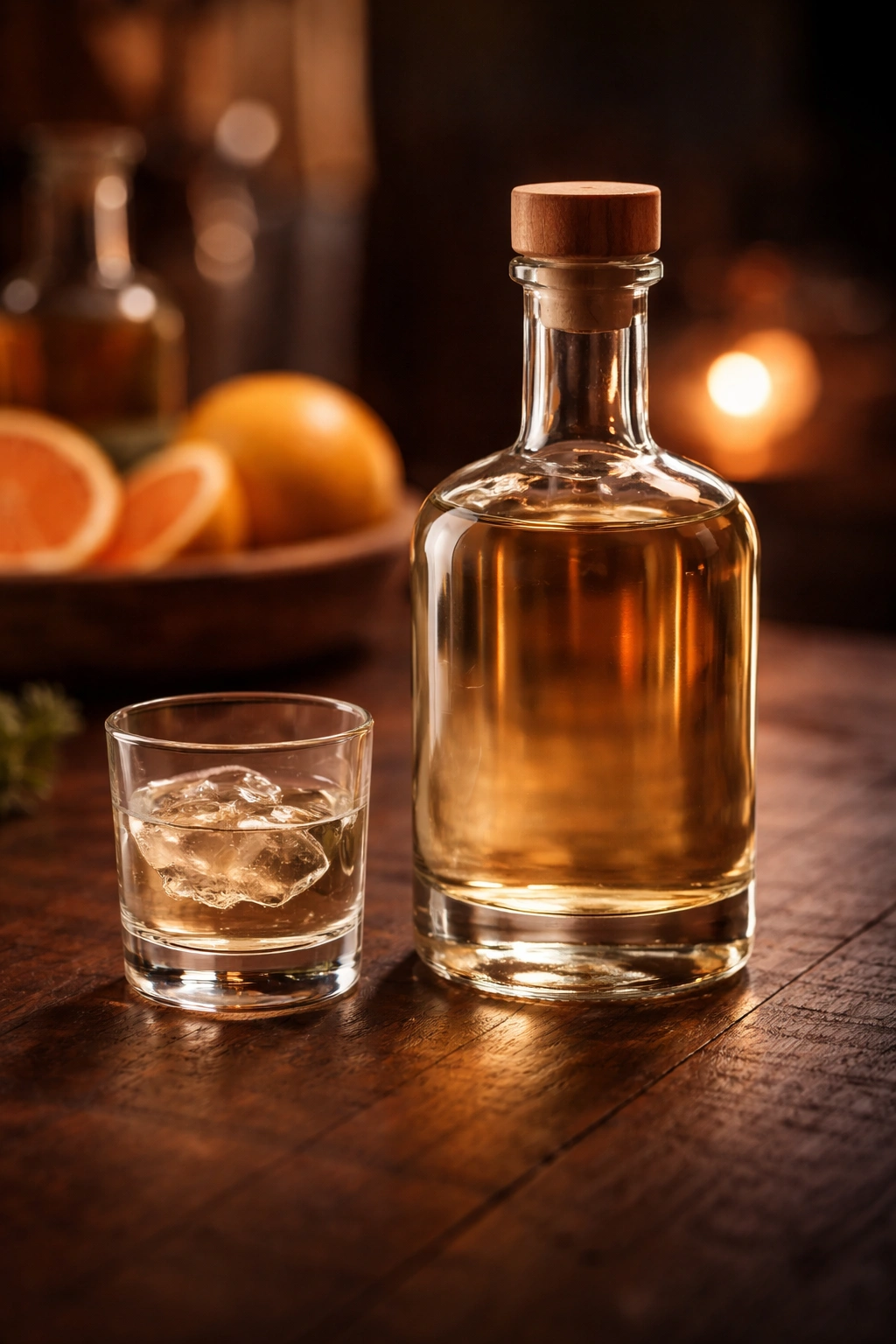
Tequila quality matters, though perhaps not in the way you might expect if you’re new to spirits. An expensive, ultra-premium tequila is somewhat wasted in a Paloma because the grapefruit and lime flavors will dominate, and you won’t taste the subtle, expensive characteristics that justify premium pricing. Conversely, mixing with truly bottom-shelf tequila (the kind that tastes like it was made to punish you) results in a harsher drink that doesn’t mix well with citrus.
The sweet spot is a midrange 100% agave tequila — either blanco (unaged, clear) or joven (rested briefly in oak). Blanco tequilas have a crisp, peppery character that plays beautifully against citrus acidity, while joven expressions offer slightly more complexity and smoothness with a touch of vanilla or caramel from light oak aging. Either works perfectly. The key is looking for the label designation “100% Agave” — this tells you the spirit is made entirely from blue agave plants, not a mix of agave and other sugars, and it matters for taste and smoothness.
Avoid anything labeled simply “tequila” without the 100% agave designation, as these mixtos (mixed tequilas) can have harsh edges and are often made with added sugars and flavoring compounds that create an unpleasant aftertaste when mixed with citrus. You don’t need to spend $50 on a bottle, but spending $25-35 on a solid blanco tequila will make a noticeable difference in how good your Paloma tastes.
Mezcal as an Alternative Direction
If you want to explore beyond traditional tequila, mezcal — made from various agave plants and traditionally produced in Oaxaca — creates an intriguing variation. Mezcal typically has smokier, earthier notes than tequila, and these characteristics actually complement grapefruit in an interesting way, adding complexity without overwhelming the drink. Use the same proportion of mezcal as you would tequila, though understand that the final drink will taste notably different — more assertive, with a subtle smoke that lingers in the background.
Lime Juice: Fresh Every Time
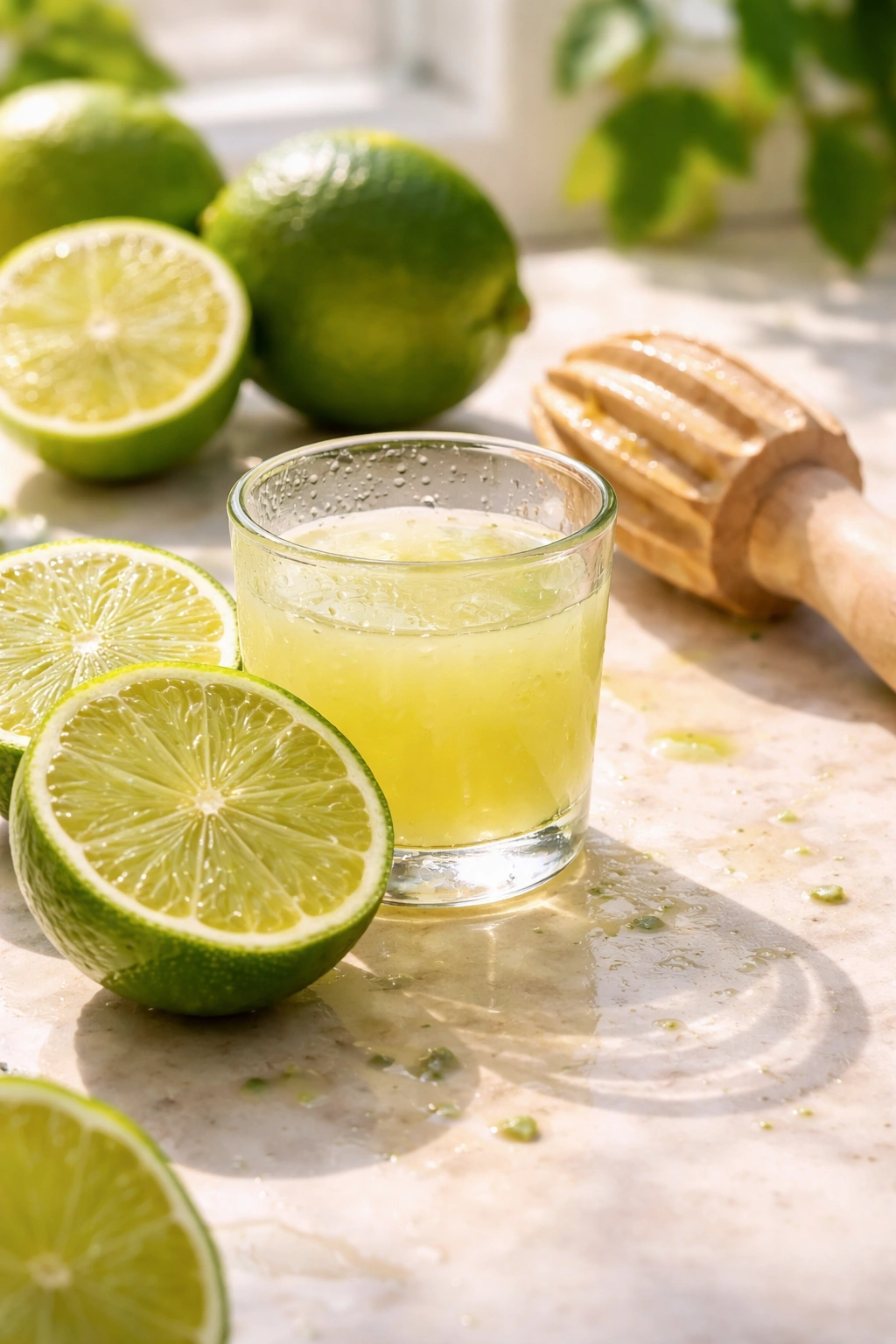
Like grapefruit juice, lime juice must be fresh. Bottled lime juice tastes absolutely nothing like the real thing — it’s thin, one-dimensional, and often has a vaguely chemical aftertaste that has no place in a drink this simple. Imagine the difference between real lemon and artificial lemon flavoring; bottled citrus juice sits in that same valley of disappointment.
One standard-size lime yields about 0.5 to 0.75 ounces of juice, so you’ll need roughly a half-lime per drink. A basic handheld citrus juicer costs almost nothing and lasts forever. Roll your lime on the counter with gentle pressure before cutting it to break down the internal walls and release more juice — you’ll get about 25% more juice from the same fruit using this technique.
The Soda Water Consideration
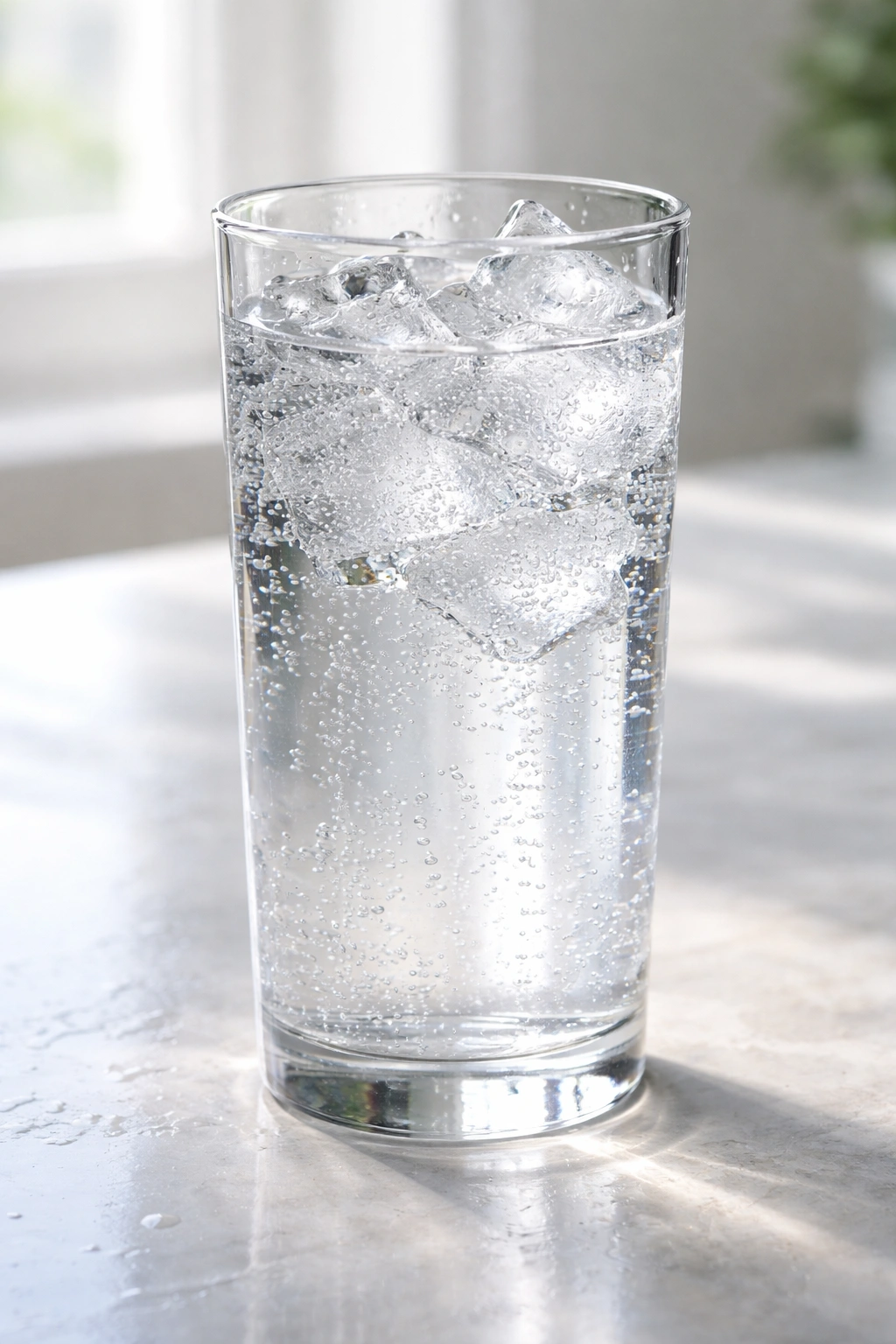
Not all soda water is created equal in the context of a Paloma. You want a straightforward soda water with no added flavoring, sweetness, or salt. Club soda, sparkling water, and seltzer are all essentially the same thing — carbonated water — though they may vary slightly in mineral content and carbonation level. A higher carbonation level keeps your drink crisp longer, so if you’re choosing between options, slightly over-carbonated is better than lightly carbonated.
The reason soda water matters isn’t just about fizz; it actually dilutes the drink slightly, lowering the alcohol intensity and making the citrus flavors brighter by comparison. Some bartenders skip the soda entirely and make a spirit-forward Paloma with just tequila, grapefruit, and lime — which is valid if that’s your preference, but the version with soda is lighter and more refreshing, which is generally why people order Palomas in the first place.
What You Actually Need to Make a Great Paloma
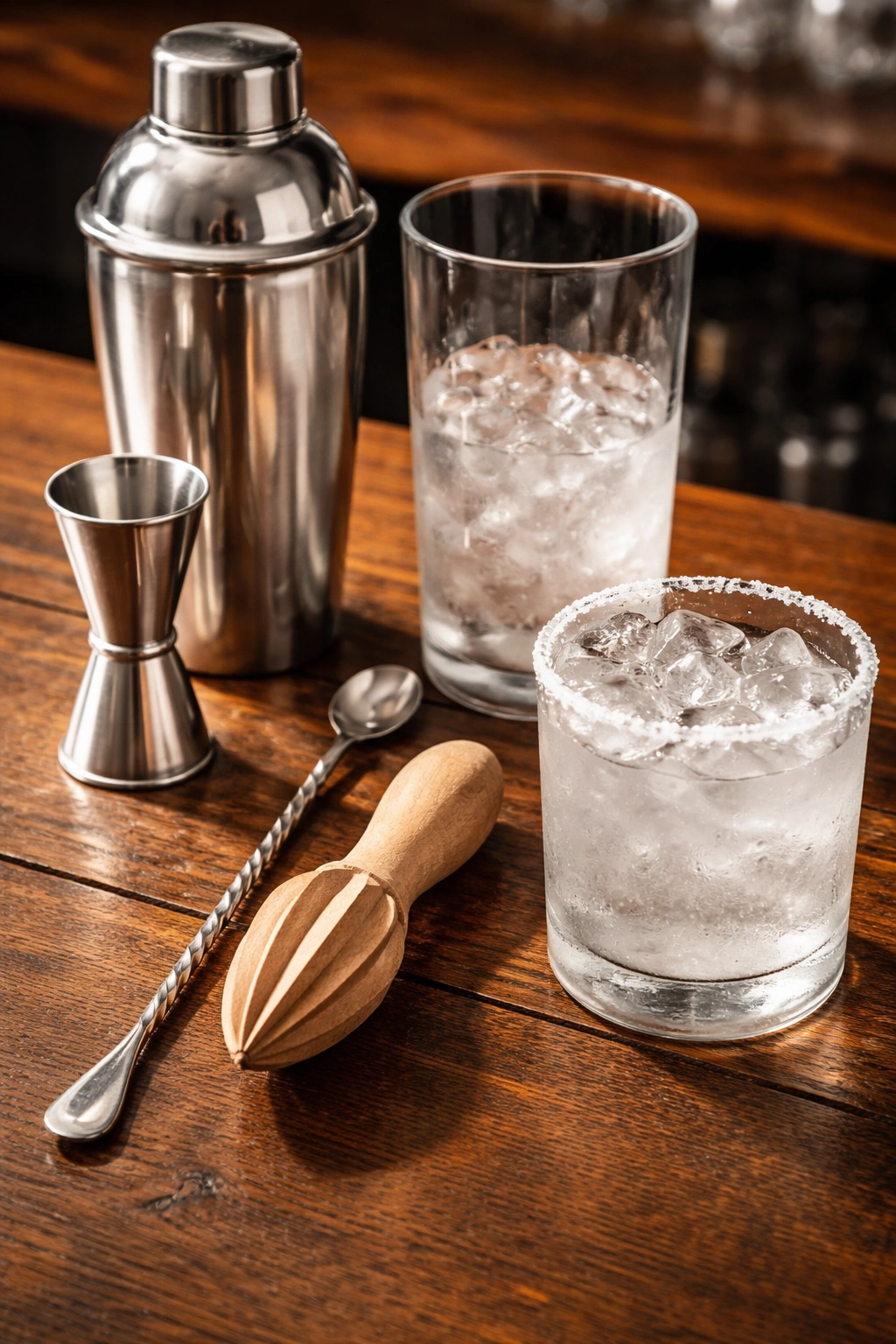
The equipment list is refreshingly short: a jigger or small measuring cup for portioning, a cocktail shaker or mixing glass, a bar spoon for stirring, a citrus reamer for fresh juice, and a rocks glass or highball glass for serving. That’s genuinely it. You don’t need a Boston shaker with its attendant learning curve, a fancy mixing glass, or any tools beyond these basics.
The Glass Makes a Real Difference
A rocks glass (sometimes called a lowball or old-fashioned glass) is the traditional vessel for a Paloma, though a highball glass works equally well if that’s what you have. The important detail is that whatever glass you choose should be chilled before you pour your drink. Pop your glass in the freezer for at least five minutes while you’re juicing and mixing, or fill it with ice a few minutes early to let the glass get cold.
A warm glass will melt your ice quickly, diluting your drink and making it taste thin. A properly chilled glass keeps your drink cold and crisp for the entire drink, which matters more than people realize. If you don’t have a freezer, fill your glass with ice and water while you prepare the other components, then dump the ice water and pour your Paloma into the now-cold glass.
The Salt Rim
A salt-rimmed glass isn’t strictly necessary, but it’s become the tradition, and for good reason. The salt hits your lips with every sip, creating a contrast to the sweet grapefruit juice and the bright citrus — it’s a sensory element that enhances the overall experience. Use fine sea salt, not iodized table salt, which tastes plasticky and harsh by comparison.
To rim a glass: wet the rim with a lime wedge, then dip it into a shallow plate of salt, rotating the glass so the salt adheres evenly. You only need salt on the outside rim, not inside the glass where it would dissolve into your drink and make it unpleasantly salty. A light hand with salt is better than an aggressive coating — you want it to complement, not dominate.
Yield, Timing, and Difficulty
Yield: Serves 1
Prep Time: 5 minutes
Cook Time: 0 minutes (drinks don’t require cooking)
Total Time: 5 minutes
Difficulty: Beginner — no special bartending techniques required, straightforward mixing, minimal equipment needed.
The only skill this drink demands is juicing a grapefruit and measuring your ingredients accurately. If you can operate a jigger and pour, you can make a perfect Paloma.
Ingredients for a Perfect Paloma
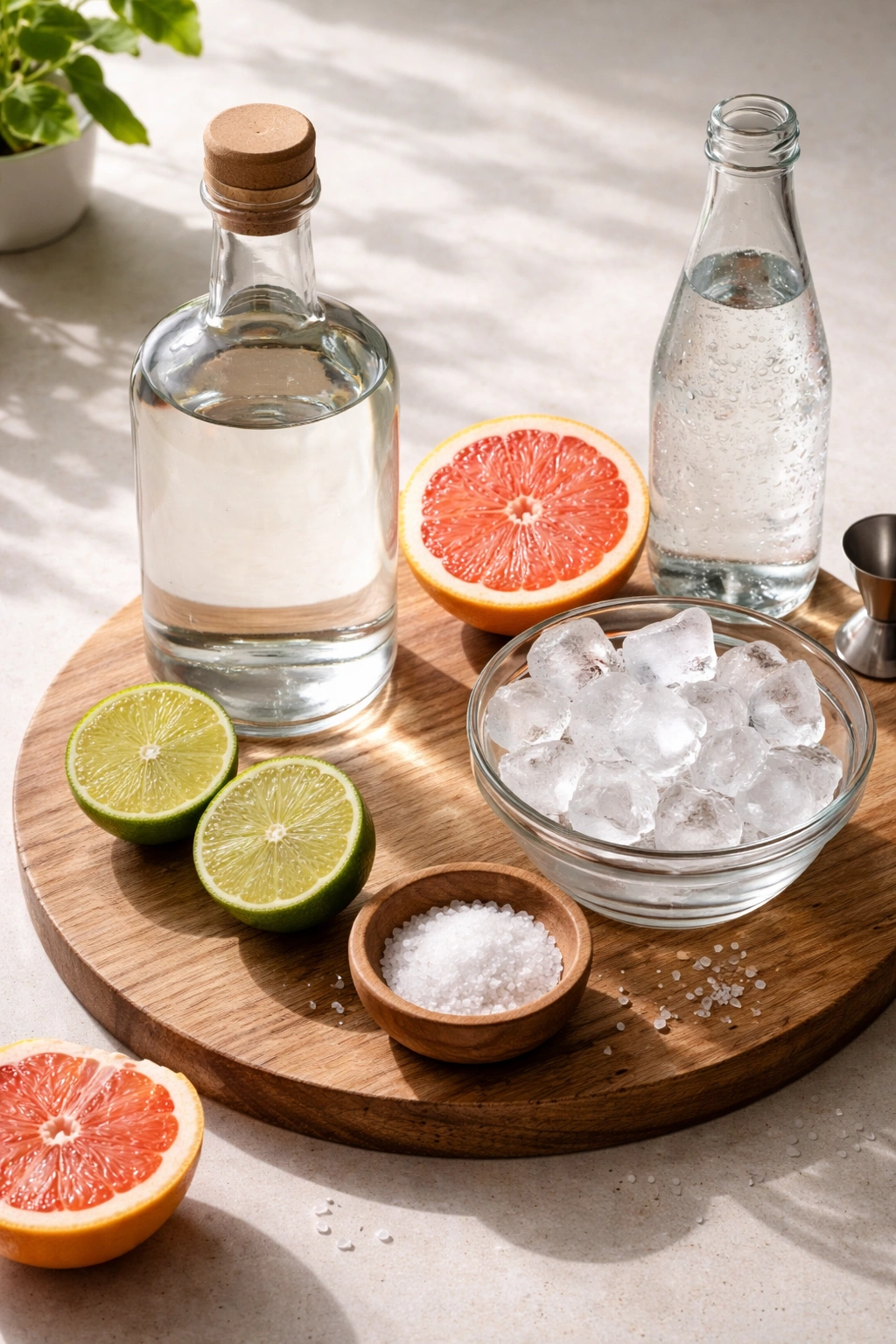
For Each Drink:
- 2 ounces (60 ml) 100% agave blanco tequila
- 3 ounces (90 ml) fresh grapefruit juice, strained
- ½ ounce (15 ml) fresh lime juice
- ½ ounce (15 ml) simple syrup (see note below)
- 1 ounce (30 ml) soda water
- Ice (preferably large cubes that melt slowly)
- Fine sea salt for rimming the glass
- Grapefruit wheel or lime wheel for garnish (optional)
Note on Simple Syrup: Some Paloma recipes omit simple syrup entirely, letting the natural sugar in grapefruit juice provide all the sweetness. Others add a small measure of simple syrup to balance acidity. This recipe includes a modest amount, but you can adjust or eliminate it based on your taste — start with the ½ ounce and reduce it next time if the drink feels too sweet to you. To make simple syrup: combine equal parts sugar and hot water in a jar, stir until dissolved, and let cool completely before using. It keeps indefinitely in the refrigerator.
How to Make Your Paloma, Step by Step
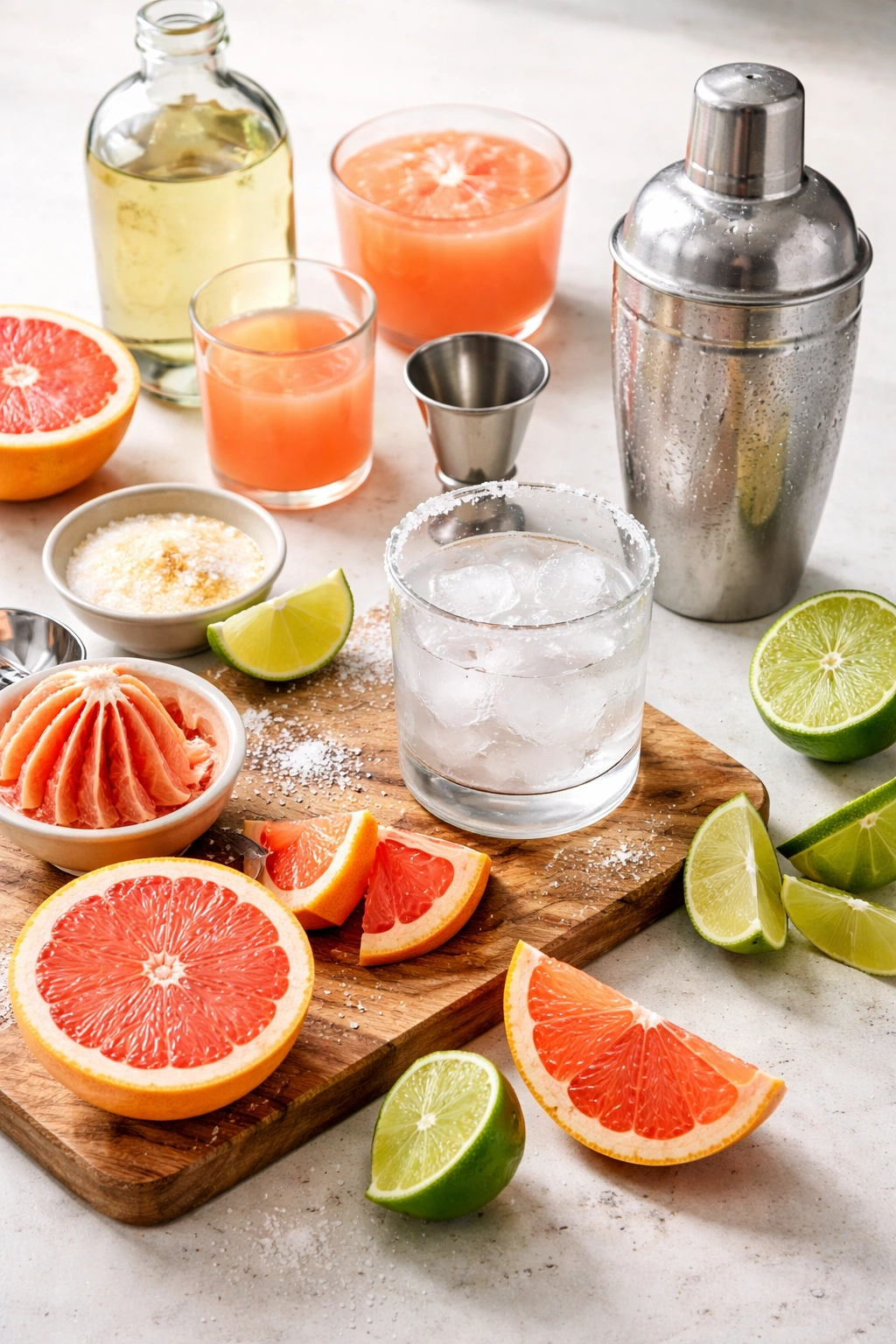
Prepare Your Glass and Ingredients:
-
Fill a rocks glass with ice and water, or place it in the freezer for at least 5 minutes to chill thoroughly. While the glass chills, juice your grapefruit and lime, straining the juice through a fine-mesh strainer into separate small containers to catch any pulp or seeds.
-
Wet the rim of your chilled glass with a lime wedge, then dip it into a shallow plate of fine sea salt, rotating gently so the salt adheres evenly around the outside rim only. Set the rimmed glass aside.
Mix and Serve:
-
Fill your cocktail shaker with ice. Pour in the tequila, fresh grapefruit juice, fresh lime juice, and simple syrup (if using).
-
Close the shaker and shake vigorously for 8-10 seconds — you should hear the ice rattling inside and feel the outside of the shaker becoming frosty and cold. This chills your ingredients, mixes them thoroughly, and dilutes the drink slightly, which is exactly what you want.
-
Dump the melted ice water from your prepared glass, or if you went the freezer route, simply use the glass as-is. Add fresh ice to the glass — preferably one or two large ice cubes rather than crushed ice, as they melt more slowly and keep your drink cold longer without over-diluting.
-
Strain the shaken mixture from the cocktail shaker into your ice-filled glass, pouring over the ice. Top with a splash of soda water — about 1 ounce — and stir gently with a bar spoon to combine everything evenly.
-
Garnish with a grapefruit wheel or lime wheel if you have one, though this is purely decorative and entirely optional. Serve immediately while everything is still ice-cold.
Advertisements
The Technique That Makes the Difference
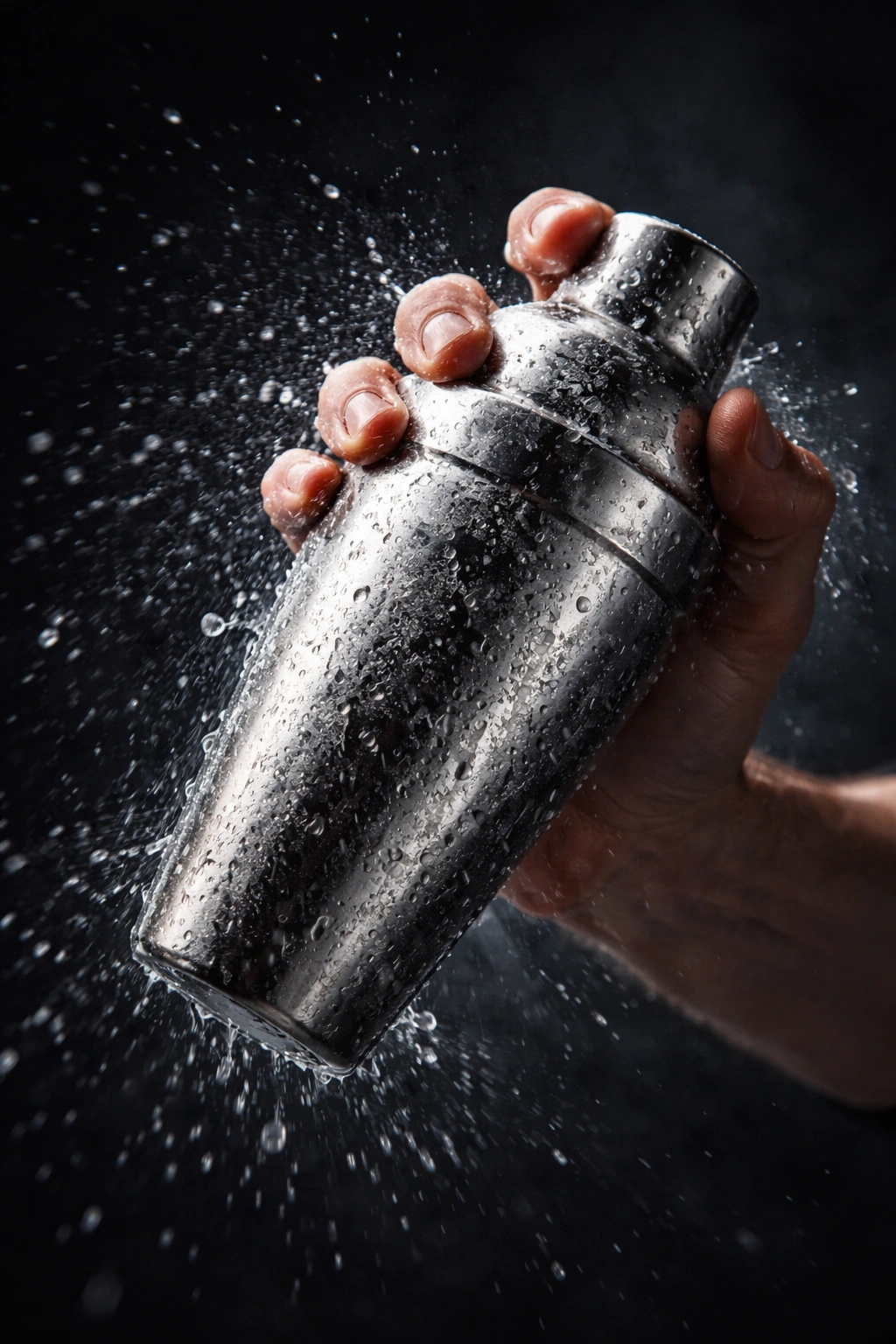
The difference between a mediocre Paloma and an excellent one often comes down to two technical details that seem small but absolutely matter: the vigor of your shake and the quality of your ice.
Shake Like You Mean It
A proper cocktail shake isn’t gentle — it’s vigorous, fast, and aggressive. You’re not trying to be delicate; you’re trying to chill the drink as quickly as possible while thoroughly combining all the ingredients. Think of it as shaking a snow globe, not swirling a martini. The more violent the shake, the colder your drink gets, and the more microaeration happens, which actually improves the texture and mouthfeel.
Shake for a full 8-10 seconds, not just a quick 3-second rattle. Listen for the ice moving freely inside the shaker — that sound tells you the ingredients are mixing and chilling. If you feel the shaker getting frosty on the outside, you’re doing it right. This temperature drop is critical because a properly chilled drink tastes brighter and more balanced than a lukewarm one.
The Ice Situation
Large, slow-melting ice cubes are genuinely preferable to crushed ice or small cubes. A single large cube (the kind you can make with specialty ice molds) melts so slowly that it keeps your drink cold for the entire time you’re sipping without rapidly diluting it with meltwater. If you don’t have ice molds, don’t stress — regular ice from your freezer works fine; just try to select the larger cubes from the ice maker rather than crushed ice.
The amount of dilution actually matters in a Paloma because the drink relies on crisp citrus flavors that get muted when watered down too much. Ice that melts quickly turns your beautiful balanced drink into a weak, watery version of itself by the time you reach the bottom of the glass.
Tips and Techniques from Experienced Paloma Makers
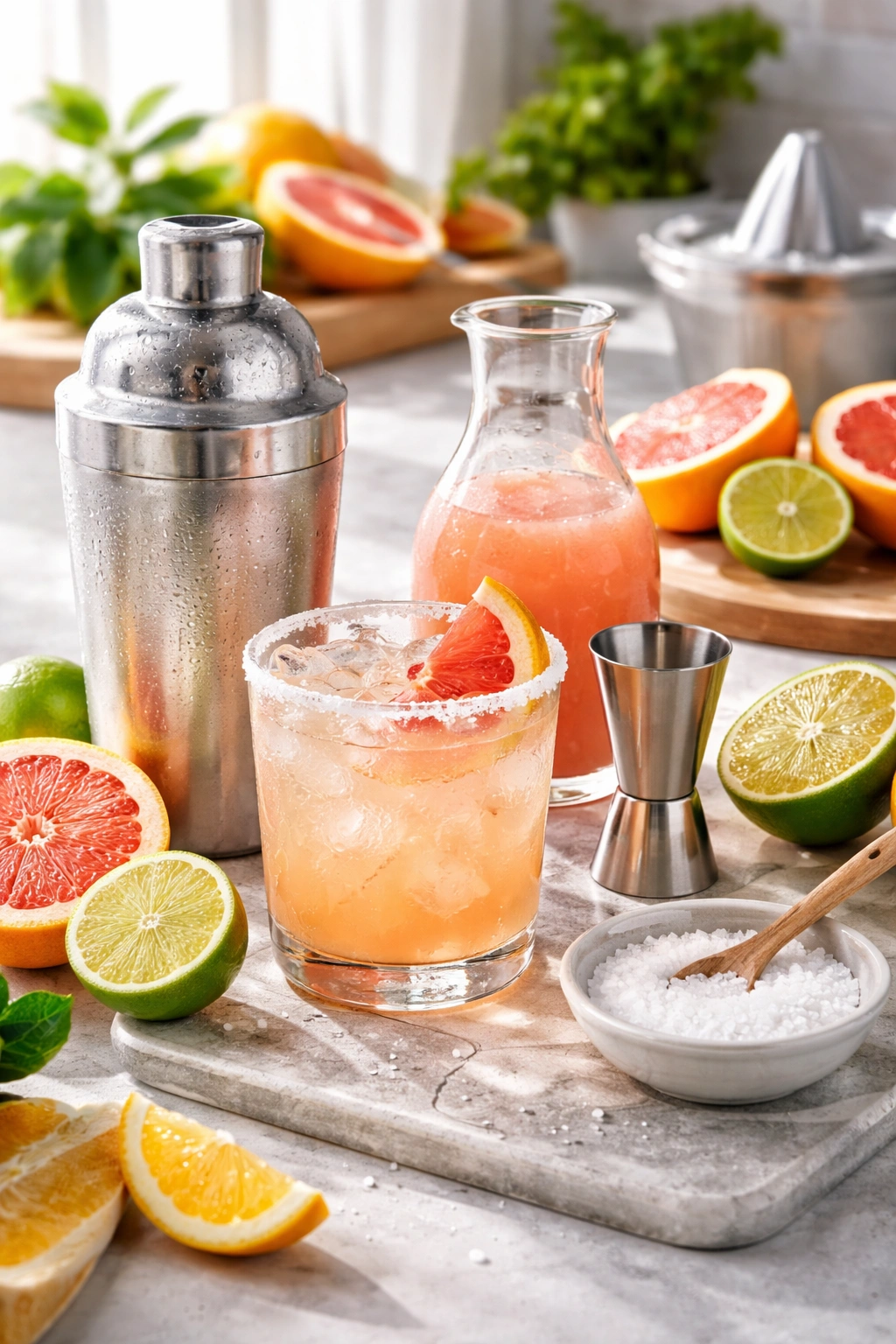
The Temperature Test
Professional bartenders chill their glasses in the freezer, chill their ingredients before shaking, and chill their shaker itself. This triple-chill approach keeps your drink at the ideal temperature from first sip to last. If your kitchen is warm or you’re making multiple drinks in succession, toss your shaker in the freezer for a minute between drinks to keep it cold.
Juice Your Citrus Fresh Every Time
If you’re making more than one Paloma, juice all your grapefruit and lime at once rather than juicing individually for each drink. Measure the total amount you’ll need, strain it into a pitcher, and you’ll work faster. The juice stays fresh for at least an hour if kept cold, though sooner is better than later.
Proportions Are Flexible Within Reason
The core ratio — roughly 2 ounces tequila to 3 ounces grapefruit juice to ½ ounce lime juice — is flexible. If you like your drinks stronger and more spirit-forward, use 2.5 ounces of tequila and reduce the grapefruit juice to 2.5 ounces. If you prefer a lighter, more citrus-focused drink, flip it: 1.5 ounces tequila to 3.5 ounces grapefruit juice. The lime and soda stay relatively constant.
The Salt Rim Benefit Beyond Flavor
A salt rim also creates a textural element that slows your drinking pace slightly — you’re more aware of each sip because the salt is providing constant sensory feedback. This actually makes the drink more enjoyable because you’re tasting it more consciously rather than just knocking it back quickly.
Common Mistakes That Undermine Your Paloma
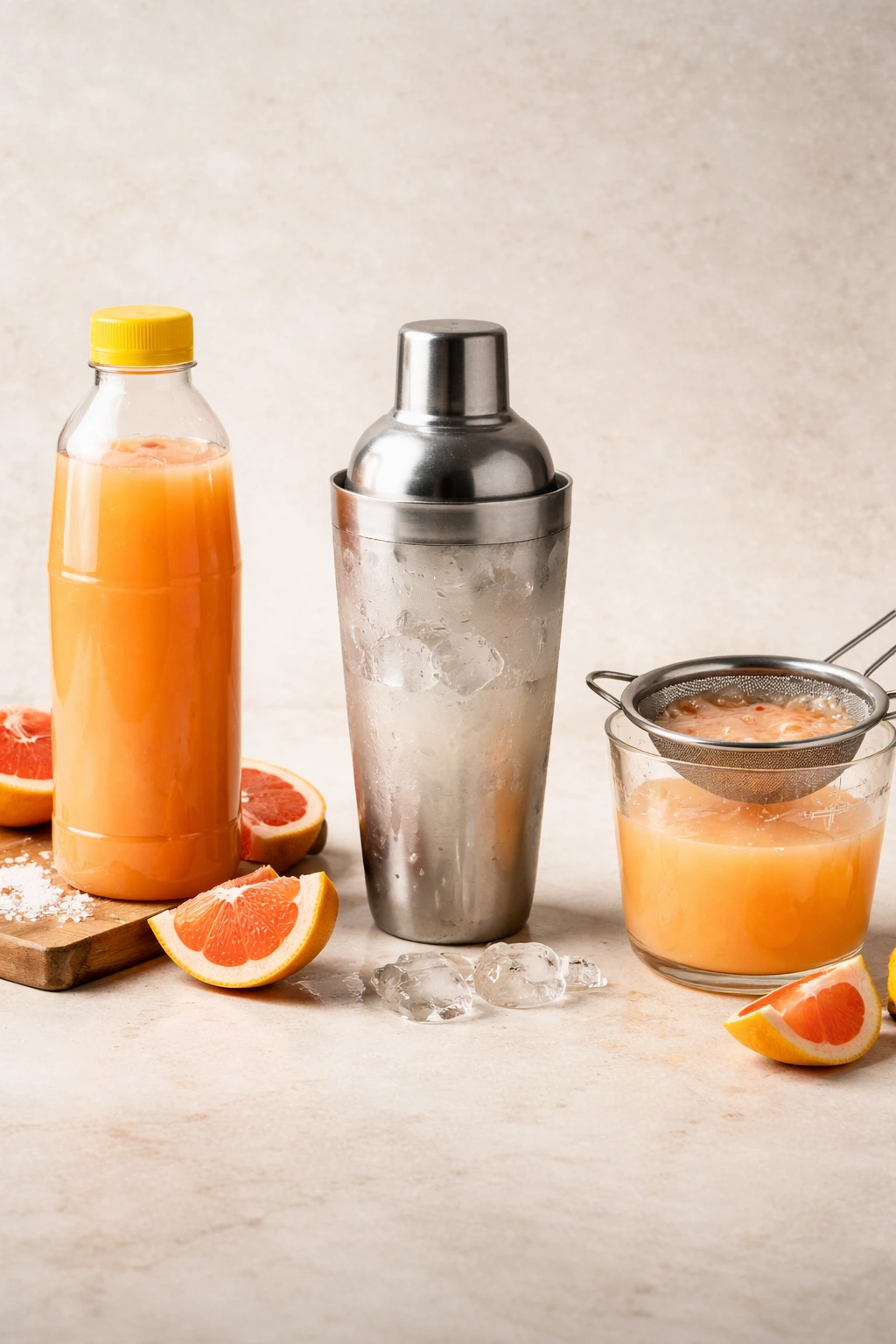
Using Bottled Juice Is the Biggest Culprit
This bears repeating because it’s the most common mistake. Bottled grapefruit juice makes a Paloma that tastes flat, one-dimensional, and often overly sweet. A Paloma made with fresh juice tastes like a completely different drink — brighter, more complex, actually refreshing. If you find yourself thinking “Palomas aren’t that great,” you’ve almost certainly made them with bottled juice. Switch to fresh juice and your opinion will change immediately.
Undershooting the Shake
Bartenders in training often shake too gently, worried about spilling or looking awkward. Gentle shaking doesn’t properly chill or mix your drink. You want aggressive, vigorous shaking for the full 8-10 second duration. The drink should feel genuinely cold when you pour it, not just cool.
Forgetting to Strain the Citrus Juice
Pulp and seeds in your drink create a gritty texture that detracts from the experience. Use a fine-mesh strainer when transferring fresh juice to your shaker. It takes 10 extra seconds and makes a noticeable difference.
Adding Simple Syrup Thoughtlessly
This is more of a personal preference than a mistake, but adding too much simple syrup throws off the carefully balanced acidity that makes this drink work. If you add syrup, start with the ½ ounce suggested and reduce it if the drink tastes cloying. Many bartenders skip it entirely, particularly when using juice from pink grapefruit, which has more natural sugar.
Skipping the Salt Rim
While not technically a “mistake,” skipping the salt rim misses an opportunity to enhance the drink’s flavor complexity. The salt rim is traditional for good reason — it genuinely improves the drinking experience.
Variations and Adaptations for Different Moods
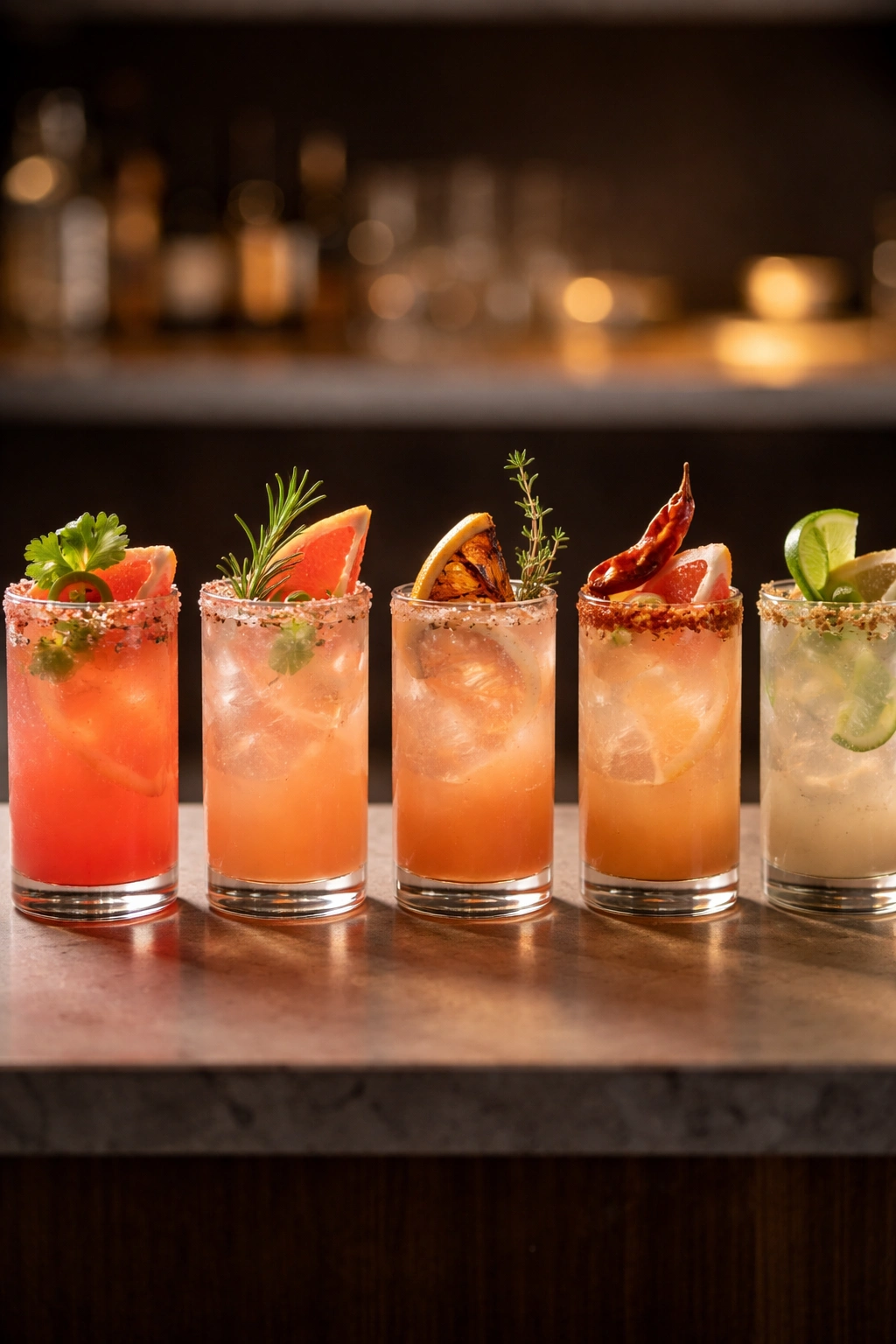
The Spicy Paloma
Add a small pinch of tajín (a chili-lime seasoning) to the salt rim, or add 2-3 thin slices of jalapeño to the shaker before mixing. The heat plays beautifully with the sweet grapefruit and the bright citrus, creating a drink that’s still refreshing but with an edge. If you’re sensitive to heat, start with just one jalapeño slice and increase next time if you want more intensity.
The Herbal Paloma
Muddle 3-4 small basil or mint leaves in your shaker before adding the ice and other ingredients. The herbal notes add complexity without overwhelming the core flavors. Fresh mint is particularly lovely for warm-weather drinking.
The Smoky Paloma
Replace half the blanco tequila with mezcal. The smoke from the mezcal creates a more complex, sophisticated drink that still feels refreshing but has more depth. This is excellent when you want something that feels a bit more grown-up than a traditional Paloma.
The Caraway Paloma
Some bars add a small measure of caraway liqueur or aquavit for a Scandinavian-influenced twist. Start with just ¼ ounce, as the caraway flavor is assertive and can easily overpower a delicate drink if you go too heavy-handed.
The Low-Alcohol Version
If you want a refreshing drink without as much alcohol, use only 1.5 ounces of tequila and increase the grapefruit juice to 3.5 ounces. You’ll still have a proper Paloma; it’ll just feel lighter and more sessionable.
The Virgin Paloma (Mocktail Version)
Omit the tequila entirely and increase the grapefruit and lime juice proportionally (4 ounces grapefruit, ¾ ounce lime), then add soda water to round it out. Add a touch of simple syrup to compensate for the complexity that the spirit would normally provide. It’s essentially a sophisticated grapefruit spritz and genuinely refreshing, not a poor substitute for the real thing.
Storage and Make-Ahead Strategy
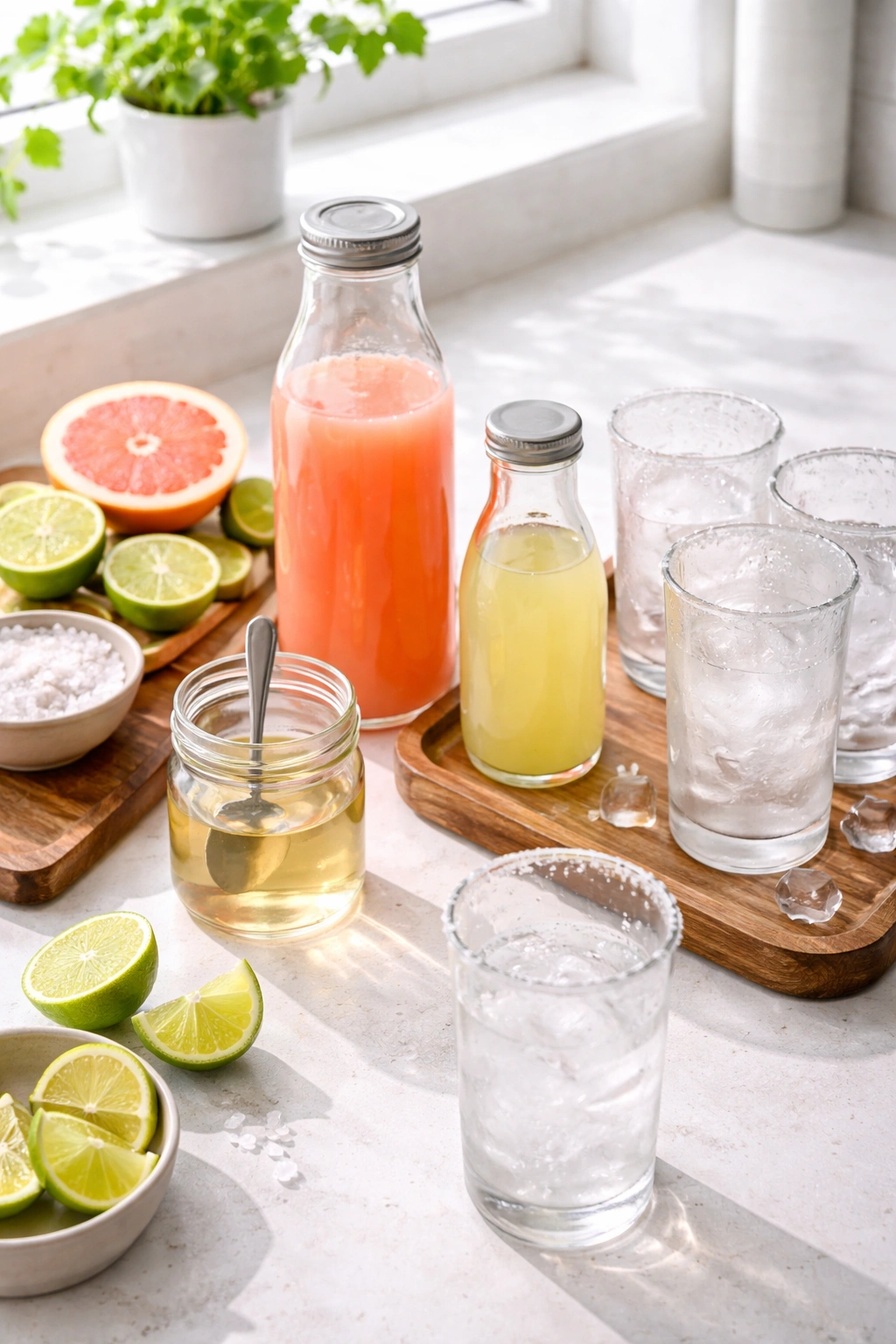
A Paloma must be mixed and served immediately — this is a drink that doesn’t improve or hold well over time. The carbonation from the soda water flat within a few minutes, the ice melts and waters everything down, and the fresh citrus brightness fades.
Can You Batch Them Ahead?
You can prep individual components ahead of time: juice your grapefruit and lime in the morning and keep them in the refrigerator, prepare simple syrup a day or two in advance, and chill your glasses in the freezer. What you can’t do is actually mix the full drink ahead of time. Each Paloma needs to be shaken and poured just before serving.
If you’re making Palomas for a group, set up a “Paloma station” with all your ingredients pre-measured and chilled, so each person can shake their own drink or you can efficiently make them in rapid succession. Batch-shake them if you’re making multiple drinks for the same person at once — combine the ingredients for three drinks in one large shaker, shake, and pour into three prepared glasses.
The Citrus Juice Timeline
Fresh-squeezed citrus juice keeps for about 4-6 hours in the refrigerator before it starts to oxidize and lose brightness. Ideally, juice your citrus no more than 2-3 hours before serving. If you’re making Palomas hours after juicing, the drink won’t taste quite as vibrant, but it’ll still be perfectly drinkable.
Why the Paloma Is Perfect for Almost Every Occasion
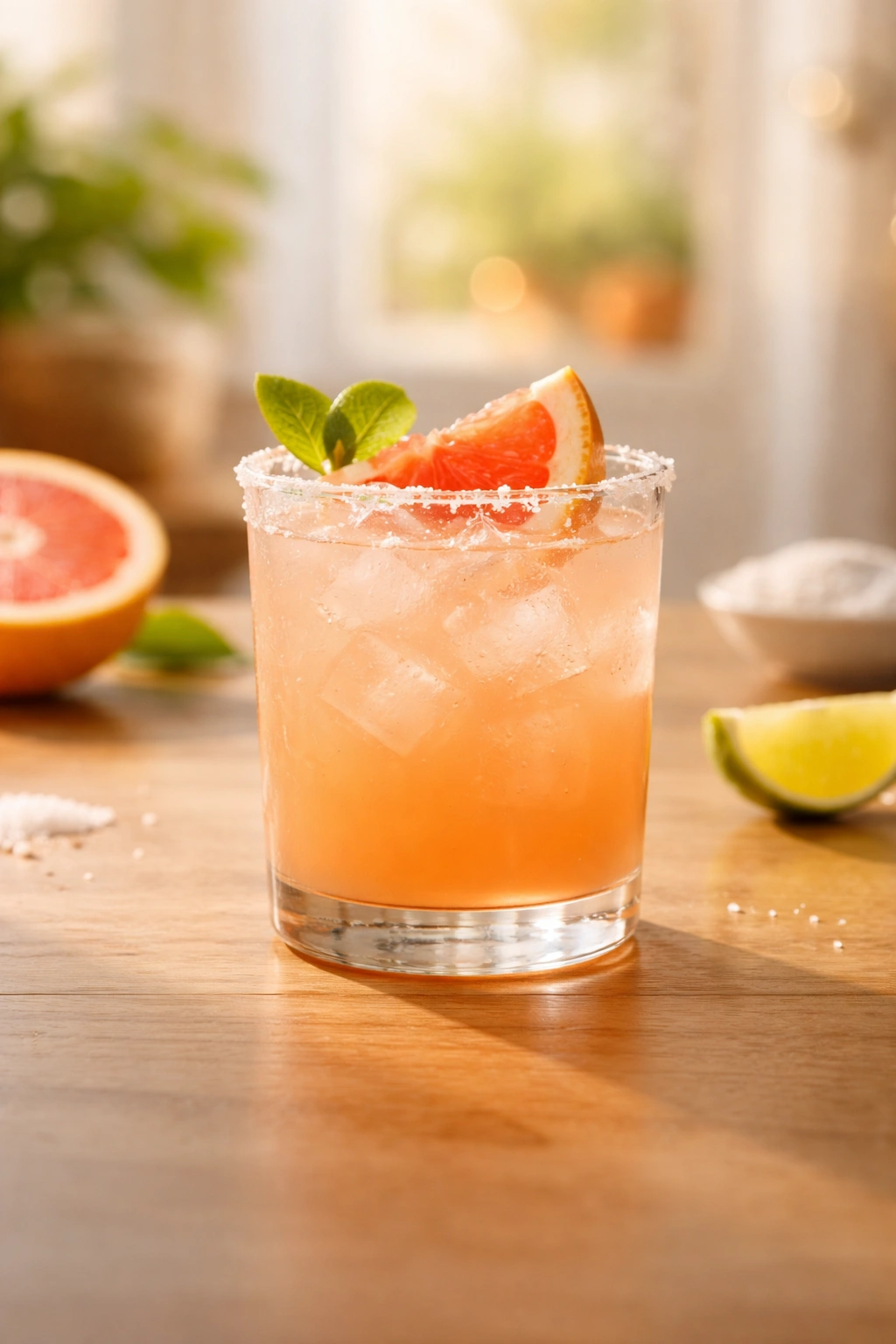
This cocktail works as an aperitif before dinner because it stimulates appetite with its bright acidity. It works as a poolside refresher on a warm day because it’s lighter and more quenching than many cocktails. It works at a casual happy hour because it’s unpretentious and genuinely delicious. It works at a dinner party because guests who don’t normally drink cocktails often enjoy it (the grapefruit juice makes it feel less “strong” than a spirit-forward drink, even though the alcohol content is identical).
The Paloma for Different Times of Day
Mornings and early afternoons call for Palomas with slightly less tequila and more grapefruit juice — the lower ABV version feels appropriate for earlier in the day. Evenings and nights can handle the standard proportion or even slightly more spirit. Cold-weather Palomas might use just-slightly warmer ingredients (not hot, just room temperature rather than fully chilled) and can benefit from a touch of warmth via mezcal. Summer Palomas are traditionally served ice-cold with maximum soda water for maximum refreshment.
Serving Suggestions and Pairings
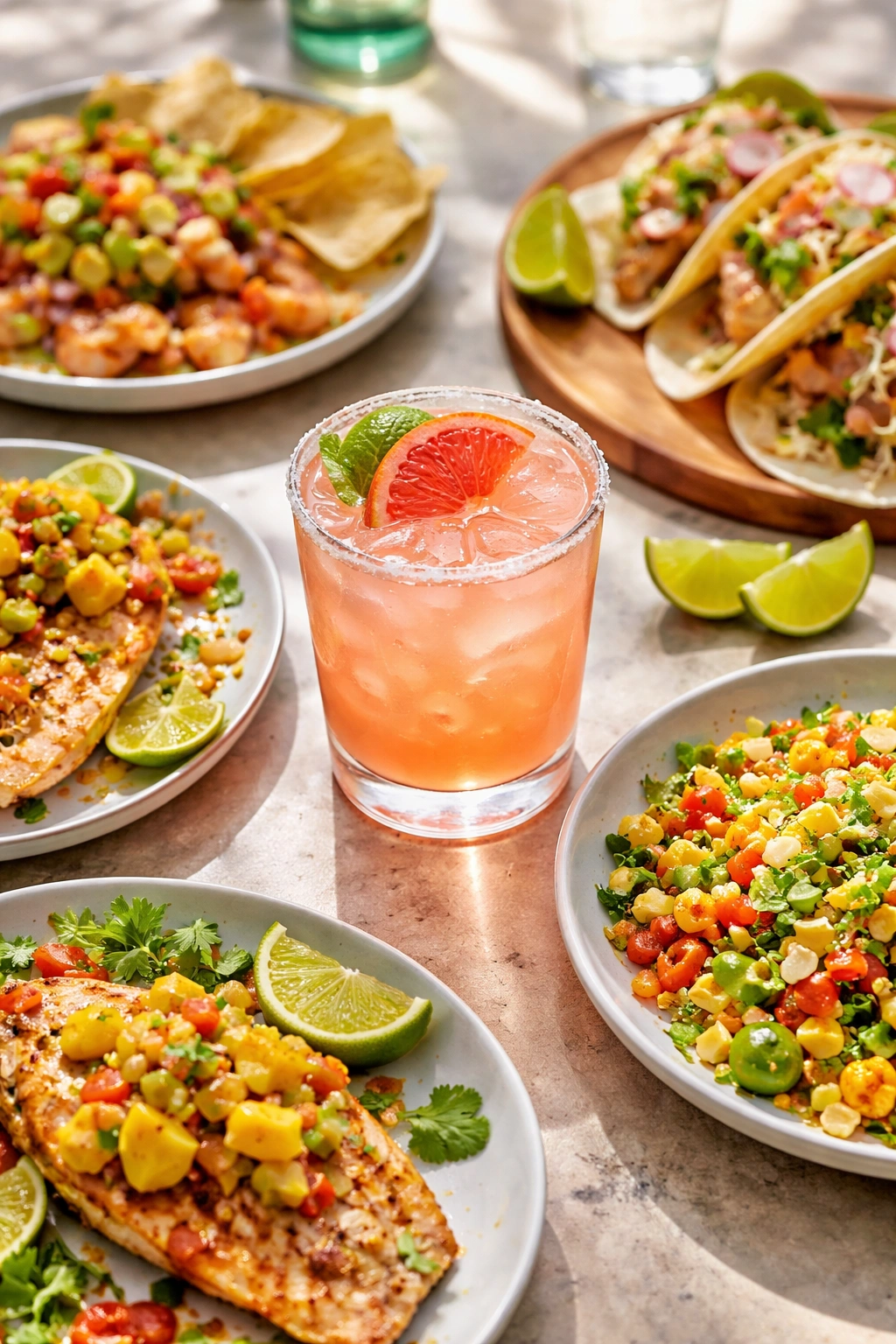
A Paloma pairs beautifully with almost any food because its bright acidity cuts through rich flavors and cleanses the palate. Grilled fish, ceviche, tacos, carne asada, and any Latin or Mexican cuisine are natural pairings. The citrus brightness also works with lighter fare: salads, seafood appetizers, fresh fruit, and cheese boards.
Specific Food Pairings
Jalapeño poppers and a Paloma are absolutely magical together — the spice of the pepper and the refreshment of the drink create a perfect push-pull. Grilled shrimp with lime butter and a Paloma is a classic combination. Fish tacos with fresh pico de gallo and a Paloma is a summer meal that feels like a celebration. Ceviche and a Paloma is perhaps the perfect pairing because both rely on citrus brightness and both feel light and fresh.
For less traditional pairings, try a Paloma with roasted chicken, corn on the cob with tajín, or even light pasta dishes. The acidity works with almost everything because acidity is nearly universally appetizing.
The Paloma as a Palate Cleanser
Between courses at a meal, a Paloma functions beautifully as a palate cleanser. The carbonation, citrus, and slight sweetness reset your palate without overwhelming it. This is why upscale restaurants sometimes serve something similar (a citrus spritz or a light, bright cocktail) between courses.
Final Thoughts
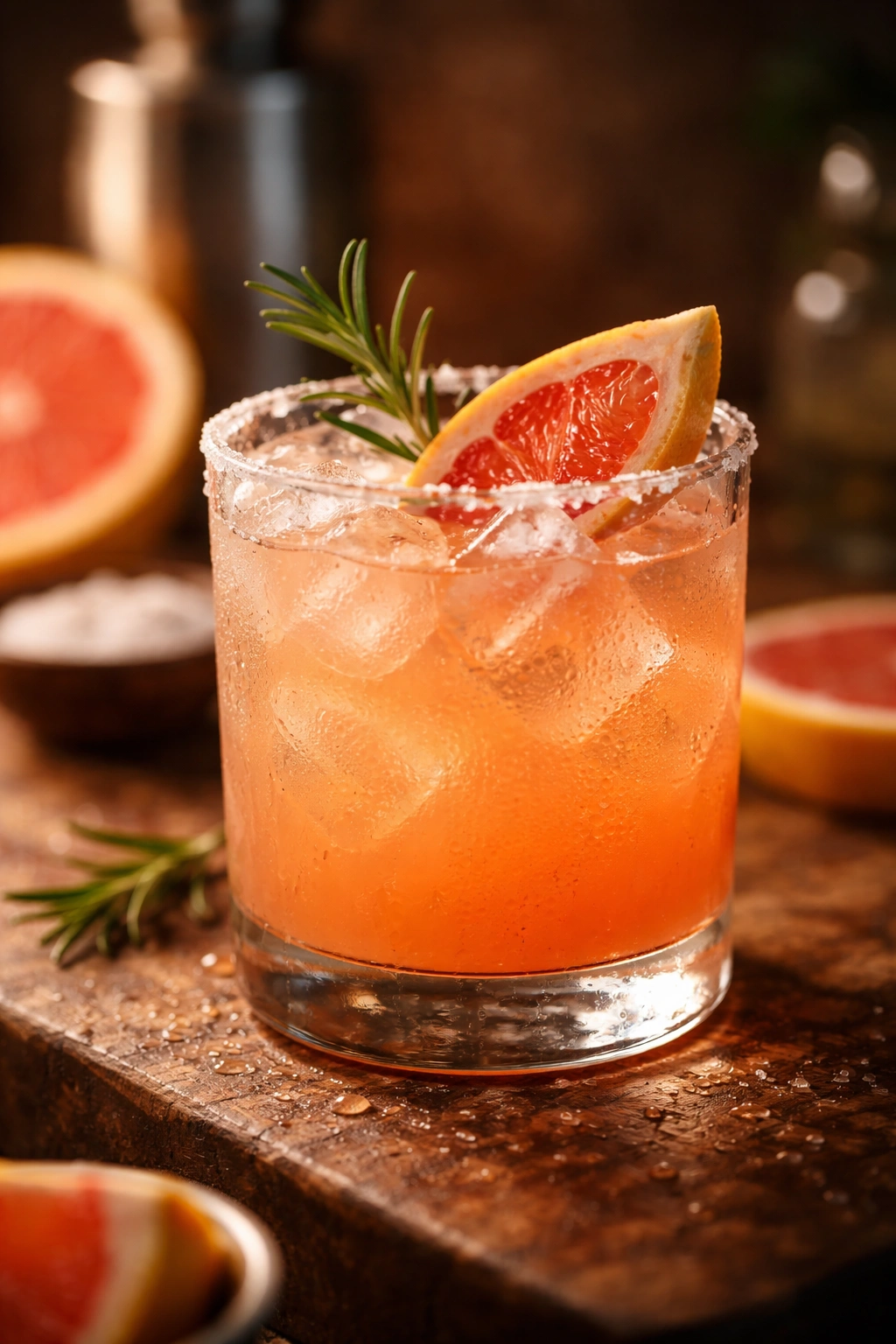
The Paloma endures because it’s the rare cocktail that’s simultaneously dead simple and genuinely delicious. Making one takes five minutes, requires minimal equipment, and costs just a few dollars. The result tastes like you know what you’re doing — like you’ve spent time thinking about balance and flavor and technique. In reality, you’re just mixing three quality ingredients in the right proportions, but that’s precisely the point.
The secret ingredient here isn’t anything exotic or expensive; it’s attention to detail with fundamentals. Using fresh juice instead of bottled. Shaking vigorously instead of gently. Choosing decent tequila instead of the cheapest option on the shelf. Chilling your glass before pouring. These small choices accumulate into a drink that tastes like it came from a professional bar, made in your own kitchen by you.
Once you’ve made a Paloma with fresh grapefruit juice and proper technique, you’ll understand why this drink has such devoted fans. It’s the kind of cocktail you’ll find yourself making regularly — not because it’s impressive to other people, but because it’s genuinely excellent and you want to drink it. That’s the highest compliment any drink can receive.
