



When you mention Italian pasta, most people conjure up images of cozy trattorias in Rome, candlelit tables, and the comforting aroma of garlic and olive oil drifting through narrow cobblestone streets. The reality is that some of the best Italian pasta dishes are deceptively simple — built on just a handful of quality ingredients that shine when they’re treated with respect. These aren’t elaborate, fussy recipes meant to impress food critics. They’re the dishes that Italian families have been making for generations, the ones that taste like home, and the ones that prove you don’t need a long ingredient list or complicated techniques to create something genuinely extraordinary.
What makes classic Italian pasta dishes so powerful is their restraint. They embody the philosophy of cucina povera — the cooking of poor regions — where necessity drove cooks to create magic from whatever was available. A handful of anchovies, some dried peppers, a wedge of aged cheese, a bit of guanciale: these simple, often inexpensive ingredients became the building blocks for dishes that are still celebrated across the world. The secret lies in ingredient quality and technique rather than complexity. When you use excellent pasta, fresh herbs when called for, and real Pecorino Romano or Parmigiano-Reggiano instead of pre-grated substitutes, the difference is immediately noticeable.
Each of these ten dishes tells a story about the region it comes from — the ingredients that grow there, the traditions passed down through families, and the values that define Italian cooking. Whether you’re a complete beginner in the kitchen or someone who’s been cooking for years, these are recipes worth mastering. They’re the foundation of Italian cuisine, and once you understand how they work, you’ll have the knowledge to cook with confidence and create something that tastes authentically Italian in your own kitchen.
1. Cacio e Pepe
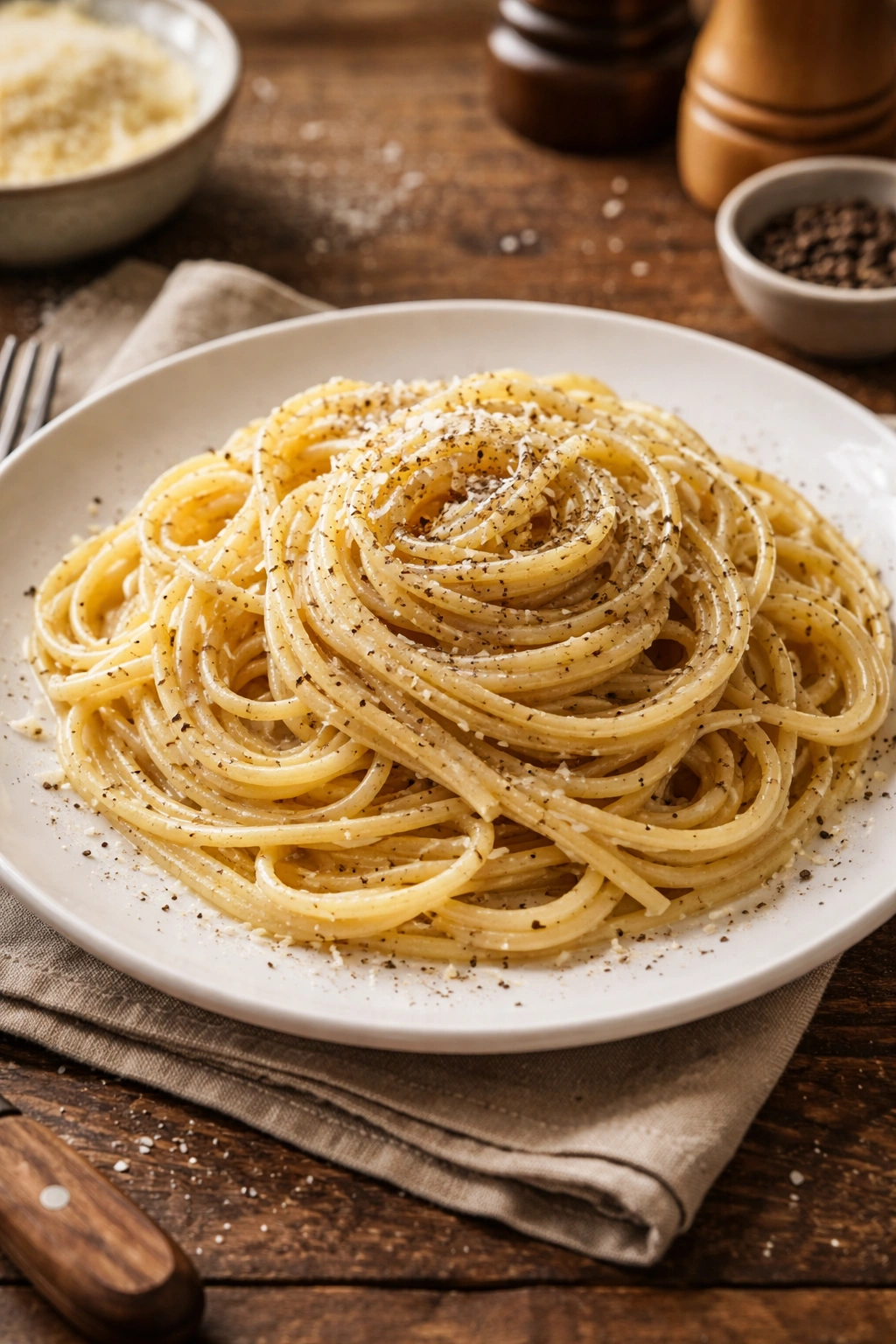
This Roman classic translates literally to “cheese and pepper,” and if you’ve ever dismissed a dish based on its simple ingredient list, this one will change your mind completely. Just three components — spaghetti, Pecorino Romano cheese, and freshly cracked black pepper — come together to create a pasta with a sauce so creamy and luxurious that people often assume it contains heavy cream. It doesn’t. The magic happens through technique and the starchy pasta water that emulsifies with the cheese to form what Italians call the cremina, or creamy sauce.
Why It’s Rome’s Comfort Food
Cacio e pepe represents everything that’s beautiful about Roman cooking: maximum flavor from minimum ingredients, and respect for the quality of each component. This isn’t a dish you can make with inferior cheese or pre-ground pepper and expect success. The Pecorino Romano must be genuinely aged and sharp, and the black pepper needs to be freshly cracked just before you cook. There’s no hiding behind complicated flavors or elaborate preparation — every element is exposed, which means every element has to be excellent.
How to Master It
- Bring a large pot of salted water to a rolling boil and cook your pasta until it’s just shy of al dente
- While the pasta cooks, toast the cracked pepper in a dry pan over medium heat for 1-2 minutes to release its oils and deepen the flavor
- Finely grate your Pecorino into a large bowl and add the toasted pepper
- Reserve at least 2 cups of pasta cooking water before draining
- Add about ¼ cup of the hot pasta water to the cheese mixture and whisk vigorously until smooth and creamy
- Add the hot pasta to the bowl and toss constantly, adding more pasta water as needed until you reach a silky, cohesive sauce that coats every strand
Pro tip: The temperature of the pasta water is crucial — it needs to be hot enough to slightly cook the cheese without scrambling it. Keep whisking constantly and add the pasta water gradually rather than all at once.
2. Carbonara
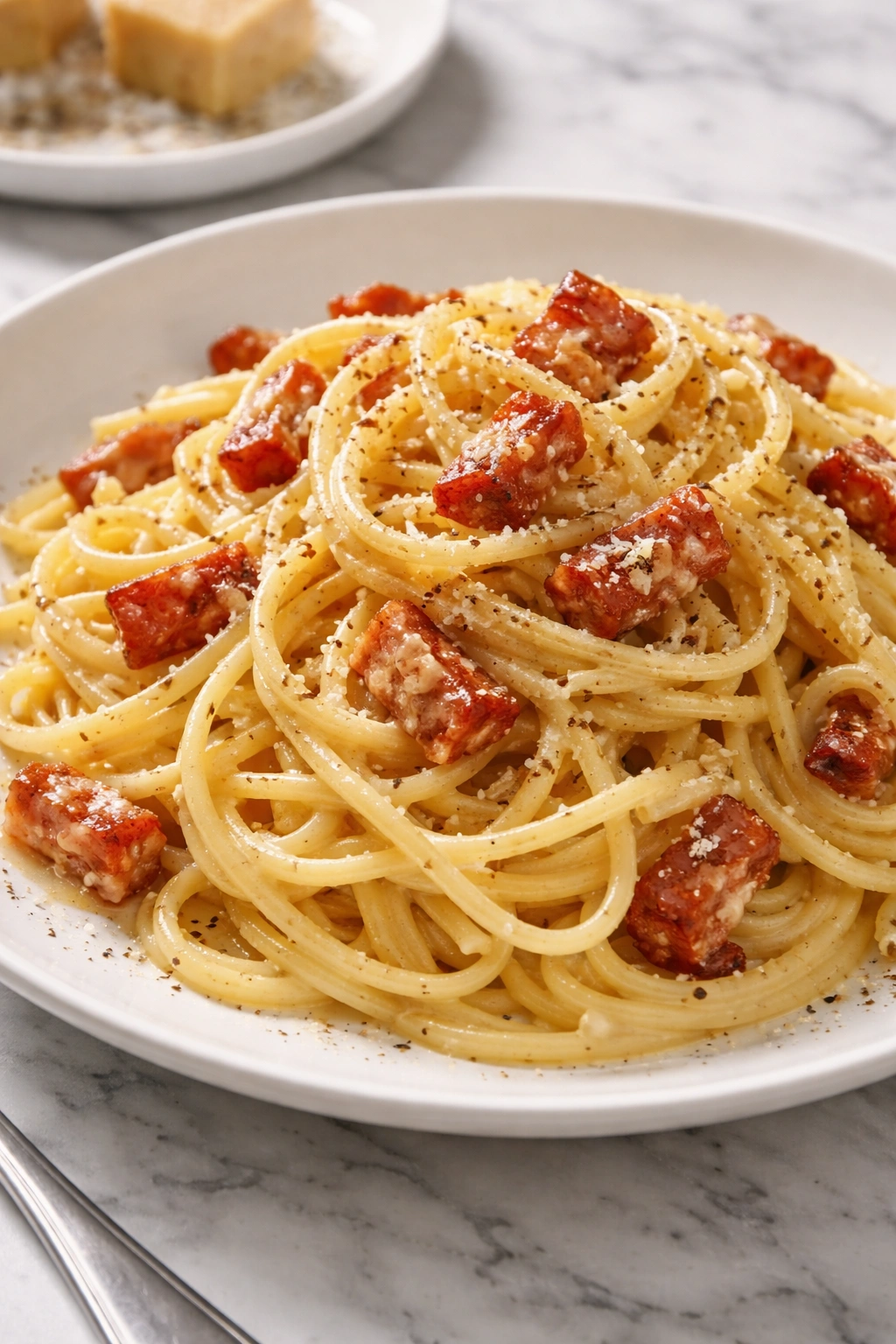
Carbonara is perhaps the most debated pasta dish in all of Italy, with Romans fiercely protective of what they consider the “true” recipe. Unlike cacio e pepe, carbonara introduces guanciale (cured pork jowl) and eggs to the mix, creating something richer and more decadent. The origins of this dish are somewhat mysterious — some food historians credit American soldiers who brought bacon and powdered eggs to Rome during World War II, while others trace it back much further to charcoal workers in the mountains who supposedly created it over hardwood fires.
The Critical Guanciale Question
The single most important ingredient in authentic carbonara is guanciale, not pancetta or bacon. Guanciale has a distinctly different flavor profile — it’s fattier, more complex, and when it renders, it creates a silky base that’s impossible to replicate with other cuts of pork. The fat from guanciale is essential; it’s not just for flavor but for the actual texture and richness of the sauce. If you absolutely cannot find guanciale, pancetta is the second-best choice, but acknowledge that you’re making a compromise version.
The Egg Technique That Changes Everything
- Slice the guanciale into thin strips and render it in a large pan over medium heat until the edges are crispy and the fat is completely released — about 5-7 minutes
- While the guanciale cooks, whisk together egg yolks (usually 3-4) with finely grated Pecorino Romano in a separate bowl
- Cook your spaghetti to just short of al dente and reserve at least 1 cup of pasta water
- Remove the pan with the guanciale from heat and let it cool for about 30 seconds
- Add the hot pasta to the warm guanciale fat and toss constantly
- Pour the egg mixture over the pasta while still tossing, working quickly and continuously
- If the sauce seems too thick, add pasta water 2-3 tablespoons at a time until it’s creamy and coats the pasta
Worth knowing: Carbonara cannot be made with whole eggs — you must use yolks only. The yolk’s fat and emulsifying power create the sauce; the whites would make it watery and unpleasant.
3. Pasta alla Amatriciana
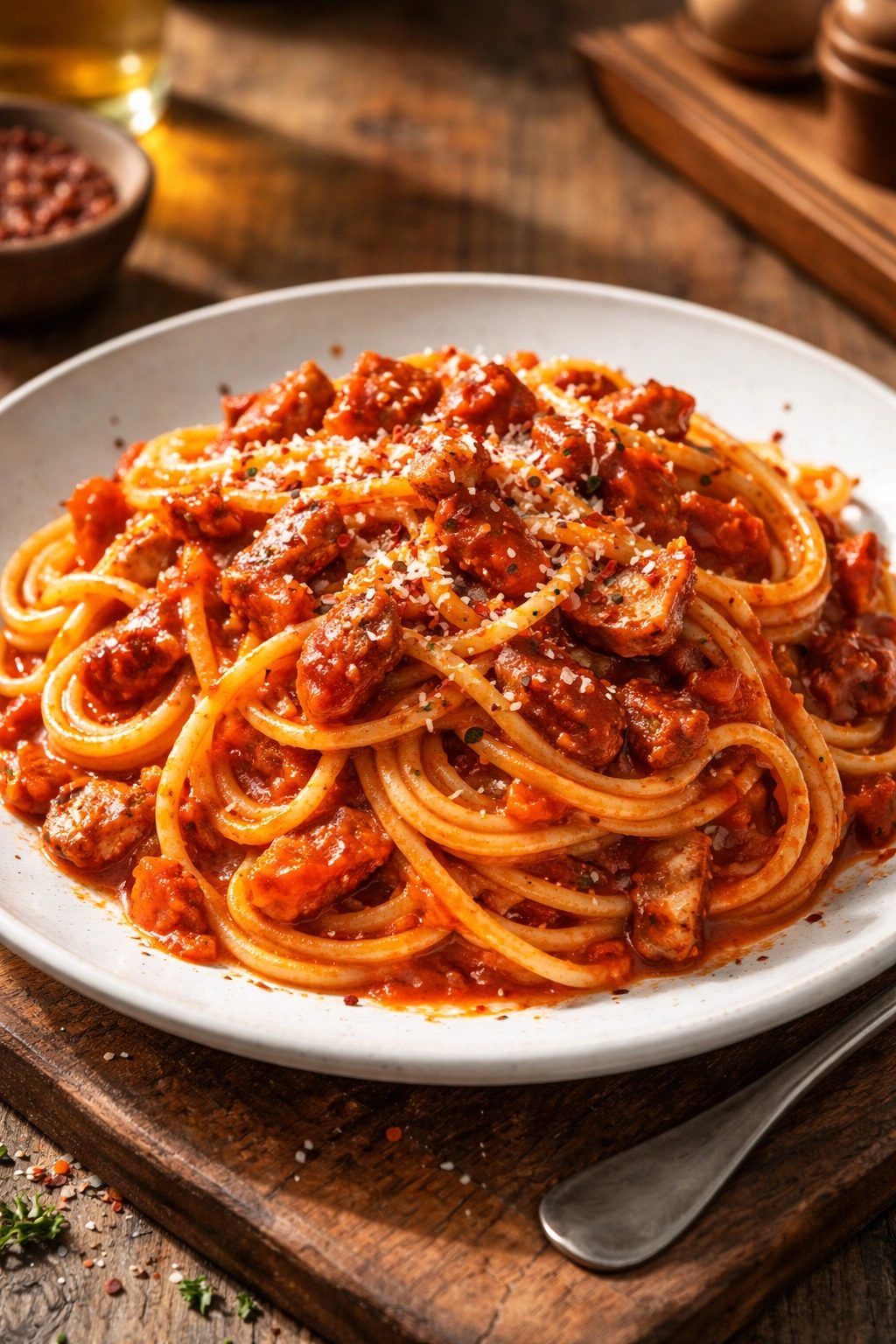
Named after the small town of Amatrice in the Lazio region, amatriciana is another Roman treasure that lives up to its reputation as one of the three pillars of Roman pasta (alongside cacio e pepe and carbonara). This dish combines guanciale, tomato, and hot pepper into something that’s simultaneously simple and deeply satisfying. The sauce has real character — it’s bright and acidic from the tomatoes, rich from the pork fat, and spicy from the dried peppers, all balanced perfectly.
Understanding the Sauce Structure
Amatriciana isn’t a quick sauce; it develops flavor through gentle simmering rather than high heat. The guanciale renders slowly, infusing the tomatoes with its fat and richness, while the heat from the peppers builds gradually rather than hitting you all at once. The result is a sauce with depth and complexity that belies its short ingredient list. This is what makes it so fundamentally different from simple tomato sauces — it’s the careful layering of flavors that transforms basic components into something memorable.
Building Layers of Flavor
- Slice guanciale into thin strips and cook slowly in a large pan over medium heat until the fat is completely rendered and the meat is crispy — this should take 8-10 minutes
- Add dried hot pepper (usually peperoncino or red chili flakes) to the hot fat and let it bloom for about 30 seconds
- Add canned tomatoes (San Marzano if possible) and a pinch of salt
- Simmer for 15-20 minutes, stirring occasionally, until the sauce reduces slightly and the flavors meld
- Cook rigatoni or spaghetti to just short of al dente
- Toss the pasta in the sauce, adding pasta water as needed to reach a cohesive consistency
- Finish with grated Pecorino Romano and fresh parsley
Insider note: Don’t add the Pecorino Romano to the sauce while it’s still on the stove — add it to individual plates as a garnish instead. This preserves the cheese’s sharp, distinctive flavor rather than mellowing it into the sauce.
4. Pasta alla Norma
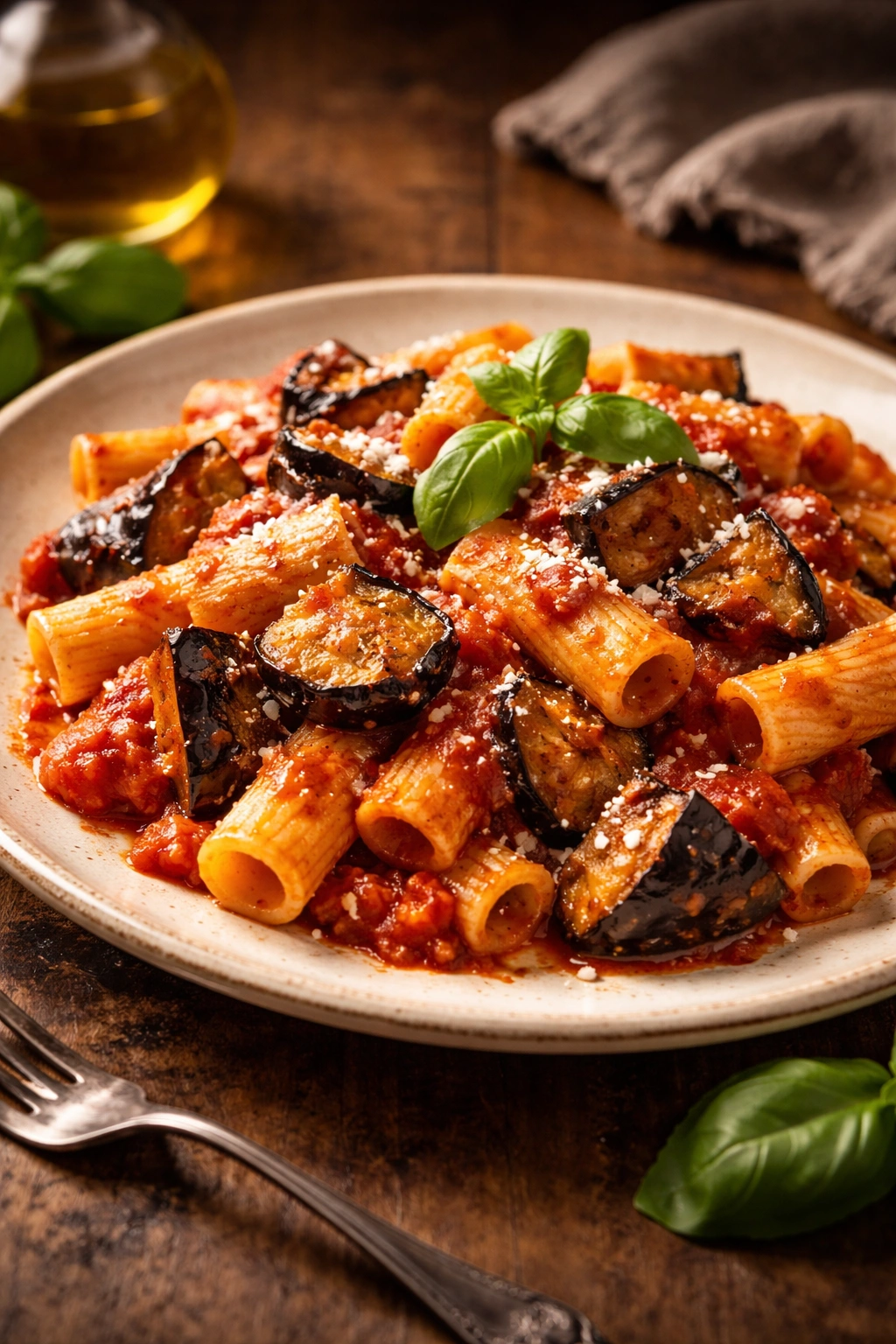
Hailing from Sicily, pasta alla norma is a celebration of that island’s sun-ripened vegetables, particularly eggplant and tomatoes. Unlike many Italian pasta dishes that center on meat or cream, this one is unapologetically vegetarian, proving that vegetables can be just as satisfying as any meat sauce when they’re treated with care. The dish comes from the foothills of Mount Etna, and it carries that region’s Mediterranean flavor profile — bright, aromatic, and bursting with garden freshness.
The Eggplant Question
The eggplant in pasta alla norma isn’t just thrown in raw or briefly sautéed. Traditionally, it’s diced, salted, allowed to drain (which removes bitterness and excess moisture), and then fried until golden and tender. This creates distinct, flavorful pieces that maintain their texture in the finished dish rather than becoming mushy. Some modern versions skip the frying step, but you lose a certain richness and texture if you do. The fried eggplant brings a subtle depth that’s hard to replicate any other way.
Bringing It All Together
- Cut eggplant into ½-inch cubes, salt heavily, and let drain in a colander for 20-30 minutes
- Pat the eggplant dry and fry in batches in hot olive oil until golden on all sides — you want it crispy outside and tender inside
- In a separate pan, sauté minced garlic in olive oil until fragrant, then add canned tomatoes
- Simmer the tomato sauce for 10-15 minutes, seasoning with salt and a pinch of sugar to balance acidity
- Add the fried eggplant to the tomato sauce and cook together for another 5 minutes
- Toss with pasta that’s cooked just short of al dente
- Finish with a generous handful of fresh basil and a sprinkle of ricotta salata or aged caciocavallo cheese
Pro tip: Don’t skip the salting of the eggplant — this step removes water and bitter compounds, resulting in eggplant that tastes genuinely good rather than spongy or sharp.
5. Spaghetti Aglio e Olio
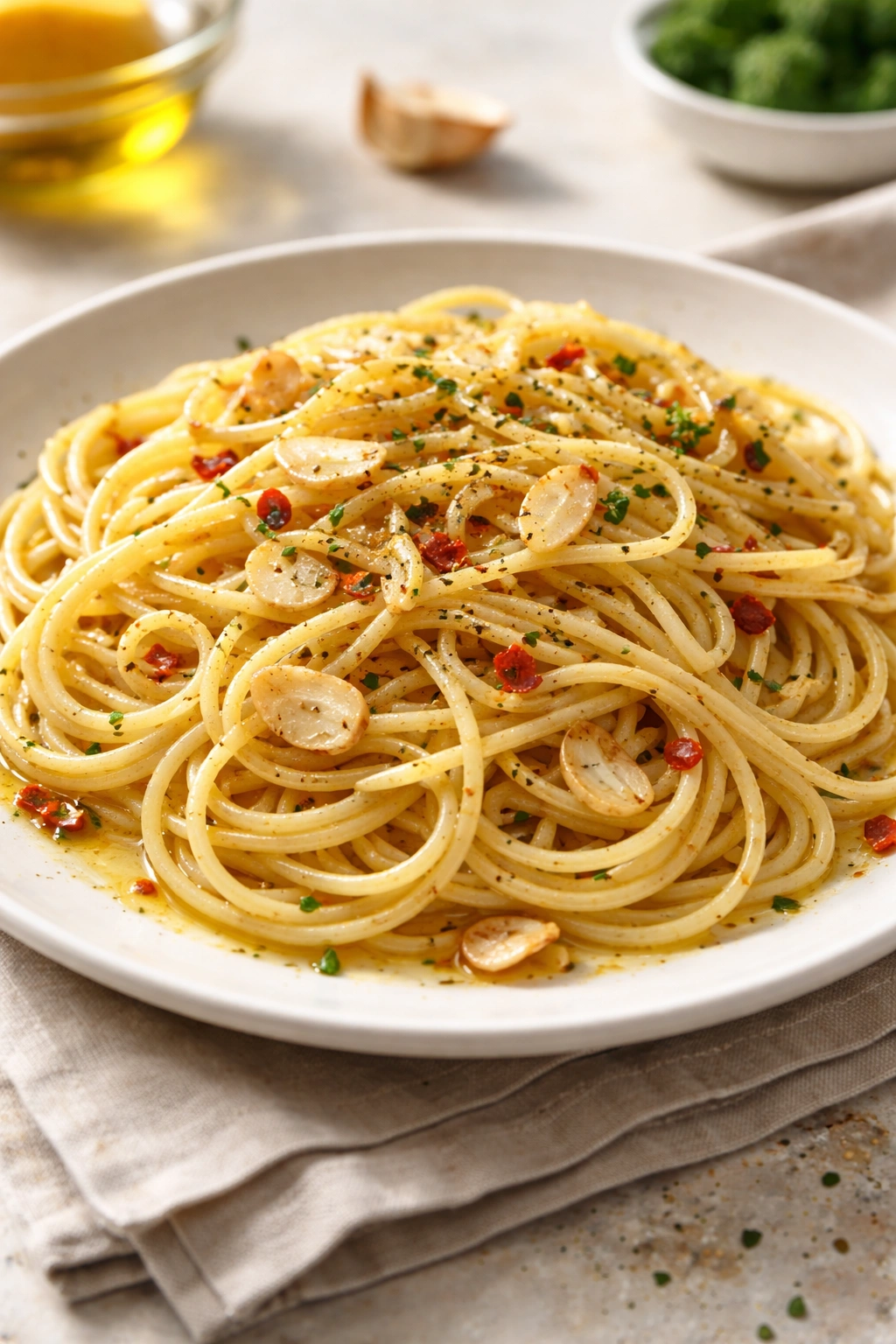
This Neapolitan classic is the epitome of cucina povera — peasant cooking at its finest. Spaghetti, garlic, olive oil, and hot pepper. That’s it. Four ingredients create a dish that’s become iconic across Italy and beyond, particularly in southern regions where it’s a staple of late-night kitchen sessions. The simplicity is deceptive; the technique matters enormously, and the quality of your olive oil will determine whether you end up with something transcendent or merely adequate.
Why Technique Matters with Simple Dishes
When you only have four ingredients, each one must be executed perfectly. The garlic needs to be sliced thin enough to infuse the oil quickly but not so thin that it burns and turns bitter. The olive oil needs to be excellent quality — preferably a peppery, robust oil from southern Italy that adds its own personality to the dish. The pasta must be cooked to just short of al dente so it can continue cooking slightly when it hits the hot oil. There’s nowhere to hide when a dish is this straightforward, which is exactly why so many cooks find it challenging.
The Perfect Execution
- Slice garlic thinly and add it to a cold pan with excellent quality olive oil (use about ⅓ cup for a pound of pasta)
- Turn the heat to medium and let the garlic warm slowly in the oil, infusing the oil with its flavor without browning — this should take 3-4 minutes
- When the garlic just begins to turn golden, add red pepper flakes to taste and cook for another 30 seconds
- Cook your spaghetti until just shy of al dente
- Reserve 1 cup of pasta water, drain the pasta, and add it directly to the pan with the oil
- Toss constantly over medium heat, adding pasta water as needed to create a silky sauce that coats the pasta
- Finish with fresh parsley and a generous grind of black pepper
Worth knowing: If your garlic browns and turns dark, you’ve overcooked it and need to start over. The key is building heat gradually so the garlic infuses the oil before it has a chance to crisp up.
6. Pasta alla Puttanesca
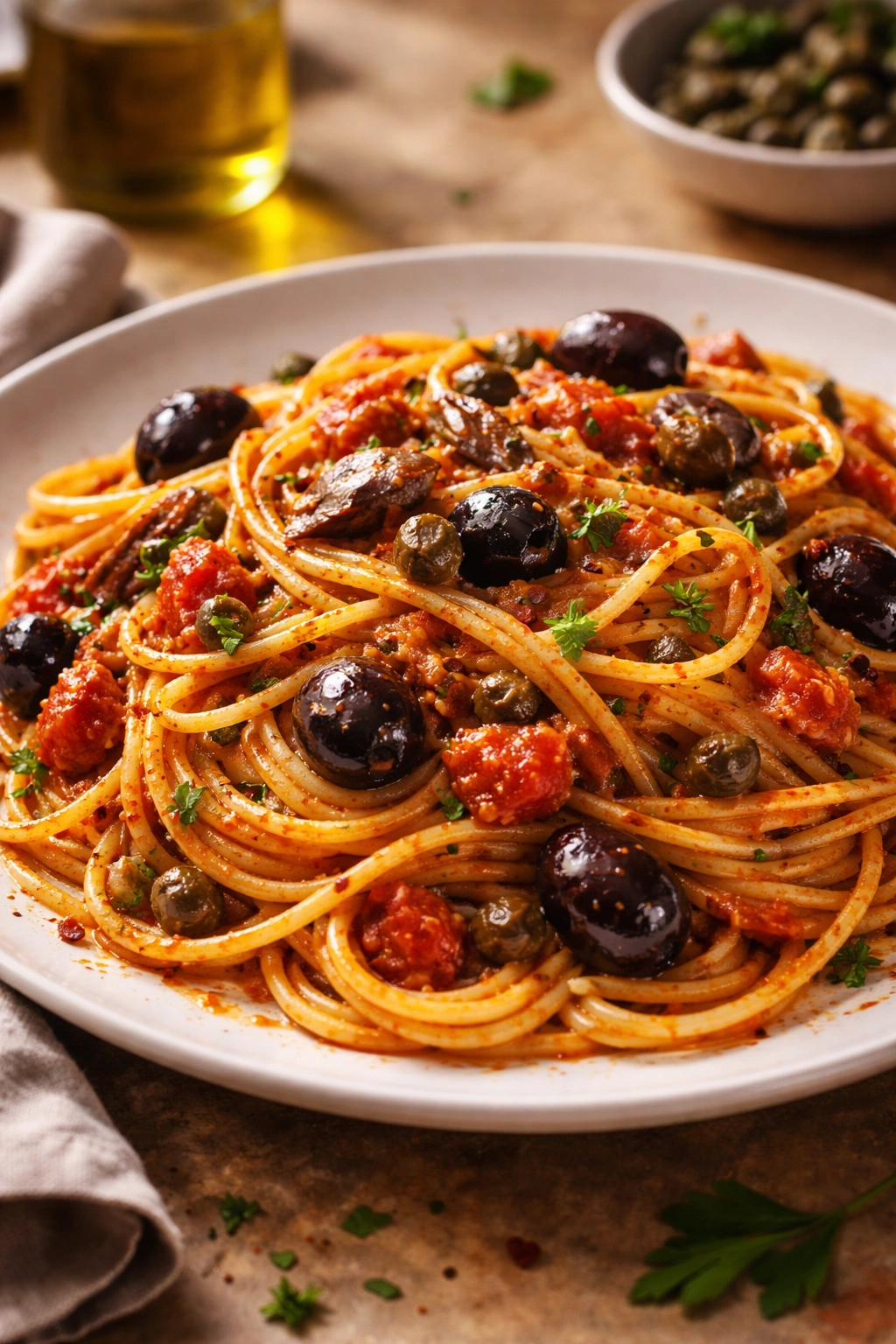
According to local legend, pasta alla puttanesca — which roughly translates to “lady of the evening pasta” — was a quick, easy dish that could be prepared in minutes between customers. Whether that’s true or not, the result is a gloriously bold and briny dish that’s packed with flavor. This is a sauce that doesn’t apologize for itself. The combination of anchovies, capers, olives, and tomatoes creates something intensely savory and complex, with each ingredient adding its own distinct voice.
The Umami Powerhouse
Puttanesca is essentially umami on a plate — three major sources of savory, salty depth layered into one sauce. The anchovies dissolve into the sauce, adding fish-forward richness and salt without tasting overtly fishy (if you use quality anchovies). The capers bring briny acidity. The olives (preferably Kalamata or another dark variety) contribute earthiness and chewiness. Together, they create something that tastes bold and sophisticated, not simple or one-dimensional. This is the kind of pasta that makes people pause and ask what’s in it because it tastes so much more interesting than the ingredient list suggests.
Building the Sauce
- Heat olive oil in a large pan and add minced garlic, cooking for about 1 minute until fragrant
- Add anchovy fillets (usually 4-5 for a pound of pasta) and let them cook in the hot oil, breaking them apart with a wooden spoon until they dissolve — about 2 minutes
- Add canned tomatoes (crushed or whole), a large handful of pitted olives, capers, and a pinch of red pepper flakes
- Simmer for 15-20 minutes, stirring occasionally
- Cook pasta to just shy of al dente and toss into the sauce
- Add pasta water as needed to reach the right consistency
- Finish with fresh parsley and a drizzle of olive oil
Insider note: Use quality olives here — they should be flavorful enough to contribute meaningfully to the dish, not bland and forgettable. Kalamata olives work beautifully, as do other Mediterranean varieties.
7. Pappardelle al Ragù
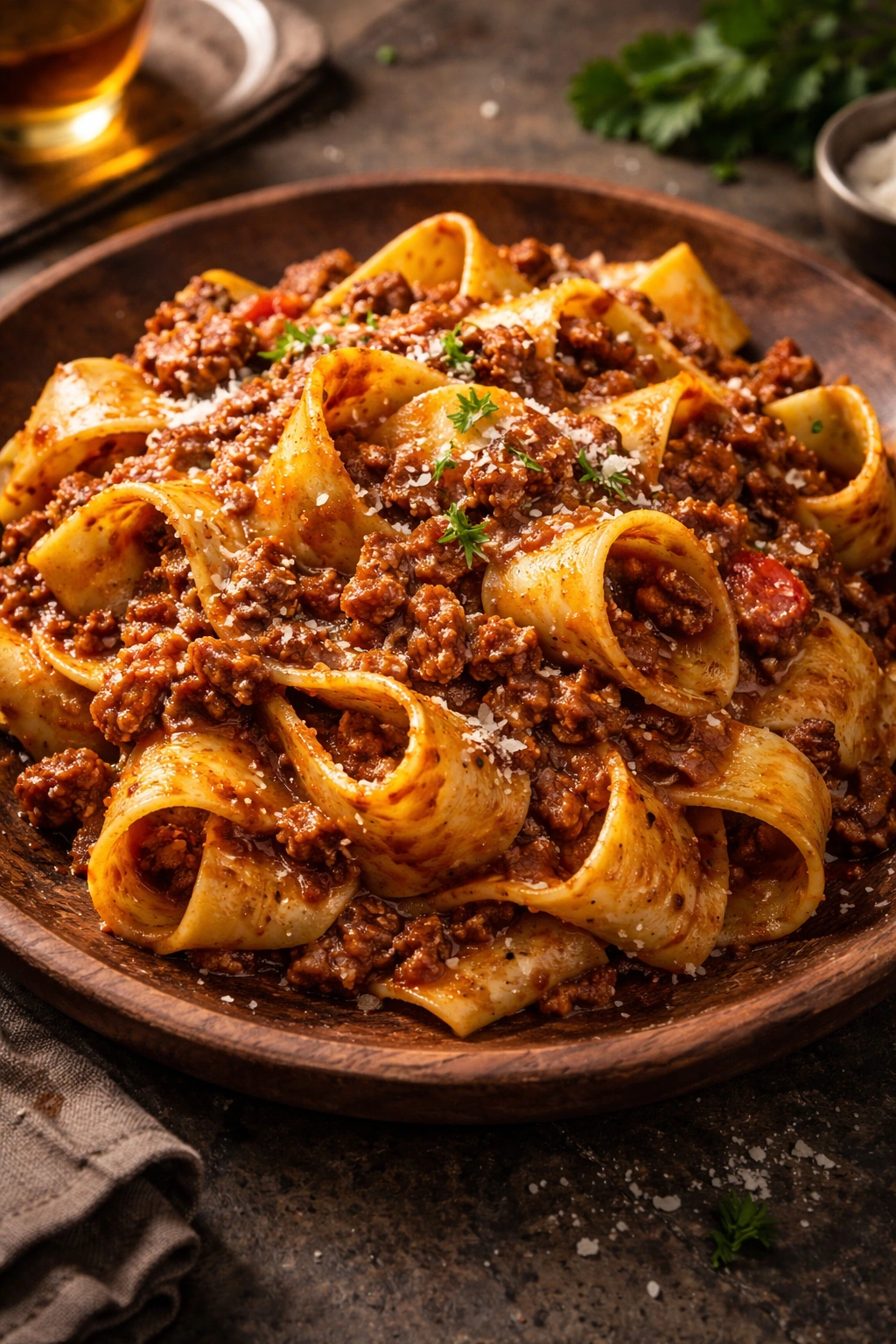
Moving north into Tuscany and Emilia-Romagna, we encounter pappardelle al ragù — wide, luxurious ribbons of egg pasta topped with a deep, rich meat sauce that’s been simmered for hours. This is a more involved dish than some of the Roman classics, but the reward is a sauce so flavorful and complex that it becomes clear why this approach to pasta has endured for centuries. Pappardelle is traditionally served with ragù rather than other sauces; the wide, flat shape is specifically designed to cradle and hold the sauce in every bite.
Understanding a Proper Ragù
A ragù is not bolognese sauce as many people think of it in America — it’s not a quick tomato sauce with ground meat stirred in. A traditional ragù is built through a long, slow cooking process that develops layers of flavor. The meat is browned first to develop color and richness, then vegetables (the classic soffritto of carrot, celery, and onion) are added and softened. Tomato paste goes in next, then white wine to deglaze the pan, and finally stock and whole tomatoes. The whole thing then simmers for 2-3 hours, becoming richer and more concentrated as it cooks. This isn’t something to rush.
The Proper Method
- Heat olive oil in a large, heavy-bottomed pot and brown a mixture of ground beef and pork until completely colored, breaking it into small pieces — this takes 8-10 minutes
- Add the soffritto (diced onion, carrot, and celery) and cook for 5-7 minutes until soft and fragrant
- Add tomato paste and cook for 1 minute, stirring constantly
- Deglaze with white wine and let it reduce by half
- Add crushed tomatoes and enough stock to just barely cover the meat
- Bring to a simmer, then reduce heat to very low
- Cover partially and simmer for 2-3 hours, stirring occasionally and adding more stock if it gets too thick
- Season at the end with salt and pepper
- Serve over fresh or dried pappardelle, which has a much wider, more substantial surface than spaghetti
Pro tip: Make ragù in larger batches and freeze portions for later use. The flavor actually improves a day or two after you make it, as the flavors continue to meld and develop.
8. Pasta con le Sarde
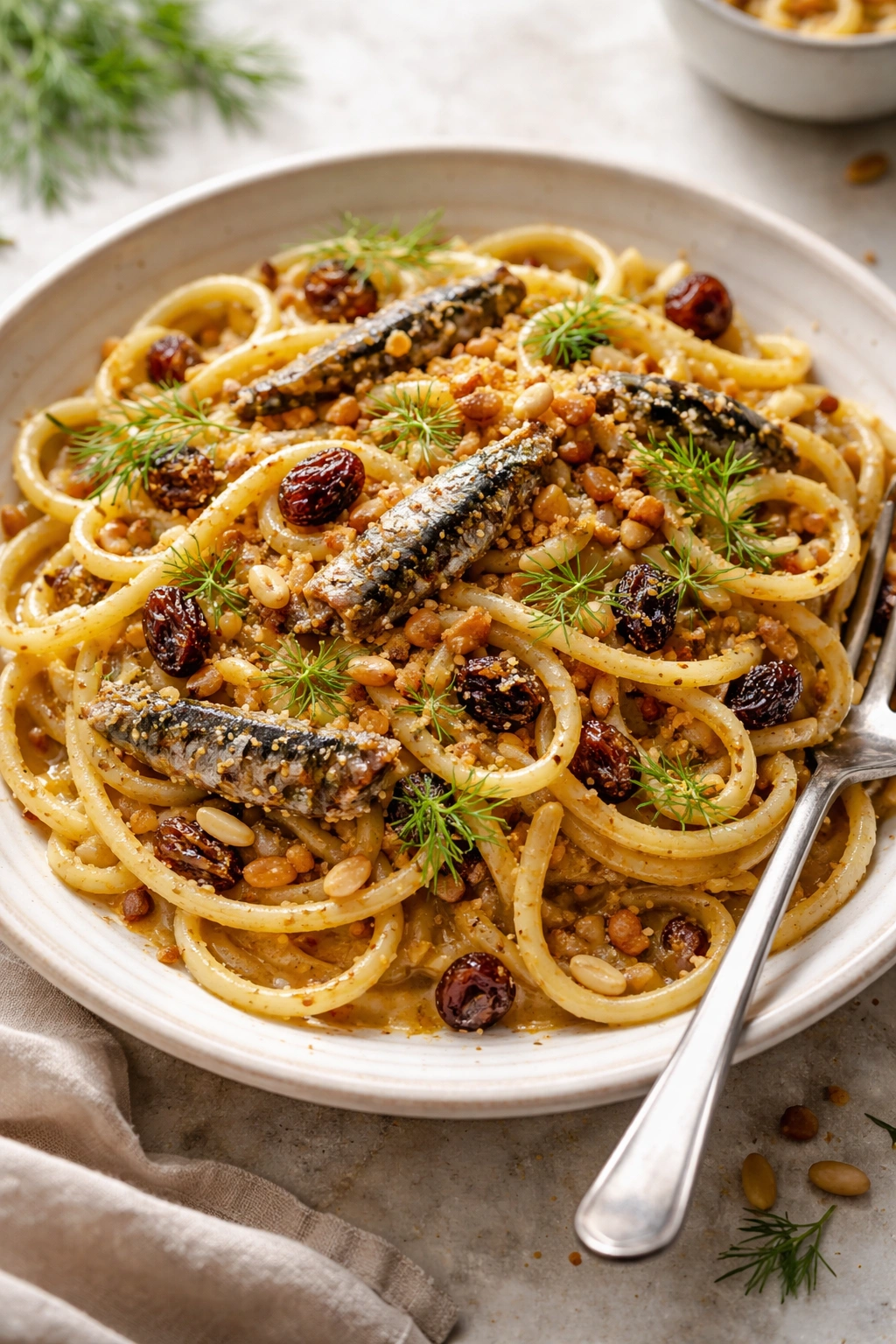
This Sardinian specialty represents a fascinating intersection of culinary traditions — sardines and anchovies from the surrounding sea, bucatini pasta, wild fennel from the hills, toasted breadcrumbs, raisins, and pine nuts that reflect North African trade influence. The dish tells the story of Sardinia itself, weaving together maritime heritage, agricultural traditions, and centuries of cultural exchange. Each component seems unlikely when listed separately, but together they create something that’s greater than the sum of its parts.
The Unique Combination
Pasta con le sarde works because each ingredient serves a specific purpose. The sardines and anchovies provide umami and a subtle fishy richness. The wild fennel (or regular fennel fronds) adds an anise-like aromatic note. The toasted breadcrumbs contribute crunch and a nutty depth. The raisins and pine nuts add sweetness and richness that balance the briny, fishy notes. Most pasta dishes follow a coherent flavor profile — they’re light, or rich, or bright. This one is deliberately complex, layering contrasting flavors and textures that somehow work together in harmony.
Bringing the Components Together
- Toast breadcrumbs in a dry pan until golden and nutty, set aside
- Heat olive oil and add fresh fennel fronds or wild fennel (if available)
- Add fresh sardines or canned sardines in olive oil, breaking them gently into chunks
- Add raisins and pine nuts and cook together for 2-3 minutes
- Cook bucatini pasta and reserve pasta water
- Toss the pasta with the sardine mixture, adding pasta water to create a cohesive sauce
- Top each portion with toasted breadcrumbs, fresh parsley, and additional pine nuts
- A squeeze of lemon brightens everything and ties the flavors together
Worth knowing: If you can’t find fresh sardines, quality canned sardines packed in olive oil work beautifully and are traditional in many Sardinian households where fresh fish isn’t always available.
9. Pasta al Limone
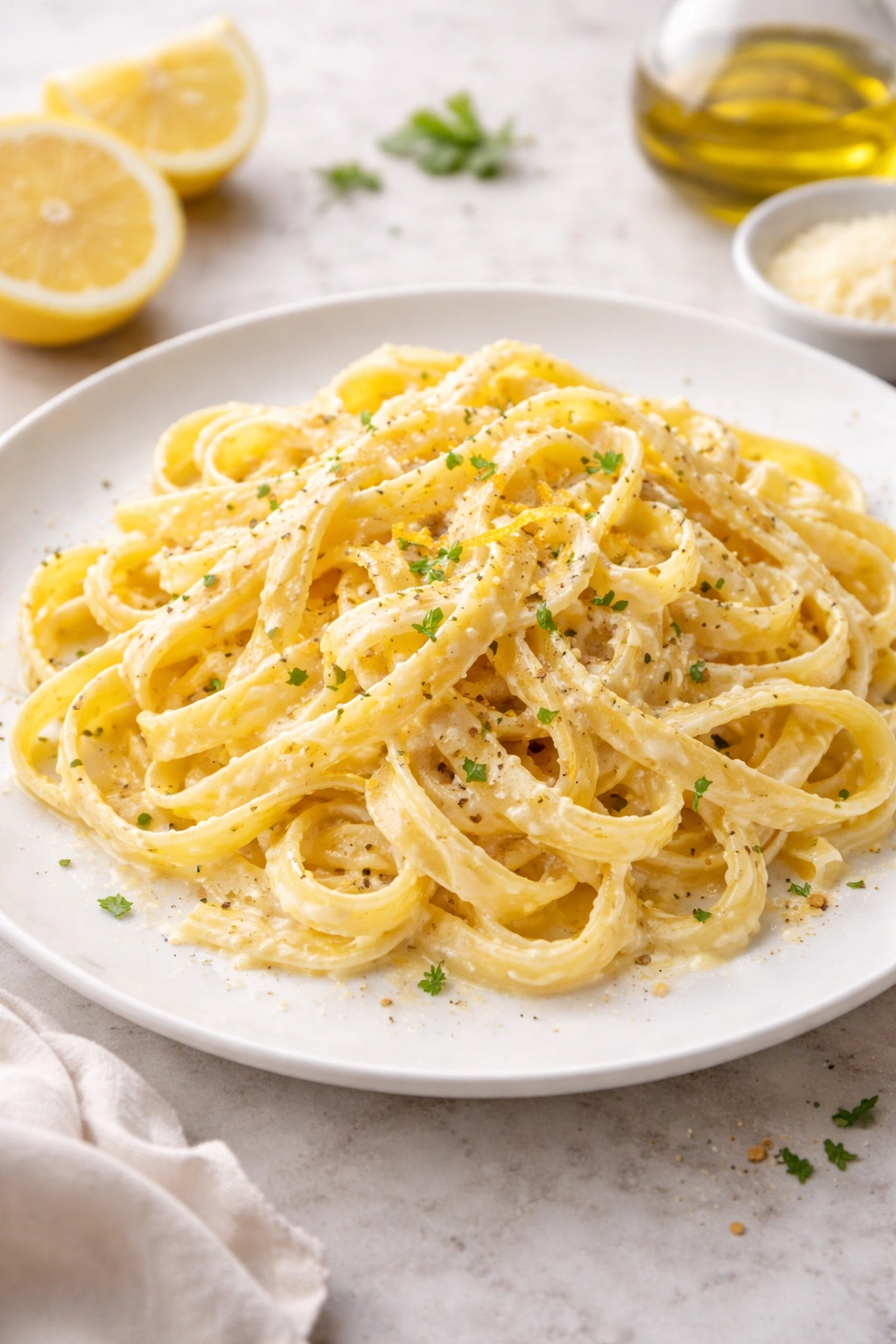
This delicate, sophisticated dish proves that pasta doesn’t need meat, fish, or complicated preparation to be deeply satisfying. Fresh lemon juice and zest combined with heavy cream create a sauce that’s bright and rich simultaneously — acidic from the lemon, luxurious from the cream, with fresh pasta (usually fettuccine or tagliatelle) providing the perfect vehicle for the sauce. It’s the kind of dish that feels elegant enough for a dinner party but simple enough for a weeknight when you want something special without the fuss.
The Balance Between Bright and Rich
What makes pasta al limone work is the careful balance between the fresh acidity of lemon and the richness of cream. Too much cream and it becomes heavy and one-dimensional. Too much lemon and it becomes cloying and sharp. The ideal ratio creates something that tastes both fresh and luxurious, with the lemon cutting through the richness of the cream so the dish never feels overwhelming. The key is using good quality lemons with real juice and fragrant zest, not bottled lemon juice which tastes thin and chemical by comparison.
The Simple Technique
- Heat heavy cream in a large pan over medium-low heat
- Add freshly grated lemon zest and warm it in the cream for 1-2 minutes
- Pour in fresh lemon juice and whisk together, being careful not to let it curdle
- Add a pinch of salt
- Cook fresh pasta (fettuccine works beautifully) until just al dente and add it directly to the cream
- Toss gently, adding pasta water as needed to reach a silky consistency
- Finish with fresh parsley, additional lemon zest, and a grind of white pepper
- A small handful of grated Parmigiano-Reggiano adds depth, though this is optional
Pro tip: Keep the heat low once you add the cream — if it gets too hot, the cream can break and become grainy. This is a dish that requires a gentle touch.
10. Tagliatelle alla Bolognese
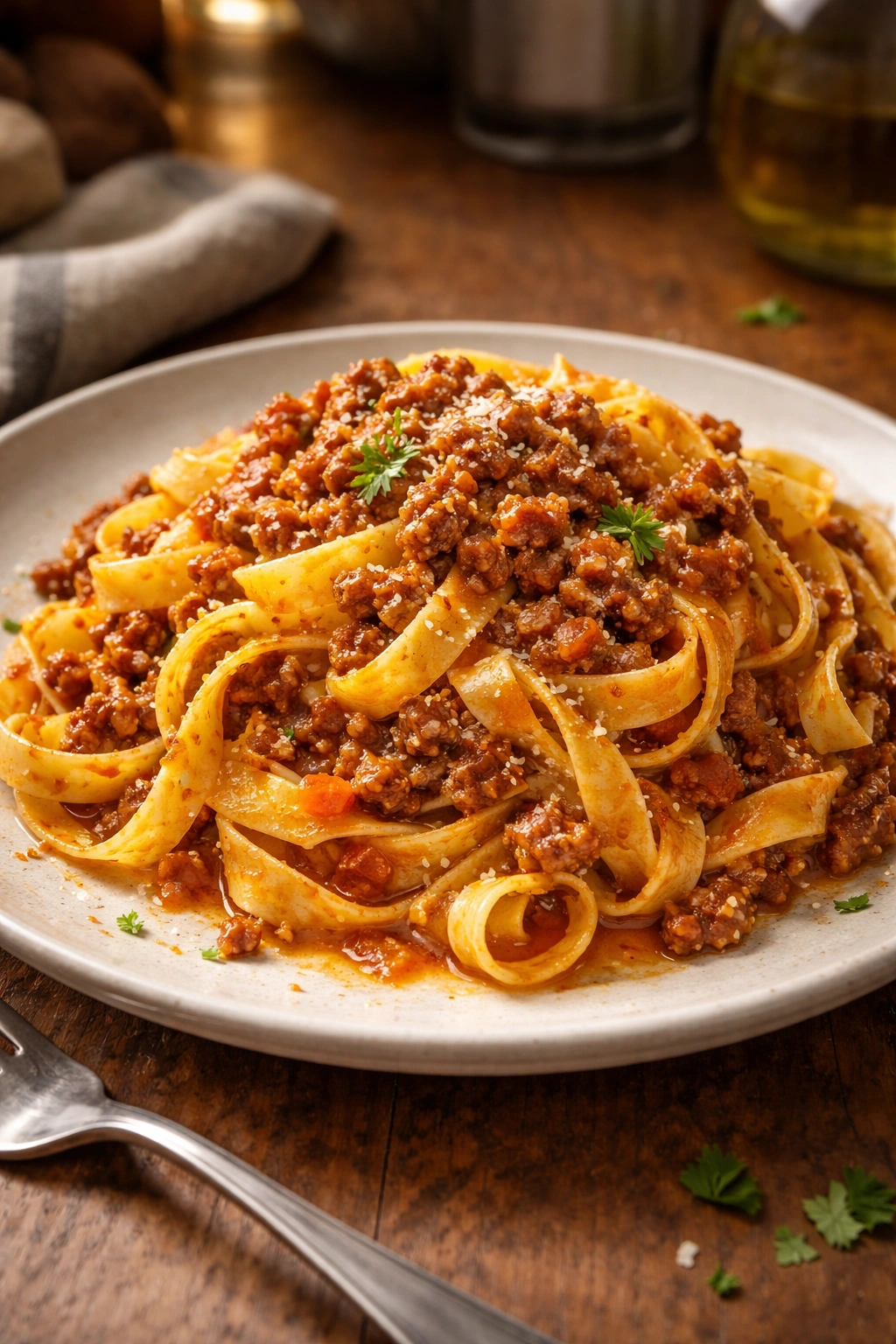
We end with one of Italy’s most celebrated pasta dishes: tagliatelle alla bolognese from the Emilia-Romagna region. This is the pairing that inspired the world’s “spaghetti bolognese,” though the two dishes are nearly unrecognizable compared to each other. Authentic tagliatelle alla bolognese is made with fresh egg pasta (never dried), and the ragù is a rich, slow-cooked meat sauce that coats and clings to the soft ribbons rather than overwhelming them. This is a dish that demands respect, patience, and good ingredients.
Fresh Pasta Changes Everything
The difference between fresh egg tagliatelle and dried spaghetti might seem minor, but it’s actually fundamental to how this dish works. Fresh pasta has a tender, almost delicate texture that absorbs sauce gently, creating a unified dish rather than a pile of pasta buried under sauce. The eggy richness of the pasta complements the meat ragù perfectly. This is why Bolognese sauce served over dried spaghetti (common outside Italy) seems so heavy and one-dimensional — you’re pairing a light, delicate sauce with sturdy, resilient pasta. It’s the wrong pairing.
The Ideal Execution
- Make or purchase fresh tagliatelle — the pasta should be delicate, tender, and rich with egg
- Prepare a proper ragù (following the method described earlier in the pappardelle section)
- Cook the tagliatelle in abundantly salted boiling water for just 2-3 minutes (fresh pasta cooks much faster than dried)
- Drain the pasta and toss gently with the ragù in a large, warm bowl
- The sauce should coat the pasta lovingly without pooling at the bottom
- Finish with a generous handful of freshly grated Parmigiano-Reggiano
- A small knob of butter tossed in at the end adds silkiness and richness
Worth knowing: In Bologna, tagliatelle alla bolognese is protected by a registered recipe that specifies exact ratios of ingredients and even the width of the tagliatelle. While you don’t need to be that precise at home, the care and attention Bolognese cooks put into this dish shows how seriously they take tradition.
Final Thoughts
Mastering these ten dishes is essentially learning the foundation of Italian pasta cooking. They’re not separate, unrelated recipes — they’re variations on core principles: respecting ingredient quality, understanding how heat transforms flavors, knowing when to embrace simplicity and when to build complexity, and always cooking with intention rather than autopilot. Once you understand how cacio e pepe creates an emulsion, you’ll be able to apply that knowledge to other creamy sauces. Once you’ve made a proper ragù, you’ll understand why slow cooking matters. Once you’ve tasted how a single quality ingredient like guanciale changes an entire dish, you’ll understand why Italian cooks are so particular about what they buy.
These dishes aren’t meant to impress people with their complexity or sophistication (though they certainly do). They’re meant to nourish, comfort, and bring people together around a table. They taste like home because they were born from home cooking, not restaurant kitchens. The beauty is that you can recreate this in your own kitchen with attention, care, and the right ingredients. Start with whichever dish calls to you most — whether that’s the simplicity of aglio e olio or the richness of tagliatelle alla bolognese — and cook it until you understand it deeply. Then move on to the next. Over time, you’ll build confidence and knowledge that goes far beyond just following recipes. You’ll understand Italian cooking at a fundamental level, and that knowledge is something you’ll carry with you forever.
