



There’s something inherently romantic about shrimp pasta. Maybe it’s the elegant simplicity of the dish, or the fact that it tastes far more complicated than it actually is. When you place a twirl of silky noodles on a fork with a piece of perfectly cooked shrimp glistening in garlic butter sauce, you understand why this humble combination has captivated home cooks and restaurant-goers for generations. The beauty of shrimp pasta is that it transforms a weeknight dinner into something that feels like you’ve splurged on a fancy restaurant, yet it comes together in your own kitchen in under 30 minutes—often with ingredients you already have on hand.
This isn’t a dish that demands hours of prep or specialized cooking skills. What it does demand is attention to a few crucial details: knowing exactly when your shrimp is done (so it stays tender rather than becoming rubbery), understanding how to build a sauce that clings beautifully to every strand of pasta, and mastering the timing so everything comes together hot and perfect at precisely the same moment. Get these fundamentals right, and you’ll have a date night dinner that feels effortlessly impressive.
The magic of shrimp pasta lies in its restraint. Unlike heavier cream-based sauces or complicated preparations, the best versions rely on a handful of quality ingredients working in harmony: garlic, butter or olive oil, fresh lemon, good pasta, and the shrimp itself. Some recipes add white wine for depth, others incorporate cream for richness, and still others keep things lean with just the glossy pan sauce. Each approach has its merits, and which one you choose depends entirely on your mood and what you have available.
What makes this dish perfect for date night is partly practical and partly psychological. Practically speaking, it’s fast—there’s no waiting around for a long braise or multiple stages of complicated cooking. Psychologically, shrimp carries an air of sophistication. Many people view it as a luxury ingredient, which means serving it feels like a special occasion even when you’re simply cooking at home. The truth is, shrimp is actually one of the most forgiving and quick-cooking proteins available, which makes it ideal for weeknight dinners and romantic meals alike.
Why Shrimp Pasta Is Perfect for a Romantic Meal at Home
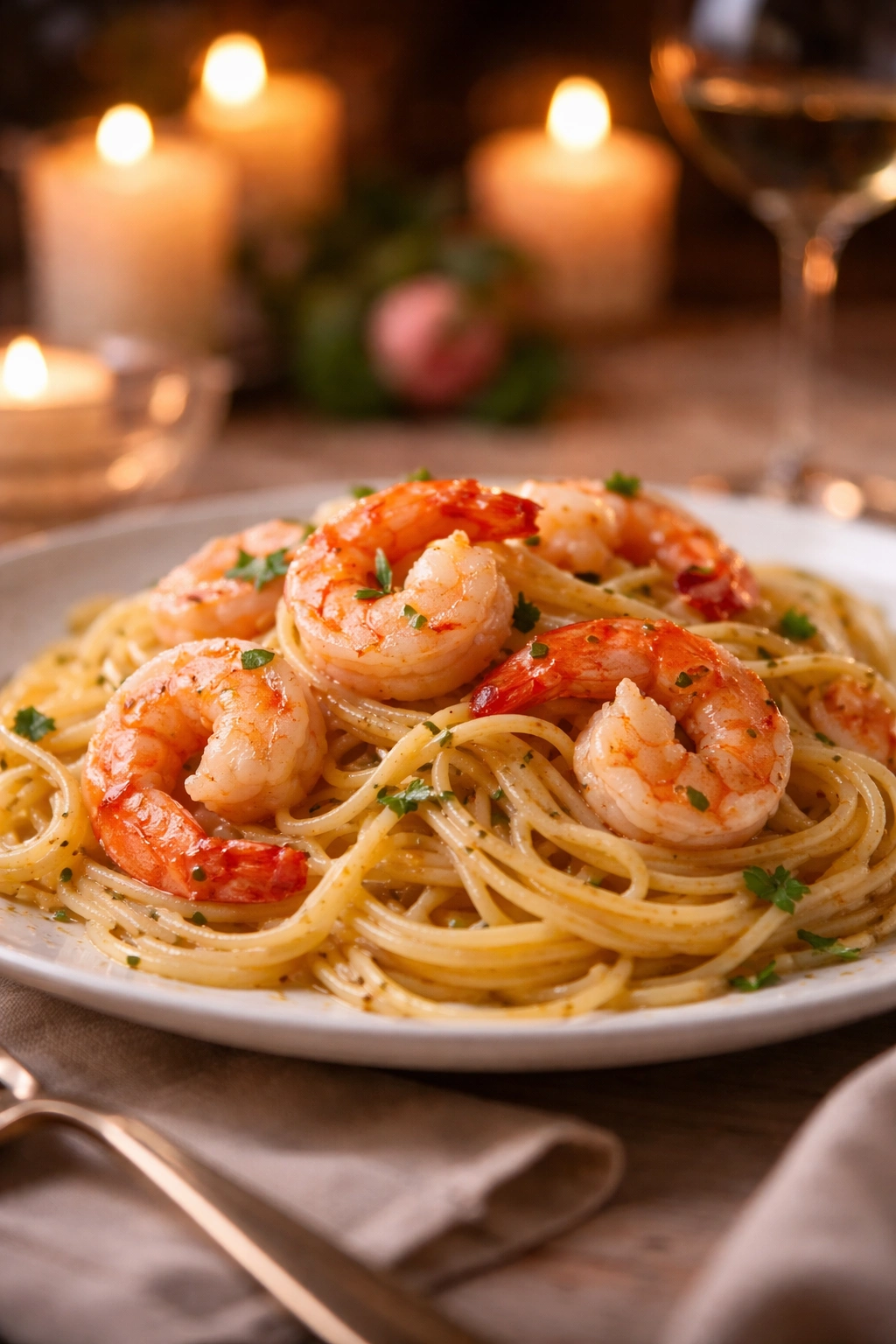
Shrimp pasta occupies a rare sweet spot in the culinary landscape. It’s elegant enough for date night, yet approachable enough that even a novice cook can pull it off successfully. The combination of factors that makes this dish so appealing for romantic dinners are worth understanding, because they inform how you approach making it.
First, there’s the speed factor. In the time it takes to make a reservation and drive to a restaurant, you could have shrimp pasta plated and ready to eat at your own table, with candles lit and music playing. This isn’t fast food—it’s quick cooking, which is entirely different. The meal still feels special because you’ve put thought and care into it, even though the actual hands-on time is minimal.
Second, there’s the visual appeal. Shrimp has a beautiful color—pale when raw, turning that appetizing pink-orange when cooked. Paired with golden pasta strands, fresh herbs, and a glossy sauce, the dish is naturally photogenic and appealing. You don’t need complicated plating techniques to make it look restaurant-worthy; the ingredients do much of the visual work for you.
Third, and perhaps most importantly, shrimp pasta is inherently shareable and intimate. You’re not dealing with a massive steak that one person needs to cut into, or a casserole that feels family-style rather than date-like. A bowl of pasta is personal, elegant, and perfectly portioned for two people sharing a quiet dinner together.
The Secret to Restaurant-Quality Sauce That Clings to Every Strand
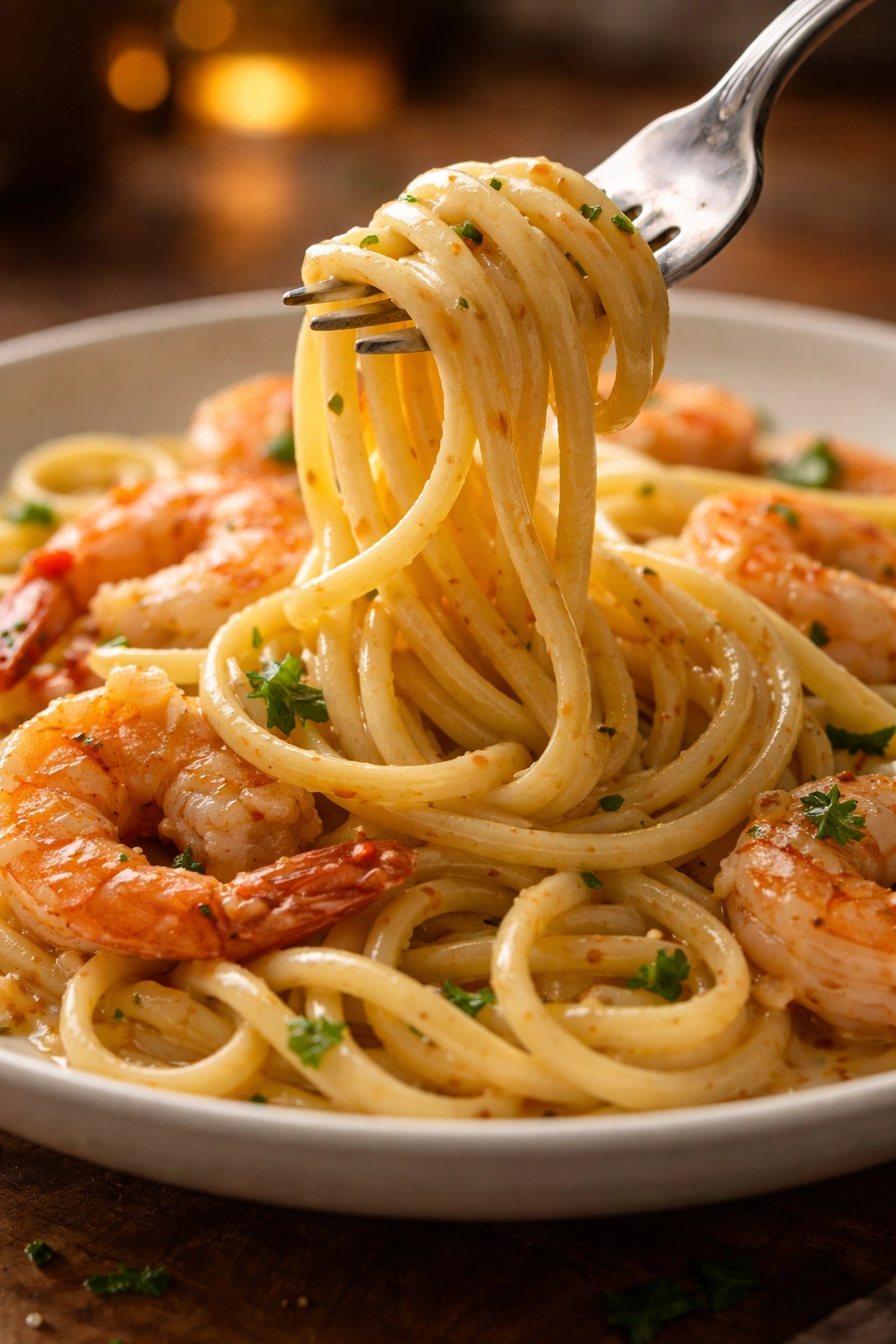
The difference between mediocre shrimp pasta and extraordinary shrimp pasta often comes down to the sauce. Many home cooks think of sauce as something you make separately and then pour over pasta. In reality, the best pasta sauces are built with the pasta, using the starchy cooking water to create an emulsion that clings to each noodle and coats your mouth with silky richness.
The science here is straightforward but important. Pasta releases starch into its cooking water—this isn’t waste, it’s liquid gold. That starch acts as a binder and emulsifier, allowing fat (whether from butter, olive oil, or cream) to coat the pasta evenly and smoothly. When you toss hot pasta directly into a pan with garlic, butter, and a splash of that reserved cooking water, the heat and motion create an emulsion—a suspension where the fat and starch combine into something greater than their separate parts.
This is why you absolutely must reserve pasta cooking water before draining. Many cooks skip this step thinking it’s unnecessary, but this small gesture makes an enormous difference. A cup of this starchy water is your insurance policy against a dry, separated sauce. You won’t use all of it—usually just a few tablespoons—but having it on hand means you can adjust the sauce consistency perfectly to your preference.
The other secret to excellent sauce is patience and attention to heat. Finish the sauce off the heat or on very low heat once the cream or butter has been added. High heat can cause cream to break and separate, and can cause the fats to become greasy rather than silky. This is why professional chefs often remove the pan from the heat before adding cream or before the final tossing of pasta and sauce together—the residual heat is usually sufficient to warm everything through without risking a broken sauce.
Choosing and Preparing Your Shrimp for Maximum Tenderness
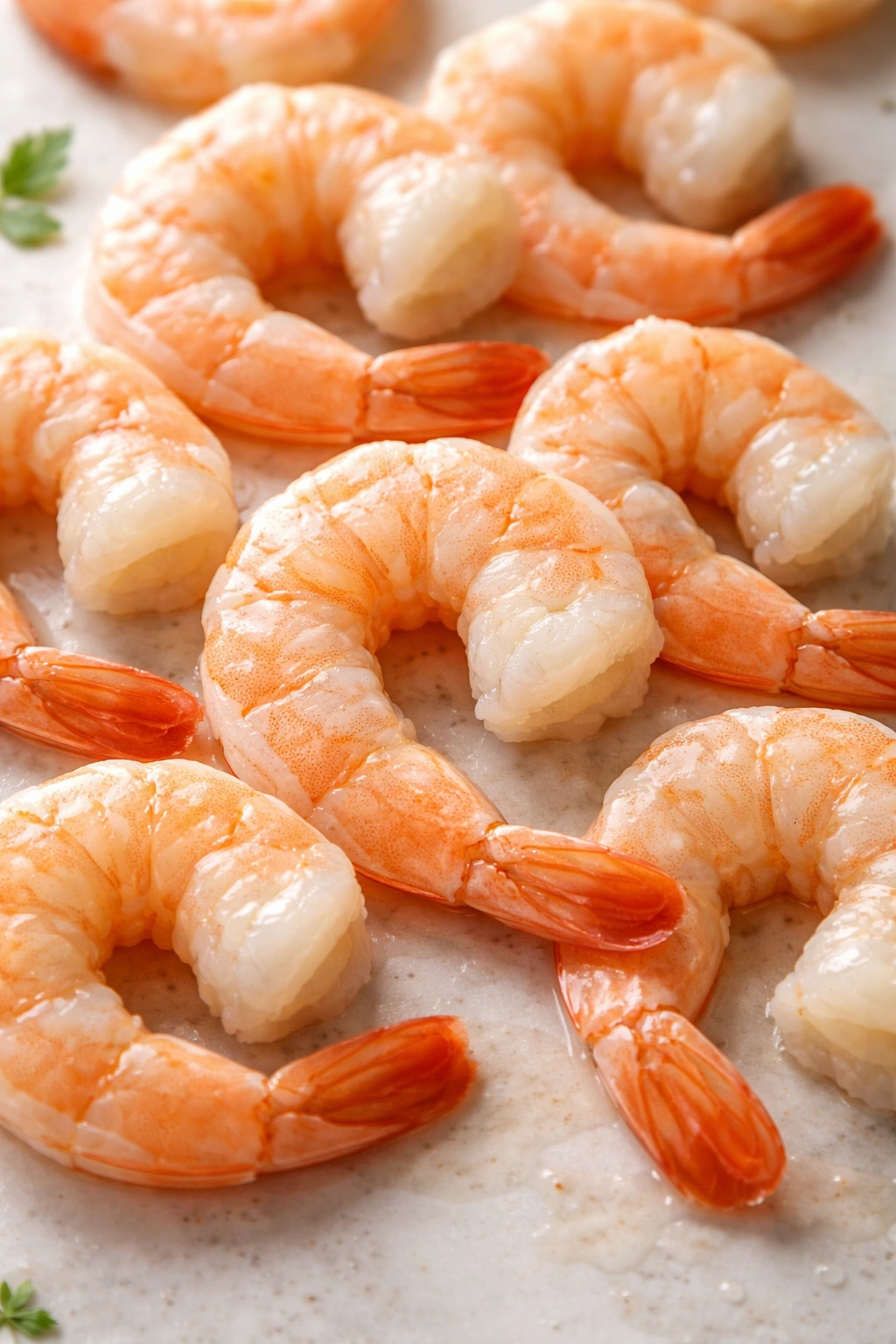
The quality of your shrimp matters more than you might think, but quality doesn’t necessarily mean expensive or hard to find. Most home cooks have access to frozen shrimp, and frozen shrimp are perfectly acceptable for this dish—in fact, they’re often fresher than “fresh” shrimp at the supermarket because they’re frozen immediately after being caught, stopping the aging process.
When shopping for shrimp, you’ll see them labeled by count, which refers to how many shrimp are in a pound. For shrimp pasta, aim for large shrimp (21-25 count) or extra-large (16-20 count). These sizes are ideal because they cook quickly enough to prevent drying out, yet they’re substantial enough to feel special on a plate. Tiny shrimp cook almost instantaneously and can be tricky to time correctly, while jumbo shrimp (15 count or fewer) can sometimes feel overwhelming in terms of portion size.
Buy shrimp that’s already peeled and deveined if you can—this is a genuine time-saver and isn’t cheating in any way. If you do need to devein shrimp yourself, it’s a quick process: hold the shrimp in one hand, make a shallow slit along the back with a small sharp knife, and lift out the dark vein with the tip of the knife. You’ll get faster with practice, and once you’ve done a handful, the whole pound goes quickly.
One crucial step that many cooks overlook is patting shrimp completely dry before cooking. Moisture on the shrimp prevents browning and can cause them to steam rather than sauté. Use paper towels and press gently but firmly on each shrimp. This simple step takes two minutes and makes a measurable difference in how the shrimp cook and how they taste.
If you’re starting with frozen shrimp, thaw them properly. The ideal method is to place them in a colander in the refrigerator overnight, letting them thaw slowly. If you’re short on time, place frozen shrimp in a bowl of cold water and swish them around occasionally—they’ll thaw in 10-20 minutes. Never use hot water, as this starts cooking the exterior while the interior remains frozen, leading to uneven results.
Garlic Butter Shrimp Pasta for Two
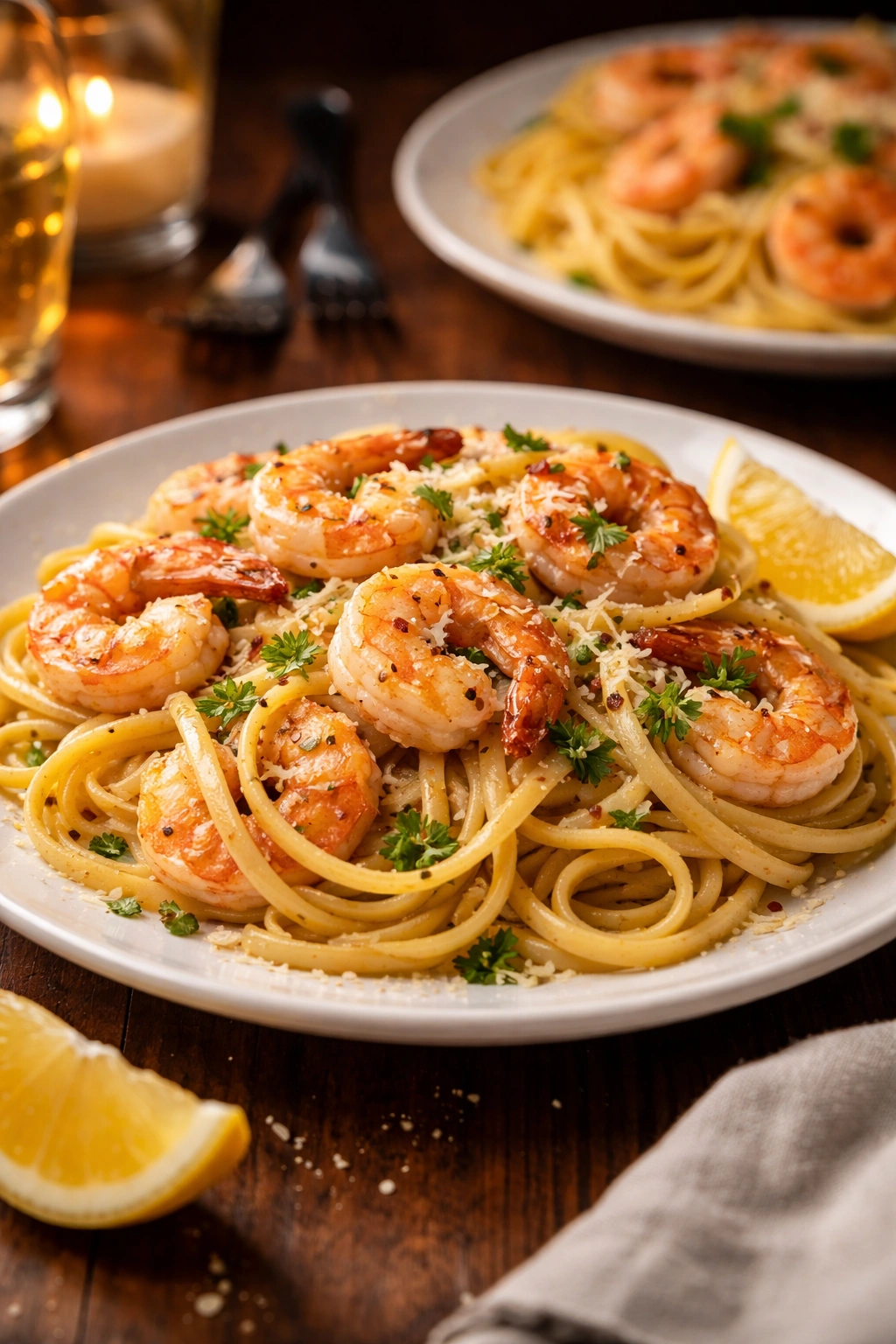
This recipe serves two people generously, making it perfect for a date night dinner. The beauty of this version is its simplicity—no cream, no complicated techniques, just the fundamental flavors that make shrimp pasta sing. The garlic becomes sweet and mellow when cooked slowly in butter, the lemon adds brightness and prevents the dish from feeling heavy, and the Parmesan contributes a nutty, savory depth.
Yield: Serves 2 as a main course
Prep Time: 15 minutes
Cook Time: 15 minutes
Total Time: 30 minutes
Difficulty: Beginner — no special equipment required, straightforward steps, and very forgiving timing. Even if your shrimp cooks a minute longer than planned, this sauce-based approach prevents it from becoming dry.
Best Served: Immediately while hot, with crusty bread alongside for soaking up the sauce.
Ingredients
For the Pasta and Shrimp:
- 8 ounces fettuccine or linguine pasta
- Kosher salt for the pasta water
- 1 pound large shrimp, peeled and deveined, tails removed
- Freshly ground black pepper
For the Sauce:
- 3 tablespoons unsalted butter, divided
- 2 tablespoons extra-virgin olive oil, divided
- 4 large garlic cloves, minced (about 1½ tablespoons)
- ⅓ cup dry white wine, such as Sauvignon Blanc or Pinot Grigio (or substitute low-sodium chicken broth if preferred)
- Zest of 1 large lemon
- 2 tablespoons fresh lemon juice
- ½ teaspoon crushed red pepper flakes, more or less to taste
- ¼ cup (about 1 ounce) freshly grated Parmesan cheese, plus more for serving
- 2 tablespoons chopped fresh parsley, plus more for garnish
Detailed Cooking Instructions
Prepare Your Ingredients:
-
Bring a large pot of salted water to a boil over high heat. The water should taste noticeably salty, similar to seawater—this is how the pasta absorbs flavor. Add the pasta and cook according to the package directions until al dente, usually 10-12 minutes for fettuccine or linguine. As the pasta finishes cooking, use a measuring cup to scoop out ¾ cup of the starchy pasta cooking water into a small bowl, then drain the pasta without rinsing it. The starch clinging to the noodles is essential for the sauce.
-
While the pasta is cooking, pat the shrimp completely dry with paper towels. Moisture will prevent them from browning properly and can cause them to steam rather than develop a golden exterior. Season the shrimp generously on both sides with kosher salt and freshly ground black pepper—don’t be shy, as shrimp need more seasoning than you might expect.
Cook the Shrimp:
-
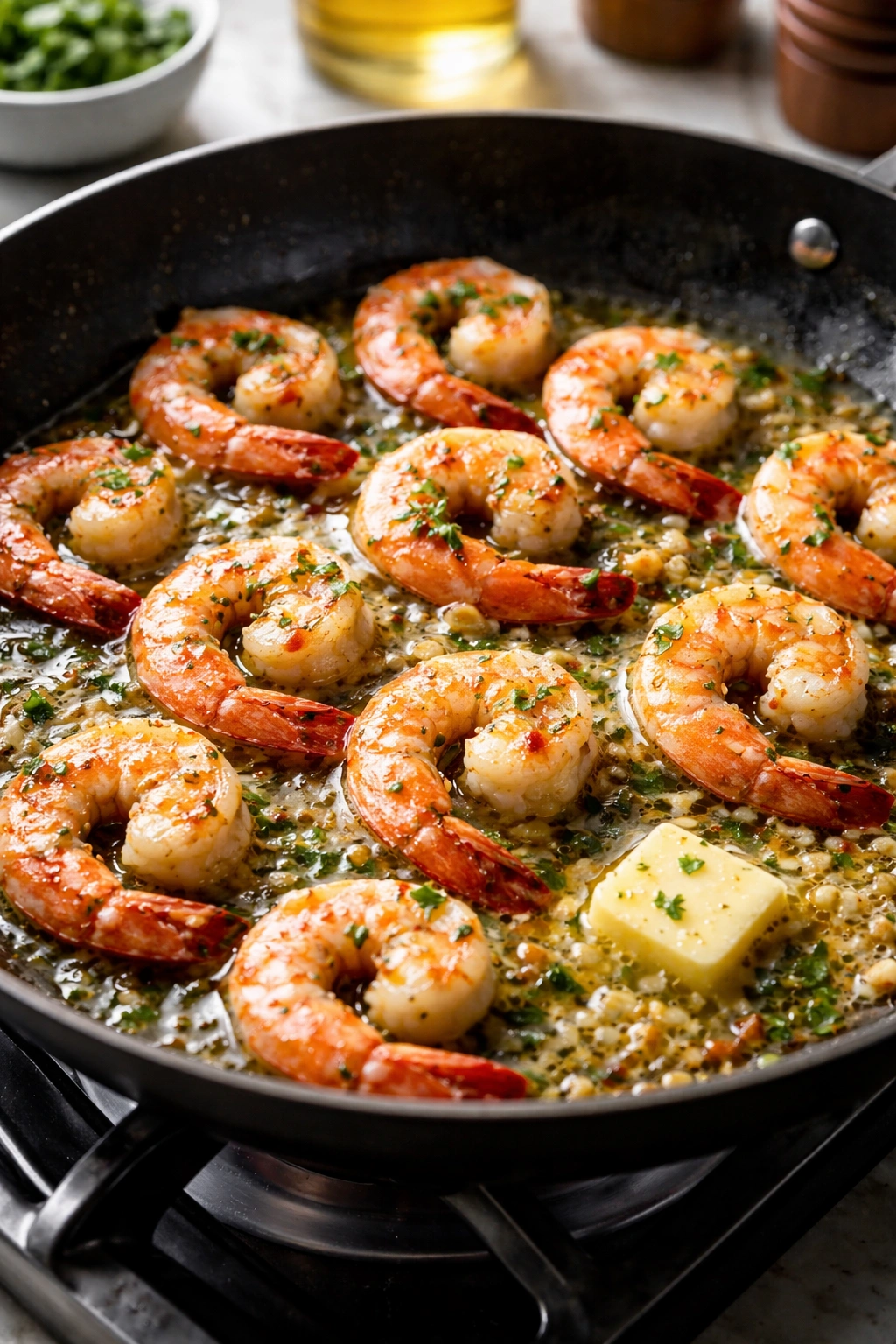
Place a large skillet (12 inches is ideal) over medium-high heat. Add 1 tablespoon of the butter and 1 tablespoon of the olive oil to the pan. Once the butter has melted and the oil is hot (it should shimmer and move easily in the pan), add the shrimp in a single layer. This is important—don’t crowd the pan, and don’t stir immediately. Let them sit undisturbed for 2 minutes. This allows the bottom of each shrimp to develop a light golden sear.
-
After 2 minutes, stir the shrimp and cook for another 1-2 minutes on the second side, until the shrimp are just pink and opaque throughout. Do not overcook the shrimp. They cook remarkably quickly—we’re talking a total of 3-4 minutes from the moment they hit the hot pan. Overcooked shrimp become rubbery and tough, so err on the side of slightly underdone; they’ll continue cooking when tossed with the hot pasta. Transfer the cooked shrimp to a clean plate and cover loosely with foil to keep warm.
Build the Sauce:
-
Reduce the heat under the skillet to medium. Add the remaining 2 tablespoons of butter and 1 tablespoon of olive oil to the same pan (don’t wash it—those browned bits are flavor). Add the minced garlic and cook, stirring constantly, for 30 seconds until fragrant. The garlic should soften and release its aroma, but do not let it brown or burn, as burnt garlic tastes acrid and bitter.
-
Immediately pour in the white wine to deglaze the pan. You’ll hear a gentle sizzle as the wine hits the hot pan—this is perfect. Using a wooden spoon, scrape up any browned bits stuck to the bottom of the pan; these are pure flavor and shouldn’t be wasted. Let the wine simmer for 1-2 minutes until it reduces by about half, concentrating its flavor and cooking off the harsh alcohol edge.
Bring It All Together:
-
Add the hot drained pasta directly to the skillet with the sauce. Sprinkle the lemon zest, red pepper flakes, and the 2 tablespoons of parsley over the top. Pour in 3 tablespoons of the reserved pasta cooking water. Using tongs, gently and continuously toss and twirl the pasta for 1-2 minutes, coating every strand with the garlicky butter sauce. The starchy water and heat will create a glossy coating that clings to the pasta beautifully. If the pasta seems too dry, add another tablespoon or two of pasta water and toss again.
-
Remove the pan from the heat. Sprinkle the grated Parmesan cheese over the pasta and toss gently one more time until everything is well combined and the cheese has melted slightly into the sauce. Add the cooked shrimp back to the pan and toss gently to distribute them throughout the pasta.
-
Divide the shrimp pasta between two shallow bowls or plates. Finish each serving with a squeeze of fresh lemon juice (about ½ teaspoon per bowl), a generous pinch of fleur de sel or flaky sea salt, a crack of black pepper, and additional freshly grated Parmesan. Scatter fresh parsley over the top for a pop of color.
Expert Tips for Success Every Single Time
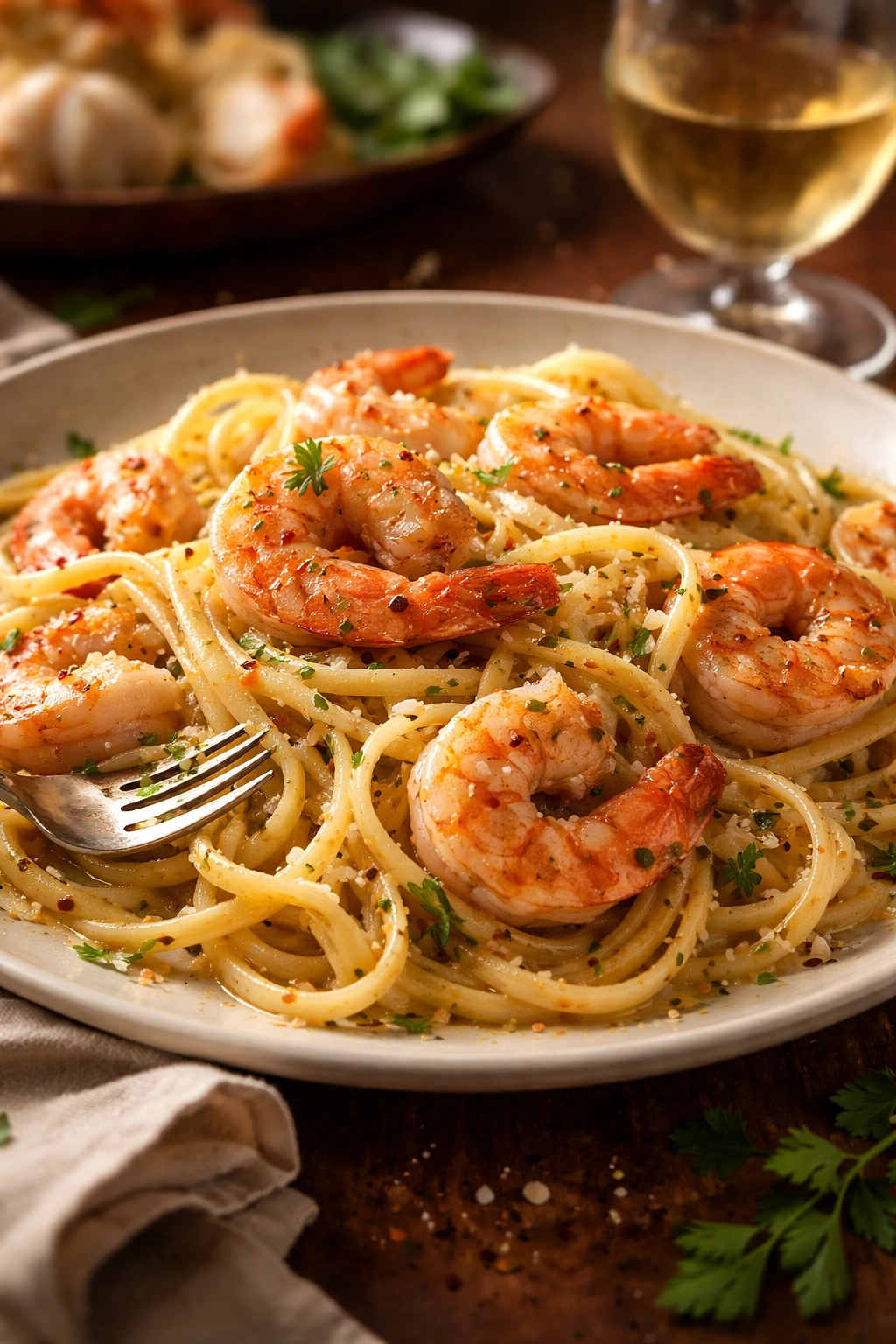
The difference between a good shrimp pasta dinner and an absolutely stellar one often comes down to small details that experienced cooks have learned through repetition. These are the tricks worth knowing before you start cooking, so you can build them into your approach from the beginning.
Salt your pasta water generously. This is a lesson from Italian cooking, and it’s worth taking seriously. The water should taste distinctly salty—almost uncomfortably so if you were to sip it. This is how dried pasta absorbs salt throughout its structure, resulting in well-seasoned noodles that don’t need additional salt at the end. Many home cooks undersalt their pasta water, resulting in flat-tasting pasta that requires heavy-handed seasoning afterward.
Don’t skip reserving pasta water. This starchy liquid is what transforms the pan sauce from a thin coating into something silky and luxurious. The starch acts as an emulsifier, helping fats coat the pasta evenly. Most recipes call for reserving one cup, but you’ll probably use only a few tablespoons. It’s better to have too much than too little—if you accidentally drain all the pasta water, you’ve lost your ability to adjust the sauce texture.
Cook shrimp in a very hot pan. This allows them to develop a light golden sear on the outside while remaining tender and juicy inside. If the pan isn’t hot enough, shrimp will release their water and steam rather than sauté. The pan should be hot enough that when you add the shrimp, you hear an immediate sizzle. Wait to hear that sound before assuming the pan is ready.
Toast your garlic briefly. The 30 seconds of cooking time for minced garlic after adding it to the butter is brief, but crucial. It softens the raw bite of garlic, makes it slightly sweeter, and releases aromatic compounds that flavor the entire dish. Any longer than 30 seconds and you risk burning it, which completely changes the flavor profile in a negative way. Your eyes and nose will tell you when it’s ready—you’ll see the garlic slightly soften and smell that distinctive cooked-garlic aroma.
Toss the pasta in the sauce, not the other way around. Instead of pouring sauce over cooked pasta, add the hot pasta directly to the pan with the sauce and toss constantly. This allows every strand to get coated evenly, and the motion helps distribute the starchy water throughout, creating that perfect emulsion. Tossing in the pan also prevents the pasta from sitting in one spot and becoming cold before you serve it.
Finish with acid and salt. The lemon juice at the very end brightens the entire dish and prevents it from tasting heavy or one-dimensional. Taste the pasta before serving and adjust the seasoning—it should taste noticeably lemony and well-salted. These final adjustments take seconds but make an enormous difference in how the finished dish tastes.
Common Mistakes and How to Prevent Them
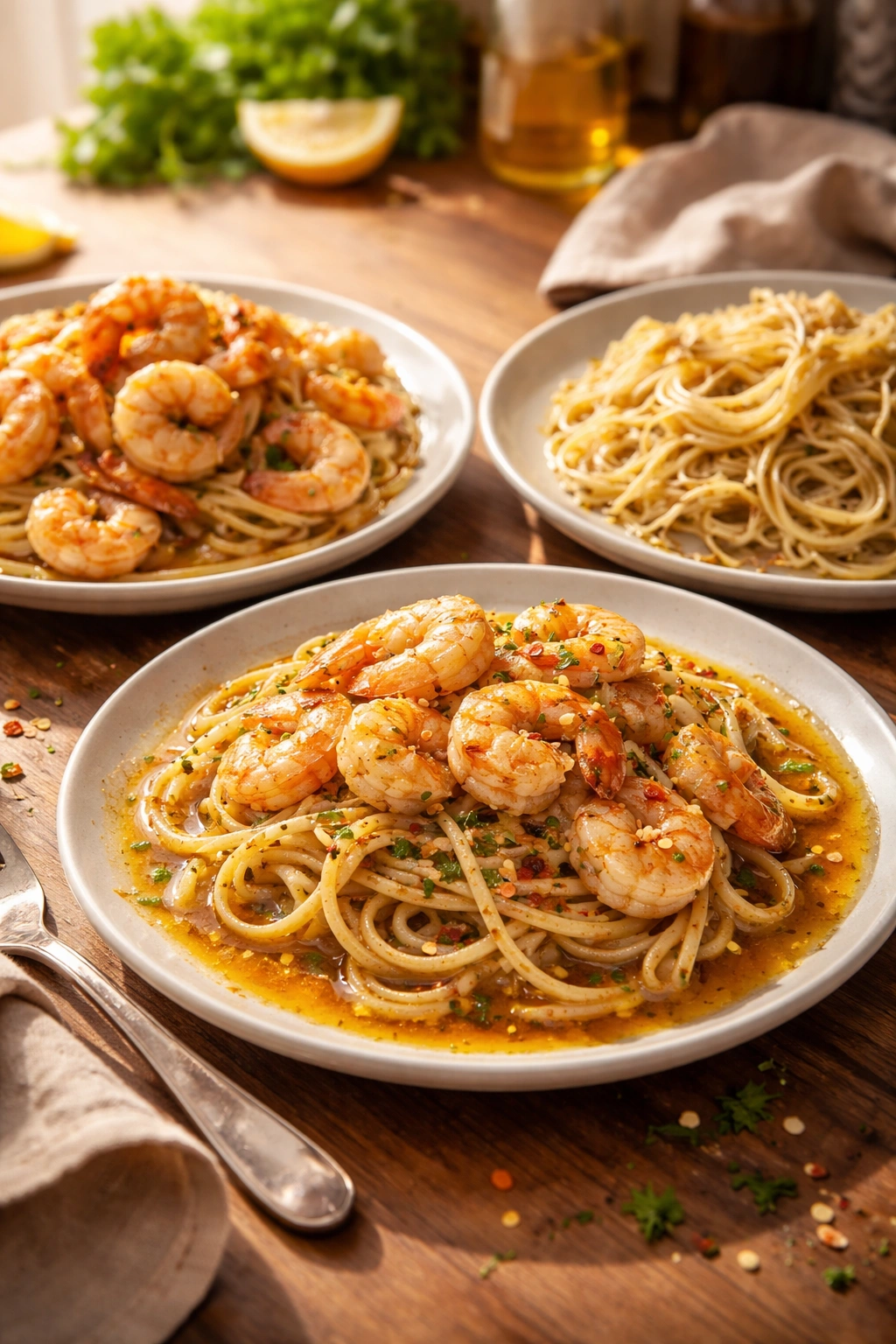
Understanding what typically goes wrong with shrimp pasta helps you avoid these pitfalls. Most of these mistakes are easily prevented with a small adjustment in technique or timing.
Rubbery, overcooked shrimp is the most common problem. Shrimp cook incredibly fast—a minute too long and they go from tender to tough. The safest approach is to remove the shrimp from the pan when they’re still just barely opaque in the center, then add them back in at the very end when tossing with the pasta. The residual heat finishes cooking them gently without risking overcooking.
Separated, greasy sauce happens when the heat is too high at the wrong moment. Butter and cream can break apart if heated too aggressively after being added to the pan. This is why many chefs remove the pan from the heat before adding cream, or finish the pasta tossing off the heat. The pan will still be hot enough to warm everything through without the aggressive heat breaking the sauce apart.
Dry pasta results from not reserving cooking water. Without that starchy water, you have no way to adjust the sauce consistency if it dries out. Always reserve pasta water as insurance, even if you don’t think you’ll need it.
Flat, underseasoned pasta comes from not salting the cooking water properly. If your water isn’t salty enough, the pasta itself will be bland. Taste the water before adding pasta—it should be noticeably salty, similar to seawater.
Burnt garlic ruins the entire sauce. High heat and garlic are a risky combination. Keep the heat at medium once you’ve added the garlic, and cook it for only 30 seconds. If you’re worried, reduce the heat to medium-low. A minute of slightly undercooked garlic is better than 30 seconds of burnt garlic.
Unevenly cooked shrimp happens when you stir them too early. Let the shrimp sit undisturbed in the pan for the first 2 minutes so they can develop a sear on one side. Then stir and cook for another 1-2 minutes. This two-stage cooking ensures more even results than constant stirring from the beginning.
Flavor Variations to Try Once You’ve Mastered the Basic Recipe
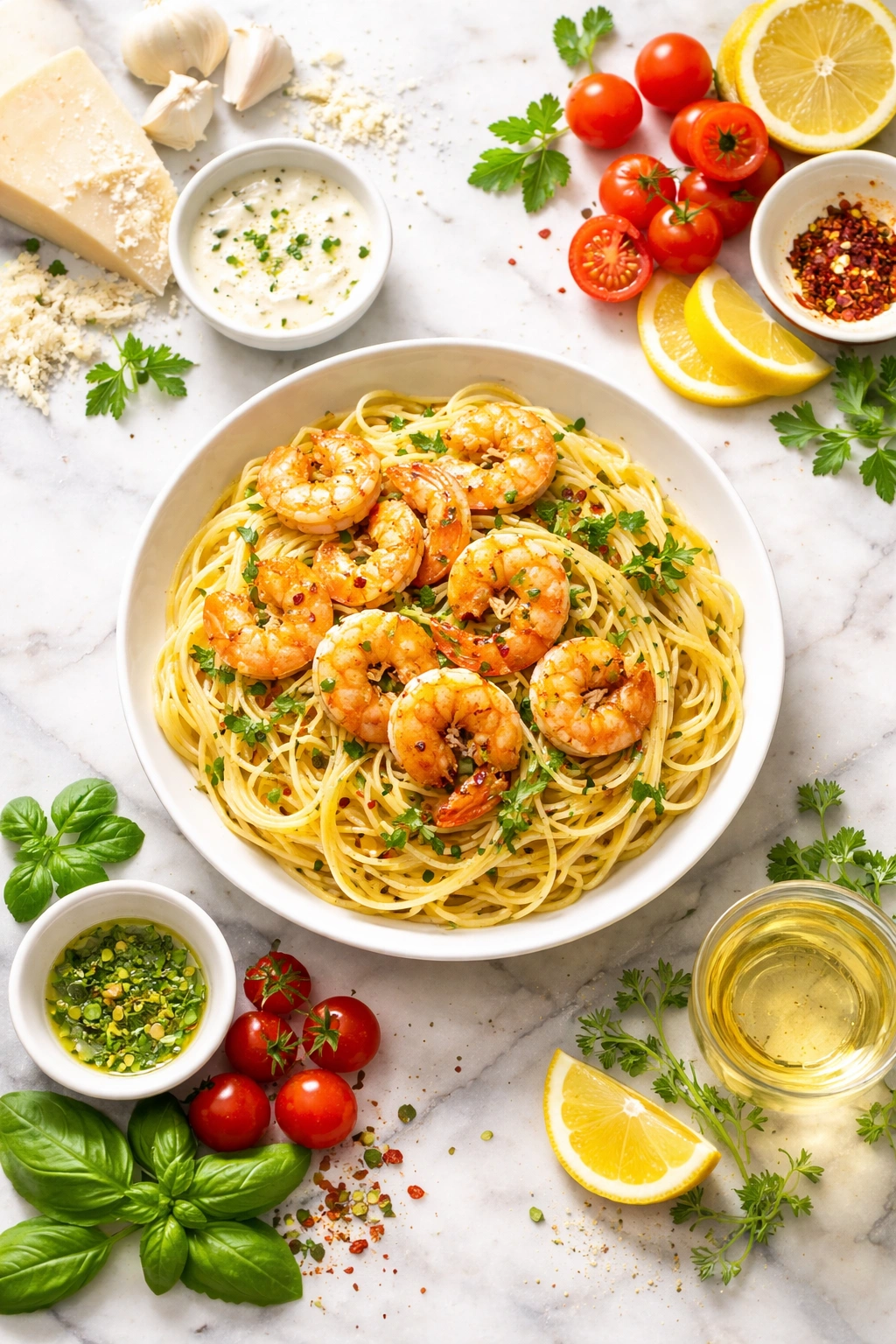
Once you’re comfortable with the fundamental technique, shrimp pasta is infinitely flexible. These variations all follow the same basic approach but take the dish in different flavor directions. Each one is equally appropriate for a date night dinner—the only difference is which mood you’re in.
Creamy Garlic Parmesan Version: After the wine has reduced, add ⅓ cup of heavy cream and let it simmer gently for 2 minutes, stirring occasionally, before adding the cooked pasta. The cream makes the sauce richer and more luxurious, though some argue it masks the brightness of the lemon. This version is wonderful on cooler evenings when you want something more indulgent.
Lemony Garlic with Burst Tomatoes: Halve about 8 ounces of cherry or grape tomatoes. After cooking the shrimp, add the tomatoes to the pan and let them cook for 2 minutes, softening and releasing their juices. This adds freshness and a subtle sweetness that plays beautifully with the lemon and garlic. The tomato juice becomes part of the sauce, adding body without needing cream.
White Wine Butter Sauce with Fresh Herbs: Increase the parsley to 3 tablespoons total and add ½ teaspoon of fresh thyme leaves (or a pinch of dried thyme) to the pan along with the garlic. You can also add 1 teaspoon of fresh basil, torn, just before serving. Fresh herbs elevate the entire dish and add complexity.
Spicy Version with Red Pepper Flakes: Double the red pepper flakes (½ teaspoon instead of ¼ teaspoon) and add a tiny pinch of cayenne pepper if you like serious heat. Serve with a glass of chilled white wine to balance the spice. This version is wonderful if one or both of you enjoys food with a kick.
Mediterranean Style with Olives and Capers: After cooking the shrimp, add ¼ cup of pitted green or Kalamata olives (or a mix) and 1 tablespoon of rinsed capers to the pan. These briny elements add complexity and salt-forward flavor that’s absolutely delicious with shrimp. This version needs slightly less additional salt at the end.
Garlic Butter with a Touch of Anchovy: Add ½ teaspoon of finely minced anchovy paste to the butter as it melts. Most people won’t identify the anchovy, but they’ll notice the depth and umami richness it adds to the sauce. This is a restaurant technique that elevates the dish dramatically without making it taste “fishy.”
Side Dishes That Pair Perfectly with Shrimp Pasta
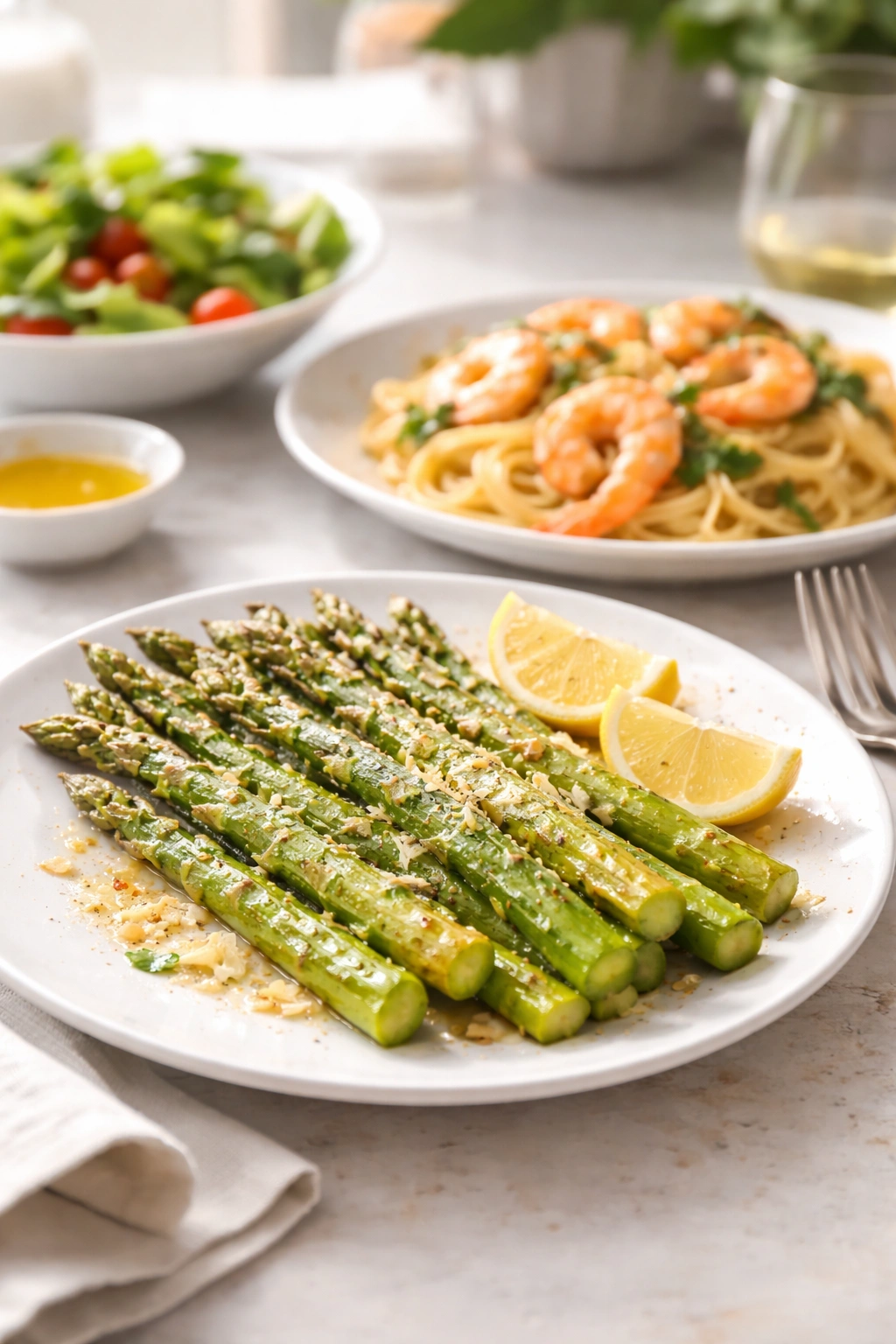
While shrimp pasta is hearty enough to stand alone as a complete meal, a thoughtful side dish rounds out the dinner and makes it feel more special. The key is choosing sides that complement rather than compete with the delicate shrimp and bright lemon sauce.
A simple green salad is perhaps the most classic pairing. Make it with peppery arugula or tender mixed greens tossed with a light vinaigrette—lemon vinaigrette works beautifully, as does a simple red wine vinaigrette. The acidity of the dressing echoes the lemon in the pasta and provides textural contrast to the soft noodles.
Roasted asparagus is an elegant choice that feels restaurant-worthy. Toss asparagus spears with olive oil, salt, pepper, and a squeeze of lemon, then roast at 400°F until tender and lightly golden—about 12-15 minutes. The slight char and earthiness of roasted asparagus pairs wonderfully with shrimp.
Garlic bread or focaccia is perfect for soaking up every last drop of that precious sauce. Slice bread, brush with olive oil and minced garlic, and toast in the oven until golden and crispy. This isn’t gourmet, but it’s practical and delicious.
Roasted cherry tomatoes add color and sweetness. Halve the tomatoes, toss with olive oil and garlic, and roast at 425°F for 12-15 minutes until they begin to collapse and caramelize. They become sweet and jammy, creating a lovely contrast to the bright lemon sauce.
Sautéed spinach or kale dressed with garlic and a squeeze of lemon is healthy, elegant, and takes just 5 minutes to prepare. Baby spinach wilts almost instantly; kale takes a bit longer but has a more substantial texture. Both benefit from a finishing touch of fleur de sel and Parmesan.
A chilled cucumber salad is refreshing and light, perfect if you want to keep the meal from feeling too heavy. Toss thin-sliced cucumber with rice vinegar, a touch of sesame oil, thinly sliced red onion, and fresh cilantro or mint.
Storage and Make-Ahead Guidance
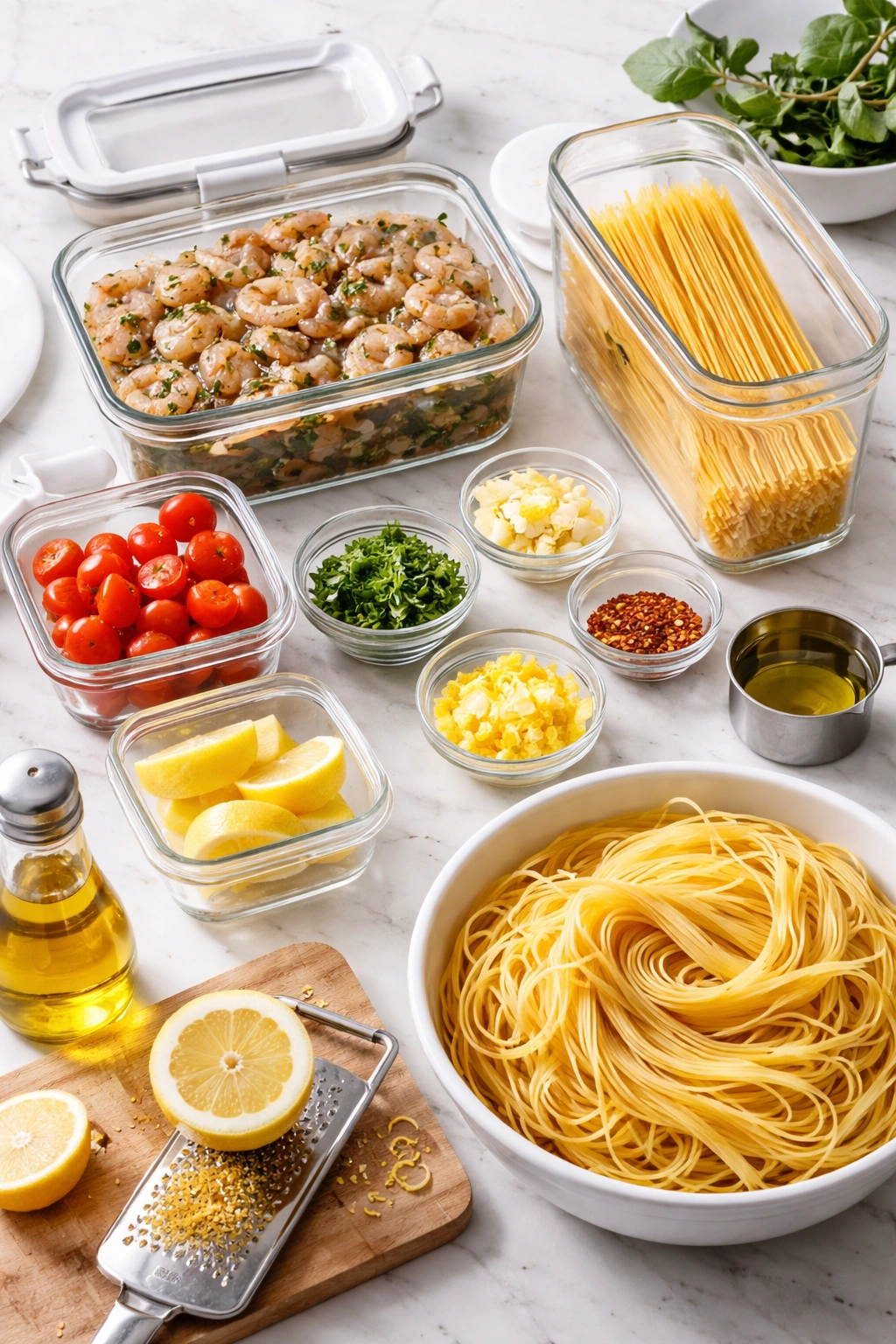
One of the wonderful things about date night is that you can prepare many components in advance, reducing stress when the moment arrives. However, shrimp pasta is best eaten immediately after cooking, as reheating can affect the texture of both the shrimp and the sauce.
Making components ahead: You can peel and devein shrimp up to 4 hours before cooking—store them in the refrigerator in an airtight container. You can also mince your garlic, zest your lemon, measure out your pasta, and prep any side dishes several hours in advance. Having everything prepared and ready to go (what chefs call mise en place) means you simply need to cook when you’re ready to eat, which takes the stress out of dinner preparation.
Pasta cooking timing: Cook the pasta just before you want to eat. If you cook it more than a few minutes ahead, it will continue cooking from residual heat and can become soft. However, if you’re organized and confident, you can start the pasta water boiling first, then prepare your shrimp while it’s coming to temperature, so everything is ready to go simultaneously.
Leftover shrimp pasta: While not ideal, leftover shrimp pasta can be refrigerated in an airtight container for up to 2 days. To reheat, place it in a skillet over medium-low heat with a splash of water or chicken broth, stirring gently until warmed through. The shrimp may be slightly less tender than when freshly cooked, and the sauce may be slightly thicker, but it’s still quite good.
Don’t freeze: Freezing shrimp pasta is technically possible, but the texture of both the shrimp and the pasta suffers significantly upon thawing. The shrimp can become tough, and the pasta becomes mushy. For this reason, it’s best to enjoy shrimp pasta fresh, or prepare it more frequently rather than trying to make it in advance for freezing.
Wine Pairing Guide for the Perfect Evening
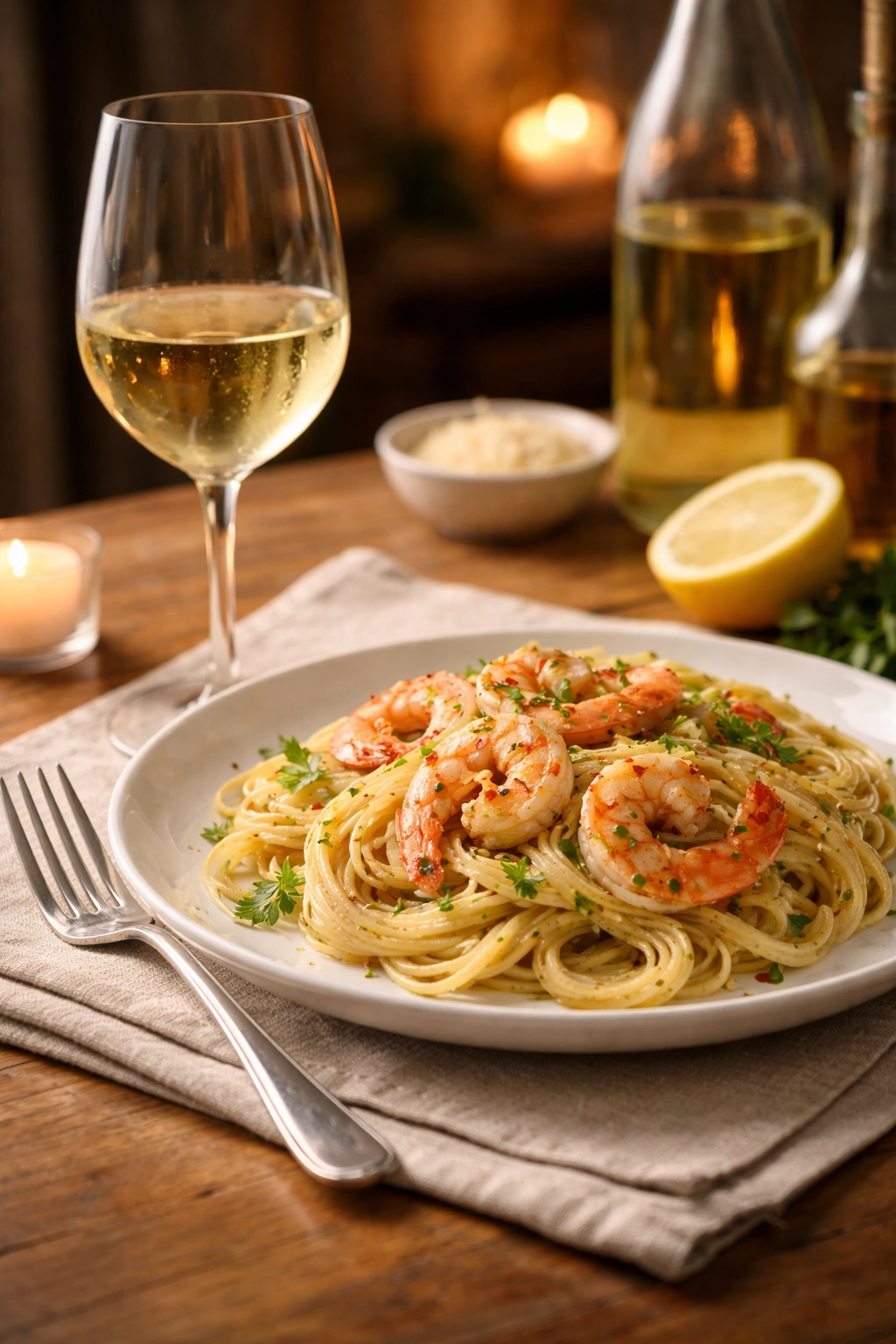
Wine pairing elevates the entire dinner experience and doesn’t need to be complicated. The rule with shrimp and pasta is straightforward: light, crisp, dry white wines work beautifully across nearly all variations of this dish.
Sauvignon Blanc is perhaps the most reliable choice. Its herbaceous notes and bright acidity complement the garlic and lemon perfectly. New Zealand Sauvignon Blancs tend toward tropical fruit notes and higher acidity, while Loire Valley versions are more mineral-driven and crisp. Either works beautifully.
Pinot Grigio is another excellent choice, particularly Italian versions (which tend to have more mineral character than lighter, more neutral American or other European versions). The wine is light enough not to overpower the delicate shrimp, yet has enough body to feel substantial alongside the pasta.
Vermentino or Albariño are wonderful if you can find them. Both are Mediterranean white wines with beautiful acidity and subtle fruit notes that play nicely with shrimp. Vermentino is Italian and slightly floral; Albariño is Spanish and a bit more mineral.
Picpoul de Pinet is a French wine that’s specifically designed to pair with seafood. It’s intensely crisp and mineral with subtle citrus notes—in many ways it’s the ideal pairing for shrimp pasta.
Prosecco or other light sparkling wines work beautifully if you want something festive. The bubbles are refreshing, and the slight sweetness balances the acid of the lemon.
Avoid heavier whites: Skip Chardonnay (particularly oaky versions), Rieslings, and Gewürztraminer. These wines are generally too heavy or have flavor profiles that don’t align well with the delicate shrimp and bright lemon sauce.
Serving temperature matters: Chill your wine properly—30 minutes in the freezer or 2 hours in the refrigerator. Warm wine tastes flat and unpleasant. Cold wine is refreshing and highlights the wine’s best qualities.
Pour thoughtfully: When you’re about to cook, pour a small glass of the wine you’re serving with dinner, or open a bottle just before you start cooking if you’re using wine in the sauce. Having it at hand and lightly chilled makes the whole experience feel more intentional.
Final Thoughts
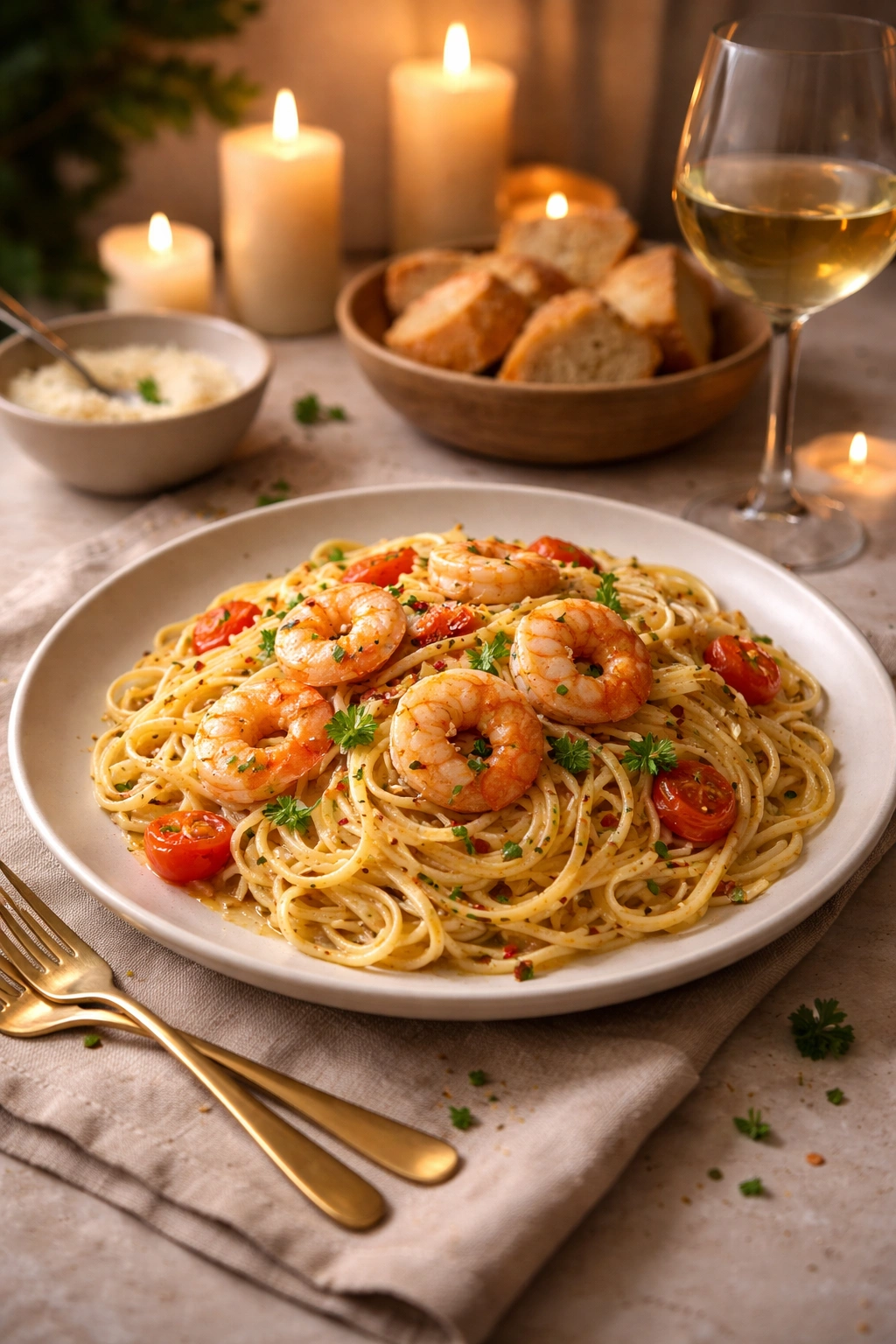
Shrimp pasta for a date night dinner is not about impressing anyone with complicated techniques or rare ingredients. It’s about taking a few simple, quality components and treating them with care and attention. It’s about timing, about understanding how ingredients work together, and about creating a moment that feels special without requiring hours of preparation or stress.
The first time you make this dish, you might feel slightly nervous about whether the timing will work out or whether the shrimp will cook perfectly. This is completely normal. But here’s the secret: shrimp pasta is remarkably forgiving. Even if your timing is slightly off or the shrimp cooks an extra 30 seconds, the finished dish will still be delicious. The pasta sauce has enough body to keep everything from drying out, and the flavors are forgiving enough to handle minor variations in technique.
Once you’ve made this dish once or twice, you’ll realize it’s actually one of the easiest date night dinners you can prepare. The execution is straightforward, the ingredients are affordable and readily available, and the result tastes like you spent far more effort than you actually did. That’s the real magic of shrimp pasta—it’s elegant enough for special occasions yet practical enough for busy weeknights.
The beauty of mastering this one dish is that once you understand the fundamentals, you can easily adapt it based on what you have on hand, what’s in season, or what mood you’re in. The basic technique—a simple pan sauce built from garlic, butter, and pasta water—is the foundation for countless variations. Build your confidence with the classic version, then play with flavors and additions once you feel comfortable.
Most importantly, don’t overthink it. Set a nice table, light some candles, put on music you both enjoy, and cook with intention. The meal doesn’t need to be perfect—it just needs to be made with care. Shrimp pasta has a way of tasting better when it’s shared across a candlelit table with someone you enjoy spending time with. That’s not magic; that’s just what good food is supposed to do.
