



Instant ramen packets have fed countless college students, busy professionals, and anyone craving quick comfort food on a budget. But if you’ve ever wondered what’s actually in those flavor packets—and more importantly, what you’re missing—it’s time to discover how genuinely simple it is to make ramen at home that tastes restaurant-quality. The thing is, real homemade ramen doesn’t require hours of simmering or exotic ingredients you can’t find. It takes just 30 minutes and a handful of pantry staples to create something so much more satisfying than those sodium-packed packets could ever deliver.
The shift from packet ramen to homemade ramen changes everything. You control the salt levels, craft a broth with real depth and flavor complexity, and build a bowl that’s actually good for you—not just convenient. The visual difference alone is striking: instead of sad, overcooked noodles drowning in artificial-tasting broth, you get chewy noodles, silky broth infused with garlic and ginger, vibrant fresh vegetables, and toppings that add layers of texture and taste. Once you taste the difference, those instant packets become what they should be: emergency backup only.
What makes homemade ramen so approachable is that it relies on flavor-building fundamentals rather than chemistry. Searing aromatics, simmering broth to concentrate flavors, cooking noodles separately, and assembling with care—these aren’t difficult steps. They’re just intentional ones. Every element of your ramen matters because you’ve made conscious choices about what goes into it. That bowl becomes a reflection of your taste, your available ingredients, and what you’re craving that particular day.
Why Homemade Ramen Beats Instant Packets Every Single Time
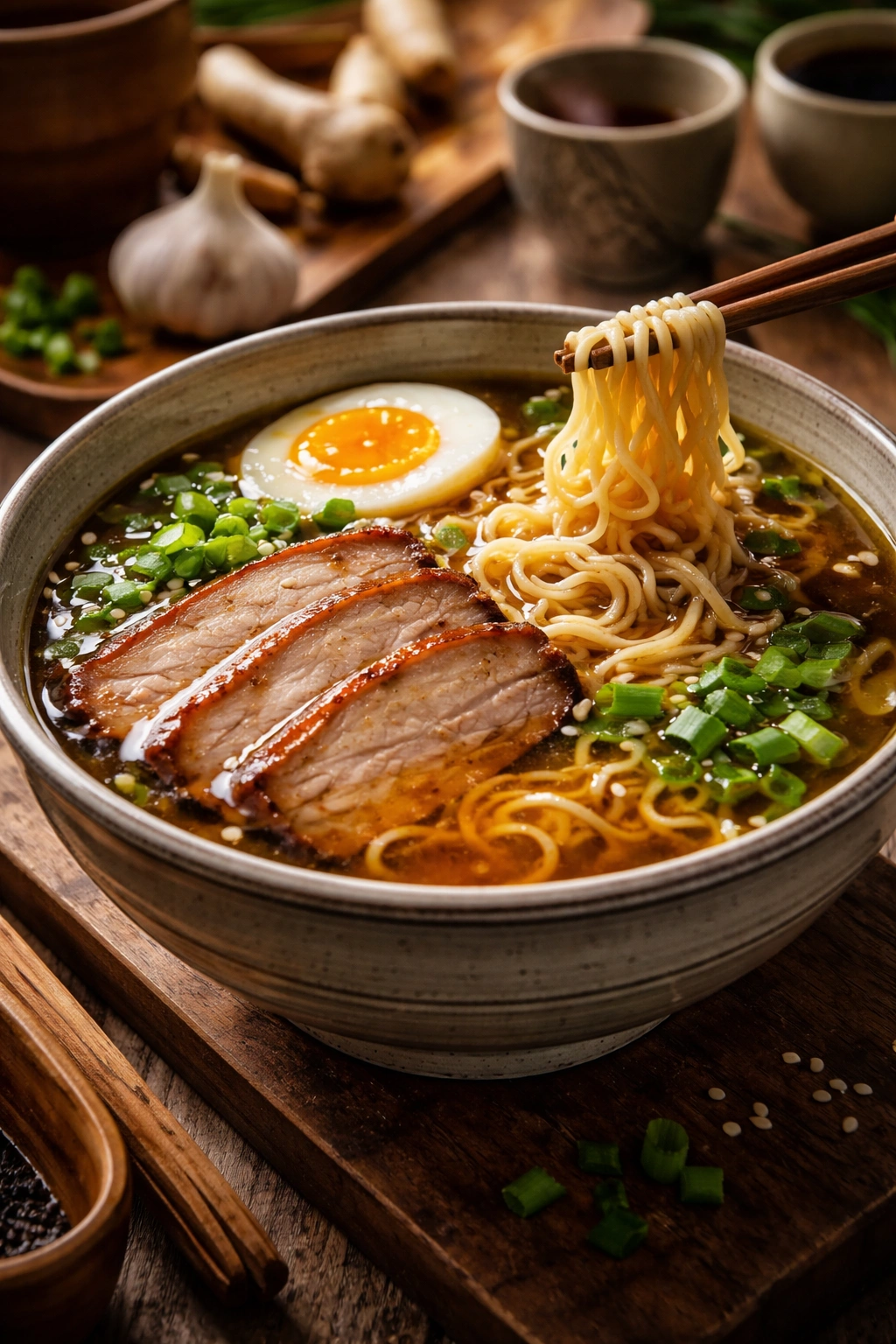
Let’s be completely honest about what’s in those flavor packets. They contain MSG, maltodextrin, various artificial flavoring compounds, and preservatives designed to keep the powder stable for months on grocery store shelves. None of these ingredients are inherently dangerous in small quantities, but they do create a very specific—and very artificial—taste profile that feels flat compared to real broth built with intention.
When you make ramen at home, you taste the difference immediately. Homemade broth has body and complexity because it’s built from aromatic vegetables, quality broth, and umami-rich ingredients like soy sauce and mushrooms. Your noodles don’t disintegrate because they cook briefly and separately, then go into hot broth just before serving. Your vegetables are fresh and tender, not rehydrated from some mysterious powder mixture.
The sodium content alone is worth the switch. Instant ramen packets contain roughly 800–1000mg of sodium per serving—often nearly half your daily recommended intake in a single bowl. Homemade ramen lets you control the salt entirely, using low-sodium broth and soy sauce, then seasoning to your preference. You get all the flavor with a fraction of the sodium, which means you can actually eat this regularly without guilt.
But here’s the real secret: homemade ramen is genuinely cheaper per serving than takeout ramen and barely more expensive than instant packets when you factor in the quality of what you’re eating. You’re spending money on better ingredients that yield better results, but the cost per bowl remains remarkably low—often under $3 when you account for all components.
Understanding the Basic Components of Homemade Ramen
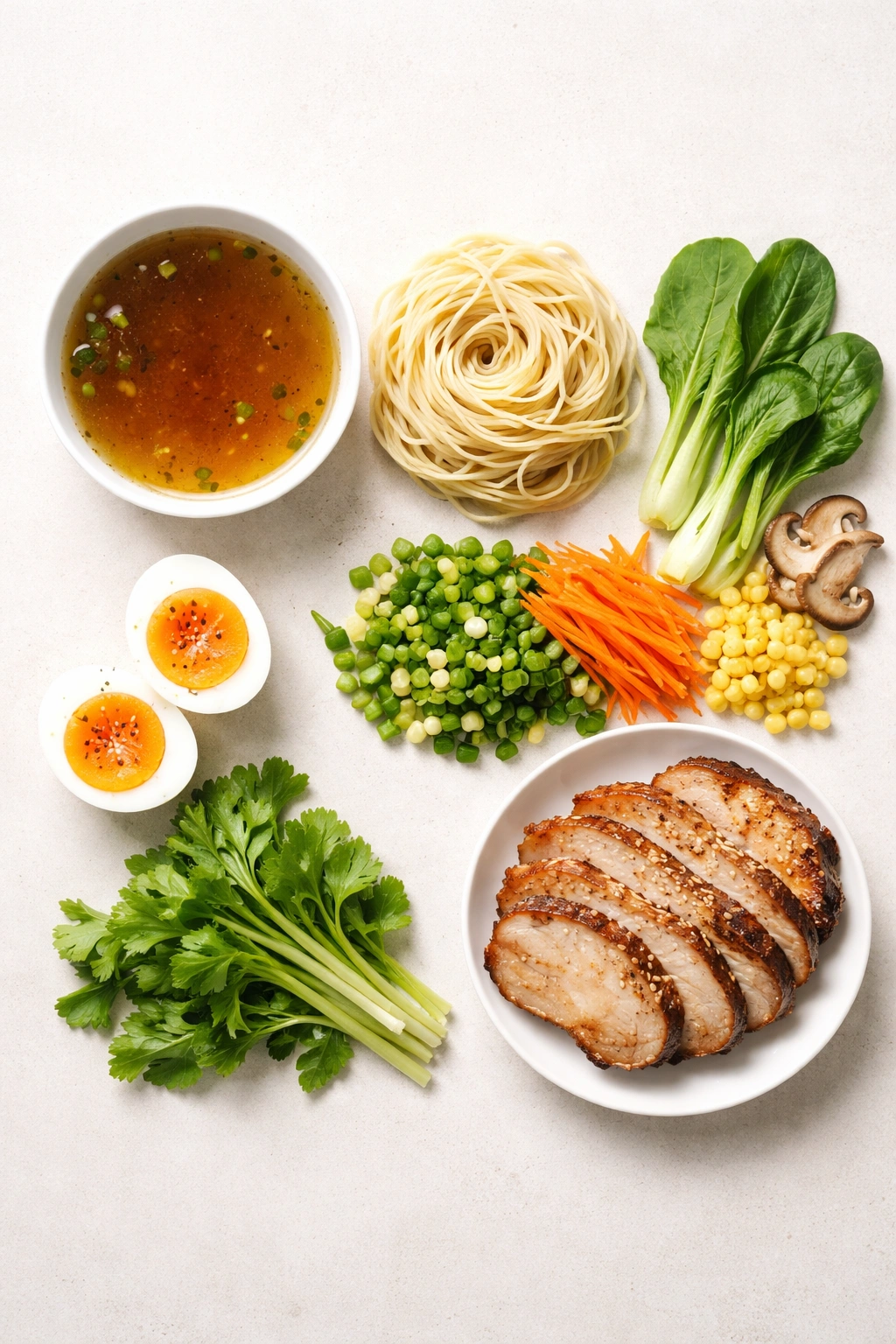
Every bowl of excellent ramen contains five fundamental components, and understanding each one lets you build bowls with confidence. The broth is the foundation—it’s where all your flavor happens. Quality broth has body, depth, and a savory richness that coats your palate. It’s not just hot water with seasoning; it’s a carefully balanced combination of liquid, aromatics, and umami elements that work together.
The noodles are the vehicle for that broth. Instant ramen noodles work perfectly fine (just discard the seasoning packet), but refrigerated ramen noodles from an Asian market have better texture and don’t taste like they were processed three months ago. The difference is subtle but noticeable—fresher noodles stay chewy rather than soft, and they taste cleaner.
Fresh vegetables add color, nutrition, and textural contrast. They keep your ramen from being one-dimensional and transform it from a guilty indulgence into something closer to balanced. Vegetables should be tender but not mushy, which means adding them strategically so they cook just enough without falling apart in the hot broth.
Proteins make ramen a complete meal. Soft-boiled eggs are traditional and add creaminess through their jammy yolk. You can also add shredded rotisserie chicken, sliced beef, tofu, shrimp, or even crispy bacon. The protein should complement the broth rather than overwhelm it.
Finally, toppings provide final flavor, texture, and visual appeal. These aren’t afterthoughts—they’re the finishing flourish that makes someone pick up their camera before eating. Sesame seeds, green onions, chili oil, crispy garlic, nori (seaweed), or furikake (a Japanese seasoning blend) all add something different. Toppings are where your personal ramen style really shows.
Building a Flavor-Rich Broth Without Spending Hours
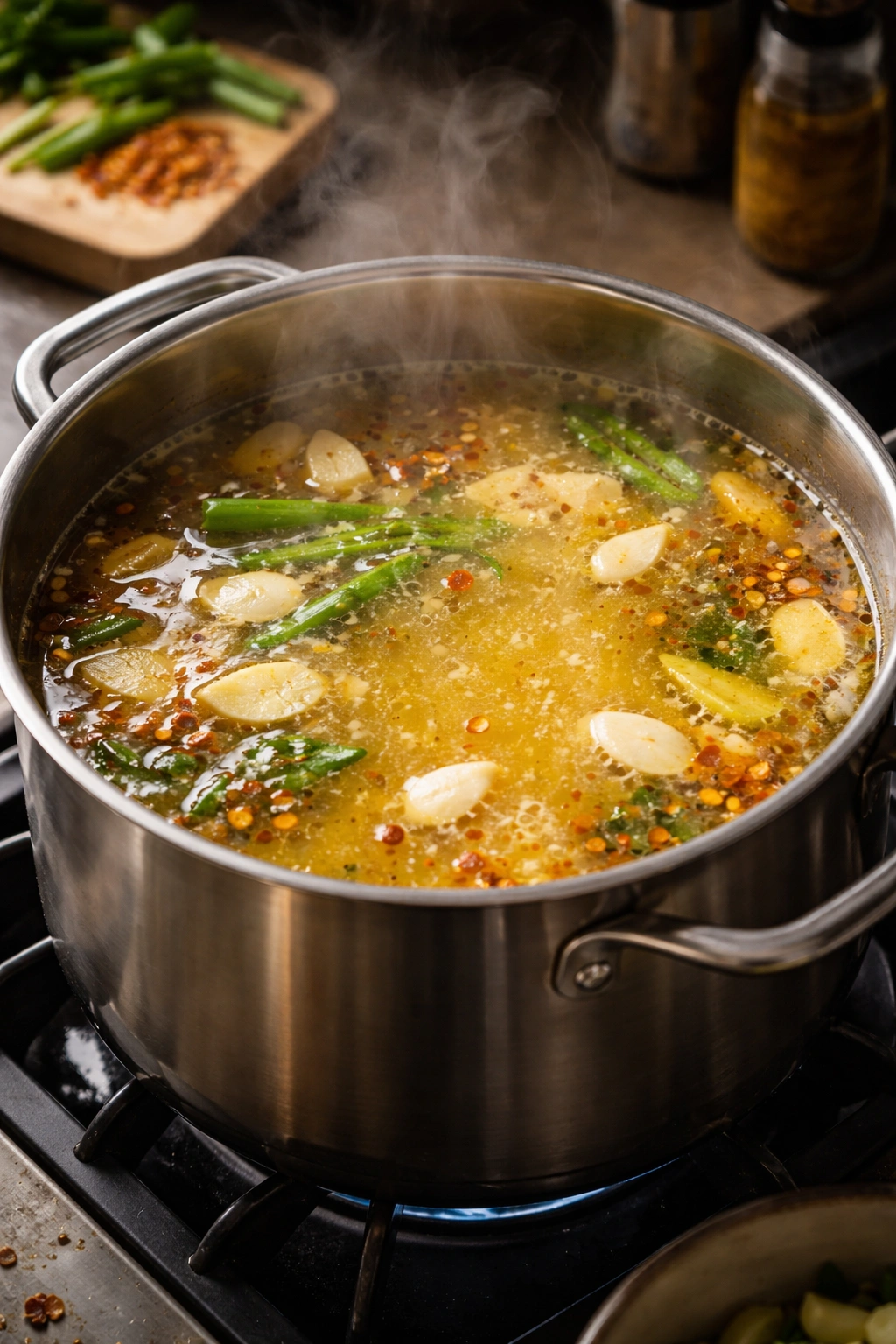
The most important thing to understand about ramen broth is that you don’t need to simmer bones for 12 hours to get incredible flavor. Good quality store-bought broth gets you 80% of the way there. What transforms it into something special is the flavor-building work you do upfront—searing aromatics and infusing the broth with umami elements.
Start by heating sesame oil (not regular oil) in a large pot over medium heat. Toasted sesame oil has a deeper, nuttier flavor than regular oil, and it adds a baseline of richness to your broth that seasoning packets try to replicate chemically. Add minced fresh garlic and freshly grated ginger to the hot oil, then let them sizzle for 1–2 minutes. You want them fragrant but not browned. This step, called blooming aromatics, releases their essential oils and infuses them throughout the fat, which then carries those flavors throughout your entire broth.
Once the garlic and ginger are fragrant, add your broth and water. A good ratio is 4 cups of broth to 1 cup of water, which dilutes the broth slightly so it tastes fresh rather than overly concentrated. If you’re using regular (salted) broth, use all broth; if you’re using low-sodium, you can use equal parts. At this point, add soy sauce—roughly 2–3 tablespoons depending on saltiness—and rice wine vinegar to brighten everything up.
Here’s where umami comes in: add dried shiitake mushrooms or dried kombu (seaweed). These ingredients don’t need to be cooked for hours; simmering for 10–15 minutes is enough for them to release their glutamates (the compounds that create umami, that savory fifth taste). You can fish out the mushrooms and kombu before serving, or leave thin slices of mushroom floating in your bowl for texture.
If you want additional depth, add a teaspoon of miso paste—white miso is milder and more delicate, while red miso is earthier and richer. Whisk it in near the end of cooking so the beneficial probiotics don’t get destroyed by prolonged heat. Some people add a splash of sake or mirin (sweet rice wine) for subtle sweetness and complexity, though both are entirely optional.
The broth should simmer gently for at least 10 minutes before you add noodles. This resting time lets all the flavors meld together and create something cohesive rather than tasting like separate ingredients thrown together. Don’t rush this step. You can prepare your toppings while the broth simmers, making the overall cooking time still remarkably quick.
Selecting and Preparing Your Noodles
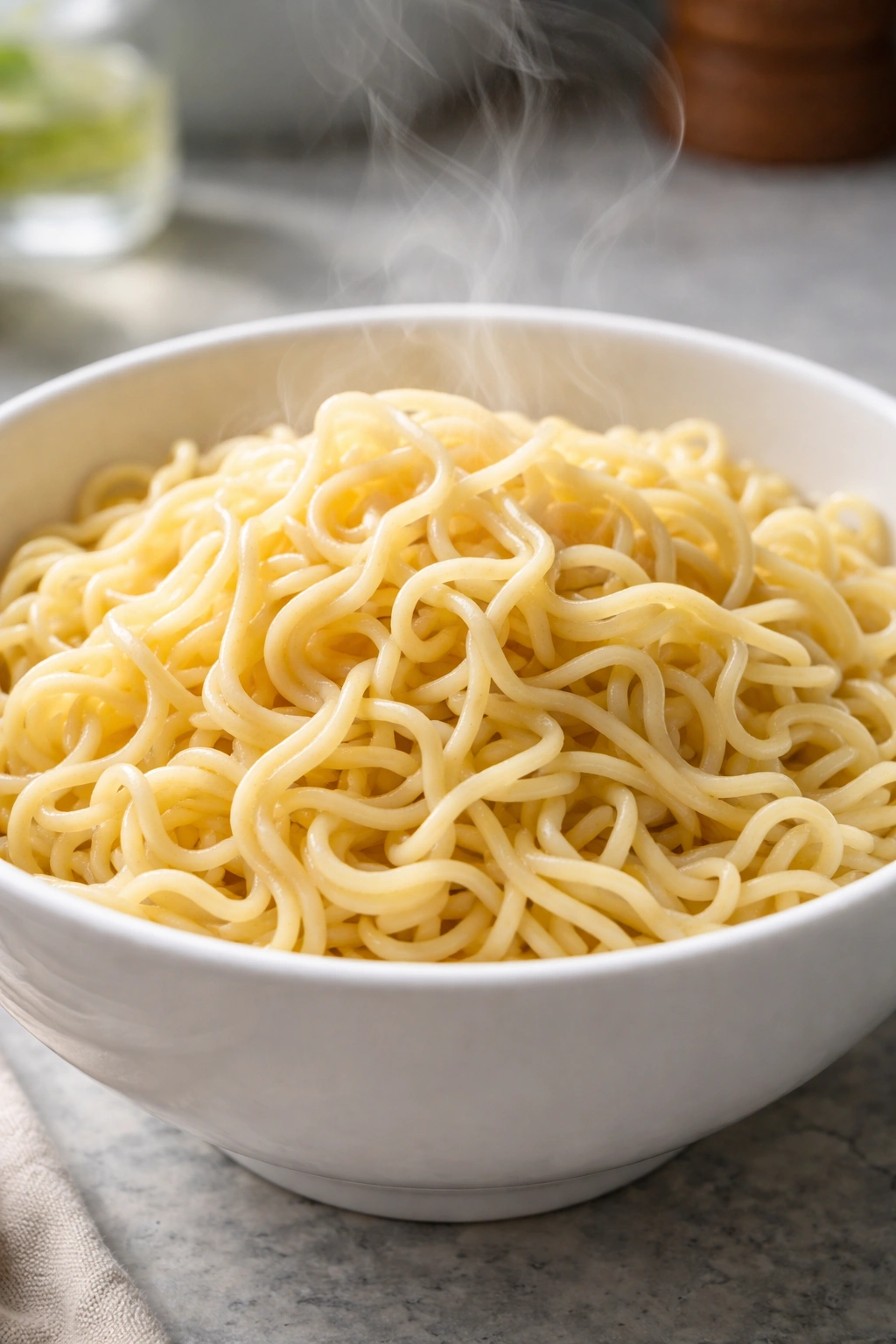
One of the greatest realizations home cooks have is that instant ramen noodles (when separated from their seasoning packets) are actually very good. They’re designed to cook quickly, they hold up well in hot broth, and they have a pleasant chewy texture. Using them is completely legitimate and significantly cheaper than buying fresh ramen noodles from an Asian market.
That said, if you can access refrigerated ramen noodles—often called fresh ramen or yaki-soba noodles—they’re genuinely superior. They taste fresher, have better mouthfeel, and never feel like they were manufactured months ago. Asian markets, some Whole Foods locations, and increasingly regular supermarkets stock them in the refrigerated section near produce. They cost only slightly more than instant packages and absolutely transform your ramen experience.
The critical mistake most people make is cooking noodles directly in their broth. Instant ramen noodles release starch into the cooking water, which clouds your broth and makes it look murky instead of clear and appealing. More importantly, it changes the flavor. Always—always—cook noodles separately in salted boiling water, drain them thoroughly, then add them to your bowl before pouring the broth over top.
For instant noodles, boil them for 3 minutes (check package directions, as some brands vary). Fresh ramen noodles cook even faster, usually 1–2 minutes. The moment they’re tender, drain them in a strainer and give them a quick rinse under cool water to stop the cooking process and remove excess starch. This prevents them from overcooking and turning mushy. If you’re making multiple bowls, you can toss the cooked noodles lightly with a bit of sesame oil to prevent them from sticking together while you prepare everything else.
Soft-Boiled Eggs: The Perfect Ramen Topping
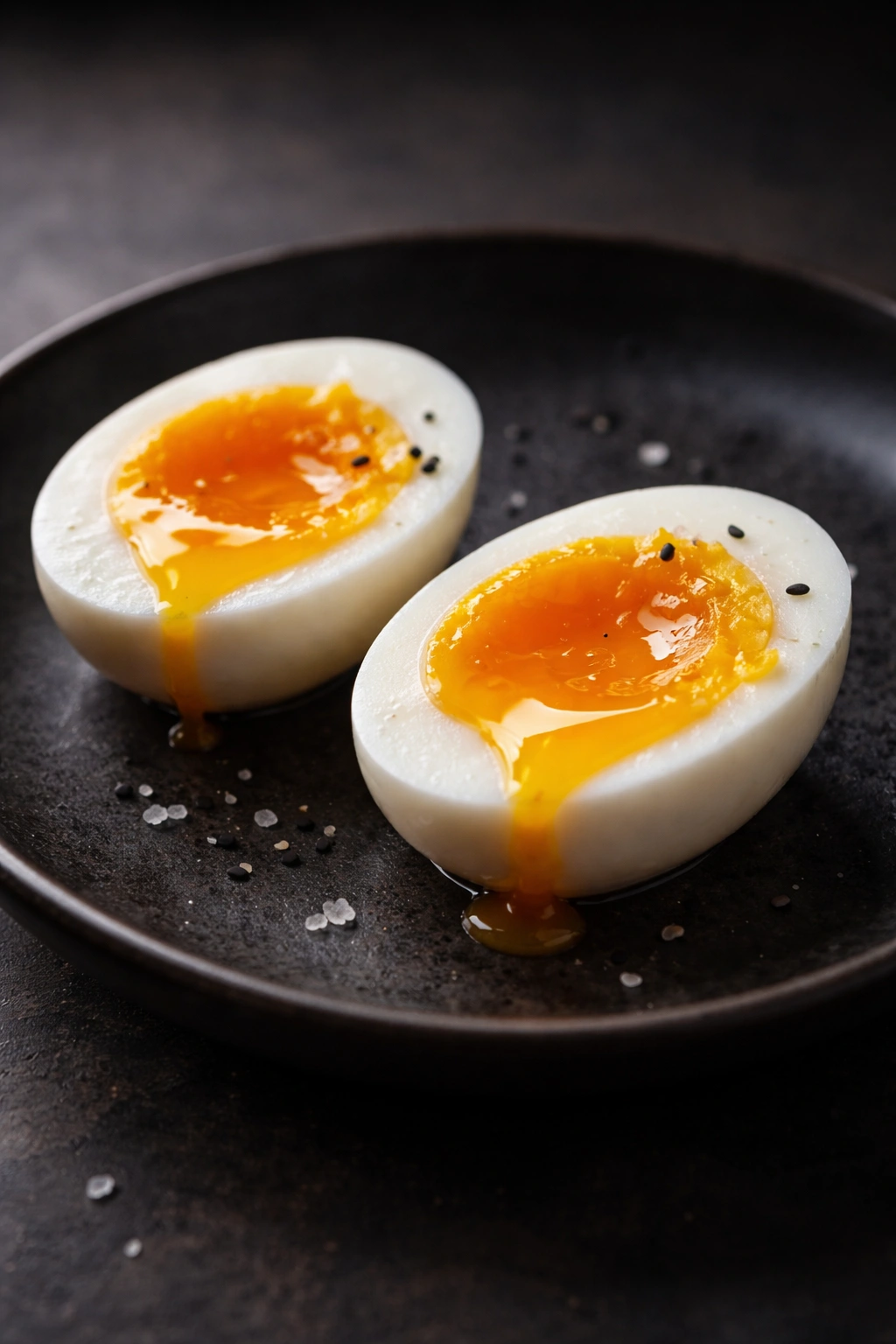
A properly cooked soft-boiled egg transforms a bowl of ramen. The creamy, runny yolk creates a sauce-like coating over the noodles, adding richness and protein while the white provides structure. Getting the egg timing right is surprisingly simple once you know the technique.
Bring a pot of water to a boil. Gently lower room-temperature eggs into the water (or use cold eggs directly from the fridge—timing will be slightly longer). Set a timer for 6 minutes for a jammy, runny yolk with a barely-set white, or 7 minutes for a yolk that’s mostly set but still has a soft center. The exact time depends on your elevation and how many eggs you’re cooking, but 6–7 minutes is the sweet spot for ramen.
When the timer goes off, immediately transfer the eggs to a bowl of ice water. This stops the cooking process instantly, which is crucial—one more minute of heat can turn that perfect jammy yolk into a fully hard-boiled egg. Let them cool for at least 2 minutes, then gently crack and peel them under cool running water. The water helps separate the shell from the membrane underneath, making peeling easier.
To add the egg to your ramen, slice it in half lengthwise so the runny yolk is visible and beautiful. Place the halves cut-side-up on top of your finished bowl. When you eat, that yolk will mix into the broth and coat the noodles with creamy, savory richness. It’s genuinely one of the best textures in food.
You can prep soft-boiled eggs ahead of time—they keep in the refrigerator for up to 5 days in their shells. Just warm them gently in hot water for a minute or two before adding to your ramen so they’re not cold. Alternatively, cook them the day you’re making ramen while your broth simmers; the timing works out perfectly so everything is ready at once.
Fresh Vegetables That Transform Your Bowl
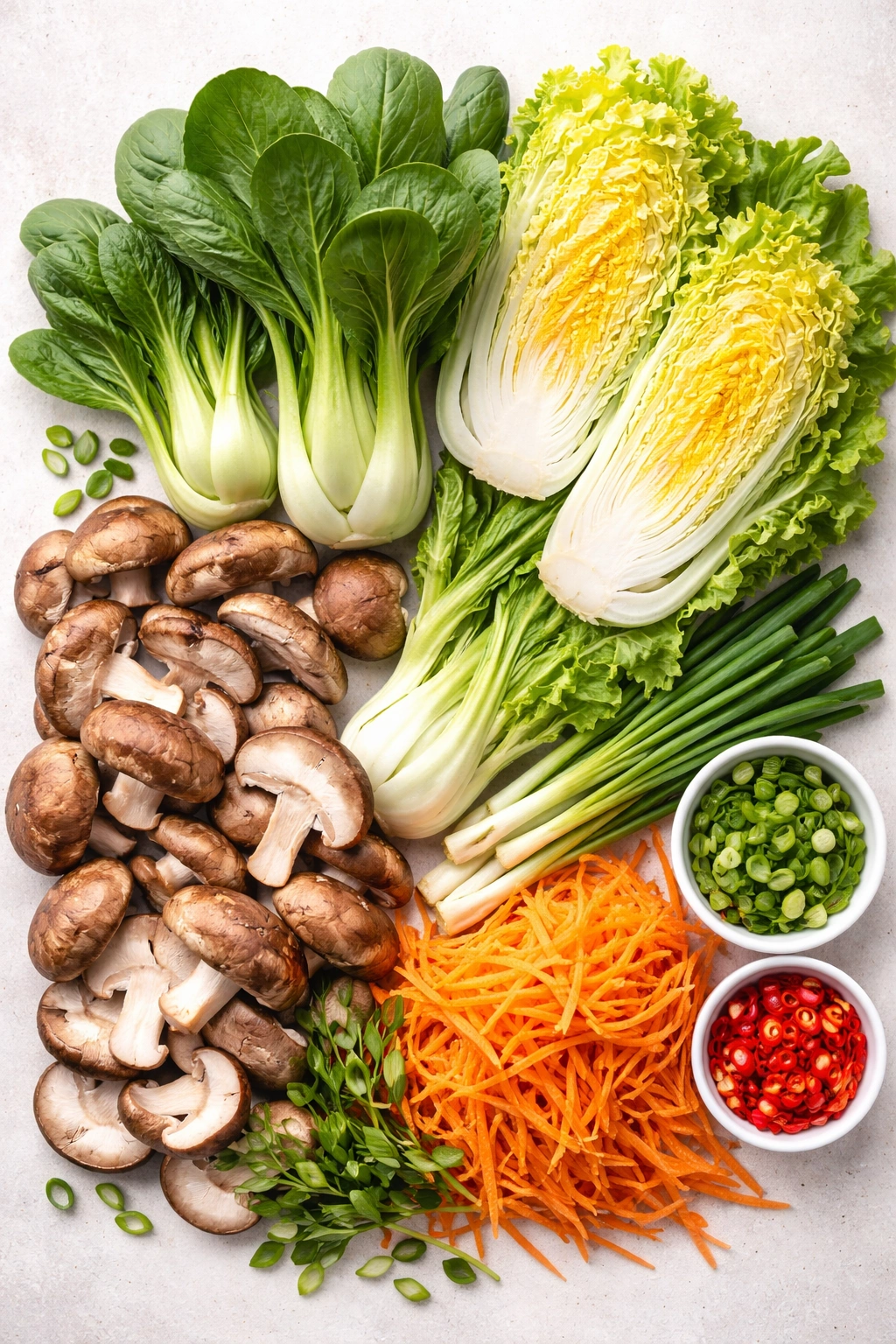
The beauty of homemade ramen is that it’s an excellent vehicle for vegetables. They add nutrition, color, textural contrast, and keep your bowl from being a one-note carb-and-broth experience. The key is choosing vegetables that cook quickly and taste good when tender but still slightly crisp.
Baby bok choy is the classic choice—its tender leaves wilt almost instantly in hot broth while the stems stay slightly crunchy. Slice them lengthwise through the stem so they stay together, then add them to the broth 2–3 minutes before serving so they soften just enough. Napa cabbage works similarly. Kale requires slightly more cooking (add it earlier) but adds substantial nutrition and pleasant chewiness.
Shiitake mushrooms are traditional and add umami depth. Slice them and either simmer them in the broth for 10 minutes to soften, or quick-sauté them separately in a bit of oil so they develop a golden exterior and stay firmer. Both methods work; it’s about your texture preference. Regular button or cremini mushrooms work too, though they’re less flavorful.
Shredded carrots add sweetness and color without requiring cooking—just add them to the hot broth right before serving and they soften slightly while staying crunchy. Raw shredded carrots work too if you prefer maximum crunch. Red bell peppers, similarly, can be thinly sliced and added raw for sweetness and crunch, or briefly sautéed if you prefer them softer.
Fresh spinach wilts almost instantly in the residual heat of your broth. Add it literally in the last 30 seconds before serving, just giving it a stir so it softens and darkens. Bean sprouts add a pleasant raw crunch if you scatter them on top after plating. Corn kernels (fresh or frozen) add subtle sweetness. Even thinly sliced mushrooms, snap peas, or broccoli florets work beautifully.
The principle is this: harder vegetables go into the broth earlier and cook until tender; delicate vegetables go in at the very end and barely wilt. This ensures everything is cooked perfectly rather than some items being mushy while others are still raw.
The Complete Recipe with Detailed Instructions
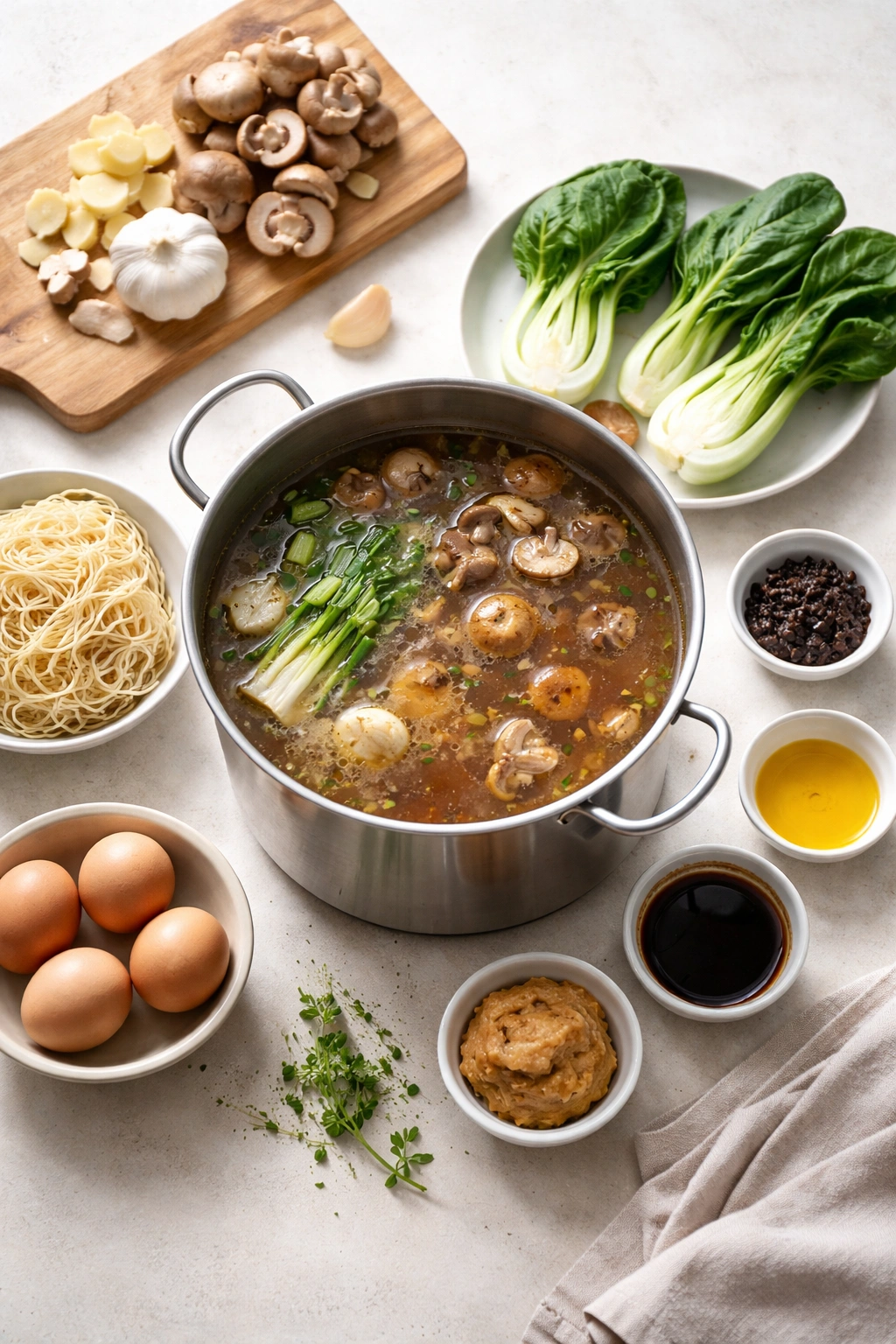
Yield: Serves 4
Prep Time: 15 minutes
Cook Time: 25 minutes
Total Time: 40 minutes
Difficulty: Beginner — no special equipment required; the steps are straightforward even for someone making ramen for the first time
For the Broth:
- 1 tablespoon toasted sesame oil
- 4 cloves garlic, minced
- 1 tablespoon freshly grated ginger
- 4 cups low-sodium chicken or vegetable broth
- 1 cup water
- 3 tablespoons low-sodium soy sauce
- 1 tablespoon rice wine vinegar
- 1 teaspoon white miso paste (optional but recommended)
- 1 ounce dried shiitake mushrooms or kombu strip
- ½ teaspoon chili garlic sauce or sambal (optional, for subtle heat)
For the Noodles and Assembly:
- 4 packages instant ramen noodles (seasoning packets discarded)
- Salted water for cooking noodles
- 4 large eggs
- 2 cups baby bok choy, halved lengthwise
- 1 cup shredded carrots
- 1 cup fresh spinach or other leafy green
- 2 green onions, thinly sliced
- Sesame seeds for garnish
- Nori strips (optional)
- Chili oil for serving (optional)
Make the Broth:
-
Heat the toasted sesame oil in a large pot over medium heat for about 30 seconds until shimmering.
-
Add the minced garlic and grated ginger to the hot oil. Stir constantly for 1–2 minutes until they become fragrant but are not browning—you want them to release their essential oils without burning.
-
Stir in the soy sauce, rice wine vinegar, and chili garlic sauce if using. Let this mixture bubble gently for about 1 minute so the flavors begin to develop.
Advertisements -
Pour in the broth and water. Add the dried mushrooms or kombu strip. Bring the liquid to a gentle simmer over medium-high heat.
-
Once simmering, reduce the heat to medium-low and cover the pot partially with a lid. Let it simmer undisturbed for 10–12 minutes. This allows all the flavors to meld together and the mushrooms to release their umami compounds. Do not boil vigorously or you’ll lose some flavor to evaporation.
-
If using miso paste, whisk it together with 2 tablespoons of the hot broth in a small bowl until smooth, then stir it back into the pot. This prevents lumpy clumps of miso from forming. If you’re not using miso, skip this step.
-
While the broth simmers, prepare all your toppings: cook the eggs, slice the bok choy, shred the carrots, slice the green onions. Having everything ready before you cook noodles makes assembly quick and ensures everything finishes cooking at the right time.
Cook the Noodles and Eggs:
-
Bring a separate large pot of salted water to a rolling boil. The water should taste like pleasant seawater—salty enough that you notice it.
-
Add all four packages of ramen noodles to the boiling salted water. Stir immediately to separate them and ensure even cooking.
-
Cook for exactly 3 minutes, stirring occasionally to keep the noodles from clumping. Do not exceed 3 minutes or the noodles will be mushy. Drain them immediately into a fine-mesh strainer and give them a gentle shake to remove excess water. Set aside.
-
While the noodles cook, place four eggs in a smaller pot of boiling water. Set a timer for 6 minutes (for runny yolks) or 7 minutes (for yolks that are mostly set but still soft in the center).
-
When the eggs’ timer goes off, use a slotted spoon to transfer them immediately to a bowl filled with ice water. This stops the cooking process instantly. Let them cool for at least 2 minutes before peeling or you’ll have difficulty removing the shell.
Advertisements
Finishing and Assembly:
-
Gently crack and peel the cooled eggs under cool running water. Halve them lengthwise so the beautiful yolk is visible and exposed.
-
About 1 minute before serving, add the bok choy to your simmering broth. Let it cook for 1–2 minutes until just tender.
-
Divide the cooked noodles evenly among four large, deep serving bowls—about 1 cup of noodles per bowl.
-
Carefully ladle the hot broth over the noodles, making sure each bowl gets mushroom or kombu pieces. The broth should come about three-quarters of the way up the bowl, creating a balance between noodles and broth.
-
Top each bowl with the wilted bok choy, shredded carrots, fresh spinach (which will wilt slightly from the residual heat), and green onions.
-
Place two egg halves (cut-side-up) on top of each bowl so the yolk is visible and inviting.
-
Garnish with sesame seeds, nori strips if using, and a drizzle of chili oil if you want heat.
-
Serve immediately while everything is steaming hot. Ramen is best eaten right away—the noodles continue absorbing broth the longer they sit, eventually becoming soft rather than pleasantly chewy.
Common Mistakes and How to Avoid Them
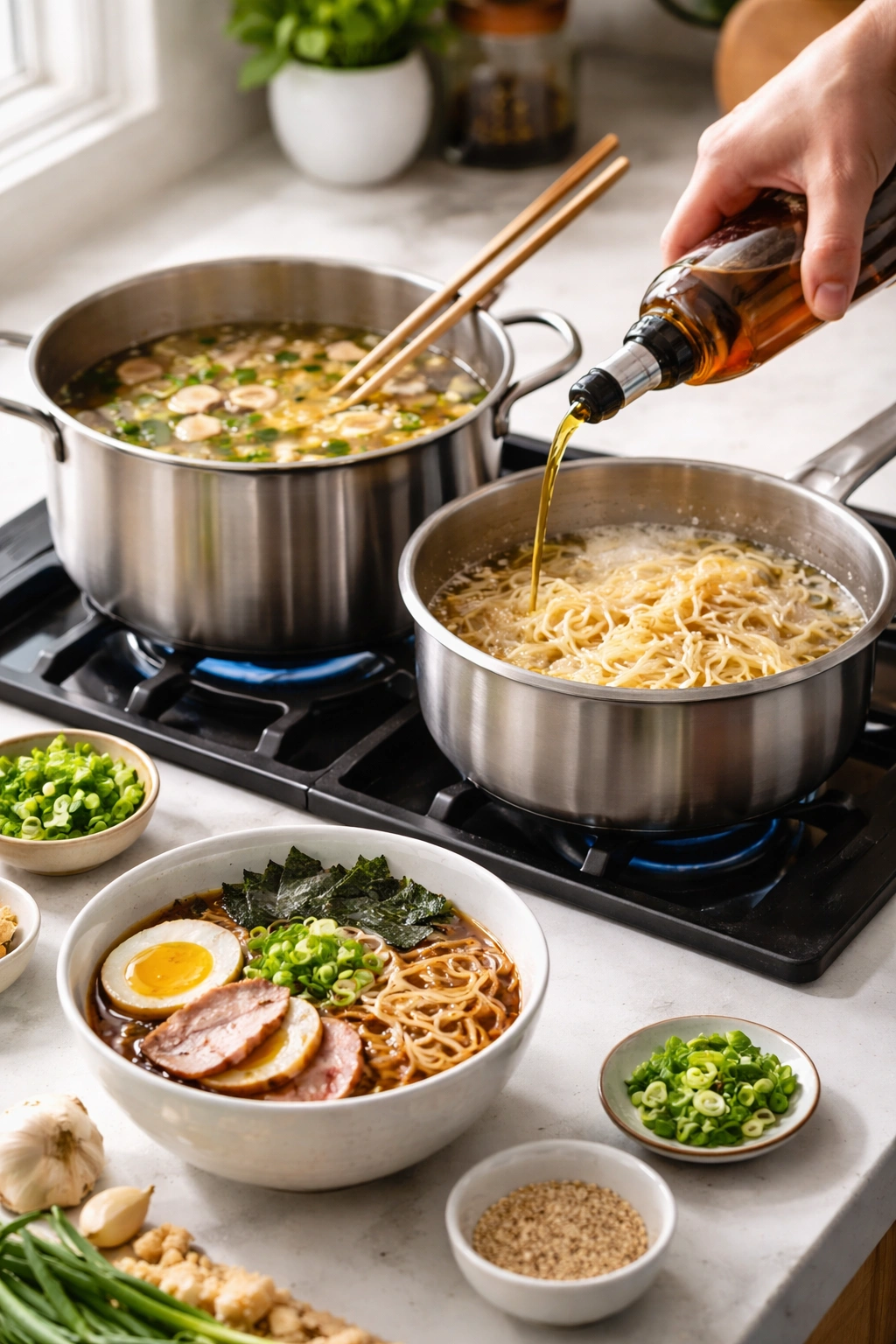
The most frequent mistake is cooking noodles directly in the broth. This clouds your beautiful broth with starch, changes the flavor, and often results in mushy noodles. Always cook them separately and add them to your bowl, then pour broth over. This takes literally one extra minute and completely transforms the results.
Another common error is using regular oil instead of toasted sesame oil. Regular vegetable or olive oil won’t give you that baseline of richness that makes homemade ramen taste sophisticated. Toasted sesame oil isn’t expensive and keeps for months in your pantry, so it’s worth having on hand specifically for this purpose.
Many people boil their broth vigorously for 20+ minutes thinking it will become more flavorful. Actually, extended boiling causes flavors to evaporate and your broth becomes one-dimensional. Gentle simmering for 10–15 minutes lets flavors develop without losing them to steam. The goal is a flavorful broth, not a reduced, overly concentrated one.
Adding vegetables too early means they become mushy and lose their color. Tender greens like spinach should go in during the last 30 seconds. Heartier vegetables like bok choy can handle 2–3 minutes. If you’re unsure, add them toward the very end—slightly underdone vegetables are always better than overcooked ones.
Forgetting to season as you go is another issue. Taste your broth after it simmers for 10 minutes and before you add the noodles. You might find it needs more soy sauce, more ginger, a pinch of salt, or even a touch of honey to round out the flavors. Season gradually and taste frequently rather than dumping everything in at once.
Finally, not letting soft-boiled eggs cool in ice water means you’ll overcook them slightly and end up with hard-boiled eggs instead of jammy ones. That ice bath is non-negotiable. Similarly, don’t skip rinsing the cooked noodles under cool water—it removes starch and prevents them from overcooking and clumping together.
Creative Variations for Every Palate
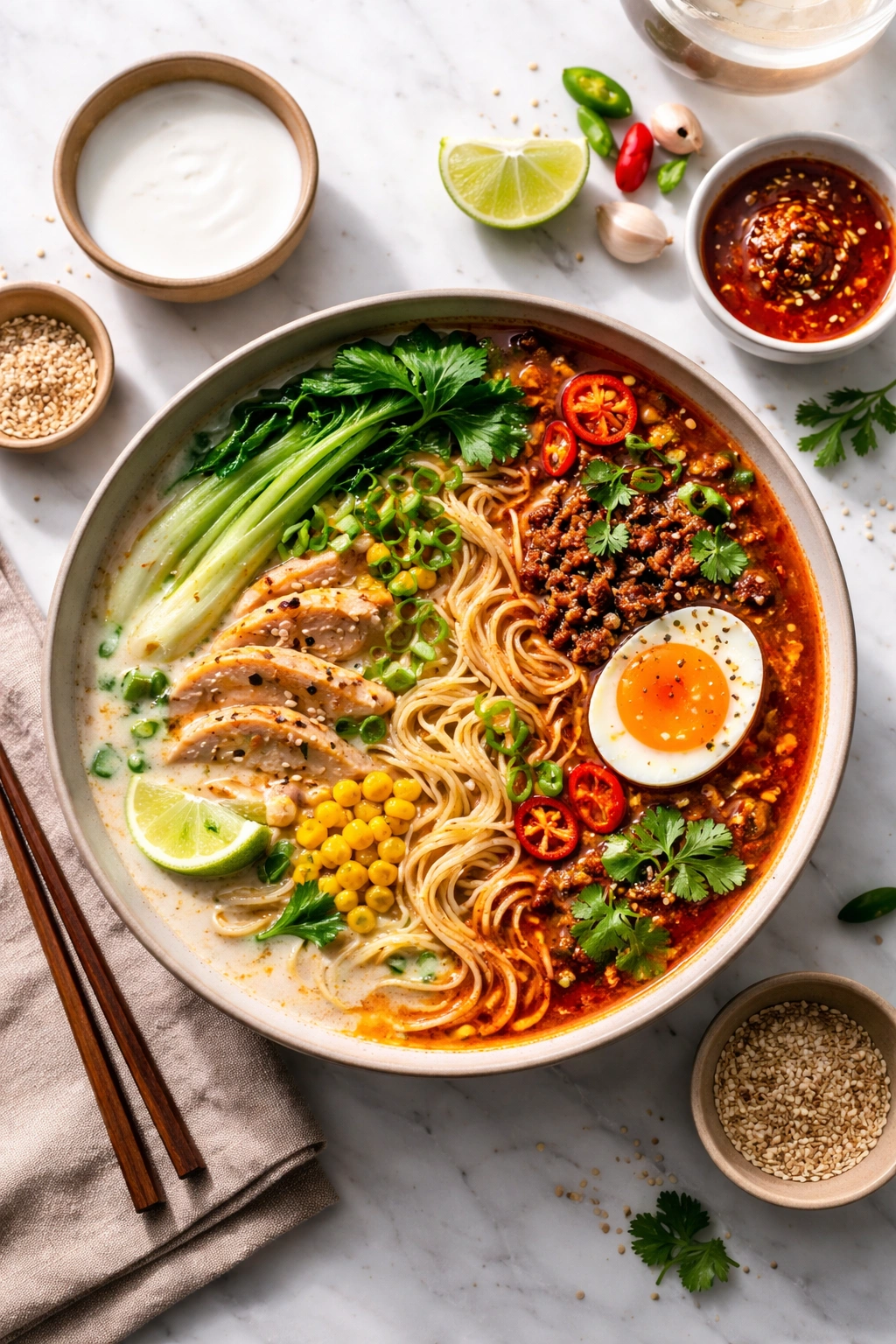
The foundation of homemade ramen is endlessly adaptable. Once you master the basic version, you can spin endless variations based on mood, available ingredients, and dietary preferences.
Creamy ramen trades the clear broth for something richer by adding coconut milk, heavy cream, or even a beaten egg that creates a sauce-like consistency when stirred into hot broth. Add 1 cup of coconut milk to your broth near the end, or whisk an egg with a little miso and broth, then temper it by slowly stirring in hot broth before pouring over noodles. This style is increasingly popular and absolutely decadent.
Spicy ramen keeps the same broth but boosts heat with more chili garlic sauce, fresh Thai chilies, gochujang (Korean red chili paste), or sriracha. You can also top the finished bowl with crispy fried shallots, sliced fresh Thai chilies, or a drizzle of chili oil that infuses as you eat. The spice should complement rather than overpower the broth.
Vegetarian or vegan ramen simply swaps the chicken or vegetable broth base (which are often vegetarian already), adds more vegetables to make it substantial, and tops it with extra tofu, soft-boiled eggs if eating vegetarian, or crispy chickpeas for protein. The broth becomes even more important because there’s no meat to add umami, so don’t skip the miso, mushrooms, or soy sauce.
Miso-based ramen uses miso as a primary flavoring rather than an accent. Use 2–3 tablespoons of miso whisked into your broth (start with white miso for a delicate flavor, or red for earthiness). This is heartier and more savory than the basic version.
Tonkotsu-style ramen attempts to mimic the rich pork bone broth that takes hours to make, but you can fake it beautifully by using a mix of chicken and pork broth, adding a splash of sake, and topping it with braised pork belly or pulled pork. Even store-bought rotisserie pork (increasingly available) works wonderfully.
Seafood ramen uses shrimp broth or adds shrimp directly to your standard broth, then tops the finished bowl with cooked shrimp, cooked mussels, or even fish cake. Add a pinch of dried seaweed to the broth and a squeeze of fresh lemon juice to brighten everything.
You can also create seasonal variations by adjusting vegetables—summer ramen might feature fresh corn and delicate peas, while fall ramen uses roasted mushrooms and heartier greens.
Storage, Reheating, and Make-Ahead Tips
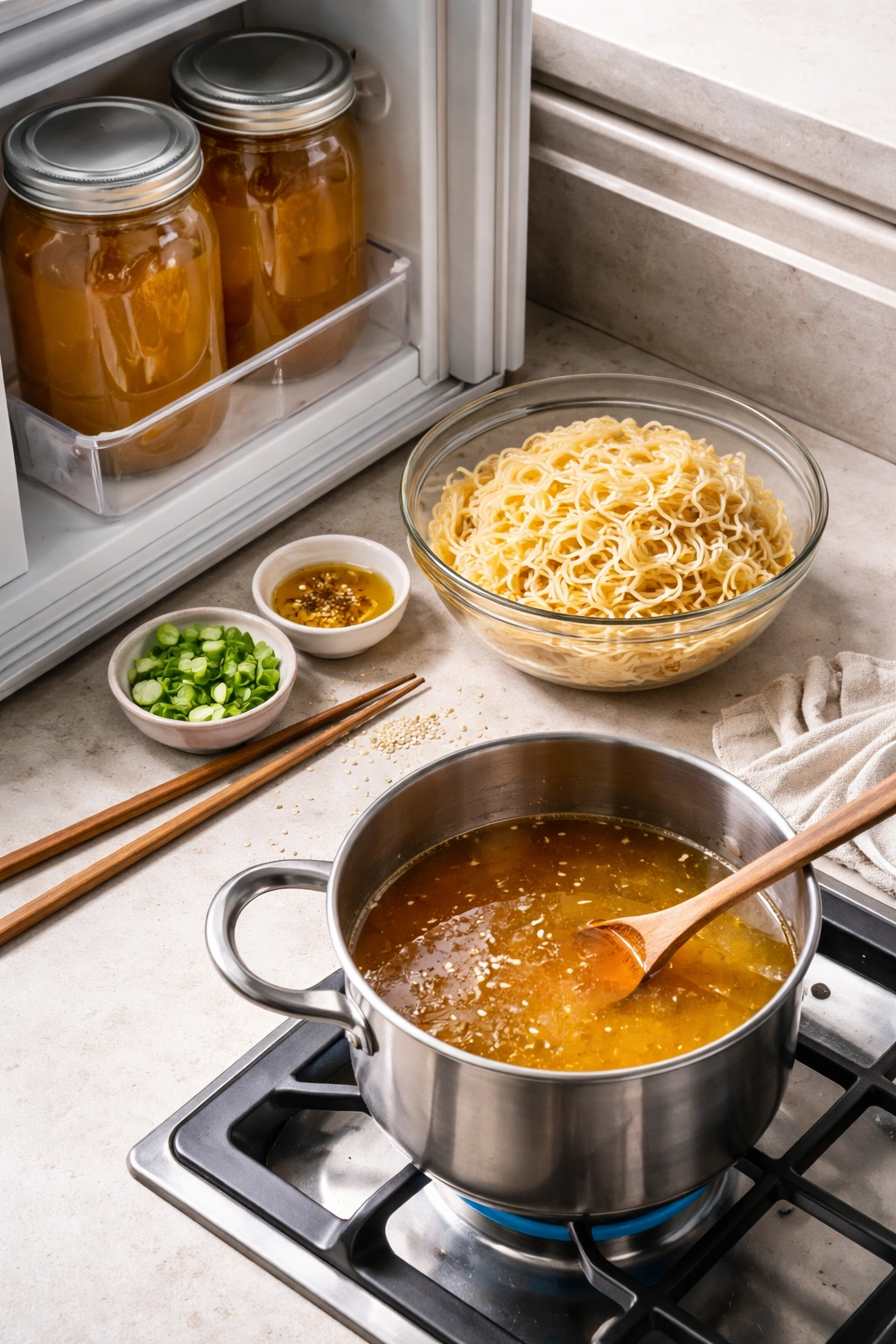
The best approach to storage is keeping broth and noodles separate. Store broth in an airtight container in the refrigerator for up to 4 days, or freeze it for up to 3 months. Cooked noodles keep refrigerated for 2–3 days if stored separately (toss them lightly with a bit of sesame oil to prevent sticking). This separation means you can quickly reheat broth, cook fresh noodles or reheat refrigerated ones, and assemble a bowl whenever you want without noodles getting mushy.
When reheating broth, warm it gently over medium heat in a pot—don’t blast it on high or you’ll scorch the bottom. If the broth has solidified slightly from refrigeration, it’s fine; it will liquefy as it heats. You can also microwave individual portions in mugs, checking after 2 minutes and heating further if needed.
Soft-boiled eggs can be refrigerated in their shells for up to 5 days. To use them, gently warm them in hot water for 1–2 minutes before peeling and adding to your ramen. They don’t need to be at full temperature—lukewarm is fine because the hot broth will warm them the rest of the way.
If you want to make ahead more extensively, prepare the broth up to 4 days in advance, then add it to fresh or reheated noodles when you’re ready to eat. Don’t let cooked noodles sit in broth for more than a few minutes—they’ll absorb liquid and become soft. The entire assembly should happen just before eating.
For meal prep, consider making larger batches of broth and portioning it into freezer-friendly containers. Thaw overnight in the refrigerator, reheat gently, and you’ve got a quick weeknight dinner. Fresh toppings like eggs, greens, and green onions are best added fresh rather than prepped ahead, but heartier toppings like mushrooms and carrots can be prepped and stored for 2–3 days.
The Best Toppings and Flavor Combinations
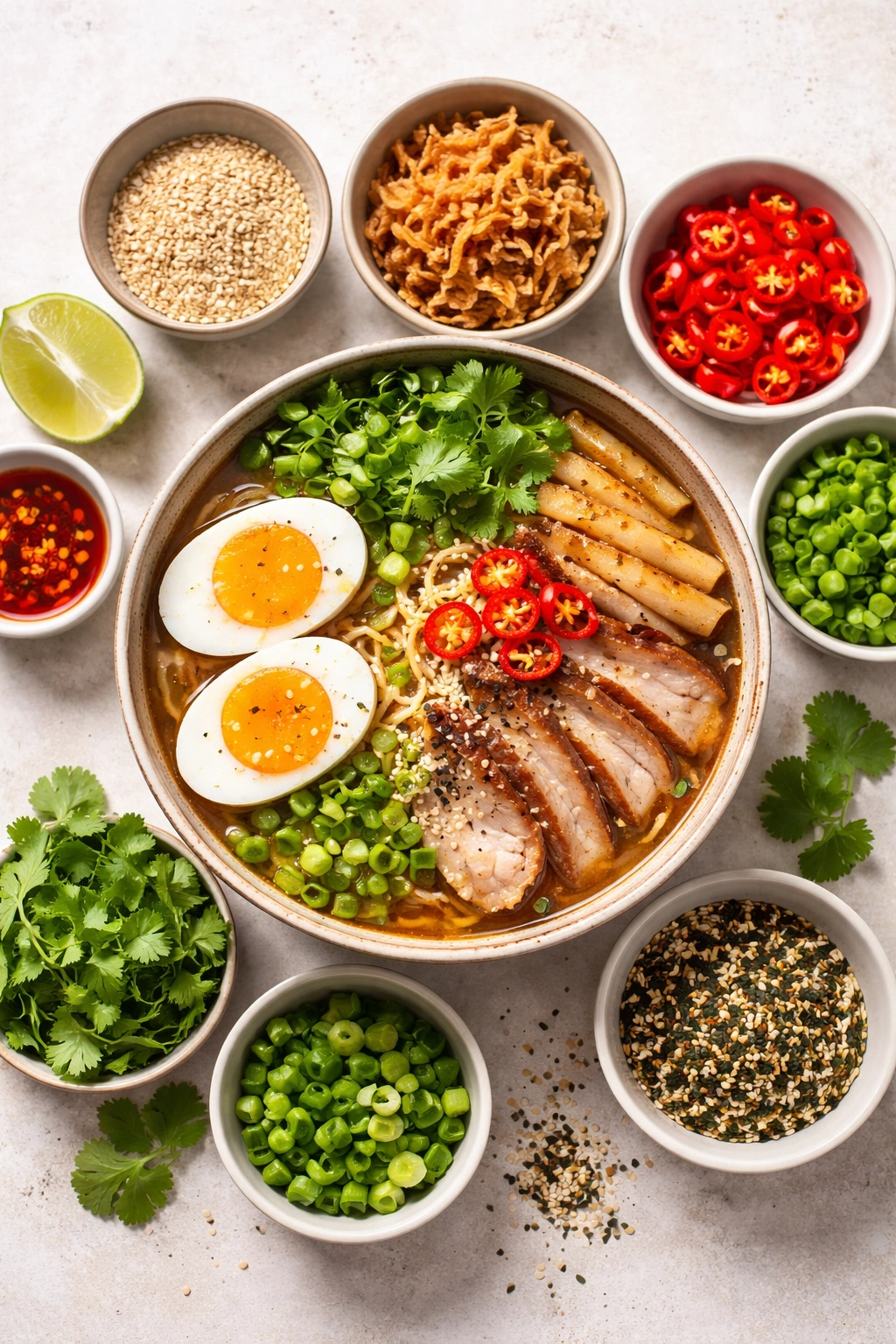
Ramen toppings aren’t an afterthought—they’re the final layer that takes your bowl from good to extraordinary. Think about combining three things: something with crunch, something creamy, and something fresh or bright.
Crunch comes from sesame seeds, crispy fried onions, crushed chiles, toasted breadcrumbs, or even crispy bacon. These add textural contrast to the soft noodles and tender vegetables. A handful of sesame seeds scattered on top is the simplest option and genuinely transforms the eating experience.
Creamy elements come primarily from the soft-boiled egg yolk, but you could also add a dollop of sour cream thinned with broth (for a slightly tangy richness), a spoonful of peanut butter thinned with broth (for a peanut ramen variation), or a scatter of toasted coconut flakes if you’re going for a more creative direction.
Freshness and brightness come from green onions, fresh herbs (cilantro, Thai basil, or chives), a squeeze of fresh lime juice, or a sprinkle of furikake (a Japanese seasoning blend with nori, sesame, and bonito). These elements prevent the bowl from feeling heavy and add complexity.
Heat can come from chili oil, fresh sliced chilies, sriracha, gochujang, or crushed red pepper flakes. Even a touch of heat brightens everything and makes the other flavors pop more clearly. You can drizzle it on top or let diners add their own—spice tolerance varies widely.
Consider building your own ramen bar for a family dinner: set out bowls of broth, cooked noodles, soft-boiled eggs, various vegetables, and 4–5 different topping options. Let everyone assemble their own perfect bowl based on preferences. Kids especially enjoy the autonomy, and adults appreciate being able to customize exactly what they want.
Serving Suggestions and Perfect Pairings
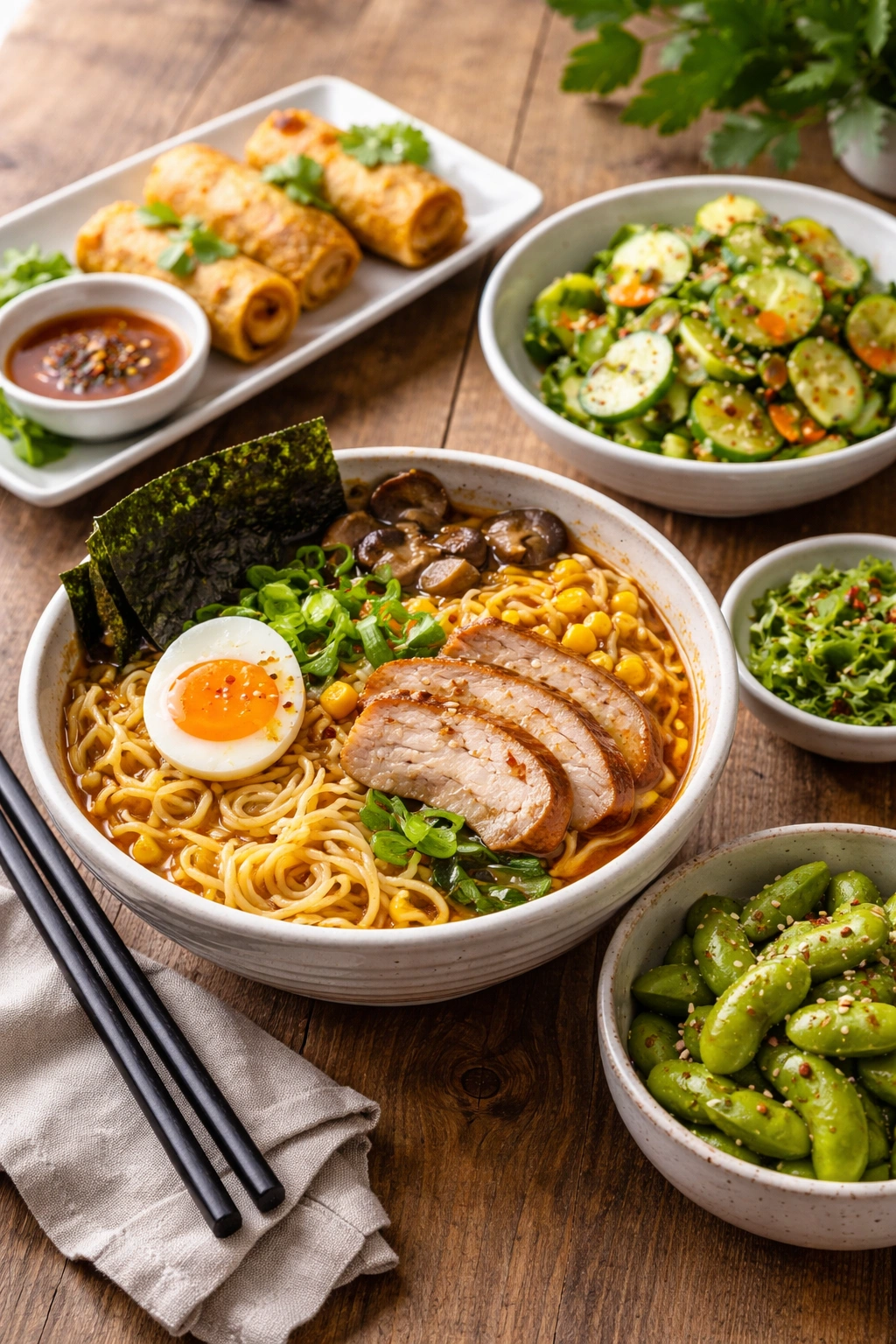
Homemade ramen is a complete meal—it has broth, noodles, vegetables, and protein all in one bowl. But if you want to serve it as part of a larger meal, there are several sides that complement beautifully without overwhelming.
Crispy Asian appetizers like spring rolls, potstickers, or vegetable dumplings paired alongside ramen create a more restaurant-like experience. These can be store-bought and just heated, or homemade if you want to make an entire Asian dinner spread.
Simple cucumber salad (quick pickle some thinly sliced cucumber with rice vinegar and a touch of sugar) provides cool, bright contrast to the warm, savory ramen. It’s refreshing and cleansing to your palate between bites.
A simple side salad with sesame dressing offers crisp vegetables and a lighter element alongside the hearty ramen. This works especially well if you want to serve ramen to people who might find a full bowl intimidating.
Steamed edamame or a simple vegetable side like bok choy or broccoli (cooked with garlic) rounds out the meal if you’re not including enough vegetables in your ramen bowl itself.
For beverage pairings, Japanese beers like pilsners or light lagers complement ramen beautifully without overwhelming the delicate broth. Iced tea, especially jasmine or green tea, provides refreshment. Even simple iced water with lemon is perfect. Avoid heavy, acidic wines or cocktails that clash with umami-rich broth.
If you’re serving ramen to guests, present it in proper ramen bowls if you have them—these are deep, wide bowls designed specifically for noodle soups and make the presentation feel special. Even simple white or ceramic bowls look beautiful when filled with vibrant greens, golden broth, and that gorgeous soft-boiled egg on top.
Final Thoughts
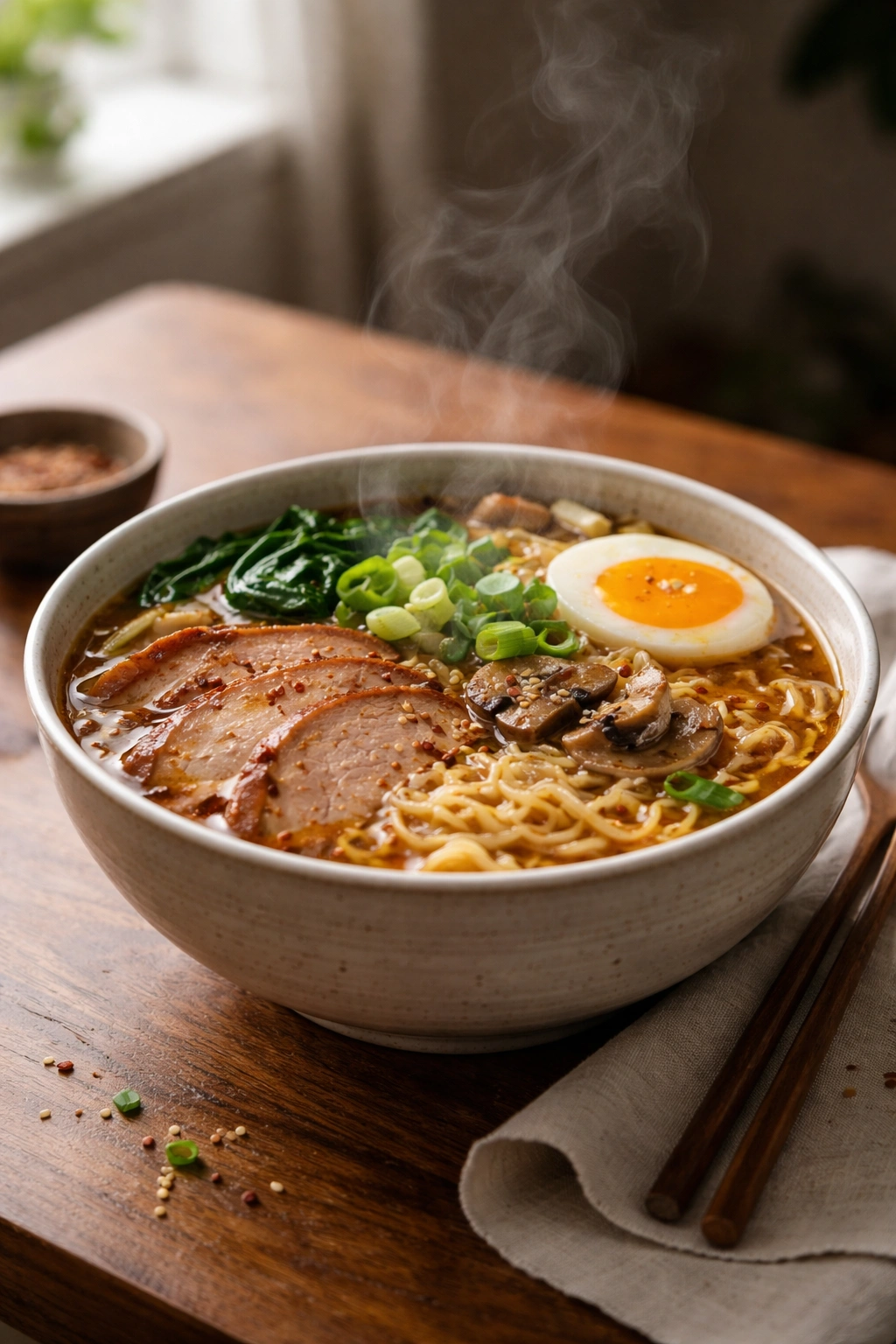
Once you’ve made homemade ramen a few times, it becomes one of those meals you turn to not out of necessity, but out of genuine desire. It’s comforting and nourishing without being heavy or unhealthy. It’s elegant enough to serve to guests, simple enough to make on a random Tuesday night. It uses pantry staples and whatever vegetables you have around, yet it tastes like you spent hours creating something special.
The jump from instant packets to homemade ramen isn’t about pretension or becoming a more “authentic” cook. It’s about discovering that you can make something better, healthier, and more delicious in less time than you’d spend waiting in a ramen restaurant. It’s about understanding that quality ingredients and intentional cooking create noticeable results.
Start with the basic recipe exactly as written. Once you’ve made it two or three times and understand how the components work together, begin experimenting. Add your favorite vegetables. Try different proteins. Adjust the spice level or add cream. Build on that foundation and make ramen your own. That’s when homemade ramen stops being a recipe and becomes your go-to dinner—the one you think about while you’re at work and genuinely excited to make when you get home.
