



Roasting vegetables transforms them completely. What starts as raw, firm produce becomes caramelized, sweet, and deeply flavorful. The edges get crispy. The centers turn tender. The natural sugars concentrate and brown. It’s one of the most forgiving cooking methods out there, yet most home cooks never quite get the results they’re after.
The difference between mediocre roasted vegetables and truly exceptional ones comes down to a few specific techniques that most recipes skip over. Temperature matters. Timing matters. But more than that, how you approach the vegetables before they hit the pan is what determines whether they emerge golden and delicious or steamed and limp. I’ve roasted countless batches of vegetables—some forgettable, plenty that turned out beautifully—and the variables that separate great results from disappointing ones are simple, learnable, and worth understanding.
This isn’t about fancy equipment or rare ingredients. It’s about understanding what roasting actually does to vegetables, and then using that knowledge to set yourself up for success. Whether you’re working with Brussels sprouts, carrots, broccoli, bell peppers, or any vegetable you’re curious about, these principles work across the board. You’ll learn not just how to roast vegetables, but why each step matters, so you can adapt and troubleshoot any roasting situation with confidence.
Choosing Vegetables That Roast Well
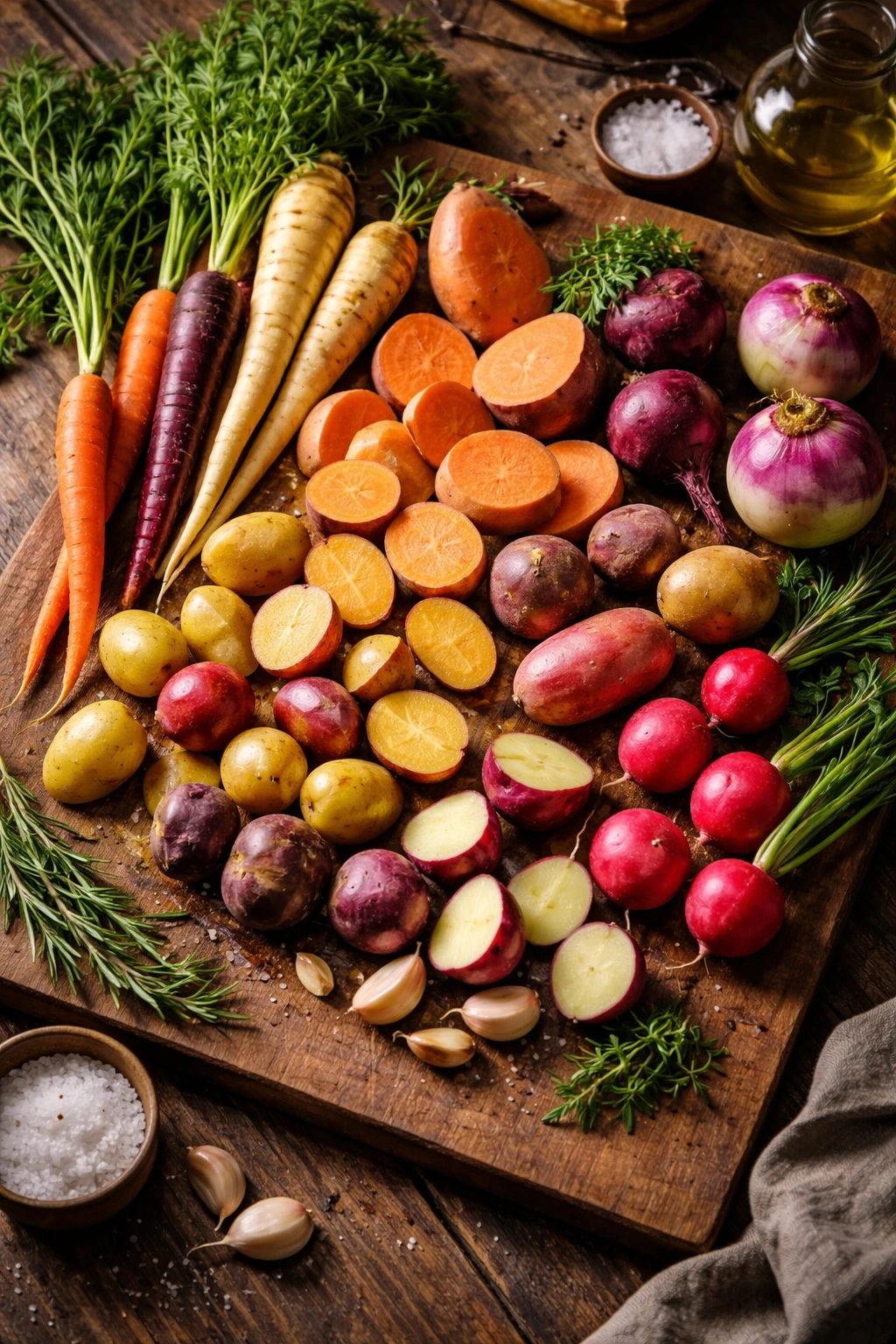
Not every vegetable is equally suited to roasting. Some vegetables contain too much moisture and will steam before they caramelize. Others are so delicate they’ll fall apart under high heat. The best roasting vegetables share a specific quality: they hold their shape through long cooking and have enough natural sugar to caramelize beautifully.
Root vegetables are roasting superstars. Carrots, parsnips, sweet potatoes, regular potatoes, beets, turnips, and radishes all roast exceptionally well. They’re dense and sturdy, which means they can handle high heat and long cooking times without breaking down. Their natural sugar content means they’ll develop that deep, caramelized exterior without any added sweetness.
Cruciferous vegetables are equally reliable. Brussels sprouts, broccoli, cauliflower, and cabbage develop incredible depth and complexity when roasted. The leaves crisp up. The cut surfaces turn golden brown. The flavors become almost nutty and concentrated.
Nightshades like peppers, eggplant, and tomatoes roast beautifully too, though eggplant requires a slightly different approach because of its water content. Peppers become soft and slightly charred. Cherry tomatoes burst and concentrate into tiny bombs of flavor. Summer squashes and zucchini can work, though they need careful handling because they contain a lot of water.
Avoid watery vegetables like leafy greens, cucumbers, and most lettuces—these aren’t suited to roasting. Mushrooms are the exception to most rules; they roast wonderfully despite their moisture content because their structure changes when heated, expelling liquid gradually rather than steaming.
The vegetables that roast best are the ones you can imagine staying in a 400°F-plus oven for 30 to 45 minutes and actually improving in the process.
Prepping Vegetables So They Cook Evenly
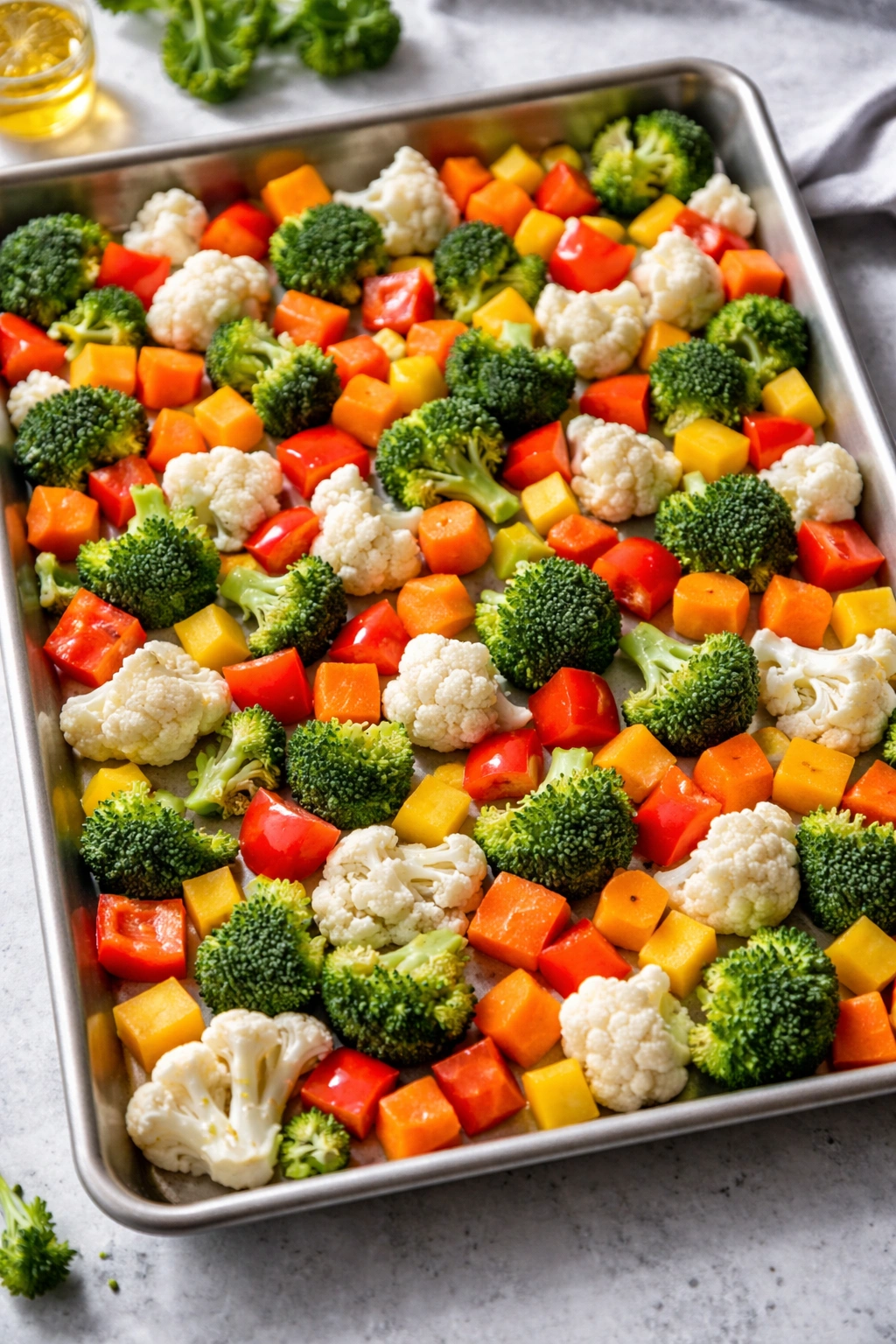
Vegetable size and shape determine how quickly they cook. Cut everything to similar dimensions—this is the single most important prep step, and it’s also the one most home cooks rush through. If you have some pieces that are tiny and others that are huge, the small ones will burn while the big ones are still raw. You want them all cooked through at exactly the same time.
Aim for pieces roughly the same size. For Brussels sprouts, cut them in half or quarters, depending on their size, so each piece is about 1.5 to 2 inches across. For carrots and parsnips, slice them on a bias or chop them into 1-inch chunks. For broccoli and cauliflower, cut florets to a consistent 1.5-inch size. For peppers, cut them into thick strips or rough chunks.
Thickness matters as much as overall dimensions. A very flat, thin piece will dry out and burn long before a thicker piece cooks through. You’re aiming for pieces with some substance to them—something that can withstand 30 to 40 minutes of dry heat without shriveling.
The exception is when you’re mixing multiple vegetables with different densities. Root vegetables take longer than softer vegetables like peppers or summer squash. If you’re roasting a mix, cut the denser vegetables into smaller pieces and the softer ones into larger pieces so they finish cooking at roughly the same time. This is a small adjustment that makes a huge difference in results.
Drying Your Vegetables Thoroughly
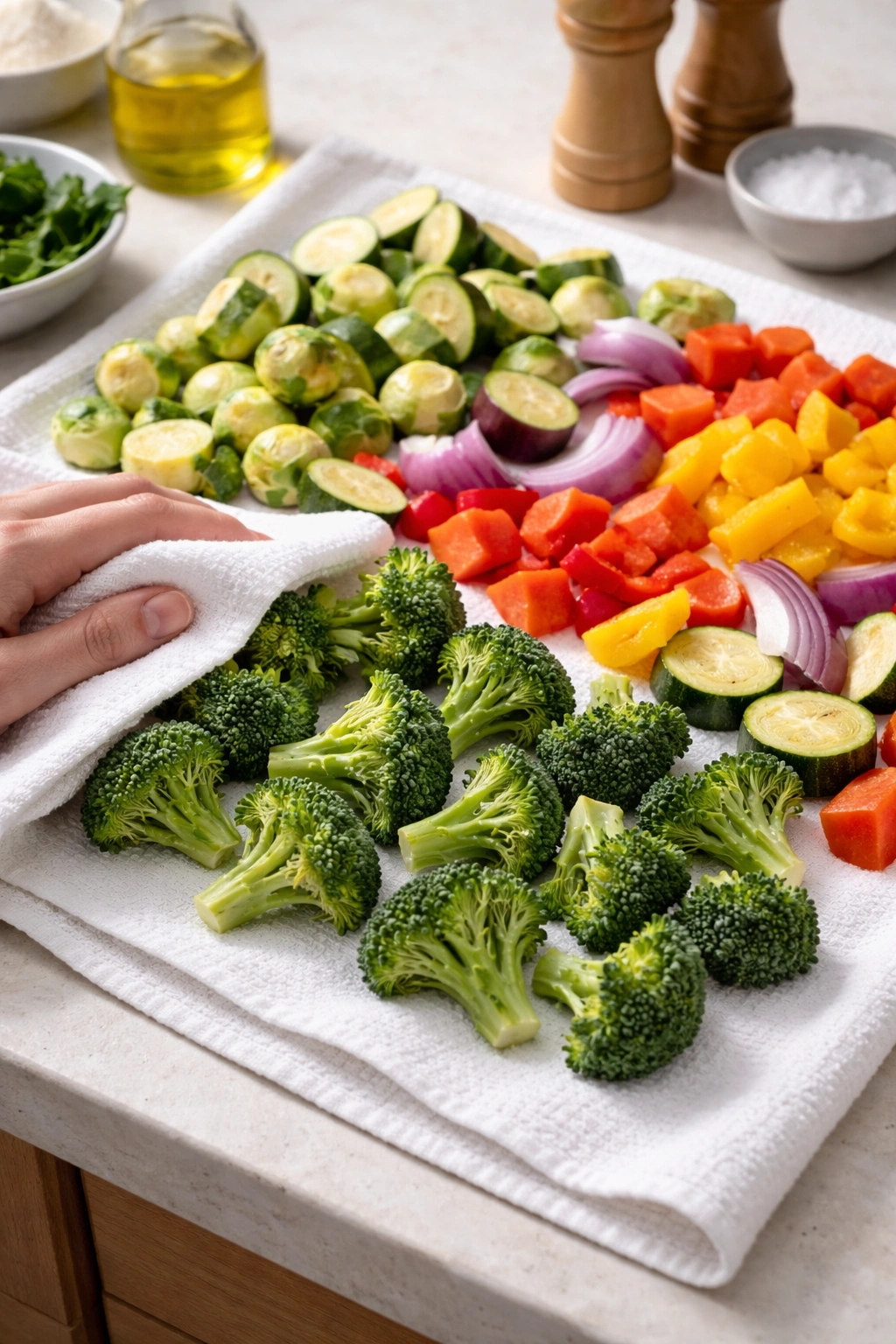
Moisture is the enemy of caramelization. Vegetables release water as they cook. If they’re already wet when they hit the pan, all that moisture has to evaporate before the surface temperature gets hot enough to brown. This means you’re essentially steaming them at first, which delays the caramelization process and extends cooking time.
Wash your vegetables if needed, but always dry them completely afterward. Use a clean kitchen towel or paper towels and rub each piece thoroughly. For leafy vegetables like Brussels sprouts, you can pat them dry and then rub them between your hands to force out any trapped moisture. For vegetables like broccoli or cauliflower that have crevices, the drying step is especially important—water trapped in those little spaces will release steam during cooking and prevent browning.
Some experienced cooks dry their vegetables up to 30 minutes before cooking, spreading them out on a towel to air-dry while they prep the rest of their mise en place. This isn’t strictly necessary, but if you have the time, it does improve results slightly. The key point is: when your vegetables go into that hot pan, they should feel dry to the touch.
Selecting the Right Oil and Applying It Correctly
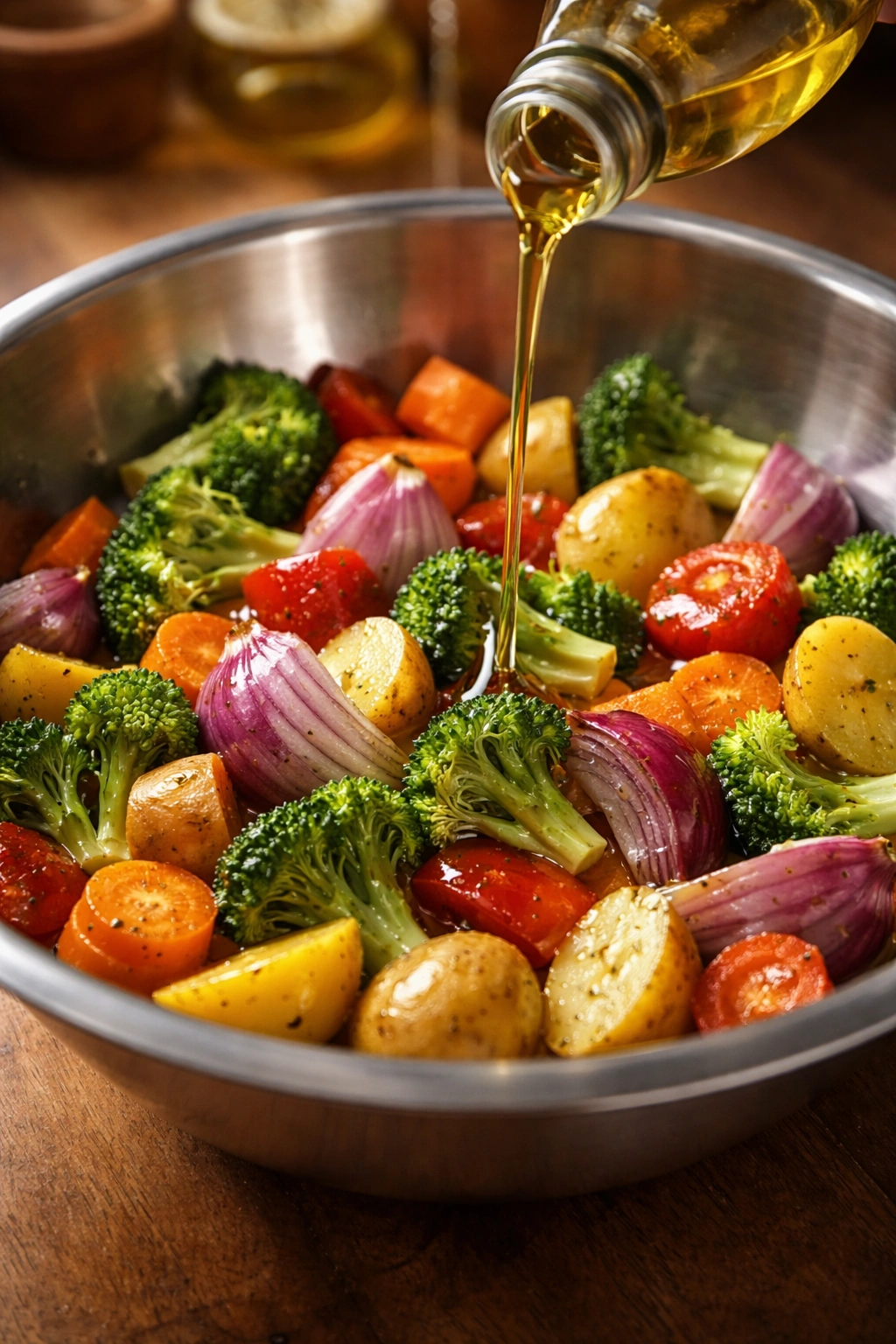
Oil does two things when roasting vegetables: it transfers heat efficiently and it helps create that golden, caramelized exterior. The oil needs a high smoke point to handle the intense heat without breaking down into smoke and off-flavors. Olive oil’s smoke point is around 375°F-400°F, which is borderline for high-heat roasting. Neutral oils like vegetable oil, canola oil, grapeseed oil, or refined avocado oil have smoke points around 450°F or higher, making them better choices for hot roasting.
You don’t need much oil, but you do need enough to coat every surface. This is typically about 2 to 3 tablespoons per pound of vegetables, though the exact amount depends on the vegetable. Dense vegetables like potatoes or root veggies need slightly less oil than lighter vegetables. You want each piece to have a light, even coating—not slick and dripping, just glistening.
The best technique is to toss the dried vegetables in a large bowl with the oil before they go into the pan. Use your hands and toss everything together thoroughly, making sure every piece gets coated. If you’re adding salt and spices, do this in the same bowl at the same time. This distributes seasonings evenly and saves an extra step. Some cooks brush oil onto the vegetables instead of tossing, which works fine if you’re roasting flat pieces like pepper halves or eggplant slices.
Cooking fat matters too. You can use melted butter, ghee, or even bacon fat (especially for vegetables that pair well with savory, smoky flavors like Brussels sprouts or cauliflower). Butter has a lower smoke point than neutral oil, so watch carefully to prevent burning, but the flavor payoff is real.
Setting Up Your Pan and Oven Temperature
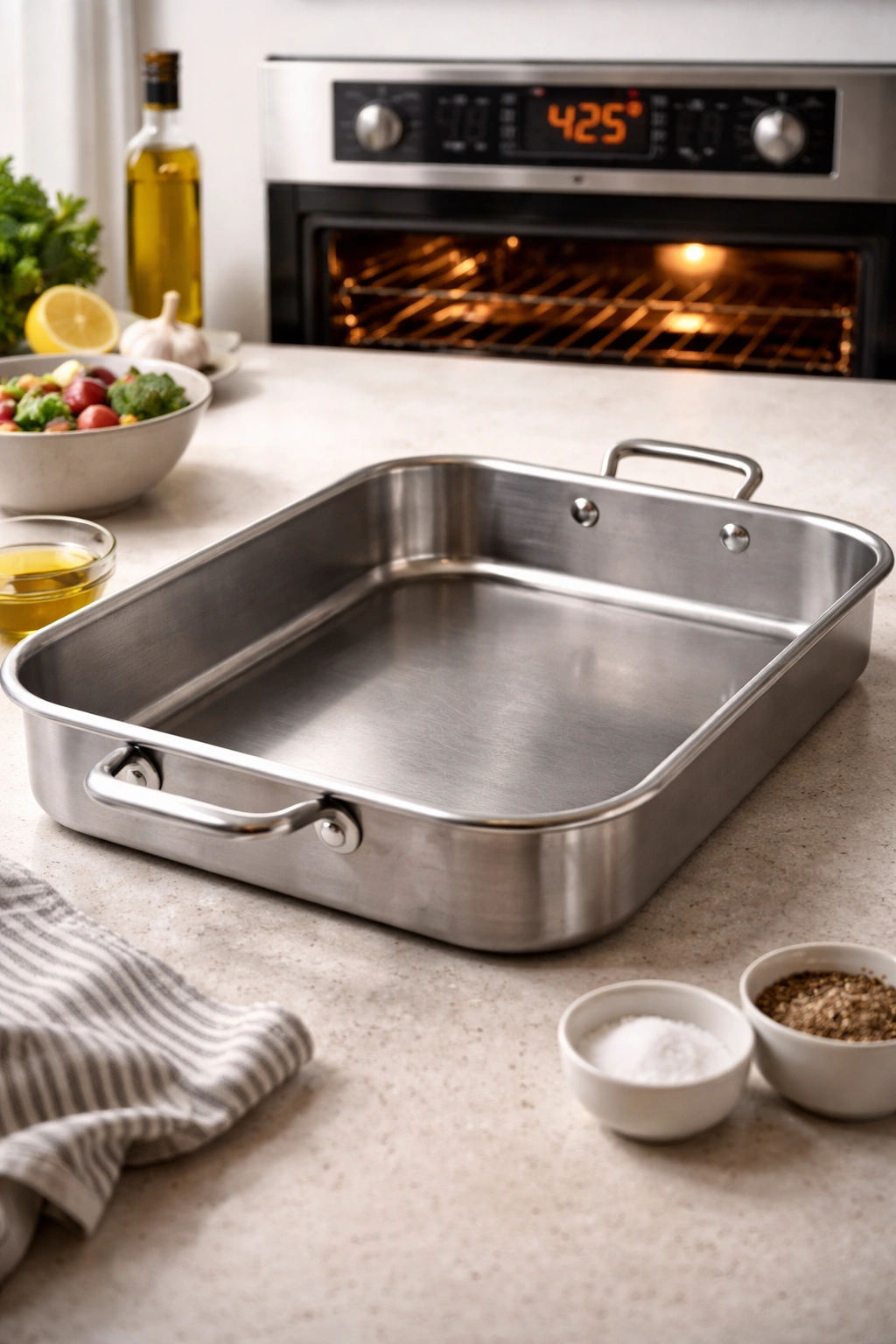
The pan you use affects heat distribution and browning. A heavy-bottomed pan—whether cast iron, stainless steel, or aluminum—distributes heat more evenly than a thin, lightweight pan. The pan should be large enough that vegetables sit in a single layer without crowding. Crowded vegetables steam instead of roast because the moisture they release can’t evaporate quickly. If your pan is too small, use two pans or work in batches.
Line your pan with parchment paper or aluminum foil for easy cleanup, or leave it bare if you don’t mind a bit of cleanup at the end—bare pans actually develop slightly more browning because the vegetables make direct contact with the hot surface.
Temperature is critical. Most vegetables roast best at 400°F to 425°F (200°C to 220°C). This range is hot enough to create browning and caramelization in 30 to 45 minutes, but not so scorching that the outside burns before the inside cooks through.
Some vegetables benefit from a slightly hotter temperature. Root vegetables and Brussels sprouts can handle 450°F (230°C) and roast beautifully in that range. Leafy vegetables like cabbage or more delicate vegetables like zucchini might prefer 375°F to 400°F to prevent overcooking or charring.
Position your oven rack in the middle or upper-middle position, depending on your oven. The top rack exposes vegetables to more direct heat and creates deeper browning but requires closer monitoring. The middle rack is safer if you’re not watching closely.
Preheat your oven for at least 10 minutes before roasting. A fully preheated oven reaches the vegetables with full heat intensity from the moment they go in. A cold or partially preheated oven means vegetables sit in warm air at first, which lengthens cooking time and compromises browning.
Arranging Vegetables for Maximum Heat Contact
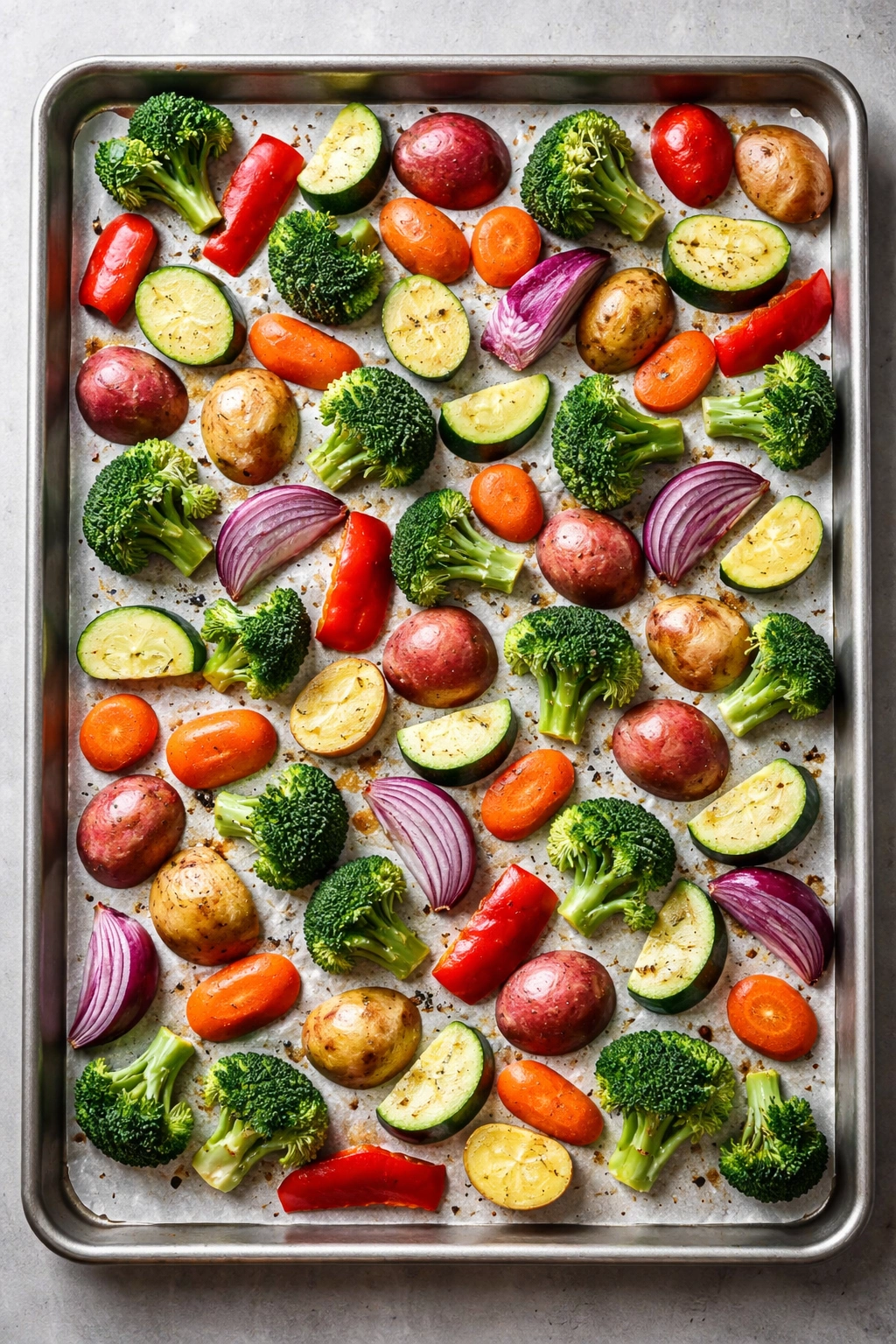
How you arrange vegetables on the pan affects the final result. Ideally, every piece should have at least one flat surface in direct contact with the hot pan. This is where the real browning happens. The flat surfaces that touch the pan develop a dark golden crust. The sides and tops brown but not quite as dramatically.
Cut your vegetables so they have natural flat surfaces. Brussels sprouts become halves with one flat face. Root vegetables can be cut into wedges or half-moons, giving them a flat face to lay on the pan. Broccoli florets naturally have a flat bottom.
Spread vegetables in a single layer with the flat side down, touching the pan. Don’t overcrowd. There should be a little space between pieces so heat can circulate and moisture can escape. If pieces are touching, they’ll steam slightly where they meet. A little crowding isn’t a disaster, but moderate crowding definitely compromises browning.
Salt the vegetables at this point, before they go into the oven. Freshly ground black pepper, if you’re using it, can go on now or after cooking—both approaches work, but adding it before cooking helps it meld with the oil.
Understanding the Roasting Process and What’s Actually Happening
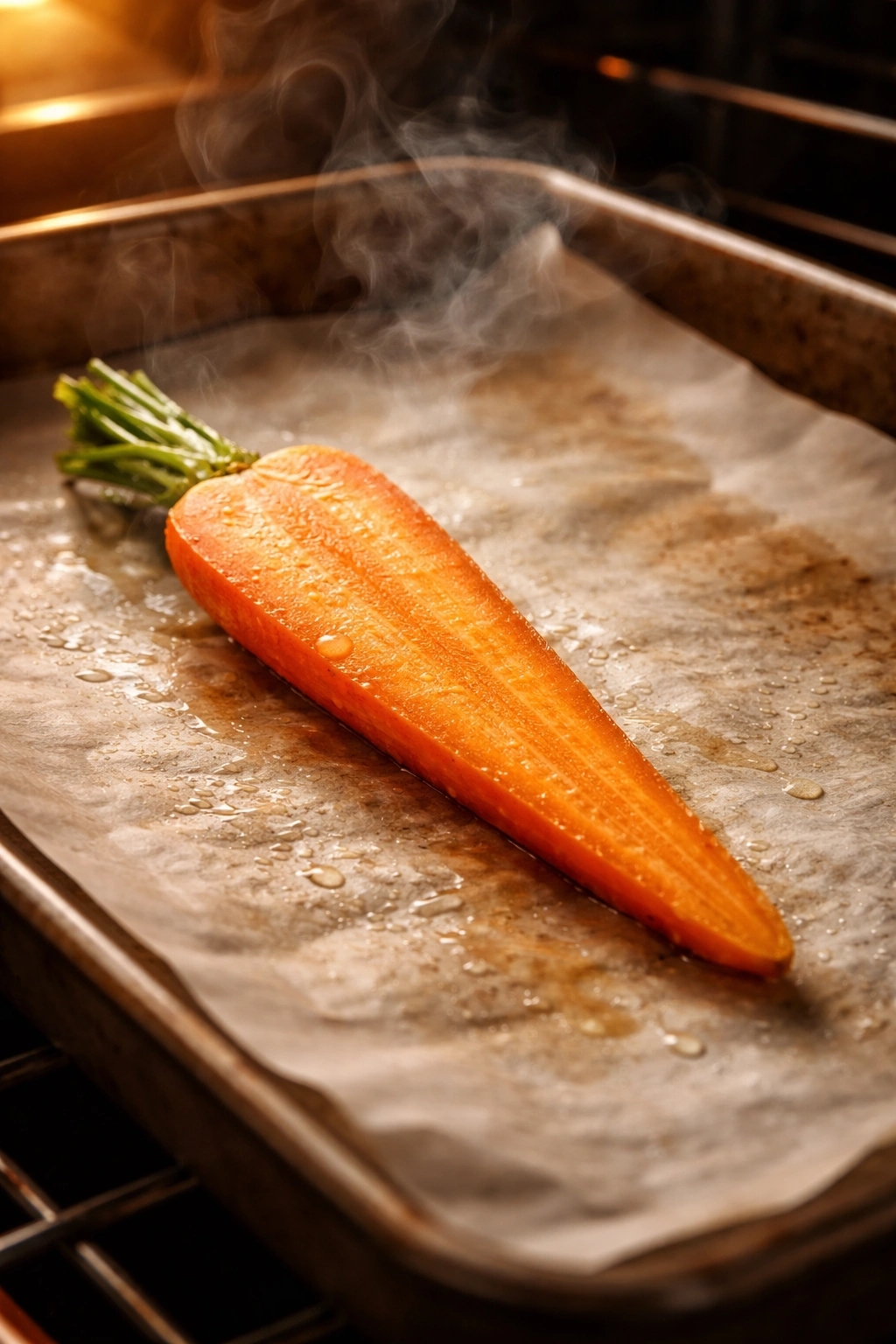
Roasting is straightforward, but understanding the stages helps you know whether things are on track. In the first 10 to 15 minutes, the vegetables heat through and start releasing moisture. Not much browning happens yet. The surface is still pale. This is the steaming phase.
Around 15 to 20 minutes in, you’ll notice the edges starting to turn color. The moisture that’s been released has mostly evaporated. Now the vegetable surfaces can actually brown. This is where things get interesting.
By 25 to 35 minutes, depending on the vegetable and your oven, most pieces have developed golden or golden-brown edges. Some pieces might have darker spots. The vegetables are mostly cooked through, though they might still be slightly firm in the center.
The final 5 to 10 minutes is when deeper caramelization happens. The vegetables have released all their excess moisture. The surface temperature climbs higher. Sugar begins to brown more intensely. This is when you might see some darker edges turning almost black (which is fine if it’s not charred).
Around 35 to 45 minutes total (sometimes more for very dense root vegetables), vegetables should be fully cooked through and caramelized.
Stirring or Flipping Partway Through
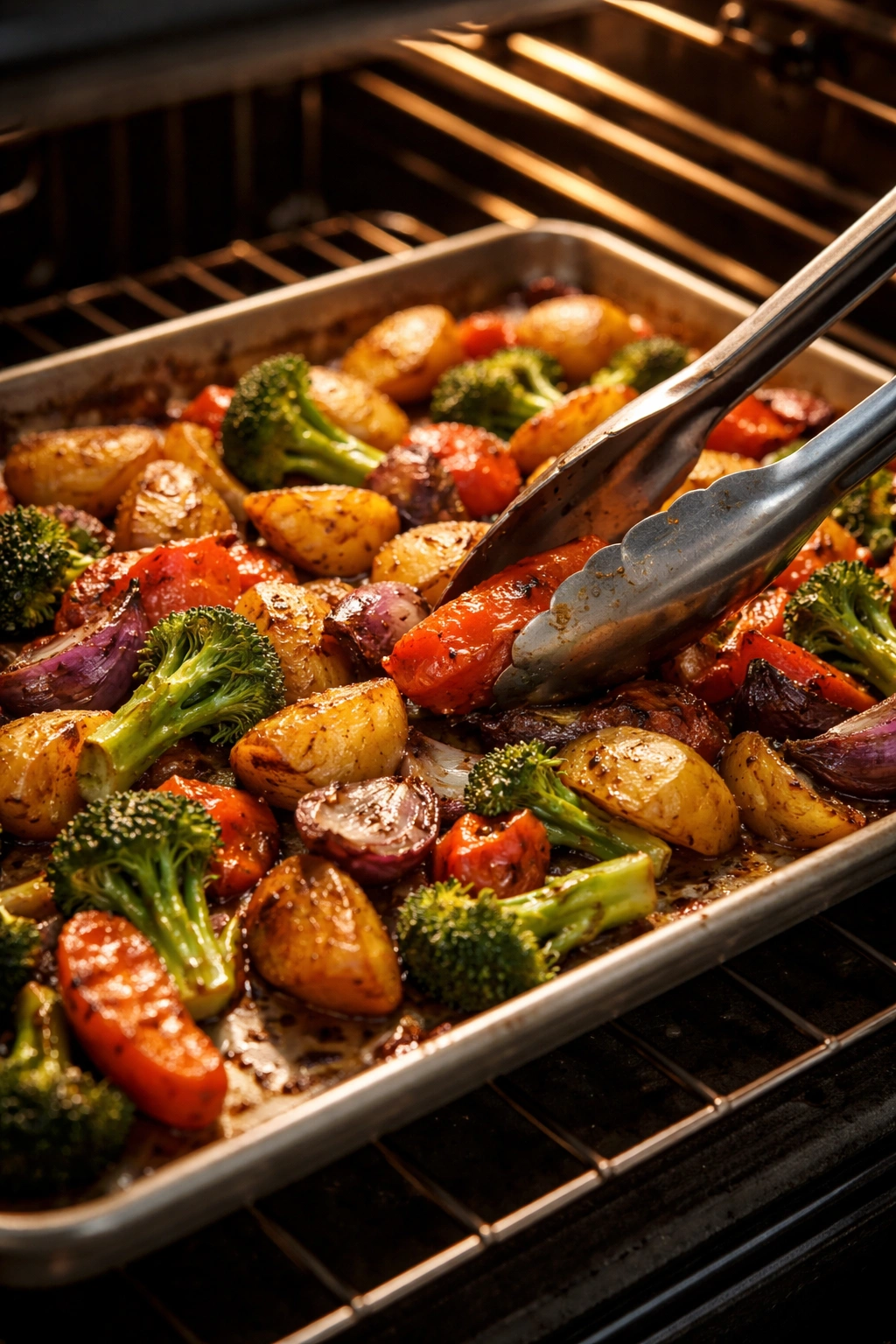
Whether to stir vegetables partway through roasting is a debated point. Some cooks swear by stirring for even browning. Others insist that leaving everything untouched gives better results. Here’s the real answer: it depends on what you’re roasting and how particular you want to be.
If you stir at the halfway point (around 20-25 minutes), you’re ensuring that all sides get equal heat exposure and browning. This is especially useful for smaller, uniform pieces like halved Brussels sprouts or diced root vegetables. You’ll get more even coloring across the batch. The downside is that you’re opening the oven, losing heat, and breaking up any browning that’s started on the bottom.
If you don’t stir, the pieces that have direct contact with the pan develop the deepest browning. You get a nice contrast of colors—some deeply golden and caramelized, others lightly browned. This is actually desirable from a flavor standpoint because you get concentrated caramelization on at least one side of each piece.
My practical recommendation: stir once at the halfway point if you want consistency and even results. Skip stirring if you’re okay with rustic, uneven browning and you want maximum caramelization on at least one side of each piece.
Testing for Doneness With Your Senses
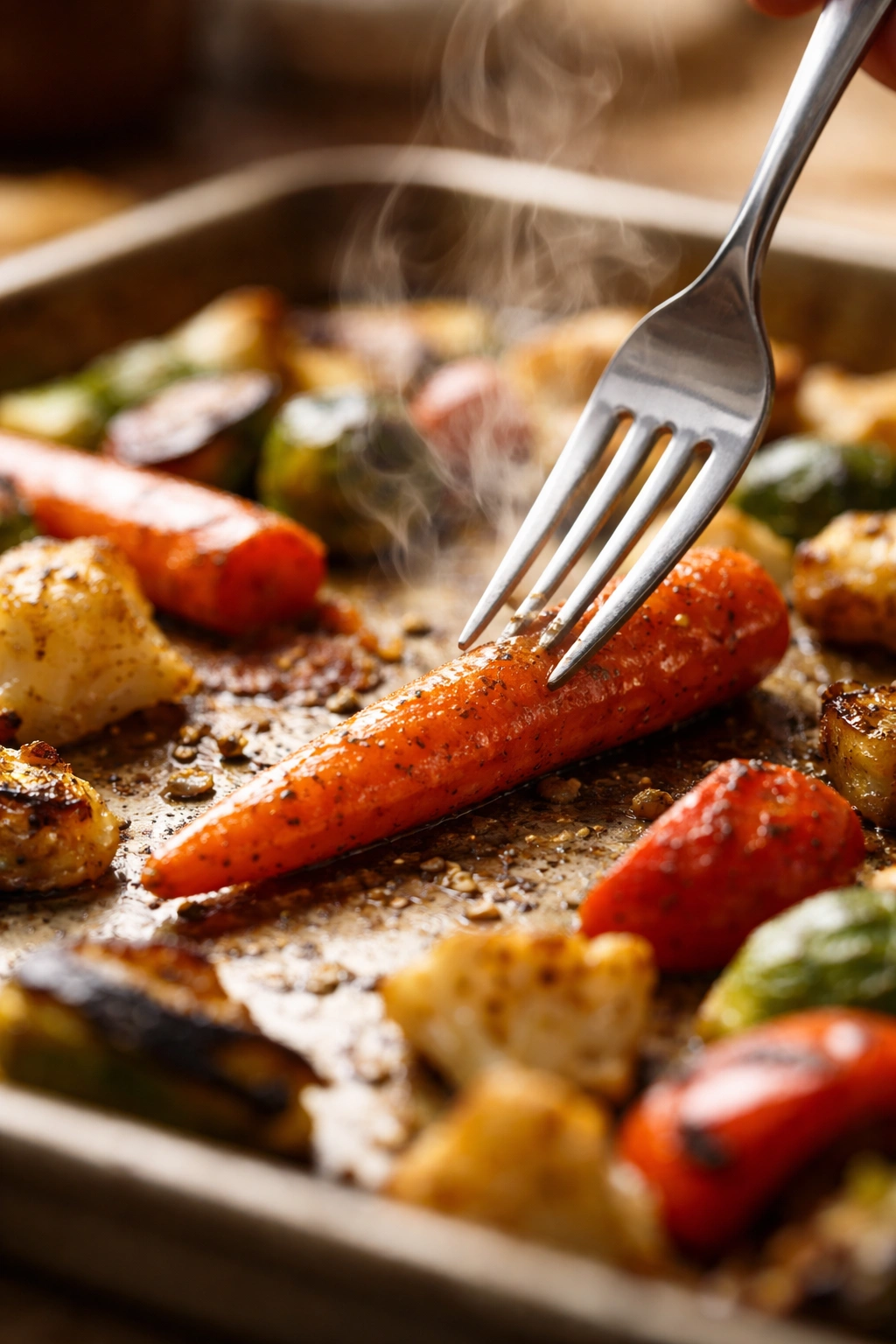
Doneness isn’t about time—it’s about what the vegetables look and feel like. Visual cues matter. The edges should look golden brown or deeply caramelized. Raw-looking, pale edges mean the vegetables aren’t done. Charred, nearly black edges are fine as long as you see some golden-brown browning elsewhere on the vegetable.
The real test is touch. Poke a vegetable with a fork or the tip of a sharp knife. It should be tender enough to pierce easily but not soft and mushy. There should be slight resistance, then the fork slides through smoothly. If you’re hitting a hard center, they need more time. If they fall apart or are very soft, they’re possibly overcooked, though honestly, it’s hard to overcook vegetables through roasting unless you’re pushing toward an hour or longer.
For root vegetables like potatoes or carrots, the center of a larger piece should be fork-tender. For smaller pieces of softer vegetables like peppers or zucchini, even just 25 to 30 minutes should be enough. For Brussels sprouts, look for the outer leaves to be crispy and dark, and the interior to be creamy when you cut into one.
Don’t rely on time alone. Ovens vary. The size of your pieces affects cooking time. The humidity in your kitchen even affects how quickly moisture evaporates. Use time as a guide—”should be done around 35 minutes”—but verify with your eyes and a fork.
Achieving That Perfect Caramelized Exterior
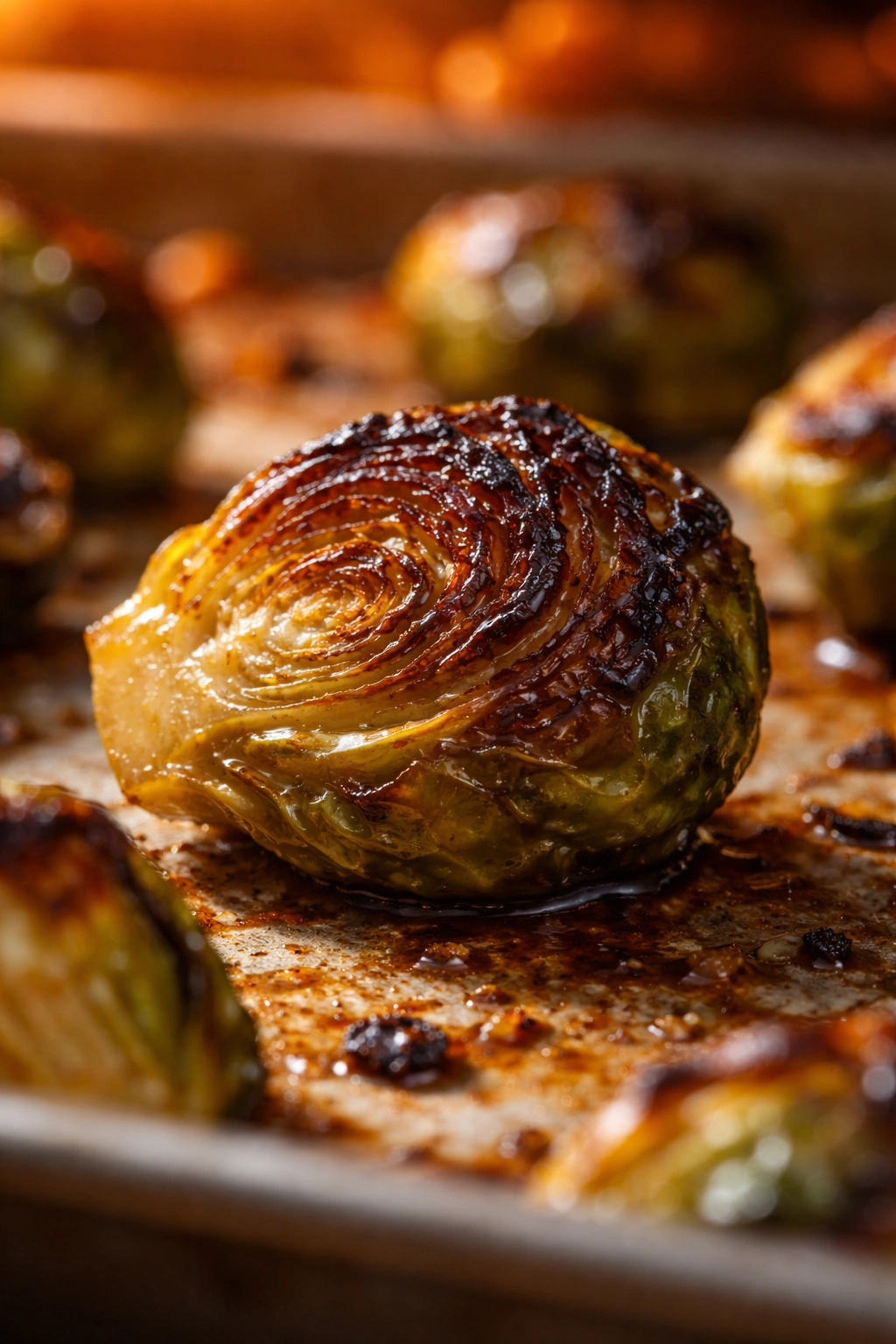
Caramelization is what transforms roasted vegetables from merely cooked to genuinely delicious. It’s the result of the vegetable’s natural sugars breaking down and recombining at high temperatures, creating complex, deeply savory-sweet flavors. This only happens if the surface temperature climbs high enough and moisture isn’t in the way.
The conditions for perfect caramelization are: hot oven, dry vegetables, adequate oil, and enough cooking time. If you have all four of these, caramelization is nearly inevitable. If you’re missing one—say, you used very wet vegetables—browning will be slow and incomplete.
The visual cue is a golden-brown or rich amber color. This isn’t charred black (though some charring is fine). It’s the color of toast or caramel. The surface will look slightly wrinkled or textured where it’s browned most deeply.
If you’re not seeing much browning after 35 minutes, increase the oven temperature by 25°F and check again in 5 minutes. The hotter temperature will accelerate browning. Alternatively, move the pan to a higher rack closer to your oven’s heating element. If you see excellent browning everywhere but the vegetables still feel firm inside, lower the temperature slightly and give them more time.
Flavor Variations and Seasoning Combinations
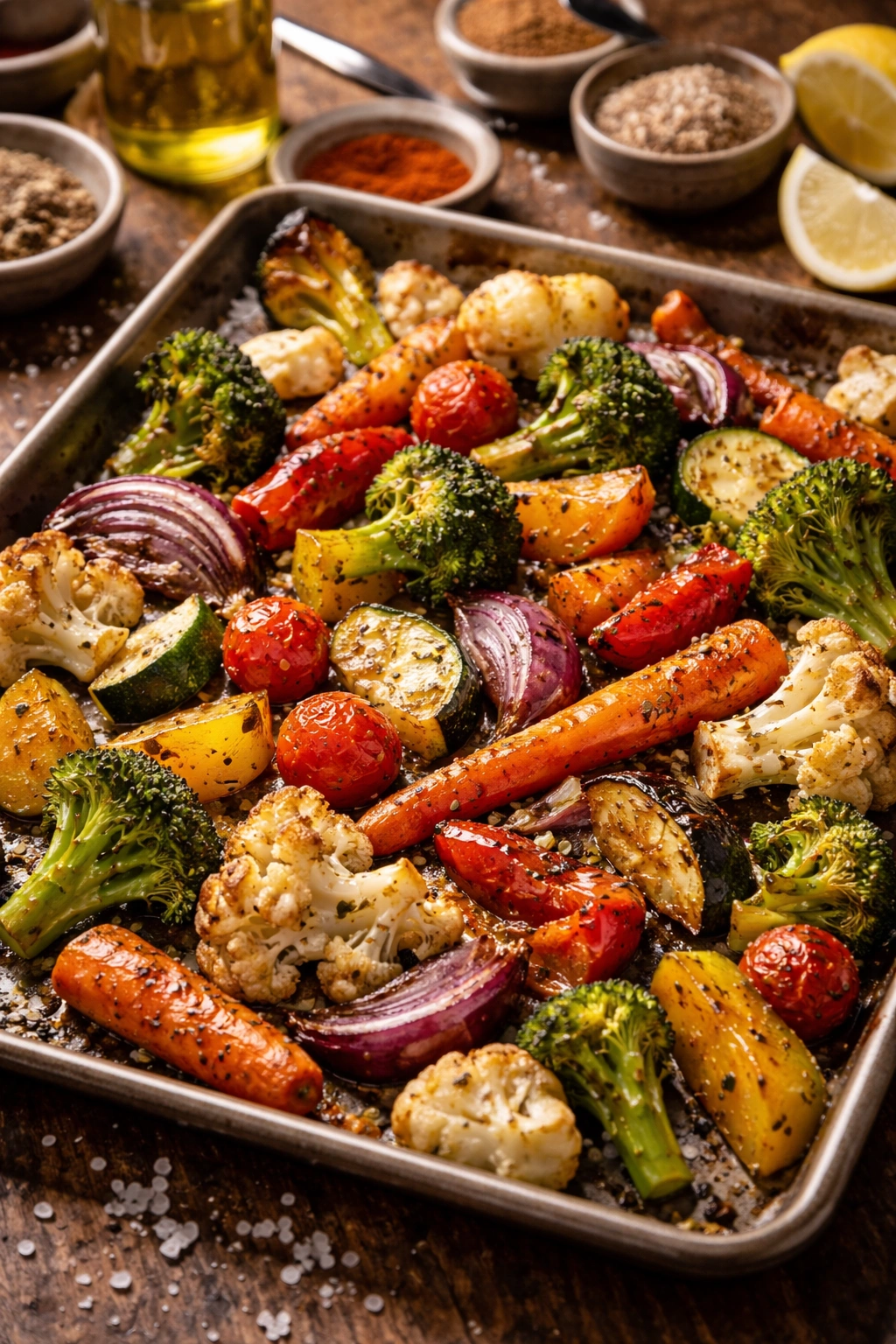
Salt is the only seasoning absolutely essential for roasted vegetables. It enhances flavor and helps draw out and concentrate the vegetable’s natural sweetness. Use kosher salt or sea salt at about 3/4 teaspoon per pound of vegetables, or adjust to taste.
Beyond salt, the possibilities are nearly endless. Black pepper is the obvious second choice. Garlic powder, onion powder, smoked paprika, cumin, and ground coriander all work beautifully on root vegetables. Italian seasoning, dried oregano, and thyme pair well with Mediterranean vegetables like peppers and zucchini. A pinch of cayenne or red pepper flakes adds subtle heat.
Fresh herbs added after cooking add color and brightness. Chop fresh parsley, cilantro, basil, or chives and scatter them over hot roasted vegetables right before serving. The heat of the vegetables will slightly wilt the herbs and release their aromatic oils.
Finishing the roasted vegetables with a drizzle of good-quality olive oil (after they come out of the oven) adds richness and silkiness. Squeeze of fresh lemon juice or splash of balsamic vinegar adds acidity that brightens the whole dish. A shower of grated Parmesan or pecorino adds umami depth.
Consider the vegetable when choosing seasonings. Brussels sprouts taste fantastic with balsamic, garlic, and a hint of maple syrup. Carrots sing with a touch of cumin and cilantro, or with cinnamon and a drizzle of honey. Root vegetables pair beautifully with rosemary and thyme. Broccoli loves garlic, lemon, and red pepper flakes.
Roasting Mixed Vegetables at Once
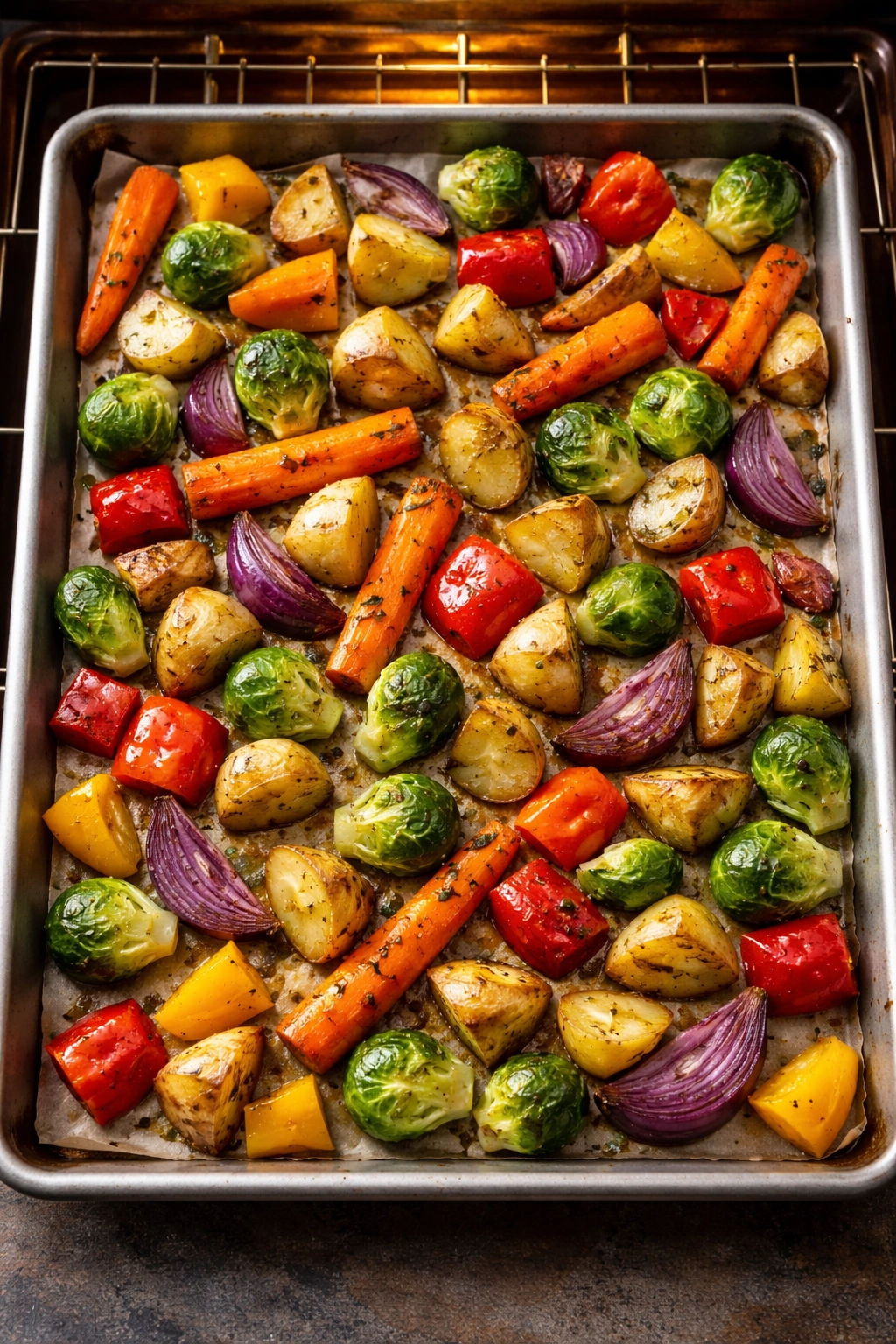
Many home cooks want to roast a variety of vegetables in the same pan at the same time. This is totally doable, but requires a small adjustment: cut denser vegetables smaller than softer vegetables so they all finish at the same time.
Root vegetables (carrots, beets, potatoes) take the longest—usually 35 to 40 minutes. Cut these into 3/4-inch pieces. Brussels sprouts take about 30 to 35 minutes—cut larger pieces, about 1.5 to 2 inches. Softer vegetables like peppers, zucchini, or cherry tomatoes cook faster—25 to 30 minutes—so cut them larger, about 2-inch chunks.
If you’re mixing very different vegetables, you have another option: stagger the cooking. Roast the dense vegetables for 10 to 15 minutes first, then add the softer vegetables and roast everything together for the remaining time. This requires more fussing, but it ensures even cooking.
All the vegetables should be oiled and salted together when they go in. One pan, one temperature, everything finishing at roughly the same time. Pull them out when the densest vegetables (the root vegetables) are tender and the softest vegetables are just starting to brown.
Common Roasting Mistakes and How to Avoid Them
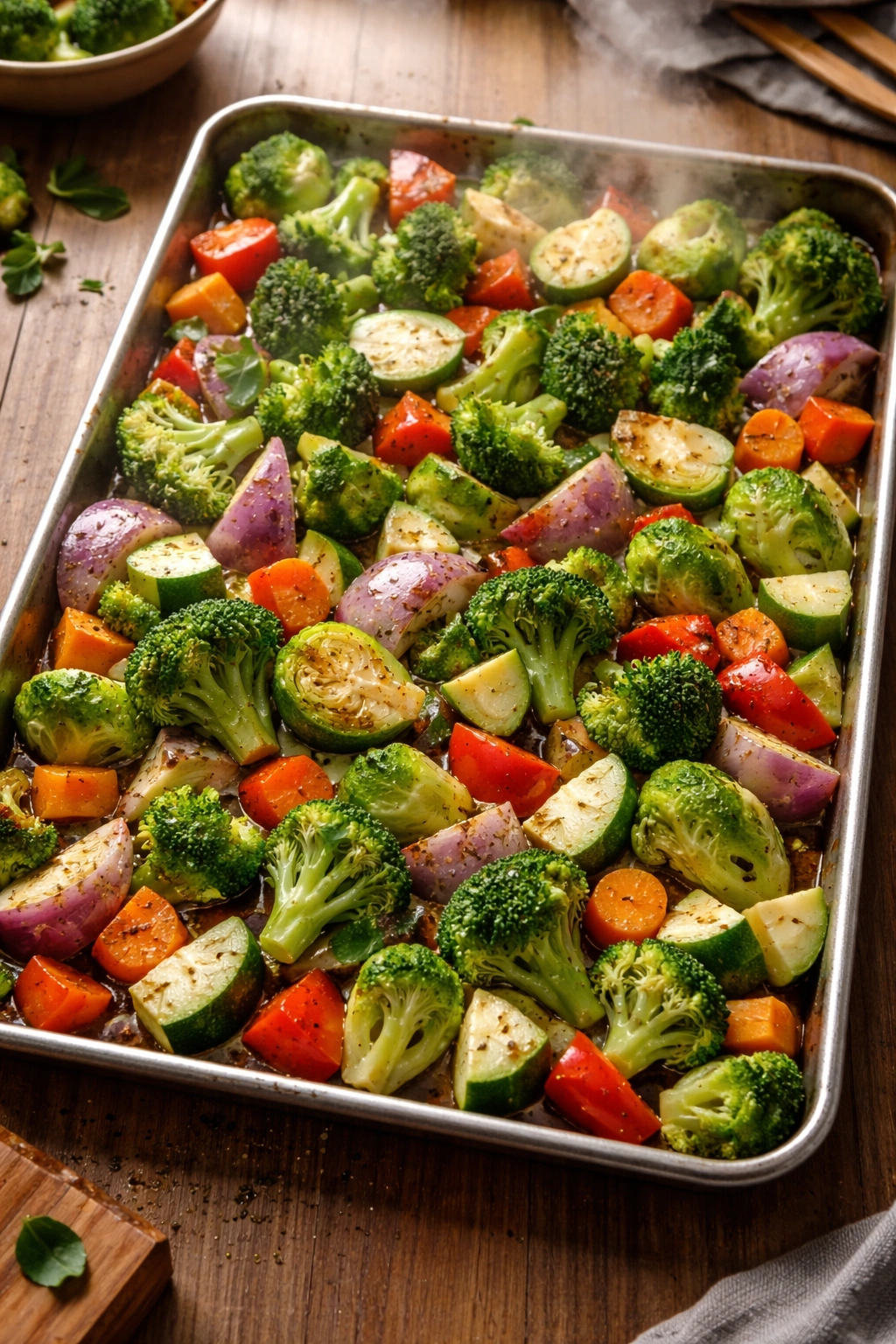
The most common mistake is crowding the pan. When vegetables are packed tightly, they create steam around each other, preventing browning and extending cooking time dramatically. Use a larger pan or roast in batches. There should be some visible pan surface between pieces.
Another frequent problem is using oil that’s too low in smoke point or not enough oil. The vegetables need adequate fat to brown properly. Olive oil can work, but watch carefully so it doesn’t smoke. Neutral oil is safer and gives more reliable results.
Many people also salt vegetables after cooking, which is fine, but salting before cooking helps the salt dissolve and distribute more evenly. It also helps dry out the vegetable surface slightly, which aids browning.
Using a cold or only partially preheated oven is sneakily common. The vegetables need to hit high heat immediately. A cold start means a slow beginning and compromised browning. Preheat fully.
Impatience is real too. Checking constantly and stirring frequently or too early disrupts the browning process. Check around 20 to 25 minutes to see how things are progressing, but then let them sit until you’re close to the target finish time. The less you open the oven, the better.
Finally, raw vegetables that are too big or oddly shaped cook unevenly. Cut everything intentionally and consistently. This single step determines 50 percent of your success.
Storage and Serving Roasted Vegetables
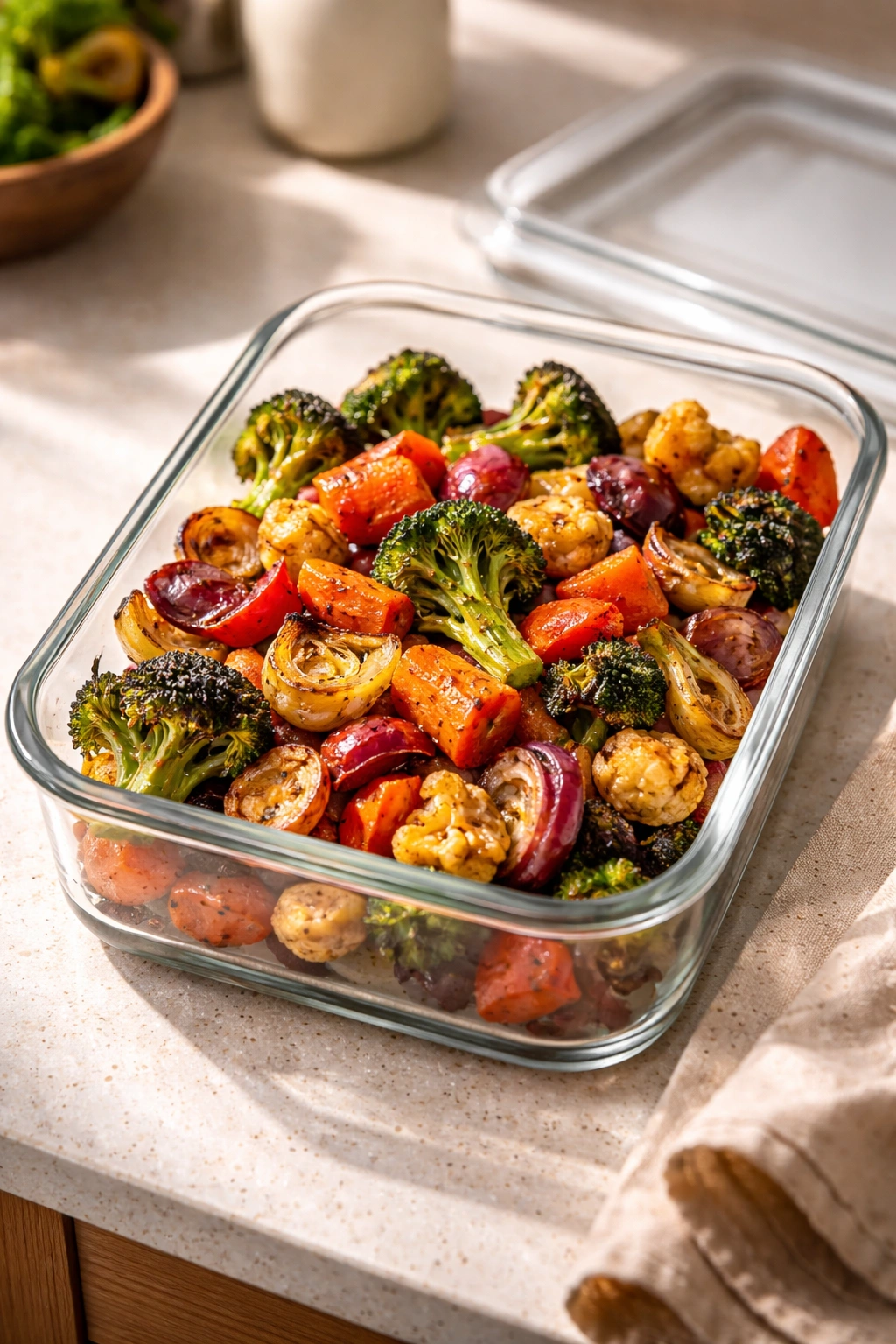
Roasted vegetables are best served warm or at room temperature, but they keep beautifully. Let them cool to room temperature first, then transfer to an airtight container. They’ll keep in the refrigerator for 4 to 5 days.
Reheat gently in a 300°F (150°C) oven for 5 to 10 minutes until warm through, or reheat in a skillet over medium-low heat for a few minutes. Microwaving works but tends to make the crispy edges a bit softer. If serving at room temperature, no reheating is necessary—they’re delicious straight from storage.
Roasted vegetables work as a side dish, a base for grain bowls, mixed into salads, tossed with pasta, added to soups, or even eaten as a snack straight from the container. The flavor stays excellent for several days, often deepening slightly as the flavors meld overnight.
You can also freeze roasted vegetables. Cool them completely, spread them on a baking sheet until frozen solid (about 2 hours), then transfer to a freezer container or zip-top bag. They’ll keep for 2 to 3 months. Thaw in the refrigerator overnight, then reheat gently, or add directly to soups and grain bowls where they’ll warm through as part of the larger dish.
The Importance of Temperature and Timing
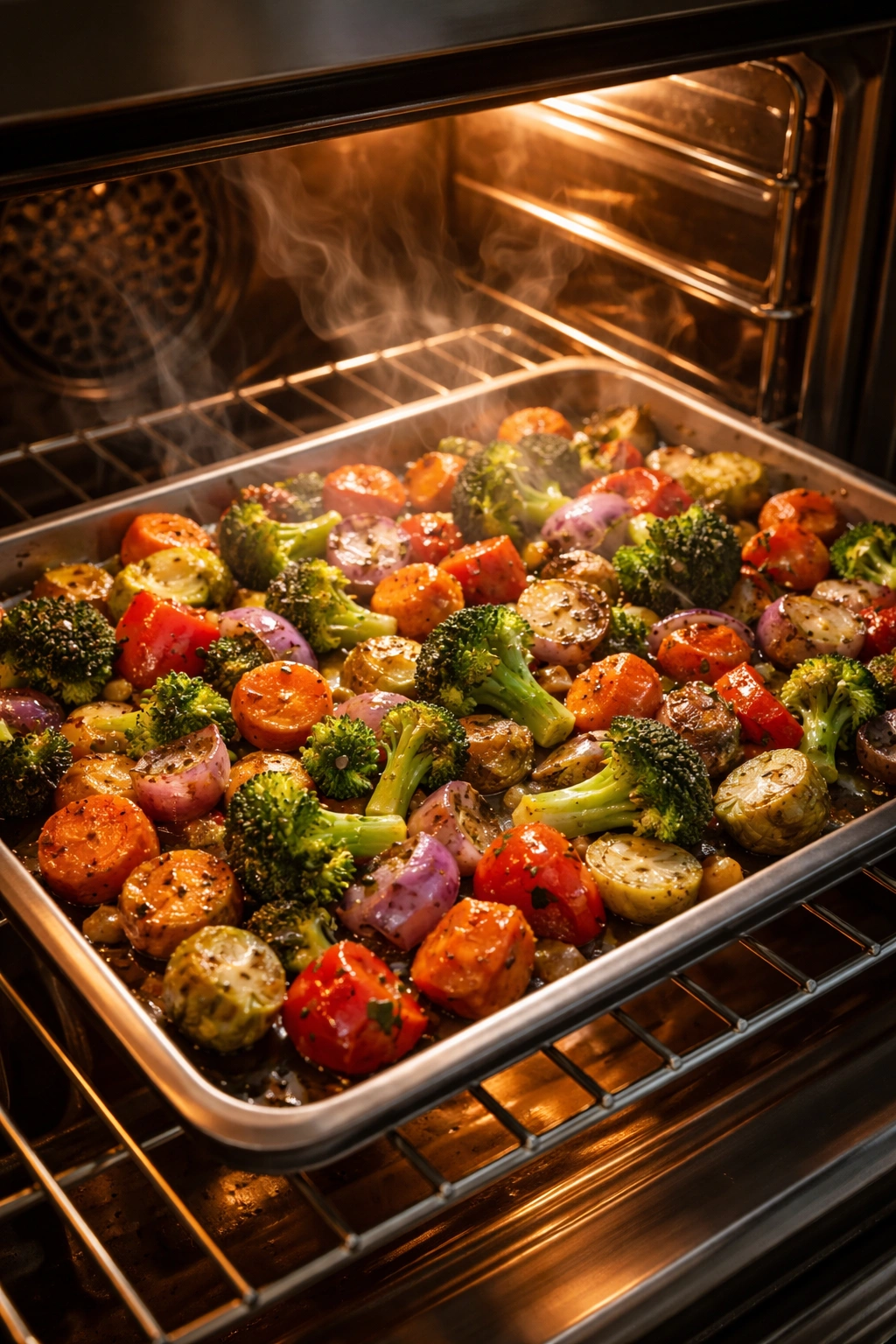
Temperature and time work together, not independently. A hot oven (450°F) needs less time (maybe 25 to 30 minutes) to roast vegetables fully. A moderate oven (375°F) needs more time (maybe 40 to 50 minutes). The total heat exposure is what matters—you’re trying to reach a specific internal temperature and create surface caramelization, and there are multiple combinations of time and temperature that achieve this.
Most home cooks should aim for the 400°F to 425°F range. It’s hot enough to work reasonably quickly—most vegetables are done in 30 to 40 minutes—but not so scorching that timing becomes critical and edges burn easily. If your oven tends to run hot (some do), dial down to 400°F. If it runs cool, bump up to 425°F or 450°F.
The hardest part for many people is trusting their senses over the timer. A recipe says “roast for 35 minutes,” so people pull vegetables out at 35 minutes regardless of whether they look done. Trust what you see and feel. If vegetables need 40 minutes because your oven is cool or your pieces are large, give them those extra minutes.
Final Thoughts
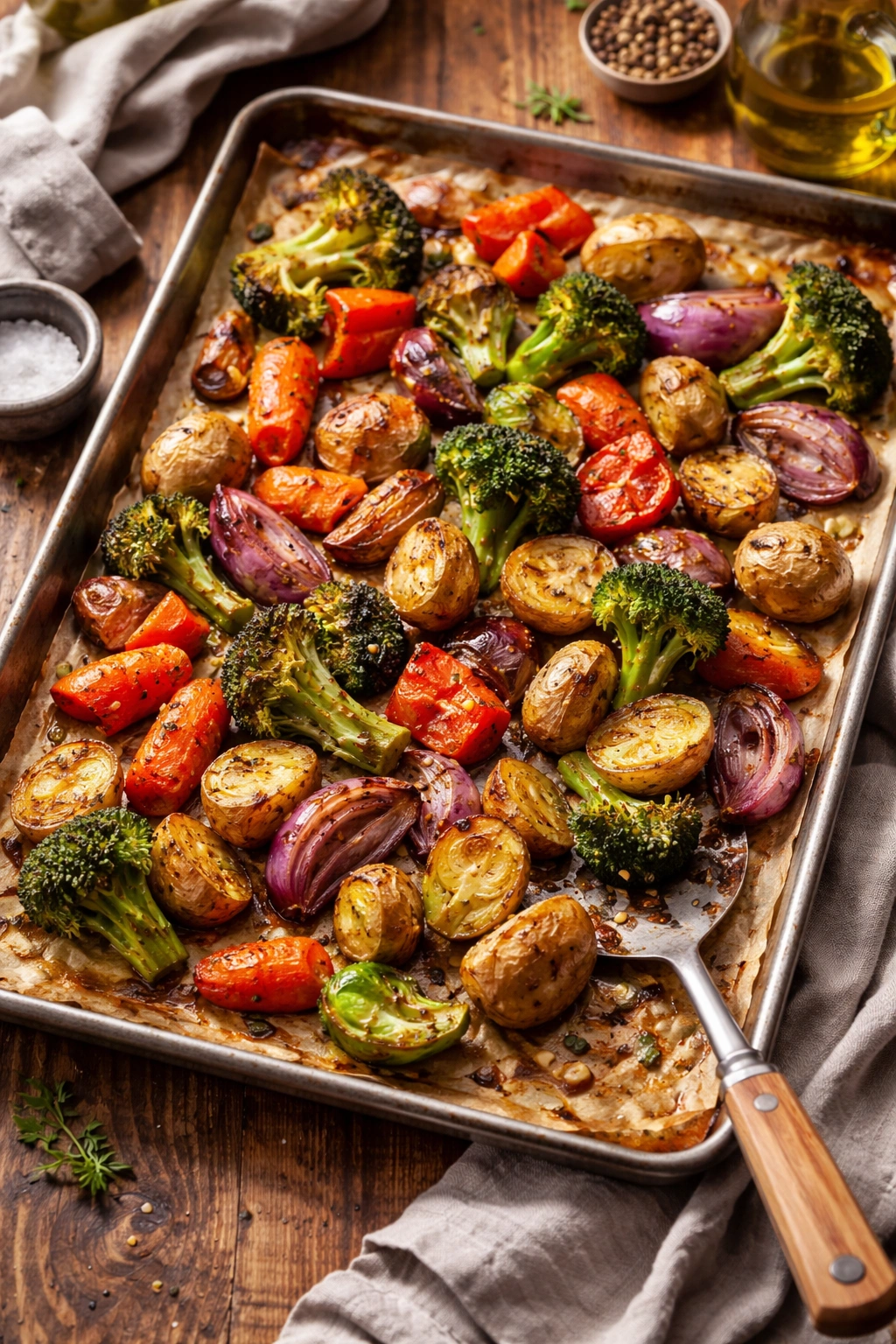
Roasting vegetables is one of the most forgiving cooking techniques once you understand the fundamentals. Hot oven, dry vegetables, proper oil, right-sized pieces, adequate seasoning, enough time—these five elements are honestly all you need. Everything else is refinement and personal preference.
The beauty of roasting is that there’s no single “right” way. You can stir or not stir. You can roast at 400°F or 425°F. You can season with salt alone or build complex flavor combinations. You can roast just one type of vegetable or a whole pan of variety. The technique is flexible enough to adapt to what you have on hand and how you like to eat.
Start with the basics: clean, dry, evenly-sized vegetables, tossed with oil and salt, roasted at 400°F or 425°F until golden and tender. Learn to recognize the visual signs of doneness and the feel of properly cooked vegetables. From there, you can experiment with different seasonings, vegetables, temperatures, and techniques. Every batch teaches you something about how your specific oven behaves and what you actually prefer. That experimentation is where the real learning happens, and where you’ll develop your own approach to roasting that consistently delivers results you love.
