



The appetizer table is where the action happens at any gathering. While the main course sits waiting on the dining table, guests congregate around those small bites, filling their plates and lingering in conversation. Some appetizers disappear in minutes—completely stripped from the serving platter before half your guests have even arrived. Others last the entire evening, lingering untouched. The difference isn’t luck or presentation alone. It’s a combination of flavor intensity, textural contrast, convenience, and that irresistible quality that makes people reach for just one more bite.
After watching countless parties unfold, certain finger foods emerge as consistent crowd-pleasers. These are the appetizers that hosts reach for repeatedly because they know they’ll work. Guests won’t politely nibble them—they’ll genuinely compete for the last pieces. The best party appetizers share a few qualities: they’re relatively simple to execute, they taste bold and satisfying, they don’t require elaborate plating, and they’re designed to be eaten with hands or a single utensil while standing and socializing.
The appetizers that follow have proven their worth across countless celebrations, from casual backyard gatherings to formal holiday parties. Some are classic for good reason; others are less obvious but equally reliable. All of them address a fundamental truth about party food: guests want maximum flavor in minimum bites, and they want it right now. These fifteen options are your guarantee that your appetizer spread will be remembered fondly—mostly because there won’t be much left.
1. Loaded Bacon Cheese Dip
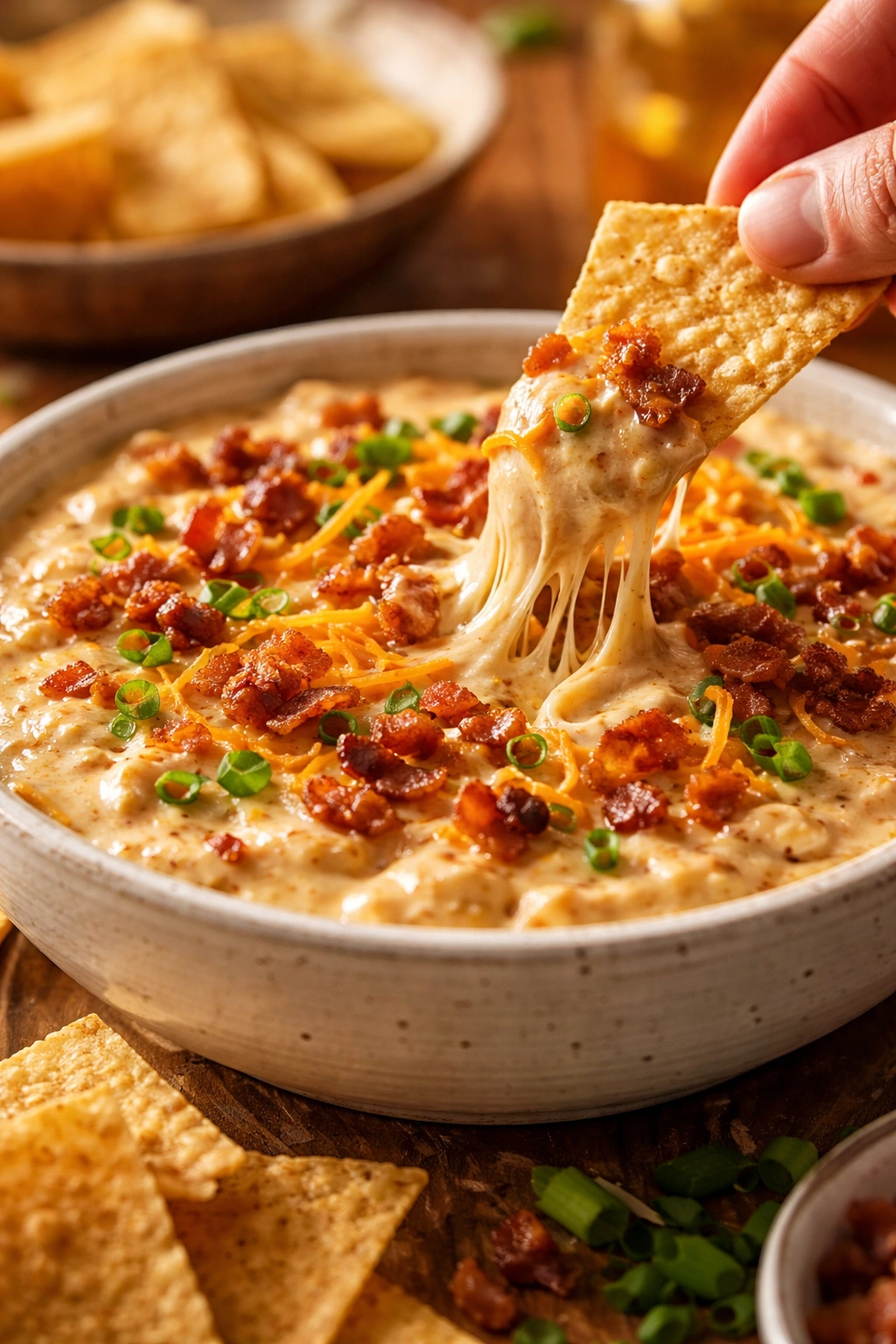
Bacon and cheese together represent comfort in dip form—warm, savory, utterly craveable. This is the appetizer that transforms ordinary crackers into something people stand in front of without moving. A proper bacon cheese dip combines sharp cheddar, cream cheese, crispy bacon, and a touch of sour cream, warmed gently until the cheese melts into the perfect creamy-but-not-runny texture.
Why It Vanishes Immediately
The combination of umami-rich bacon and melted cheese creates an almost irresistible flavor that appeals to virtually everyone. People who claim they aren’t interested in dips will find themselves reaching for another cracker when presented with this one. The salty bacon bits provide textural contrast against the smooth cheese base, making each bite interesting. Warm dips also have a psychological pull—guests want something warm, and hot food commands attention in a way cold appetizers sometimes don’t.
What Makes It Work
- Texture contrast: Crispy bacon pieces suspended in creamy cheese provide the satisfying interplay of textures that keeps people coming back
- Cheese selection matters: A blend of sharp cheddar and cream cheese delivers better flavor than cream cheese alone; sharp cheddar prevents it from tasting one-dimensional
- Keep it warm: A slow cooker or small fondue pot maintains temperature without scorching the edges or creating a thick, congealed surface
- Bacon ratio: Use about ½ pound of bacon per cup of cheese—enough to be tasted in every bite, but not so much that it becomes gritty
- Optional additions: Jalapeños, caramelized onions, or fresh chives added just before serving add subtle complexity without overwhelming the core flavors
The beauty of this dip is its simplicity. There are no complicated techniques or intimidating ingredients. It’s the definition of straightforward, yet the results feel impressive because the dip genuinely tastes delicious.
2. Crispy Coconut Shrimp
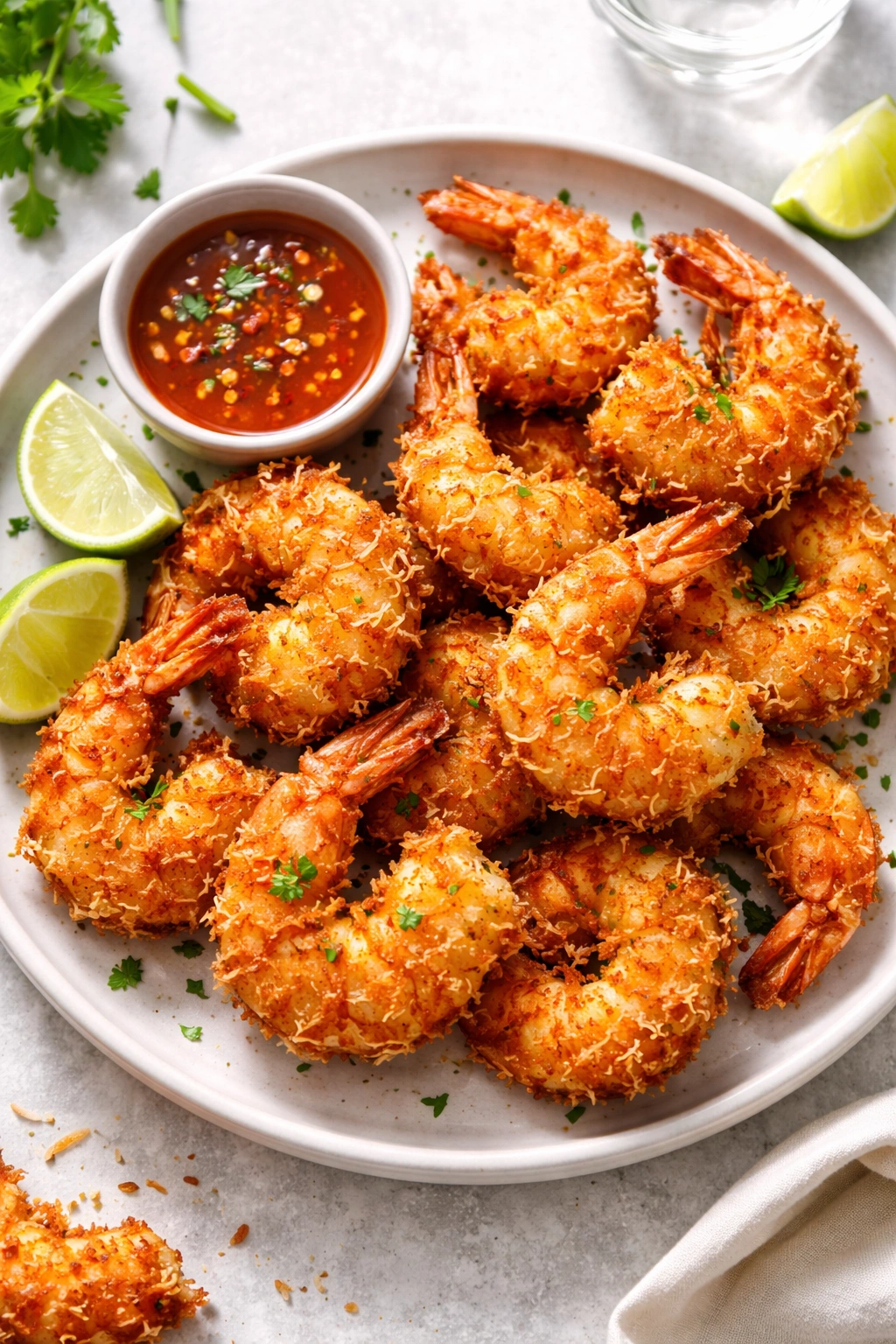
Crispy coconut shrimp occupy a unique space in the party appetizer world—they taste slightly fancy but require almost no special skill, they’re warm and crispy (not cold and soggy), and they pair perfectly with a sweet dipping sauce. Unlike breaded shrimp that can feel heavy, the coconut adds sweetness and creates an exceptionally satisfying crunch.
Why These Are Always Gone First
Shrimp carries an inherent impression of elegance, even in casual appetizer form. The coconut coating toasts to golden brown and creates an audible crunch that’s deeply satisfying. The sweet-savory balance appeals to a wider range of palates than traditional fried seafood. People also feel less guilt eating shrimp than they might about heavier fried appetizers, which means they eat more of them. The warm interior contrasts perfectly with the crispy exterior, and the ratio of coating to shrimp feels generous and indulgent.
The Formula for Consistency
- Shrimp size: Large (16-20 count per pound) works best; they’re substantial enough to feel like a real bite, not a mere nibble
- Double-dip system: Coat shrimp in seasoned flour first, then egg wash, then unsweetened shredded coconut; this prevents the coating from slipping off during frying
- Fry temperature: Oil at 350°F (175°C) is crucial—too hot and the coconut burns before the shrimp cooks through; too cold and it absorbs grease instead of crisping
- Dipping sauce strategy: A sweet-spicy sauce (like sweet chili or a honey-sriracha blend) elevates the shrimp from good to memorable
- Make-ahead advantage: These can be breaded hours ahead and frozen uncooked, then fried fresh just before serving
The coconut shrimp works at virtually any gathering because it appeals to both adventurous eaters and people who prefer familiar, recognizable flavors. It’s warm, it’s crispy, it feels special, and it tastes exactly like people hope it will.
3. Spinach and Artichoke Dip
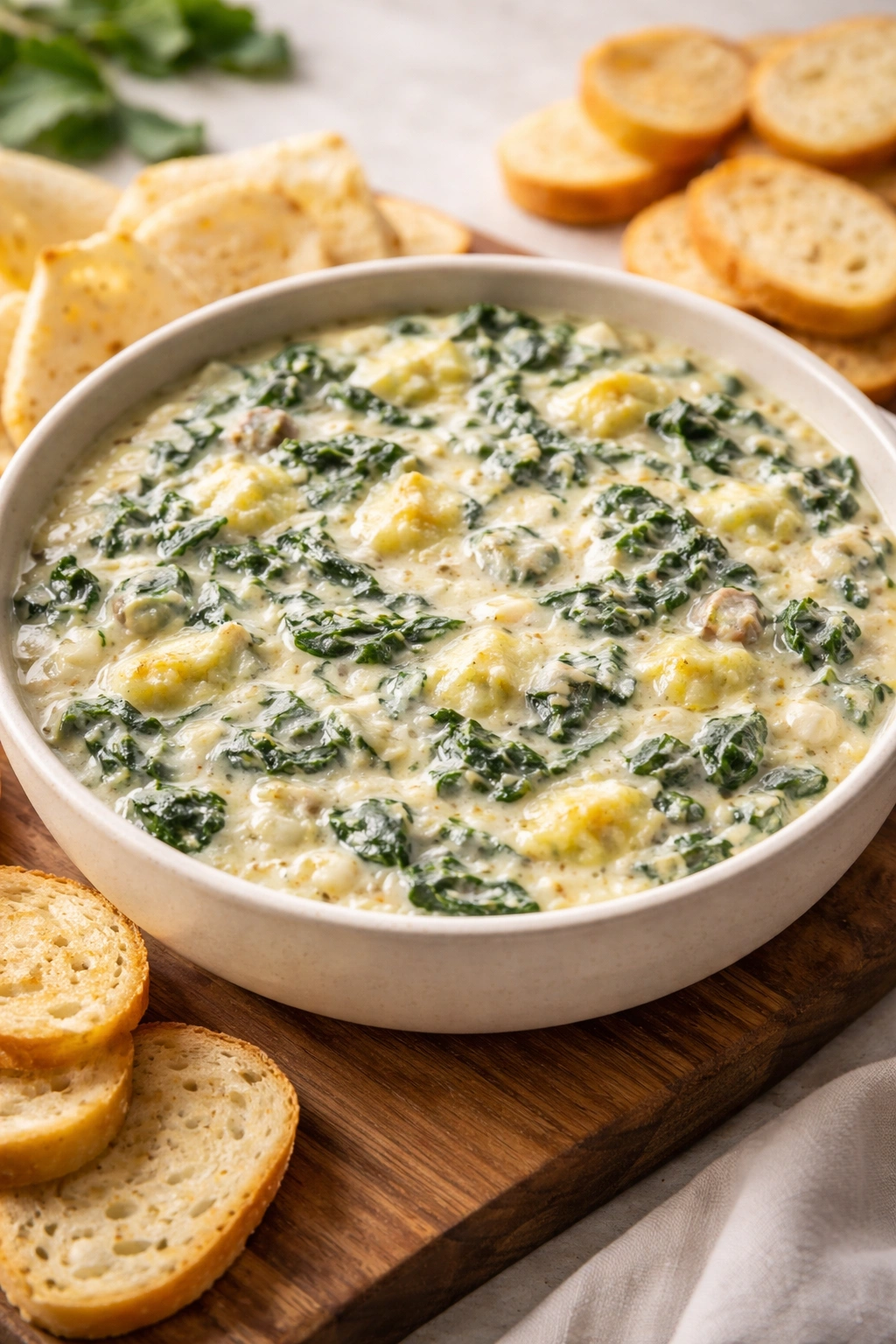
This is the dip that defined the modern party appetizer era. Spinach and artichoke dip became ubiquitous for a reason—it’s genuinely delicious, it sounds healthier than it is (which people appreciate), and it works at formal gatherings or casual events without looking out of place.
Why It Never Stays on the Table
The combination of wilted spinach, tender artichoke pieces, and melted cheese creates a texture that’s neither completely smooth nor chunky. This textural middle ground feels more sophisticated than a completely blended dip. Spinach provides earthiness that prevents the cheese from becoming cloying, while artichoke adds subtle sweetness and structural interest. The dip also benefits from a slight tang—either from cream cheese or a splash of lemon—that makes it feel complex despite its straightforward ingredients.
Building Depth in a Familiar Appetizer
- Frozen spinach is fine: Thaw it completely and squeeze out every drop of moisture; watery spinach ruins the dip’s consistency
- Canned or frozen artichoke hearts: Both work equally well; drain thoroughly and chop into bite-sized pieces
- Cheese balance: A mix of mozzarella and Parmesan provides melting ability and flavor; cream cheese adds richness
- Umami booster: A small amount of Worcestershire sauce or anchovy paste (undetectable in finished dip) adds savory depth without fishiness
- Bread vehicle: Serve with toasted bread chips or crackers, but also offer vegetable crudités—the contrast between cold vegetables and warm dip is appealing
Spinach and artichoke dip succeeds because people think they know what to expect, but then the version you’ve made tastes noticeably better than what they remember. That small positive surprise gets people reaching for more.
4. Pigs in a Blanket

These are the cocktail party standard that somehow still feels delightful every time you encounter them. A quality sausage wrapped in buttery crescent roll dough and baked until golden brown seems almost too simple to warrant attention, yet guests consistently devour them in impressive quantities.
The Consistency Factor
What makes pigs in a blanket so reliably popular is their complete predictability in a good way. Everyone knows exactly what they’re getting, and when done properly, they deliver a perfect ratio of crispy exterior to juicy interior. The salty sausage and buttery dough pairing is genuinely satisfying. They’re also refreshingly simple—no one needs to wonder whether they’ll like these or not. The risk is extremely low, which means more people will eat them.
Execution Details That Matter
- Sausage selection: Use quality small sausages (like cocktail wieners or small smoked sausages); cheap sausages taste thin and rubbery
- Wrap tension: Wrap the crescent dough snugly but not so tight that it constricts the sausage; you want them to bulge slightly when cooked
- Brush with butter: A light brushing of melted butter before baking encourages even browning and adds richness
- Bake until deeply golden: Don’t pull them out when they look barely done; let them develop color and crispness for 20-25 minutes at 375°F (190°C)
- Mustard matters: Serve with whole grain mustard, spicy brown mustard, or honey mustard—the dipping sauce elevates them significantly
These work because they hit a comfort-food note while being elegant enough for any occasion. They’re warm, they’re portable, and they require zero finesse to eat while holding a drink.
5. Swedish Meatballs (or BBQ Meatballs)
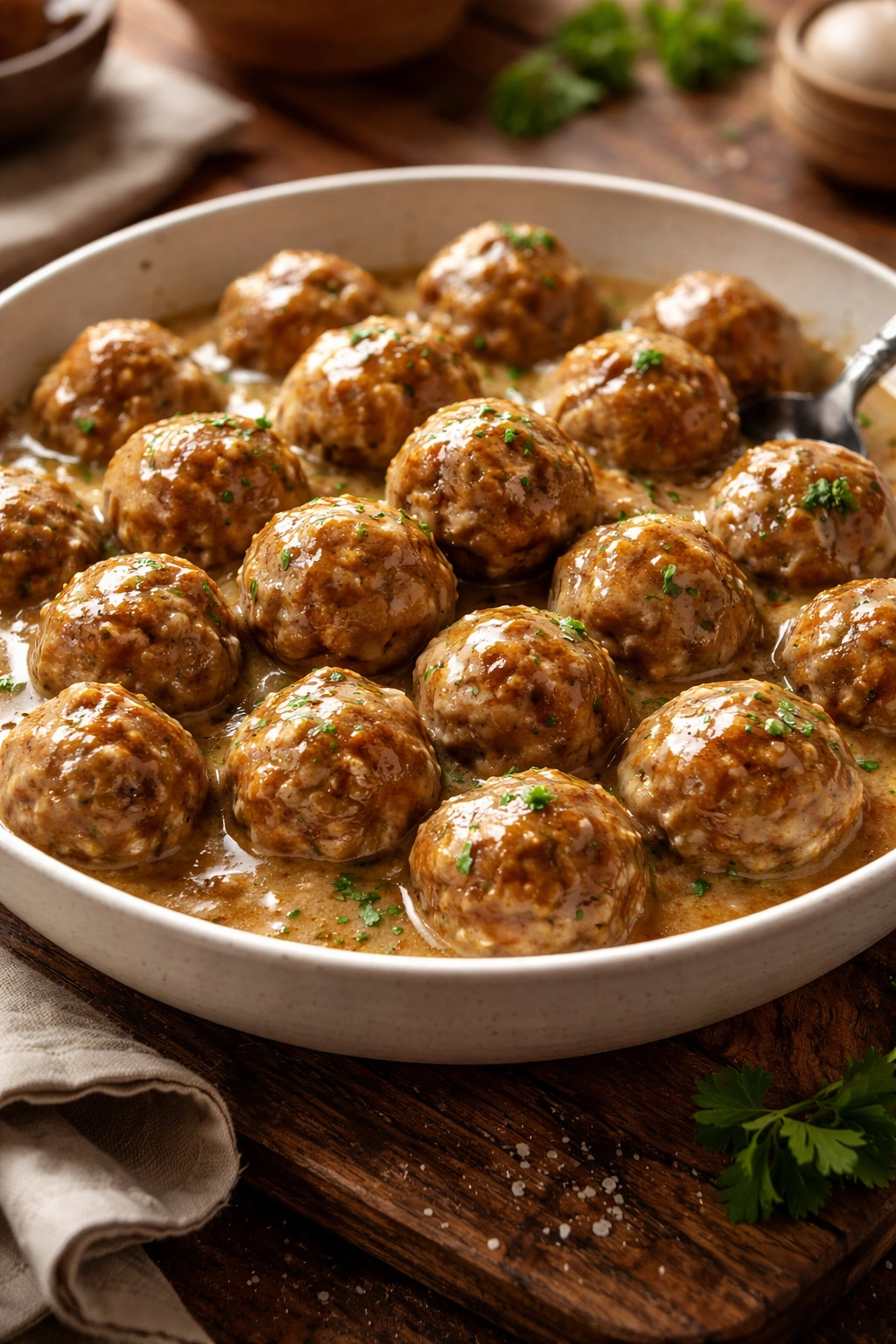
Meatballs in sauce—whether in a savory Swedish cream sauce or a sticky BBQ glaze—represent the warmth and abundance that guests associate with generous party hosting. A platter of tender meatballs simmering gently in sauce sends a signal that the host has put in effort and cares that guests are well-fed.
Why They Always Disappear
Meatballs satisfy in a primal way. They’re warm, they’re substantial without being heavy, and they can be eaten in one or two bites while still feeling like a real bite. The sauce provides essential flavor, and the warm temperature keeps people coming back. Swedish meatballs specifically have a slightly sweet, slightly savory profile that appeals broadly. BBQ meatballs hit a smokier, more assertive note. Either way, the combination is nearly universally appreciated.
Keys to Crowd-Pleasing Meatballs
- Beef and pork blend: A mix of ground beef and ground pork creates better flavor and texture than beef alone; the pork adds juiciness
- Binder matters: Breadcrumbs soaked in milk (not dry breadcrumbs) hold the meatballs together without making them dense or tough
- Make ahead fully: Bake meatballs completely before adding sauce; this prevents them from overcooking and becoming rubbery
- Slow cooker finishing: Transfer cooked meatballs to a slow cooker with sauce on low heat; they stay warm, moist, and tender for hours
- Sauce variety: Swedish sauce (beef broth, cream, Worcestershire, sour cream) or BBQ sauce (ketchup-based with brown sugar, soy sauce, Worcestershire)—either works brilliantly
- Toothpicks optional: Serve with small cocktail picks so guests can eat while standing; some prefer just forking them from a small plate
The beauty of meatballs is their versatility and crowd-pleasing nature. Even guests who claim to have dietary restrictions usually find a way to eat at least one.
6. Caprese Skewers
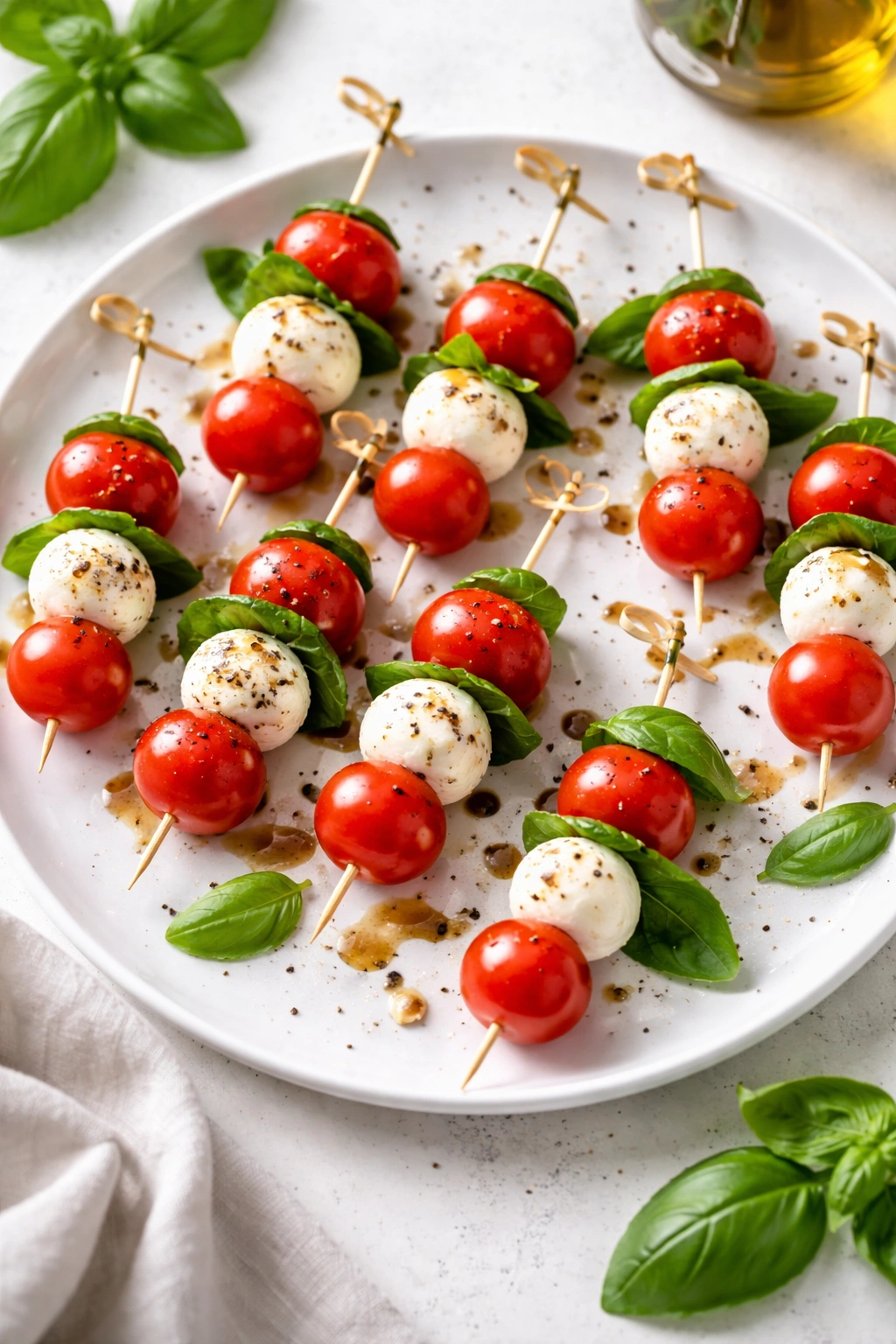
These elegant little appetizers—cherry tomato, fresh mozzarella, basil leaf, and balsamic on a toothpick—represent the category of fresh, light appetizers that guests appreciate as balance against heavier dips and fried options. They’re prepared in advance (no last-minute heating), they look impressive visually, and they taste like concentrated summer.
Why Fresh Appetizers Go Fast Too
There’s often an assumption that guests want only warm, indulgent appetizers, but variety matters. After eating creamy dips or fried items, guests often gravitate toward something fresh and bright. Caprese skewers provide that refreshing counterpoint. The bright tomato flavor, creamy mozzarella, and peppery basil create a flavor combination that feels complete in a single bite. The visual appeal of red, white, and green also adds color to an appetizer spread.
Executing Caprese Skewers Properly
- Tomato quality is everything: Use the sweetest, most flavorful cherry tomatoes available; mealy or bland tomatoes ruin the skewer
- Fresh mozzarella, not shredded: Buy a ball of buffalo mozzarella or fior di latte; cut into chunks slightly larger than the tomatoes so it’s the star
- Basil timing: Add fresh basil leaves immediately before serving, not hours ahead; they oxidize and turn unappealingly dark if left to sit
- Balsamic glaze, not regular vinegar: Use aged balsamic reduction (or reduce your own by simmering balsamic vinegar until syrupy); the sweetness balances the acidity
- Olive oil drizzle: A small drizzle of quality extra-virgin olive oil on the plate (not on individual skewers, which prevents mozzarella from staying in place) adds richness
- Assembly structure: Assemble in order—basil first (to protect it), then tomato, then mozzarella—so each bite captures all three flavors
These work because they taste exactly like the simple, elegant appetizer they’re meant to be. There’s no pretense, no fancy technique, just stellar ingredients assembled with care.
7. Deviled Eggs
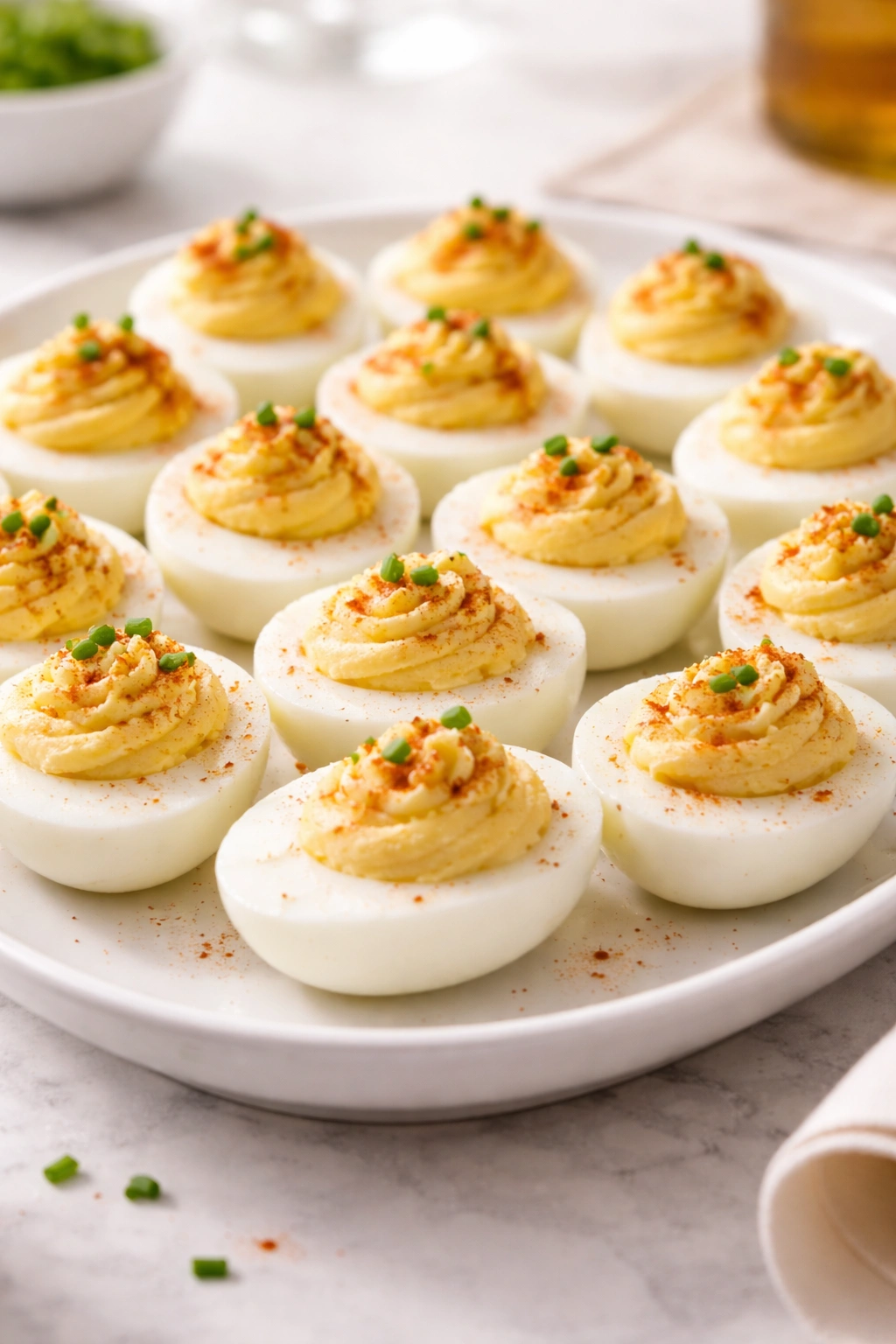
Deviled eggs represent the intersection of nostalgia, sophistication, and genuine deliciousness. They’ve been party staples for generations because they’re reliable, they can be prepared entirely in advance, and they taste better than their simplicity suggests.
The Undeniable Appeal
Hard-boiled eggs mixed with mayonnaise, mustard, and seasonings, piped back into the egg white halves and garnished simply—this is comfort food elevated. The creamy yolk mixture contrasts with the mild, slightly rubbery egg white. The flavor is rich but not heavy, salty without being overwhelming. Deviled eggs also appeal to guests seeking something less heavy than cheese dips but more substantial than vegetable crudités.
Making Deviled Eggs That Stand Out
- Boiling technique matters: Place eggs in cold water, bring to a boil, remove from heat and cover, then let sit 12 minutes for perfectly cooked yolks that aren’t gray or chalky
- Cool completely before peeling: Ice bath after boiling makes peeling easier and prevents that rubbery gray-green ring around the yolk
- Yolk-to-white ratio: Aim to make the yolk mixture generous—not stingy—so the filling is visible and substantial
- Mayo and mustard balance: Use whole grain mustard for texture and subtle complexity; combine with mayonnaise in a ratio that creates creamy but not heavy filling
- Paprika and caution with cayenne: A light sprinkle of smoked paprika adds visual appeal and subtle flavor; cayenne is potent, use sparingly
- Preparation timeline: Make deviled eggs 4-6 hours ahead and refrigerate; they’re best when cold, not at room temperature
- Flavor variations: Consider additions like crispy bacon bits, diced jalapeño, pickle relish, anchovy paste, or fresh herbs to elevate the base formula
Deviled eggs work at any gathering because they feel familiar and comforting, yet also slightly special. They bridge the gap between casual and formal elegantly.
8. Buffalo Chicken Dip
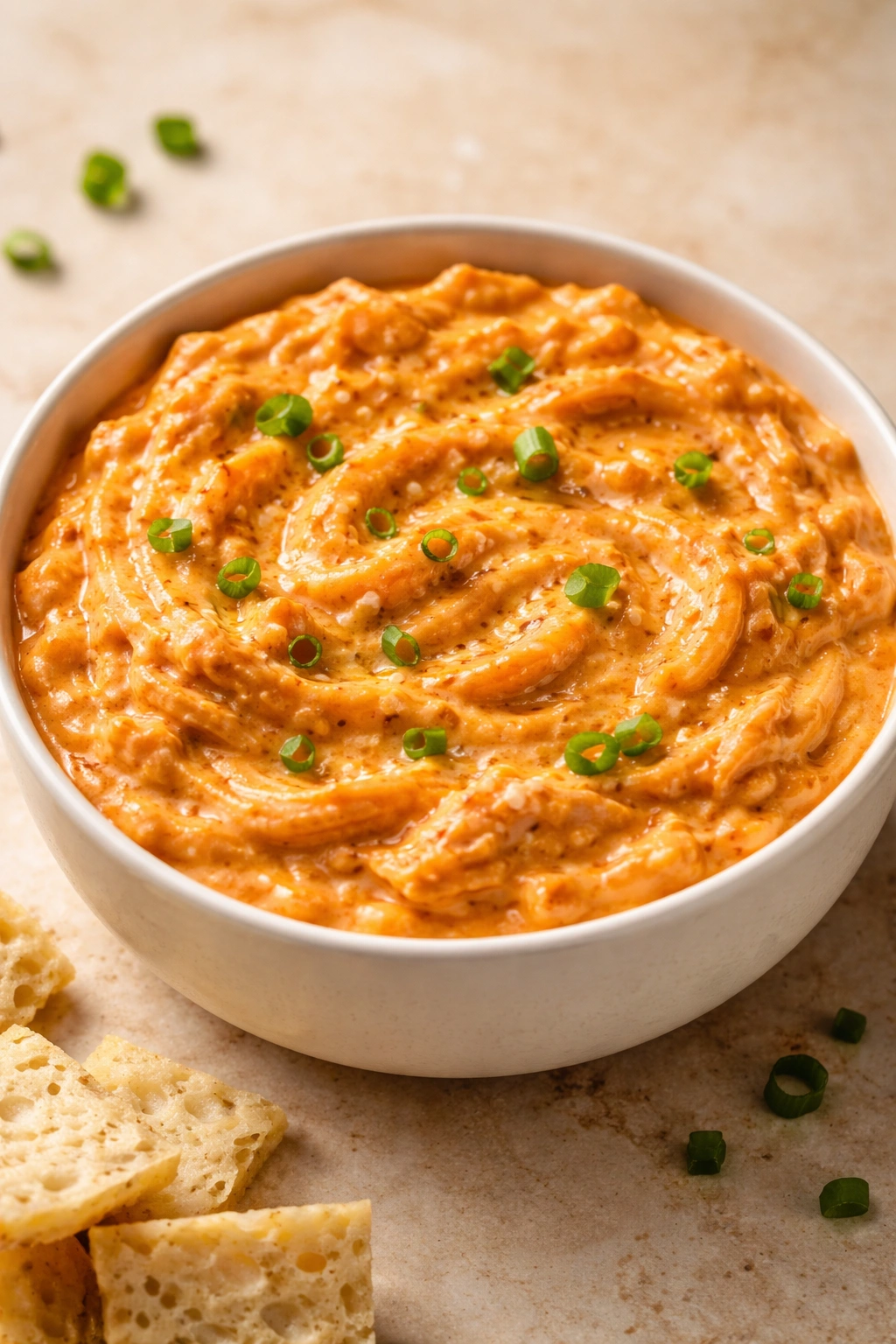
Buffalo sauce—that combination of hot sauce, butter, and vinegar—is one of the most crave-worthy flavor profiles in party food. When combined with shredded chicken and cream cheese, it becomes an absolutely irresistible dip that converts even non-spicy eaters into enthusiasts.
Why This Dip Never Survives the Party
The heat level is calibrated perfectly—hot enough to feel like an actual flavor component, not just spicy for spicy’s sake. The buttery richness of cream cheese and actual butter mellows the harshness of hot sauce and adds indulgence. The shredded chicken provides structural texture without adding bulk or making the dip feel heavy. The combination creates an addictive bite that keeps people reaching for more crackers.
Achieving Perfect Buffalo Chicken Dip
- Chicken preparation: Use rotisserie chicken for time-saving; shred it finely so it distributes evenly through the dip rather than creating stringy chunks
- Buffalo sauce from scratch beats bottled: Melt 4 tablespoons butter with ¾ cup hot sauce (like Frank’s RedHot) and 1 tablespoon white vinegar; the vinegar adds brightness
- Base mixture: Combine shredded chicken with cream cheese, buffalo sauce, and a handful of blue cheese crumbles (optional but excellent); blend thoroughly
- Cheese topping: Sprinkle shredded cheddar or blue cheese on top before heating; it creates a creamy, melted surface layer
- Keep it warm: Use a slow cooker on low or a small baking dish kept warm on a warming tray; stir occasionally to prevent setting around the edges
- The cooling factor: Blue cheese crumbles stirred in at the end (before serving) provide cool pockets against the hot dip, creating interesting temperature contrast
- Skip the celery sticks myth: Serve with crispy crackers or warm bread chips; celery feels obligatory and few people eat it
Buffalo chicken dip works because the heat doesn’t overwhelm; it enhances. People who aren’t spicy-food enthusiasts will still eat this because the other flavors are this good.
9. Stuffed Mushrooms
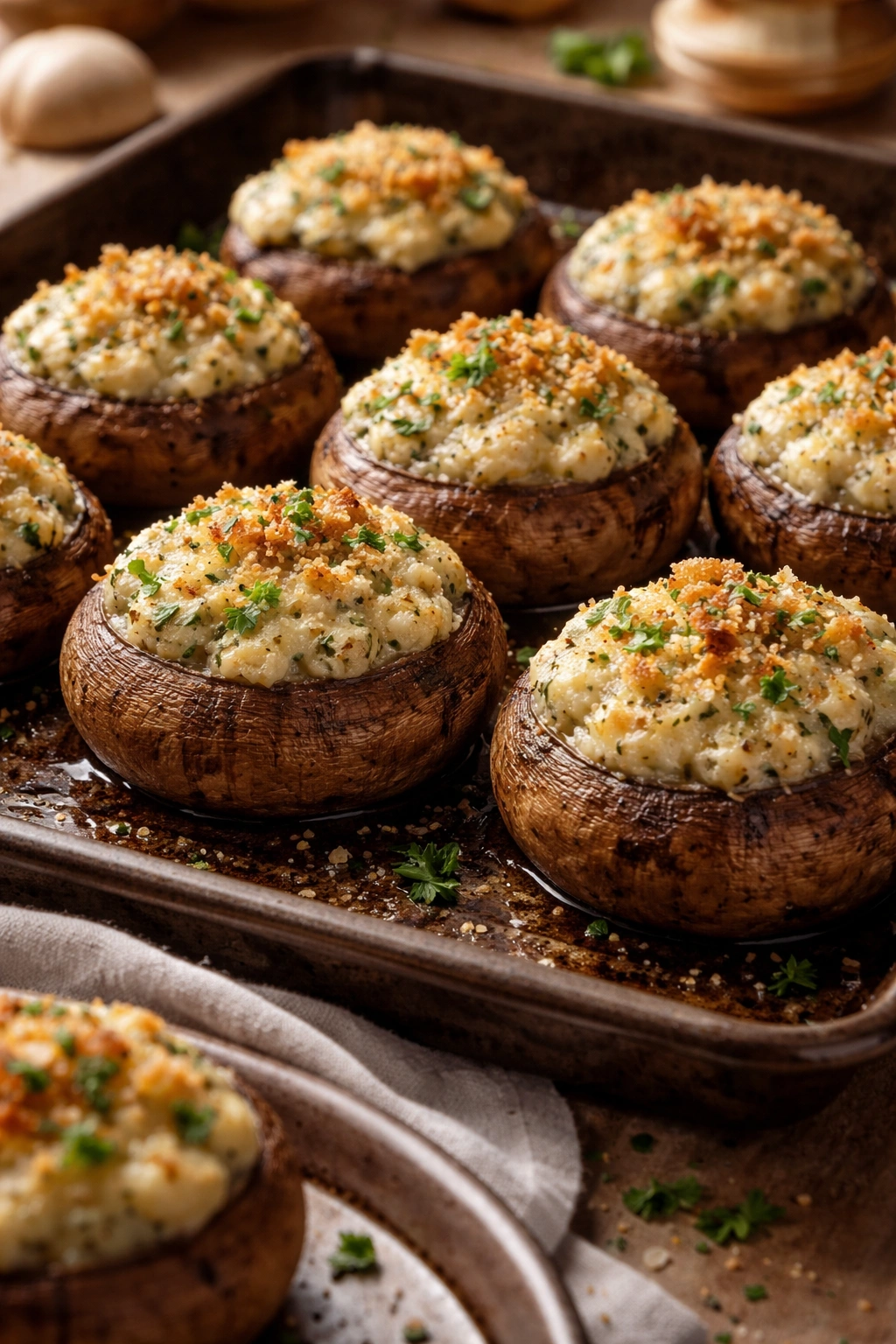
Mushrooms—particularly large cremini or portobello varieties—are the ideal vehicle for appetizer fillings. They’re sturdy enough to hold substantial filling without falling apart, they have a natural cavity that accommodates generous amounts, and they become tender and flavorful when baked.
The Underrated Crowd-Pleaser
Stuffed mushrooms often get overlooked in favor of flashier appetizers, yet guests consistently love them when they appear. The earthy mushroom flavor pairs beautifully with savory fillings. The warm, tender mushroom cap with its creamy or breadcrumb-based filling feels indulgent. Vegetable-forward guests also appreciate having a mushroom-based option that doesn’t feel like an afterthought.
Creating Mushrooms Guests Will Actually Eat
- Mushroom size: Select large mushrooms (about 2-3 inches across); remove stems and brush out the dark gills with a damp paper towel to prevent excess moisture
- Filling fundamentals: A good base combines cream cheese or ricotta, grated Parmesan, garlic, herbs (thyme and parsley work beautifully), and seasoning with salt and pepper
- Texture component: Add either crispy breadcrumbs for crunch or finely diced sautéed onions and garlic for additional depth
- Protein option: Finely diced cooked sausage, crab meat, or crispy bacon mixed into the filling transforms mushrooms from vegetable side to satisfying main
- Top generously: Fill each mushroom cavity fully with filling; a modest topping looks insufficient and unappealing
- Bake properly: Arrange filled mushrooms on a baking sheet and bake at 375°F (190°C) for 18-22 minutes, until the mushroom is tender and the filling is golden on top
- Preparation timing: Stuff mushrooms up to 4 hours ahead; bake them fresh just before serving for best texture
Stuffed mushrooms succeed because they’re warm, they’re elegant without fussiness, and the flavor of the mushroom itself—something often overlooked in cooking—actually matters here.
10. Sliders
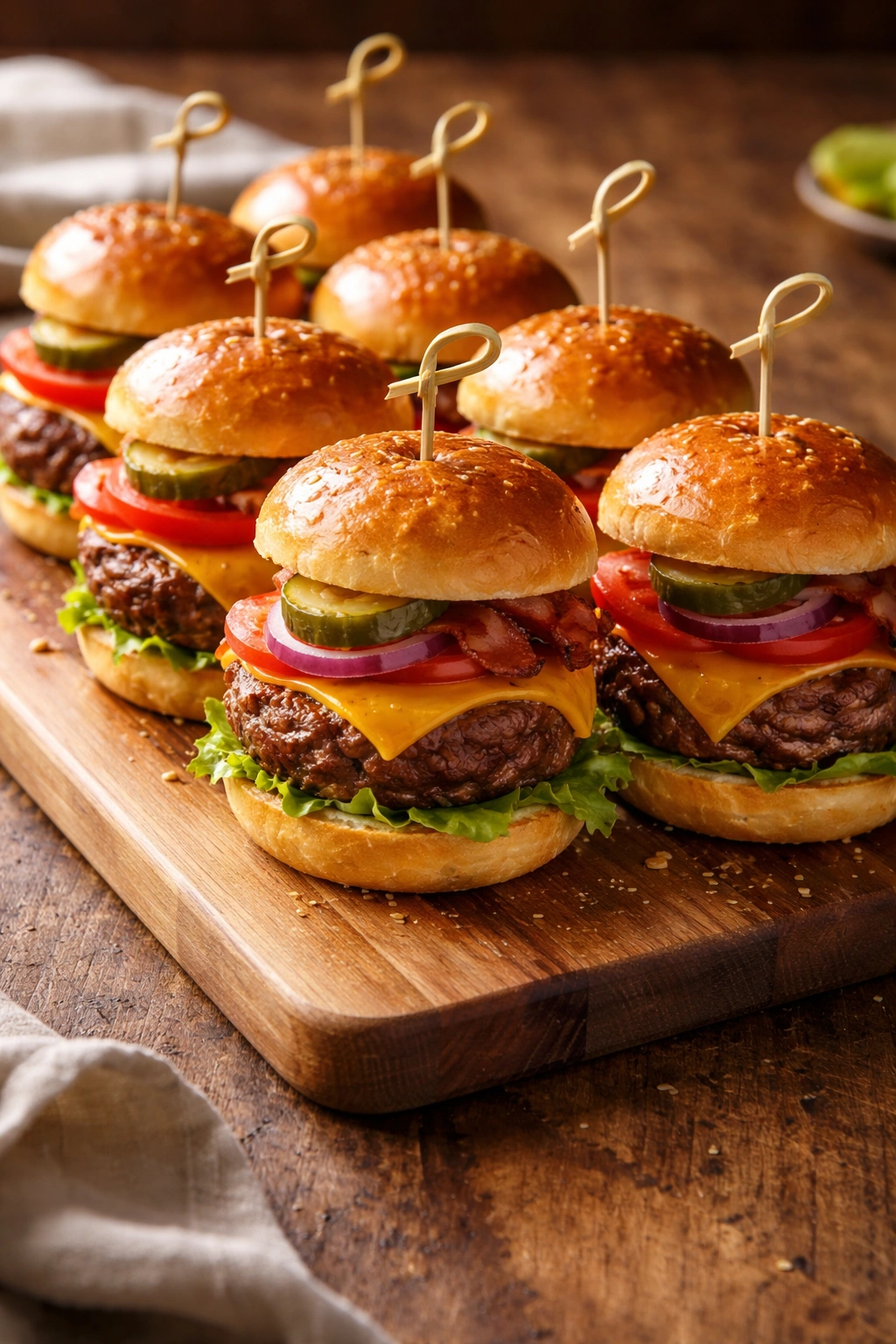
Miniature burgers hit the sweet spot between substantial appetizer and mere nibble. They’re warm, they’re portable, they can be assembled with various toppings to suit different preferences, and they feel like a real meal in miniature form.
Why Guests Keep Coming Back for More
Sliders appeal to the appetite for something that feels more like food than a traditional appetizer. They’re satisfying without being heavy, they have broad appeal across different tastes, and they can be prepared with minimal last-minute effort. The ratio of bread to meat to toppings feels balanced, and the smaller size means guests feel less guilty eating more than one.
Building a Slider Spread That Works
- Meat selection: Ground beef is traditional, but ground lamb, turkey, or a beef-lamb blend adds interest; avoid overmixing meat, which creates dense patties
- Slider bun sourcing: Quality matters significantly; small brioche buns, pretzel buns, or Hawaiian rolls all work better than standard sandwich bread
- Cooking method: Grill burgers lightly, sear in a cast-iron skillet, or bake in the oven; avoid overcooking, which dries them out
- Cheese timing: Add cheese in the last minute of cooking so it melts into the patty without browning; American or cheddar work well
- Topping philosophy: Offer 3-4 simple toppings (caramelized onions, crispy bacon, pickles, fresh lettuce, tomato) rather than overwhelming combinations
- Sauce strategy: Serve sauces in small bowls so guests can customize rather than pre-conditioning every slider and limiting appeal
- Keep them warm: Place finished sliders on a warming tray under foil; they stay hot and remain accessible throughout the party
Sliders work because they satisfy in a way that purely light appetizers sometimes don’t. They feel generous and intentional, suggesting that the host has really thought about feeding guests well.
11. Bruschetta
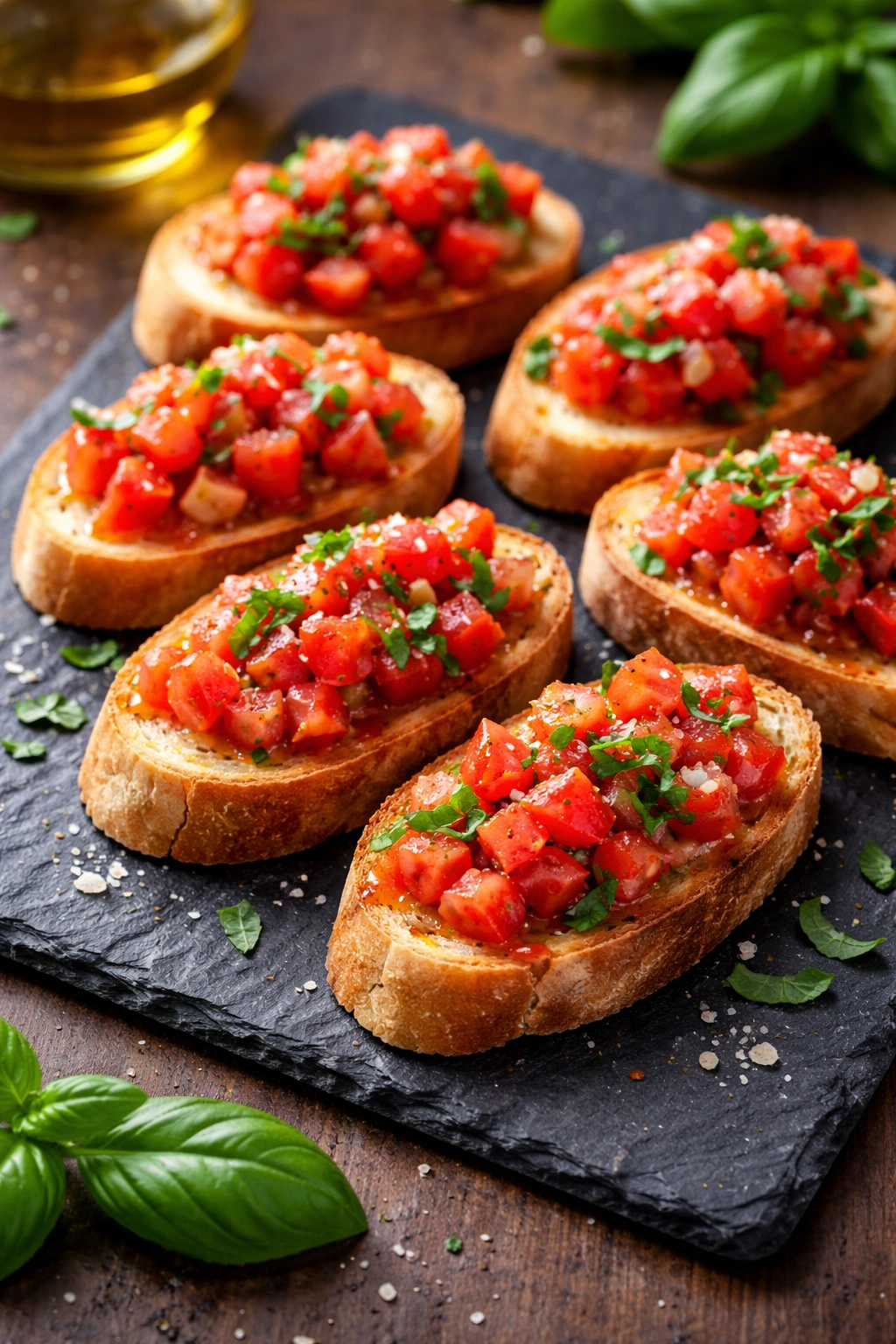
Tomato-and-basil bruschetta represents the fresh, bright flavors that balance heavier appetizers. When done properly—with quality bread, perfectly ripe tomatoes, fragrant basil, and proper assembly timing—bruschetta tastes like sophisticated simplicity.
The Freshness Factor That Draws Crowds
Bruschetta works because after eating creamy dips and fried items, guests crave something bright and acidic. The combination of sweet tomato, peppery basil, and sharp garlic feels complete and satisfying despite the minimal ingredient list. The crispy toasted bread provides textural contrast to the soft tomato mixture. The presentation of stacked tomato on toasted bread also looks more polished than many appetizers require.
Executing Bruschetta Like a Professional
- Bread preparation: Slice a baguette on a sharp diagonal into ¼-inch-thick slices; brush lightly with olive oil on both sides and toast at 400°F (200°C) until golden and crispy (not burned)
- Tomato selection and preparation: Use the ripest, most flavorful tomatoes available (heirloom varieties are ideal); dice them into roughly ½-inch pieces, removing excess seeds and juice so the bruschetta doesn’t become soggy
- Garlic technique: Rub a cut raw garlic clove directly onto the hot toast surface immediately after toasting; this distributes garlic flavor throughout the bread without the harshness of minced raw garlic
- Herb timing: Tear fresh basil leaves (never cut them with a knife, which bruises the leaves and darkens them) immediately before topping the toasts
- Assembly just before serving: Do NOT assemble bruschetta more than 30 minutes ahead; the tomato will seep into the bread and create soggy toasts
- Acid balance: Drizzle the assembled bruschetta with just a touch of aged balsamic reduction for subtle sweetness and additional depth
- Seasoning finish: A small pinch of sea salt and cracked black pepper on the finished bruschetta adds crucial seasoning punch
Bruschetta succeeds because it tastes exactly like what the simple ingredient list promises—no more, no less, executed with complete confidence and attention to detail.
12. Cheese and Charcuterie Board
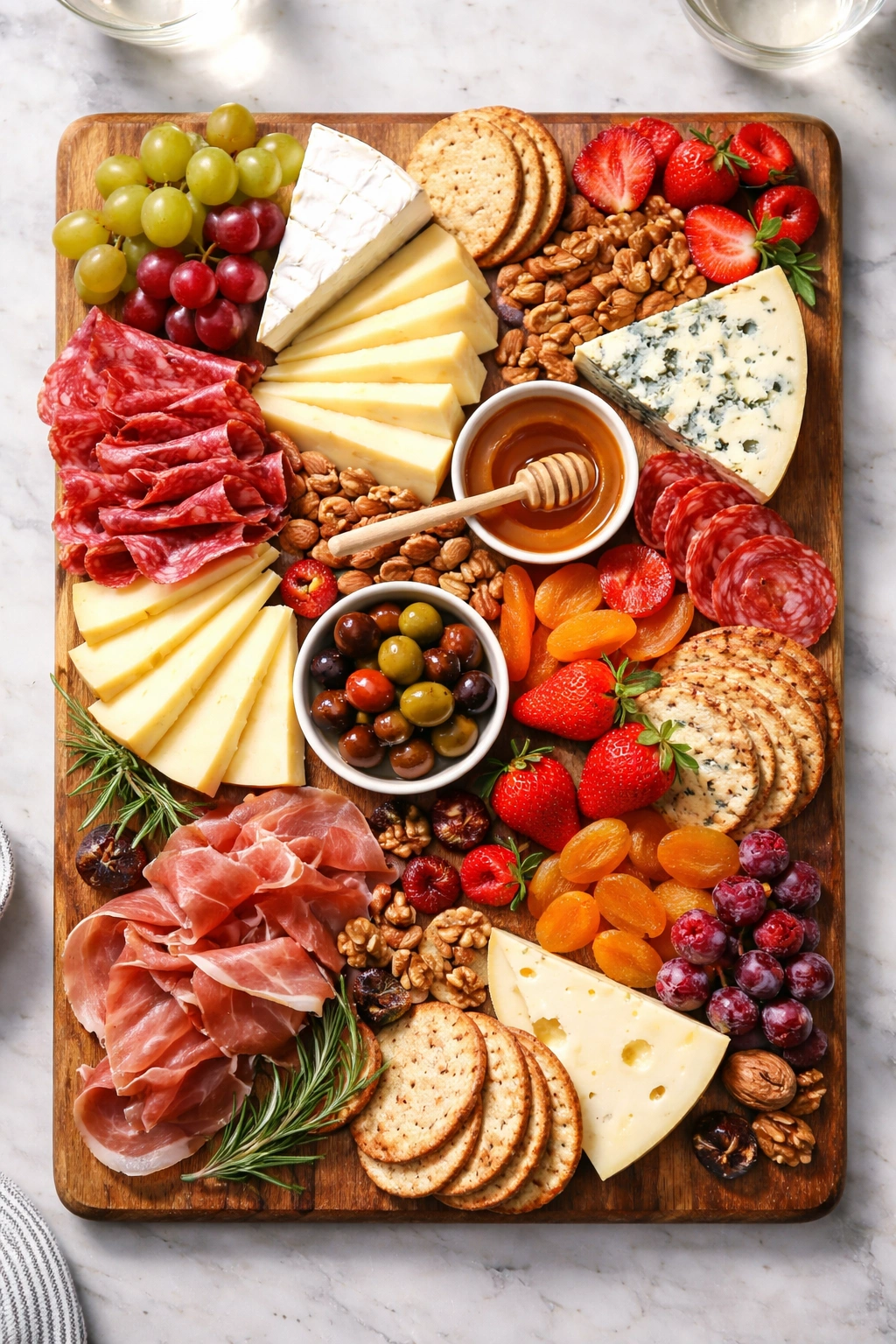
A well-assembled board of cheeses, cured meats, nuts, crackers, and fruits isn’t technically a single appetizer, but it functions as one of the most successful appetizer presentations possible. Guests can graze continuously, and there’s something for every preference.
Why This Approach Wins
Charcuterie boards work because they offer variety and abundance without requiring any heating, plating, or last-minute work. They look impressive and generous while being straightforward to assemble. They accommodate various dietary preferences (vegetarian cheeses and nuts, gluten-free crackers if guests ask), and they encourage lingering and conversation as guests explore the board.
Building a Board That Actually Gets Eaten
- Cheese variety is crucial: Include soft (like brie or goat cheese), semi-hard (like gruyère or Manchego), and hard (like aged cheddar or Parmigiano-Reggiano); three cheeses minimum, five or more for larger gatherings
- Charcuterie selection: Include 3-4 types of cured meats (like prosciutto, soppressata, and salami); variety in fat content and intensity appeals to different tastes
- Crackers and bread: Offer plain crackers, seeded crackers, breadsticks, and possibly grilled bread; too many flavored crackers compete with the cheese rather than supporting it
- Contrast matters: Include fresh items (grapes, berries, apple slices, pear slices), dried items (apricots, cranberries, figs), and preserved items (olives, pickles, roasted peppers)
- Nuts for texture: Marcona almonds, candied pecans, or roasted pistachios provide crunch and complement the board’s softer items
- Arrangement strategy: Arrange items by color and type for visual appeal; place cheeses and meats where guests can easily portion them; scatter smaller items throughout
- Temperature considerations: Remove cheeses from the refrigerator 30 minutes before serving so they reach room temperature and flavor is maximum
- Label the board: Include small cards identifying each cheese and meat; guests appreciate knowing what they’re eating and are more likely to try unfamiliar items
Charcuterie boards work because they feel abundant, sophisticated, and personally curated—even when assembled relatively simply.
13. Jalapeño Poppers
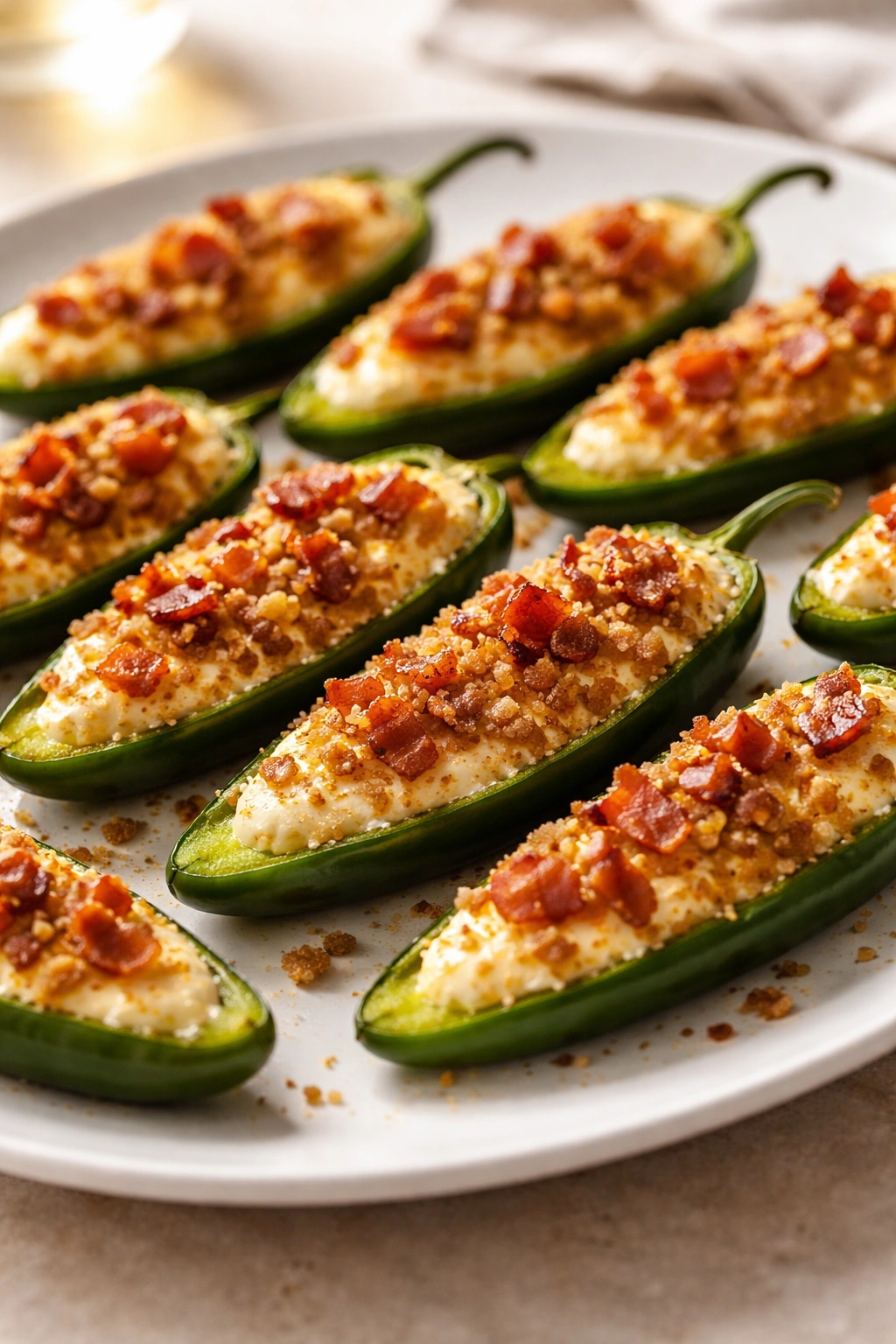
Halved jalapeños stuffed with cream cheese and topped with crispy bacon or breadcrumbs, then baked until tender—these are the appetizer that converts skeptics into enthusiasts. They deliver intense heat for those who want it, but the creamy cheese filling mellows the burn into something approachable.
Why Heat-Loving Guests Always Make a Beeline for These
Jalapeño poppers occupy an interesting position—they’re spicy enough for people who love heat, yet the cream cheese filling makes them accessible even to those who usually avoid spicy food. The combination of fresh jalapeño heat, creamy cheese, and crispy texture is nearly impossible to stop eating once you start. The warm, melted cheese contrasts perfectly with the slightly charred pepper exterior.
Creating Poppers That Deliver
- Jalapeño selection and preparation: Choose fresh, firm jalapeños (not soft or wrinkled); slice lengthwise and carefully remove seeds and white membrane with a small spoon, creating a cavity for filling
- Cream cheese base: Mix softened cream cheese with shredded cheddar, seasonings (cumin, garlic powder, smoked paprika), and finely diced cooked bacon; this creates a flavorful, substantial filling
- Filling technique: Use a small spoon or piping bag to fill the pepper halves generously; overstuffing is actually good here—the filling is the star
- Topping choices: Either top with crispy bacon bits for a meat-forward approach, or a mixture of breadcrumbs and Parmesan for vegetarian poppers
- Bake properly: Arrange on a baking sheet and bake at 350°F (175°C) for 20-25 minutes, until the pepper is tender but still holds its shape and the filling is heated through
- Make-ahead advantage: Stuff poppers up to 8 hours ahead and refrigerate; bake fresh just before serving for best texture and heat
- Handling heat variation: If you want to reduce heat intensity, remove more of the white membrane; for maximum heat, leave most of it intact
Jalapeño poppers work because they deliver on the promise of their appearance. They look exciting, and they taste exactly as interesting as they look.
14. Mozzarella Sticks
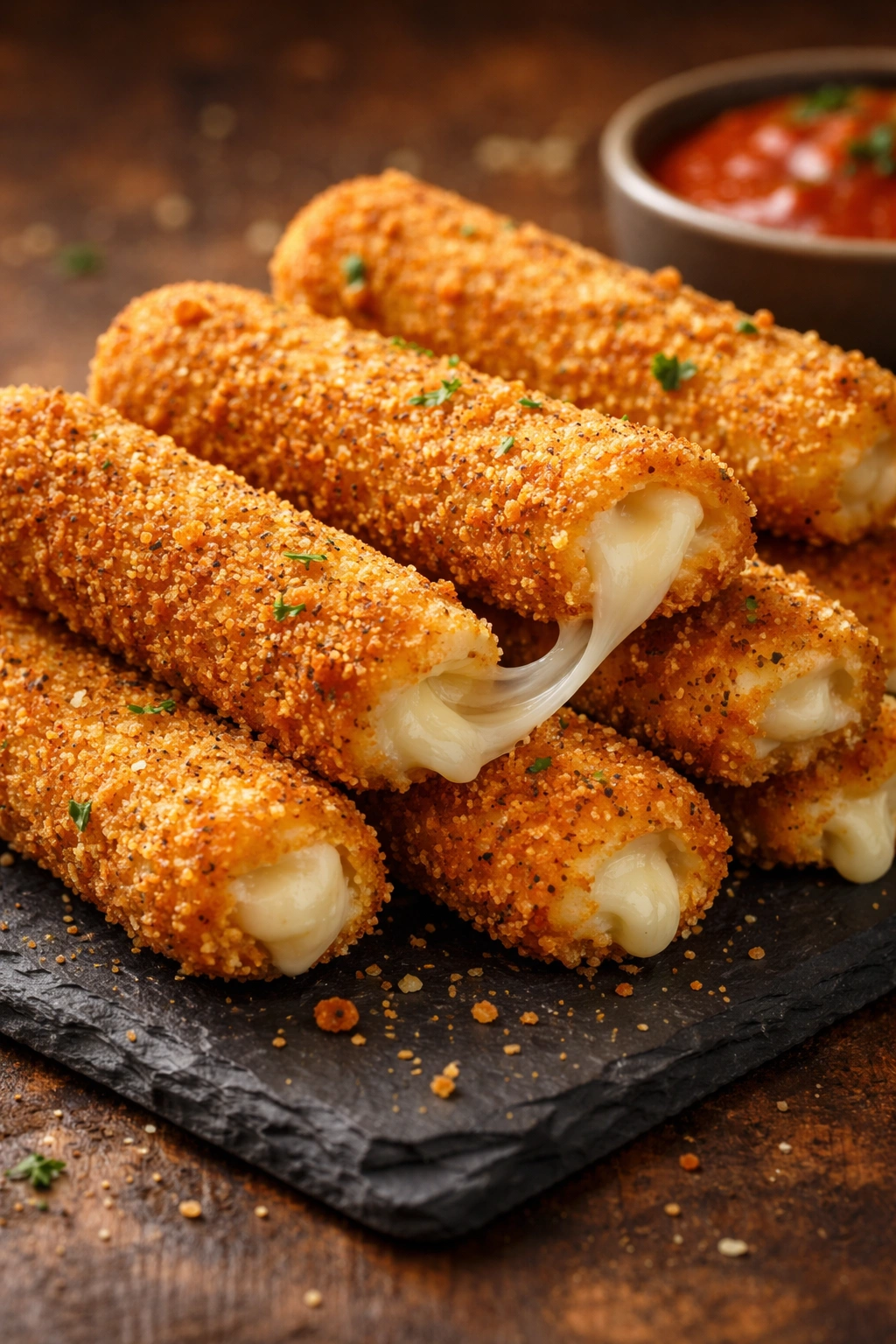
Crispy on the outside, molten on the inside—mozzarella sticks represent the fried appetizer category at its most satisfying. They’re beloved across virtually all age groups and preferences, and when prepared with quality cheese and proper technique, they’re genuinely delicious, not just a guilty pleasure.
The Simple Appeal That Never Fades
Mozzarella sticks work because they deliver textural contrast (crispy exterior, creamy interior) in a way that’s deeply satisfying. The warm, nearly liquid mozzarella provides comfort-food appeal. They’re also forgiving to eat while holding a drink and socializing, and they’re recognizable enough that even hesitant guests will eat them.
Making Mozzarella Sticks Worth Eating
- Cheese selection: Use whole mozzarella blocks (not pre-shredded), cut into stick-sized pieces roughly 3 inches long and ½ inch thick; whole mozzarella melts more cleanly than pre-shredded varieties
- Freezing is essential: Freeze cut cheese sticks for at least 4 hours (preferably overnight); frozen cheese won’t leak out during frying
- Breading technique: Coat each stick in seasoned flour, then egg wash, then seasoned breadcrumbs; a double coating prevents breading from separating
- Fry temperature control: Oil at 350°F (175°C) is crucial; use a thermometer rather than guessing, as temperature is the biggest factor determining whether sticks fry properly or leak cheese everywhere
- Fry timing: 30-45 seconds in hot oil is sufficient; don’t overcook, which breaks down the cheese structure and causes it to leak out
- Dipping sauce: Served with warm marinara sauce for the classic presentation; warm sauce matters because it won’t cool the mozzarella stick so quickly
- Serve immediately: Mozzarella sticks are best eaten right out of the fryer while still perfectly crispy and molten; holding them even 5 minutes affects quality
- Make-ahead strategy: Bread the sticks completely and freeze hours or days ahead; fry fresh just before serving for best results
Mozzarella sticks work because they’re entirely honest in what they promise—crispy, cheesy, delicious—and they deliver every single time.
15. Shrimp Cocktail
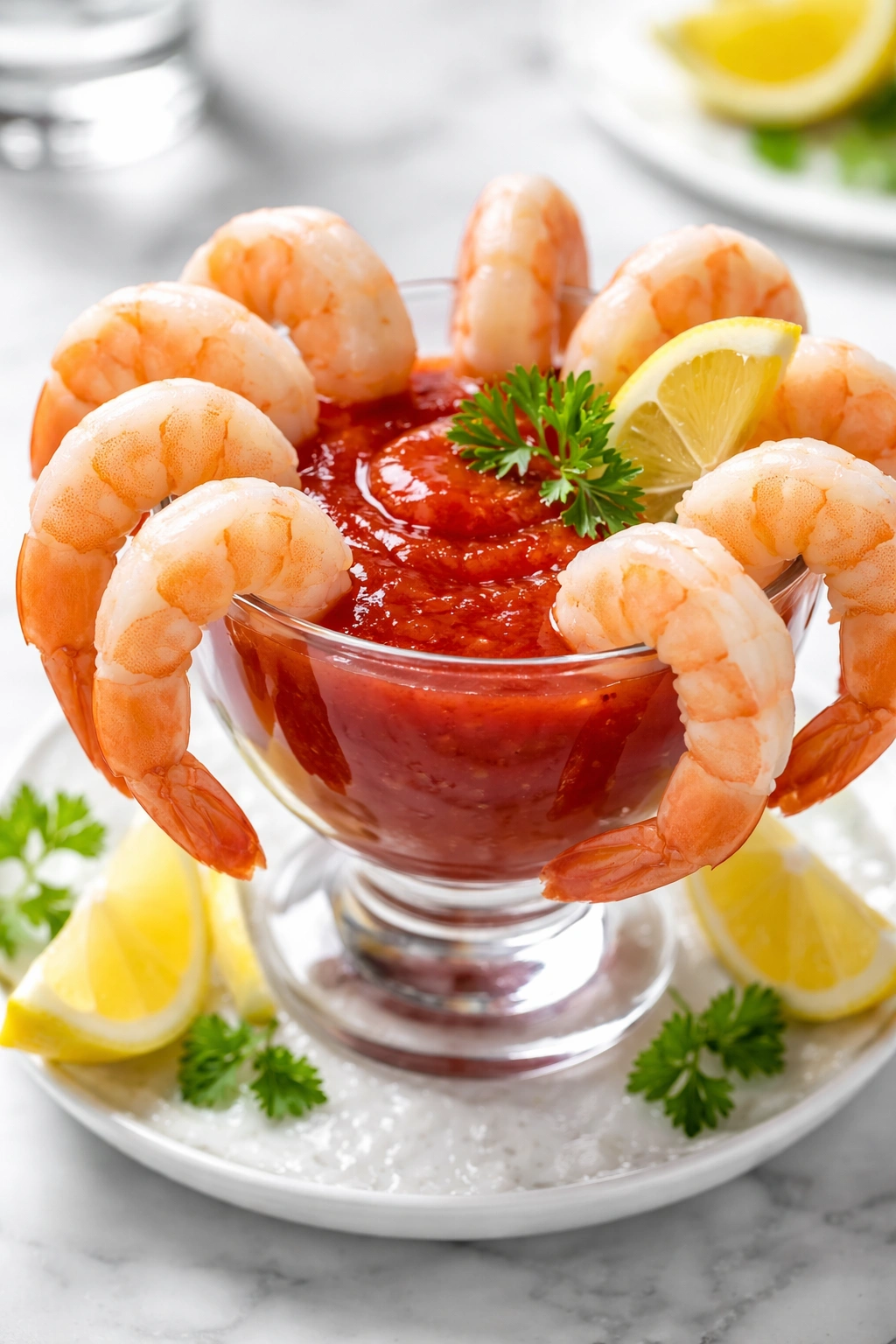
Classic, elegant, and endlessly appealing—shrimp cocktail might seem basic compared to more inventive appetizers, but there’s a reason it appears at elegant parties and upscale weddings. The simplicity is the point. Perfectly cooked shrimp served with a sharp cocktail sauce is sophisticated enough for any occasion while being universally liked.
Why This Traditional Approach Still Works
Shrimp cocktail succeeds because it feels special without being fussy. The cold, tender shrimp provides textural interest and feels more substantial than vegetable crudités. The cocktail sauce—essentially spicy ketchup—appeals broadly and enhances the shrimp flavor rather than overwhelming it. There’s also something about the presentation of shrimp arranged around a glass of sauce that signals elegance and occasion.
Executing Shrimp Cocktail Properly
- Shrimp size and quality: Use large or extra-large shrimp (16-20 count or larger); buy from a quality source and use fresh or properly thawed frozen shrimp, never previously frozen and refrozen
- Cooking method: Bring a pot of salted water to boil, add shrimp, and remove from heat immediately when they turn pink and firm (2-3 minutes depending on size); overcooking makes them rubbery
- Cooling technique: Transfer cooked shrimp to an ice bath immediately to stop the cooking process; let them chill completely before arranging
- Cocktail sauce formula: Combine ketchup with prepared horseradish, fresh lemon juice, Worcestershire sauce, and a dash of hot sauce; the balance of sweet, spicy, and sharp flavors makes the sauce work
- Presentation: Arrange shrimp around the rim of a stemmed cocktail glass with sauce in the center; this classic presentation is classic for good reason (it looks elegant and is practical for eating)
- Serving temperature: Keep shrimp chilled until serving; they’re best cold and can be prepared completely 4 hours ahead
- Quantity planning: Plan roughly 5-6 large shrimp per person; they’re substantial, so appetites are satisfied with modest quantities
- Garnish consideration: A small lemon wedge on the rim adds visual appeal and provides additional acid if guests want more brightness
Shrimp cocktail works because it’s familiar, it’s elegant, and it tastes excellent without complication. It never feels like a mistake choice.
Final Thoughts
The appetizers that consistently disappear at parties share a few essential qualities: they taste genuinely delicious rather than just looking impressive, they accommodate eating while standing and holding a drink, and they deliver satisfying flavor in a single or double bite. The best party spreads combine warm options (dips, meatballs, fried items) with cold or room-temperature options (deviled eggs, bruschetta, shrimp cocktail) to provide textural and temperature variety.
The key to appetizer success is preparing at least some items completely in advance so you’re not frantically cooking while guests arrive. Choose a mix of options that reflect your cooking comfort level while also offering variety in flavor profiles—creamy and savory, bright and fresh, spicy, and rich are all represented across these fifteen options.
Ultimately, guests remember parties where they felt well-fed and cared for. These fifteen appetizers are the reliable options that create that exact impression. Mix and match based on your comfort level, your guests’ preferences, and what your kitchen setup allows, and you’ll find that these crowd-pleasing options disappear precisely because they taste too good to pass up.
