



Low-calorie dinners don’t have to leave you staring at the fridge an hour after dinner, your stomach growling. The secret isn’t eating less food — it’s eating smarter food. When you understand how your body registers fullness, you can design meals that satisfy both your appetite and your health goals without the calorie overload.
Most people approach low-calorie eating backwards. They cut portions, feel perpetually hungry, and eventually abandon the whole effort. What actually works is the opposite: eating more — more volume, more fiber, more protein — while keeping calories low. A giant bowl of vegetable-based soup with grilled chicken and whole grains will keep you fuller longer than a small pasta dish, even if the soup has fewer total calories.
The science here is straightforward and empowering. Your satiety signals depend on factors far more important than sheer calorie count: how much food physically fills your stomach, the types of nutrients you’re consuming, and even the rate at which you eat. This article unpacks everything you need to know to build dinners that feel genuinely satisfying while supporting your weight management or health goals.
How Protein Powers Your Fullness Signals
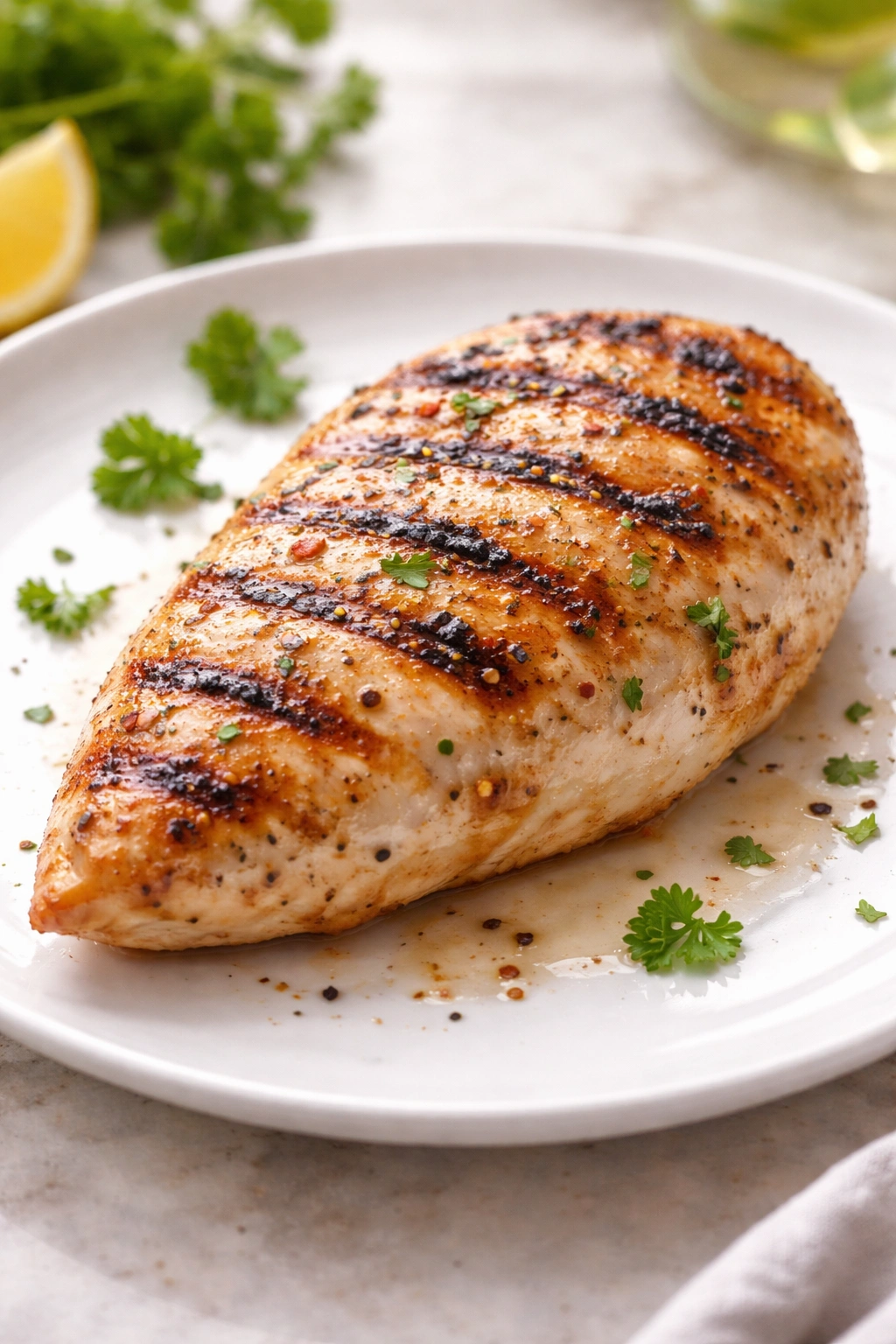
Protein is the single most satiating macronutrient, and it’s non-negotiable in a low-calorie dinner that actually fills you up. When you eat protein, your body releases hormones like GLP-1 and peptide YY — the same hormones that signal fullness to your brain. Protein also takes longer to digest than carbs or fats, meaning your stomach stays fuller for longer after the meal.
The practical effect is dramatic. A dinner with 30-40 grams of protein will keep hunger at bay far longer than the same meal with 10 grams of protein, even at identical calorie counts. Protein also helps preserve muscle mass when you’re eating in a calorie deficit, which is critical for metabolism and how you look and feel over time.
Lean proteins are your foundation: grilled chicken breast, fish, turkey, lean beef, and egg whites are all calorie-efficient protein sources. But don’t overlook plant-based options like lentils, chickpeas, tofu, and tempeh — they pack protein and fiber, the one-two punch for satiety.
Protein Sources That Deliver Maximum Fullness
- Grilled chicken breast: 165 calories and 31g protein per 3.5-ounce serving — the gold standard for lean protein
- Wild salmon: 206 calories and 22g protein per serving, plus omega-3s that support satiety signaling
- Ground turkey (93% lean): 170 calories and 26g protein per 3.5 ounces, versatile for dozens of dishes
- Cod or tilapia: 80-90 calories and 18g protein per 3.5 ounces — extremely lean white fish
- Lentils: 115 calories and 9g protein per half-cup cooked, plus 8g fiber for staying power
- Plain nonfat Greek yogurt: 130 calories and 20g protein per 7 ounces — use as a sauce base or dressing
Pro tip: Pair your protein source with something acidic (lemon juice, vinegar, tomato sauce) or spicy (hot sauce, fresh ginger, cayenne). Both enhance digestion and the sense of satisfaction from your meal.
Building Meals with Fiber for Extended Fullness
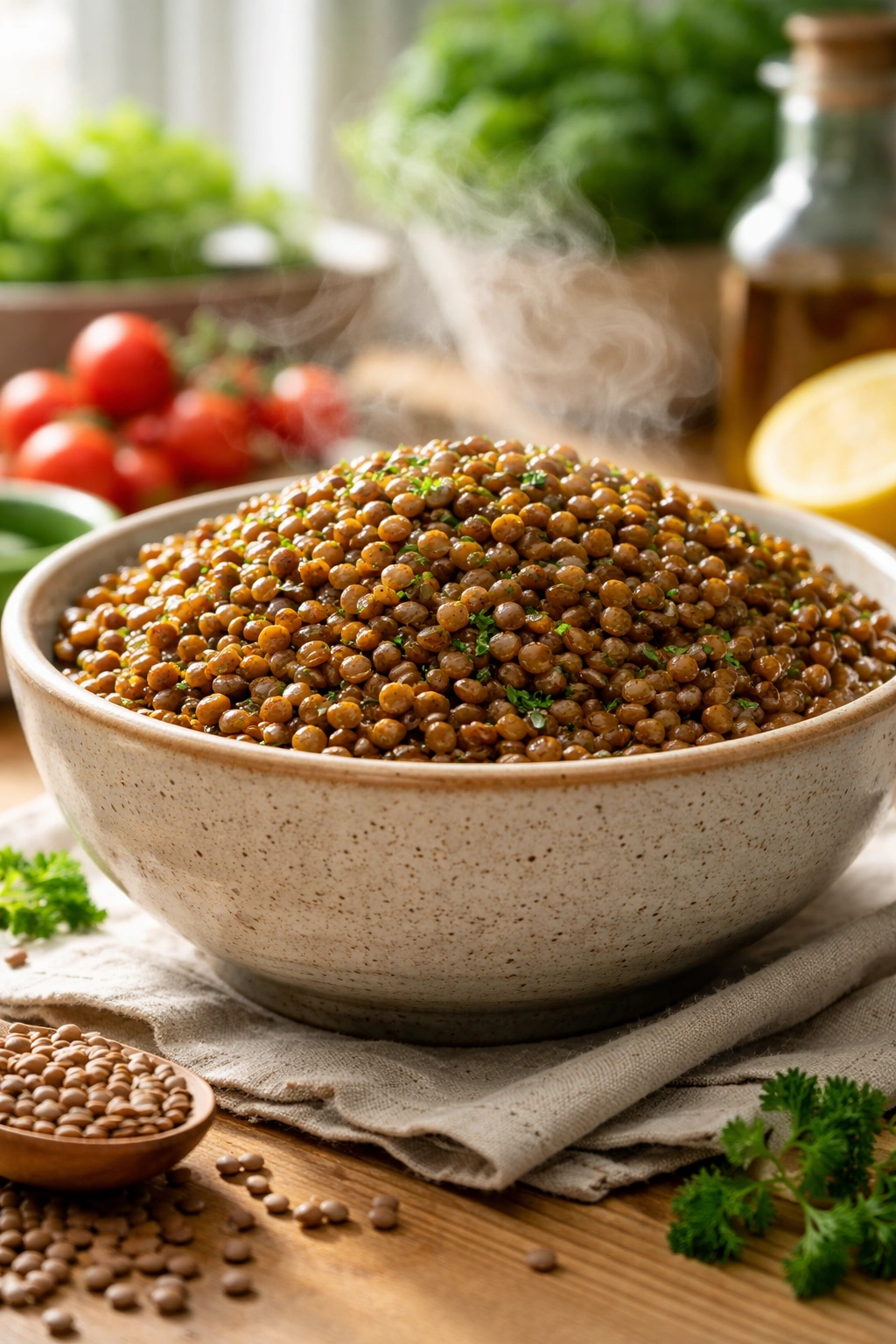
Fiber doesn’t get nearly enough attention in the low-calorie dinner conversation, but it’s absolutely fundamental to feeling satisfied. Fiber bulks up food without adding calories, literally filling your stomach so satiety signals fire more readily. It also slows stomach emptying, meaning that satisfied feeling lasts longer after the meal ends.
The distinction between soluble fiber (found in beans, oats, apples) and insoluble fiber (found in vegetables, whole grains, legumes) matters less than getting enough of both. Aim for at least 8-12 grams of fiber per dinner — that’s roughly the amount in a large handful of vegetables and a quarter-cup of legumes or whole grains.
The magic of fiber is that it essentially gives you a free meal in terms of volume. A cup of cooked broccoli has only 30-35 calories but takes up genuine space in your stomach and requires real chewing and digestion. Your body processes it as a substantial meal, even though calorically it’s trivial.
High-Fiber Foods That Add Bulk Without Calories
- Broccoli: 30 calories per cup cooked, 2.4g fiber — one of the most efficient fullness foods
- Brussels sprouts: 38 calories per cup, 2.4g fiber, plus they develop a nutty flavor when roasted
- Spinach or kale: 7 calories per raw cup, 0.7g fiber — use as a base for bigger meals
- Mushrooms: 15 calories per cup, 0.7g fiber, meaty texture mimics more calorie-dense foods
- Black beans: 114 calories per half-cup cooked, 7.5g fiber — pair with lean protein
- Barley: 97 calories per half-cup cooked, 3.5g fiber, chewier than rice and more satiating
- Artichoke: 45 calories per medium artichoke, 7g fiber — high satiety-to-calorie ratio
Don’t make the mistake of adding fiber too quickly, especially if you’re not used to it. Rapid increases in fiber intake cause bloating and digestive discomfort. Build gradually over a week or two, and drink plenty of water — fiber requires fluid to work effectively in your digestive system.
The Volume-Eating Strategy That Actually Works
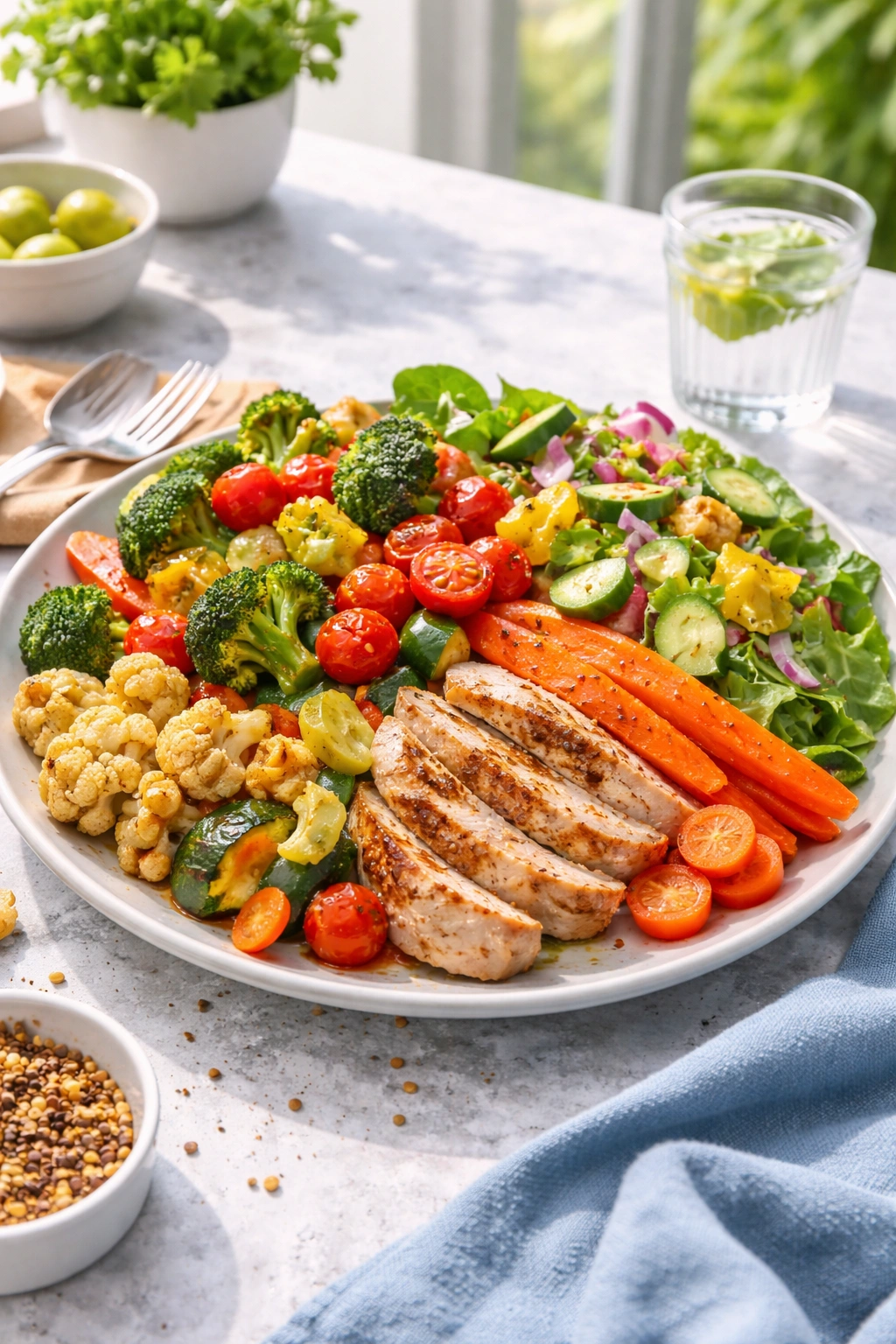
Volume eating — filling your plate with low-calorie, nutrient-dense foods — is the cornerstone of satisfying, low-calorie dinners. The psychological and physiological satisfaction of a full plate cannot be overstated. Your eyes tell your brain you’re eating a real meal, and your stomach’s stretch receptors confirm it.
The key is replacing some of the calorie-dense foods in a meal with lower-calorie alternatives that add bulk. This works because our stomachs respond to physical fullness, not calorie content. A 1,200-calorie dinner of pasta and cream sauce feels less filling than a 500-calorie dinner of the same pasta mixed with zucchini noodles, lean ground turkey, and a light tomato sauce — even though the total volume is higher.
Start by looking at any dinner you typically eat and asking: “Where can I add more low-calorie vegetables?” Can you make it a salad base with some protein on top? Can you add extra vegetables to a stir-fry or soup? Can you replace half the pasta with spiralized vegetables? These swaps are invisible to taste but massive for fullness.
Volume-Building Techniques for Every Dinner Type
- Stir-fries: Use 60-70% vegetables by volume (broccoli, bell peppers, snap peas, mushrooms, carrots), 25-30% lean protein, and 5-10% whole grains or noodles — you’ll feel full on half the calories
- Soups and stews: The liquid adds volume with zero calories; load heavily with vegetables and legumes, then add smaller portions of protein and carbs
- Grain bowls: Use only ¼ to ⅓ cup cooked grains as a base, then layer ½ cup legumes or lean protein, 2+ cups raw salad greens or sautéed vegetables, and a light dressing
- Pasta dishes: Use whole wheat or legume-based pasta, mix with vegetable noodles (zucchini, carrot, sweet potato spirals), and reduce the overall portion to ¾ to 1 cup cooked, adding double the vegetables
The visual impact of a full, colorful plate matters more than you’d think. A dinner that looks substantial is more satisfying, even if the calorie count is modest.
Lean Proteins and How to Prepare Them for Maximum Impact
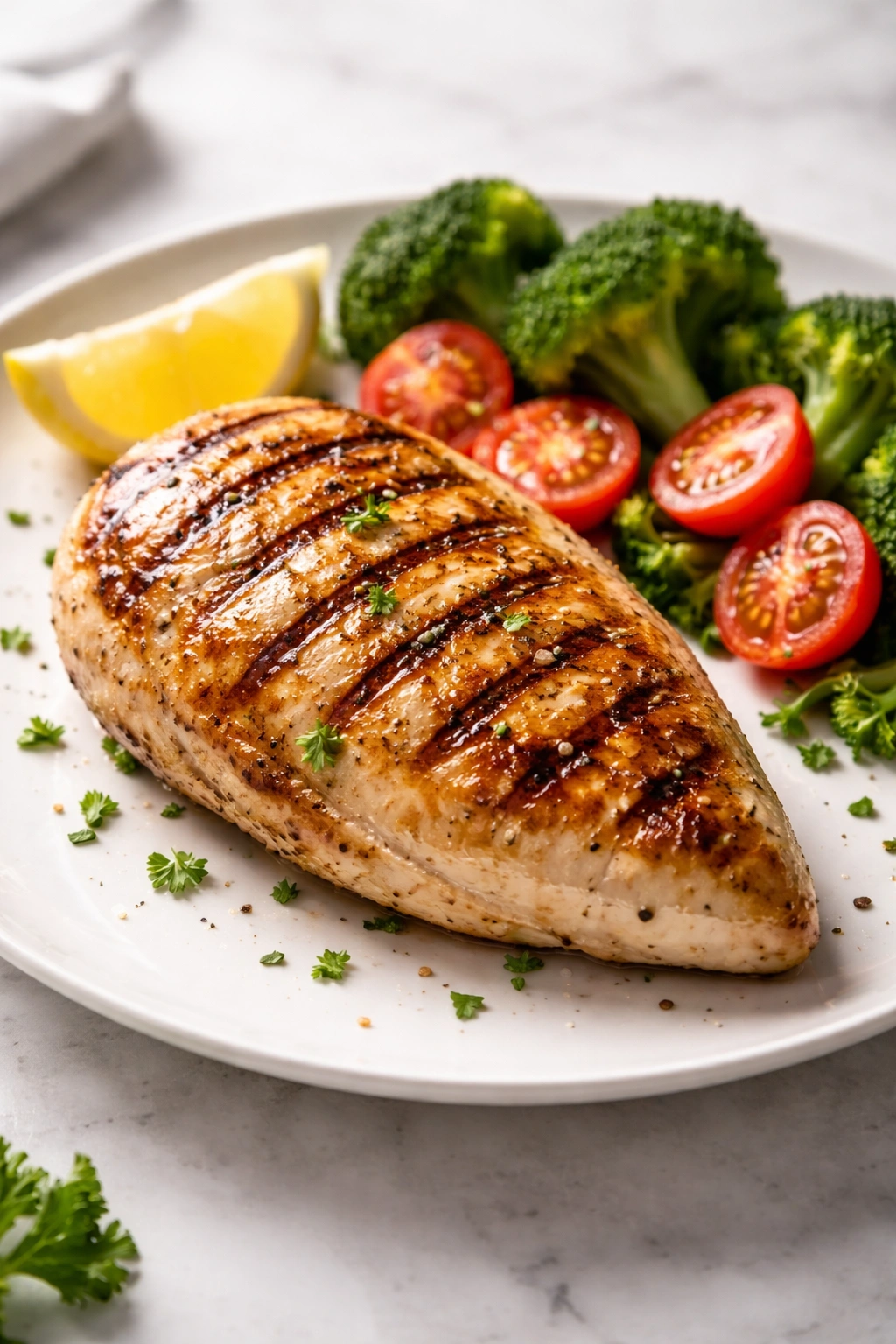
The way you prepare protein affects both the calorie count and the satisfaction level of your dinner. Grilling, baking, steaming, and air-frying all preserve protein content while minimizing added fat. Deep-frying, pan-frying in oil, or smothering in cream sauces adds calories without much benefit to fullness.
The best approach is using high-heat, dry-heat cooking methods that develop flavor without added fat. A properly seasoned grilled chicken breast with a charred exterior tastes more satisfying than a bland, boiled one, even though they’re calorically similar. Use marinades, rubs, and high heat to build flavor and browning — this is where taste meets satiety.
Batch cooking lean proteins at the start of the week transforms how easy it is to eat well. Roast several chicken breasts, grill several fish fillets, or slow-cook a batch of ground turkey all at once. Then you can quickly assemble satisfying dinners any night without reaching for takeout.
Cooking Methods That Preserve Satiety
- Grilling: Direct heat caramelizes the surface, building flavor without added fat; cook at medium-high heat for 5-8 minutes per side depending on thickness
- Roasting: 375-425°F, lightly misted with oil spray or a brush of olive oil, 12-20 minutes depending on cut and thickness
- Air-frying: 375-400°F, 8-15 minutes, produces crispy texture without any added oil — surprisingly satisfying
- Poaching: Simmering in broth (chicken or vegetable) adds flavor while keeping calories minimal; takes 12-15 minutes for chicken, 8-10 for fish
- Broiling: High, direct heat at the top of the oven, 6-10 minutes — watch carefully to prevent burning
The seasoning level matters enormously. Under-seasoned lean protein tastes boring, and bored taste buds make you feel unsatisfied no matter how full your stomach is. Be generous with herbs, spices, garlic, ginger, lemon, lime, and hot sauce — these add virtually no calories but dramatically increase satisfaction.
Whole Grains and Complex Carbs That Keep Hunger Away
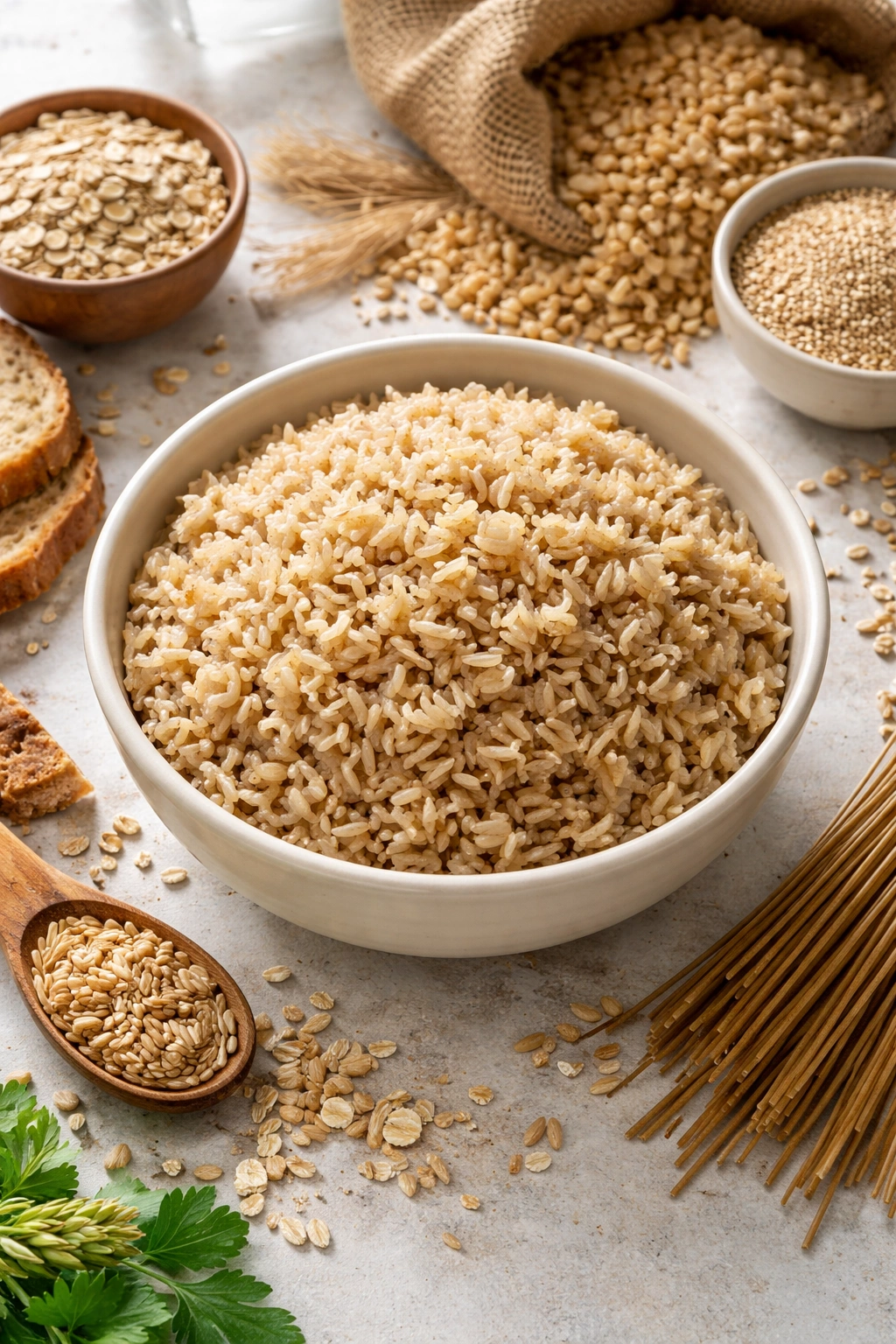
Not all carbohydrates are created equal when it comes to satiety. Refined white rice, white pasta, and processed snacks spike blood sugar and leave you hungry an hour later. Whole grains and complex carbs release energy more gradually, keeping your blood sugar stable and your hunger signals quiet.
Whole grains also contain fiber, which (as discussed earlier) is fundamental to fullness. A cup of brown rice or barley provides sustained energy and satiety, whereas the same volume of white rice leaves you reaching for more food within an hour.
The practical strategy is using whole grains as a component of your dinner, not the foundation. Instead of a dinner that’s mostly rice or pasta, use ¼ to ½ cup of whole grains as part of a bowl or plate that’s majority vegetables and protein. This maintains the satiety benefits of grains while keeping calorie density low.
Complex Carbs That Support Fullness
- Barley: 97 calories per half-cup cooked, 3.5g fiber, chewy texture that requires more chewing
- Brown rice: 108 calories per half-cup cooked, 1.8g fiber — slightly less calorie-dense than white rice
- Farro: 100 calories per half-cup cooked, 3.5g fiber, nutty flavor that enhances satisfaction
- Sweet potato: 54 calories per 100g, 3.3g fiber, naturally sweet, keeps blood sugar more stable than white potatoes
- Lentils: 115 calories per half-cup cooked, 9g protein, 8g fiber — dual satiety superpowers
- Quinoa: 111 calories per half-cup cooked, 4g protein, all nine amino acids, fluffier texture than rice
The best practice is mixing whole grains with legumes (beans, lentils, chickpeas). This combination provides complete protein, higher fiber, and more stable energy release than grains or legumes alone.
Vegetable-Forward Dinners That Fill You Without the Calories
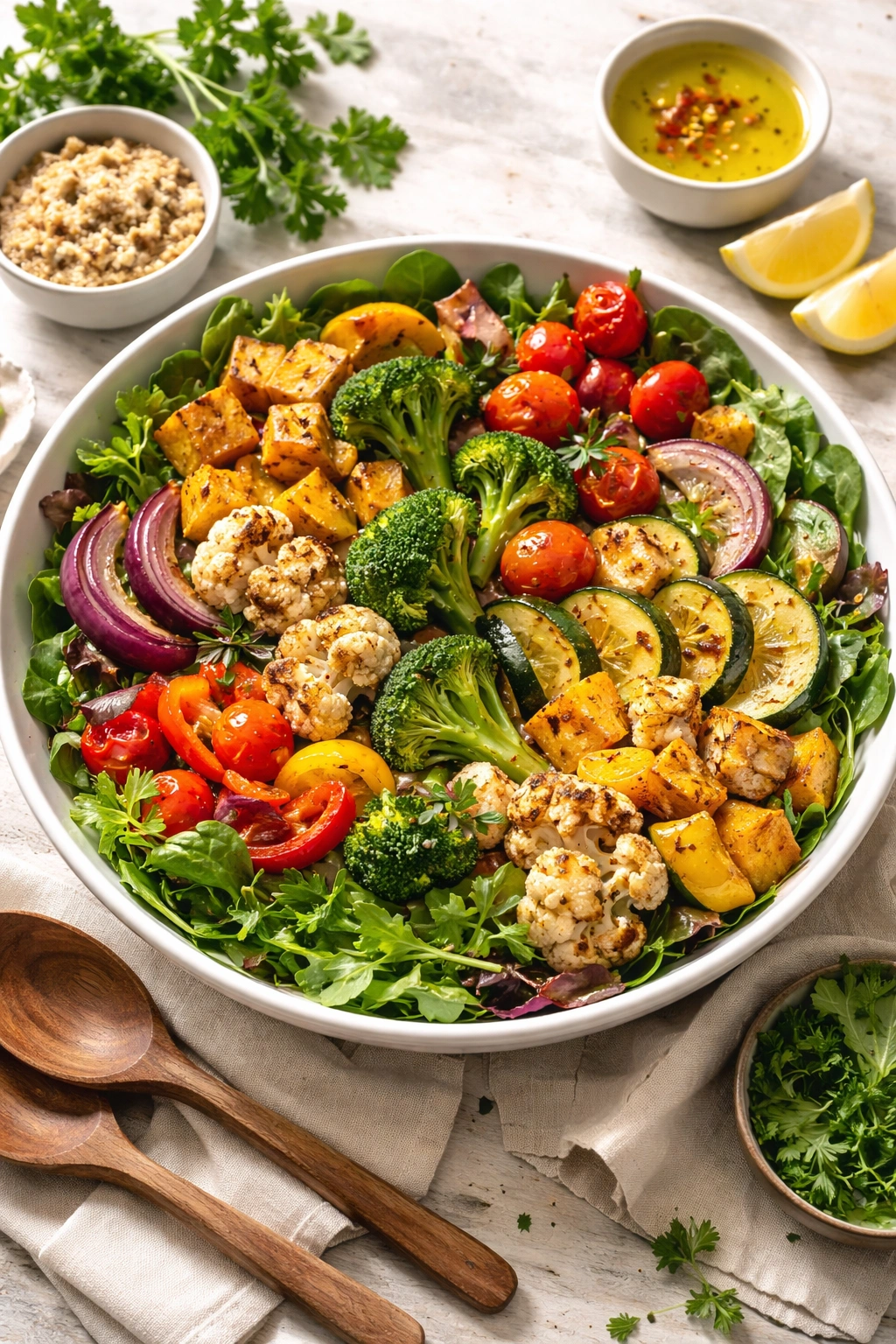
Vegetables are the secret weapon in low-calorie dinners. They’re nutritionally dense but calorically sparse, and they provide the bulk that triggers satiety signals. A dinner that’s 50-60% vegetables by volume, with the remaining calories from protein and whole grains, will keep you fuller longer than a dinner with smaller vegetable portions.
The key is not serving vegetables as an afterthought — a small side dish nobody’s particularly excited about. Instead, make vegetables the star of the plate, then build protein and grains around them. This mindset shift changes everything about how satisfying the meal feels.
Roasting vegetables is the best way to make them genuinely crave-worthy. High heat (400-425°F) with a light brush of oil, salt, and pepper transforms broccoli, Brussels sprouts, cauliflower, and root vegetables into caramelized, deeply flavorful dishes. People who claim they “don’t like vegetables” often haven’t tried properly roasted ones.
Vegetable Combinations That Maximize Fullness and Nutrition
- Green vegetables base: Spinach, kale, or arugula (raw or lightly sautéed) provide bulk, nutrients, and virtually no calories; use as a foundation for bowls and plates
- Cruciferous powerhouses: Broccoli, cauliflower, Brussels sprouts, and cabbage are high-fiber, low-calorie, and filling when roasted or steamed
- Root vegetables in moderation: Carrots, beets, and parsnips add sweetness and texture; use smaller portions (½ cup) as they’re more calorie-dense than leafy greens
- Mushroom varieties: Cremini, portobello, and oyster mushrooms have a meaty texture that satisfies; 1.5-2 cups provides bulk with minimal calories
- Bell peppers and tomatoes: High water content, low calories, high fiber; one large pepper or one cup of tomatoes adds bulk and nutrients
Experiment with different cooking methods. Roasting brings out sweetness, steaming preserves nutrients, and sautéing with garlic and herbs develops flavor. A single dinner might include roasted broccoli, sautéed spinach, and raw salad — multiple preparations of vegetables prevent boredom and keep eating engaging.
Building Satisfying Dinners on Different Dietary Preferences
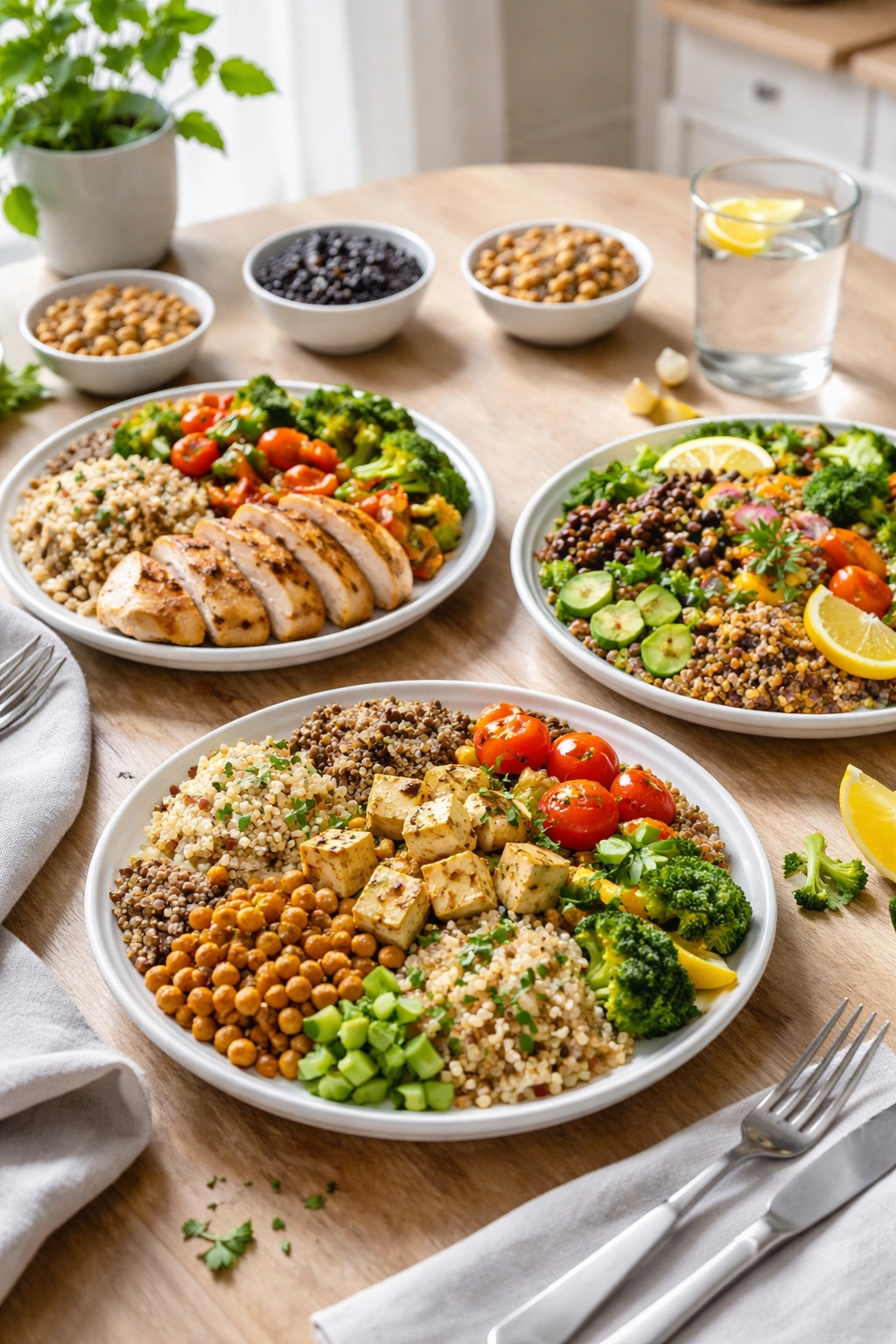
Whether you eat omnivore, vegetarian, or vegan, the satiety principles remain the same: protein, fiber, and volume. The sources change, but the strategy works across all dietary approaches.
For omnivores, animal proteins (chicken, fish, beef, eggs) are the most satiating per calorie. For vegetarians and vegans, combining plant-based proteins (legumes, tofu, tempeh, nuts, seeds) with whole grains creates complete proteins that satisfy just as effectively. The key is hitting adequate protein intake — 25-35 grams per dinner — from whatever sources align with your dietary choices.
Fiber sources are abundant across all diets: vegetables, whole grains, legumes, nuts, and seeds all provide satiety support. The volume-eating approach works identically regardless of protein source — fill half your plate with vegetables, add a quarter with protein, and fill the remaining quarter with whole grains or legumes.
High-Satiety Dinners for Different Approaches
- Omnivore: Grilled lean beef over roasted vegetables and barley; grilled salmon with roasted Brussels sprouts and brown rice; ground turkey taco bowl with black beans and tons of vegetable toppings
- Vegetarian: Tofu stir-fry loaded with vegetables and edamame; lentil and vegetable curry with brown rice; chickpea pasta with spinach and marinara
- Vegan: Tempeh and vegetable bowl with quinoa; white bean soup with collard greens; lentil bolognese with whole wheat pasta and nutritional yeast
The common thread: substantial protein component, high vegetable volume, whole grain inclusion, and intentional seasoning that makes the meal taste genuinely crave-worthy.
Smart Seasoning and Sauces That Add Flavor Without Calories
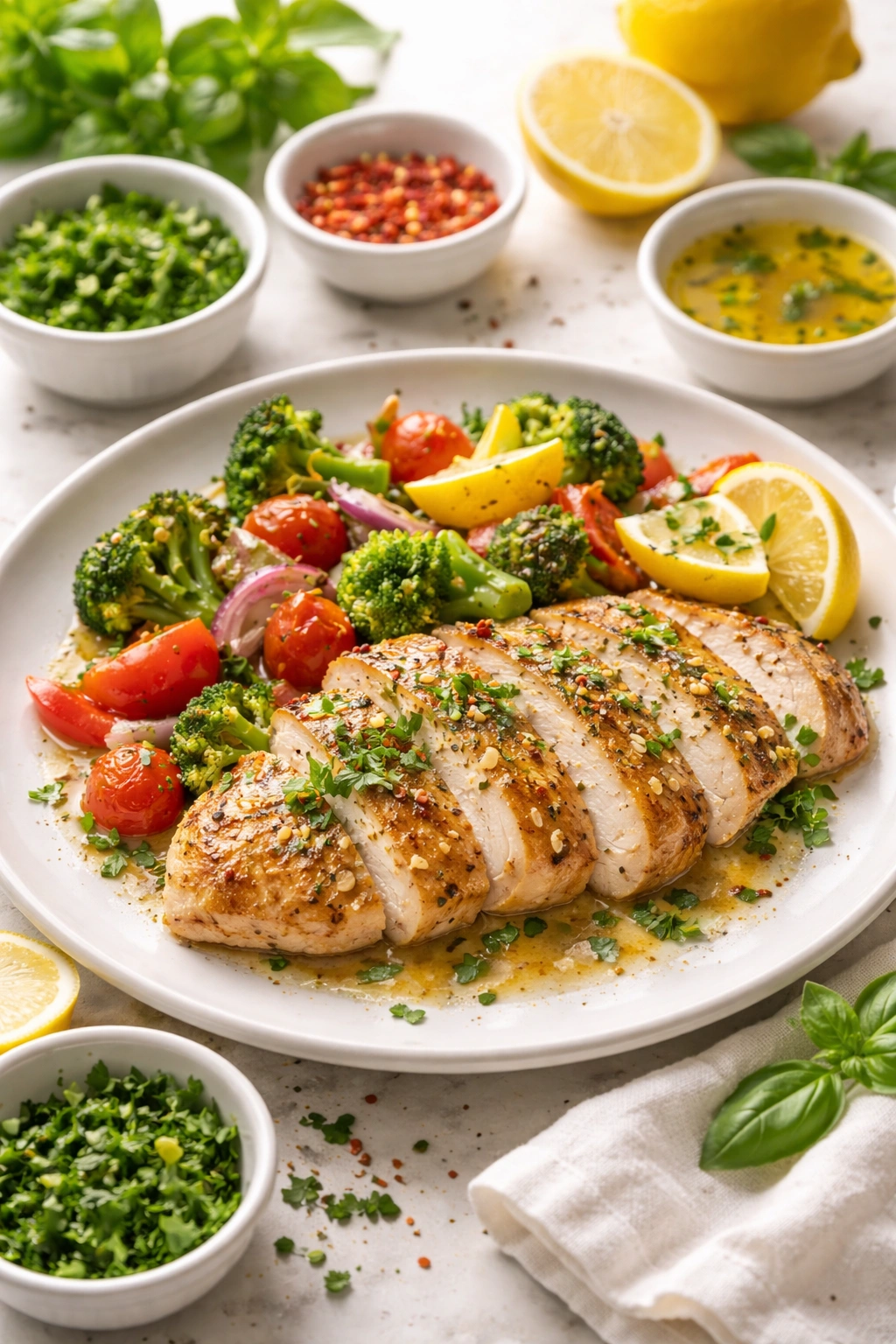
One of the biggest mistakes in low-calorie eating is underseasoning food. Bland chicken breast with plain vegetables feels unsatisfying, even if it’s perfectly portioned for fullness. Aggressive, creative seasoning — using spices, herbs, citrus, vinegar, and hot sauce — transforms the same meal into something genuinely delicious and satisfying.
The beauty of seasonings is their insignificant calorie count. A generous amount of cayenne pepper, fresh ginger, garlic, cilantro, basil, or cumin adds virtually no calories while dramatically increasing the eating experience. A dinner that tastes good satisfies more fully than one that merely fills your stomach.
Sauces require more care. Cream-based sauces, oil-heavy dressings, and sugary condiments add calories quickly without much satiety benefit. Light sauces built on broth, vinegar, citrus, or tomato bases work far better. A tablespoon or two of tahini or miso paste can add depth without excessive calories.
Flavor Builders That Work in Low-Calorie Cooking
- Spice rubs: Mix smoked paprika, garlic powder, cayenne, and cumin to coat proteins before grilling or roasting — virtually zero calories, maximum flavor
- Fresh citrus: Lemon, lime, and orange juice brighten dishes without adding sodium or sugar; use generously to finish cooked dishes
- Vinegar-based dressings: 2 parts vinegar or lemon juice to 1 part olive oil, plus mustard and herbs, provides big flavor with minimal calories
- Hot sauce and chili paste: Sriracha, sambal oelek, or harissa add heat and depth for under 5 calories per teaspoon
- Broth-based sauces: Use low-sodium chicken or vegetable broth as a sauce base, thicken with a bit of cornstarch if needed, season aggressively with herbs and spices
- Miso paste: A teaspoon mixed into dressings or sauces adds umami complexity for 5-10 calories
The strategy is tasting constantly while cooking. If something tastes boring at the end, it’s not adequately seasoned — add another pinch of salt, a squeeze of citrus, or a sprinkle of fresh herbs. This creates genuinely crave-worthy food, not sad, “diet” food.
Hydration and How Water Intake Affects Satiety Signals
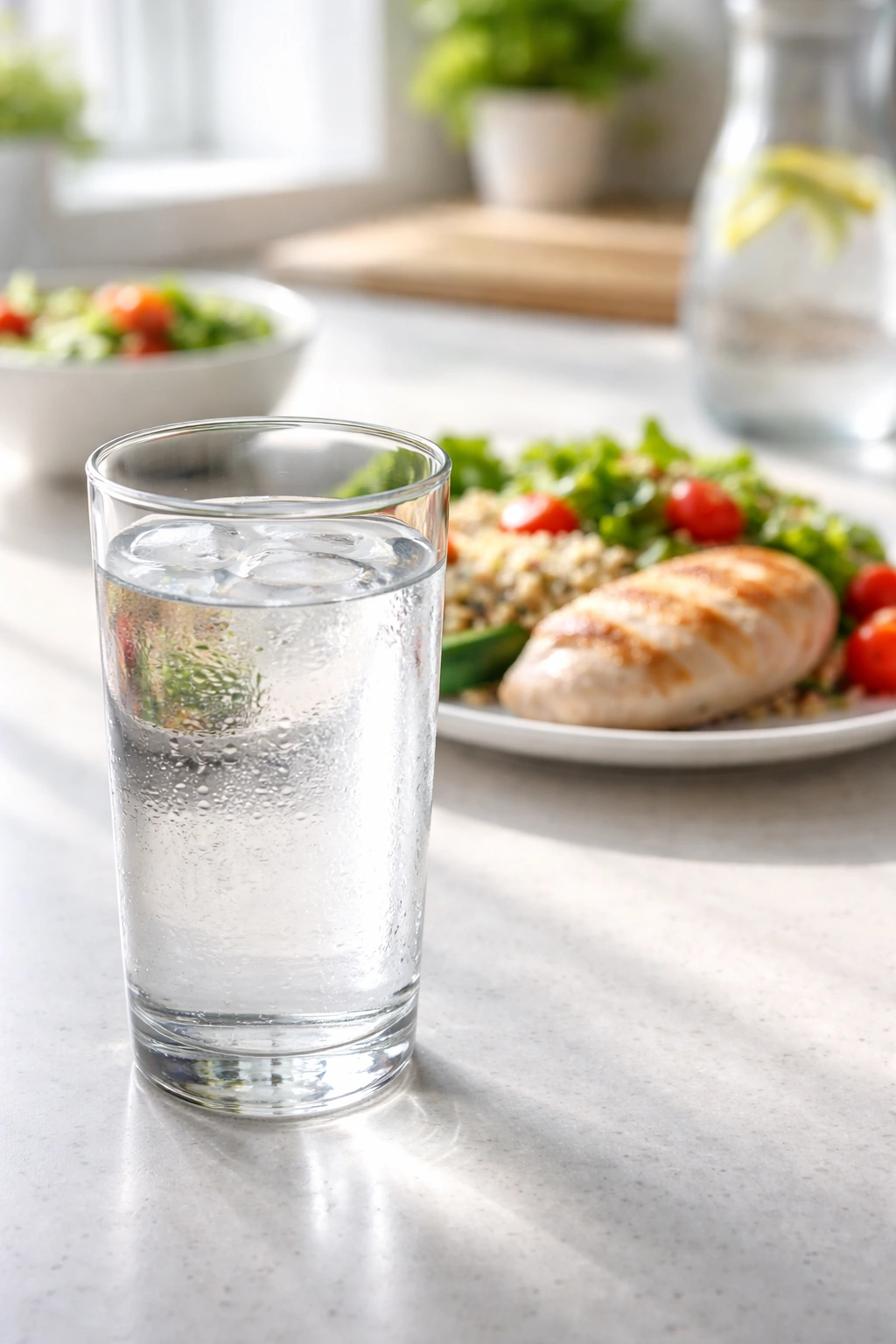
This element often gets overlooked, but hydration status directly affects how your body registers fullness. Thirst is often confused with hunger, leading you to eat when you actually just need water. Additionally, drinking water with meals physically fills your stomach and enhances satiety.
The practical impact: drink water consistently throughout the day and with every meal. A large glass of water before dinner actually reduces how much food you’ll eat by making your stomach feel fuller more quickly. Water during the meal helps you eat more slowly, giving satiety signals time to register before you’ve already overeaten.
Calorie-free beverages matter for a different reason too. If your typical dinner was followed by a sugary drink or a high-calorie beverage, replacing it with water, unsweetened tea, or black coffee removes unnecessary calories while maintaining the psychological satisfaction of drinking something.
Studies consistently show that people who drink adequate water eat less overall and feel more satisfied with smaller meals. This isn’t magic — it’s straightforward physiology. An adequately hydrated body responds more accurately to satiety signals, while a dehydrated one often misinterprets thirst as hunger.
Meal Prep Strategies for Consistently Satisfying Dinners
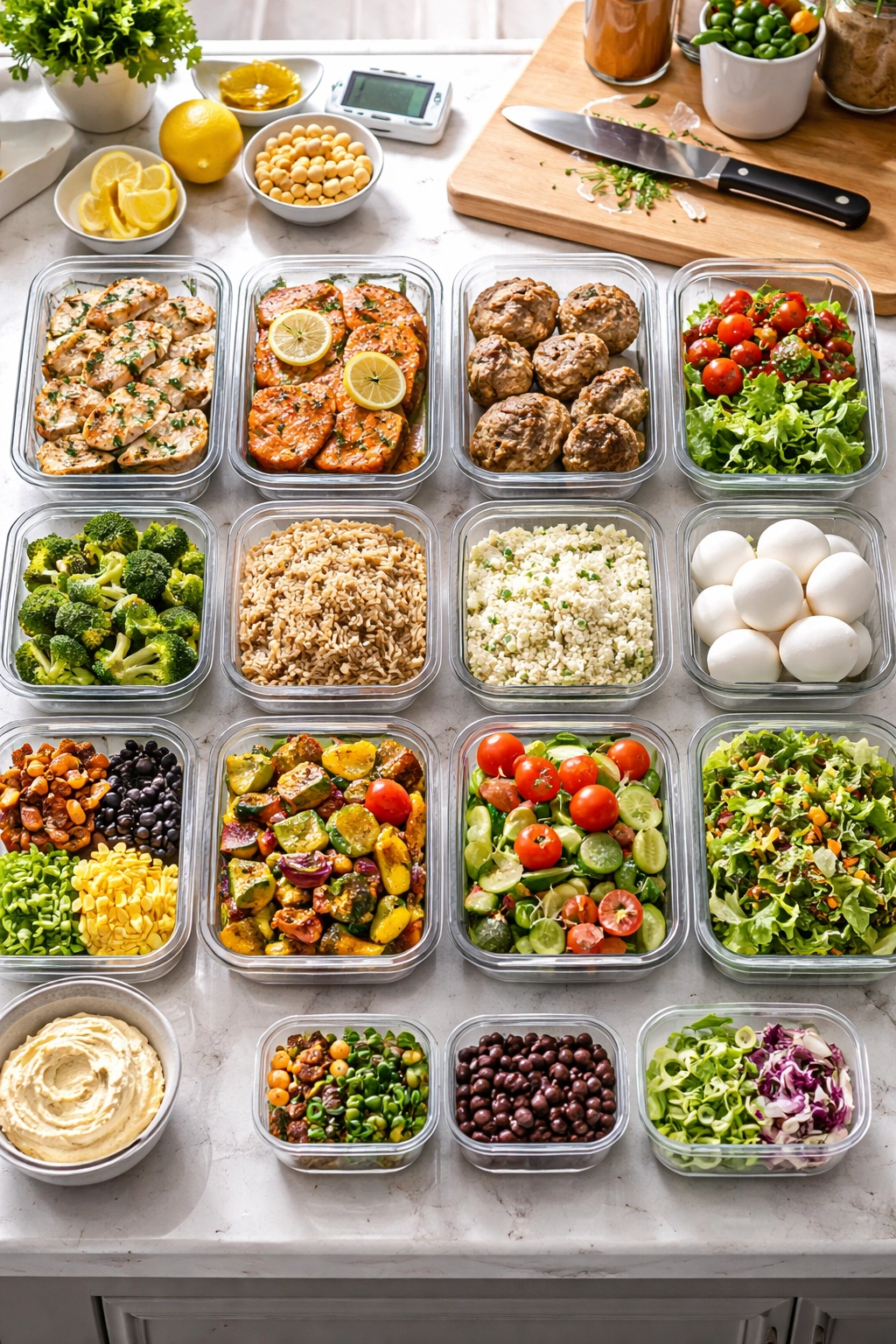
One of the biggest barriers to eating low-calorie dinners that fill you up is time and convenience. When you’re tired from work and thinking about dinner, the easiest path is often takeout, which tends to be calorie-dense and less satisfying. Meal prep removes that barrier.
The approach is straightforward: dedicate 2-3 hours on one day per week to preparing components that can mix and match into dozens of dinners. Cook several proteins (grilled chicken, ground turkey, baked salmon), roast several vegetables (broccoli, Brussels sprouts, bell peppers, carrots), cook several whole grains or legumes (brown rice, barley, black beans, lentils), and prepare a few simple dressings.
Then any given night, you simply assemble a dinner from the components you’ve prepped. This takes 5-10 minutes and requires almost no decision-making when you’re tired. The result: you eat a genuinely satisfying, low-calorie dinner rather than defaulting to takeout.
A Simple Meal Prep Framework
- Pick 2-3 proteins: Bake chicken thighs, grill ground turkey, poach salmon — each in 1-2 pound batches
- Roast 3-4 vegetables: Cut into similar sizes, toss lightly with oil, roast at 400°F for 25-30 minutes; try Brussels sprouts, broccoli, bell peppers, cauliflower
- Cook 2-3 grains/legumes: Brown rice, quinoa, and black beans all store well for 5-6 days in the fridge
- Make 2 dressings: One oil-vinegar-based, one broth-based — store in small jars
- Prepare salad bases: Wash and store spinach, kale, or arugula in airtight containers
- Chop raw vegetables: Bell peppers, cucumbers, carrots, and tomatoes — store in separate containers for quick assembly
This framework allows you to assemble literally dozens of different dinners from a consistent set of components. Monday might be a stir-fry plate, Tuesday a grain bowl, Wednesday a salad-based dinner, Thursday a soup-based meal. The components repeat but the compositions vary, preventing boredom while maintaining the satiety formula.
Common Mistakes That Sabotage Satiety in Low-Calorie Dinners
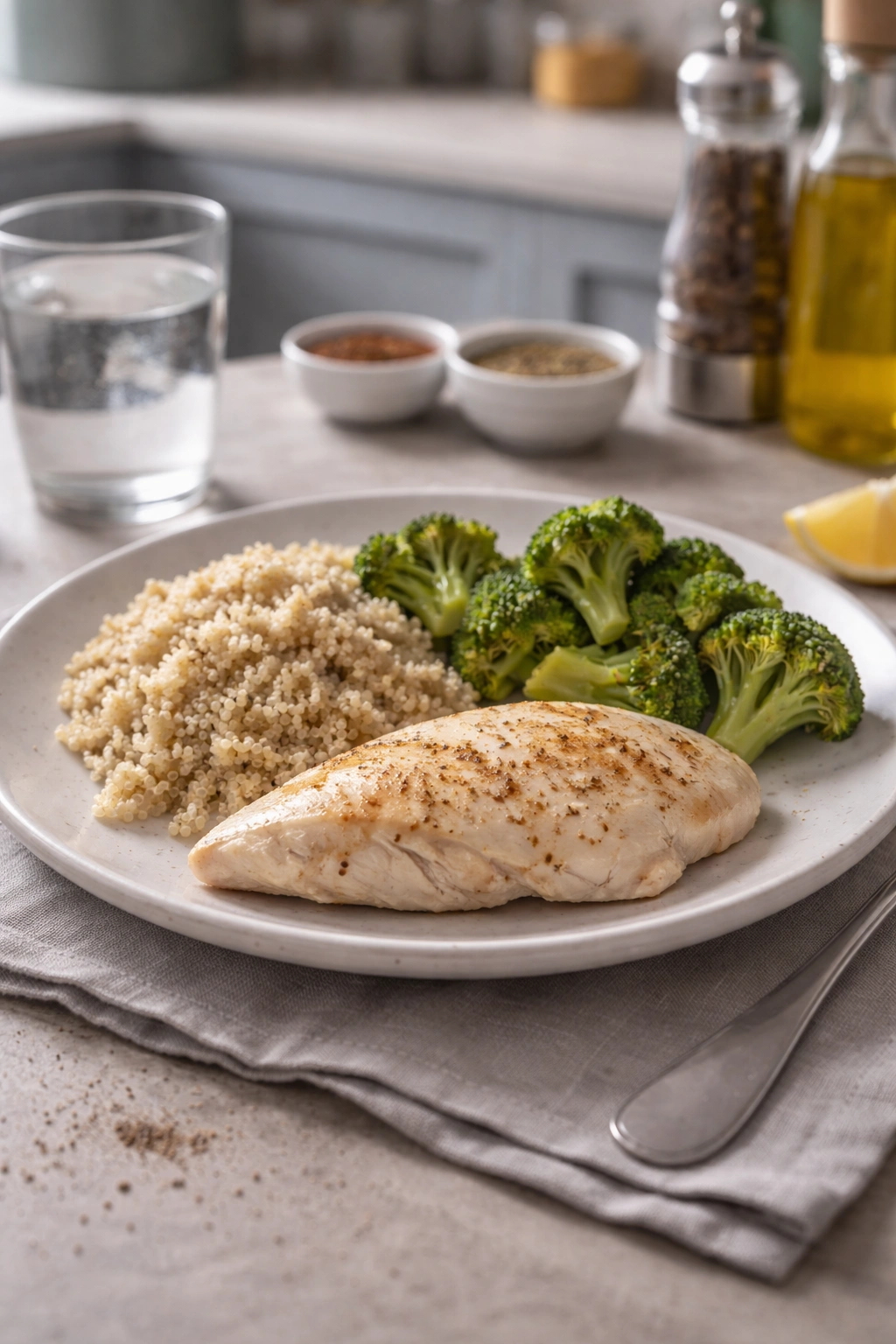
Even with the best intentions, it’s easy to make mistakes that undermine fullness. Understanding what typically goes wrong helps you avoid these pitfalls and maintain the satisfaction you need to stick with eating this way long-term.
The biggest mistake is skipping meals or eating very light lunches, then arriving at dinner ravenous. You’ll overeat no matter how well-designed the dinner is when you’re that hungry. Stable eating throughout the day — adequate protein and fiber at each meal — prevents the extreme hunger that leads to overeating at night.
Another common error is choosing “diet” versions of foods: low-fat dressings, fat-free yogurt, light breads. These products are often higher in sugar and less satiating than their full-fat counterparts, leaving you feeling unsatisfied. Small amounts of full-fat components are better than large amounts of diet products.
Mistakes to Avoid
- Underseasoning: Food that tastes boring is less satisfying. Be aggressive with herbs, spices, citrus, and hot sauce.
- Skipping healthy fats: A teaspoon of olive oil in a dressing, a quarter-avocado on a plate, or a tablespoon of tahini adds satiety without excessive calories. Tiny amounts of fat make food more satisfying.
- Liquid calories at dinner: Sugary drinks, alcohol, and calorie-dense beverages don’t provide satiety but add significant calories. Stick to water, unsweetened tea, or black coffee.
- Eating too fast: If you finish dinner in 15 minutes, you’ve eaten before satiety signals fully register. Aim for 20-30 minutes; slower eating = earlier fullness signals.
- Relying on processed “low-calorie” products: Diet versions of foods are typically less satiating than whole foods. A homemade chicken bowl with real vegetables beats a processed diet meal every time.
- Insufficient protein: If your dinner is under 25 grams of protein, you’ll likely feel hungry within 2-3 hours, no matter the fiber or volume. Prioritize adequate protein.
The easiest way to avoid these mistakes is keeping dinners simple. Grilled protein, roasted vegetables, whole grains, and simple seasonings — that’s a template that works every single time. Complexity often leads to mistakes; simplicity is foolproof.
Real-World Dinner Examples That Deliver Fullness on 500-700 Calories
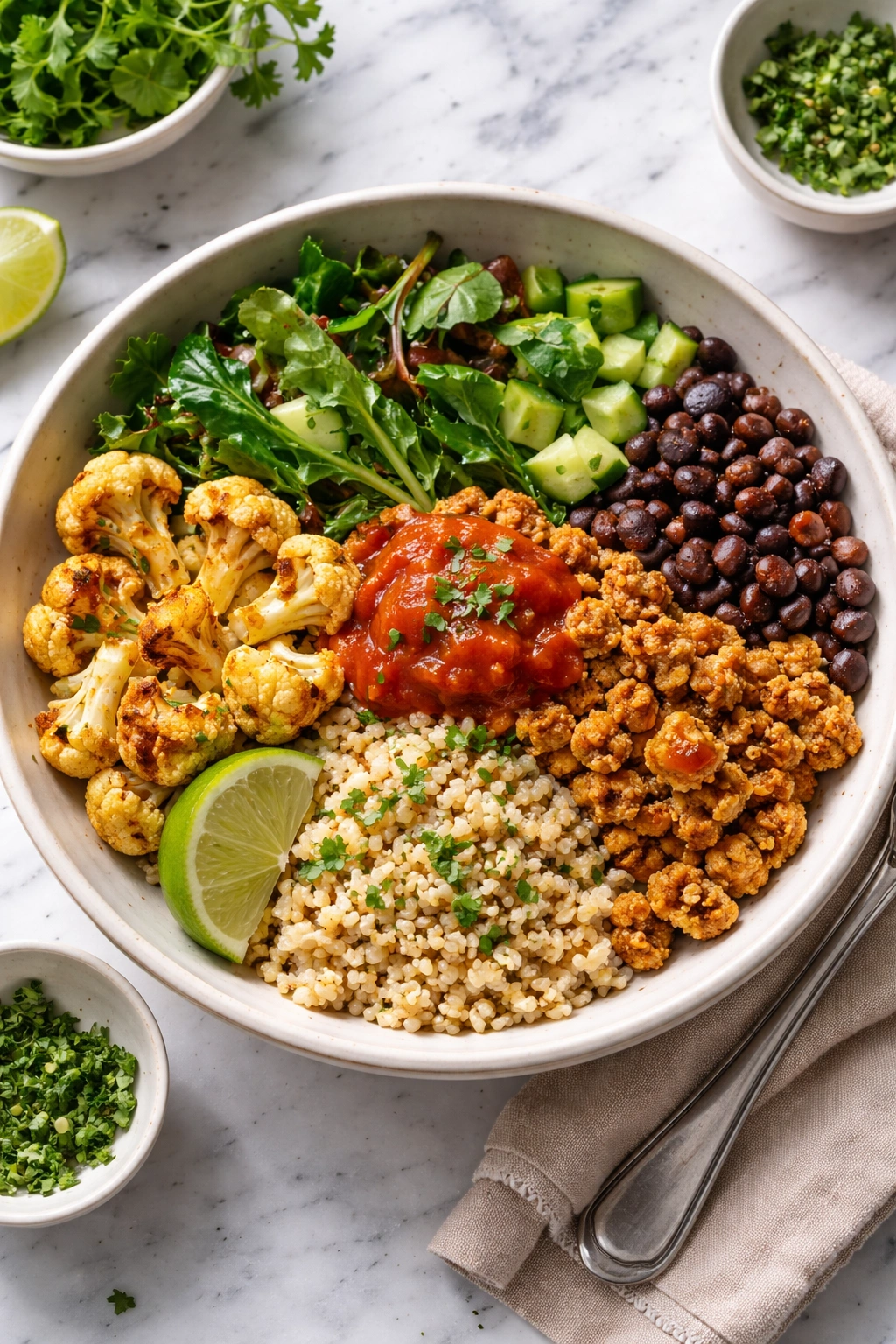
Theory is useful, but concrete examples are what help you actually build these dinners. Here are several complete dinners that satisfy all the satiety principles while keeping calories in a reasonable range.
Stir-Fry Bowl: 2 cups mixed vegetables (broccoli, bell peppers, snap peas, mushrooms) roasted or stir-fried with 4 oz grilled chicken breast, ⅓ cup cooked brown rice, and 1 tablespoon sesame oil with ginger and garlic. Total: approximately 480 calories, 35g protein, 12g fiber.
Fish and Vegetable Dinner: 5 oz baked salmon, 2 cups roasted Brussels sprouts, 1 small sweet potato. Finish with lemon juice and fresh herbs. Total: approximately 520 calories, 38g protein, 10g fiber.
Hearty Vegetable Soup: 3 cups vegetable and lentil soup (made with broth base, heavy on vegetables), topped with 3 oz grilled chicken breast and a sprinkle of whole grain croutons. Total: approximately 380 calories, 32g protein, 14g fiber.
Grain Bowl: ½ cup cooked barley, ½ cup cooked black beans, 2 cups raw spinach or mixed greens, ½ cup roasted cauliflower, 4 oz ground turkey taco meat (seasoned with cumin and chili), topped with salsa and a tablespoon of Greek yogurt. Total: approximately 540 calories, 42g protein, 14g fiber.
Vegetarian Buddha Bowl: ⅓ cup quinoa, ¾ cup roasted chickpeas, 2 cups roasted vegetables (cauliflower, broccoli, carrots), ½ avocado, and a tahini-lemon dressing (1 tablespoon tahini, 1 tablespoon lemon juice, water to thin). Total: approximately 620 calories, 20g protein, 18g fiber.
The common pattern across all of these: substantial vegetable volume, adequate protein, whole grain inclusion, and intentional seasoning. Each one would keep you satisfied for 3-4 hours easily.
The Psychology of Eating for Fullness Rather Than Deprivation
The mental approach to low-calorie eating matters enormously. If you’re approaching dinner as “deprivation” — a punishment meal you’re forcing yourself through — you’ll feel unsatisfied no matter how many calories are on your plate. If you’re approaching it as “eating delicious food that’s designed to make me feel great” — the experience changes completely.
This is why seasoning matters so much. A meal that tastes genuinely delicious is more psychologically satisfying than a “good for you” meal that tastes bland. Invest in making food taste good. Use spices generously. Cook things properly. Season boldly. This isn’t indulgence; it’s fundamental to creating dinners you actually want to eat.
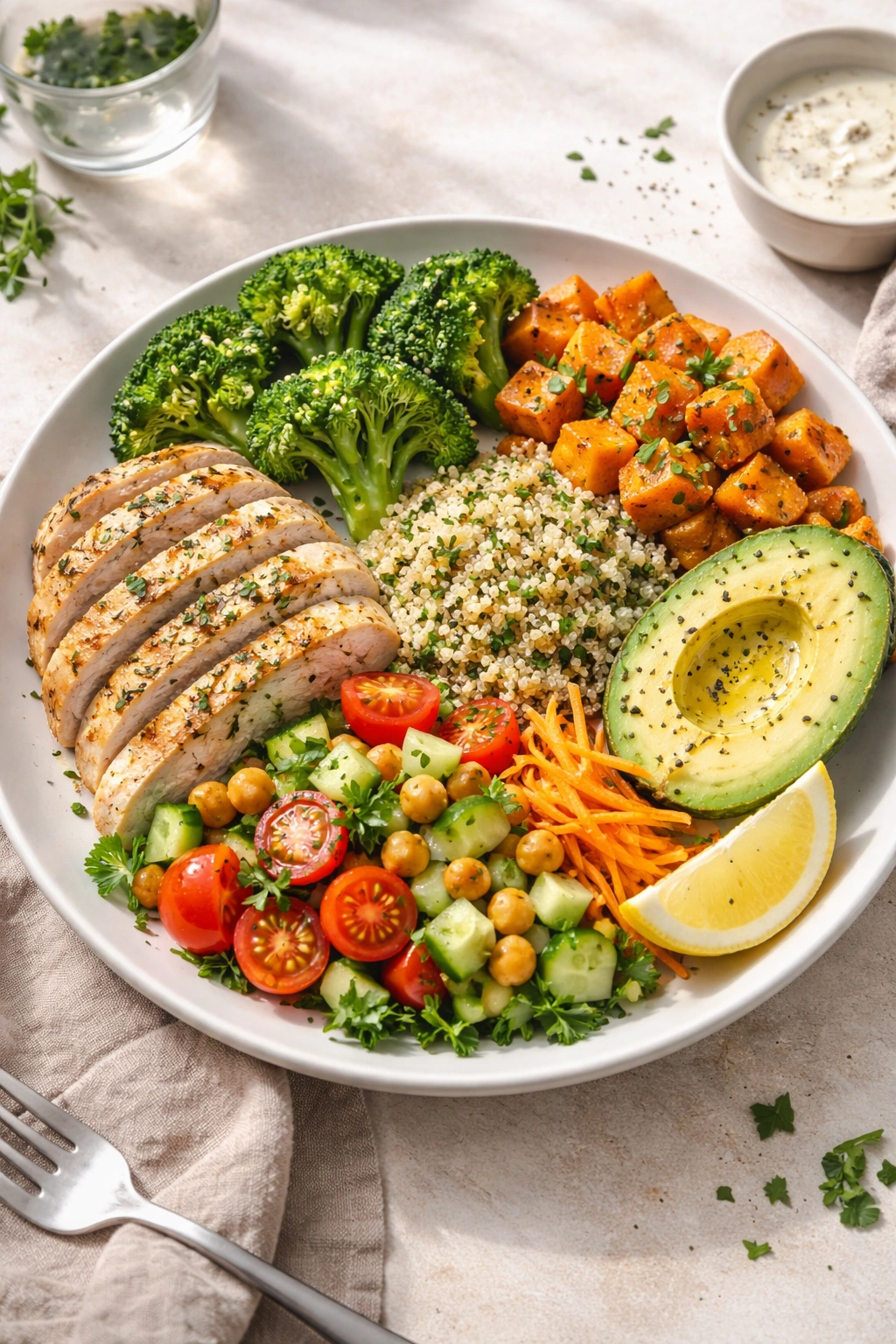
Similarly, the visual presentation of your meal matters more than you might think. A dinner served on a colorful, large plate looks more satisfying than the same dinner on a small plate. A bowl that’s clearly full — a big pile of vegetables and grains and protein — is more psychologically satisfying than a sparse, carefully plated minimalist dinner.
The goal is creating dinners that satisfy all of your needs simultaneously: the physical fullness signals from fiber and volume, the satiety signals from protein, the blood sugar stability from whole grains, the genuine taste pleasure from bold seasonings, and the psychological satisfaction of eating a normal, appealing dinner that happens to be low in calories.
This is fundamentally different from restriction-based dieting. You’re not eating less; you’re eating strategically, and it feels like abundance rather than deprivation.
Final Thoughts
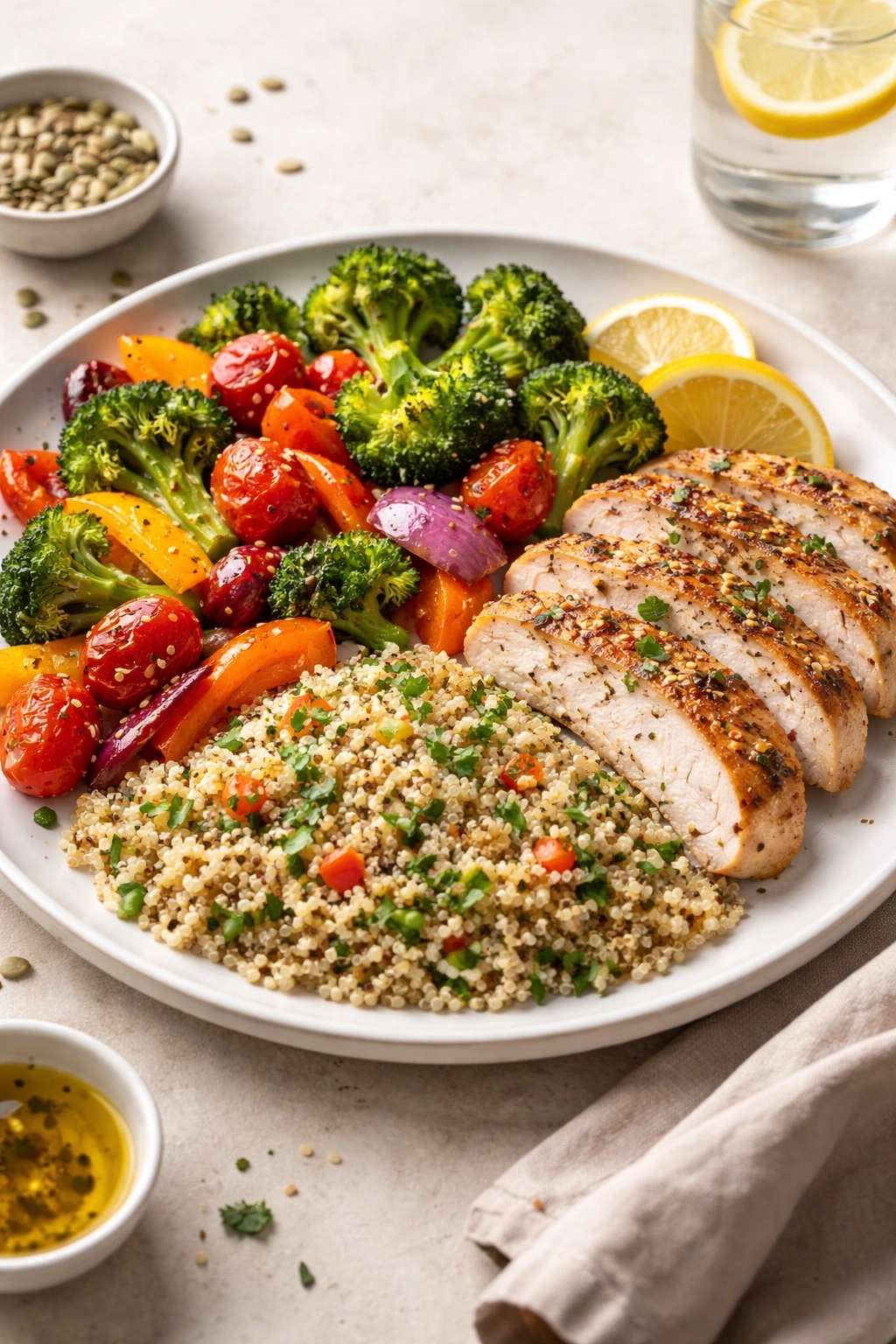
The most satisfying low-calorie dinners aren’t built around eating less — they’re built around eating smarter. Prioritize protein to fuel satiety hormones, load your plate with fiber-rich vegetables for volume and nutrition, include whole grains for sustained energy, and season boldly so you actually enjoy eating.
The specific dinners change based on your preferences, dietary approach, and what’s in season, but the framework remains consistent. Half your plate vegetables, a quarter protein, a quarter whole grains or legumes, and seasoning aggressive enough to make you want to eat it. Build that formula into your dinner routine, and you’ll find that low-calorie eating isn’t a deprivation struggle — it’s a genuinely satisfying way to eat.
The best part: these dinners are fast to assemble, inexpensive to make, and keep you full for hours. They’re sustainable in a way that restrictive eating never is. Start with one or two of the examples above that appeal to you, then adapt them based on what you like. Within a few weeks, building satisfying low-calorie dinners becomes automatic, and eating this way stops feeling like effort and becomes simply how you eat.
