



Protein brownies don’t have to taste like you’re eating sawdust mixed with chocolate. The problem with most high-protein brownie recipes isn’t that they add too much protein — it’s that they rely on protein powder, which can make the texture grainy, add artificial flavors, or turn the whole thing dry. But here’s what most people miss: you can bake brownies with excellent protein content using ingredients you probably already have in your kitchen, and they’ll taste richer, stay moister, and develop better brownie texture than many powdered versions. The secret is understanding which natural protein sources actually work in baking, how they change the chemistry of chocolate, and exactly how much to use without turning your dessert into a brick.
Over the years, home bakers and nutritionists have discovered that certain whole foods deliver substantial protein while still letting the chocolate shine. Greek yogurt, nut butters, seeds, whole grains, and eggs do way more than just boost protein numbers — they actually improve brownie structure, add moisture, create that fudgy crumb you’re after, and deepen chocolate flavor in ways protein powder simply can’t. You’ll learn exactly which ingredients to reach for, how to layer them without dry results, and how to adapt these brownies to fit whatever protein goal you’re working toward.
Why Natural Protein Makes Better Brownies Than Powder
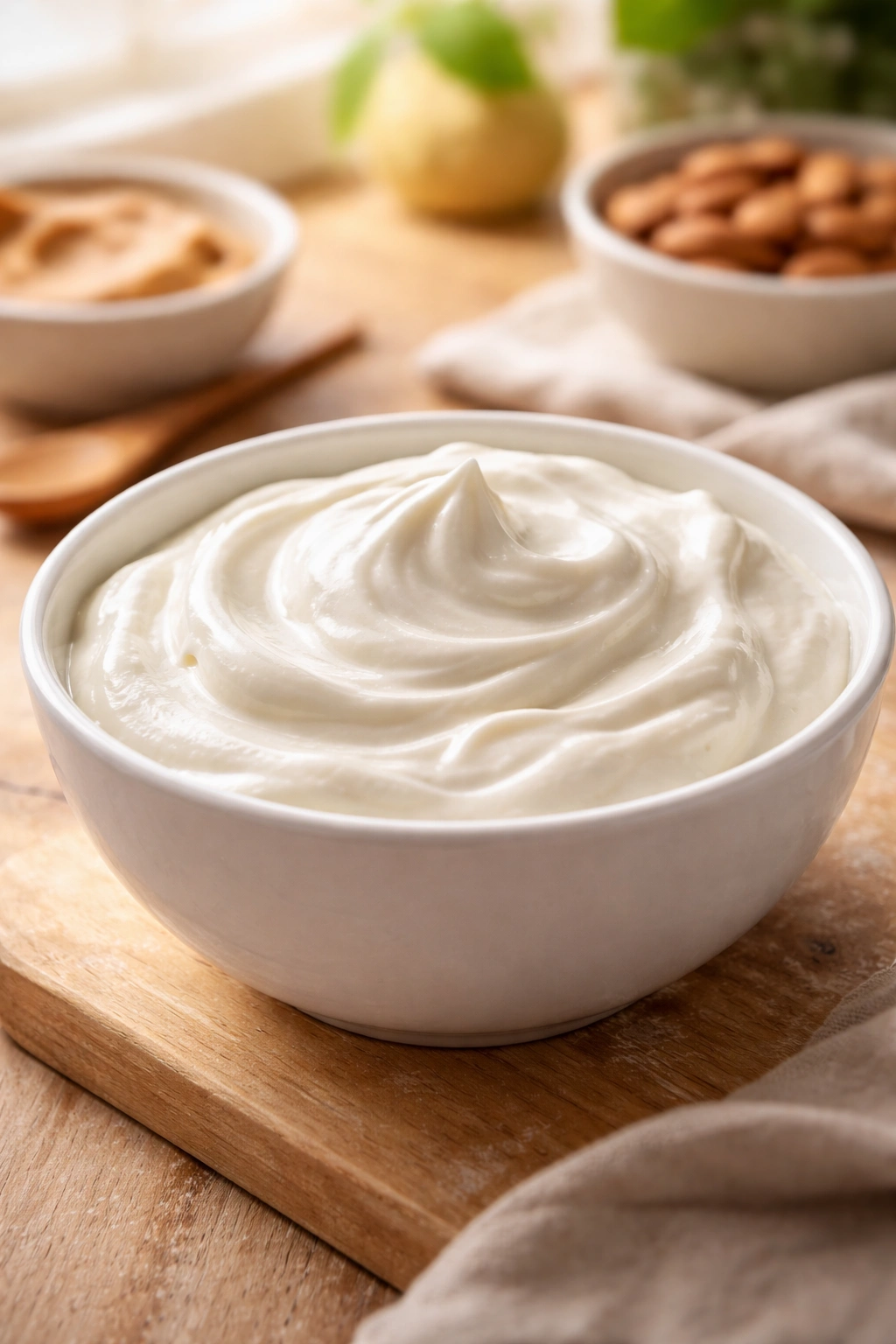
Protein powder exists for convenience — it’s shelf-stable, mixes easily into liquids, and hits a macro target quickly. But in baking, convenience comes with trade-offs. Most whey-based protein powders contain additives like gums, emulsifiers, and artificial flavors that can interfere with chocolate flavor and create a gritty, almost chalky texture. Casein powder tends to make baked goods denser. Plant-based powders often leave earthy or metallic aftertastes that compete with chocolate.
Natural protein sources, by contrast, come packaged with fat, fiber, and other compounds that actually improve brownie texture. When you use Greek yogurt or cottage cheese, you’re adding protein plus lactic acid, which tenderizes the crumb and adds moisture. Nut butters bring protein, fat, and a subtle depth that makes chocolate taste more complex. Eggs aren’t just protein — they’re emulsifiers and binders that create structure. Seeds add protein, fat, and a slight earthiness that chocolate loves.
The real advantage? Brownies made with whole food protein sources stay moist for days while those made with protein powder often dry out within a day or two. They taste like actual chocolate dessert, not like a protein supplement baked into brownie form. And because you’re controlling every ingredient, you know exactly what’s going in — no mystery additives, no aftertaste, just chocolate that tastes like chocolate.
The Best Natural Protein Ingredients for Fudgy Brownies
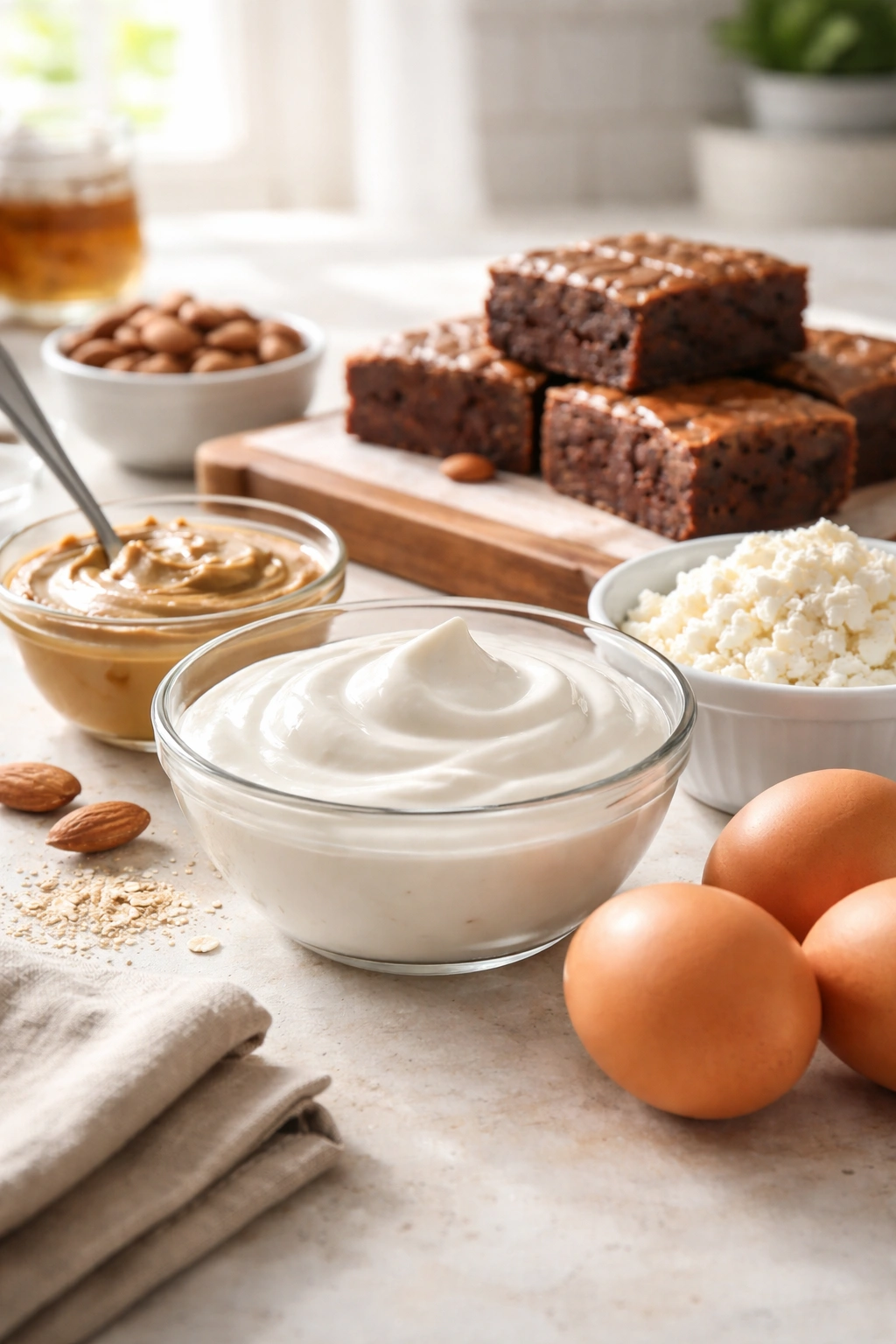
You have real options here, and mixing them often works better than relying on one single source. Greek yogurt is probably the easiest entry point — it’s protein-dense (15-20 grams per cup), adds incredible moisture, and its mild tang actually amplifies chocolate flavor. The catch is that too much yogurt makes brownies cake-like instead of fudgy, so you’ll want to use it in combination with other fat sources rather than as your only addition.
Nut butters — peanut, almond, cashew, or tahini — deliver serious protein (about 8 grams per 2 tablespoons) plus all the fat that makes brownies actually taste good. They’re also forgiving; they blend seamlessly into chocolate batter and won’t throw off texture the way some protein sources can. The nut flavor will subtly change your brownie profile, but in a way that usually enhances rather than distracts.
Cottage cheese works similarly to Greek yogurt but with a slightly different texture. It’s higher in protein per volume and adds a creaminess that translates to fudginess. Blend it completely smooth into your wet ingredients before mixing with chocolate, or it’ll create pockets of grainy texture. Whole eggs aren’t typically thought of as a protein source, but they’re actually dense with it — two eggs give you 12 grams of complete protein plus emulsification that creates structure and moisture. You likely already use eggs in brownie recipes; the key is knowing how many extra eggs you can add before texture suffers.
Seeds like chia, flax, and hemp are protein powerhouses when used in moderation. Hemp seeds have more protein than any other option here (about 10 grams per 3 tablespoons) and a slightly nutty flavor that pairs beautifully with chocolate. Chia and flax add protein plus fiber, and they absorb moisture in batter, which can help prevent dryness. Don’t exceed ¼ cup of seeds per batch or they’ll dominate texture and flavor.
Oats or oat flour provide modest protein (5 grams per ½ cup) and fiber, plus they add a subtle nuttiness and create a slightly more cake-like texture. Ground flaxseed (about 3 grams protein per tablespoon) works similarly. Whole wheat flour or spelt flour boost protein compared to all-purpose while adding a slight earthiness that chocolate masks well. None of these alone will give you massive protein bumps, but layering two or three of them creates a surprisingly protein-rich brownie without any one ingredient dominating.
Understanding How Protein Changes Texture and Taste

Here’s what actually happens inside the brownie when you add protein: proteins denature and coagulate during baking, which creates structure. Too much structure and you’ve got a dense, dry, cake-like brownie instead of a fudgy one. That’s why “adding protein powder” often backfires — it’s easy to overdo it, and the fine particles of powder create denser crumb than whole food sources with larger particles and fat distributed throughout.
Fat is the critical variable. Protein powder has almost no fat (unless it’s specifically designed as a “weight gainer” formula). But Greek yogurt is about 40% fat, peanut butter is 45% fat, eggs are about 11% fat, seeds vary but generally contain 10-25% fat. When you use these whole foods instead of powder, you’re simultaneously increasing both protein and fat, which keeps the brownie tender and moist while building structure.
Moisture content also matters intensely. If you swap out some flour for Greek yogurt or cottage cheese, you’re replacing a dry ingredient with a wet one — that shifts your wet-to-dry ratio and can make brownies gooier if you’re not careful. The fix is actually simple: reduce your added liquid (oil, milk, water) slightly, or add a bit more flour or cocoa powder to balance things out.
The flavor compounds in chocolate are fat-soluble, which is why the richest brownies contain actual butter, oil, or other fat. Using protein sources that are themselves fatty — nut butters, seeds, egg yolks — naturally intensifies chocolate flavor and brings a deeper, almost truffled quality that leaner protein sources (plain Greek yogurt, cottage cheese) won’t deliver on their own. This is why the best naturally-protein brownies usually layer sources: maybe Greek yogurt for moisture plus peanut butter for richness plus an extra egg for structure.
Choosing Your Base: Chocolate and Cocoa Options
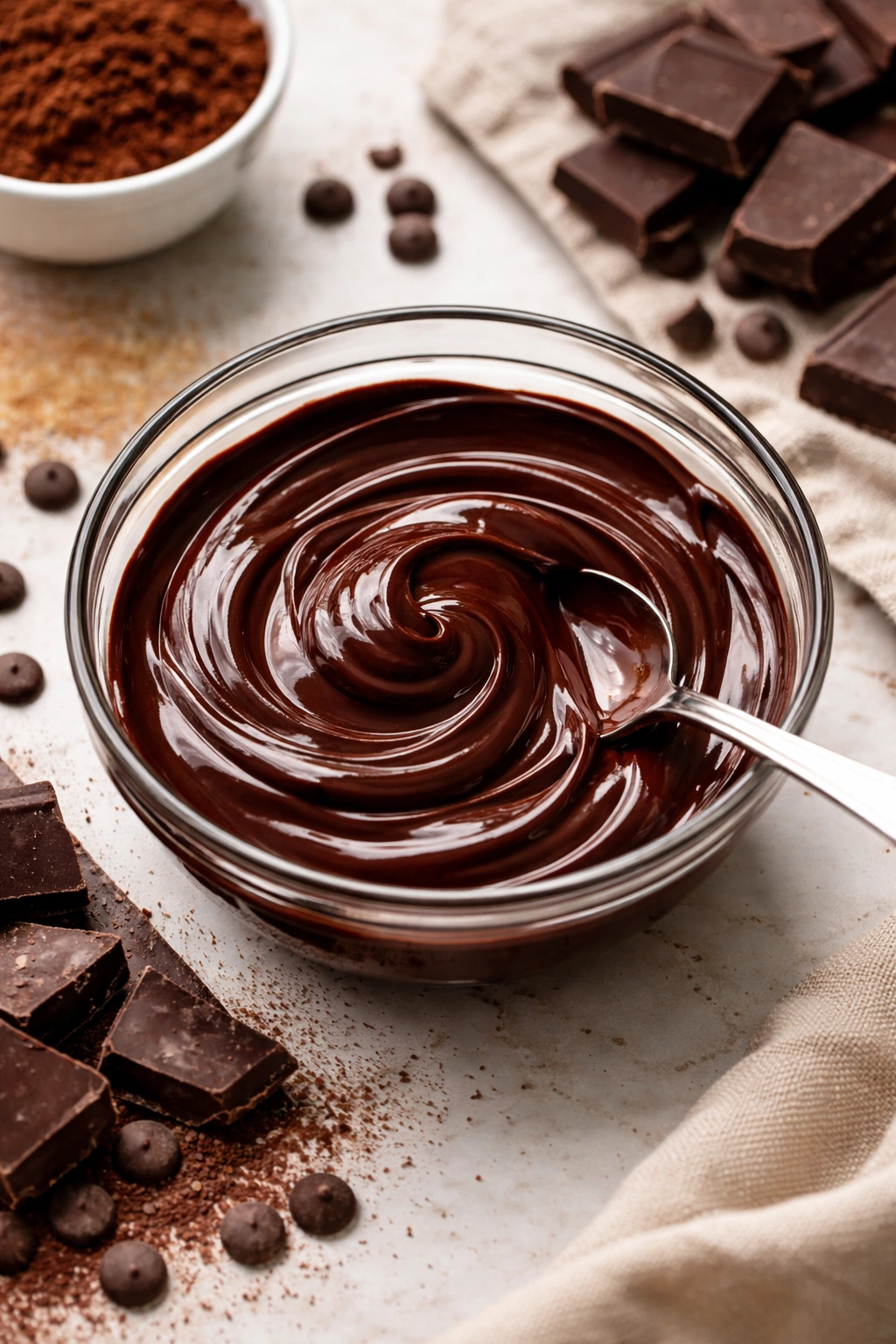
The chocolate you choose matters just as much as the protein. If you’re going the unsweetened cocoa powder route (which is fine — it’s pure protein and zero sugar), you’ll need enough fat to let cocoa powder actually dissolve and distribute, otherwise you’ll taste grittiness. Cocoa powder has a drying effect on batter, which is exactly why pairing it with naturally protein-rich, fatty ingredients works so well — the fat counteracts that drying tendency.
Melted dark chocolate gives you more depth and natural sweetness than cocoa powder alone. High-quality chocolate contains cocoa butter plus cocoa solids, so it brings both flavor and fat. Melting real chocolate creates a silkier, more luxurious brownie crumb than cocoa powder, and the cocoa butter helps keep brownies fudgy even with added protein. Aim for 70% cacao or darker for real chocolate flavor that won’t get overwhelmed by protein sources.
If you’re using melted chocolate, you can use less oil or butter since the cocoa butter in the chocolate provides fat. If you’re using cocoa powder alone, don’t skimp on oil or nut butter — you need that fat for texture and to help cocoa powder actually incorporate smoothly. A mix of cocoa powder and melted chocolate gives you the best of both: the intense chocolate flavor of powder plus the moisture and silkiness of melted chocolate.
The darker the chocolate or cocoa, the less sweetening you typically need, and the better everything else shows through. Milk chocolate sweetness can mask the subtle flavors that come from Greek yogurt, nut butters, and seeds. Dark chocolate celebrates those flavors, making them part of the profile rather than background notes.
Getting the Right Consistency Without Protein Powder
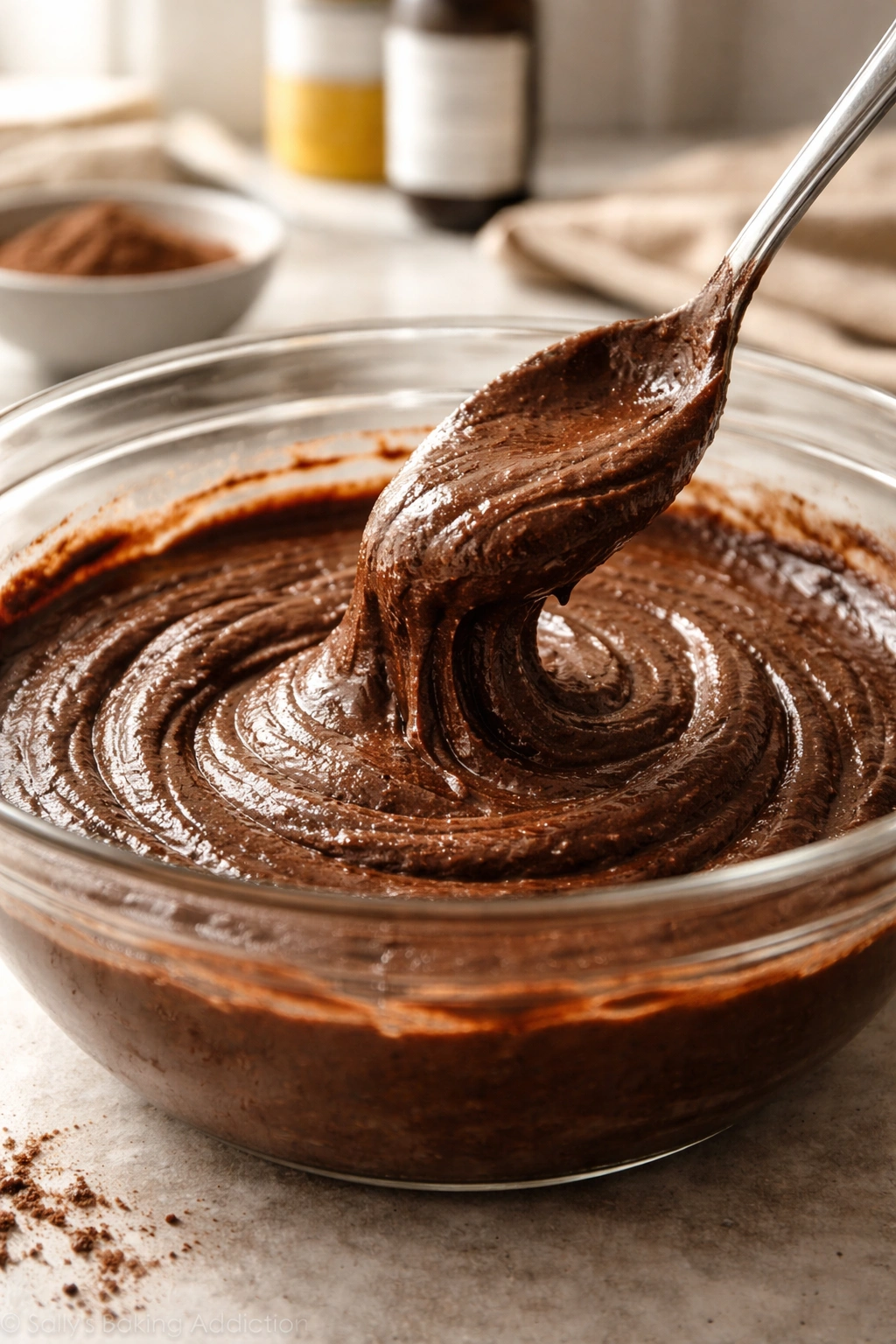
The biggest challenge when making brownies with natural protein is hitting the right batter consistency. You want it thick enough that it doesn’t spread all over the pan during baking, but loose enough that it creates a dense, fudgy crumb rather than a cake texture.
The visual test: when you scoop your batter into the pan, it should move slowly, almost reluctantly. If you can pour it like cake batter, it’s too wet. If you can barely get a spoon through it, it’s too stiff. You want something closer to thick peanut butter — spreadable with effort, not runny.
Most brownie recipes work with a ratio of roughly 1 part flour to 2-3 parts wet ingredients (including eggs, oil, melted chocolate, and yogurt). When you add substantial protein sources like Greek yogurt or nut butters, you’re increasing the wet side of that ratio. The fix is straightforward: either reduce your added oil/liquid by about 2-3 tablespoons, or add 2-3 tablespoons more flour or cocoa powder.
The temperature trick: chilling your batter for 20-30 minutes before baking helps it set up slightly, which actually improves texture. Protein sources like Greek yogurt and seeds absorb a tiny bit of liquid as they sit, which naturally thickens the batter. You’ll notice when you return to scoop and pour that it’s slightly thicker and flows less — that’s ideal.
If your brownies come out too cakey or dry, the next time use an extra tablespoon of oil, reduce flour by a tablespoon, or add another egg yolk (whites add structure but not fat). If they’re too fudgy or underbaked in the center, add a tablespoon more flour or bake an additional 2-3 minutes.
Fudgy Protein Brownies: The Base Recipe
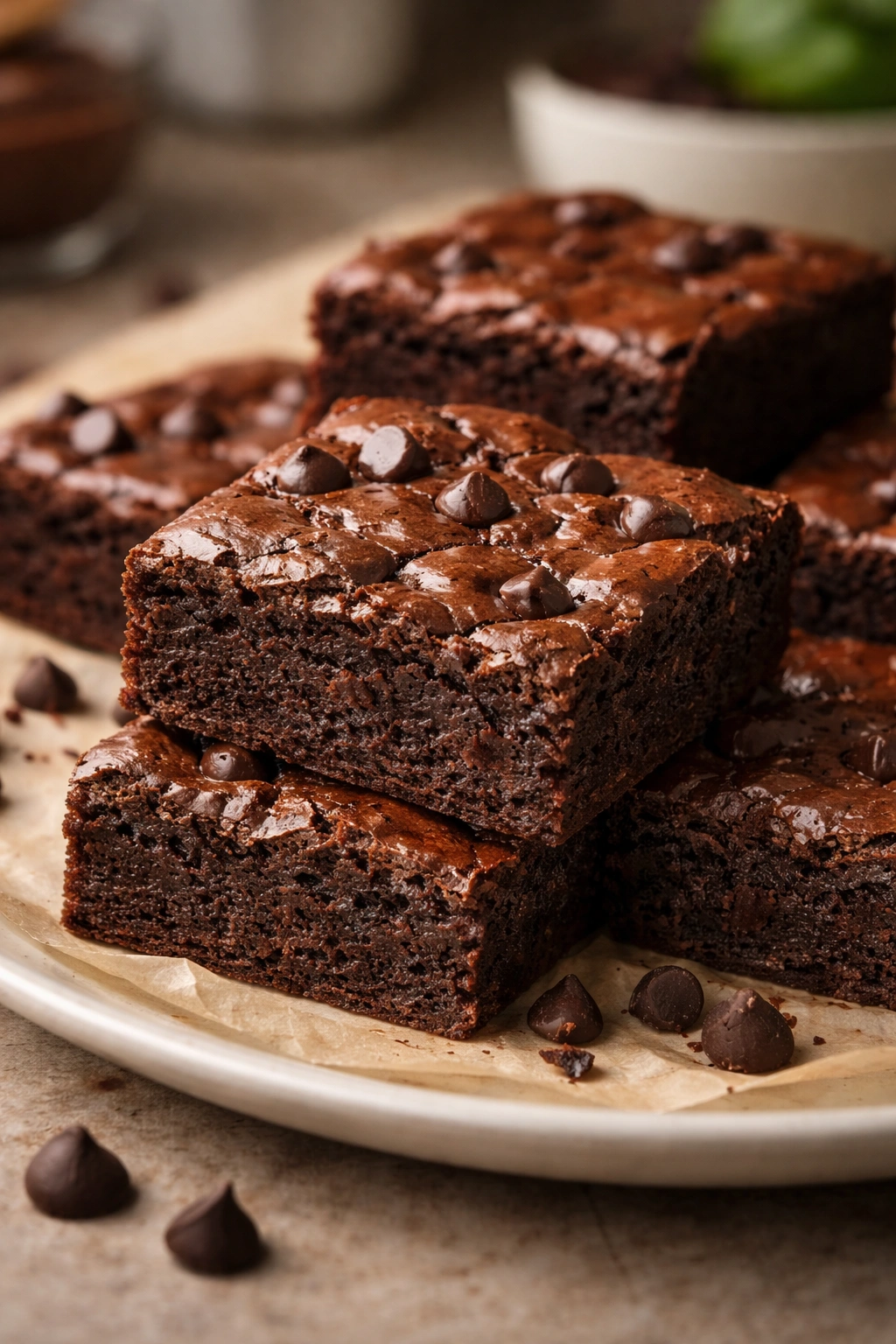
These are the brownies that changed my mind about whether you actually need protein powder. They’re dense, genuinely fudgy, deeply chocolatey, and pack about 12-14 grams of protein per brownie depending on size. The combination of Greek yogurt, peanut butter, and dark chocolate creates richness that masks any “healthy” flavor, while the extra egg yolk and cocoa butter ensure you get that glossy crumb texture that makes people think you baked something far more complicated than you actually did.
Yield: Makes 16 brownies (one 8×8-inch pan, cut into 4×4-inch squares) Prep Time: 15 minutes Cook Time: 28 to 32 minutes Total Time: 50 minutes active + 10 minutes cooling before cutting Difficulty: Beginner — this recipe uses everyday ingredients, straightforward mixing, and foolproof timing. No special equipment required beyond a basic oven and standard measuring tools.
For the Brownies:
- 4 ounces (115g) dark chocolate (70% cacao or higher), chopped into roughly pea-sized pieces
- ½ cup (115g) natural creamy peanut butter, at room temperature (or any nut butter you prefer)
- ½ cup (120ml) plain Greek yogurt (full-fat works best, but 2% is fine; do not use nonfat)
- 6 tablespoons unsalted butter
- ¾ cup unsweetened cocoa powder, sifted or whisked to break up lumps
- ¾ cup (150g) granulated sugar
- ¼ cup (50g) light brown sugar, lightly packed
- 2 large eggs, room temperature
- 1 large egg yolk, room temperature
- 1 teaspoon pure vanilla extract
- 1 teaspoon instant espresso powder (optional but highly recommended — it amplifies chocolate flavor without adding coffee taste)
- ½ teaspoon fine sea salt
- ½ cup (60g) all-purpose flour
- ¼ teaspoon baking powder
For the Pan:
- 1 tablespoon unsalted butter, softened
- 1 tablespoon unsweetened cocoa powder (for dusting the pan)
- Parchment paper (optional but helpful for easy removal)
Prepare the Pan and Mise en Place:
-
Preheat the oven to 350°F (175°C) and position the rack in the center of the oven.
-
Grease an 8×8-inch baking pan generously with the softened butter, then dust the bottom and sides with 1 tablespoon cocoa powder, tapping out the excess. If you want to make removal easier, line the pan with parchment paper so there’s an overhang of 1-2 inches on two opposite sides — this lets you lift the entire brownie slab out of the pan after baking. This step isn’t strictly necessary, but it makes cutting and removing brownies dramatically less fussy.
Advertisements -
Place the chopped dark chocolate and 6 tablespoons butter in a medium heatproof bowl.
-
Bring a small pot of water to a simmer, then set the bowl containing the chocolate and butter over the pot of simmering water (don’t let the bottom of the bowl touch the water). Stir occasionally until the chocolate and butter are completely melted and smooth, about 2-3 minutes. Remove the bowl from heat immediately once everything is melted — the residual heat is all you need, and overheating chocolate scorches its flavor.
-
While the chocolate melts, place the peanut butter and Greek yogurt in a separate medium bowl. Using a sturdy whisk or fork, stir them together until completely smooth and homogeneous. Any lumps of peanut butter should be fully incorporated into the yogurt. Set aside.
-
In a third bowl, whisk together the cocoa powder, granulated sugar, brown sugar, and salt. This dry mixture prevents the sugar from directly contacting the eggs (which can create a grainy texture) and helps everything combine smoothly.
Make the Batter:
-
Once the chocolate has cooled for about 1 minute, add both whole eggs and the egg yolk to the melted chocolate mixture. Whisk vigorously until the eggs are completely incorporated — the mixture will become glossy and smooth, and you’ll see a subtle sheen develop on the surface. Do not skimp on this step; proper emulsification is what keeps brownies fudgy rather than cakey.
-
Add the vanilla extract and espresso powder (if using) to the chocolate-egg mixture and whisk until combined.
-
Pour the peanut butter-yogurt mixture into the chocolate-egg mixture, and fold together gently with a rubber spatula until completely combined. You should see no streaks of chocolate or peanut butter remaining. This step is a “fold,” not a stir — try to combine the ingredients with as few strokes as possible. About 15-20 careful folds should do it.
-
Sprinkle the sugar-cocoa mixture over the chocolate-peanut mixture, then add the flour and baking powder. This is crucial: use a folding motion, not stirring, to combine. Overworking the batter activates gluten in the flour, which creates a tougher, more cake-like crumb. Fold gently with a rubber spatula until you see no dry flour remaining and the mixture looks uniform. You should still see occasional streaks of cocoa powder being folded in — this is fine. Once you cannot see any dry flour at all, stop folding immediately.
-
Pour the batter into the prepared pan and spread it into an even layer using an offset spatula or the back of a spoon. Push gently into the corners but don’t overwork the surface. The batter should fill the pan evenly, with a thickness of about 1¼ inches.
Advertisements
Bake and Cool:
-
Bake for 28 to 32 minutes. The brownies are done when the edges have just started to pull away slightly from the sides of the pan and the center feels set but still has a tiny bit of gentle give when you press it with your fingertip. A toothpick inserted in the very center should come out with a few moist crumbs attached — not fully clean, and definitely not wet batter. This is important: overbaking brownies made with nut butter and yogurt makes them dry out quickly, so resist the urge to bake them fully set in the center.
-
Remove the pan from the oven and set it on a wire rack. Let the brownies cool completely in the pan — at least 1 full hour at room temperature. This cooling time is essential; cutting into warm brownies will cause them to fall apart. Once they’re cool, they’ll have set up enough to cut cleanly without crumbling. You can speed up cooling in the fridge if you’re in a hurry — they’ll be ready to cut after about 30-40 minutes in a cool refrigerator.
-
Once fully cooled, use a sharp knife dipped in hot water (and wiped dry between cuts) to cut the brownies into 16 squares. If you used parchment paper, simply lift the entire slab out of the pan using the paper overhangs, set it on a cutting board, and cut with ease.
Common Mistakes That Dry Out Protein Brownies
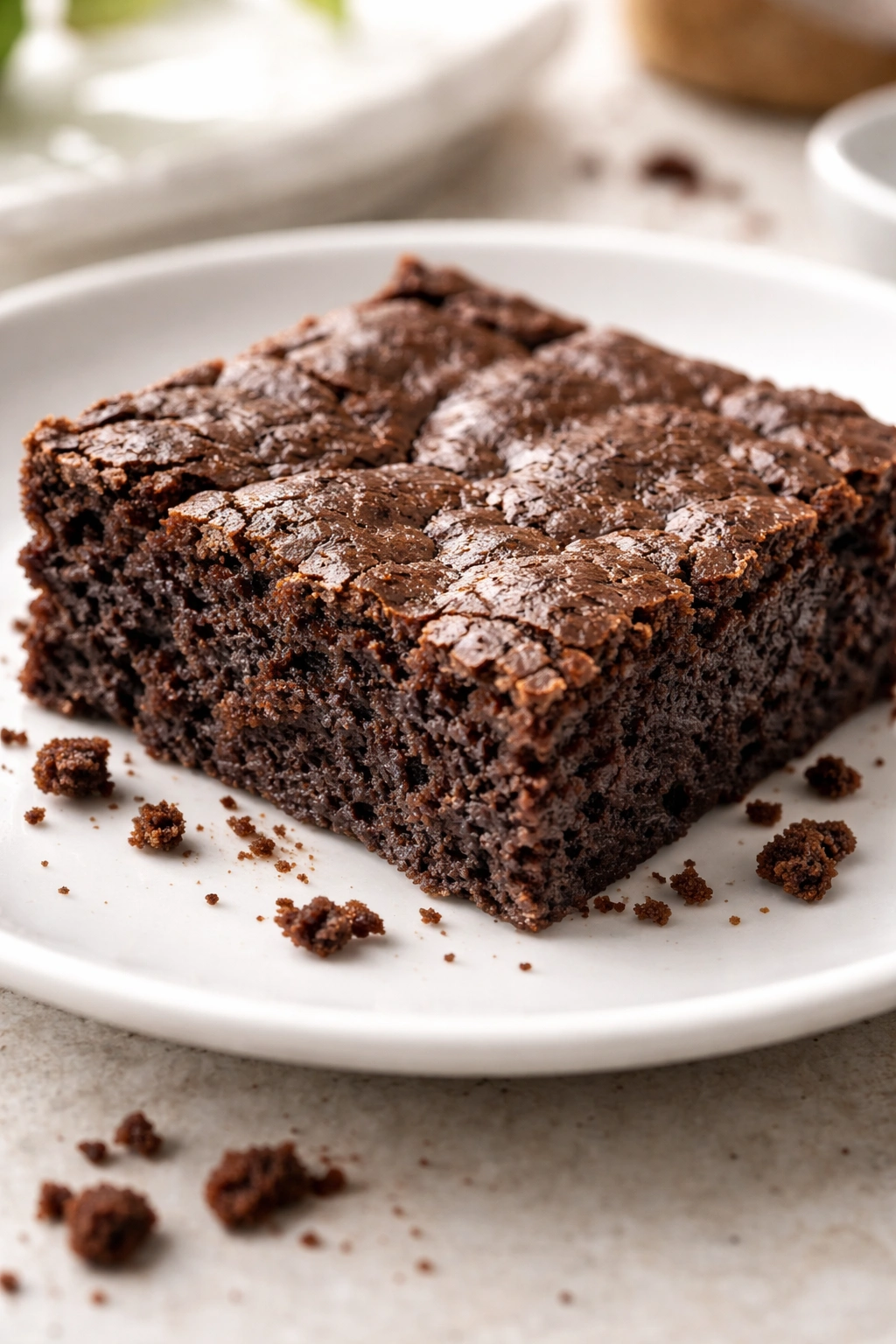
The biggest mistake is baking them too long. Because Greek yogurt, peanut butter, and eggs all set up proteins during heating, these brownies firm up faster than traditional brownies made with only oil and butter. That extra 3-4 minutes of baking time feels like nothing, but it’s the difference between a fudgy brownie and one that’s dry and mealy. Use the fingertip test — when the center yields slightly to gentle pressure, they’re done. Trust that method over time, because every oven is different.
The second mistake is using lowfat Greek yogurt. Nonfat yogurt has almost no fat, which means it adds protein but subtracts richness and moisture. It’s like adding protein powder — you get the protein bump but lose the brownie texture. Full-fat Greek yogurt is nonnegotiable here. If you can only find 2% yogurt, that’s acceptable, but lowfat or nonfat will disappoint.
The third mistake is not reducing oil when you add Greek yogurt or nut butter. People see a protein brownie recipe, think “I’m making it healthier,” and keep the oil amount the same while adding wet ingredients. This creates batter that’s too loose, spreads too much during baking, and bakes up cakey. You don’t need as much oil when you’re already getting fat from peanut butter and yogurt. Reduce it by about 2 tablespoons from what a standard brownie recipe would call for.
The fourth mistake is using natural peanut butter that’s separated (oil on top, solids below). It doesn’t hurt the recipe, but if you don’t stir that oil back in thoroughly, the peanut butter-yogurt mixture becomes inconsistent, which creates pockets in the brownies where one ingredient dominates. Give it a good stir, or use the “no-stir” natural butter that’s blended with stabilizers.
The fifth mistake is not bringing eggs to room temperature. Cold eggs don’t emulsify properly with melted chocolate, which creates a slightly separated, grainy texture. Set them out for 30 minutes before baking, or place them in a bowl of warm water for 5 minutes.
Making Them Fudgier or Cakier (Texture Variations)
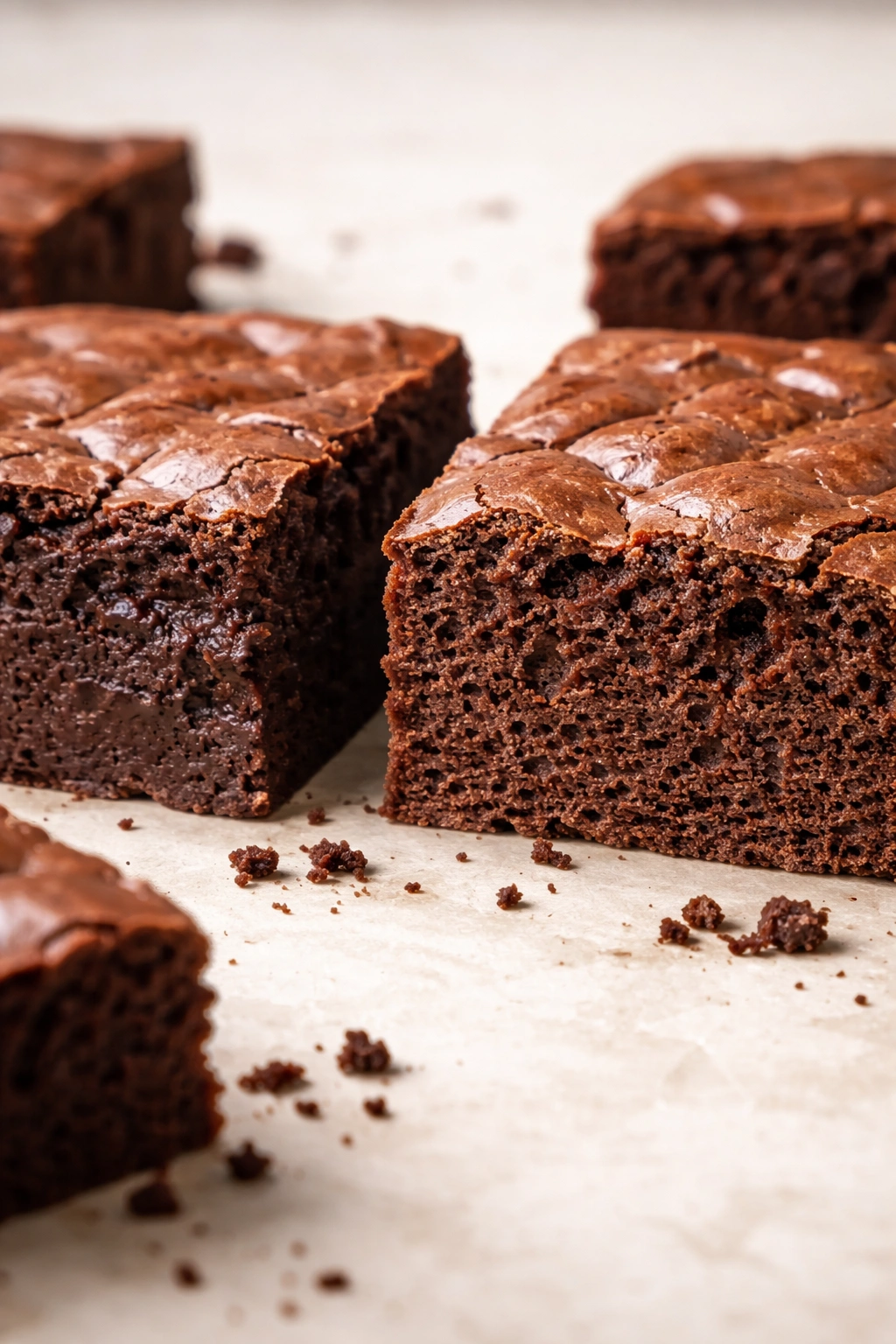
For extra fudginess: replace half the all-purpose flour with almond flour or additional cocoa powder. The reduced gluten development creates a denser, moister crumb. Add an extra egg yolk (no white) and reduce the flour by 1 tablespoon. Lower the baking temperature by 25°F and add 2-3 minutes to the bake time — the slower baking creates a creamier interior.
For a more cake-like texture: add an extra whole egg (or 2 egg whites), increase the baking powder to ¾ teaspoon, reduce the peanut butter to ⅓ cup, and add 2-3 tablespoons more flour. These changes add structure and lift, which creates a lighter crumb.
For ultra-dark intensity: replace the all-purpose flour with half all-purpose and half Dutch-process cocoa powder. Use espresso powder at the higher end (¾ teaspoon instead of ¼), and add 1 tablespoon of instant coffee dissolved in 1 tablespoon of hot water to the chocolate mixture. These additions deepen chocolate flavor without adding sweetness.
For less density: replace ¼ cup of the peanut butter with the same amount of unsweetened applesauce. The applesauce adds moisture without as much fat, creating a slightly less rich brownie that still has plenty of protein (applesauce has a trace amount, but the other ingredients carry the load).
Dairy-Free and Vegan Protein Brownie Swaps
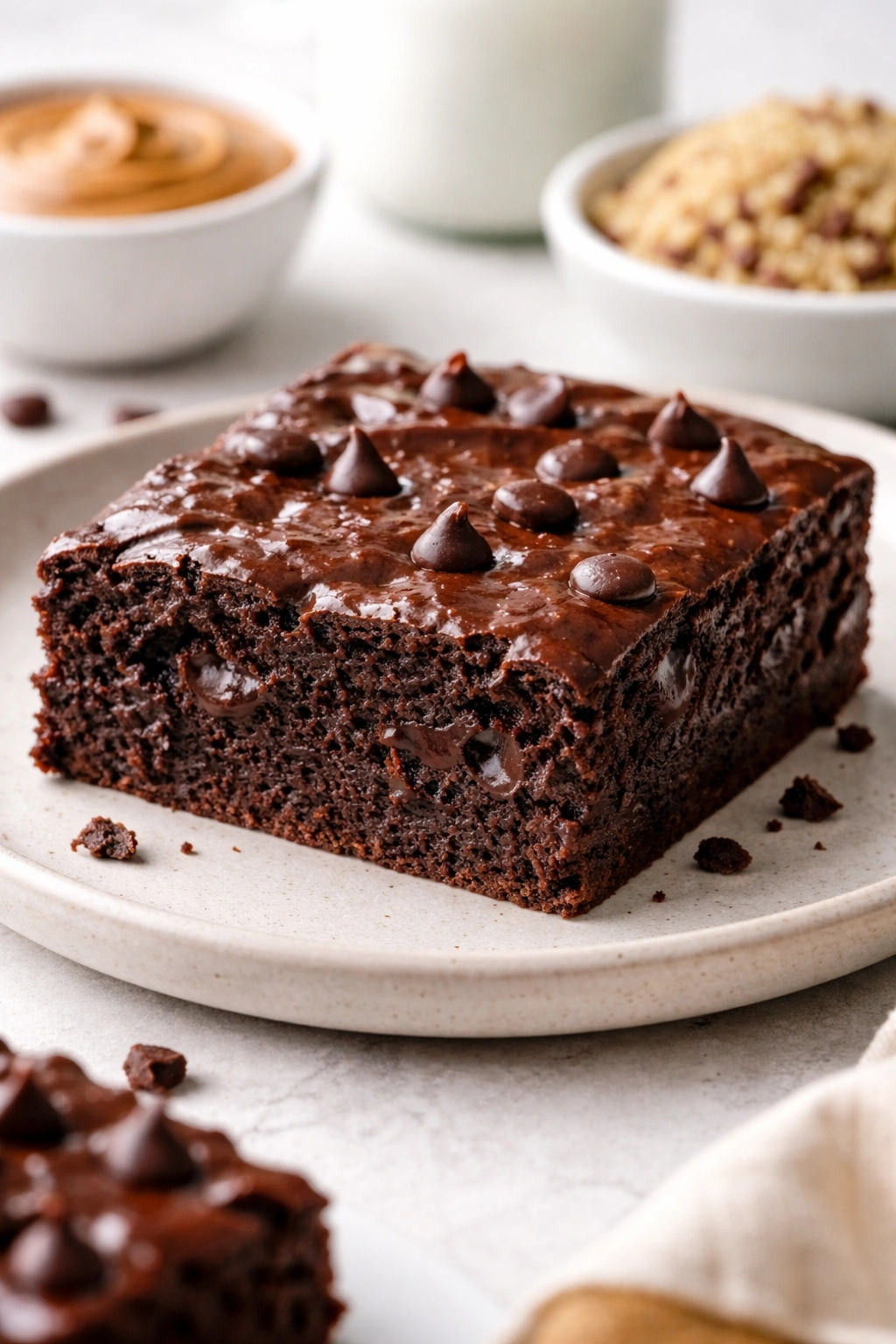
If you need to skip dairy, the challenge is replacing Greek yogurt — it brings both protein and moisture in a way that’s hard to replicate with just one ingredient.
Greek yogurt substitute: Use ½ cup unsweetened coconut milk mixed with 1 tablespoon cornstarch whisked together until smooth. This mimics the moisture and thickness of yogurt without dairy. The coconut milk adds a subtle creaminess that actually works beautifully with chocolate. Alternatively, use ½ cup silken tofu blended until completely smooth — it has a similar moisture content and won’t add flavor.
Peanut butter is naturally dairy-free, so that one doesn’t change.
Eggs are trickier for truly vegan brownies. Each whole egg can be replaced with 3 tablespoons of aquafaba (the liquid from canned chickpeas, not the solids) plus 1 tablespoon of water, whisked together. This doesn’t emulsify quite as well as eggs, so you’ll lose a bit of fudginess and gain a tiny bit of cake texture, but it works. The egg yolk can be replaced with 1½ tablespoons of ground flax mixed with 3 tablespoons of water, set for 5 minutes until thickened. Both of these replacements add moisture, which you’ll need to account for by reducing your liquid slightly or adding a tiny bit more flour.
Butter swaps 1:1 with coconut oil or another neutral oil in the chocolate melting step.
Here’s the reality: vegan versions won’t be quite as fudgy or rich as the dairy version. The lack of eggs (which emulsify, bind, and add fat) means vegan brownies will be slightly denser and more cake-like. But they’re still absolutely delicious, especially if you prioritize cocoa powder and dark chocolate for depth.
For extra protein in vegan brownies, add 3 tablespoons of hemp seeds or 2 tablespoons of chia seeds — these add complete plant protein without dairy, and they absorb moisture in a way that helps compensate for the missing eggs.
Storage, Freezing, and Make-Ahead Tips
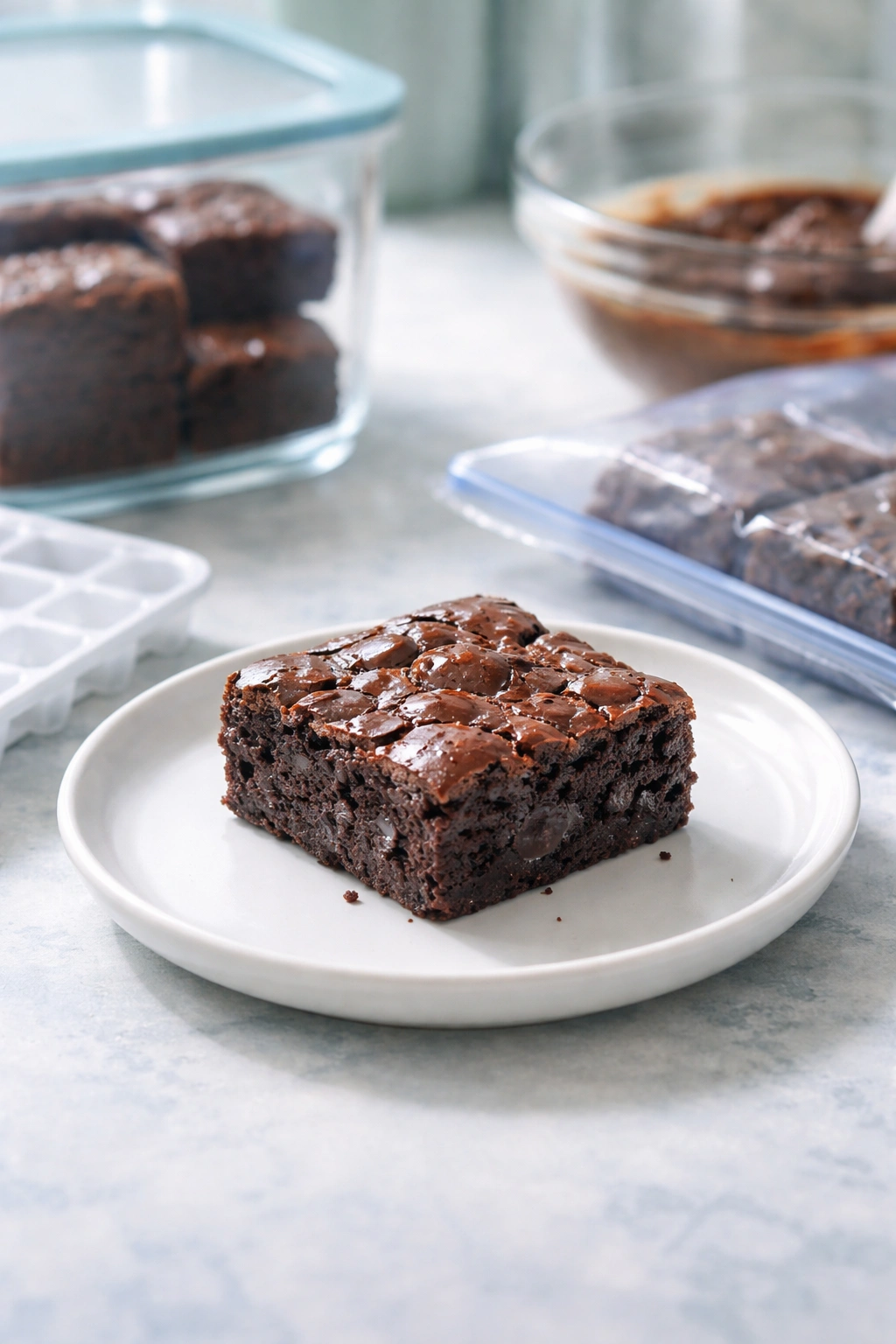
Brownies made with Greek yogurt and nut butter are remarkably forgiving to store. They stay moist for up to 4 days at room temperature in an airtight container (or well-covered on a plate). Unlike brownies made with protein powder (which tend to dry out noticeably after a day), these actually improve slightly on day two as the flavors meld.
Refrigerator storage extends their life to about 7 days. Keep them in an airtight container or wrap individually in plastic wrap. Chilled brownies actually slice more cleanly and have a slightly fudgier texture — the cold slows melting just enough to create a pleasant bite.
Freezing is where these brownies truly shine. Wrap each brownie individually in plastic wrap, then place them in a freezer bag or airtight container. They’ll keep perfectly for up to 3 months. The fat content in nut butter actually prevents freezer burn better than lower-fat baked goods. To thaw, set a brownie on the counter for 20-30 minutes — it’ll come back to life as if freshly baked, with fudgy texture intact.
You can also make the batter up to 8 hours in advance, cover it tightly, and refrigerate it. In fact, doing so lets the seeds absorb moisture and the flavors develop slightly, which actually improves the final brownie. Just add 1-2 minutes to the bake time if the batter is cold coming out of the fridge.
Serving Ideas and Flavor Pairings
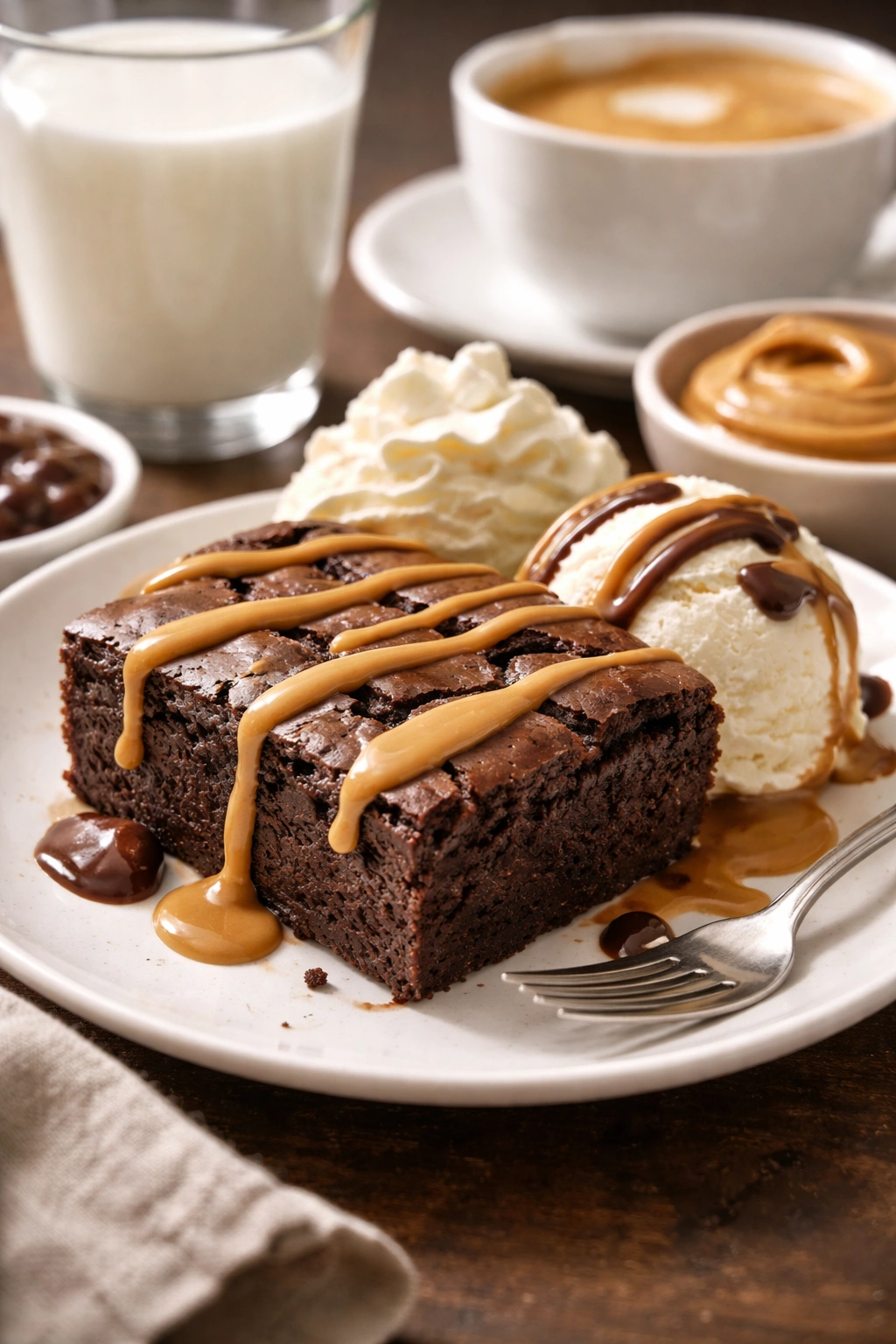
On their own, these brownies are perfect — fudgy, chocolatey, with just enough sweetness and a subtle underlying richness that makes them feel indulgent. But they pair beautifully with several additions:
Vanilla ice cream is the obvious choice, and it’s the right choice. The cold cream, creamy texture, and mild flavor let the chocolate and peanut butter brownie shine. A single scoop melting into the warmth of a room-temperature brownie is the ideal combination.
Whipped cream with a pinch of sea salt adds air and a slight brightness that cuts through chocolate richness. The salt amplifies chocolate flavor.
A drizzle of warm peanut butter over the top of a brownie (thinned slightly with coconut oil if it’s too thick) brings forward the peanut butter element. This works especially well if you’re serving them as part of a dessert spread.
Cold milk — yes, really. A cold glass of milk is the classic pairing for brownies, and there’s a reason. The calcium and casein in milk actually bind to some of the flavor compounds in chocolate, changing how you taste it. It’s a subtle shift that makes the chocolate taste smoother and rounder.
Coffee is magnificent with these. If you didn’t add espresso powder to the brownie batter, a cup of hot coffee alongside brings out chocolate depth. If you did add espresso powder, black coffee is perfect; if not, a lightly sweetened coffee or cappuccino balances the richness.
Raspberries or fresh berries add bright acidity that cuts through chocolate sweetness. A few berries scattered on top or served alongside provide textural contrast.
Brownies made with nut butter are more substantial than traditional ones, so they work well as an after-lunch dessert with coffee, or as part of a dessert plate with other lighter items.
Final Thoughts
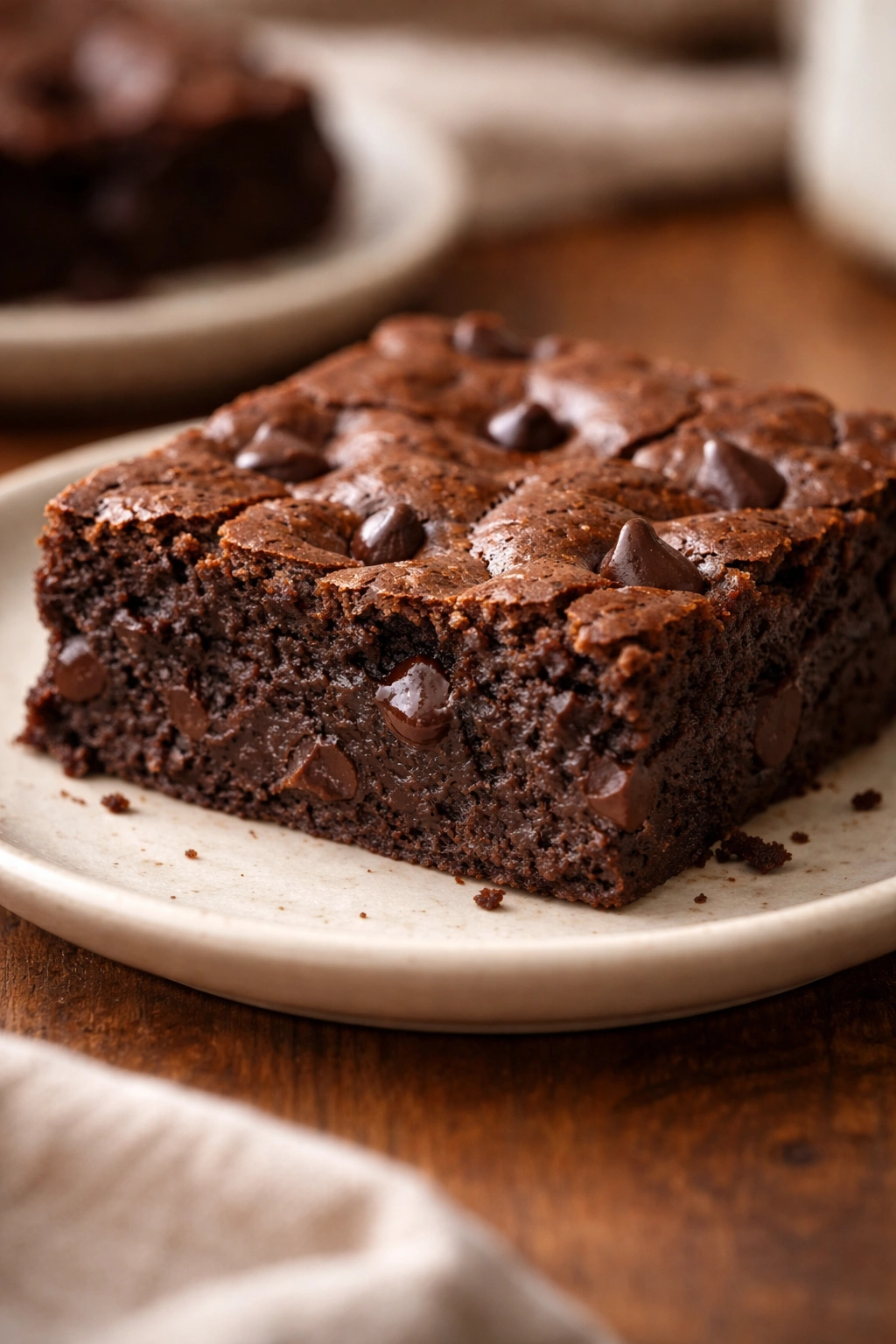
Protein brownies made without powder aren’t a compromise — they’re genuinely better than both the powder version and most traditional brownies. You get more protein, better texture, deeper chocolate flavor, and brownies that actually stay moist day after day. The ingredient list looks different than what you’re used to, but that’s the whole point. Greek yogurt and peanut butter aren’t shortcuts; they’re the real ingredients that make chocolate dessert worth eating.
Once you understand how these natural protein sources work in baking — how they add moisture, fat, and richness while building structure — you’ll realize how limited the protein powder approach actually is. You’re not trying to hack a nutrition supplement into dessert form. You’re using whole foods that happen to be packed with protein and taste genuinely good. That shift in mindset changes everything about how these brownies taste and feel.
Start with the base recipe, bake them according to the timing cues, and see how they compare to what you’ve made before. Cool them fully before cutting. Notice how the flavor deepens over the next couple of days as it sits. Once you’ve made them once, you’ll quickly see where you want to adjust — maybe more peanut butter for richness, or an extra egg for fudginess. The recipe is flexible, and your preference is the real guide. That’s what cooking with real ingredients means.
