



Quiche has a reputation for being an indulgent brunch centerpiece — and honestly, that reputation’s earned. Traditional recipes load the custard filling with heavy cream, whole eggs, and generous amounts of cheese, creating a dish that can easily clock 400+ calories per slice. But here’s what most home cooks don’t realize: you can build an absolutely delicious, creamy, deeply satisfying quiche without the caloric weight, and without any of the compromises you might expect from a lighter version. The secret isn’t about skipping flavor or richness — it’s about being intentional with your ingredient choices and understanding the actual mechanics of what makes quiche work. When you shift from heavy cream to a smarter dairy blend, use a combination of whole eggs and egg whites, and build flavor through technique rather than quantity, you end up with something that tastes luxurious while keeping each slice under 250 calories.
This low-calorie quiche approach works because it respects the fundamentals of what a good quiche actually needs to be: a custard-filled pastry shell with a set, creamy crumb and enough structure to slice cleanly without falling apart. None of that requires cream or excess butter. What it does require is proper egg-to-dairy ratio, the right baking temperature, and a filling packed with vegetables and lean proteins that make you feel completely satisfied on a smaller serving size. The vegetables add volume, fiber, and nutrients that trick your brain into feeling fuller faster — so even though the slice is lighter, the eating experience feels abundant.
The best part about this approach is that it works for any quiche variation you love. Whether you’re into a classic spinach and mushroom situation, something more adventurous with sun-dried tomatoes and goat cheese, or a simple French-style quiche with herbs and a whisper of Gruyère, the low-calorie framework stays the same. You end up with a recipe you can actually make regularly without guilt, which means you’ll actually make it regularly — and that’s when it becomes a true brunch staple.
Why This Quiche Is Different From Restaurant Versions
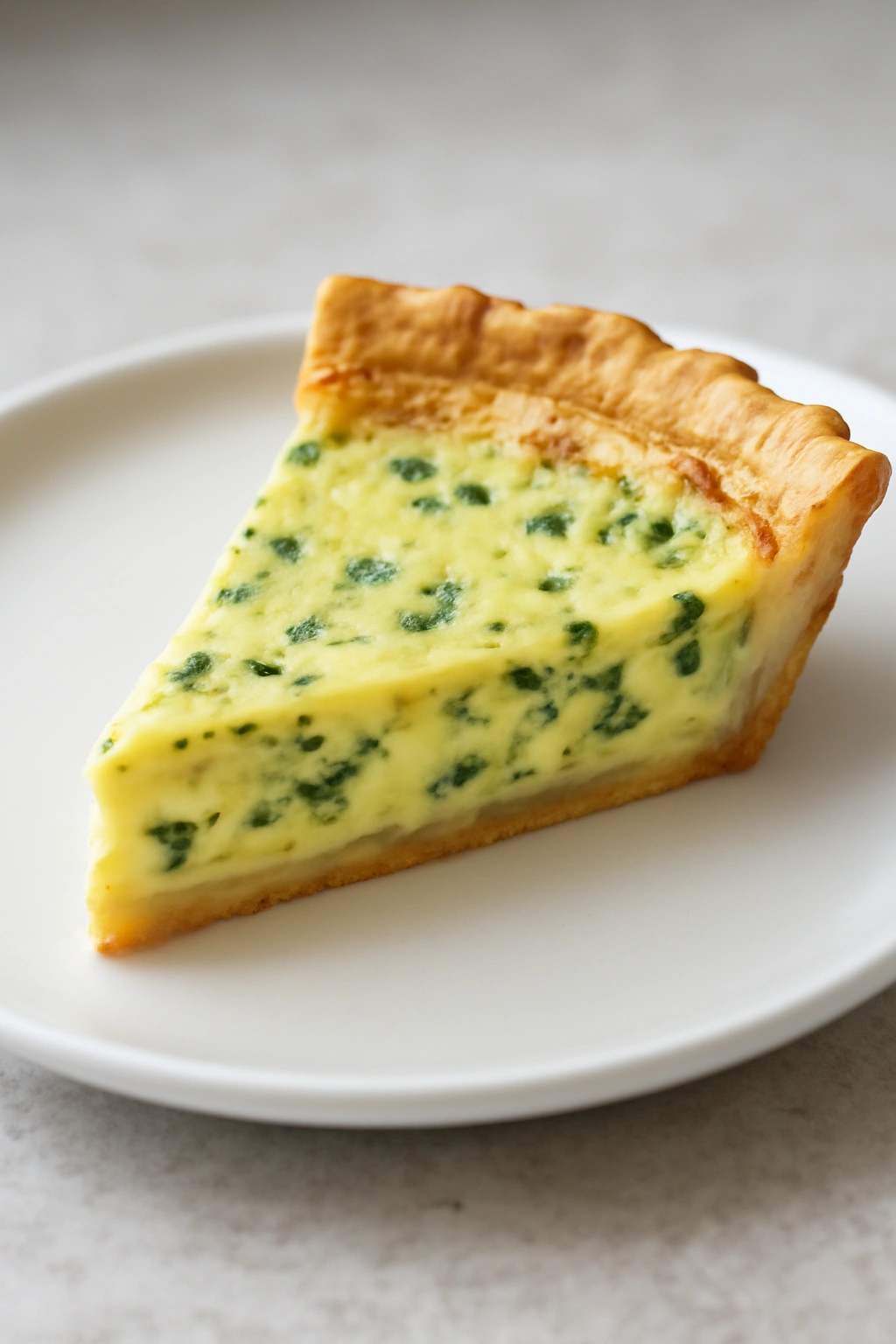
Restaurant quiches and most traditional home recipes rely on cream — sometimes as much as a cup in a nine-inch quiche — to build that signature richness. Cream is 50 percent fat by weight, which translates to roughly 450 calories per cup. That single ingredient can add 75-100 calories per slice before you even factor in eggs, cheese, or the crust. Most restaurants lean into that fullness because it’s their signature, and diners expect that indulgent feel.
The low-calorie version takes a completely different approach to building creaminess. Instead of relying on fat content alone, you’re creating texture and satisfaction through a strategic combination of ingredients that work together. Greek yogurt or cottage cheese (strained through a fine-mesh sieve for the best texture) brings tanginess and protein without the heavy calories of cream. A mix of whole eggs and egg whites gives you the binding structure and some richness without doubling the yolk fat content. Low-fat milk or unsweetened plant-based alternatives add moisture and help the custard set properly. The result is a filling that’s genuinely creamy, holds together perfectly when sliced, and delivers that satisfying bite quiche is supposed to have — just without the heaviness that makes you need a nap afterward.
The Nutrient Profile Shift
When you replace cream with Greek yogurt and balance egg yolks with egg whites, you’re not just cutting calories — you’re actually improving the protein content. A traditional quiche slice might have 8-10 grams of protein; this version typically delivers 15-18 grams. That protein is what keeps you satisfied until dinner and prevents the mid-afternoon energy crash that sugary brunch sides create. The shift also adds beneficial probiotics from the yogurt (if you use that option) and more stable blood sugar response from the higher protein-to-fat ratio.
What Actually Tastes Different (and What Doesn’t)
If you’ve had a truly excellent, well-made quiche before, you know the actual flavor highlight isn’t the cream — it’s the ratio of egg, filling ingredients, cheese, and seasonings working together. Cream is mostly there for texture and mouthfeel, not flavor. Once you build proper texture through the yogurt-and-egg combination, the actual taste profile is virtually identical to a full-fat version. What does change is the aftermath: no heaviness, no guilt, no feeling overstuffed. That’s a meaningful difference.
Understanding Custard Chemistry So Your Quiche Sets Properly
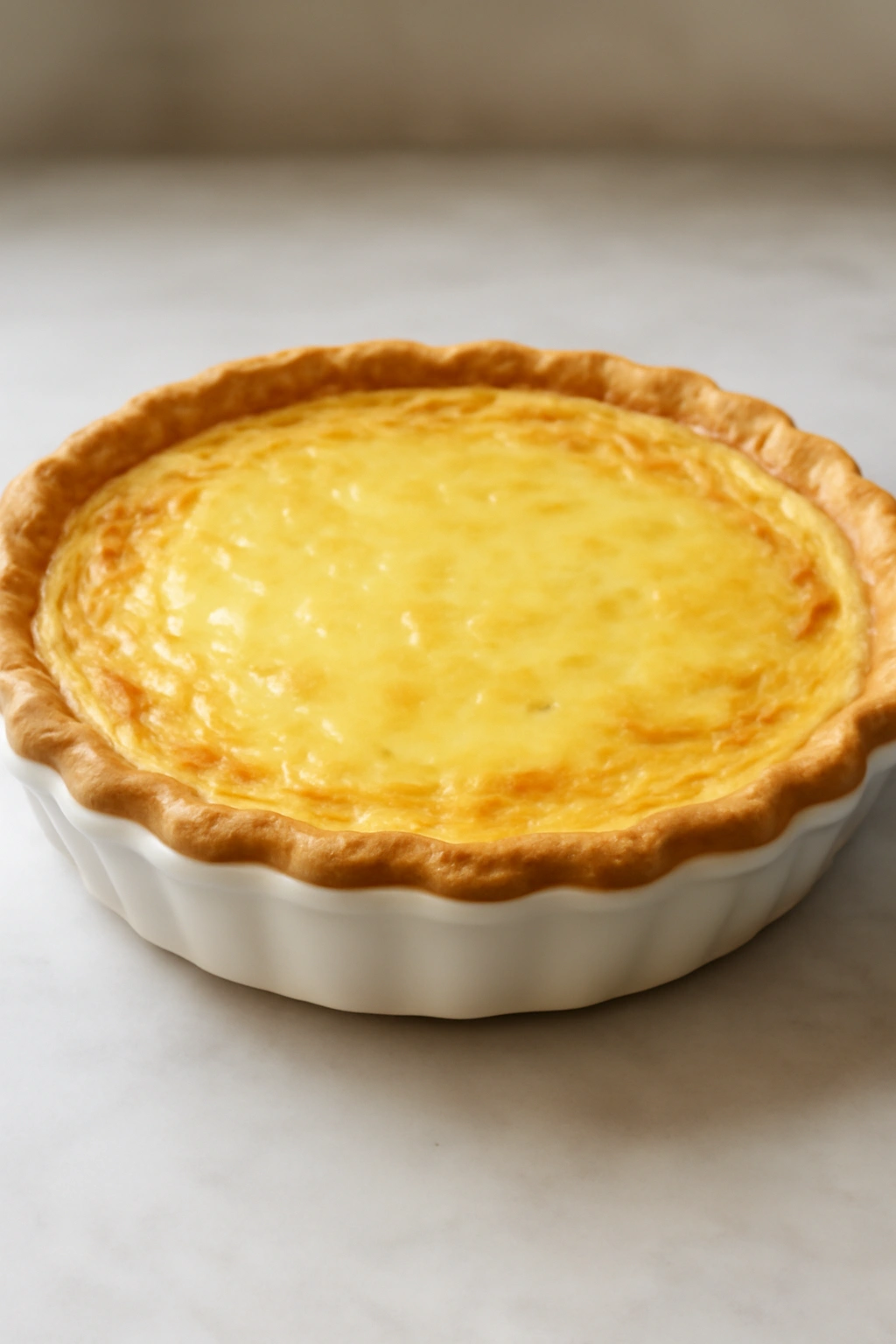
Quiche is fundamentally a custard — a stable emulsion of eggs, dairy, and seasonings that sets into a creamy solid when heat is applied. Get the ratio and technique right, and you get silky perfection. Mess either one up, and you end up with either a runny center or, worse, a separated, grainy custard that looks curdled and tastes sulfurous.
The emulsion works because egg yolks contain lecithin, a natural emulsifier that holds fat and water together. When you apply gentle heat (this is key), the proteins in the eggs slowly denature and create a network that traps the liquid, forming a gel. The custard reaches perfect doneness when the proteins have set enough to support themselves but before they’ve tightened so much that they squeeze out their moisture — that’s what causes that little pool of liquid that sometimes weeps out of overcooked quiche.
Why the Egg White Swap Matters
A standard quiche recipe uses somewhere around 8-10 whole eggs in a nine-inch quiche. Each whole egg is about 70 calories (a yolk is roughly 55 calories, the white is 15). Substitute half of those whole eggs with egg whites, and you cut somewhere between 180-270 calories from the recipe — dropping a full slice’s worth of calories while barely changing the final texture. Egg whites are pure protein and water with almost zero fat. They’re exceptional at setting up a custard structure because the protein matrix is incredibly efficient at the binding job.
The balance is important though: you need enough yolks to give the custard color, a slight richness, and that silky mouthfeel. Four to five whole eggs plus six to eight egg whites is the sweet spot — enough yolks for character, enough whites for structure and caloric control.
Temperature Control and the Carryover Effect
The most common quiche mistake is overbaking it. Because the custard continues to cook from residual heat after the pan comes out of the oven, you want to pull it at the exact moment it jiggles slightly — not when it’s fully set and firm. That jiggle is crucial information: it means the very center is still slightly underdone, which is perfect because it’ll firm up on the counter.
The oven temperature also matters more than many recipes admit. A 375°F (190°C) oven is hotter than the 350°F (175°C) used in some recipes, but the higher temperature actually helps — it sets the edges and structure quickly enough that the center doesn’t overcook while waiting to set. An oven that’s too cool results in a slower, more uneven cook where the edges get grainy while the center’s still trying to set.
The Crust Decision: Pastry Versus Crustless
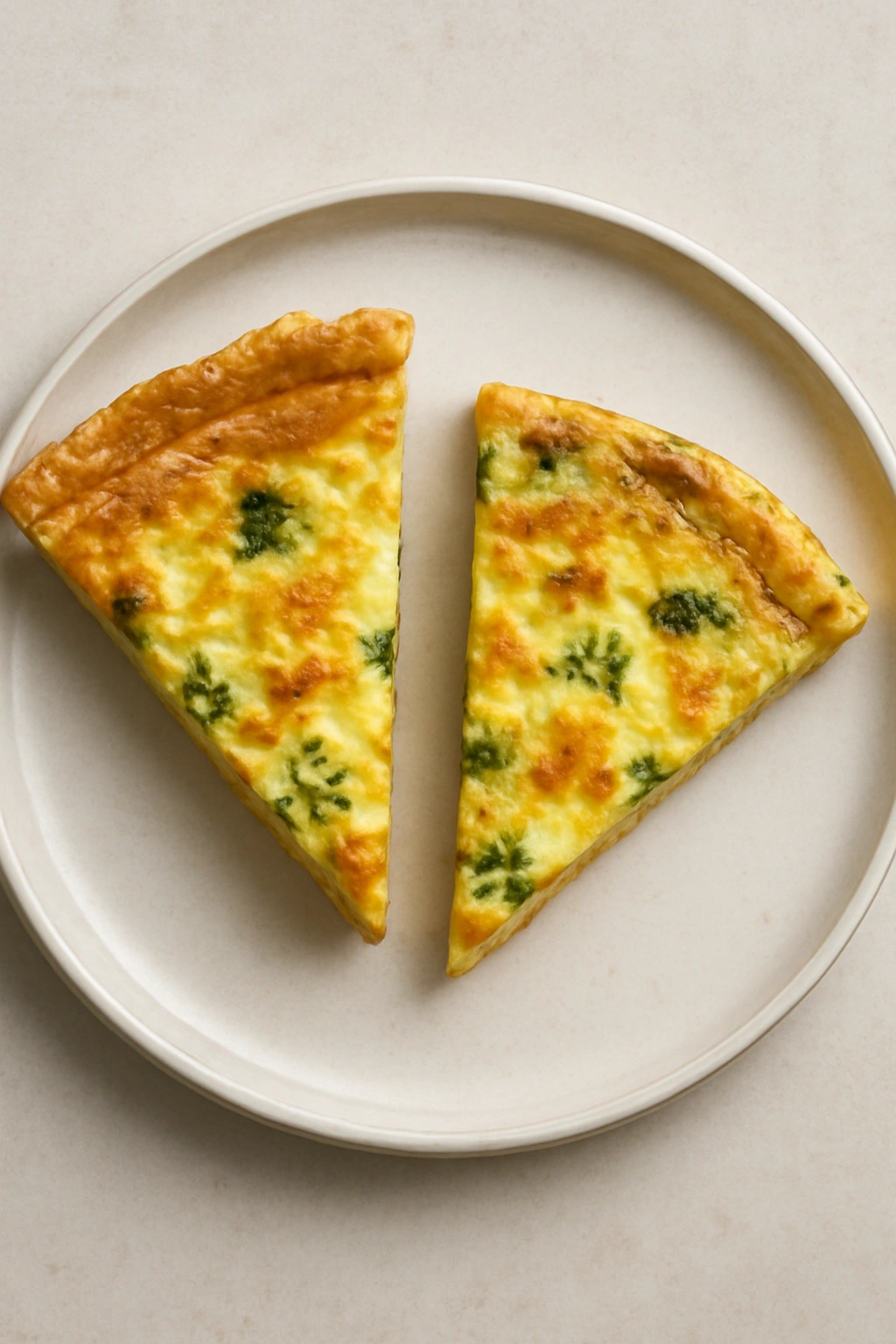
This is one place where the calorie math dramatically shifts. A homemade pie crust for a nine-inch quiche contains roughly 320-350 calories total (mostly from butter), which works out to 40-45 calories per slice in an eight-slice quiche. That’s not massive in the grand scheme of a meal, but it’s meaningful if you’re trying to land under 250 calories per slice. A store-bought frozen crust has similar calorie density but often includes additional stabilizers and ingredients.
A crustless quiche skips this entirely, bringing the baseline calories down significantly. The tradeoff is texture and that satisfying crust element that’s part of classic quiche appeal. The solution is a middle ground: a thin, efficient crust that delivers the quiche experience without excess calories, or a crustless version that you elevate with textural elements and exceptional filling.
The Thin-Crust Alternative
If you want a crust without the full caloric load, create a thin crust using a high-butter-to-flour ratio (essentially a thinner pâte sucrée or shortcrust) or use phyllo dough — just a couple of sheets brushed with a tiny amount of oil. A phyllo crust adds maybe 20-25 calories per slice while giving you that crispy, shattered texture that’s genuinely delicious. The key is accepting that the crust is there to support the quiche, not to be the main event.
The Crustless Approach
A properly made crustless quiche is entirely legitimate and genuinely good if you execute it right. The trick is adding a textural layer that compensates for the missing crust: toasted breadcrumbs mixed with just a touch of melted butter (20-30 calories per serving) pressed into the bottom of a greased pie pan creates a crust-like element without the commitment. Alternatively, some of the best crustless quiches rely entirely on crispy-edged filling and vegetables that provide enough visual interest and textural variation that the missing crust isn’t noticeable.
Yield: Serves 6 to 8 | Makes one 9-inch quiche
Prep Time: 25 minutes (if using store-bought crust or going crustless; add 20 minutes if making crust from scratch)
Cook Time: 35 to 40 minutes
Total Time: 60 to 65 minutes active time + 10 minutes cooling before slicing
Difficulty: Intermediate — the technique is straightforward, but proper temperature management and knowing when to pull the quiche are important for success.
Make-Ahead Note: Both the filling and the crust can be prepared ahead; the assembled quiche can be refrigerated for up to 24 hours before baking.
Complete Ingredients for the Low-Calorie Quiche
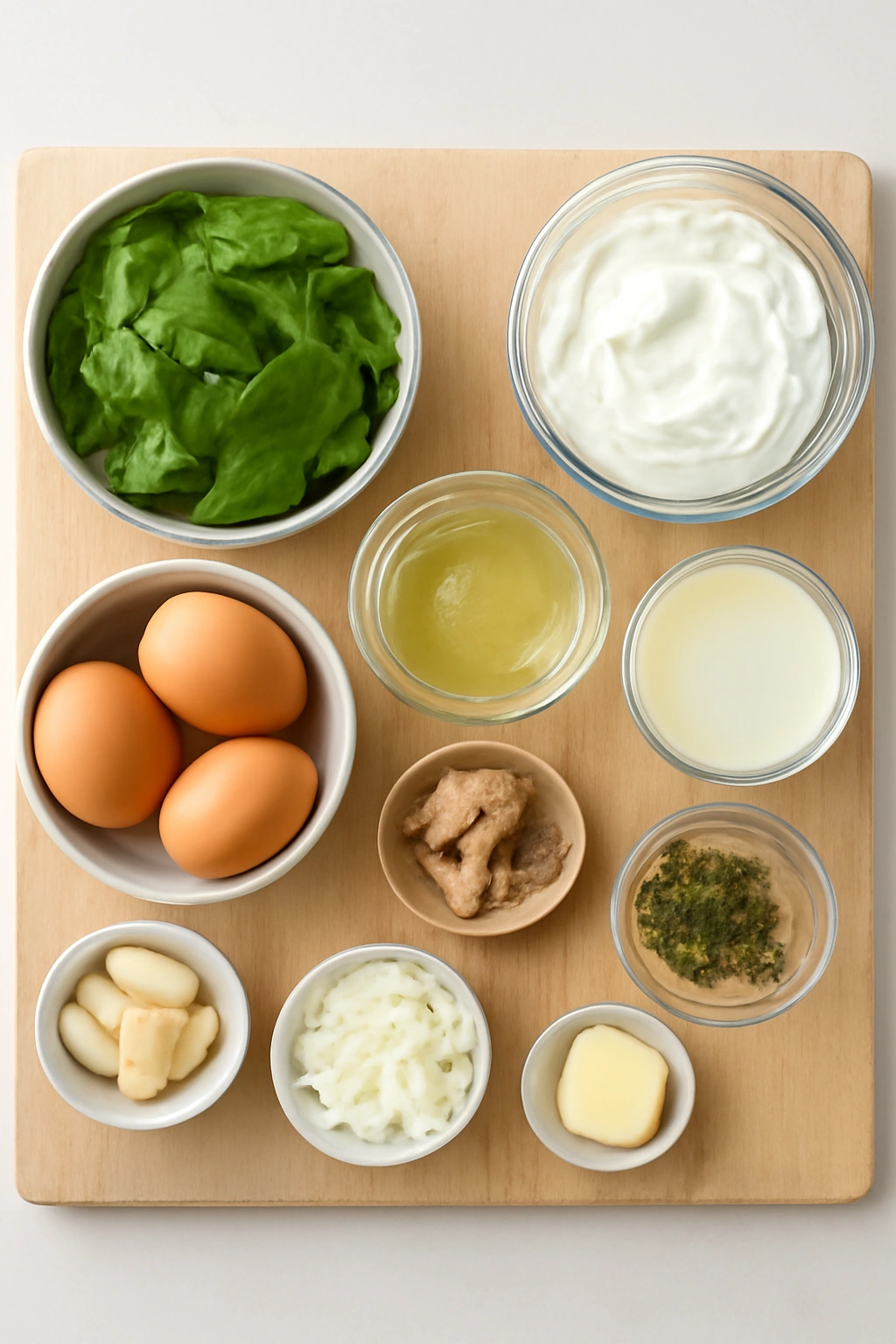
For the Crust (or skip for crustless):
- 1 store-bought frozen pie crust (thawed according to package directions), OR one homemade thin crust, OR the phyllo alternative below
- 1 tablespoon unsalted butter or neutral oil (for brushing a crustless pan or phyllo layers)
For the Filling:
- 5 large eggs
- 6 large egg whites
- ¾ cup low-fat Greek yogurt (2% fat) or strained low-fat cottage cheese, at room temperature
- ½ cup whole milk (2% or full-fat work equally well)
- ¼ teaspoon fine sea salt
- ⅛ teaspoon freshly ground black pepper
- ¼ teaspoon freshly grated nutmeg (just a whisper)
- 2 cups fresh spinach (loosely packed), roughly chopped
- 1 cup mushrooms (cremini or button), cleaned and sliced thin
- ½ medium yellow onion, sliced very thin
- 1 clove garlic, minced
- ¾ cup shredded Gruyère cheese (or sharp cheddar, or reduced-fat Jarlsberg)
- 1 tablespoon fresh thyme leaves (or 1 teaspoon dried thyme)
- 1 tablespoon unsalted butter or olive oil (for sautéing vegetables)
For Assembly:
- Cooking spray or butter (for preparing the pan)
Step-by-Step Instructions for Building Your Low-Calorie Quiche
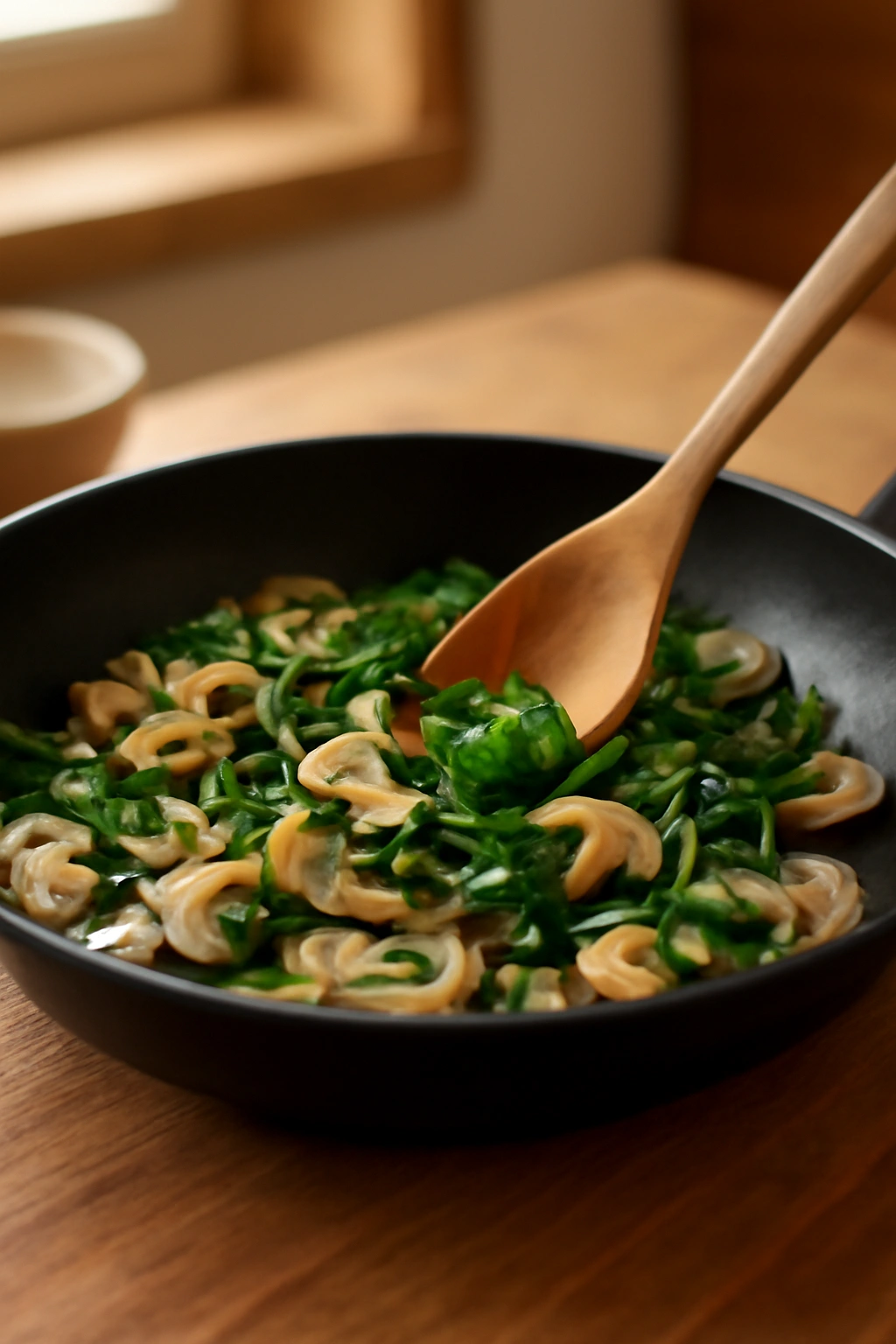
Prepare the Pan and Vegetables:
-
Preheat the oven to 375°F (190°C) and position the rack in the lower third of the oven — this helps the crust brown and ensures even cooking. If using a store-bought crust, place it in a nine-inch pie pan right from the freezer; if making crustless, grease a nine-inch pie pan generously with cooking spray or butter and set aside.
-
In a large skillet over medium heat, melt one tablespoon of butter or heat one tablespoon of olive oil. Add the sliced onions and cook gently for 3 to 4 minutes, stirring occasionally, until they become soft and translucent — you’re looking for that sweet stage just before they start to brown. Salt them lightly.
-
Add the minced garlic to the onions and cook for 30 seconds until fragrant, then add the sliced mushrooms. Increase the heat slightly to medium-high and cook for 4 to 5 minutes, stirring occasionally, until the mushrooms release their moisture and start to brown at the edges. This step is critical: mushrooms contain a lot of water, and by cooking them until they release and reabsorb that moisture, you’re concentrating their flavor and preventing a soggy quiche.
Advertisements -
Add the chopped spinach to the pan and cook, stirring constantly, for 1 to 2 minutes until it’s wilted down completely. The spinach will reduce to about half its original volume — that’s exactly what you want. Taste the vegetables and adjust the salt and pepper as needed. Transfer to a plate to cool slightly while you prepare the custard.
Make the Custard Filling:
-
In a large bowl, whisk together the five whole eggs and six egg whites vigorously for about 2 minutes until the mixture is pale, slightly frothy, and uniform in color. Don’t skip this step — the whisking incorporates air into the eggs, which helps them set into a tender custard rather than a dense one.
-
Add the Greek yogurt (or strained cottage cheese) to the eggs and whisk until completely smooth. Don’t be alarmed if it looks slightly curdled at first; keep whisking and it will come together. If you’re using cottage cheese, it may take 10-15 seconds of vigorous whisking to fully incorporate, but it will smooth out.
-
Add the milk, salt, pepper, and nutmeg and whisk until fully combined. The nutmeg is subtle here but absolutely essential — just an eighth of a teaspoon gives the custard that classic quiche flavor without being identifiable as nutmeg. Taste the mixture and adjust seasonings as needed — remember that salt will taste less pronounced once everything is baked, so don’t be shy.
-
Fold in the shredded cheese and fresh thyme gently, using a rubber spatula. Stir just until combined; you don’t want to overmix at this stage.
Assemble and Bake:
-
Spread the cooled vegetable mixture evenly across the bottom of the prepared pie crust (or crustless pan). Avoid piling vegetables thickly in one area — an even distribution means every slice will have the same balance of fillings.
-
Pour the custard mixture carefully over the vegetables, pouring in a slow, steady stream rather than all at once. This helps the vegetables stay in place and ensures even distribution. The custard should come to about ½ inch from the rim of the pan — this is why measuring is important here.
-
Place the quiche on a baking sheet (to catch any drips, which make cleanup infinitely easier) and transfer it to the preheated oven on the lower rack. Bake for 35 to 40 minutes, watching for visual cues rather than relying on time alone.
Advertisements -
The quiche is done when the edges have set and are just barely beginning to pull away from the sides of the pan, the filling jiggles slightly when you gently shake the pan, and a knife inserted about 1 inch from the center comes out clean but the very center still trembles slightly. Do not overbake. The center will continue to cook from residual heat after you remove it from the oven, and that carryover cooking is what brings it to perfection.
-
Remove the quiche from the oven and place it on a cooling rack. Let it rest for at least 10 minutes before cutting — this allows the proteins to set fully and ensures the slices hold together when plated. If you slice too early, the quiche will be slightly loose and may fall apart on the serving plate.
-
Slice into six or eight equal pieces using a sharp, thin-bladed knife (dip it in hot water and wipe it dry between slices for clean cuts). Serve warm, at room temperature, or chilled, depending on your preference.
Why This Quiche Works Better Than You’d Expect
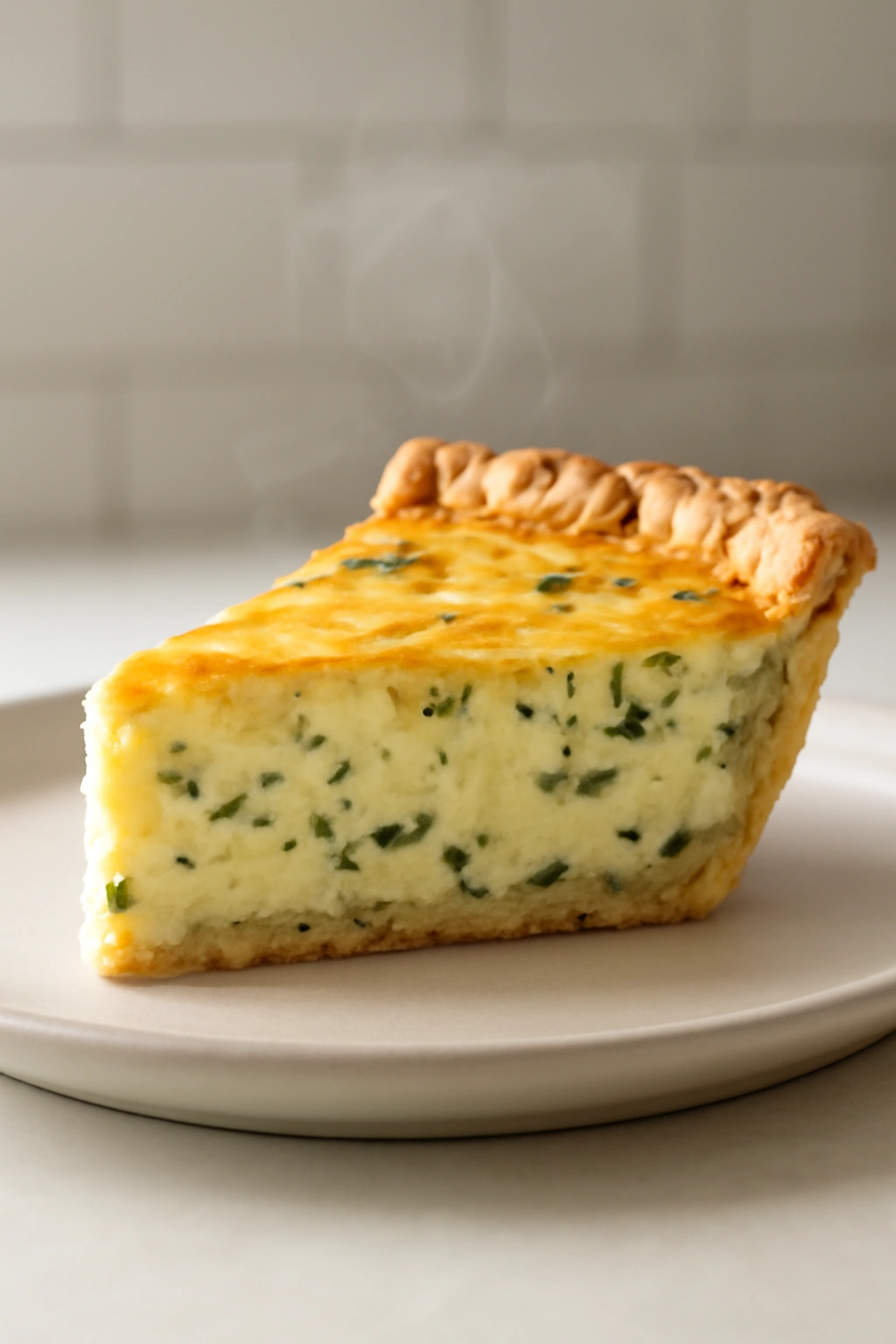
The combination of Greek yogurt and egg whites creates what feels like an impossible feat: a custard that’s simultaneously lighter in calories and richer in protein while maintaining that silky, creamy texture you expect from quiche. Greek yogurt is strained to remove whey, which concentrates the protein and makes it tangy — that tanginess mimics the subtle tang that cream sometimes has, adding complexity without fat. The egg whites contribute structure and set up a custard that’s slightly more delicate than an all-yolk version but with proper technique, it’s seamless.
The vegetable choice matters more than people realize. Spinach and mushrooms aren’t just there for nutrition — they add volume, fiber, and moisture that makes the quiche feel abundant even though the slice might be smaller than you’re used to. Mushrooms in particular are almost 90 percent water, so they add size and substance with virtually zero calories. The sautéing step concentrates their flavor so they deliver real depth instead of just watery texture.
The ratio of cheese is deliberately conservative here: ¾ cup shredded cheese in an eight-slice quiche is about 3 tablespoons per slice. That’s enough to taste real cheese flavor without the quiche becoming a cheese vehicle. Gruyère works particularly well in this application because it’s a harder cheese with intense flavor, so a little goes a long way — unlike mild cheddar or mozzarella where you’d feel tempted to use more to get actual cheese taste.
Common Mistakes That Ruin Quiche Every Single Time
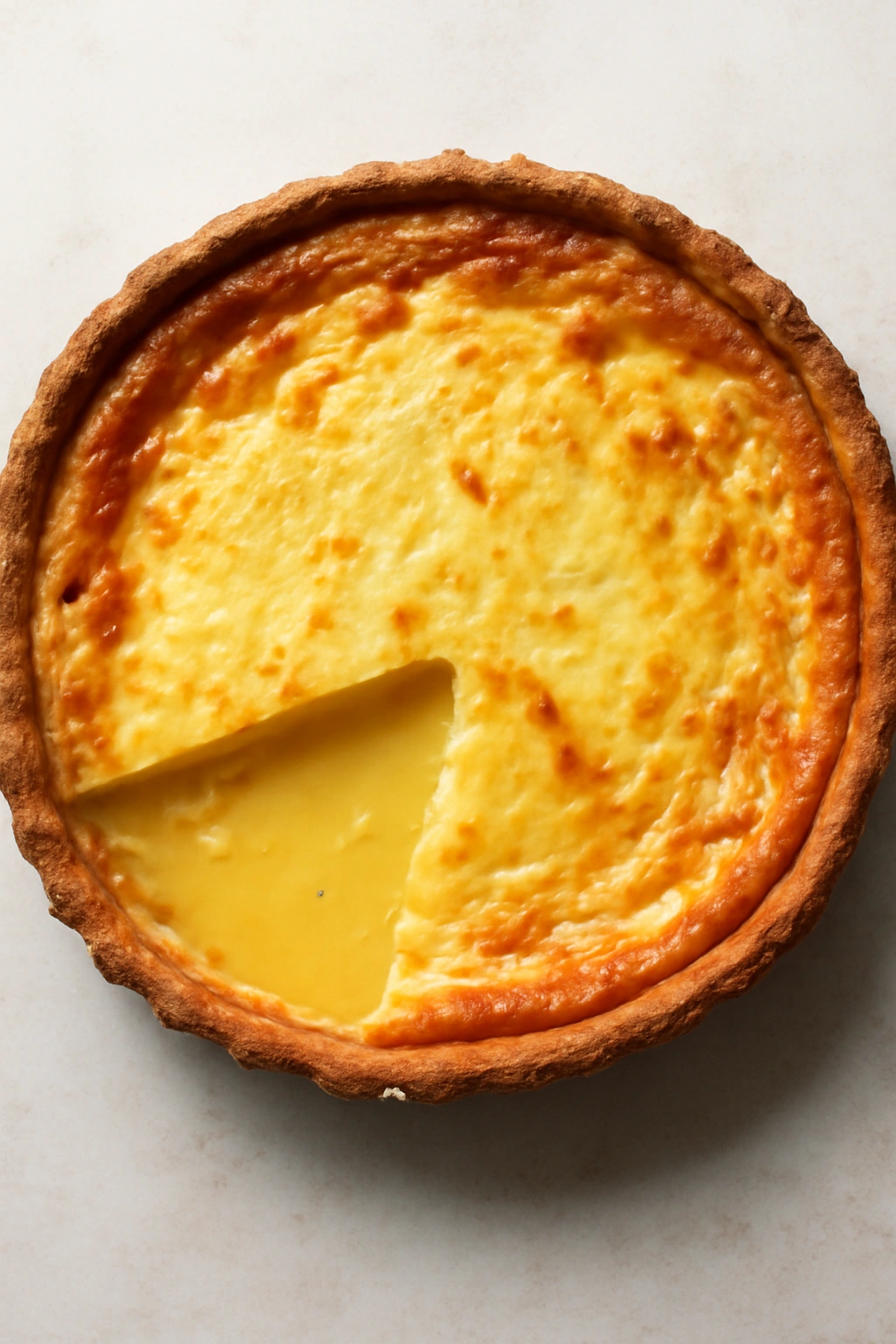
Even experienced cooks can end up with a separated, grainy, or runny quiche if they skip a few critical steps. Knowing what goes wrong and why is the difference between quiche mastery and repeated frustration.
Overbaking Is the Number-One Culprit
This happens to everyone at least once. The quiche looks solid on the edges, you think it might be done, you wait another 5 minutes to be safe, and suddenly the whole thing is separated and curdled. What’s happening is that the eggs have tightened so much from heat that they’ve squeezed out the liquid — you end up with a custard that’s grainy, slightly rubbery, and weeping liquid. The solution is trusting the jiggle test completely. A slight tremor in the very center when you gently shake the pan is the bullseye. That center will set as the quiche cools. If you’re not sure, always err on the side of underdone; you can’t fix overcooked.
Skipping the Vegetable Sauté
Some recipes suggest adding raw vegetables straight to the filling to save time. This is a mistake that creates a watery quiche. Raw vegetables release moisture during baking, and that moisture has nowhere to go — it pools at the bottom or creates a soggy crust. The sauté step isn’t just about flavor; it’s about controlling moisture. By cooking vegetables ahead and allowing some moisture to evaporate, you’re ensuring that the filling sets up cleanly instead of swimming.
Not Whisking the Eggs Enough
Quickly beating eggs and moving on might save 90 seconds, but it costs you in texture. Vigorous whisking incorporates air, which helps the custard set into something tender and light rather than dense. Aim for 2 solid minutes of whisking — your arm will feel it, and the eggs will look noticeably paler and slightly frothy when you’re done.
Using Ingredients Straight From the Fridge
Cold custard ingredients set unevenly. If your eggs, yogurt, and milk are cold when you combine them, the filling takes longer to come to temperature in the oven, which means the edges can overcook while waiting for the center to set. Let ingredients sit on the counter for 15-20 minutes before mixing — they don’t need to be warm, just at room temperature.
Cutting Into the Quiche Too Soon
This is genuinely hard to resist, especially when it smells incredible, but cutting into a warm quiche before it’s cooled at least 10 minutes will result in slices that fall apart or pool with custard. Those 10 minutes aren’t wasted time — they’re setting time. Be patient.
Filling the Pan Too Full
If the custard mixture comes much above the rim of the crust, it will overflow in the oven and create a mess. It also means you’ve packed too much filling into the quiche itself, which throws off the texture ratio. Aim for the custard to come to about ½ inch below the rim. If you have excess filling, you can bake it separately in a small ramekin.
Pro Tips for Perfect Results Every Single Time
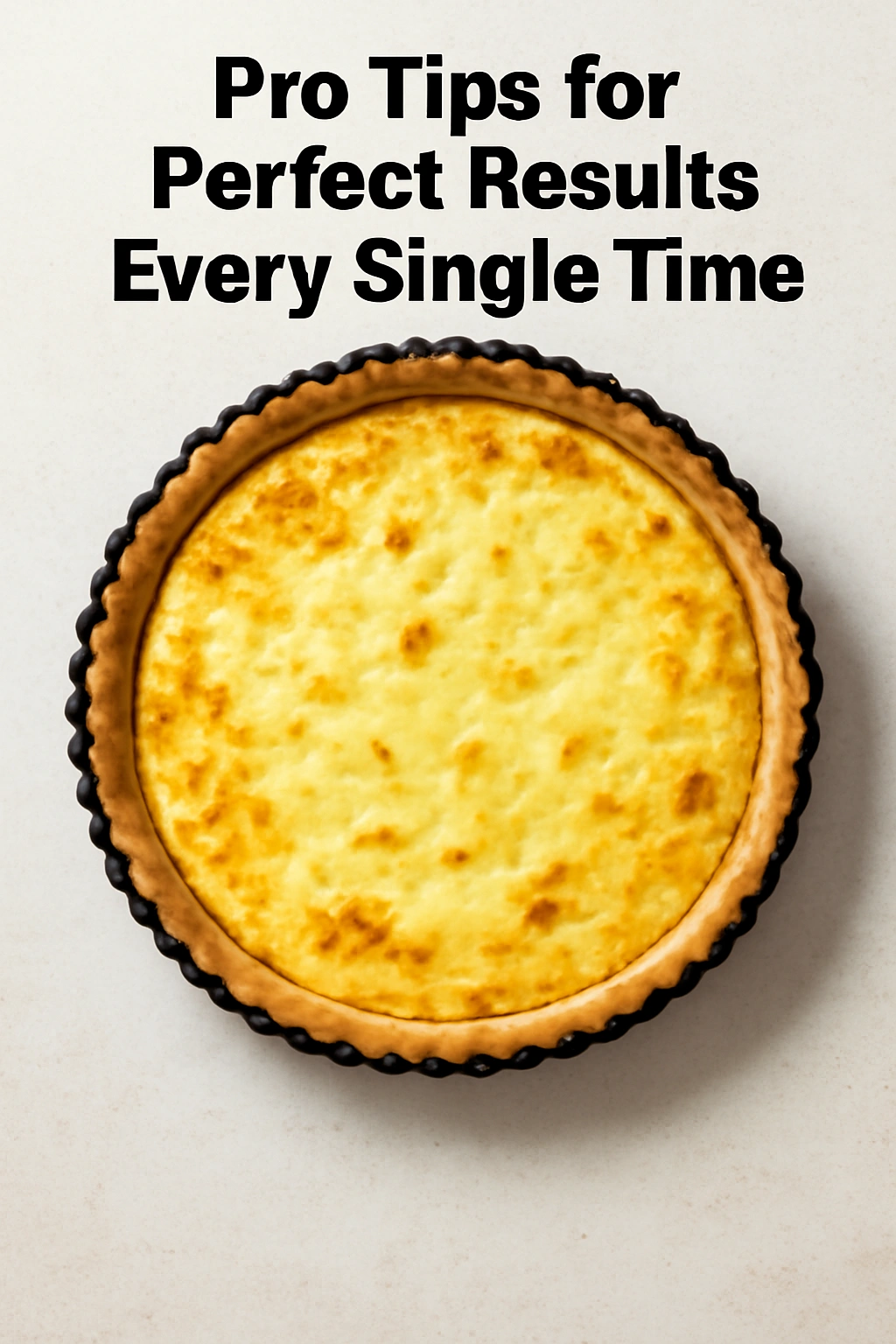
Real expertise in quiche making comes from understanding these small details that transform a decent quiche into one that makes people ask for your recipe.
Blind-Bake the Crust Briefly (If Not Using Phyllo)
If you’re using a store-bought frozen crust, skip this. But if you’re making your own pastry crust, a brief blind bake helps. Place the crust in the pan, prick it all over with a fork, and cover it loosely with foil. Fill the foil with dried beans or pie weights and bake at 375°F for 8-10 minutes until the edges just start to set but the bottom is still pale. This prevents a soggy bottom crust because the short pre-bake drives off some moisture before the wet filling goes in.
Toast the Cheese Lightly Before Adding It
This seems unnecessary, but toasting shredded cheese in a dry skillet over medium heat for about a minute concentrates its flavor and helps it melt more evenly into the custard. Plus, it drives off some surface moisture, which means the cheese incorporates better without creating pockets of unmelted cheese in the finished quiche.
Season in Layers, Not All at Once
Season the vegetables as they cook, then taste the custard mixture before baking. This prevents under-seasoning, which is the most common quiche flaw. A properly seasoned quiche tastes more flavorful and satisfying even if it’s lower in fat.
Use a Lower Oven Rack for Even Cooking
The lower rack position ensures the bottom crust gets enough heat to brown and set properly while the custard bakes through. If the rack is too high, the top can brown before the center sets.
Invest in a Reliable Oven Thermometer
Most home ovens are off by 10-25 degrees, and that variation completely changes baking time. A simple oven thermometer costs $10-15 and removes the guesswork from knowing whether your oven actually runs at 375°F or runs hot or cold.
Make the Filling While Vegetables Cool
This multitasking step saves time and keeps momentum going. Whisk eggs while vegetables are cooking and cooling, so by the time you’ve finished sautéing, your filling is ready to assemble.
Flavor Variations and Mix-In Ideas
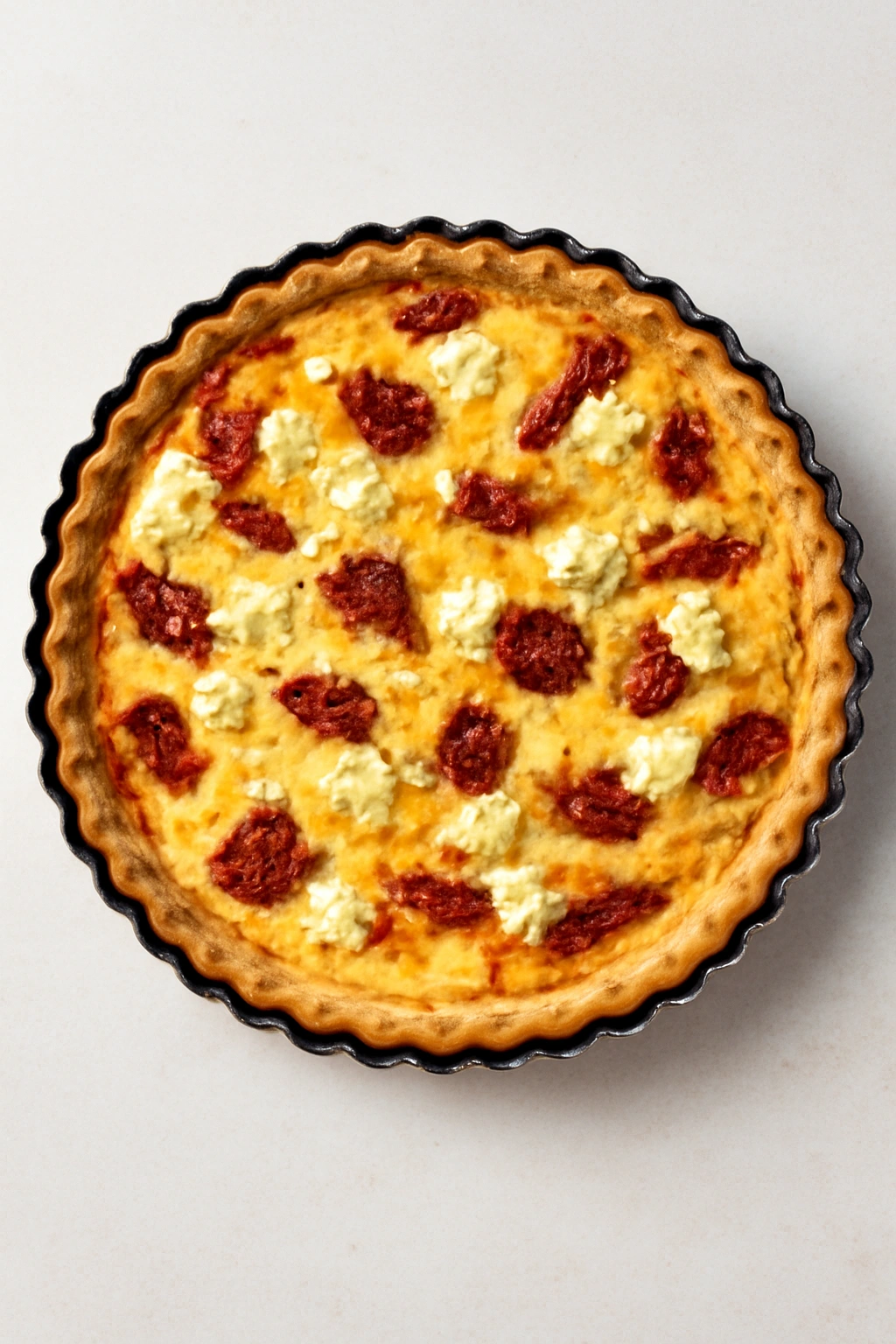
The spinach-and-mushroom version is a classic for good reason, but the low-calorie framework works beautifully with virtually any vegetable or filling combination. The key is maintaining the 3:1 ratio of vegetables to cheese and keeping total vegetables to about 3 cups (which accounts for the reduction that happens during cooking and in the oven).
Sun-Dried Tomato and Goat Cheese
Replace the spinach and mushrooms with sun-dried tomatoes (about ⅔ cup, chopped), fresh zucchini (1 cup, sliced thin and sautéed with the onions until tender), and a handful of fresh basil. Use crumbled goat cheese instead of Gruyère — about ½ cup, which brings you to roughly the same calorie count while delivering a completely different flavor profile. Add a pinch of dried oregano to the custard. This version tastes Mediterranean and pairs beautifully with a simple green salad dressed with balsamic vinegar.
Caramelized Onion and Herb
Slice two large onions very thin and cook them low and slow over medium heat for about 20 minutes, stirring frequently, until they’re deeply golden and starting to stick to the pan (that sticking is caramelization, and it’s where the flavor happens). Deglaze the pan with a tablespoon of balsamic vinegar to pull up all the browned bits. Use these as your primary vegetable (about 2 cups once cooked down), add one cup of fresh spinach at the end, and use sharp cheddar as your cheese. The caramelized sweetness of the onions means you barely notice the lighter custard — all you taste is deep, rich flavor.
Broccoli, Cheddar, and Bacon
Toast small broccoli florets (about 2 cups) in a hot skillet with a tiny bit of oil until they’re lightly browned and tender, which takes about 5-7 minutes. Combine with two ounces of cooked, chopped bacon (which adds about 40 calories per slice but delivers massive flavor), a quarter-cup diced roasted red pepper, and sharp cheddar cheese. If you use bacon, reduce the salt in the custard slightly since bacon is salty.
Asparagus, Gruyère, and Lemon Zest
Fresh asparagus (about 2 cups, cut into 1-inch pieces and lightly sautéed) combined with Gruyère and the zest of one lemon in the custard creates a springtime-perfect quiche that’s bright without being acidic. Add a tablespoon of fresh chives to the custard mixture as well. This version is particularly good served at room temperature.
Roasted Red Pepper, Artichoke Heart, and Feta
A jar of roasted red peppers (drained and chopped, about 1 cup) and frozen artichoke hearts (thawed, drained, and chopped, about 1 cup) create a Mediterranean flavor profile that pairs beautifully with crumbled feta cheese. Add a quarter teaspoon of smoked paprika to the custard to deepen the flavor.
The Add-Anything Formula
The formula that works for all variations: start with 2 cups of cooked, cooled vegetables (accounting for reduction), add 0.5-0.75 cups shredded cheese, season with one fresh herb or a quarter teaspoon of a dried spice, and fill the rest with protein (a couple of ounces of cooked meat, if you want it). This formula keeps calories consistent and texture reliable across whatever flavor combination you dream up.
Make-Ahead Strategies So Brunch Actually Happens
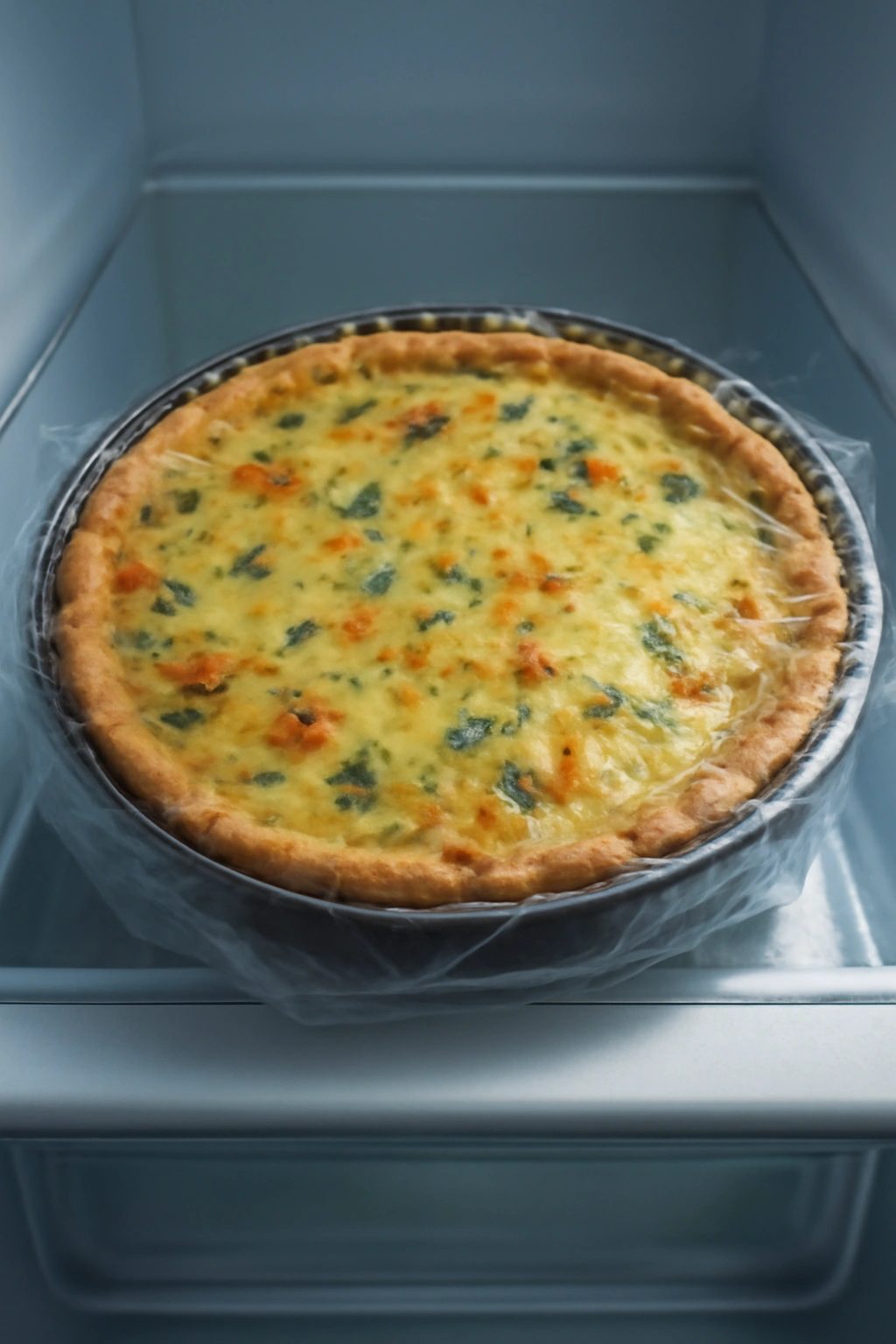
One of the biggest advantages of quiche is that it handles advance preparation beautifully, which makes it genuinely practical for brunch hosting.
Assemble the Day Before
Mix the custard filling, prepare all vegetables, and even assemble the whole quiche up to 24 hours ahead. Cover it tightly with plastic wrap and refrigerate. Bake straight from cold — just add about 5-7 minutes to the baking time since the filling will take longer to come to temperature. This approach means your morning is completely stress-free; you just pop it in the oven and wait.
Freeze the Assembled Quiche
An unbaked assembled quiche can be frozen for up to two months. Wrap it tightly in plastic wrap, then foil, and label it with the date. When you’re ready to bake, you don’t even need to thaw it — just add 10-15 minutes to the baking time. This is the ultimate convenience move for someone who meal-preps or likes to have brunch options ready.
Pre-Cook Vegetables Days Ahead
Sauté vegetables two or three days before you plan to make quiche. Store them in an airtight container in the fridge. When you’re ready to assemble, the vegetables are ready to go, and the mixing and baking process takes less than an hour.
Make the Crust Ahead (If Making From Scratch)
Pie dough benefits from at least an hour of refrigeration before baking, and it can be made up to three days ahead and kept in the fridge, or frozen for up to three months. This removes what many people consider the hardest part of quiche making.
How to Reheat Without Compromising Texture
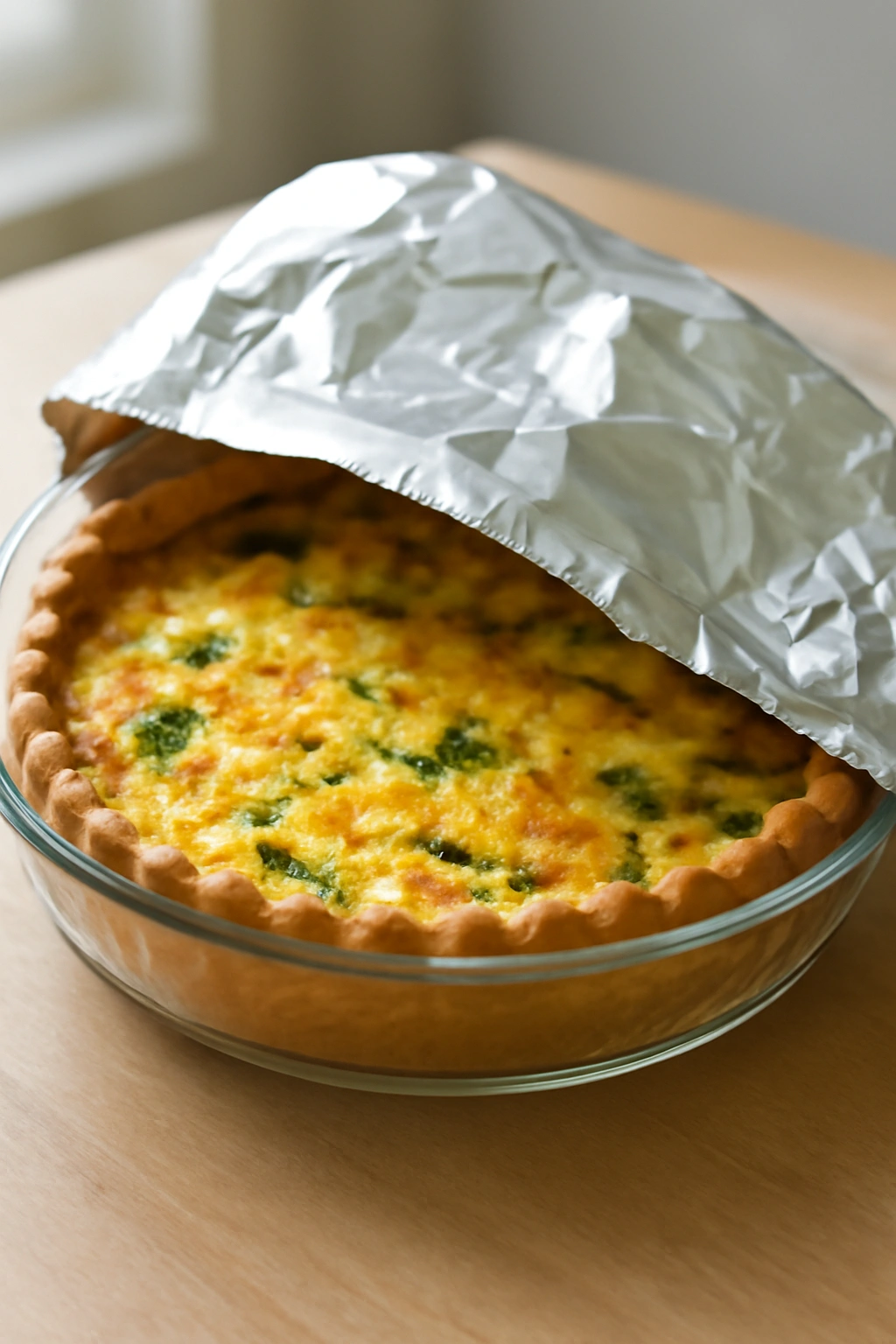
Quiche is delicious warm from the oven, equally good at room temperature, and still very good cold straight from the fridge. But reheating is where many people go wrong.
The Gentle Oven Method
Preheat your oven to 325°F (160°C). Place the quiche (whole or sliced) on a baking sheet, cover loosely with foil, and warm for 12-15 minutes until heated through. This slow, gentle approach prevents the custard from drying out or the edges from becoming tough. The foil is essential — it prevents the top from browning too much while the inside warms.
Why Not the Microwave
Microwaving quiche is technically possible, but the results are usually disappointing. Microwaves heat unevenly, which means the cheese gets scalding hot while other parts are still cool, and the custard can separate. If you’re in a true time crunch, use a microwave for only 20-30 seconds at 50 percent power, checking after each interval.
Room Temperature Is Often Perfect
Quiche at room temperature (pulled from the fridge 30 minutes before serving) is genuinely fantastic. You lose none of the texture, the flavors come forward more than when it’s cold, and there’s no reheating involved. This is how French restaurants often serve it.
Storing Leftovers Properly
Covered tightly in the fridge, quiche keeps for four to five days. In the freezer (wrapped well in plastic and foil to prevent freezer burn), it keeps for up to three months. Thaw frozen quiche in the fridge overnight before reheating, not at room temperature, which can create food-safety issues with the egg-based filling.
Perfect Pairings and Serving Suggestions for Brunch
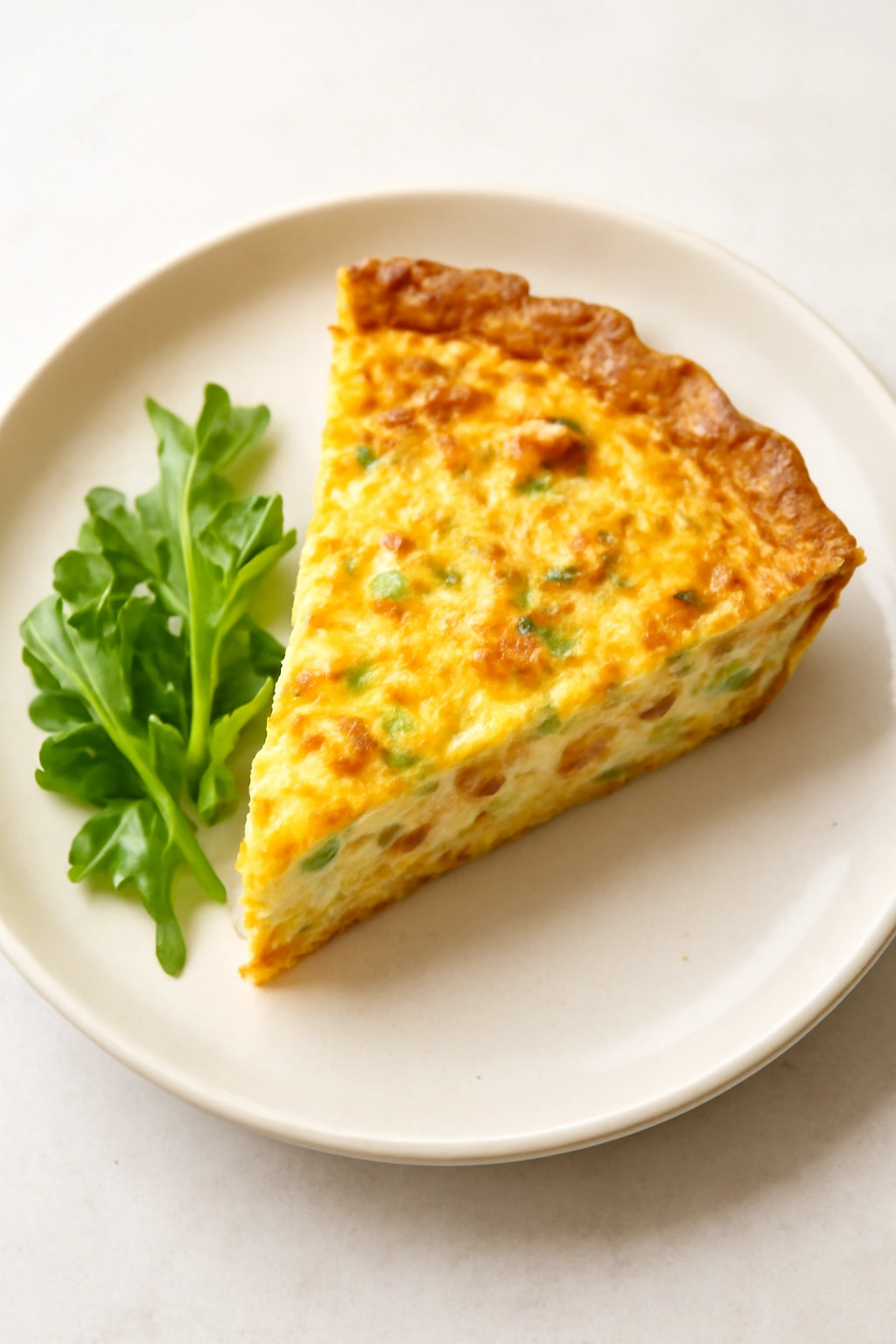
Quiche is a complete protein, so you don’t need much to build a satisfying brunch, but the right sides elevate the experience significantly.
A Simple Green Salad
A handful of peppery arugula or tender mixed greens tossed with a light lemon vinaigrette or Champagne vinaigrette balances the richness of quiche beautifully. The acidity and slight bitterness cleanse your palate and add brightness. Keep the dressing minimal — a 3:1 ratio of good oil to acid, plus salt and pepper. This is elegant and takes literally two minutes.
Roasted or Grilled Asparagus
Fresh asparagus tossed with a touch of olive oil, salt, and pepper, then roasted at 400°F for 8-10 minutes or grilled until lightly charred, pairs as though they were made for each other. Finish with a squeeze of fresh lemon. This is particularly beautiful if your quiche is spring-themed with asparagus or herbs.
Crusty Bread and Cultured Butter
A thick slice of good sourdough bread, toasted lightly and slathered with salted butter or a cultured butter (like Kerrygold or a French butter), is the perfect textural complement. The crust of the bread against the custard of the quiche creates an interesting textural contrast.
Fresh Fruit
Berries, melon, stone fruit, or citrus provide refreshing contrast and take up plate space without adding heaviness. A simple fruit salad tossed with a tiny bit of fresh mint is bright and elegant.
Crusty Cheese and Charcuterie
A small board with aged cheese (a nice Gruyère, Comté, or aged Gouda), a couple of slices of prosciutto or coppa, and some cornichons creates a sophisticated European-style brunch. The saltiness and chew of the cured meat balances the quiche perfectly.
Sparkling Wine or Prosecco
A glass of chilled Prosecco, Champagne, or a dry sparkling wine is practically mandatory. The bubbles and acidity cut through the richness of the quiche and add celebration to the meal. If you prefer non-alcoholic options, sparkling water with fresh lemon or a light herbal tea works beautifully.
Herbal Tea
A pot of fresh-brewed chamomile, peppermint, or a light herbal blend pairs surprisingly well with quiche. This is particularly nice for brunch that happens earlier in the day or a daytime brunch where alcohol doesn’t fit.
A Simple Tomato Sauce
For a more substantial brunch, a bright tomato sauce on the side (fresh tomato sauce with garlic and basil, not a heavy Bolognese) adds another element without being heavy. Serve at room temperature in a small bowl for dipping or drizzling.
Final Thoughts

Low-calorie doesn’t mean sacrifice, and this quiche proves it better than almost any other dish. By understanding custard chemistry and respecting the fundamentals of what makes quiche work, you end up with something that’s lighter in calories but genuinely richer in satisfaction than you’d expect. The Greek yogurt and egg-white combination isn’t a trick or a hack — it’s a legitimate ingredient choice that creates the texture and richness you want while leaving room for actual flavor development.
The real power of this quiche is that it becomes something you can make regularly without guilt. Most diet-focused recipes are designed as special-occasion foods because they require willpower and sacrifice. This one is just a better way to make something you already love. Serve it for brunch with friends, cut a slice for lunch, or reheat a piece for a satisfying dinner. It’s the kind of recipe that pays for itself in frequency of use, which means it actually becomes part of your cooking repertoire instead of gathering dust on a recipe card.
Once you’ve mastered the basic technique and built confidence with the vegetable-and-cheese ratios, you’ll start seeing quiche possibilities everywhere — in every vegetable combination you enjoy, in every cheese you want to highlight, in every flavor profile you’re craving. That’s when you know you’ve moved from following a recipe to actually understanding quiche. That’s when the real brunch freedom begins.
