



There’s a reason this Million Dollar Pasta has become a viral sensation across social media and dinner tables everywhere—it genuinely tastes like an indulgence despite using everyday ingredients from your grocery store. The name isn’t about the cost of what goes into the dish; it’s about how each bite makes you feel. Rich, creamy, deeply satisfying, and absolutely worth the minimal effort required, this baked pasta casserole hits that sweet spot between comfort food and something fancy enough for a crowd.
Unlike traditional lasagna, which demands patience to layer perfectly thin noodles and coordinate your timing so everything stays intact during assembly, Million Dollar Pasta gets all the decadence with a fraction of the fuss. You’re working with spaghetti noodles, which means there’s no finicky layering—just toss, spread, and bake. The result is a casserole that eats like lasagna’s richer, more indulgent cousin, with creamy cheese pockets throughout and bubbling golden edges that catch every time you take a forkful.
Why This Casserole Deserves Its Name
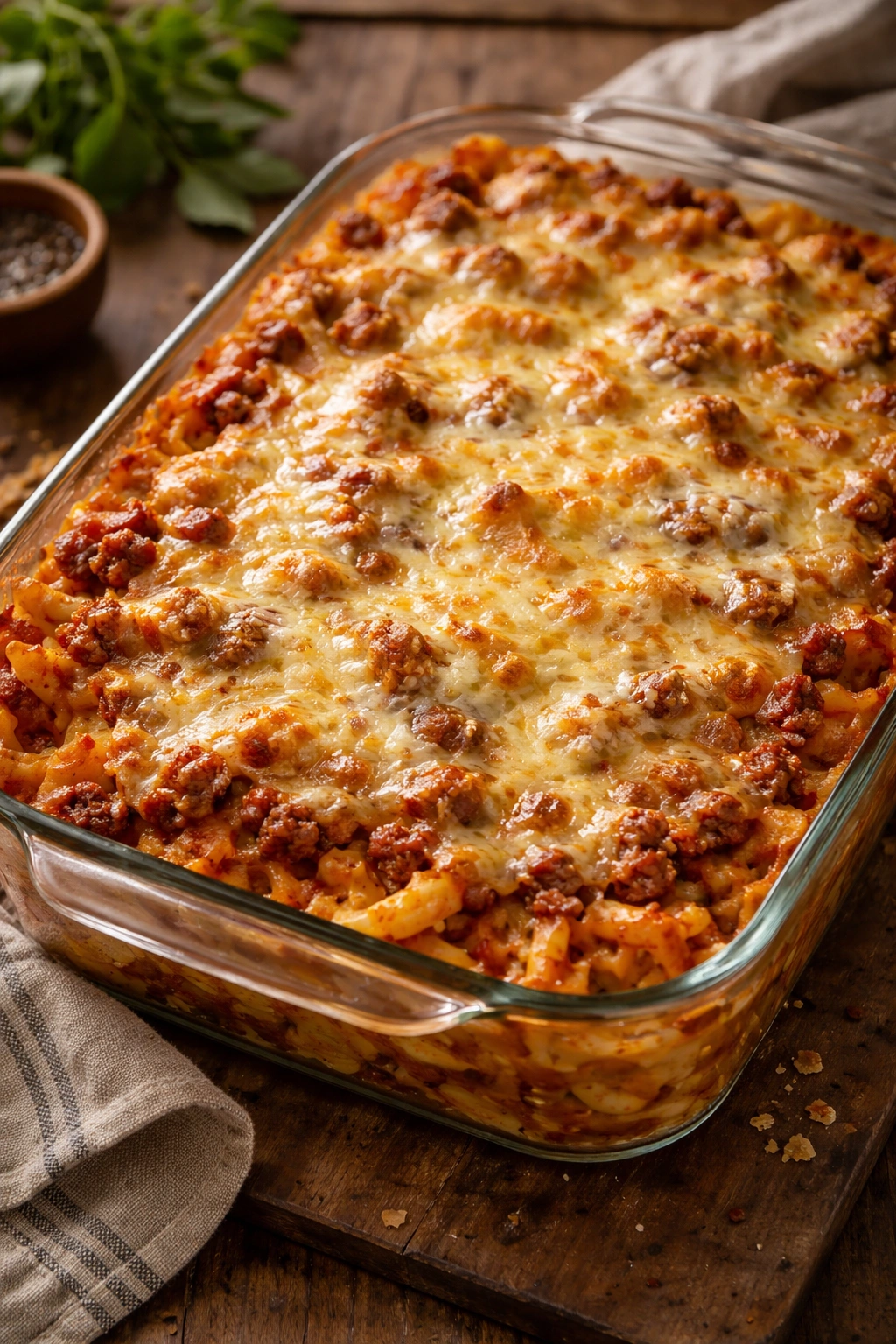
The genius of Million Dollar Pasta lies in what happens when you combine three distinct flavor elements in one dish. You’re not just eating saucy noodles; you’re experiencing the interplay between a robust, meaty tomato sauce, a silky cheese layer that binds everything together, and spaghetti that’s cooked just enough to soak up all those flavors without turning mushy.
What makes people come back for seconds—and thirds—is how the cheese layers meld with the pasta during baking. As the casserole sits in the oven, everything fuses together in a way that feels far more sophisticated than the ingredient list suggests. The cream-based cheese mixture nestles between layers of noodles and meat sauce, creating pockets of richness that balance the acidity of the tomato sauce perfectly.
The name also hints at what people often say after their first bite: this tastes like you spent serious time and money making it. Budget-friendly doesn’t usually mean restaurant-quality comfort, but this dish proves that assumption wrong every single time.
Understanding the Three Layers That Make It Work
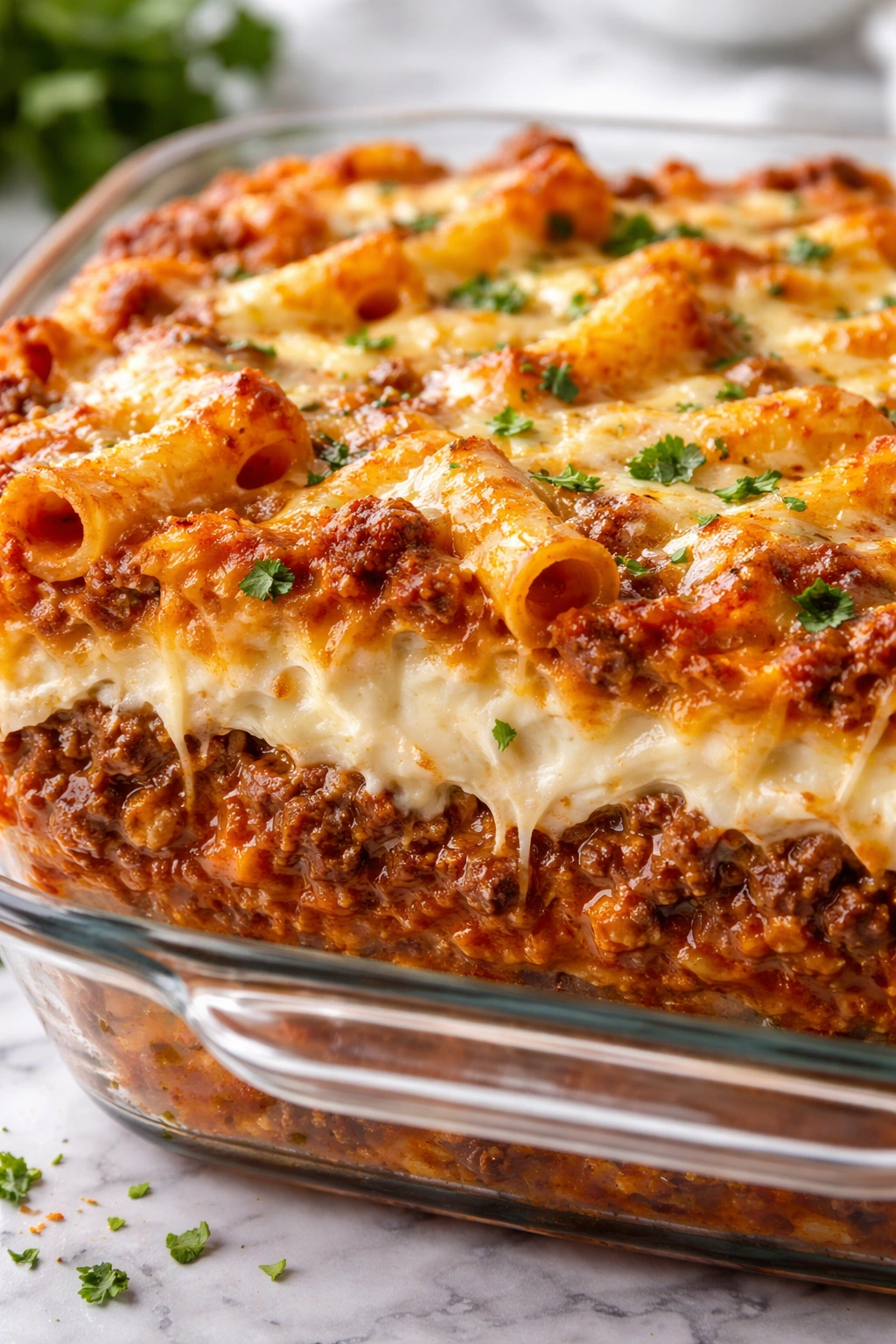
Every element of Million Dollar Pasta serves a specific purpose, and understanding why each component matters will help you execute the recipe with confidence. The three layers are distinct enough to keep the casserole interesting, yet they work together seamlessly once everything bakes.
The Meat Sauce Layer forms the foundation of flavor. Whether you choose ground beef, Italian sausage, or a combination of both, this layer needs enough body and seasoning to stand up to the richness of the cheese mixture. The sauce should be flavorful enough that you’d happily eat it straight from the pan—not thin, watered-down, or underseasoned. A 20 to 30-minute simmer allows flavors to deepen and concentrate, transforming raw ground meat and jarred sauce into something that tastes homemade.
The Creamy Cheese Layer is where the “million dollar” magic happens. This is the element that makes the casserole feel luxurious and decadent. Rather than being a thin glue holding things together, this layer should be substantial and generous—something you can actually see and taste in every forkful. It counterbalances the acidity of the tomato sauce and adds a silky richness that takes the dish from good to genuinely memorable.
The Pasta Layer acts as the neutral canvas that absorbs and carries both the meat sauce and cheese mixture. Cooking spaghetti just until al dente (firm to the bite) is crucial because the noodles continue cooking in the oven. Overcooked pasta becomes mushy and loses the pleasant texture that makes this casserole satisfying to eat.
Choosing Your Meat: Beef, Sausage, or Both
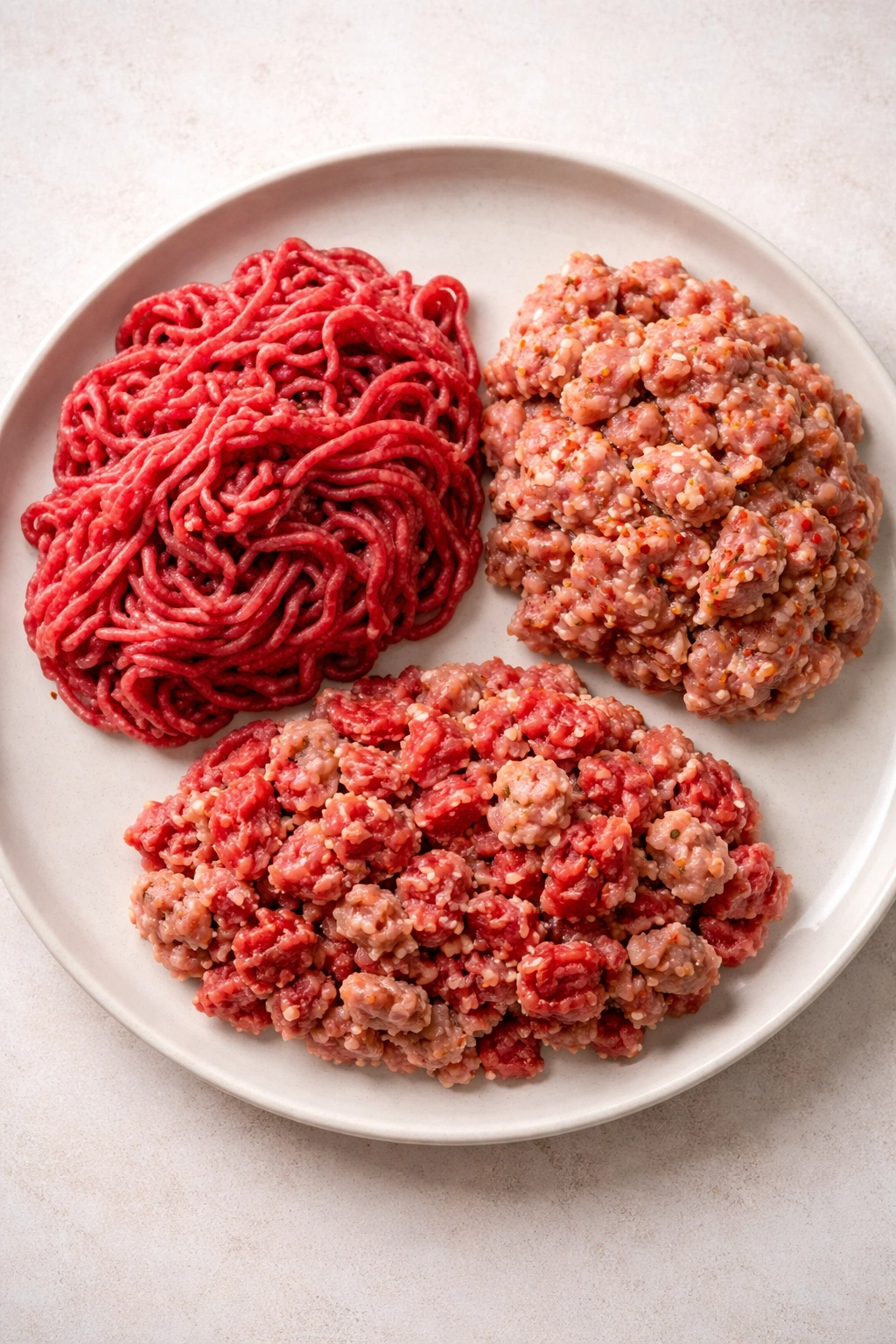
The decision about which meat to use is genuinely important because it sets the flavor profile for the entire dish. You have complete flexibility here, and what you choose should depend on your preferences and what you have on hand.
Ground beef alone works perfectly well and is the most economical choice. A pound of lean ground beef creates a straightforward, savory sauce that lets the other flavors shine. If you go this route, season it generously—ground beef is milder than sausage, so salt, pepper, and herbs become even more important. The sauce will be lighter and less spiced, which some people prefer because it keeps the focus on the creamy cheese layers.
Italian sausage alone brings significantly more personality to the dish. Whether you choose mild or spicy depends on your heat tolerance, but either way, sausage has built-in seasoning and fat that creates a richer, more interesting sauce. The downside is that sausage costs a bit more, and some people find the flavor slightly overpowering if that’s all you use.
A combination of both beef and sausage (typically a pound of each, though you can adjust the ratio) is what many home cooks prefer. The beef adds volume and mild meatiness, while the sausage brings bold flavor and seasonings. Together, they create a sauce with complexity and depth that feels more sophisticated than either one alone. This is the version most often shared in viral recipe videos because the flavor payoff is genuinely noticeable.
Ground turkey or chicken can substitute for beef if you prefer poultry, though you’ll want to adjust seasonings since these meats are leaner and more neutral-tasting. Plant-based meat alternatives work as well, though they absorb sauce differently and may need additional seasoning to shine.
The Creamy Cheese Layer: Where the Magic Happens
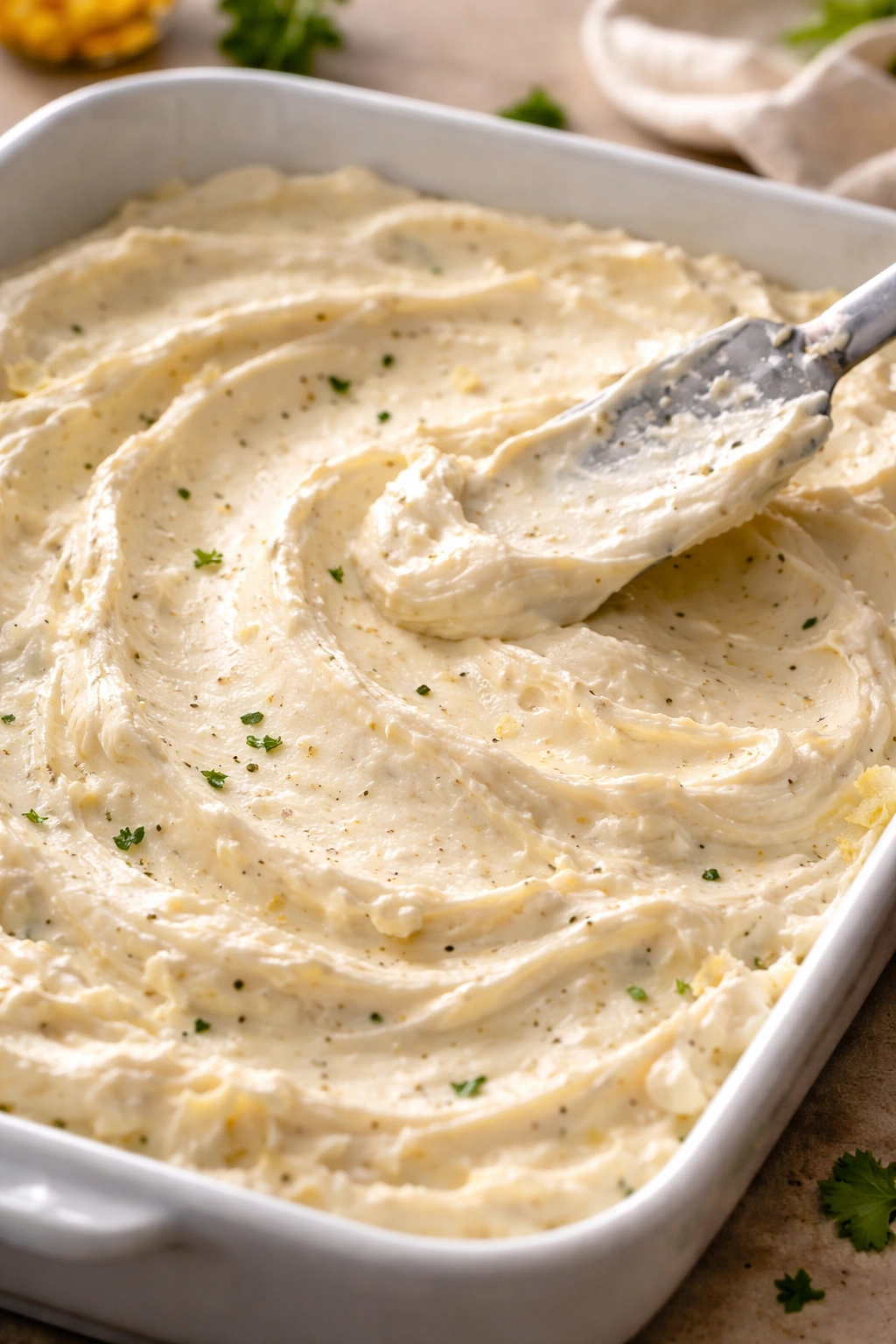
This is the component that separates a good baked pasta from one that tastes million-dollar worthy. The creamy cheese mixture should be smooth, generous, and rich enough that you can taste it distinctly in every bite.
The traditional approach uses a combination of cream cheese, ricotta (or cottage cheese), and sour cream. Cream cheese is non-negotiable—it provides the silky base and luxurious mouthfeel. Make absolutely sure it’s softened to room temperature before mixing, otherwise you’ll end up with tiny lumps throughout instead of a smooth spread. Microwaving it for 20-30 seconds works in a pinch if you’ve forgotten to plan ahead.
Ricotta cheese (or cottage cheese as a substitute) adds volume and a slight tanginess that brightens the richness. Whole milk ricotta is better than part-skim because it contributes more richness, and it mixes more smoothly. If you use cottage cheese, just make sure it’s not too watery—drain it briefly if liquid has accumulated in the container.
Sour cream ties everything together with a touch of tang that prevents the cheese layer from feeling one-dimensional. It also helps achieve the right consistency—creamy enough to spread but not so thick that it doesn’t meld with the pasta during baking.
Some variations use a béchamel sauce (butter, flour, milk, and cheese) instead of or in addition to the cream cheese mixture, creating an even silkier layer. You can also add extra Parmesan cheese to the mixture for more punch, or incorporate fresh basil or Italian seasoning directly into the cheese layer if you want additional flavor.
Selecting Sauces and Building Deep Flavor
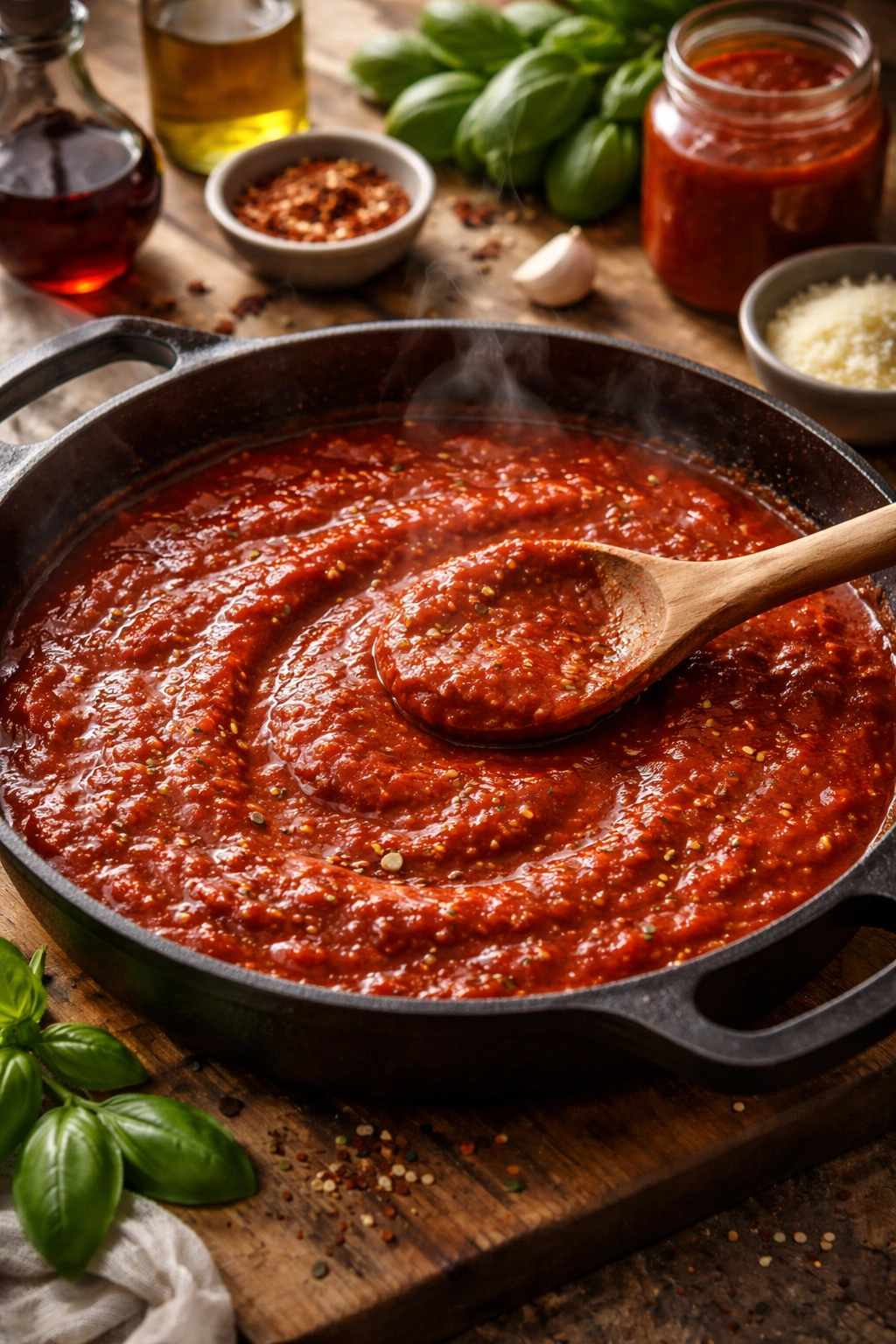
The marinara or spaghetti sauce you choose matters more than you might think because it’s the dominant flavor note throughout the entire casserole. This isn’t the place to buy the cheapest option; a quality sauce makes an absolutely noticeable difference.
Store-bought marinara sauce is completely acceptable and used in most home versions of this recipe. Many people swear by specific brands—Rao’s is frequently mentioned for its depth and minimal sugar content, though it does cost more than standard grocery store options. Whatever you choose, read the ingredient label and pick a sauce you actually enjoy eating straight from the jar. That’s your baseline flavor.
You’ll need roughly 24-48 ounces of sauce depending on which recipe variation you’re following and how saucy you like your pasta. Some home cooks add the full amount of jarred sauce to the meat mixture and let everything simmer together, while others reserve a portion to use in the layers, creating more sauce pockets throughout the casserole.
Building deeper flavor happens when you take a few extra minutes with the meat sauce. Sauté your onions and garlic until fragrant before adding the ground meat. Let the meat brown fully and develop color—this takes 8-10 minutes and creates richer, more complex flavors through the Maillard reaction. Stir in tomato paste and let it cook for a minute to caramelize slightly before adding your sauce. These small steps transform a serviceable sauce into something noticeably more sophisticated.
Some cooks add a pinch of sugar to balance acidity, dried Italian seasoning for complexity, or even a splash of balsamic vinegar for depth. A tiny amount of fish sauce (just 1/2 teaspoon) rounds out flavors beautifully but fades into the background so you won’t taste it directly—it just makes everything taste richer and more developed.
The Complete Million Dollar Pasta Recipe
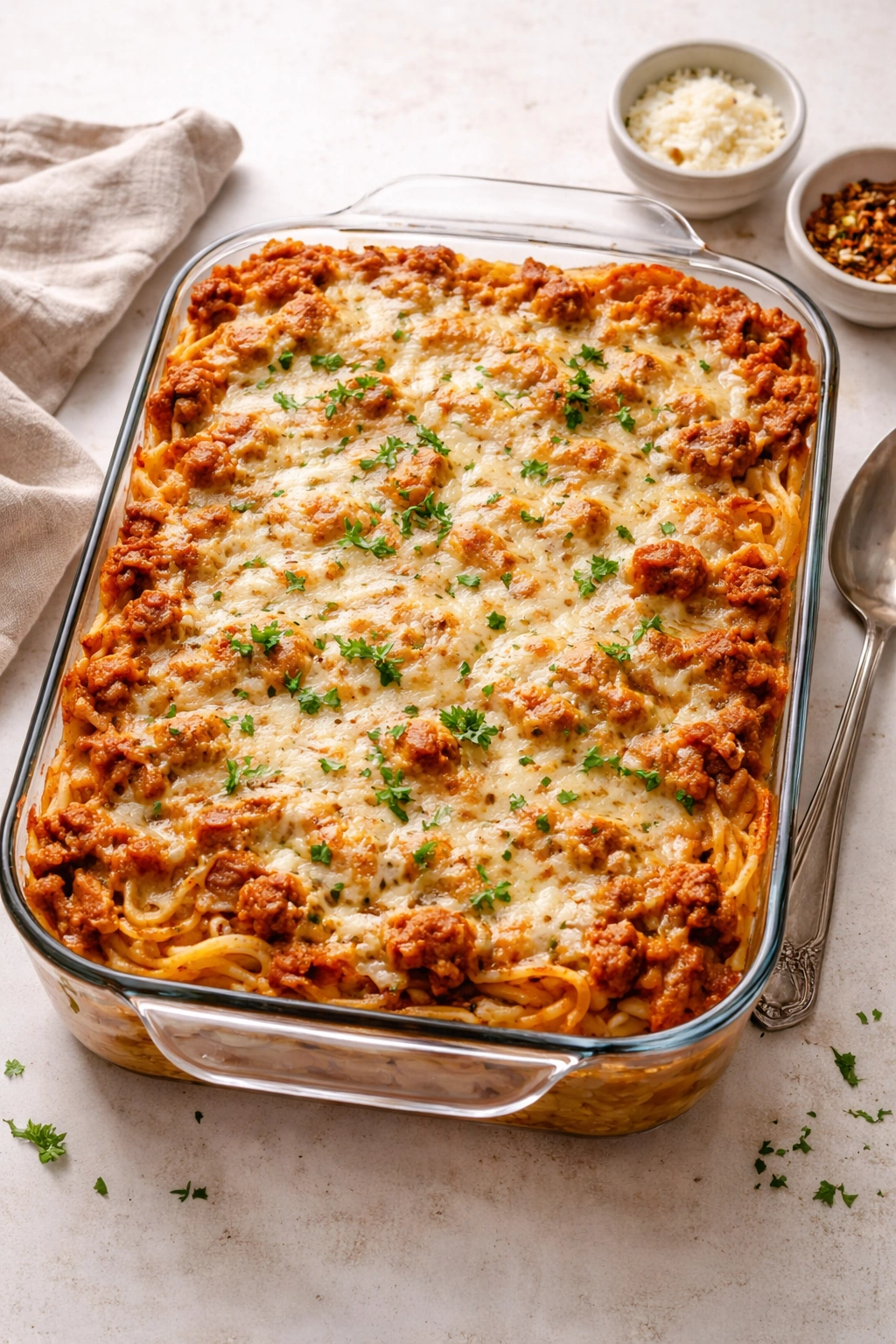
Yield: Serves 8 to 10 | Makes one 9×13-inch casserole
Prep Time: 20 minutes
Cook Time: 45 minutes
Total Time: 1 hour 5 minutes
Difficulty: Beginner — no special techniques required, and assembly is straightforward even if you’ve never made a baked pasta before.
Ingredients for Million Dollar Pasta
For the Pasta:
- 1 pound (16 ounces) spaghetti noodles
- 2 tablespoons unsalted butter
For the Meat Sauce:
- 1 pound lean ground beef
- ½ pound Italian sausage (mild or spicy, your preference; or use all ground beef if you prefer)
- 1 small yellow onion, finely diced
- 3 to 4 garlic cloves, minced
- 24 to 32 ounces marinara sauce (one large jar or two smaller jars)
- 1 teaspoon dried Italian seasoning
- ½ teaspoon salt
- ¼ teaspoon freshly ground black pepper
- Optional: pinch of red pepper flakes, 1 teaspoon tomato paste
For the Creamy Cheese Layer:
- 8 ounces cream cheese, softened to room temperature
- 1 cup ricotta cheese (whole milk preferred; or 1 cup cottage cheese, drained if watery)
- ½ cup sour cream
- ½ cup freshly grated Parmesan cheese
- ½ teaspoon salt
- ¼ teaspoon freshly ground black pepper
For the Top:
- 2 cups shredded mozzarella cheese (fresh or packaged both work)
- ¼ cup freshly grated Parmesan cheese
- 2 tablespoons fresh chopped parsley or basil (optional, for garnish)
Step-by-Step Instructions for Million Dollar Pasta
Prepare Your Pan and Preheat:
-
Preheat your oven to 350°F (175°C) and position a rack in the center.
-
Grease a 9×13-inch baking dish with butter or cooking spray, then set it aside. Tip: If you’re concerned about sauce splatter, place the baking dish on a larger baking sheet.
Cook the Pasta:
-
Bring a large pot of salted water to a rolling boil—the water should taste like the ocean, generously salted so the pasta absorbs flavor as it cooks.
-
Add the spaghetti and cook according to package directions until al dente, which means the noodles should be firm to the bite with just a slight resistance, not soft or mushy. This typically takes 8 to 12 minutes depending on the brand.
-
Drain the pasta in a colander, but do not rinse it—the starch on the noodles helps the cheese and sauce cling to them. Transfer the hot pasta to a large bowl, add the 2 tablespoons of butter, and toss gently until every noodle is lightly coated. This prevents the pasta from clumping together while you prepare the other components. Set aside.
Advertisements
Make the Meat Sauce:
-
While the pasta cooks, heat a large skillet over medium-high heat. Once hot, add the ground beef and Italian sausage, breaking both into small crumbles with a wooden spoon or spatula as they cook.
-
Cook, stirring occasionally, for 8 to 10 minutes, until all the meat is browned and no longer pink. This browning step is important—don’t rush it. You want the meat to develop color and caramelization, which builds deeper flavor.
-
Once the meat is completely cooked, carefully drain off excess grease by tipping the skillet slightly and spooning the fat away. Leave a thin layer of flavorful fat in the pan—don’t drain it completely dry.
-
Add the diced onion to the pan and cook for 3 to 4 minutes, stirring frequently, until the onion becomes translucent and softens. You should be able to easily break apart the onion pieces with the back of a spoon.
-
Stir in the minced garlic and cook for 1 minute more, until fragrant. The kitchen should smell wonderful at this point.
-
Pour in all of your marinara sauce (or all but ½ cup if you’re reserving some for layering). Add the dried Italian seasoning, salt, pepper, and any optional additions like tomato paste or red pepper flakes.
-
Stir everything together until well combined, then reduce the heat to low. Let the sauce simmer gently for 5 to 10 minutes, stirring occasionally. The sauce should bubble very gently at the edges, not a rolling boil. This simmering time allows flavors to meld and deepen. Taste the sauce and adjust seasoning as needed—you’re the boss of your dinner, so make it taste the way you like it.
Make the Cheese Layer:
-
While the sauce simmers, prepare the creamy cheese mixture. In a medium bowl, combine the softened cream cheese, ricotta cheese, sour cream, grated Parmesan, salt, and pepper.
Advertisements -
Using an electric mixer, a whisk, or just a sturdy spoon, mix everything together until smooth and completely combined. There should be no lumps of cream cheese visible. The mixture should look like something you could easily spread with an offset spatula—thick but spreadable, not chunky or separated. If you encounter cream cheese lumps, either your cream cheese wasn’t soft enough (warm it a bit more) or you need to mix more vigorously.
Assemble the Casserole:
-
Spread a thin layer of the meat sauce over the bottom of your prepared 9×13-inch baking dish—just enough to cover the bottom, roughly ½ cup.
-
Add half of the buttered spaghetti noodles on top of the sauce, spreading them out in an even layer (they don’t need to be perfectly arranged—just spread them out so they cover the bottom).
-
Spread the entire creamy cheese mixture evenly over this layer of noodles. Don’t hold back here. This is the component that makes the casserole special, so use all of it and distribute it thoroughly.
-
Top the cheese mixture with the remaining spaghetti noodles, spreading them out in an even layer.
-
Pour the remaining meat sauce evenly over the top layer of noodles, spreading it into an even layer so the sauce reaches all the edges.
-
In a small bowl, combine the 2 cups of shredded mozzarella and the ¼ cup of grated Parmesan, then sprinkle this cheese mixture evenly over the entire top surface of the casserole. Don’t be stingy with the cheese—this is what gives you that beautiful golden, bubbly top.
Bake Until Perfect:
-
Place the casserole in the preheated 350°F oven and bake uncovered for 40 to 45 minutes, until the cheese on top is melted and bubbly and the edges have turned golden brown. The casserole is ready when you can see sauce bubbling up around the edges and the top cheese is golden with some darker brown spots.
Advertisements -
Remove the casserole from the oven and let it rest at room temperature for 10 minutes. This resting time is genuinely important. It allows the pasta to set slightly, making it much easier to scoop out clean portions without everything sliding around on the plate. The noodles will also continue to soak up the remaining sauce, making the texture better.
-
Garnish with fresh chopped parsley or basil if desired, and serve warm.
Pro Tips to Avoid Common Mistakes
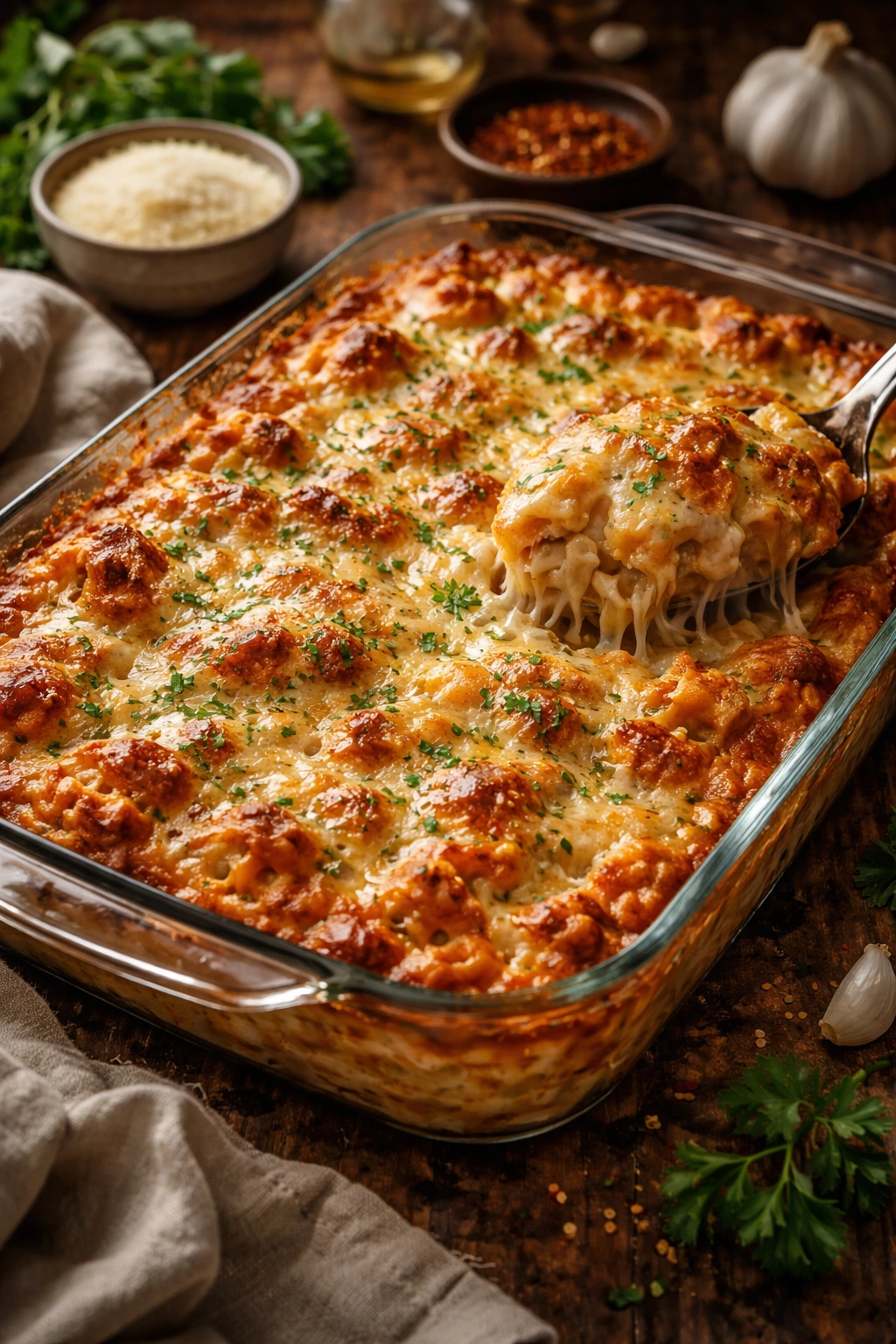
The difference between a casserole that’s merely good and one that tastes truly special often comes down to details and technique. Here are the most important lessons learned from making this dish repeatedly.
Cook your pasta to al dente, not soft. This is the single most important tip for texture. If you cook the pasta fully tender before it goes in the oven, it will be mushy by the time everything bakes through. Your spaghetti should have a slight firmness when you taste it straight from the pot—it will continue cooking from the residual heat and the liquid in the oven.
Soften your cream cheese properly. Lumpy cream cheese mixture ruins the texture of the entire casserole. Set it on the counter for 30 minutes ahead of time, or microwave it in 10-second increments until it’s soft enough to stir easily into the other ingredients. Cold cream cheese won’t blend smoothly, no matter how hard you mix.
Don’t skip the resting period after baking. Ten minutes might not sound like much time, but it makes a genuine difference in how well the casserole holds together when you serve it. The noodles set slightly, the sauce thickens, and everything becomes cohesive rather than sloppy.
Taste your meat sauce and adjust seasoning before layering. The meat sauce is the dominant flavor component, so if it’s bland, your entire casserole will taste flat. Add more salt, pepper, or Italian seasoning until the sauce tastes delicious on its own. Remember that the cheese layers add richness, but they won’t fix underseasoned meat.
Use quality marinara sauce. This is not the place to buy the cheapest option. Your sauce is a major ingredient, not a minor component, and a quality sauce with good tomato flavor makes an enormous difference in the final result. If you find a brand you love, stick with it.
Distribute the cheese layer evenly. Those creamy pockets throughout the casserole are what make this dish special. Spreading the cheese mixture evenly ensures every bite has that luxurious creaminess rather than some bites being mostly just meat sauce and pasta.
Don’t cover the casserole while it bakes. Unlike some casseroles, Million Dollar Pasta gets a better texture when it bakes uncovered. The top cheese gets golden and slightly crispy, and the edges develop that caramelized flavor. Covering it steams the casserole and prevents browning.
Make-Ahead Strategies and Freezer Instructions
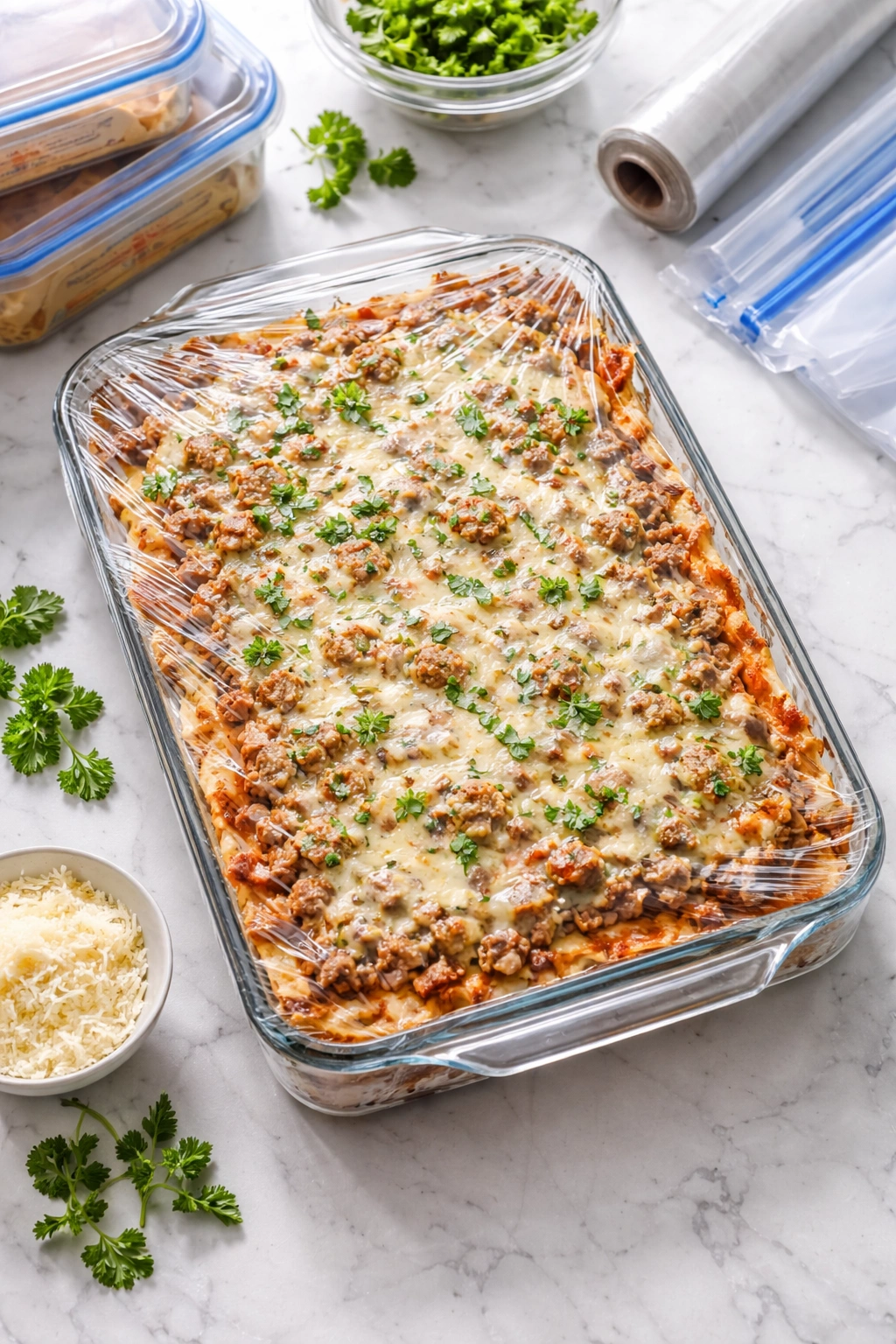
One reason this casserole became so popular is that it’s absurdly convenient to prepare ahead of time. Your lifestyle doesn’t have to revolve around cooking schedules.
Assembling the night before: You can completely assemble the casserole through step 20 (adding the cheese topping), then cover it tightly with plastic wrap and refrigerate for up to 24 hours. When you’re ready to bake, remove it from the refrigerator while the oven preheats, then bake as directed. You might need to add 5 to 10 minutes to the bake time since the casserole will be cold when it goes in the oven.
Preparing components separately: You can make the meat sauce up to 3 days ahead and store it in an airtight container in the refrigerator. Make the cheese mixture up to 2 days ahead, also in an airtight container. Cook the pasta up to 1 day ahead and toss it with butter, then store it in a sealed container. Assembly takes just 10 minutes, so you can do that the day you want to bake.
Freezing the assembled casserole: This is where Million Dollar Pasta really shines for meal planning. Assemble the casserole completely, cover it tightly first with plastic wrap (pressed directly onto the cheese to prevent ice crystals), then with aluminum foil. Label it with the date and freeze for up to 3 months.
Baking from frozen: Thaw the casserole in the refrigerator for 24 hours, then bake as directed. If you’re in a hurry and need to bake from frozen, it’s possible but requires longer: cover it with foil and bake at 350°F for 60 to 75 minutes until the center is hot and the edges are bubbly. The texture will be slightly softer since the extended baking time gives the pasta more opportunity to absorb sauce, but it’s still delicious.
Freezing baked casserole: You can also bake the casserole completely, let it cool, then freeze it. Cool it for at least 1 hour before freezing. Wrap it tightly with plastic wrap and then foil. To reheat, thaw in the refrigerator, then warm it gently in a 350°F oven, covered with foil, for 20 to 30 minutes until heated through. You can also reheat individual portions in the microwave, covered loosely so steam can escape, for 2 to 3 minutes.
Delicious Variations to Keep Things Fresh
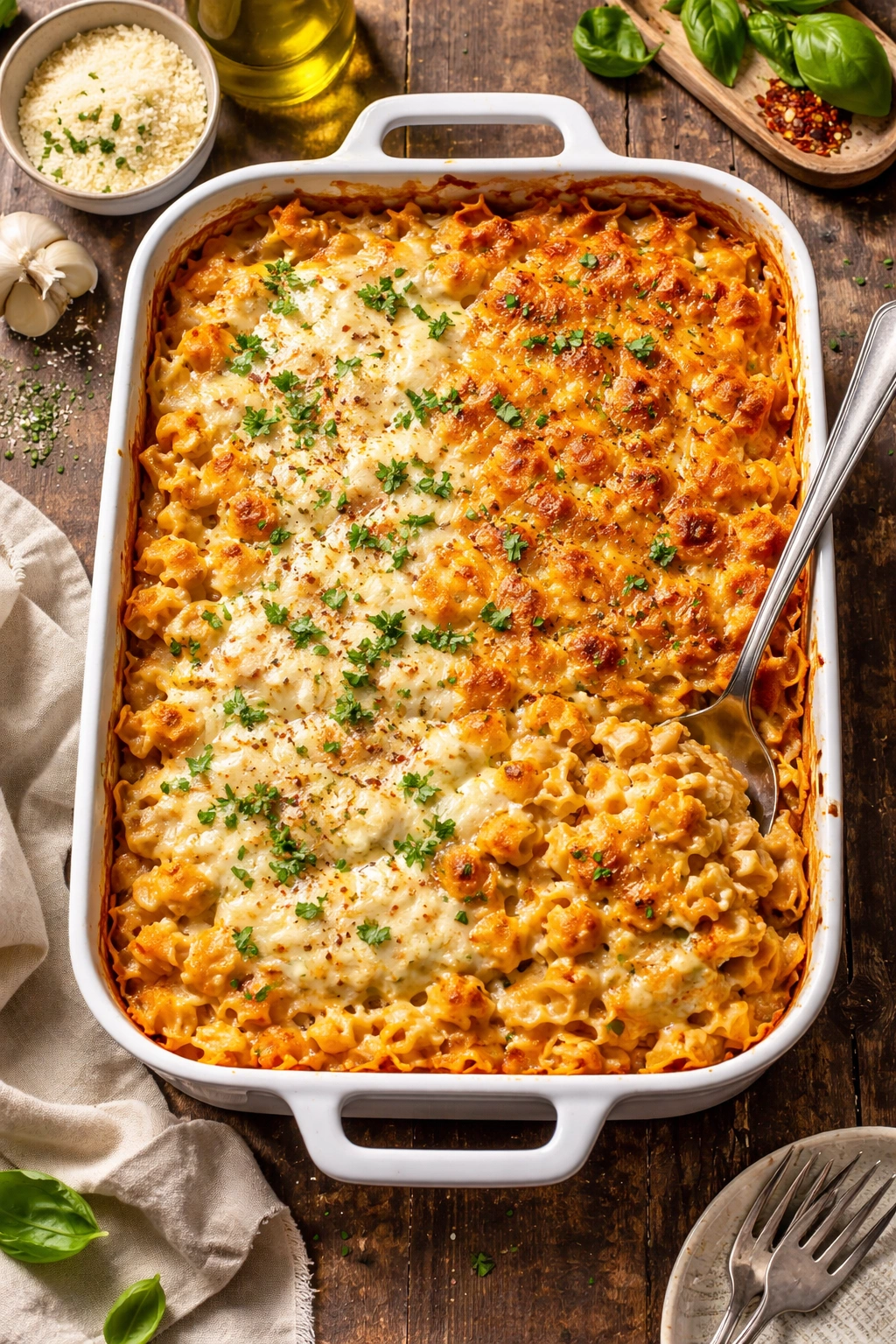
Once you’ve made the basic version and fallen in love with it, these variations let you adjust the dish to your taste preferences or dietary needs without losing any of the appeal.
Vegetarian Million Dollar Pasta: Skip the meat entirely and add extra substance with vegetables instead. Sauté diced bell peppers, mushrooms, zucchini, and spinach, then fold them into the marinara sauce. You might need to use a slightly larger jar of sauce since you’re losing the liquid that comes from the meat. The cheese layers remain the same, so the casserole still tastes rich and luxurious.
Spicy version: Use hot Italian sausage instead of mild, and add ½ teaspoon of red pepper flakes to the meat sauce. Some people also add a splash of hot sauce or sprinkle red pepper flakes over the cheese topping before baking for extra heat in every bite.
Using different cheeses: Swap ricotta for an equal amount of mascarpone for an even richer, creamier layer. Or use a combination of ricotta and Boursin cheese (the herbed version adds incredible flavor). Some home cooks have had success using a smooth goat cheese in place of part of the ricotta for a tangy twist.
Adding extra ingredients to the meat sauce: Finely chopped sun-dried tomatoes add concentrated tomato flavor and texture. Sautéed mushrooms add earthiness. A handful of fresh basil stirred in at the end of simmering adds brightness. Even a splash of red wine deepens the sauce beautifully.
Using different pasta shapes: While spaghetti is traditional, this recipe works beautifully with any pasta shape. Penne, rigatoni, and ziti all work wonderfully—some people prefer them because they don’t tumble around as much when serving. The bake time remains the same.
Lightened-up version: Use part-skim ricotta and cream cheese (not fat-free), substitute Greek yogurt for some of the sour cream, and use lean ground beef. It’s still rich and delicious, just slightly less indulgent.
Adding white sauce: Some versions layer in a homemade béchamel made with butter, flour, milk, and cheese instead of or in addition to the cream cheese mixture. This creates an even silkier consistency throughout the casserole. Make a simple béchamel with 3 tablespoons butter, 3 tablespoons flour, and 2 cups whole milk, then stir in Parmesan and mozzarella until melted and smooth.
Reheating and Storage Guidance
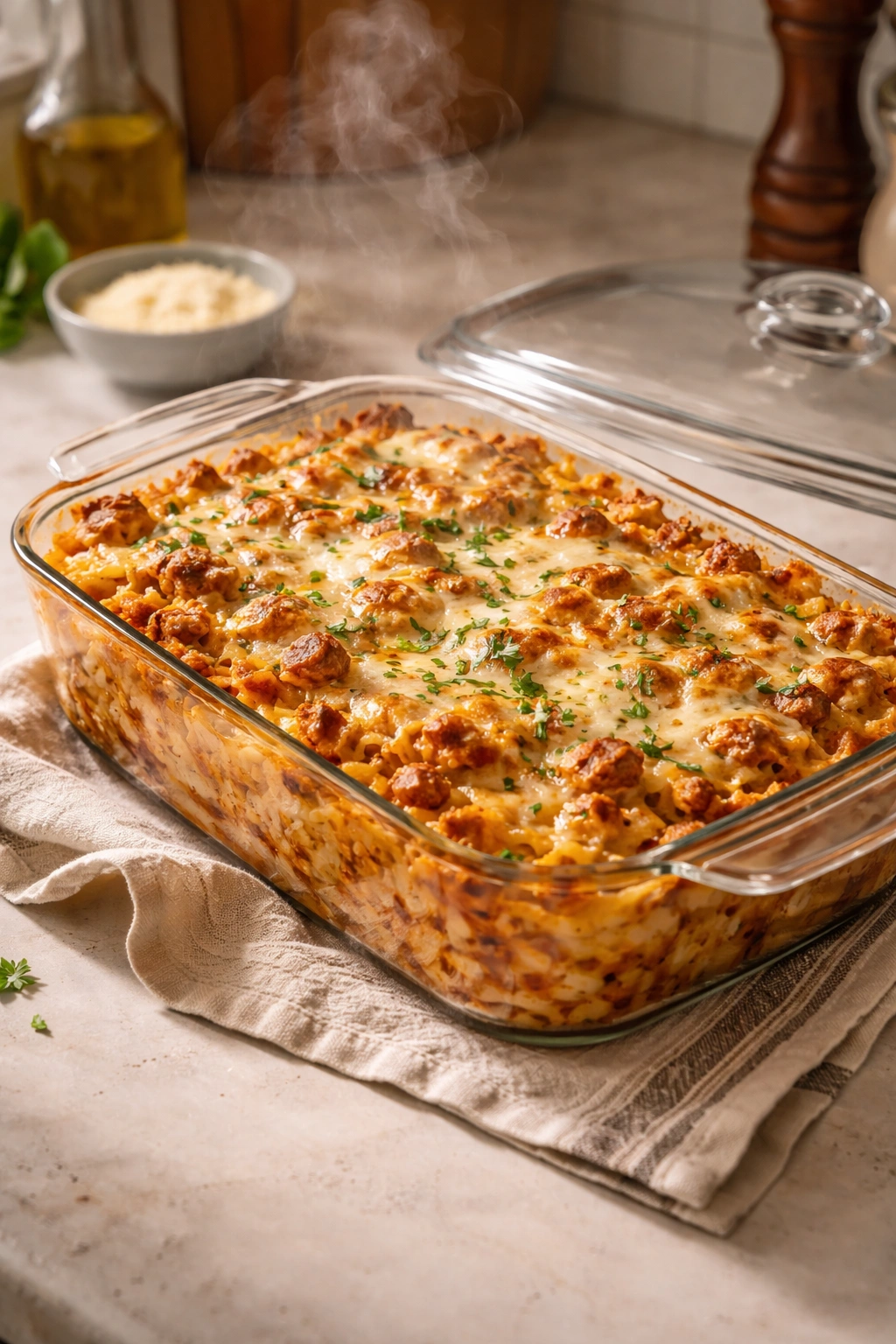
Million Dollar Pasta reheats beautifully, and the flavors actually improve slightly as it sits because the sauce continues to be absorbed by the noodles, creating better cohesion and texture.
Storage in the refrigerator: Cover the leftovers tightly or transfer them to an airtight container and refrigerate for up to 4 days. The casserole will continue to firm up as it cools, making it easier to cut clean slices.
Reheating in the oven: This is the best method for maintaining texture. Preheat your oven to 350°F, place the leftover casserole in a baking dish, cover it loosely with foil (so steam can escape but it doesn’t dry out), and warm it for 20 to 25 minutes until heated through. Add a splash of marinara sauce or broth over the top if it looks dry.
Reheating in the microwave: Transfer a portion to a microwave-safe plate or shallow dish, cover it loosely with a damp paper towel, and microwave on 50% power for 2 to 3 minutes, stirring halfway through. This gentler heat prevents the cheese from becoming rubbery.
Individual portions: Cool the entire casserole, then cut it into portions and freeze them individually in small freezer containers or wrapped in plastic wrap and foil. Thaw in the refrigerator, then reheat gently.
What improves flavor overnight: The flavors meld beautifully, and the pasta absorbs more of the sauce, creating a more cohesive dish. Some people actually prefer leftovers to the casserole fresh from the oven.
Perfect Sides and Serving Suggestions
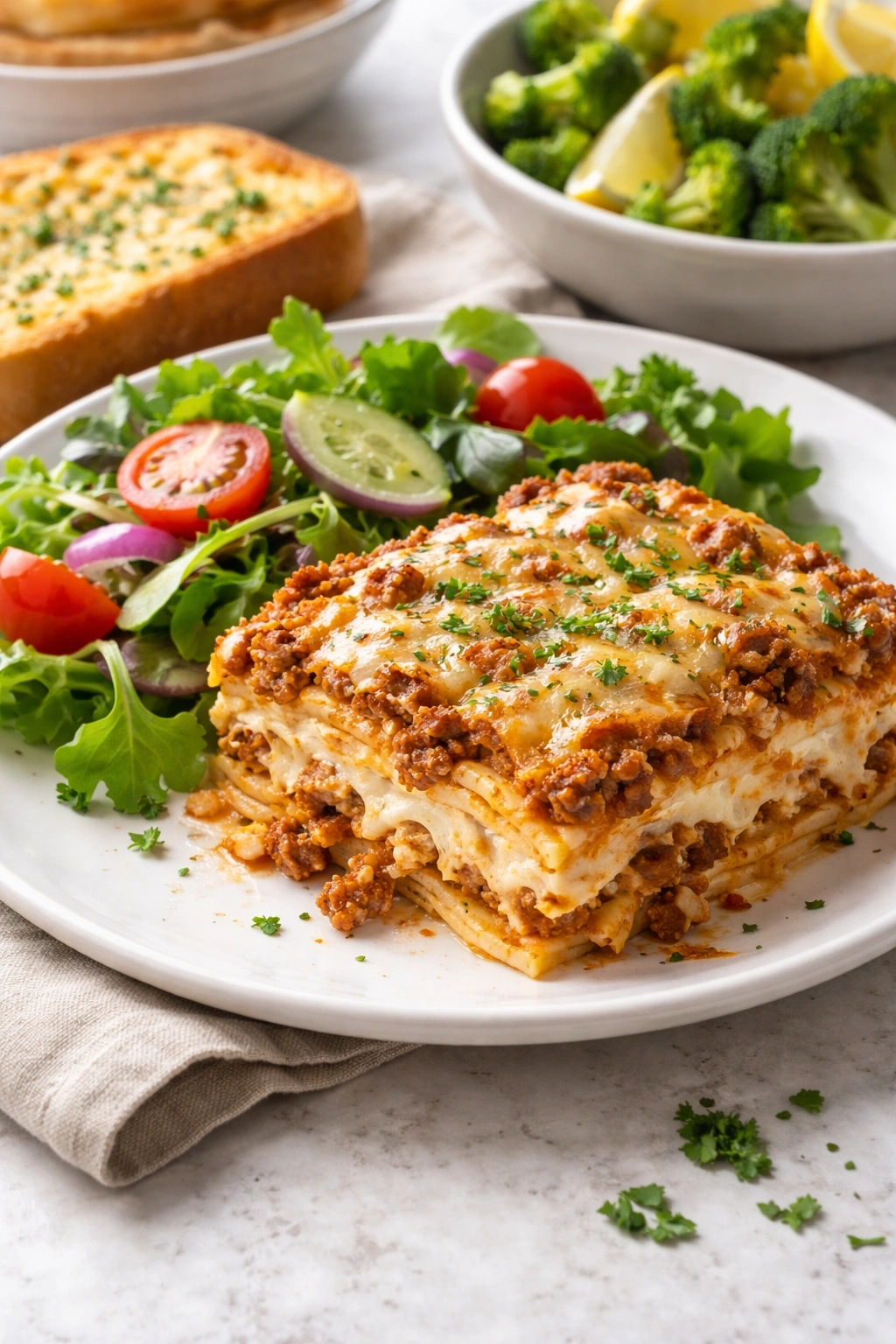
Million Dollar Pasta is rich and satisfying enough to be a meal entirely on its own, but pairing it with complementary sides elevates the dinner from good to memorable.
Salads are the classic pairing because their brightness and acidity cut through the richness of the casserole. A simple green salad with lemon vinaigrette, crisp Caesar salad, or even a cold tomato and mozzarella salad all work beautifully. The salad clears your palate between bites and makes the entire meal feel balanced rather than heavy.
Garlic bread is almost mandatory at this point. Whether you make it from scratch or use a frozen loaf, that garlicky, buttery bread is perfect for soaking up extra sauce. Some people make it the fancy way by spreading a mixture of softened butter, minced garlic, fresh parsley, and grated Parmesan on crusty Italian bread, then toasting it until golden.
Roasted vegetables add nutrition and color to the plate. Roasted broccoli, Brussels sprouts, or a medley of zucchini, bell peppers, and cherry tomatoes all complement the casserole without competing for attention. Toss them with olive oil, salt, pepper, and maybe a little garlic powder, then roast at 425°F for 20 to 25 minutes until tender and lightly caramelized.
Bread or rolls are simpler than garlic bread but equally welcome. Warm crusty bread is perfect for mopping up extra sauce and adds substance to the meal without taking time away from casserole preparation.
Wine pairing: A medium-bodied red wine with good acidity, like Chianti or a lighter Cabernet Sauvignon, pairs beautifully. The tannins and acidity complement the rich cheese and meat without overwhelming the dish.
Dessert: Since the casserole is already quite rich, lighter desserts work better than heavy chocolate cakes. Fresh fruit, sorbet, or a simple lemon panna cotta provides a refreshing finish to the meal.
Key Takeaways
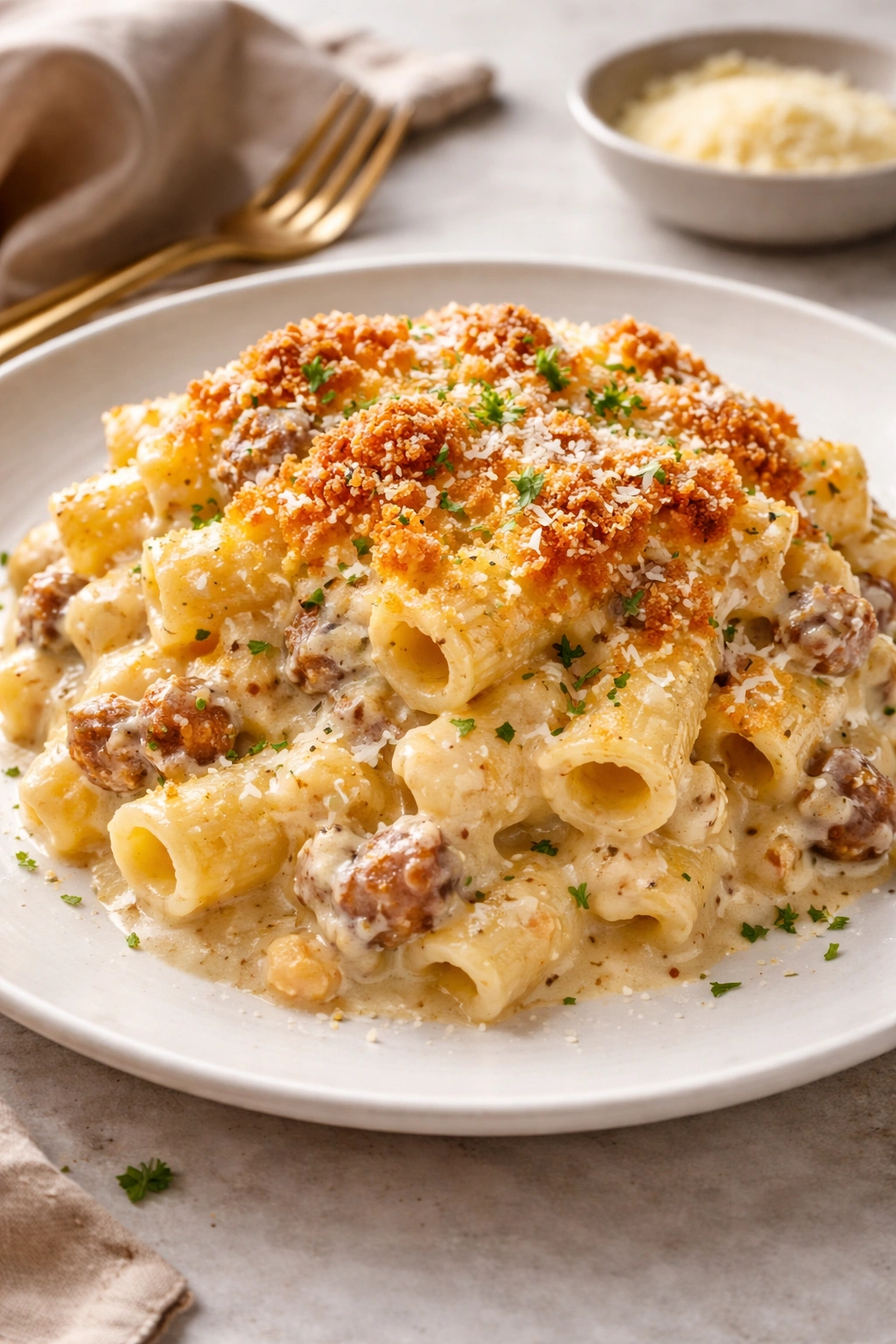
Million Dollar Pasta lives up to its name because it balances indulgence with accessibility, creating a casserole that tastes like you spent serious time and skill making it when you actually just followed straightforward steps with ingredients you probably already have at home. The secret isn’t in fancy techniques or expensive components—it’s in understanding how three distinct layers work together, seasoning generously, and giving each component proper attention.
This is genuinely one of those recipes that improves with practice. Your first time making it will be delicious; by your third or fourth time, you’ll have tweaked it to your exact preferences and figured out which brands and ingredient combinations you prefer. You’ll know exactly how you like your cheese layer spread and when the casserole looks perfectly golden from the oven.
Whether you’re cooking for your family on a regular weeknight, preparing something special for guests, or stocking your freezer with meals for busy weeks ahead, Million Dollar Pasta delivers every single time.
