



There’s something satisfying about watching a steak sizzle over high heat, watching the edges caramelize to a perfect golden-brown while vegetables soften around it in the same pan. Then you add that glossy, savory sauce and suddenly everything comes together—juicy steak, tender-crisp veggies, steaming rice—all in one skillet with barely any cleanup afterward. That’s the appeal of one-pan steak stir-fry, and it’s become the go-to weeknight dinner for anyone who wants something restaurant-quality but doesn’t have time to spend an hour cooking.
The magic of this dish isn’t actually that complicated. It’s built on a foundation of proper technique, quality ingredients, and understanding the science of what happens in your pan at high heat. Once you master the fundamentals, you’ll find yourself making this meal repeatedly, tweaking it based on what vegetables you have on hand or what flavor profile you’re craving that particular evening. It’s reliable, it’s delicious, and it’s genuinely faster than calling for takeout.
Why One-Pan Steak Stir-Fry Is a Weeknight Lifesaver
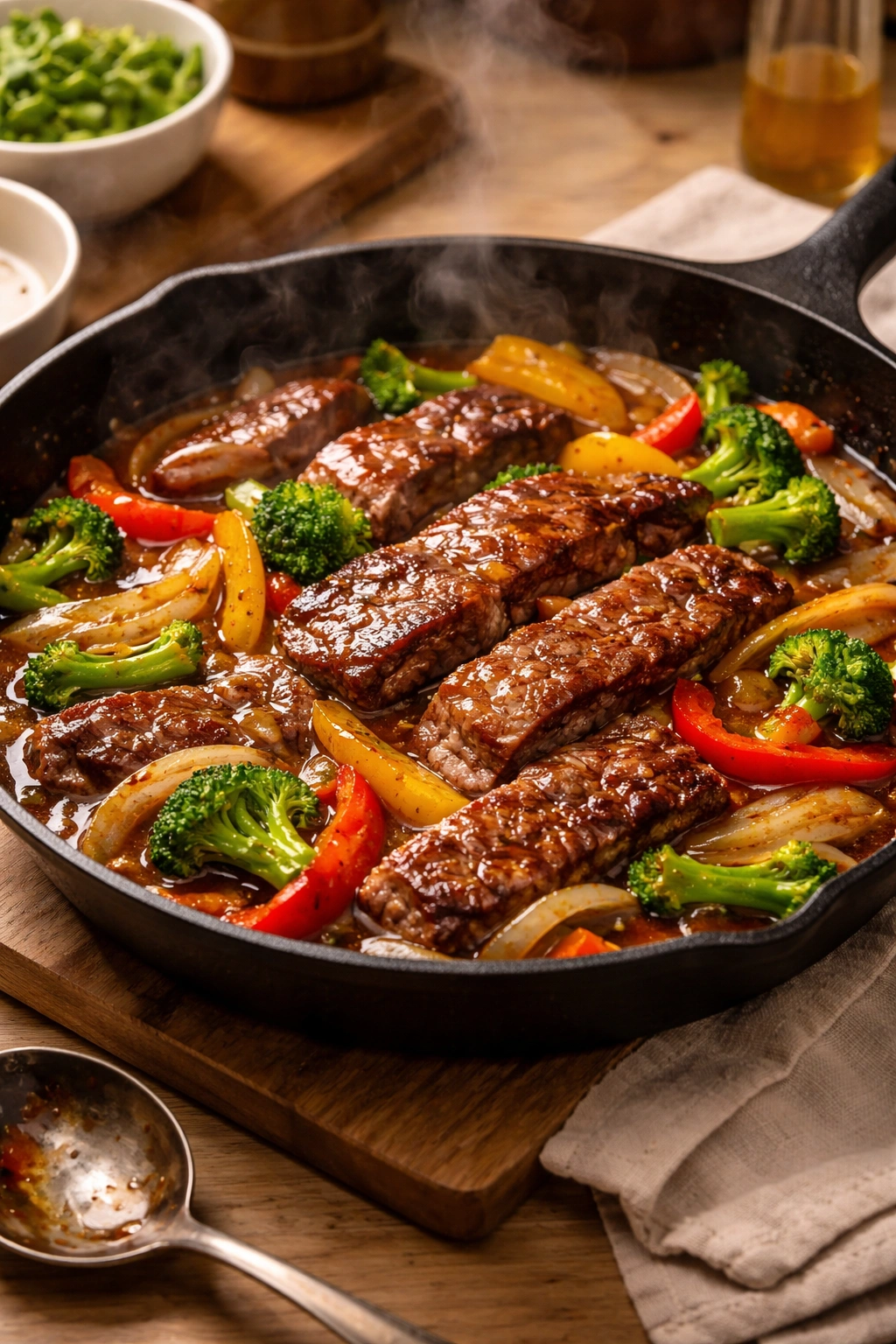
When you’re juggling work, family obligations, and everything else demanding your attention, a dinner that comes together in 25 to 30 minutes feels like a miracle. One-pan steak stir-fry delivers exactly that. There’s no need to coordinate multiple burners, no complicated timing required to keep components warm, and most importantly, you’re not staring at a sink full of dishes when you’re done eating.
The beauty of this approach is that stir-frying itself was designed around efficiency. The high heat, constant movement, and quick cooking time mean that nutrition stays intact and flavors stay bright. Your vegetables don’t turn to mush. Your steak doesn’t dry out. Everything works in harmony within the same cooking vessel, which means flavors mingle and deepen rather than staying isolated.
Beyond the speed factor, there’s genuine nutritional balance built into this meal naturally. You’ve got lean protein from the steak, complex carbs and energy from the rice, and vitamins and fiber from the vegetables. The whole thing is held together by a savory sauce that’s typically soy-based, which adds umami depth without requiring cream or butter to make it satisfying. This isn’t a compromise meal you’re settling for because you don’t have time. This is legitimately good food.
The Best Cuts of Steak for Stir-Fry
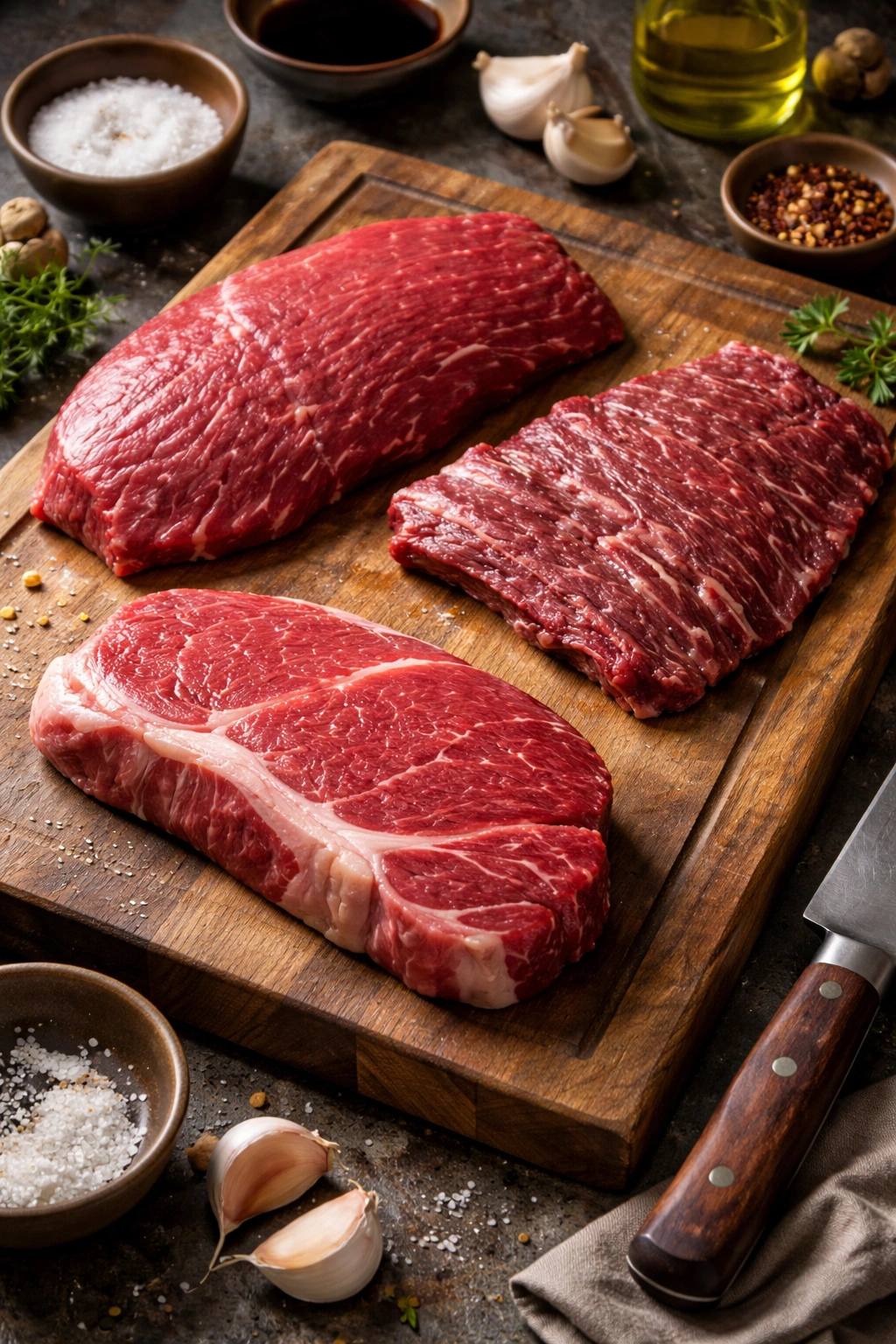
Not every cut of steak works equally well for stir-frying, and understanding the differences will transform your results. The ideal steak for this application is one that’s flavorful, relatively tender, and suitable for thin slicing. Flank steak consistently ranks as the top choice among both home cooks and restaurants. It’s affordable, readily available, and has enough marbling to stay juicy even when cooked quickly at high heat. The grain structure of flank steak breaks apart beautifully when you slice against the grain, which is the key to achieving that tender bite that makes this dish so enjoyable.
Skirt steak is another excellent option that’s often overlooked. It has a coarser grain structure than flank, which means it absolutely requires slicing against the grain, but when you do, the results are phenomenal. The meat has wonderful beefy flavor and a slightly more tender texture than flank. If you enjoy particularly flavorful steak, skirt is your choice. Sirloin is more widely available in most grocery stores and works well for stir-fry, though it’s slightly less tender than flank or skirt. Choose sirloin when it’s on sale or when you prefer a leaner cut.
For those willing to spend a bit more, strip steak, ribeye, or even filet mignon all work wonderfully. These premium cuts have excellent marbling and tenderness that shine in a quick-cooking application. The sauce will coat them beautifully, and the finished dish feels more luxurious despite taking the same amount of time. Conversely, if you’re budget-conscious, flat iron steak offers surprising tenderness at a mid-range price point and works reliably in stir-fry.
Avoid heavily marbled cuts like chuck or brisket, which require long, slow cooking to break down connective tissue. You won’t have time for that in a stir-fry, and the results will be disappointing. Whatever cut you choose, the thickness matters significantly. You want a steak that’s at least one inch thick, preferably slightly thicker. This gives you room to partially freeze it for easier, more uniform slicing without the pieces becoming too thin and cooking to toughness in seconds.
Essential Ingredients for an Authentic Stir-Fry Sauce
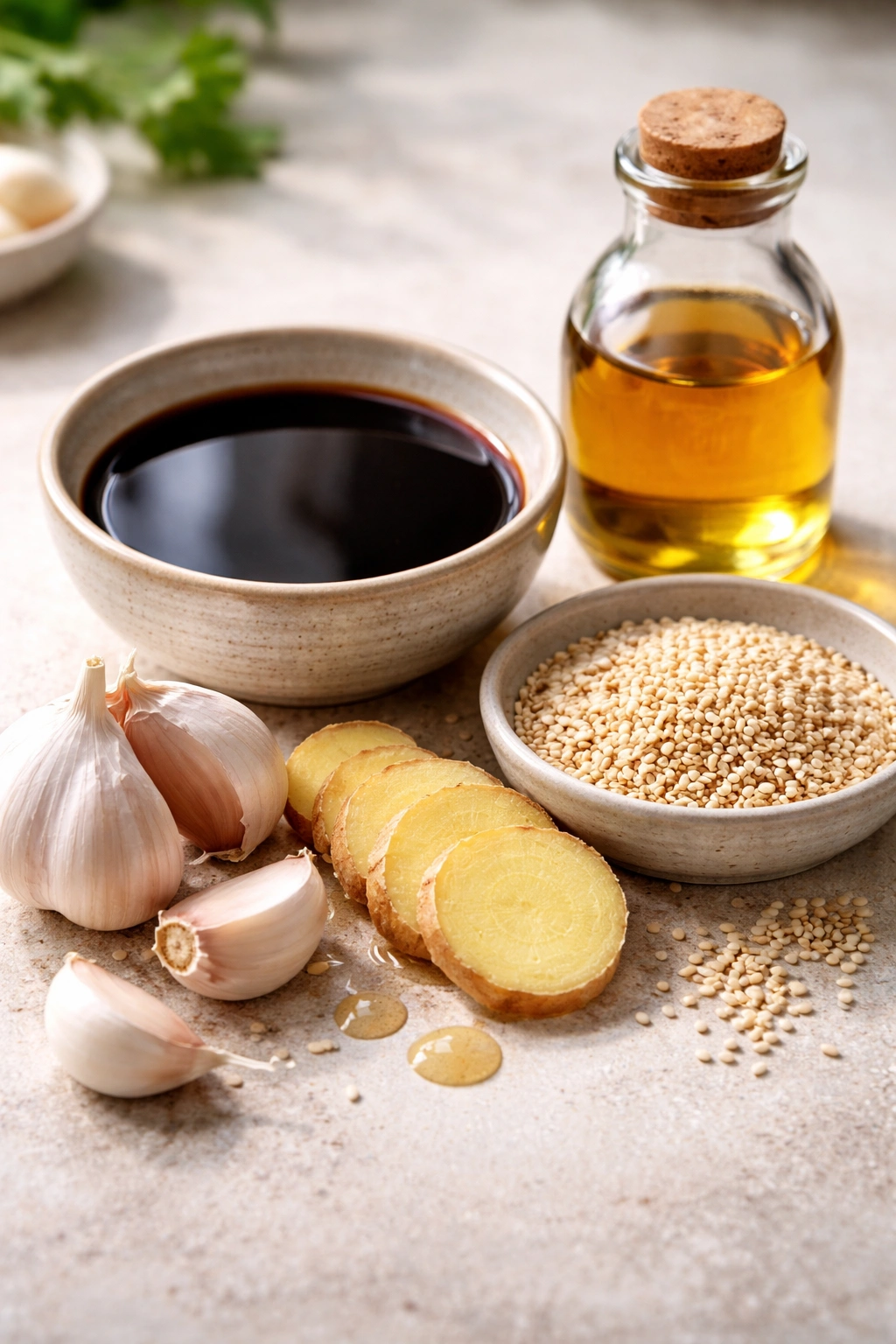
The sauce is what elevates a simple plate of beef and vegetables into something that tastes like it came from a restaurant. A quality stir-fry sauce doesn’t need to be complicated, but it does need to balance several flavor elements properly. Soy sauce forms the umami backbone—it’s the ingredient that makes people lean across the table and ask what you put in this that makes it so good. Use regular or low-sodium soy sauce depending on your sodium preferences, but don’t skip it entirely or substitute it with something else. The deep, salty-savory notes are irreplaceable.
Sesame oil is the secret ingredient that most home cooks either underuse or hesitate to try at all. A little goes incredibly far. Just two teaspoons added to your sauce creates a warm, toasty dimension of flavor that’s unmistakably Asian. Fair warning: sesame oil has a strong aroma when you first open the bottle, but once it hits the heat, it transforms into something aromatic and wonderful. If you’re making stir-fry more than once a month, sesame oil is absolutely worth buying.
Garlic and ginger provide the fresh, pungent notes that keep the sauce from feeling one-dimensional. Fresh minced garlic beats powder by a country mile—use one to three cloves depending on your garlic tolerance and how many servings you’re making. Fresh ginger adds a subtle heat and brightness that grounds the sauce. If you only have powdered ginger, you can use it in a pinch, but fresh really is superior here.
Brown sugar or honey balances the saltiness of the soy sauce and adds a touch of richness. Don’t skip this. Without it, the sauce will taste aggressively salty rather than beautifully savory. Typically, one to two tablespoons per batch is sufficient. Some recipes use oyster sauce or hoisin sauce, which add additional depth and slight sweetness. If you have either on hand, they’re wonderful additions, but they’re not strictly necessary.
Cornstarch or arrowroot starch is what transforms your sauce from a thin liquid into something glossy that coats the beef and vegetables. Make a slurry by whisking two teaspoons of cornstarch with three to four tablespoons of cold water before adding it to your sauce. The starch gelatinizes when heated, thickening everything to a silky consistency. Without this step, your finished dish will be saucy and loose rather than having that desirable restaurant texture where everything glistens.
Optional but worthwhile additions include rice vinegar (a splash adds brightness), red pepper flakes (for heat), fish sauce (one tablespoon adds incredible depth—trust the process here), and lime juice (fresh citrus lifts everything). Start simple and add complexity as you become comfortable with the foundation.
The Importance of Prep Work (Mise en Place)
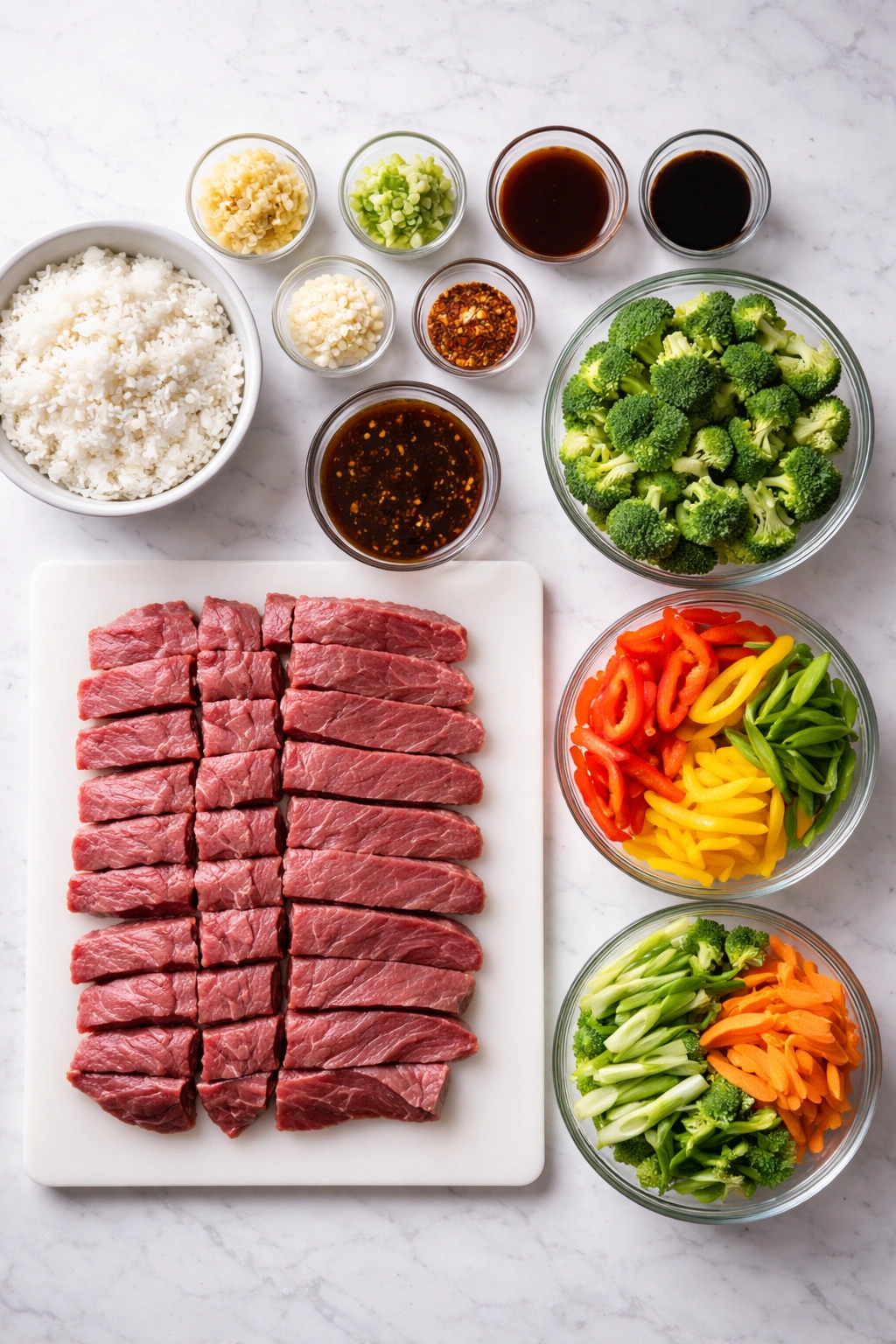
This is the single most important technique that separates successful stir-fry cooks from frustrated ones. Stir-frying moves fast—once you start cooking, you don’t have time to chop an onion or measure out sauce. Everything must be prepped, measured, and within arm’s reach before you turn the heat on. This is called mise en place, French for “everything in its place,” and it’s non-negotiable for stir-fry success.
Start by slicing your steak thinly and uniformly. Partially freezing the steak for 30 minutes makes this significantly easier—the meat firms up enough that you can make clean, thin slices without the knife slipping or tearing the meat. Aim for approximately one-quarter inch thick slices. Uniform size matters because it ensures even cooking. Thicker pieces will still be rare while thinner pieces are overcooked if you’re not careful.
Next, prep your vegetables by cutting them into similarly sized pieces. Consistency in size ensures that everything cooks at the same rate. If you have some broccoli florets that are tiny and others that are massive, the small ones will turn to mush while the large ones are still crunchy. Dice your onion, mince your garlic, and slice your peppers or other vegetables. Arrange them on a cutting board or large plate in the order you’ll add them to the pan.
Measure your sauce ingredients—soy sauce, sesame oil, garlic, ginger, brown sugar, rice vinegar—and combine them in a small bowl or measuring cup. Prepare your cornstarch slurry in a separate small cup. Have your rice already cooked and fluffed (more on this below). Crack your eggs into a bowl if the recipe includes eggs. Line up everything in the order you’ll use it.
This preparation stage typically takes 10 to 15 minutes, but it’s what makes the actual cooking portion smooth and stress-free. You’re not fumbling for ingredients while something’s burning in the pan. You’re focused on watching for the visual cues that tell you when to add the next ingredient. This is what makes the difference between a home stir-fry that tastes rushed and one that feels composed and intentional.
Choosing and Cooking the Perfect Rice Base
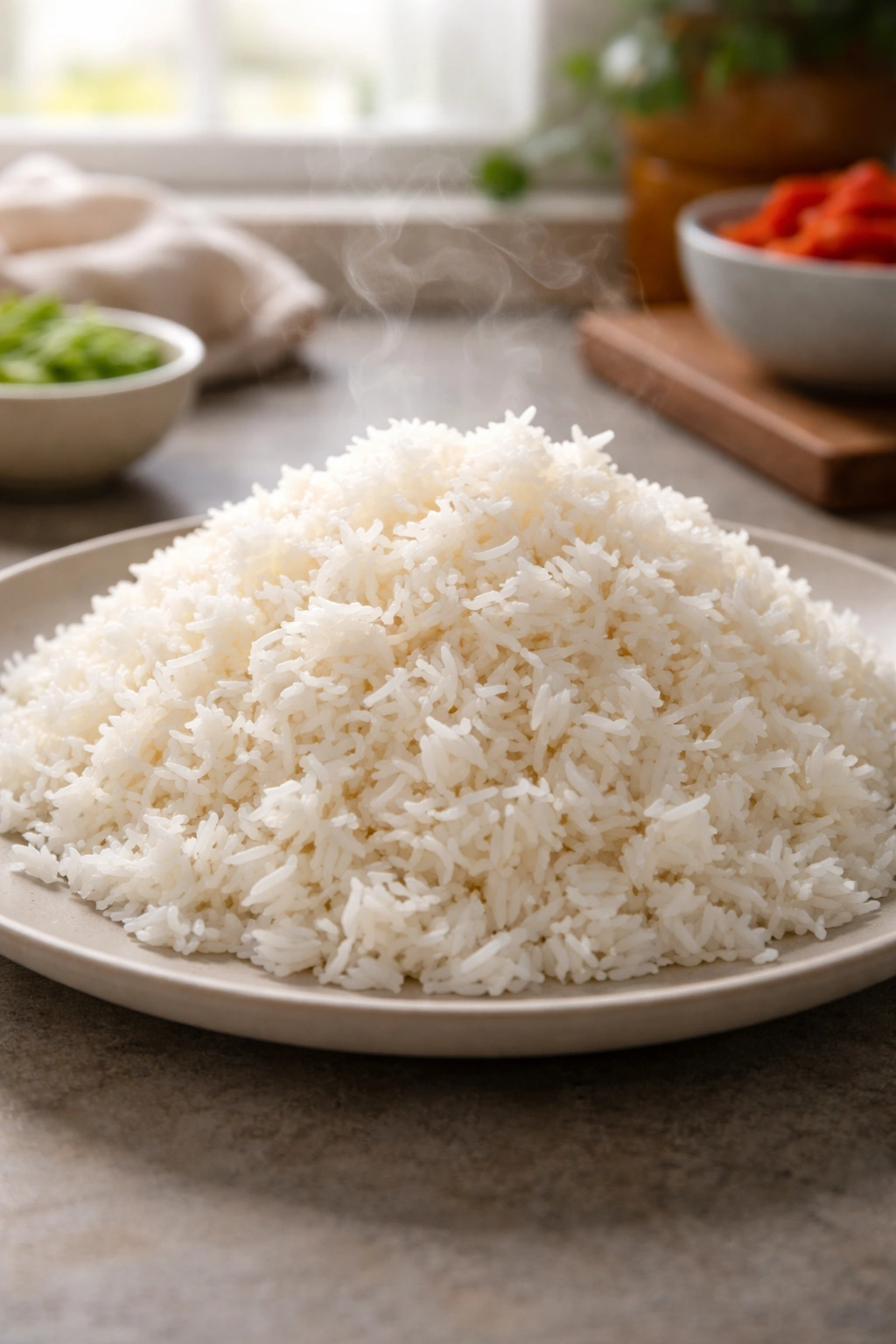
Rice is the foundation of this entire meal, and getting it right matters. Day-old rice is genuinely superior to fresh rice for stir-frying because it’s drier. When rice is freshly cooked, the grains are moist and tend to clump together. When stirred vigorously over high heat, freshly cooked rice becomes mushy and gluey rather than maintaining individual, separate grains. If you’re cooking rice specifically for this dish, cook it the day before and refrigerate it. You’ll be rewarded with far better texture.
If you don’t have leftover rice on hand and need to cook it fresh, there’s a workaround. Cook your rice, spread it out on a baking sheet to cool, and refrigerate it for at least an hour (longer is better) before using it. The cooling and chilling process causes the starch to recrystallize, which is what creates that drier texture you’re after. In a pinch, you can use fresh rice, but fluff it well, break up any clumps with a fork or your hands, and add it to the pan in the final stages rather than stir-frying it for several minutes.
Jasmine rice is the traditional choice and for good reason. It has a slightly fragrant aroma, individual grains that don’t clump easily, and a texture that’s perfect for stir-fry. Basmati rice works wonderfully too, offering a slightly different but equally pleasant flavor profile. Long-grain white rice, brown rice, or even short-grain varieties can all be used successfully. The key is that whatever rice you use has been cooled and preferably refrigerated so it’s as dry as possible.
Avoid using freshly cooked hot rice straight from the rice cooker. The heat and moisture will cause problems with your stir-fry texture. If you must use hot rice, spread it out to cool for at least 15 minutes before adding it to the pan. As a final note, if you have leftover rice in your freezer from a previous meal, thaw it completely before using it. Cold or partially frozen rice won’t incorporate properly and can lower the temperature of your pan, causing steaming rather than stir-frying.
Why High Heat and Proper Pan Temperature Matter
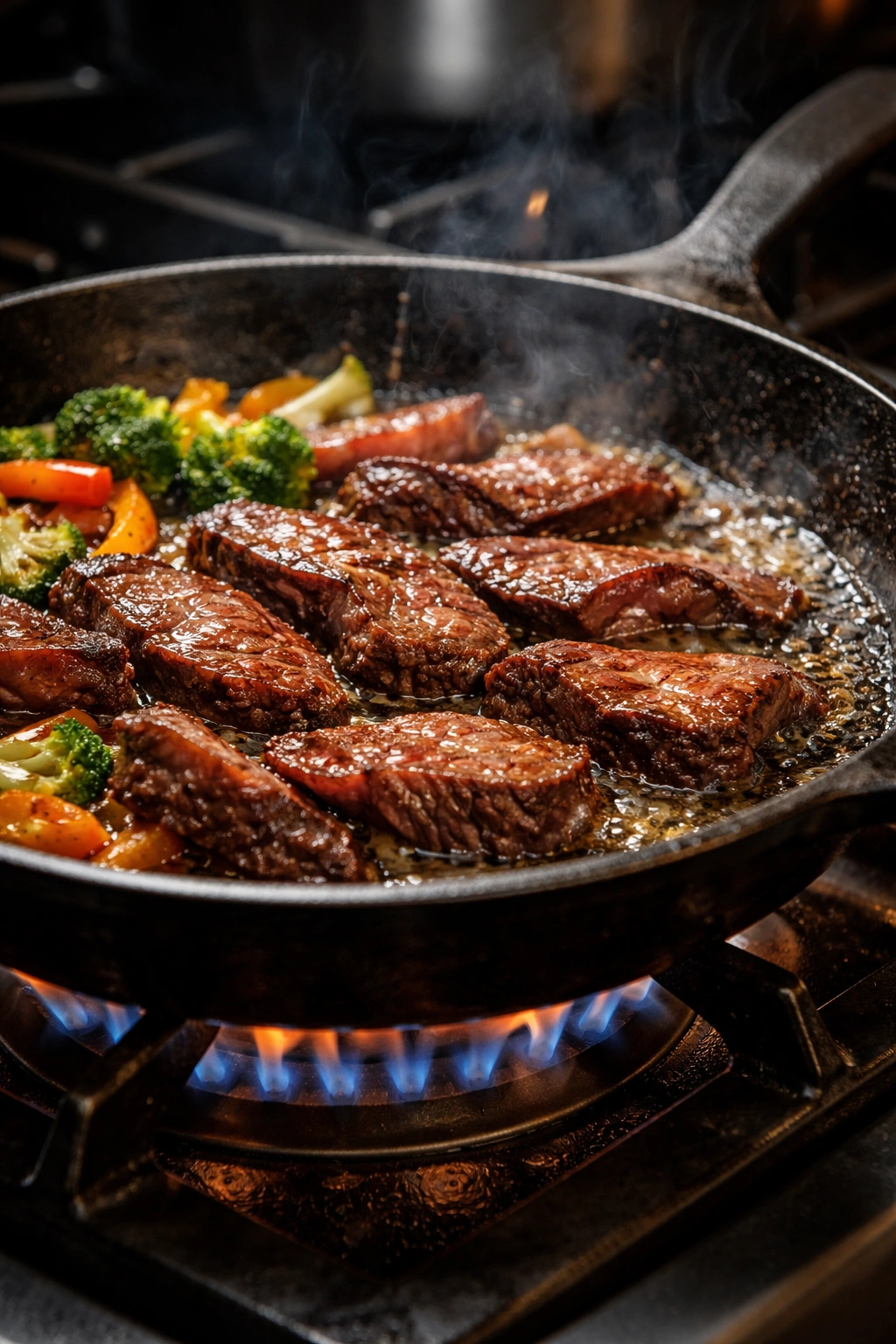
Temperature is absolutely critical to successful stir-fry, and this is something that separates mediocre stir-fry from exceptional stir-fry. You need a wok or large skillet heated to high heat before you add anything. If the pan isn’t sufficiently hot, your ingredients will steam rather than sear. The meat won’t develop that beautiful browned crust that locks in juices and builds flavor. The vegetables won’t get those tender-crisp, slightly caramelized edges.
Add your oil to the hot pan, let it heat for 15 to 20 seconds—you should see it shimmer and move easily around the pan—then add your first ingredient. When the beef hits the pan, it should sizzle immediately and enthusiastically. If it doesn’t, your pan isn’t hot enough. Remove the meat, let the pan heat a bit longer, and try again. This sizzle is the sound of proper browning happening, which is what develops flavor through a process called the Maillard reaction.
Don’t overcrowd the pan when cooking the steak. Work in batches if necessary rather than piling all the meat in at once. Crowded pans lower the temperature, which causes steaming and prevents proper browning. Remove the first batch of meat as soon as it’s browned on the outside (it doesn’t need to be cooked through yet—it’ll finish cooking when everything comes back together), then do the next batch in the same way.
This high-heat approach keeps cooking time short, which means your vegetables stay bright and crisp rather than becoming soft and dull. Broccoli stays green. Peppers stay vibrant. The entire dish has a freshness and vitality that you simply can’t achieve with moderate heat.
Serving Size and Timing Information
Yield: Serves 4 people | Makes approximately 6 cups of finished stir-fry
Prep Time: 15 minutes (chopping vegetables, slicing steak, preparing sauce)
Cook Time: 15 minutes (high-heat cooking in the pan)
Total Time: 30 minutes active cooking
Difficulty: Intermediate — The technique requires high heat and constant attention, plus proper knife skills for slicing the steak. However, the actual cooking steps are straightforward once you understand the mechanics.
Complete Ingredients List
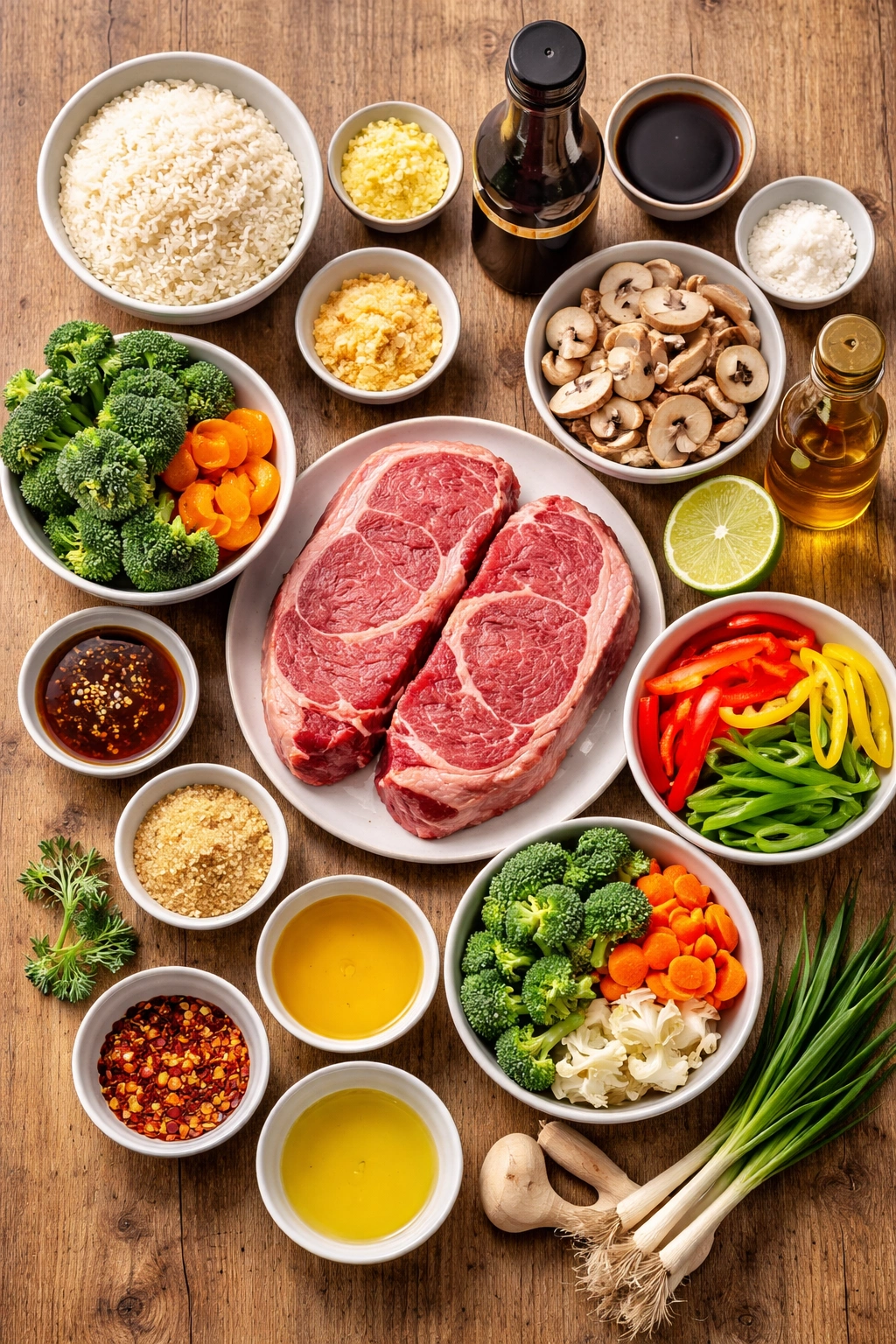
For the Stir-Fry Sauce:
- ¼ cup soy sauce
- 2 teaspoons sesame oil
- 2 tablespoons brown sugar or honey
- 3 cloves garlic, minced
- 1 tablespoon fresh ginger, finely minced
- 1 tablespoon rice vinegar or white vinegar (optional but recommended)
- ½ teaspoon red pepper flakes (optional, for heat)
- 2 teaspoons cornstarch (mixed with 3 tablespoons cold water to make a slurry)
For the Stir-Fry:
- 1 pound flank steak, sirloin, or skirt steak, sliced into thin strips against the grain
- 3 tablespoons neutral oil (vegetable, canola, or avocado oil) divided
- 1 medium yellow onion, diced
- 1 large bell pepper (red, yellow, or orange), cut into thick slices
- 8 ounces fresh broccoli florets (about 4 cups)
- 2 large carrots, thinly sliced or cut into thin matchsticks
- 3 cloves garlic, minced (additional to sauce)
- 1 tablespoon fresh ginger, minced (additional to sauce)
- Salt and black pepper to taste
For Serving:
- 3 cups cooked jasmine or long-grain rice, cooled (day-old is preferred)
- 2 green onions, thinly sliced
- 2 tablespoons sesame seeds, toasted
- Optional: crushed peanuts, fresh cilantro, lime wedges
Step-by-Step Cooking Instructions
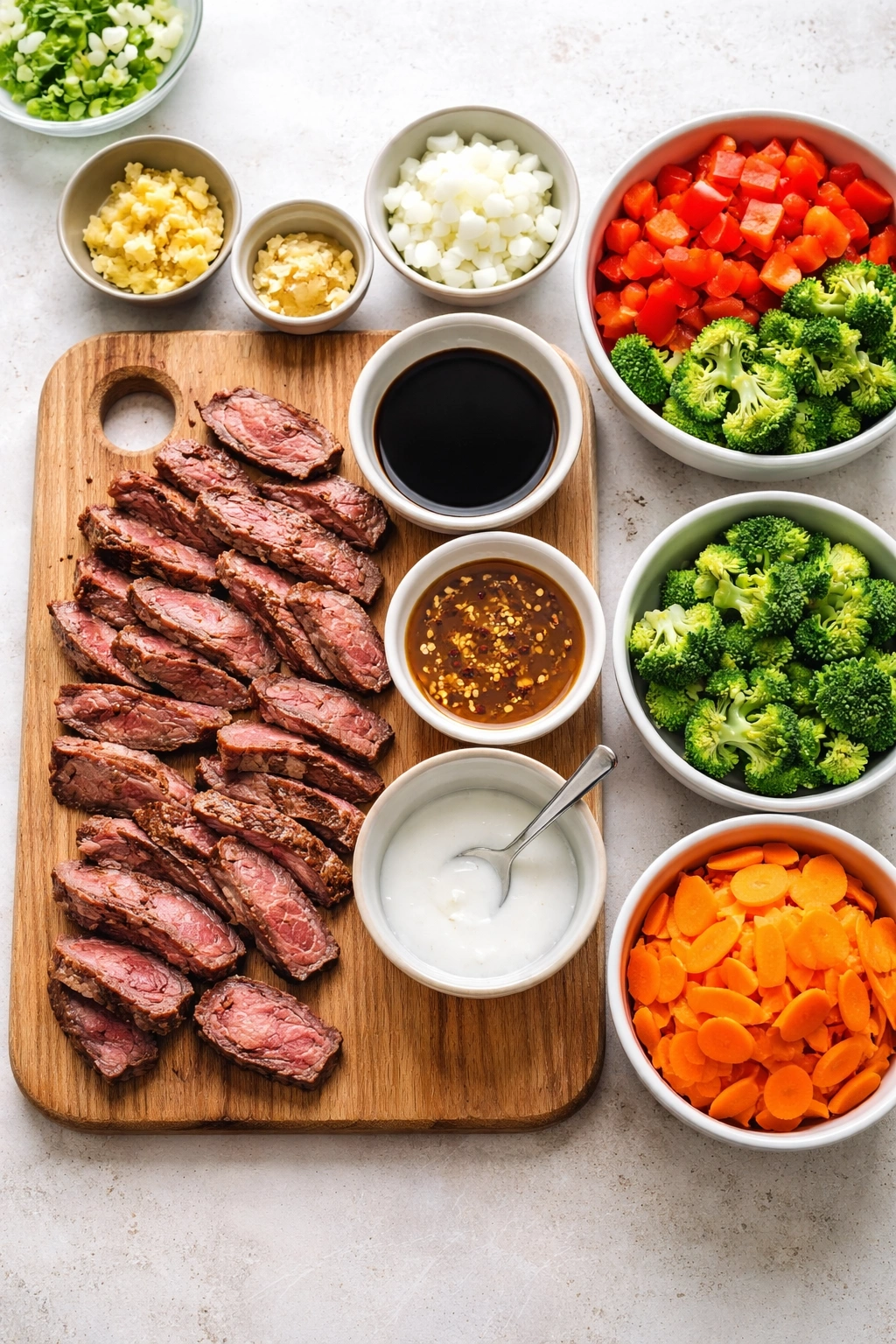
Prepare All Ingredients (Mise en Place):
-
Slice the steak into thin strips, approximately one-quarter inch thick, cutting against the grain. Pat the steak pieces dry with paper towels—this helps them sear rather than steam. Season lightly with salt and black pepper and set aside on a plate.
-
Prepare the stir-fry sauce by combining soy sauce, sesame oil, brown sugar, minced garlic, minced ginger, rice vinegar, and red pepper flakes in a small bowl. Stir until the sugar dissolves. In a separate small cup, whisk together cornstarch and cold water to create a slurry. Set both aside.
-
Dice the onion into bite-sized pieces. Cut the bell pepper into thick slices or chunks. Cut broccoli into bite-sized florets. Slice carrots thinly. Have all vegetables arranged on a cutting board or large plate in the order you’ll add them to the pan. Mince the garlic and ginger if using additional amounts beyond the sauce.
Advertisements -
Cook and cool your rice if using fresh rice—spread it on a baking sheet and refrigerate for at least one hour. If using day-old rice from the refrigerator, fluff it with a fork to break up any clumps. All prep should be complete before you turn on the heat.
Cook the Steak:
-
Place a large wok or skillet (at least 12 inches) over high heat for 2 to 3 minutes. Add one tablespoon of oil and heat for an additional 20 seconds—the oil should shimmer and move easily around the pan.
-
Add half of the steak strips to the pan in a single layer. Do not stir for the first 90 seconds—let the meat develop a brown crust. After 90 seconds, stir and cook for another 30 to 45 seconds, just until the outside is browned. The inside will still be rare, which is intentional—the meat finishes cooking later when everything comes back together.
-
Remove the browned steak to a clean plate. Repeat step 6 with the remaining tablespoon of oil and the second half of the steak. Remove to the same plate and set aside.
Cook the Vegetables:
-
Add the remaining tablespoon of oil to the same pan (wipe out excess oil with a paper towel if there’s a lot of accumulated fat). The pan should still be over high heat. Add the diced onion and cook for one to two minutes, stirring constantly, until the onion is slightly softened and the edges begin to brown. You should see caramelization on the bottom of the pan, which adds flavor.
-
Add the bell pepper and carrots, stirring constantly for two minutes. The vegetables should remain somewhat firm—you’re going for tender-crisp, not soft. Add the broccoli florets and cook for another two to three minutes, stirring frequently.
-
Push all vegetables to the side of the pan. Pour the prepared sauce (not the slurry) into the empty space in the center of the pan. Let it simmer for 30 seconds, then stir the sauce with the vegetables to coat everything evenly.
-
Return the cooked steak to the pan with the vegetables and sauce, stirring to combine everything. The meat is now finishing its cooking in the residual heat and the warm sauce. Continue stirring for one minute.
Advertisements
Thicken the Sauce:
-
Give the cornstarch slurry a quick whisk (cornstarch settles), then slowly pour it into the pan while stirring constantly. The sauce will thicken noticeably as you stir—you’ll see it go from thin and liquid to glossy and coat the meat and vegetables. This happens quickly, usually within 30 to 60 seconds.
-
Taste the finished stir-fry and adjust seasoning with additional salt and black pepper if needed. Remember that soy sauce is already quite salty, so taste before adding more. The steak should be cooked to your preferred doneness—medium-rare is ideal, with just a hint of pink in the thickest pieces.
Assemble and Serve:
-
Divide the cooked rice among serving bowls or plates, mounding it into the center. Spoon the steak stir-fry mixture (meat, vegetables, and sauce) over the rice.
-
Garnish with thinly sliced green onions, toasted sesame seeds, and optional crushed peanuts or fresh cilantro. Serve immediately while everything is hot and the sauce is still glossy.
Pro Tips for Restaurant-Quality Results
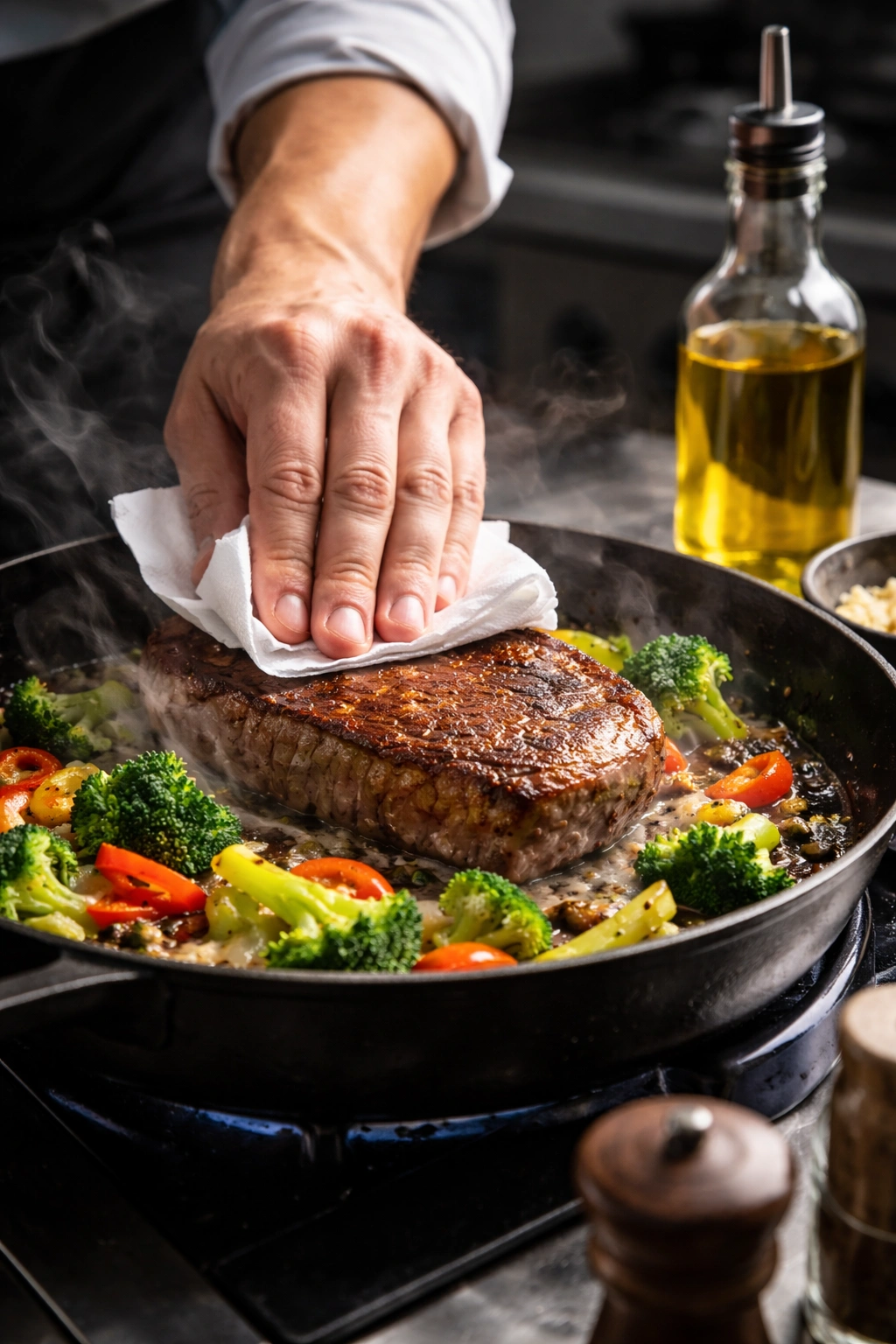
The difference between home stir-fry and restaurant stir-fry often comes down to small details that seem obvious only after someone points them out. Never add wet or cold ingredients to a hot pan. Pat your steak dry before adding it. If your vegetables are dripping wet from washing, pat them dry. Moisture is the enemy of browning and will cause steaming instead.
Use the right oil. Refined vegetable oil, canola oil, and avocado oil all have high smoke points, which means they can handle high heat without breaking down or smoking excessively. Olive oil and butter have lower smoke points and will burn at the temperatures required for stir-fry, creating burnt-tasting food. Save those for finishing dishes or lower-heat cooking.
Keep everything moving. The constant stirring isn’t just for show—it prevents burning and ensures even cooking. When things sit still on a very hot surface, they go from perfectly cooked to burnt in seconds. Continuous movement also helps cook vegetables more uniformly since all surfaces get exposure to the hot pan.
Taste and adjust as you go. The first time you make this, follow the recipe. The second time, taste the sauce before adding everything back together and adjust to your preference. Some people want more salt, others less. Some want more ginger heat, others want it mellow. Stir-fry is incredibly adaptable once you know the foundation.
Invest in a good knife or use a good sharp one. Thin, even slicing of the steak is foundational to tender stir-fry. A dull knife will tear and shred the meat rather than making clean cuts. If your knife isn’t sharp enough to slice a tomato cleanly, it’s not sharp enough for steak slicing.
Common Mistakes to Avoid
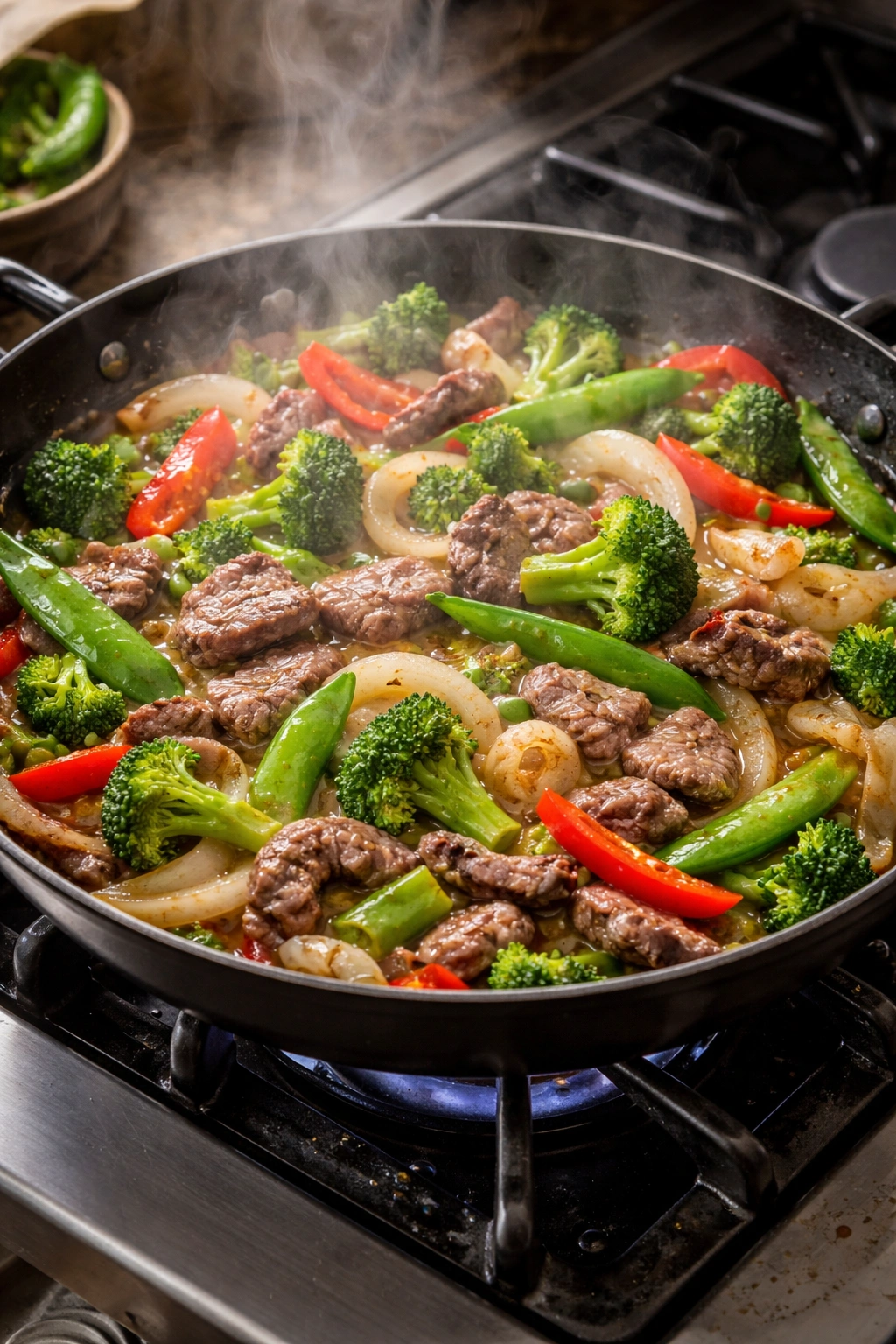
Using fresh, hot rice is probably the number one reason stir-fry comes out gluey and disappointing. Resist the urge to use rice straight from the rice cooker. Plan ahead and use day-old rice, or cook rice earlier in the day and chill it. This single change will dramatically improve your results.
Overcrowding the pan sounds like a small issue but dramatically affects the outcome. When you pile too much in at once, the temperature drops, and everything steams instead of searing. Work in batches. It takes an extra two minutes and makes a tremendous difference.
Not preparing ingredients ahead of time means you’ll be desperately chopping vegetables while your pan is sitting empty cooling down, or worse, while ingredients are burning. Mise en place isn’t fancy restaurant nonsense—it’s a practical system that makes stir-fry actually work.
Cooking the steak all the way through initially. Remember that you’re searing it first and finishing it later. If you fully cook it in the first step, it will be overdone by the end. Medium-rare steak should still have a hint of color and give when pressed.
Forgetting the cornstarch slurry, which makes a dramatic visual and textural difference. The glossy, coated look and feel of restaurant stir-fry comes from that starch. Without it, your sauce stays thin and slides off the food. With it, it coats beautifully and stays where it’s supposed to.
Using low or medium heat instead of high heat. High heat is essential for proper browning and keeping vegetables crisp. Anything less will give you pale meat and mushy vegetables.
Flavor Variations and Adaptations
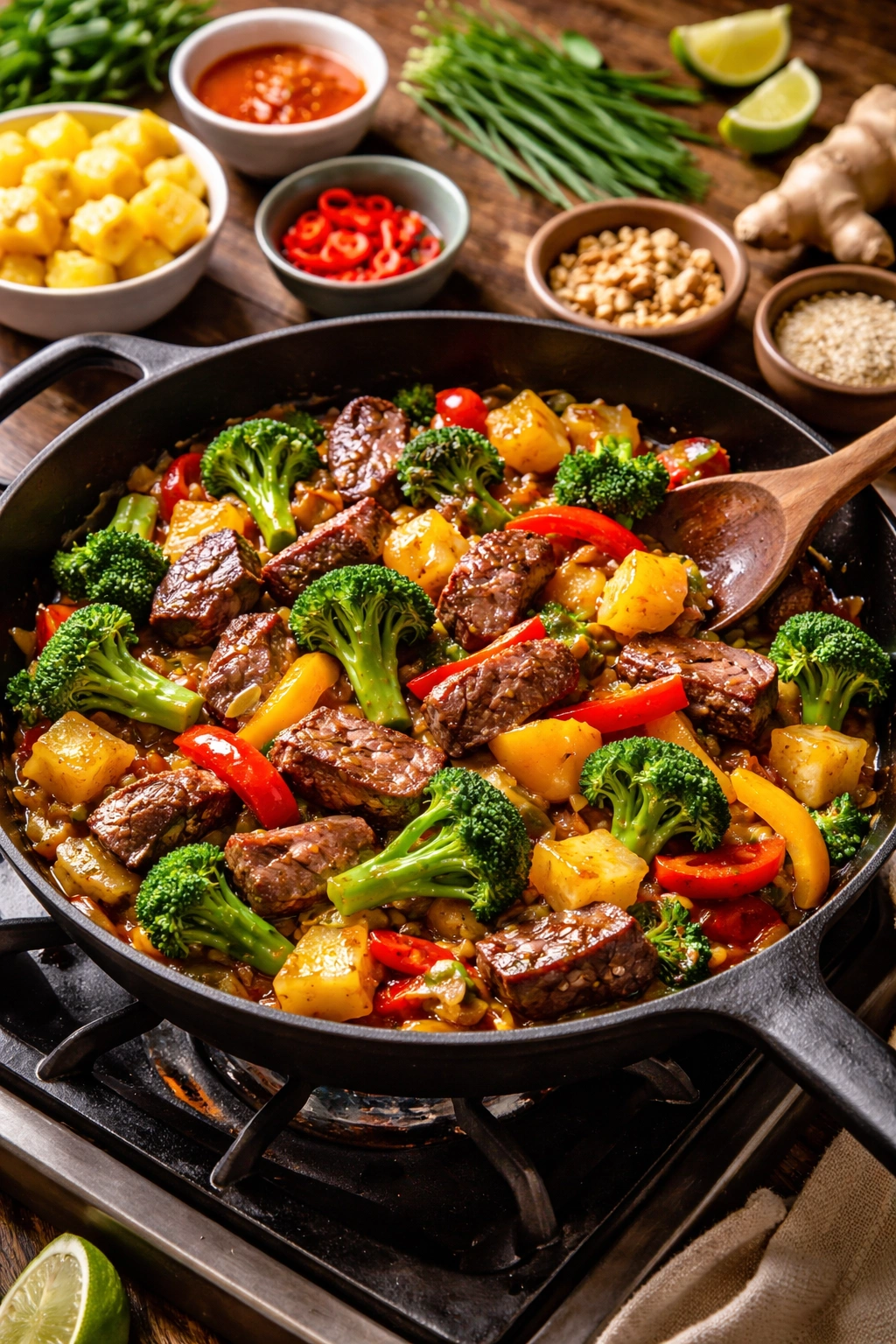
The foundation of this recipe is flexible, which is part of its genius. Want it spicier? Add one-half to one teaspoon of red pepper flakes to the sauce, or drizzle with sriracha or hot chili oil at the end. Some people add diced fresh thai chilis to the vegetables. Go gradually—you can always add more heat, but you can’t remove it.
Prefer it sweeter? Increase the brown sugar or honey to three tablespoons. You could also add one-quarter cup of pineapple juice to the sauce and include fresh pineapple chunks in the vegetable mix. This creates a Hawaiian-style variation that’s completely different but equally delicious.
Want more Asian authenticity? Add one tablespoon of oyster sauce and one-half tablespoon of fish sauce to the sauce mixture. These ingredients add incredible depth. Fish sauce smells strong (almost unpleasantly so), but trust the process—it cooks into a savory depth that makes people lean in and ask what’s making this taste so good.
Prefer it with different vegetables? Swap broccoli for cauliflower. Use snap peas instead of carrots. Add zucchini, mushrooms, green beans, or bok choy. The cooking times might vary slightly—tender vegetables like zucchini need less time than hardy ones like carrots. Adjust accordingly.
Protein alternatives: This stir-fry works wonderfully with chicken breast (sliced thin and cooked the same way), shrimp (cook until pink), pork tenderloin, or even tofu for vegetarian versions. Adjust cooking times based on the protein—shrimp cooks much faster than steak, while pork tenderloin takes slightly longer.
Make it healthier: Serve over cauliflower rice instead of regular rice. Use low-sodium soy sauce to reduce salt content. Add more vegetables and less meat if you want to shift the macronutrient balance. The sauce is naturally relatively light since it’s not cream-based.
Storage and Reheating Guide
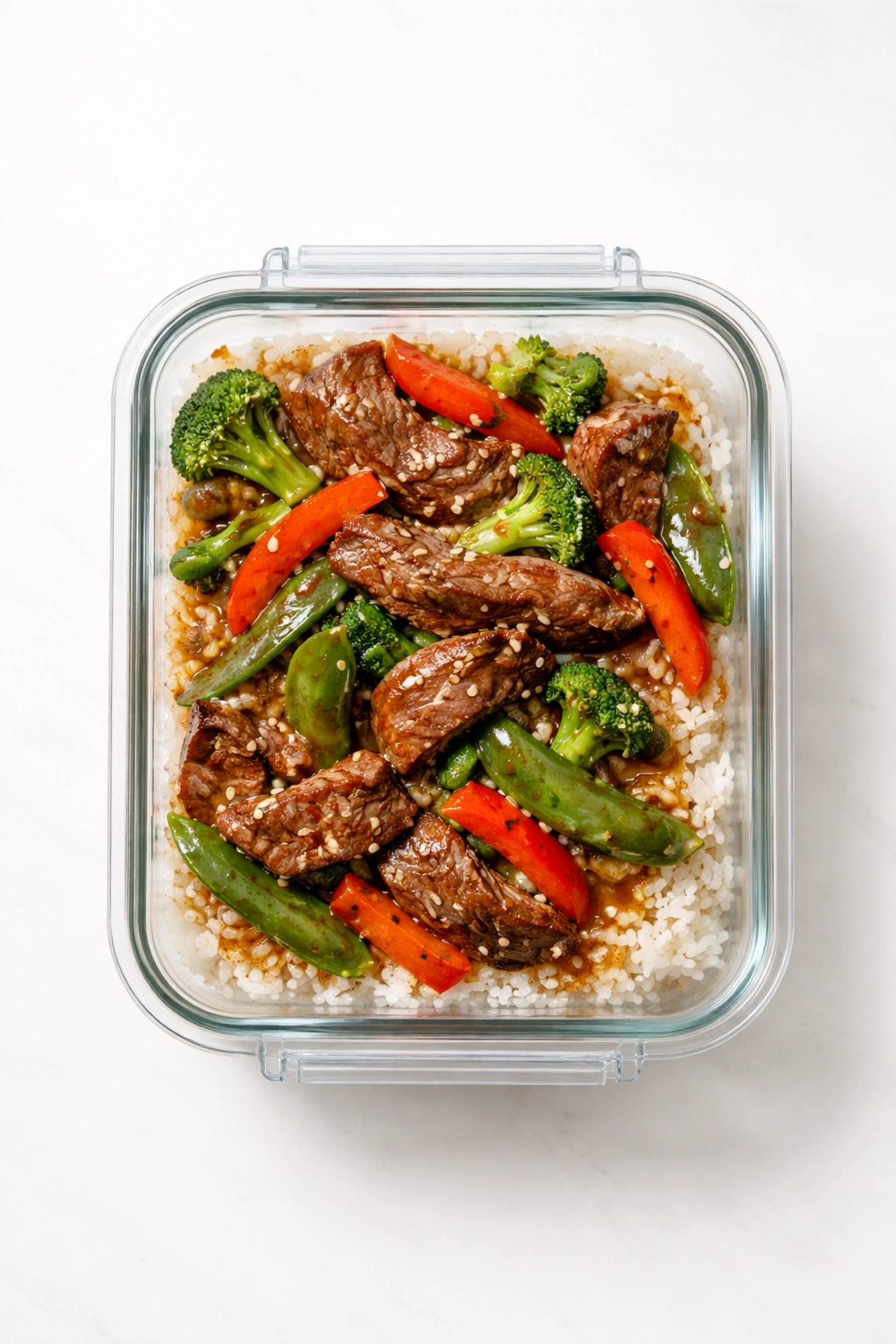
Refrigerator: Store leftover steak stir-fry in an airtight container for up to three to four days. The rice and meat stay good, though the sauce will thicken further as it cools. To reheat, warm gently in a skillet over medium heat, adding a splash of water or broth if the sauce seems too thick. You can also microwave it—place it in a microwave-safe bowl, cover loosely, and heat in 30-second intervals, stirring between intervals, until hot throughout.
Freezer: This dish freezes reasonably well for up to one month, though the texture of vegetables can become slightly softer upon thawing. To freeze, let the stir-fry cool completely, then transfer to a freezer-safe container or heavy-duty freezer bag. Thaw overnight in the refrigerator before reheating. The meat stays tender and the sauce maintains flavor, but don’t expect quite the same crispness in vegetables that you had fresh.
Best served: Ideally, eat this the same day you make it when everything is at peak texture. However, leftovers are genuinely good, just different. Some people actually prefer reheated stir-fry because the flavors have had time to meld and deepen.
Make-ahead options: You can prep all the ingredients the night before and keep them separately in containers. The sauce can be made up to three days ahead. Having rice cooked and chilled ahead of time is actually ideal. The only thing you do right before eating is the actual cooking, which takes 15 minutes. This makes this dish perfect for meal planning.
Best Sides and Serving Suggestions
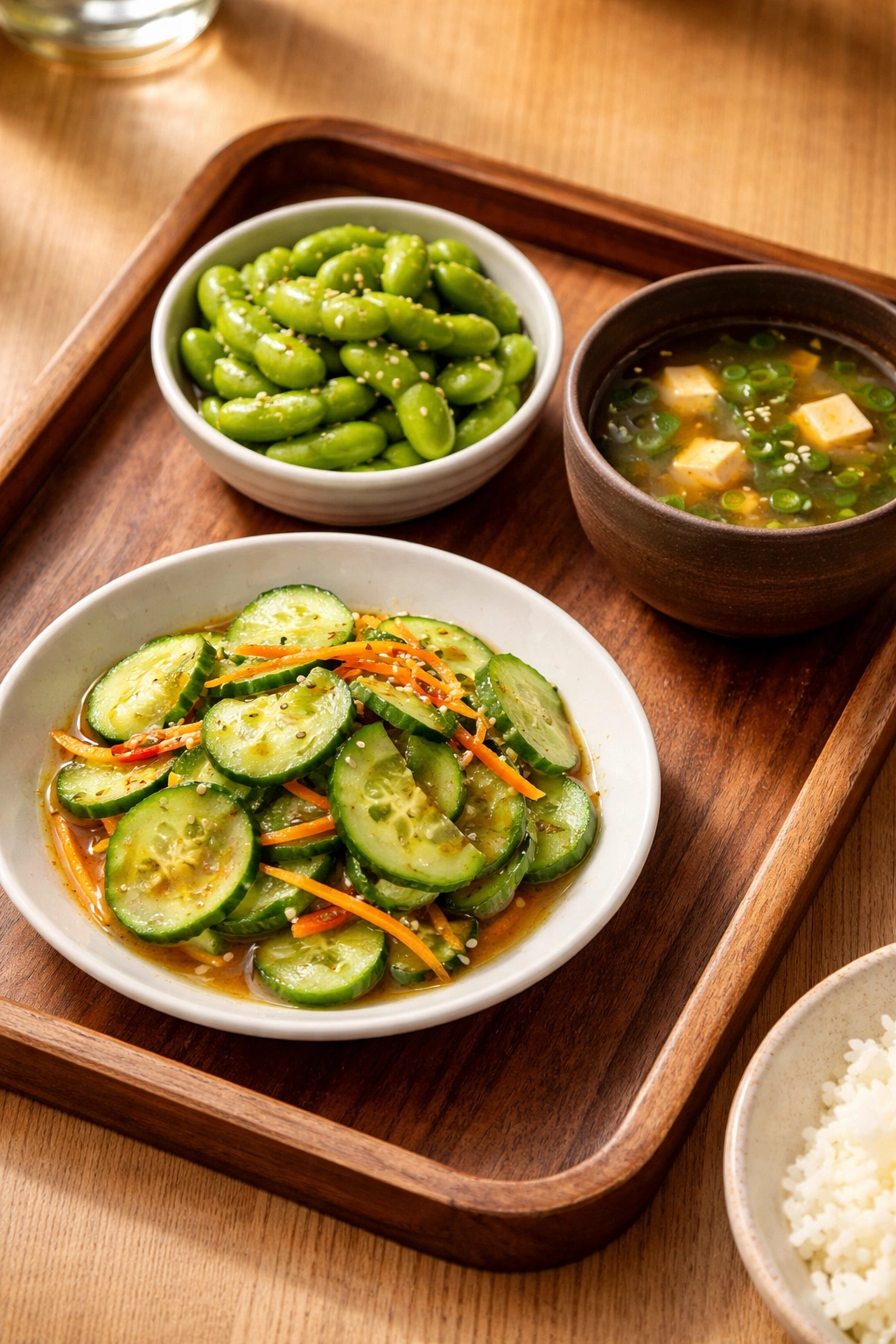
While this is a complete meal on its own, you might want to round out the table depending on who you’re serving and what feels right for the occasion. Edamame makes a light, protein-rich side that adds color and texture contrast. A simple salad with ginger dressing balances the richness of the stir-fry with something fresh and acidic. Cucumber salad with a light vinaigrette offers similar refreshing contrast.
Spring rolls or crispy wonton appetizers make natural pairings if you want to create a more substantial meal or impress guests. Steamed bok choy or sautéed spinach with garlic can serve as an additional vegetable component. Miso soup is traditional and wonderful alongside this dish, especially if you want something warm and comforting.
For beverages, consider sake, a light beer, or even sparkling water with lime. The meal is savory and aromatic enough to pair with almost anything. Avoid heavy red wines, which can clash with the ginger and sesame notes.
For presentation, serve the stir-fry mounded over rice in individual bowls rather than plates—it keeps everything warm and looks intentional rather than haphazard. The garnishes of green onion and sesame seeds aren’t just decoration; they add fresh flavor notes and textural interest that make the final dish feel finished.
Why This Meal Works Every Time
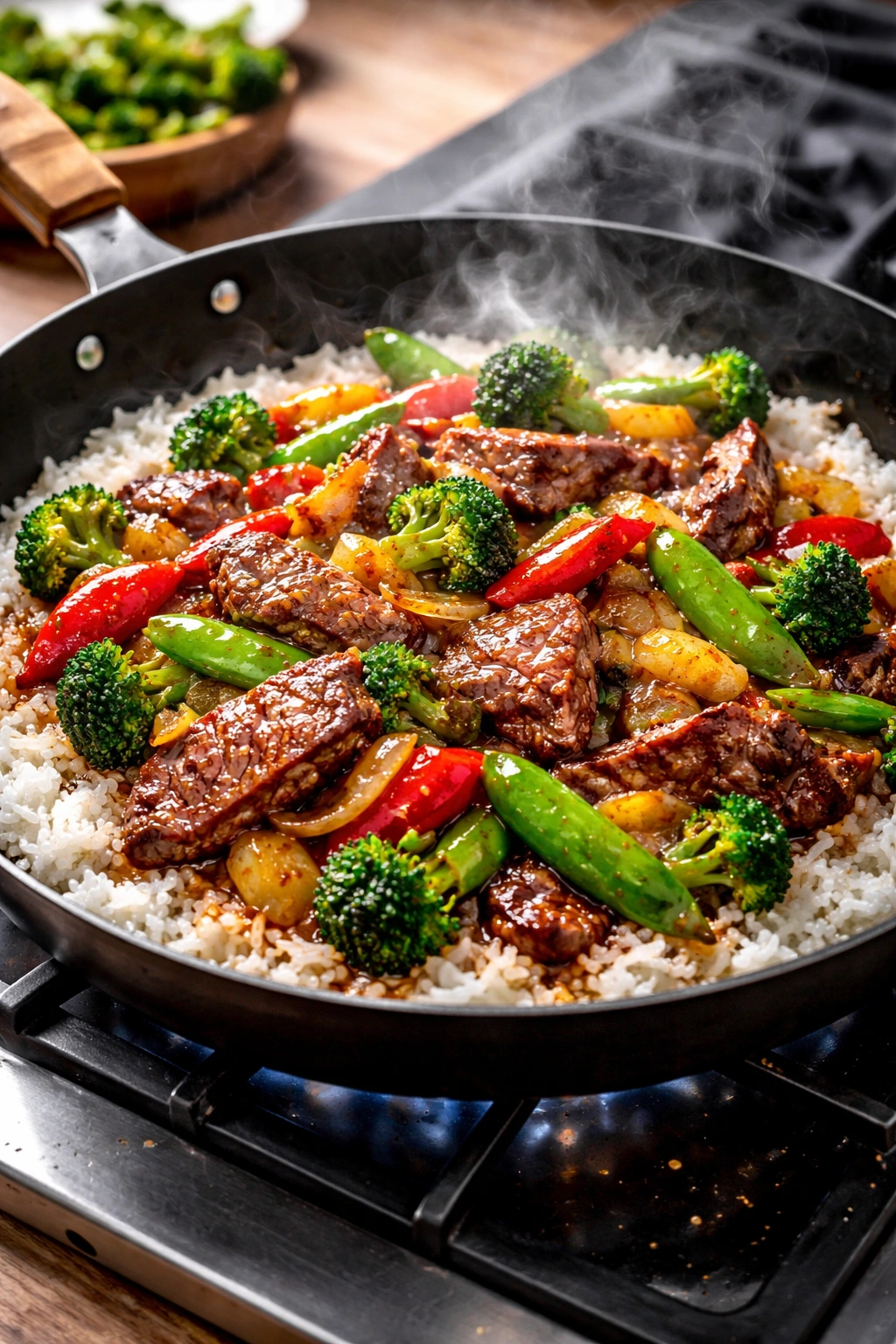
After making this steak stir-fry dozens of times, you start to understand what makes it so reliable. The high heat handles the timing—you can’t slowly cook vegetables when your pan is screaming hot. The sauce ties everything together into a cohesive whole rather than separate components. The combination of flavors—salty soy sauce, warm sesame, bright ginger, sweet brown sugar, acidic vinegar—creates balance that feels complete on a plate of rice.
Most importantly, this is food that tastes like it required effort and expertise, but it’s genuinely simple. You’re not doing anything technically complicated. You’re just applying proper heat, preparing ingredients thoughtfully, and understanding what sensory cues tell you when to move to the next step. That’s the entire secret, and once you’ve made it a few times, it becomes almost automatic.
The beauty of mastering one-pan steak stir-fry is that you’ll find yourself making it far more often than you expected. It’s faster than getting takeout, better for you, infinitely customizable, and the kind of dish that makes people think you’re a better cook than you actually are. That’s a win any way you measure it.
